Decorative Bowls from History

A variety of ancient bowls featuring decorative elements, including intricate patterns, floral scrolls, and archaeological significance.

Bowl with a pigeon and a pseudo-inscription border, anonymous, c. 900 - c. 999 Come of earthenware with white sludge and a painting in brown sludge under a transparent lead glaze. A pigeon on the bottom; The inner edge with a bond with pseudo-writing. Nishapur (possibly) earthenware. glaze painting / vitrification Come of earthenware with white sludge and a painting in brown sludge under a transparent lead glaze. A pigeon on the bottom; The inner edge with a bond with pseudo-writing. Nishapur (possibly) earthenware. glaze painting / vitrification
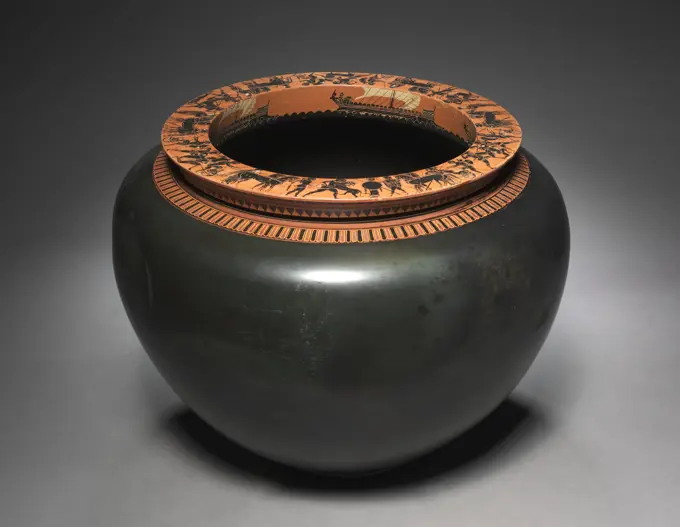
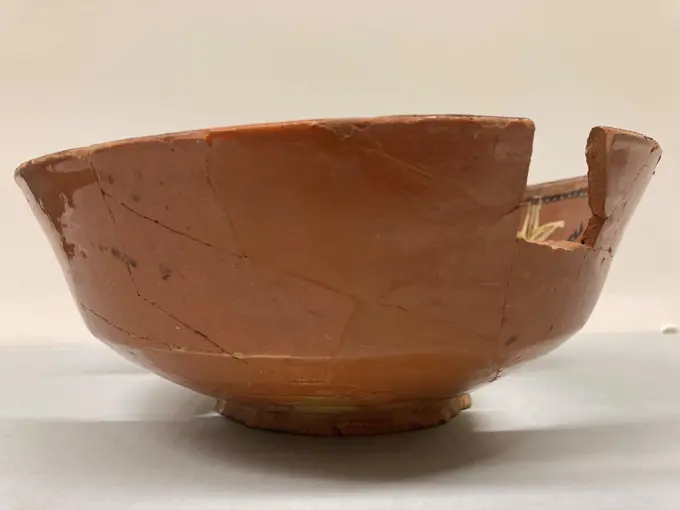
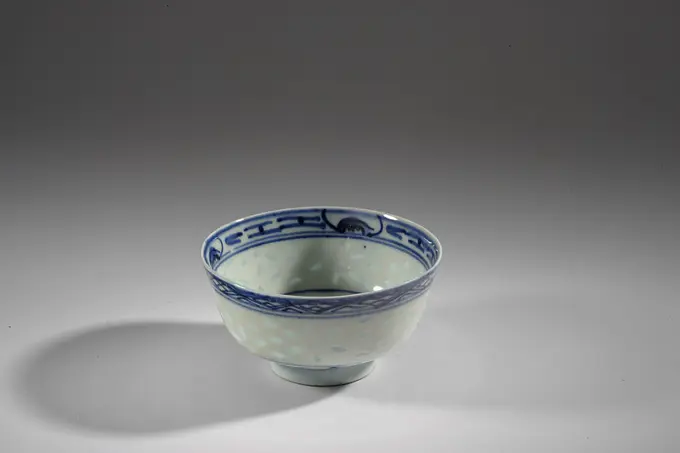
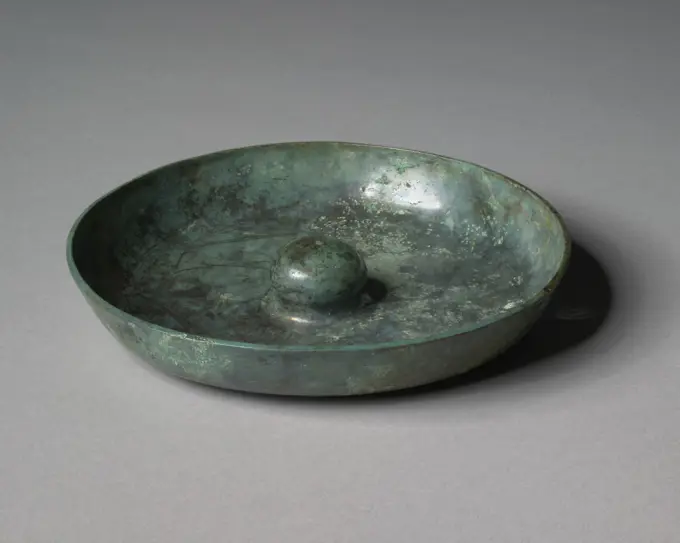
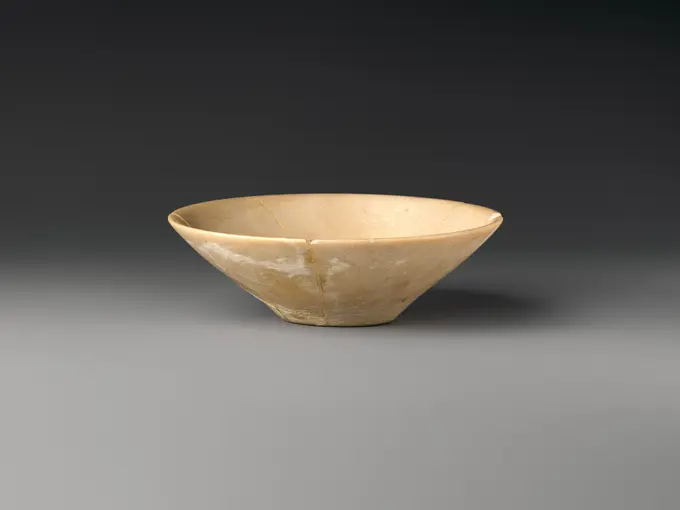
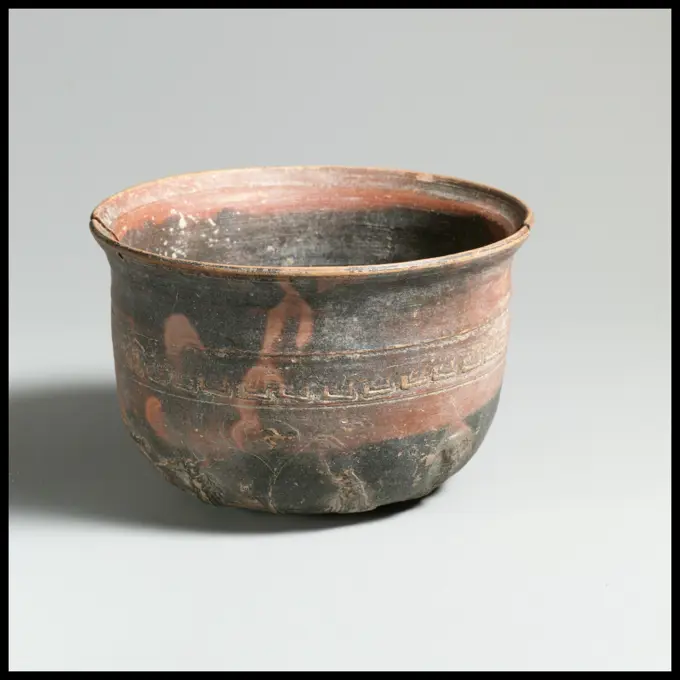
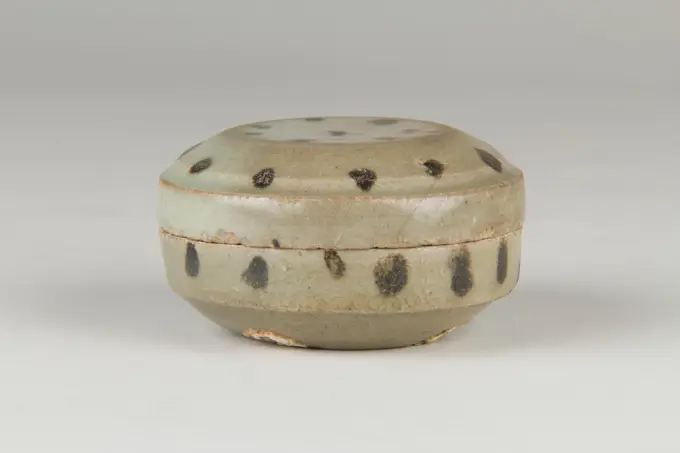
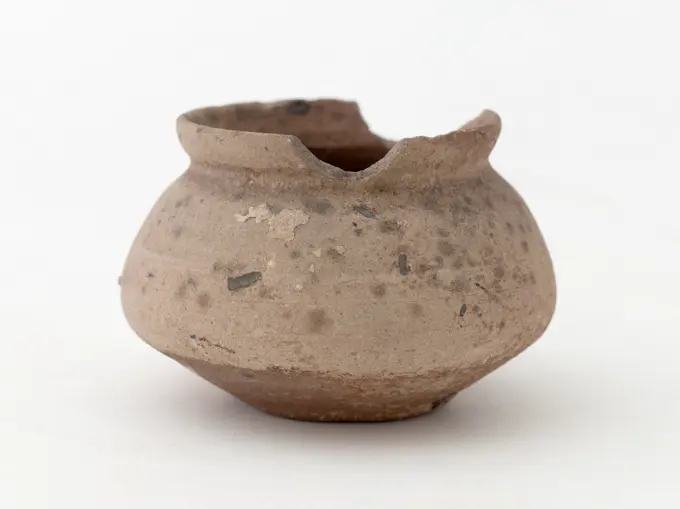
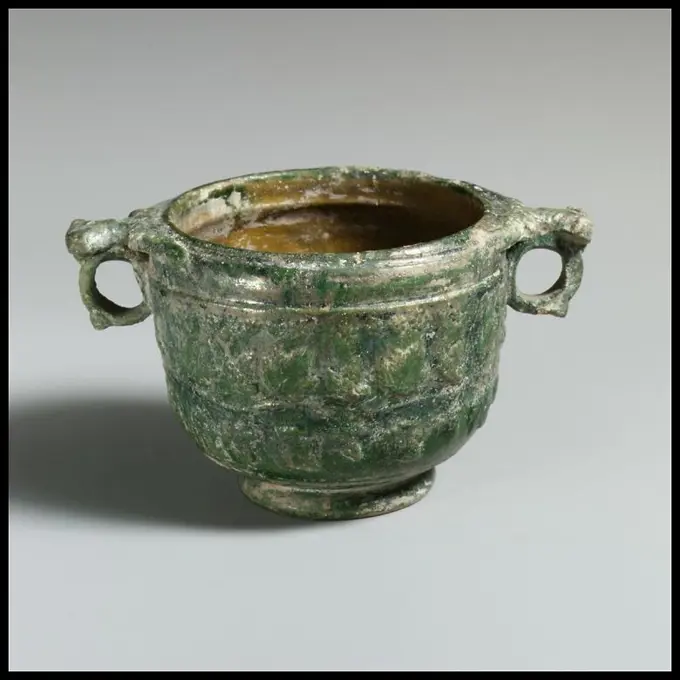
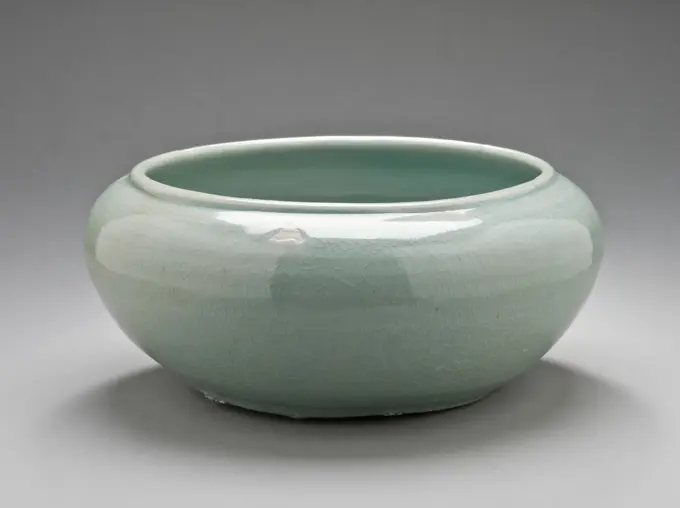
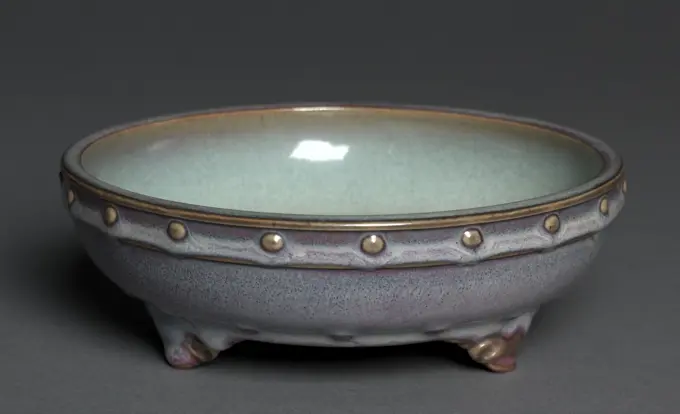
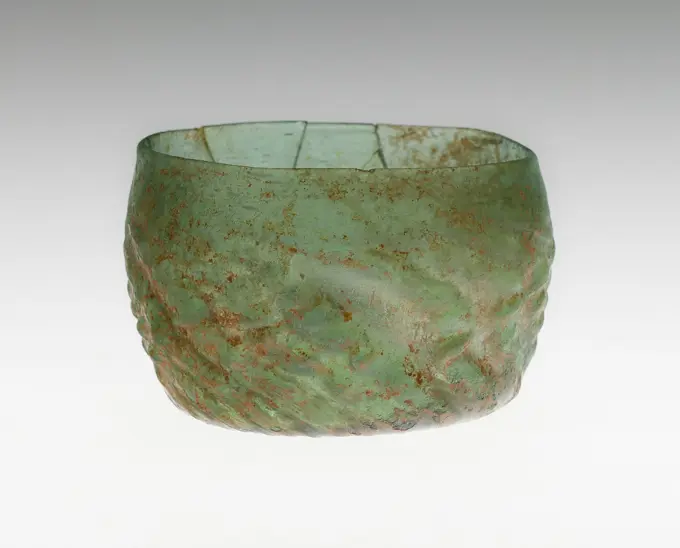
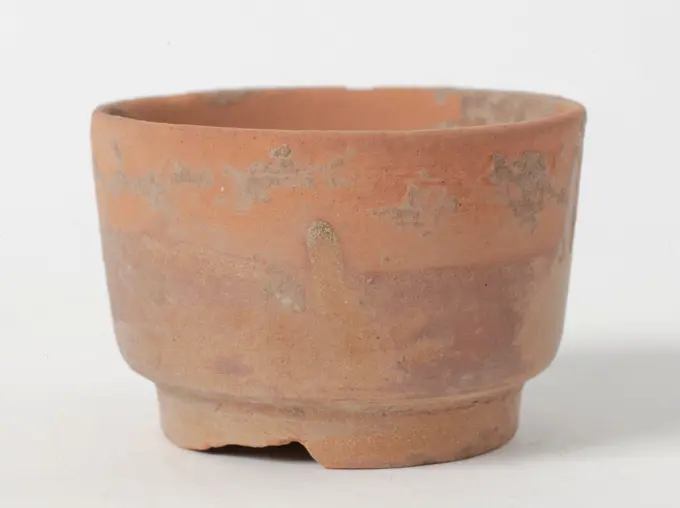
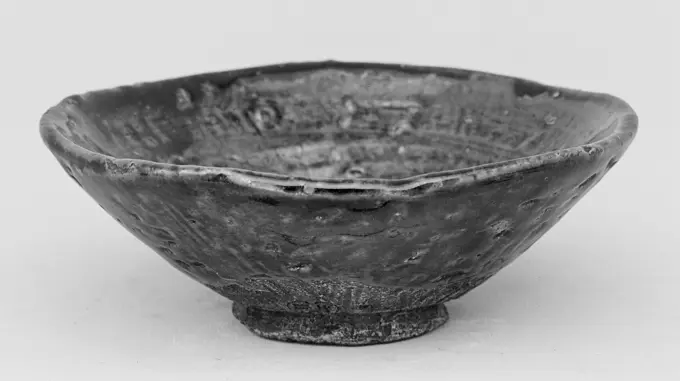
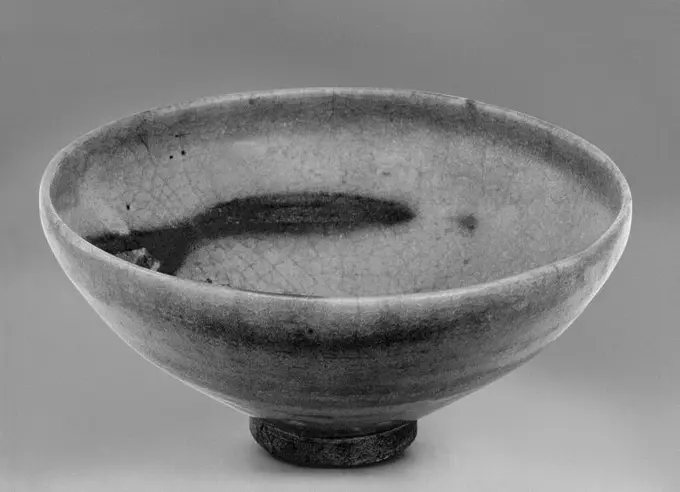
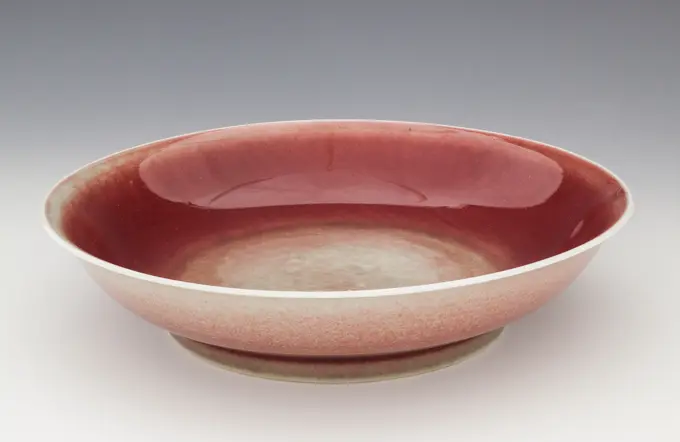
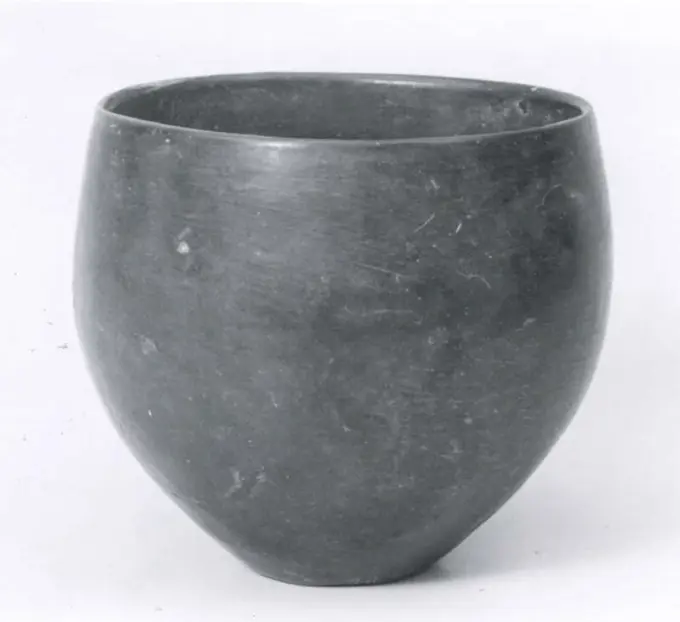
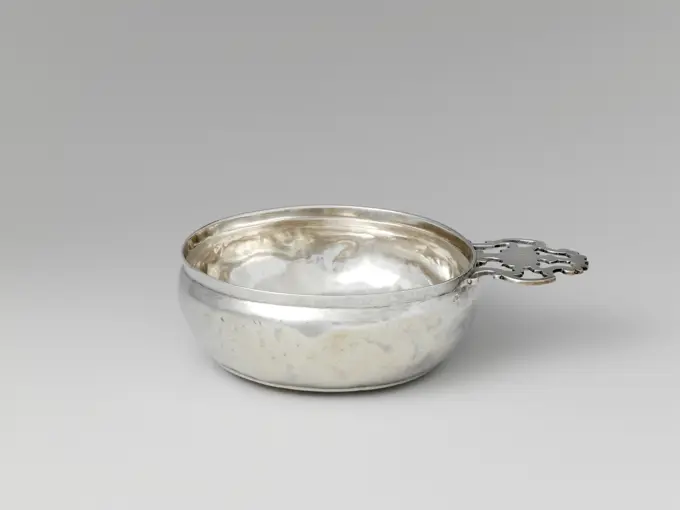
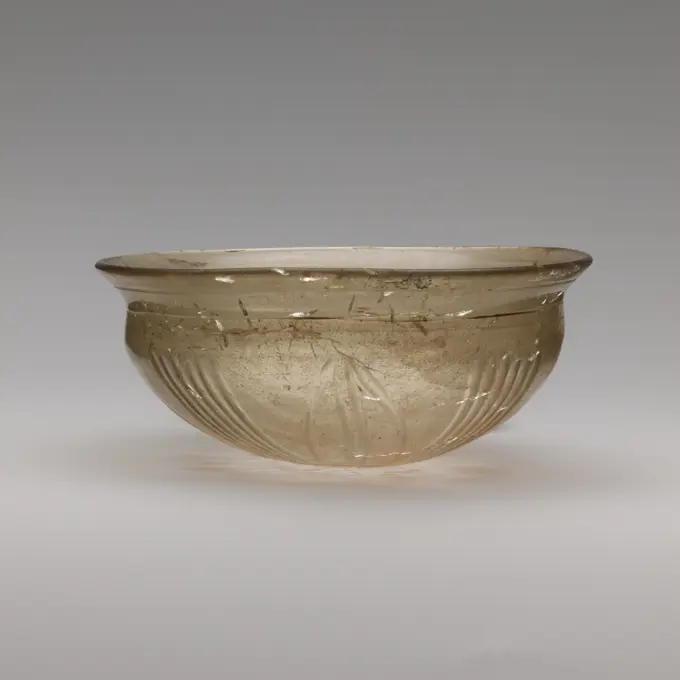
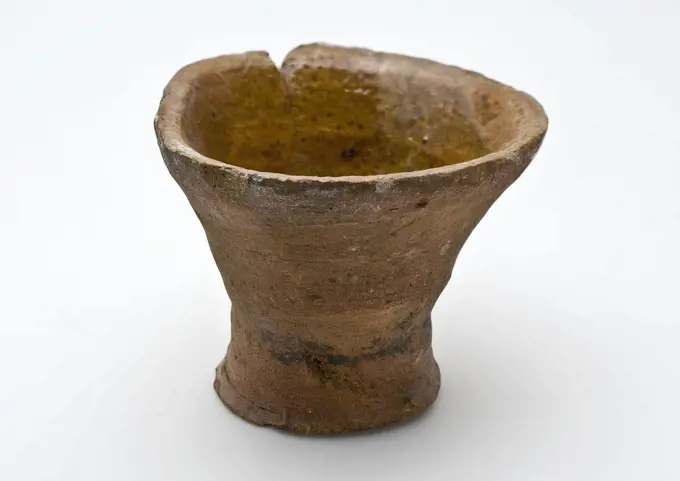
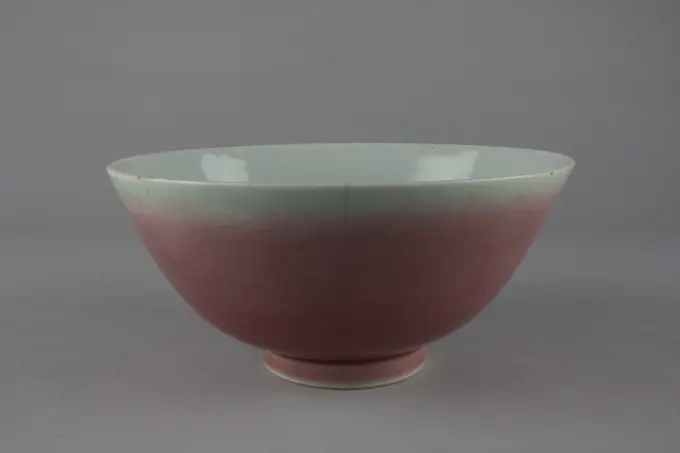
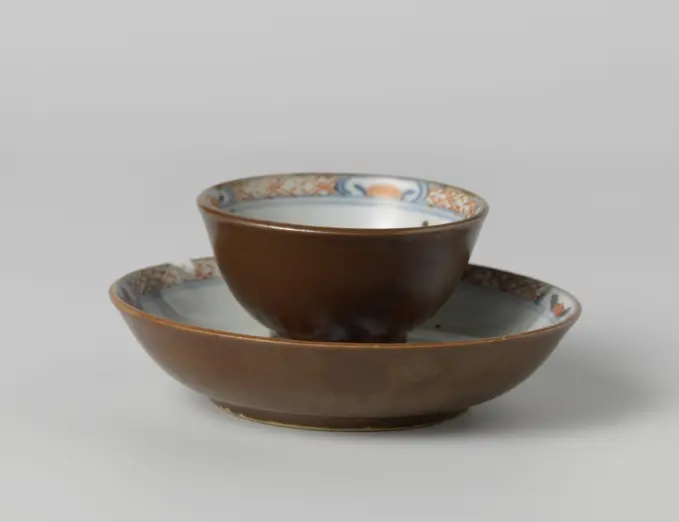
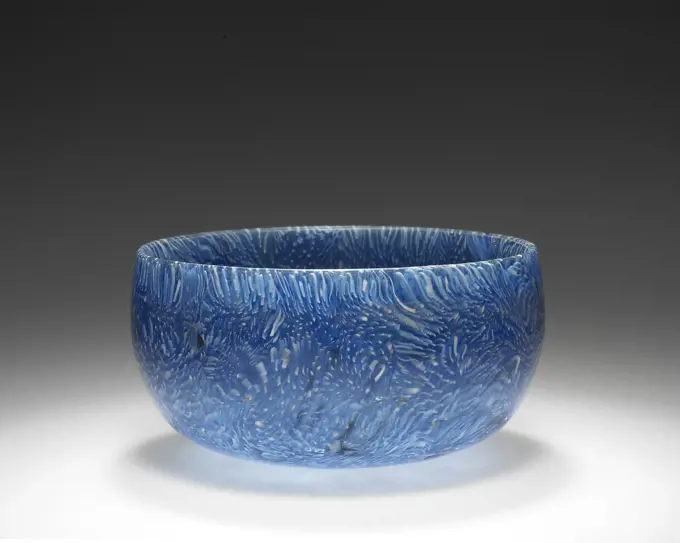
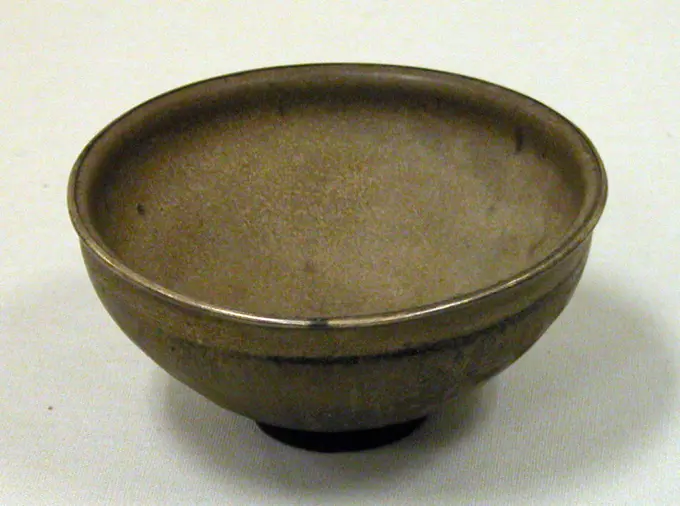
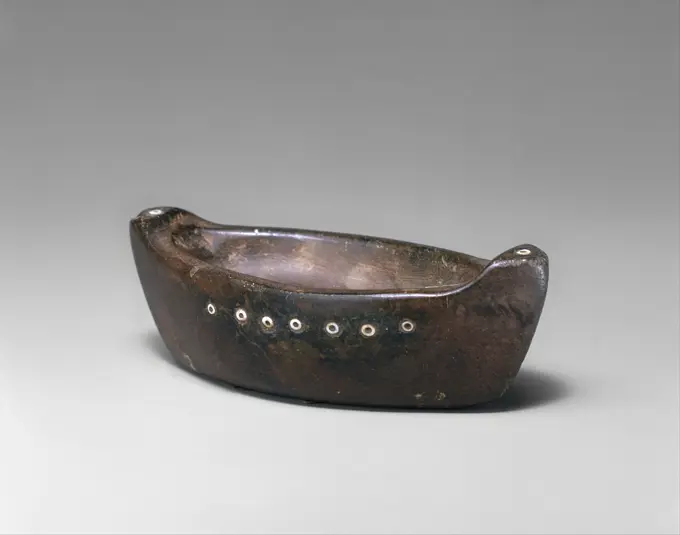
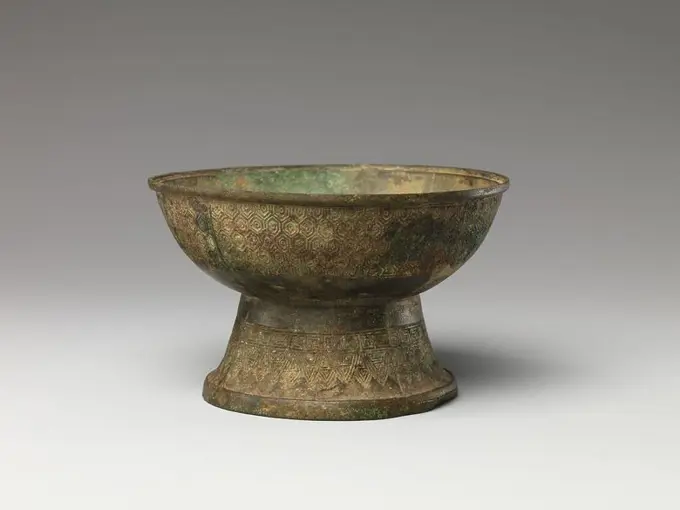
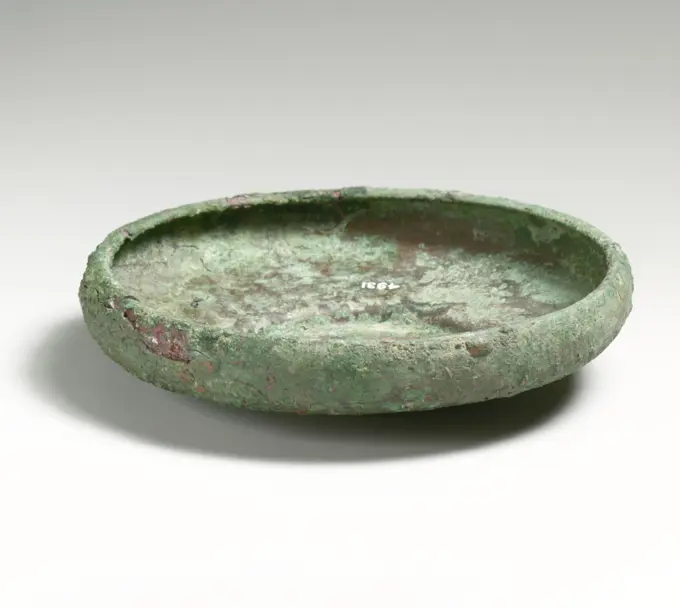
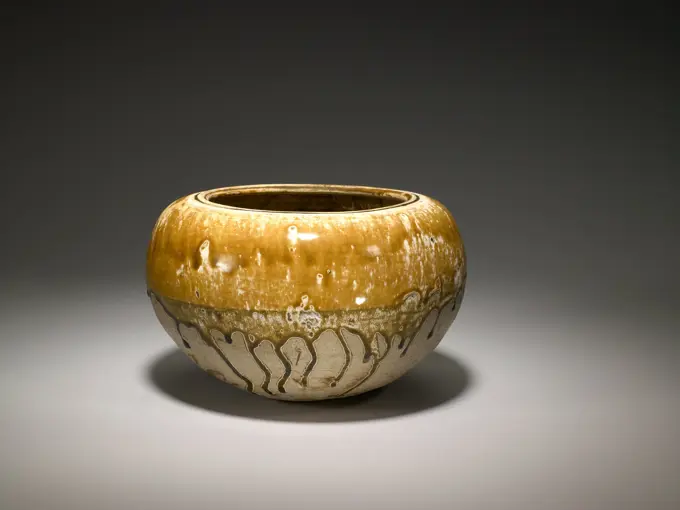
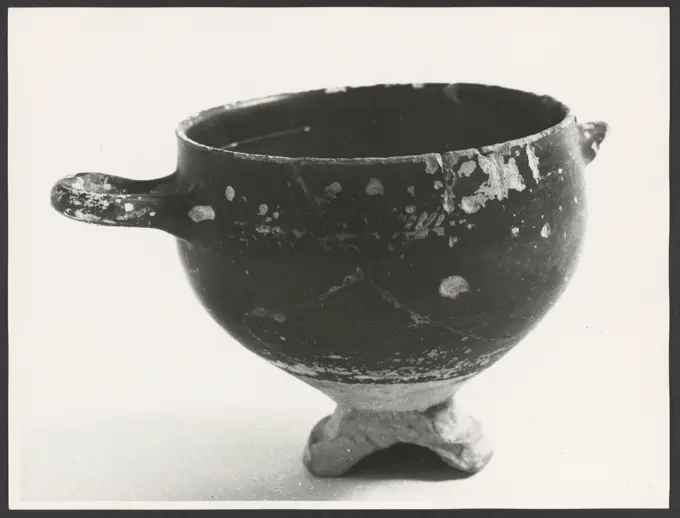
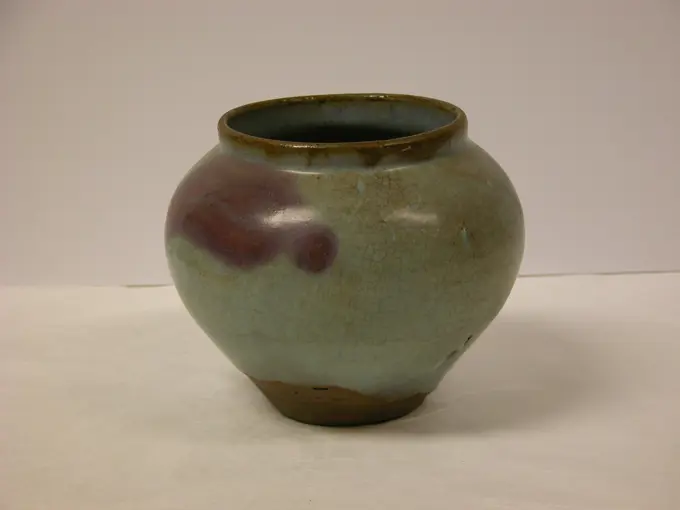
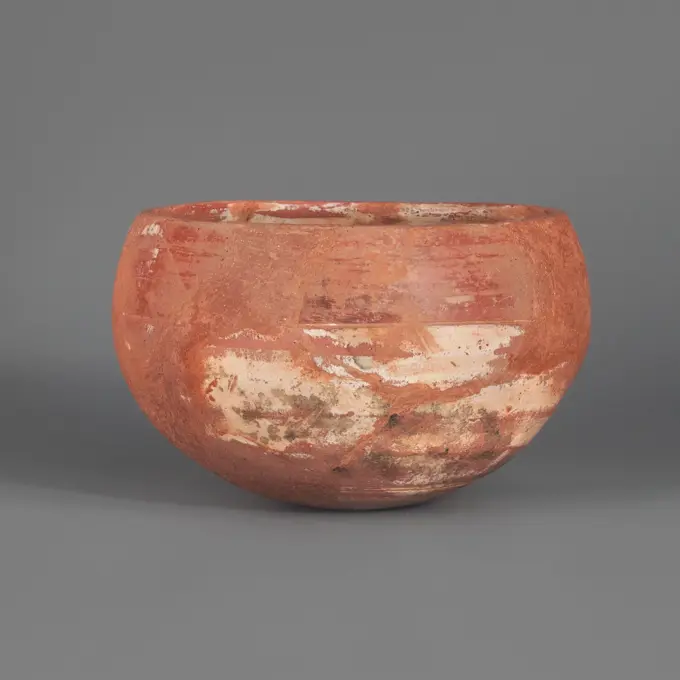
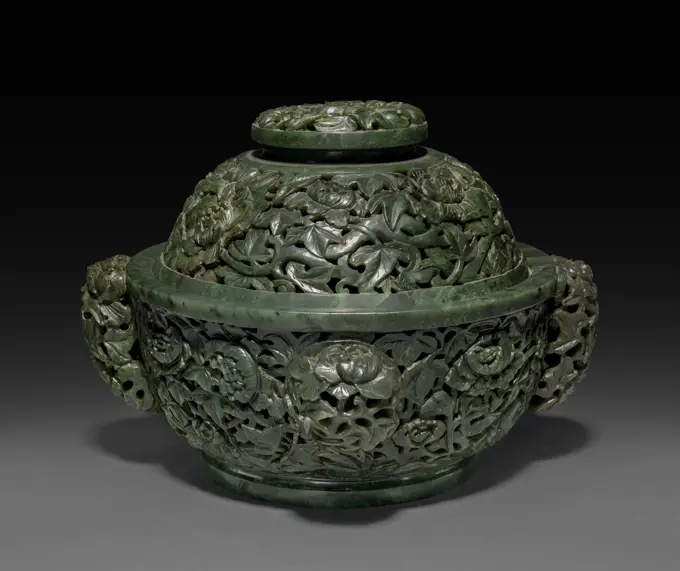
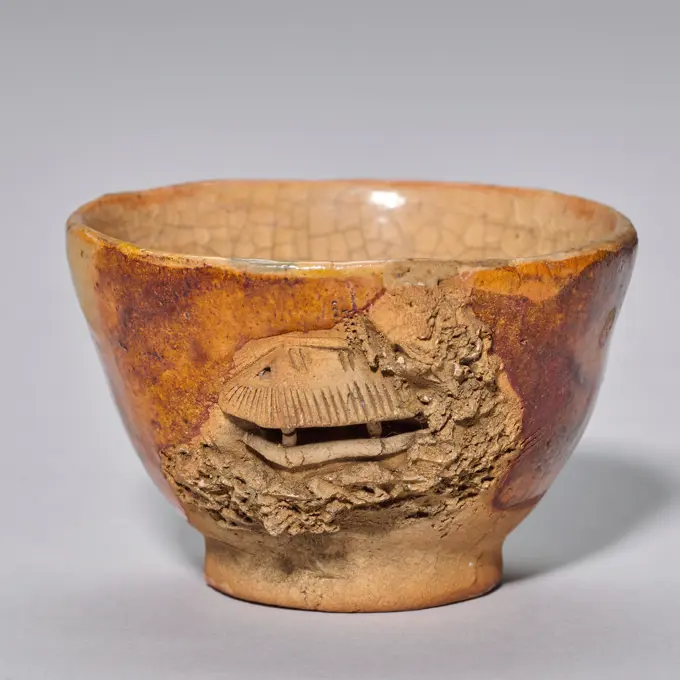
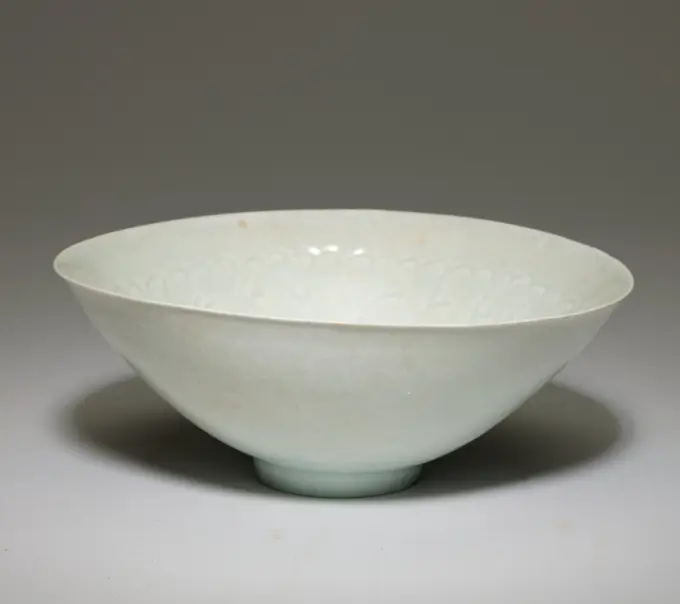
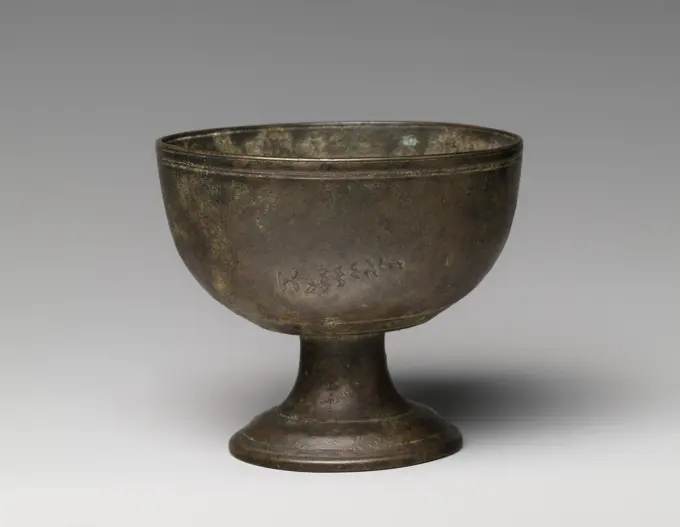
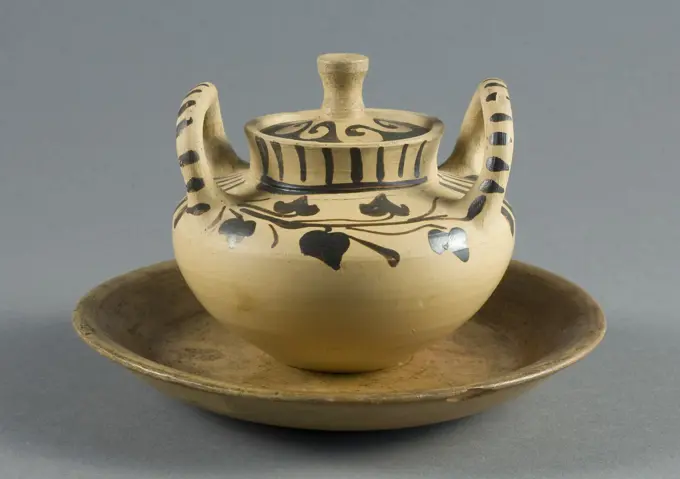
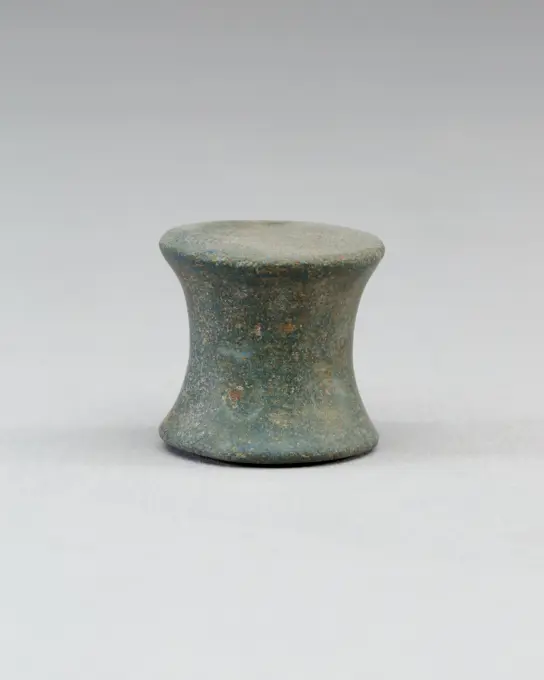
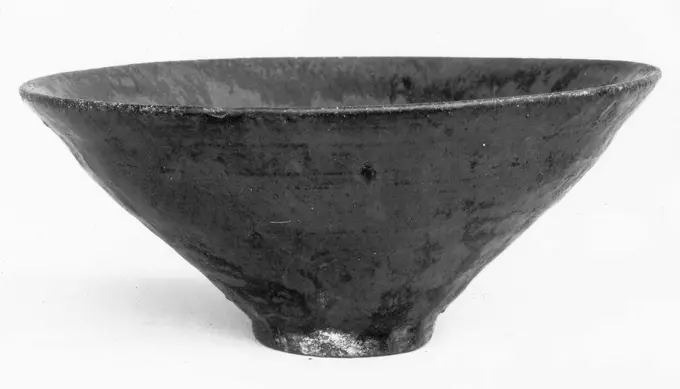
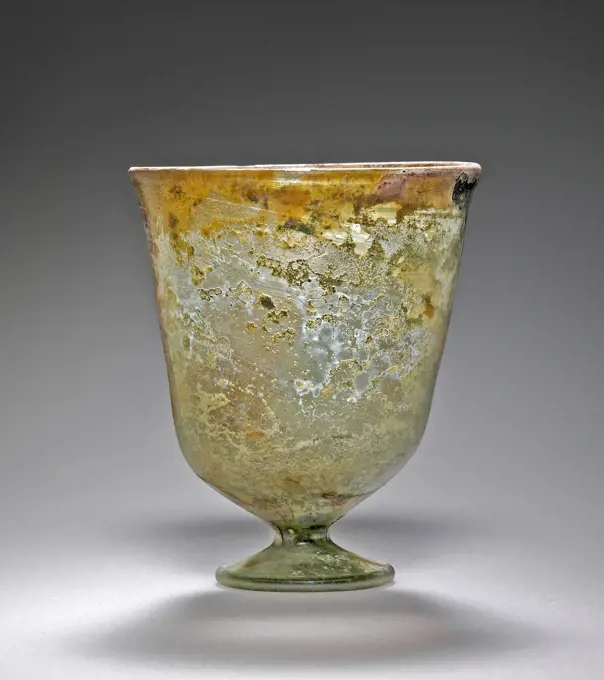
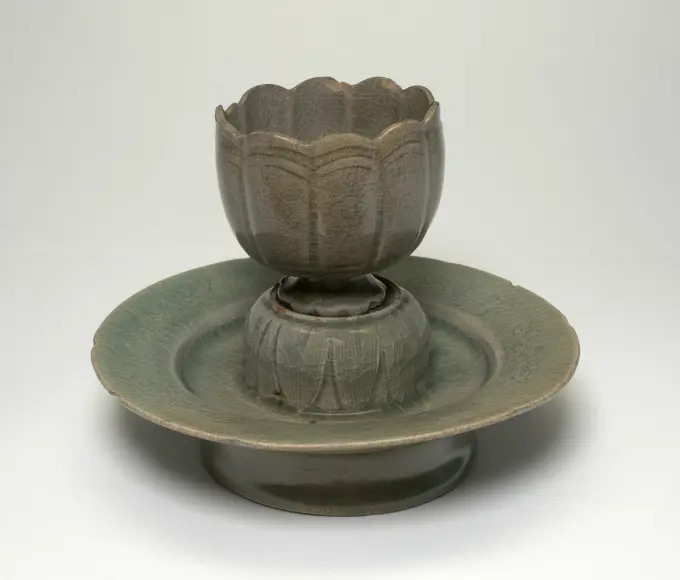
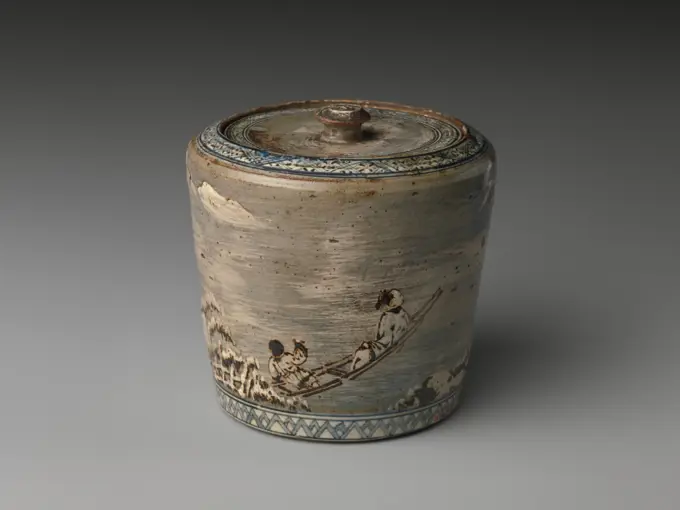
. Come from quartz frying, painted with stripes in blue under transparent alkali acid and with edge of pseudo script in black.Bowl - Portneuf potteryRound bowl Japan dated 1580 View more. Round bowl. Japan. dated 1580. Red and black lacquer; Negoro ware. Momoyama period (1573-1615). LacquerBlack-Figure Dinos (Mixing Vessel): Warships (Int.); Heroic Scenes (Top), c. 520-515 BC. Circle of Antimenes Painter (Greek, Attic, active c. 530-510 BC). Ceramic; diameter: 50.8 cm (20 in.); overall: 33.6 cm (13 1/4 in.); diameter of rim: 34 cm (13 3/8 in.).Bowl 10th century. Bowl 449786Small BowlDeep cup. unknown, craftsmanTerracotta cup. Culture: Greek, Attic. Dimensions: H. 1 3/4 in. (4.4 cm). Date: early 7th century B.C..From the Hymettos deposit (see 30.118.1)This type of Geometric cup, with flaring sides and a flat base, is known as a Phaleron cup, after the cemetery in that suburb of Athens where such pieces were found. Museum: Metropolitan Museum of Art, New York, USA.Phiale (Libation Dish), c. 500-400 BC. Greece, c. 5th Century BC. Bronze; diameter: 17.6 cm (6 15/16 in.).Bowl 4th-7th century Coptic. Bowl 478861Baking of red-brown earthenware, c. 1500 - c. 1700 Red-brown pottery. The container is on three by hand and spatula formed feet. On the outside of the convex wall and on the inside of the dish there are some yellow-brown glaze spots. The container is broken and glued in two. Netherlands earthenware Red-brown pottery. The container is on three by hand and spatula formed feet. On the outside of the convex wall and on the inside of the dish there are some yellow-brown glaze spots. The container is broken and glued in two. Netherlands earthenwareShallow bowl ca. 2700-2600 B.C. Sumerian. Shallow bowl. Sumerian. ca. 2700-2600 B.C.. Limestone. Early Dynastic II. Mesopotamia, NippurBowl. Byzantine, 11th-12th century. Furnishings; Serviceware. CeramicBowl; glassStand with perforated base 5th-6th century Korea. Stand with perforated base 39516Terracotta Megarian bowl 2nd century B.C. Greek, probably Boeotian Meander border framed by ridges, above a Dionysiac scene with trees, maenads, and saytrs.Mold-made bowls from Boeotia are often decorated in relief with Homeric themes and subjects drawn from Classical Greek tragedy. Although this bowl depicts a bucolic Dionysiac revel, its shape and the egg and dart wreath surrounding its foot suggest it too was made in Boeotia. The relief on the base is badly worn, but it could portray either Dionysos or a satyr crowned with grape leaves, as either would make a suitable counterpart to the primary figural scene on the bowl.. Terracotta Megarian bowl 253341Glass dish. Culture: Roman. Dimensions: Diam.: 13 1/2 in. (34.3 cm). Date: 4th-5th century A.D..Translucent purple.Tubular rim, folded out and down, forming flange covering side, with an inward fold at base; low convex curving side and broad floor to body, sloping gently downwards to tubular, inward-sloping foot ring, made by folding; flat bottom.One large hole in bottom, but complete otherwise; some pinprick bubbles; dulling and iridescent weathering.Violet, plain blown glass. Museum: Metropolitan Museum of Art, New York, USA.. .Incised Painted Bowl with Fox Motif 7th-5th century B.C. Paracas. Incised Painted Bowl with Fox Motif 308603Box and Cover 13th century Korea. Box and Cover 52084Glass beaker 2nd-3rd century A.D. Roman Translucent light green with yellowish tinge.Rounded, thickened rim, folded inwards; body with almost straight sides tapering downwards; integral, tubular base ring; slight kick in bottom with traces of large circular pontil mark.Intact; many pinprick bubbles; dulling, pitting, and iridescent weathering on exterior; thick patches of soil encrustation and weathering on interior.. Glass beaker. Roman. 2nd-3rd century A.D.. Glass; blown. Mid Imperial. GlassBeer pot, mid 20th century, 14 1/4 x 24 1/8 x 24 1/8 in. (36.2 x 61.28 x 61.28 cm), Clay, Tanzania, 20th centurySmall globular pot ". Terracotta. Vietnam-Xe-Xive s. Paris, Cernuschi museum. 72186-11 Vietnamese object, small globular pot, terracottaTerracotta scyphus (drinking cup). Culture: Roman. Dimensions: H. 2 7/8 in. (7.3 cm). Date: 1st half of 1st century A.D..Two-handled cup decorated with vine leaves and grapes. Museum: Metropolitan Museum of Art, New York, USA.Kantharos. South Italy, 4th - 3rd century B.C. (). Furnishings; Serviceware. TerracottaJar. Korea, Goryeo dynasty (918-1392), 12th century. Tools and Equipment; basins. Wheel-thrown stoneware with celadon glazeBulb Bowl: Jun Ware, 1300s-1400s. Northern China, Yuan dynasty (1271-1368) - Ming dynasty (1368-1644). Glazed stoneware; overall: 7 x 20.3 cm (2 3/4 x 8 in.).Bowl - Portneuf potteryBowl. Byzantine, 11th-12th century. Furnishings; Serviceware. CeramicBowl. Egypt, 10th century. Ceramics. Earthenware, glazed and luster-paintedDrinking Cup (Maigelein) 1301-1500 Germany. Green glass .Gobelet ". Red terracotta with Céladon covered. China, six dynasties (311-589). Paris, Cernuschi museum. Chinese art, Chinese ceramic, containing, time six dynasty, goblet, container, terracottaTeabowl 17th century Seisuke Japanese. Teabowl. Seisuke (Japanese). Japan. 17th century. Pottery decorated with glaze (Kyoto ware). Momoyama (1573-1615) or Edo period (1615-1868). CeramicsBowl China. Bowl 52680Bowl. Culture: China. Dimensions: H. 4 3/8 in. (11.1 cm); Diam. 8 7/8 in. (22.5 cm). Date: late 12th-13th century. Museum: Metropolitan Museum of Art, New York, USA.A bowl of a peach enamel plate unknownPainted bowl with geometric pattern 3rd-2nd century B.C. Paracas. Painted bowl with geometric pattern 308361Wine Cup, 14th-15th century, 1 13/16 x 4 in. (4.6 x 10.16 cm), Stoneware with celadon glaze, Vietnam, 14th-15th centuryCup ca. 3365-3030 B.C. Iran This cup has a narrow base, thin walls, and gently incurved sides. It is made of a dark gray clay which has been burnished. Wheel lines on the outside of the vessel indicate that it was made on a potters wheel.This cup was excavated at Tepe Hissar, near the modern city of Damghan in northern Iran. Tepe Hissar was primarily an agricultural settlement, with buildings made of mudbrick or simply mud walls. Archaeobotanical remains from the site indicate that the people living there grew wheat, barley, olives, grapes, lentils and other legumes. This cup probably belongs to the Hissar IIB period, dating to ca. 3365-3030 B.C. on the basis of radiocarbon dating. During this period there was a technically proficient ceramic industry at the site, producing well-formed vessels with thin walls. Although they featured no painted decoration like the earlier vessels from the site, they were burnished to create a glossy, almost shiny surface. But it is not known what thesePorringer 1720-30 William Cowell Sr.. Porringer 6677Cup. unknown, craftsmanGlass phiale (libation bowl) late 4th century B.C. Greek, Eastern Mediterranean Colorless with light yellow-green tinge.Flaring rim with rounded edge; concave neck; curving side, tapering sharply to convex bottom.On exterior, one horizontal cut groove on underside of rim; another uneven groove around neck; on side, extending to bottom, a pattern of four pointed petals, each with two parallel vertical grooves extending from base to apex, alternating with four vertical bands of six parallel grooves; on bottom, a circle disk with an six-pointed rosette at center.Intact, but with many internal strain cracks; pinprick bubbles; slight dulling and patches of faint iridescent weathering on exterior, some retaining impression of a pattern resembling woven textile.Rotary grinding marks on interior.. Glass phiale (libation bowl). Greek, Eastern Mediterranean. late 4th century B.C.. Glass; cast and cut. Late Classical or Early Hellenistic. GlassBowl late 4th-early 5th century Late Roman. Bowl 465746 Late Roman, Bowl, late 4thearly 5th century, Glass, Overall: 2 5/8 x 3 5/16 in. (6.6 x 8.4 cm). The Metropolitan Museum of Art, New York. Gift of J. Pierpont Morgan, 1917 (17.193.402)Georges Despret (1862-1952). Cut. Glass, glass paste. XIXth-XXth century. Museum of Fine Arts of the City of Paris, Petit Palais. 19th XIXth XIX 19th 19th 19th century, XXth XXth XX 20th 20th 20th centuryEarthenware, funnel-shaped model with one straight side, on stand foot, trough trough basin earthenware ceramics earthenware glaze lead glaze, hand turned hand shaped glazed baked earthenware bird drinking trough red shard interior covered with lead glaze. Pedestal with soul underside sloppy finish Dry tear in the upper rim for baking archaeological indigenous pottery poultry animal birdBarric ". Terracotta. Vietnam-Xe-Xive s. Paris, Cernuschi museum. 72185-10 Barrel, Vietnamese object, terracottaBowl.  Maker: Durant Kilns, American, 1910-1930Footed Bowl late 4th-early 5th century Frankish. Footed Bowl. Frankish. late 4th-early 5th century. Glass. Glass-Vessels"Opening of the Mouth" vessel of Perneb ca. 2381-2323 B.C. Old Kingdom An essential rite performed during the funeral ceremonies was the "Opening of the Mouth." Thought to have evoked the rituals carried out at the birth of a child, this served to restore the senses of the newly deceased (resident in spirit within the mummified body or a statue), so that he or she could once again breathe, speak, eat, drink, see, and hear.This vessel is part of a set used for this ceremony. It would have held milk, or salt or fresh water (see also 14.7.30; 14.7.92; and 14.7.94).For a complete set of implements for this ritual, see 07.228.117a-h.. "Opening of the Mouth" vessel of Perneb 547093Bronze bowl. Culture: Greek. Dimensions: H. 8.0 cm.diameter 12.5 cm.. Date: 5th-4th century B.C..Shallow bowl with a turned out lip. Shoulder decorated with a tongue pattern and the body with lotus petals. On the bottom, a rosette. Museum: Metropolitan Museum of Art, New York, USA.Terracotta stemless kylix (drinking cup). Culture: Greek, South Italian, Campanian. Dimensions: 2 1/4 x 8 1/4in. (5.7 x 21cm); diameter 5 1/2in. (14cm). Date: 4th century B.C..Stemless cup with stamped design. Museum: Metropolitan Museum of Art, New York, USA.Terracotta dish. Culture: Greek, South Italian, Campanian, Teano. Dimensions: diameter 11 5/16in. (28.7cm). Date: ca. 330-300 B.C..Stamped, incised and painted decorations. Museum: Metropolitan Museum of Art, New York, USA.Skyphos. Culture: Greek, South Italian, Apulian. Dimensions: H. 4 3/4 in. (12.1 cm)diameter 4 9/16 in. (11.6 cm). Date: ca. 325-300 B.C.. Museum: Metropolitan Museum of Art, New York, USA.Jar 101 CE-300 CE Mediterranean Region. Glass, blown technique . Ancient MediterraneanIncised Painted Bowl 7th-5th century B.C. Paracas. Incised Painted Bowl 308597Bowl Wendat/ Huron, Native American ca. 1700 View more. Bowl. Wendat/ Huron, Native American. ca. 1700. Wood. Made in Ohio, United StatesTerracotta pot. Vietnam, Thanh-Hoa, Han era. Paris, Cernuschi museum. 34992-16 Epoque han, pot, terracotta, Thanh-hoa, dishes, VietnamBowl late 18th century China. Bowl 46396Round Bowl,  1696Glass beaker. Culture: Roman. Dimensions: H.: 3 1/2 x 3 in. (8.9 x 7.6 cm). Date: 3rd-4th century A.D..Translucent blue green.Thickened rim, with slightly inverted, rounded lip; side tapering downwards on upper body, and then shaped into a rough square with hollow projecting corners; roughly square, concave bottom.On lower body, four deep indents, forming a star-like shape to interior.Intact; few bubbles; soil encrustation and root marks covering most of surfaces. Museum: Metropolitan Museum of Art, New York, USA.Large Bowl (Wan) with Floral Scrolls. China, Jiangxi Province, Jingdezhen, Chinese, Early Ming dynasty, 1368-1450. Furnishings; Serviceware. Wheel-thrown porcelain with red painted decoration under clear glazeCup. Eastern Mediterranean, 10th-11th century. Glass. Glass, free-blown with impressed decorationCup and saucer with flowering plants near a rock, anonymous, c. 1730 - c. 1770 Porcelain's head and saucer, partially covered with a brown enamel, painted in underly glaze blue and on the glaze in red and gold. On the flat of the dish flowering plants in a rock; the edge with servetwork interspersed with a flower branch in a cartouche; The outside is covered with a brown glaze; head with the same decoration. A chip in the edge of the dish. Chinese imari with monochrome brown. China porcelain. glaze. cobalt (mineral). gold (metal) painting / gilding / vitrification Porcelain's head and saucer, partially covered with a brown enamel, painted in underly glaze blue and on the glaze in red and gold. On the flat of the dish flowering plants in a rock; the edge with servetwork interspersed with a flower branch in a cartouche; The outside is covered with a brown glaze; head with the same decoration. A chip in the edge of the dish. Chinese imari with monochrome brown. China porcelain. glaze. cobCupBowl; Workshop in the Eastern Mediterranean, Italy; 1st century B.C; Glass; 5.2 x 10.2 cm (2 1,16 x 4 in.)Teabowl Japan. Teabowl 63091Bowl. Come from quartz frying goods decorated with inscription and stylized birds on the inner wall and bottom in luster on the surface of white enamel on the inside and from blue enamel on the outside.Canoe 16th-17th century Chumash. Canoe 320847Bowl. Culture: China. Dimensions: H. 2 11/16 in. (6.8 cm); Diam. 4 7/17 in. (11.3 cm). Museum: Metropolitan Museum of Art, New York, USA.Jean Mayodon (1893-1967). Cut. Earthenware. 1917. Museum of Fine Arts of the City of Paris, Petit Palais. COUPE Cup, FaienceCovered Box. Thailand, Sawankhalok, 16th century. Furnishings; Accessories. Stoneware with incised decoration and partial brown glazeBowl Cypriot. Bowl 244481Bracelet. Northeastern Thailand, Ban Chiang culture, 300 B.C.-A.D. 150. Jewelry and Adornments; bracelets. Copper alloy with herringbone designsWater Container (Pan). China. Date: 750 BC-650 BC. Dimensions: H. 12.4 cm (4 7/8 in.); diam. 35.6 cm (14 in.). Bronze. Origin: China. Museum: The Chicago Art Institute, Chicago, USA.Dish with Petal-Lobed Rim, Stylized Peony, and Sickle-Leaf Scrolls. China. Date: 1000-1127. Dimensions: H. 2.0 cm (13/16 in.); diam. 11.4 cm (4 1/2 in.). Yaozhou ware; stoneware with underglaze molded decoration. Origin: China. Museum: The Chicago Art Institute, Chicago, USA.Alms Bowl, late 6th century, 6 x 9 in. (15.24 x 22.86 cm) (estimated), Stoneware with celadon glaze over white slip, China, 6th century, The shape of this elegant, volumetric bowl, with its simple, bold form is probably derived from metalwork introduced from Persia or Central Asia. The style of bowl was originally used in Indian Buddhist practice. The begging bowl (bo) was a monk's necessity and the Chinese produced them in metal, lacquer, and ceramic. The ceramic versions were for daily use and the spontaneously applied glaze with runs and drips was a style favored in the sixth century, especially during Northern Qi (550-577).Oil Bottle with Chrysanthemum Flower Heads 1265-1299 Korea. Celadon-glazed stoneware with underglaze inlaid decoration of black and white clays .Bowl China. Bowl. China. Nephrite, white with greenish tint. Qing dynasty (1644-1911), Kangxi period (1662-1722). JadeLazio Latina Sezze Antiquarium Comunale73. Hutzel, Max 1960-1990 German-born photographer and scholar Max Hutzel (1911-1988) photographed in Italy from the early 1960s until his death. The result of this project, referred to by Hutzel as Foto Arte Minore, is thorough documentation of art historical development in Italy up to the 18th century, including objects of the Etruscans and the Romans, as well as early Medieval, Romanesque, Gothic, Renaissance and Baroque monuments. Images are organized by geographic region in Italy, then by province, city, site complex and monument.Jar China. Jar 48481Urn and cover. Cramics. Song. Vietnam. Paris, Muse Cernuschi. Urn and lid Asian art, art of extreme orient, art of Vietnam, Vietnamese art, dishesBowl; Unknown Nubian workshop; 2. PO. VI century (551-00-00-600-00-00);Nubian ceramics, geometric decorations, painted decorations, crosses, bowls, nubian vessels, nubian dishes paintedIncense Burner, 1736-95. China, Qing dynasty (1644-1911), Qianlong reign (1736-95). Jade; overall: 14.6 cm (5 3/4 in.).Satsuma tea cup, c. 1900, Unknown Japanese, 2 1/2 x 3 x 3 in. (6.35 x 7.62 x 7.62 cm), Satsuma ware; glazed stoneware, Japan, 19th centuryBowl, 12th-13th century, 3 3/16 × 8 3/16 × 8 1/16 in. (8.1 × 20.8 × 20.48 cm), Porcelain with yingqing glaze, China, 12th-13th centuryTerracotta tripod pyxis (box). Culture: Greek, Corinthian. Dimensions: H.: 2 1/8 in. (5.4 cm)Diam.: 4 1/2 in. (11.4 cm). Date: 2nd half of the 6th century B.C..Decorated with lotus buds. Museum: Metropolitan Museum of Art, New York, USA.Lamp. Dimensions: h. 5.8 cm (2 5/16 in); diam. 9.5 cm (3 3/4 in). Dynasty: Dynasty 12 mid-13. Date: ca. 1950-1550 B.C.. Museum: Metropolitan Museum of Art, New York, USA.Chalice 2nd-4th century India. Chalice. India. 2nd-4th century. Bronze. Kushan or early Gupta period. MetalworkMiniature Pyxis (Container for Personal Objects) 300 BCE-270 BCE Cales. The shoulder of this vase is decorated with a black ivy wreath with complex runners. Black lines appear on the handles and between them, as well as on the short neck.. terracotta, with silhouette decoration . Ancient GreekSpool-Shaped Game Pieces from Neferkhawet's Tomb ca. 1504-1447 B.C. New Kingdom A family tomb, established by a man named Neferkhawet, was excavated by the Egyptian Expedition of the Metropolitan Museum of Art in 1935. One of the last people buried in the tomb was a woman whose name was not recorded on any of the objects in the tomb. Inside her coffin was an incomplete set of gaming pieces, five spool-shaped like this one and five conical. These would have been used to play the games senet and 20-squares. No trace of an accompanying game box was recorded by the excavators. The coffin itself was badly damaged by rot and insects, so remains of a wooden game box may have been indistinguishable from the coffin.The five conical game pieces are quite uniform in shape, size, and color. Four of the spool-shaped pieces are also quite similar, but the fifth is different enough that it may have been a replacement piece.. Spool-Shaped Game Pieces from Neferkhawet's Tomb. ca. 1504-1447 B.C.. FaiencBowl 11th-12th century Korea This is a rare example of a Goryeo -period blackglazed bowl, which imitates Jian ware ceramics from Southern China.. Bowl 57439Marina Gemmata vase by Ercole Barovier (1889-1974)Eucharist plate with an inscription meaning ""Queen"" or ""Saint Regina"", leadCup. Culture: China. Dimensions: H. 2 in. (5.1 cm); Diam. 4 in. (10.2 cm). Date: first half of the 19th century. Museum: Metropolitan Museum of Art, New York, USA.Cup; Eastern Mediterranean; 4th - 5th century; Glass; 9 x 7.5 cm (3 9,16 x 2 15,16 in.)Lobed Cup and Stand with Floral Sprays and Stylized Leaves 918 CE-1392 Korea. Celadon-glazed stoneware with underglaze carved and incised decoration .Pottery cooking pot, grape-model, red shard with lead glaze, two vertical bands, on three legs, cooking pot tableware holder utensils earthenware ceramics earthenware glaze lead glaze, hand-turned glazed baked Pottery cooking pot grape-model red shard with lead glaze two at the top pinched bandoliers three legs underside unglazed Single rotating arms around the shoulder archeology native pottery food prepare cooking food cuisineWater jar ca. 1705 Ogata Kenzan Japanese. Water jar 63313Vessel Made 3000 BCE-2181 BCE Egypt. Calcite . Ancient Egyptian