Decorative Bowls from History

An array of historic bowls made from various materials, showcasing unique glazes and intricate designs across different eras.
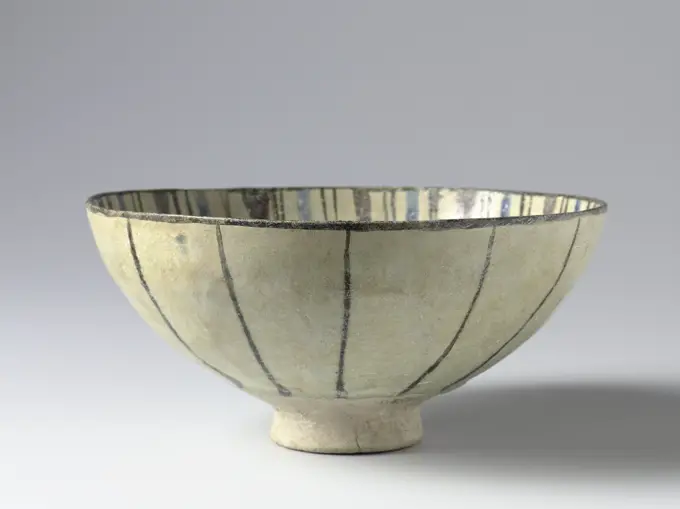
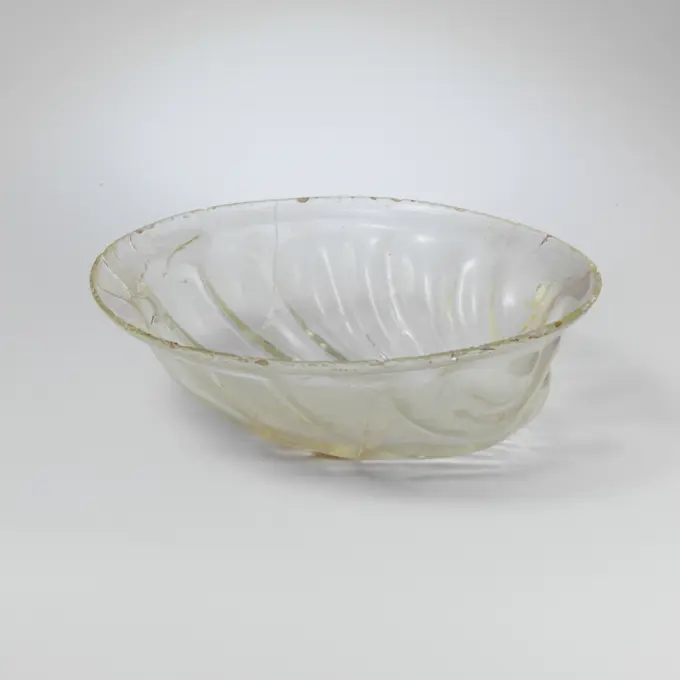
Bowl with a star among radial lines, anonymous, c. 1300 - c. 1399 Come from quartz fritry, decorated in colors a star surrounded by radial lines under the transparent alarm laze. Iran earthenware. glaze. cobalt (mineral) painting / vitrification Come from quartz fritry, decorated in colors a star surrounded by radial lines under the transparent alarm laze. Iran earthenware. glaze. cobalt (mineral) painting / vitrification
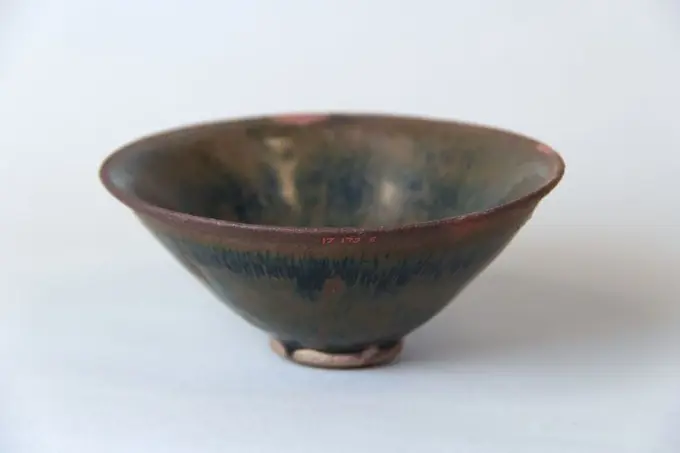
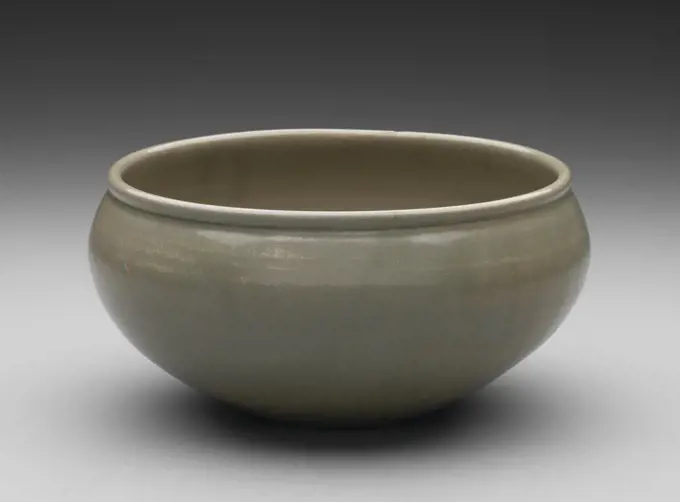
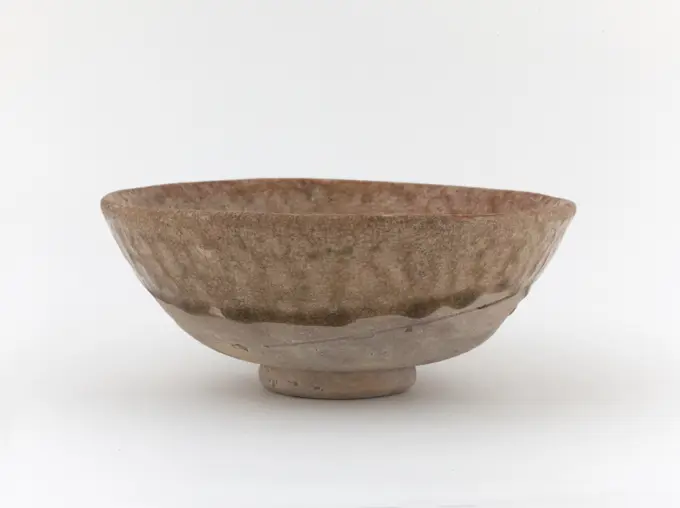
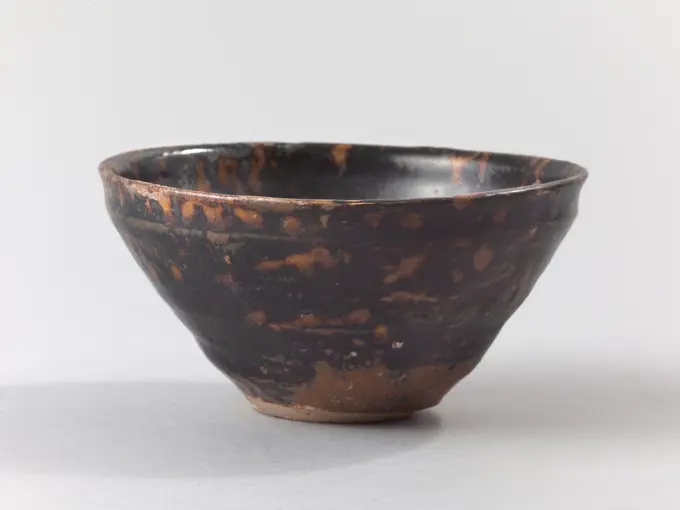
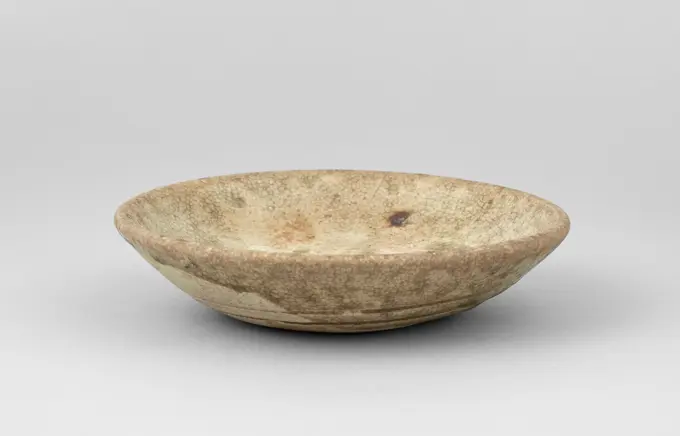
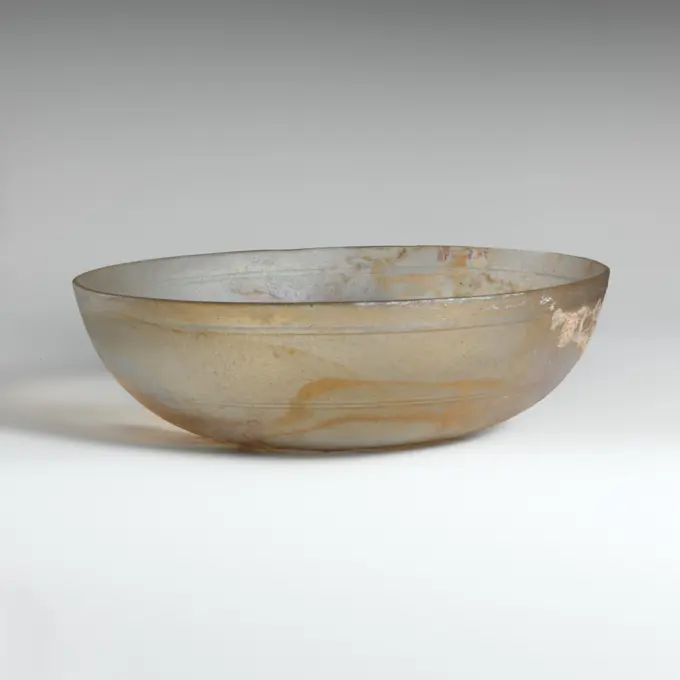
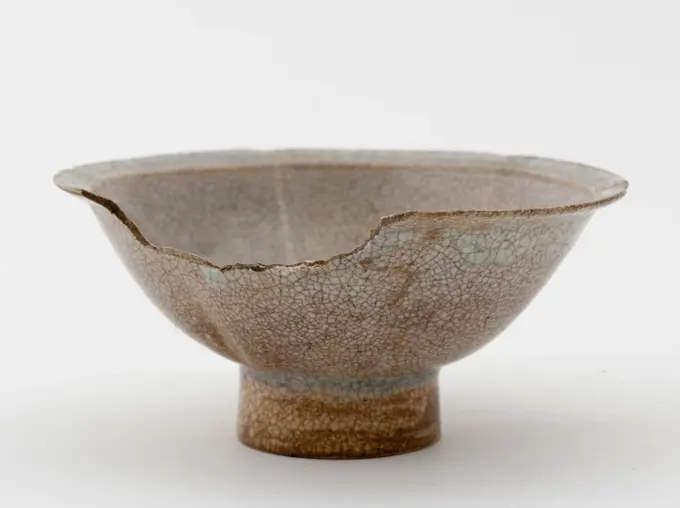
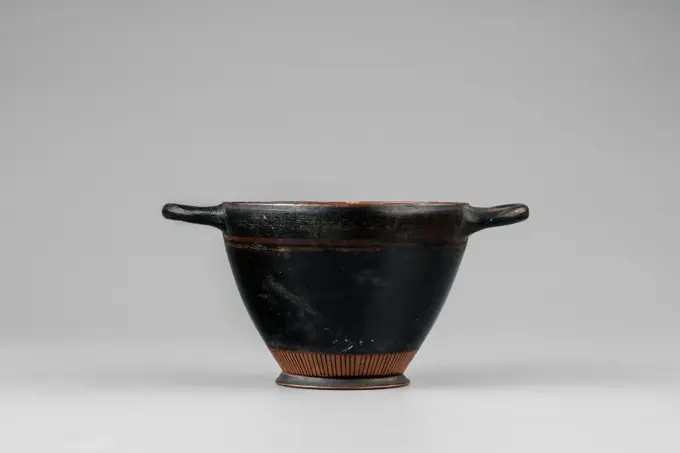
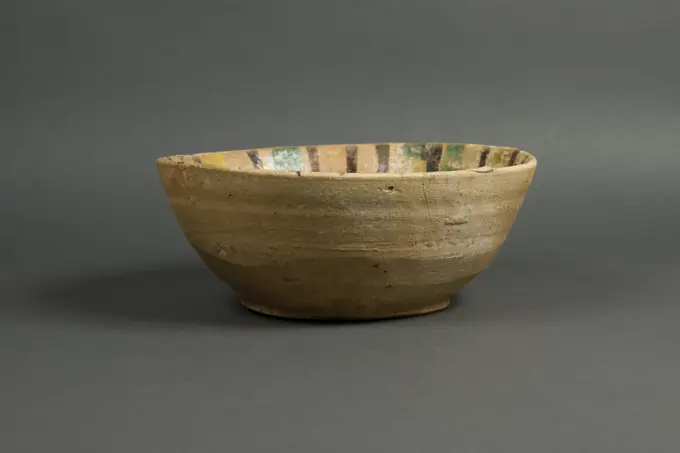
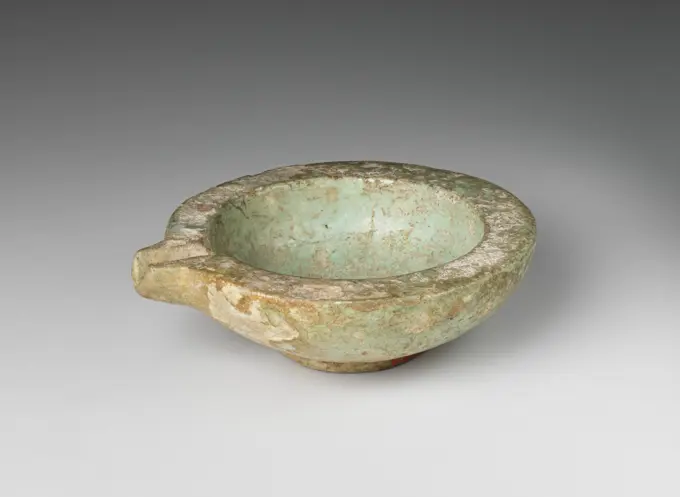
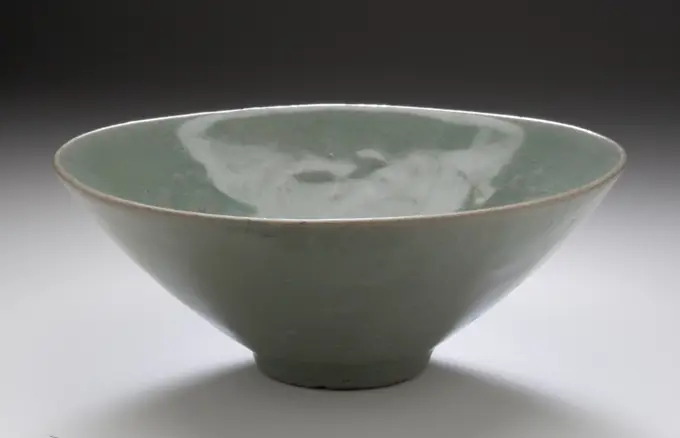
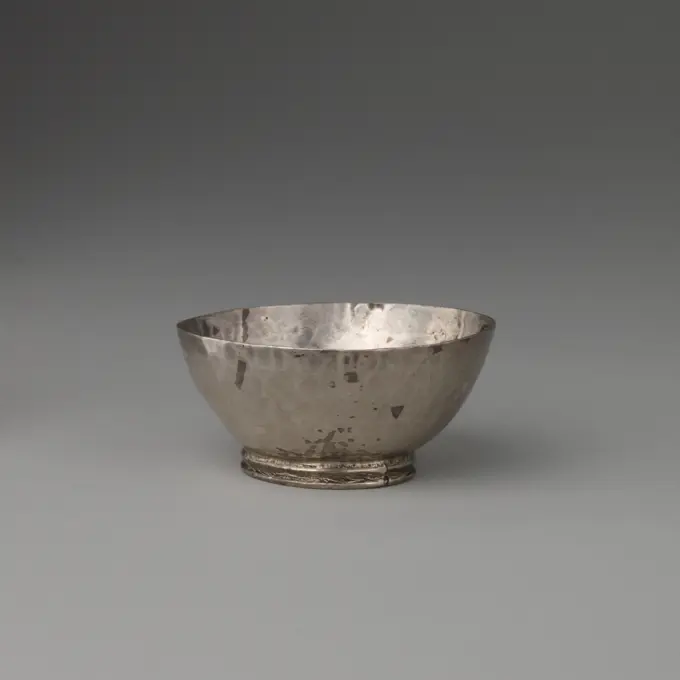
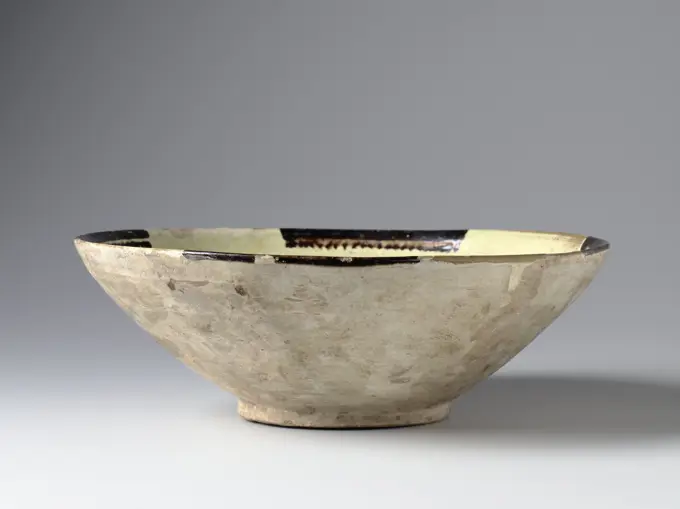
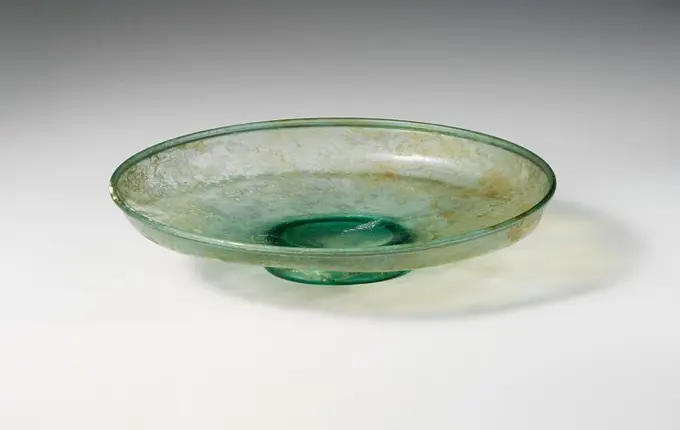
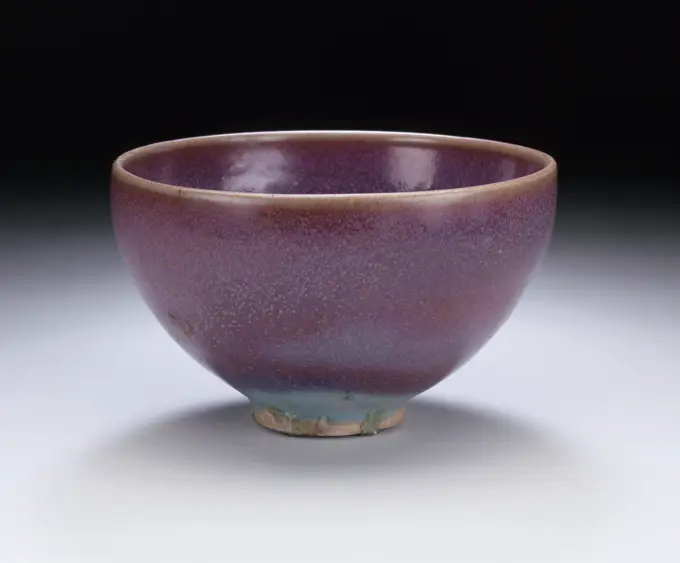
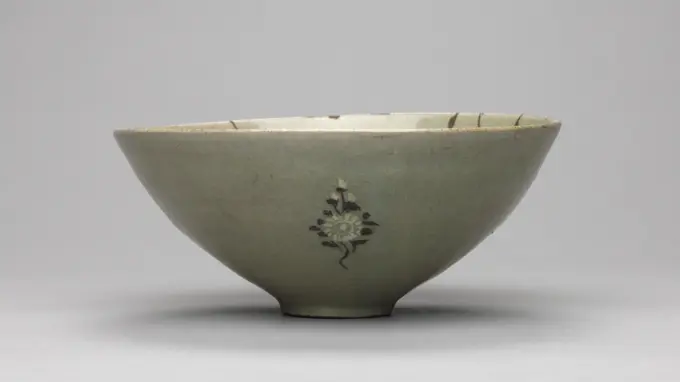
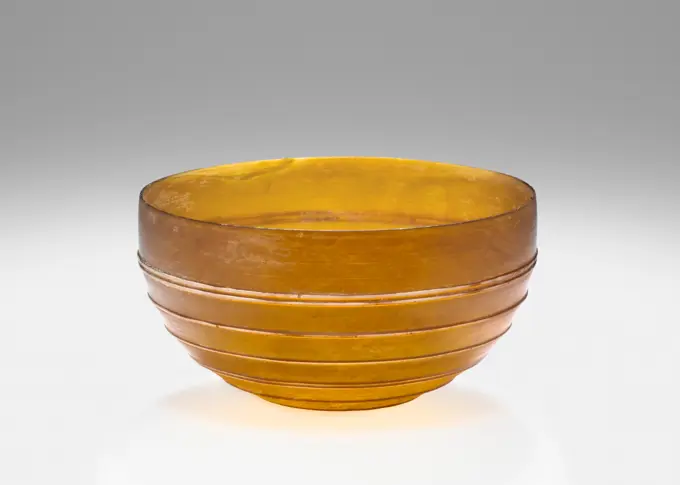
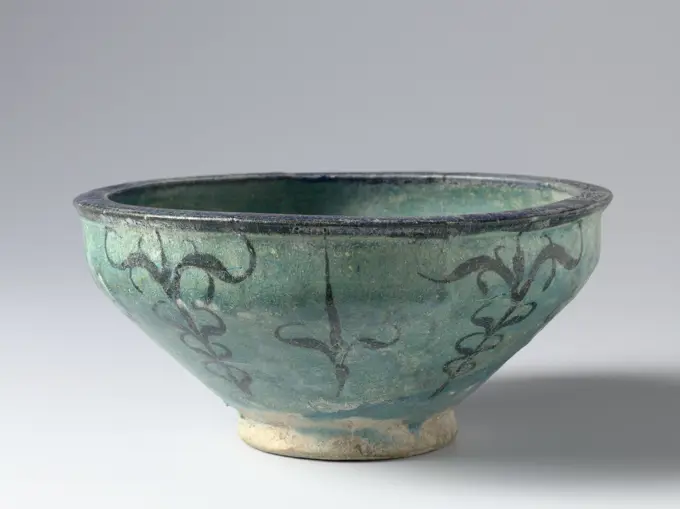
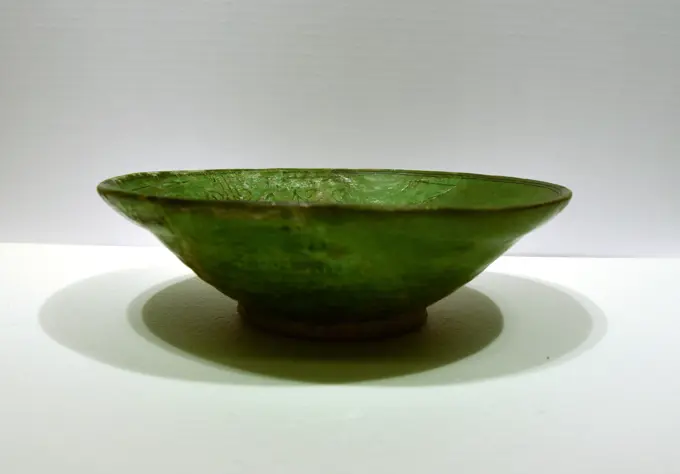
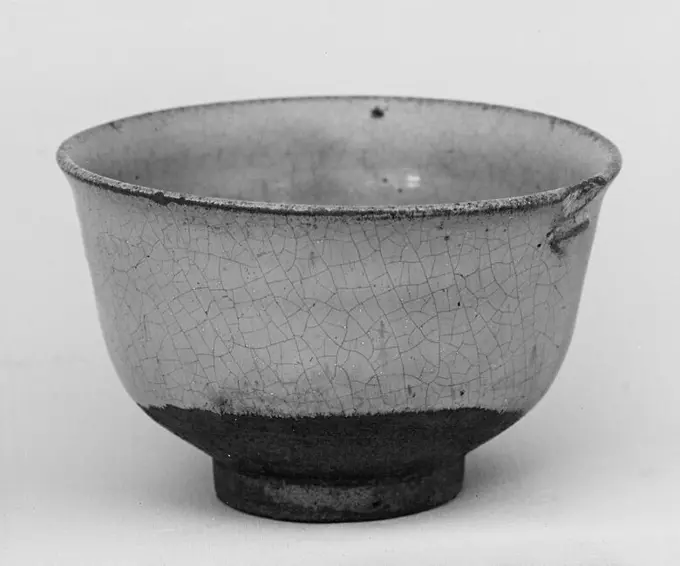
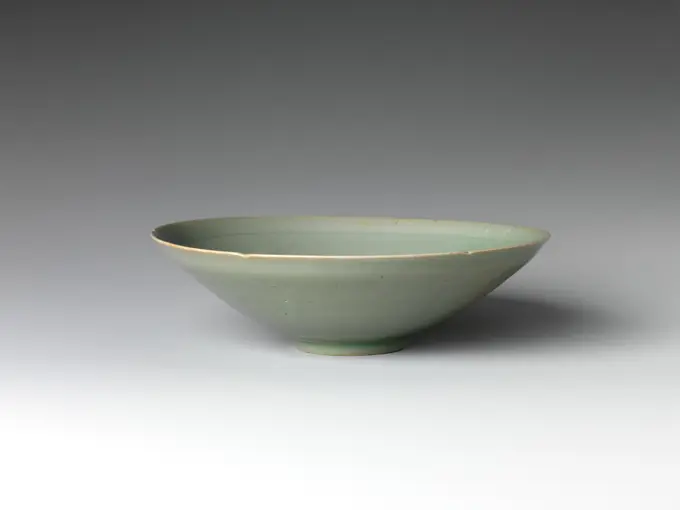
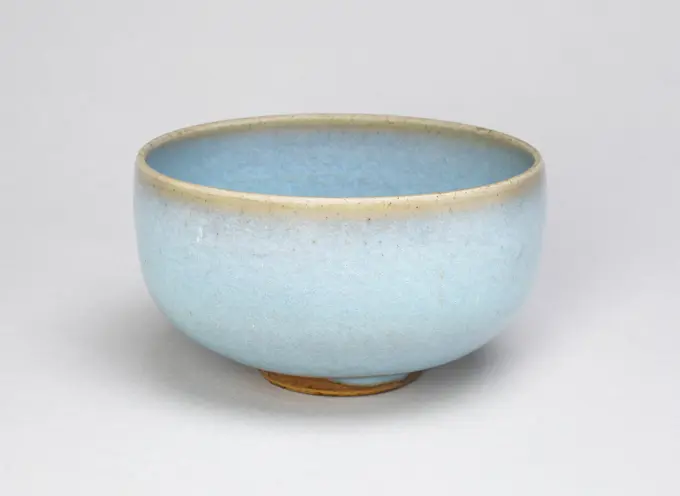
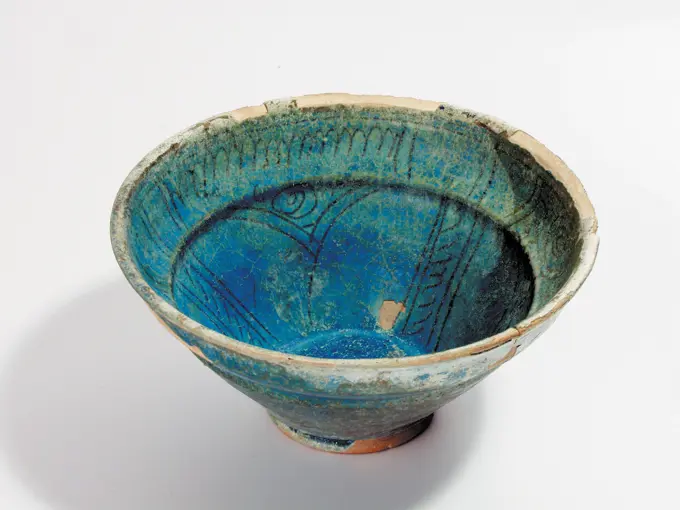
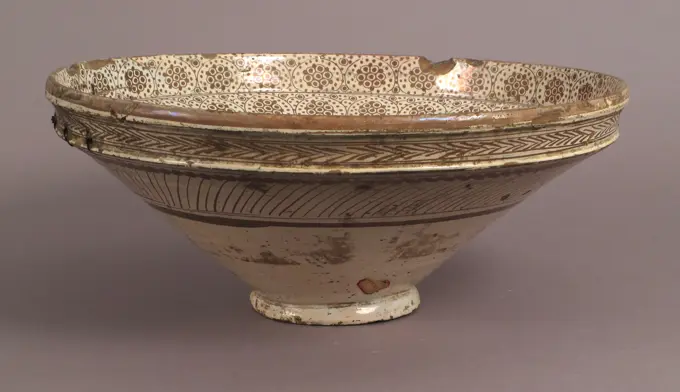
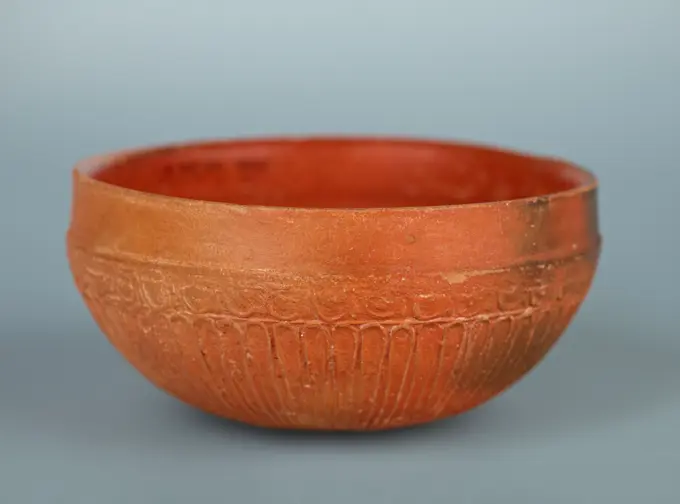
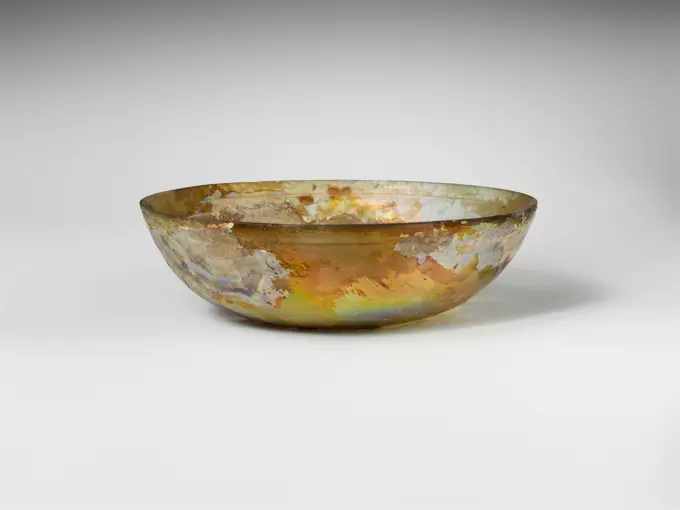
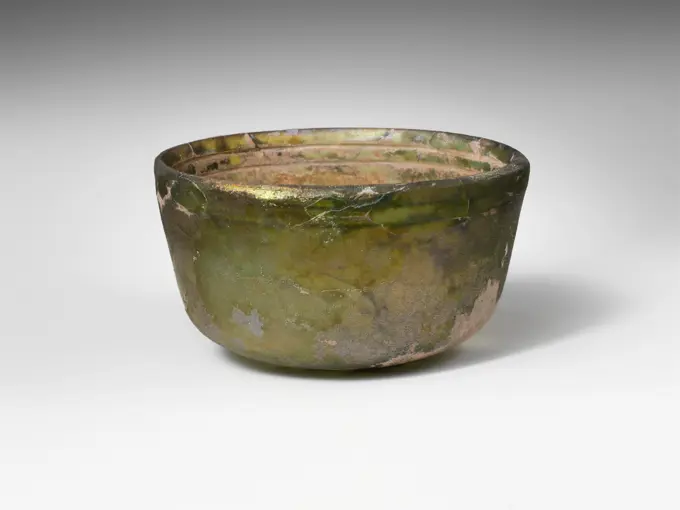
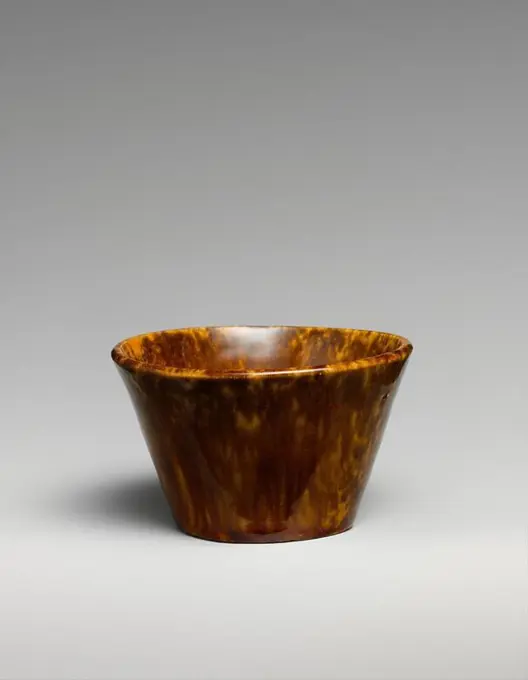
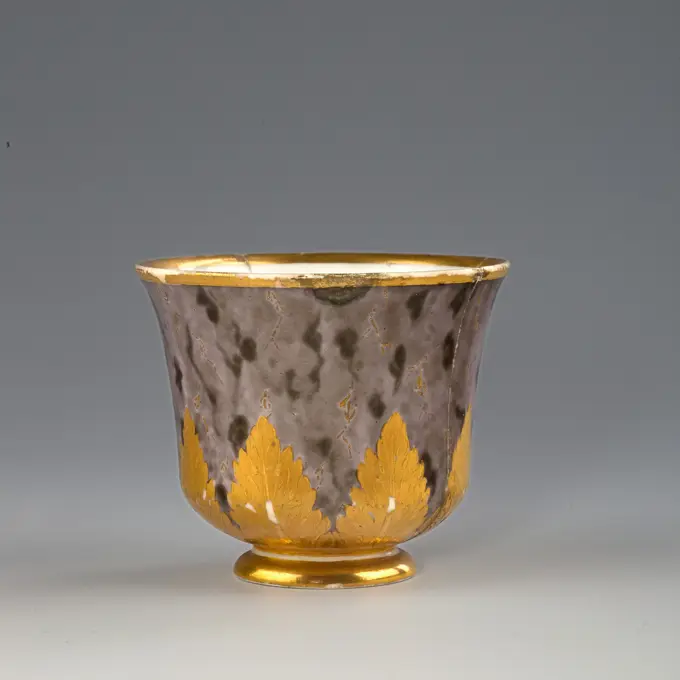
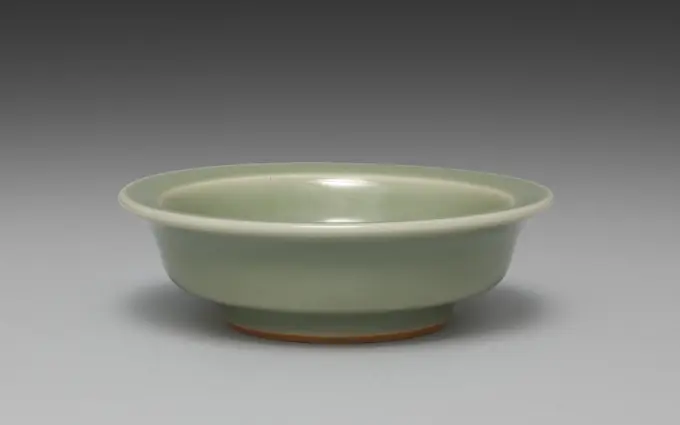
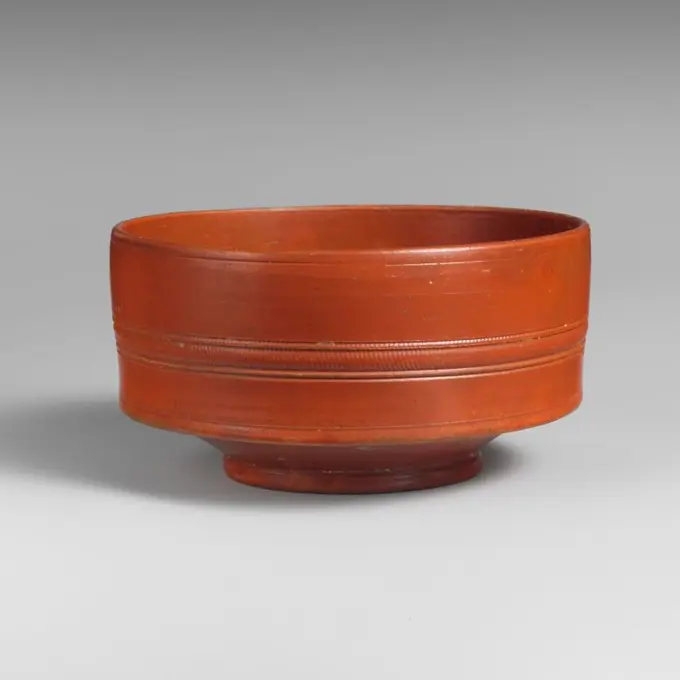
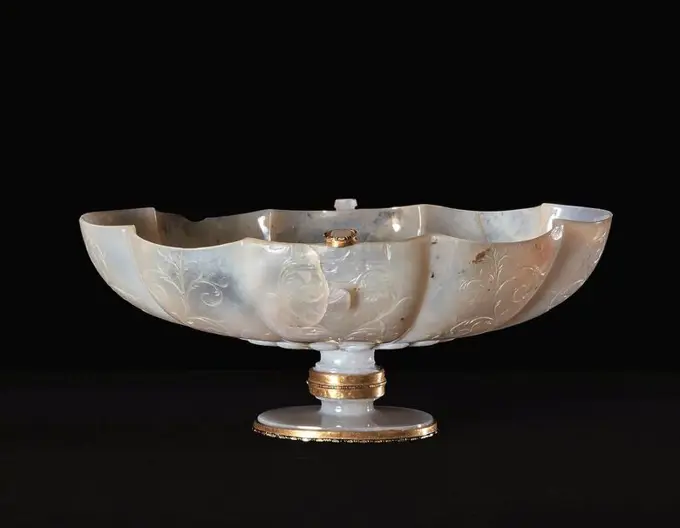
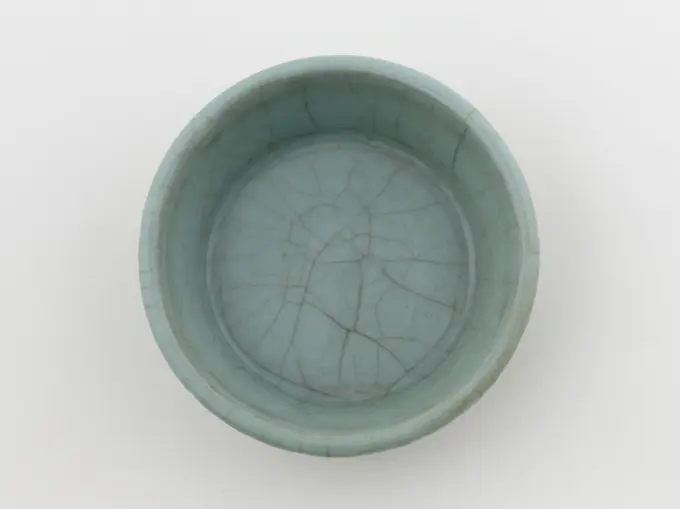
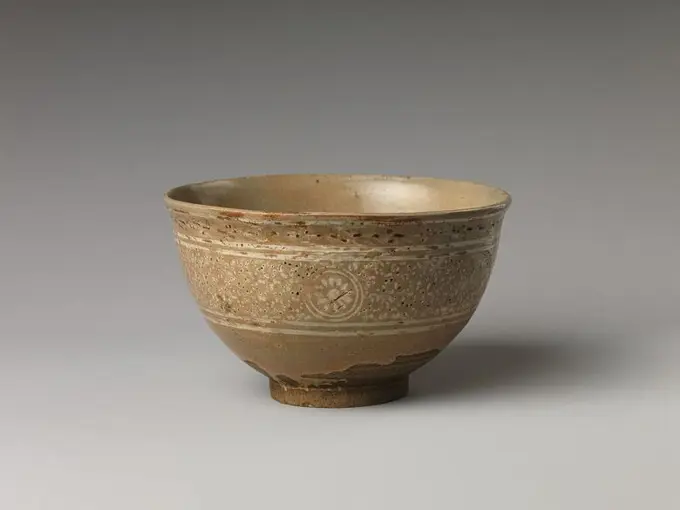
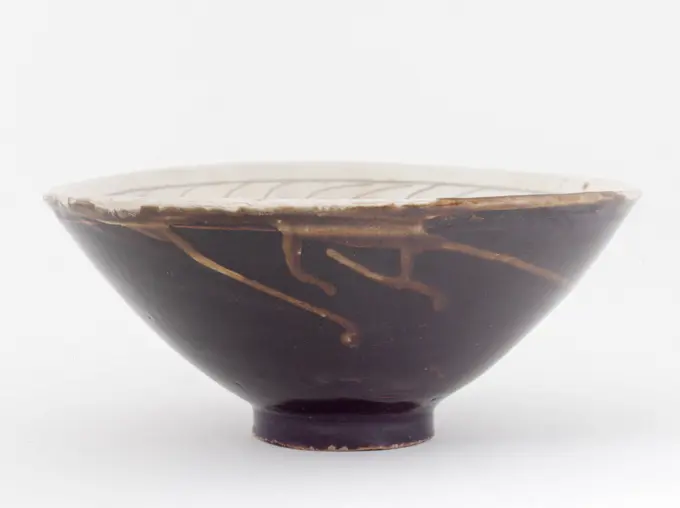
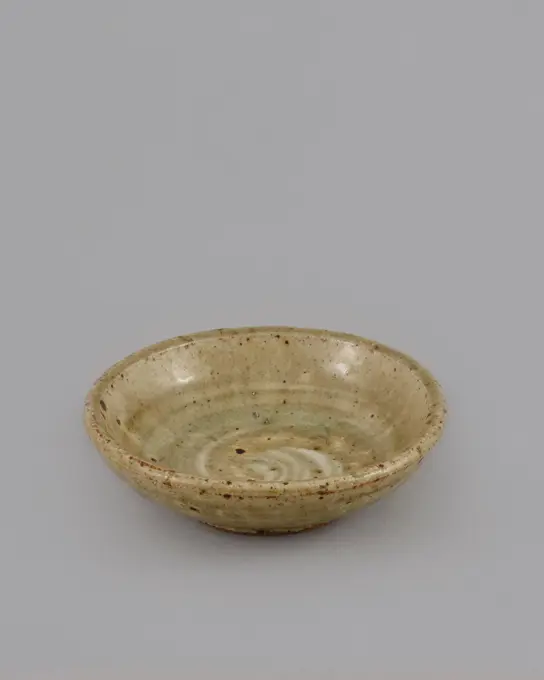
Bowl with a green glaze, anonymous, c. 1200 - c. 1399 Come from stoneware, covered with a crackle green glaze. On the inner wall three times a, poorly visible, broken flower. Four pronins within the foot ring. Celadon. Korea stoneware. glaze vitrification Come from stoneware, covered with a crackle green glaze. On the inner wall three times a, poorly visible, broken flower. Four pronins within the foot ring. Celadon. Korea stoneware. glaze vitrificationBowl 4th-7th century Coptic. Bowl 478882Bowl with a deer and a pseudo-inscription, anonymous, c. 900 - c. 999 Earthenware bowl, decorated with manganese brown and yellow, green and red sludge on a white sludge Engobe under transparent lead glaze. On the inner wall a deer and a band pseudo-script. Nishapur earthenware. glaze painting / vitrification Earthenware bowl, decorated with manganese brown and yellow, green and red sludge on a white sludge Engobe under transparent lead glaze. On the inner wall a deer and a band pseudo-script. Nishapur earthenware. glaze painting / vitrification. Come of pottery with white sludge and a painting in black sludge under a transparent lead glaze. Two decorative tires on the inner edge.Bowl with a star among radial lines, anonymous, c. 1300 - c. 1399 Come from quartz fritry, decorated in colors a star surrounded by radial lines under the transparent alarm laze. Iran earthenware. glaze. cobalt (mineral) painting / vitrification Come from quartz fritry, decorated in colors a star surrounded by radial lines under the transparent alarm laze. Iran earthenware. glaze. cobalt (mineral) painting / vitrification. Wide bowls were used in the summer, for they helped to cool the tea a little in the heat. The decoration on the bowl with light-brown mottling is sometimes compared to partridge plumage and contrasts beautifully with the vessels severe, angular form. The elegant painting on the other bowl probably represents a sprig of wisteria.Teabowl. Culture: China. Dimensions: H. 2 1/8 in. (5.4 cm); Diam. 5 1/8 in. (13 cm). Museum: Metropolitan Museum of Art, New York, USA.Bowl, 10th centuryc.e., Stoneware with green glaze (Hunan Yue-type ware), 3 7/8 × 8 in. (9.8 × 20.3cm), China, Chinese, Five Dynasties(907-960), Containers -CeramicsBowl. Dark brown cover sandstone. Paris, Cernuschi museum. 78845-26 Asian art, table art, bowl, old ceramic, container, dishesBowl. Whitish sandstone covered with pale green covered. Don, 1933. Intermediate period (IVth-1st century). Paris, Cernuschi museum. 60084-4 Bowl, covered, intermediate period, blank gres, pale greenBowl with Fish 1100-1135 Korea. Celadon-glazed stoneware with underglaze incised decoration .Com, anonymous, 1200 - 1399 Jun property. China stoneware. earthenware. vitrification Jun property. China stoneware. earthenware. vitrificationBowl - Portneuf potteryBowl. "Turtle scales" covered sandstone. Paris, Cernuschi museum. 78845-11 Asian art, table art, bowl, old ceramic, container, dishesAnonymous, cutting (common name), 0600. Pale green covered sandstone cracked, white paste. Cernuschi Museum, Asia Museum of Asia in the city of Paris.Bowl. Culture: Chinese (). Dimensions: Diameter: 5 in. (12.2 cm). Date: unknown. Museum: Metropolitan Museum of Art, New York, USA.Glass bowl late 1st century B.C.-early 1st century A.D. Roman Colorless with pale yellow green tinge.Rounded vertical rim; sides curving in to slightly uneven, flat bottom.Decoration of horizontal wheel-cut grooves on interior, comprising a single broad groove below rim and a band of two narrow grooves around lower body.Intact; many pinprick bubbles; dulling, pitting, and weathering, and brilliant iridescence, with some patches of the original polished surface.Colorless shallow glass bowl with incised lines.. Glass bowl. Roman. late 1st century B.C.-early 1st century A.D.. Glass; cast and cut. Early Imperial, Augustan. GlassCup ". GRS covered white cracks lavender reflections. Paris, Muse Cernuschi. Coupe Vietnamese art, Vietnamese collection, cut, covered white cracks, ebrecher, gres, lavender reflection, archeological vestigeSkyfos czarnofirnisowany. unknown, authorGlass dish. Culture: Roman. Dimensions: Height: 1 1/2 in. (3.8 cm)Diam.: 7 15/16 x 3 15/16 in. (20.2 x 10 cm). Date: 4th century A.D..Translucent pale blue green.Tubular rim, folded out, down, and in, with narrow, slightly convex inner shoulder; bulging side to body, curving in to integral tubular base ring; concave bottom, with kick at center and large circular pontil mark.Intact; pinprick and a few larger bubbles; pitting, dulling, and iridescent weathering. Museum: Metropolitan Museum of Art, New York, USA.Bowl 9th-10th century This ceramic bowl was excavated at the site of Tepe Madrasa in Nishapur.Nishapur was a vital city in the early and middle Islamic periods, located along one of the main trajectories that connected Iran and West Asia Islamic lands with Central Asia and China. These itineraries are often referred by the term Silk routes but were in fact crucial to the movement of constellations of materials and objects, as well as people and ideas. The diverse population of Nishapur and its surroundings, from the better-researched elite groups of merchants, land-owning aristocracy, and literates, to the less-known artisans, farmers, miners, and servants, were instrumental in adapting global cultural trends to create their own distinctive visual languages. This is seen in the material remains of everyday life in medieval Nishapur - from pots and pans to lighting devices, inkwells, textiles and trimmings, jewelry, games and toys, talismanic devices, weapons, coins, and architectural fDish saucer Late Period 664-332 B.C. View more. Dish saucer. 664-332 B.C.. Faience. Late Period. From Egypt. Dynasty 26-30Bowl with Carved Peony Scroll Design. Korea, Goryeo dynasty (918-1392), 12th century. Furnishings; Serviceware. Wheel-thrown stoneware with carved decoration and celadon glazeBowl - Portneuf potteryBowl, late 1200s-1300s. Siam, Sawankhalok ware, late 13th-14th Century. Stoneware; diameter: 9.3 cm (3 11/16 in.); overall: 5.2 cm (2 1/16 in.).The handheld teapot is an example of a translucent creamy glaze over an ivory porcelain body that Seif Yohei III called “great white porcelain.” Hand-held Teapot with Yin-Yang Motif, c. 1893-1914. Seifū Yohei III (Japanese, 1851-1914). Porcelain with molded and carved design and cream glaze; width with spout: 9.5 cm (3 3/4 in.).Miniature bowl 1690-91 Probably by George Manjoy British. Miniature bowl. British, London. 1690-91. Silver. Metalwork-Silver-MiniatureBowl with four black borders in a white slip, anonymous, c. 1100 - c. 1199 Come of earthenware decorated with four narrow tire manganese -black sludge on Engobe from white sludge. Four dots on the bottom. Nishapur earthenware. lead glaze painting / vitrification Come of earthenware decorated with four narrow tire manganese -black sludge on Engobe from white sludge. Four dots on the bottom. Nishapur earthenware. lead glaze painting / vitrificationBowl Cypriot. Bowl 244483Tea bowl with a grey glaze, anonymous, anonymous, c. 1700 - c. 1799 Theekom van Steengoed, partially covered with a crackled gray glaze. The lower part of the bowl is unglazed; Share missing from the foot ring. Two gold breaking repairs on the edge. Karatsu. Japan stoneware. glaze vitrification Theekom van Steengoed, partially covered with a crackled gray glaze. The lower part of the bowl is unglazed; Share missing from the foot ring. Two gold breaking repairs on the edge. Karatsu. Japan stoneware. glaze vitrificationConical Bowl. Korea. Date: 918 AD-1392. Dimensions: H. 5.4 cm (2 1/8 in.); diam. 15.1 cm (5 15/16 in.). Celadon-glazed stoneware with underglaze incised decoration. Origin: Korea. Museum: The Chicago Art Institute, Chicago, USA.Glass dish. Culture: Roman. Dimensions: Diam.: 11 in. (27.9 cm). Date: 4th century A.D..Translucent blue green.Tubular rim folded over and in, with bulging outer edge; lop-sided with wall tapering downward, shallow on one side, deeper on the other, and then broad sloping underside; applied solid flaring base ring, with diagonal tooled marks on upper surface; almost flat bottom.Intact; some large and pinprick bubbles; slight dulling, patches of brownish weathering and iridescence.Platters, dishes, and shallow bowls were common items among the glass tableware of Roman households. Museum: Metropolitan Museum of Art, New York, USA.Bowl late 14th century View more. Bowl. late 14th century. Brass; engraved, originally inlaid with silver. Attributed to Iran. MetalBowl (Wan). China, Henan Province, Linru County, late Northern Song dynasty or early Jin dynasty, about 1100-1200. Furnishings; Serviceware. Jun ware, wheel-thrown stoneware with blue and purple glazeBowl with Fish and Waves in Relief, 1200s. Korea, Goryeo period (918-1392). Pottery; diameter of base: 3.8 cm (1 1/2 in.); overall: 6.9 x 16.1 cm (2 11/16 x 6 5/16 in.).Bowl. UnknownBowl. Attributed to Levi Coates Pottery; American, 1806-1860; Londonderry Township, Pennsylvania. Date: 1809-1839. Dimensions: 7 × 14 cm (2 3/4 × 5 1/2 in.). Earthenware. Origin: Pennsylvania. Museum: The Chicago Art Institute, Chicago, USA.Bowl, 4 1/2 × 8 7/16 × 8 7/16 in. (11.43 × 21.43 × 21.43 cm), Ceramic, United StatesGlass ribbed bowl. Culture: Greek, Eastern Mediterranean. Dimensions: 1 13/16 x 4 1/4in. (4.6 x 10.8cm). Date: 1st century B.C..Translucent yellow green.Slightly uneven ground rim; convex curving side, tapering downward; broad slightly concave bottom.On interior, two broad horizontal grooves in a band below rim; on exterior, twenty prominent short ribs of varying length with rounded tops.Intact, except for slight weathered chip in rim; many pinprick bubbles; dulling, pitting, and large patches of iridescent creamy weathering.Rotary grinding marks on interior of bottom.Yellow bowl with heavy ribs. Museum: Metropolitan Museum of Art, New York, USA.Cup; Eastern Mediterranean; 1st century; Glass; 7 x 7.5 cm (2 3,4 x 2 15,16 in.)Cup. China. Date: 618 AD-906 AD. Dimensions: H. 4.5 cm (1 15/16 in.); diam. 10.3 cm (4 1/8 in.). Slip-coated earthenware with cobalt blue streaks. Origin: China. Museum: The Chicago Art Institute, Chicago, USA.Fragmentary Kantharos. UnknownBowl with stylized petal motifs, anonymous, c. 1275 - c. 1324 Come from quartas fritry with a painting in blue of stylized leaf motifs under a transparent turquoise alternator. is the earthenware. glaze. cobalt (mineral) painting / vitrification Come from quartas fritry with a painting in blue of stylized leaf motifs under a transparent turquoise alternator. is the earthenware. glaze. cobalt (mineral) painting / vitrificationBowl - Inconnu / UnknownLid of NAP. Lid from which a border is save on the base, with convex outer wall which ends in a flat surface. Two edges have been saved to decoration.Bowl late 8th-first half 9th century. Bowl. late 8th-first half 9th century. Earthenware; white slip under transparent green glaze, incised. Excavated in Iran, Nishapur. Attributed to Iran, Nishapur. CeramicsTerracotta conical cup ca. 1750-1700 B.C. Minoan Rough clay, undecorated.. Terracotta conical cup. Minoan. ca. 1750-1700 B.C.. Terracotta; Plain fine ware. Middle Minoan IIIA. VasesBowl. Culture: Japan. Dimensions: H. 2 1/2 in. (6.4 cm); Diam. 3 7/8 in. (9.8 cm). Date: 1700-1780. Museum: Metropolitan Museum of Art, New York, USA.Bowl or Cup 1 CE-50 CE Mediterranean Region. Initially affordable among only the wealthy, glass was used widely in the Roman world to create a variety of everyday objects such as those displayed here, including delicate cosmetic containers that held perfumes and oils and various forms of tableware designed for serving food and drink. Glass was also used to imitate precious stones in jewelry.. Glass, cast . Ancient RomanBowl - François Jacquet (1731-1777) François Jacquet (1731-1777)Six-lobed bowl early 12th century Korea This six-lobed bowl, shaped to look like a flower, exemplifies the elegant purity of early twelfth-century Goryeo celadon. Its clean, minimalist form is unmarked by surface decoration, save for an incised ring around the interior rim of the bowl. The thinly potted body, gray-green glaze, and three small spur marks on the base (evidence that the vessels were stacked during firing) are all characteristic of celadon from this period.. Six-lobed bowl 75553Bowl. China, Ming Dynasty, 1368-1644. Furnishings; Serviceware. Porcelain with white glazePan c 1825 Mantua. Blown glass . Mantua Glass WorksCup late 17th-early 18th century Austrian. Cup 208108Glass bowl in the form of a shell 1st half of 4th century A.D. Roman Colorless with pale green tinge.Flaring, knocked-off rim with shallow S-shaped collar below; body with circular circumference and rounded bottom.Body formed into the shape of a marine bivalve mollusc (scallop) in relief with eleven ribs radiating from a deep ocellus or umbone in a fan pattern ; ribs become broader and have rounded ends below collar around rim; the ocellus is flanked to either side by a hemispherical bulge. Below the rim is a faint wheel-abraded line.Broken and repaired, with some internal cracks; pinprick and larger bubbles; faint weathering and iridescence.Bowls made in in silver, bronze, and semiprecious stone and shaped to resemble a large seashell became popular in the Hellenistic period. Glass examples were also produced in early Roman imperial times, some cast and others mold-blown. This bowl belongs to a group found mainly on the Rhine and Danube frontiers that is dated to the fourth century A.Wine cup with ring handle (He) China. Wine cup with ring handle (He) 61291Bowl Made 1200-1234 China. Jun ware; stoneware with pale-blue and pinkish-red glazes .Bowl. unknown, craftsmanBowl 1400-1450 Spanish This large and impressive bowl is decorated with stylized flowers of solid luster, a motif much favored by Valencian potters.. Bowl 468990Megarian Small Bowl Bosphorus workshopBowl 100 BCE-50 BCE Italy. This bowl contains yellow threads wound around colorless canes of glass that were then fused together. The spiral pattern in the body of bowls of this kind has given them the name network mosaic bowls. Most known examples were recovered in 1900 from a shipwreck that probably occurred around 80 B.C. off the southwest coast of Greece near Antikythera. The discovery of similar examples in Syria, Crete, Greece, and southern Italy has led to the theory that these distinctive bowls were made in the eastern Mediterranean.. Glass, mosaic glass technique . Ancient RomanA bowl with pink red glaze unknownGlass bowl late 1st century B.C.-early 1st century A.D. Roman Colorless with pale green tinge.Rounded vertical rim; sides curving in to slightly concave bottom.Decoration of horizontal wheel-cut grooves on interior, comprising a single broad groove below rim and a band of two narrower grooves around middle of body.Intact; many pinprick bubbles; dulling, pitting, and severe weathering, and brilliant iridescence.Rotary grinding marks on interior and on the top of rim.. Glass bowl 245729Glass bowl late 1st century B.C.-early 1st century A.D. Roman Translucent pale green.Uneven beveled vertical rim; sides tapering downward, then curved in to slightly convex bottom.On interior, two horizontal wheel-cut grooves below rim.Intact, but several internal cracks; dulling, deep pitting, brilliant iridescence and patches of creamy brown weathering.Rotary grinding marks on interior.. Glass bowl 245629Cup. Culture: American. Dimensions: H. 2 in. (5.1 cm); Diam. 3 1/2 in. (8.9 cm). Date: ca. 1850. Museum: Metropolitan Museum of Art, New York, USA.Bol (usual name), 960. Qingbai covered porcelain. Cernuschi Museum, Asia Museum of Asia in the city of Paris.Shallow terracotta bowl. Culture: Lydian. Dimensions: H. 1 1/2 in. (3.8 cm)diameter 6 1/4 in. (15.9 cm). Date: 6th century B.C..Shallow bowl on low foot, dark glaze with circles in white. Museum: Metropolitan Museum of Art, New York, USA.Fili and my people; Korzec (Porcelain and faience manufacture; 1790-1832); 1800-1805 (1800-00-00-1805-00-00);Tarasowiczs, Konstanty and Helena - collection, acanthus (ornament), gift (provenance), marmorizationBowl, c. 1775 - c. 1799 Bell -shaped bowl of stoneware, covered with a white sludge and a green glaze. A pressed flower rosette on the bottom. The inner and outer wall with dots. On the edge a band with a line decoration. Above the foot and on the foot a band with circles. The printed decoration is filled with white sludge (Mishima technology). Some gold lacquer repairs in the edge. Old label on the bottom with 'W704'. Karatsu . Japan stoneware. glaze vitrification Bell -shaped bowl of stoneware, covered with a white sludge and a green glaze. A pressed flower rosette on the bottom. The inner and outer wall with dots. On the edge a band with a line decoration. Above the foot and on the foot a band with circles. The printed decoration is filled with white sludge (Mishima technology). Some gold lacquer repairs in the edge. Old label on the bottom with 'W704'. Karatsu . Japan stoneware. glaze vitrificationBowlSaucer, c. 1893-1914. Seifū Yohei III (Japanese, 1851-1914). One from a set of ten dishes; porcelain with green glaze; overall: 2.5 x 8 cm (1 x 3 1/8 in.).Dish 1200-1234 China. Jun ware; stoneware with light blue glaze .Shallow Ribbed Bowl, 50 BC-AD 100. Roman, Eastern Mediterranean. Glass; overall: 4.2 x 16 cm (1 5/8 x 6 5/16 in.).Dish, multicolored and with reflection metallique painted with a lion with its left front leg on a book, Anonymous, c. 1530 - c. 1540 Round dish of multicolored painted majolica with reflection metallique. On the Bolle Plat, a lion desired to the right is painted with his left front leg on a book. On the edge, stylized leaves and flowers have been painted between twelve bombarded egg -shaped figures. Gubbio earthenware. tin glaze. lead glaze majolica Round dish of multicolored painted majolica with reflection metallique. On the Bolle Plat, a lion desired to the right is painted with his left front leg on a book. On the edge, stylized leaves and flowers have been painted between twelve bombarded egg -shaped figures. Gubbio earthenware. tin glaze. lead glaze majolicaTerracotta bowl. Culture: Roman. Dimensions: H. 1 9/16 in. (4 cm); diameter 2 15/16 in. (7.4 cm). Date: 1st half of 1st century A.D..Red-glazed cup with base and incised band; potter's stamp; terra sigillata. Museum: Metropolitan Museum of Art, New York, USA.Bowl with a Shield of Arms. Dimensions: overall: 10.1 x 27.9 cm (4 x 11 in.). Medium: bronze. Museum: National Gallery of Art, Washington DC. Author: North Italian 16th or 17th Century.Workshop of the Miseroni () / 'Low gadrooned chalcedony tazza'. 1570 - 1600. Chalcedony, Enamel, Gold. Museum: Museo del Prado, Madrid, España. Author: TALLER DE LOS MISERONI.Czarka;  X-XI century (900-00-00-1000-00-00);Semerau-Siemianowski, Władysław (1849-1938), Semerau-Siemianowski, Władysław (1849-1938)-collection, gift (provenance), Persian (culture), Islamic artBowl Cypriot. Bowl 244477Incised bowl with geometric pattern. Culture: Paracas. Dimensions: Overall: 2 1/4 in. (5.72 cm)Other: 7 1/2 in. (19.05 cm). Date: 5th-3rd century B.C.. Museum: Metropolitan Museum of Art, New York, USA.Silver stemless cup late 4th century B.C. Greek, South Italian In 1895 the tomb of a Gallic warrior was excavated in a necropolis at Montefortino, about thirty miles west of Ancona in central Italy. The cemetery is that of Gauls who in the fourth century B.C. began to invade central Italy and to stage raids as far south as Apulia. The tomb contained iron weapons, bronze and terracotta vessels, and also a gold ring and five silver vessels that must have been brought as loot from another part of Italy. The hoard includes a silver jug (08.258.51), a silver bowl with swinging handles (08.258.50), a pair of stemless silver cups decorated on the inside with a complex floral pattern (08.258.52-.53), and a silver kyathos (cup-shaped ladle) with a handle that terminates in a duck's head (08.258.54).. Silver stemless cup. Greek, South Italian. late 4th century B.C.. Silver. Hellenistic. Gold and SilverPersimmon Bowl. China. Date: 1000-1127. Dimensions: H. 4.3 cm (1 11/16 in.); diam. 11.7 cm (4 9/16 in.). Russet Yaozhou ware; light grey stoneware with russet-surfaced dark brown glaze. Origin: China. Museum: The Chicago Art Institute, USA.Oil Bottle, 1100s. Korea, Goryeo period (918-1392). Pottery; diameter: 7.9 cm (3 1/8 in.); overall: 5.4 cm (2 1/8 in.).Incised bowl with eye motif 5th-3rd century B.C. Paracas. Incised bowl with eye motif 308324Low white container on small stand, salt dish or ointment jar, cream jar salt scale salt vat tableware holder soil find ceramic earthenware glaze tin glaze, hand-turned baked glazed fried Faience tray on narrow base. Stand with traces of traces Top covered with tin glaze. Yellowish shard Internal semi-circular shape with thick, upright edge. Sloppily made and glazed. Remains of stuck foreign pottery on the edge and soil archeology Rotterdam IJsselmonde indigenous pottery ointment mix care personal care Soil discovery: Castle IJsselmonde pit 1 Rotterdam 1972.Terracotta stemmed bowl. Culture: Roman, Asia Minor, Tarsus. Dimensions: H. 5 1/4 in. (13.3 cm)diameter 7 in. (17.8 cm). Date: 1st half of 1st century A.D..While red-gloss terra sigillata wares dominated the Roman pottery industry, various other types of fine ware were produced intermittently. One distinctive group is made up of lead-glazed vessels such as this bowl, made at Tarsus in Cilicia (southern Asia Minor). Museum: Metropolitan Museum of Art, New York, USA.Jar with Stylized Clouds and Waves. China. Date: 1115-1199. Dimensions: H. 17.0 cm (6 11/16 in.); diam. 9.2 cm (3 5/8 in.). Cizhou ware; stoneware with white slip glaze and underglaze incised decoration. Origin: China. Museum: The Chicago Art Institute, Chicago, USA.Spouted Bowl. Iran, Sasanian period (225-650 A.D.). Furnishings; Serviceware. CeramicBowl - Dion Pottery Dion PotteryBlack -of -inch kylix with inscription Greek;  540-520 BC (-540-00-00--520-00-00);Bowl with Inscribed Serekh. Egypt, early Dynastic Period (circa 3050 - 2687 BCE). Furnishings; Serviceware. 8.9 x 18 cm.Bottle ". Céladon. China, Tang dynasty. Paris, Cernuschi museum. 74781-12 Celadon, Chinese ceramic, Tang dynasty, bottleTea Bowl with Chrysanthemum Decoration. Culture: Japan. Dimensions: H. 3 in. (7.6 cm); Diam. 5 1/8 in. (13 cm). Date: probably second half of the 17th century.This tea bowl was made in imitation of contemporary Korean tea bowls manufactured at the Busan kilns (ca. 1639-1718) for export to Japan, which were themselves reinterpretations of early Joseon buncheong. Museum: Metropolitan Museum of Art, New York, USA.Minoan Bird's Nest Bowl. UnknownBowl. UnknownBol ". Sandstone, brown covered outside, white slip under transparent covered inside. China, Song dynasty (960-1279) / Yuan (1279-1368). Paris, Cernuschi museum. Chinese art, bowl, Chinese ceramic, container, Song dynasty, Yuan dynasty, Song time, Yuan, gres, container, terracottaGlass beaker or lamp. Culture: Roman. Dimensions: H.: 3 5/8 in. (9.2 cm)Diam.: 10 3/4 in. (27.3 cm). Date: 4th century A.D..Colorless with pale green tinge; translucent cobalt blue blobs.Thick, uneven rim, cracked off and ground, slightly outsplayed; convex side to body, tapering downwards; concave bottom.Midway down side band of applied blobs, comprising three sets of two alternating patterns, one being a single large and thick blob, the other three smaller blobs arranged in a triangular pattern; above and below blobs, a single broad horizontal wheel-abraded band.Intact, except for a small weathered chip in rim; a few bubbles in body, more pinprick bubbles and black impurities in blobs; dulling, faint iridescence, and patches of limy brown weathering. Museum: Metropolitan Museum of Art, New York, USA.Trumpet-Mouthed Flowerpot. China. Date: 1400-1499. Dimensions: H. 24.3 cm (9 9/16 in.); diam. 25.9 cm (10 3/16 in.). Jun ware; stoneware with pale-blue and reddish-purple glaze. Origin: China. Museum: The Chicago Art Institute, Chicago, USA.Bowl (klapmuts) with auspicious symbols, tassels and flower sprays, anonymous, c. 1625 - c. 1675 Klapmuts come from porcelain, painted in under -glaze blue. On the soil lucky symbols and brushes. Four scalloped cartouches with lucky symbols or plants on the inner wall. The inner edge with flower branches. The outer wall is divided into four wide courses with a kind of pearl motif and four narrow compartments. The shape and decorations are followed by Chinese squatter porcelain. Craqueled glaze; some gold lacquer restorations; Baking sand on the bottom. Blue White. Japan porcelain. glaze. cobalt (mineral) painting / vitrification Klapmuts come from porcelain, painted in under -glaze blue. On the soil lucky symbols and brushes. Four scalloped cartouches with lucky symbols or plants on the inner wall. The inner edge with flower branches. The outer wall is divided into four wide courses with a kind of pearl motif and four narrow compartments. The shape and decorations are followed by ChineDish (usual name). Enameled covered sandstone. Cernuschi Museum, Asia Museum of Asia in the city of Paris.