Decorative Bowls from History

An array of historic bowls made from various materials, showcasing unique glazes and intricate designs across different eras.
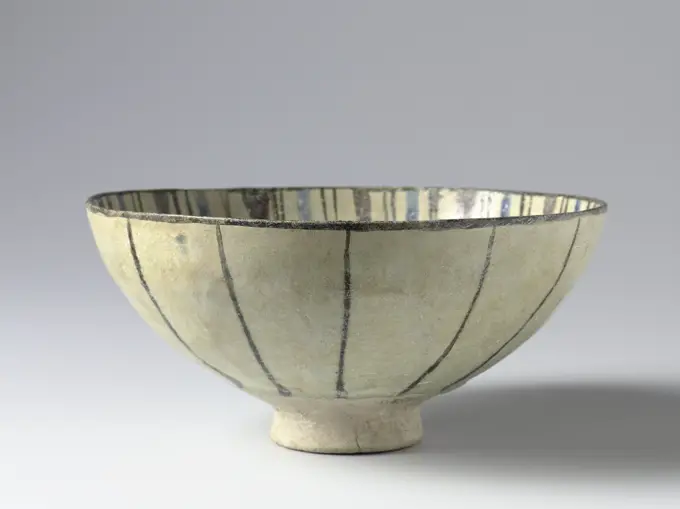
Bowl with a star among radial lines, anonymous, c. 1300 - c. 1399 Come from quartz fritry, decorated in colors a star surrounded by radial lines under the transparent alarm laze. Iran earthenware. glaze. cobalt (mineral) painting / vitrification Come from quartz fritry, decorated in colors a star surrounded by radial lines under the transparent alarm laze. Iran earthenware. glaze. cobalt (mineral) painting / vitrification
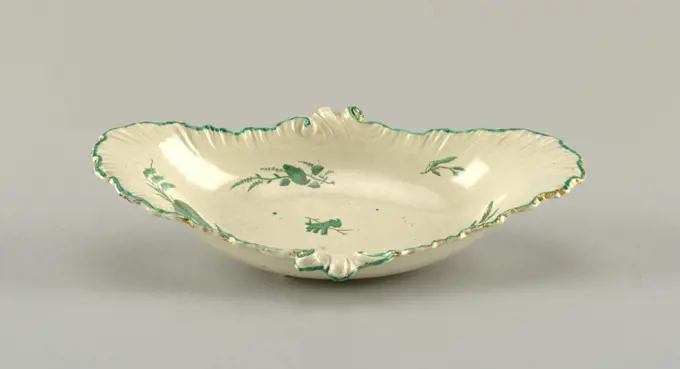
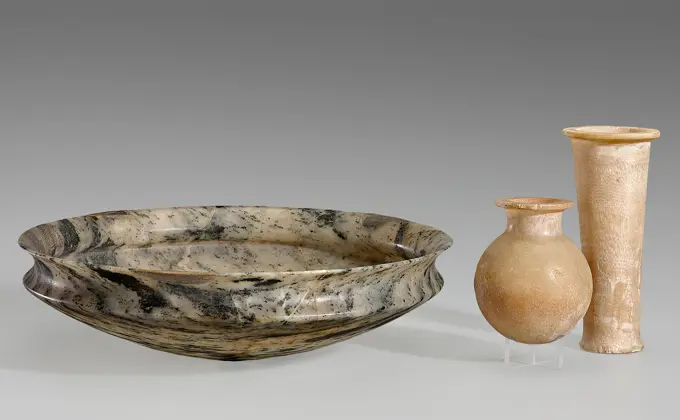
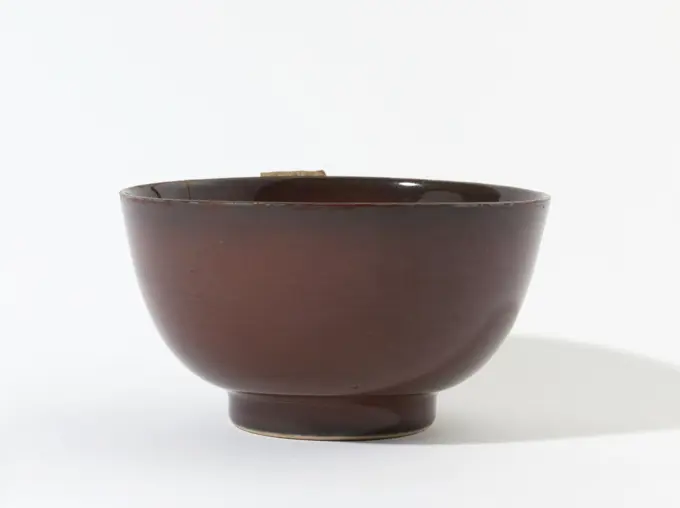
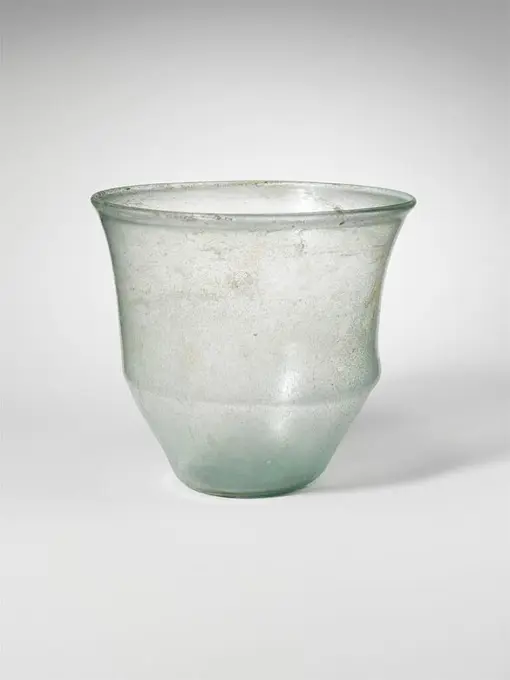
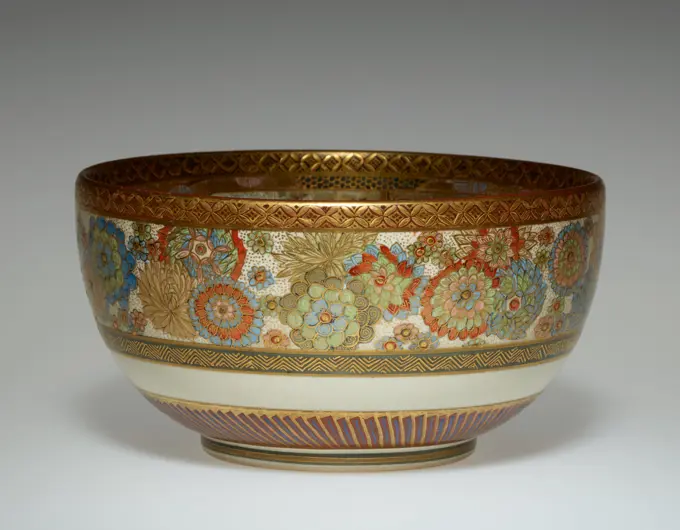
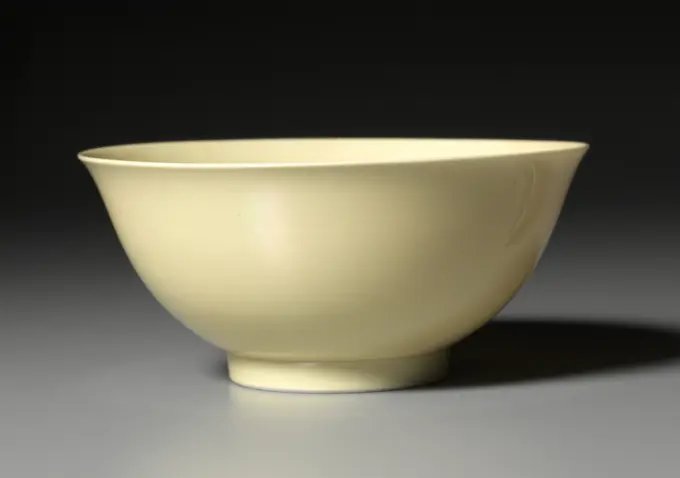
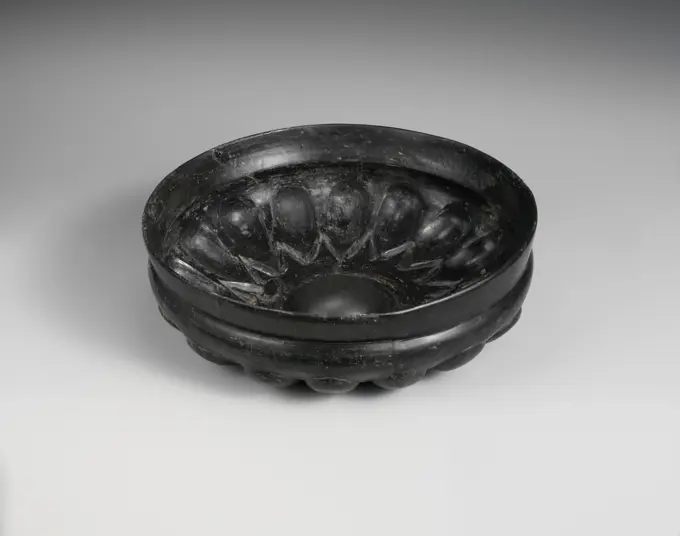
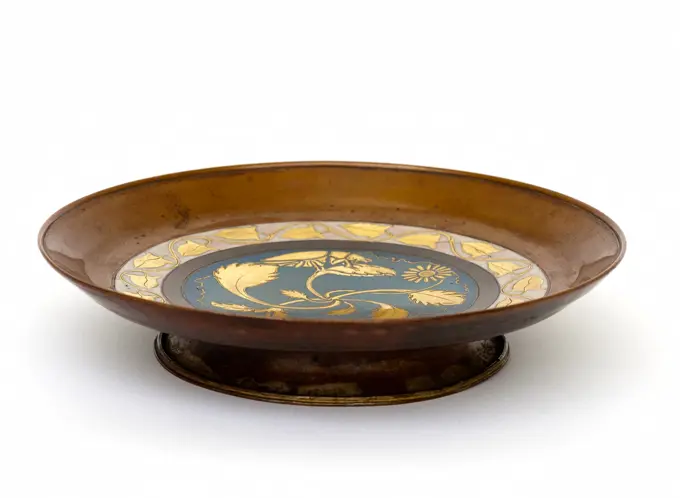
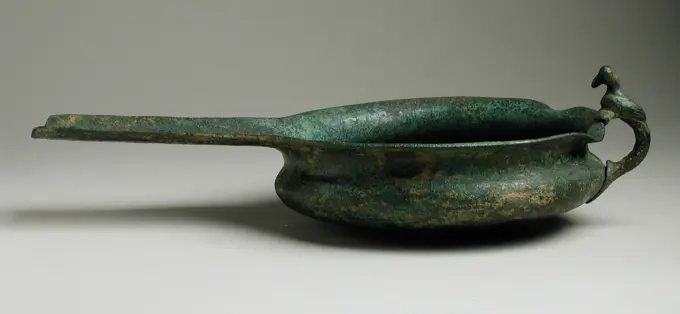
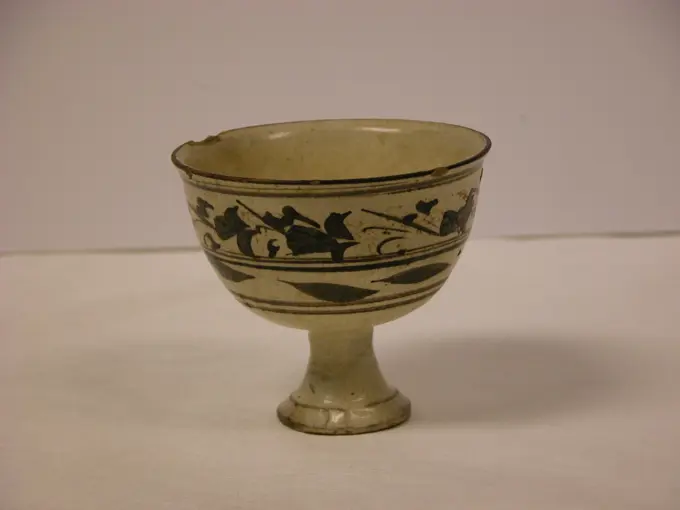
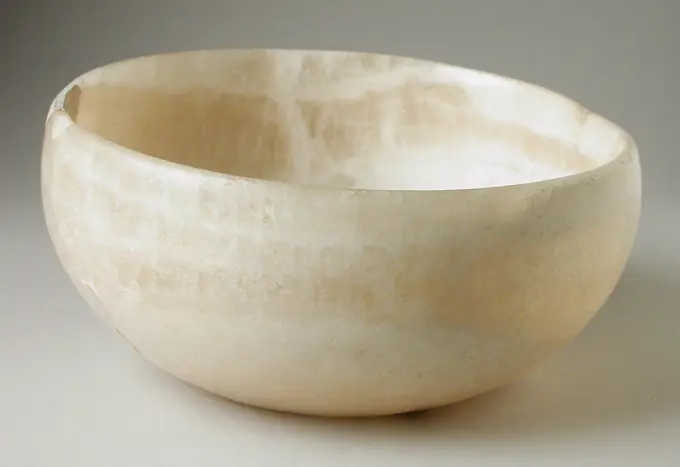
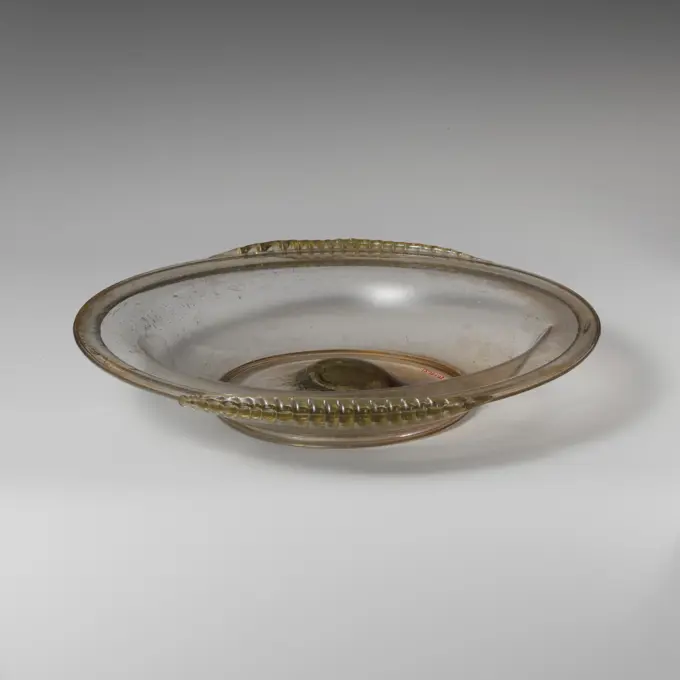
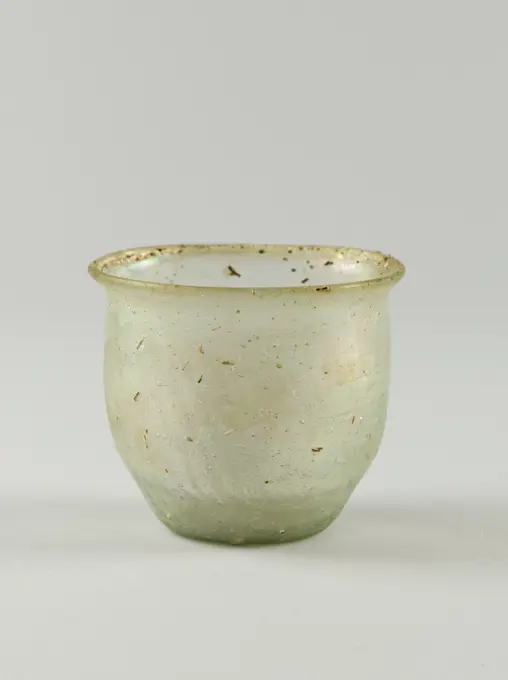
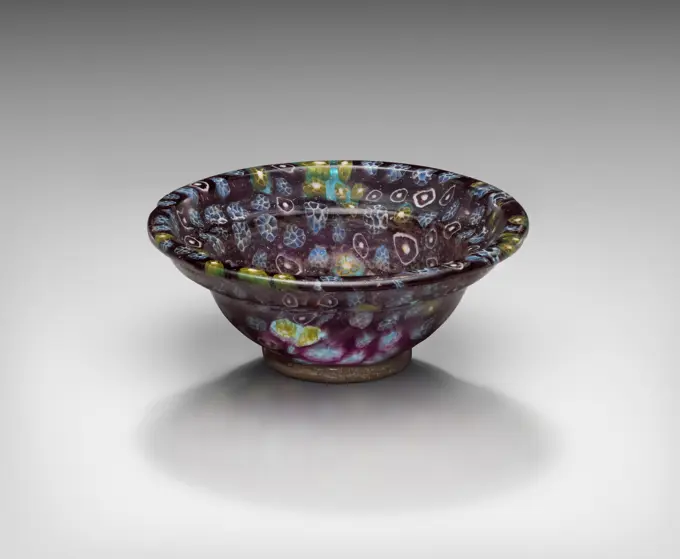
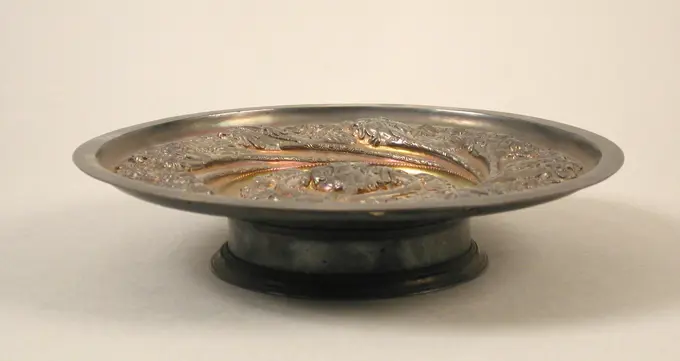
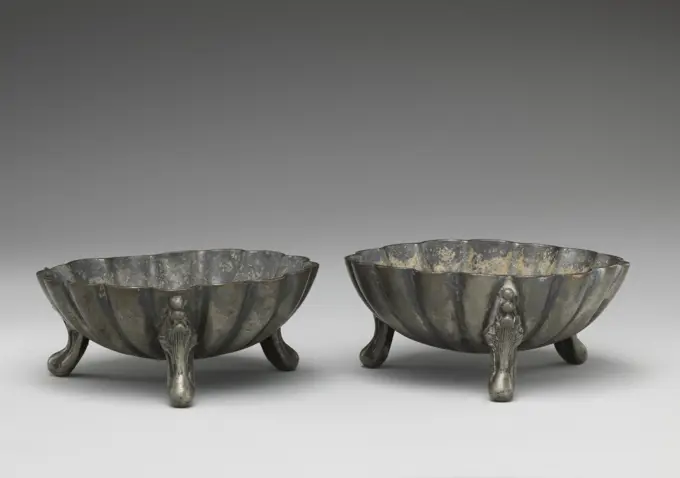
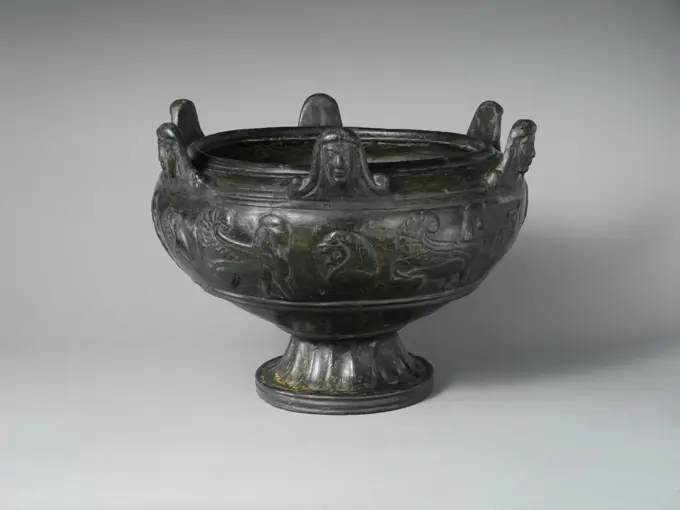
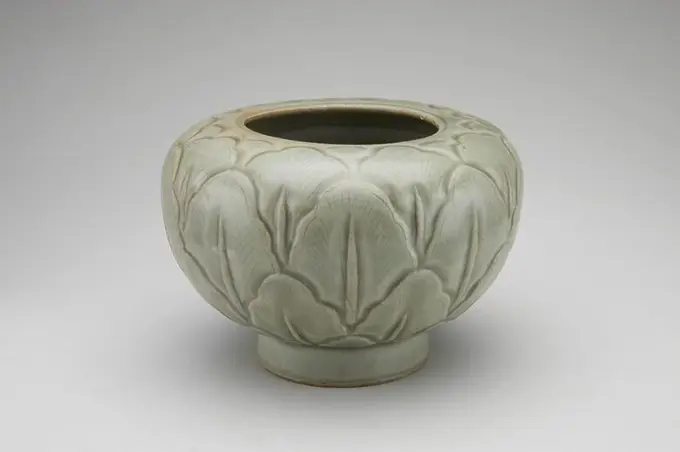
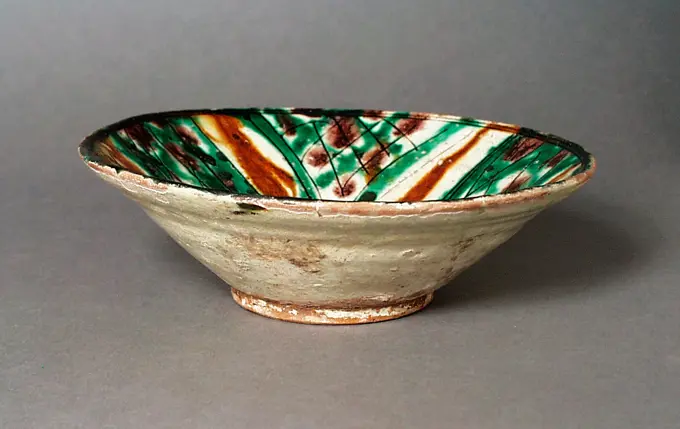
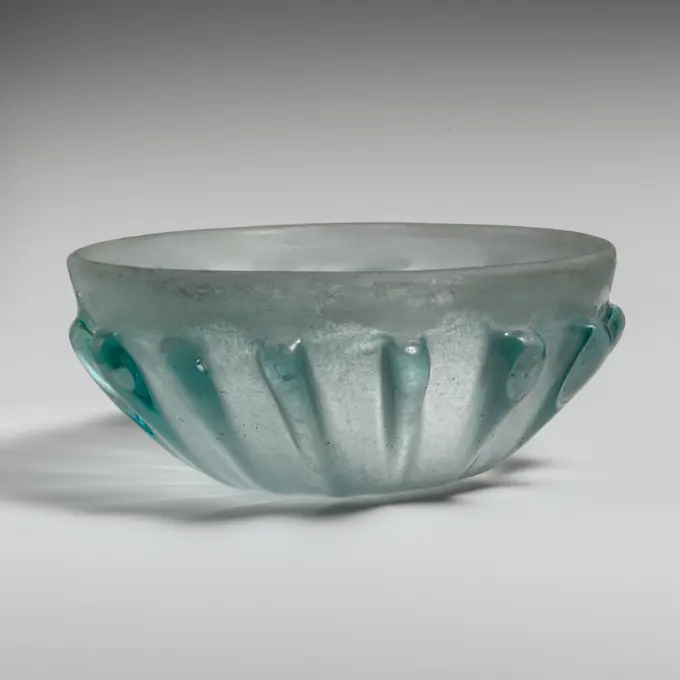
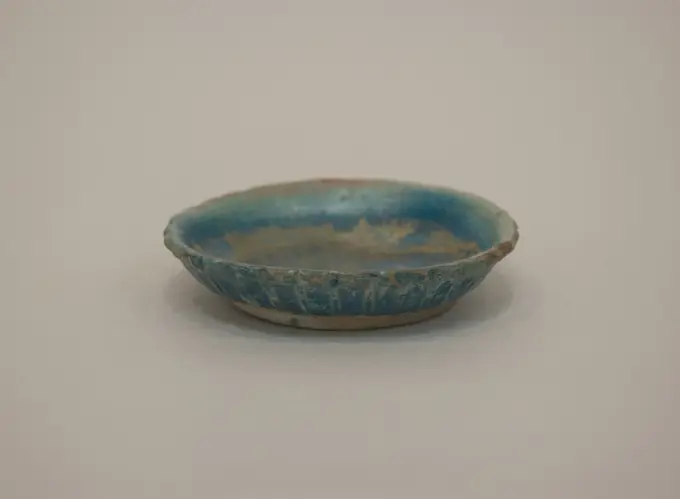
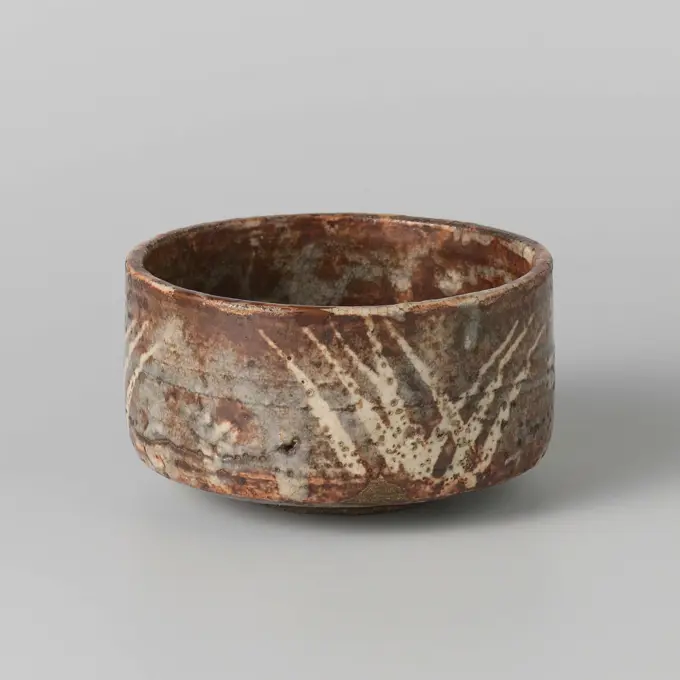
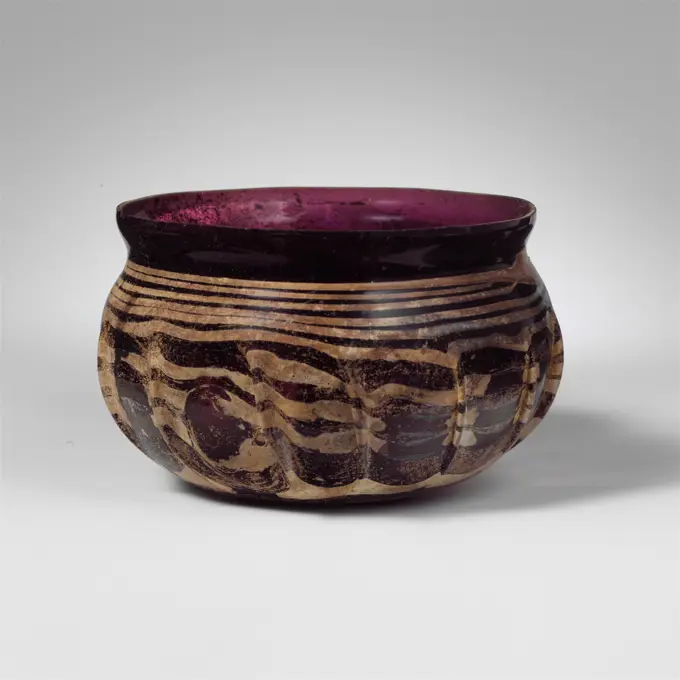
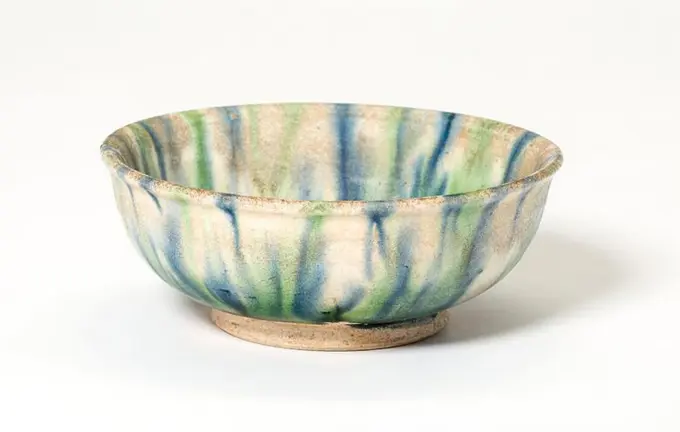
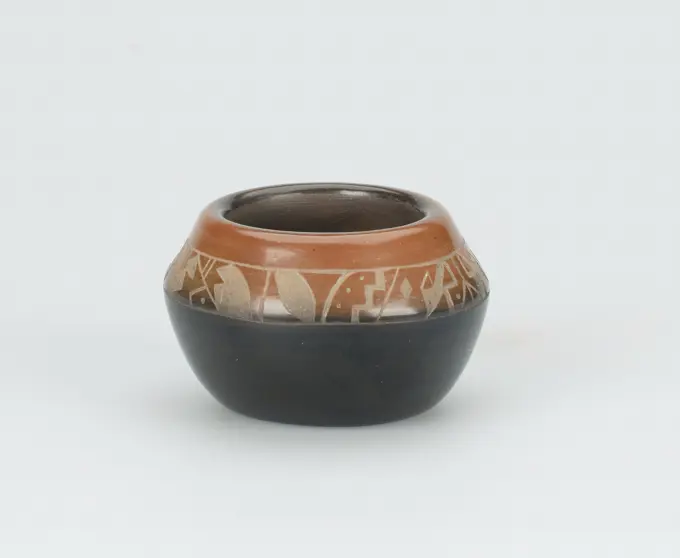
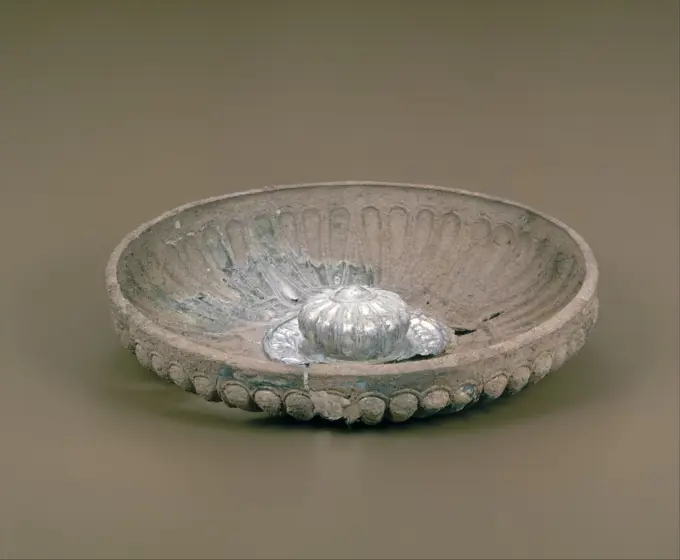
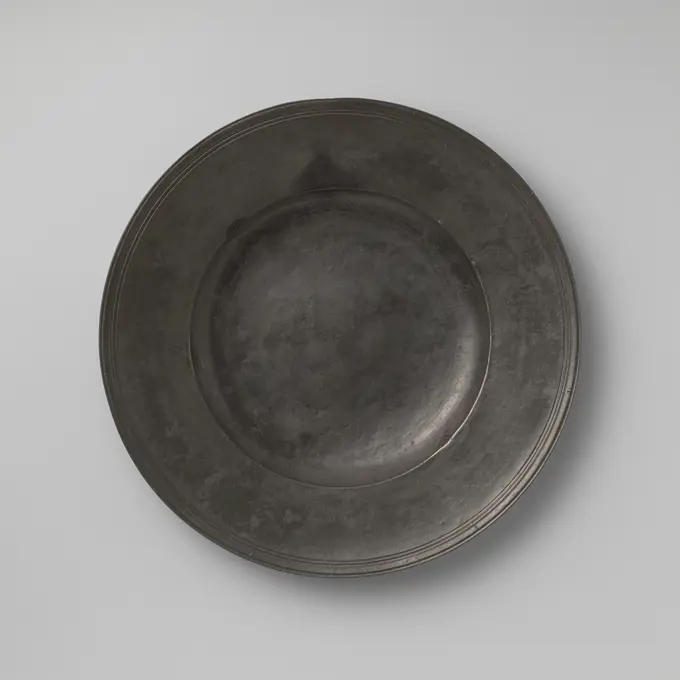
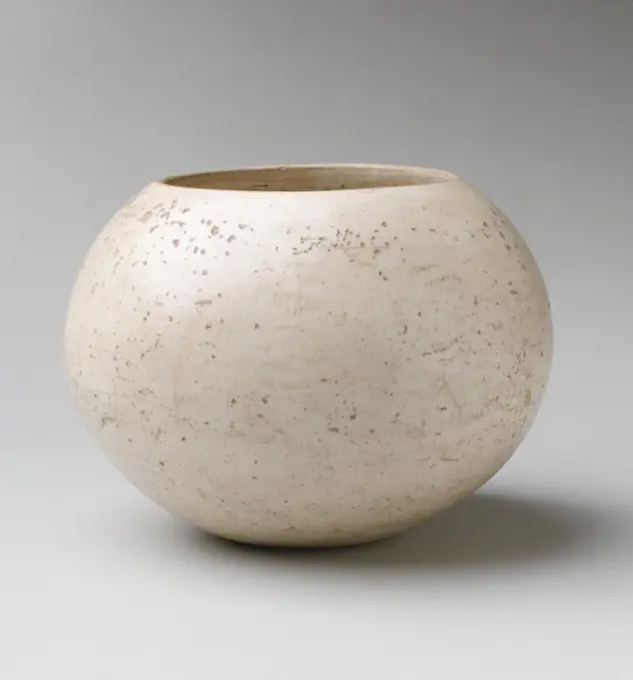
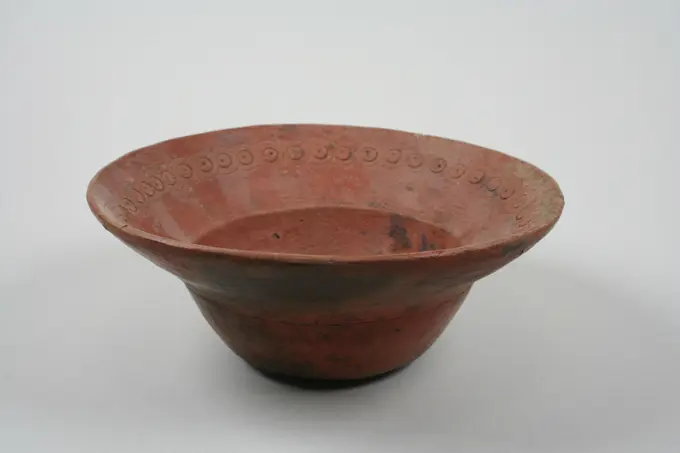
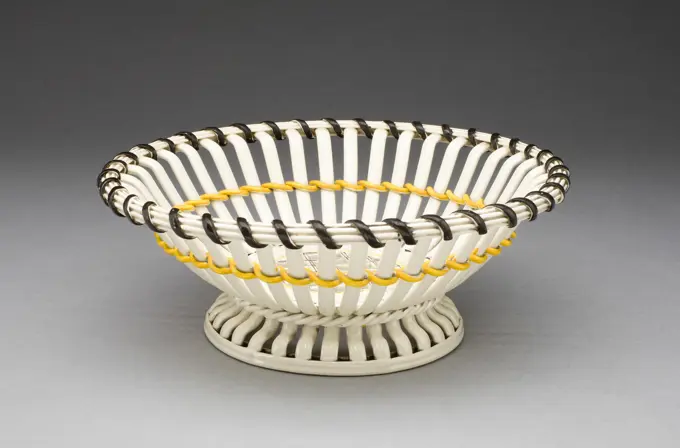
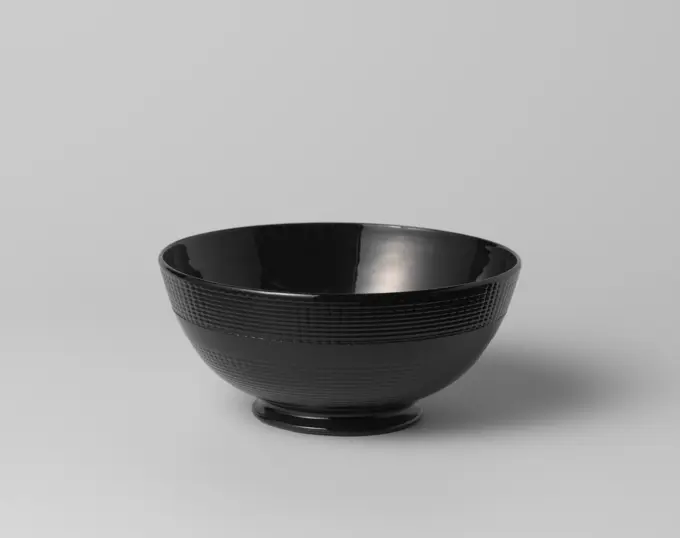
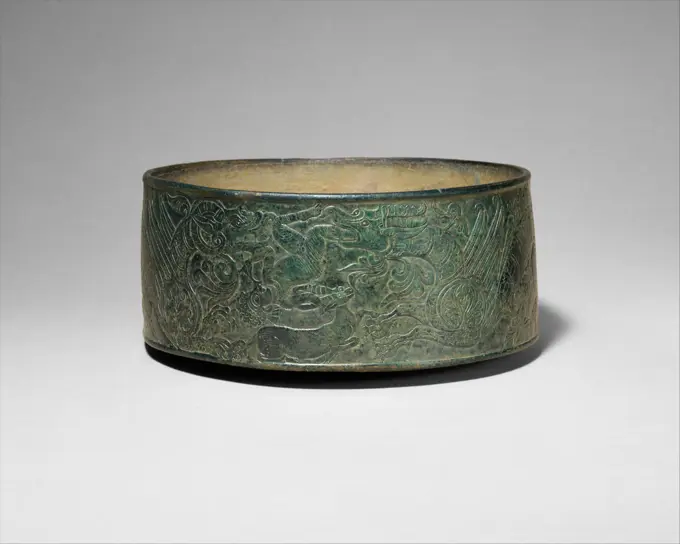
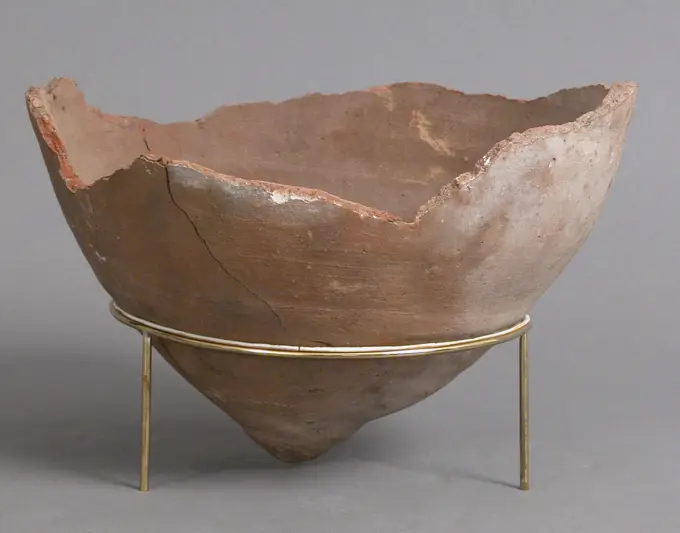
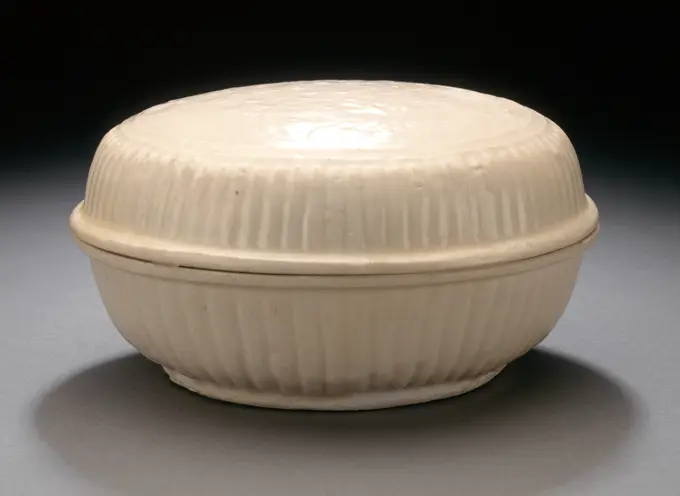
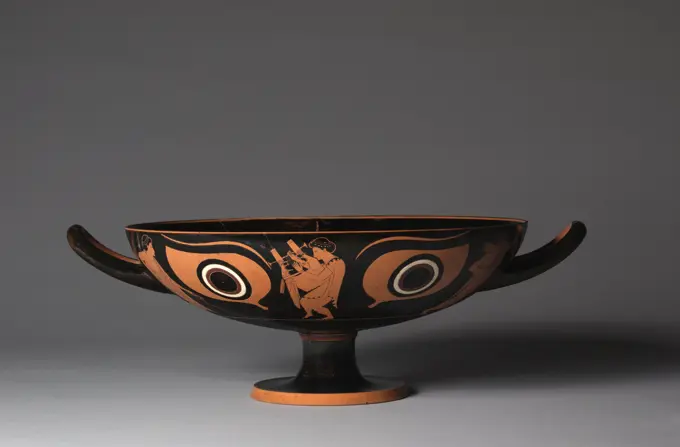
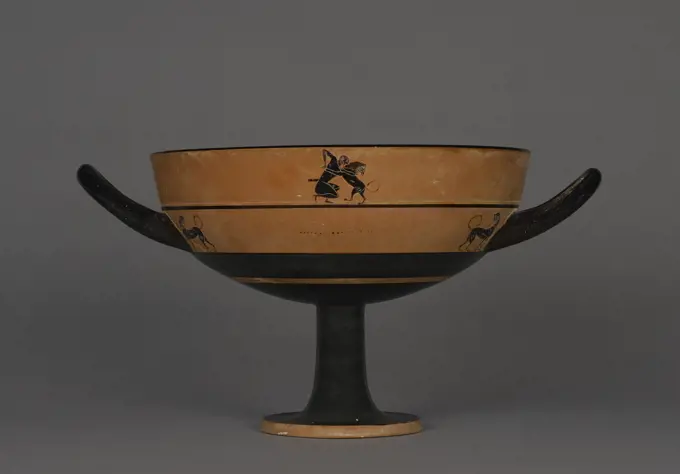
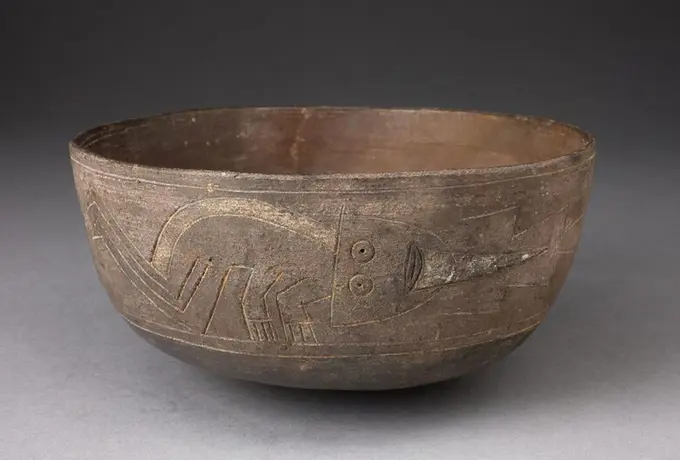
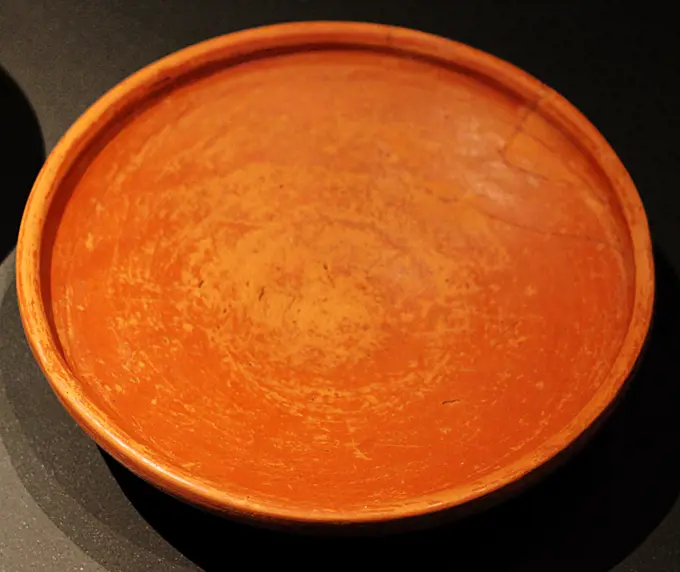
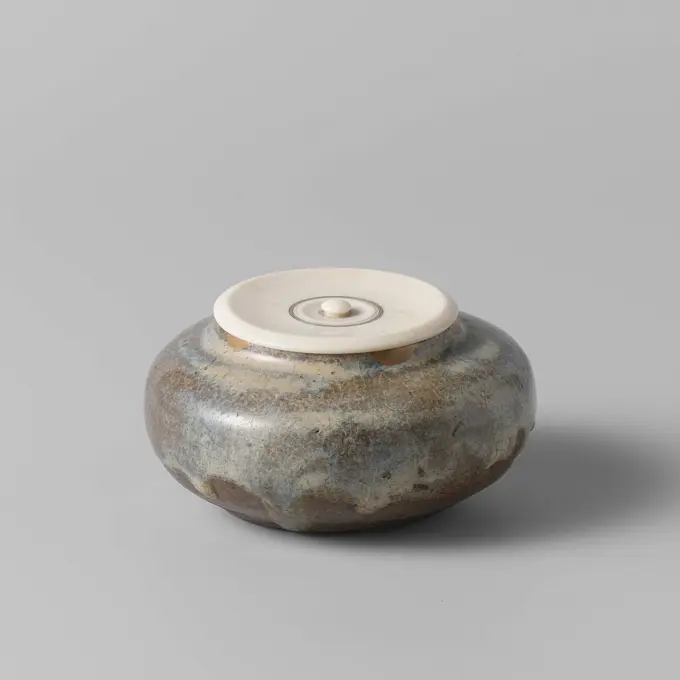
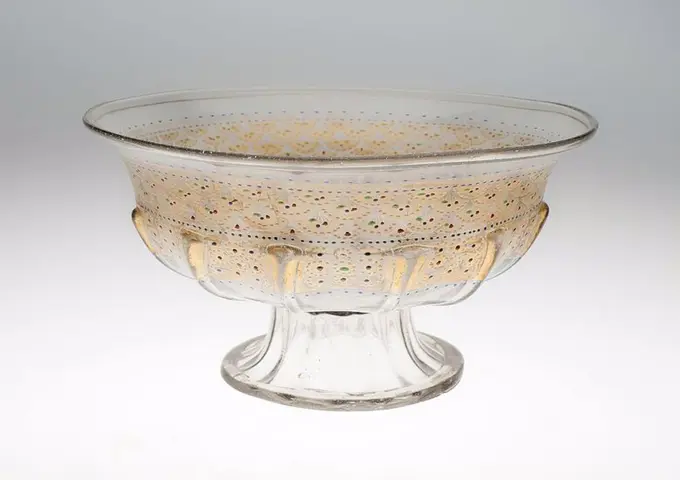
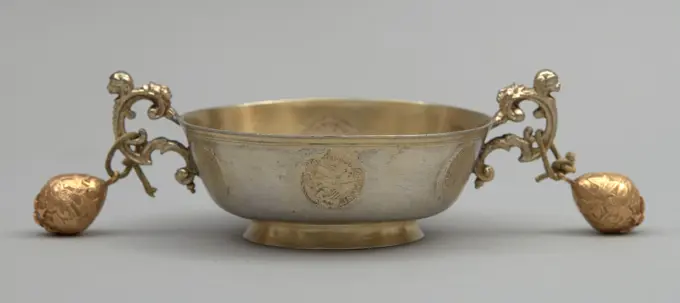
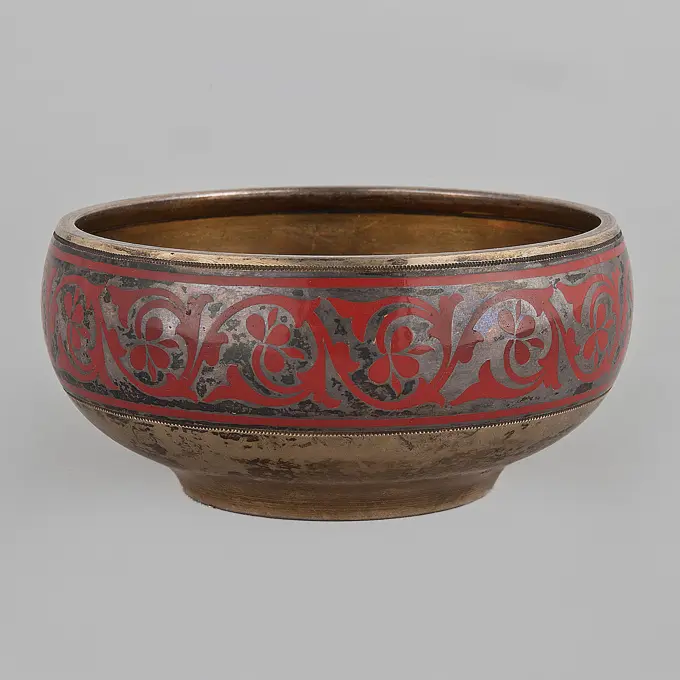
Elliptical bowl ca. 6th century A.D. Sasanian. Elliptical bowl 325250Cup; Eastern Mediterranean; 4th - 5th century; Glass; 8.3 x 8 cm (3 1,4 x 3 1,8 in.)Terracotta one-handled cup. Culture: Greek, Attic. Dimensions: H. 1 3/4 in. (4.4 cm). Date: late 8th century B.C..From the Hymettos deposit (see 30.118.1). Museum: Metropolitan Museum of Art, New York, USA.Dish, Wedgwood, English, established 1759, Glazed earthenware (Queen's ware), overglaze decoration, gilding, Oval dish wish scalloped border in the form of a shell. A line of green and traced of gilding at border. Center shows scattered sea flora in green and black., England, late 18th century, ceramics, Decorative Arts, DishBowl, spherical vessel, basket;  around 2345-2323 BC ; Old Pa 6 Dynasty (-2345-00-00--2323-00-00), approx. 2494-2345 BC ; Old PAIzi, private name, collection of ancient Egypt, Polish-French excavations in Edfu (Egypt)Stone bowl ca. 2750-2650 B.C. Early Dynastic Period. Stone bowl. ca. 2750-2650 B.C.. Stone. Early Dynastic Period. From EgyptBol .. Monochrome brown covered porcelain, Ming dynasty (1368-1644) or Qing dynasty (1644-1912). Provenance: China. Paris, Cernuschi museum. 78840-1 Asian art, Chinese art, living art, tableware, bowl, fine ceramic, ming dynasty, porcelainBowl, 13th-14th century, Unknown Korean, 3 x 7 3/4 in. (7.62 x 19.69 cm), Porcelaneous ware, inlaid celadon with cloud motif, Korea, 13th-14th centuryAltar bowl with Tibetan inscription early 15th century China This type of vessel was used as a ceremonial tea bowl with a metal or lacquer saucer. The Tibetan inscription around its body offers auspicious wishes to the user. The same inscription was incised into the bowls interior, an investment of craftsmanship that speaks to the exceptional quality of the piece. Listen to experts illuminate this artwork's story Listen Play or pause #7351. Altar Bowl with Tibetan Inscription, Part 1 Play or pause #7351. Altar Bowl with Tibetan Inscription, Part 2 Supported by Bloomberg Philanthropies We're sorry, the transcript for this audio track is not available at this time. We are working to make it available as soon as possible.. Altar bowl with Tibetan inscription. China. early 15th century. Porcelain painted with cobalt blue and with incised decoration under transparent glaze (Jingdezhen ware). Ming dynasty(1368-1644), Xuande mark and period (1426-35). CeramicsBowl;  around 1550 1069 BC ; New PABowl 1st-early 2nd century Roman. Bowl 461179Anonymous. Incense burner. Jade, Qianlong era (18th century). Museum of Fine Arts of the City of Paris, Petit Palais. 122749-8Dish with Petal-Lobed Rim, Stylized Peony, and Sickle-Leaf Scrolls 1000-1127 China. Yaozhou ware; stoneware with underglaze molded decoration .Glass cup. Culture: Roman. Dimensions: H.: 3 3/8 in. (8.6 cm)Diam.: 2 15/16 x 3 5/8 in. (7.5 x 9.2 cm). Date: 1st century A.D..Translucent blue green.Everted, rounded, and slightly thickened rim; concave wall to carination, marked by horizontal bulge, then tapers to bottom; pushed-in bottom with pontil scar.Intact; a few bubbles; some pitting, dulling, faint whitish weathering, and iridescence. Museum: Metropolitan Museum of Art, New York, USA.Wine Cup, 1st century, 2 7/16 x 4 3/4 x 5 3/8 in. (6.19 x 12.07 x 13.65 cm), Earthenware with molded decor under green glaze, China, 1st centuryBowl.   Maker: Durant Kilns, American, 1910-1930Potter: Leon Volkmar, 1879-1959Basin 18th-19th century. Basin 446299Bowl; Innsbruck, Austria; 1570 - 1591; Colorless (grayish-brown) glass with diamond-point engraving, gilding (including silver), and cold-painted decoration; 16 x 40.5 cm (6 5,16 x 15 15,16 in.)Glass ribbed bowl mid-1st century A.D. Roman Translucent pale blue green.Knocked-off, uneven rim; short concave neck; bulging side curving in to slightly concave bottom.Side tooled into fifteen irregular, vertical ribs.Intact; many bubbles; dulling, deep pitting, and patches of iridescent weathering on exterior, thick, creamy brown weathering and brilliant iridescence covering most of interior.. Glass ribbed bowl. Roman. mid-1st century A.D.. Glass; blown and tooled. Early Imperial. GlassBowl with design of landscape and genre scenes, late 19th century, Ryusan, Japanese, 3 x 5 9/16 x 5 9/16 in. (7.62 x 14.13 x 14.13 cm), Glazed porcelain with overglaze gold, Japan, 19th centuryBowlSmall pottery colander, white shard with green lead glaze, two horizontal sausage ears, on three legs, colander kitchen equipment earthenware foundry earthenware glaze lead glaze, hand-turned baked glazed Small earthenware colander white shard with green (copper oxide) lead glaze two horizontally turned sausages three legs archeology indigenous earthenware food prepare seven cooking eat kitchenBowl 4th-7th century Coptic. Bowl 478869Stem Cup. Culture: China. Dimensions: H. 4 in. (10.2 cm); Diam. 6 in. (15.2 cm). Date: 1271-1368. Museum: Metropolitan Museum of Art, New York, USA.Bowl with Yellow Glaze, 1723-35. China, Qing dynasty (1644-1911), Yongzheng mark and reign (1723-35). Glazed porcelain; diameter: 14.8 cm (5 13/16 in.); overall: 6.7 cm (2 5/8 in.).Cup (usual name), 1400. Covered sandstone. Cernuschi Museum, Asia Museum of Asia in the city of Paris.Terracotta phiale (libation bowl) ca. 575-550 B.C. Etruscan The shape is rare in bucchero. This example seems to be a literal translation from the more common metallic versions ultimately derived from Near Eastern prototypes.. Terracotta phiale (libation bowl) 249107Deep bowl ca. 3100-2649 B.C. Early Dynastic Period. Deep bowl. ca. 3100-2649 B.C.. Stone. Early Dynastic Period. From EgyptHenri Husson / Adrien-Aurélien Hébrard. Cut. Copper enamelled and champlevé. Museum of Fine Arts of the City of Paris, Petit Palais. 76265-2 Champleve, cut, copper enamelSkyphos ca. 500 B.C. Greek, Attic. Skyphos. Greek, Attic. ca. 500 B.C.. Terracotta; black-figure. Archaic. VasesSpouted Dish. Western Iran, circa 1000-650 B.C.. Furnishings; Serviceware. Bronze, hammeredCup on High Foot China. Cup on High Foot 52723. Come of earthenware covered with a monochrome turquoise lead glaze.Bowl. Egypt, Early Dynastic (3050 - 2687 BCE). Furnishings; Serviceware. CalciteGlass dish late 1st-early 3rd century A.D. Roman Translucent pale greyish green strongly tinged with purple; handles in same color.Broad tubular rim, made by folding out and down; almost horizontal shoulder; S-shaped side to body; tubular base-ring, made by folding; bottom almost flat but with a thick dome at center with traces of large circular pontil mark; two handles trailed along edge of rim from right to left.On handles, vertical tooling to make a series of alternating ridges and grooves.Intact; a few pinprick and two large bubbles; slight pitting and faint iridescent weathering.With raised decoration on rim.. Glass dish. Roman. late 1st-early 3rd century A.D.. Glass; blown, trailed, and tooled. Imperial. GlassBowl, 1736-95. China, Qing dynasty (1644-1911), Qianlong mark and reign (1736-95). Jade; diameter: 16.4 cm (6 7/16 in.).Caliciform goblet. Gallo-Roman. Glass. Paris, Carnavalet museum. Caliciform, Gallo-Roman, Gallo-Roman, goblet, glass, archeological vestigeGlass Bowl 375-425 Late Roman. Glass Bowl 468761PatellaCupGlass dish. Culture: Roman. Dimensions: 1 1/16 x 3 3/16 x 5 5/8in. (2.7 x 8.1 x 14.3cm). Date: ca. A.D. 100-150.Translucent light blue green.Plain, rounded, horizontal rim; hexagonal body with straight sides tapering downward; integral hexagonal base, with ground flat edge; small flat bottom; two large integral handles, slightly upturned with rounded edge, each pierced with a central irregular star-shaped hole at base next to rim, and carved into a palmette shape with round and pointed projections. On upper surface incised decoration running around rim, on bottom in recessed hexagonal panel, and on handles: on rim, a continuous tendril scroll with circular flowers decorated with a cross; on bottom, a lozenge with buds at angles and a central circular flower decorated with a cross; and on handles, floral pattern of leafy sprays issuing from a central stem.Broken and repaired at one end of body with part of side and rim missing; few bubbles; dulling, faint iridescence, and patches ofBowl with Geometric Patterns 500-100 B.C. Paracas (). Bowl with Geometric Patterns 308475Mosaic Glass Bowl. UnknownSalver early 20th century (original dated 1480) Portuguese. Salver 463209Pair of saltcellars late 18th century probably British. Pair of saltcellars. probably British. late 18th century. Pewter. Metalwork-PewterTerracotta krater (mixing bowl) ca. 550 B.C. Etruscan Six female heads decorate the rim of the large vessel. Below, a frieze showing a procession of modeled sirens moving to the right. They alternate with lion protomai facing left. The trumpet shaped foot is fluted.. Terracotta krater (mixing bowl) 246237FlutedVasePedestal Bowl 5th-6th century Recuay. Pedestal Bowl 310189Bowl 9th-10th century. Bowl 449792Bowl with Design of Pine, Bamboo, and Cherry Blossom 19th century Japan. Bowl with Design of Pine, Bamboo, and Cherry Blossom. Japan. 19th century. Sprinkled gold on lacquer (maki-e). Edo period (1615-1868). LacquerGlobular Jar with Overlapping Leaves. China. Date: 907 AD-960 AD. Dimensions: H. 7.9 cm (3 1/8 in.); diam. 10.3 cm (4 1/16 in.). Yue ware; stoneware with underglaze carved decoration. Origin: China. Museum: The Chicago Art Institute, Chicago, USA.BowlGlass ribbed bowl late 1st century B.C.-mid-1st century A.D. Roman Translucent blue green.Plain rounded rim; sides curving in to slightly uneven, flat bottom.On exterior, fourteen prominent, almost vertical ribs with flattened angular tops, tapering downwards and extending in vestigal form on bottom, with vertical tooling indents flanking some of ribs.Intact; a few pinprick and larger bubbles; dulling on interior and around top of exterior, and very faint weathering.Rotary grinding marks on interior.Bluish ribbed cup.. Glass ribbed bowl. Roman. late 1st century B.C.-mid-1st century A.D.. Glass; cast and tooled. Early Imperial, Augustan or Julio-Claudian. GlassDish 13th-14th century China. Dish. China. 13th-14th century. Stoneware with turqoise blue glaze. Yuan dynasty (1271-1368). CeramicsSugar bowl c 1820-1850 Pennsylvania. Earthenware . Artist unknown. Tea bowl of stoneware, covered with a white sludge and a red-brown and gray glaze. Plants (grasses). The budget decoration is filled with white sludge (Mishima technique). Old label on the bottom with 'Shino!'. Shino.Large cup, 100 BCE - 600 CE, 4 1/16 x 5 1/16 x 5 1/16 in. (10.32 x 12.86 x 12.86 cm), Clay, pigments, Peru, 1st century BCE - 7th century CEGlass ribbed bowl mid-1st century A.D. Roman Translucent deep purple; trail in opaque white.Outsplayed rim, with cracked off and ground lip; short concave neck; broad, globular body curving in to slightly convex and thicker bottom.Thick trail applied on bottom and wound spirally eleven times up side to neck, ending in a large blob; side tooled into fourteen widely-spaced, vertical ribs.Intact, except for one chip in rim, and short sections of trail on body missing through weathering; pinprick bubbles and one glassy inclusion on interior of bottom; some pitting, dulling, and iridescence, with creamy weathering covering most of trail on exterior, little weathering on interior.Examples of this type of glass bowl are known from many sites across the Roman Empire. Those found in the eastern provinces are generally in pale, almost colorless, transparent glass, but those found in the West are made in rich, deep colors and usually have an opaque white trail decoration.. Glass ribbed bowl 2456CUENCOS DE CERAMICA ROMANA, TERRAS SIGILLATAS HISPANICAS. PROCEDENTES DE LA VILLA ROMANA DE VILLAVERDE BAJO. (DEPOSITO: MUSEO MUNICIPAL DE MADRID).Bowl with Streak Pattern. China. Date: 700 AD-750 AD. Dimensions: H. 3.6 cm (1 7/16 in.); diam. 9.4 cm (3 11/16 in.). Slip-coated earthenware with cobalt blue and lead green streaks. Origin: China. Museum: The Chicago Art Institute, Chicago, USA.Plate, Jun ware. Artist: Chinese , Yuan Dynasty. Culture: Chinese. Dimensions: Diameter: 7 /18 in. (18.1cm). Date: 13th-14th century. Museum: Metropolitan Museum of Art, New York, USA.Black jar hungawa, 1 1/2 × 2 1/4 × 2 1/4 in. (3.81 × 5.72 × 5.72 cm), Ceramic, United StatesSilver phiale (libation bowl) late 7th or early 6th century B.C. East Greek, perhaps Rhodian This bowl is the earliest of the Museum's traditional phialai with a pronounced omphalos (navel), or central boss; the hollow underside furnished a grip for two fingers when the phiale was tilted to pour a libation. Stylized lotos blossoms are engraved on the gently curving surface of the bowl. The boss, with its collar decorated with embossed animals, was originally covered by another gilded metal layer, as on the adjacent bowl.. Silver phiale (libation bowl). East Greek, perhaps Rhodian. late 7th or early 6th century B.C.. Silver, gold. Archaic. Gold and SilverDish of tin. Large, undesporded dish from tin. The wide edge is double profiled.Bowl (Tecomate) 12th-10th century B.C. Olmec This bowl is in a full, round shape with a small opening at the top. A potter carefully built this thin-walled vessel using a coil technique with a kaolin-like clay, finishing it with a light-colored slip and burnishing the surface, which displays small pitted losses. The vessel type is known as a tecomate (gourd”), named after the gourds that inspired their original form. Some of the earliest ceramic vessels in Mesoamerica took the form of gourds captured in the more durable material of fired clay. Tecomates were important receptacles for community feasts, and many were subsequently placed in burials as important funerary offerings. While numerous tecomates are said to be from highland sites such as Tlatilco and Las Bocas in central Mexico, the comparatively heavy, thick walls of this example suggest that it might be from one of the Gulf Coast Olmec sites such as San Lorenzo or La Venta. Further readingBenson, Elizabeth P., and Beatriz de Athenian black-gloss drinking cup (bolsal). UnknownBowl with Figure Eight 7th-4th century B.C. Paracas. Bowl with Figure Eight. Paracas. 7th-4th century B.C.. Ceramic, slip, pigment. Peru. Ceramics-ContainersBasket Made 1780-1790 Staffordshire. Lead-glazed earthenware (creamware) .Platte mand, anonymous, 1700 - 1900 Flat basket with red braided characters on the bottom.  . Flat basket with red braided characters on the bottom.  .Bowl, black, decorated with corrugated edges. Bowl of black stone, decorated with corrugated edges. The body with close-up ribbed edges.Ritual Basin 6th-8th century Afghanistan or Central Asia Decorating the side of this basin is a frieze depicting two dragons attacking a boy. The youth holds a flower to his nose and clutches the horn of an antelope. The dragons are composite animals with segmented bodies and are related to similar creatures represented on post-Sasanian metalwork from the Oxus River basin of northern Afghanistan.. Ritual Basin 37680Terracotta pyxis (box) 4th century B.C. Greek, South Italian, Campanian The lid and bowl are inscribed.. Terracotta pyxis (box) 247275Tea Bowl and Saucer, Batavian” wareAmphora Fragment 4th-7th century Coptic. Amphora Fragment 476255Cutting and cutting support (common name). Bronze. Cernuschi Museum, Asia Museum of Asia in the city of Paris.Palace Ware bowl ca. 8th-7th century B.C. Assyrian. Palace Ware bowl 324211Lidded Box (He) with Peony SprayRed-Figure Eye Cup: Warriors (A), Musician and Youths (B), c. 520 BC. Attributed to Psiax (Greek, Attic, active c. 525-505 BC), and Group of Leipzig T 3599. Ceramic; diameter: 6.4 cm (2 1/2 in.); overall: 11.2 x 33.6 cm (4 7/16 x 13 1/4 in.); diameter of rim: 26 cm (10 1/4 in.); diameter of foot: 10.2 cm (4 in.).Black-Figure Lip Cup; Attributed to the Workshop of the Phrynos Painter (Greek (Attic), active 560 - 540 B.C.); Athens, Greece; about 550 B.C; Terracotta; 15 × 29 × 20.9 cm (5 7,8 × 11 7,16 × 8 1,4 in.)Chalice "a cilindretto". Unknown 580-570 B.C.Bowl Depicting Incised and Painted Abstract Crouching Figure. Paracas; Ica Valley, south coast, Peru. Date: 650 BC-150 BC. Dimensions: 7.6 x 14.3 cm (3 x 5 5/8 in.). Ceramic and pigment. Origin: Peru. Museum: The Chicago Art Institute, Chicago, USA.Seif Yohei I made both blue and white porcelains after Ming dynasty (1368-1644) Chinese wares fired in the kilns at Jingdezhen for export. He also made colorful stoneware in the style of his teacher, Nin’ami Dhachi (Takahashi Dhachi II) (1783-1855). Nesting Dish with Scattered Pine Needles and Maple Leaves, c. 1844-57. Seifū Yohei I (Japanese, 1801-1861). One of a pair of side dishes; stoneware with underglaze blue and iron oxide, white slip, and overglaze color enamel (Kyoto ware); inner dish: 6.7 x 14.4 x 11.5 cm (2 5/8 x 5 11/16 x 4 1/2 in.).Cup ca. 1650 Japan. Cup 47093German 5th-6th century pottery bowlsTerracotta skyphos (deep drinking cup) ca. 500 B.C. Greek, Attic Guinea fowlBirds appear with some frequency on vases at the end of the sixth century B.C. Roosters, geese, herons, and guinea fowl belonged to Athenian households.. Terracotta skyphos (deep drinking cup) 254297 Greek, Attic, Terracotta skyphos (deep drinking cup), ca. 500 B.C., Terracotta, H. 4 1/4 in. (10.8 cm); diameter 6 1/8 in. (15.6 cm); width with handles 8 1/4 in. (21 cm). The Metropolitan Museum of Art, New York. Rogers Fund, 1941 (41.162.125)Bowl 15th century. Bowl 444551Sugar bowl, painted with the Krokus decor. Sugar bowl of painted porcelain. The pot is painted in green and brown. The pot has been marked.empty ceramic bowl isolated on whiteCup ca. 2649-2100 B.C. Old Kingdom. Cup. ca. 2649-2100 B.C.. Pottery. Old Kingdom. From Egypt, Memphite Region, Saqqara, Djoser pyramid, near, Egyptian Antiquities Service excavations. Dynasty 3Bowl ca. 1750 British, Bristol. Bowl 199693. Flat fabric tea bus or chair of stoneware with an ivory lid, partly covered with a gray blue and cream-colored glaze. The lower part of the bus is unglazed. Old label on the inside with 'ki-seto / cat. Bing # 257 '. Golden lacquer repairs on the edge.Bowl -Small bowl. unknown, craftsmanBowl 4th-7th century Cajamarca This bowl, covered with concentric spirals and inverted S” motifs that emulate sinuous waves, represents the fusion of both coastal and highland craft traditions, in a style known as Coastal Cajamarca, popularized across the mid-Jequetepeque Valley, Peru, between the fourth and seventh centuries A.D. Cajamarca potters of the northern highlands developed a highly distinctive style that was at once simple and sophisticated, a source of aesthetic inspiration for artists in both neighboring and distant regions. This vessel features delicate red motifs on a cream background—the cream reflecting the color of the kaolin paste typically used by Cajamarca potters since the beginning of the first millennium A.D. Potters in the coastal mid-Jequetepeque Valley, inspired by Cajamarca, poured their expertise into the production of fancy bowls, plates, jars and spoons. These were finely painted using a red slip on a cream background, an aesthetic strongly associated wiVijzel with inscription Henrick ter Horst Me Fecit Daventriae Anno 1631, Henrick ter Horst, 1631 The cast round auger extends upwards, has a high protruding and profiled edge and a profiled base, which is applied higher than the bottom of the object. On the edge in Latin Majuskels the inscription Henrick ter Horst Me Fecit Daventriae Anno 1631 with interpunctions consisting of a window (seven times) and of three checks. The wall is divided above the middle in two by a sharply profiled rib. The upper Frisian is made up of three -pass arches, on which grape vends and ventries hang around and around. The lower Frisian shows drapping bunches by a cartouche, flanked by two naked female figures with, among other things, a branch in hand. The Cartouche ends in stylized tibaries of two volutes, which includes grape bunches. The entire motif is repeated not yet twice. At the bottom, the Frisian is closed by a stylized wounded pearl and cord edge. Deventer bronze (metal) casting The cast round aStanding Bowl. Italian; Venice. Date: 1485-1505. Dimensions: iameter: 30.8 cm (12 1/8 in.); H: 17.2 cm (6 3/4 in.). Colorless glass with enamel and gilding. Origin: Murano. Museum: The Chicago Art Institute, Chicago, USA.Bowl ca. 1881 Venezia-Murano Company Italian. Bowl 186202Bowl with Resurrection of the Maize God in a BallcourtPrzeszo Przyszoci unknownCzarka; Sazikow (Moscow and St. Petersburg; the company Z Otnicz; 1793-1887); the eighties of the 19th century (1880-00-00-1889-00-00);Foundation Jakub Ksawery Count. Potocki (1934-) - collections, Potocki, Jakub Ksawery (1863-1934) - collection, gift (provenance), plant flagella (ornament), testamentary record of Jakub Ksawery PotockiSpool Pyxis Lid. Unknown