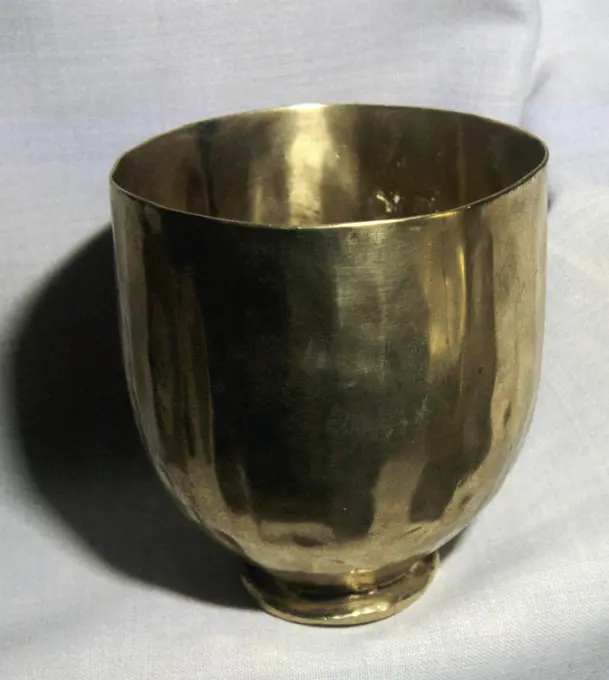
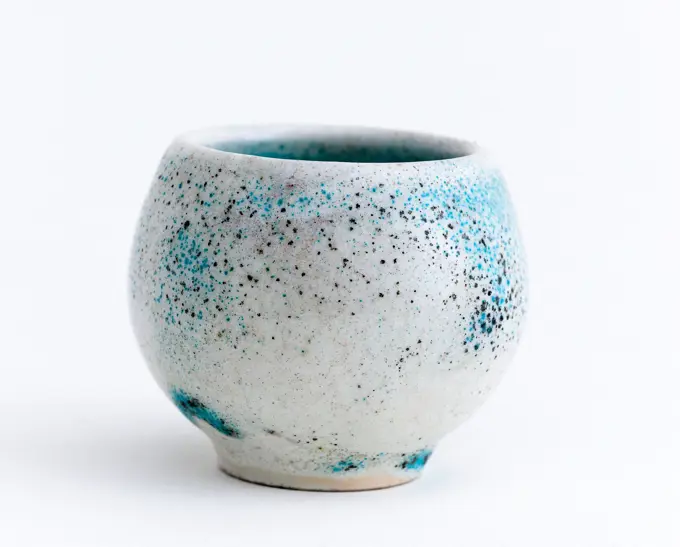
Decorative Bowls from History

An array of historic bowls made from various materials, showcasing unique glazes and intricate designs across different eras.
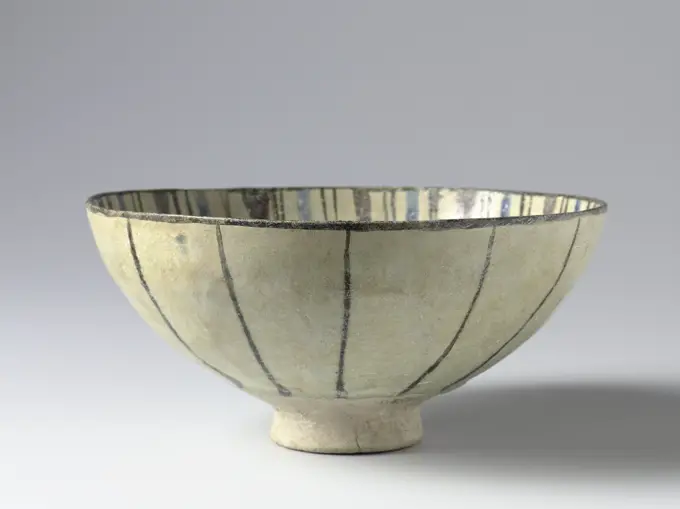
Bowl with a star among radial lines, anonymous, c. 1300 - c. 1399 Come from quartz fritry, decorated in colors a star surrounded by radial lines under the transparent alarm laze. Iran earthenware. glaze. cobalt (mineral) painting / vitrification Come from quartz fritry, decorated in colors a star surrounded by radial lines under the transparent alarm laze. Iran earthenware. glaze. cobalt (mineral) painting / vitrification
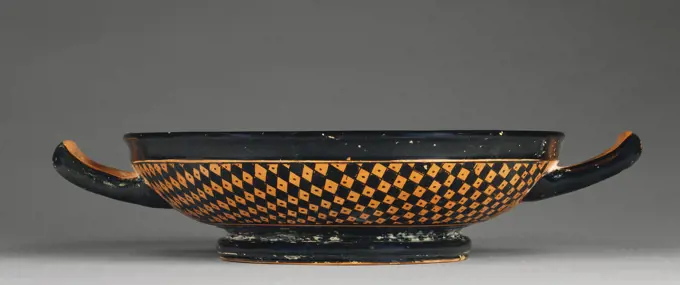
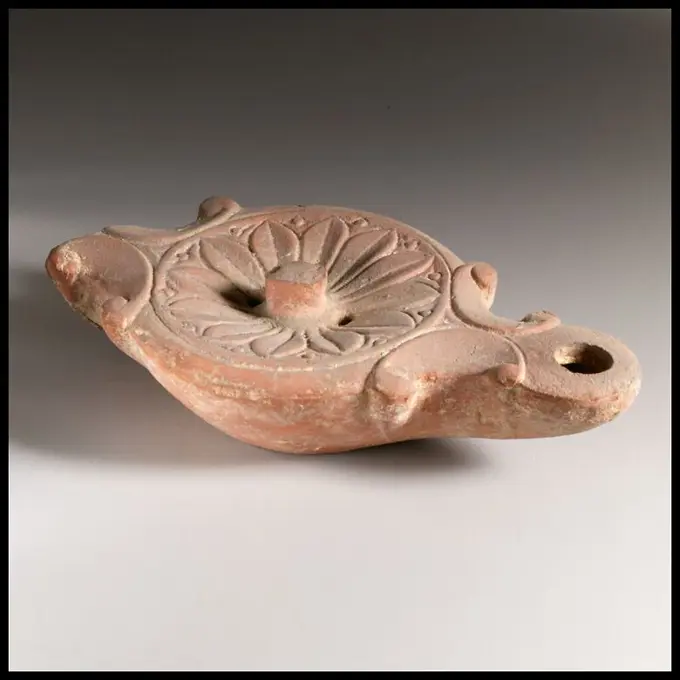
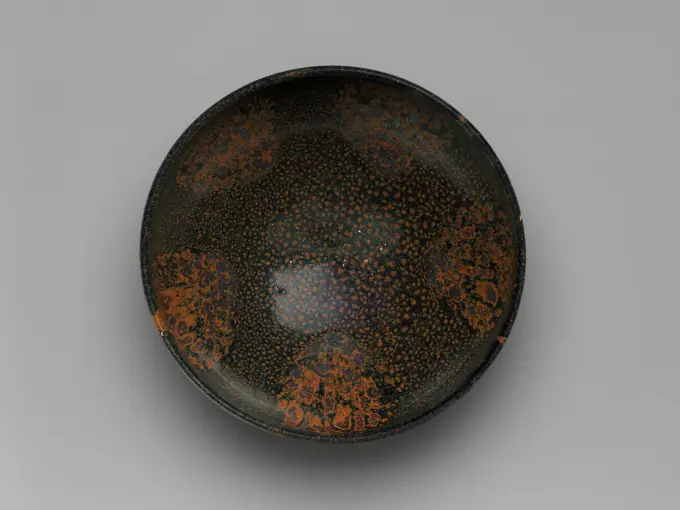
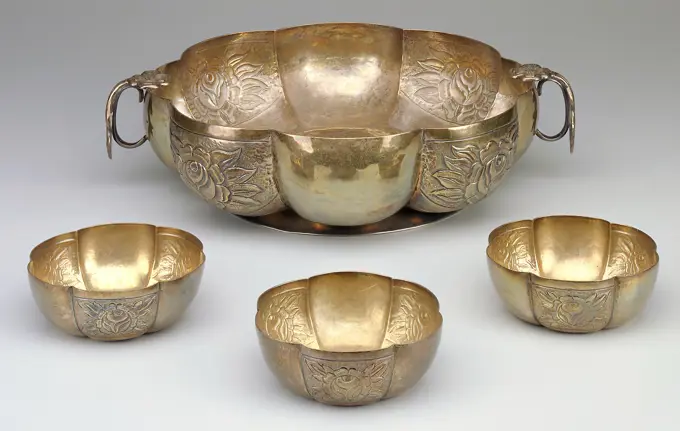
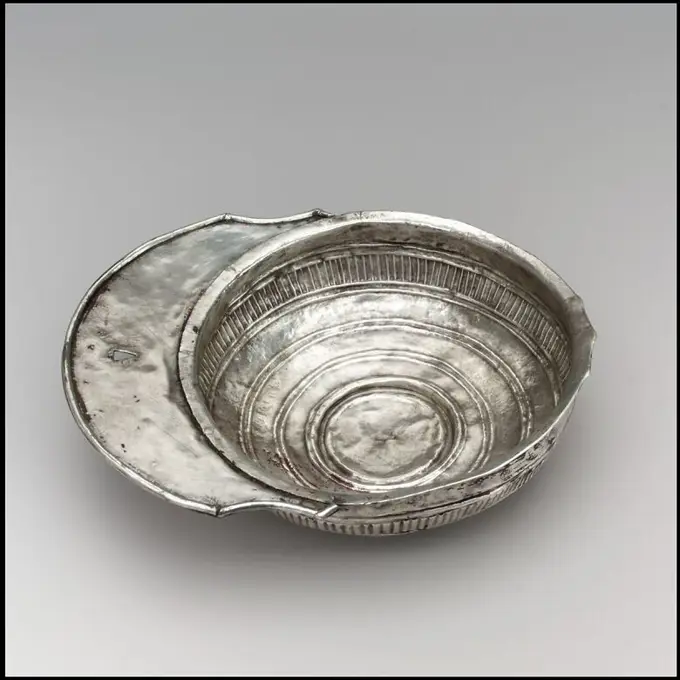
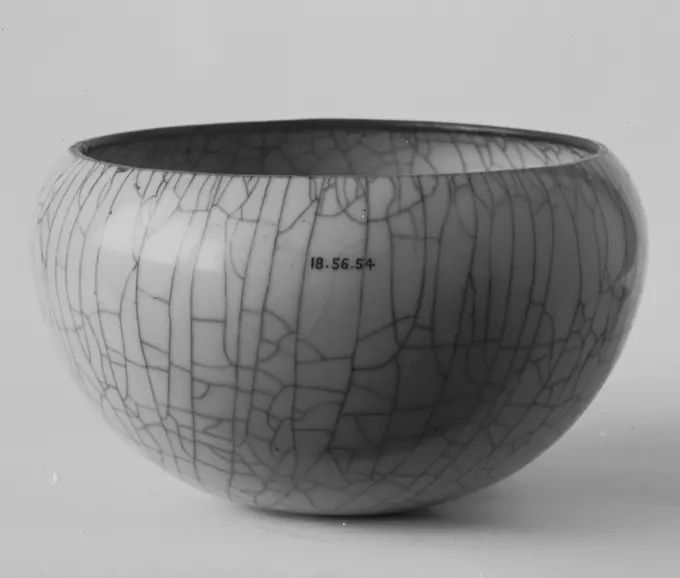
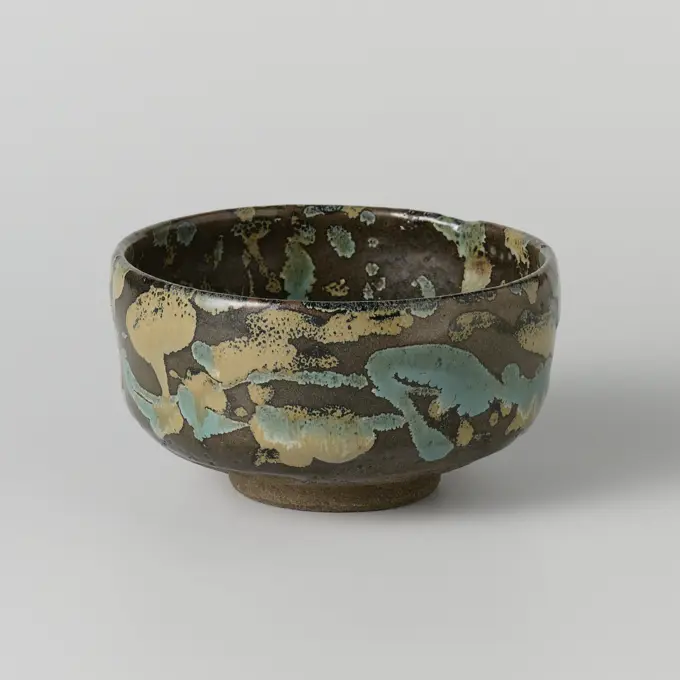
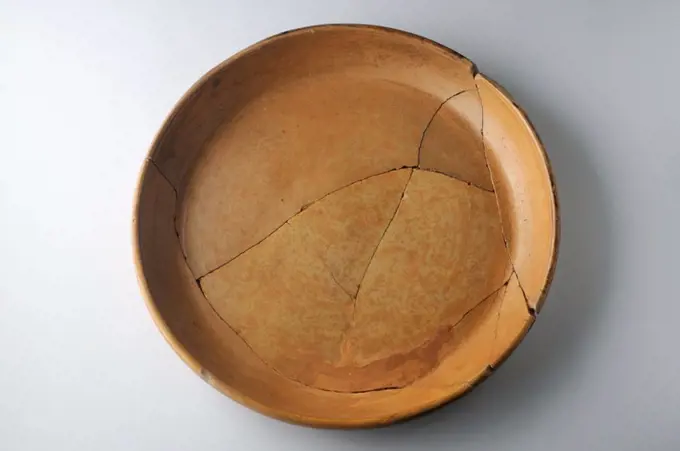
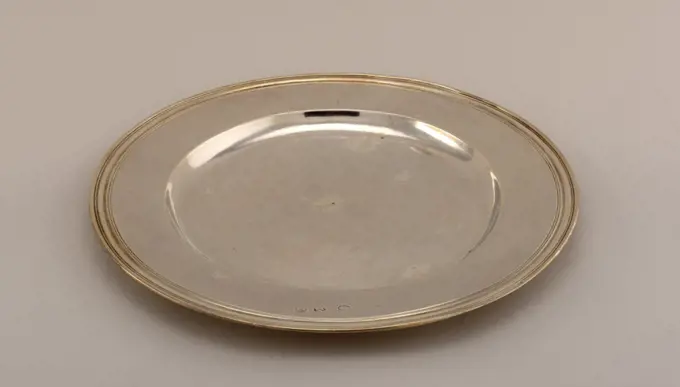
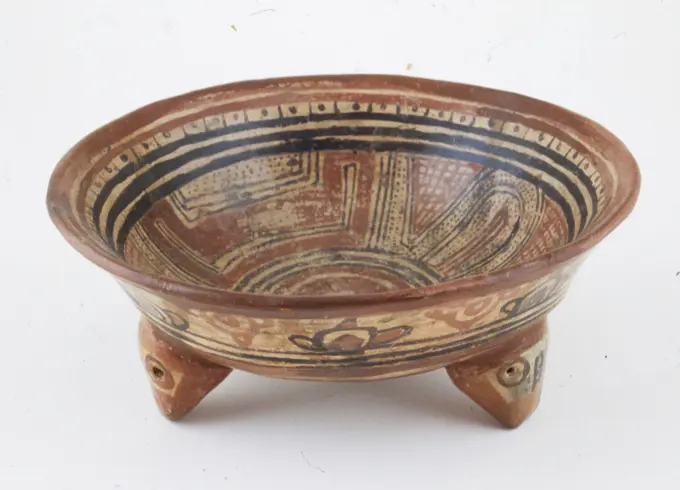
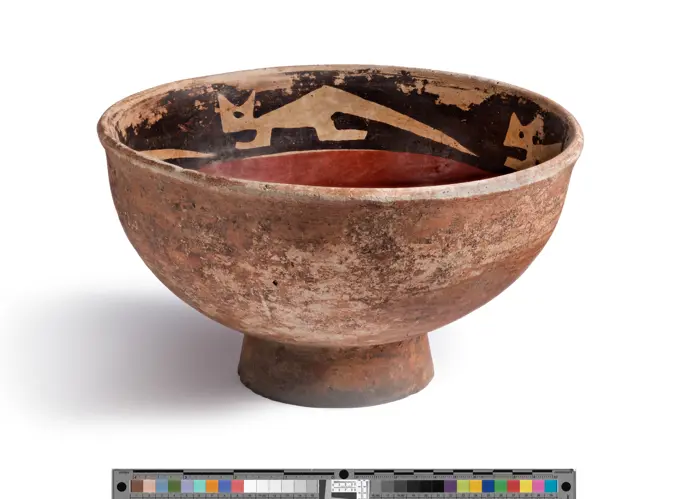
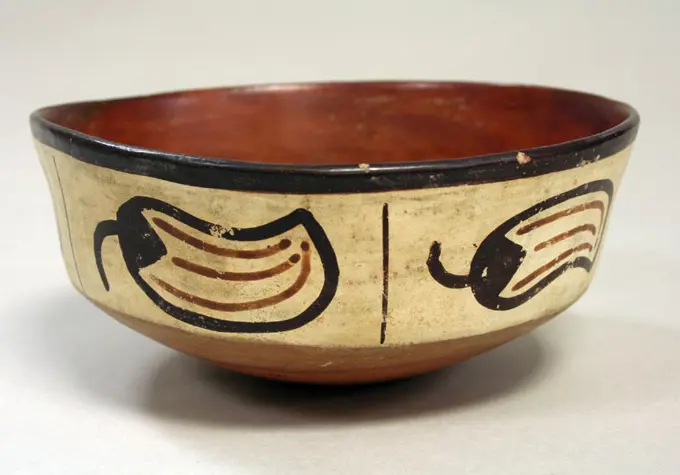
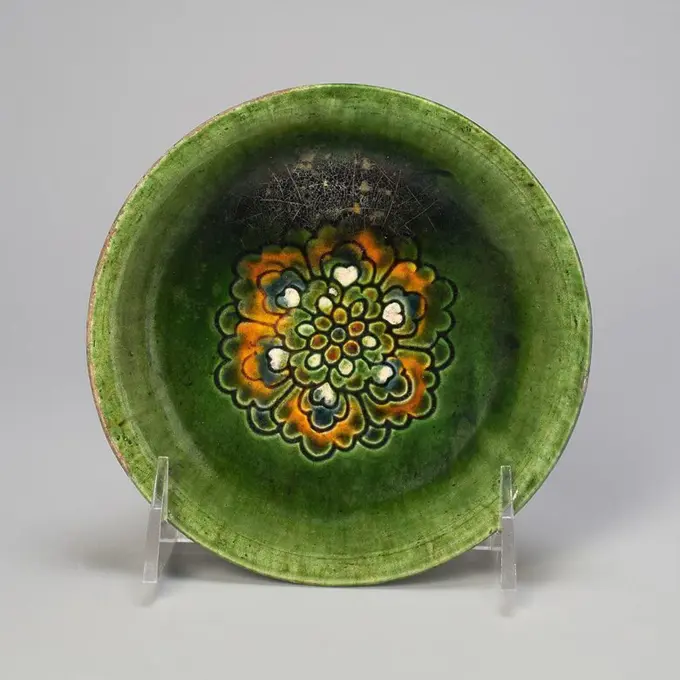
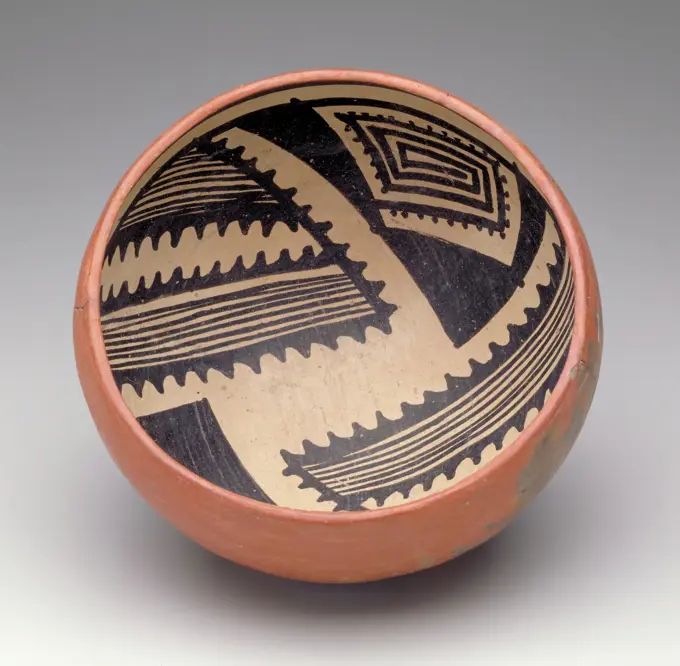
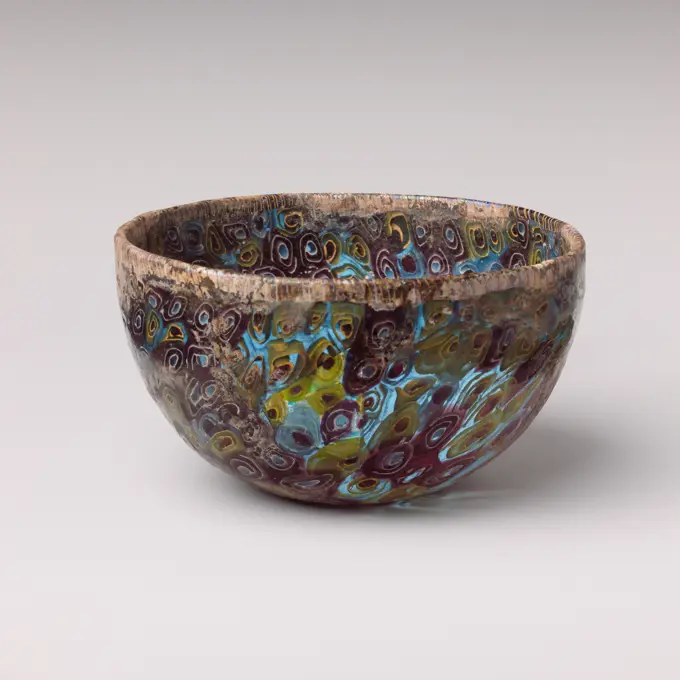
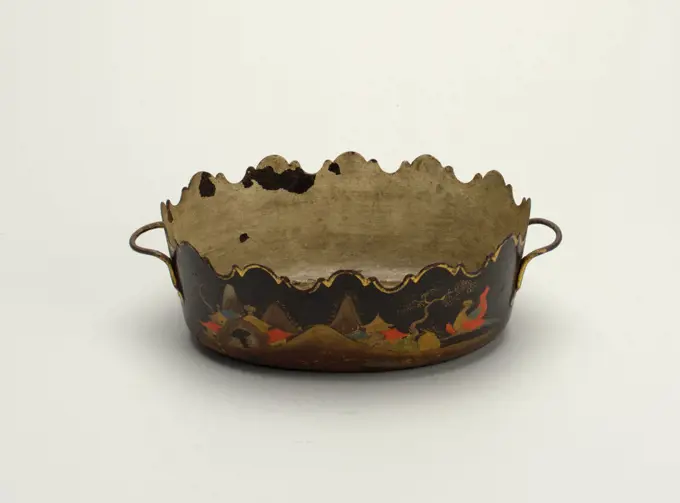
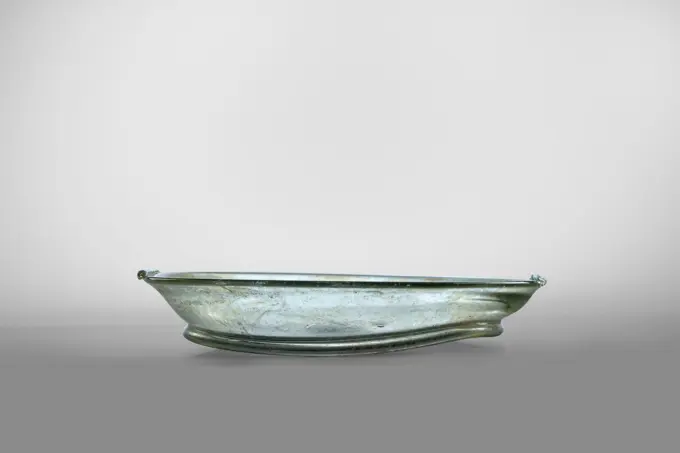
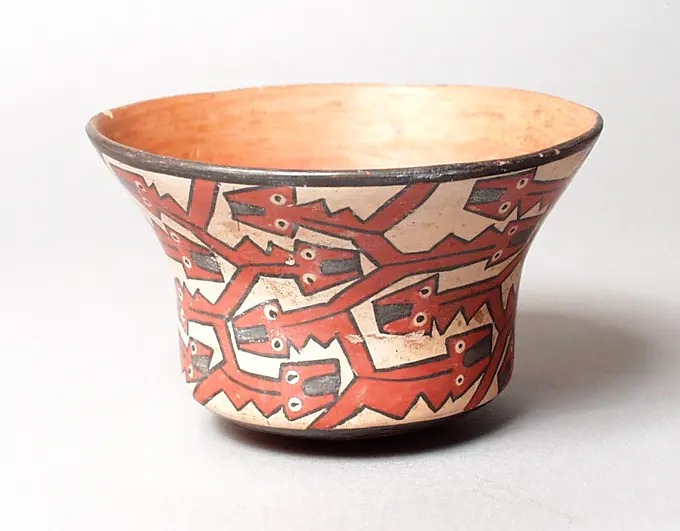
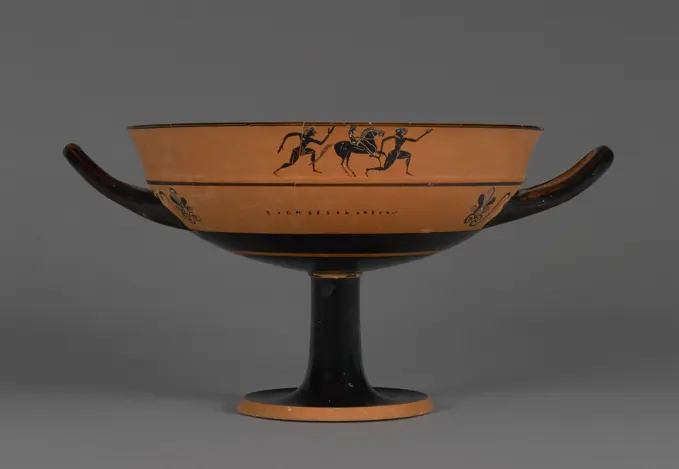
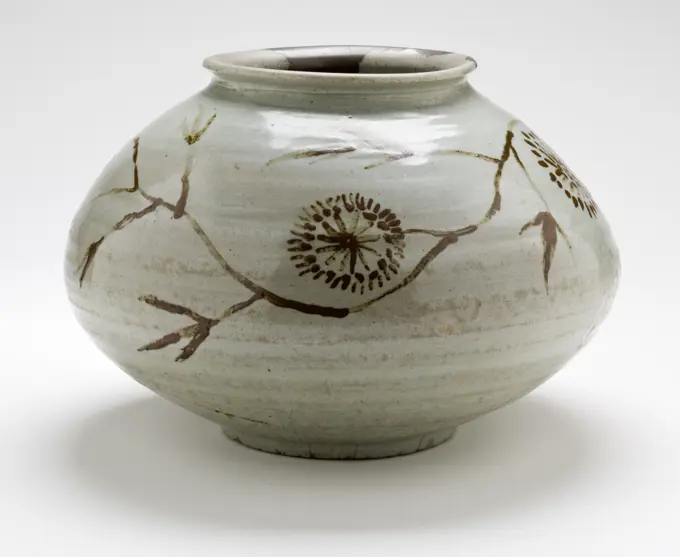
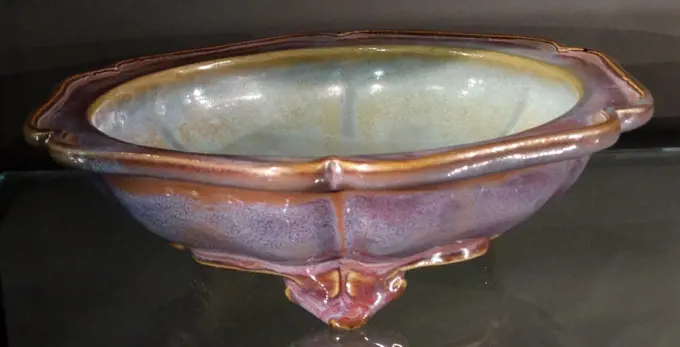
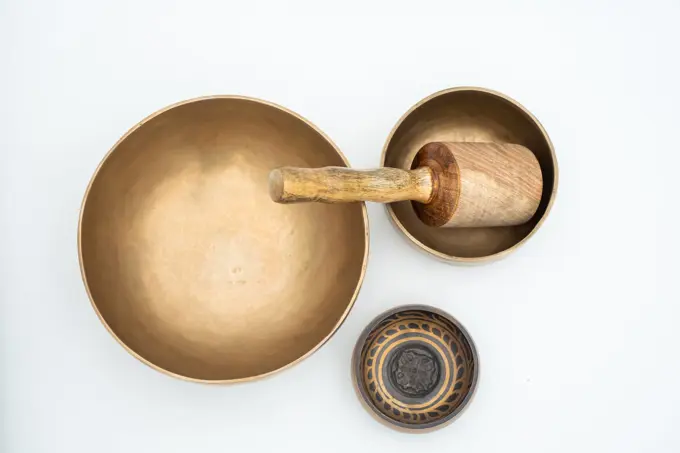
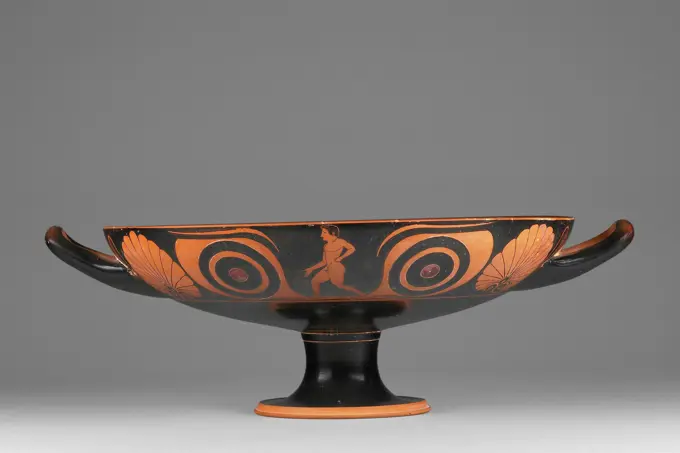
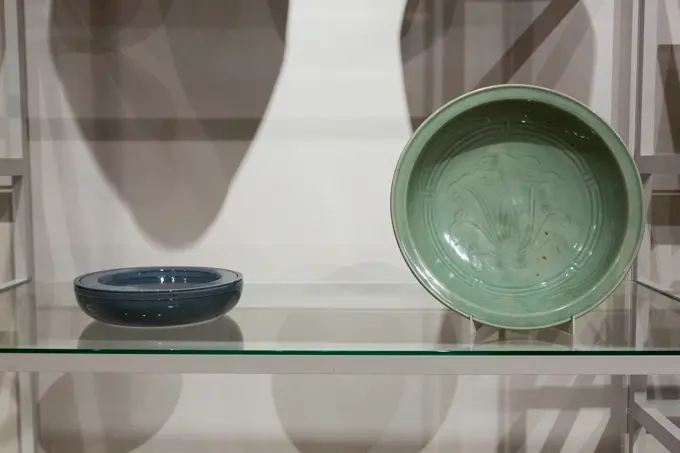
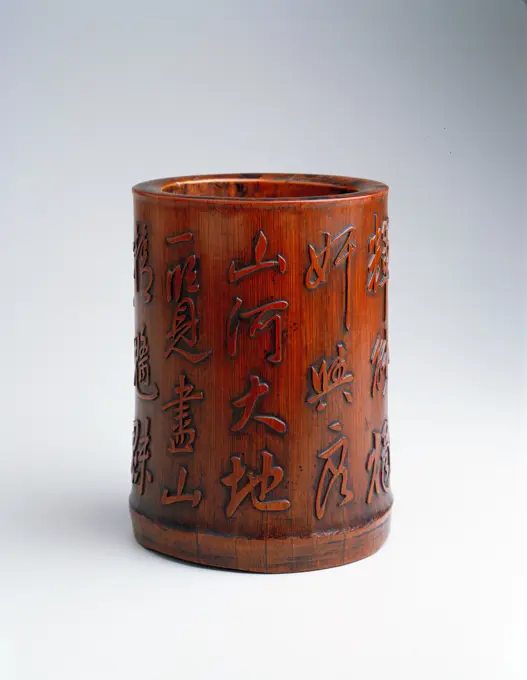
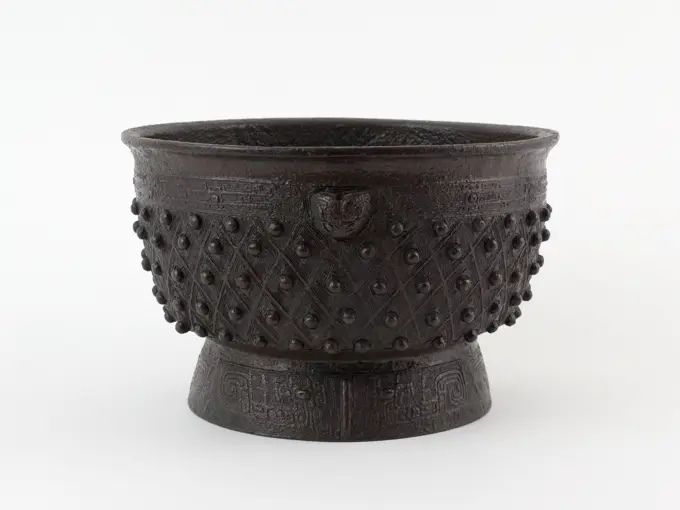
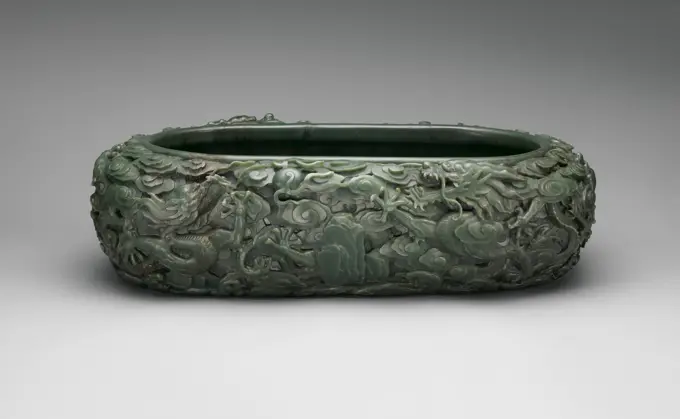
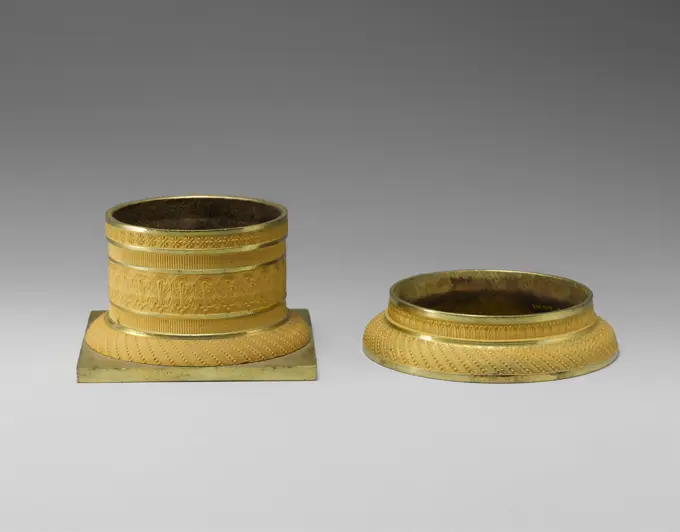
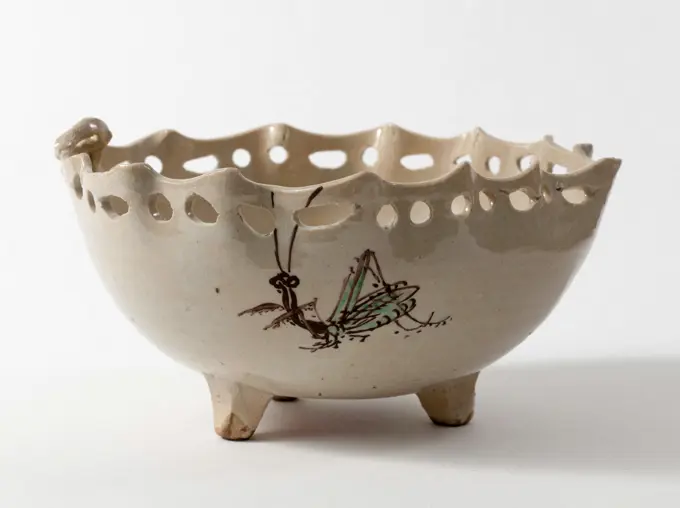
Cakes bowl (Kashiki). Sandstone, polychrome patterns on the cover. 1825- Active until 1875. Paris, Cernuschi museum. A grenadier branch - symbol of fertility, inside, in the center. Japanese art, cake bowl, Japanese ceramic, locust, gres, insect, kashiki, polychrome pattern, container, tripod, three feetAttic Red-Figure Stemless Kylix; Attributed to the Marlay Painter (Greek (Attic), active about 450 B.C.); Athens, Greece; about 450 - 425 B.C; Terracotta; 6.4 x 30.5 x 21 cm (2 1,2 x 12 x 8 1,4 in.)Bumpy empty ceramic plate on a textured concrete background. Kitchen utensil itemBowl. Culture: Roman. Dimensions: H. 5.2 cm; diam. 11.8 cm. Date: probably 1st century. Museum: Metropolitan Museum of Art, New York, USA.Lid or boss. Lid or boss 244537Terracotta oil lamp. Culture: Roman. Dimensions: Length: 6 1/4 in. (15.9 cm)Height: 1 11/16 in. (4.3 cm). Date: 1st century B.C.-1st century A.D.. Museum: Metropolitan Museum of Art, New York, USA.Bowl with Oil-Spot” Design 12th-13th century China Although kilns operating in south China are most often associated with the elegant black glaze wares treasured in Japan for use in the tea ceremony, ceramics of this type were also produced in the north among the numerous popular kilns that are classified as Cizhou kilns.. Bowl with Oil-Spot” Design. China. 12th-13th century. Stoneware with iron-oxide slip and glaze (Cizhou-type ware). Jin dynasty (1115-1234). CeramicsFlower bowl or centerpiece, c. 1929-1930, 3 1/2 x 15 x 12 5/8 in. (8.9 x 38.1 x 32.1 cm), Silver, Mexico, 20th centuryPlate (USA); Manufactured by Rookwood Pottery (United States); glazed earthenwareSilver Drinking Bowl with Handle. Culture: Avar. Dimensions: 2 × 9 15/16 × 7 5/16 in., 9.613 Troy Ounces (5.1 × 25.2 × 18.5 cm, 299g)Other (diameter of cup only): 7 5/16 in. (18.5 cm). Date: 700s.The AvarsThe Avars were a nomadic tribe of mounted warriors from the Eurasian steppe. The Byzantine emperor Justinian negotiated with them in the sixth century to protect the Empire's northern border along the Black Sea. Emboldened by their subjugation of numerous tribes, they unsuccessfully attempted to seize the Empire's capital, Constantinople. They remained a scourge of both Byzantium and the Western kingdoms until Charlemagne defeated them through a series of campaigns in the 790s and early 800s.All the money and treasure that the Avars had been years amassing was seized, and no war in which the Franks have ever engaged . brought them such riches and such booty. Up to that time the Avars had passed for a poor people, but so much gold and silver was found . that one may well think thatBegging Bowl China. Begging Bowl. China. Pottery (Guan ware). Northern Song dynasty (960-1127). CeramicsFragment of a bowl from V.O.C. ship De 'Witte Leeuw', Anonymous, Before 1613 bowl Come from V.O.C. ship the 'Witte Leeuw', 65 present. Jingdezhen porcelain   Sint-HelenaEngraved onyx cup from the State of Campeche (Mexico). Mayan Civilization, 10th Century.Tea bowl with blue and yellow spots, anonymous, anonymous, c. 1800 - c. 1899 Theekom van Steengoed, partially covered with a brown glaze and painted on the glaze in blue and yellow. The lower part of the bowl is unglazed. Yellow and blue spots are applied in a separate way in the glazed part. BIBEN. Japan stoneware. glaze. painting / vitrification Theekom van Steengoed, partially covered with a brown glaze and painted on the glaze in blue and yellow. The lower part of the bowl is unglazed. Yellow and blue spots are applied in a separate way in the glazed part. BIBEN. Japan stoneware. glaze. painting / vitrificationCeramic plate " Terra Sigillata " brilliant Hispanic Lamboglia nº 9. Diameter base 216 mm Height 35 mm thickness 5 mm (3rd CE) Roman period, from the " fuente del Juncal " - Archaeological site of Complutum in Alcalá de Henares (Madrid). SPAIN.Bowl with Two Boys and Foliage. Culture: China. Dimensions: H. 2 7/8 in. (7.3 cm); Diam. 8 1/4 in. (21 cm); Diam. of foot: 2 1/4 in. (5.7 cm). Date: 12th-13th century.The deep conical bowl is finely and thinly potted, and is supported by a tapered foot. The incised and combed decoration, which fills the interior, shows two small, pudgy boys frolicking within a luxurious floral scroll. This scroll, which also contains peony blossoms, fills most of the interior of the dish with the exception of a small undecorated band at the rim. The base of the bowl is left partially unglazed. There are no marks or inscriptions on this bowl. Museum: Metropolitan Museum of Art, New York, USA.Cup with cover China. Cup with cover 43939Basket - Davenport DavenportBowl first half 13th century. Bowl 454863Plate, Silver, Monogram inscribed on front 'C S I ', England, 1691, metalwork, Decorative Arts, PlateFruit Bowl. Dated: c. 1936. Dimensions: overall: 22 x 30.5 cm (8 11/16 x 12 in.) Original IAD Object: 4 1/8" High 9 1/8" Dia. Medium: watercolor, graphite, and heightening on paper. Museum: National Gallery of Art, Washington DC. Author: Margaret Stottlemeyer.Composite Tripod Bowl, 3 1/2 x 8 x 8 in. (8.9 x 20.32 x 20.32 cm), Polychrome earthenware, Costa Rica, Pre-ColumbianVessel, bowl with kraz; Unknown ASUA SKI workshop; V-VI century (401-00-00-600-00-00);Dish with scalloped edge and with imposed olives and almonds, Blankenburg (attributed to), c. 1755 - c. 1760 Round, white dish with olives and almonds of multicolored painted faience. The dish has a scalloped edge and almonds and olives are attached to the dish, four of which are missing. Amsterdam earthenware. tin glaze. Round, white dish with olives and almonds of multicolored painted faience. The dish has a scalloped edge and almonds and olives are attached to the dish, four of which are missing. Amsterdam earthenware. tin glaze.Incised Painted Bowl 5th-2nd century B.C. Paracas. Incised Painted Bowl 308659Footed Bowl Depicting Two Felines. Colombia, Nariño Highlands, or Ecuador, Carchi, Nariño or Carchi, 1250-1600 CE. Ceramics. Resist-painted ceramicPainted Bowl 1st-6th century Nasca. Painted Bowl 309726Shallow Dish with Rosette Design. China. Date: 700 AD-750 AD. Dimensions: H. 2.3 cm (15/16 in.); diam. 14.0 cm (5 1/2 in.). Slip-coated earthenware with three-color (sancai) lead glazes and underglaze mold-impressed decoration. Origin: China. Museum: The Chicago Art Institute, Chicago, USA.Tripod Bowl. UnknownBRASERO DE BRONCE. TARTESICO. (DEPOSITO: MUSEO ARQUEOLOGICO NACIONAL).Pottery room comfort, white glazed, bandoor, on stand, pot holder sanitary soil find ceramics pottery glaze tin glaze, hand turned glazed baked Pottery chamber pot yellow shard all white glazed tin glaze on stand. Rotary arches on the inside archeology Rotterdam City triangle Oudehaven indigenous pottery toilet article bed sleeping room Soil discovery: Oude Haven Rotterdam.Box 18th century Japan. Box 59845Bowl.   Maker: Worcester Porcelain Manufactory, British, founded 1751Bowl, c. 1250-1450, 4 5/8 x 7 13/16 in. (11.7 x 19.84 cm), Ceramic, pigment, United States, 13th-15th century, The Salado lived in a relatively small area of west-central Arizona. This area formed the crossroads of three cultural traditions: the Ancient Puebloan, Mogollon and Hohokam. According to recent research, the Salado may not represent a separate culture but a variation in the customs of one of the three local cultures. Salado pottery is unique and easily identifiable. The design on this bowl includes a break in the boldly painted, black line just below the interior rim, which is a common element in Salado pottery.Tanoa fai 'ava (kava bowl) bowlsRitual Wash Basin. Japan. Date: 1501-1600. Dimensions: 18.4 × 41 cm (7 1/4 × 16 1/8 in.). Black lacquer and zelkova wood (keyaki). Origin: Japan. Museum: The Chicago Art Institute, Chicago, USA.Glass hemispherical mosaic bowl 2nd-mid-1st century B.C. Greek, probably Eastern Mediterranean Translucent purple, translucent light blue, opaque white, and opaque yellow.Slightly uneven vertical rim; convex side, tapering downward; slightly concave bottom.Composite mosaic pattern formed from polygonal sections of three canes: the first in a purple ground with a white spiral and central blue circle; the second in a blue ground with a white spiral and central purple circle, and the third in a blue ground with a yellow spiral, appearing green and central purple circle; a purple cane wound spirally with two fine threads in white and yellow is attached as a rim.Broken and repaired, with one patch of fill; some pitting and dulling, iridescence, and weathering, especially on rim.Rotary grinding marks on interior.The red, blue, and green mosaic glass of this exquisite bowl was fused, placed over a mold, ground, and then polished. Hemispherical bowls were an especially popular form of mosaic gBowl, 1736-95. China, Qing dynasty (1644-1911), Qianlong reign (1736-95). Spinach jade; diameter: 19.6 cm (7 11/16 in.); overall: 7.7 cm (3 1/16 in.).Jardinière, Enameled and gilt tôle, Oval, with shaped edge and simple handles. Black field, decorated in colors and gilding with Chinese figures, slightly raised., France, ca. 1800-25, metalwork, Decorative Arts, JardinièrePlate; unknown eastern workshop; End of the first-II century (91-00-00-200-00-00);Głuszkiewicz, Irena - purchase, glass vessels, plates, purchase (provenance)Box. Round lacquer box with lid for valuables with red wall elegy imagination. Red lacquer to a lead core.tableware, kitchen utensil and dishes concept - close up of white ceramic bowls on black table. close up of white ceramic bowls on black tableSaucer-dish with Flower Scrolls on a Black Ground. Scale of porcelain with round wall, painted in underglaze blue, on the biscuit black and green and on the glaze red. The front of the dish is fully covered with a black glaze with green flower drinks in reserve; The back with three bamboo branches. Marked on the underside with the six character mark in stamp from Emperor Qianlong. Email sur biscuit with famille noire colors.Vincennes Porcelain Manufactory, Cup and Saucer, c. 1750, soft-paste porcelain.Deep BowlAttic Black-Figure Lip Cup. UnknownTray, Enameled tôle, Rectangular flat bottom, outcurving sides. Black field, decorated on bottom with motif of oak leaves, on either end with rural scenes, and around upper edge with conventionalized lotus motif., England, ca. 1820, metalwork, Decorative Arts, TrayPrzeszłość Przyszłości Kapse, RobertJar with Floral Scroll Design in Underglaze Iron. Korea, Korean, Joseon dynasty (1392-1910), 18th century. Furnishings; Serviceware. Wheel-thrown stoneware with cream slip and brown painted decoration under clear glazeJun Wares, a type of Chinese celadon, Ming dynasty. Dated 13th CenturyFlat lay composition of wholistic healing Tibetan singing bowls Flat lay composition of Ancient hand crafted traditional Tibetan meditation and healing singing bowls made from 7 sacred metals which are typical accessories used in buddhism, yoga and meditation Copyright: xZoonar.com/BjornxBeheydtx 14152615Attic Red-Figure Bilingual Cup Type A.Exhibition Arita Porcelain from now. .Brush Pot, 17th century, 6 3/8 x 4 7/8 in. (16.19 x 12.38 cm), Bamboo, China, 17th centuryAiguère. Bronze. Chine. Par musée musée malée. 71127-7 Aiguiere, Chinese art, bronze, decorative motifBasin dated 1774 China This basin, embellished with dragons chasing flaming pearls through a cloud-filled landscape, bears on its interior a poem by the Qianlong Emperor (r. 1735-96), indicating that the piece was inspired by an enormous jade wine container believed to have been commissioned by Khubilai Khan and still on view in Beihai Park, Beijing.. Basin. China. dated 1774. Jade (nephrite). Qing dynasty (1644-1911), Qianlong period (1736-95). JadeDish from Dishes with Matching Shells, c. 1893-1914. Seifū Yohei III (Japanese, 1851-1914). One of a pair of dishes; porcelain with celadon glaze;Box with Landscape (base), 1800s. Japan, Edo period (1615-1868) to Meiji period (1868-1912). Lacquer with sprinkled gold; overall: 7.9 x 18.4 cm (3 1/8 x 7 1/4 in.).. Box, from above square and with boulders sides. Black lacquer with water landscape with pagodas in Makie. The inside is covered with copper.Plate, 15th century, 2 1/4 x 9 5/8 in. (5.72 x 24.45 cm), Kalong ware Stoneware with underglaze brown decor, Thailand, 15th centuryColumn Base and Capital ca. 1810-30 Henry Kellam Hancock. Column Base and Capital 1406Bowl with a standing figure, anonymous, c. 1500 - c. 1599 Come from porcelain, painted in under -glaze blue. A standing person on the bottom. Blue White. China porcelain. glaze. cobalt (mineral) painting / vitrification Come from porcelain, painted in under -glaze blue. A standing person on the bottom. Blue White. China porcelain. glaze. cobalt (mineral) painting / vitrificationGold beaker from Troy. Priam's Treasure. Turkey.Three-Lobed Dish, 18th Century. China, Qing dynasty (1644-1911). Jade ; overall: 8 cm (3 1/8 in.).Slit gong, about 1940, 23 x 13 3/4 x 87 3/8 in. (58.42 x 34.93 x 221.93 cm), Wood, Democratic Republic of the Congo, 20th century, Why would this elegant instrument sometimes be called a 'talking drum'' Technically speaking, its not a drum—it has no membrane, the sound emanating instead from a narrow slit in the hollowed-out center. But slit gongs were used to communicate, as the sides of the instrument were made of slightly different thicknesses to produce two different pitches—a high tone and a low tone—when struck by mallets or bare hands. This contrast can mimic the words of a tonal language, essentially 'talking.'Ernest Chaplet (1835-1909). Vase. Flammed porcelain. 1909. Museum of Fine Arts of the City of Paris, Petit Palais. 60190-19 Flamee porcelain, vaseStone mortar Stone mortar for preparing herbs food and medicine Copyright: xZoonar.com/IvonnexWierinkx 6813534Dish with Dragons and Lotuses early 16th century China. Dish with Dragons and Lotuses. China. early 16th century. Porcelain painted with cobalt blue under transparent glaze (Jingdezhen ware). Ming dynasty (1368-1644), Zhengde mark and period (1506-21). CeramicsKylixTraditional Turkish ceramic pottery items in bazaar