Decorative Bowls from History

A variety of ancient bowls featuring decorative elements, including intricate patterns, floral scrolls, and archaeological significance.

Bowl with a pigeon and a pseudo-inscription border, anonymous, c. 900 - c. 999 Come of earthenware with white sludge and a painting in brown sludge under a transparent lead glaze. A pigeon on the bottom; The inner edge with a bond with pseudo-writing. Nishapur (possibly) earthenware. glaze painting / vitrification Come of earthenware with white sludge and a painting in brown sludge under a transparent lead glaze. A pigeon on the bottom; The inner edge with a bond with pseudo-writing. Nishapur (possibly) earthenware. glaze painting / vitrification
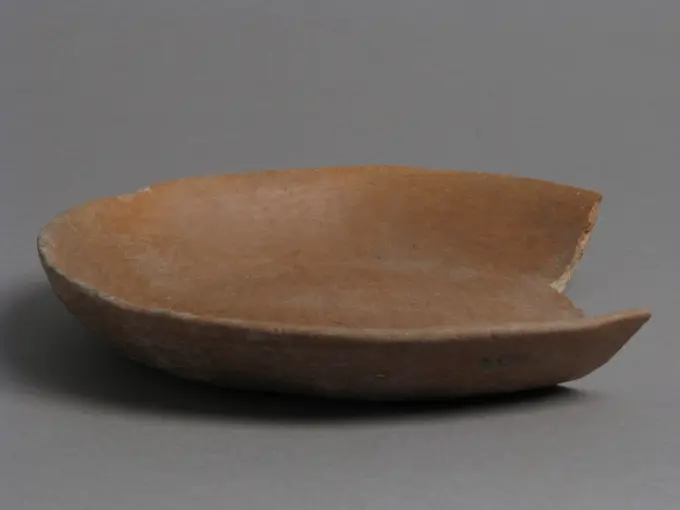
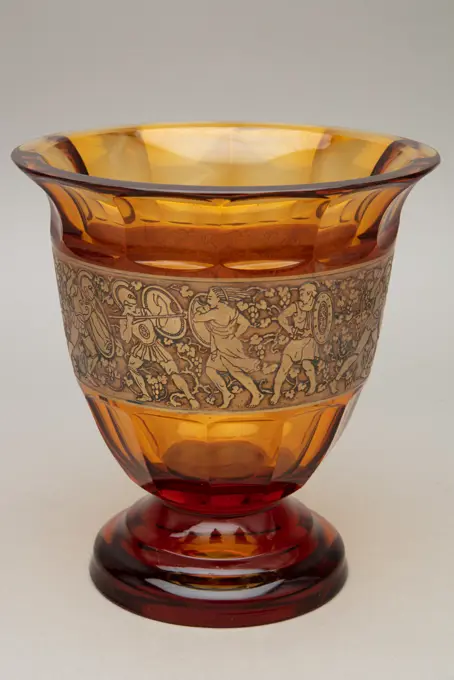
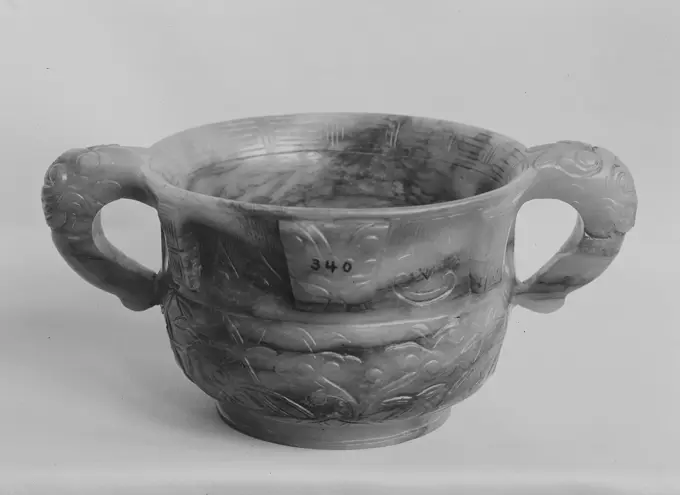
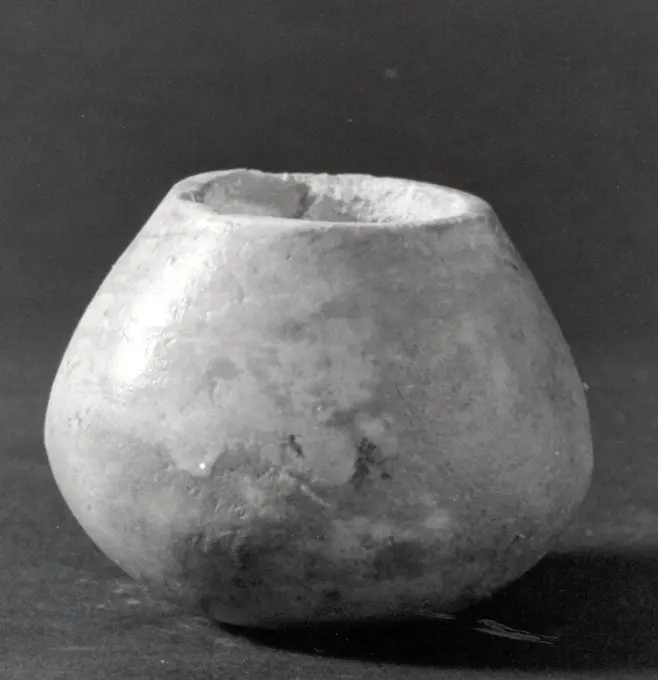
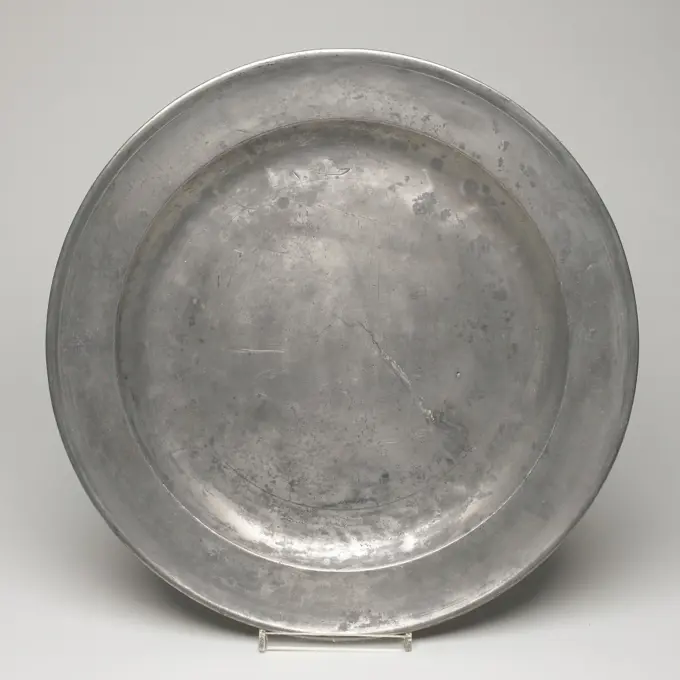
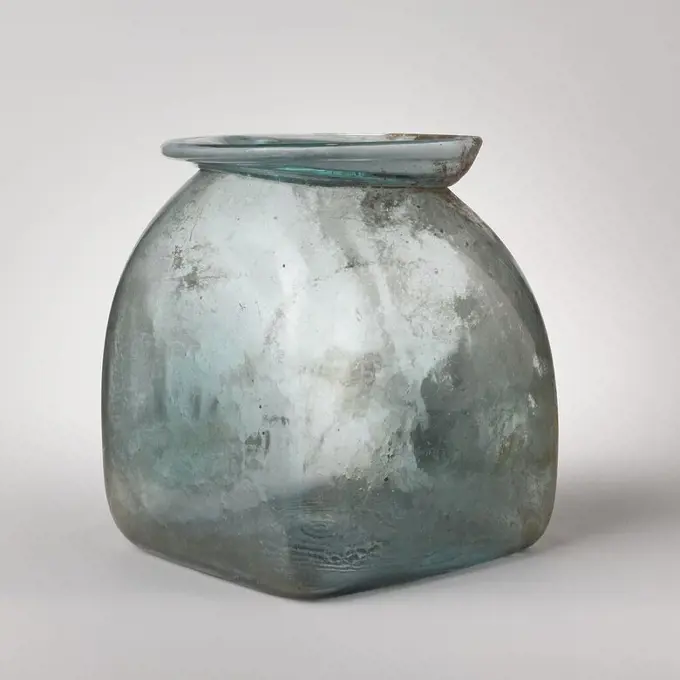
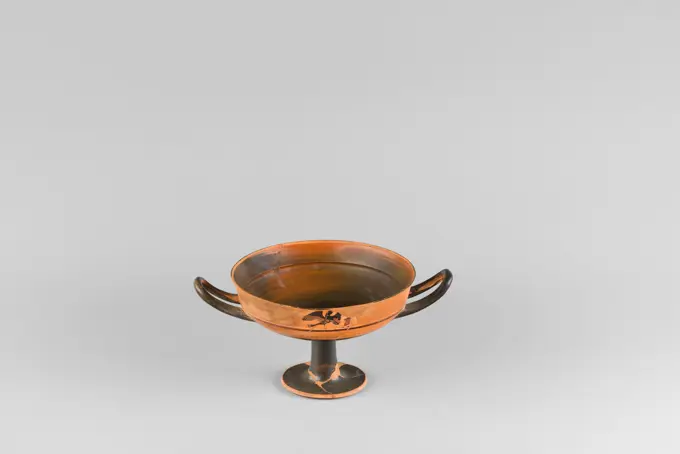
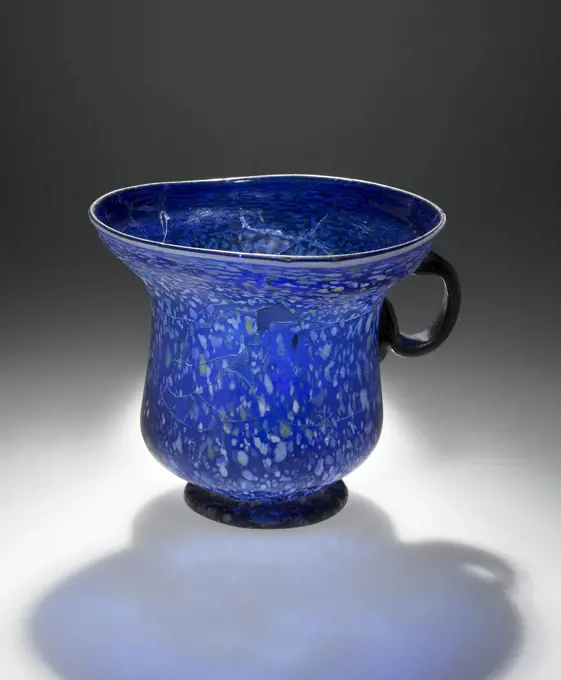
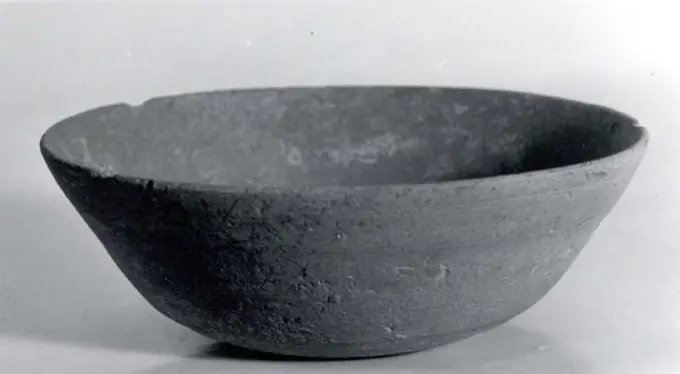
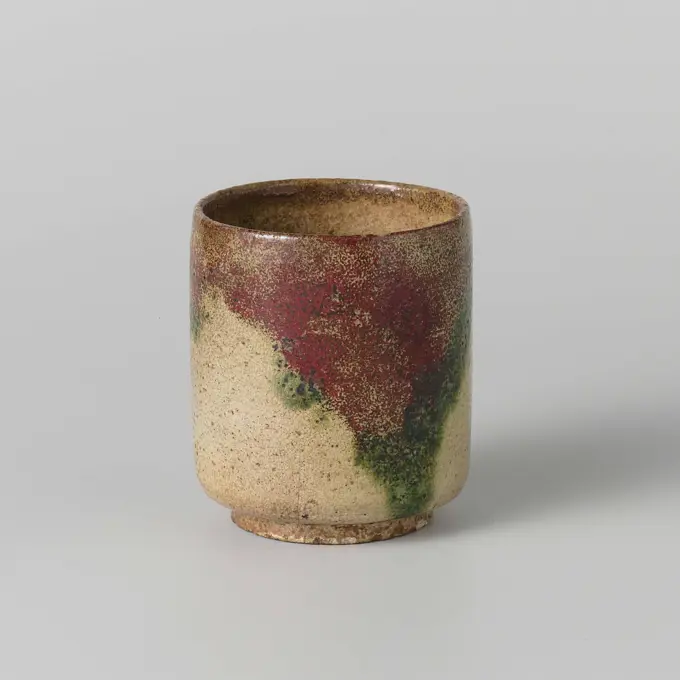
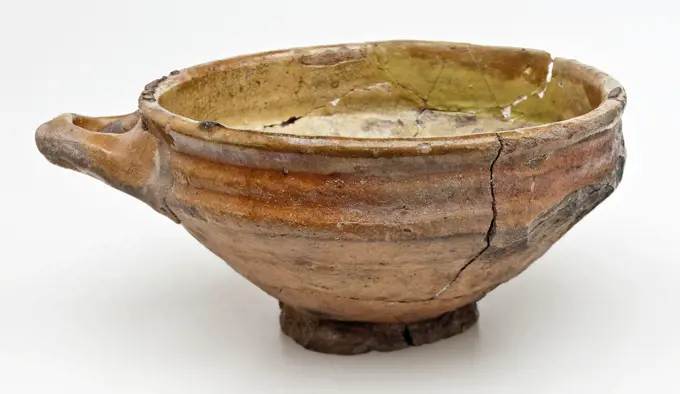
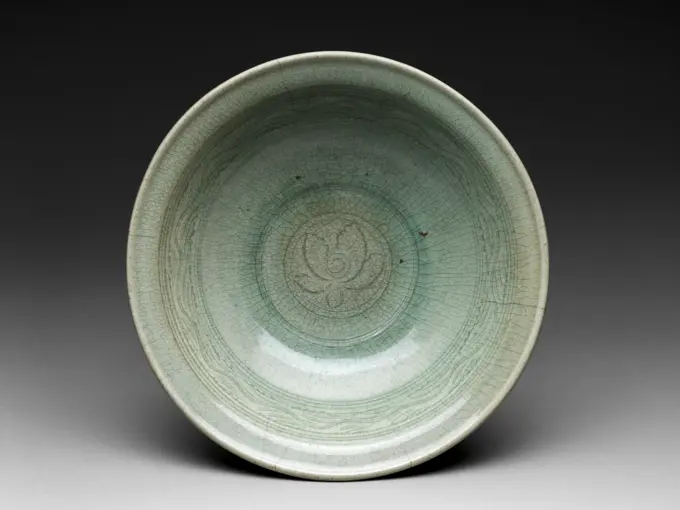
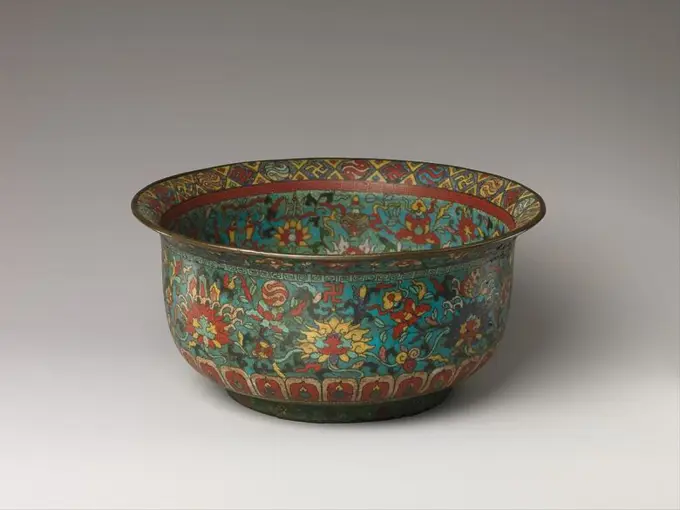
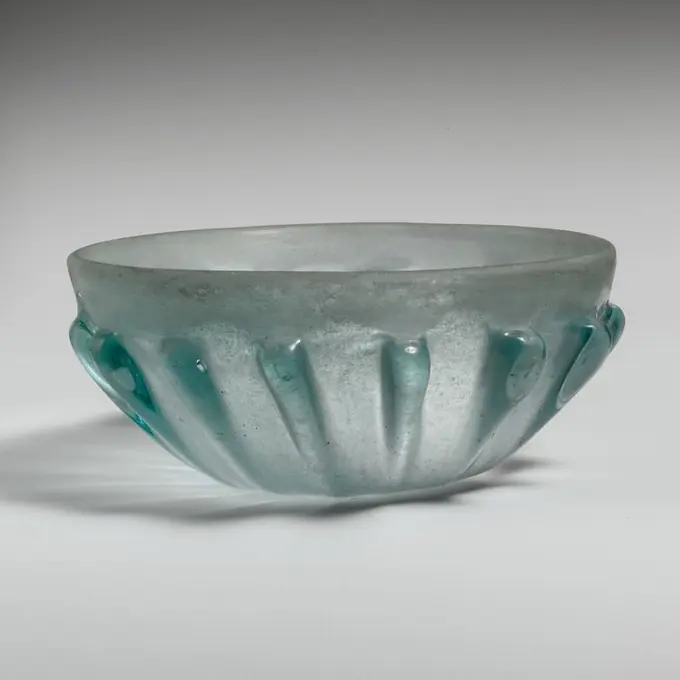
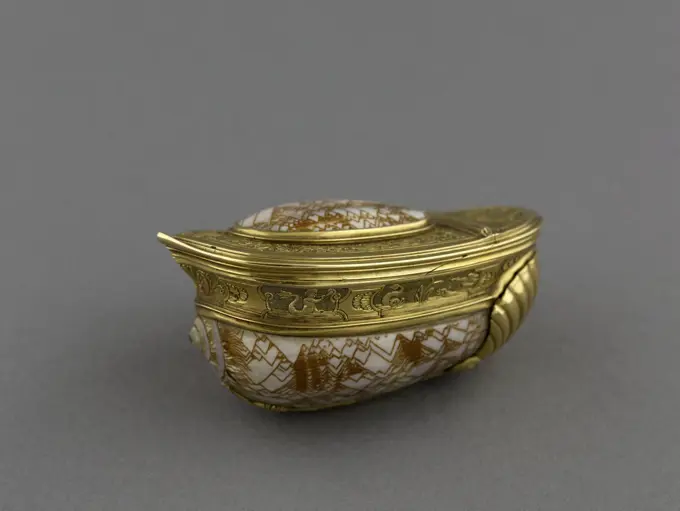
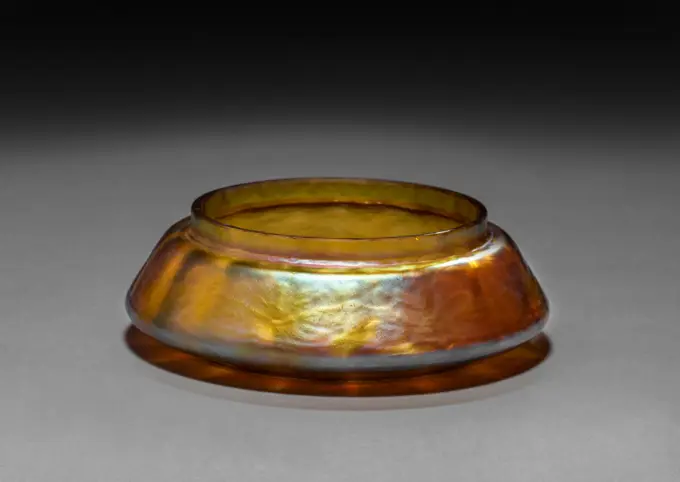
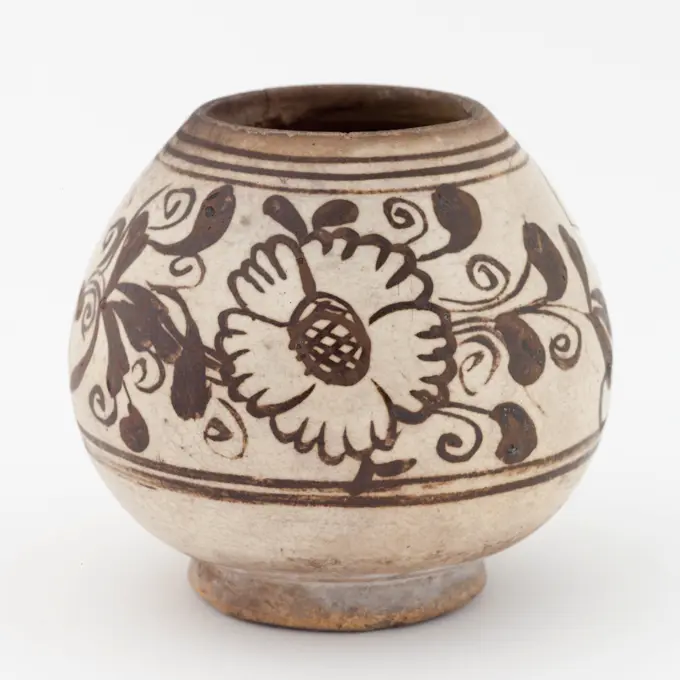
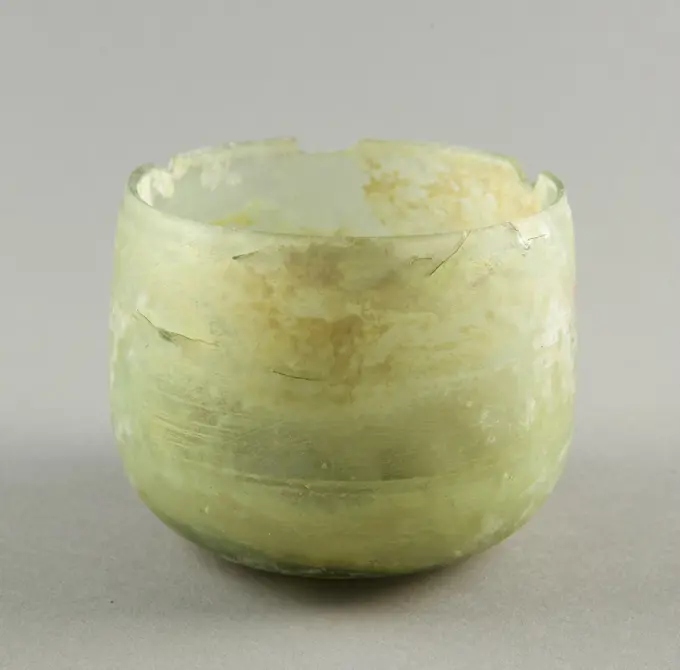
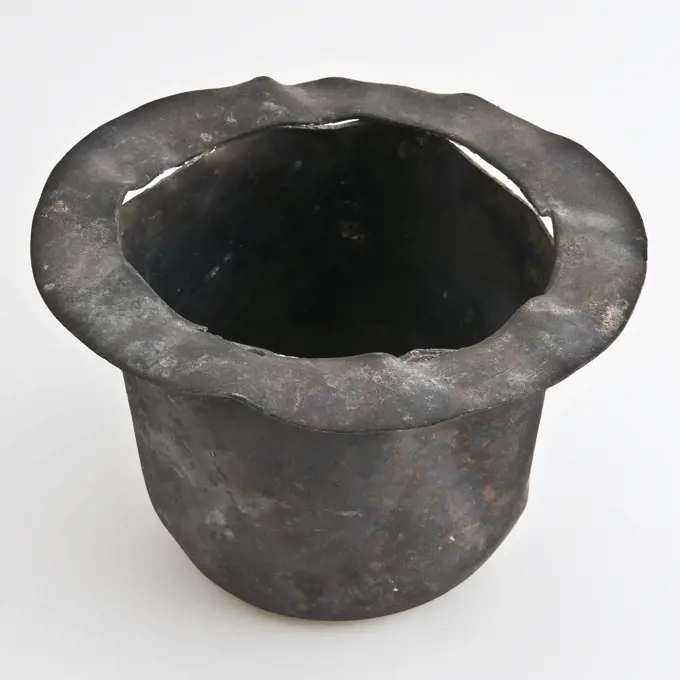
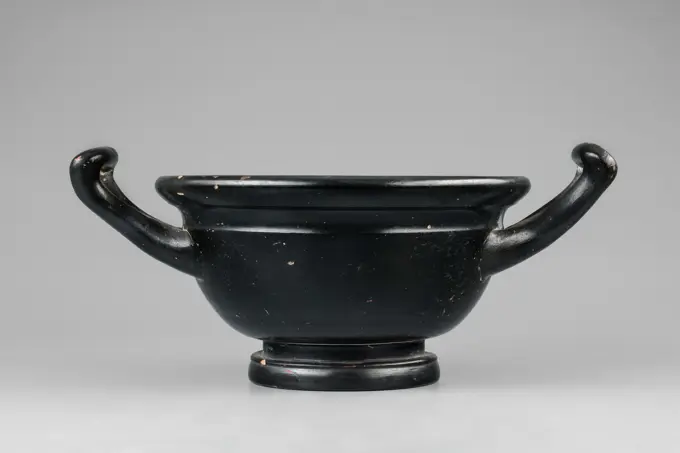
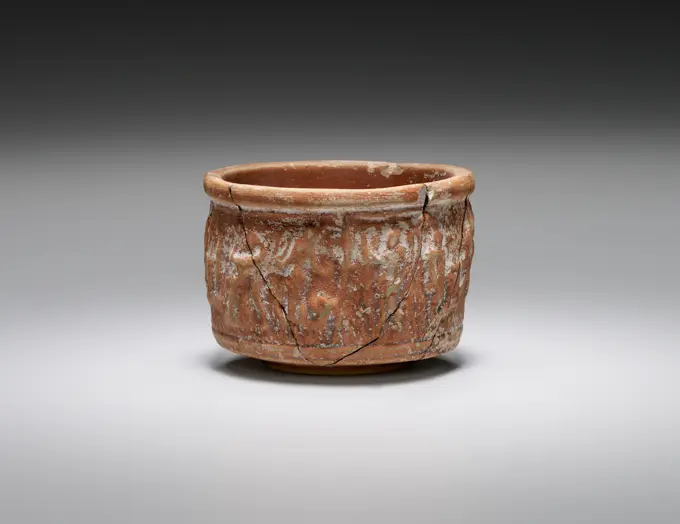
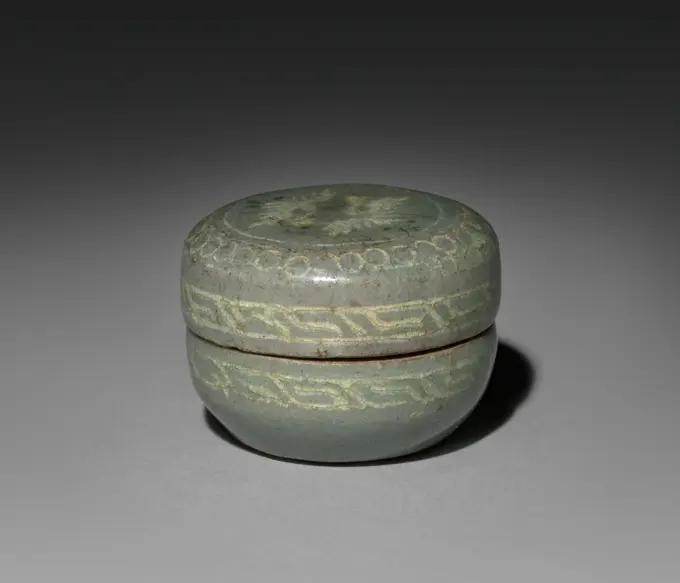
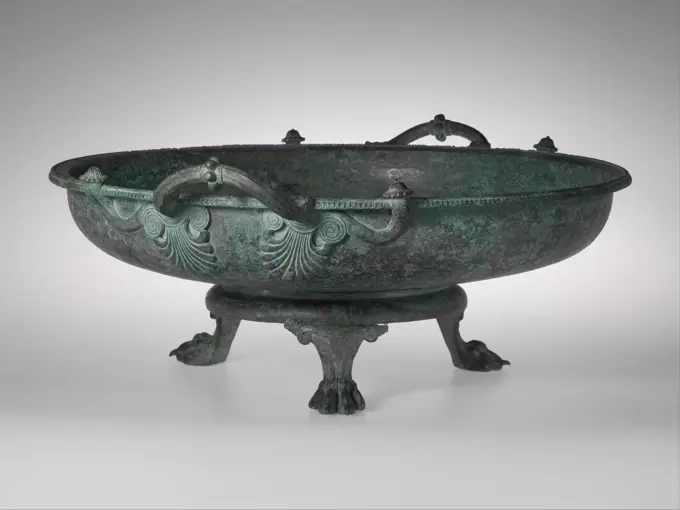
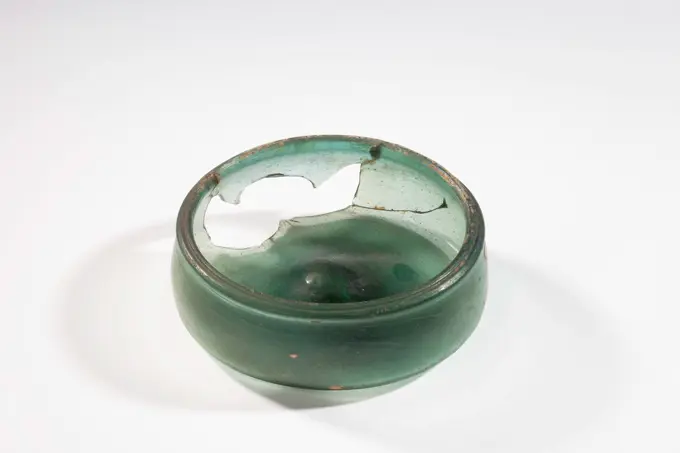
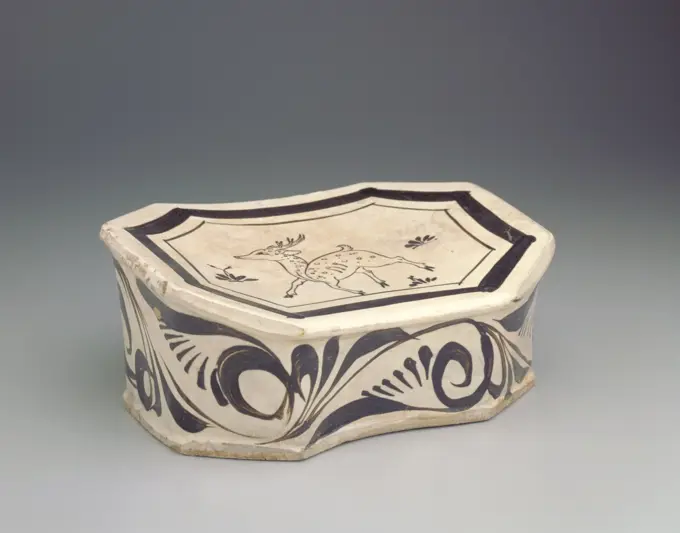
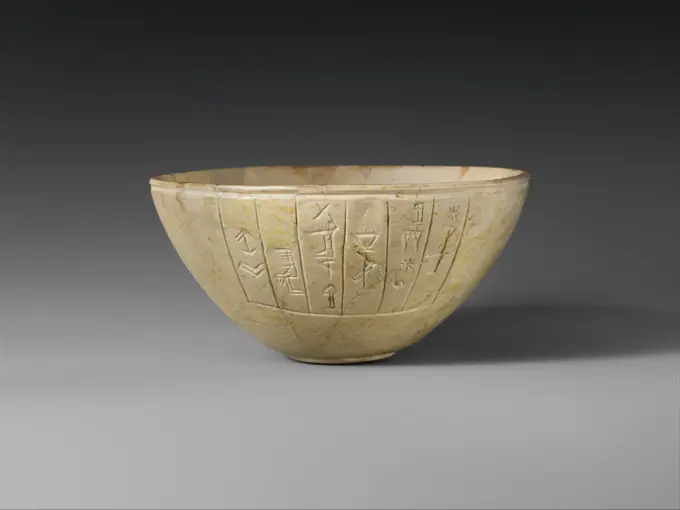
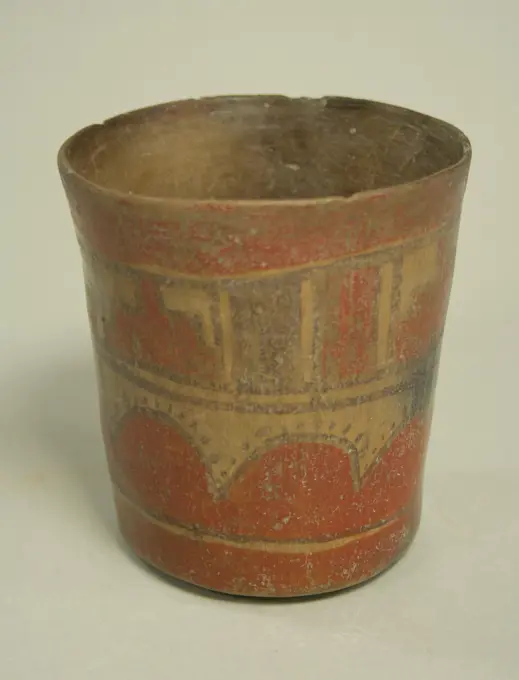
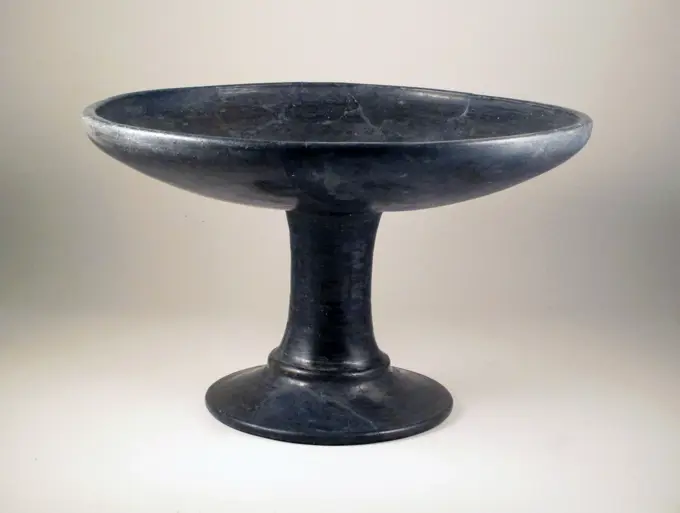
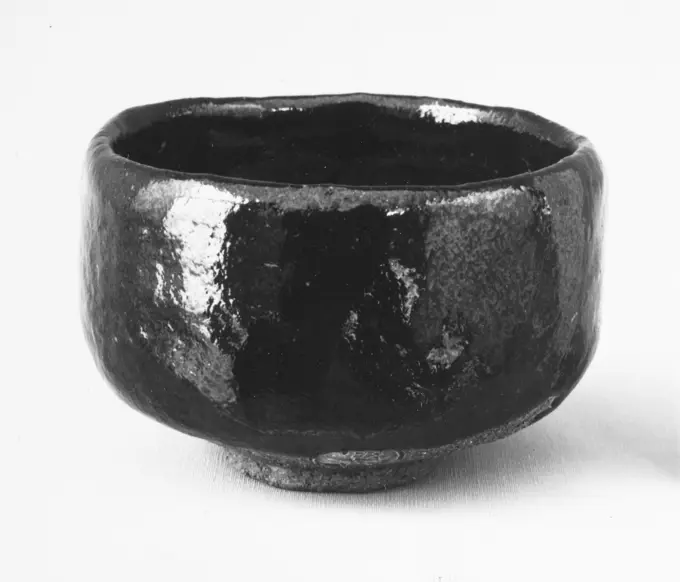
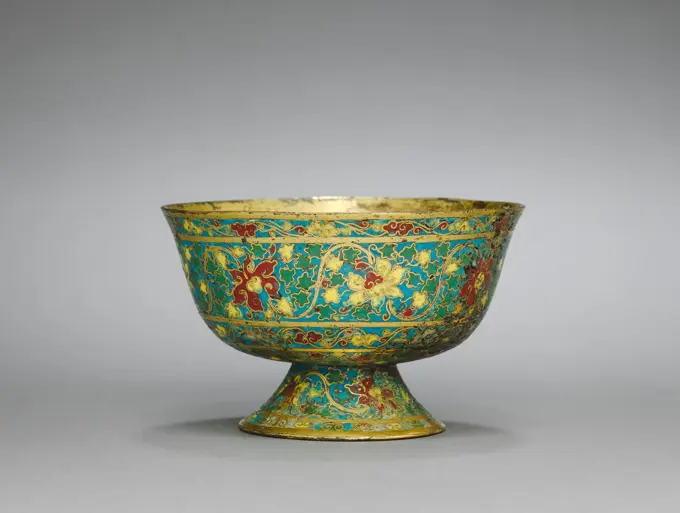
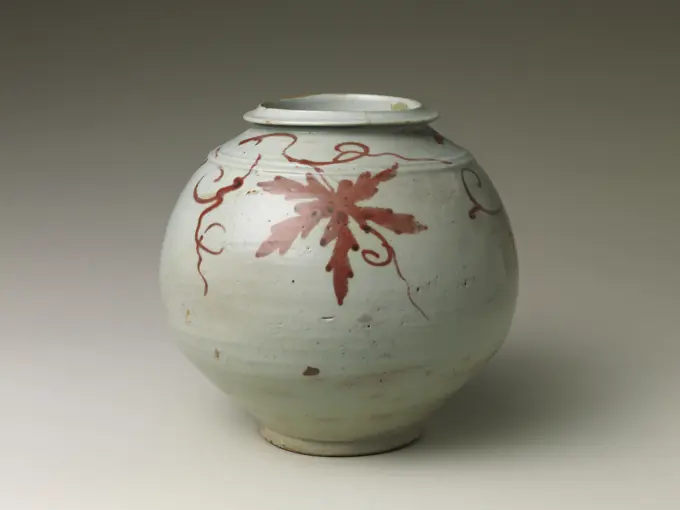
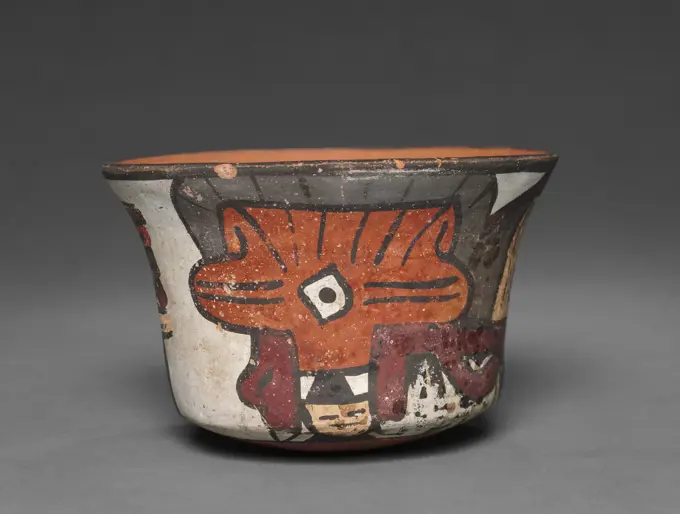
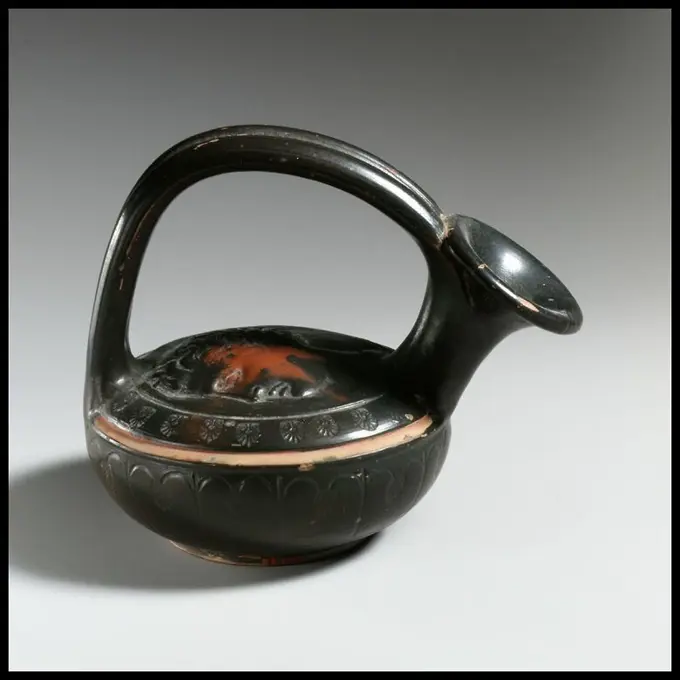
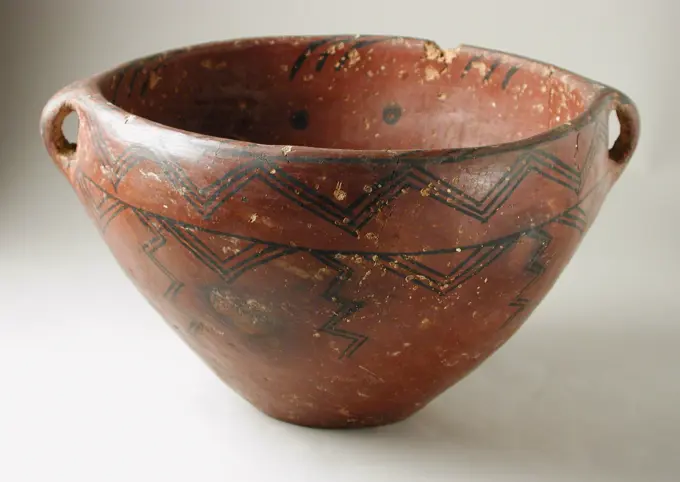
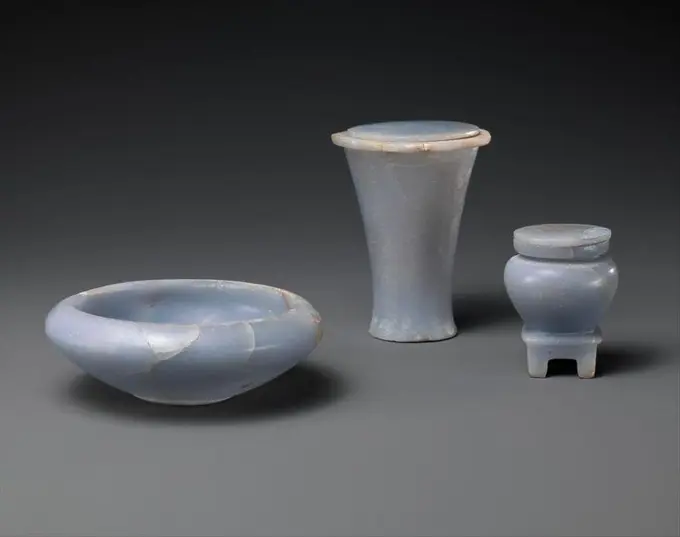
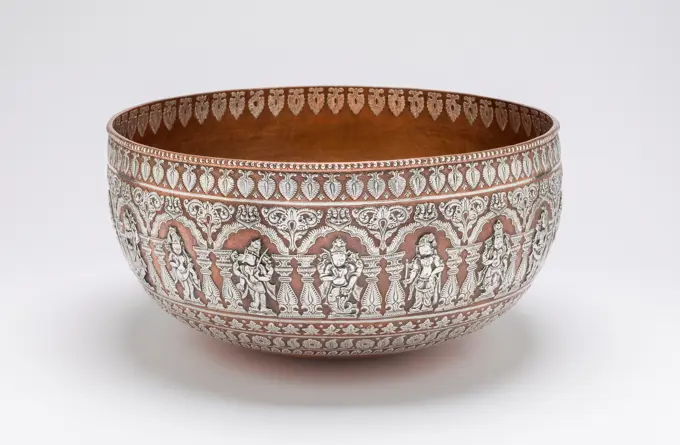
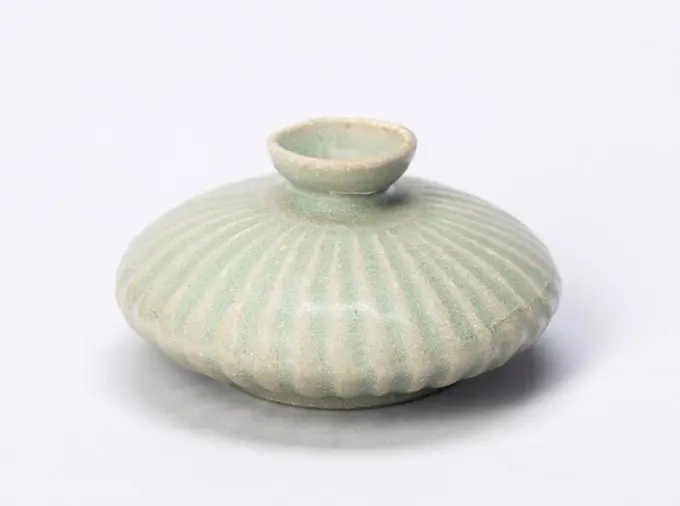
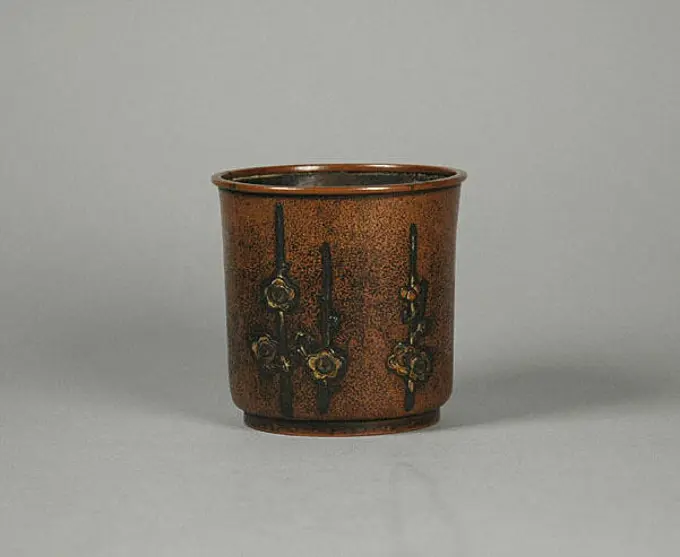
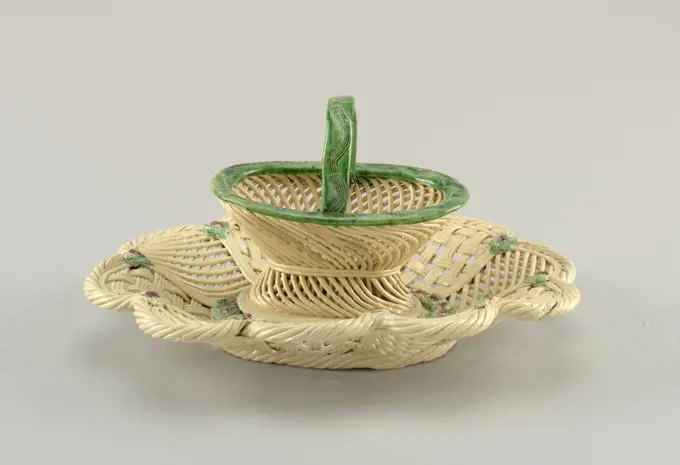
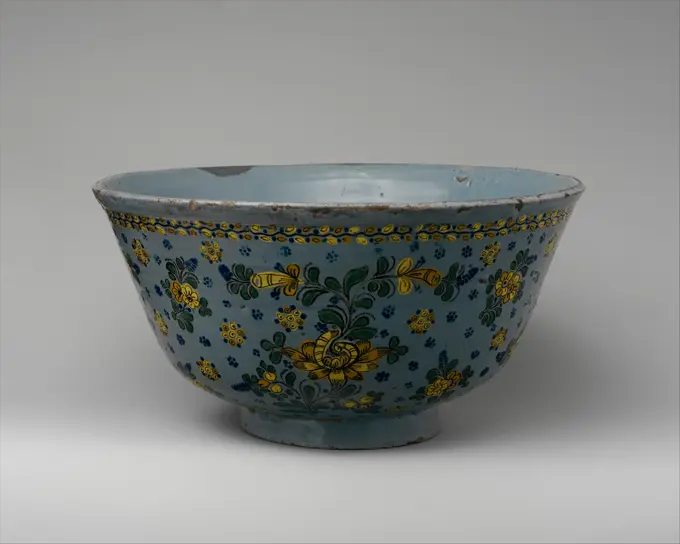
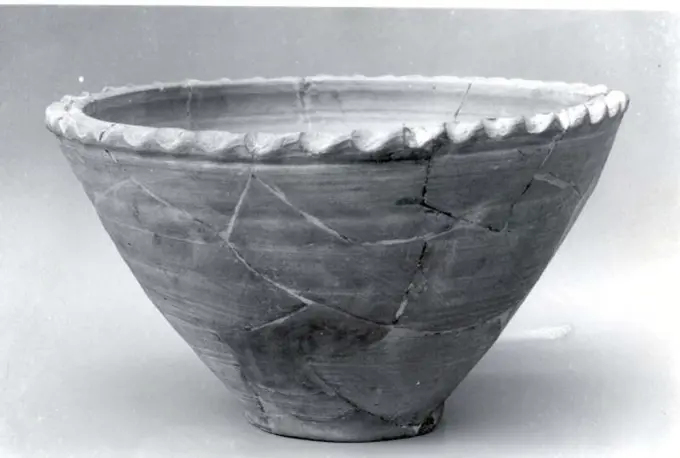
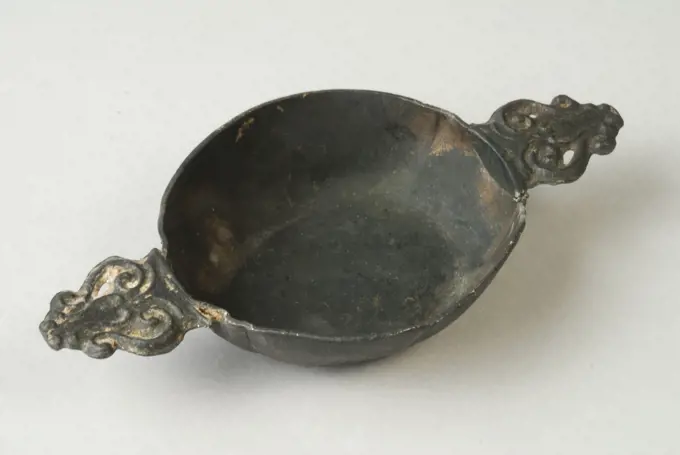
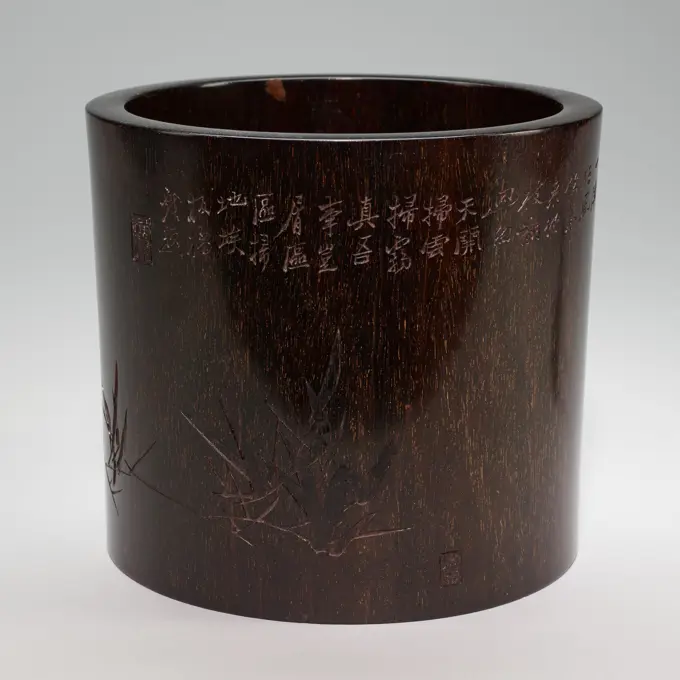
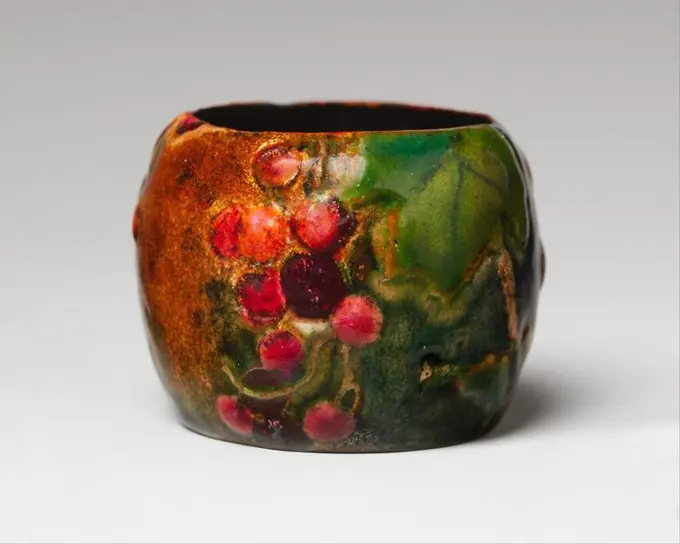
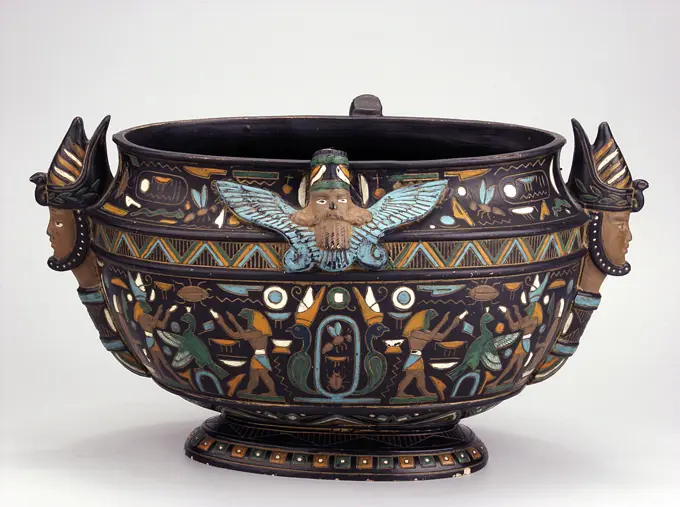
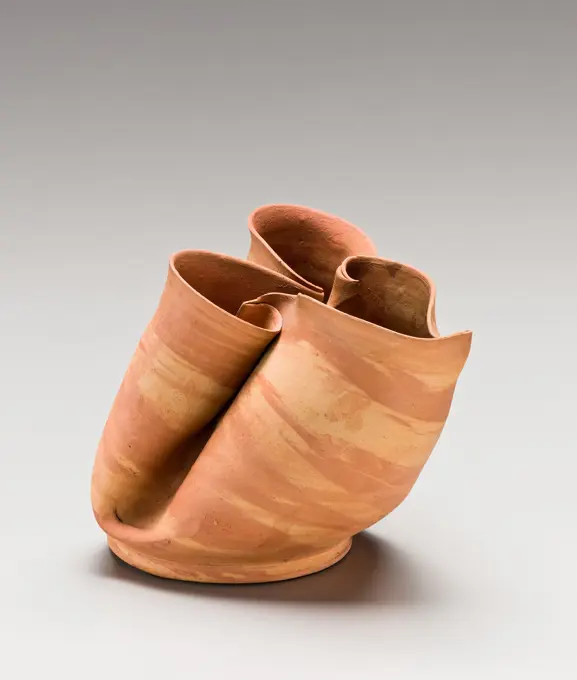
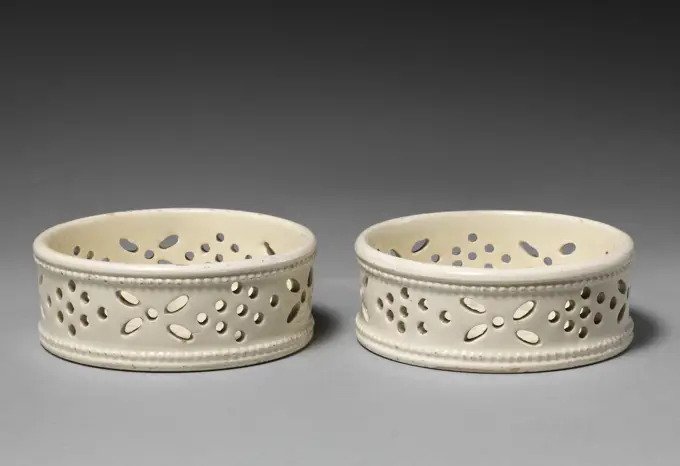
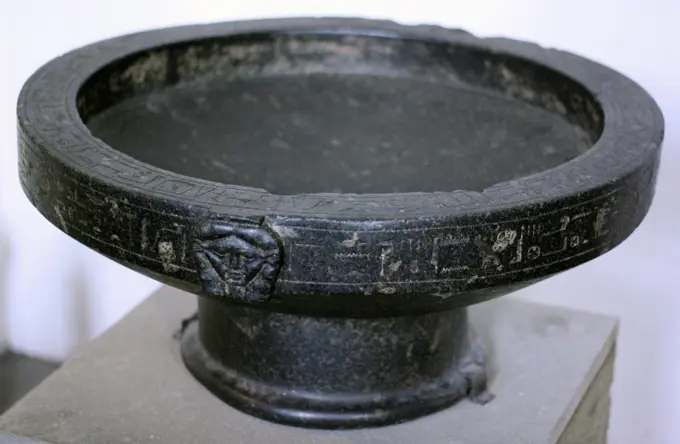
Bowl ca. 1760-75 Jackfield Pottery, Shropshire, England. Bowl. British, Shropshire. ca. 1760-75. Earthenware. Jackfield Pottery, Shropshire, England. Ceramics-PotteryToad. Bronze. China. Paris, Cernuschi museum. 71127-9 Chinese art, bronze, toad, container, head, vase, animalBowl 4th-7th century Coptic. Bowl 478682Vase Ludwig Moser & SonsSacrificial Vessel (Yi lu) China. Sacrificial Vessel (Yi lu). China. Nephrite. JadeBowl China. Bowl. China. Earthenware. Tang dynasty (618-907). CeramicsVessel 7th-6th millennium B.C.. Vessel 327114Oil Jar with Lid 1976 BCE-1794 BCE Egypt. The perfume and scented ointments that both men and women in ancient Egypt wore were also important in religious and funerary rites. This vessel typifies the classic form of ointment jar ñ with a flaring top and flat disk lid- that was used for over 3,000 years in Egypt.. Stone . Ancient EgyptianPlatter, 1 x 14 1/4 x 14 1/4 in. (2.54 x 36.2 x 36.2 cm), PewterClose-up of bowlPainted Bowl with Diagonal Lines 4th-6th century Nasca. Painted Bowl with Diagonal Lines 309382Bowl with incised central boss 5th century B.C. Cypriot. Bowl with incised central boss. Cypriot. 5th century B.C.. Bronze. BronzesGlass jar with lid. Culture: Roman. Dimensions: H. without cover 6 15/16 in. (17.6 cm)H. with cover 8 1/16 in. (20.5 cm). Date: mid-1st-late 2nd century A.D..Translucent blue green, with lid in same color.Thick, tubular rim, partially folded up as well as out, round, and down, covering narrow neck; sloping shoulder with rounded corners; square body with flat sides; flat bottom but slightly concave to one side.On bottom, twelve concentric circles in relief.Intact; some bubbles and blowing striations, with one gritty inclusion in bottom; patch of limy encrustation, extending from rim down one side, some dulling, and iridescent weathering.Lid: oval disk with plain rounded edge, and thick central knob handle.Intact; some pinprick bubbles; dulling, creamy brown weathering, and iridescence.The lid is the appropriate size for the jar but does not fit well because of the uneven shape of the jar's rim.Smaller square jars have been found in houses and shops at Pompeii, where they were pStemmed Cup (Gaozu Bei) with Sword-Pommel PatternCoal Scuttle And Cover; enameled tôle, metal; Overall: 62 x 49.5 x 36 cm (24 7/16 x 19 1/2 x 14 3/16 in.); 1978-178-2-a,bKyliks (naczynie do picia wina) czarnofigurowy. warsztat attycki, workshopPan. Mantua Glass Works; Manutua, Ohio, 1821-1829. Date: 1820-1830. Dimensions: 16.8 cm (6 5/8 in.). Blown glass. Origin: Mantua. Museum: The Chicago Art Institute, Chicago, USA.One-handled Cup; Roman Empire; 1st century; Glass; 12.2 x 14.5 cm (4 13,16 x 5 11,16 in.)Dish 17th-18th century. Dish. 17th-18th century. Stonepaste; glazed. Attributed to Iran. CeramicsBowl ca. late 8th-7th century B.C. Israelite. Bowl 323170Colander. Tea bowl of stoneware covered with a red, green and cream-colored glaze. An unidentified signature on the outer wall. Kyoyaki.Earthenware pap bowl with lying ear, internally yellow glazed, papkom bowl crockery holder earth discovery ceramics earthenware glaze lead glaze clay, hand-turned glazed baked Porcelain bowl of red earthenware one ear slightly pinched stand ring internal light brown and yellow glazed external edge and ear sparingly light brown glazed archeology Valckensteyn Poortugaal Albrandswaard indigenous earthenware porridge porridge food kitchen food food serving food Soil discovery: canal at kitchen castle Valckensteyn at Poortugaal now Albrandswaard 1961.Bowl with Lotus 15th-16th century Thailand By the fifteenth century, kilns in Thailand, including the large complex at Si Satchanalai in the north, were actively competing with those in China, especially for markets in Indonesia. Thai kilns were noted for their green-glazed celadon wares, which often parallel those produced in China.. Bowl with Lotus. Thailand. 15th-16th century. Stoneware with incised decoration under celadon glaze (Si Satchanalai ware). CeramicsBowl. Culture: China. Dimensions: H. 5 in. (12.7 cm); Diam. of rim 10 1/2 in. (26.7 cm); Diam. of foot 6 in. (15.2 cm). Museum: Metropolitan Museum of Art, New York, USA.Glass ribbed bowl. Culture: Roman. Dimensions: H.: 2 in. (5.1 cm)Diam.: 4 3/4 in. (12.1 cm). Date: late 1st century B.C.-mid-1st century A.D..Translucent blue green.Plain rounded rim; sides curving in to slightly uneven, flat bottom.On exterior, fourteen prominent, almost vertical ribs with flattened angular tops, tapering downwards and extending in vestigal form on bottom, with vertical tooling indents flanking some of ribs.Intact; a few pinprick and larger bubbles; dulling on interior and around top of exterior, and very faint weathering.Rotary grinding marks on interior.Bluish ribbed cup. Museum: Metropolitan Museum of Art, New York, USA.Lazio Viterbo Viterbo Museo Civico44. Hutzel, Max 1960-1990 Views of paintings (Middle Ages through 18th c.), frescoes, a tabernacle, coffin, sculpture reliefs, portal fragments, busts, sculpture, tapestry found in the Pinacoteca, Second floor gallery and Second floor cloister sequences. Antiquities: Many views of Etruscan and Roman fragments, sculpture, sarcophagi, pottery, masks, jewelry and other objects found in the Storeroom sequence (inventory numbers on back of prints), and the Cloister, Second floor Cloister, Valle Giulia, Sala Romana and Sala Etrusca sequences. General Notes: There are eight separate numerical sequences for this location. The cloister as an architectural structure, rather than museum site, is documented in the record and file for S. Maria della Verita, Cloister, all views of which are stored in Medieval core collection. Five views from the Museo Civico Second floor cloister sequence are stored in Medieval. German-born photographer and scholar Max Hutzel (1911-Shellfish drageoir mounted on gold. Paris, Cognacq-Jay museum. 35591-1 Shell, drageoir, mounting, goldBox, 1898-1901. Louis Comfort Tiffany (American, 1848-1933), Tiffany Glass & Decorating Company (American, New York, 1892-1902). Favrile glass; diameter: 13.1 cm (5 3/16 in.). By 1900 Tiffany had expanded his empire by increasing the firms production of “fancy goods,” including inkstands, candlesticks, clocks, small boxes, desk sets, tea screens, and other functional objects. Along with the array of artistic glass designs from his factory in Corona, Queens, works in ceramic, bronze, other metals, and even jewelry abounded. These smaller, more affordable luxury items were designed with as much thought to artistry as the great stained glass windows and lamps through which the firm enjoyed unrivaled success.Bowl ca. 9th century B.C. Iran. Bowl 325048Vase ". Sandstone, white slip painted in brown under cover transparent. Song / Yuan. Paris, Cernuschi museum.chine, Song Dynasty (960-1279) / Yuan (1279-1368). Chinese art, bowl, Chinese ceramic, container, Song dynasty, Yuan dynasty, Song time, Yuan time, GRES, Decorative motif, flower motif, container, terracottaVase. Bronze. Chine. Par musée musée malée. 70002-5 Handle, Chinese art, bronze, decorative motif, foot, vaseDish. Iran, 16th century. Ceramics. Fritware, underglaze-paintedBowl 1 CE-300 CE Syria. Glass, blown technique . Ancient RomanJar 1750-80 Mexican. Jar 4485Pewter pot, cylindrical, with outstanding edge, pot holder sanitary floor stock tin metal, molded Cylindrical shape at the bottom closed top side an outward facing edge. Stand ring Part of silent or poop seat underside: master mark or hallmark: angel archeology Rotterdam railway tunnel bed toilet article drains Soil discovery: rail tunnel Rotterdam.Skyfos czarnofirnisowany. unknown, authorTerracotta kantharos (drinking cup with two high handles) ca. 450-400 B.C. Greek, Boeotian The upper half of the cup is decorated by a vine- leaves and korymboi- executed in incision and added white paint.. Terracotta kantharos (drinking cup with two high handles). Greek, Boeotian. ca. 450-400 B.C.. Terracotta; black-glaze. VasesMegarian ReliefBowlBox and Cover with Inlaid Crane Design, 1200s. Korea, Goryeo period (918-1392). Celadon; diameter: 3.7 cm (1 7/16 in.); overall: 2.6 cm (1 in.). Celadons, spoons, seals, and bronze mirrors were the most common burial objects in tombs during the Goryeo period (918-1392). Once used to contain color powder, rouge and eyebrow gel for makeup, this small container was one of the standard goods that furnished elites' tombs. Goryeo-period women and men used the grain powder of rice or millet for whitening their skin, safflower extract for rouge, and plant ash or soot for eyebrow gel. Yet, natural-looking make-up seems to have been the most favorable one in Korea according to the travelogue by Xu Jing (1091-1153), the Chinese diplomat who visited Korea in 1123.Bowl ca. 1800-1814 American. Bowl. American. ca. 1800-1814. Earthenware with slip decoration. Made in Pennsylvania, United StatesBronze footbath with its stand late 5th-early 4th century B.C. Greek Shallow bowl on a stand with two handles.. Bronze footbath with its stand 253558 Greek, Bronze footbath with its stand, late 5thearly 4th century B.C., Bronze, total H. 8 7/16 in. (21.5 cm). The Metropolitan Museum of Art, New York. Purchase, Joseph Pulitzer Bequest, 1938 (38.11.5a, b)Cup - small bowl. unknown, craftsmanPillow, 11th-12th century, 4 1/2 x 11 7/16 x 8 5/8 in. (11.43 x 29.05 x 21.91 cm), Tz'u-chou ware Stoneware with painted decoration on white slip under a clear glaze, China, 11th-12th century, Painting directly on white slip was one of several decorative techniques practiced at Cizhou kilns. This pillow features a deer painted in its main register. The animal was an auspicious emblem connoting a wish for long life to Daoists and the hope for official title to Confucian scholars. A variety of auspicious animals and flowers were common decoration on painted Cizhou pillows.Votive bowl ca. 2600-2350 B.C. Sumerian. Votive bowl 324841Container from Lit Charcoal and Ash Containers, c. 1893-1914. Seifū Yohei III (Japanese, 1851-1914). One from a set of four containers; porcelain with molded design; overall: 10 x 12 cm (3 15/16 x 4 3/4 in.).Wine Taster 1649-1650 London. Silver . S APainted Cup 10th-3rd century B.C. Chorrera. Painted Cup 314164Plate, stemmed East Greek, Lydian. Plate, stemmed. East Greek, Lydian. Terracotta. VasesTeabowl ca. 1840 Kichizaemon. Teabowl. Kichizaemon. Japan. ca. 1840. Clay covered with a shiny black glaze (Raku ware). Meiji period (1868-1912). CeramicsBowl with Splayed Foot, 1700s. China, Qing dynasty (1644-1911). Cloisonné enamel; diameter: 10.5 cm (4 1/8 in.); overall: 6.6 cm (2 5/8 in.).Round wooden bamboo bowl for kitchen isolated on whiteJar with grapevine decoration mid-18th century Korea Like blossoms and bamboo, grapes and grapevines were popular subjects in Joseon ceramics and ink paintings. On this rotund jar, the vines and large leaves are painted in copper reda pigment more difficult to manipulate than cobalt blue or iron brown. Vessels with similar shapes and copper-red designs were made during the eighteenth century at kilns not linked to the court porcelain manufacturing center (Bunwon).. Jar with grapevine decoration. Korea. mid-18th century. Porcelain with underglaze copper-red design. Joseon dynasty (1392-1910). CeramicsItaly, Ravenna, San Severo Basilica, Grey cup decorated with round geometrical patternsclay pot isolated on white backgroundGoblet. China. Date: 1599 BC-1499 BC. Dimensions: H. 21.1 cm (8 5/8 in.); diam. 11.2 cm (4 3/8 in.). Bronze. Origin: China. Museum: The Chicago Art Institute, Chicago, USA.Bowl ca. 1640 Japan. Bowl 52238Antique ceramic bowl (Still life)Bowl, 100 BC-AD 700. Peru, South Coast, Nasca, Florescent. Earthenware; overall: 8.7 x 13.3 cm (3 7/16 x 5 1/4 in.).BowlBowl, 14th-15th century, 3 3/8 x 10 13/16 x 10 13/16 in. (8.57 x 27.46 x 27.46 cm), Stoneware with incised decor under celadon glaze, Thailand, 14th-15th centuryMug with inscription Ian Vanden Ghein Me Fecit MccccCliii. The cast round mortar widens upwards and has a high-wearing profiled border and a profiled foot. On the edge in Latin Majuskels Uposchrift Ian Vanden Ghein me fecit MccccCliii with one interpunction in the form of a four-leaf rose. To the middle of the wall a frieze with a ram head between two masks and a vase ceased by two griffins (three and half times repeated).Terracotta askos (flask with a spout and handle over the top). Culture: Greek, South Italian, Campanian. Dimensions: H. 4 in. (10.2 cm). Date: late 4th century B.C..On the top, head of a woman in profile. Museum: Metropolitan Museum of Art, New York, USA.Two-Handled Bowl. Northern Iran, circa 2000-1600 B.C.. Furnishings; Serviceware. Buff ware, red slipCovered rice server container Japan. Covered rice server container 40299Bowl. Dimensions: H. 3.4 cm (1 5/16 in.); Diam. 9.7 cm (3 13/16 in.). Dynasty: late Dynasty 12-early Dynasty 13. Date: ca. 1878-1749 B.C..The piece is part of a group of objects found in tomb V21 at Abydos with two bodies (04.18.1-04.18.49). The ointment jars 04.18.47a, b and .48a, b in the group can be dated by comparison with similar jars found at Dahshur and with the box 26.7.1438 (26.7.1439a, b-.1441a, b, .1442) inscribed with the name of Amenemhat IV (ca. 1814-1805 B. C.). Museum: Metropolitan Museum of Art, New York, USA.Ornamental Basin with Avatars and Women. India, Tamil Nadu, Thanjavur (Tanjore), circa 1900. Furnishings; Accessories. Copper, silver repoussé, and silver overlayBurnt-Parfum (Koro). Porcelain or white porcelain sandstone, reserved in cookie inside the vase; Outside eggplant and gilding glaze. Paris, Cernuschi museum. Japanese art, interior cookie, burn-brush, Japanese ceramic, gilding, eggplant glacide, white porcelain gres, koro, porcelainJar 4th-6th century Nasca. Jar. Nasca. 4th-6th century. Ceramic. Peru. Ceramics-ContainersBowl 300-100 B.C. Paracas. Bowl. Paracas. 300-100 B.C.. Ceramic, post-fired paint. Peru. Ceramics-ContainersTureen. Worcester Porcelain Factory; Worcester, England, founded 1751. Date: 1755-1765. Dimensions: 13.3 x 16 cm (5 1/4 x 6 5/6 in.). Soft-paste porcelain. Origin: Worcester. Museum: The Chicago Art Institute, Chicago, USA. Author: Worcester Royal Porcelain Company.Cat to the crucible;  19th century (1801-00-00-1900-00-00);Subdated of soup tartrine in the form of a green cabbage. Soup tartrine in the shape of a green cabbage, from green-painted faience.Bowl Depicting Human Heads, Likely Trophy Heads 180 BCE-500 CE Peru. Ceramic and pigment . NazcaClose-up of old copper mixing bowlLobed Oil Bottle. Korean. Date: 1100-1175. Dimensions: H. 4.1 cm (1 5/8 in.); diam. 7.7 cm (3 1/16 in.). Stoneware with underglaze molded decoration. Origin: South Korea. Museum: The Chicago Art Institute, Chicago, USA.Wood mortar and pestle on a white backgroundIncense Burner 18th century Japan. Incense Burner 59819Basket and tray, Glazed earthenware, This basket and tray are glazed earthenware but are made in the style of wicker ware. The ten-sided tray is circular with scalloped edges. The sides have varying loose cross hatched pattern while the center bottom consists of a tight cross hatched pattern with a row of green leaves around the border of the bottom piece. There are also leaves repeated, one in between each section of the ten sides., The matching basket has the same construction, including the cross-hatched wicker style. However, the basket sits upon an attached foot and has the leaf green color around the top edge of the basket and handle., Leeds, England, late 18th century, ceramics, Decorative Arts, Basket and trayBowl ca. 1830 Mexican. Bowl 672Jar ca. 3rd-7th century A.D. Sasanian. Jar 322401Tinsmith: Johannes van Rees, Small pewter brandy bowl with carved, outstanding ears, brandy bowl bowl dolls crockery holder toy relaxant soil find tin metal, molded Flat bottom with rings around bowl with two horizontal lily-shaped ears underneath: incomplete weapon of Rotterdam with crown in which IV metal watering jug drinking archeology IVR gamesCakeMold.   Maker: Lyman, Fenton & Co, American, 1849-52Close-up of a decorative pottery bowl in unique patternTibetian singing bowl isolated on whiteZitan Brushpot, c. 1750-1850, Bangqiao Zheng Xie, Chinese, 1693 - 1765, 6 15/16 x 7 13/16 x 7 13/16 in. (17.62 x 19.84 x 19.84 cm), Zitan, China, 18th-19th centuryBowl. Culture: American. Designer: Designed by Louis Comfort Tiffany (American, New York 1848-1933 New York). Dimensions: 1 1/2 x 2 x 2 in. (3.8 x 5.1 x 5.1 cm). Maker: Tiffany Glass and Decorating Company (American, 1892-1902). Date: 1898-1902. Museum: Metropolitan Museum of Art, New York, USA.Cup with Hummingbirdsgift (provenance), "Egyptian decorationsBowl ca. 1898-1910 George E. Ohr In many ways George Edgar Ohr was the quintessential Arts and Crafts potter, combining artistic vision with extraordinary skill with his hands. Working in the seaside resort town of Biloxi, Mississippi, he dug the clay, processed and prepared it, threw the shape on the wheel, altered the piece according to his vision, mixed and applied his own glazes, fired the kiln, created his own style of advertising, and took his wares on the road. Ohrs personal mantra was "no two alike," and he was as eccentric as his work was individualistic, with its manipulated forms on ultra-thin thrown vessels, crimping, ruffling, off-centering, and twisting, to create unprecedented forms for the 1890s. To these forms, he applied his own completely new and unusual glazes, applied by sponging, splashing, and spattering, resulting in works that in many ways anticipated the abstract art movements that would find form decades later.With some objects, including this bowl, Ohr foldPair of wine glass stands late 18th century possibly British, Leeds. Pair of wine glass stands. possibly British, Leeds. late 18th century. Creamware. Ceramics-PotteryOld iron japanese teapot isolated on white backgroundBasin of Montuemhat, Granodiorite, 25th Dynasty, about 670 BC. Possibly from Thebes. The part facing shows the head of goddess Hathor. The bowl was either a votive basin or contained food for the gods.Bowl 7th-4th century B.C. Paracas. Bowl. Paracas. 7th-4th century B.C.. Ceramic, post-fired paint. Peru. Ceramics-ContainersLotus-Leaf Dish China. Lotus-Leaf Dish 43826Cup Depicting Rows of Lobsters or Crayfish Made 180 BCE-500 CE Nazca Valley. Ceramic and pigment . NazcaOLLA CON TAPA VIDRIADA-ARTE POPULAR S XX. Location: ALFARERIA. SALVATIERRA-MEDER. Pontevedra. SPAIN.Talerzyk na nóżce. Grupa Genucilla (ca 350-290 a.C.)