Decorative Bowls

Artistic earthenware bowls with intricate floral designs and animal motifs, emphasizing craftsmanship with earthy colors and unique shapes.

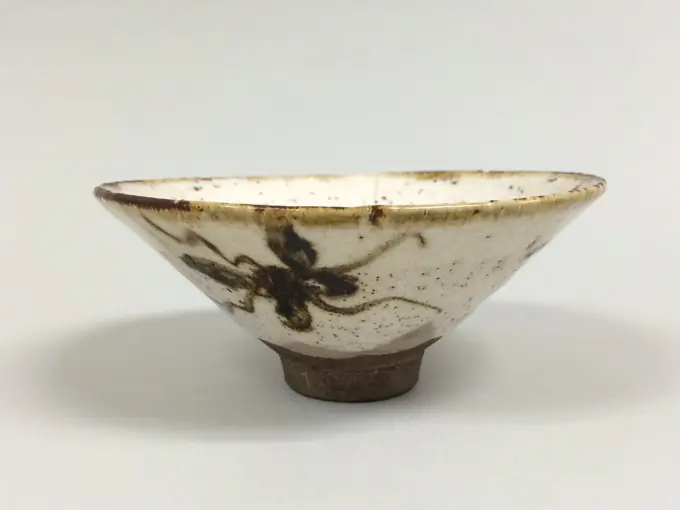
bowl with a stylised duck among floral scrolls, anonymous, c. 1100 - c. 1299 Come of earthenware covered with Engobe from white sludge from which the decoration is cut. A duck on the bottom; The inner wall with a wide band of flower vines. Garrus earthenware. glaze cutting / vitrification Come of earthenware covered with Engobe from white sludge from which the decoration is cut. A duck on the bottom; The inner wall with a wide band of flower vines. Garrus earthenware. glaze cutting / vitrification
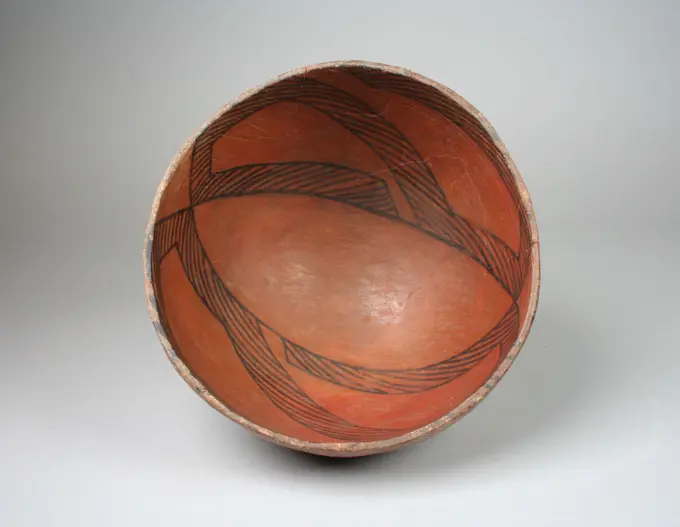
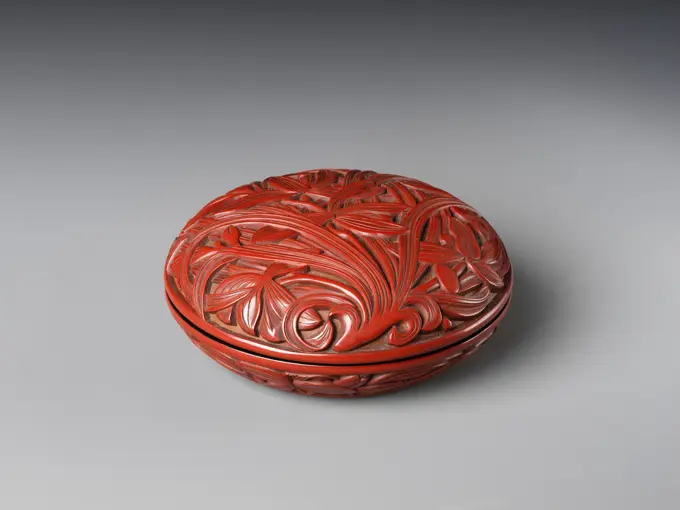
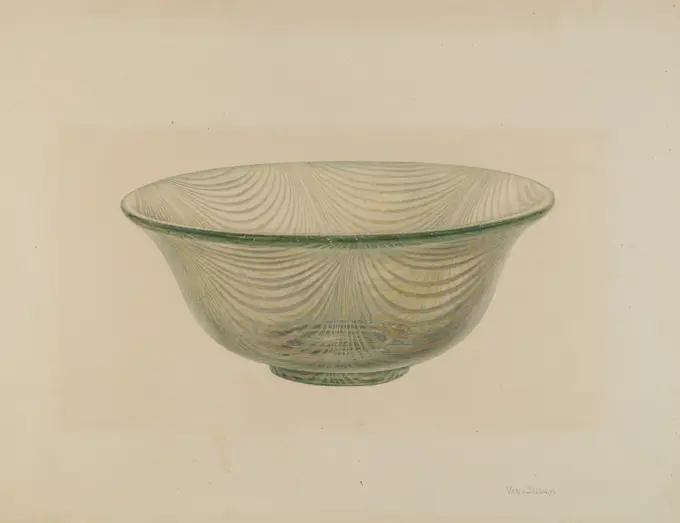
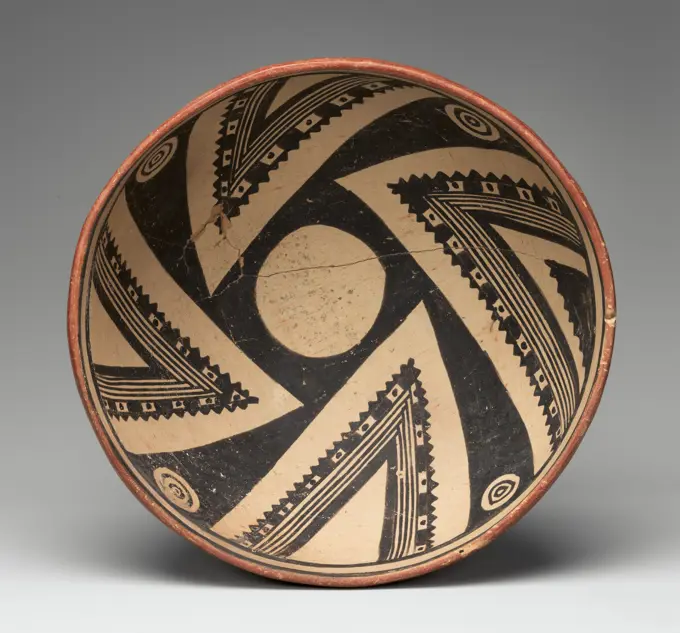
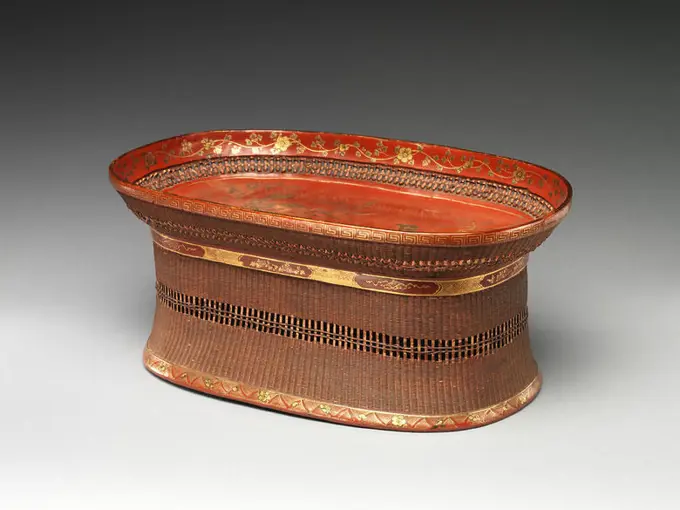
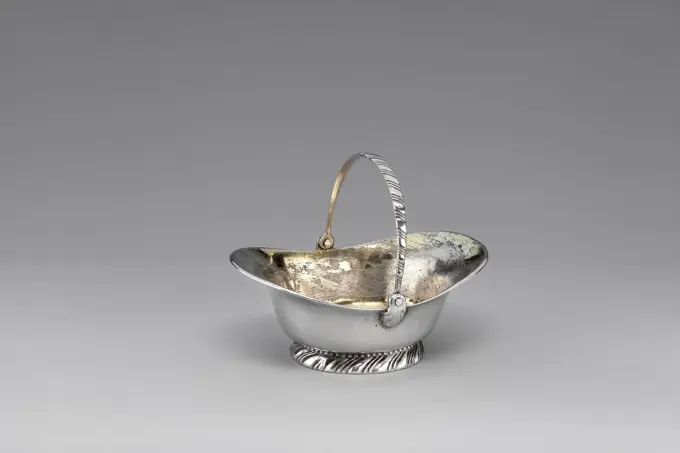
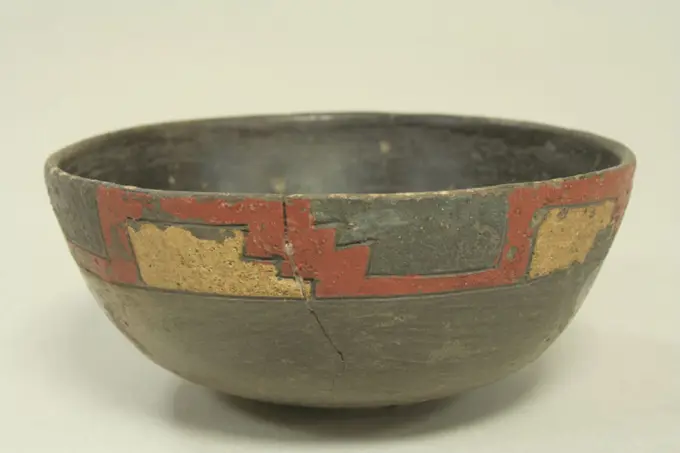
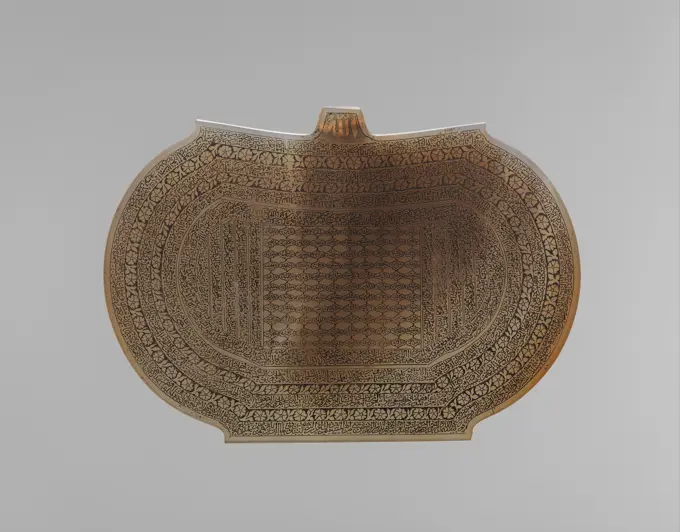
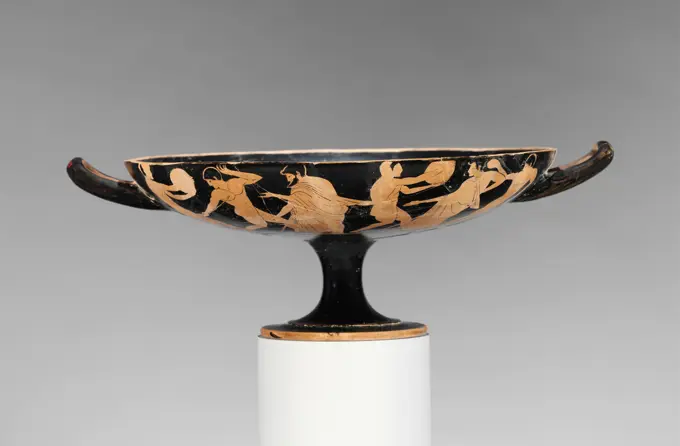
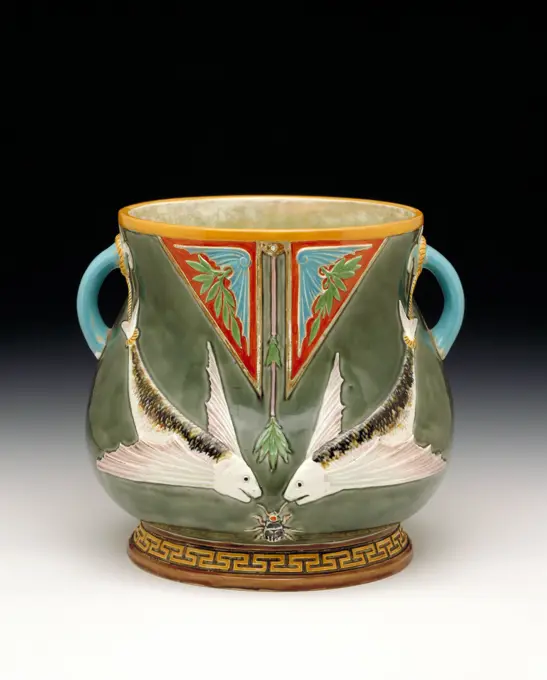
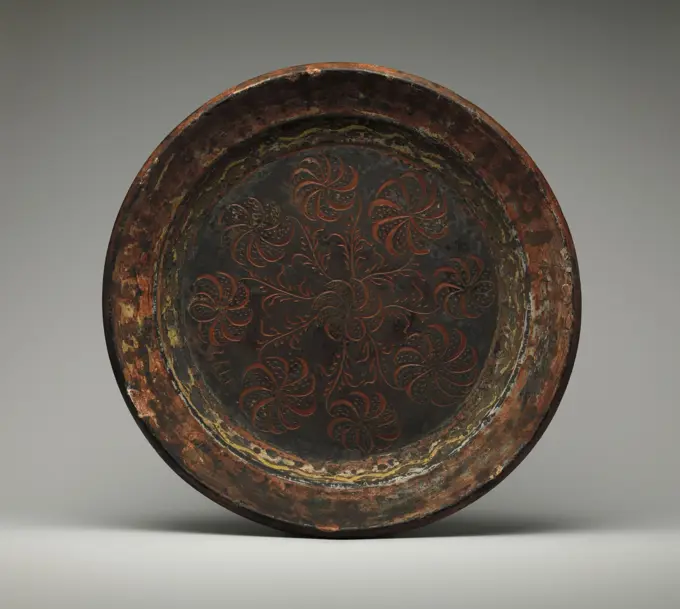
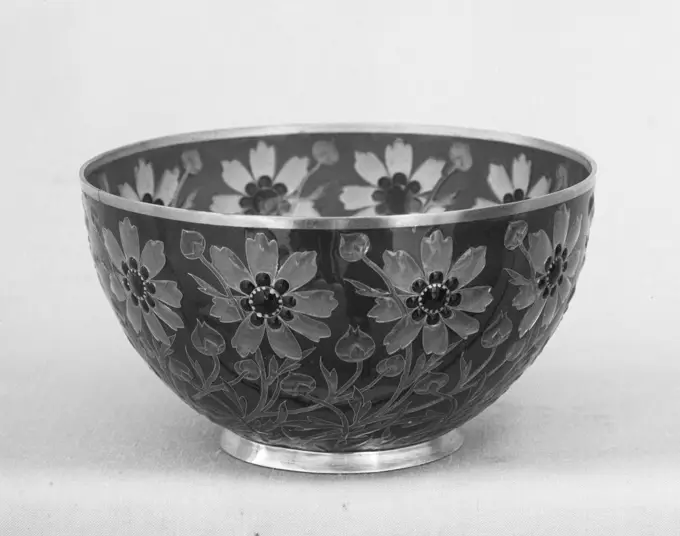
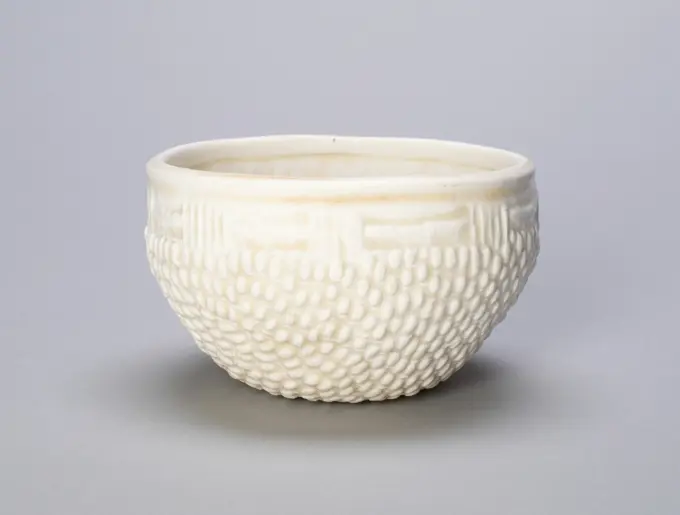
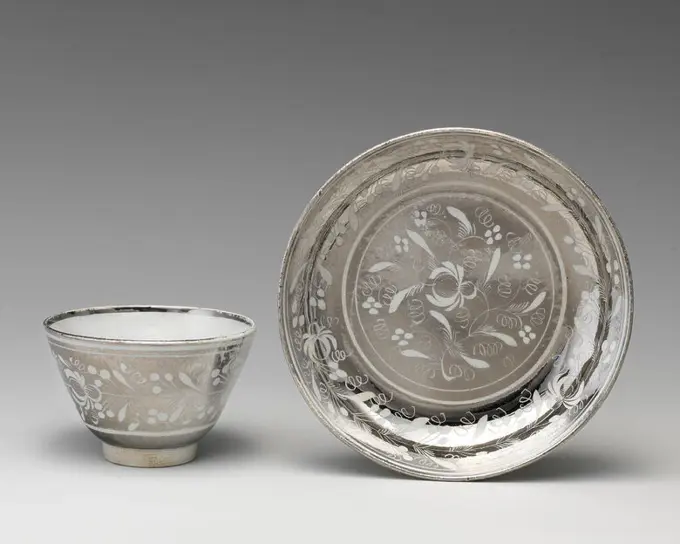
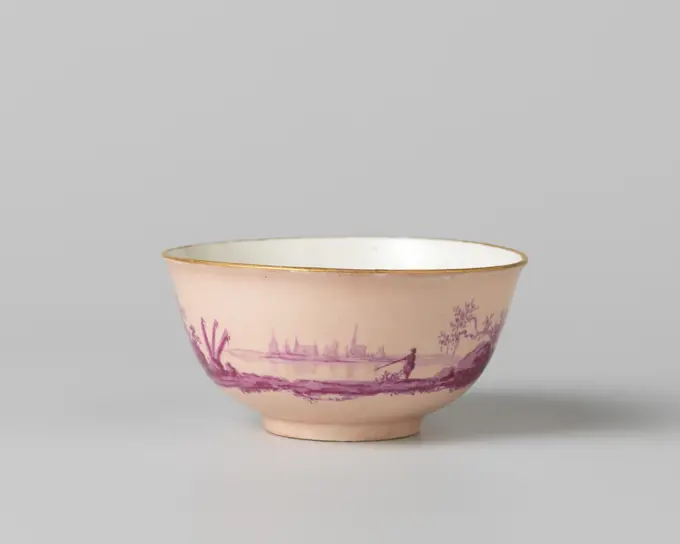
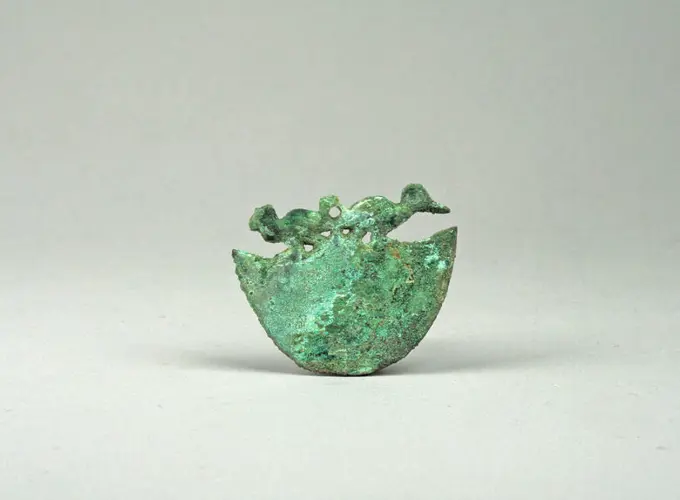
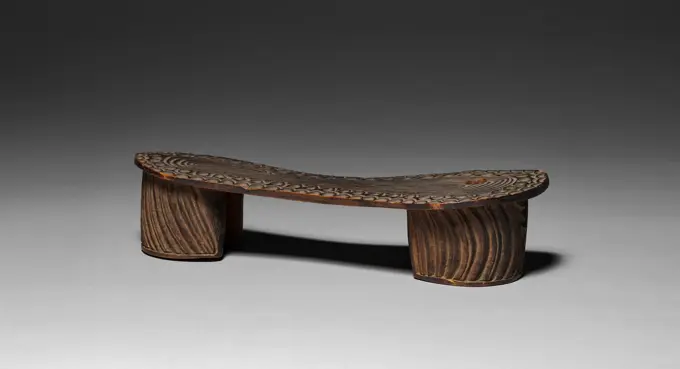
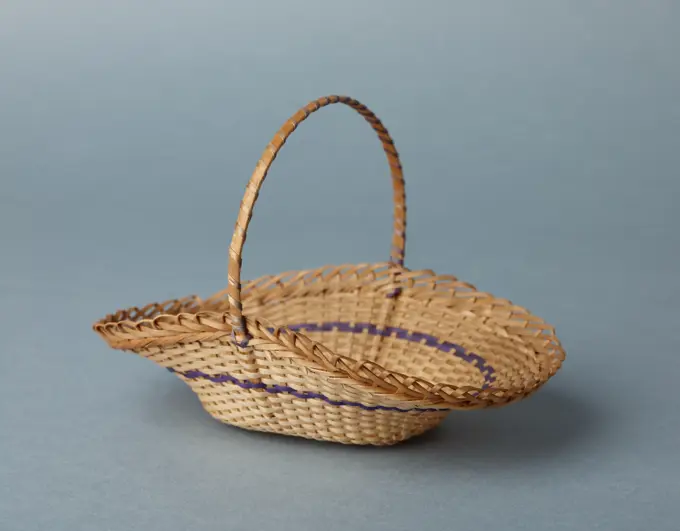
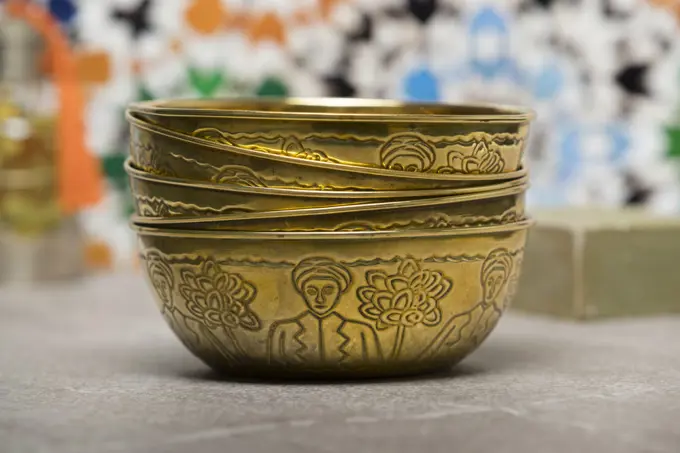
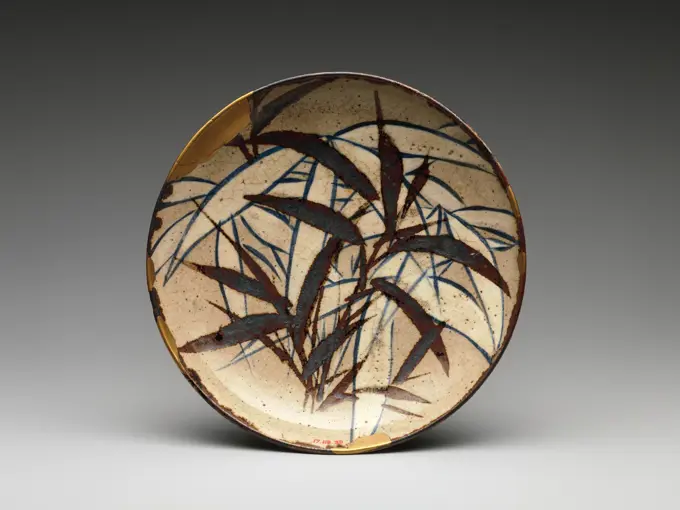
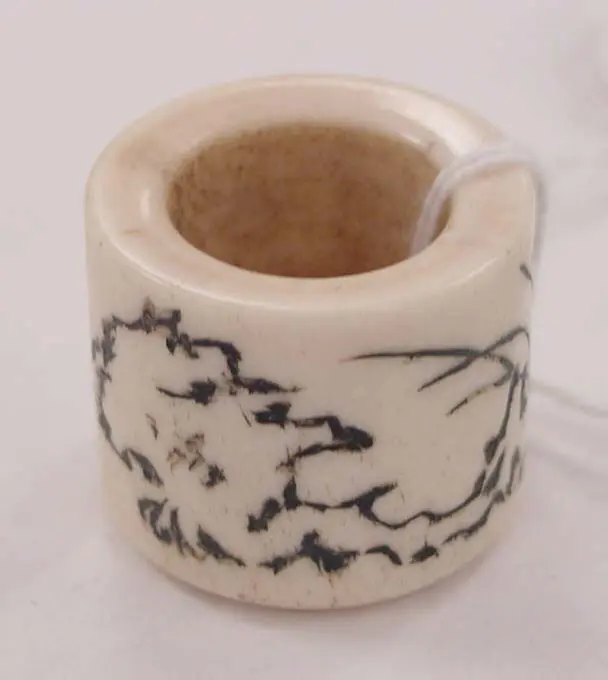
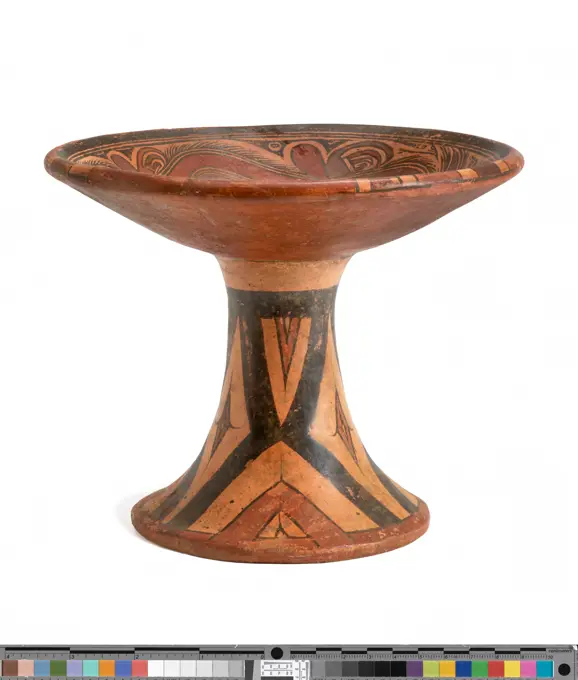
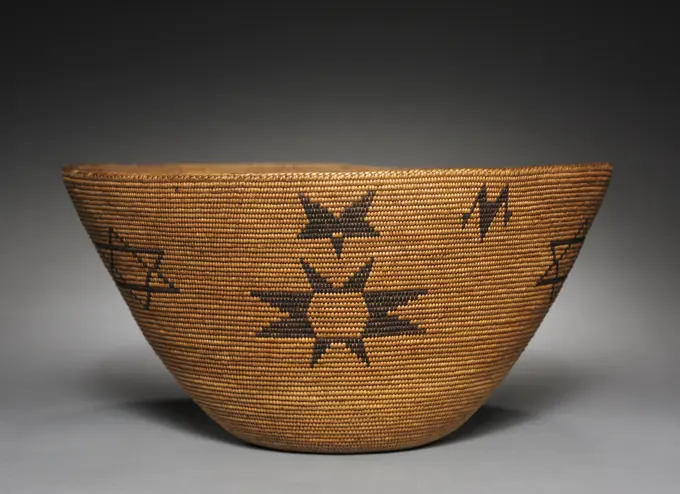
Cooking Bowl, 1890s. Great Basin, Washoe, late 19th- early 20th century. Willow, Bracken fern root; coiled; diameter: 15 x 30.3 cm (5 7/8 x 11 15/16 in.).Finger Bowl after 1886 New England Glass Company. Finger Bowl. American. after 1886. Blown glass. Made in East Cambridge, Massachusetts, United StatesSaucepan on three legs, red -reversed, anonymous, c. 1675 - c. 1700 Saucepan made of twisted wood, on three legs, red -rejected. Amsterdam wood (plant material) Saucepan made of twisted wood, on three legs, red -rejected. Amsterdam wood (plant material)Pedestaled dish with scalloped rim. Culture: China. Dimensions: H. 2 in. (5.1 cm); Diam. 9 in. (22.9 cm). Date: 13th century. Museum: Metropolitan Museum of Art, New York, USA.Bowl, one of a pair, 1662-1722, Dia.2-1/16 in., Porcelain, China, 17th-18th centuryBlack-Figure Komast Cup; Attributed to the Painter of Copenhagen 103; Athens, Greece; 580-560 B.C; Terracotta; 9.7 × 26.1 cm (3 13,16 × 10 1,4 in.)Bowl. Iran, 225-651. Furnishings; Serviceware. Glass, blown and cutSoup turbine in the form of a green cabbage, anonymous, c. 1750 - c. 1780 Soup terrine in the form of a green cabbage, of green painted faience. Brussels earthenware. tin glaze. Soup terrine in the form of a green cabbage, of green painted faience. Brussels earthenware. tin glaze.Box with narcissus 15th century China or Japan This elegant box features beautifully carved narcissi with blooming flowers and swaying leaves. The complex layering of forms matches the style of Chinese lacquers and jades dating to the early Ming period. An almost identical box, now in the Nezu Museum, Tokyo, however, bears an inscription by the Japanese lacquer artist Yozei stating he was imitating the work of the Chinese fourteenth-century master Zhang Cheng. Whether this piece proves to be a Chinese original or an unsigned Japanese copy, the extraordinary carving distinguishes the box as an excellent example of cultural exchange between China and Japan during the fifteenth century.. Box with narcissus. China or Japan. 15th century. Carved red lacquer. Ming dynasty (1368-1644) or Muromachi period (1336-1573). LacquerEngraved Bowl Ancestral Caddoan 15th century The separate, but related, cultural groups known as Ancestral Caddoan-a regional variant of the Mississippian culture-flourished in the southeast of what is now the United States in the centuries prior to European contact. Although fine ceramics are known from the region as early as AD 800, the distinctive engraved vessels with swirling and cross-hatched designs emerged after AD 1400. This finely burnished and carefully engraved bowl is in a style sometimes called Friendship Engraved. View more. Engraved Bowl. Ancestral Caddoan. 15th century. Clay. United States, Arkansas. Ceramics-VesselsVan Silvay, Bowl, c 1941 BowlBowl 18th century China. Bowl. China. 18th century. Lacquer. Qing dynasty (1644-1911). LacquerCup Stand (Tuozhan) in the Form of a Lotus Blossom with Sword-Pommel Pattern. China, Chinese, Early Ming dynasty, about 1368-1450. Furnishings; Serviceware. Carved red and black lacquer (tixi) on wood coreBowl Ancestral Puebloan (Salado) 13th-15th century Diverse civilizations known collectively as Ancestral Puebloan flourished in the southwest of what is now the United States before the arrival of Europeans. Salado polychrome ceramics (also known as Roosevelt Red Ware) is a type of late prehistoric pottery found in Arizona and New Mexico. The striking geometric design is achieved by applying black and white slip over a red ware. Four circular "bull's eye" designs were painted below the interior rim. View more. Bowl. Ancestral Puebloan (Salado). 13th-15th century. Clay. United States, Arizona. Ceramics-VesselsFooted Tray with Figures in a Landscape. Culture: Japan (Ryukyu Islands). Dimensions: H. 7 in. (17.8 cm); W. 16 1/4 in. (41.3 cm); D. 10 1/8 in. (25.7 cm)Storage Box: 8 5/8 x 17 3/8 x 11 1/2 in. (21.9 x 44.1 x 29.2 cm). Date: early 17th century.During the Edo period, luxury basketry items sometimes received rich lacquer decoration, as with this rare red-lacquer footed tray. Made in Ryukyu (Okinawa) and embellished with a Chinese landscape, it indicates an extensive artistic exchange between the Ryukyu Islands and China. Museum: Metropolitan Museum of Art, New York, USA.Basket-shaped salt cellar. Lilpop, Karol Jerzy (fl. 1820-1833), goldsmithIncised Greyware Bowl 5th-4th century B.C. Paracas. Incised Greyware Bowl 308506Bowl with warrior motif, 3rd century BCE - 6th century CE, 2 3/4 x 4 1/4 x 4 1/4 in. (7 x 10.8 x 10.8 cm), Polychromed earthenware, Peru, 3rd century BCE - 6th century CEBowl.   Maker: George Christian Gebelein, American, 1878-1945For a wooden luminaire; Sawona (ceramic family; 16th-20th centuries); XVII/18th century (1690-00-00-1710-00-00);Agate Amulet mid-18th century In Iran agate has been regarded as a stone with magical and healing properties. This notched oval-shaped pendant features a selection from the Asma al-Husna (the 99 beautiful names of God) at the center, surrounded by the entire sura Ya Sin (sura 36) from the Quran. Considered the heart of the Quran, this sura has talismanic associations including shielding its owner/wearer from calamity and providing them with strength and courage.. Agate Amulet 458262Ointment Vessel 1550 BCE-1292 BCE Egypt. Egyptian alabaster . Ancient EgyptianTerracotta kylix (drinking cup) ca. 510 B.C. Attributed to the manner of the Epeleios Painter Interior, diskos-thrower.Exterior, obverse and reverse, athletes and trainers.. Terracotta kylix (drinking cup) 254305 : Attributed to the manner of the Epeleios Painter, Terracotta kylix (drinking cup), ca. 510 B.C., Terracotta, H. 5 3/16 in. (13.2 cm); diameter 12 1/2 in. (31.7 cm); width with handles 15 13/16 in. (40.1 cm). The Metropolitan Museum of Art, New York. Rogers Fund, 1941 (41.162.133)Kroes of Silver with driven decoration of flowers and birds, Anonymous, 1800 - 1815   silver (metal)   silver (metal)Teabowl 18th century Japan. Teabowl. Japan. 18th century. Clay covered with white slip and transparent glaze (Raku ware, Jizhou type). Edo period (1615-1868). CeramicsCup (England); treenceramic pot isolated on white backgroundAquarian flower pot, c. 1873, Christopher Dresser; Manufacturer: Wedgwood, Scottish, 1834-1904, 8 x 9 1/8 in. (20.32 x 23.18 cm), Glazed ceramic, England, 19th centuryArragonite bowl: fivefragmentsDish China. Dish 43875Dish 1797 American. Dish 5611Bowl, one of a pair, 11th century, 1 1/2 x 4 1/8 in. (3.8 x 10.48 cm), Ding ware Porcelain with brown-black glaze, China, 11th centuryBowl 1903 Fernand Thesmar French In this plique à jour technique there is no supporting metal structure for this enamel. The fabric of the bowl is the enamel itself which is held in place during firing by a thin sheet of gold that is later removed.Thesmar executed many small bowls of this type between 1891-1903. All are evocative of Islamic style, relating this group more closely to the Near Eastern-inspired glass of his contemporary Philippe-Joseph Brocard (died 1896) than to his own work in cloisonné enamels.. Bowl. French, Neuilly-sur-Seine, Paris. 1903. Plique à jour enamel, gold. EnamelsTerracotta stemmed dish. Culture: Lydian. Dimensions: H. 4 1/4 in. (10.8 cm)diameter 9 5/16 in. (23.7 cm). Date: 6th century B.C..Shallow bowl on high foot, decorated with groups of concentric circles in black. Museum: Metropolitan Museum of Art, New York, USA.Basketweave” Bowl 1000-1099 China. Ding-type ware; porcelain with underglaze molded decoration .Sèvres Porcelain Manufactory, Assembled Cup and Saucer, c. 1770-80, soft-paste porcelain.Bowl 10th-11th century Ancestral Pueblo. Bowl 310502Old antique vintage bronze, brass bowl, isolated on white backgroundGold tableware from graves in MycenaeCup. Culture: Japan. Dimensions: Diam. 2 1/2 in. (6.4 cm). Date: ca. 1780. Museum: Metropolitan Museum of Art, New York, USA.Close-up of a decorative pottery container in unique patternCup and saucer. Culture: British. Dimensions: Overall (cup .10): 2 1/4 × 3 3/8 in. (5.7 × 8.6 cm);Overall (saucer .11): 1 1/8 × 5 1/2 in. (2.9 × 14 cm). Date: early 19th century. Museum: Metropolitan Museum of Art, New York, USA.Bickers - Nest of Cups, 1750-1900. Pinto Collection - Purchased from Edward H Pinto, 1965.. Made in Scotland. This is a very rare nest of bickers made in Scotland in the 18th century. Bickers were traditional Scottish drinking vessels and as shown in this nest, they were made in a variety of sizes.It was said that a skilled craftsman was able to make a bicker using only a knife. It was made of alternate sycamore and alder staves which fitted together with a series of small feather like notches. The whole vessel was then held in place with willow bands which were carefully laced together. A dried pea was inserted into a false base in the largest bicker, so that the cup rattled when a top up was required.Top of a Papyrus Stalk Mirror Handle ca. 1390-1353 B.C. New Kingdom. Top of a Papyrus Stalk Mirror Handle. ca. 1390-1353 B.C.. Faience. New Kingdom. From Egypt, Upper Egypt, Thebes, Malqata, Palace of Amenhotep III, MMA excavations, 1910-12. Dynasty 18Glass ribbed bowl mid-1st century A.D. Roman Translucent deep purple; trail in opaque white.Outsplayed rim, with cracked off and ground lip; short concave neck; squat, globular body curving in to flat, thick bottom.Trail applied as a spiral on bottom, then wound up side, ending on neck as a band of fine, irregular horizontal lines; side tooled into twenty-four slender, vertical ribs.Intact, except for one small chip on outer edge of rim; some large and pinprick bubbles; dulling, some pitting, and faint iridescence, with weathering of trail between ribs.Ribbed bowls like these, often decorated with opaque white trails, were very popular throughout the Roman world and may be seen as successors to the cast ribbed bowls of the first century B.C. to the early first century A.D. A major center of production was probably located in Northern Italy or the province of Pannonia along the main route to the Danube frontier.. Glass ribbed bowl. Roman. mid-1st century A.D.. Glass; blown, trailed, andTea cup, part of coffee and tea service with painting with figures in river landscape in beet red. Tea cup from porcelain. Painted in beet red on a light pink fond, with figures in a river landscape, with buildings and ruins.Cup 18th century. Cup 444452Bowl - fragment; unknown, unknown Italian workshop; District Archaic (0-00-00-0-00-00);Bednarek-03, Dar, Etruria, Antical Art Collection, DarCrescent Ornament. Culture: Moche (Loma Negra). Dimensions: H. 1 15/16 x W. 2 1/4 in. (5 x 5.7 cm). Date: 390-450. Museum: Metropolitan Museum of Art, New York, USA.Compote. Maker, attributed to: Boston and Sandwich Glass Works, American, 1826-88Patten-type Shoe, c 1800s. Africa, Central Africa, Democratic Republic of the Congo, Kuba or Bushongo, 19th century. Wood; overall: 6 x 10.2 cm (2 3/8 x 4 in.).Basket Company: J.K.Stack of gold colored metal Hammam water bowlsBrush Washer. Culture: China. Dimensions: H. 1 5/8 in. (4.1 cm); Diam. 4 3/4 in. (12.1cm). Museum: Metropolitan Museum of Art, New York, USA.Bottom fragment of drinking glass with radgraving, clear glass, pontil brand, goblet drinking glass drinking utensils tableware holder soil find glass, blown in shape engraved Bottom fragment. Drinking glass tapered Clear and colorless glass. Pontil mark Small part of decoration by radgraving is visible archeology Valckensteyn Poortugaal Albrandswaard drinking beer wine serving Soil discovery: Castle Valckensteyn Poortugaal.Box -Czelka in yellow green brown spots unknownclay pot isolated on white backgroundAncient ceramics, Arkeologi Museoa, Aqueologico museum, Bilbao, Bizkaia, Basque Country, Spain.Dish with Bamboo Leaves 18th century Style of Ogata Kenzan  Japanese. Dish with Bamboo Leaves. Style of Ogata Kenzan  (Japanese, 1663-1743) (). Japan. 18th century. Stoneware painted with cobalt blue, cream and ironbrown slip under a transparent glaze; gold lacquer repair (kintsugi). Edo period (1615-1868). CeramicsShards of Kommen from V.O.C. ship De 'Witte Leeuw', Before 1613 plate (dishes). bowl Shards of Kommen from V.O.C. ship De 'Witte Leeuw'. Jingdezhen bone china (material)   Sint-HelenaCup first half 19th century China. Cup. China. first half 19th century. Porcelain with crackled glaze (Jingdezhen ware). Qing dynasty (1644-1911). CeramicsThe Torlonia Marbles. Collecting Masterpieces, Gallerie d'Italia, Milan, Lombardy, Italy, EuropeButter cooler ca. 1860 W S & S. Butter cooler 207583Ring probably 19th century Chinese This collection of largely ethnographic jewelry includes examples from cultures in South America, North America, Europe, Asia, and Africa and dates from the Pre-Columbian period to the twentieth century. Owned by renowned art collector and fashion enthusiast Muriel Kallis Newman, the collection represents her knowledge and appreciation of a wide range of jewelry design and making traditions. Numerous items in her collection are composite artifacts made from various cultures and time periods reappropriated as modern jewelry creations by or for Muriel. It is important to note that Newman wore many of the pieces in the collection, interpreting them to suit and express her own singular, often avant-garde style.. Ring 141604Set of Ceramic, stylish tableware, table decor and food menu concept.. Set of Ceramic, stylish tablewarePedestal Plate with Two Rotated Iguanas. Panama, Macaracas style, Panama, 800-1000 CE. Ceramics. Slip-painted ceramicThree different shapes beige brown ceramic vases with dry flowers and twigs branch on white marble table with gray wall behind. Copy space.Potter character make kitchenware, bowl and jar set. Rustic ornamental plate, man doing ceramic dish, colorful tableware, ewer symbol, utensil object, hobby vector. Ceramist and Dishware, Made Kitchenware Vector