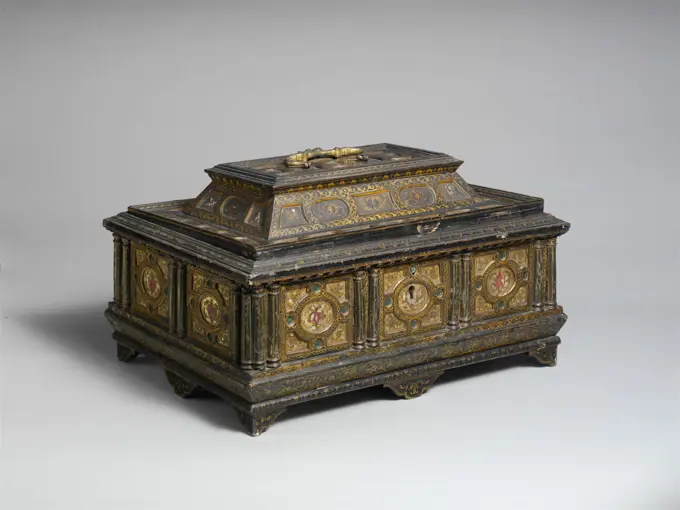
Decorative Boxes and Cases

A variety of ornate decorative boxes from Japan and Europe, showcasing intricate designs, materials like silk and lacquer, and styles from different centuries.
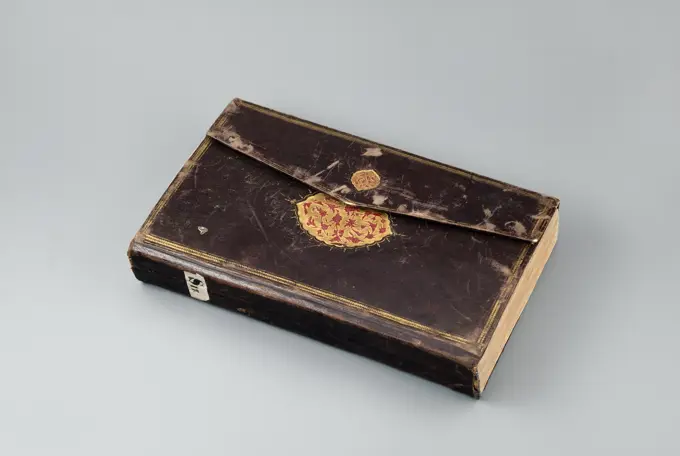
Koran, Osman dynasty (1299-1922), manuscripts, Islamic art
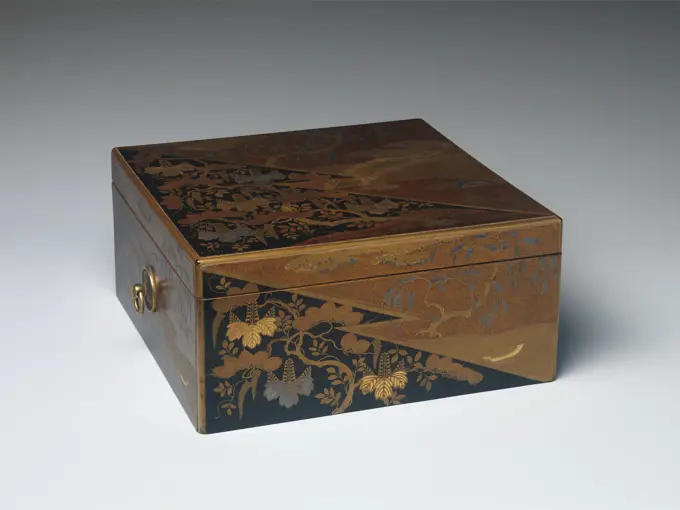
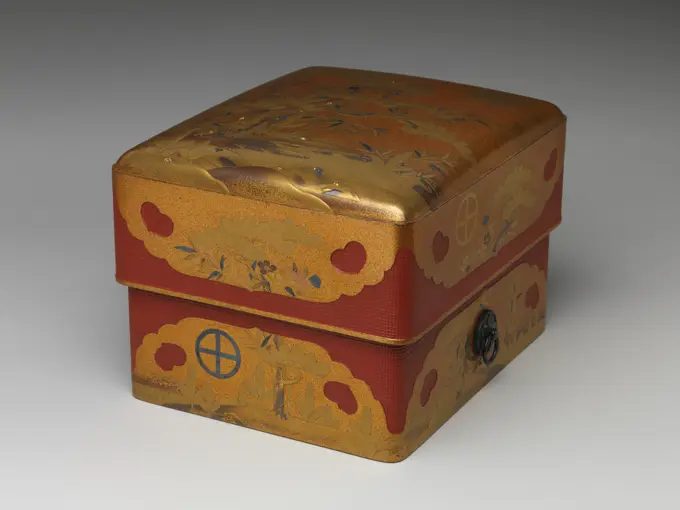
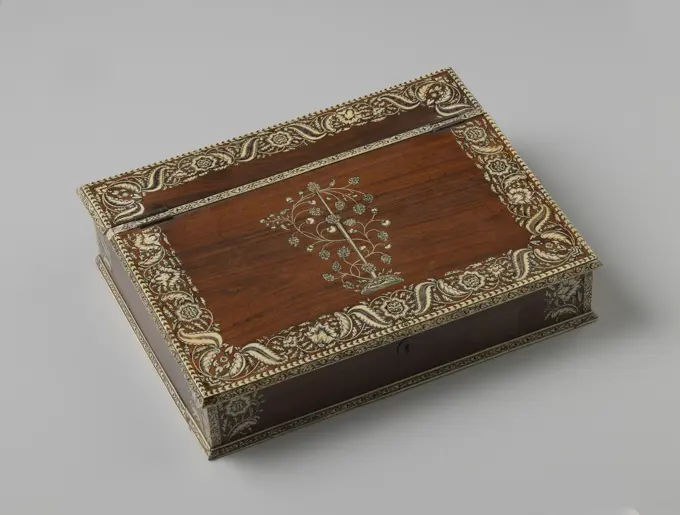
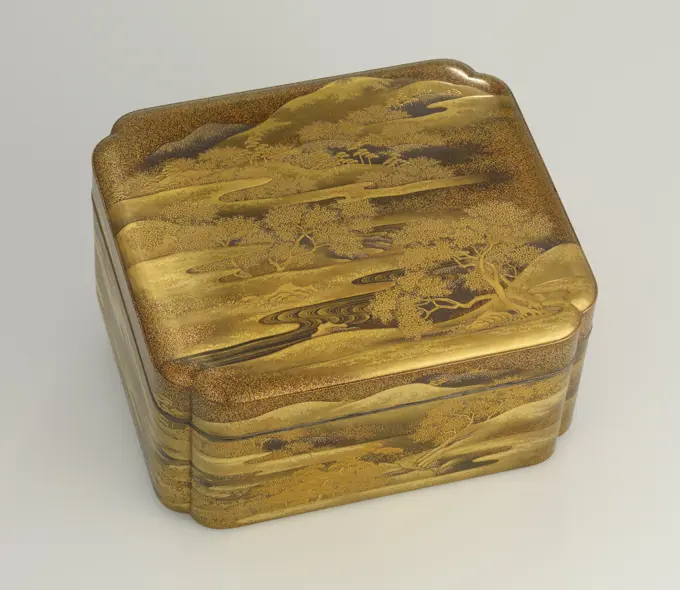
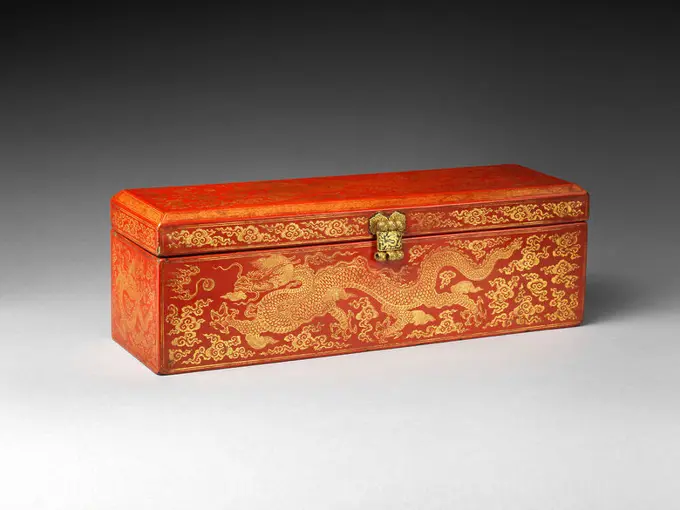
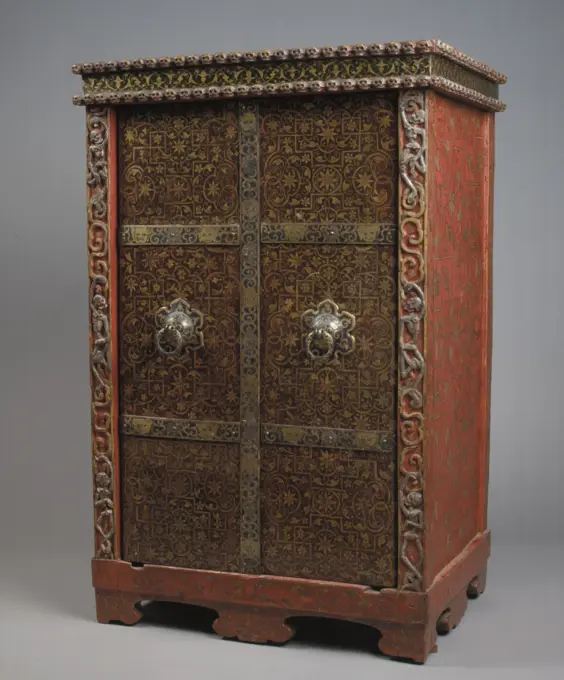
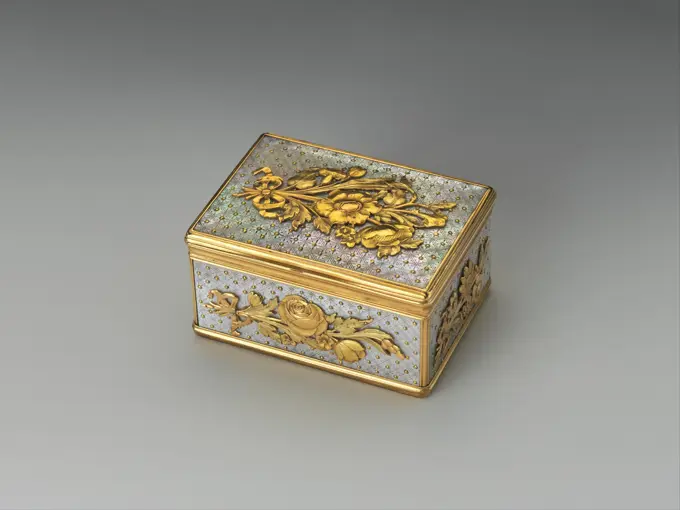
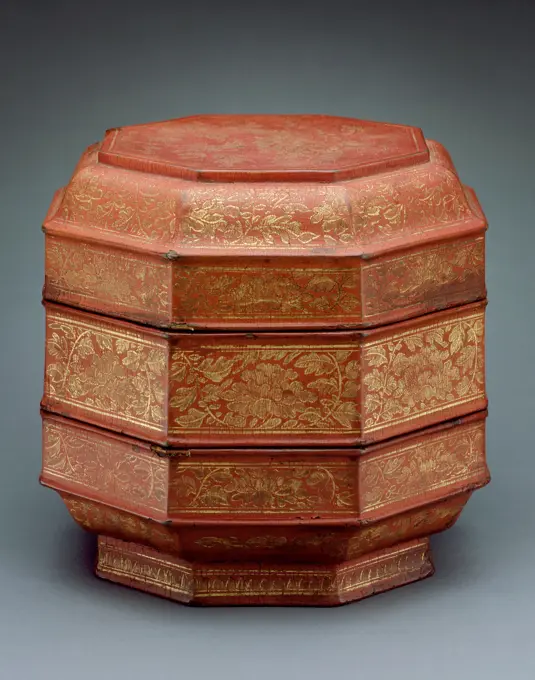
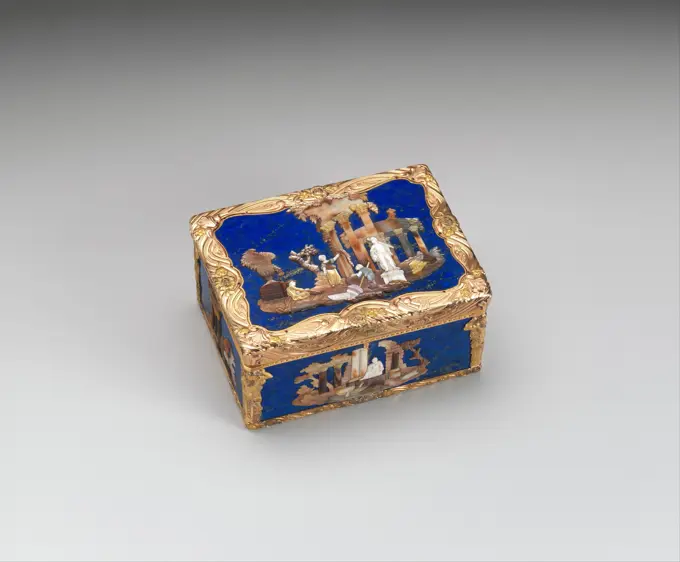
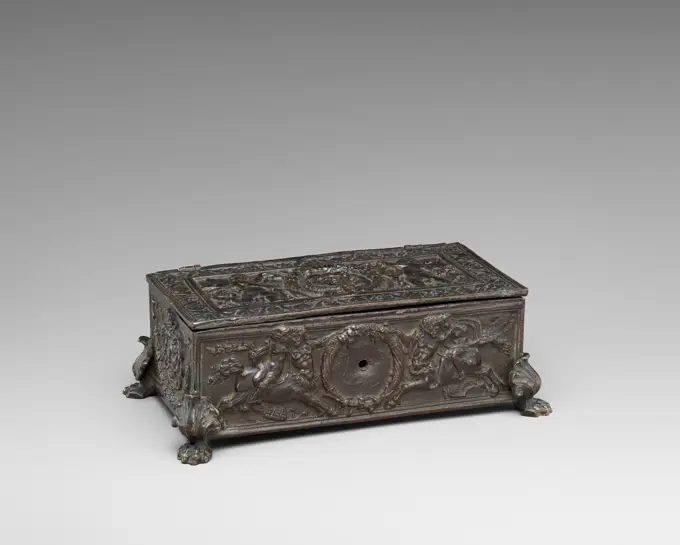
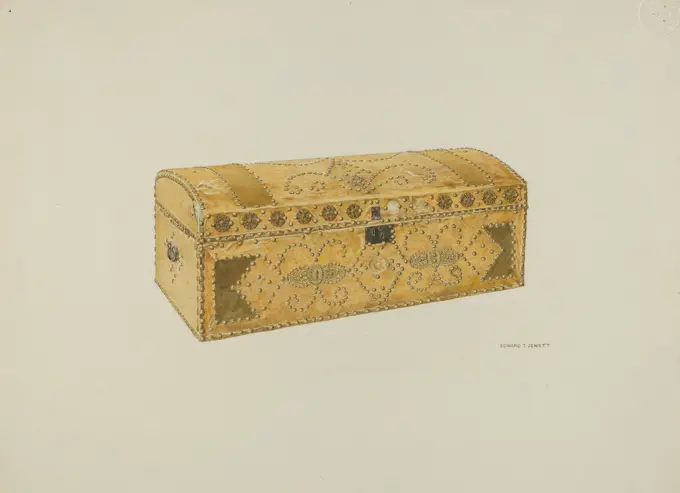
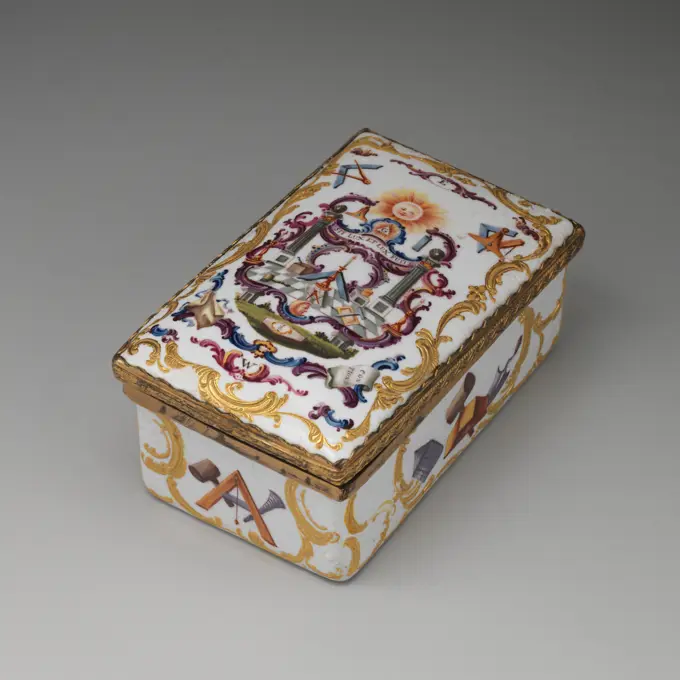
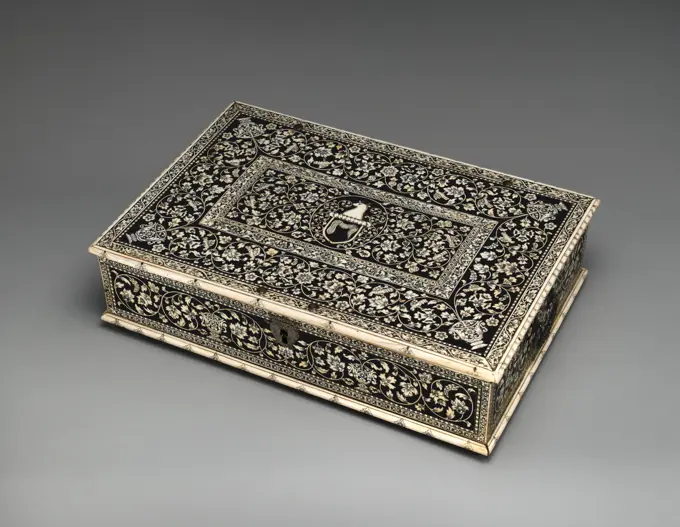
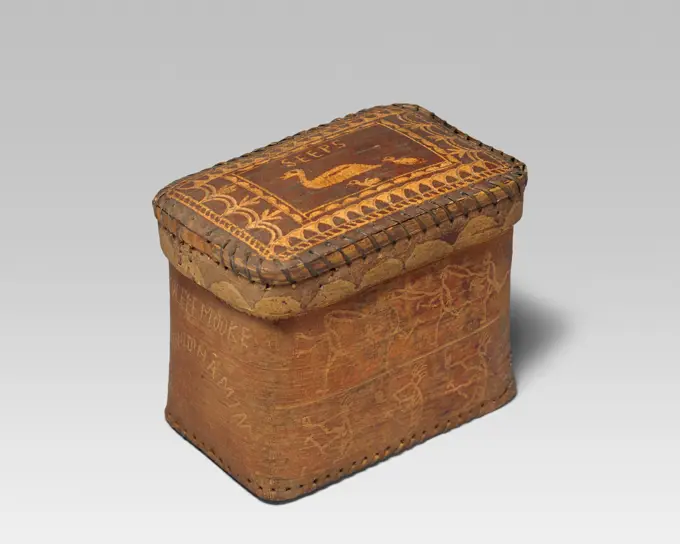
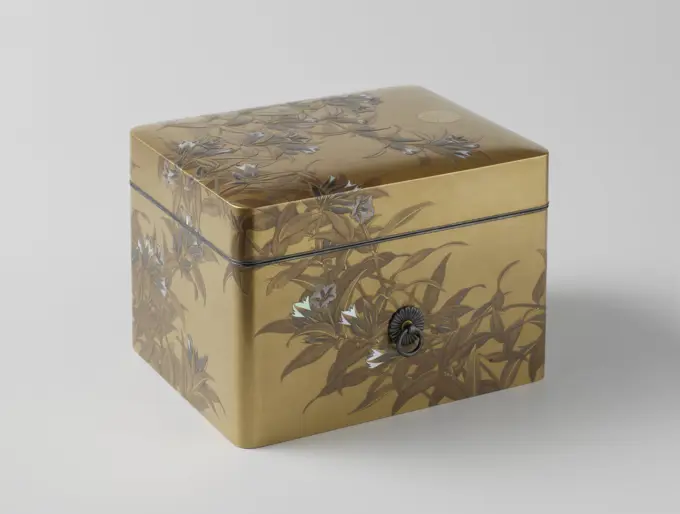
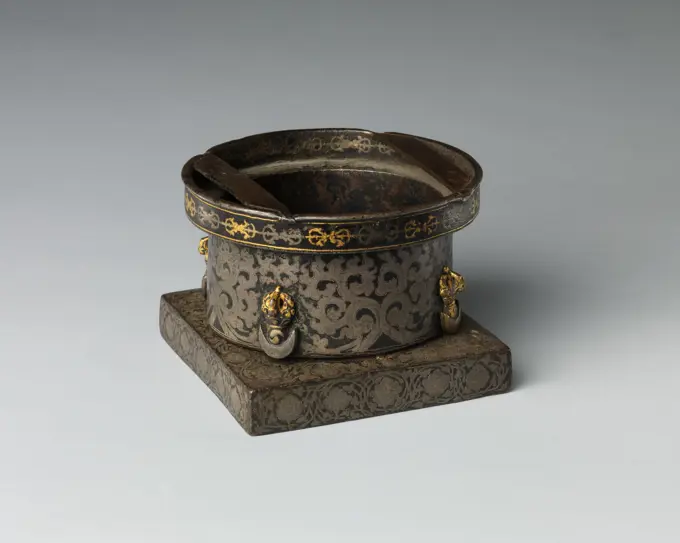
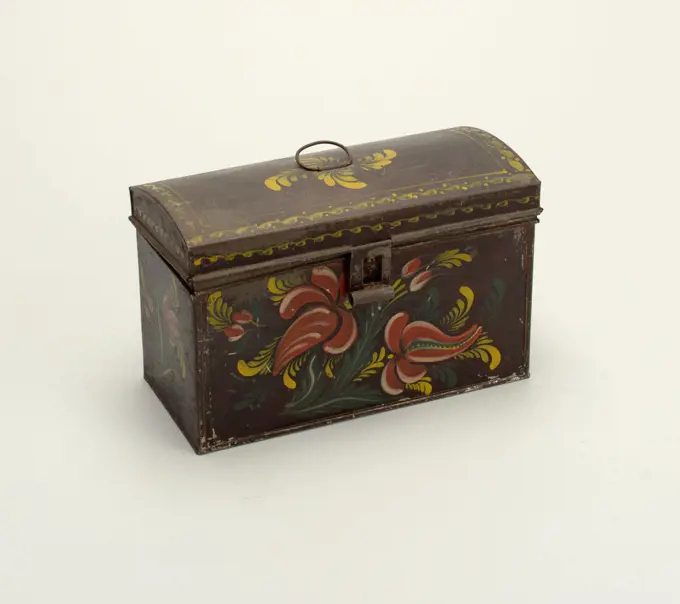
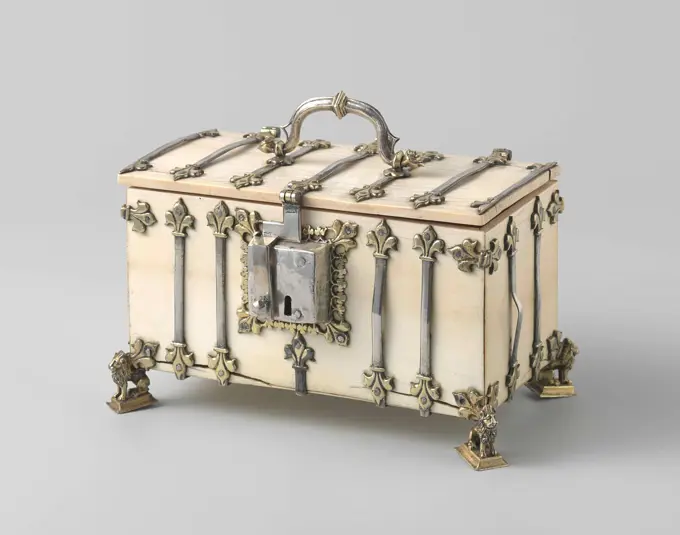
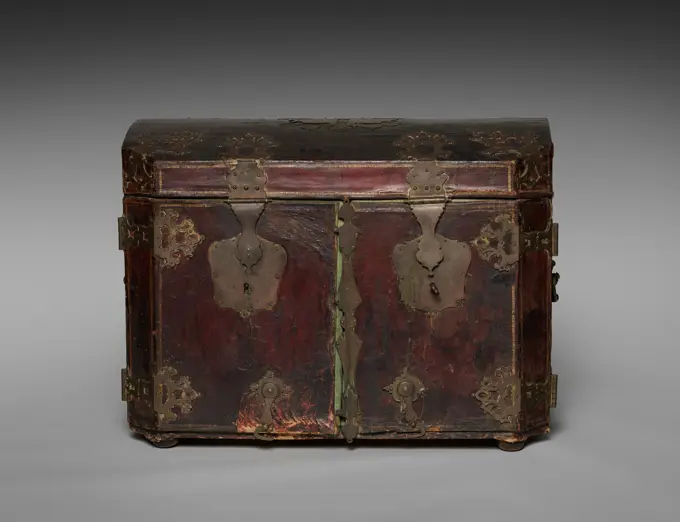
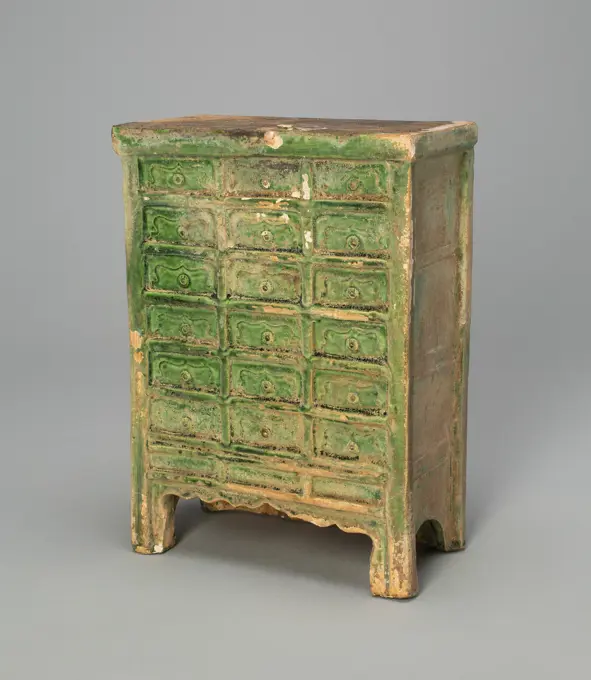
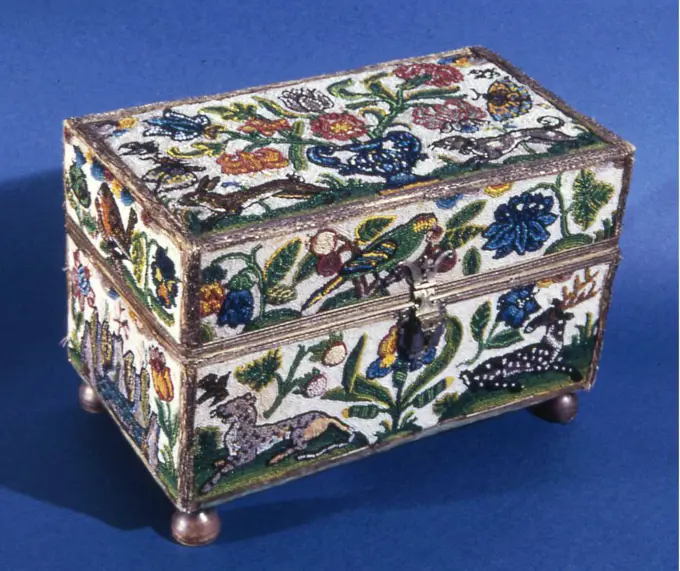
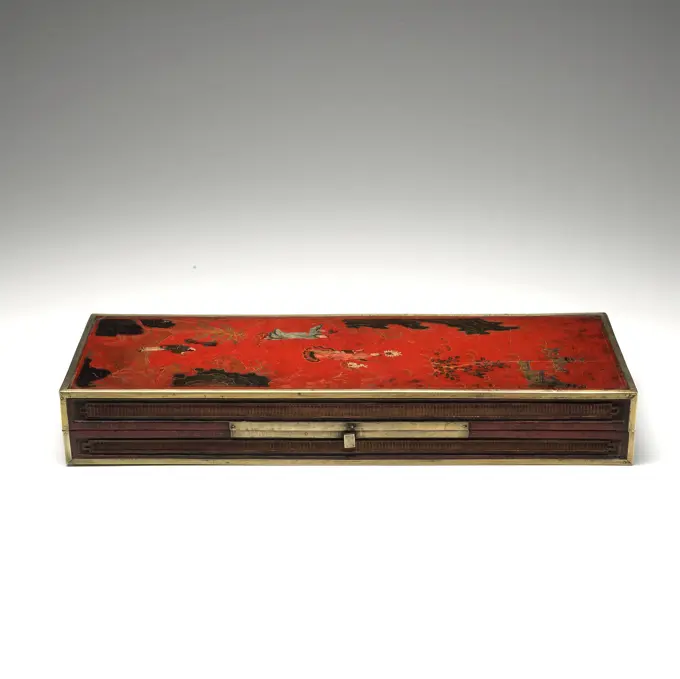
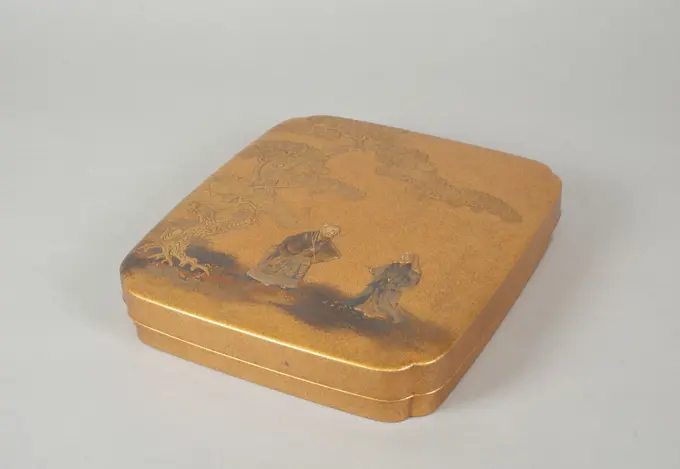
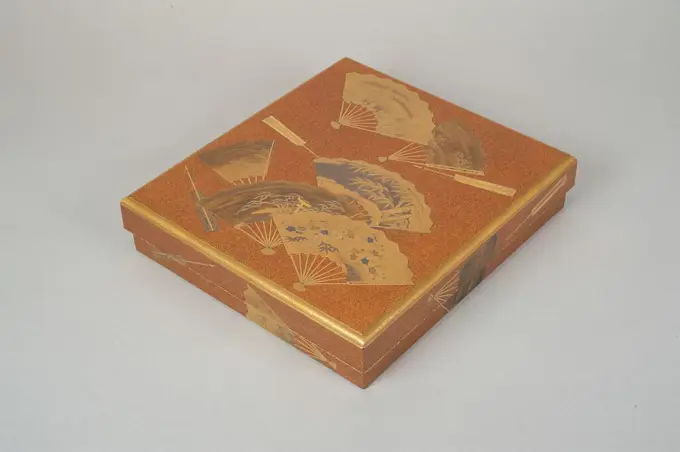
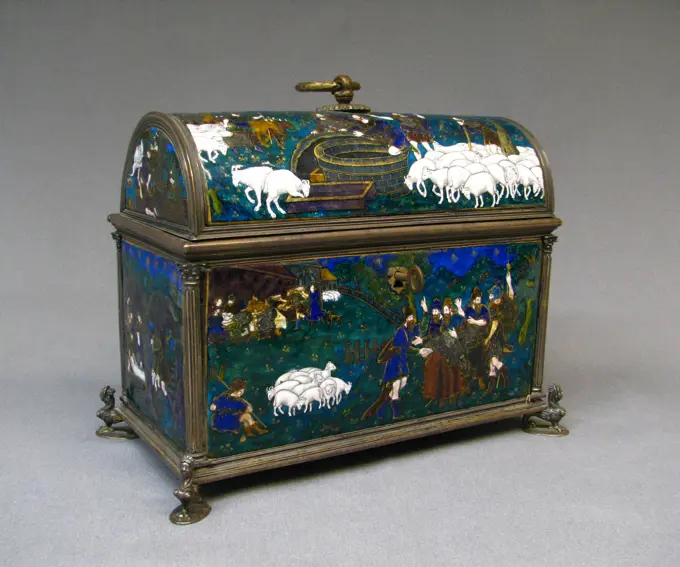
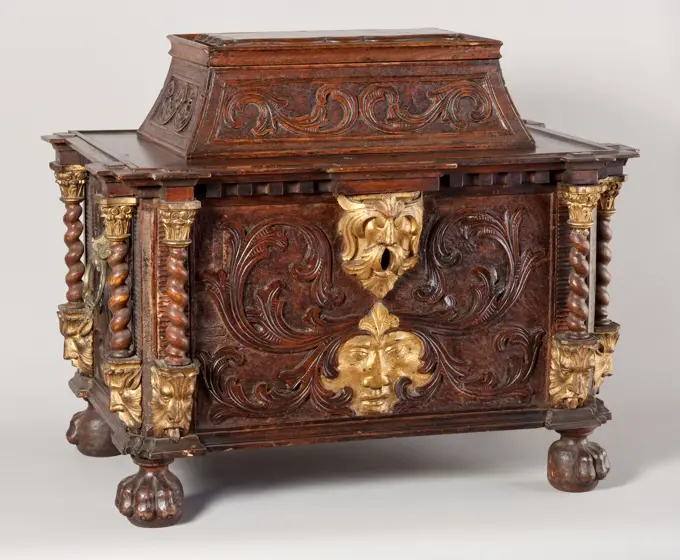
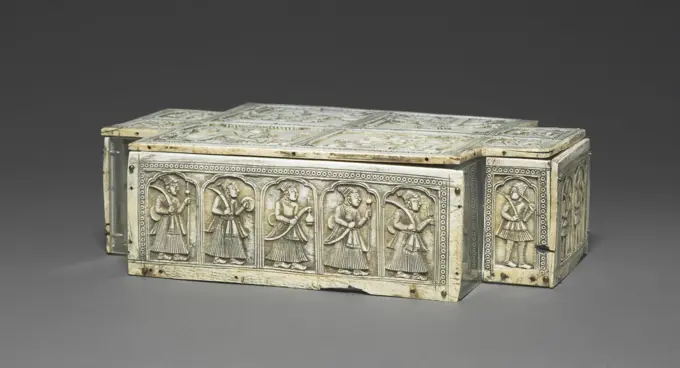
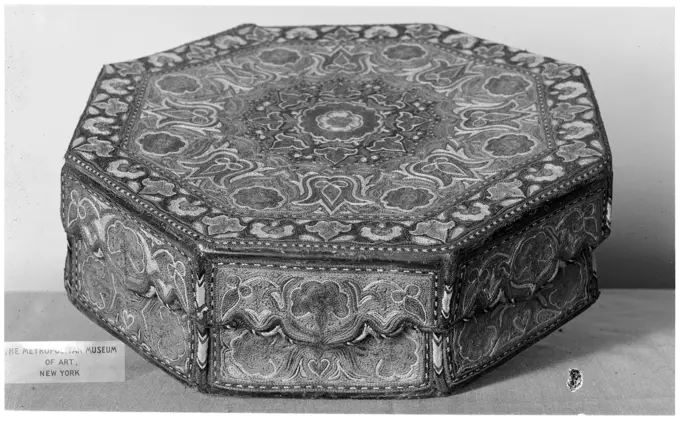
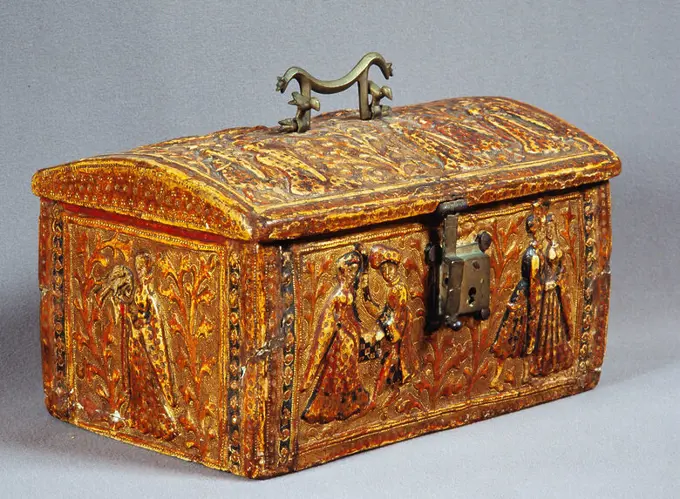
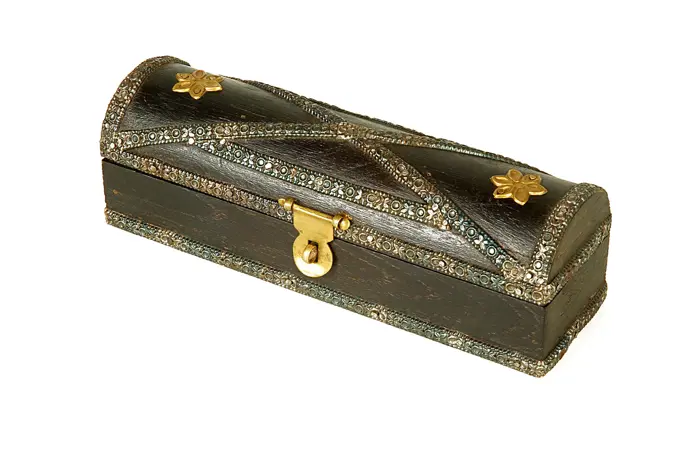
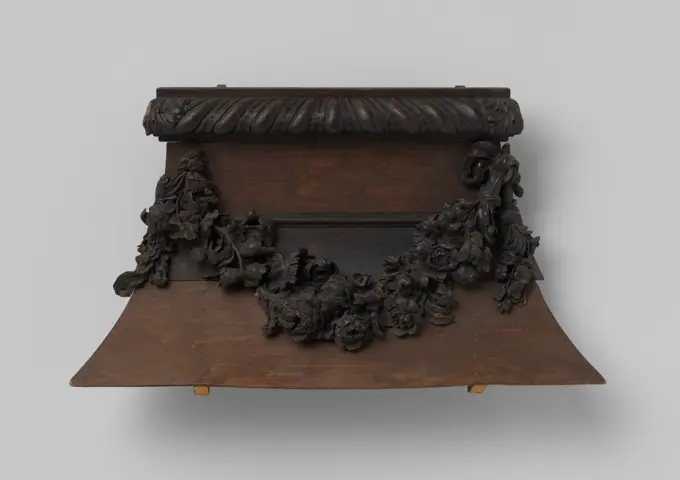
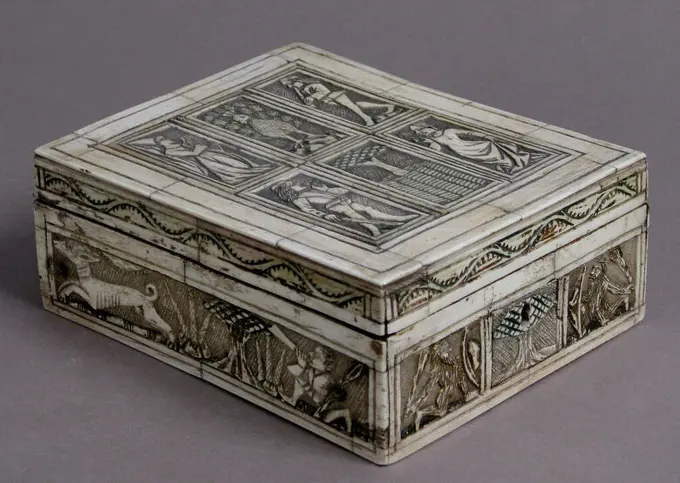
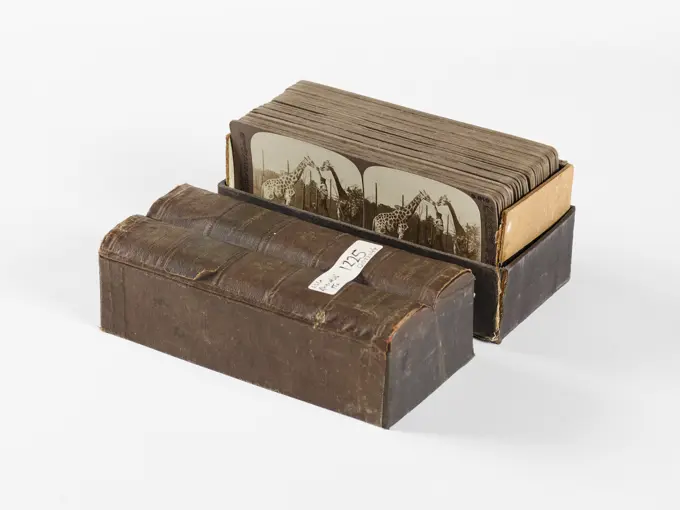
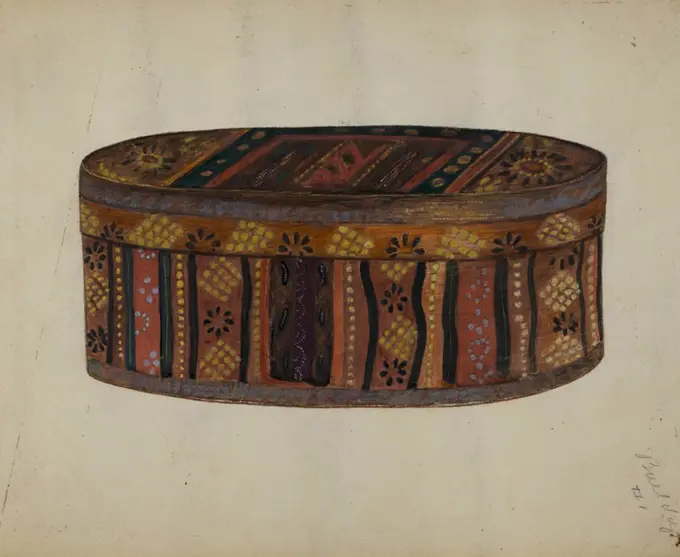
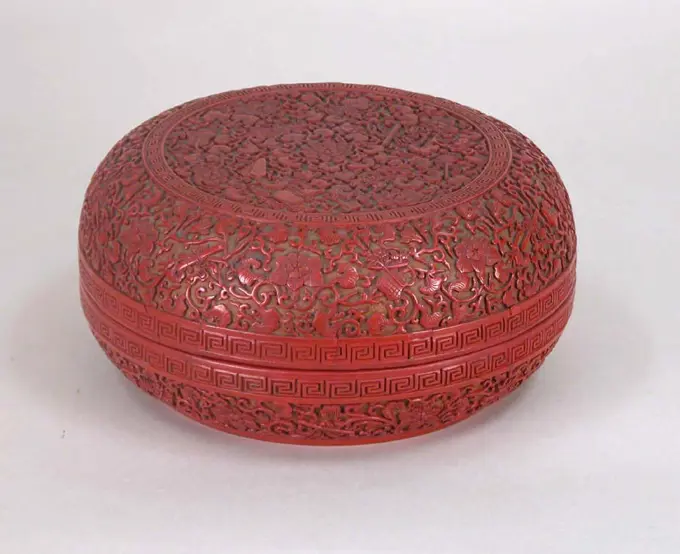
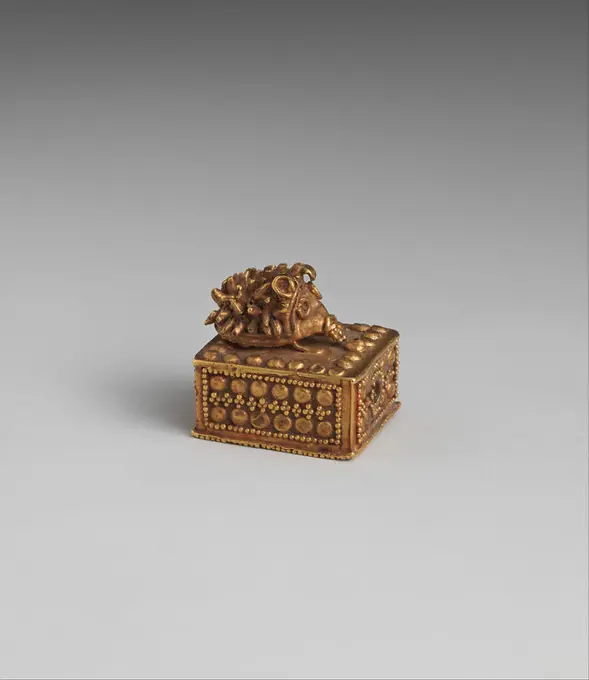
Box, Medium: silk, metal Technique: embroidered, Rectangular box, probably a missal case, of red velvet embroidered in gold in high relief in a strap work pattern with stylized floral motifs. One side is hinged and fastened with small silver hooks. Silver eyelets on the end for cord handles., Italy or Spain, early-mid-17th century, costume & accessories, BoxStationery Box in Kōdaiji style early 17th century Japan The bold combination of naturalistic landscape designs and scattered paulownia crests on contrasting diagonal fields divided by a zigzag border is characteristic of a distinctive style of Momoyama-period lacquer decoration known as Kōdaiji, which was current from the 1580s through the early seventeenth century. The style is associated with the military potentate Toyotomi Hideyoshi (1536-1598) and named for the Kōdaiji temple, where his memorial shrine was built in 1616. The shrine's lacquered interior, along with some thirty lacquer objects of personal use that are preserved there, are similarly decorated with naturalistic designs, mainly of autumn grasses, which are often combined with scattered paulownia crests, the personal emblem of the Toyotomi family. On this box the landscape motifs of a snow-covered willow by a bridge and a wisteria-wrapped pine tree are unusual, as is the use of gold-and-silver-foil inlay.. Stationery Bo. Coffin of walnut with interior of poplar wood. The foot is vaulted and decorated with volute wreaths, a maskaron and acanthus leaves. The long walls have an oval field flanked by round fields; The short walls have oval fields. The front wall shows a flow god in the oval field and a najade in Marqueteria and on the corners coupled C curves with cartouche shields. The lid consists of a cushion and a border with cushions and rosettes decorated. Part carving originally platedBox (Sumiaka tebako) with Design of Pine, Bamboo, and Plum 19th century Japan. Box (Sumiaka tebako) with Design of Pine, Bamboo, and Plum. Japan. 19th century. Gold maki-e on nashiji lacquer with basket. Edo period (1615-1868). LacquerCasket, anonymous, c. 1560 - c. 1600 Softwood jewelry, covered with etched steel and gilded copper and glued with ash and maple wood and black stained wood. Folding front, behind which eight drawers around a central compartment that is closed by a door. The steel plates and the batter are decorated with Moresken and Renaissance ornament, such as rolling and wickerwork, children's figures, masks, dolphins, seahorses and acanthus leaves. On the top of the box is a raised, openwork roller cartouche with two putti and a medallion applied, within a profiled, rectangular frame. The inside of the folding leaf is engraved with a rolling cartouche with animals and fruits, in which an increased, open -up medallion is applied in relief with a personification of the Geometria. On the back of the coffin, a raised, open -up medallion has also been applied in relief. Two handles on the sides. On the outside of the door of the central compartment, which is glued with a simple pattern of different typeKasetkaKoran, Osman dynasty (1299-1922), manuscripts, Islamic artSmoothing Plane. Possibly Germany. Date: 1735. Dimensions: 5.4 x 4.8 x 4.5 cm (2 1/8 x 1 7/8 x 1 3/4 in.). Hardwood, horn, and brass wire inlay. Origin: Germany. Museum: The Chicago Art Institute, Chicago, USA.Closet. Cabinet of mahogany with copper inlaid, divide in boxes intended for cup, the fine segments, etc. of the Friday family "Sans Souci". In bottom tray still present the laws, invitations, absence letterboxes. Very damaged by moth and moisture.Palisanderhout writing cassette, inlaid with ivory. Writing cassette, rectangular, of which top is divided into an oblique and a straight valve of rosewood inlaid with ivory. Under the deep tilt valve is an open box, under the shallow straight valve, the space is divided into three in three for ink pot, sand spreader and writing utensils. The edges are made of ivory with an engraved tendrilder pattern. The top is inlaid with an edge of flower drinks and with a flower branch of ivory clung in the middle of a pile in the middle; All sides are inlaid in the corners with large flower branches of ivory. Oval copper lock plate. India, 18th century.Chest, Stephen Rockwell, Leather, wood, brass, paper, Rectangular box with lock hinged lid: scalloped flap of leather with pinked edge extends from front and sides of lid. Covered with brown leather held down by round-headed brass tacks in edging rows, and scallop patterns. Quarter circles of tan leather, edged with brass tacks, in four corners of top. Bail handle in center of top. Lined with pale blue paper., American, New York, New York, USA, ca. 1825, containers, Decorative Arts, ChestAccessories box (tebako), c. 1905, Unknown Japanese, 4 1/8 x 8 3/8 x 7 5/16 in. (10.48 x 21.27 x 18.57 cm), Lacquer with gold decor over wood, Japan, 20th centuryIncense box 17th century Japan. Incense box 57914Sutra box with dragons amid clouds. Culture: China. Dimensions: H. 5 1/2 in. (14 cm); W. 5 in. (12.7 cm); L. 16 in. (40.6 cm).Vigorous, sinewy dragons are frequently depicted on works produced during the reign of the Yongle emperor. Intended to hold a Buddhist text made in the Chinese album format, luxurious boxes like this one were made for use at court. Museum: Metropolitan Museum of Art, New York, USA.Letter Box with Pine, Bamboo, Plum Blossom, and Family Crests 19th century Japan. Letter Box with Pine, Bamboo, Plum Blossom, and Family Crests 57891Cabinet for Ritual Utensils 18th century Tibet This cabinet was designed to house utensils for ritual activity, likely in a chapel where invocations were performed for the protective deities. It is crowned with a frieze of skulls and framed by dancing skeletons. The iron crossbars reinforcing the doors are embellished with heads in various stages of decomposition.. Cabinet for Ritual Utensils 37665Snuffbox 1738-44 French, Paris The use of snuff became very fashionable in Europe during the eighteenth century. The affluent snuff-taker owned numerous boxes in which to store a small amount of the finely ground and often scented tobacco. The box was to fit comfortably in ones hand. These luxury accessories always had a hinged lid and frequently also airtight bezels or lips so that the snuff stayed fresh.. Snuffbox 206161Octagonal Three-Tiered Cosmetic Box (Bajiao Sanceng Lian) with Peony ScrollsSnuffbox 1765-70 D. B., Stettin, Germany Appreciated for its intense blue color enriched with shimmering bits of pyrite, lapis lazuli was long mined exclusively in Afghanistan until deposits were discovered in the Ural Mountains of Russia during the eighteenth century. The frame of this snuffbox consists of four different tones of gold, which were achieved by alloying the gold with small amounts of other metals.. Snuffbox 193913Box with Design of Pine, Bamboo, and Cherry Blossom 19th century Japan. Box with Design of Pine, Bamboo, and Cherry Blossom. Japan. 19th century. Sprinkled gold on lacquer (maki-e). Edo period (1615-1868). LacquerKnottedoos, anonymous, c. 1600 - c. 1625 Knotte box () Of silver () Partially gilded. In the form of a money box and engraved with men's and female figures in medallions. Northern Netherlands (possibly) silver (metal). gilding (material) gilding Knotte box () Of silver () Partially gilded. In the form of a money box and engraved with men's and female figures in medallions. Northern Netherlands (possibly) silver (metal). gilding (material) gildingBox second quarter 16th century Severo Calzetta da Ravenna Italian. Box. probably Northern Italian, Padua. second quarter 16th century. Bronze. Sculpture-BronzeIncense or make-up box, anonymous, 1500 - 1600 Quadrangular incense box with a decoration in gold from trees on the waterfront. Japan wood (plant material). lacquer (coating). gold (metal) Quadrangular incense box with a decoration in gold from trees on the waterfront. Japan wood (plant material). lacquer (coating). gold (metal)Edward Jewett, Trunk, c 1938 TrunkPen and Inkwork Tea Caddy, 1810-20. This fine quality pen and ink hand painted tea caddy is believed to have been made by G. Meekison of Montrose. The design and manufacture has been carried out with such precision that it makes the integral wood hinge appear invisible... Purchased from Edward H Pinto, 1965... .Snuffbox with Masonic symbols 1764 British, probably Birmingham, Warwickshire Listen to experts illuminate this artwork's story Listen Play or pause #413. Retail Value. High and Low Supported by Bloomberg Philanthropies We're sorry, the transcript for this audio track is not available at this time. We are working to make it available as soon as possible.. Snuffbox with Masonic symbols. British, probably Birmingham, Warwickshire. 1764. Enamel on copper. Enamels-PaintedWritingBoxCabinet 19th century Japan. Cabinet 57801Coffin in 1625. A coffin with on the lid: assists God above, and the name Daniel de Vos. Furthermore, 1625.Secretaire. unknown, creatorSmall Chest with Inner Drawers, 1700s. China, Qing dynasty (1644-1911). Rosewood (huanghuali) and metal; overall: 40.7 x 41.3 x 35.6 cm (16 x 16 1/4 x 14 in.). This small chest fitted with drawers and a tray was used to store seals, cosmetic utensils, or other necessities of daily life. Chests were portable and placed on tables or shelves and were secured with a metal pin inserted through the metal loops on the front panels. The rare tropical hardwood (huanghuali) would have been only affordable to individuals of a higher social status.Casket ca. 1760-65 Indian, Vizagapatam Based on a European prototype but constructed from indigenous timber and densely decorated with ivory inlays displaying European ornament, this casket is an excellent example of an Anglo-Indian export piece. Writing boxes, rifles and gun boxes with European marquetry decoration are likely to have been used by Europeans. This particular casket is decorated with the crest of the Hastings family, presumably of Warren Hastings (1732-1818). Hastings had a brilliant and finally tragic career in service of the British East India Company. Leaving England in 1750, he became the British resident in Murshidabad seven years later, returning to England in 1765. Hastings went back to India in 1769 and was appointed Governor General of Bengal in 1773. Hastings ultimately left India in 1785 to face a long trial for impeachment charges.. Casket. Indian, Vizagapatam. ca. 1760-65. Ebony and engraved ivory, tortoiseshell; mirror glass; silver hardware; brass feet; irLidded Box ca. 1890 Tomah Joseph. Lidded Box. Tomah Joseph (Native American, Pasamaquoddy, 1837-1914). Passamaquoddy. ca. 1890. Birchbark. United States, Maine. Bark-ContainersFryderyk Chopin InkDocument Box, lacquerer (attributed to), c. 1910 - c. 1925 Rectangular accessory box of gold paint with a decoration over the entire plane in Maki-e with pearl stem in flowering Gentian, with the imperial chrysanthemum on the lid. Wooden box. Japan wood (plant material). lacquer (coating). gold (metal). silver (metal). mother of pearl Rectangular accessory box of gold paint with a decoration over the entire plane in Maki-e with pearl stem in flowering Gentian, with the imperial chrysanthemum on the lid. Wooden box. Japan wood (plant material). lacquer (coating). gold (metal). silver (metal). mother of pearlPrint Kabinet, 1895 cabinet  Netherlands wood (plant material)DeskBase from a Purification Brazier 15th-17th century Tibet, probably Derge This brazier was used for burning sacrificial offerings during purification rites. The circle-on-a-square configuration is echoed in the fire-offering ladles displayed nearby. The base and the drum display a meandering lotus-flower decoration, the drum with four flaying knives in high relief. All the gold and silver decoration is damascened.. Base from a Purification Brazier 39429Cylinder Music Box. Manufacturers: C Paillard & Co.. Made in Sainte-Croix, SwitzerlandBox, Tôle (painted tin), Rectangular box with hinged cover domed from front to back. Ring bail handle on top of cover and hasp fastener, with staple broken off. Box is painted black with floral decoration on front and ends of vermillion fruit-like flowers, with white and alizarin markings, and with serrated green leaves and leaf-fronds. Cover is decorated on front and ends with a border of lapped and recumbent 'S's in yellow and similar band with dots frames the top. Spiral arrangement of leaf-fronds in yellow around handle., New York, USA, early 19th century, metalwork, Decorative Arts, BoxCabinet (China (for export)); wood, lacquer, ivoryReliquary.Medium square box 1887-1911 André Aucoc A member of a Parisian family of gold- and silversmiths, André Aucoc often worked in an eighteenth-century style and also dealt in antique silver. These boxes are part of a dressing-table set that also comprises a mirror and stand, a pair of candelabra, two glove trays, and two pincushions.. Medium square box. French (Paris). 1887-1911. Silver gilt, mother-of-pearl. Metalwork-SilverLucien Falize (1839-1897). "Gold and ivory jewelry box (front view)", before 1897. Museum of Fine Arts in the city of Paris. 25793-2 Jewel, box, decoration, flower, face, ivory, various object, gold, civil goldBook Stand and Chest (Pegam) with Auspicious SymbolsChest, 1700s. Italy, Venice, 18th century. Leather; overall: 51.1 x 71.5 x 46.1 cm (20 1/8 x 28 1/8 x 18 1/8 in.).Miniature Chest with Drawers (Mingqi) Artist's working dates 1368-1644 China. Earthenware with green glaze and underglaze molded decoration .Box, late 1600s. France, late 17th century. Wood; overall: 11.5 x 29.2 x 22.9 cm (4 1/2 x 11 1/2 x 9 in.).Close-up of an ornate wooden boxChest of Drawers. Dated: c. 1938. Dimensions: overall: 43.9 x 36.9 cm (17 5/16 x 14 1/2 in.). Medium: watercolor and gouache on paperboard. Museum: National Gallery of Art, Washington DC. Author: Charles Henning.Box (Casket) Made 1601-1700 England. Wooden box; covered with linen, plain weave; beaded with silk, linen, and glass beads; embroidered with silk and gilt-metal-strip-wrapped silk laid work and couching; silver hardware .Decorated Wooden Box 1884 . Pearwood with iron hinges, leather, red stain, inlaid with two netsuke masks . Paul GauguinDower Chest Latch ca. 1780 American. Dower Chest Latch 14507Rectangular Box, 17th century, 3 x 8 3/16 x 21 5/8 in. (7.62 x 20.8 x 54.93 cm) (closed), Lacquer, brass, gilt, pigment, China, 17th centurySand shaker with pierced top, anonymous, c. 1750 - c. 1799 Sand spreader of stoneware with a cylindrical body, flared edge to place in the holder and openwork top. The edge is covered with cobalt blue. Westerwald. Westerwald stoneware. glaze. cobalt (mineral) vitrification Sand spreader of stoneware with a cylindrical body, flared edge to place in the holder and openwork top. The edge is covered with cobalt blue. Westerwald. Westerwald stoneware. glaze. cobalt (mineral) vitrificationWriting Box with Design of Elderly Couple under Pine from the Noh Play Takasago 19th century Japan. Writing Box with Design of Elderly Couple under Pine from the Noh Play Takasago 57948Box (1 of 2), early 1700s. Bagard (French). Wood; overall: 37.5 x 23.8 x 11.2 cm (14 3/4 x 9 3/8 x 4 7/16 in.).Sugar bowlKościelna Kapa;  XVII century (1601-00-00-1700-00-00);Chest of wood, completely glued with turtle, anonymous, 1640 - 1660 Chest of wood, completely glued with turtle. The box stands on four silver feet in the form of a cut melon, has a profiled base and a walls covering, simple main frame, on which the back, highly curved lid rests. Walls and lid are decorated with a pattern of scales outlined by ivory. The box has a cartouch -shaped silver lock and is lined with red velvet.  wood (plant material). pine (wood). linden. velvet (fabric weave). silver (metal). ivory Chest of wood, completely glued with turtle. The box stands on four silver feet in the form of a cut melon, has a profiled base and a walls covering, simple main frame, on which the back, highly curved lid rests. Walls and lid are decorated with a pattern of scales outlined by ivory. The box has a cartouch -shaped silver lock and is lined with red velvet.  wood (plant material). pine (wood). linden. velvet (fabric weave). silver (metal). ivoryModel of An Eccentric Stopper for Sheets, Rijkswerf Amsterdam, 1856 demonstration model Model of an eccentric stopper for Zeilschoten, consisting of two discs in a wooden block. One of the discs is eccentric and has a handle or Korvinagel. By clamping the lap between the two discs, the lap is stopped. Amsterdam wood (plant material). iron (metal)Writing Box (Suzuribako) with Design of Fans. Culture: Japan. Dimensions: H. 2 in. (5.1 cm); W. 9 in. (22.9 cm); D. 9 7/8 in. (25.1 cm). Date: 17th century. Museum: Metropolitan Museum of Art, New York, USA.Glasses of thick paper with dark brown leather covered and printed with gilded floral ornaments, Jan van Musschenbroek, c. 1710 - c. 1725 Spectacle box in an elongated shape with rounded corners, made of thick paper with dark brown leather and printed with gilded floral ornaments. On the lid an edge of fine flower vines that frame a rectangular surface with symmetrically ordered oriental motifs. Around the side of the box a track with a few stylized flowers. A printed double diamond pattern adorns the bottom of the box, which is further undecorated. Closure by means of two copper hooks and eyes, a hook of which is missing. The inside is equipped with marbled paper, with dark blue velvet upholstery against the lid and on the bottom. Inside the box a cylindrical tube of thick paper, covered with black leather with a gilded edge against the ends, in which glass hair tubes (). Leiden whole: Paper. whole: Leather. Decoration: Gold Leaf. upholstery: paper. upholstery: velvet (fabric weave). Embossing on antique wooden basket , Jodhpur, Rajasthan, India Copyright: xSafatxAli/DinodiaxPhotoxCasket with scenes of Genesis first quarter 17th century Suzanne de Court French Decorated with stories from Genesis derived from prints by Étienne Delaune (1518-1583), this casket may have been used for jewelry. It is signed by Susanne de Court, the only known female enameler in Limoges. She created energetic and expressive, albeit somewhat awkward, figures in wonderful translucent colors.. Casket with scenes of Genesis 206832GuildCAJA DE GALERA URNA FUNERARIA IBERICO. TARTESICO. (DEPOSITO: MUSEO ARQUEOLOGICO NACIONAL).Panels from a Box, c. 1700. India, North East Deccan, Visakhapatnam district, Mughal Dynasty (1526-1756). Ivory; overall: 29.8 x 13.4 cm (11 3/4 x 5 1/4 in.).Indian style wooden jewellery box isolated on whiteBox probably 19th century. Box. probably 19th century. Leather. Attributed to Iran. Textiles-EmbroideredArqueta, siglo XV. Fundación Juan March.Sloped Writing Desk. India, Andhra Pradesh, Vishakhapatnam (Vizagapatam), circa 1850-1875. Furnishings; Furniture. Sandalwood, ivory and bone veneer with incised designs and lac fill, and bison horn veneer; metal fittings; velveteen (cotton) lining (later replacement); wooden paper rollersecretary, wood, Japan, 18th century, furniture, Decorative Arts, secretaryBrass design fitting on antique wooden carving pen box, Jodhpur, Rajasthan, India Copyright: xSafatxAli/DinodiaxPhotoxPrinting block - No Title John Henry Walker (1831-1899)Box, 18th century, 4 1/2 x 14 x 7 3/16 in. (11.43 x 35.56 x 18.26 cm), Zitan, brass, China, 18th centuryBox, early 1800s. Switzerland, early 19th century. Gold and enamel; overall: 1.9 x 4.5 cm (3/4 x 1 3/4 in.).Band for a paradys gärtlein, anonymous, c. 1625 - c. 1675 BRAKING BANK OF GIMED SILVER ON WOOD. Decorated with a double eagle, ornaments of email and colored stones. The band is bound by the Paradysz Gärtlein of Johann Arndts from 1667. Germany silver (metal). gilding (material).. paper gilding BRAKING BANK OF GIMED SILVER ON WOOD. Decorated with a double eagle, ornaments of email and colored stones. The band is bound by the Paradysz Gärtlein of Johann Arndts from 1667. Germany silver (metal). gilding (material).. paper gildingWooden fragment, decorated with carving, from home De Voorst, Anonymous, c. 1700 Wooden fragment, decorated with cutting. The fragment has the shape of a pedestal that is shoving downwards and shows a profiling on two -thirds of the height. The convex top edge shows a leaf motif on the corners and is further filled with grunts. A lush flower festival hangs down from the corners. Northern Netherlands wood (plant material). oak (wood). linden. plywood. stain (coating)   House De Voorst Wooden fragment, decorated with cutting. The fragment has the shape of a pedestal that is shoving downwards and shows a profiling on two -thirds of the height. The convex top edge shows a leaf motif on the corners and is further filled with grunts. A lush flower festival hangs down from the corners. Northern Netherlands wood (plant material). oak (wood). linden. plywood. stain (coating)   House De VoorstGame Box. Culture: French. Dimensions: Overall: 2 3/4 x 7 1/16 x 5 7/8 in. (7 x 18 x 14.9 cm). Date: 15th-16th century. Museum: Metropolitan Museum of Art, New York, USA.Wild Animals stereoscopic photographs, black-and-white printsSnuffbox with Trellis Patterns 1745-50 French. Snuffbox with Trellis Patterns 460480Model coffin ca. 1981-1640 B.C. Middle Kingdom. Model coffin. ca. 1981-1640 B.C.. Wood, paint. Middle Kingdom. From Egypt, Memphite Region, Lisht South, Pyramid Temple of Senwosret I, Causeway, Northern lane, MMA excavations, 1911-12. Dynasty 12-13Tray, Painted tôle, Rectangular with flaring sides. Black ground with painted chinoiserie figures and flowers., France, ca. 1830, metalwork, Decorative Arts, TrayPa. German's Bride's Box. Dated: c. 1936. Dimensions: overall: 22.9 x 28.6 cm (9 x 11 1/4 in.). Medium: watercolor, gouache, and graphite on paper. Museum: National Gallery of Art, Washington DC. Author: Meyer Goldbaum.Musical Chime 1700-1800 China. Jade with gilt decoration .Brass design fitting on antique wooden box, Jodhpur, Rajasthan, India Copyright: xSafatxAli/DinodiaxPhotoxCabinet. unknown, creatorEmpty wooden cutting board for preparing ingredients for preparing a delicious dish. Kitchen utensilsBird Motif Matchsafe; Manufactured by Huntley, Boorne, & Stevens; England; plated tin, printed , gilded; 4.6 x 3 x 1.2 cm (1 13/16 x 1 3/16 x 1/2 in. )Box with Eight Buddhist Treasures 18th-19th century China. Box with Eight Buddhist Treasures 60918Hedgehog on box pendant. Dimensions: L. 1/2 in. x W. 7/16 in.. Date: 4th century -30 B.C. perhaps.This box pendant is topped with a tiny hedgehog whose round eyes and pointed snout have been indicated wire tube and a projecting tongue created with a granulated strip.The hedgehog was well-known and observed throughout both Egyptian and Greek antiquity. Egyptians had long worn amulets of the small animal, possibly connecting its ability to hibernate and reemerge with rebirth, and Its ability to roll into a tiny ball was admired. Museum: Metropolitan Museum of Art, New York, USA.Emboss iron design fitting on wooden photo frame, Jodhpur, Rajasthan, India Copyright: xSafatxAli/DinodiaxPhotoxToilet set, c. 1795 Box belonging to the Mirror Standard AK-RAK-2003-8-1. One side is somewhat hollow. Covered with black lacquer with gold decorations. On the lid a monogram ECVB surrounded by a narrow b and with leaf motifs and four small flowers. Around the central medallion a flower band and outside this tire the surface is filled with geometric motifs. Loose flower branches on the sides. Canton whole: Wood (plant material). whole: Lacquer (coating). Looking Glasses lacquering Box belonging to the Mirror Standard AK-RAK-2003-8-1. One side is somewhat hollow. Covered with black lacquer with gold decorations. On the lid a monogram ECVB surrounded by a narrow b and with leaf motifs and four small flowers. Around the central medallion a flower band and outside this tire the surface is filled with geometric motifs. Loose flower branches on the sides. Canton whole: Wood (plant material). whole: Lacquer (coating). Looking Glasses lacqueringBox with decoration of grapevine and a garden scene 16th-17th century Japan (Ryūkyū Islands). Box with decoration of grapevine and a garden scene 40533Box late 17th century French, Lorraine, Nancy. Box 204747Casket with Warriors and Dancers 11th century Byzantine "If perchance you wish to exempt certain pagans from punishment, my Christ,/ May you spare for my sake Plato and Plutarch,/ For both were very close to your laws in both teaching and way of life./ Even if they were unaware that you as God reign over all,/ In this matter only your charity is needed,/ Through which you are willing to save all me while asking nothing in return."John Mauropous (ca. 1000-1081)Classical literature and classical images were preserved throughout the Byzantine period. The erotes who dance and wage mock battles on the sides of this casket and tame a female panther on the lid recall imagery associated with the ancient pagan cult of the god Dionysos. Listen to experts illuminate this artwork's story Listen Play or pause #2735. Casket with Warriors and Dancers, Part 1 Play or pause #2736. Casket with Warriors and Dancers, Part 2 Supported by Bloomberg Philanthropies We're sorry, the transcript for this audio Casket (cassetta) 16th century Italian, Venice. Casket (cassetta) 188968 Italian, Venice, Casket (cassetta), 16th century, Carved wood, painted and gilded, inlaid with mother-of-pearl, 9  16  8 1/2 in. (22.9  40.6  21.6 cm). The Metropolitan Museum of Art, New York. Rogers Fund, 1906 (06.182a, b)Writing Cabinet of Governor Janssens, Anonymous, c. 1802 - c. 1806 cabinet Bottom with a folding writing sheet forward, including a drawer with division into courses, one of which contains a mirror that is decorated in the same way as the outer work. Top cabinet with two doors on either side of three centers. Upper drawer over the entire front width. The hood was awarded a broken pediment. Decoration: Different buildings (residential buildings) And colonial landscapes are drawn on all drawers, doors and sides of the cabinet with O. I. ink. Vizagapatnam wood (plant material). dogwood (wood). ivory. looking glasses. ink sawing / gluing / cutting / drawing  Cape of Good HopeComb ca. 1550-1295 B.C. New Kingdom. Comb 554526