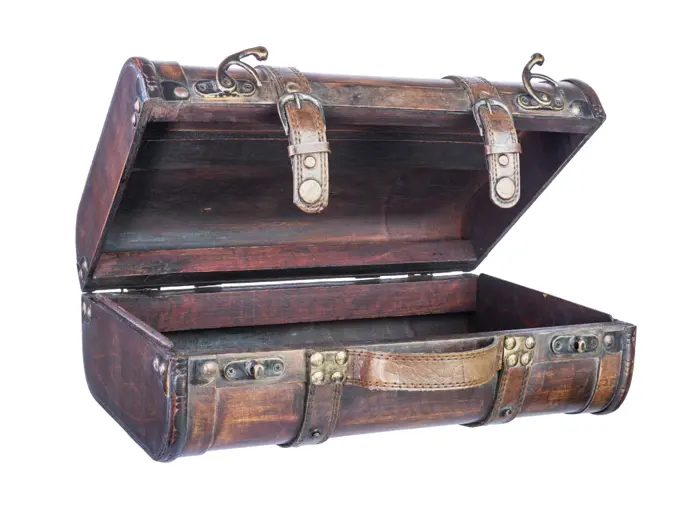
Decorative Boxes and Chests

Intricately designed boxes from different cultures and eras, including caskets and chests made from wood, metal, and glass, featuring ornate detailing.

Chest of stone decorated with edges, stripes and columns of ebony, anonymous Chest of stone, rectangular, decorated with edges, stripes and columns of ebony and with lock plate, hinges and handle of silver ().  ebony (wood). silver (metal) Chest of stone, rectangular, decorated with edges, stripes and columns of ebony and with lock plate, hinges and handle of silver ().  ebony (wood). silver (metal)
Chest of stone decorated with edges, stripes and columns of ebony, anonymous Chest of stone, rectangular, decorated with edges, stripes and columns of ebony and with lock plate, hinges and handle of silver (). ebony (wood). silver (metal) Chest of stone, rectangular, decorated with edges, stripes and columns of ebony and with lock plate, hinges and handle of silver (). ebony (wood). silver (metal)
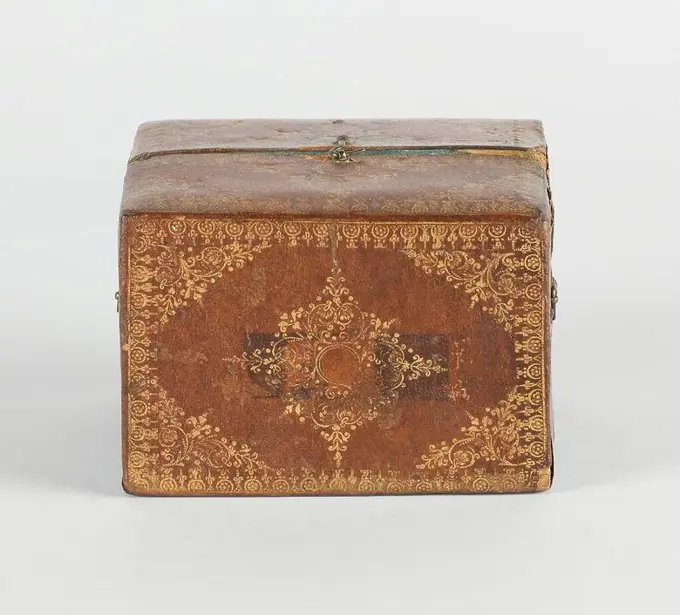
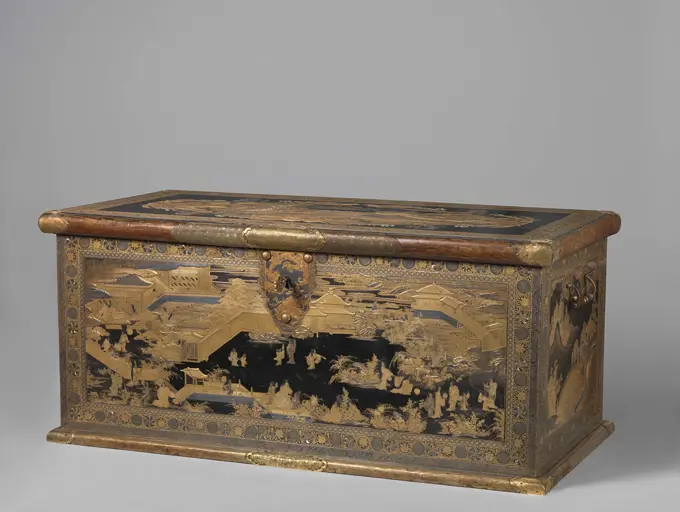
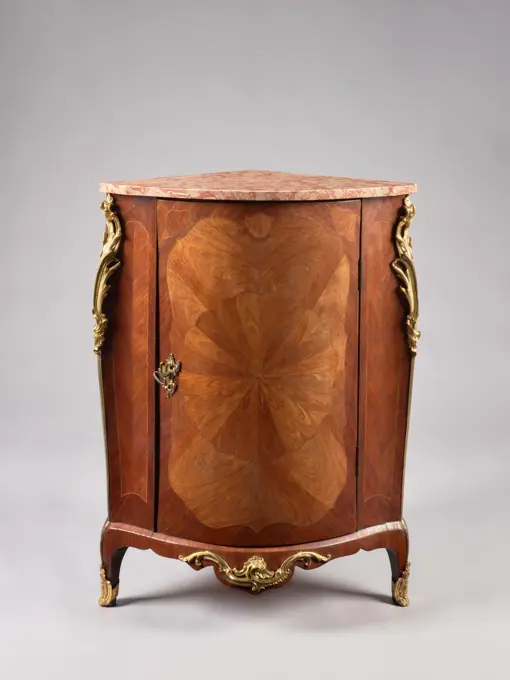
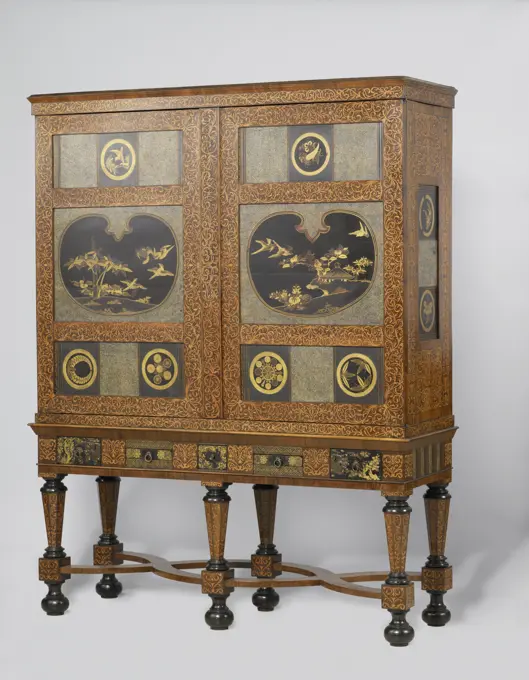
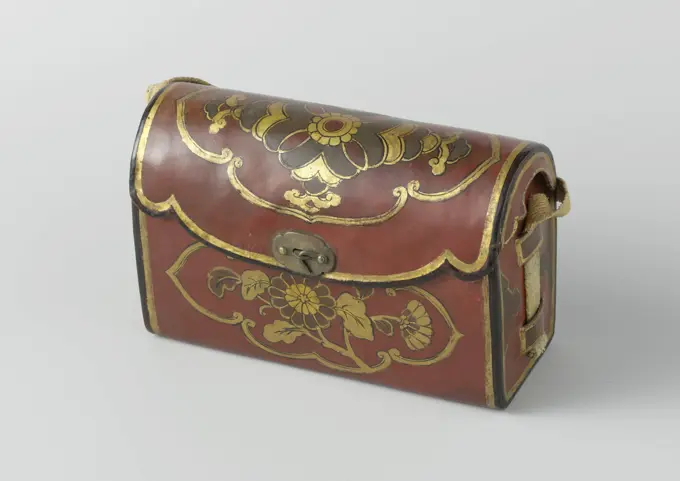
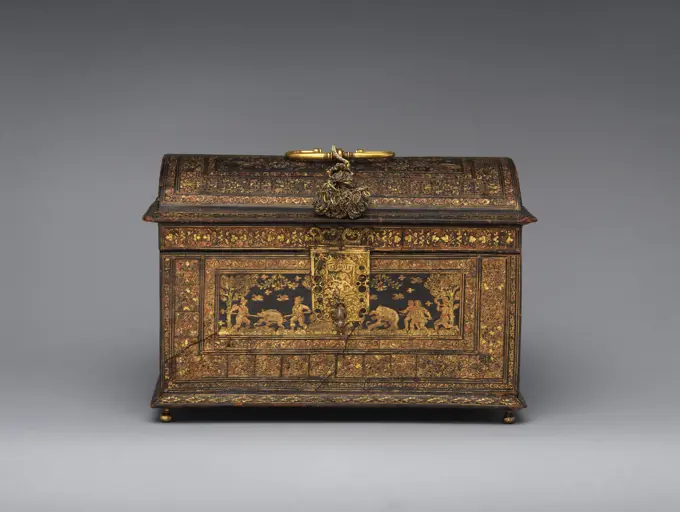
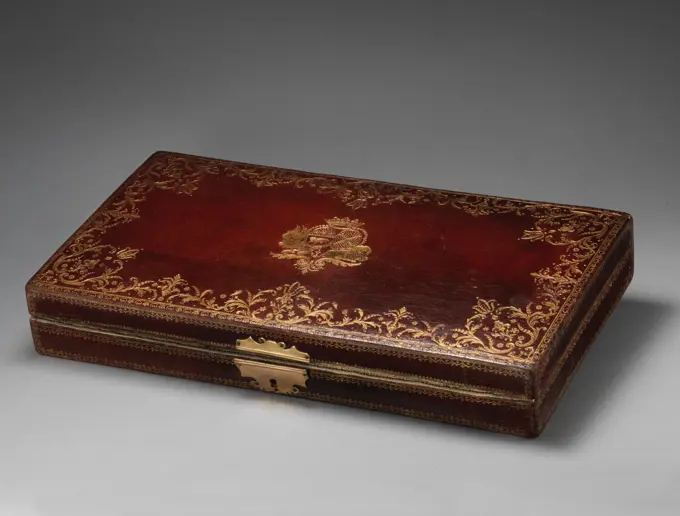
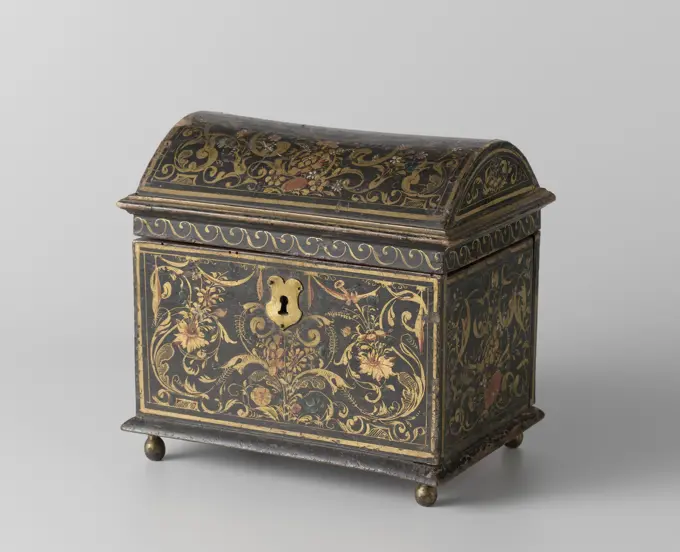
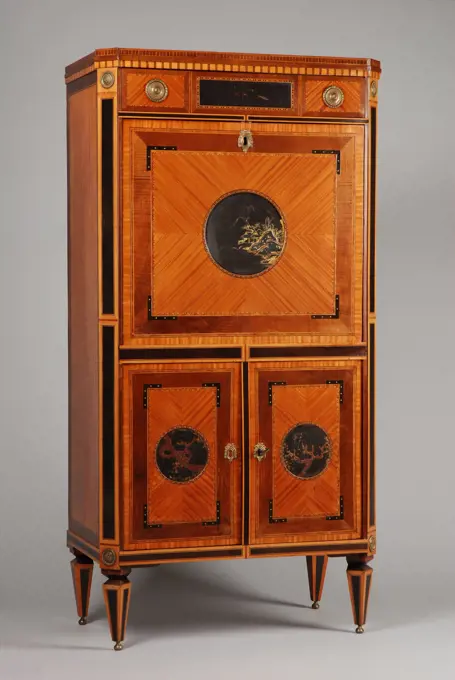
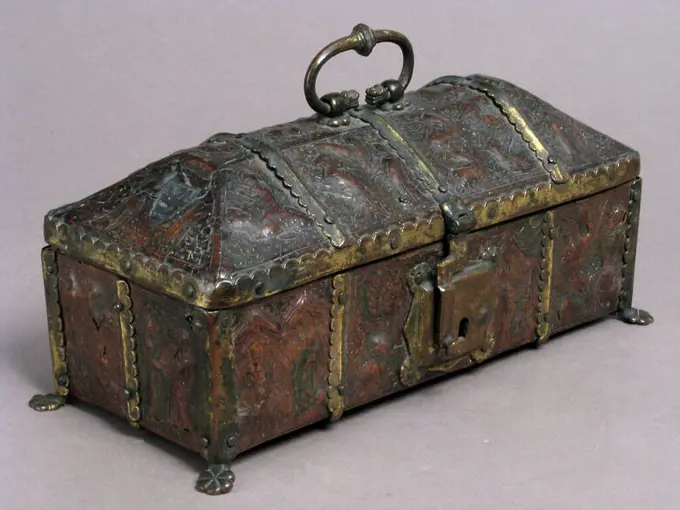
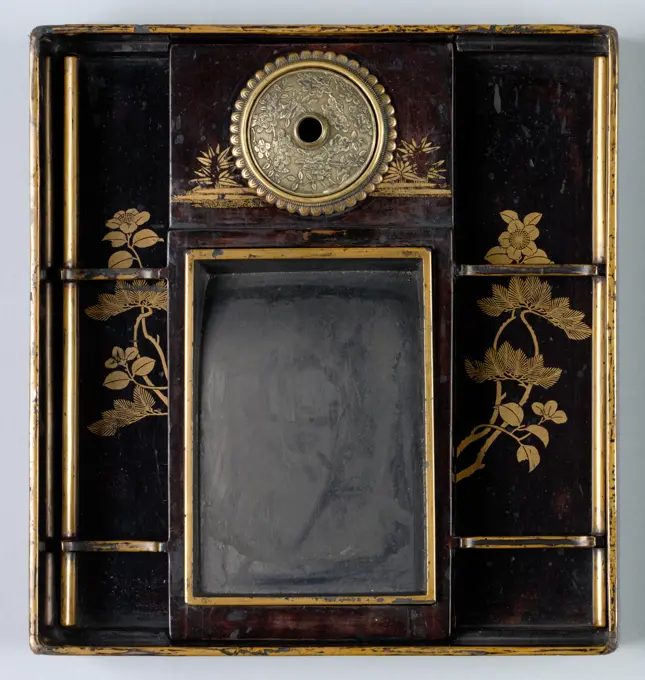
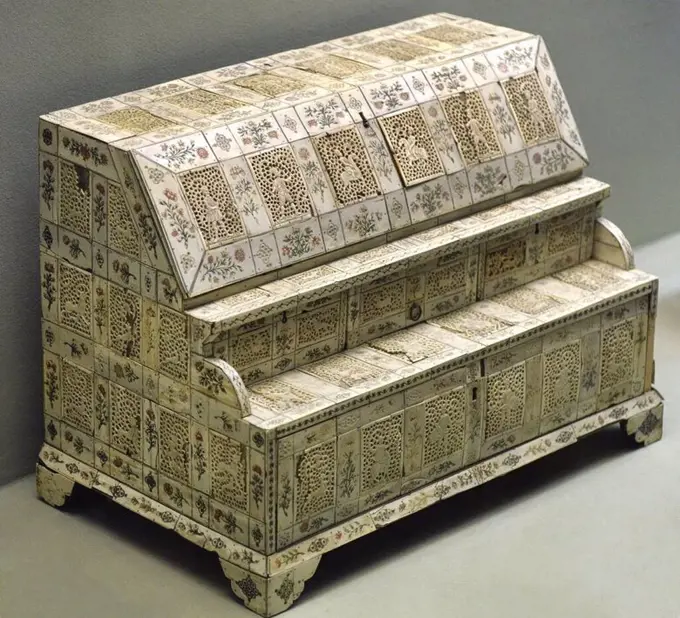
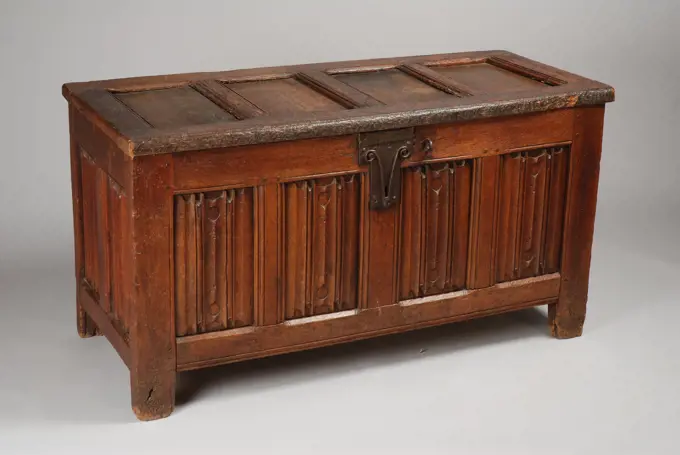
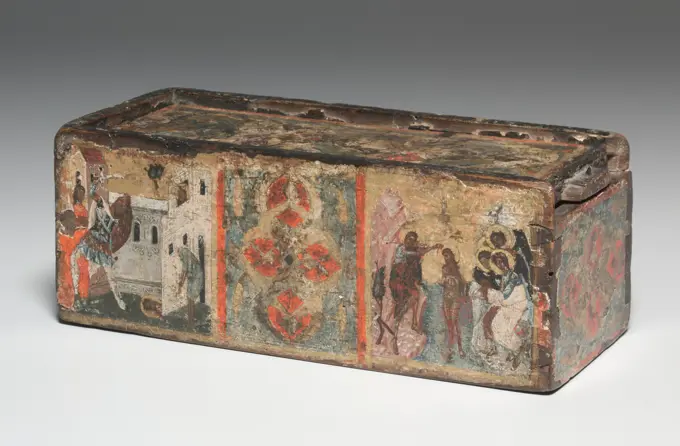
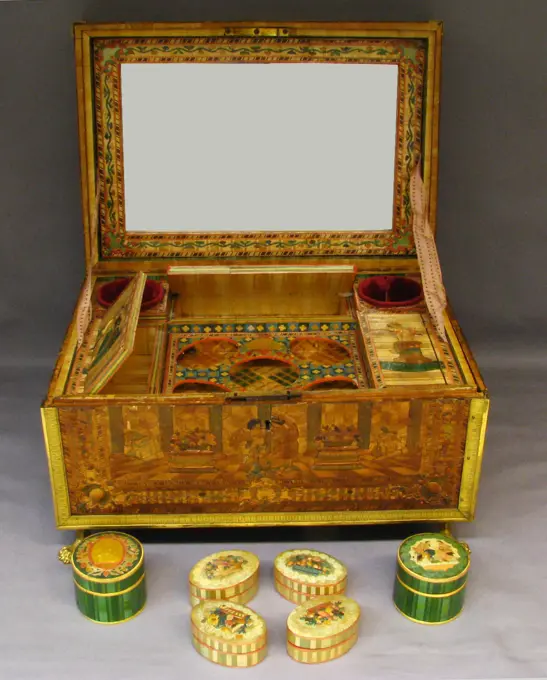
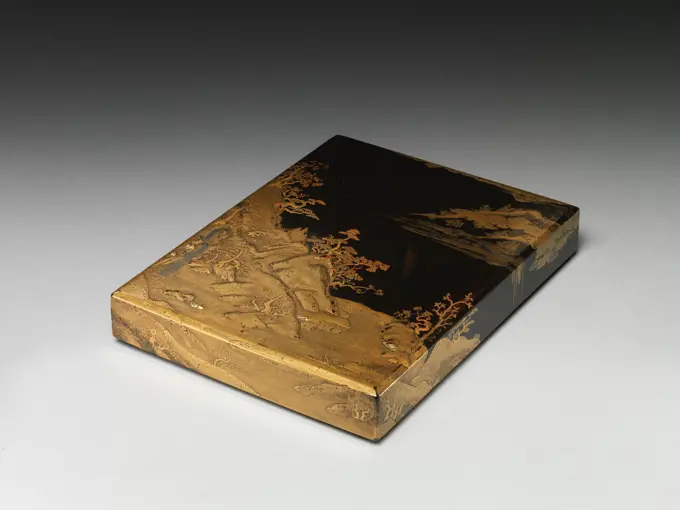
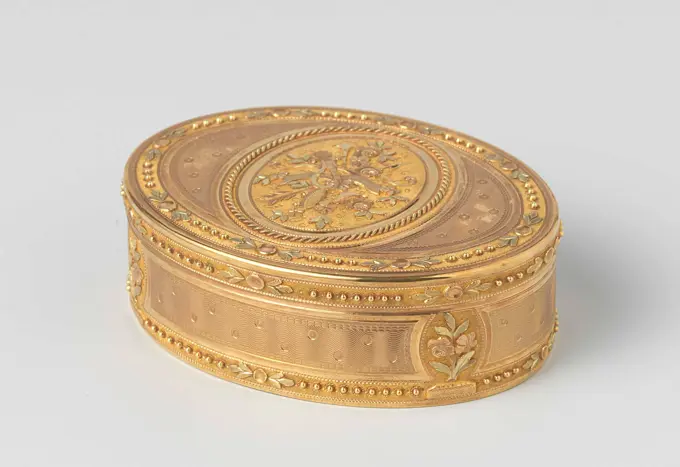
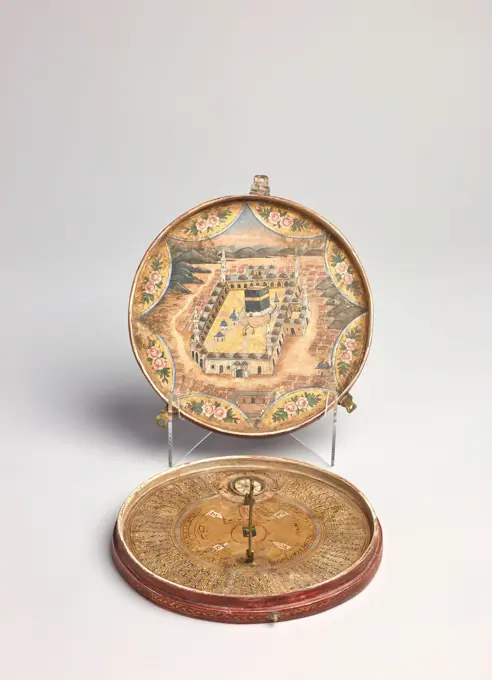
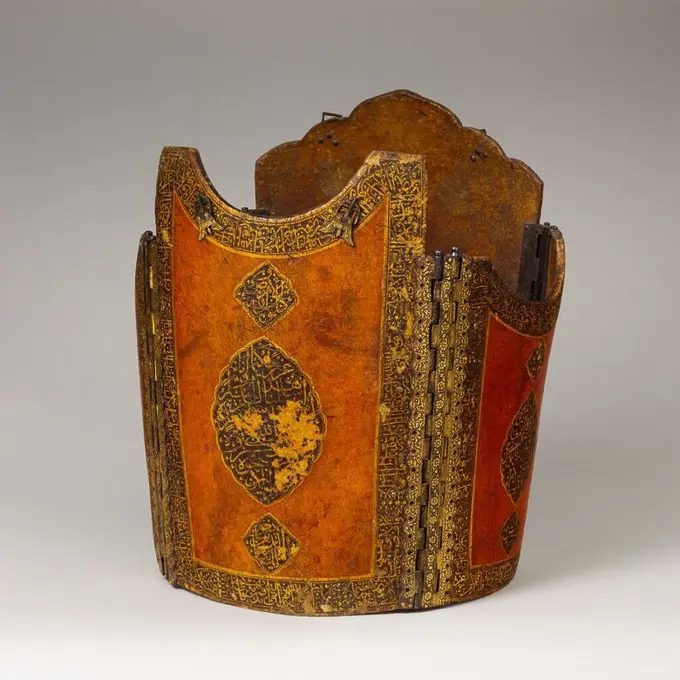
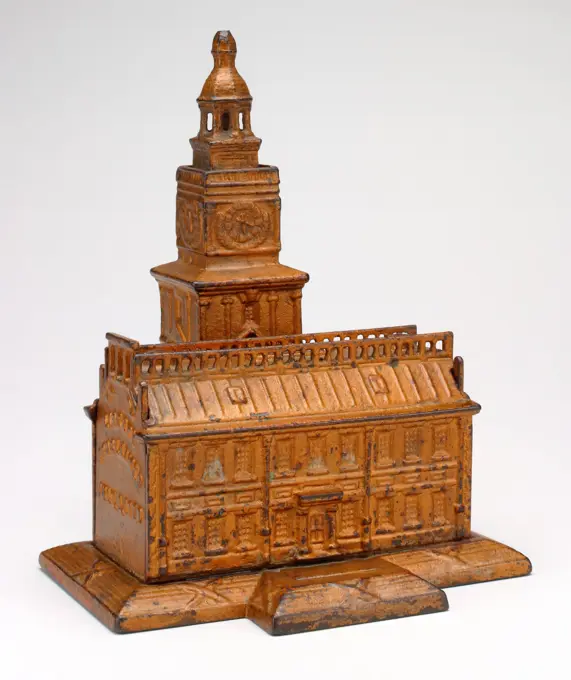
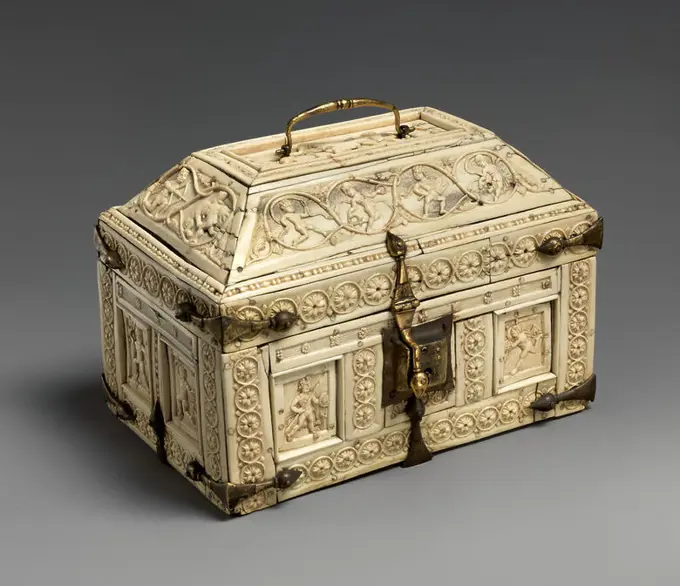
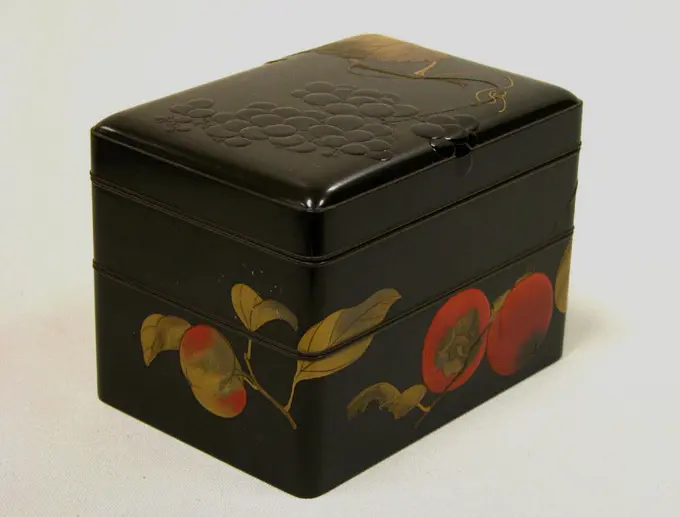
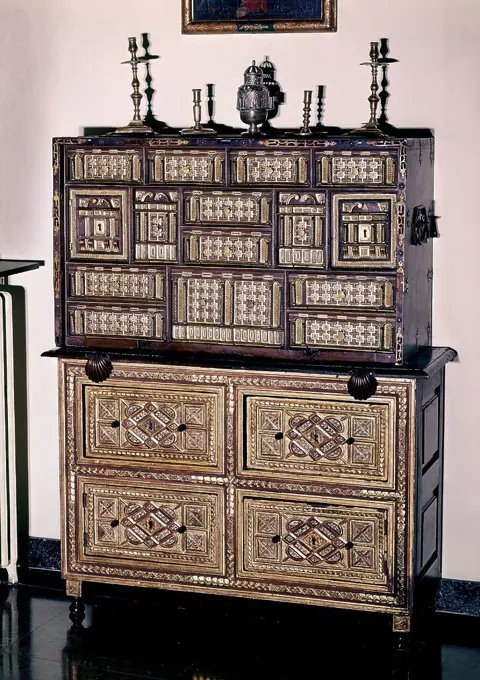
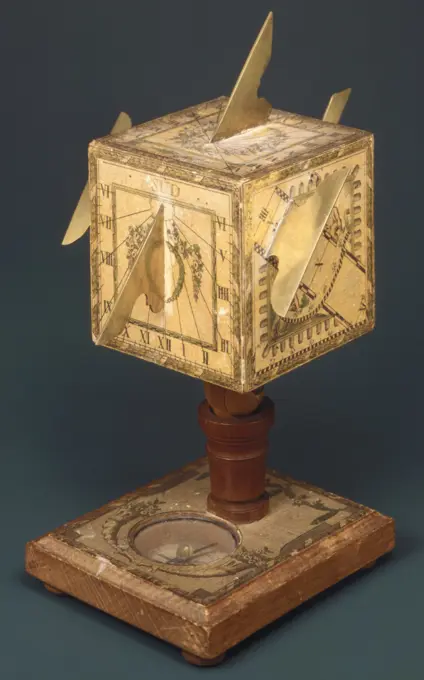
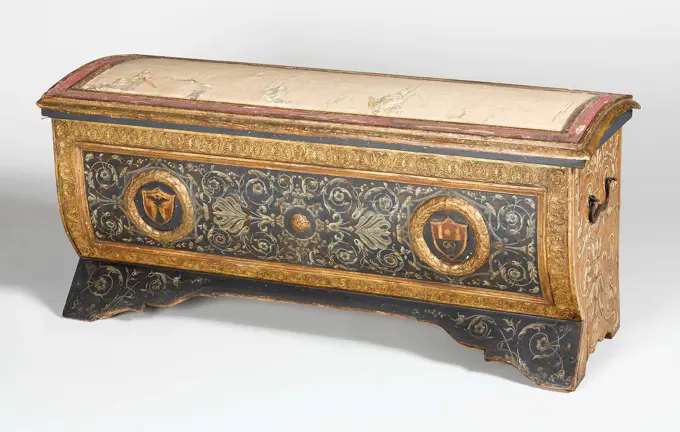
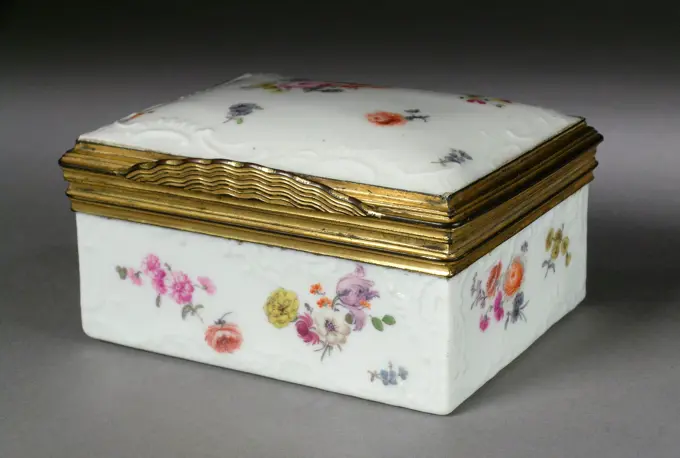
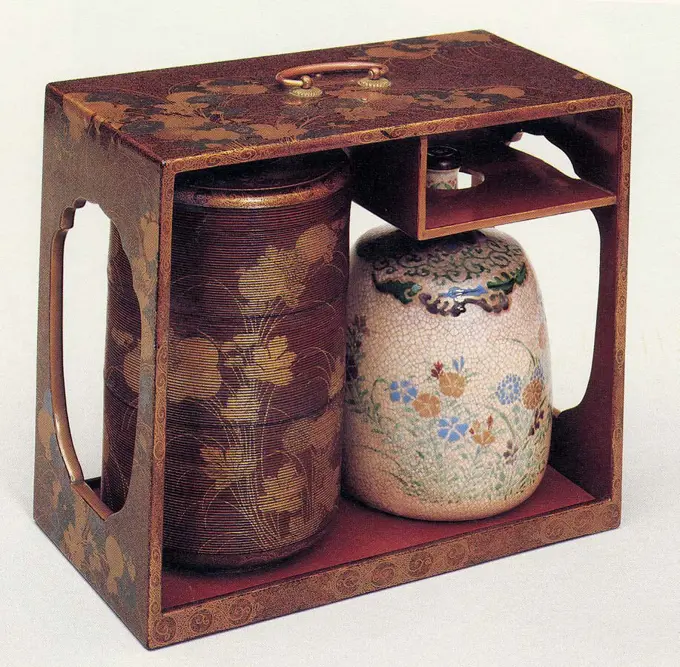
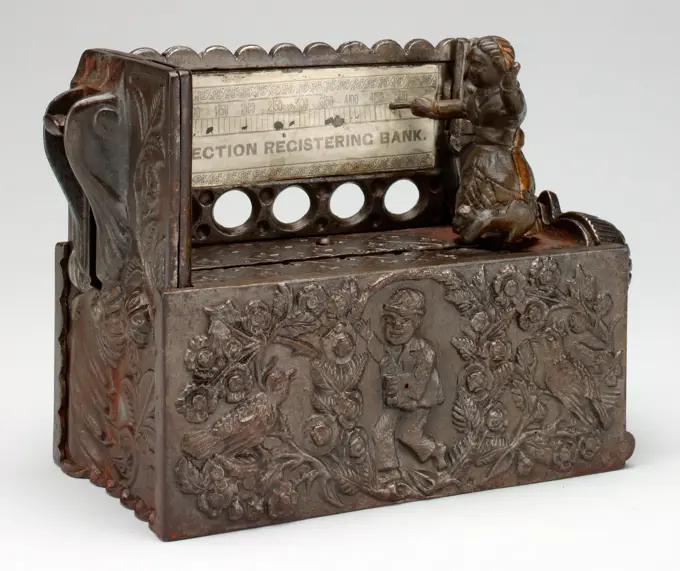
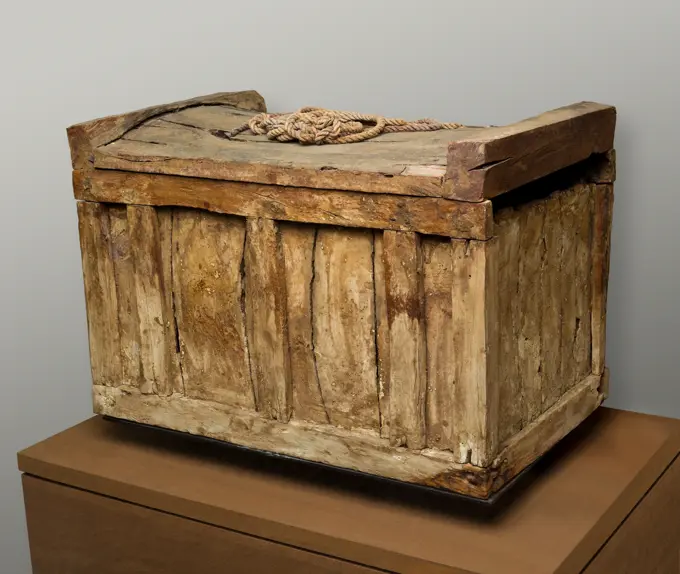
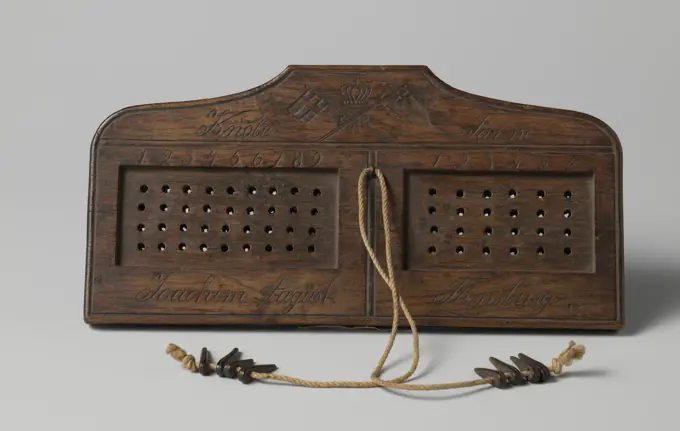
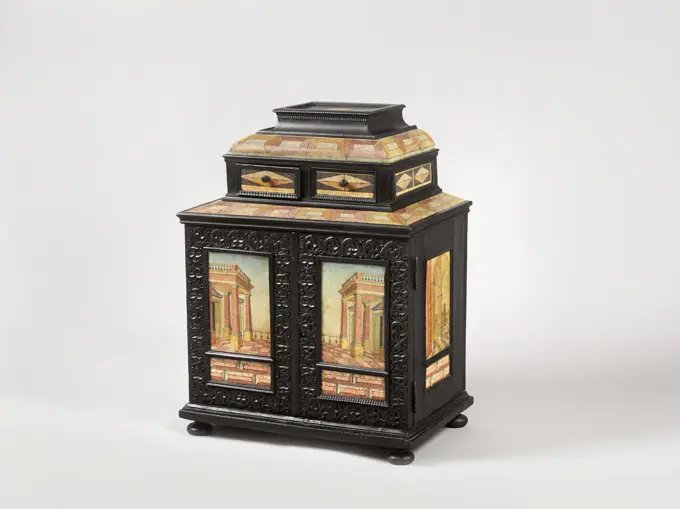
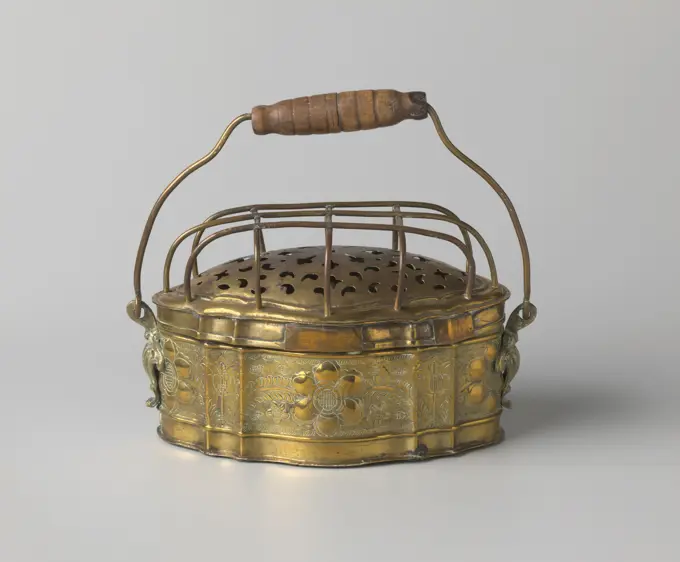
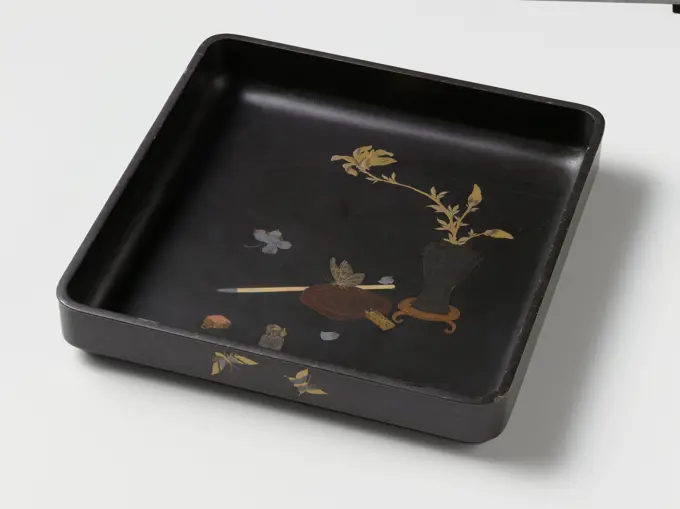
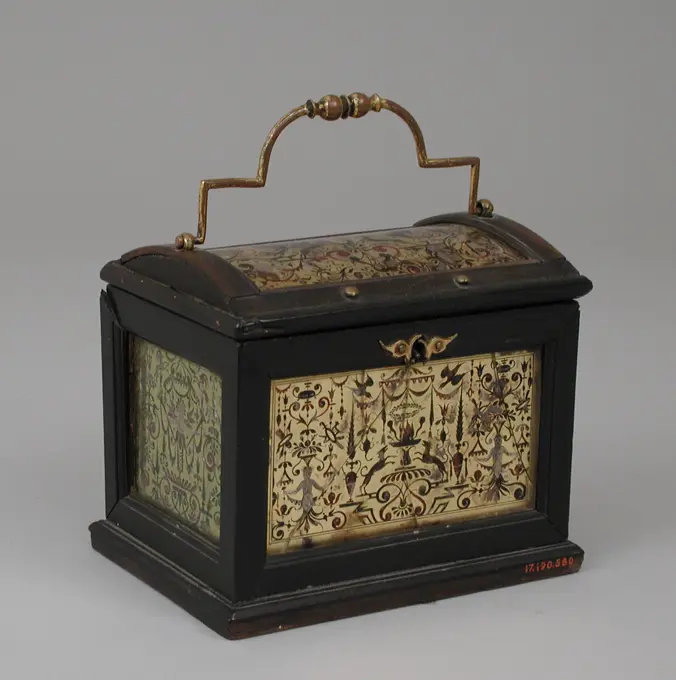
Casket late 16th century German, Nuremberg. Casket. German, Nuremberg. late 16th century. Verre églomisé, wood, metal gilt. Glass-PaintedBrass copper design fitting on wooden box, Jodhpur, Rajasthan, India Copyright: xSafatxAli/DinodiaxPhotoxSuitcase on pedestal, decorated in black with flowers of gold and mother-of-pearl. Suitcase on pedestal, decorated in black with flowers of gold and mother-of-pearl. With copper key.Chest of stone decorated with edges, stripes and columns of ebony, anonymous Chest of stone, rectangular, decorated with edges, stripes and columns of ebony and with lock plate, hinges and handle of silver ().  ebony (wood). silver (metal) Chest of stone, rectangular, decorated with edges, stripes and columns of ebony and with lock plate, hinges and handle of silver ().  ebony (wood). silver (metal)Closet. Bijouter coffin made of wood with leg. Eight secret chargingARQUETA DE CARRION DE LOS CONDES - 42x24x20 cms. Location: MUSEO ARQUEOLOGICO NACIONAL-COLECCION. MADRID. SPAIN.Carl Strehlau, Candle Box, 1935 1942 Candle BoxBox c 1650-1700 Eastern Massachusetts. The most common object in a colonial home, a small, lidded rectangular storage box would have held personal articles, such as household items, writing implements, or a Bible. They were decorated simply, usually only on the front, with stylized plants or vegetation and geometric lines. The Art Instituteís box is segmented by an upper band of intersecting lunettes with intervening foliate leaves and a lower border with repeating floral S-scrolls. The initials ìM P,î carved in the center of the box, are presumably those of the original owner (although his or her identity is unknown).. Red oak and white pine . Artist unknownAnonymous / 'Case for small jasper casket'. XVII century. Leather, Wood, Cloth. Museum: Museo del Prado, Madrid, España.TrunkChest. This unusually fine chest was probably ordered by François Caron in Japan. For whom he ordered it is not known. The chests subsequent journey is remarkable. In 1668 it was bought by Cardinal Mazarin, a leading French statesman and collector of exquisite lacquerware in Paris. This illustrates the key role that the northern Netherlands played in disseminating such high quality Asian objects throughout Europe.Casket, Wood, pastiglia decoration, gilding, metal, A gilt wood and metal casket depicting a scene. Oblong box with projecting base and cover, four flattened ball feet, and rosette and round knob-sides and cover gilt and punch-marked. Moulded and carved reliefs representing on front the Calydonian Boar Hunt; on back, the Judgment of Paris; on sides, the Baptism of the Samarians by Philip and Judith. On cover, two pairs of winged genii holding wreaths. Pilasters on corners, acanthus moulding on base and lower part of cover. Moulding with oak leaves on cover, which is hinged to body with simple eyelet hinges. Part of snap lock on front--corresponding part on cover missing., Northern Italy, ca. 1500, containers, Decorative Arts, CasketBox with tray 18th-19th century Japan. Box with tray. Japan. 18th-19th century. Lacquer. LacquerSewing cabinet, Papier maché, paint, gilt, ivory, mother-of-pearl, Cabinet with two doors; front painted with floral arrangements on black background, surrounded by two frames, one of gilt foliage and the other of mother-of-pearl. Top with scalloped edge and decorated with colored foliage., England, mid-19th century, containers, Decorative Arts, Sewing cabinetEtrog basket, made from a bonbonniere dating from 1851 to accommodate the fruit. The citron fruit is used for the festival of Sukkot.Rectangular Japanese cabinet, Anonymous, 1600 - 1699 cabinet Rectangular chest - Dark wood - decorated with golden trees with pearl pearl leaves between gold and dark -colored leaves. Around it motifs in gold between two mother -of -pearl tires; Outdoor edge three block tires with alternating mother -of -pearl. This pattern on all sides except the bottom. Hingle cover is the front. Two handles on the sides and lock and batter on the folding lid. Seven drawers and middle compartment behind blowing cover. Japan wood (plant material). mother of pearl. lacquer (coating). gilding (material). iron (metal) sawing / inlay (process) / lacquering / gilding  JapanSilversmith's art, Italy, 16th century. Rock crystal and enamelled silver-gilt coffer, panels engraved with scenes from Christ's Passion, commissioned by Pope Clement VII to Valerio Belli, 1532.Veneered wooden case with 32 knives, carving knife and meat fork, knife meat fork fork cutlery sheath holder wood silver mother-of-pearl copper velvet, Veneered rose-wood casket with copper fittings and lined on the inside containing 31 knives marked Shemel of different sizes; silver handles inlaid with mother-of-pearl; ditto carving knife and meat fork (travel specifications). SHEMEL (cutlery) travel Louis XVI Louis XVI Louis SeizeBijouteriekist. Bijouteriekist, covered with red velvet and mounted with copper frame. Round curved lid. With copper key.Brass design fitting on colourful wooden box, Jodhpur, Rajasthan, India Copyright: xSafatxAli/DinodiaxPhotoxCasket 1675-1699 Nevers. Wood, silk, embroidery, verre de Nevers, metal, and gilding .Chest with Solomons' Judgment, Anonymous, 1606 Oak box resting on accolade -shaped feet, which end up in volutes with slot band ornament from front. The corner styles have a Hermcaryatide and Atlant that wear coats of arms. The front board is decorated in coarse stabbing with a relief, the case law of Solomon refusing. Within a toothlist you can read all around: "Der Koninck Salomon Sprack Fedt der Frouwen that Kindt Lively". On the base list: "Den Idt is sine mode. Regum 3. Anno 1606". Bol lid and iron handles aside. Bremen wood (plant material). oak (wood). iron (metal) Oak box resting on accolade -shaped feet, which end up in volutes with slot band ornament from front. The corner styles have a Hermcaryatide and Atlant that wear coats of arms. The front board is decorated in coarse stabbing with a relief, the case law of Solomon refusing. Within a toothlist you can read all around: "Der Koninck Salomon Sprack Fedt der Frouwen that Kindt Lively". On the base list: "Den Idt is sine modThe 'Dolling' Tool Chest, 1780-1790. Pinto Collection. Large tool chest with hinged lid to top. pine carcass, the interior fitments of oak & pine, veneered with Spanish mahogany, inlaid with various woods.Corner cabinet. Roussel, Pierre (1723-1782), cabinetmakerBook chest of Hugo de Groot. In his fall from grace, Oldenbarnevelt also took down a few friends. The most famous of them was the celebrated jurist Hugo de Groot. He was sentenced to life imprisonment, but managed to escape by hiding in a chest used to bring him books. The chest on display here was long thought to be the one from this famous story.Cabinet, anonymous, c. 1700 - c. 1705 Oak Cabinet glued with multiple woods and inlaid with Japanese paintwork and cut rye façade. The six baluster legs of the chassis are connected by two double X-shaped crosses; The top line contains five drawers decorated with paintwork. Both doors each show three paint panels with rye façade; The middle one carries a landscape with birds within a shield shape. The top and bottom panels and the panels on the sides are decorated with pseudo-mons; The legs and cupboard with "seaweed" marqueterie. Netherlands wood (plant material). oak (wood). walnut (hardwood). boxwood. purpleheart (wood). lacquer (coating). olive (wood). brass (alloy). metal. paper. lacquering Oak Cabinet glued with multiple woods and inlaid with Japanese paintwork and cut rye façade. The six baluster legs of the chassis are connected by two double X-shaped crosses; The top line contains five drawers decorated with paintwork. Both doors each show three paint panels with rye façade; TBox, 1760. South Staffordshire Factory (British). Enamel; overall: 4.5 x 8 x 6.1 cm (1 3/4 x 3 1/8 x 2 3/8 in.).Writing Cabinet (Escritorio) 1490-1560 Granada. Walnut, boxwood, bone, iron, copper alloy, and gilding .Pattern bag belonging to Cornelis Tromp, Anonymous, c. 1650 - c. 1679 cartridge pouch Pattern bag, trunk with a cotton carrying tape and division inside. Red -lacked and decorated with various floral motifs in gold and black. southeast AsiaTurkije leather. lacquer (coating). brass (alloy). cotton (textile). gilding (material) gilding flowers ~ ornamentCoffer 1613 Flemish or Dutch The coffer was probably intended to contain a dowry. Scenes of the front and back depict hunts for wild boar and bear; the figures on the sides are from classical mythology.. Coffer. Flemish or Dutch. 1613. Gold-tooled leather on wood; gilt brass; silk and metallic thread. Natural Substances-Leatherwork. Exterior lid and box decorated with a mountain landscape, vine and an oi (type of box to wear on the back) in gold and silver.Container(Abal-Abal)Writing or money box with image Son Peter the Great. Writing or money box of oak, covered with a red fabric and fully prepared with connecting iron tires, which exhibited an Ajour Moresk ornament. The hinged cover consists of two parts; The front half is sloping forward. Inside a sealed box with trays and states. The inside of the lid is painted with a man's portrait and the words: Aelecksi Careckwes (son of Peter the Great). A deer hunt is painted on the slider. Iron handles on the sides.Writing box ca. 1783 French Leather boxes and trunks served in 18th century France for the storage and safekeeping of a variety of personal belongings when the court or aristocratic families moved from residence to residence. Not many of these boxes have been preserved in as pristine a condition as this writing box which may have been made on the occasion of the 1783 wedding of Adélaïde Charlotte de Broglie and Nicolas Gabriel Emé de Marcieu.. Writing box. French. ca. 1783. Gilt-tooled red morocco leather; pale green silk lining with gold braidBox, painted with Arabesken, a dolphin and the initials MO and VP, Willem Kick (attributed to), c. 1620 - c. 1625 Suitcase made of wood with bombarded lid. Painted with gilded, partially colored arabesks. On the lid the letters Mo, underneath a dolphin and there again under the letters VP. Amsterdam wood (plant material). pine (wood). paint (coating). lacquer (coating) gilding Suitcase made of wood with bombarded lid. Painted with gilded, partially colored arabesks. On the lid the letters Mo, underneath a dolphin and there again under the letters VP. Amsterdam wood (plant material). pine (wood). paint (coating). lacquer (coating) gildingCasket with Romance Scenes ca. 1320-40 French This casket is one of six depicting La Chtelaine de Vergi, a story of love and death reportedly based on a scandal at the Burgundian court. It concerns the secret affair of a knight and a lady (la chtelaine) that is ended by the jealous duchess of Burgundy.. Casket with Romance Scenes 464136Offering TableSmall cabinet (tansu). unknown, craftsmanMoss Agate Rectangular Box, William Robb (Aberdeen, Scotland, 1851 - 1927) 1883Louis Seize secretary with lacquer panels, secretary furniture furniture interior design wood oak rosewood satinwood purple heartwood maple wood lemongrass brass lacquer, Secretaire with lacquered panels Louis Seize oak veneered with different types of wood (rosewood satin purple heart) brass fittings drawer underneath writing flap and two doors Rotterdam Delfshaven Middelland Heemraadssingel Louis XVI Louis XVI Louis Seize From house on Heemraadssingel Rotterdam.Toilet can; Pitts, Thomas I (Fl. 1755-Ca 1793); 1780/81 (1780-00-00-1781-00-00);STAR-SHAPED TILE WITH AN INSCRIPTION AND FLORAL SCROLLS. Star-shaped tile of quartz frying, painted in underglaze blue, green-blue and luster with a text in Persian or Arabic script within which four palmets and saved flower drinks.Box 1725-1735 Bohemia. Glass panels mounted with brass .Coffret. Culture: French (). Dimensions: Overall (handle up): 6 x 10 13/16 x 5 1/4 in. (15.3 x 27.4 x 13.4 cm)Overall (handle down): 4 15/16 x 10 13/16 x 5 1/4 in. (12.5 x 27.4 x 13.4 cm). Date: late 14th century. Museum: Metropolitan Museum of Art, New York, USA.Writing Box (Suzuribako) with Design of Pine, Camellia, and Bamboo, 1400s. Japan, Muromachi period (1392-1573). Lacquer on wood with decoration in maki-e; overall: 24.2 x 22.6 cm (9 1/2 x 8 7/8 in.). Writing boxes were indispensible personal possessions for the literate of medieval Japan. Beyond containing the tools for artistic expression and communication such as an ink stone, writing brushes, and a water dropper, writing boxes often featured scenes from classical literature or symbolic motifs rendered in a wide array of complex lacquer techniques.Coffin, decorated with open-worked ivory plates against a reflective background. Corner fittings, handles, key plate and key of silver. Coffin, rectangular, decorated with open-worked ivory plates, which are applied to a mirror background on a wooden core. The sculpture consists of symmetrical uncling flower and leaf refinters, while the flat lid shows a rosette and four women (goddesses) Showing half-rising from flower buttons. The corners of the box are decorated with cut-away silver fittings; The handles, key plate, the key, the long hinges and the convex heads of the nails on the lid and around the key plate are of the same material.Cabinet;  around 1725 (1720-00-00-1729-00-00);Biscuit Tin; Produced by Huntley & Palmers, Ltd. (United Kingdom); offset lithograph on tinBureau. Ivory, wood, metal; foil, carving, engraving, colouring. Arkhangelsk. 1750-1770. The State Hermitage Museum. Saint Petersburg. Russia.Oak box, chest cabinet furniture furniture interior design oak wood, Case with four Gothic letter panels on the front iron handles and iron lock plate. In the chest an extra storage box gothicBox second half 18th century Dutch. Box 187261 Dutch, Box, second half 18th century, Straw on wood, Overall: 4 3/16  11 3/4  7 1/2 in. (10.6  29.8  19.1 cm). The Metropolitan Museum of Art, New York. Edward C. Moore Collection, Bequest of Edward C. Moore, 1891 (91.1.910)Reliquary Box with Scenes from the Life of John the Baptist, 1300s. Byzantium, Constantinople, late Byzantine period, 14th century. Tempera and gold on wood; overall: 9 x 23.5 x 9 cm (3 9/16 x 9 1/4 x 3 9/16 in.).Toilet box 1804-14 Profile head of Napoleon after an original by Jean-Pierre Droz Profile head of Napoleon on one of inside boxes is a copy in straw of medal by Droz, with inscription, NAPOLEON EMPEREUR/DENON DIR./J.P. DROZ F. (See also 85.2.75).. Toilet box. Profile head of Napoleon after an original by Jean-Pierre Droz (French, La Chaux-de-Fonds, Neuchtel 1746-1823 Paris). French. 1804-14. Straw on wood, gilt bronze. Natural SubstancesBox for Books with Waterfall 16th century Japan Originally this extravagantly decorated box held books, which could be pushed up through a hole at the base. It was later converted into a box for writing implements. The decoration of a pine, cypress, plum, and camellia set in a mountainous landscape with a waterfall and temples fills the entire surface of the box, from the top to the beveled sides, and remains uninterrupted whether the box is open or closed. The decoration may refer to classical poetry, though the scene cannot be definitively identified.. Box for Books with Waterfall. Japan. 16th century. Lacquered wood with gold and silver takamaki-e, hiramaki-e, cut-out gold and silver foil application and silver inlay on black lacquer ground. Muromachi period (1392-1573). LacquerMedallion (reverse). Marie Alexandre Lucien Coudray (French, 1864-1932). Bronze; overall: 6.7 x 5.1 cm (2 5/8 x 2 in.).Writing box with clan emblems (mon), anonymous, c. 1800 Suzuribako with a decoration of a clan weapon (mon) of two feathers in gold lacquer and mother -of -pearl against a background of Nashiji. Japan wood (plant material). lacquer (coating). mother of pearl Suzuribako with a decoration of a clan weapon (mon) of two feathers in gold lacquer and mother -of -pearl against a background of Nashiji. Japan wood (plant material). lacquer (coating). mother of pearl. Bruné was a brother-in-law of Christoffel Mittscherlich, the leading assistant of Johannes Schiotling. This chest contains three canisters, two for tea and one for mixing. Tea was expensive and tea chests were therefore often fitted with a lock. Here, the keyhole is covered by a small ribbon-shaped lock plate from which musical instruments are suspended.Snuff box of gold, oval, on the lid in an oval medallion musical instruments and flowers. Snuff box in three colors gold, oval, with hammered Louis XVI ornament along the edges. On the lid in an oval medallion with musical instruments and flowers.Oak money box with wrought iron fittings, archive case cash box casket cabinet furniture furniture interior design wood oak wood iron paint flax stone, Oak box, with on the outside band iron attached with rivets two large bell-shaped handles on both sides and three transfer wackets on the lid which can be placed over the projecting staples at the front be pushed. Beside the staples are three weapon-shaped fake key plates (for decoration). The lid and the inner space in the box are split in two: left 23 and right 13. Both lids can be opened independently of each other and are attached with each two bands with hinges The largest compartment is bare inside but the second compartment contains an inside.Tea player with two tea busses and a mixer, Pieter Adolf Bruné, 1785 The rectangular wooden box is divided into three compartments on the inside by means of two wooden slides. Both the interior and the sliders are covered with blue velvet. It is caught in a silver holder that has a hinged lid, containing the loose wooden lid of the box. The holder rests on four curved, scanned legs, closed on top and bottom by profile edges. It has a bottom of smooth silver but is open to all other sides. The four sides of the holder of the coffin each show a field of angular Guilloches against a background of rosettes, surrounded by an edge of similar, smaller grid work. At the front, the decoration is interrupted by the keyhole, which is closed by a movable cast plate in the form of a trophy hung on a ribbon of music books and instruments, a torch and leaf wreaths and circles. The new blue velor upholstery is applied in such a way that the lock is covered on all sides. The four sides of the lid holdeBrass design fitting on colourful wooden box, Jodhpur, Rajasthan, India Copyright: xSafatxAli/DinodiaxPhotoxSnuffbox 1760-61 Charles Le Bastier French In eighteenth-century Europe, Paris led the production of high-quality luxury goods. Parisian goldsmiths made a wide range of small, personal articles such as snuffboxes; étuis to hold sealing wax, tweezers, or utensils for sewing; souvenirs, which contained thin ivory tablets for note taking; and shuttles for knotting lace. Gold snuffboxes and boxes decorated with portrait miniatures were prized and frequently given as royal gifts, often to ambassadors or members of the court in lieu of cash payments for their services. Coveted and admired, these boxes were produced from a variety of materials. The best were skillfully made of gold and embellished with diamonds, enameled decoration, lacquer, and other luxurious materials. By the middle of the century, the taking of snuff had become an entrenched social ritual, and the snuffbox, too, had become an important social prop. Snuffboxes were considered highly fashionable accessories, with some merchBox. Iran, 19th century. Lacquer. Wood, papièr maché, and lacquerRectangular box French 19th century View more. Rectangular box. French. 19th century. Yellow metal, gilt. Metalwork-BrassChest 1300-1400 Alsace-Lorraine. Oak and iron .Bandbox. Dated: c. 1939. Dimensions: overall: 36.9 x 45.8 cm (14 1/2 x 18 1/16 in.) Original IAD Object: Harriet Bryant 2 West 47th Street, New York, NY (1939). Medium: watercolor, gouache, and graphite on paperboard. Museum: National Gallery of Art, Washington DC. Author: Gilbert Sackerman.Lough Erne Shrine early 20th century (original dated 11th century) Irish. Lough Erne Shrine 4631402016.49 View 2 of 7. Qibla Indicator, 1700-1825. Also known as Qibla Compass.. Qibla indicators are used to find the direction and time of prayer by Muslim worshippers. According to the central tenets (or five pillars) of Islam they must pray five times a day.Cuirass. Culture: Iranian. Dimensions: of breastplate H. 14 in. (35.6 cm); of backplate H. 15 3/16 in. (38.5 cm); of sideplates H. 11 in. (28 cm); of whole cuirass W. 13 1/2 in. (34.3 cm); of whole cuirass D. 10 3/8 in. (26.5 cm); of whole cuirass Wt. 7 lb. 14 oz. (3566 g). Date: late 18th-early 19th century.The Persian term char-a'ina, meaning four mirrors, refers to a cuirass of four plates that was worn over a mail shirt. Cuirasses made of leather, rather than steel, are rare, and this example is finely painted in gold with Qur'anic inscriptions from the "Victory" sura, which were perceived to have a talismanic property. The painted surfaces, formerly covered with a glossy varnish, relate in technique and style to leather book covers and lacquerwares from this period. Museum: Metropolitan Museum of Art, New York, USA.Independence Hall' still bank, 1875, Enterprise Manufacturing Company, Philadelphia, 1875-1888, 10 x 9 3/8 x 8 in., Iron, pigment, 19th centuryCasket with Warriors and Dancers. Culture: Byzantine. Dimensions: 8 x 11 3/8 x 7 1/2 in. (20.3 x 28.9 x 19.1 cm). Date: 11th century."If perchance you wish to exempt certain pagans from punishment, my Christ,/ May you spare for my sake Plato and Plutarch,/ For both were very close to your laws in both teaching and way of life./ Even if they were unaware that you as God reign over all,/ In this matter only your charity is needed,/ Through which you are willing to save all me while asking nothing in return."--John Mauropous (ca. 1000-1081)Classical literature and classical images were preserved throughout the Byzantine period. The erotes who dance and wage mock battles on the sides of this casket and tame a female panther on the lid recall imagery associated with the ancient pagan cult of the god Dionysos. Museum: Metropolitan Museum of Art, New York, USA.Navigation. To determine the ships position and chart its course, the captain had an entire arsenal of instruments at his disposal. Among the items found on Nova Zembla are an astrolabium catholicum (universal astrolabe), a fragment of a copper sounding line, a cross staff, a sextant and a chart compass.Two-Tiered Box with Design of Autumn Fruits second half of the 19th century Ikeda Taishin Japanese. Two-Tiered Box with Design of Autumn Fruits. Ikeda Taishin (Japanese, 1825-1903). Japan. second half of the 19th century. Lacquered wood with gold, silver, black, and red takamaki-e, hiramaki-e, and e-nashiji on black lacquer ground. Meiji period (1868-1912). LacquerTwo chests isolated on the whiteBARGUEÑO. Location: MUSEE D'ARTS DECORATIFS. MADRID. SPAIN.A set of dining room furniture  icehouse PUGET, Ludwik (1877 1942), Zab A, JózefPortable cube sundial ca. 1780-1821 David Beringer. Portable cube sundial 188836 Maker: David Beringer, 17561821, Portable cube sundial, ca. 17801821, Fruitwood and paper, 7-1/8 x 5-1/8 x 3-7/8 in. (18.1 x 13.0 x 9.8 cm). The Metropolitan Museum of Art, New York. Gift of Mrs. Stephen D. Tucker, 1903 (03.21.8). Cassone from partially painted poplar wood. The cut-out base is decorated with tendrils in grisaille on a blue fond. The slightly spherical bent front shows a rectangular field surrounded by a palmette edge in gold-plated stucco. The field is painted with arabesque in grisaille on a blue fond; The left and right side shows a coat of arms within a gold-plated stucco wreath. The arabians on the sides with iron handles have a golden yellow fond. Light broiled lid with red velvet.Snuffbox with Scattered Flowers. Meissen Porcelain Manufactory (Germany, Meissen, founded 1710). Germany, circa 1760. Tools and Equipment; boxes. Porcelain with enamel and gilded copperModel of an Eccentric stopper for Sheets. Model of an eccentric stopper for sail shots, consisting of two discs in a wooden block. One of the discs is eccentric and has a handle or korvine tray. By clamping the lap between the two discs, the shot is stopped.Box, Wooden box with wedgwood round inset., late 18th century, Decorative Arts, Boxretro wooden suitcase isolated on white background Picnic set with decoration of chrysanthemum and autumn grasses 18th century Japan. Picnic set with decoration of chrysanthemum and autumn grasses 40480old chest isolated on whiteTraditional ukrainian pot on a white backgroundPerfection Registering Bank' mechanical bank, c. 1893, Charles A. Bailey; Manufacturer: J. & E. Stevens Company, Cromwell, Connecticut, 1843-1950s, American (Middletown, CT), American, 1848-1926, 4 1/4 x 6 1/16 x 2 3/4 in. (10.8 x 15.4 x 6.99 cm), Iron, pigment (), paper, 19th centuryCube Sundial, 1750-1800. Manufacturer: I G Kleininger..  Pinto Collection, Purchased from Edward H Pinto, 1965.. 1965T5090.. Cube Sundial, 1750-1800. Manufacturer: J G. Kleininger. This cube sundial was made by J.G. Kleininger, a well-known maker of mathematical and scientific instruments in the second half of the 18th century. His work is represented in many museum collections. It is adjustable on a turned beechwood stand, and has printed paper dials to each surface of the cube... Purchased from Edward H Pinto, 1965... .Box Coffin and Rope ca. 2649-2465 B.C. Old Kingdom The earliest receptacles for the human body were large lidded baskets made from bound reeds (rather than woven fibers) or pottery containers. Before long, craftsmen began to fit short pieces of lumber together with a variety of carpentry techniques to make wooden coffins to fit the body in the contracted position that was common into the early part of the Old Kingdom. This early example was made from the wood of the tamarisk, a tree common to the Nile Valley. The sides, lid, and floor are constructed of narrow planks held together with tenons. These were slipped into a channel in the frame to form housing joints and the frame was then pegged together. An earth-toned plaster was applied to the exterior surface to smooth over imperfections in the wood and fill the spaces between the planks.The long sides of the coffin are enhanced with a niched pattern meant to imitate a palace facade and thus identify the coffin as the house of the decePanel 14th-15th century. Panel 445079Secretaire in Zwarte Lak, Sasaya, c. 1800 - c. 1820  Secretary in black lacquer, decorated with gold lacquer and gold powder and inlaid with mother -of -pearl. The base cabinet has two drawers on which, Japanese landscapes of inlaid mother -of -pearl. Above a valve above which also an oval, with the presentation of the landing of the troops to an engraving by Cornelis Brouwer (FMH 5531/1) in mother -of -pearl and gold lacquer. The loose top with two detached ivory columns with red -copper base and capitals, has two doors, both with inscriptions. Japan wood (plant material). lacquer (coating). mother of pearl. ivory lacqueringCoffer. unknown, authorCasket with year 1696. Casket of pine with iron fittings. This consists of crucifixes about the furniture laid tires; In the middle a climbing lion with laurel wreath and the year 1696.Old chest isolated on the white backgroundCalculation board. Calculation board.Table cabinet. unknown, contractorTable clock tiled Mayr, MarcusWriting Box with Design of the Sumiyoshi Shrine 19th century Japan. Writing Box with Design of the Sumiyoshi Shrine 45367. Seamstress, soil shape made from a rectangular box of blackboard paper with lockable lid and layout in weather-lockable boxes and compartments. On the outside covered with green silk damask, decorated with a thin green piping, deposited with a tassel on the combined corner points; A paper heart as a 'lock plate'. The lid and inner pockets are lined with pink satin, decorated with silver galon, and strips of green / pink satin and blue-pink piping. The lids of two compartments are covered with cream colored satin and blue checkered silk. There is a mirror (of mica or glass) In the large lid.Foot stew with profiled drum and lid, anonymous, c. 1750 The object has an inner box and consists of a drum with a lid attached to it by means of a hinge, two handle -puts and a handle with a wooden handle. The profiled drum and deck lean have enlivened a silly diamond -shaped circumference by double accolades. The wall is decorated with stabbed and partially driven floral motifs against a punched back wall. Small motifs are cut out in the convex lid which make a star -shaped pattern in the middle. A foot rose is sounded on the lid. The soil has been renewed and reinforced with iron parts and is therefore insulated from the floor. The deck tone has been restored along the edge. Handen and handle are replacements from a later time. Southern Netherlands brass (alloy). iron (metal). wood (plant material) striking (metalworking) / cutting The object has an inner box and consists of a drum with a lid attached to it by means of a hinge, two handle -puts and a handle with a wooden handle. TheBlad, anonymous, 1775 - 1800 Dark gray long with a still life of a flower vase and writing supplies; imitation of surface structure of bronze. Japan wood (plant material). lacquer (coating) Dark gray long with a still life of a flower vase and writing supplies; imitation of surface structure of bronze. Japan wood (plant material). lacquer (coating)