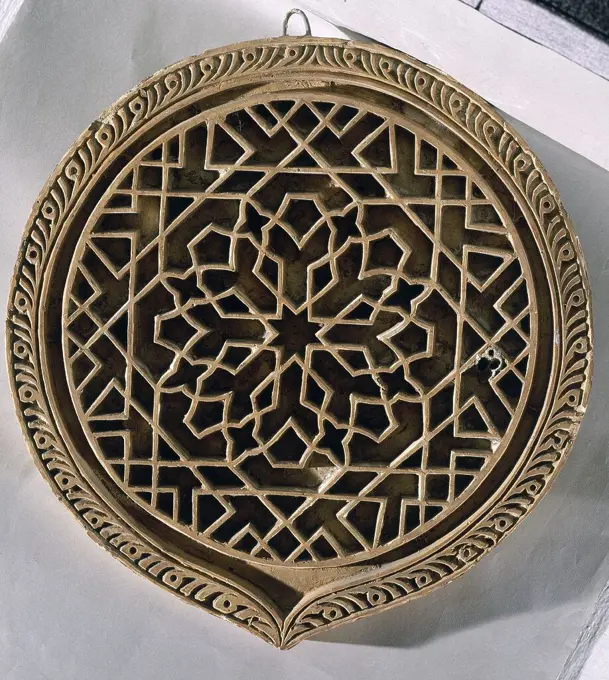
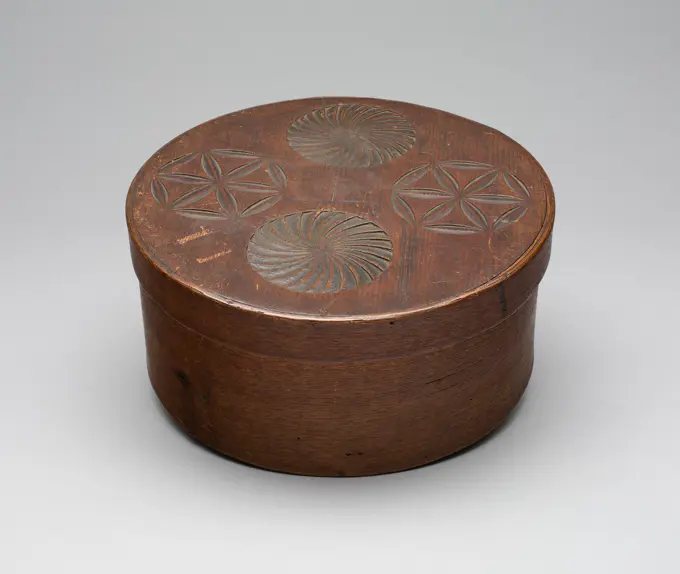
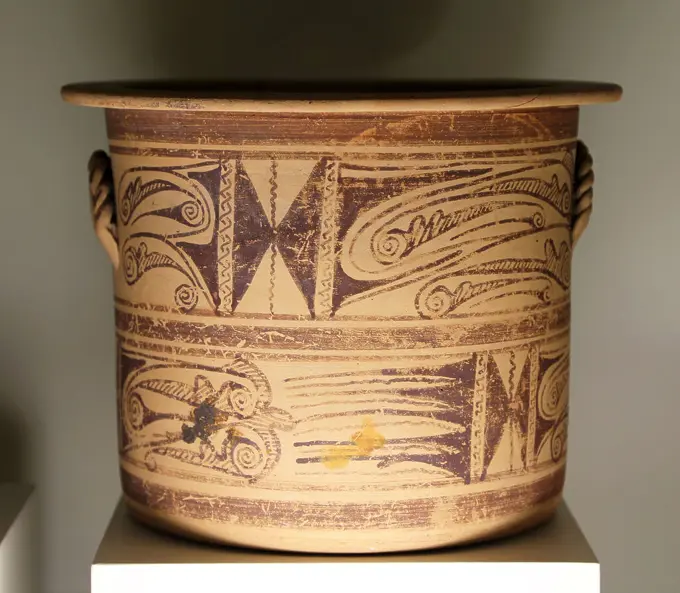
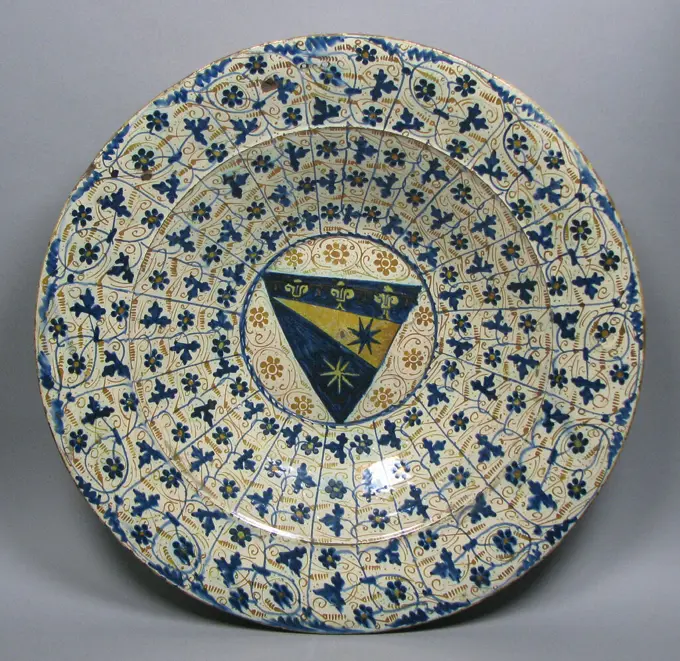
Decorative Ceramic Dishes

Collection of ornate ceramic dishes and bowls, featuring intricate designs and colorful patterns from different historical periods and regions.

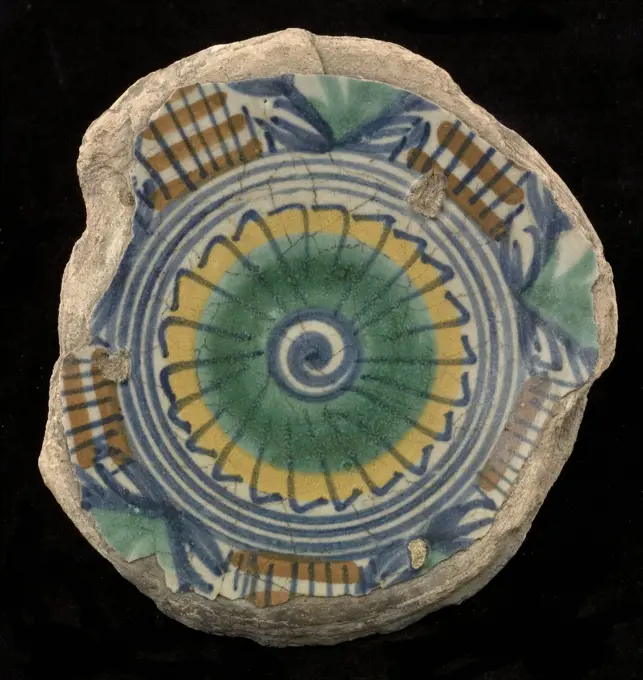
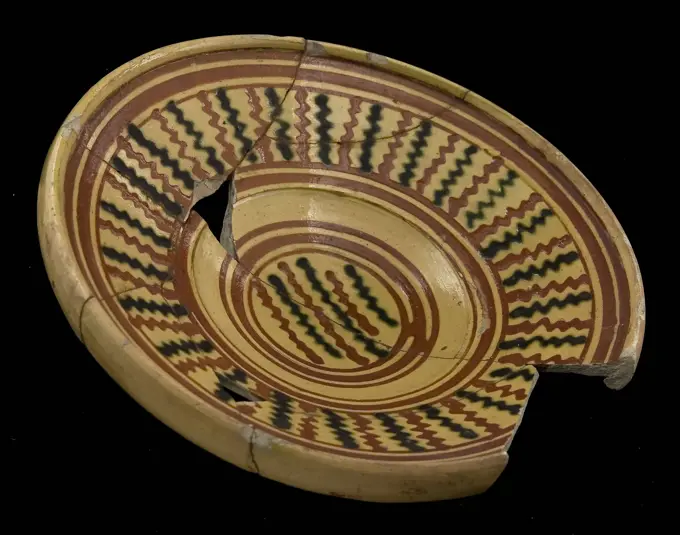
Earthenware dish, ringing-plate, red shard, decorated with stylized flower, on stand, dish crockery holder soil find ceramic earthenware glaze lead glaze clay, hand turned decorated glazed fried lemonade Pottery saucer ringelbord red shard internal glazed on stand Decorated with yellow bands circles and garlands in the middle stylized flower in yellow and green Materials used: white clay and copper oxide In restoration, the supplemented fragments are painted on the inside archeology Rotterdam Stadscentrum Stadsdriehoek Oudehaven indigenous pottery import food preparation cooking food kitchen serving room Soil discovery: Oude Haven Rotterdam.
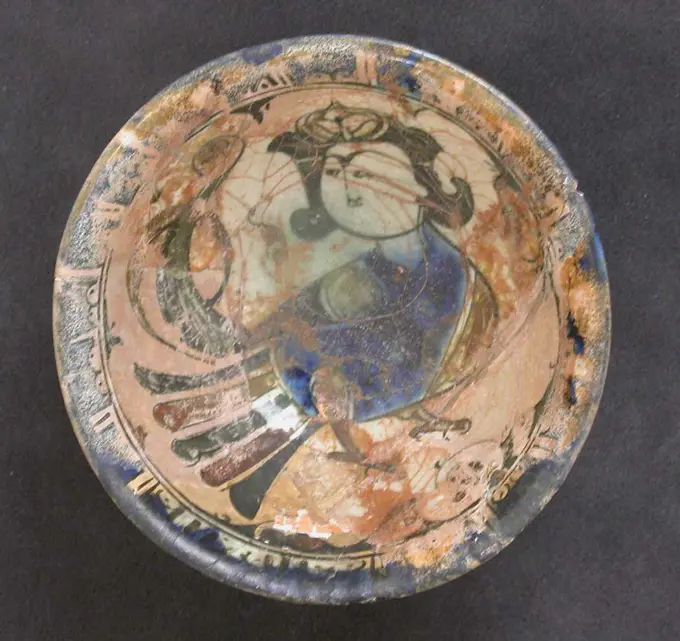
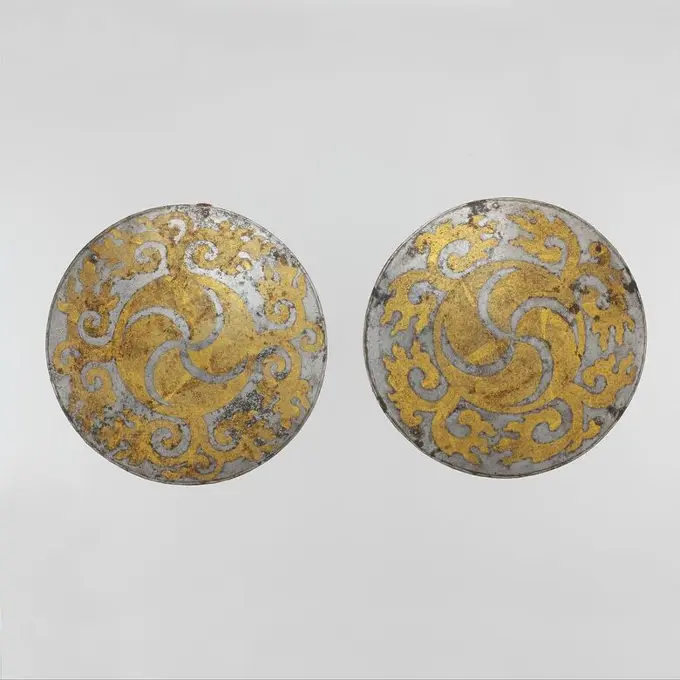
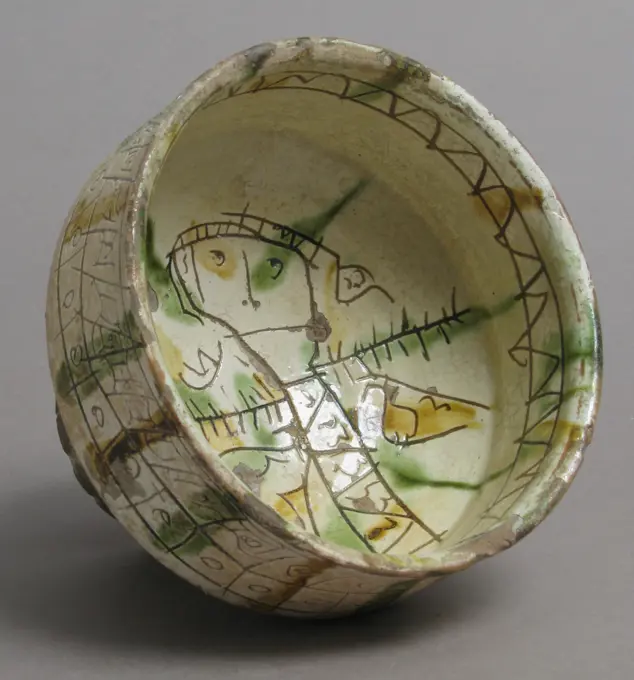
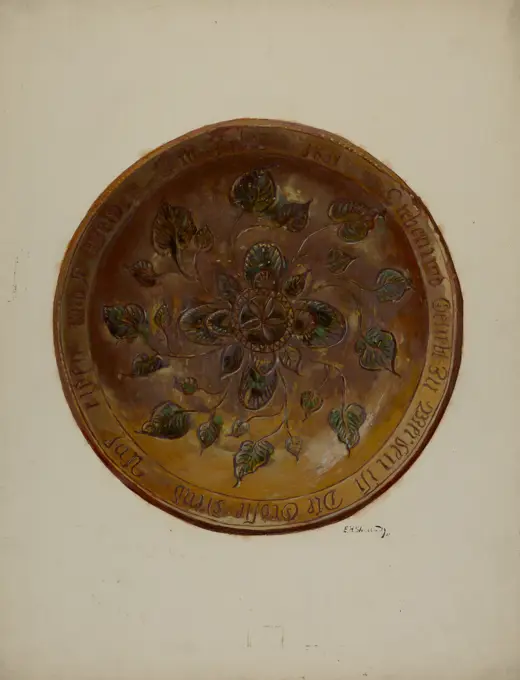
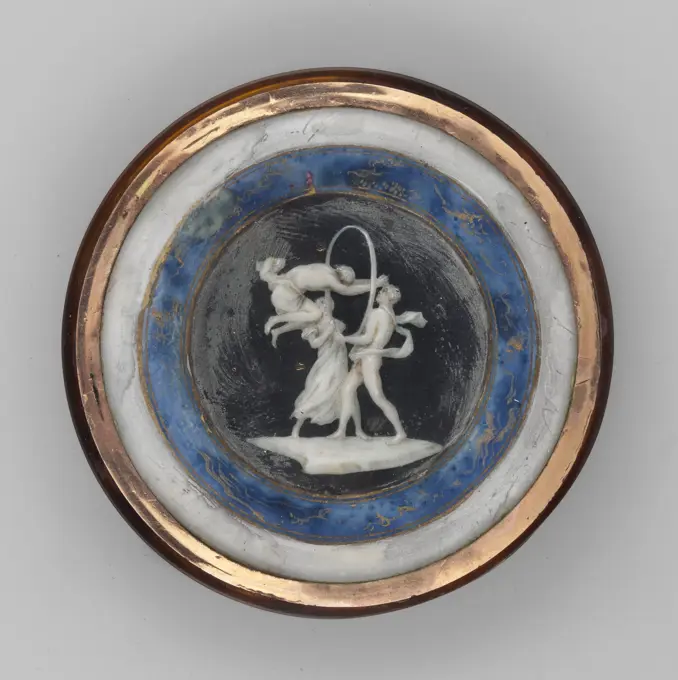
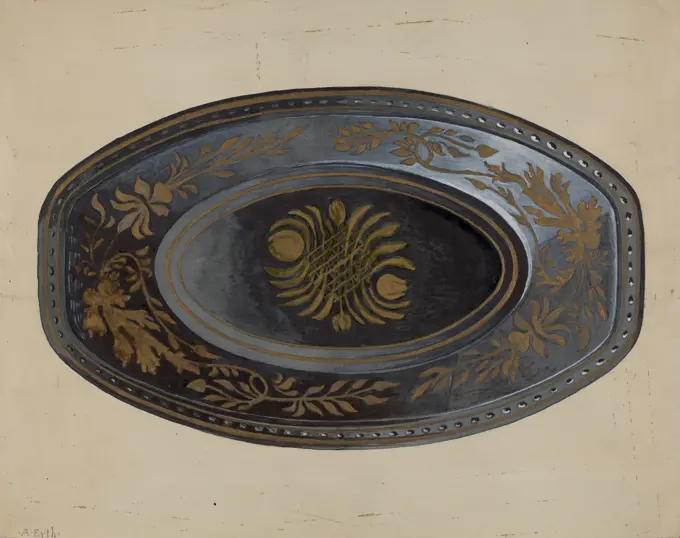
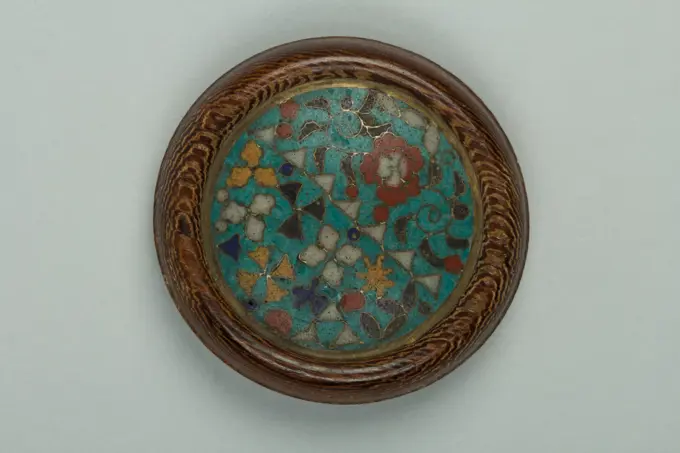
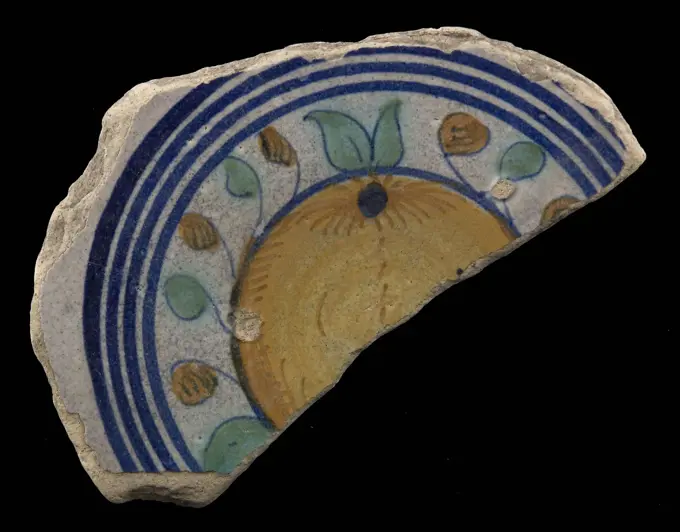
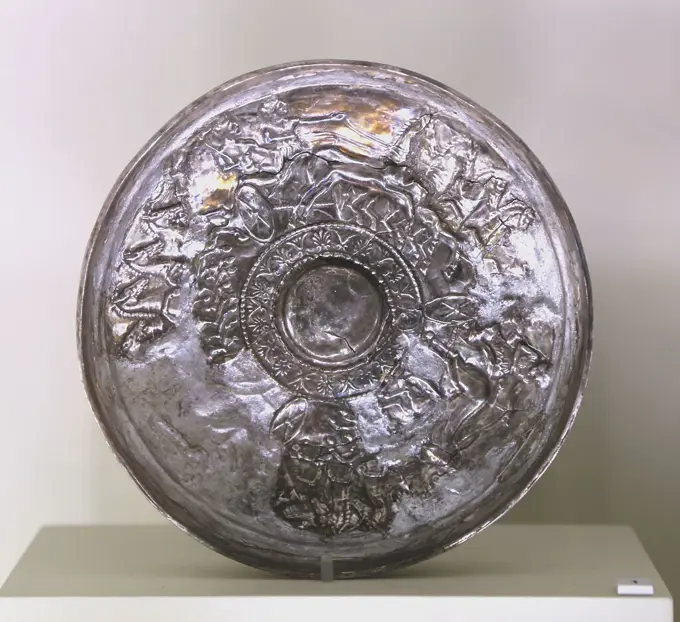
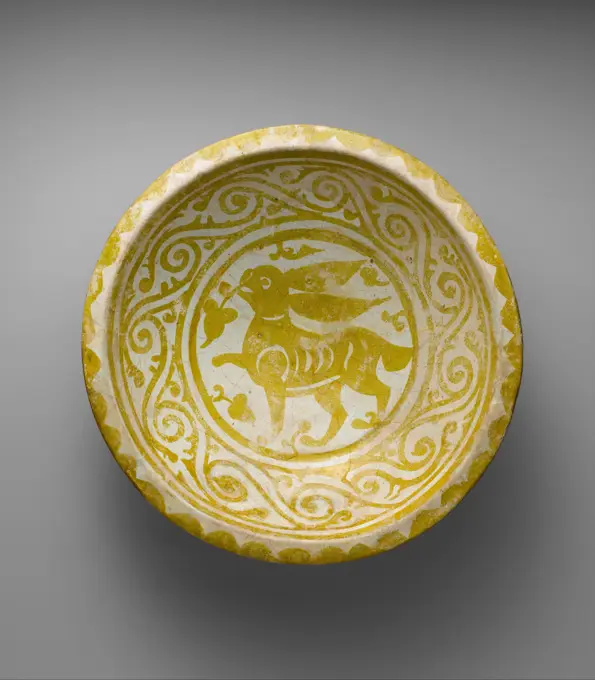
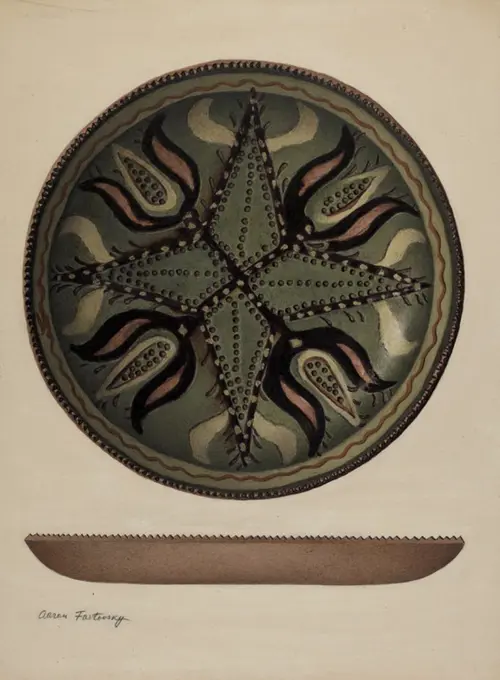
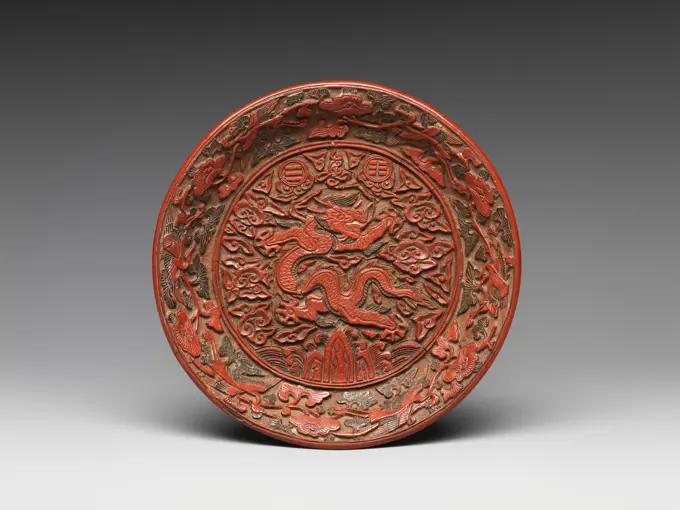
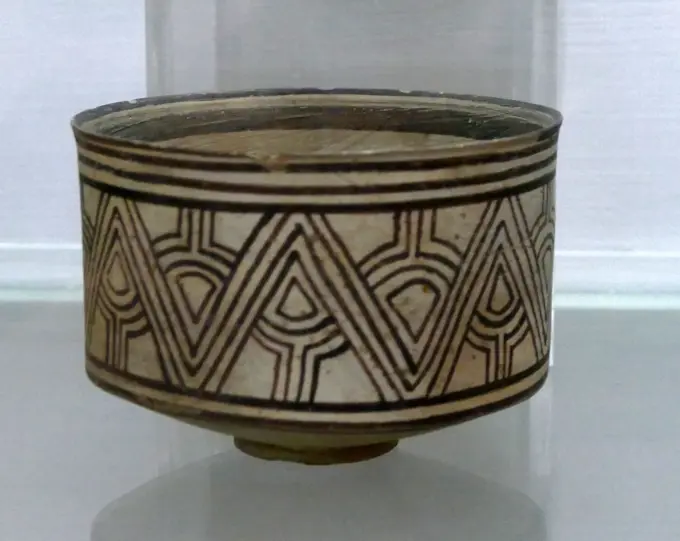
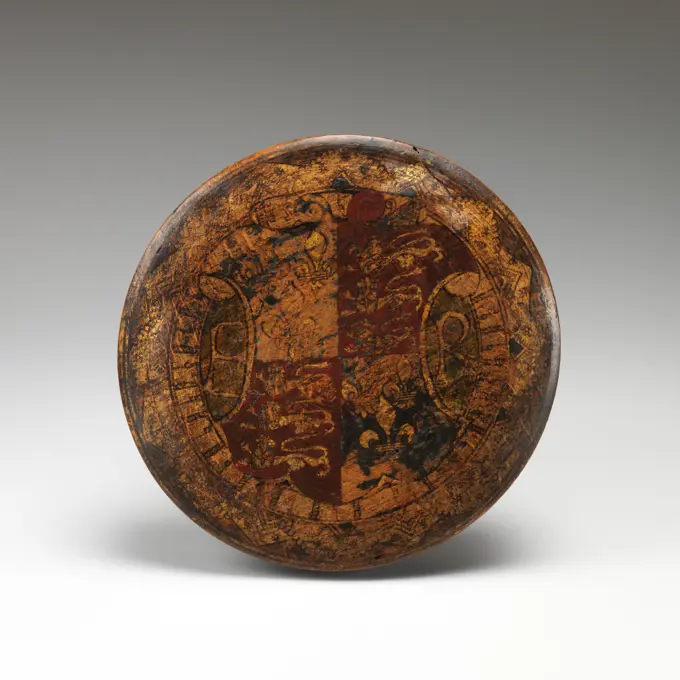
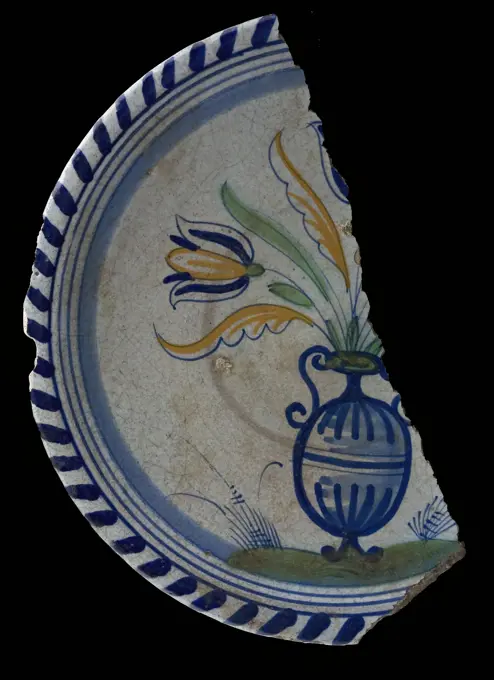
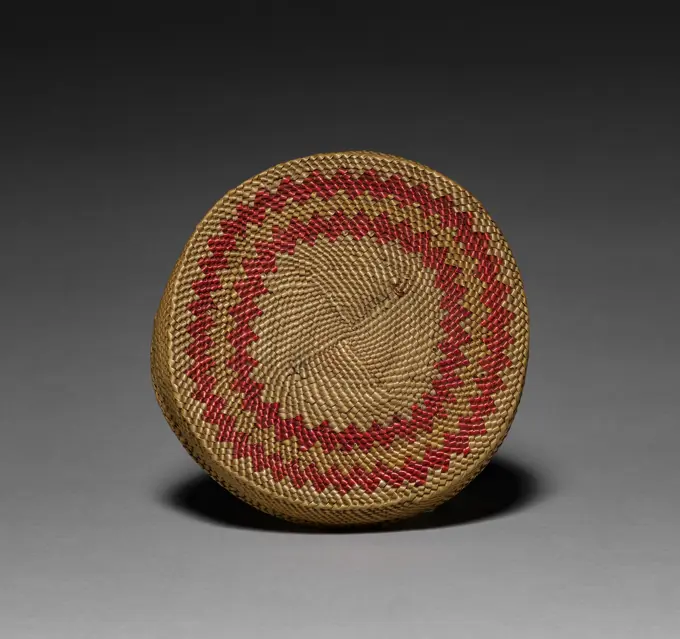
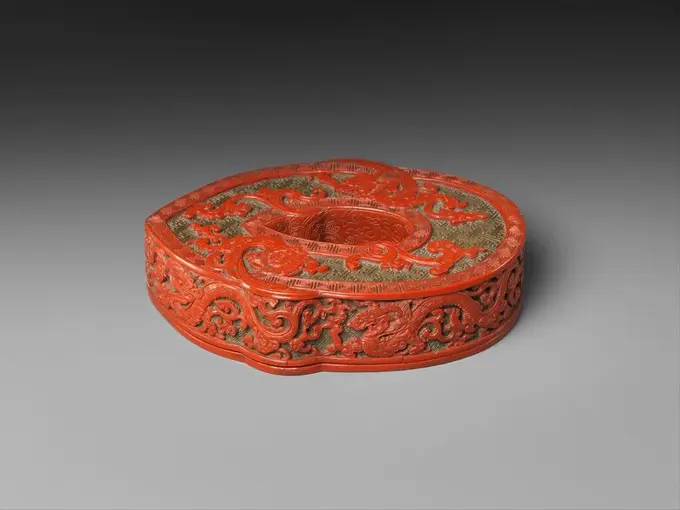
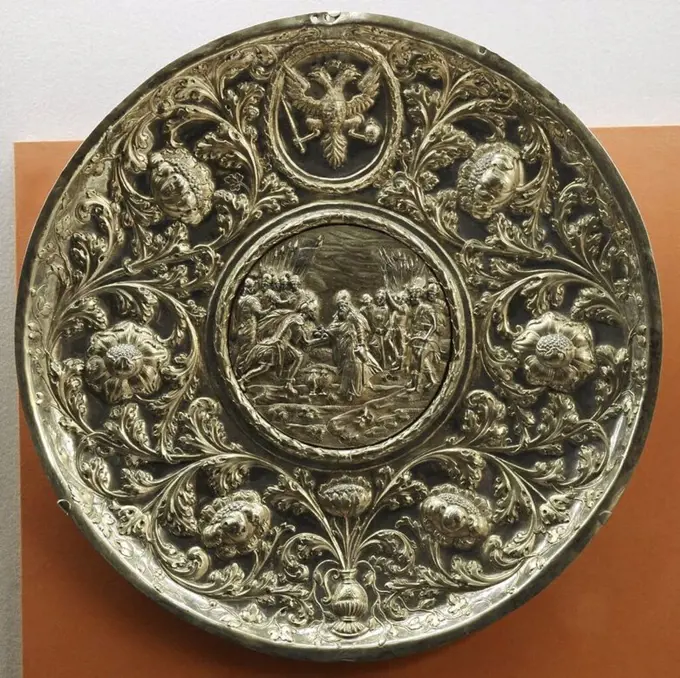
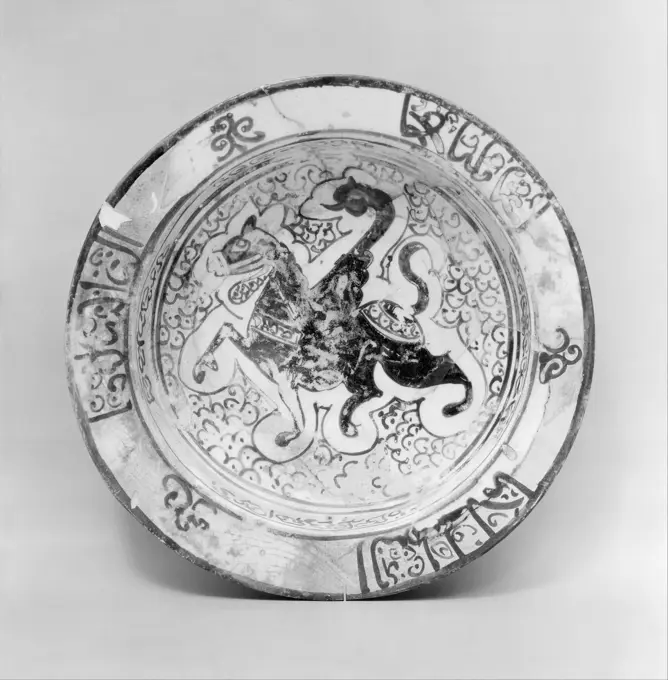
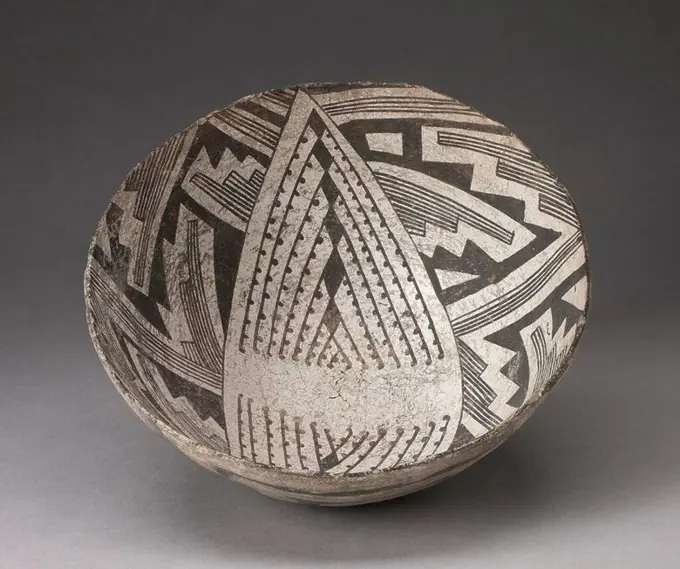
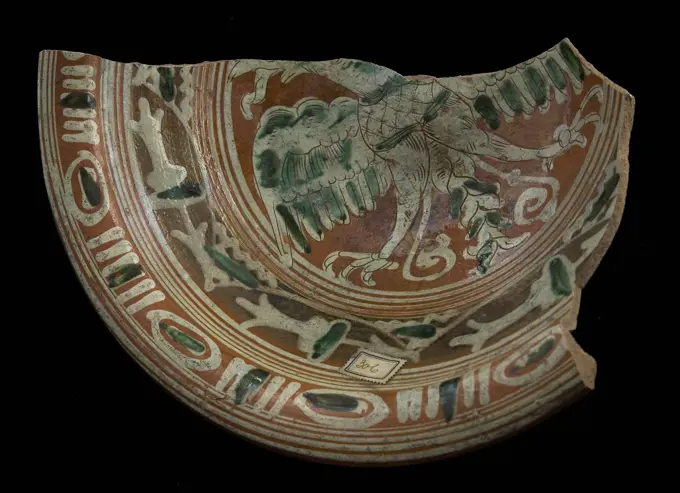
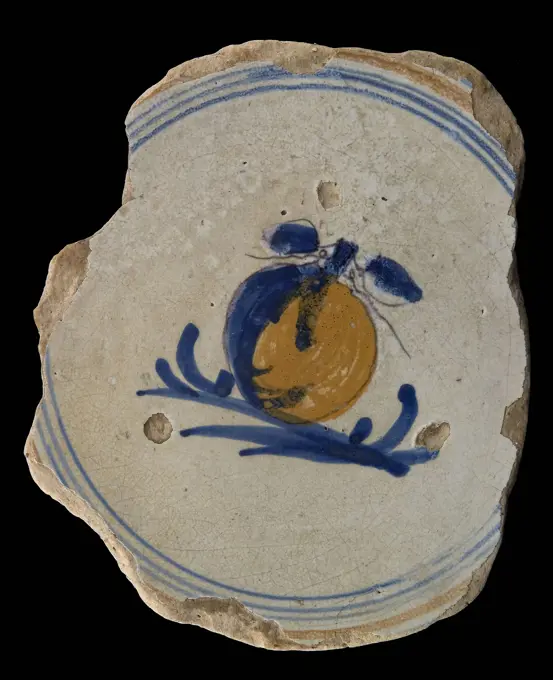
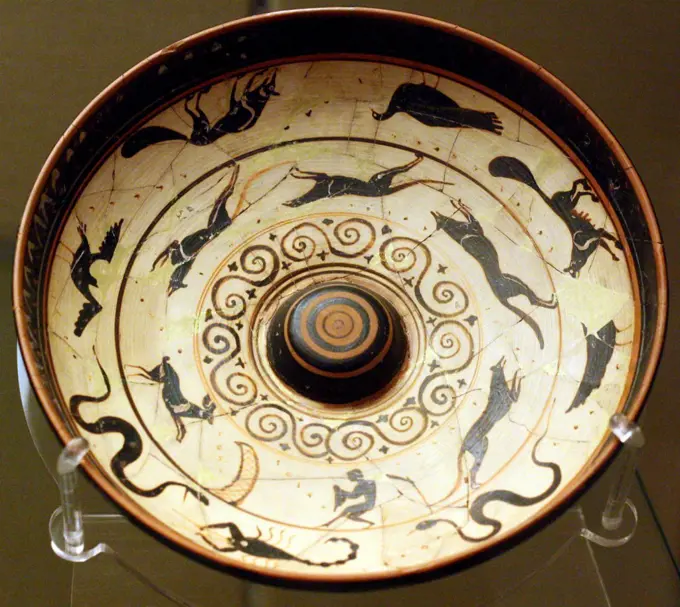
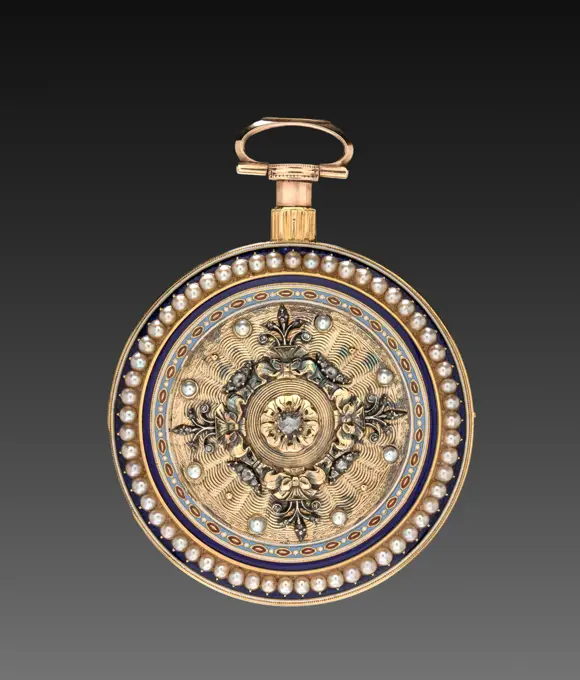
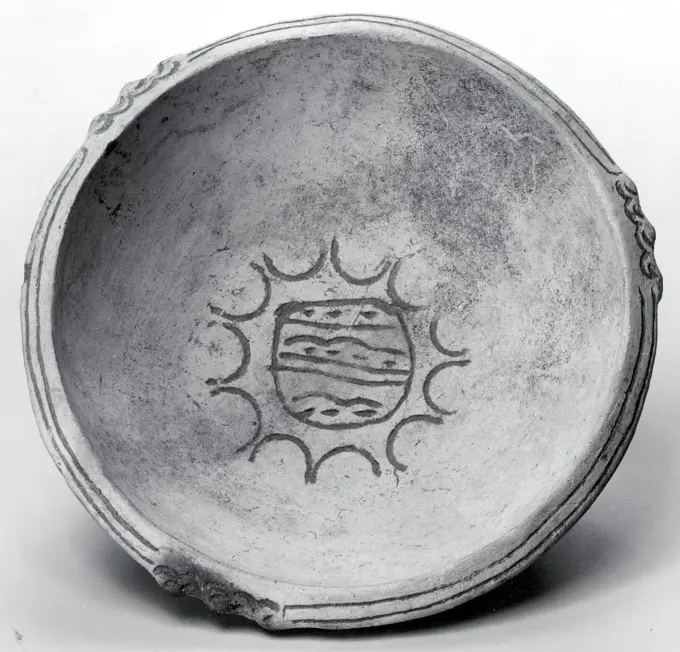
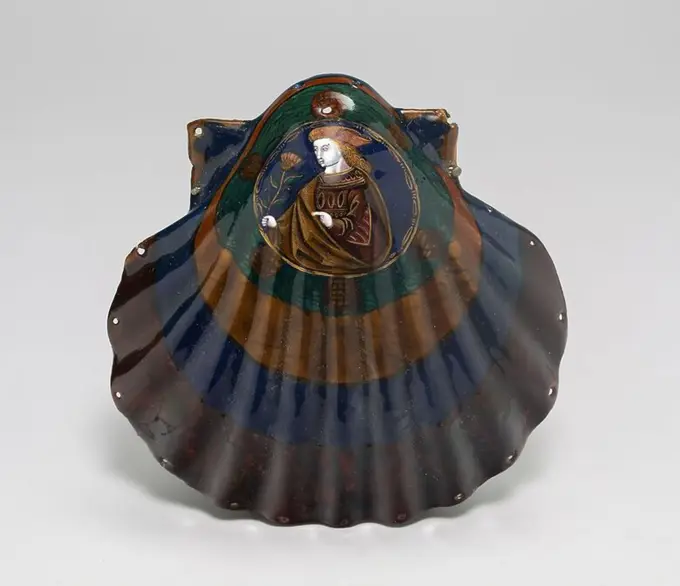
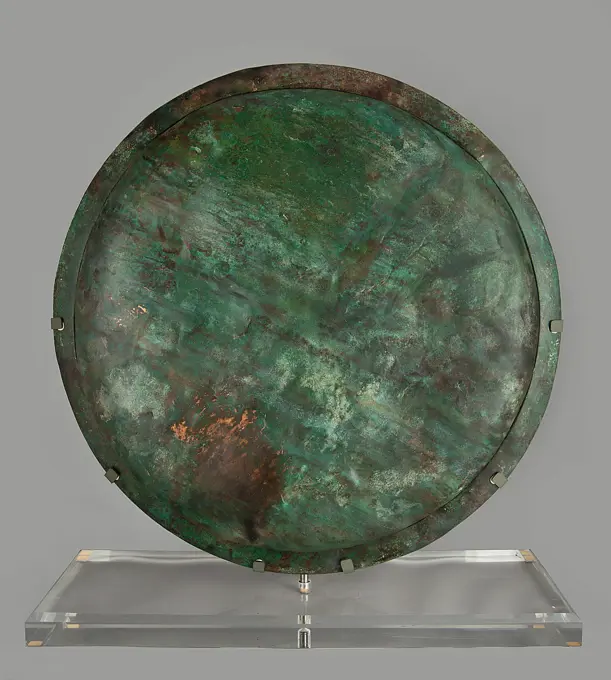
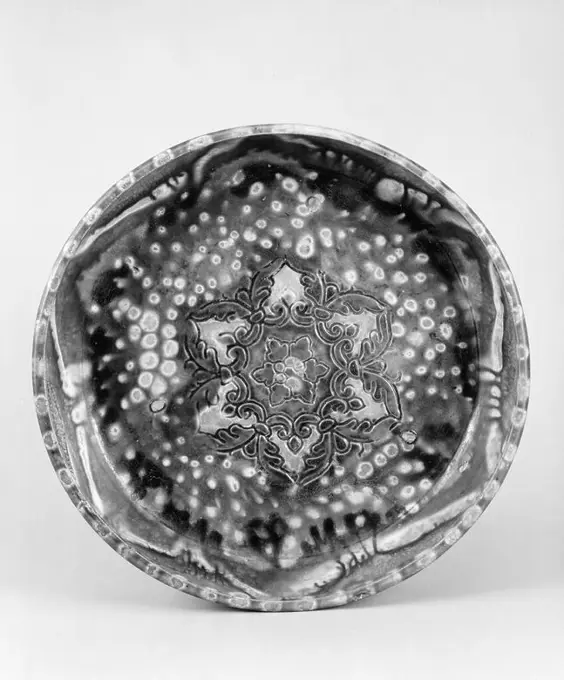
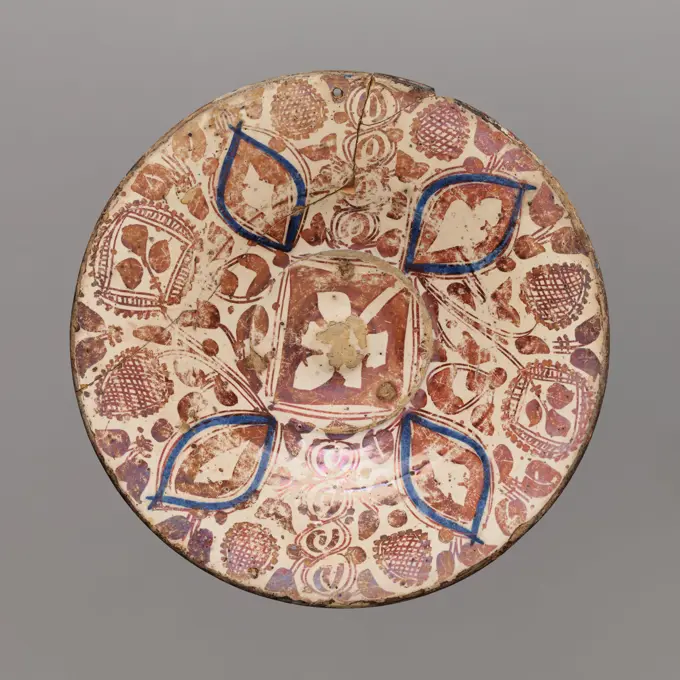
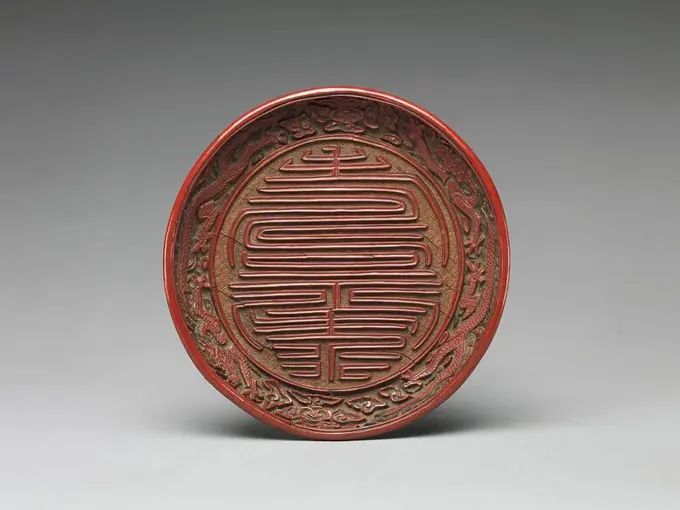
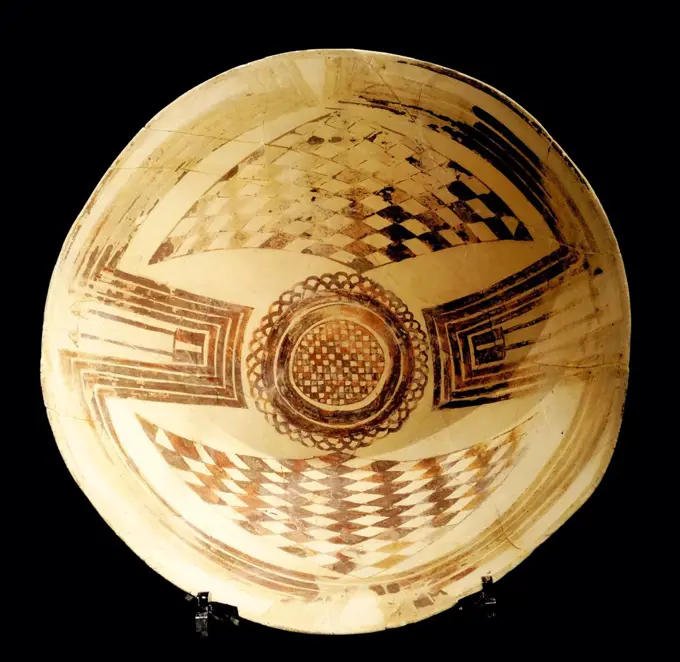
Box (He) with Dragon and Longevity (Shou) Character amid Clouds, Mountains, and Waves. China, Chinese, Ming dynasty, Jiajing mark and period, 1522-1566. Furnishings; Accessories. Carved red lacquer on wood coreFragment Kraaikop from V.O.C. ship De 'Witte Leeuw', Anonymous, Before 1613 bowl Fragment Kraaikop from V.O.C. ship De 'Witte Leeuw', 40 present. Jingdezhen bone china (material)   Sint-HelenaSword Guard (Tsuba) 18th century Japanese A tsuba is a sword guard and part of a sword mounting. It is mounted between the swords blade and grip to protect the users hands.. Sword Guard (Tsuba) 642475Bowl 12th-13th century. Bowl 450420Fragment 13th-14th century. Fragment 445458Breastplate and Backplate from a Set of "Four Mirrors". Culture: probably Tibetan. Dimensions: 2003.331.1; Diam. 7 3/8 in. (18.7 cm); Wt. 1 lb. 1.8 oz. (504.6 g); 2003.331.2; Diam. 7 5/16 in. (18.5 cm); Wt. 14.8 oz. (419.6 g). Date: 17th-18th century. Museum: Metropolitan Museum of Art, New York, USA.Bowl. Iran, Nishapur, 10th century. Ceramics. Earthenware, incised, colored, and colorless glazes; color-spashed sgraffiato wareFooted Cup with Falconer 15th century Byzantine In this freely drawn design a man holds two lures used in the training of falcons; below them two birds appear. Contemporary travelers' accounts describe large hunting parties living for months in tents in the countryside. Laws regulating the ownership of birds of prey further attest to the popularity of hawking on medieval Cyprus.. Footed Cup with Falconer 463595Eugene Shellady, Pa German Plate, 1937 Pa. German PlateScena taneczna a l'antique. unknown, painterTerracotta oil lamp. Culture: Roman. Dimensions: Overall: 1 5/8 x 3 3/4 in. (4.1 x 9.5 cm). Date: 2nd century A.D.. Museum: Metropolitan Museum of Art, New York, USA.Floor tile with rosette, anonymous, c. 1545 - c. 1570 Square floor tile with a multicolored (blue, green, yellow and orange) rosette within two cutting windows. In the corners, rays. Antwerp earthenware. tin glaze majolica Square floor tile with a multicolored (blue, green, yellow and orange) rosette within two cutting windows. In the corners, rays. Antwerp earthenware. tin glaze majolicaAlbert Eyth, Bread Tray, c 1937 Bread TrayWorkshop of the Miseroni / 'Oval heliotrope platter'. Ca. 1610. Gilt-copper, Enamel, Bloodstone, Gold, Pearls, Silver-gilt. Museum: Museo del Prado, Madrid, España. Author: TALLER DE LOS MISERONI.traditional central asian bowl on plastering plate top view of traditional central asian bowl on white plastering plate Copyright: xZoonar.com/ValeryxVoennyyx 9787772Tray (USA); porcelainBowl 13th century. Bowl 450477Bowl with Grasshopper, c 1000-1150. Southwest, Mogollan, Mimbres, Pre-Contact Period, 11th-12th century. Ceramic; overall: 8 x 18.8 cm (3 1/8 x 7 3/8 in.).Netsuke 19th century Japan. Netsuke. Japan. 19th century. Wood with plaque of cloisonné enamel. NetsukeFragment majolica dish, polychrome, in the middle one pomegranate, plate dish crockery holder soil find ceramic earthenware glaze, baked underside covered with lead glaze. Polychrome archeology adorn serving foodDish, Anonymous, c. 1600 Round dish of lead glaze pottery. A man is painted on the dish. The man wears a hat with two large springs, a vest, a pipe collar, a shoulder mantle, puff pants and garter with frills. In his right hand he has a glass and a sword on his left hip. Fifteen concentric circles run along the edge, ravishing through lines in a few places. Wanfried earthenware. lead glaze Round dish of lead glaze pottery. A man is painted on the dish. The man wears a hat with two large springs, a vest, a pipe collar, a shoulder mantle, puff pants and garter with frills. In his right hand he has a glass and a sword on his left hip. Fifteen concentric circles run along the edge, ravishing through lines in a few places. Wanfried earthenware. lead glazeInk Cake, 19th Century. China, Qing dynasty (1644-1911). Ink cake; diameter: 3.7 cm (1 7/16 in.).Bowl 14th century. Bowl 453999Bowl. Eastern Mediterranean, Byzantine, 12-13th century. Furnishings; Serviceware. CeramicPater charriot. Ancient silver vessel from the Tivissa treasure (cent. 5th-3rd BC). Iberian culture. Iberian peninsula, Catalonia, Spain.Bowl Depicting a Running Hare first quarter 11th century As luster painting spread to Egypt from Iraq, Fatimid potters tailored their wares to suit the new market. The lively, naturalistic rendition of a running hare with a palmette branch in its mouth drawn in golden luster paint is typical of the vigorous and enchanting quality of Fatimid pottery.. Bowl Depicting a Running Hare. first quarter 11th century. Earthenware; luster-painted on opaque white glaze. Made in Egypt. CeramicsPa. German Dish. Dated: c. 1941. Dimensions: overall: 40.8 x 30.2 cm (16 1/16 x 11 7/8 in.) Original IAD Object: 1 3/4" high; 9 3/4" in diameter. Medium: watercolor, pen and ink, and graphite on paperboard. Museum: National Gallery of Art, Washington DC. Author: Aaron Fastovsky.Dish ca. 1510-20 Italian, Deruta. Dish 199750Fragment majolica plate, blue on white, chessplate decor, border in Wanli style, plate dish crockery holder soil find ceramics pottery glaze, baked underside covered with lead glaze. Monochrome. Italian Chinese decor. To decorate some red veins through the pottery archeology eat China ItalyRoundel 6th-7th century. Roundel 445901Bowl 18th century. Bowl 445242Circular Dish with Dragon, Trigrams, and the Character for Longevity (Shou) 1522-1566 China. Circular Dish with Dragon, Trigrams, and the Character for Longevity (Shou). China. 1522-1566. Carved polychrome lacquer. Ming dynasty (1368-1644), Jiajing period (1522-66). LacquerRed-purital patera with representation of a woman with a fan and basket;  350-325 BC (-350-00-00--325-00-00);Italia Połudnn.Vichrome potter ware from India dating back to 3000 BC. Fragment majolica dish, blue on white, simple tulip on ground, circled, plate dish crockery holder soil find ceramic earthenware enamel, baked underside covered with lead glaze. Polychrome lilac and sketchy drawn tulip. Set up in manganese and served with blue archeology to serve food decorate tulip varietyMajolica dish on stand with three pomegranates as performance, dish plate crockery holder soil find ceramic earthenware glaze tin glaze lead glaze, ring 10,3 majolica painted baked 2x glazed Sphere mirror fragment. Soul of pancake dish. en. Hanging hole in stand. Yellow-white shard archeology Rotterdam City center Stadsdriehoek Schielandshuis indigenous pottery food serving table serving decorate Soil discovery: Schielandshuis moat.Bowl 12th-early 13th century. Bowl 446199Box late 16th-early 17th century British Banquets usually ended with candied fruits or other sweetmeats served on such decorative "spice dishes" of silver or wood. The gold effects were achieved with yellow varnish over a layer of silver-leaf. The verses were written in Black Letter script, with elaborate capital letters in Lombardic script. The verses, either amusing or moralizing, were shared with the other diners.. Box. British. late 16th-early 17th century. Oak and sycamore woods, painted, silvered and yellow varnished. Natural SubstancesHalf majolica dish, polychrome, flower vase with tulips, cable edge, plate crockery holder soil find ceramic earthenware enamel, baked underside covered with lead glaze. Polychrome archeology Rotterdam decorate serving food archaeological find in the soil Rotterdam 1941.Tile, purple on white, vase with round floral ornaments, framed by régence decoration, wall tile tile sculpture ceramic earthenware glaze, baked 2x painted glazed Fourteen identical purple ornament tiles square yellow shard Rotterdam City triangle Valkesteeg tile bakery Piet Heijn régence Valkesteeg RotterdamDish with vaulted flat at which multicolor painted a coat of arms in which six mountains and two crossing hammers. Round dish of multicolored painted majolica. On the vaulted flat, a blue coat of arms is painted on which six stoves and two crossing hammers. Concentric piping has been painted around the weapon in which lines and dots. On the edge, trusses are painted from peacock-like leaves in blue. Blue and red concentric circles were painted on the back.Plate with Lion of Saint Mark ca. 1500-1510 Italian, Deruta This plate was made in Umbria for the Venetian market, and is decorated with the arms of the city - the Lion of St. Mark with an open book inscribed PAX TIBI MARCE EVANGELISTA MEUS (Peace be with you, Mark, my Evangelist).. Plate with Lion of Saint Mark 199748Plate ca. 1840 Mexican. Plate 5952Agate Amulet. Dimensions: H. 2 3/4 in (6.99 cm)W. 4 in (10.16 cm). Date: mid-18th century.In Iran agate has been regarded as a stone with magical and healing properties. This notched oval-shaped pendant features a selection from the Asma' al-Husna (the 99 beautiful names of God) at the center, surrounded by the entire sura Ya Sin (sura 36) from the Qur'an. Considered as the heart of the Qur'an, this sura has talismanic associations including shielding its owner/wearer from calamity and providing him with the strength and courage. Museum: Metropolitan Museum of Art, New York, USA.Fragment majolica dish, polychrome, Chinese decor with artemisia leaf, dish crockery holder soil find ceramic earthenware glaze, Cooked on prunes. Polychrome archeology Rotterdam serving food decorate war World War II China Soil discovery from debris after the bombing of May 1940 Rotterdam.Mirror Case 1350-75 French Mirror cases, which might be considered forerunners of the modern compact, were primarily destined for the aristocracy, and their subject matter reflects the activities and interests of their owners. Here, a lady and gentleman hunt with falcons, accompanied by attendants. Medieval literature frequently drew a parallel between falconry and courtly love, and the playful imagery of this ivory may be read as a metaphorical hunt for love. Listen to experts illuminate this artwork's story Listen Play or pause #3150. Mirror Case Supported by Bloomberg Philanthropies We're sorry, the transcript for this audio track is not available at this time. We are working to make it available as soon as possible.. Mirror Case. French. 1350-75. Elephant ivory. Made in possibly Paris, France. Ivories-ElephantBowl 9th-10th century. Bowl 449784Pierced openwork boxes of painted ivory. Qing dynasty, 19th century.ROSETON - VACIADO - PROCEDENTE DE LA ALJAFERIA DE ZARAGOZA - SIGLO XI. Location: Diputacion. SARAGOSSA. Saragossa Zaragoza. SPAIN.Fragment. Date/Period: 6th-7th century. Fragment. Medium: wool, linen. Technique: tapestry weave. Height: 200 mm (7.87 in); Width: 215 mm (8.46 in). Author: UNKNOWN.Box c 1830-1870 United States. White pine and hickory or ash . Artist unknownIberian ware vase Kalathos (3rd. century BC) Wheel-made pottery, Iberian culture, south-east of Iberian peninsula,Spain.Collar 19th century China. Collar 68977Charger, anonymous, c. 1750 - c. 1775 Dish of Faïence, multicolored painted various pieces of household goods on a yellow stock Delft earthenware. tin glaze. Dish of Faïence, multicolored painted various pieces of household goods on a yellow stock Delft earthenware. tin glaze.Sword Guard (Tsuba). Culture: Japanese. Dimensions: Diam. 2 7/8 in. (7.3 cm); thickness 3/16 in. (0.5 cm); Wt. 5 oz. (141.7 g). Date: ca. 1615-1868. Museum: Metropolitan Museum of Art, New York, USA.Anonymous / 'Case for oval rock crystal salver'. 1650 - 1711. Leather, Wood, Metal, Cloth. Museum: Museo del Prado, Madrid, España.Commemorative plate of the Independent Podhale Rifle BrigadeDish. Culture: Spanish. Dimensions: Overall: 17 3/4 in. (45.1 cm). Date: 1430-1460. Museum: Metropolitan Museum of Art, New York, USA.Pearl button with concentric carved and engraved decoration,1790-1800.. Outer circle of faceted amber and. clear stones and an inner circle of small gilt bosses... Produced in Birmingham.Yam Mask, 1900s. Melanesia, Papua New Guinea, Abelam People, 20th century. Pigment, basketry; overall: 47.3 x 44.3 x 14.7 cm (18 5/8 x 17 7/16 x 5 13/16 in.).Water Filter 10th-12th century. Water Filter. 10th-12th century. Earthenware. Attributed to Egypt. CeramicsCOLADOR DE PLATA PROCEDENTE DE LOS PEDROCHES (CORDOBA) - EPOCA IBERO-ROMANA. Location: MUSEO ARQUEOLOGICO NACIONAL-COLECCION. MADRID. SPAIN.Ginger Jar- Shaped Basket (lid), c. 1900. Northwest Coast, Cape Flattery, Washington, Makah, late 19th-early 20th century. Pear grass; diameter: 1.9 x 11.8 cm (3/4 x 4 5/8 in.).Box in the shape of an archaic jade jue. Culture: China. Dimensions: H. 1 1/4 in. (3.2 cm); W. 3 5/8 in. (9.2 cm); L. 5 1/8 in. (13 cm). Date: 18th century.The shape of this box is derived from a type of jade pendant with an oval interior and a pointed end that was produced during the Han dynasty (206 B.C.-A.D. 220), called a jue. The six chi dragons prowling across the surface are more stylized than earlier examples. Their tails are depicted as ribbons, which is typical for designs from the eighteenth century. Museum: Metropolitan Museum of Art, New York, USA.Paperweight 1840-1860 Clichy. Glass . Clichy GlasshouseFragment majolica dish, rosette, in the middle rosette, plate crockery holder soil find ceramic earthenware enamel, baked underside covered with milky lead glaze. Italian Dutch decor Polychrome archeology Italy decorate serving foodTile, Anonymous, 1600 - 1800 Tile, painted in yellow, manganese. Lobbed rosette, in which an eight -pointed star. In the corners of a quarter of huge corners, connected to the rosette with a thin line. Tunisia (Possible) Morocco (Possible) earthenware. tin glaze Tile, painted in yellow, manganese. Lobbed rosette, in which an eight -pointed star. In the corners of a quarter of huge corners, connected to the rosette with a thin line. Tunisia (Possible) Morocco (Possible) earthenware. tin glazeDisk with biblical scene: Meeting of Abraham and priest Melchizedek. Silver, copper; chasing, gilding. St. Petersburg. 1736. The State Hermitage Museum. Saint Petersburg. Russia.Pinne of music couple with two weapons in the foreground. Round diamond of stained glass with representation of musical couple sitting on a couch. Links a young man who plays a flute. It is dressed in a suit with split sleeves, has a hat with a spring and wears a short sword. On the right a woman in a garment with square neckline and split sleeves; She plays a lute and supports it on a round table on which a dam game () and two cups are. Two large weapons in the foreground; A landscape in the background.Bowl mid-12th century. Bowl 450481Bowl with Large Diamond-Shaped Area Interior with Dotted Lines and Diamonds, and Interlocking Stepped Motifs. Ancestral Pueblo (Anasazi), possibly St. John's Black-on-white; West-central New Mexico, United States. Date: 900 AD-1450. Dimensions: 12.7 × 22.9 cm (5 × 9 in.). Ceramic and pigment. Origin: New Mexico. Museum: The Chicago Art Institute, Chicago, USA.Lidded box of network mosaic glass, knob of lid missing. Made in the eastern Mediterranean, about 150-50 BC From Crete The box and lid are built up of canes of colourless glass twisted with two trails of opaque white and are shaped by the slumping process. The twisted canes of blue and white were attached at different stages.Basket, 20th century, 2 3/4 x 10 in. (6.99 x 25.4 cm), Plant fibers, United States, 20th centuryFragment Werra bowl, mirror decor with bird, pale yellow, brown and green glaze, two edge decors, bowl bowl crockery holder earth discovery ceramics pottery glaze, Red pottery with drawing in light yellow and green glaze archeology heraldryRose Water Salver. Charles Thurston Thompson (English, 1816 - 1868)Anonymous. Petit Palais, Museum of Fine Arts of the City of Paris.Fragment majolica dish, polychrome, in the middle one pomegranate, plate crockery holder soil find ceramic earthenware glaze, baked underside covered with lead glaze. Polychrome The decor is set up with thin purple line and further decorated archeology decorate serving foodGlass bowl from Nahariya, 4th century.. This large dish with a striking yellow ground is painted with all kinds of household objects, including a tea table, a garniture of vases and an earthenware fish strainer, plus brooms, paintings and bird cages. It looks like an advertisement for the stock of a shop! Decorations with many individual objects are also known from Asian art. Dishes painted with such ornament probably served as models for this plate.Game - Backgammon Draught. - 1600-1700. 1 of Set, In Original Cases. Social History - Pinto Collection. Purchased from Edward H Pinto, 1965.. Made in Eger, Bohemia (Southern Germany). This backgammon games piece is one of a set of 28 games pieces. The disc is turned from sycamore. The portrait of King Rudolphus on the face has been built up from pieces of wood which were glued together and then carved to make a relief marquetry known as Eger work. .Bowl; unpredictable Lona Manufaktura; horse. 16th century (1500-00-00-1599-00-00);Offering-dish, or 'Phiale' decorated with a black-figure and white-ground. Also featuring friezes of a hare hunt, birds and animals. Athens, circa 500-470 BC.Button; copper, nickel; 1931-59-425-c,dWatch, 1813. John Ray (British), James Montague (British), Just and Son (British). Gold, silver, pearls, diamonds, and enamel; diameter: 8.6 x 6.1 cm (3 3/8 x 2 3/8 in.).Incised Plate 9th-6th century B.C. Olmec This shallow bowl contains incised abstract designs on its center and along the rim in three places. Two parallel lines connect the crenulated designs on the rim. The inner design contains a circle filled with alternatin horizontal wavy and dashed lines, surrounded by u-shaped designs that create a scalloped border.. Incised Plate 312156Star-Shaped Tile 1260-70. Star-Shaped Tile 450425Formal Collar 18th century China Formal portraits of Qing-dynasty men and womenmembers of the imperial family, the nobility, and court officialsshow them wearing this type of detachable collar (pi ling) over their formal court robes.. Formal Collar 70744Pair of Shells with Portraits Forming a Purse. Limoges Pottery & Porcelain Factories; France, founded 1736; Attributed to Nardon Pénicaud; French, c.1470-1542/43. Date: 1500-1525. Dimensions: 13.5 x 13.7 cm (5 5/16 x 5 3/8 in.). Copper and enamel. Origin: Limoges. Museum: The Chicago Art Institute, Chicago, USA.Earthenware dish on stand with red and green silt decoration, plate dish crockery holder soil find ceramic earthenware glaze lead glaze, hand turned decorated glazed fried lemonade Deep dish with wide flag. White shard Glazed at the top. Stand surface Decorated in sludge technique decoration consists of alternating green and red lines zigzag lines Also in the mirror inside three red circles Vertical saucer edge archeology indigenous pottery import food serve serving tableBronze hoplite shield. unknown, authorCup (common name) ,. Sandstone clothed with white slip and painted with brown slip under a transparent cover. Cernuschi Museum, Asia Museum of Asia in the city of Paris.Man's Cap, late 1500s. England, Elizabethan Period, late 16th century. Embroidery; silk and silver gilt thread on linen; overall: 16 x 18 x 18 cm (6 5/16 x 7 1/16 x 7 1/16 in.).Dish. Culture: China. Dimensions: H. 2 in. (5.1 cm); Diam. 10 in. (25.4 cm); Diam. of foot 8 3/4 in. (22.2 cm). Museum: Metropolitan Museum of Art, New York, USA.Oval Box Showing Charles II and Catherine of Braganza Made 1650-1670 England. Silk, plain weave; embroidered with silk floss foremost in satin stitch; French knots .Flowerpot, fragment, embossed decorated with flowers .. Fragment of a widespread, cylindrical flowerpot from stoneware. The fragment is in relief decorated with flowers.A plate; Manises (ceramic family; Ca 1400-); 2 after. 16th century (1550-00-00-1600-00-00);Geometric Polychrome Bowl Ancestral Puebloan (Four Mile) 14th-15th century Diverse civilizations known collectively as Ancestral Puebloan flourished in the Southwest states of Colorado, Utah, Arizona, and New Mexico in the centuries before the arrival of Europeans. The ceramic style known as Four Mile, which emerged in the 1320s in what is now east-central Arizona, is considered one of the most dynamic, and is known for bold, polychrome geometric designs. View more. Geometric Polychrome Bowl. Ancestral Puebloan (Four Mile). 14th-15th century. Clay. United States, Arizona. Ceramics-VesselsDish with the character for longevity (shou). Culture: China. Dimensions: H. 1/16 in. (.2 cm); Diam. 6 1/8 in. (15.6 cm). Date: 1522-1566.The character for longevity (shou) is a persistent theme in Chinese art. Whether used as a primary motif, as here, or a secondary design, it always illustrates a wish for the blessing of a long life. Museum: Metropolitan Museum of Art, New York, USA.hand painted clay bowl from a cemetery at Susa; Iran (Persia) 4000-3300 B.C.Dish 1400-1450 Spanish. Dish 471776