Decorative Ceramic Dishes

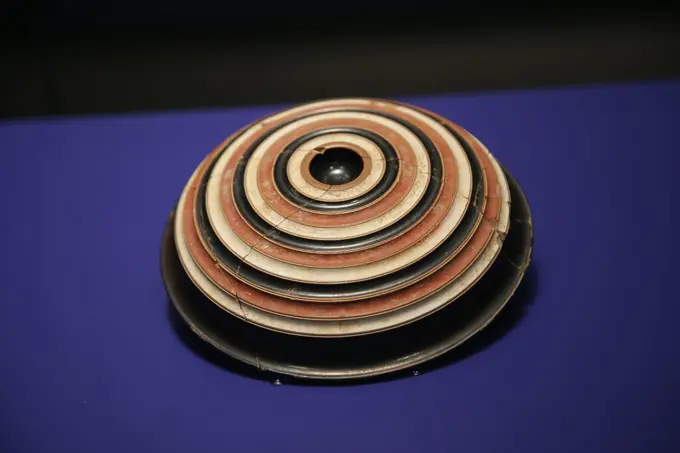
Collection of ornate ceramic dishes and bowls, featuring intricate designs and colorful patterns from different historical periods and regions.

Earthenware dish, ringing-plate, red shard, decorated with stylized flower, on stand, dish crockery holder soil find ceramic earthenware glaze lead glaze clay, hand turned decorated glazed fried lemonade Pottery saucer ringelbord red shard internal glazed on stand Decorated with yellow bands circles and garlands in the middle stylized flower in yellow and green Materials used: white clay and copper oxide In restoration, the supplemented fragments are painted on the inside archeology Rotterdam Stadscentrum Stadsdriehoek Oudehaven indigenous pottery import food preparation cooking food kitchen serving room Soil discovery: Oude Haven Rotterdam.
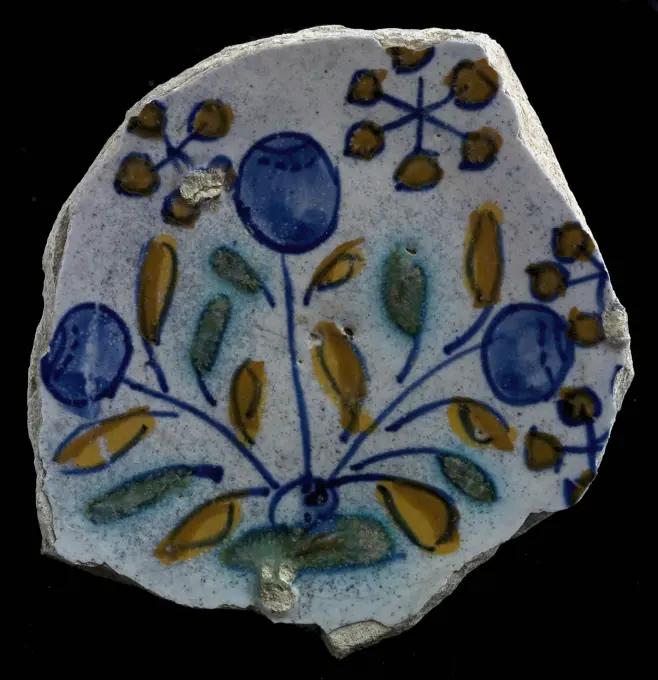
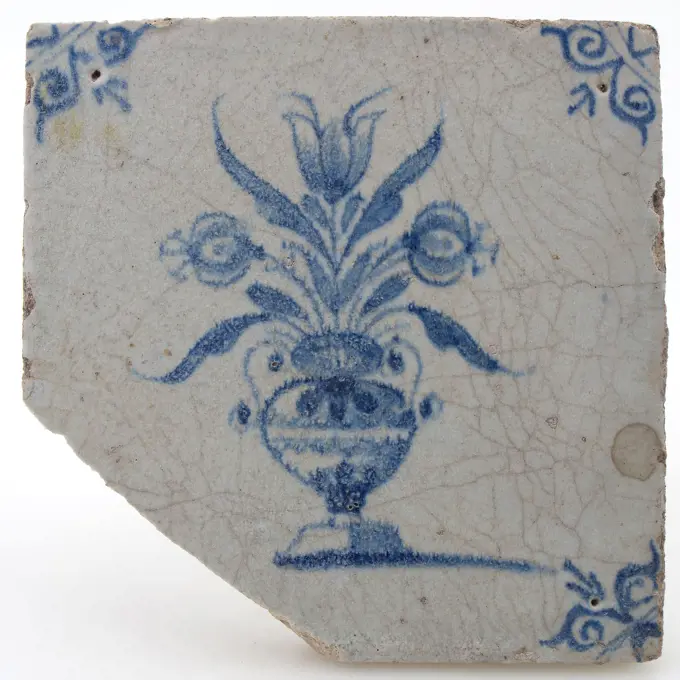
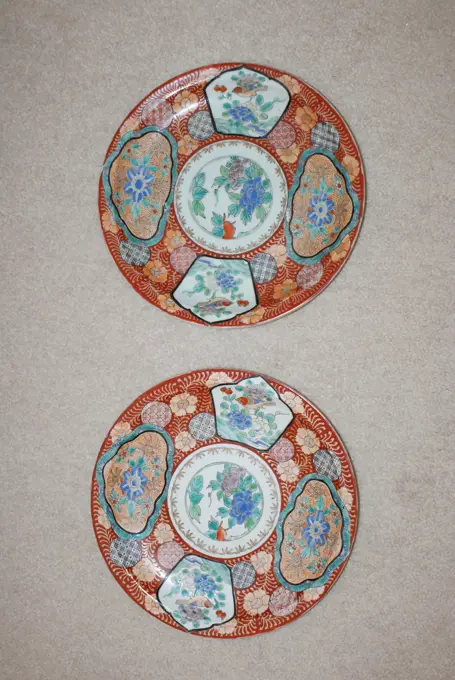
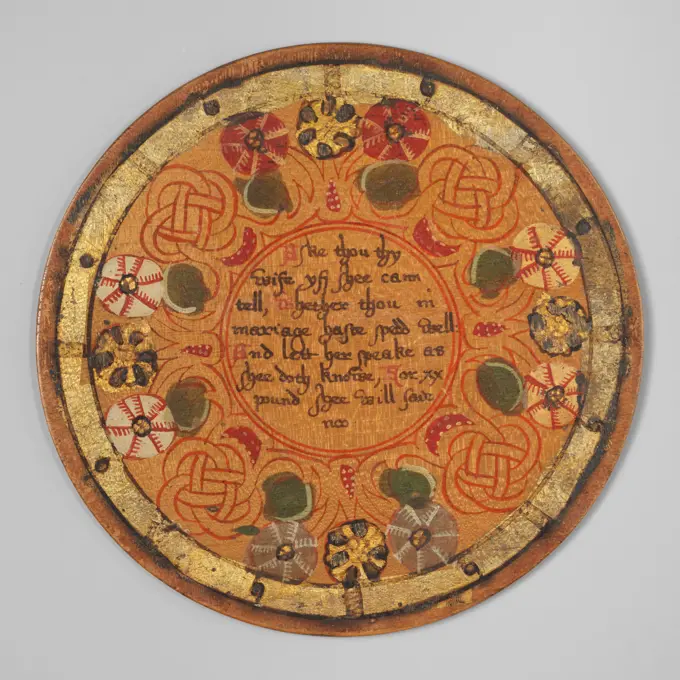
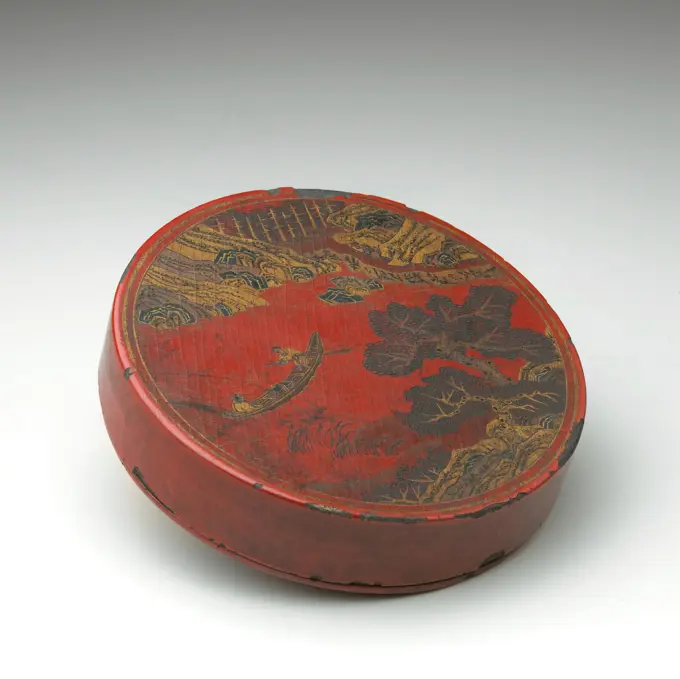
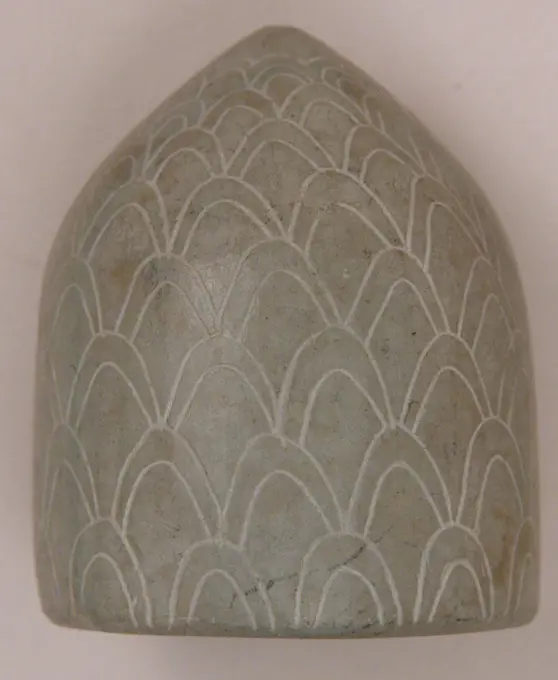
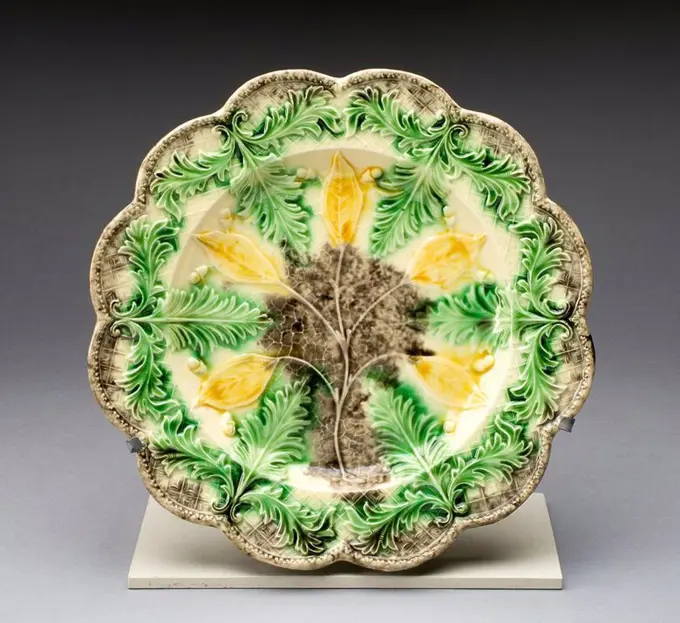
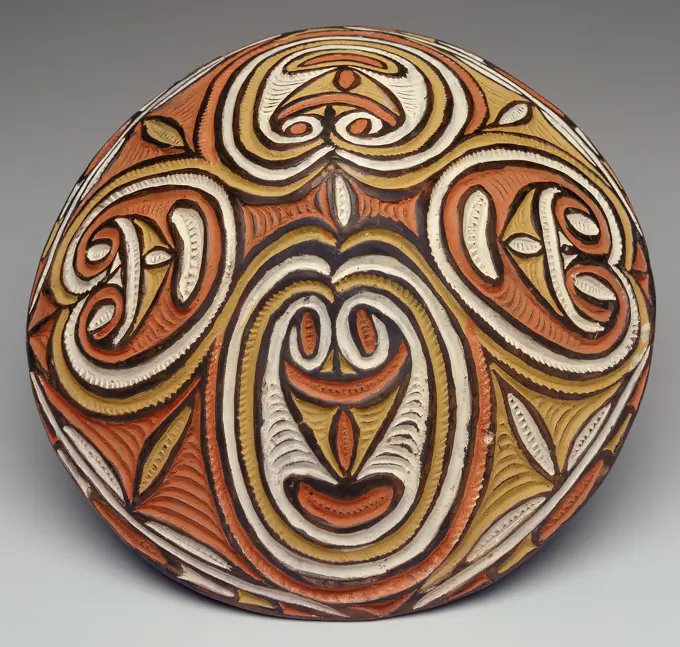
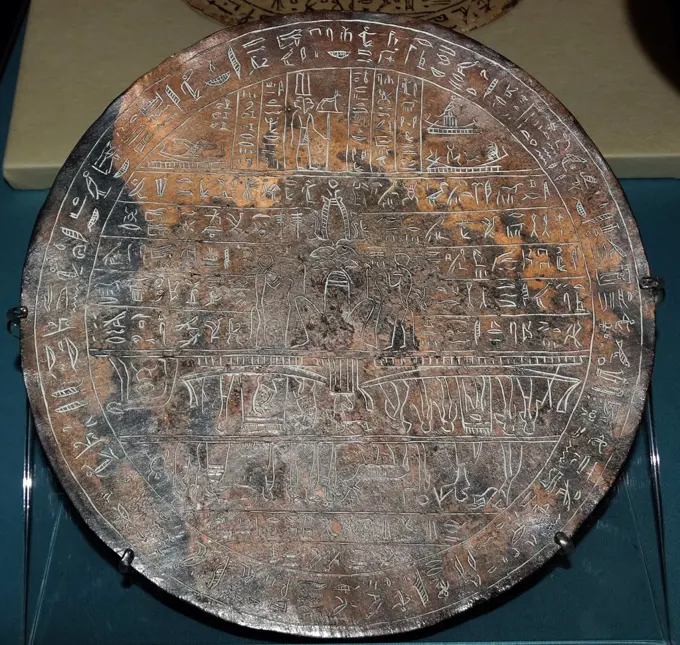
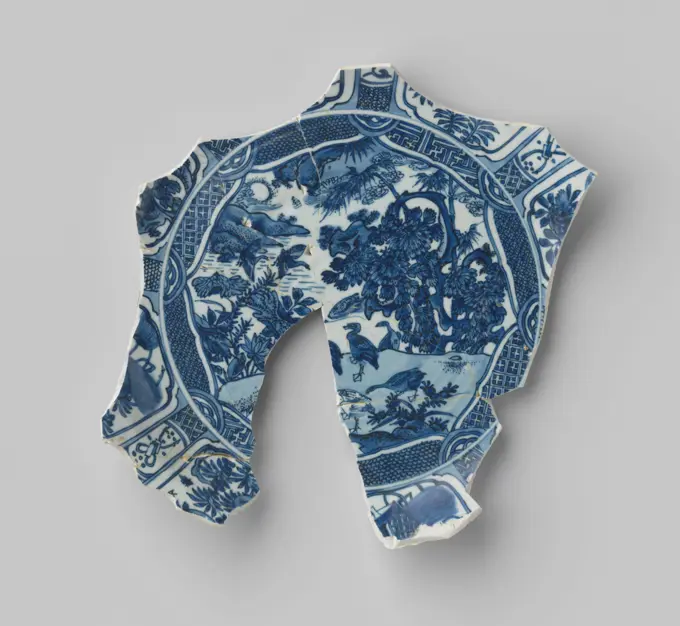
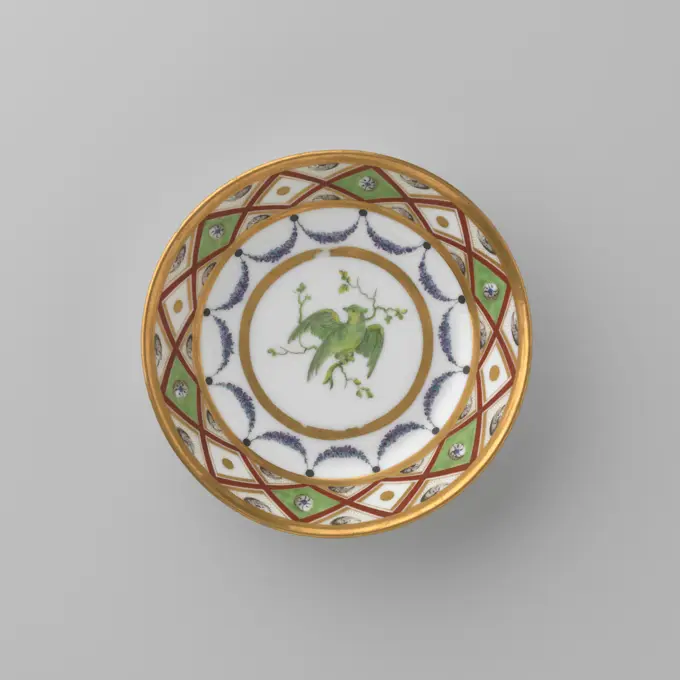
Salver. Tin; engraving. Russia. First quarter of the 18th century. With the eagle at the bottom, inscribed: Beauty of Majesty. The State Hermitage Museum. Saint Petersburg. Russia.Tile from the Breda Castle. Floor tile with a multicolored (blue, green and orange) decoration of a radically motif.Fragment majolica dish, polychrome, three blue flowers or berries on piece of land, dish plate crockery holder earth discovery ceramic earthenware glaze, Fragment majolica dish orange green and blue on white three blue flowers possible blueberries on piece of land around it snow crystal-like motifs archeology Rotterdam tulip tuliprasernie decorate food Soil discovery Rotterdam 1940.Plate (one of a pair) ca. 1731 Chinese, for British market. Plate (one of a pair) 205238Pottery tile with flower vase and ox head corner decoration in blue on white background, wall tile tile visualization earth discovery ceramics earthenware glaze tin glaze, shaped glazed glazed earthenware tile with flower vase and ox head corner decoration in blue on off-white ground. Presentation is lightly flowned Decoration consists of flower vase with two large curled ears. In the vase bouquet with leaves and three flowers archeology Rotterdam Stadscentrum Stadsdriehoek Schiedamsedijk Soil discovery: Schiedamsedijk east side Rotterdam 1939.Plate, 18th-19th century, Unknown Japanese, 1 5/16 × 11 5/16 × 11 5/16 in. (3.33 × 28.73 × 28.73 cm), Glazed porcelain, Japan, 18th-19th centuryTrencher (one of a set) late 16th-early 17th century British Banquets usually ended with candied fruits or other sweetmeats served on such decorative "spice dishes" of silver or wood. The gold effects were achieved with yellow varnish over a layer of silver-leaf. The verses were written in Black Letter script, with elaborate capital letters in Lombardic script. The verses, either amusing or moralizing, were shared with the other diners.. Trencher (one of a set). British. late 16th-early 17th century. Oak and sycamore woods, painted, silvered and yellow varnished; inscription: ink (animal or vegetable). Natural SubstancesInk Cake Container, c. 1600, Workshop of Cheng Dayue, Chinese, 1541-1624, 1-1/4 x 6-1/16 x 6-1/16 in. (3.2 x 15.4 x 15.4 cm), Lacquer with incised polychrome decoration, China, 16th-17th century, Anhui and Shexian, in particular, had been the center of the ink-making industry since Tang times (618-906). The son of a prosperous Anhui merchant, Cheng Dayue immersed himself in the design and production of ink cakes from an early age. This lacquer presentation box to hold an ink container is a very rare example signed by the artist. Decorated on the exterior with a boating scene, this circular box would have originally held a round commemorative ink cake. Inside the cover and on the base are three gold lacquer seals of the workshop of Cheng Junfang, a well-known art name of Cheng Dayue. They read, 'Made under the supervision of Junfang from Yanzhen in old She (Huizhou).'Chess Piece, Pawn or Backgammon Piece probably 17th-18th century. Chess Piece, Pawn or Backgammon Piece 452395Box, late 1700s. Germany , late 18th century. Enamel on copper with gilt metal mounts; overall: 4.2 x 8.9 x 7.5 cm (1 5/8 x 3 1/2 x 2 15/16 in.).Plate. Staffordshire, England. Date: 1760-1770. Dimensions: H. 1.5 cm (3/4 in.); diam. 24.8 cm (9 3/4 in.). Lead-glazed earthenware (creamware). Origin: Staffordshire. Museum: The Chicago Art Institute, Chicago, USA.Bowl, c. 1980-1988, 4 5/8 x 10 7/8 in. (11.75 x 27.62 cm), Earthenware, pigment, Papua New Guinea, 20th centuryBronze Hypocephali inscribed disc, placed beneath the heads of mummies during the Late Period and Ptolemaic era. The texts written on them are taken from spell 162 of the Book of the Dead and were intended to provide life giving heat to ensure the resurrection of the dead. 380-343 BCFragment dish from v.o.c.-ship De 'Witte Leeuw', Anonymous, Before 1613  Fragment dish from v.o.c. ship De 'Witte Leeuw', 50 present. The shard is glassy white and has little ingrained dirt. The glaze is blue tinted and peels over parts of the lip edge. The bottom is unglazed. The foot ring is straight, faceted and stands to Binne. The lip is scooped. Lampet dish. Eighties glued together. Jingdezhen bone china (material). glaze   Sint-HelenaThe Potter at His Wheel” Plate, Souvenir of the World’ s Fair of 1939 and 1940.  Manufacturer: Homer Laughlin China Company, American, established 1871  Subject: National Brotherhood of Operative Potteries, American, founded 1890Dish with checkered edge and bird. Dish of porcelain, with multicolored checkered edge and a green bird on the flat. Marked with swords. With a corresponding head.Plate German ca. 1500 View more. Plate. German. ca. 1500. Brass. Metalwork-BrassBowl 2nd-1st century B.C. Paracas. Bowl 310229FatePLATO DIBUJADO CON ENGOBE (ARCILLA BLANCA)-CERAMICA POPULAR S XX. Location: ALFARERIA. Toledo. SPAIN.Plate to make libations. Athens, Greece. 460-450 BC. Clay. British Museum.DeepDishJacqueline in Profile; Profil de Jacqueline. Pablo Picasso (1881-1973). Silver Plate. Stamped, numbered and dated 12/20 22.1.56. 40cm diameter