Decorative Ceramic Dishes

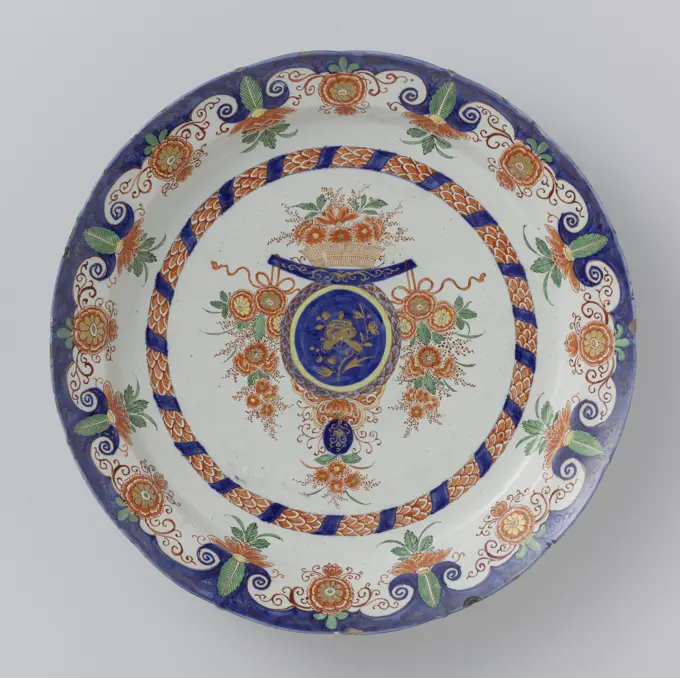
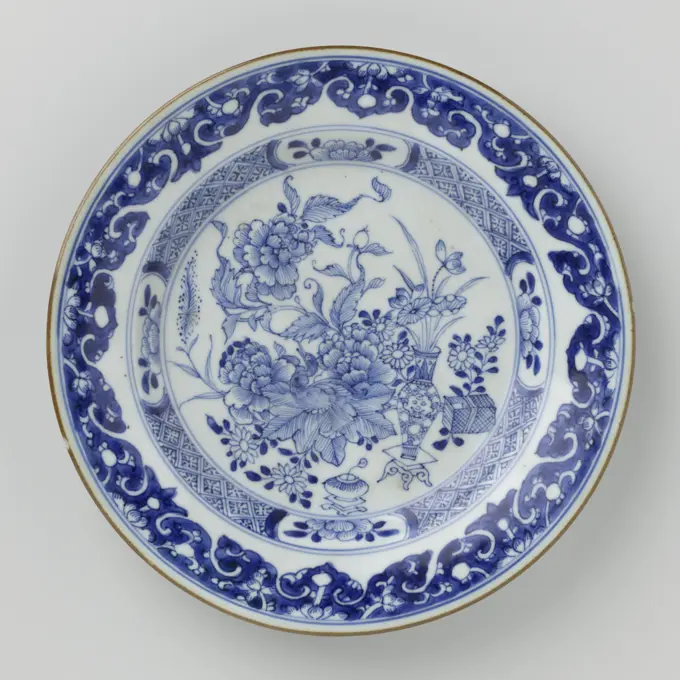
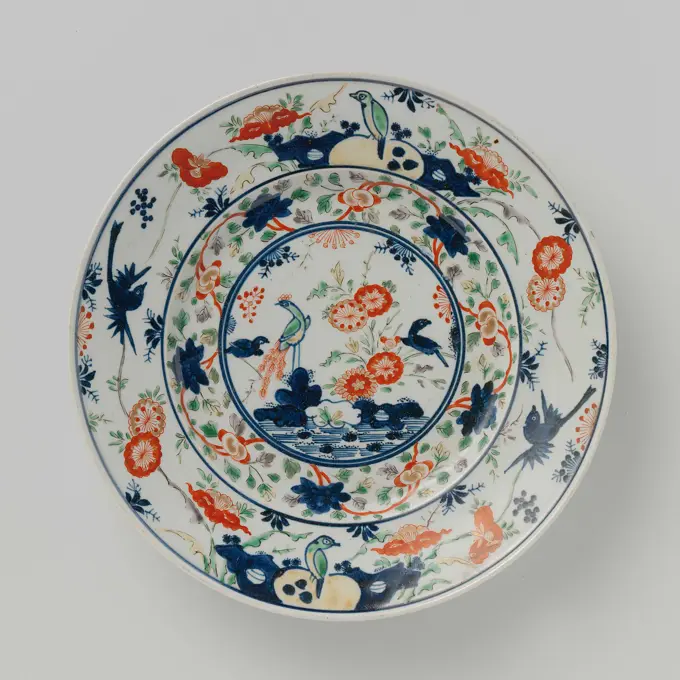
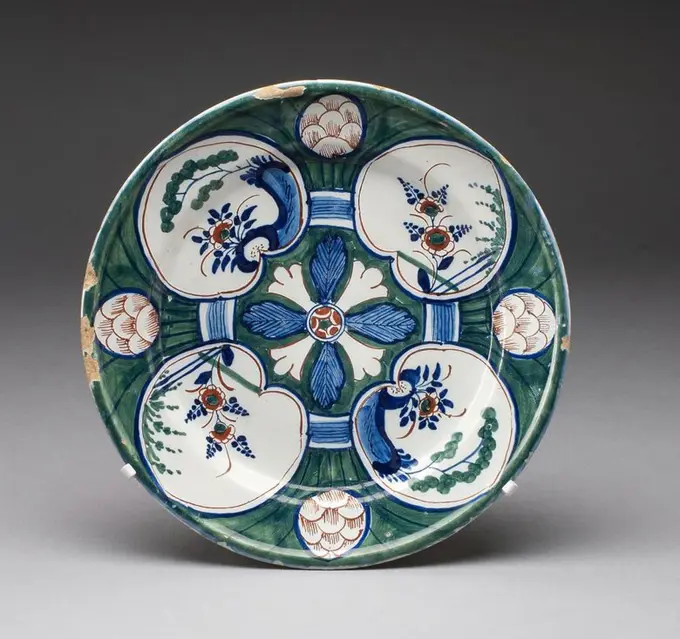
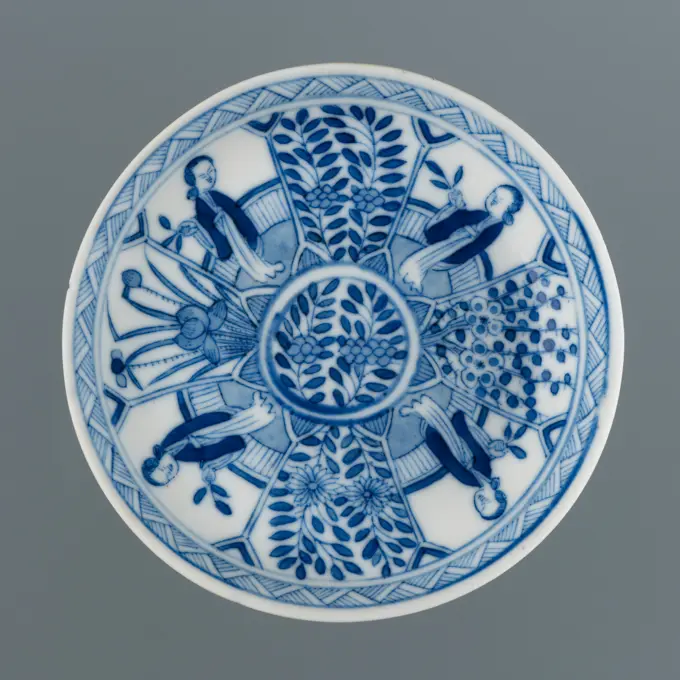
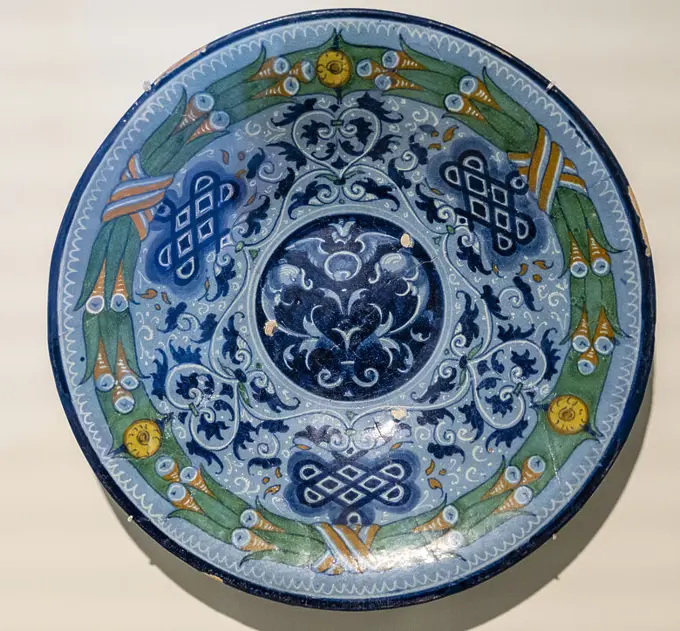
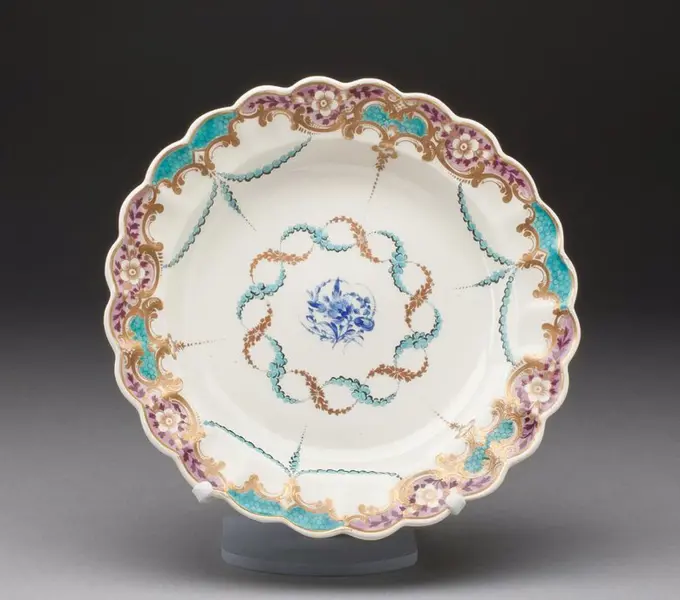
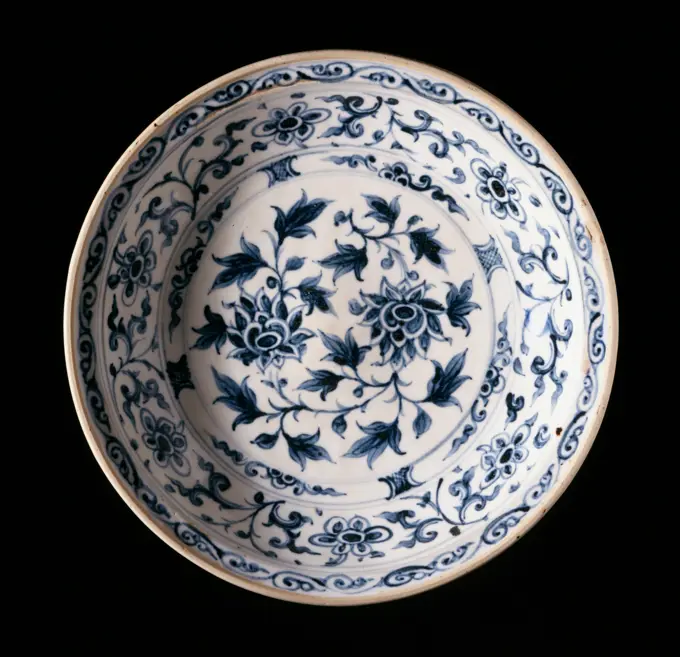
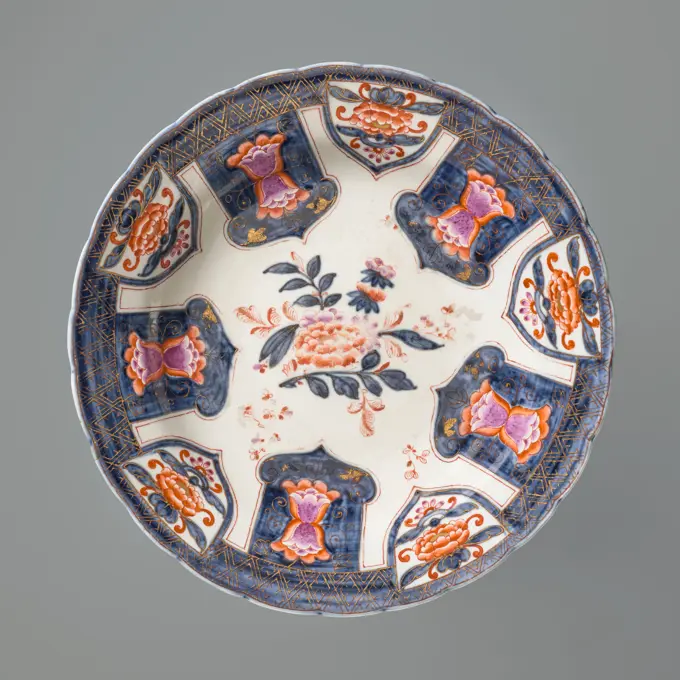
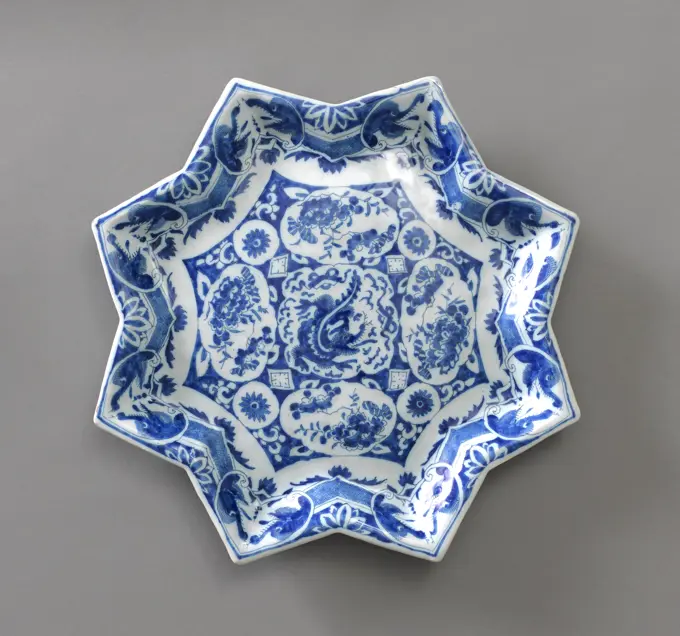
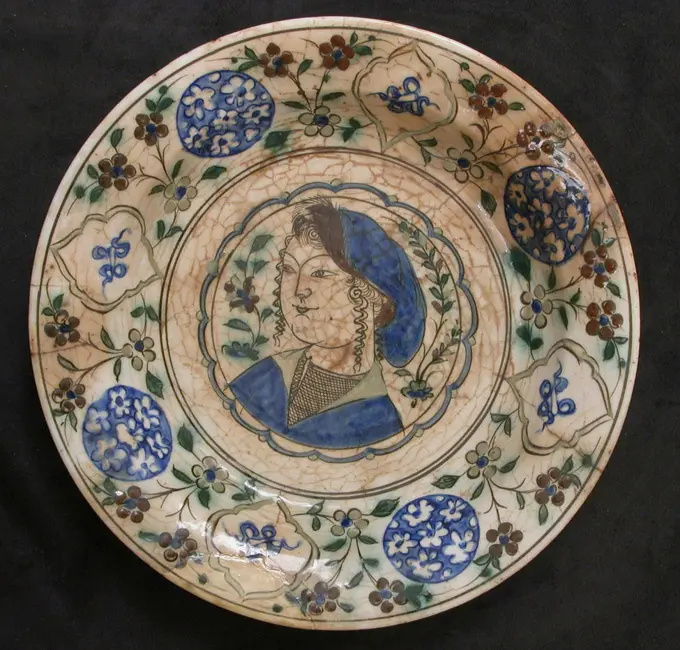
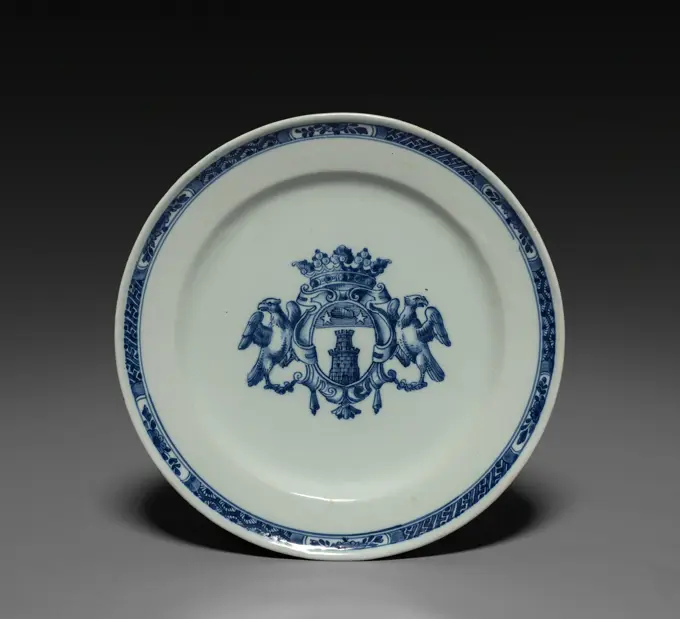
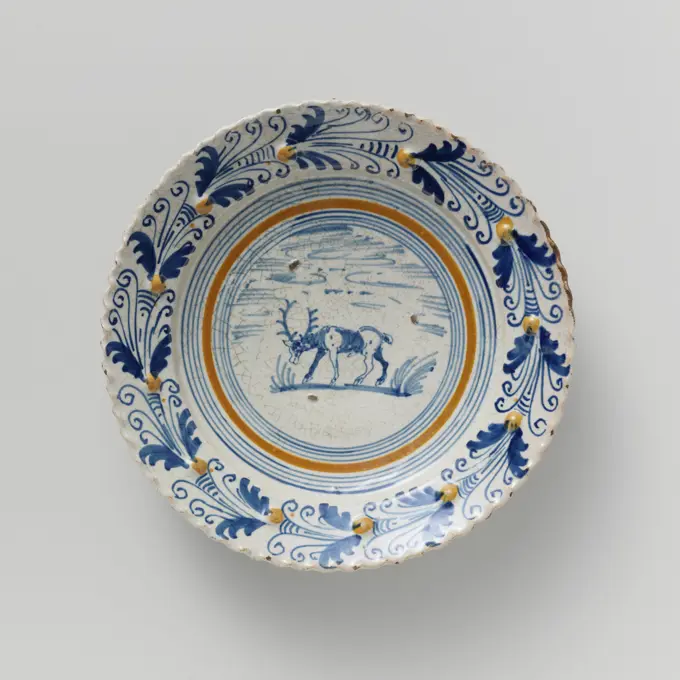
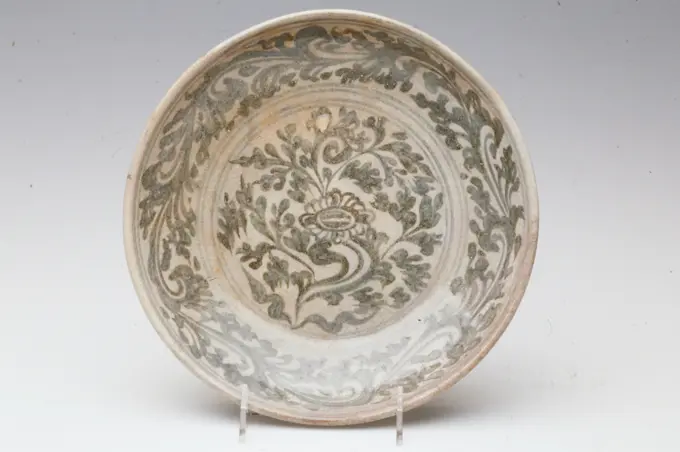
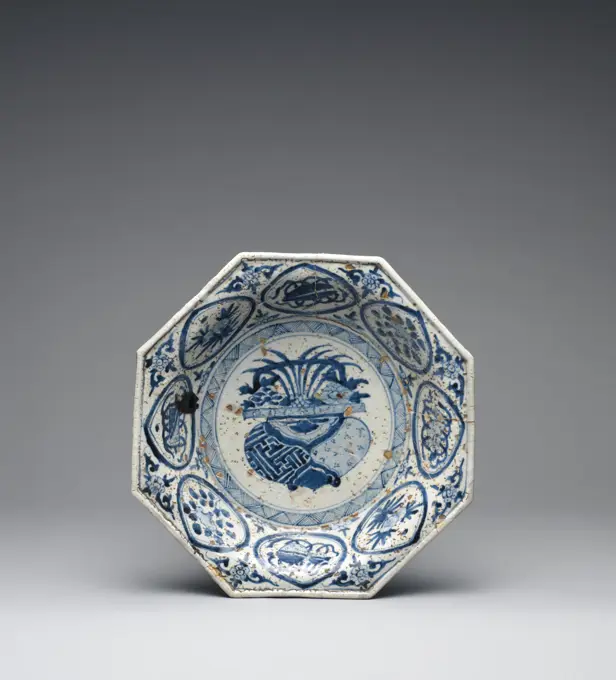
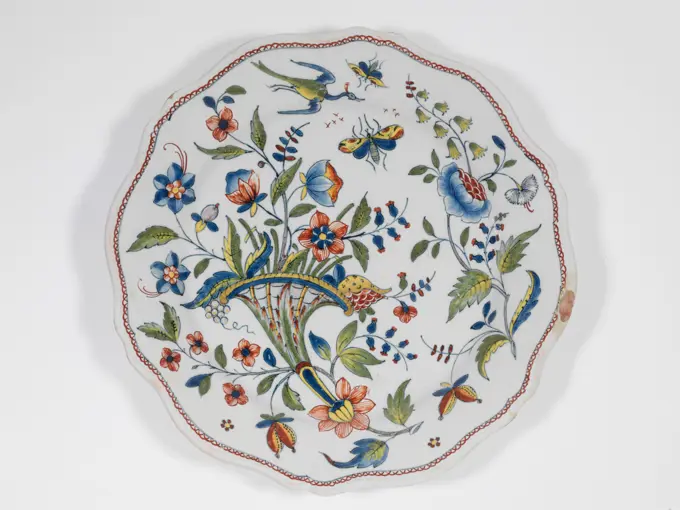
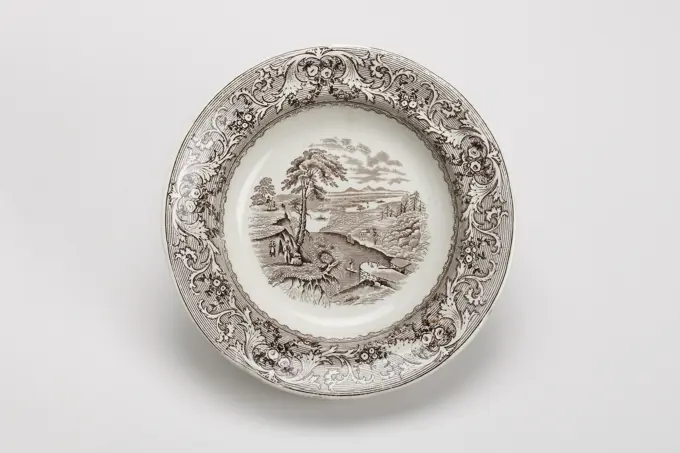
This collection features an array of decorative ceramic dishes with intricate floral designs, showcasing varying styles and glaze techniques in blue and white tones.
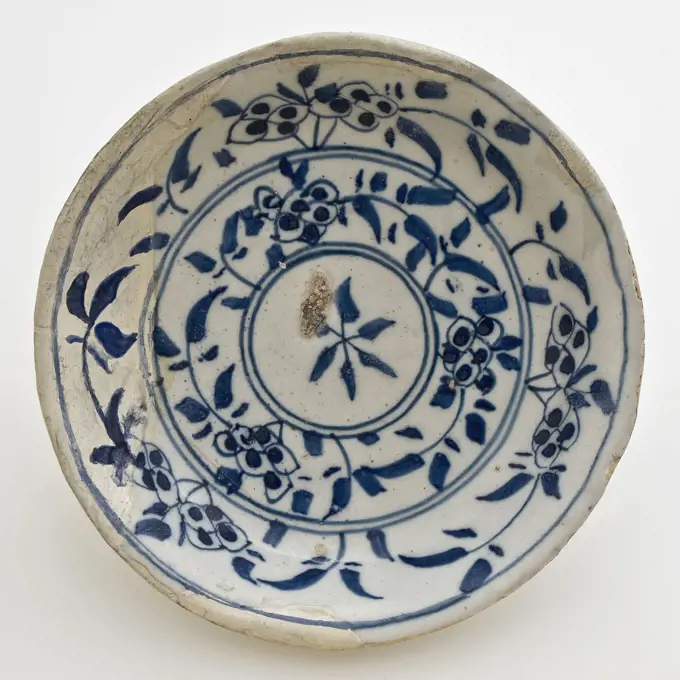
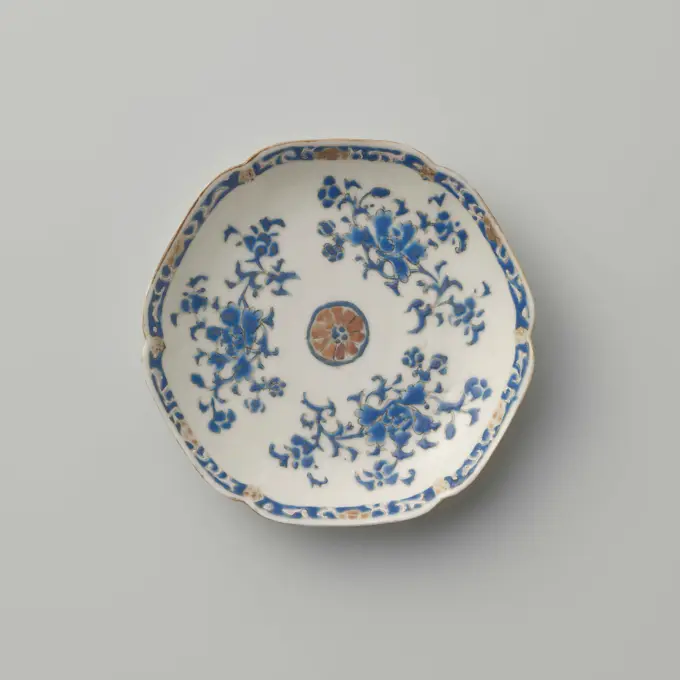
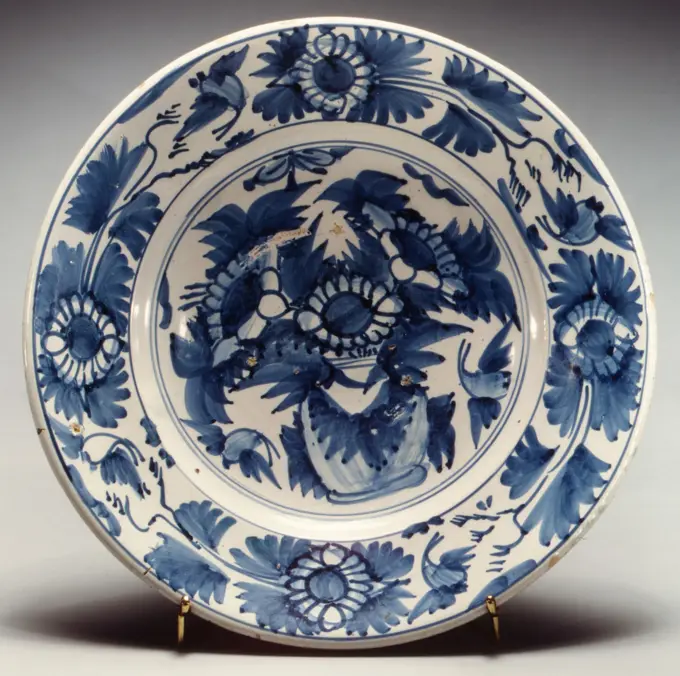
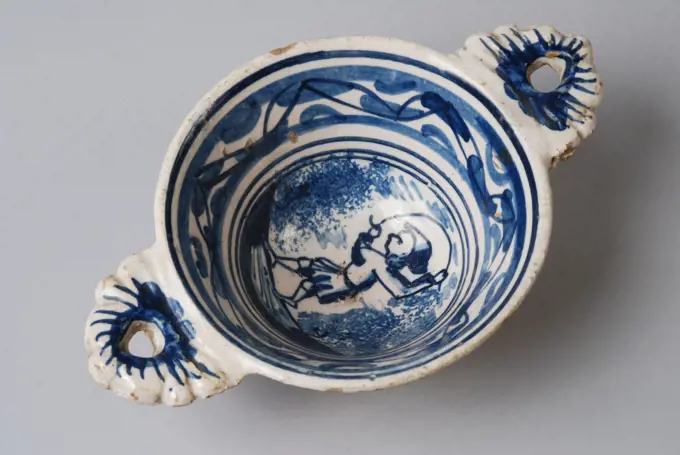
Small faience dish on stand, floral decor in blue on white ground, dish plate crockery holder soil find ceramic earthenware glaze tin glaze, hand turned baked decorated glazed fried Faience dish on stand with sharply raised edge Yellow shard entirely covered with lead glaze. Blue decor on white fond. Floral decor within blue lines circle in the middle with bakfout Unclear mark on the back. Cooked in the back: 2. archeology Valckensteyn Poortugaal Albrandswaard native earthenware served serve tea tea Soil discovery Valugaal Castle Valckensteyn.
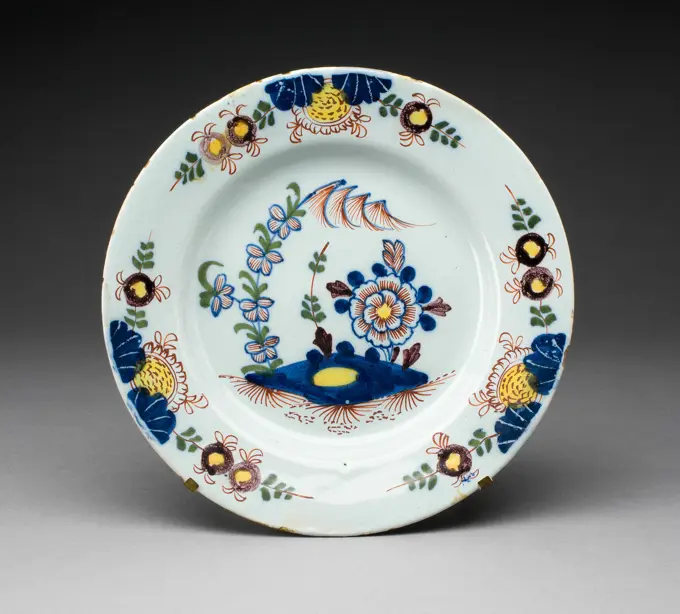
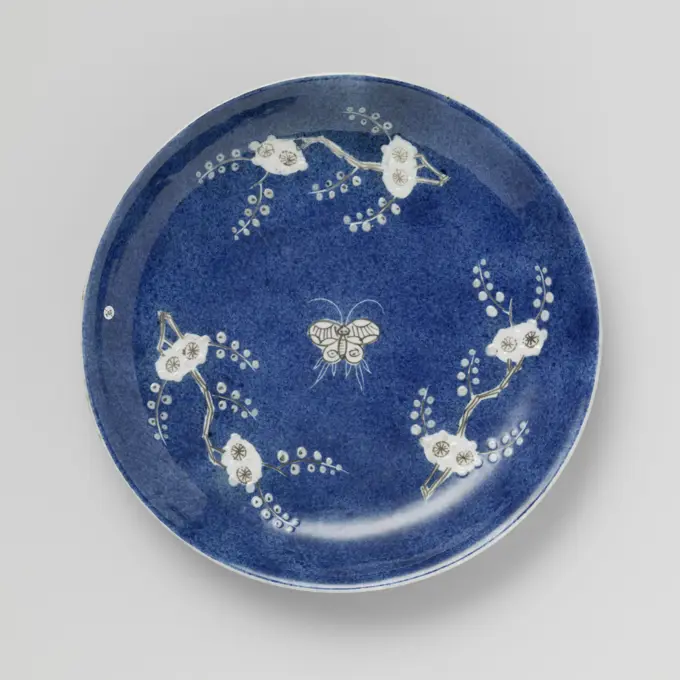
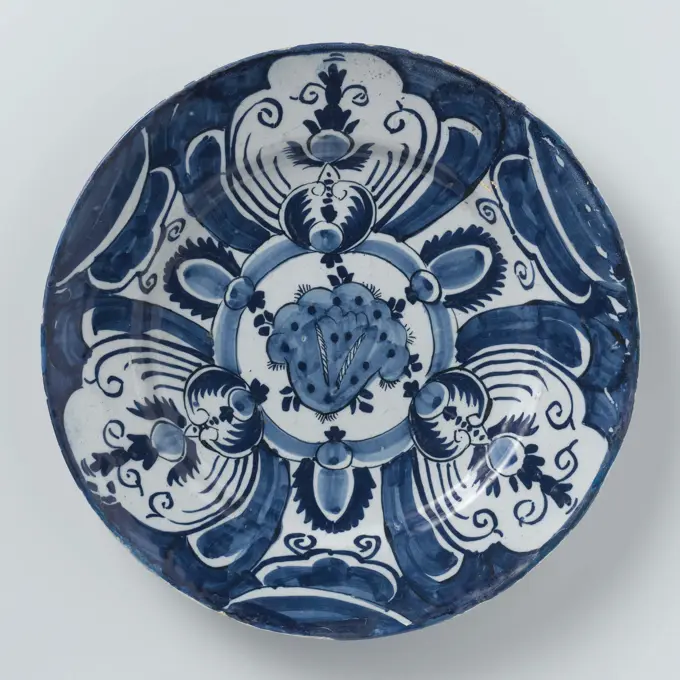
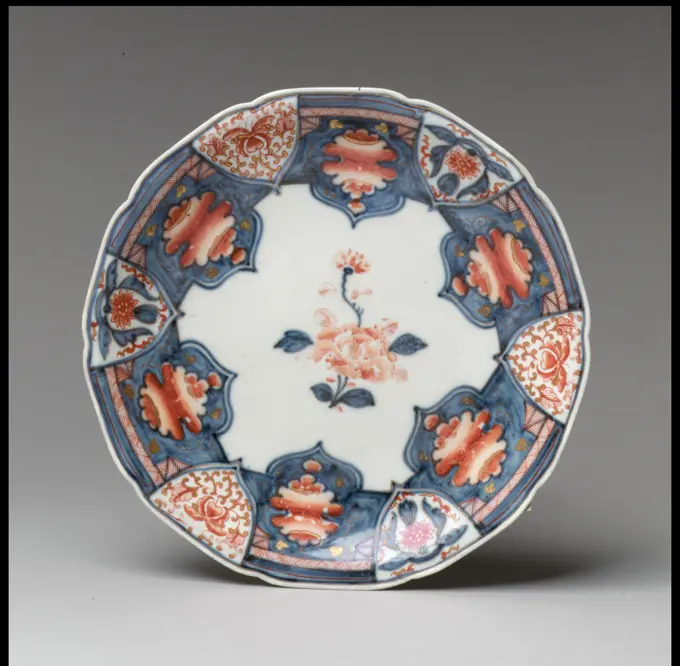
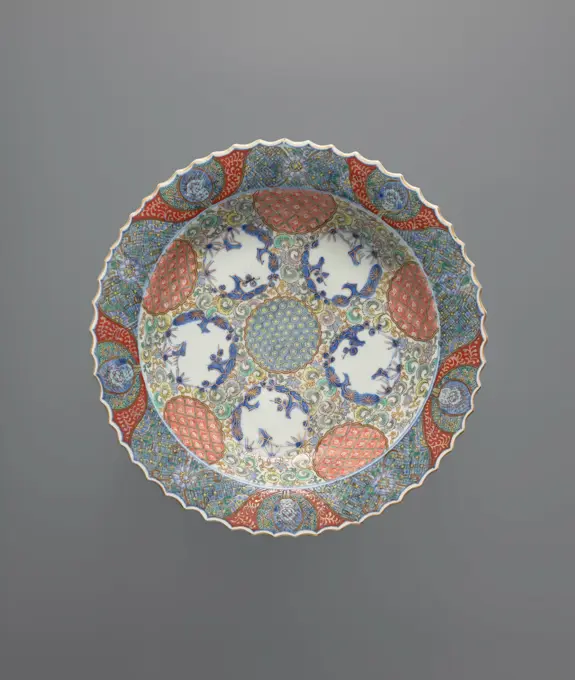
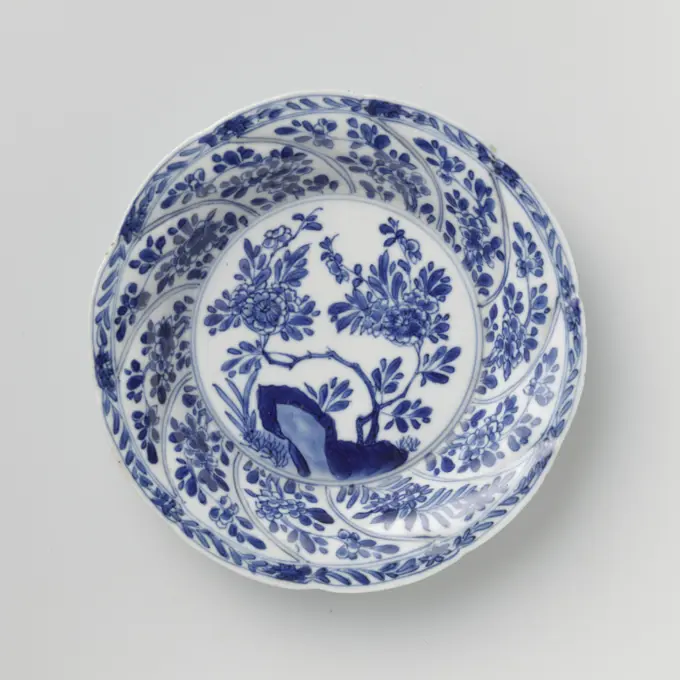
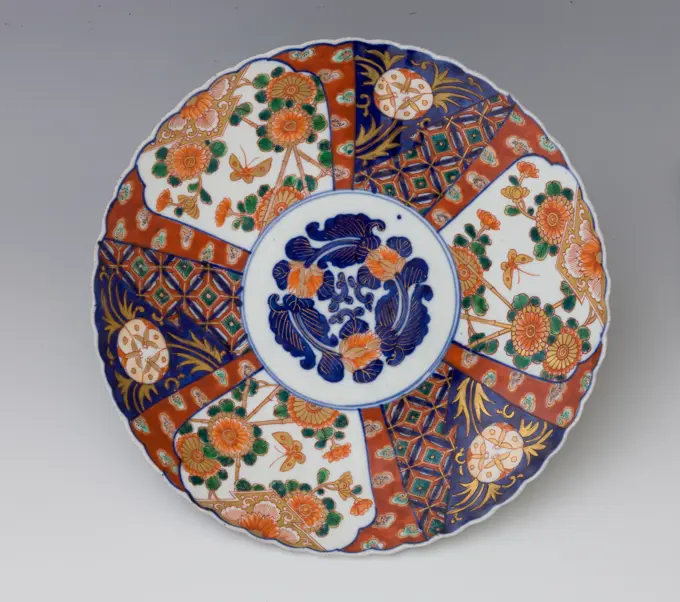
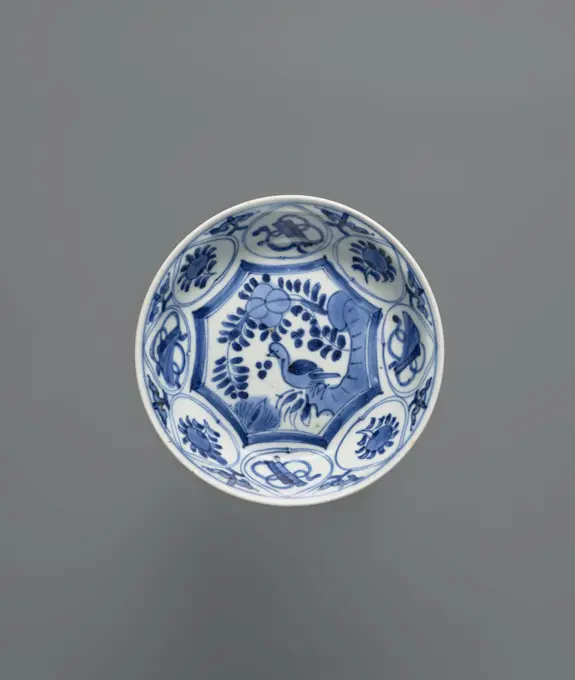
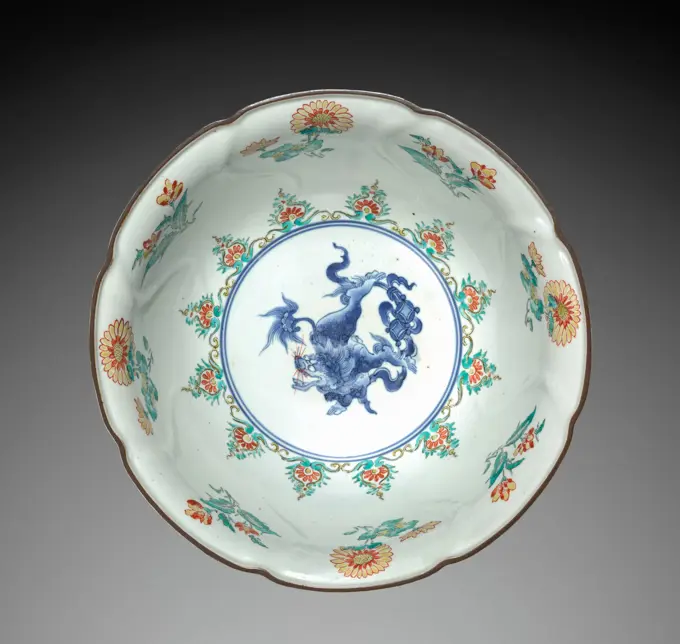
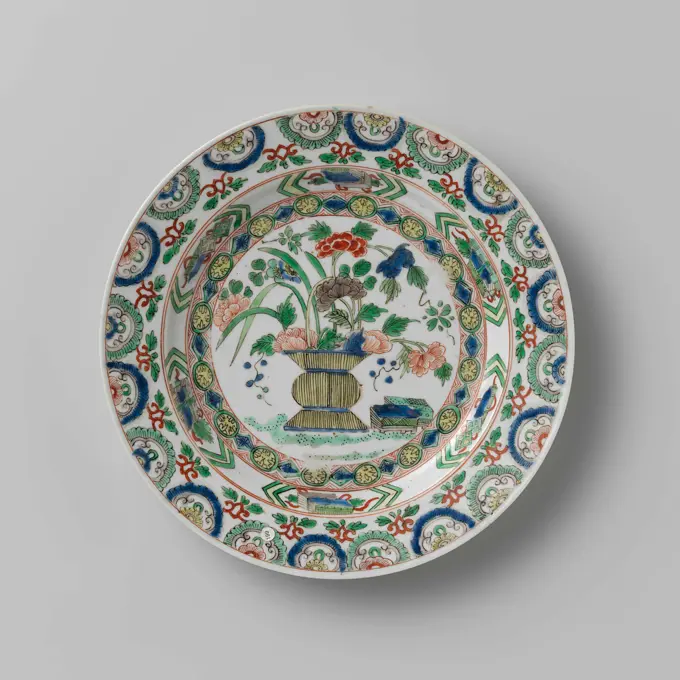
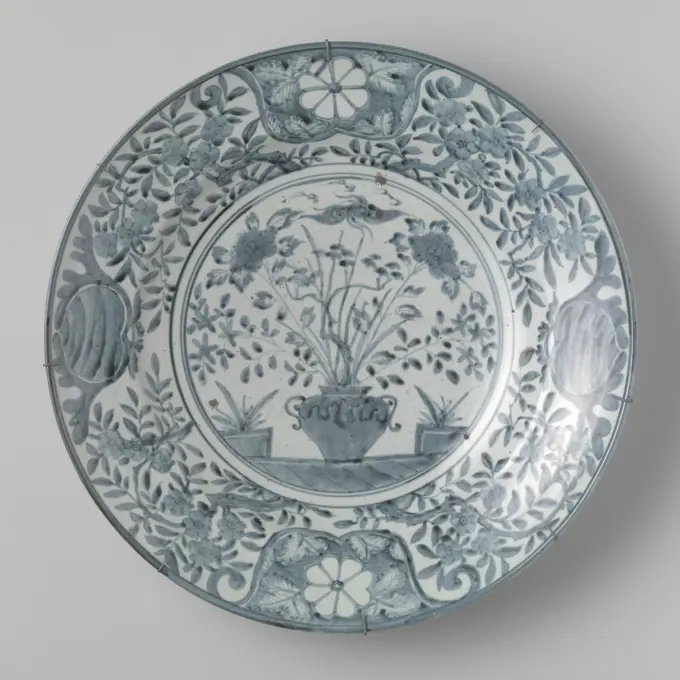
Small faience dish on stand, floral decor in blue on white ground, dish plate crockery holder soil find ceramic earthenware glaze tin glaze, hand turned baked decorated glazed fried Faience dish on stand with sharply raised edge Yellow shard entirely covered with lead glaze. Blue decor on white fond. Floral decor within blue lines circle in the middle with bakfout Unclear mark on the back. Cooked in the back: 2. archeology Valckensteyn Poortugaal Albrandswaard native earthenware served serve tea tea Soil discovery Valugaal Castle Valckensteyn.Dish with a flowerpot and flowering plants, anonymous, anonymous, c. 1670 - c. 1680 Porcelain saucer, painted in under -glaze blue. On the flat in a double medallion a vase with different flowers and with a square pot with a plant on either side. The wall and edge with four large flowering plants (Prunus) with two cartouches in between with a saved flower rosette and leaves and two cartouches with a peach shape comprises by leaves. The dish is caught in a metal frame. Arita, Blauw-Wit. Japan porcelain. glaze. cobalt (mineral) painting / vitrification Porcelain saucer, painted in under -glaze blue. On the flat in a double medallion a vase with different flowers and with a square pot with a plant on either side. The wall and edge with four large flowering plants (Prunus) with two cartouches in between with a saved flower rosette and leaves and two cartouches with a peach shape comprises by leaves. The dish is caught in a metal frame. Arita, Blauw-Wit. Japan porcelain. glaze. cobalt (mineSaucer with flower sprays and ornamental borders, anonymous, c. 1725 - c. 1749 Porcelain dish, painted on the glaze in blue, black and gold. On the flat of the dish a medallion with flower branches; A decorative band around it; on the wall servetwork in gold interspersed with cartouches with flower branches in blue; The edge with servetwork in Encre interspersed with a saved lotus drink in a cartouche. Encre de Chine. China porcelain. glaze. gold (metal) painting / gilding / vitrification Porcelain dish, painted on the glaze in blue, black and gold. On the flat of the dish a medallion with flower branches; A decorative band around it; on the wall servetwork in gold interspersed with cartouches with flower branches in blue; The edge with servetwork in Encre interspersed with a saved lotus drink in a cartouche. Encre de Chine. China porcelain. glaze. gold (metal) painting / gilding / vitrificationPlate With Flowering Plants near A Rock and Pierced Rim. Porcelain plate with partially openwork edge, painted in underglaze blue. On the flat a medallion with large, blooming plants (peony) at a rock. Between the opened parts on the edge scalloped cartouches with flowering plants (orchid, prunus, lotus, aster); Above a band with arrearing. The outer wall with a continuous flower branch; The outer edge with four times a stylized flower branch. Marked on the bottom with a ruyi scepter in a double circle. Blue White.Saucer with "Strohblumen" Pattern Saucer; porcelain, vitreous enamel. The Chinese decorations on this large dish, or charger, are typical of Delftware from the second half of the 17th century. The addition of purple, using manganese pigment, was a new development, however. The painter made optimum use of the two colours in the rendering of the trees and clothing.Imari Plate, c. 1715, 1 x 8 1/2 in. (2.54 x 21.59 cm), Porcelain, China, 18th centurySaucer with a flower basket and floral scrolls, anonymous, c. 1775 - c. 1799 Porcelain saucer, painted in under -glaze blue and on the glaze gold. A flowerpot on the flat in a medallion; The wall is divided into three fan -shaped courses separated by a wide stripe with a flower. In the courses flower vessels. Imari. Japan porcelain. glaze. cobalt (mineral). gold (metal) painting / gilding / vitrification Porcelain saucer, painted in under -glaze blue and on the glaze gold. A flowerpot on the flat in a medallion; The wall is divided into three fan -shaped courses separated by a wide stripe with a flower. In the courses flower vessels. Imari. Japan porcelain. glaze. cobalt (mineral). gold (metal) painting / gilding / vitrificationSaucer with Three Groups or Floral scrolls. Dish of porcelain with lobed edge, painted on the glaze in blue, black and gold. A flower rosette with three groups of flower drinks around it; The border with a tire saved flower drinks in blue email. Porcelain with email colors.Plate ca. 1800 Mexican. Plate 5979Plate Made 1745-1755 Lambeth. Tin-glazed earthenware (Delftware) .Saucer-dish with powder blue, prunus sprays and butterflies, anonymous, c. 1680 - c. 1699 Dish with a round wall of porcelain, painted in underly glaze blue, red and white sludge. The entire front is covered with bleu poudré (powder blue) with a butterfly and three prunus branches saved; The back of the wall is also covered with powder blue. Marked on the underside with the six-character brand of Keizer Xuande in a double circle. Four chips in the edge; A chip in the foot ring. Underglaze blue with copper red. China porcelain. glaze. cobalt (mineral). copper (metal) painting / vitrification Dish with a round wall of porcelain, painted in underly glaze blue, red and white sludge. The entire front is covered with bleu poudré (powder blue) with a butterfly and three prunus branches saved; The back of the wall is also covered with powder blue. Marked on the underside with the six-character brand of Keizer Xuande in a double circle. Four chips in the edge; A chip in the foot ring. UnderglazUnknown, plate, imitation imitation decor (common name). Porcelain, polychrome enamels. Petit Palais, Museum of Fine Arts of the City of Paris.. Plate of faience. Painted blue.bord van faience, anonymous, c. 1730 - c. 1770 Fowence board. Blue painted. Delft . Fowence board. Blue painted. Delft .Dish of faïence with flower decorations, anonymous, c. 1700 - c. 1725 Dish of Faïence. Painted with flower decorations. Delft . Dish of Faïence. Painted with flower decorations. Delft .Dish 18th century. Dish 445235Dish with a water landscape in a star-shaped panel. Dish of porcelain with a round wall, painted in underglaze blue. On the flat a star-shaped cartouche of two intersecting squares; In this a river landscape with two people on a shore and pavilions, trees and mountains. To alternate the cartouche a fruit branch (pomegranate) and lucky symbols. The edge with a tire with Swastika pattern interrupted by floral rosettes. Marked on the underside with the six character mark of Emperor Chenghua in a double circle. Six preen on the bottom. Arita, blue-white.Plate with flower sprays and antiquities, anonymous, c. 1700 - c. 1724 Plate of porcelain with upright wall and sloping edge, painted in underlaze blue. On the flat flower branches (peony), a duck and antiques (vase, books, incense burner); the wall with servetwork interspersed with cartouches with flour; On the edge a tire with curl and flower vines in reserve. Two chips in the edge. Blue White. China porcelain. glaze. cobalt (mineral) painting / vitrification Plate of porcelain with upright wall and sloping edge, painted in underlaze blue. On the flat flower branches (peony), a duck and antiques (vase, books, incense burner); the wall with servetwork interspersed with cartouches with flour; On the edge a tire with curl and flower vines in reserve. Two chips in the edge. Blue White. China porcelain. glaze. cobalt (mineral) painting / vitrificationPlate With Birds On Rocks And Near Flowering Plants. Porcelain plate, painted in underglaze blue and on the glaze red, green and gold. On the flat a medallion with a peacock on a rock in blooming plants, a pond and a flying bird. Around the medallion a continuous floral. The edge with twice a bird on a rock in blooming plants with a flying bird in between. Four preen on the bottom. Imari.Dish;  2nd half 19th century (1851-00-00-1900-00-00);Plate. Augusteyne Reygensburgh; Dutch, 18th century. Date: 1700-1725. Dimensions: Diameter: 23.6 cm (9 5/16 in.). Tin-glazed earthenware (Delftware). Origin: Delft. Museum: The Chicago Art Institute, Chicago, USA.Plate With Rock, Butterflies and Flowering Plants. Porcelain plate, painted in underglaze blue and on the glaze blue, red, green, yellow, eggplant and black. On the flat butterflies and flowering plants at a rock; The edge with four flower groups (Chrysanthemum, Peony, Aster) interspersed with two butterflies; Three flower branches on the back. Marked on the bottom with an incense burner in a double circle. Edge restored. Famille Verte.Plate probably ca. 1750 Possibly made at Imperial Porcelain Manufactory The gift of the Hans Syz Collection in 1995 endowed the Museum with nearly three hundred examples of European and Asian ceramics meticulously acquired by Swiss-born collector Dr. Syz (1894-1991) to chart the migration of models and patterns from East to West. Documenting a continuous process of influence and adaptation, these pieces provide a discriminating review of the nuances of stylistic change resulting from three centuries of trade.. Plate 208517Plate with flower sprays and figures in an interior and in a landscape, anonymous, c. 1700 - c. 1724 Plate of porcelain with upright wall and sloping edge, painted in underlaze blue. On the flat a raised medallion in the center with six people in an interior around a table; Around it four times a flower branch (Prunus, Pioen, Lotus, Chrysanthemum); the edge with a continuous landscape with scholars and their servants; the back of the edge with flower vines; The back of the wall with four times a flower branch (Prunus, Pioen, Lotus, Chrysanthemum). Blue White. China porcelain. glaze. cobalt (mineral) painting / vitrification Plate of porcelain with upright wall and sloping edge, painted in underlaze blue. On the flat a raised medallion in the center with six people in an interior around a table; Around it four times a flower branch (Prunus, Pioen, Lotus, Chrysanthemum); the edge with a continuous landscape with scholars and their servants; the back of the edge with flower vines; The bacFaïence board with flower vase, the Greek A, c. 1705 - c. 1725 Faïence board. Multicolored painted with flower vase and decorated edges. Delft . Faïence board. Multicolored painted with flower vase and decorated edges. Delft .Plate;  around 1800-1860 (1800-00-00-1860-00-00);Saucer with twisted panels and flower sprays, anonymous, c. 1680 - c. 1720 Porcelain saucer with round wall modeled in ten twisted courses, painted in underlaze blue. On the flat a rock with a flower branch and plants; A flower branch on the wall in each box; the edge with a flower drink; On the back also a flower branch in each box. Marked on the underside with the Chinese character 'Fú' in a double circle. A chip in the edge. Blue White. China porcelain. glaze. cobalt (mineral) painting / vitrification Porcelain saucer with round wall modeled in ten twisted courses, painted in underlaze blue. On the flat a rock with a flower branch and plants; A flower branch on the wall in each box; the edge with a flower drink; On the back also a flower branch in each box. Marked on the underside with the Chinese character 'Fú' in a double circle. A chip in the edge. Blue White. China porcelain. glaze. cobalt (mineral) painting / vitrificationIMari plate with a corrugated edge unknownCharger ca. 1680 British English delftware often copied designs directly from imported Chinese porcelain, such as this example decorated in a blue-and-white floral pattern. This charger would have been a showpiece in an early colonial home.. Charger. British. ca. 1680. Tin-glazed earthenware. Made in EnglandPlate (Sara);  2nd half XVII century (1601-00-00-1700-00-00);Bowl with Lion and Flowers, 1700s. Japan, Edo period (1615-1868). Porcelain, molded, with underglaze blue and overglaze color enamel (Hizen ware, Kakiemon type); diameter: 25.1 cm (9 7/8 in.); overall: 10.9 cm (4 5/16 in.).Plate With a Flower Basket and Precious Objects. Porcelain plate, painted in underglaze blue and on the glaze blue, red, green, yellow, eggplant and black. On the flat in a medallion a floral basket to which two standards with books, to make the medallion a tire with a single motive; the wall with valuables (window) and lucky symbols (books, lotus stalks, rolls) in cartouches; On the edge a bond with a ruyi motifs pattern with floral drinks; The back with three flower branches. Marked on the bottom with a flowering plant in a double circle. Old label on the bottom with 'May'. Famille Verte.. Bowl of porcelain bowl with a scalloped edge, painted in underglaze blue. In the bottom insects in flowering plants; The inner wall is divided into four wide compartments with a peach or flower branch in a scalloped cartouche, four narrow compartments with snares in between; The inner edge with napkin interspersed with ruyi motif and fruit branches in cartouches; the outer edge with two flower branches; The outer wall with four scalloped cartouches with dots and four narrow courses. A chip in the edge. Kraakporkein.. Dish of Faïence. Painted with a flower vase and birds.Plate of multi -colored Faïence, Anonymous, c. 1700 - c. 1725 Faïence board. Multicolored painted with a Chinese water landscape and lambrequins, in Imari colors. Delft . Faïence board. Multicolored painted with a Chinese water landscape and lambrequins, in Imari colors. Delft .. Dish of porcelain with raised wall and sloping edge, painted in underglaze blue and on the glaze blue, red, green, yellow, eggplant, black and gold with flower branches and river landscapes. The dish is covered with bleu poudré (powder blue) with in gold flower branches on the wall, on the edge lobby compartments with flower branch; On the flat a cartouche in reserve with a brace-shaped edge filled with a river country landscape with persons, pavilions, mountains and trees; On the wall scalloped cartouches in reserve with alternating a river landscape and a flower branch with rocks; On the back three times a flower drink. Marked on the bottom with a diamond in a double circle. Bleu poudré with famille verte.Plate, with a Chinese landscape on the flat, Nicolaas Antoine Bosch, c. 1853 - c. 1867 Plate of pottery with blue transfer decor. The flat with a Chinese landscape with a few buildings, two birds and a bridge on which three people walk. The edge with geometric motifs. Maastricht . Plate of pottery with blue transfer decor. The flat with a Chinese landscape with a few buildings, two birds and a bridge on which three people walk. The edge with geometric motifs. Maastricht .Plate with flower sprays and figures in an interior and in a landscape, anonymous, c. 1700 - c. 1724 Plate of porcelain with upright wall and sloping edge, painted in underlaze blue. On the flat a raised medallion in the center with six people in an interior around a table; Around it four times a flower branch (Prunus, Pioen, Lotus, Chrysanthemum); the edge with a continuous landscape with scholars and their servants; the back of the edge with flower vines; The back of the wall with four times a flower branch (Prunus, Pioen, Lotus, Chrysanthemum). Some chips in the edge. Blue White. China porcelain. glaze. cobalt (mineral) painting / vitrification Plate of porcelain with upright wall and sloping edge, painted in underlaze blue. On the flat a raised medallion in the center with six people in an interior around a table; Around it four times a flower branch (Prunus, Pioen, Lotus, Chrysanthemum); the edge with a continuous landscape with scholars and their servants; the back of the edge wiTwo dishes, Willem Jansz. Verstraeten (attributed to), c. 1650 - c. 1665 Daadel van Faience with a decoration inspired by the Chinese porcelain from the transition period Haarlem . Daadel van Faience with a decoration inspired by the Chinese porcelain from the transition period Haarlem .A plate;  XVII/ 18th century (1701-00-00-1800-00-00);crespina, 16th century, Desbrull house, Museu de Mallorca, Palma, Majorca, Spain.Commemorative plate - Monument to Sir George-Étienne CartierPlate. Worcester Porcelain Factory; Worcester, England, founded 1751. Date: 1775-1785. Dimensions: Diam. 21.6 cm (8 1/2 in.). Soft-paste porcelain with polychrome enamels and gilding. Origin: Worcester. Museum: The Chicago Art Institute, Chicago, USA. Author: Worcester Royal Porcelain Company.. Plate of faience. Blue painted with a large flower and edge decorations.Dish with Lotus Sprays, Floral Scrolls, and Lotus Petals. Vietnam, 1450-1550. Furnishings; Serviceware. Wheel-thrown stoneware with cream slip, underglaze blue painted decoration, and clear glazePlatter, c. 1800, H.1-1/4 x W.11-5/8 x D.8-15/16 in., Porcelain, enamel, China, 18th-19th centuryOctagonal saucer with light brown, animals and flower sprays, anonymous, c. 1700 - c. 1724 Octagonal dish of porcelain, partially covered with café-au-lait, painted in underly glaze blue and on the glaze red, green, yellow, aubergine and black. On the flat two hares and two birds with a rock with flowering plants; the wall with flower branches and butterflies in a professional decoration; The edge with zigzag work interspersed with flowers. The outside is covered with a cafe-au-lait-colored glaze with flower branches. Marked on the underside with a character in a double circle. Famle distance with monochrome brown glaze. China porcelain. glaze. cobalt (mineral) painting / painting Octagonal dish of porcelain, partially covered with café-au-lait, painted in underly glaze blue and on the glaze red, green, yellow, aubergine and black. On the flat two hares and two birds with a rock with flowering plants; the wall with flower branches and butterflies in a professional decoration; The edge Plate - Joseph Clementson, 1839-1864 Joseph Clementson, 1839-1864Dish with Phoenixes and Dragons 16th century China. Dish with Phoenixes and Dragons. China. 16th century. Porcelain painted with colored enamels over transparent glaze (Jingdezhen ware). Ming dynasty (1644-1368), probably Jiajing period (1522-66). CeramicsLarge saucer, from a tea service, 18th century, Worcester Porcelain Works (a.k.a. Royal Worcester Porcelain Company), Worcester, England, est. 1751, Porcelain, England, 18th centuryDish of porcelain, pate tendre, decorated in blue and white. Dish of porcelain, pate tendre, decorated in blue and white with a wreath of flowers and leaves. According to the heading (A).Dish. The recipe for making porcelain was not known in Europe until the 18th century. European potters produced earthenware covered with a layer of tin glaze. This dish clearly demonstrates the influence of Chinese porcelain. The painted decorations, however, are much simpler thanthose found on genuine porcelain. Moreover, the back of the dish is not white; the yellow clay is merely covered with a transparent lead glaze.Plate. Wedgwood Manufactory; England, founded 1759. Date: 1775-1785. Dimensions: Diam. 21.1 cm (8 5/16 in.); depth: 3.8 cm (1 1/2 in.). Stoneware (jasperware). Origin: Burslem. Museum: The Chicago Art Institute, Chicago, USA.Dinner plate - Chaudière Bridge Ridgway, Morley, Wear & Company Ridgway, Morley, Wear & CompanySoup plate - Montreal William Davenport & Company, 1835-1881 William Davenport & Company, 1835-1881Crespina plate. unknown, authorPlate, with a few figures in a garden on the flat. Pottery plate with blue transfer decor. On the flat some figures in a garden. The edge with four cartouches in which two figures in a garden. Between the cartouches garlands of flowers, volutes and leafwork.Dishwill of ross -baking earthenware, with a foot ring, with a painting in blue, green and orange, with a vase with flowers, and on the edge of the dish blue stripes, anonymous, 1600 - 1650  Northern Netherlands earthenware. glaze majolica  Northern Netherlands earthenware. glaze majolicaA plate;  End of the 19th century () (1891-00-00-1900-00-00);Fragments plate from V.O.C.-ship De 'Witte Leeuw', Anonymous, Before 1613 plate (dishes) Plate from V.O.C. ship the 'Witte Leeuw' with a flat edge, decorated in underlaze blue, 60 present; Parts of the flat and the wall are missing. The shard is glassy white and has little ingrained dirt. The glaze is blue tinted and has pinholes and small baking cracks on the corners of the lip edge. The glaze crumbles over parts of the lip edge. The bottom is glazed. The foot ring is inside, is V-shaped and faceted. More than 20 grains of oven sand have been found. In the flat a grasshopper on a rock with flowering plants; The show is enclosed by a accolade -shaped edge filled with geometric motifs. On the wall and edge a division into wide and narrow fields filled with happiness symbols and flowers. Jingdezhen porcelain. bone china (material)   Sint-HelenaDecagonal dish with brushwood fences, bamboo, prunus and pheasants., anonymous, c. 1680 - c. 1700 Tien angle of porcelain plate, painted in underly glaze blue and on the glaze in red, green, yellow, black and gold with bamboo stalks and bound hedge with a flowering prunus tree that contains a pheasant, with bamboo left and a pheasant, along the brown edge a Band of leaf and flower motifs, on the back continuous leaf vines. The decoration on the glaze has disappeared from the upper two -thirds part. Three pronins and a brand of an unidentified character in the foot ring. Old label on the bottom with 'Collection Westendorp/ 136'. Kakiemon. Japan porcelain. glaze. gold (metal) painting / gilding / vitrification Tien angle of porcelain plate, painted in underly glaze blue and on the glaze in red, green, yellow, black and gold with bamboo stalks and bound hedge with a flowering prunus tree that contains a pheasant, with bamboo left and a pheasant, along the brown edge a Band of leaf and floDish China. Dish. China. Porcelain. Qing dynasty (1644-1911), Kangxi period (1662-1722). CeramicsSaucer With Scrolls and Stylised Flowers. Dish of porcelain with six times lobed edge, painted on the glaze in red, black and gold. On the flat a medallion with stylized flower and tendrils; To medallion a bond with connected stylized flowers, branches and tenders; The edge with six cartouches with flower branch. A chip in the edge of the dish. Milk and blood.Saucer early 18th century Chinese, for European market The gift of the Hans Syz Collection in 1995 endowed the Museum with nearly three hundred examples of European and Asian ceramics meticulously acquired by Swiss-born collector Dr. Syz (1894-1991) to chart the migration of models and patterns from East to West. Documenting a continuous process of influence and adaptation, these pieces provide a discriminating review of the nuances of stylistic change resulting from three centuries of trade.. Saucer 208240Dish 16th-17th century. Dish 444887Fragment plate or dish of porcelain from V.O.C.-ship De 'Witte Leeuw', Before 1613 plate (dishes) Fragment plate or porcelain dish from V.O.C. ship De 'Witte Leeuw', 75 present. Jingdezhen porcelain   Sint-HelenaA plate with decoration Imari; Porzellanmanufaktur du Paquier (Vienna; 1718-1744); around 1730 (1725-00-00-1735-00-00);Armorial Plate. Culture: Japan. Dimensions: H. 3 1/2 in. (8.9 cm); Diam. 21 15/16 in. (55.7 cm); Diam. of foot: 10 3/4 in. (27.3 cm). Date: ca. 1690. Museum: Metropolitan Museum of Art, New York, USA.Plate - Acadia Inconnu / UnknownBord van faience, anonymous, c. 1750 - c. 1775 Fowence board. Blue painted with a Chinese vase with flowers. Delft . Fowence board. Blue painted with a Chinese vase with flowers. Delft .Plate of multi -colored hard baked pottery; Staffordshire., Anonymous, c. 1750 - c. 1780 Plate of multi -colored hard baked pottery. The edge is decorated in relief with grille work, interspersed with two next to each other -placed symmetrical floral motifs. The scalloped edge is decorated on the inside with volutes and leaf motifs. The plate is covered with a spotted lead glaze in manganese, green, gray and yellow. The back is dotted in manganese and has a foot edge. The sign is part of five plates (BK-1987-39-A to BK-1987-39-F). England earthenware. lead glaze Plate of multi -colored hard baked pottery. The edge is decorated in relief with grille work, interspersed with two next to each other -placed symmetrical floral motifs. The scalloped edge is decorated on the inside with volutes and leaf motifs. The plate is covered with a spotted lead glaze in manganese, green, gray and yellow. The back is dotted in manganese and has a foot edge. The sign is part of five plates (BK-1987-39-A tBowl with Floral Sprays and Medallions with Figure in Landscape, 1723-35. China, Jiangxi province, Jingdezhen kilns, Qing dynasty (1644-1911), Yongzheng mark and reign (1723-35). Porcelain with underglaze blue decoration (interior) and café-au-lait glaze (exterior); diameter: 14.6 cm (5 3/4 in.); overall: 7 cm (2 3/4 in.).Plate 1625-1675 Haarlem. Majolica .Sweetmeat Dish Dish; Attributed to Adriaen Kocx (d. 1701); Manufactured by Grieksche A de (the Greek A Factory) (Netherlands); Netherlands; tin-glazed earthenware; 3 x 34.5 x 34.5 cm (1 3/16 x 13 9/16 x 13 9/16 in.); Bequest of Walter Phelps Warren; 1986-61-42Dish Depicting a Woman Bust and Floral Decoration first half 17th century. Dish Depicting a Woman Bust and Floral Decoration 446650White House China. Plate from the White House china collection.Plate, late 1700s. France, Moustiers(), late 18th century. Faience; diameter: 24.2 cm (9 1/2 in.).Plate, multicolored painted with a deer on the flat inside concentric circles. Scalloped edge with studs., Anonymous, c. 1620 - c. 1635 Round plate of multi -colored painted majolica. On the flat, a deer is painted on a ground within concentric circles and aigrettes on the edge. The edge is scalloped and has studs. Holland earthenware. tin glaze. lead glaze majolica Round plate of multi -colored painted majolica. On the flat, a deer is painted on a ground within concentric circles and aigrettes on the edge. The edge is scalloped and has studs. Holland earthenware. tin glaze. lead glaze majolica. Plate of faience. Blue painted with a Chinese vase with flowers.Dish with the construction of the temple in Jerusalem, Johannes Verhagen, 1728 Dish of Faïence. Blue painted with the construction of the temple of Jerusalem. Marked: i v h, and dated: 1728. Delft . Dish of Faïence. Blue painted with the construction of the temple of Jerusalem. Marked: i v h, and dated: 1728. Delft .Plate, 15th century, 1 7/8 x 9 7/8 in. (4.76 x 25.08 cm), Kalong ware Stoneware with underglaze brown decor, Thailand, 15th centuryScale of multi -colored Faïence, the Greek A, c. 1700 - c. 1725 Scale of Faïence. Multicolored painted with a rosette and sprinkling flowers. Marked with the monogram A R. Delft . Scale of Faïence. Multicolored painted with a rosette and sprinkling flowers. Marked with the monogram A R. Delft .White House China. Plate from the White House china collection.Saucer With Flowering Plants Near a Rock. Dish of porcelain, partially covered with a brown glaze, painted in underglaze blue and on the glaze in red and gold. On the flat of the dish flowering plants at a rock; The edge with napkin interspersed with a flower branch in a cart shower; The outside is covered with a brown glaze. A chip in the edge of the dish. Chinese Imari with monochrome brown.Majolica dish, jumping rope in the mirror, pop bowl bowl tableware holder soil find ceramic earthenware glaze lead glaze tin glaze, hand-turned baked painted glazed fried Majolica papkom. Standring. Monochrome decor blue Central representation of child jumping on the string. underside of lead glaze. Outstanding lobed ears through which small round hole of archeology serves to serve porridgeSaucer-dish with bamboo, prunus, tiger and a Chinese boy, anonymous, c. 1700 - c. 1724 Scale of porcelain with a ribbed wall and lobed edge, painted on the glaze in blue, red, green, yellow, black and gold. On the front a dancing Chinese boy between three tigers on one side and bamboo and prunus branch behind hedges on the other. Famle Verte in the Japanese Kakiemon style. NB: broken in box. China porcelain. glaze. gold (metal) painting / gilding / vitrification Scale of porcelain with a ribbed wall and lobed edge, painted on the glaze in blue, red, green, yellow, black and gold. On the front a dancing Chinese boy between three tigers on one side and bamboo and prunus branch behind hedges on the other. Famle Verte in the Japanese Kakiemon style. NB: broken in box. China porcelain. glaze. gold (metal) painting / gilding / vitrificationPlateau ca. 1720 French, Rouen Faience, or tin-glazed and enameled earthenware, first emerged in France during the sixteenth century, reaching widespread usage among elite patrons during the seventeenth and early eighteenth centuries, prior to the establishment of soft-paste porcelain factories. Although characterized as more provincial in style than porcelain, French faience was used at the court of Louis XIV as part of elaborate meals and displays, with large-scale vessels incorporated into the Baroque garden designs of Versailles. Earlier examples of French faience attest to the strong influence of maiolica artists from Italy. Later works demonstrate the ways in which cities such as Nevers, Rouen, Lyon, Moustiers, and Marseille developed innovative vessel shapes and decorative motifs prized among collectors throughout Europe. While faience can be created from a wide mixture of clays, it is foremost distinguished by the milky opaque white color achieved by the addition of tin oxide tSign from V.O.C.-ship De 'Witte Leeuw', Anonymous, Before 1613 plate (dishes) Sign from V.O.C. ship De 'Witte Leeuw', 98  present. Jingdezhen bone china (material)  flowers ~ ornament - AA - stylized Sint-HelenaPlate. Culture: American. Dimensions: Diam. 12 1/4 in. (31.1 cm). Maker: Possibly Heinrich Roth (active ca. 1790-1810). Date: 1793.Pennsylvania German potters of the late eighteenth and early nineteenth centuries, utilizing the locally available red clay, produced for a local market utilitarian earthenware pieces as well as more elaborate wares. These immigrant craftsmen brought skills and decorative traditions from their homeland. This plate from Northampton County exemplifies the sgraffito technique employed by many Pennsylvania Germans. The method involves coating the hardened clay with white slip and then scratching through the surface with a sharp tool to reveal the red layer beneath. This piece, like many of its kind, features a simplified peacock and floral motif. Museum: Metropolitan Museum of Art, New York, USA.Oriental Plate; Manufactured by New Wharf Pottery Co.; England; glazed earthenwareSaucer with a flower spray and flowering plants, anonymous, c. 1775 - c. 1799 Porcelain saucer, painted in underly glaze blue and on the glaze red and gold. A flower branch on the flat in a medallion. Around the medallion flowering plants from the flat on the wall. Imari. Japan porcelain. glaze. cobalt (mineral). gold (metal) painting / gilding / vitrification Porcelain saucer, painted in underly glaze blue and on the glaze red and gold. A flower branch on the flat in a medallion. Around the medallion flowering plants from the flat on the wall. Imari. Japan porcelain. glaze. cobalt (mineral). gold (metal) painting / gilding / vitrificationPlate. unknown, craftsmanA plate;  19th century (1801-00-00-1900-00-00);Saucer with the 'three friends of winter', anonymous, c. 1670 - c. 1700 Porcelain dish, painted on the glaze in blue, red, green, black and gold with the 'three friends of winter' (bamboo, prunus, pine), with two bound hedges. Brown edge. Kakiemon style. Japan porcelain. glaze. gold (metal) painting / gilding / vitrification Porcelain dish, painted on the glaze in blue, red, green, black and gold with the 'three friends of winter' (bamboo, prunus, pine), with two bound hedges. Brown edge. Kakiemon style. Japan porcelain. glaze. gold (metal) painting / gilding / vitrificationScale, octagonal, painted multi-colored with a kakiemon decor. Scale of painted porcelain. The scale has an octagonal edge and is painted with the Shiba Onkô motif. The scale has been marked.Octagonal dish possibly 17th century possibly Middle Eastern, for export market This dish reflects the decorative language of Chinese porcelains of the sixteenth and seventeenth centuries, although the poor quality of its manufacture indicates that it was not made in China, which excelled in the production of all types of ceramics. The blue and white palette established by the Chinese became the global symbol of porcelain, and the motifs painted on this dish are derived from Chinese examples.. Octagonal dish. possibly Middle Eastern, for export market. possibly 17th century. Porcellaneous white stoneware. Ceramics-Porcelain-ExportPlate ca. 1750-60 French, Rouen Faience, or tin-glazed and enameled earthenware, first emerged in France during the sixteenth century, reaching widespread usage among elite patrons during the seventeenth and early eighteenth centuries, prior to the establishment of soft-paste porcelain factories. Although characterized as more provincial in style than porcelain, French faience was used at the court of Louis XIV as part of elaborate meals and displays, with large-scale vessels incorporated into the Baroque garden designs of Versailles. Earlier examples of French faience attest to the strong influence of maiolica artists from Italy. Later works demonstrate the ways in which cities such as Nevers, Rouen, Lyon, Moustiers, and Marseille developed innovative vessel shapes and decorative motifs prized among collectors throughout Europe. While faience can be created from a wide mixture of clays, it is foremost distinguished by the milky opaque white color achieved by the addition of tin oxide Saucer-dish with precious objects and antiquities, anonymous, c. 1700 - c. 1724 Dish with round wall of porcelain, painted in underly glaze blue and on the glaze blue, red, green, yellow, eggplant and black. On the Plat Chinese antiques; The underside with four valuables. Marked on the underside with the four-character brand of Keizer Xuande in a double circle. Chip in the edge; Three cracks in the edge. Famle Verte. China porcelain. glaze. cobalt (mineral) painting / vitrification Dish with round wall of porcelain, painted in underly glaze blue and on the glaze blue, red, green, yellow, eggplant and black. On the Plat Chinese antiques; The underside with four valuables. Marked on the underside with the four-character brand of Keizer Xuande in a double circle. Chip in the edge; Three cracks in the edge. Famle Verte. China porcelain. glaze. cobalt (mineral) painting / vitrificationSoup plate - D'après George L. Ashworth & Brothers, 1862-1968