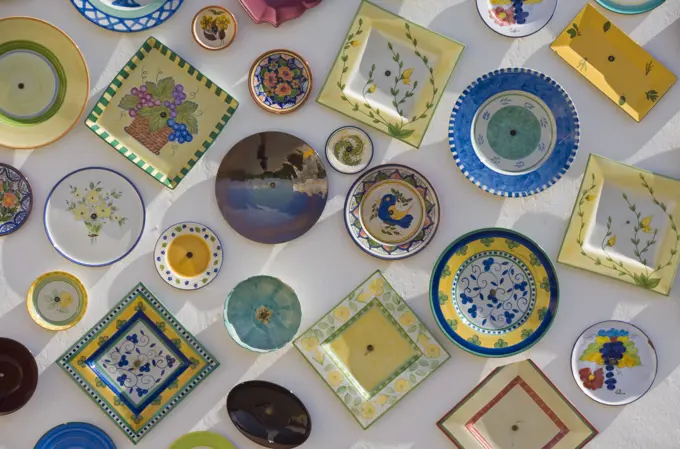
Decorative Ceramic Dishes

This collection features an array of decorative ceramic dishes with intricate floral designs, showcasing varying styles and glaze techniques in blue and white tones.
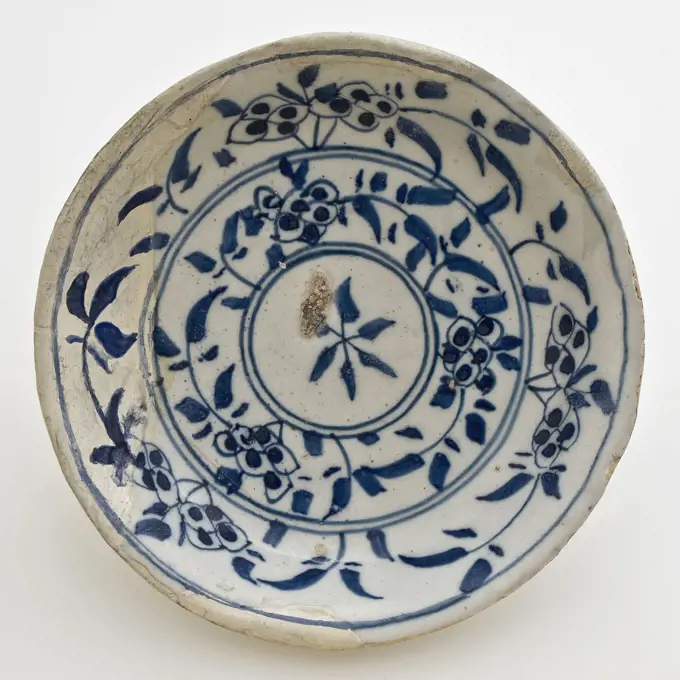
Small faience dish on stand, floral decor in blue on white ground, dish plate crockery holder soil find ceramic earthenware glaze tin glaze, hand turned baked decorated glazed fried Faience dish on stand with sharply raised edge Yellow shard entirely covered with lead glaze. Blue decor on white fond. Floral decor within blue lines circle in the middle with bakfout Unclear mark on the back. Cooked in the back: 2. archeology Valckensteyn Poortugaal Albrandswaard native earthenware served serve tea tea Soil discovery Valugaal Castle Valckensteyn.
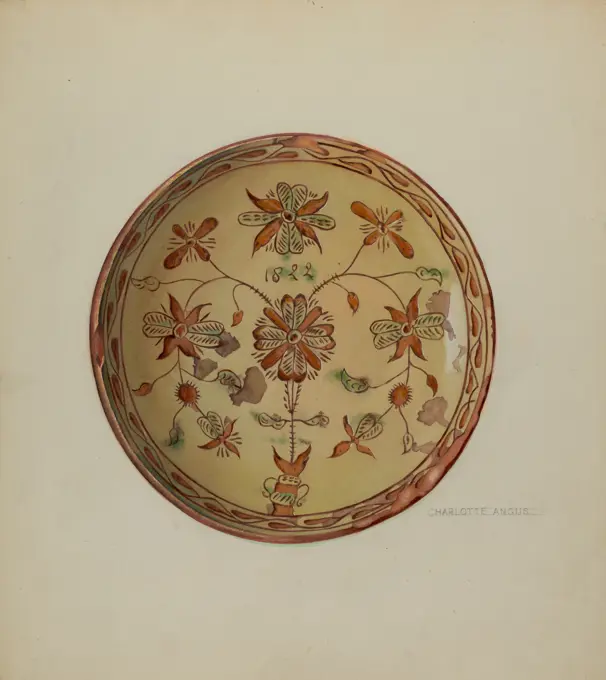
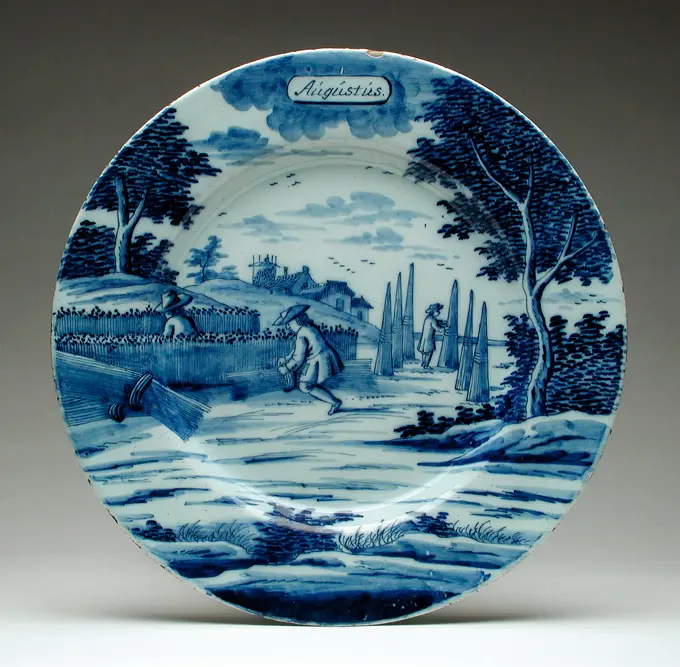
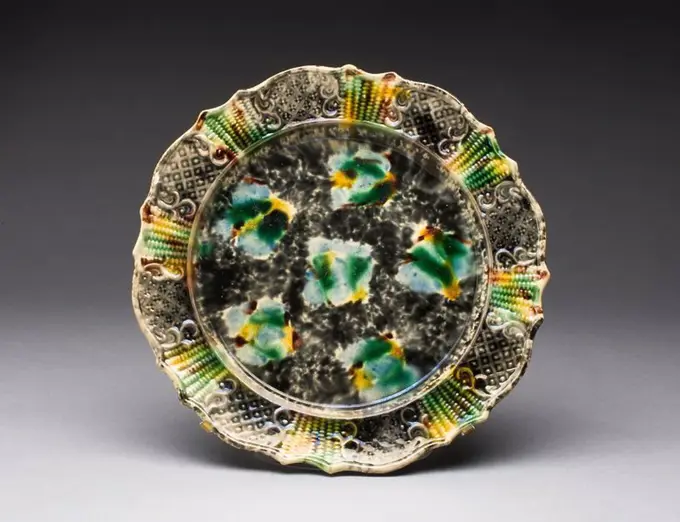
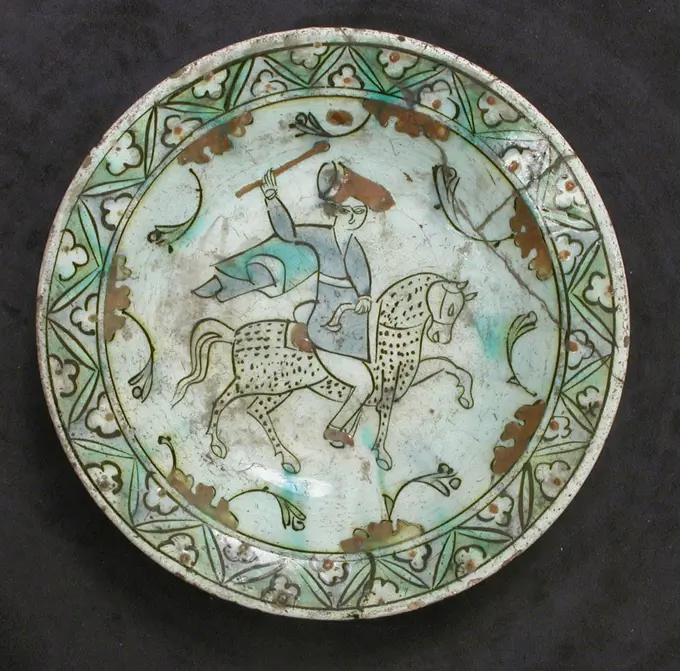
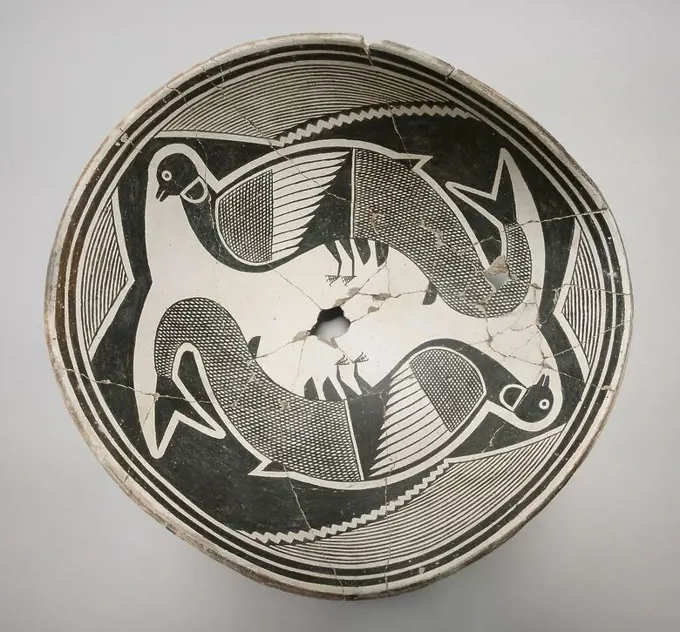
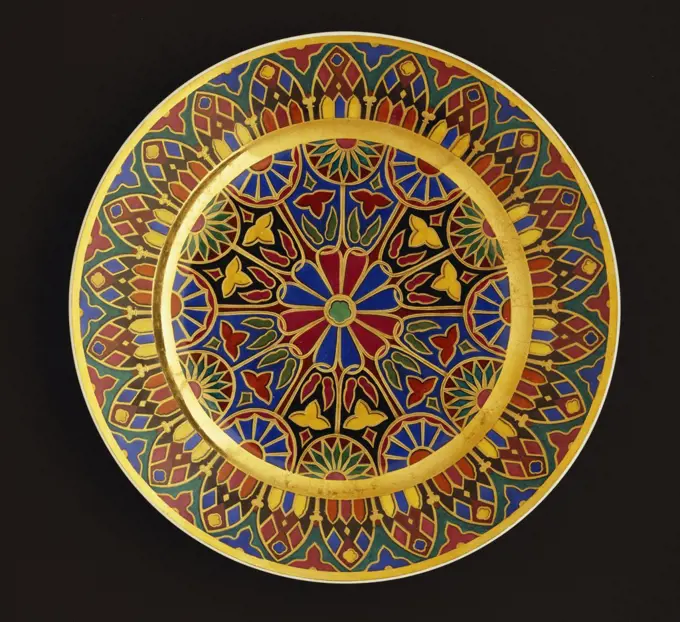
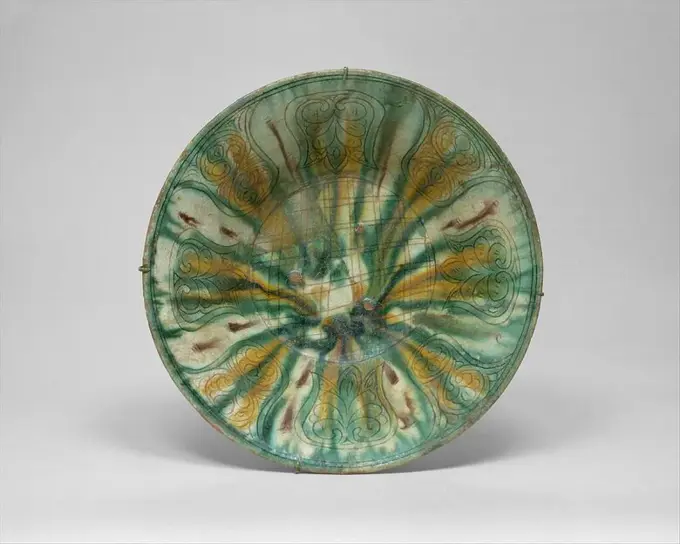
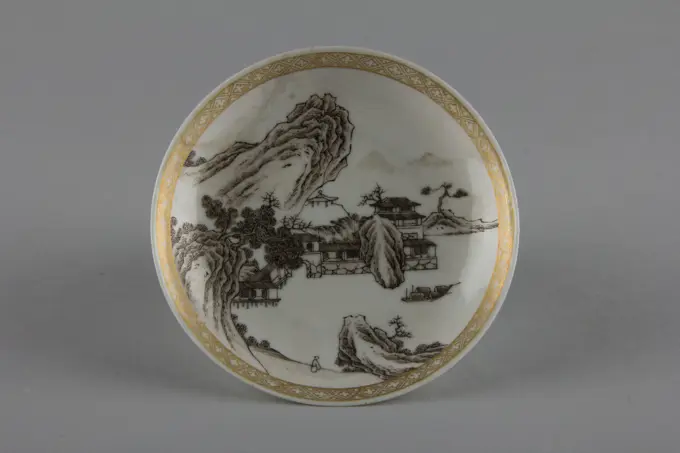
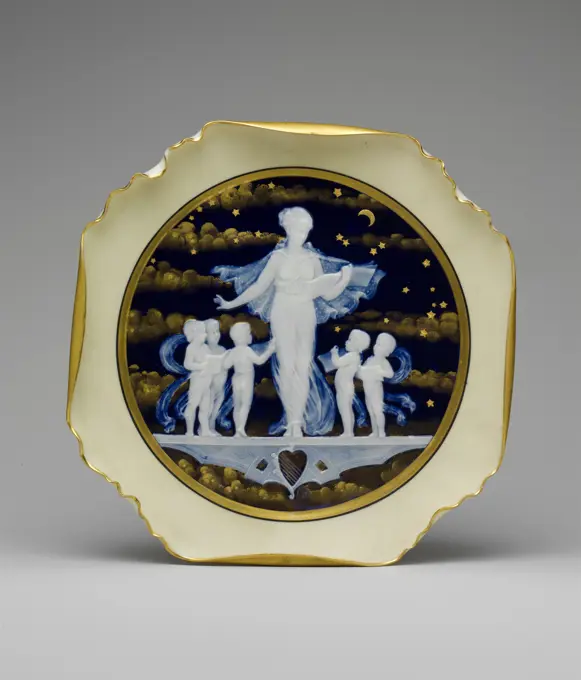
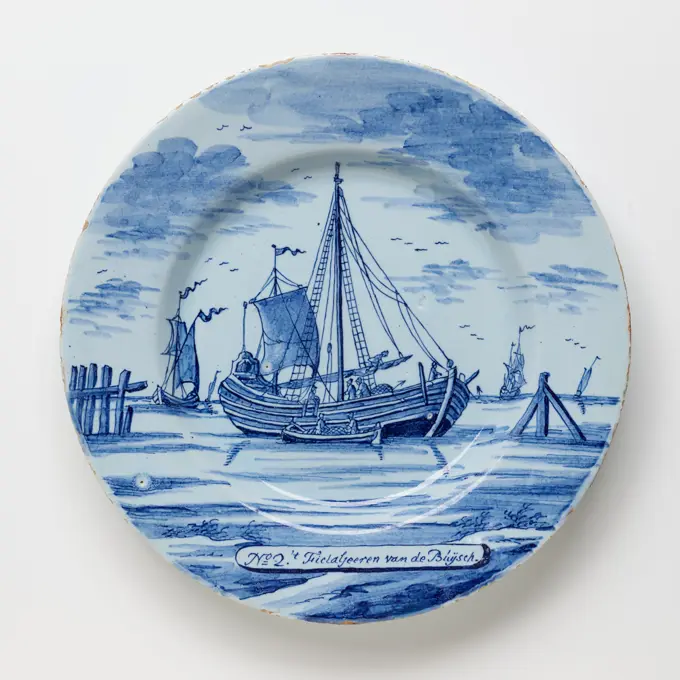
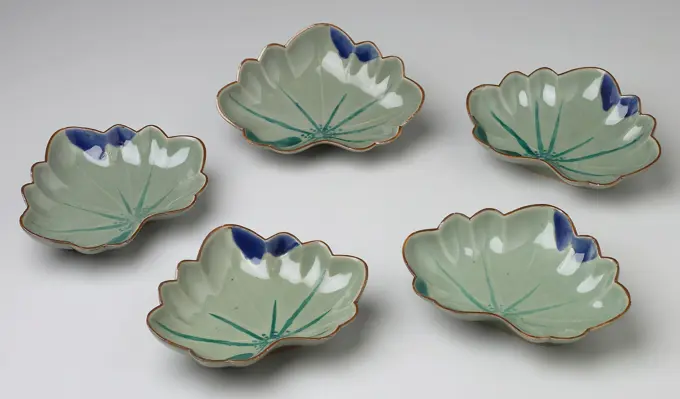
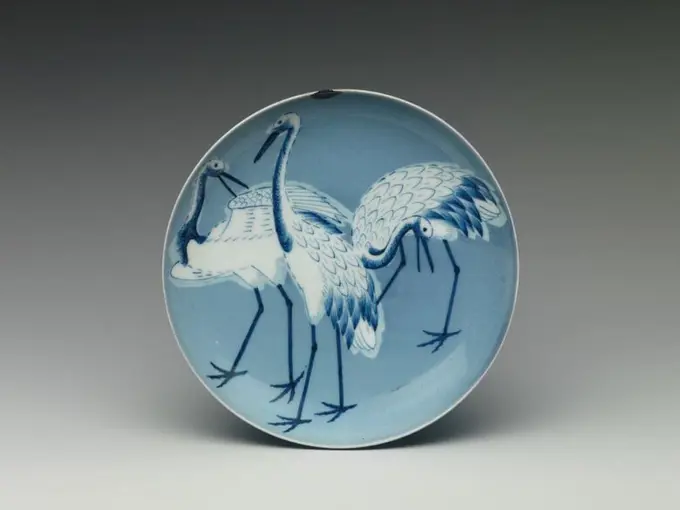
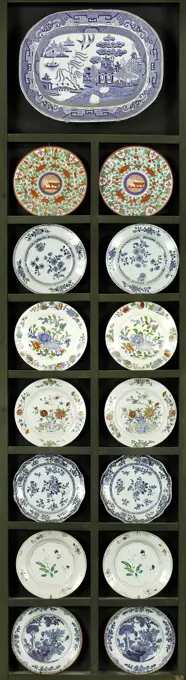
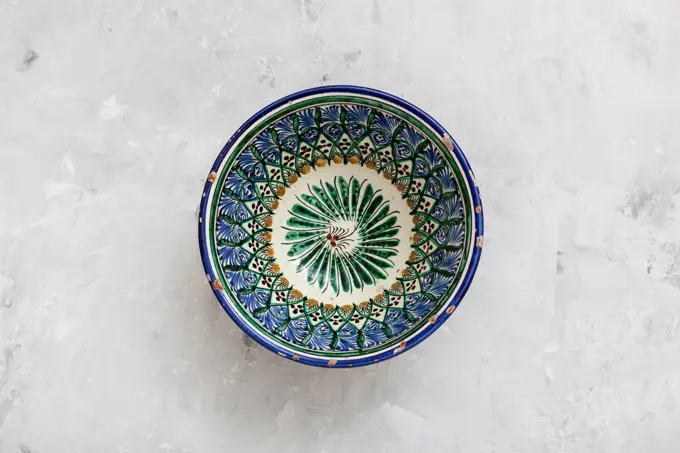
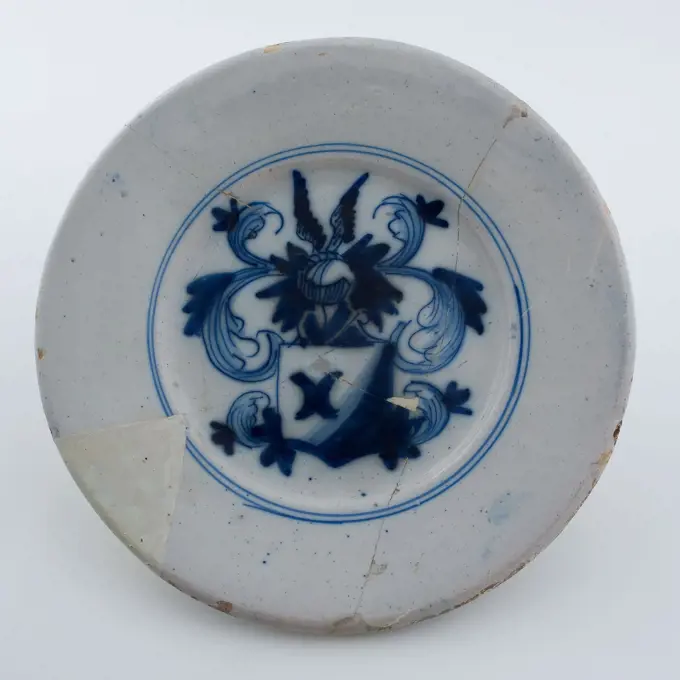
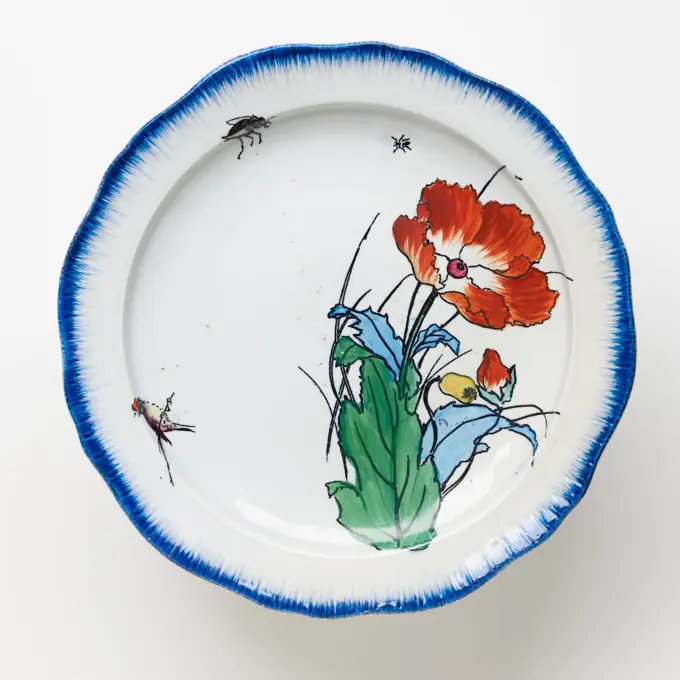
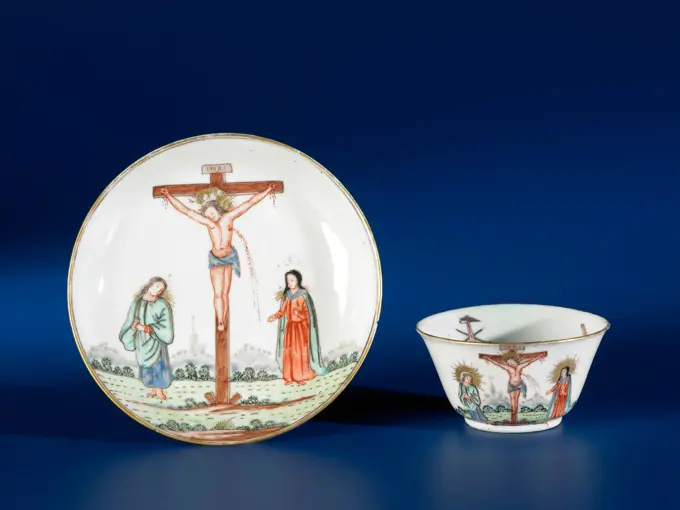
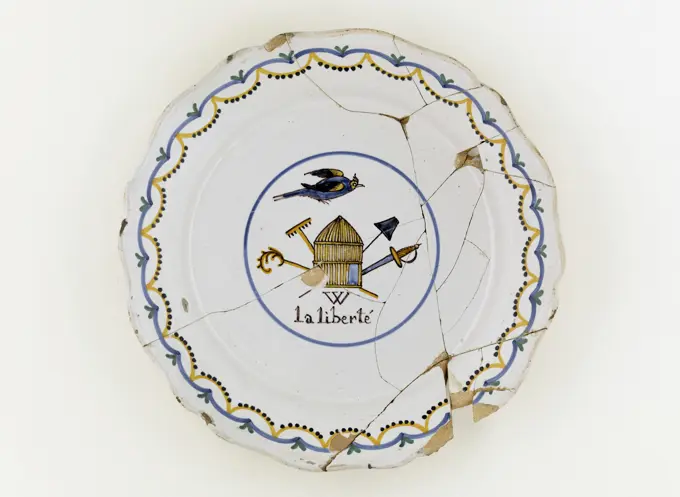
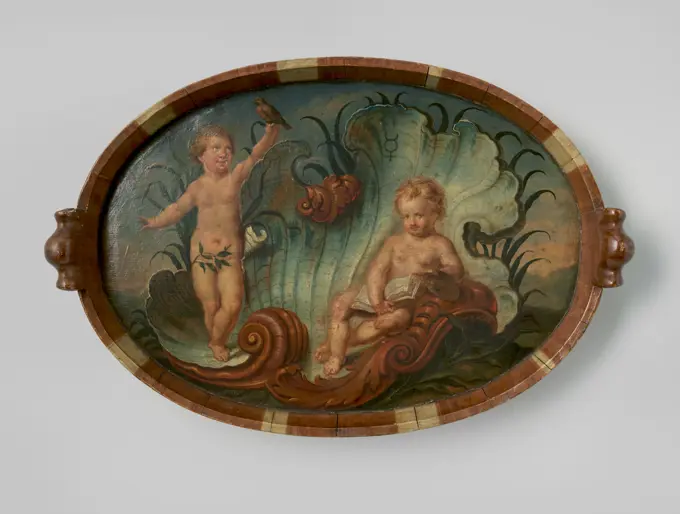
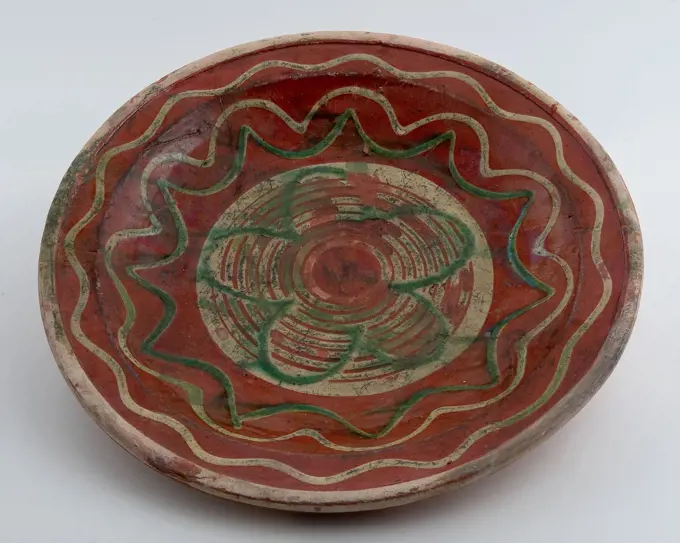
Earthenware dish on stand surface, ringing-plate, glazed, decoration in green and yellow, dish plate crockery holder earth discovery ceramics earthenware glaze lead glaze, hand-turned glazed decorated fried lemonade Earthenware dish glazed and decoration in green and yellow on stand surface Decoration consists of field of circles and garlands amid rings of garlands along the wall in sludge technology archeology Rotterdam Stadscentrum Stadsdriehoek Oudehaven indigenous pottery import food kitchen serving table dinnerware archaeological find in the soil Oude Haven Rotterdam.Charlotte Angus, Pa German Plate, c 1936 Pa. German PlatePlate from a Calendar Set. 'de Porceleijne Bijl' Shop (Holland, 1679-1803)Hugo or Justus Brouwer (Holland, 1739-1775). Holland, 1739-1775. Furnishings; Serviceware. Earthenware with tin glaze and enamel (Delft)Plate. England, Staffordshire. Date: 1760-1770. Dimensions: Diam. 22.5 cm (9 in.). Lead-glazed earthenware (creamware). Origin: Staffordshire. Museum: The Chicago Art Institute, Chicago, USA.Dish second half 17th century. Dish 447225Shards of signs from V.O.C. ship De 'Witte Leeuw', Before 1613 plate (dishes) Shards of signs from V.O.C. ship De 'Witte Leeuw'. Jingdezhen porcelain   Sint-HelenaAwaiting, the Porceleijne bottle, 1919  Plate, blue painted with image of a sword and book between scales. Above inscription. Back v.z.v. Two holes and iron wire to hang the plate. Marked. Delft earthenware. glaze vitrification  NetherlandsOval Plate. Attributed to Bernard Palissy (French, about 1510 - 1590)Bowl Depicting a Pair of Avian-Fish Composite Creatures. Mimbres, Style III; New Mexico, United States. Date: 1000-1300. Dimensions: 13.3 × 26.4 × 30.8 cm (5 1/4 × 10 3/8 × 12 1/8 in.). Ceramic with white and black slip. Origin: New Mexico. Museum: The Chicago Art Institute, Chicago, USA.Patera  colourful lotus flowers and plant flagellum on a blue background unknownNicholas I Imperial porcelain dinner-plate. Imperial Porcelain Fact., St. Petersburg, (1825-1855). Enhanced with gilt. 22cm Diam.. Plate of faience, painted in blue with a house. Dated: 1630. The plate is a soil find.Shard of a plate or bowl of scale from the wreck of the East India Flying Heart. Shard from the edge of a Delft blue plate or bowl, the outside is even dark brown. Porcelain.Plate with the arms of the Reverhorst family, anonymous, c. 1745 Porcelain plate, painted on the glaze in blue, red, green, black and gold. On the flat the coat of arms of the Reverhorst family surrounded by other family weapons. The weapon is divided into four fields: 1. and 4. On a blue background two keys, 2. and 3. On a white background three windows in red. The helmet sign is a horse surrounded by wings. The cover consists of green palm branches and flower buds. On the wall a band with flowers; The edge with a European ornament band with shell motifs and tifles. The other weapons that are depicted, from left to law: Van Reverhorst, De Winter, Vereyck, De Bruyn, Groenendijk, Van Rhenen, Schrevelius. The whole must show the family tree of the Van Reverhorst family. Weapon porcelain with email colors. China porcelain. glaze. glaze painting / gilding / vitrification Porcelain plate, painted on the glaze in blue, red, green, black and gold. On the flat the coat of arms of the ReverhorsBowl with Green, Yellow, and Brown Splashed Decoration. Dimensions: H. 2 7/8 in. (7.3 cm)Diam. 10 1/4 in. (26 cm). Date: 10th century.This bowl is an example of the splashware made throughout Iraq, Iran, and western Central Asia, a type possibly inspired by Tang Chinese wares that were mainly decorated in a combination of green, yellow, and brown glazes. The addition of geometric and floral patterns, scratched into the surface of the bowl before the glazes were applied, is uniquely Iranian, and the vigorous yet refined drawing of the foliate forms makes this one of the finest splashed sgraffito pieces excavated. Museum: Metropolitan Museum of Art, New York, USA.Plate, one of a pair, 1723-1735, 1 3/16 x 6 in. (3 x 15.24 cm), Porcelain, overglaze enamel, underglaze blue, China, 18th centuryDish with Bamboos and Bat 1821-1850 China. Porcelain painted in overglaze red with reserve decoration .First Men Around the Moon, the Porceleijne bottle, 1969  Plate, blue painted with image of the moon and the world why a line. With inscription. Back two blue edges and v.z.v. Two holes and iron wire to hang the plate. Marked and v.z.v. Two labels. Delft earthenware. glaze vitrification  MoonTray 18th century China. Tray. China. 18th century. Cloisonné enamel. Qing dynasty (1644-1911). CloisonnéDish with flowers late 18th century China. Dish with flowers 46302Plaque ca. 1890 Ott and Brewer. Plaque 16899No. 2, Fielafjeeren van de Buysch (Putting the nets onboard), from 'The Herring Catch', c. 1780, Porcelain Axe (Porceleyne Bijl) Factory, 1 × 9 × 9 in. (2.54 × 22.86 × 22.86 cm), Tin-glazed earthenware, Netherlands, 18th century, The 17th century has been called the Golden Age of the Dutch Republic, its prosperity built by a new and expanding merchant class which had become wealthy through industry and international trade, its tolerance of religious and intellectual diversity, and its patronage of home grown and international traders, craftsmen and artists. This radiance was in large part supported by the Dutch mastery of fishing for herring and by preserving this otherwise undistinguished silver fish. So much of the national wealth was accumulated through this industry that Amsterdam was said to have been built on herring bones. What could be a more appropriate subject to be celebrated by the potteries in Delft'Salt cellar MieleówPaperweight 1801-1900 Clichy. Technological improvements to optical scientific instruments in the mid-nineteenth century spurred a veritable obsession across Europe with identifying and classifying the natural world. Amateur botanists were eager to collect and preserve floral specimens, which they intently researched and catalogued. In response to this broad appeal, French glassmakers made paperweights that portrayed the very botanical subjects that were so enthusiastically sought. Many weights represented specimens with horticultural correctness, but others were entirely fanciful creations. Paperweights like this example speak to the periodís fascination with taxonomic systems.From the late 1840s to early 1860s, French manufacturers of fine glass and crystalósuch as Baccarat (Alsace), Clichy (Paris), and Saint-Louis (Lorraine)ócatered to the vast public enthusiasm for beautiful yet functional desk accessories. Paperweights, which were designed to secure loose papers against drafts, weSet of leaf-shaped food dishes (mukōzuke), 1660s, Unknown Japanese, H.1-5/8 x W.6-9/16 in., Ko-imari ware; porcelain with overglaze enamels, Japan, 17th century, The Chinese porcelain industry began to collapse in the early 1600s. In response, Japanese potters started creating porcelain wares, decorated in the Chinese manner, for the European market. By the 1660s and 70s, however, Japanese-style shapes and designs, like leaves and folding fans, became popular among both foreign and domestic buyers. Tea masters of the time prized elegant plates such as these for use in kaiseki, meals served in conjunction with a tea gathering.Mallorca, Balearic Islands, Spain.Bowl 15th-16th century. Bowl. 15th-16th century. Earthenware; white slip, splashed and applied reddish brown glaze. Found Iran, Nishapur. CeramicsDish with Cranes. Culture: Japan. Dimensions: H. 1 3/4 in. (4.4 cm); Diam. 6 1/8 in. (15.6 cm). Date: late 17th century. Museum: Metropolitan Museum of Art, New York, USA.Victor Hugo (1802-1885). Chinese decor from Juliette Drouet's house in Guernsey, West Wall. Green wooden record containing plates and dishes, composed of fourteen compartments (right side of the fireplace). Painted wood. 1857-1864. Paris, house of Victor Hugo. 78171-20 Asian art, decorative arts, painted wood, Chinese cabinet, chinoiserie, compartment, decor, earthenware, storage, Chinese living room, dishes, 19th 19th 19th 19th 19th 19th century, plate, dishtraditional central asian bowl on concrete plate top view of traditional central asian bowl on gray concrete plate Copyright: xZoonar.com/ValeryxVoennyyx 9787665Faience plate on stand surface, decoration coat of arms with winged helmet in blue on white background, plate crockery holder soil find ceramic earthenware glaze tin glaze, hand-turned baked glazed fried Plate of delft terracotta or faience. Stand surface inclined upright edge with only shoulder on the transition from mirror to flag on the inside Fully glazed Central representation is coat of arms under winged helmet and acanthus leaves In the shoulder two blue circles underside glazed white. Restoration is repainted archeology Rotterdam Stadscentrum Stadsdriehoek NewHaven heraldry indigenous pottery food serving serve up table Soil discovery Rotterdam Nieuwe Haven 2nd cesspool (square) 22-08-1980Cake plate with poppy, 1866-1867, Félix Bracquemond; Manufacturer: Lebeuf, Milliet & Co., Creil; Retailer: Francois-Eugene Rousseau, French, 1833-1914, 3 × 8 3/4 in. (7.62 × 22.23 cm), Lead-glazed earthenware, transfer printing, France, 19th century, This platter and three footed plates come from a large table service commissioned by the French dealer and publisher Eugène Rousseau (1827-1890) and designed by the painter and print maker Felix Bracquemond. First exhibited in Paris at the Universal Exhibition in 1867 and considered to be the earliest example of French ceramics inspired by Japanese art, they sparked a genuine revolution in the history of style. The service was so popular it continued to be produced up to 1940.Saucer late 18th-first half of the 19th century China. Saucer. China. late 18th-first half of the 19th century. Moulded porcelain painted in overglaze black, red, and gilt. Qing dynasty (1644-1911), Qianlong period (1736-95). CeramicsDish Japan. Dish 52291Wall plate due to the 25-year wedding of J.R. Tutein Nolthenius and M.A. Cordes, Carel Adolph Lion Cachet, 1908 Earthware wall plate, for the 25-year wedding of J.R. Tutein Nolthenius and M.A. Cordes. On the edge is 20 IX / 1883/1908. The decor is in green, tan and black on light yellow stock. In the middle a coat of arms within a circle. On the back in black silver wedding J.T. Tutein Nolthenius M.A. Cordes. Offered by: J.E. rumbling t.n. And Jacques t.n .. Two hanging holes in the foot ring. Delft earthenware Earthware wall plate, for the 25-year wedding of J.R. Tutein Nolthenius and M.A. Cordes. On the edge is 20 IX / 1883/1908. The decor is in green, tan and black on light yellow stock. In the middle a coat of arms within a circle. On the back in black silver wedding J.T. Tutein Nolthenius M.A. Cordes. Offered by: J.E. rumbling t.n. And Jacques t.n .. Two hanging holes in the foot ring. Delft earthenware. Bell-shaped cup and saucer of porcelain, painted on the glaze in blue, red, green, brown, black and gold. On the front of the dish the crucifixion with John the Evangelist and Mary Magdalene next to the cross. The head with the same decoration with passion equipment on the outside and inside. European performance in email colors.Showcase with objects of ceramics including dishes, pots and images of cows; Trial setup ceramics. At the top left and right two dishes of faience with flower vase and birds, from the Delft plateas the Greek A.Bird plate. Earthenware. 1791-1792. Paris, Carnavalet museum. 76184-19 Former regime, cage, crosse, ebrecher, Epee, Revolutionary Faience, Liberte, Libre, Bird, Pelle, Rateau, French Revolution, Third State, three orders, flight, fly, platePlate - Souvenir of TorontoLeaf of wood with painted children's figures and dated 1740. Sheet, oval, of wood, on which two painted children's figures: one sitting with palette and book in hand; The other standing, with a bird on the hand. They are placed in a shell. Dated 1740.Traditional Portuguese pottery at artisan workshop with plates on wall, Cape St. Vincent peninsula, Sagres, Algarve, Portugal, Europe