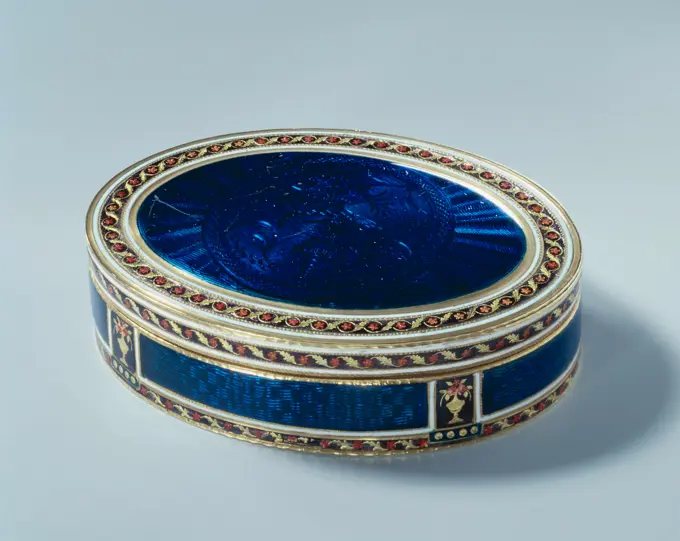
Decorative Ceramic Plates

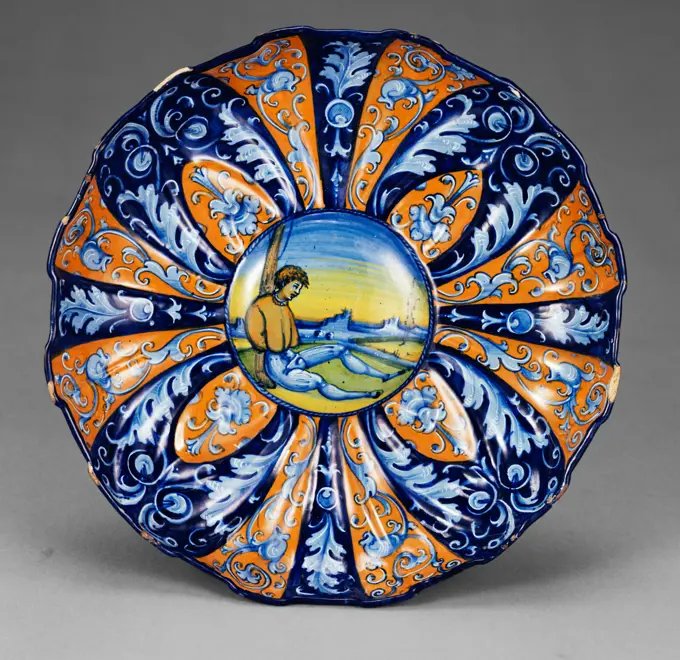
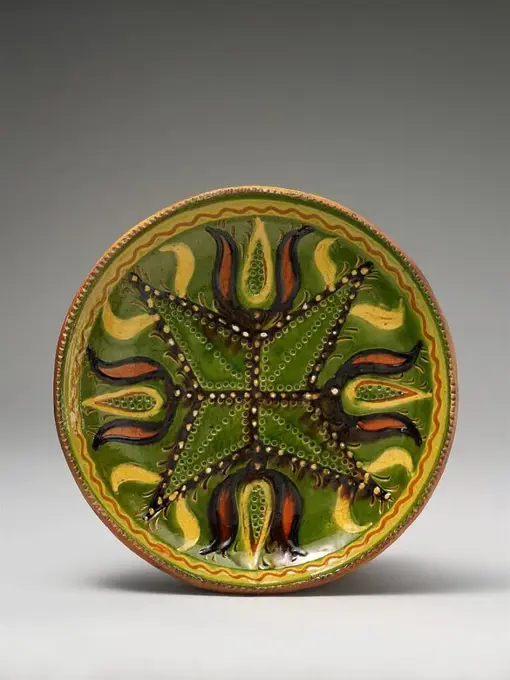
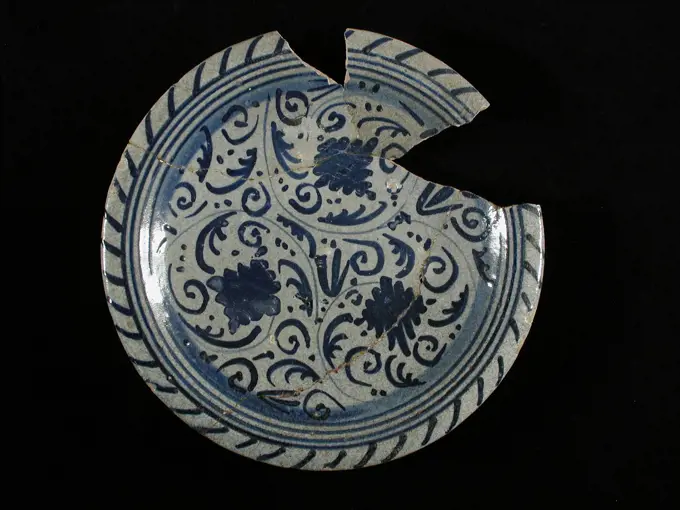
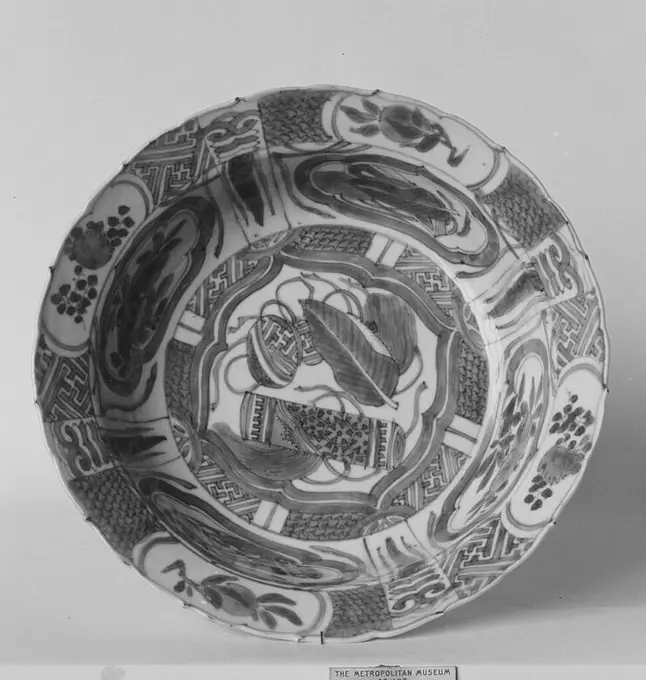
A selection of intricately designed decorative plates, featuring floral and geometric patterns, predominantly in blue and white hues.
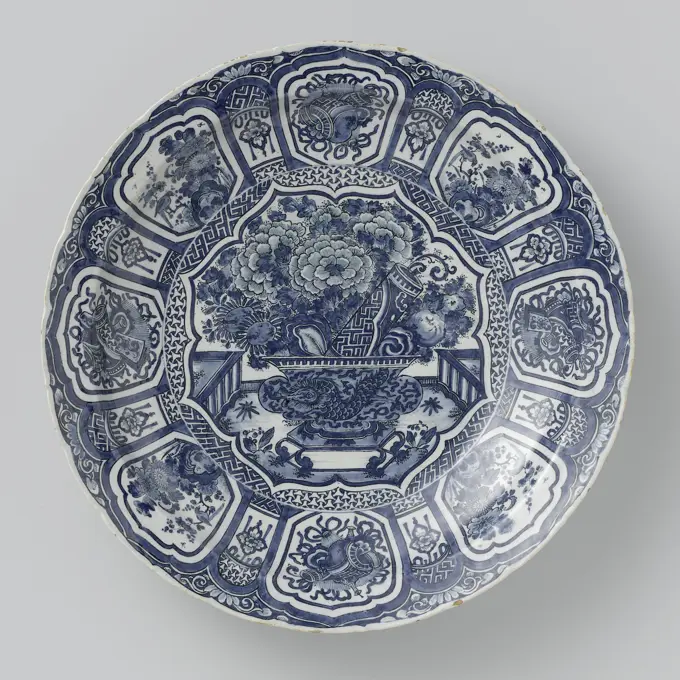
Charger, anonymous, 1718 Dishes of earthenware with blue painting on tinglaze in Chinese style. On the flat a vase largely filled with flowers. The edge is divided into eight large areas, four of which are decorated with Chinese emblems and four with flower branches and a bird. Delft . Dishes of earthenware with blue painting on tinglaze in Chinese style. On the flat a vase largely filled with flowers. The edge is divided into eight large areas, four of which are decorated with Chinese emblems and four with flower branches and a bird. Delft .
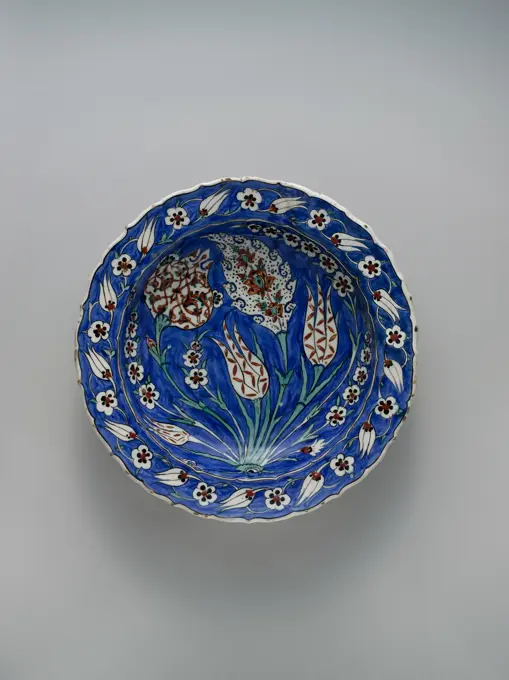
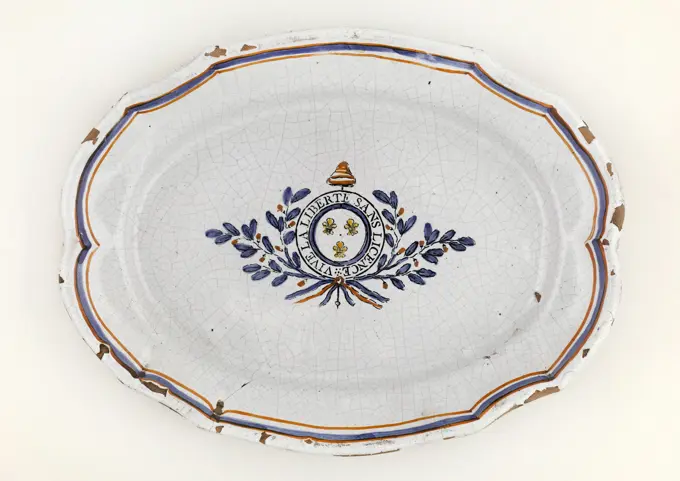
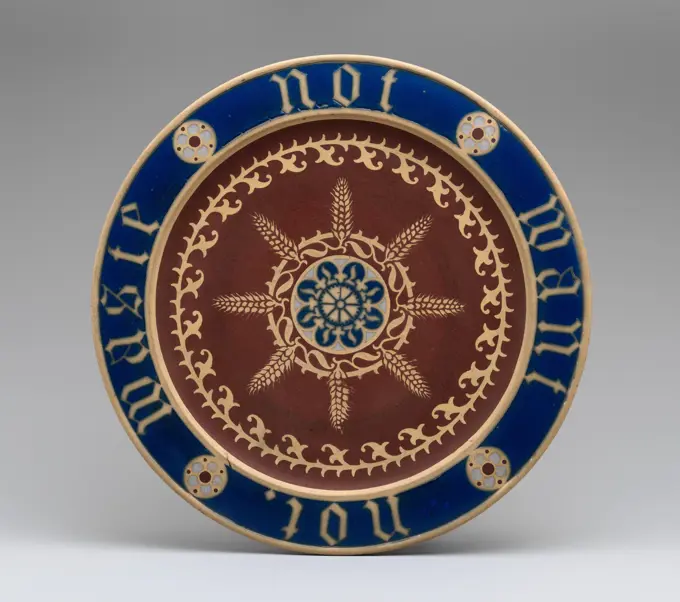
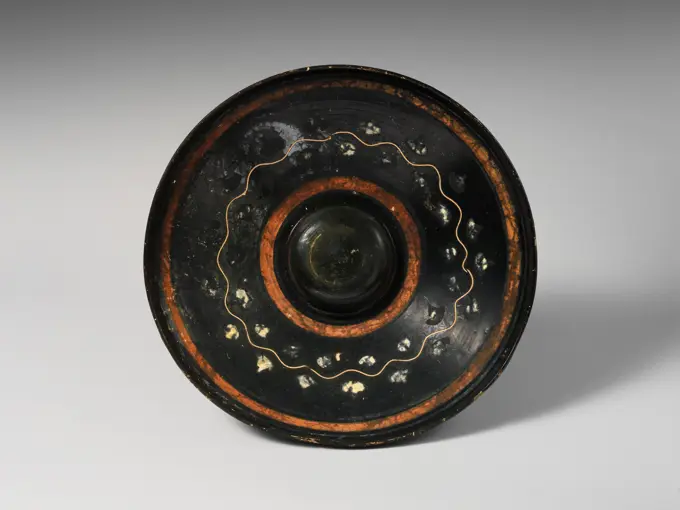
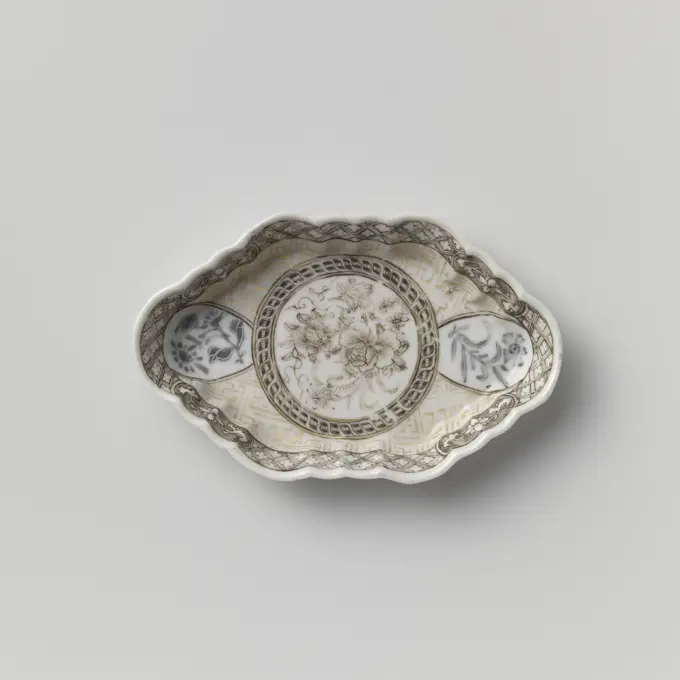
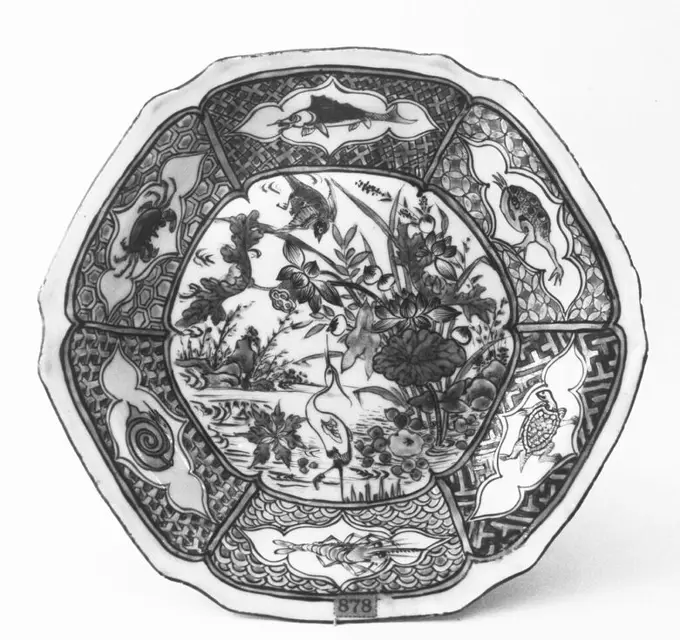
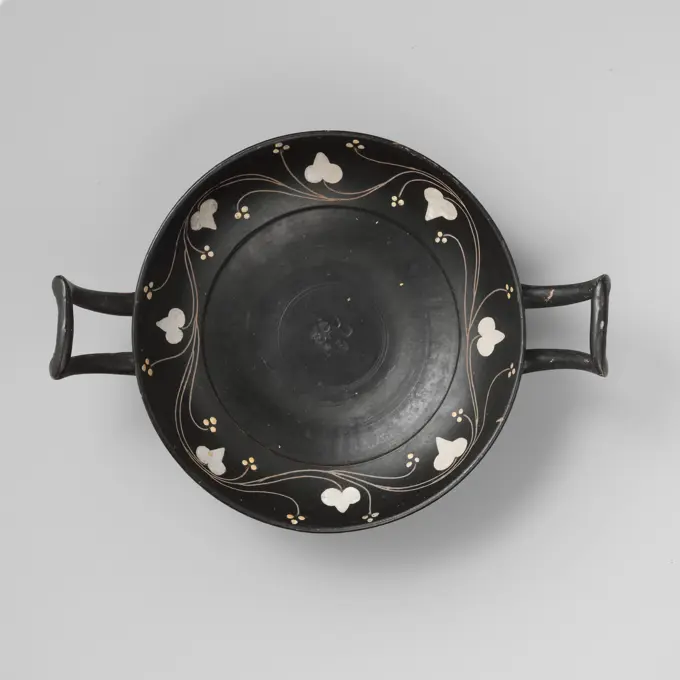
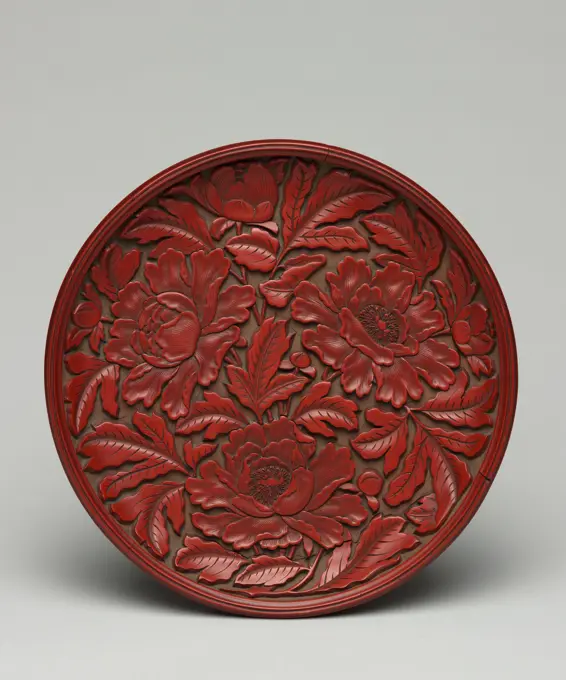
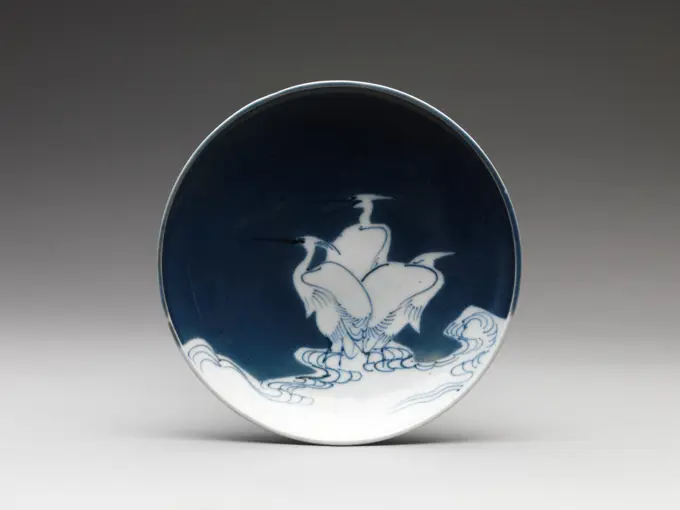
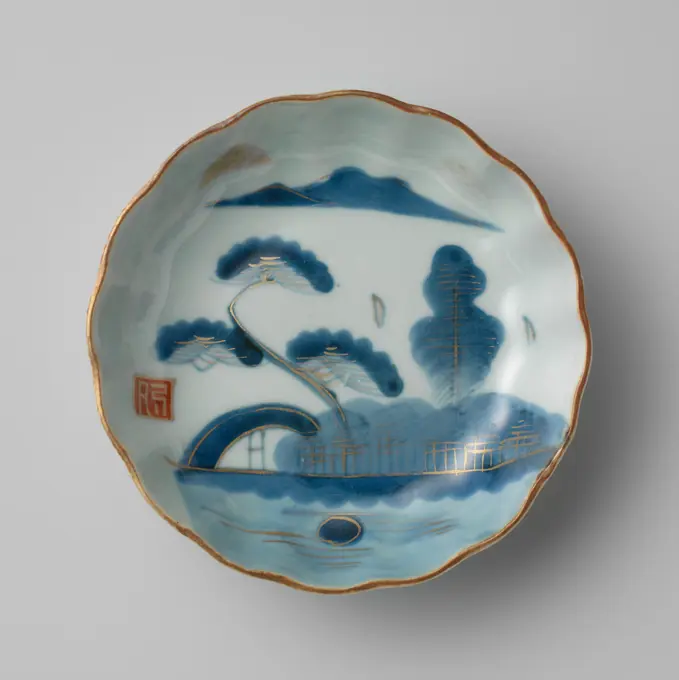
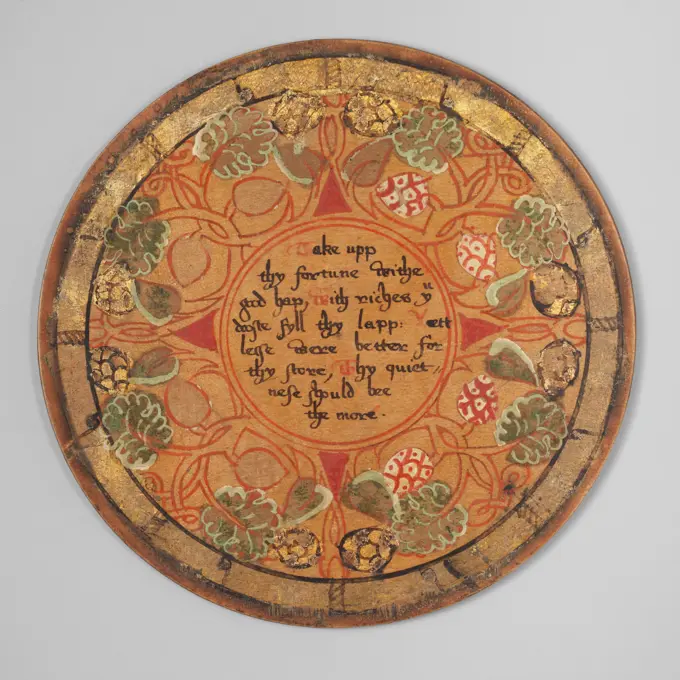
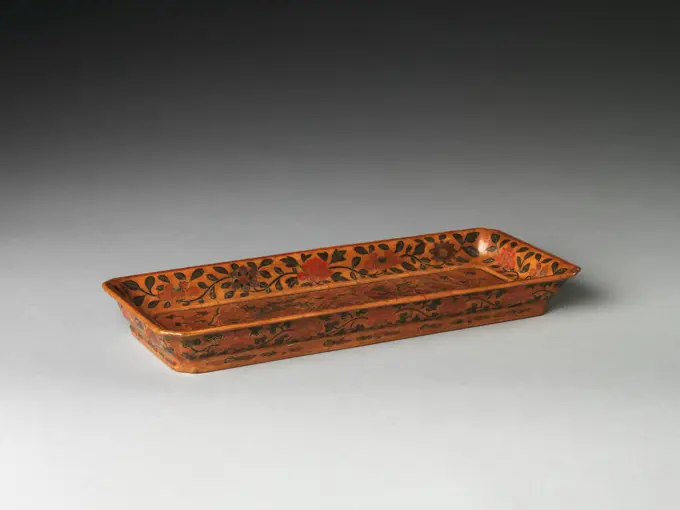
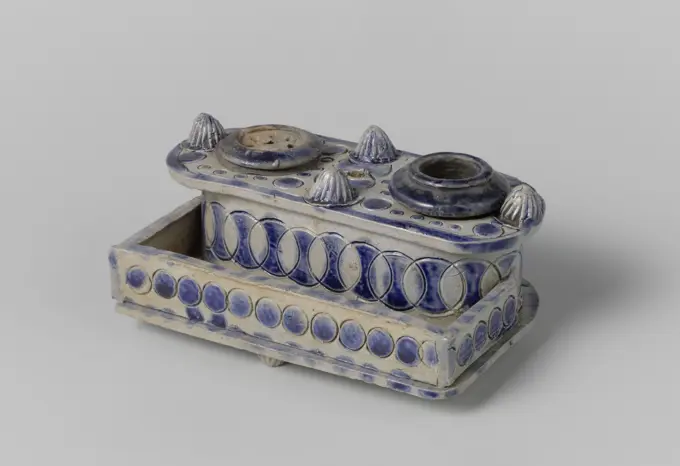
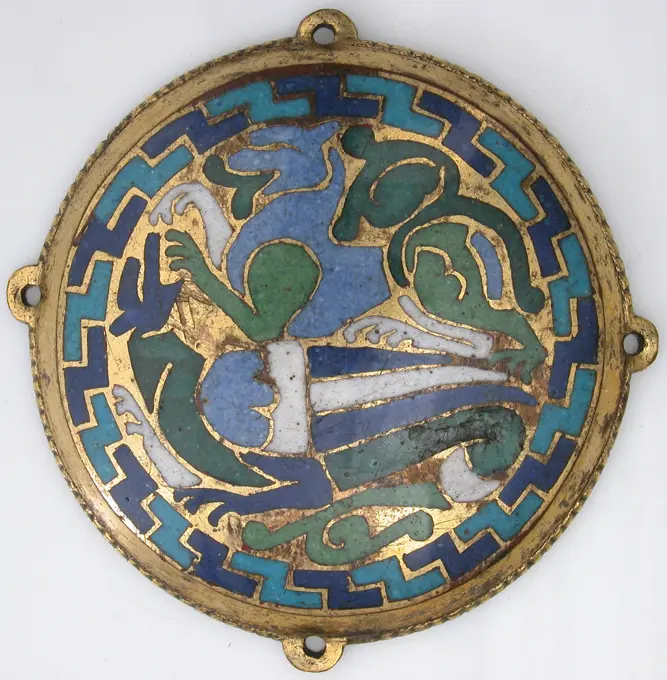
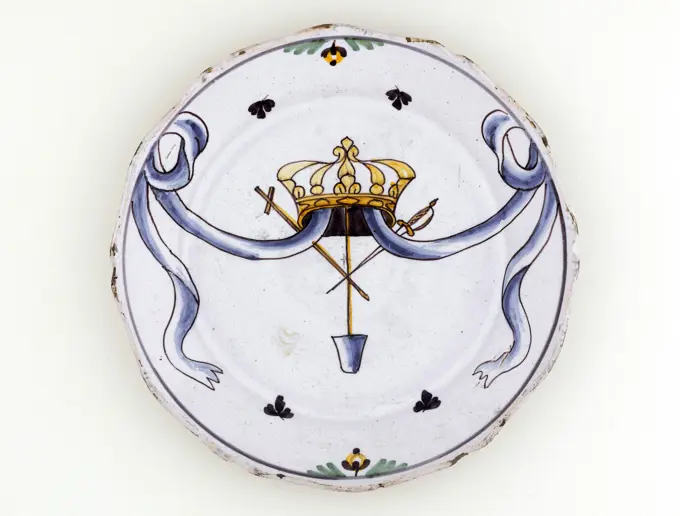
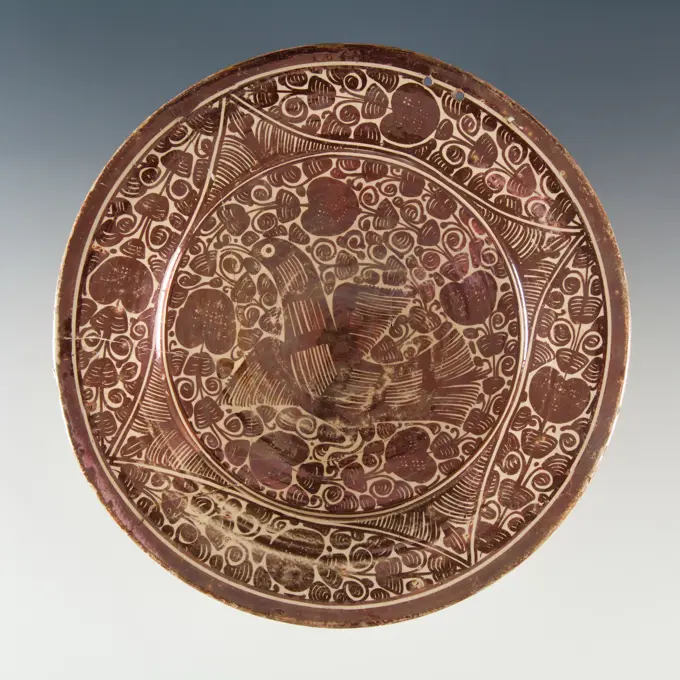
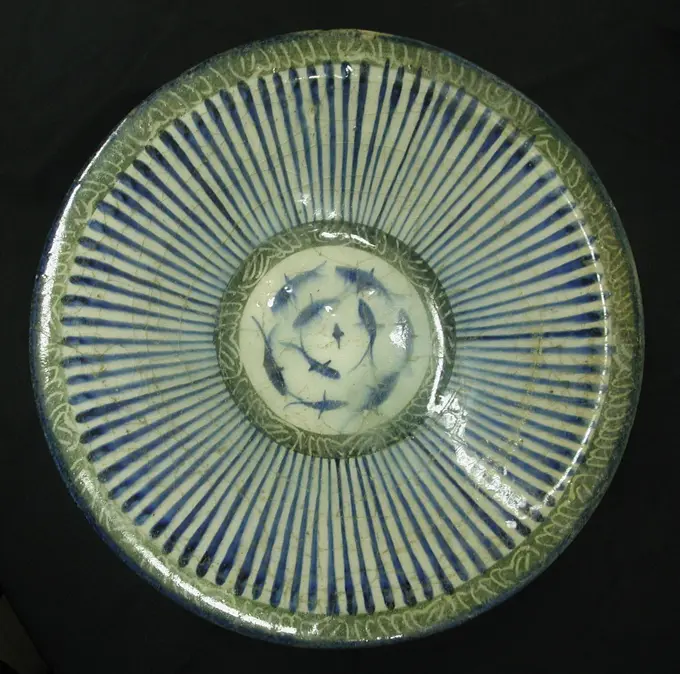
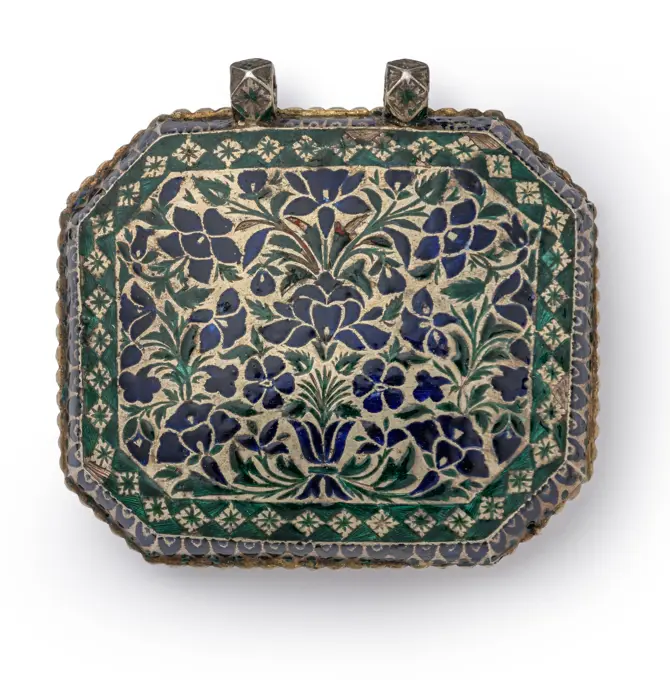
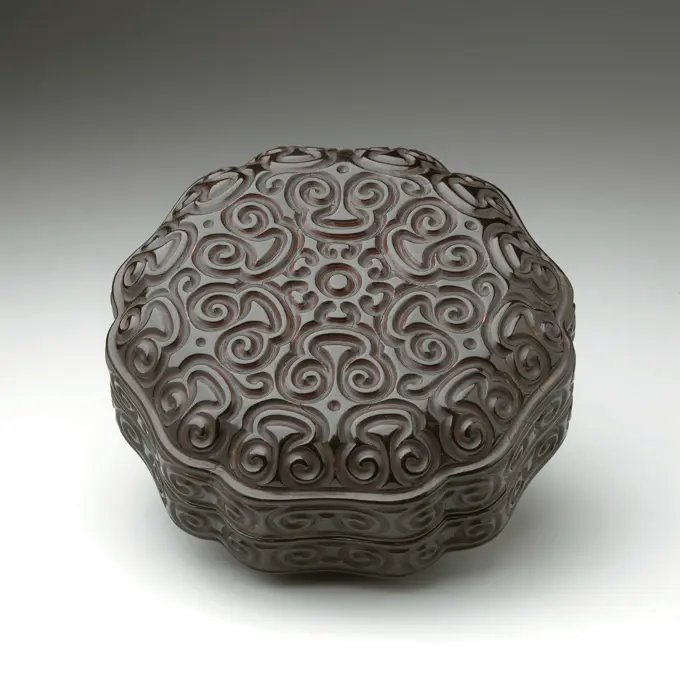
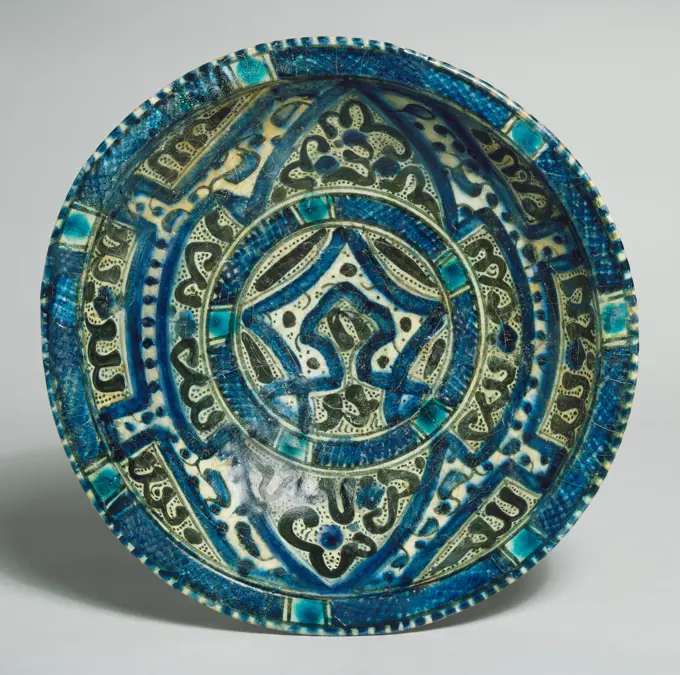
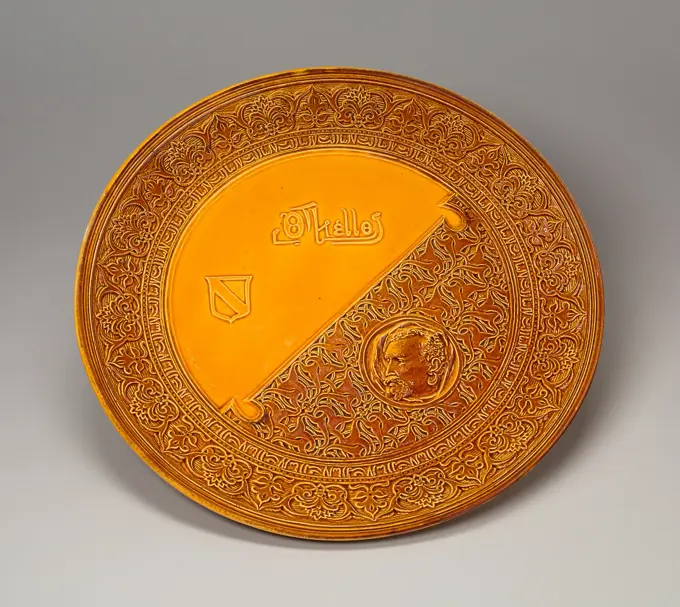
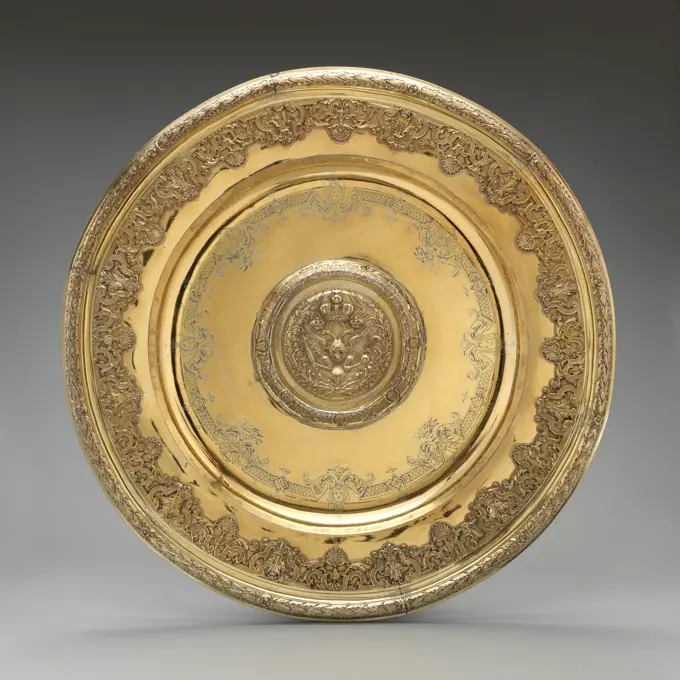
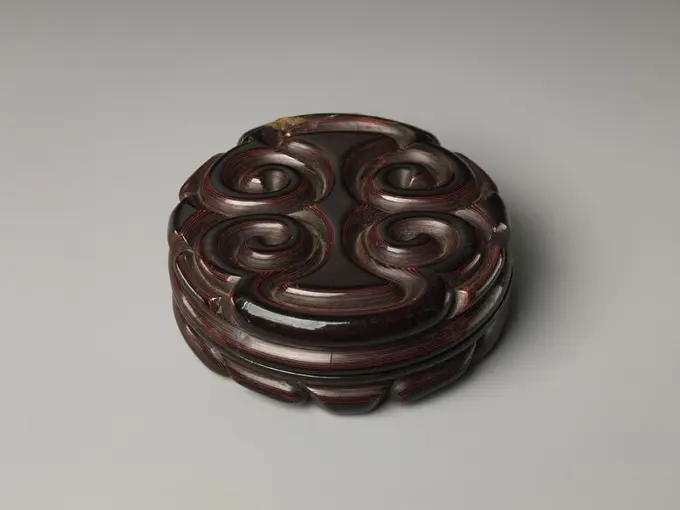
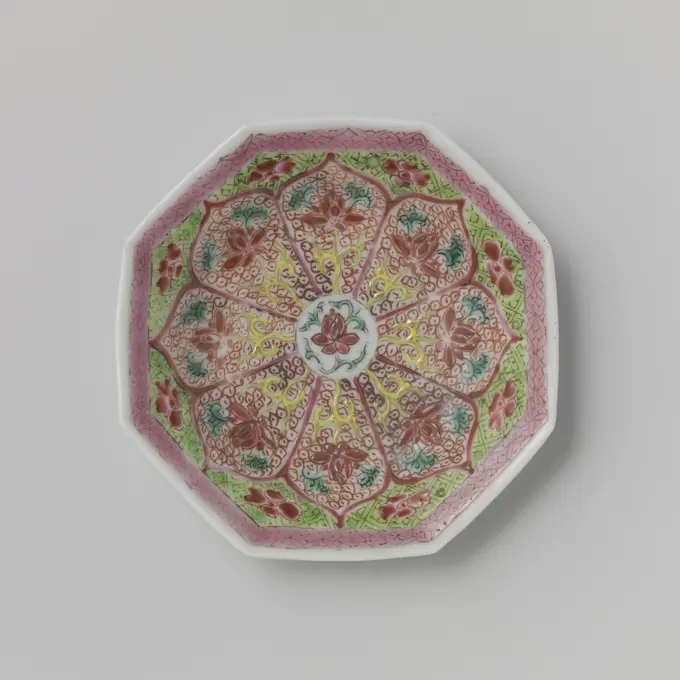
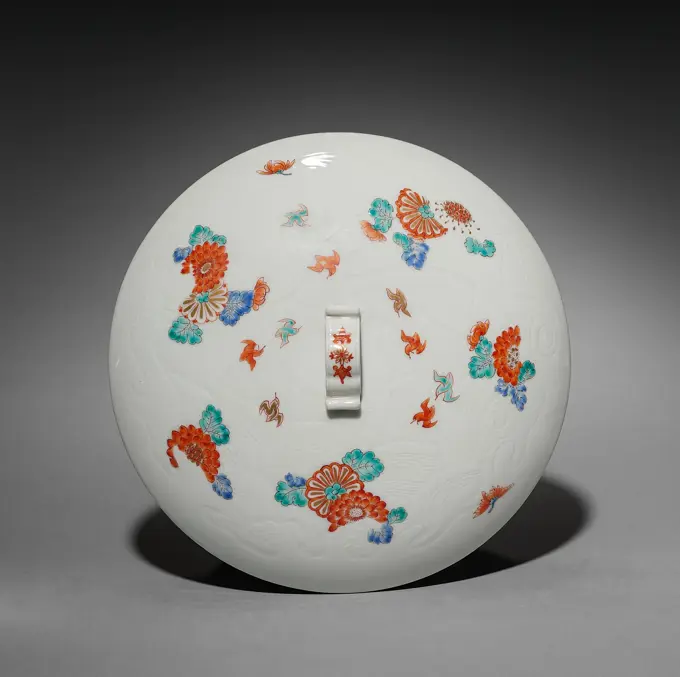
Covered Bowl with Chrysanthemums and Chidori: Kakiemon Ware (cover), early 1700s. Japan, Edo period (1615-1868). Porcelain with decoration in colored enamels; molded design of waves on exterior; diameter: 21 cm (8 1/4 in.); with cover: 12.7 cm (5 in.); without cover: 9 cm (3 9/16 in.).Tazza 1600-1699 Talavera de la Reina. Tin-glazed earthenware (faience) . Talavera de la Reina PotteriesBowl 12th-13th century. Bowl 448265Plate (tagliere). Artist: probably workshop of Maestro Giorgio Andreoli (Italian (Gubbio), active first half of 16th century). Dimensions: Diameter: 10 1/4 in. (26.1 cm). Date: ca. 1515-20. Museum: Metropolitan Museum of Art, New York, USA.Oval Dish with Pierced Strapwork. Palissy (after), Bernard (France, 1509-1590). France, circa 1560-1600. Furnishings; Serviceware. Lead-glazed earthenware, Palissy warePlatter (container), End of the XV century - beginning of the XVI century, Ceramics (earthenware decorated with metallic reflections), of Manises or Paterna (Valencia), Diameter: 48 cm. Museum: Museo Fundación Francisco Godia, Barcelona, Cataluña, España.Molded Dish with an Allegory of Love. UnknownA Japanese Arita Blue and White VOC dish, edo Period, 1603-1867.Plate. Culture: American. Dimensions: Diam. 9 3/4 in. (24.8 cm). Maker: Attributed to Solomon Grimm (1787-1847). Date: ca. 1815-25. Museum: Metropolitan Museum of Art, New York, USA.ACS, Majolica dish, blue on white, vines and curls, rope edge, signed, plate crockery holder soil find ceramic earthenware enamel, baked underside covered with lead glaze. Polychrome Italian Holland decor Signed initials reverse: VD or CA and S archeology Italy adorn servingDish 17th century Manner of Bernard Palissy French. Dish. French. 17th century. Lead-glazed earthenware. Ceramics-PotteryShallow Bowl. Culture: China. Dimensions: H. 2 3/8 in. (6 cm); Diam. 8 3/8 in. (21.3 cm); Diam. of foot 4 3/8 in. (11.1 cm). Date: late 16th-early 17th century. Museum: Metropolitan Museum of Art, New York, USA.Bowl early 17th century. Bowl 444972Dish belonging to the head, painted with flowers in a stock of shaded triangles, n.v. Plateelbakkerij Zuid-Holland, c. 1910 Dish belonging to a head (a), of earthenware. The dish is polychrome painted in the colors blue, green, yellow, turquoise, gray -green and black with flowers, partly on a yellow stock of shaded triangles. Gouda earthenware Dish belonging to a head (a), of earthenware. The dish is polychrome painted in the colors blue, green, yellow, turquoise, gray -green and black with flowers, partly on a yellow stock of shaded triangles. Gouda earthenwareBlue-Ground Dish with Floral Design ca. 1560 As early as the fifteenth century, Ottoman potters sometimes made vessels with white decoration in reserve on a blue ground rather than the more familiar blue-on-white type. Here the decoration is an array of of flowers springing from a single source, in essence a Chinese motif, but almost completely reinterpreted by the Turkish potter. The combination of recognizable tulip and prunus blossoms with more exotic and fancifully decorated jumbo flowers as well as the refreshing asymmetrical composition give this dish a charm and subtlety lacking in more rigid floral designs.. Blue-Ground Dish with Floral Design. ca. 1560. Stonepaste; polychrome painted under transparent glaze. Made in Turkey, Iznik. CeramicsRound box with powder blue, rocks and flowering plants, anonymous, c. 1700 - c. 1724 Round box of porcelain, painted in underly glaze blue and on the glaze gold. The box is, except for the bottom, covered with bleu poudré (powder blue); A decorative band with servetwork around the edge. A crack in the box. Bleu Poudré with gold. China porcelain. glaze. cobalt (mineral). gold (metal) painting / gilding / vitrification Round box of porcelain, painted in underly glaze blue and on the glaze gold. The box is, except for the bottom, covered with bleu poudré (powder blue); A decorative band with servetwork around the edge. A crack in the box. Bleu Poudré with gold. China porcelain. glaze. cobalt (mineral). gold (metal) painting / gilding / vitrification. Dish of Faïence with a presentation of a celebration in the countryside.Dish, anonymous, c. 1600 - c. 1624 Porcelain bowl with a scalloped edge, painted in underlaze blue. On the flat a star -shaped cartouche with a horse in it, shortened from the rear, in a landscape with rocks and trees. The corners of the cartouche with servetwork. The edge is divided into medallions with flower branches or lucky symbols (book, pearl, artemisia leaf, roll, gourgebas grid); Ranks between the medallions. The outside wall is divided into subjects with dots. Crack porcelain in blue and white. China porcelain. glaze. cobalt (mineral) painting / vitrification Porcelain bowl with a scalloped edge, painted in underlaze blue. On the flat a star -shaped cartouche with a horse in it, shortened from the rear, in a landscape with rocks and trees. The corners of the cartouche with servetwork. The edge is divided into medallions with flower branches or lucky symbols (book, pearl, artemisia leaf, roll, gourgebas grid); Ranks between the medallions. The outside wall is divided into subjAnonymous. Oblong dish "Long live freedom without license". Earthenware. 1790-1792. Paris, Carnavalet museum. 72430-54 Phrygian hat, faience, freedom, revolutionary period, oblong dish, French revolutionCrab-Form Box with Floral Motif 1401-1500 Vietnam. Glazed stoneware with cobalt-blue underglaze .Bread Plate ca. 1850 Designed by Augustus Welby Northmore Pugin British. Bread Plate. British (American market). ca. 1850. Earthenware. Made in Staffordshire, Stoke-on-Trent, EnglandTerracotta phiale mesomphalos (libation bowl) 4th century B.C. Etruscan The interior of this fine bowl is decorated with an incised vine with painted white leaves connoting the sacred ivy of the wine god Fufluns (Latin: Bacchus).. Terracotta phiale mesomphalos (libation bowl) 246121Plate. Manufacture nationale de porcelaine de Sevres (1756-), factoryDish; enamel, metalSaucer. Culture: Italian, probably. Dimensions: Diam. 4 5/8 in. (11.7 cm). Date: 18th century. Museum: Metropolitan Museum of Art, New York, USA.Plate with Birds; Attributed to the Heron Class (Etruscan, active 680 - 660 B.C.); Caere, Etruria; 680 - 670 B.C; Terracotta; 29 × 5 cm (11 7,16 × 1 15,16 in.)Saucer (part of a service). Culture: British, Caughley. Dimensions: Diameter (each): 3 13/16 in. (9.7 cm); Diameter (.375): 3 3/4 in. (9.5 cm). Factory: Caughley Factory (British, ca. 1772-1799). Date: ca. 1780-90. Museum: Metropolitan Museum of Art, New York, USA.Saucers (6) (part of a service). Culture: British, Caughley. Dimensions: Diameter (each): 3 13/16 in. (9.7 cm); Diameter (.375): 3 3/4 in. (9.5 cm). Factory: Caughley Factory (British, ca. 1772-1799). Date: ca. 1780-90. Museum: Metropolitan Museum of Art, New York, USA.Bowl, 13th century, 2 1/2 x 6 1/8 x 6 1/8 in. (6.35 x 15.56 x 15.56 cm), Earthenware with overglaze painted polychromy, Minai ware, Iran, 13th centurySoup plate (part of a service) ca. 1765 Chinese, for Portuguese market. Soup plate (part of a service) 201146Tea Bowl and Saucer. Worcester Porcelain Factory; Worcester, England, founded 1751. Date: 1765-1775. Dimensions: Cup: H. 5.4 cm (2 1/8 in.); diam. 10.1 cm (4 in.)Saucer: Diam. 15.1 cm (5 15/16 in.). Soft-paste porcelain, polychrome enamels and gilding. Origin: Worcester. Museum: The Chicago Art Institute, Chicago, USA. Author: Worcester Royal Porcelain Company.Bowl 12th-13th century. Bowl 446962Spoon tray with flower sprays, diaper pattern and flower scrolls, anonymous, c. 1725 - c. 1749 Pattipan of porcelain, rectangular and hexagonal, with lobed wall, painted on the glaze in blue, red, black and gold. On the flat flower branches (peony, aster, orchid et al.) In a medallion, on either side of the medallion a cartouche with a flower branch, to the medallion a swastika pattern; The inner edge with servetwork interspersed with flower vines in a cartouche. Underside unglazed. European forms with Encre de Chine. China porcelain. glaze. gold (metal) painting / gilding / vitrification Pattipan of porcelain, rectangular and hexagonal, with lobed wall, painted on the glaze in blue, red, black and gold. On the flat flower branches (peony, aster, orchid et al.) In a medallion, on either side of the medallion a cartouche with a flower branch, to the medallion a swastika pattern; The inner edge with servetwork interspersed with flower vines in a cartouche. Underside unglazed. European foDish with Heron in Pond. Culture: China. Dimensions: Diam. 8 1/4 in. (21 cm). Date: mid-17th century. Museum: Metropolitan Museum of Art, New York, USA.Terracotta kylix (drinking cup) ca. 400-350 B.C. Greek, South Italian, Campanian Interior, an ivy wreath in white; in the center, a stamped rosette.. Terracotta kylix (drinking cup) 254412 Greek, South Italian, Campanian, Terracotta kylix (drinking cup), ca. 400350 B.C., Terracotta, diameter 5 3/4in. (14.6cm). The Metropolitan Museum of Art, New York. Rogers Fund, 1941 (41.162.241)Platter (ôzara); Kutani; 19th century (1801-00-00-1900-00-00);Sign of Black Hyalith glass with chinoiserie, Franz August van Longueval (Count of Bucquoy), c. 1830 Round, shallow board, the edge light concave. On the flat and edge plated decoration of chinoiserie with butterflies, dragons and diamond motifs. South Bohemia glass gilding / glassblowing Round, shallow board, the edge light concave. On the flat and edge plated decoration of chinoiserie with butterflies, dragons and diamond motifs. South Bohemia glass gilding / glassblowingPlate, 1775-1780. Lunéville Factory (French). Faience; diameter: 22.6 cm (8 7/8 in.).Sharf of rossy baking earthenware, with white glaze, with a decorative edge and the heads of two figures in blue, anonymous, 1600 - 1650 at the front  Northern Netherlands earthenware. glaze majolica  Northern Netherlands earthenware. glaze majolicaSalt Cellar. Milan Marsyas Painter; (Italian, active about 1525 to 1535). Date: 1525-1535. Dimensions: 6.2 × 17.8 cm (2 7/8 × 7 in.); Diameter: 16.5 cm (6 1/2 in.). Tin-glazed earthenware (maiolica). Origin: Urbino. Museum: The Chicago Art Institute, Chicago, USA. Author: FRANCESCO XANTO AVELLI.Plate with Peony Decoration, late 1300s-early 1400s. China, Yuan dynasty (1271-1368). Carved cinnabar lacquer on wood; diameter: 16.5 cm (6 1/2 in.).Dish, decorated with tree bark imitation and vignettes with landscapes. Dish of porcelain, decorated with tree scorseimitation and with three vignettes with landscapes on the edge. Signature: Revil Ru (E) Neuve des Capucines. With an appropriate head (A).Dish decorated with decor in black and brown, Villeroy & Boch Ceramic Werke K.G., 1906 Dish of Chromolith-SteenGoed, decorated in black and brown with a decor that looks like a wheel with spokes (or a flower chalice in relief) Metling mastery stoneware Dish of Chromolith-SteenGoed, decorated in black and brown with a decor that looks like a wheel with spokes (or a flower chalice in relief) Metling mastery stonewarePlate. Culture: Japan. Dimensions: Diam. 13 in. (33 cm). Date: 18th century. Museum: Metropolitan Museum of Art, New York, USA.Box with cover and tray 17th century China. Box with cover and tray 60915Bowl with a Pair of Avian-Fish Composite Creatures 1000-1300 New Mexico. Many Mimbres hemispherical bowls feature bilateral compositions with a diversity of animal, human, and composite figures. In this design, a bird and a fish are combined in a single symbolic form, perhaps corresponding to a poetic figure of speech or metaphor alluding to the forces of water and wind in the Mimbres worldview.. Earthenware with slip and paint . MimbresDish with chrysanthemums late 17th-early 18th century China. Dish with chrysanthemums 48213Box. Artist: Attributed to Hu Wenming (Chinese, active late 16th-early 17th century). Culture: China. Dimensions: H. 1 1/4 in. (3.2 cm); Diam. 2 7/8 in. (7.3 cm). Date: 16th-17th century.Implements commonly used for burning incense included a box, a burner, a flat-bowled spoon and tongs, and a vase for storing these utensils. The burners are often modeled after archaic bronze vessels. Although it is not clear if the three Chinese objects displayed here (2015.500.6.22-.24) originally formed a set, all are inscribed with the name of the artist, Hu Wenming, and exhibit the same decorative technique. Museum: Metropolitan Museum of Art, New York, USA.Dish with Reeds late 16th-early 17th century Japan The casual form and freely applied decoration found on this early type of tea ware reflect the taste of the tea masters who commissioned them. While the ceramic knobs or "buttons" on the exterior of the rim probably served a practical function in the handling of the object, their aesthetic qualities, along with the rough texture and thick glaze, were greatly valued in the ritual tea ceremony.. Dish with Reeds 50215Dish with the coat of arms of Hendrik Peter Godfried Quack and Isabella Gertraud von Carnap, Etienne Blancheron, c. 1790 - c. 1799 Oval dish of a porcelain sauce bowl, where one side gives a striker. Painted on the glaze with gold. On the flat the alliance weapon of Hendrik Peter Godfried Quack and Isabella Gertraud von Carnap. The inner wall with a flower drink and a golden band on the edge. Three prenes on the bottom. Marked on the underside with X. porcelain company: Paris (possibly)Low Countries (possibly) porcelain. glaze. gold (metal) painting / gilding / vitrification Oval dish of a porcelain sauce bowl, where one side gives a striker. Painted on the glaze with gold. On the flat the alliance weapon of Hendrik Peter Godfried Quack and Isabella Gertraud von Carnap. The inner wall with a flower drink and a golden band on the edge. Three prenes on the bottom. Marked on the underside with X. porcelain company: Paris (possibly)Low Countries (possibly) porcelain. glaze. gold (metal) paHexagonal dish (part of a set). Culture: Hungarian, Brass. Dimensions: Overall: 10 1/2 x 9 5/16 in. (26.6 x 23.6 cm). Maker: Paulus Roth (active 1646-89). Date: second half 17th century.These five dishes (2010.110.13-17) would appear most spectacular when seen in flickering candlelight or radiant sunlight. The masterful balance between the foliage and fruit ornamentation on the rim is exquisite. These dishes originally belonged to members of the Hungarian dynasty of the Barons Bornemisza.LiteratureTihamr Gyrfs. A brassai tvssg trtnete. Brass, 1912, pp. 110-11, no. 206.European Silver, Objects of Vertu and Miniatures / Orfvrerie europene, objets de vitrine et miniatures. Sale cat., Christie's, Geneva, May 9, 1989, p. 58, no. 109.Judit H. Kolba. Hungarian Silver: The Nicolas M. Salgo Collection. London, 1996, p. 45, no. 23.ExhibitedErdly rgi muvszeti emlkeinek killtsa az Iparmuvszeti mzeumban / Ausstellung alten Kunstgewerbes aus SiebenDish with Heron Design late 17th century Japan. Dish with Heron Design 52278Plato azul, siglos XVII/XVIII. Colección privada.Plate of multi -colored hard baked pottery; Staffordshire, Anonymous, c. 1750 - c. 1780 Plate of multicolored hard baked pottery, with a scalloped edge. The edge is decorated in relief with six fields of Gololfd Spaliewerk. The board is covered with blue -gray lead glaze with stains in green, yellow and manganese. The back is dotted in manganese. The board includes four plates (BK-1987-41-A to BK-1987-41-E). England earthenware. lead glaze Plate of multicolored hard baked pottery, with a scalloped edge. The edge is decorated in relief with six fields of Gololfd Spaliewerk. The board is covered with blue -gray lead glaze with stains in green, yellow and manganese. The back is dotted in manganese. The board includes four plates (BK-1987-41-A to BK-1987-41-E). England earthenware. lead glazePlato de La Segarra, siglo XVII. Colección privada.Micro-mosaic, Gold sheet and wire, glass mosaics, A pair of gold earrings with a teardrop connected to one oval. Oval and teardrop shapes are outlined in blue with an inner image of Italian architecture. Earrings are part of a set., Rome, Italy, 1800-1825, jewelry, Decorative Arts, Earrings, EarringsAnonymous. Plate. Earthenware. 1792. Paris, Carnavalet museum. 70955-31 Crown, Epee, Faience, Force, Decorative Pattern, knot, Revolutionary period, union, dishes, platePaperweight Made 1840-1865 . Glass . Compagnie de Saint LouisPlate; Koenigliche Porzellan Manufaktur (KPM; Berlin; 1763-1918); 1837-44 (1823-00-00-1832-00-00);Fragment of a Bowl. Byzantine or Islamic (Ottoman); Asia Minor, Miletus or Iznik (). Date: 1300-1500. Dimensions: 2.2 × 10.2 × 8.9 cm (7/8 × 4 × 3 1/2 in.). Ceramic. Origin: Istanbul. Museum: The Chicago Art Institute, Chicago, USA.Saucer-dish with fluted sides and a water landscape. Scale of porcelain with a ribbed wall, painted in underglaze blue. On the front a water landscape with a bridge, two trees and mountains. On the wall a stamp in red and gold email. The wall has been broken. Blue White.Trencher (one of a set) late 16th-early 17th century British Banquets usually ended with candied fruits or other sweetmeats served on such decorative "spice dishes" of silver or wood. The gold effects were achieved with yellow varnish over a layer of silver-leaf. The verses were written in Black Letter script, with elaborate capital letters in Lombardic script. The verses, either amusing or moralizing, were shared with the other diners.. Trencher (one of a set). British. late 16th-early 17th century. Oak and sycamore woods, painted, silvered and yellow varnished; inscription: ink (animal or vegetable). Natural SubstancesRectangular tray with double dragons China. Rectangular tray with double dragons. China. Polychrome lacquer with filled-in and engraved-gold decoration. Ming dynasty (1368-1644), Wanli period (1573-1620). LacquerInk stand with circles, anonymous, c. 1750 - c. 1799 Ink set of stoneware on three low feet, with a pen box and two holders for the ink pot and the sand spreader. In addition, there is a pewter container in one holder. Partly covered with cobalt blue. The front and back with a decoration of stamped, connected circles. Circles stamped on the outer wall of the pen box and on the top. On the top four times a modeled 'Klinknagel'. Westerwald. Westerwald stoneware. glaze. cobalt (mineral) vitrification Ink set of stoneware on three low feet, with a pen box and two holders for the ink pot and the sand spreader. In addition, there is a pewter container in one holder. Partly covered with cobalt blue. The front and back with a decoration of stamped, connected circles. Circles stamped on the outer wall of the pen box and on the top. On the top four times a modeled 'Klinknagel'. Westerwald. Westerwald stoneware. glaze. cobalt (mineral) vitrificationBowl 9th-10th century This ceramic bowl was excavated at the site of Tepe Madrasa in Nishapur.Nishapur was a vital city in the early and middle Islamic periods, located along one of the main trajectories that connected Iran and West Asia Islamic lands with Central Asia and China. These itineraries are often referred by the term Silk routes but were in fact crucial to the movement of constellations of materials and objects, as well as people and ideas. The diverse population of Nishapur and its surroundings, from the better-researched elite groups of merchants, land-owning aristocracy, and literates, to the less-known artisans, farmers, miners, and servants, were instrumental in adapting global cultural trends to create their own distinctive visual languages. This is seen in the material remains of everyday life in medieval Nishapur - from pots and pans to lighting devices, inkwells, textiles and trimmings, jewelry, games and toys, talismanic devices, weapons, coins, and architectural fBowl 12th-13th century In one group of ceramics, potters combined the technique of mina'i painting with decoration in low relief, which is further highlighted by gilding, to create an even more sumptuous effect.Hexagonal dish (part of a set). Culture: Hungarian, Brass. Dimensions: Overall: 10 1/2 x 9 5/16 in. (26.6 x 23.6 cm). Maker: Paulus Roth (active 1646-89). Date: second half 17th century.These five dishes (2010.110.13-17) would appear most spectacular when seen in flickering candlelight or radiant sunlight. The masterful balance between the foliage and fruit ornamentation on the rim is exquisite. These dishes originally belonged to members of the Hungarian dynasty of the Barons Bornemisza.LiteratureTihamr Gyrfs. A brassai tvssg trtnete. Brass, 1912, pp. 110-11, no. 206.European Silver, Objects of Vertu and Miniatures / Orfvrerie europene, objets de vitrine et miniatures. Sale cat., Christie's, Geneva, May 9, 1989, p. 58, no. 109.Judit H. Kolba. Hungarian Silver: The Nicolas M. Salgo Collection. London, 1996, p. 45, no. 23.ExhibitedErdly rgi muvszeti emlkeinek killtsa az Iparmuvszeti mzeumban / Ausstellung alten Kunstgewerbes aus SiebenTerracotta stemmed plate ca. 330-300 B.C. Greek, South Italian, Campanian, Teano Shallow dish with tall foot, decorated with ivy vine and stamped pattern.. Terracotta stemmed plate. Greek, South Italian, Campanian, Teano. ca. 330-300 B.C.. Terracotta; applied color. Hellenistic. VasesCombat Between Dragon and Dog (one of five medallions from a coffret) ca. 1110-30 French The blue and green beasts, locked in battle and compressed into these circular medallions, are emblematic of goldsmiths work created at Conques under the patronage of Abbot Boniface (r. 1107-after 1121). On a similar box still at Conques, an inscription proudly proclaims: “In all respects, the coffrets of Conques demonstrate brilliant workmanship.”. Combat Between Dragon and Dog (one of five medallions from a coffret) 464566Anonymous. Plate. Earthenware. 1792. Paris, Carnavalet museum. 70955-32 Crown, Epee, Faience, Force, Decorative Pattern, knot, Revolutionary period, union, dishes, plateFragment faience plate, blue on white, sailing ship, plate dish crockery holder soil find ceramics pottery glaze tin glaze, Cooked archeologyMisaGeorge I, king of England. Plaque of faience. Blue painted with the portrait of George I, king of England (1714-1728). Possibly a counterfeit to Dutch or English example. The object is (probably) a counterfeit.Maker Unknown, Heart Shaped Side Dish from the George Washington Memorial Service, c. 1800, porcelain, enamel, and gilding.Button, Cloisonne enamel, metal, Enameled button with dragon, China, 19th century, costume & accessories, Decorative Arts, ButtonDish of multicolored painted Majolica, Anonymous, c. 1725 - c. 1775 Round dish of multi -colored painted majolica. A landscape is painted on the flat with a mill and a farm between trees. Concentric cickels are painted on the edge between which a bond with zigzagging curved lines. Delft earthenware. tin glaze. lead glaze majolica Round dish of multi -colored painted majolica. A landscape is painted on the flat with a mill and a farm between trees. Concentric cickels are painted on the edge between which a bond with zigzagging curved lines. Delft earthenware. tin glaze. lead glaze majolicaPLATO DE PORCELANA CHINA. Location: PRIVATE COLLECTION. MADRID. SPAIN.Bowl with Central Fish Motif 13th century Here, the radial blue stripes are bounded by two calligraphic bands painted on the stonepaste body in black pigment. The letters, etched through the pigment to reveal the white bodyfabric below, form an illegible pseudoinscription that may have had associations with magic. The motif of swimming fish, frequently depicted on Chinese wares, gained popularity in Kashan ceramics. The juxtaposition of fish with magical letters reinforces the idea that the bowl had talismanic properties. Listen to experts illuminate this artwork's story Listen Play or pause #6692. Bowl with Central Fish Motif, Part 1 Play or pause #6692. Bowl with Central Fish Motif Supported by Bloomberg Philanthropies We're sorry, the transcript for this audio track is not available at this time. We are working to make it available as soon as possible.. Bowl with Central Fish Motif 450577Saucer-dish with powder blue and flower basket, anonymous, c. 1700 Scale with a round wall of porcelain, painted in underly glaze blue and red. The front is covered with bleu pouddré (powder blue) with a flower basket saved; Three flower vines on the outside. Marked on the bottom with a shell in a double circle; Also an Ingrift Augustus the Strong/Johanneum number: N = 484. A chip in the edge. Underglaze blue with copper red. China porcelain. glaze. cobalt (mineral). copper (metal) painting / vitrification Scale with a round wall of porcelain, painted in underly glaze blue and red. The front is covered with bleu pouddré (powder blue) with a flower basket saved; Three flower vines on the outside. Marked on the bottom with a shell in a double circle; Also an Ingrift Augustus the Strong/Johanneum number: N = 484. A chip in the edge. Underglaze blue with copper red. China porcelain. glaze. cobalt (mineral). copper (metal) painting / vitrificationFan Made 1701-1800 France. Ivory guards and sticks, etched and carved; metal and mother-of-pearl insets; paper mount painted; gold leaf; metal pin with imitation gemstones .Pocket watch. The images on this watch allude to the marriage of the future Dutch stadtholder William II and Mary Stuart, the daughter of the English king. On the top of the case the royal couple looks at the mythological princess Ariadne, and on the bottom Neptune is taking them across the North Sea to the Netherlands. William may well have given Mary this watch as a wedding present.Amulet Case. India, Andhra Pradesh, Hyderabad, early 19th century. Jewelry and Adornments; amulets. Gilded silver inlaid with turquoise and red foil-backed glass set in gold (obverse); enameled gilded silver (reverse)Hexagonal Box with Cover, late 14th-early 15th century, 3 3/4 x 7 x 7 in. (9.5 x 17.8 x 17.8 cm), Black and red carved lacquer (tixi), China, 14th-15th century, The shape and style of this elegant hexagonal box with its inverted corners dates it to the late fourteenth and early fifteenth century. Two layers of red are barely visible in the rich black lacquer. The style of carving is very close to standard Yuan dynasty tixi lacquer of the early fourteenth century, but instead of the v-shaped troughs of the earlier style, these pommel scrolls are more gently rounded and the troughs are u-shaped. Dishes and boxes with foliated shapes enjoyed great popularity during Yuan and early Ming. Probably based on the shape of the hollyhock flower, the cover is carved with a central hexafoil floret surrounded by concentric rows of six and twelve pommel scrolls, and the lobed sides are decorated with twelve further pommel scrolls completing a very attractive and unified design. Beautiful, light, and Fili Anka, Spodek; Next, Jean Nepomucene Hermann (1754-1817), couples; around 1800 (1795-00-00-1805-00-00), early 19th century (1801-00-00-1805-00-00);Bowl. Egypt or Syria, 14th century. Ceramics. Fritware, underglaze-paintedLobed Mirror with Paired Phoenixes, a Nestling Bird, and a Lotus Blossom, 700s. China, Tang dynasty (618-907). Bronze; diameter: 19.1 cm (7 1/2 in.); overall: 1.1 cm (7/16 in.); rim: 0.7 cm (1/4 in.).Othello Plaque 1884 Cincinnati. Seen as exotic, Islamic-style decorative motifs enjoyed great popularity in the United States in the 1880s, and William Shakespeareís play Othello offered a famous example of a Moorish subject. Created by Rookwood Pottery, one of the earliest art pottery makers in the United States, this rare plaque may have been commissioned to commemorate a local production of the play. The designer evoked the main characterís Moorish origins by inscribing his name in pseudo-Arabic script and using concentric bands of stylized foliate and calligraphic motifs reminiscent of Islamic architectural decoration.. White slip decorated earthenware with Standard glaze . Rookwood Pottery (Maker)Basin ca. 1721 Samuel Margas Jr. British This massive ewer and dish was made in London for shipment to St. Petersburg. It was part of a large order placed by Empress Catherine I, who ambitiously sought to bring fashionable western-style furnishings to her court. The ewer and dish would have been displayed on a tiered buffet for banquets and court dinners. London's silversmiths in the eighteenth century attracted international buyers, and a small subset of them seem to have had good connections in prosperous centers like Lisbon and St. Petersburg. This set is much larger and heavier than a typical ewer and dish made for an English client, and it may be that Samuel Margas was working to his patron's specifications. He marked only the ewer with his own punch, and, presumably to save the cost of duty, did not have the pieces assayed. The applied arms with the double-headed eagle were added in Russia.. Basin. British, London. ca. 1721. Silver gilt. Metalwork-SilverA box with chopped gameKSAD POZKA;  19th century (1790-00-00-1810-00-00);Dishwill of earthenware, with lead glaze on the underside and white tinglaze on the top, and in blue a representation of a farm in a landscape, damaged, anonymous, 1500 - 1799   earthenware. tin glaze. lead glaze   earthenware. tin glaze. lead glazeBowl Depicting a Running Hare. Dimensions: H. 3 in. (7.6 cm)Diam. 10 1/4 in. (26 cm). Date: first quarter 11th century.As luster painting spread to Egypt from Iraq, Fatimid potters tailored their wares to suit the new market. The lively, naturalistic rendition of a running hare with a palmette branch in its mouth drawn in golden luster paint is typical of the vigorous and enchanting quality of Fatimid pottery. Museum: Metropolitan Museum of Art, New York, USA.Box with "Pommel Scroll" Design. Culture: China. Dimensions: H. 1 1/4 in. (3.2 cm); Diam. 3 3/8 in. (8.6 cm). Date: 14th century. Museum: Metropolitan Museum of Art, New York, USA.Octagonal saucer with foral scrolls in petal-shaped panels, anonymous, c. 1725 - c. 1749 Octagonal dish of porcelain with straight, flared wall, painted on the glaze in red, green, yellow and black. On the flat of the dish courses in the shape of a flower, in the center a flower drink and in the petal leaf -shaped courses of lotus drinks on servetwork; A Swastika pattern with flour between the leaf-shaped compartments; On the edge of servetwork. A crack in the edge of the dish. Famle Rose. China porcelain. glaze. painting / vitrification Octagonal dish of porcelain with straight, flared wall, painted on the glaze in red, green, yellow and black. On the flat of the dish courses in the shape of a flower, in the center a flower drink and in the petal leaf -shaped courses of lotus drinks on servetwork; A Swastika pattern with flour between the leaf-shaped compartments; On the edge of servetwork. A crack in the edge of the dish. Famle Rose. China porcelain. glaze. painting / vitrificationCup Plate ca. 1841-ca. 1846 Enoch Wood & Sons British. Cup Plate. British (American market). ca. 1841-ca. 1846. Earthenware, transfer-printed. Made in Staffordshire, Stoke-on-Trent, EnglandBlue asian soup bowls and spoon.Circular red lacquer dish carved with two chi dragons and a guri style scroll. Ming dynasty, late 14th century ADPlato de escudella, siglo XVIII. Museu d'Història de Catalunya.. Oval golden snuff box with fields of blue, translucid email, trimmed with continuous golden garlands with red flowers on purple turtles. The enameled fields on the wall are separated from each other by vase motifs.Soba cup 19th century Japan. Soba cup 45488