Decorative Ceramic Plates

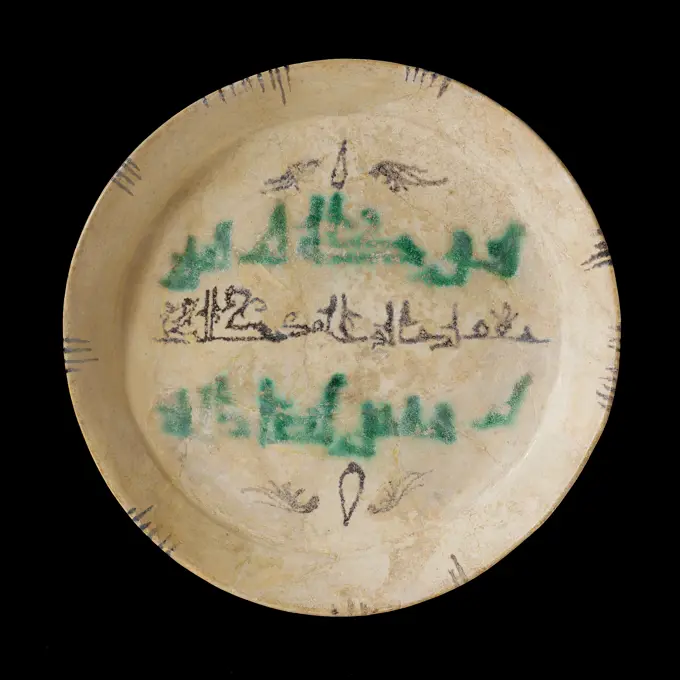
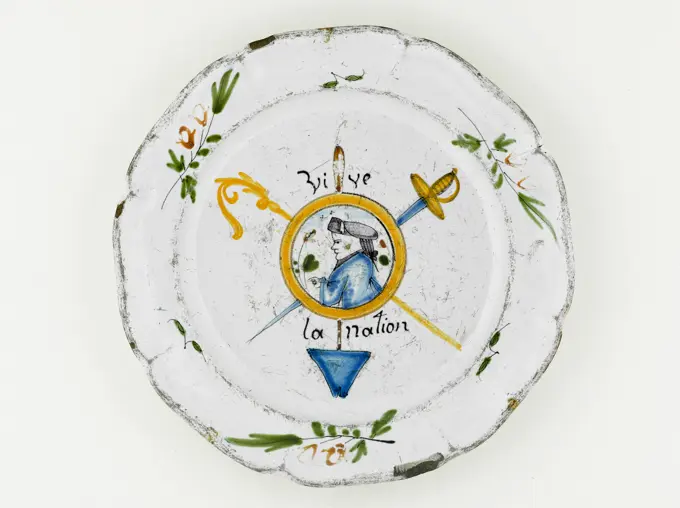
A selection of intricately designed decorative plates, featuring floral and geometric patterns, predominantly in blue and white hues.
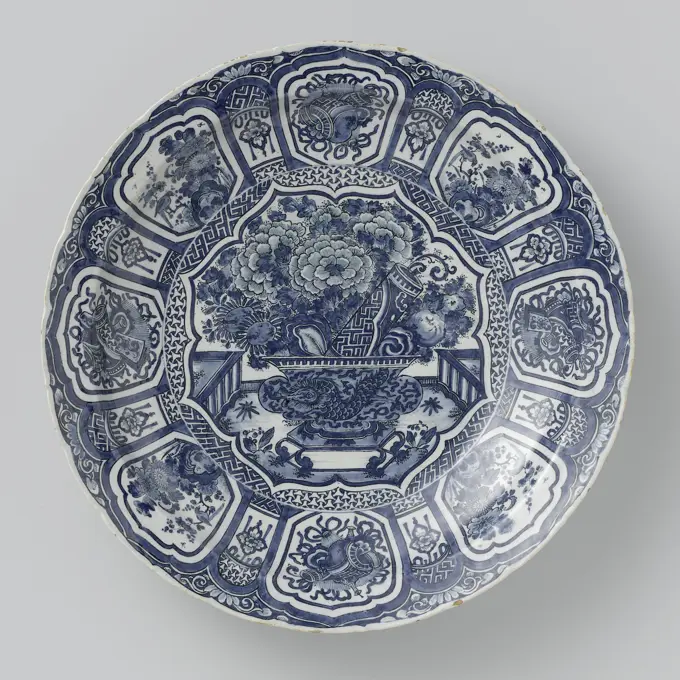
Charger, anonymous, 1718 Dishes of earthenware with blue painting on tinglaze in Chinese style. On the flat a vase largely filled with flowers. The edge is divided into eight large areas, four of which are decorated with Chinese emblems and four with flower branches and a bird. Delft . Dishes of earthenware with blue painting on tinglaze in Chinese style. On the flat a vase largely filled with flowers. The edge is divided into eight large areas, four of which are decorated with Chinese emblems and four with flower branches and a bird. Delft .
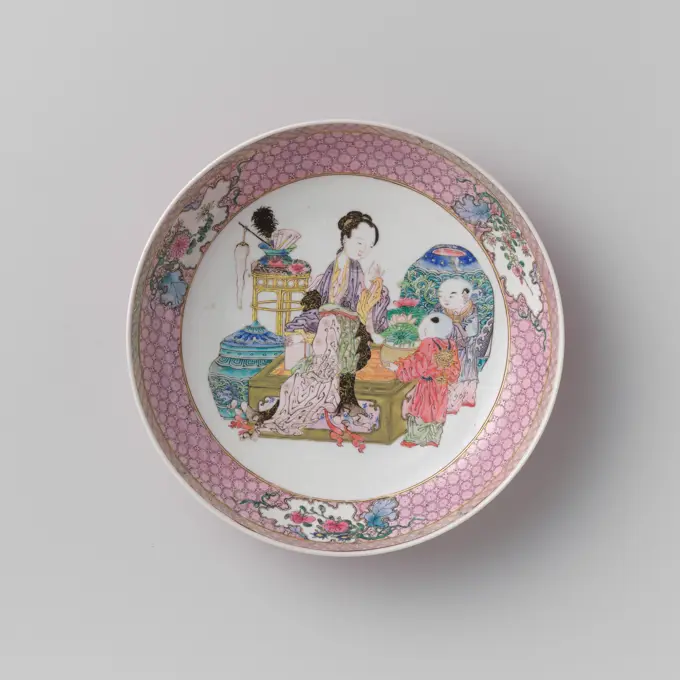
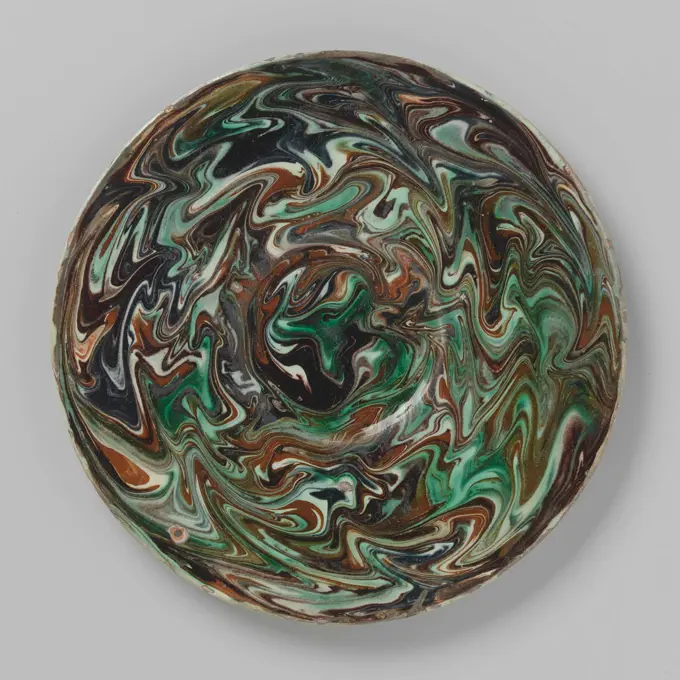
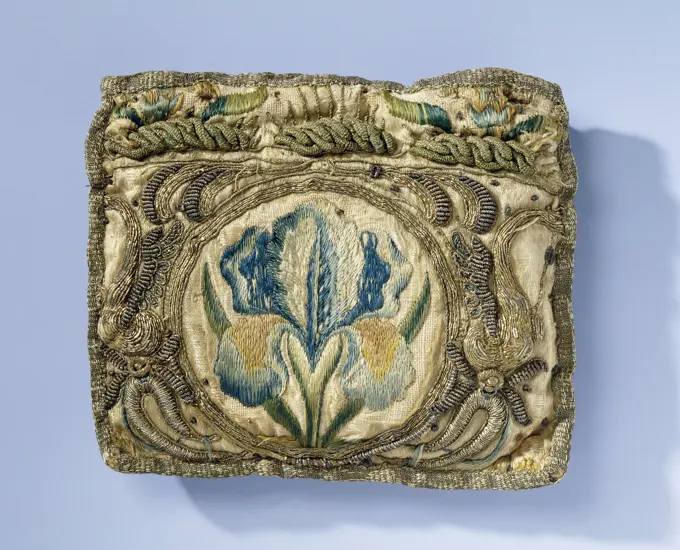
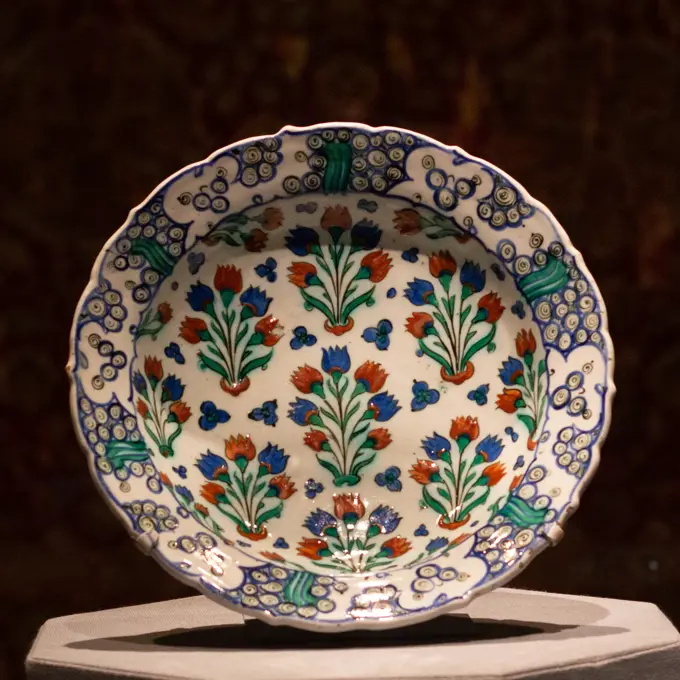
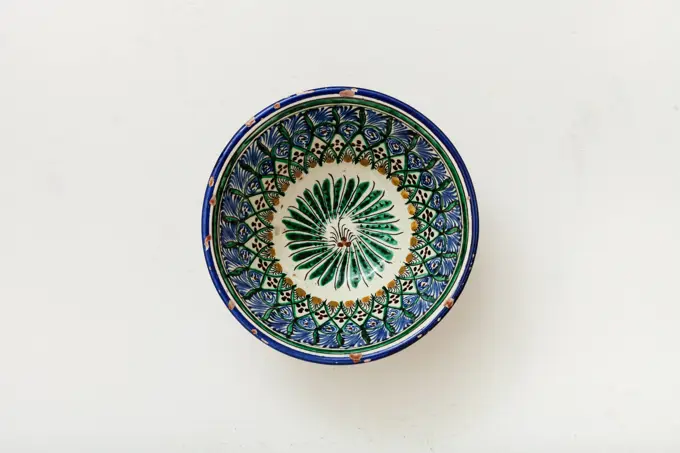
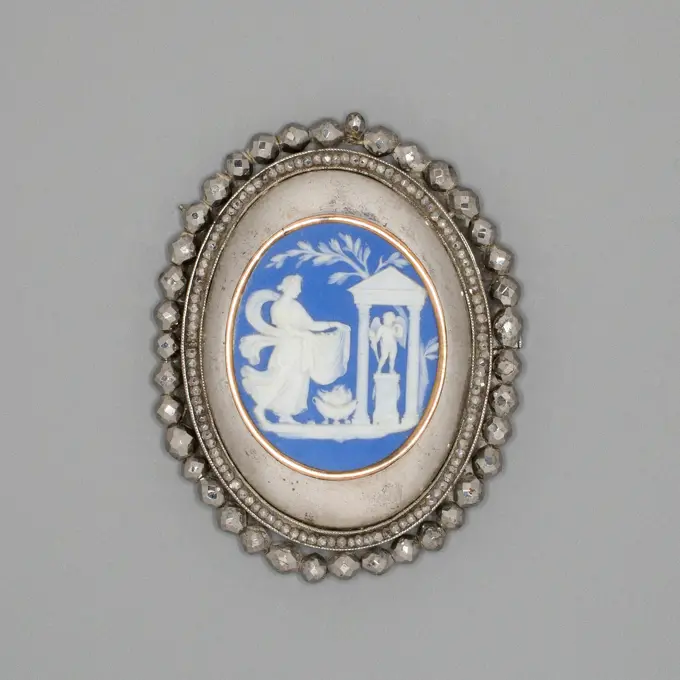
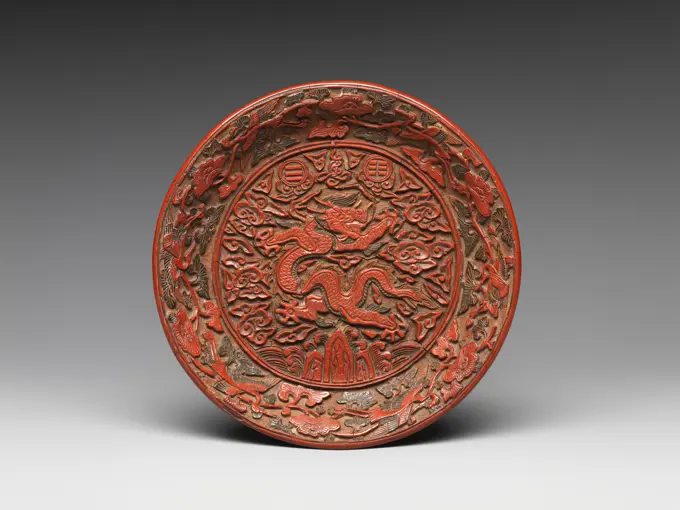
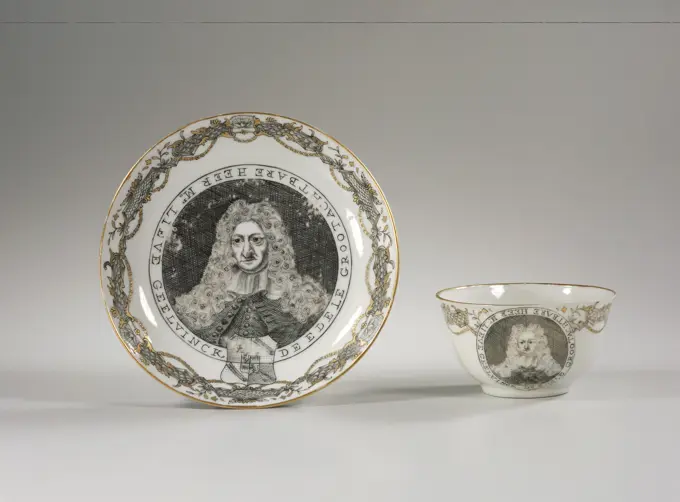
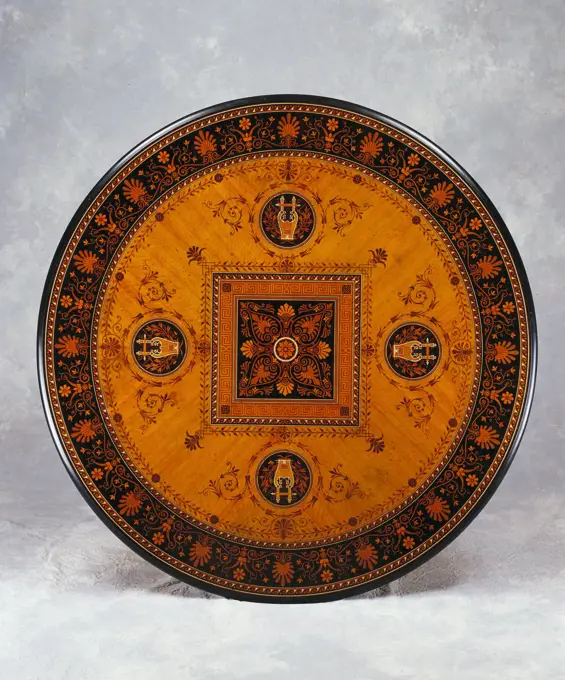
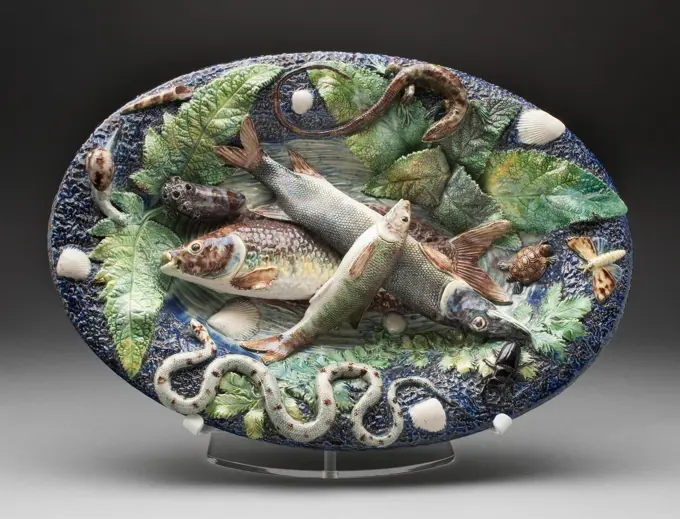
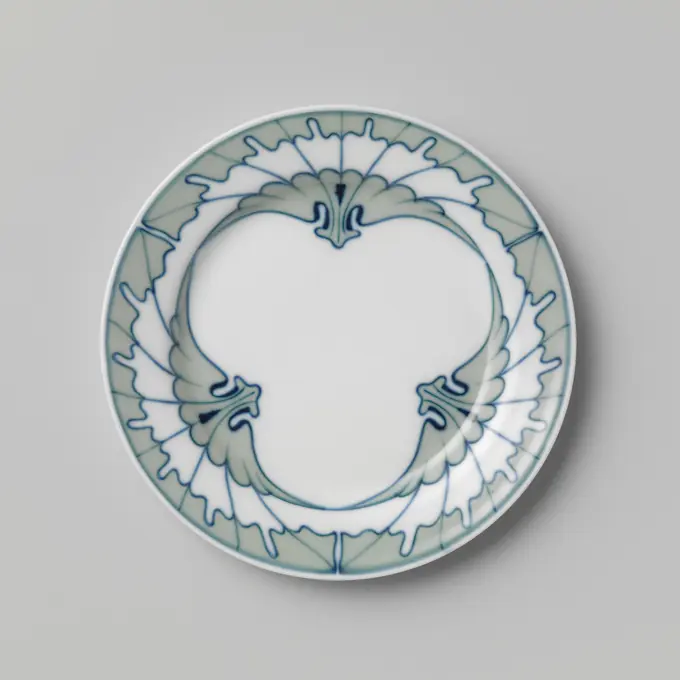
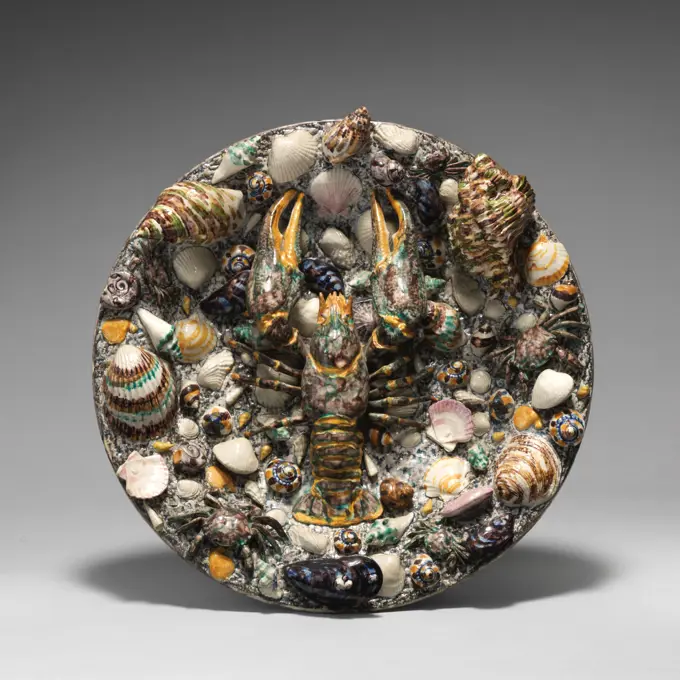
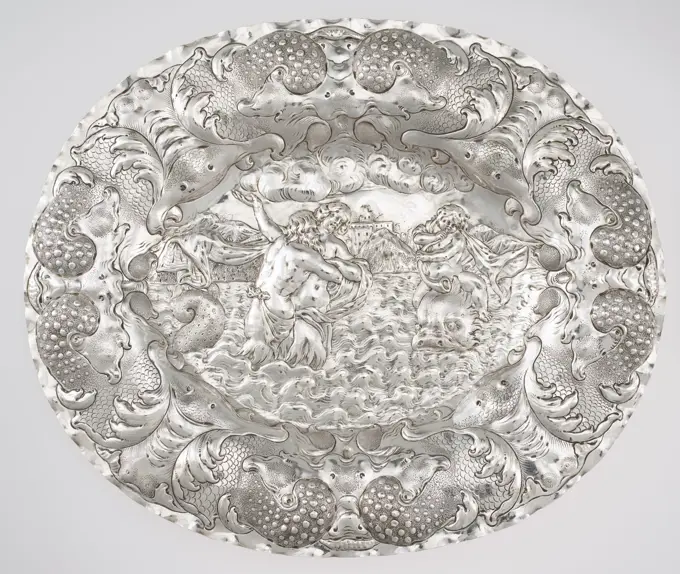
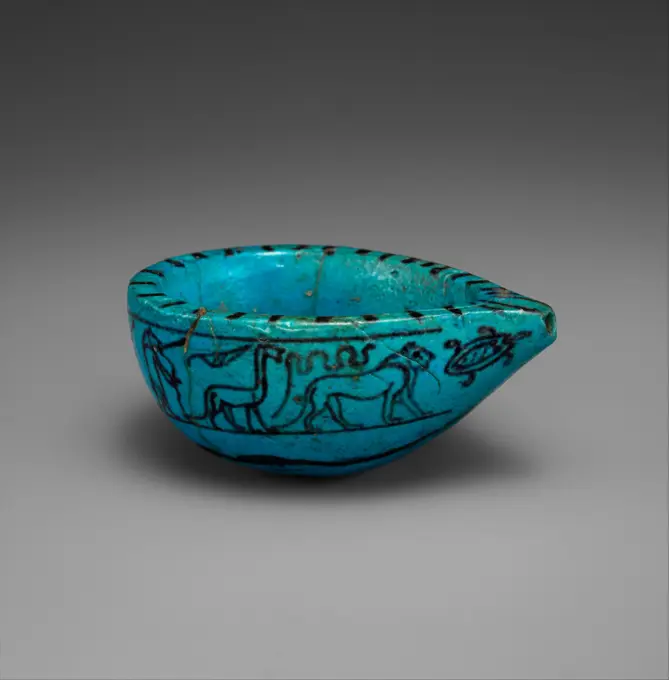
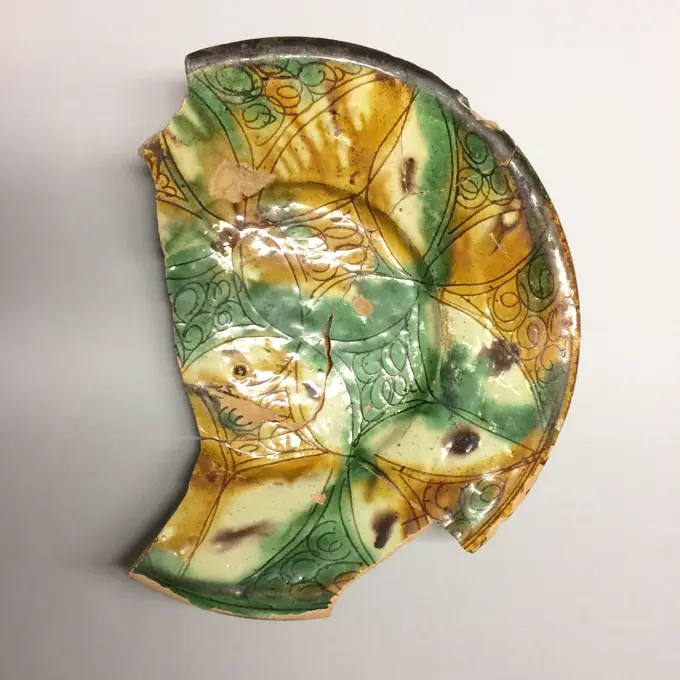
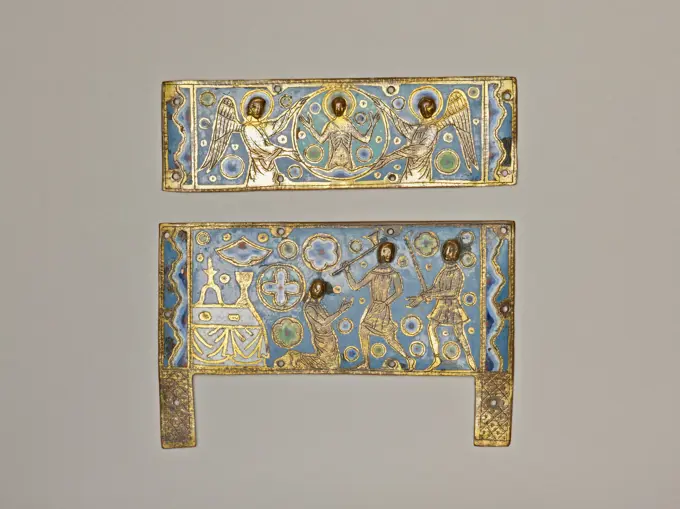
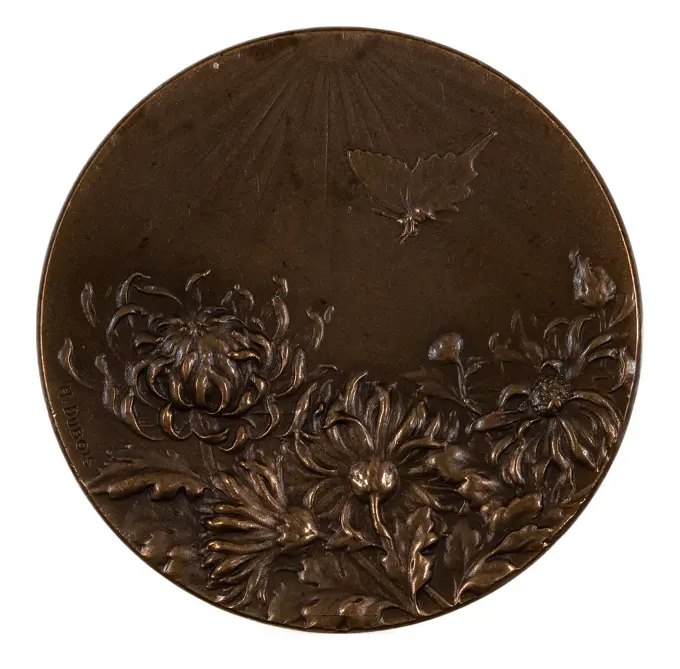
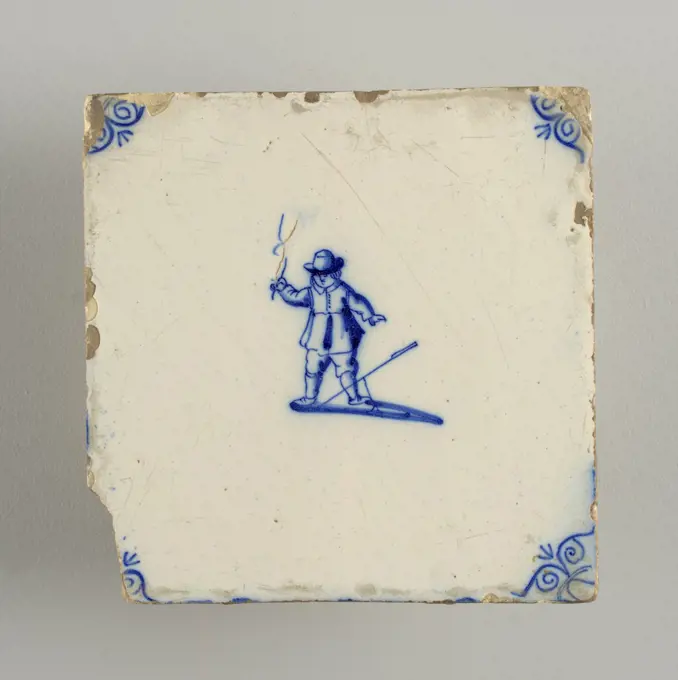
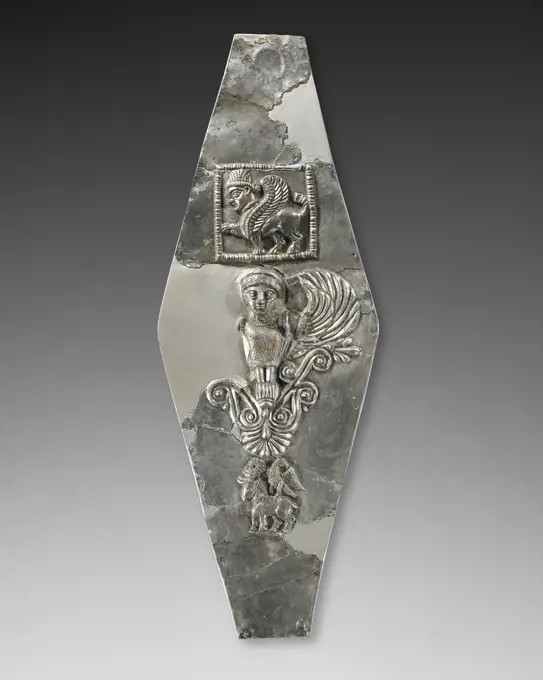
Covers cover from the site for a obstetrician unknownHandscreen; silk leaf with applied kingfisher feathers, silk-wrapped frame, carved ivory handle, silk cord with glass beads, embroidered and gilded pendantceramics from Muel, Elorrio, Arkeologi Museoa, archaeological museum, Bilbao, Bizkaia, Basque Country, Spain.Saucer-dish with a Chinese Lady and Two Boys. Scale of porcelain, covered with a pink glaze and painted on the glaze in blue, red, pink, green, yellow, purple, black and gold. On the flat a seated Chinese lady with two boys surrounded by lucky objects; The wall with a tire napkin interspersed with leaf-shaped cartouches with flower branches; On the inner edge a band with napkin; The rear is covered with a pink glaze. Famille Rose with a Ruby Back.Dish with marbled decor. Dish of lead glazing pottery. The dish is covered with a white-yellow sludge layer, on which a marbled decor is applied from lead glaze, in the colors brown, green, manganese and blue.GELDER SIDE, embroidered with iris in multicolored Vloszijde and ornaments in gold thread, anonymous, c. 1675 - c. 1700 Rectangular stock exchange of yellow side. On the front and back of the exhibition is a medallion in which an embroidered iris in blue, goen, white and gold-colored Vloszijde, around which ornaments in a symmetrical fantathy motif in silver and gold thread. The edge is trimmed with a collar. The fair is fed with yellow side. Friesland (possibly)maker: Netherlands whole: Silk. Decoration:. Decoration: Silver thread. Embroidery: Silk. Lining: Silk. embroidering Rectangular stock exchange of yellow side. On the front and back of the exhibition is a medallion in which an embroidered iris in blue, goen, white and gold-colored Vloszijde, around which ornaments in a symmetrical fantathy motif in silver and gold thread. The edge is trimmed with a collar. The fair is fed with yellow side. Friesland (possibly)maker: Netherlands whole: Silk. Decoration:. Decoration: Silver threaPlate Made 1760-1770 Staffordshire. Lead-glazed earthenware (creamware) .Dish with Pattern of Flowering Plants ca. 1565-70 The dish has a flattened base, a flat, scalloped rim, and stands on a foot ring. It is decorated with an over-all pattern of tulips arranged in staggered rows. Between these flowers there are çintamani or triple dot motifs. Spiral-like motifs have been painted on the rim.. Dish with Pattern of Flowering Plants. ca. 1565-70. Stonepaste; polychrome painted under transparent glaze. Made in Turkey, Iznik. Ceramicstypical central asian bowl on plastering plate above view of typical central asian bowl on white plastering plate Copyright: xZoonar.com/ValeryxVoennyyx 9787722Fragment Kraaikop from V.O.C. ship De 'Witte Leeuw', Anonymous, Before 1613 bowl Fragment Kraaikop from V.O.C. ship the 'Witte Leeuw'. Jingdezhen bone china (material)   Sint-HelenaMedallion with Sacrifice to Hymen 1775-1799 Burslem. Stoneware (jasperware) . Wedgwood Manufactory (Manufacturer)Hohe Winkel Ansicht der leeren blauen und braunen Stern Muster dunklen Rand Keramikplatte isoliert auf weißem Hintergrund. High angle view of empty blue and brown star pattern dark edge ceramic plate isolated on white background with clipping path. Copyright: xZoonar.com/VeeravongxxKomalamenax 22785468CERAMICA IRANI-PLATO DE ARCILLA ROJA S IX. Location: MUSEO ARQUEOLOGICO NACIONAL-COLECCION. MADRID. SPAIN.Circular Dish with Dragon, Trigrams, and the Character for Longevity (Shou) China 1522-1566 View more. Circular Dish with Dragon, Trigrams, and the Character for Longevity (Shou). China. 1522-1566. Carved polychrome lacquer. Ming dynasty (1368-1644), Jiajing period (1522-66). LacquerSaucer with a portrait of Lieve Geelvinck, anonymous, c. 1760 Porcelain dish, painted on the glaze in black and gold. On the flat of the dish a medallion with a portrait of Lieve Geelvinck (176-1743), mayor of Amsterdam and one of the directors of the V.O.C., for the portrait an inscription 'The noble great-lord Mr. Dear Geelvinck ', the inscription is interrupted by his coat of arms; The inner edge with a decorative band in the style of the Viennese du Paquier porcelain. European performance in Encre de Chine. ChinaNetherlandspainter: Netherlands porcelain. glaze. gold (metal) painting / gilding / vitrification  Amsterdam Porcelain dish, painted on the glaze in black and gold. On the flat of the dish a medallion with a portrait of Lieve Geelvinck (176-1743), mayor of Amsterdam and one of the directors of the V.O.C., for the portrait an inscription 'The noble great-lord Mr. Dear Geelvinck ', the inscription is interrupted by his coat of arms; The inner edge with a decorative band in thPaperweight 1840-1865 France. This paperweight uses a traditional glass-making technique called millefiori to great effect. Italian for ìone thousand flowers,î millefiori was first developed in fifteenth-century Venice. In the nineteenth century, French glassmakers revived the technique with a cultural twist. Arranged to evoke traditional French gardens such as the Tuileries in Paris, paperweights like this example brought a little of this landscaping magic indoors.From the late 1840s to early 1860s, French manufacturers of fine glass and crystalósuch as Baccarat (Alsace), Clichy (Paris), and Saint-Louis (Lorraine)ócatered to the vast public enthusiasm for beautiful yet functional desk accessories. Paperweights, which were designed to secure loose papers against drafts, were among their most popular products.. Glass . Compagnie de Saint LouisEtruscan table, 1872, Alexander Eugène Prignot; Maker: Jackson & Graham, French, 1822-, 28 5/8 x 51 1/4 in. (72.71 x 130.18 cm), Olive wood, green and black ebony, ivory, brass mounts, England, 19th century, Beginning with London's Crystal Palace Exhibition in 1851, international exhibitions of art and industry dramatically changed the market for important pieces of furniture. Rather than producing custom pieces solely at the request of a specific--often royal--client, firms began making presentation pieces for exhibitions in hopes of gaining recognition for their technical and artistic merit. This Anglo-Etruscan center table is just such a piece, having been made by the distinguished London cabinet-making firm of Jackson and Graham from designs by the Parisian designer Alexander Eugène Prignot, for display at the London International Exhibition of 1872. With this table, Jackson and Graham exhibited the highest quality in English craftsmanship as well as current artistic fashion.Saucer with figures in a landscape, anonymous, c. 1790 - c. 1800  Porcelain dish, painted on the glaze in blue, red, pink, green, black and gold. On the flat a rosette in a gold medallion. For this medallion, continuously on the wall, a fantasy landscape with buildings, trees and Asian -looking people (chinoiserie). The scene is closed by a band of small bulbs in relief. A leaf vank on the edge. Golden Rand. France porcelain. glaze. gold (metal) painting / gilding / vitrificationOval Dish 1825-1875 Paris. Tin-glazed earthenware (majolica) . School of Bernard PalissyPlate, painted with the Flügelmuster decor. Painted porcelain plate. The plate is painted in green and blue with the flügelmuster. The sign belongs to a tableware (BK-1976-65-1 to BK-1976-65-34) and has been marked.Oh sail! Oh steam! Does free chooses your soap, I'm looking for the hopeful higher. Plate, blue painted with image of a propeller plane and inscription. Rear v.z.v. Two holes and iron wire to hang plate. Signature.Round dish with lobster and shells ca. 1870-80 Thomas-Victor Sergent Thomas-Victor Sergent trained as a ceramicist under his father-in-law Victor Barbizet, a Parisian artisan who specialized in pieces inspired by Bernard Palissy. In this circular dish, Sergent deviates from Barbizets simpler format of a fish on a platter, choosing instead to encrust the entire surface of the delicately painted dish with cockles and mollusks, along with a camouflaged lobster hidden in the center.. Round dish with lobster and shells. French. ca. 1870-80. Glazed earthenware with applied decoration. Ceramics-PotteryCast Fragment; Workshop in the Eastern Mediterranean, Eastern Mediterranean; 2nd century B.C. - 1st century A.D; Glass; 2.5 cm (1 in.)Beaded Pillow 14th-15th century Chimú or Chancay. Beaded Pillow 315765Dish ca. 1879 Design attributed to Albert-Louis Dammouse French. Dish 207999Purse. Culture: French. Date: ca. 1760. Museum: Metropolitan Museum of Art, New York, USA.Ceramic Fragment 13th-16th century. Ceramic Fragment 452473Sideboard dish, 1665-1669, Johann Philipp I Stenglin, German, 1636 - 1706, 14 13/16 × 17 9/16 × 1 1/4 in. (37.62 × 44.61 × 3.18 cm), Silver, Germany, 17th century, This dish is decorated in high relief on all surfaces with imagery associated with the sea.. At its center, mythological figures cavort in the water and in contrast to the sharply delineated, interlocking forms that make up the border. Close inspection of the border elements suggest the flat body and undulating wing-like fins of a ray fish and the muscular, suction-cup covered tentacles of an octopus. The relief surfaces of the dish would have rendered it impractical for use at the table. Instead, it was intended to be displayed on a sideboard or cabinet along with other silver, as an indicator of the owners means and position.Dish 17th centuryFeeding Cup ca. 1850-1700 B.C. Late Middle Kingdom This little cup of faience was not found in a tomb, but was nestled together with the figure of a crocodile (07.227.19) in a small basket deposited by itself in the ground among the tombs to the west of the pyramid of Amenemhat I at Lisht North. The person who made this deposit could have lived in one of the houses that had been built over the tombs in the cemetery on the south and west of the pyramid.The shape of the cup permits milk to be fed to a baby. The cup is appropriately decorated with the beneficial deities and demons otherwise found on so-called "magic wands," thought to have served for the magical protection of infants (see 86.1.91). On this cup appear a walking lion, an upright standing lion, a long-necked mythical animal, a snake, and a turtle.. Feeding Cup 545936Fragment majolica dish, blue on white, -foglie leaf motifs, nissenrand, dish plate crockery holder earth discovery ceramics pottery glaze, Cooked on princes Very strong Italian influences in decor archeology Italy decorate food servingPlate 10th-11th century. Plate. 10th-11th century. Earthenware; white slip, incised and splashed with polychrome glazes under transparent glaze (sgraffito ware). Excavated in Iran, Nishapur. CeramicsPlaques from a Reliquary Casket with the Martyrdom of a Saint 1250-1300 Limoges. Gilt copper, champlevÈ enamel .France Horticulture AwardMedal.  Mint: Paris Artist: Ernest Henri Dubois, French, 1863-1930Tile, Earthenware, Netherlands, 18th century, tiles, Decorative Arts, TilePrometopidion or Forehead Ornament from a Horse Trapping of Greek-Hellenistic Type; 2nd century B.C; Silver; 26 cm (10 1,4 in.)Plate. Culture: American. Dimensions: Diam. 11 1/8 in. (28.3 cm). Date: 1770-1830. Museum: Metropolitan Museum of Art, New York, USA.Plaster  a stage of rice, stand unknownLocket Panel (4 of 4), 1800s. Alexis Falize (French, 1811-1898), Antoine Tard (French, active 1860-1889). Gold and cloisonné enamel; overall: 5.4 x 3.1 cm (2 1/8 x 1 1/4 in.).Top view closeup shot of luxury ceramic tableware isolated on the black background. Closeup shot of luxury ceramic tableware isolated on the black backgroundFragment sign from V.O.C. ship De 'Witte Leeuw', Anonymous, Before 1613 plate (dishes) Fragment sign from V.O.C. ship De 'Witte Leeuw', 50 present; Parts of the wall and the flat are missing. The shard is glassy white and has little ingrained dirt. The glaze is blue tinted and peels over parts of the lip edge. The glaze has Pinholes and small baking cracks on the corners of the lip edge. The bottom is glazed. The foot ring is inside, is V-shaped and faceted. More than 20 grains of oven sand have been found. With loose, non -associated, shard. Jingdezhen bone china (material). glaze   Sint-HelenaSaucer from a tea service for twelve, 1807-08, Christophe-Ferdinand Caron; Manufacturer: Sèvres Porcelain Factory, French (Sèvres), French, 1774-1831, 1 1/4 x 6 x 6 in. (3.18 x 15.24 x 15.24 cm), Hardpaste porcelain, gilt, France, 19th centuryDish with Monogram of Philips, Count of Flanders and Maria from Hohenzollern-Sigmaringen. On the dish in the middle the crowned monogram of the set in gold on the white fond. Dish is on the biscuit parts and the middle, gilt, with an enrolled vermiculé () - pattern. Signature: Scepter with around eagle brand in underglaze blue; Inserted an S and an M. with associated head (BK-1985-42-a-2).Dish with card game. Dish of porcelain, decorated with a multi-colored card game on green ground.Bird's Nest H. Lynde. , 1862. Watercolor on paper   American Art 1862Hundred;  1870-1880 (1870-00-00-1880-00-00);The Apple Blossom Egg by Pershin, Michail, (Faberge manufacture) (19th century)/ Private Collection/ 1901/ Russia/ Gold, enamel, gems/ Art Nouveau/ H 11,5/ Objectsmanufacter: IM, Soul of majolica dish with jumping hare, signed at the bottom, plate crockery holder soil find ceramic earthenware glaze lead glaze tin glaze, stand ring, w 0.7 majolica glazed baked 2x painted Fragment: mirror in blue orange and green on white fond Yellow shard scraped pottery. Front tin glaze back of lead glaze with black discoloration. Imprimed IM (drawn on enamel in the middle of the back Jacob Martens) Archeology Stadscentrum Stadsdriehoek Rotterdam Town hall decorate serving serve food Soil discovery: Councilhouse secondary oven waste.Plaque, c. 1880. Veuve Ferdinand Duvinage (French), Alphonse Giroux (French). Metal gilded in several colors of gold, silver-colored metal, ivory, wood; diameter: 26.9 cm (10 9/16 in.).Square Dish (Die) with Scholars by the Shore. China, Chinese, Qing dynasty, Kangxi period, 1662-1722. Furnishings; Serviceware. Black lacquer on wood core with shell and gold leaf inlayDish with a cover;  End of the 19th century (1891-00-00-1900-00-00);Block, Julius Henry (1858-1934) - collection, cloisonné, gift (provenance), Japanese (culture), dragons (iconogr.), Japanese artA red plate with a green border sits on a wooden tableDish with Lion Design. Culture: Japan. Dimensions: H. 1 3/4 in. (4.4 cm); W. 8 3/4 in. (22.2 cm). Date: 18th century. Museum: Metropolitan Museum of Art, New York, USA.Box with landscape design. Carved lacquer on wood. 1403-24, Ming dynasty, Yongle reign period.Pot lid with decor: I see you my boy. Pot lid from pottery with multicolor transfer decor, with a representation of a man who pretends to sleep, while a boy tries to steal something from his good pocket. A girl is watching from behind a tree stump.Box of box with pot lid with decor: I see you my boy, anonymous, c. 1400 - c. 1950 White earthenware container. Staffordshire earthenware White earthenware container. Staffordshire earthenwarePlate 1800-1825 Montereau. Earthenware, transfer-printed (creamware) . Montereau Pottery (Manufacturer)Plate. José Francisco de Sousa (Portugal, active 1860-1893). Portugal, 1860-1893. Furnishings; Accessories. Glazed earthenwareSquare Tray 17th-18th century Japan (Ryūkyū Islands). Square Tray 40544Box, Favrile glass, bronze, One piece of a six-piece desk set. Box of favrille glass and bronze in a grapevine pattern. Box stands on ball feet and has beaded edges., New York, NY, USA, ca. 1910-20, glasswares, Decorative Arts, BoxTile (Spain); earthenware, glazed and high fire decoratedBowl, 1200-1300. Fritware, Ilkhanid Dynasty (1256-1353), Persia/Iran, Rhages .Plate with Willow Tree and Cloud, 1800s. Japan, Edo period (1615-1868). Porcelain with underglaze blue (Hizen ware, Nabeshima style); diameter: 30.5 cm (12 in.); overall: 7.7 cm (3 1/16 in.).Goldsmith's art, Italy, 16th century. Giovanni Bernardi (1494-1553), Rock crystal dish with gold mount and engraved scenes of Noah's Ark and gadrooning. Diameter cm. 30.3.18 plates, each decorated with a Netherlandish province, 1822 Porcelain plate, painted on the glaze in email colors and gold. On the flat a topographical representation of the province of Liège. The inner wall is covered with blue with a chalice twice in gold with a bird head and flower vines on either side. A third flower drink has, instead of a chalice, the weapon of Liège in the middle and the fourth shows the weapon of the Netherlands. Marked on the underside with the monogram r.d. and the year 1822. porcelain company: ParisLow Countries porcelain. glaze. gold (metal) painting / gilding / vitrification  United Kingdom of the Netherlands. Liège Porcelain plate, painted on the glaze in email colors and gold. On the flat a topographical representation of the province of Liège. The inner wall is covered with blue with a chalice twice in gold with a bird head and flower vines on either side. A third flower drink has, instead of a chalice, the weapon of Liège in the middle and the fourthHou'en faithful to Kroon and Throne 1918, Petrus Regout & Co., 1918 - 1919  Memorial board with the colors orange, green and dark red. Rand of orange apples with stylized leaves and rounds. On the flat Dutch lion above which a crown and a pennant flanked by orange apples with leaves and 5 weapons (2 stars, 2 lions and a post horn) on a surface of dots and stripes. Maastricht earthenware vitrification  NetherlandsDish. Iraq or possibly Egypt, 9th century. Ceramics. Earthenware, inglaze-painted18 plates, each decorated with a Netherlandish province. These plates reflect the period when the Netherlands and Belgium together formed the United Kingdom of the Netherlands (1815-1830). The kingdom consisted of 17 provinces plus the grand duchy of Luxembourg. The gold decoration is in the Neoclassical style. On the upperedge are the arms of the kingdom, on the lower border those of each province. Today the Netherlands consists of 12 provinces.Box (He) with Dragon and Phoenix. China, Middle Qing dynasty, about 1700-1800. Furnishings; Accessories. Red, green, and yellow lacquer on wood core with incised gold decoration (diaotian)Anonymous. Plate. Earthenware. Paris, Carnavalet museum. 71478-7 Attribut, beche, crosse, emblem, spell, revolutionary time, faience, man, medallion, French revolution, three orders, dishes, lively nation, plate. Dish of porcelain, painted on the glaze in black and gold. On the flat of the dish a representation of the crucifixion with the two Maria's; On the edge a bond with a decorative pattern. Part of a tea service. European performance in Encre de Chine.Plate ca. 1760 Charles Loyal. Plate 208949Faience dish with fish and text SALM in blue on rose-pink background, dish plate tableware holder earth discovery ceramics earthenware glaze tin glazing h 2,8, hand turned fried glazed decorated baked Majolica dish plate with as presentation and fish and text in blue on white fond. On the kink of the shoulder two circles in blue. Completely glazed, striking pink undertone in the ground. Stand with light soul. Restoration is partly repainted not on color under the representation text: SALM archeology Rotterdam Heliport grounds indigenous pottery food room serve table serve Soil discovery: Heliport site Rotterdam June 1978.