Decorative Ceramic Tiles

Colorful decorative ceramics with intricate floral and geometric patterns, showcasing historic craftsmanship in earthenware and faïence styles.
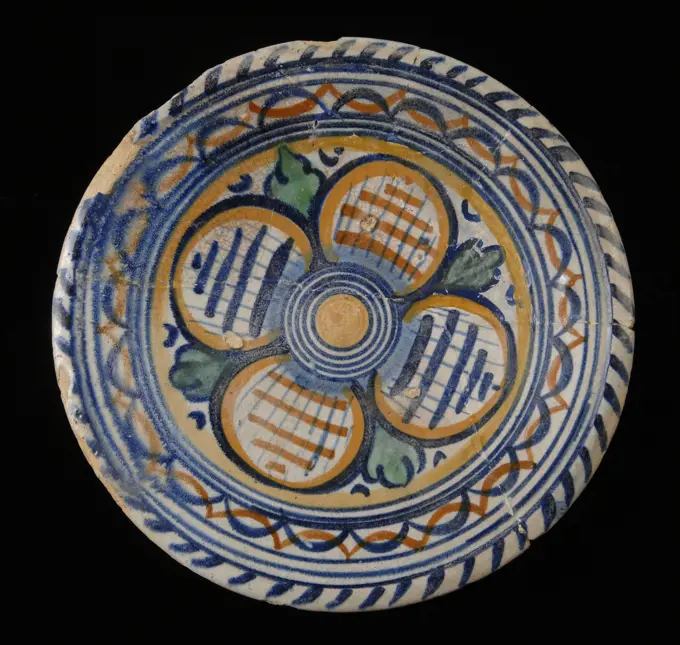
Majolica dish with four-leaved flower in the mirror in blue, orange and green, dish crockery holder soil find ceramic earthenware glaze tin glaze lead glaze, ring 9.5 hand turned baked glazed painted fried Majolica dish on stand. hole in the rope decor stand ring along the dish edge. In the mirror polychrome flower with round heart and four leaves in blue orange and green en Backside lead glaze Along the edge the glaze is lightly arched in one place archeology Valckensteyn Poortugaal Albrandswaard earthenware serve serving food Soil discovery: castle Valckensteyn in Poortugaal now Albrandswaard 1961- 1962.
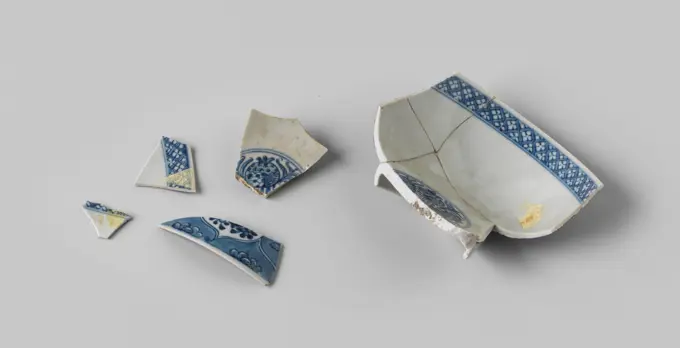
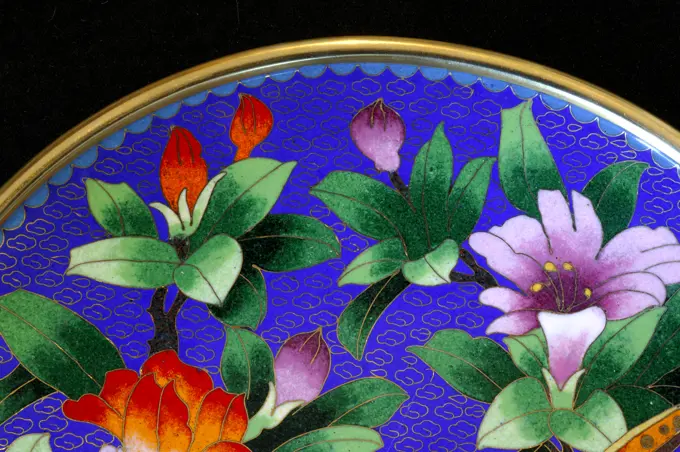
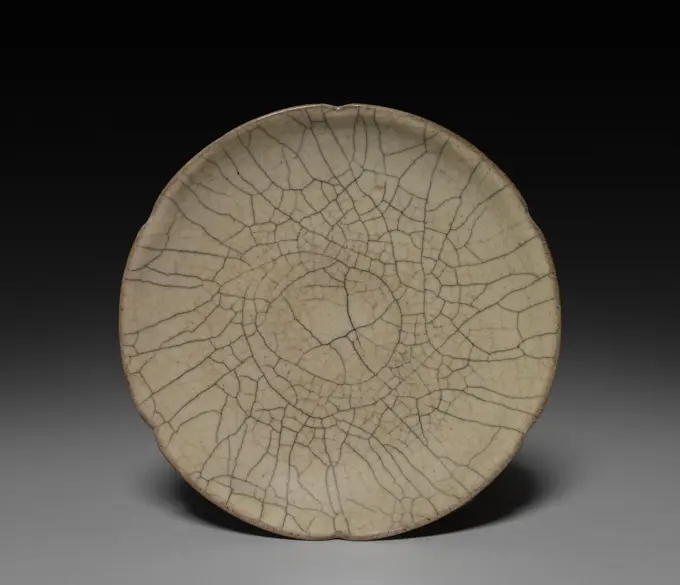
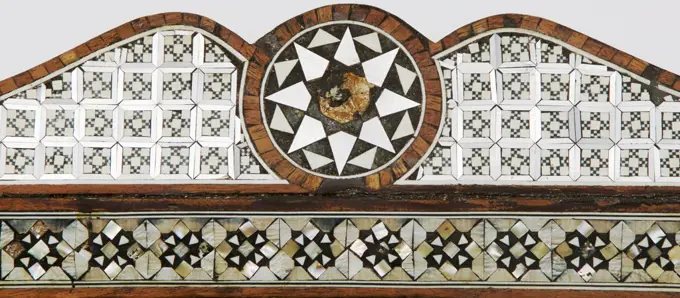
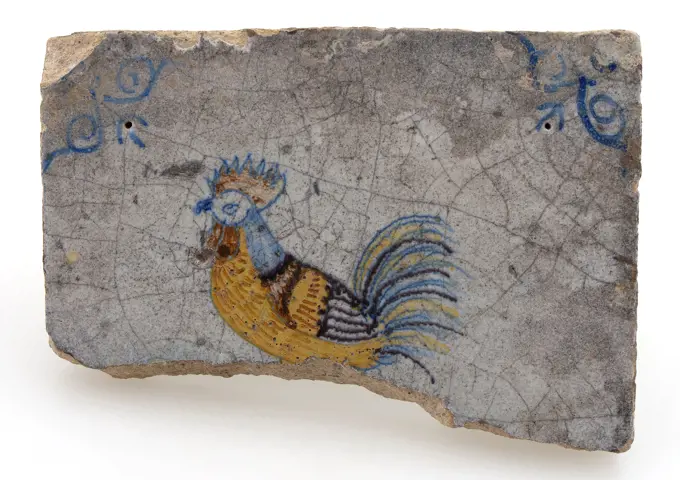
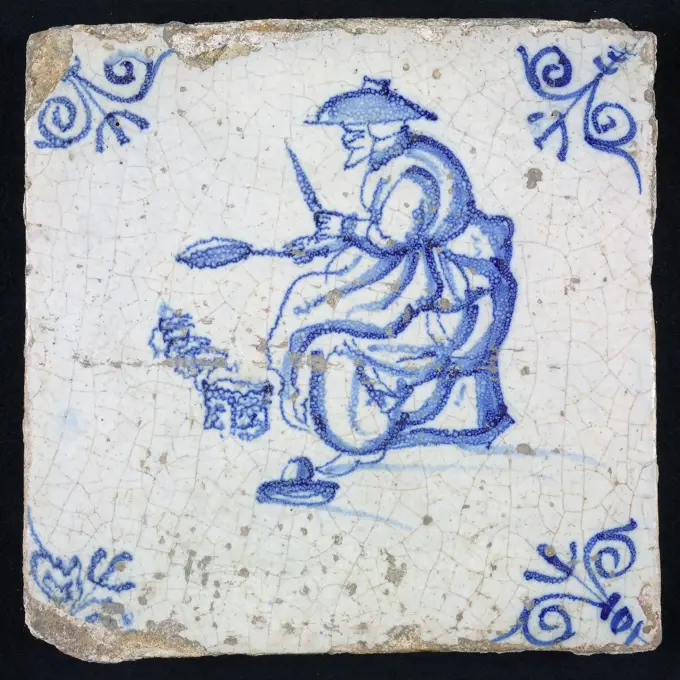
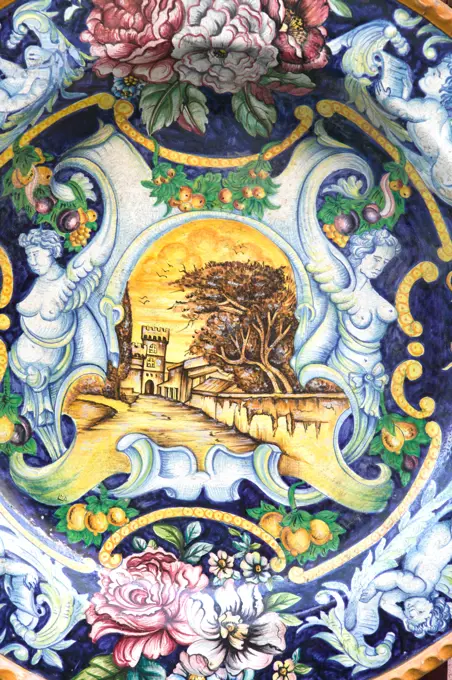
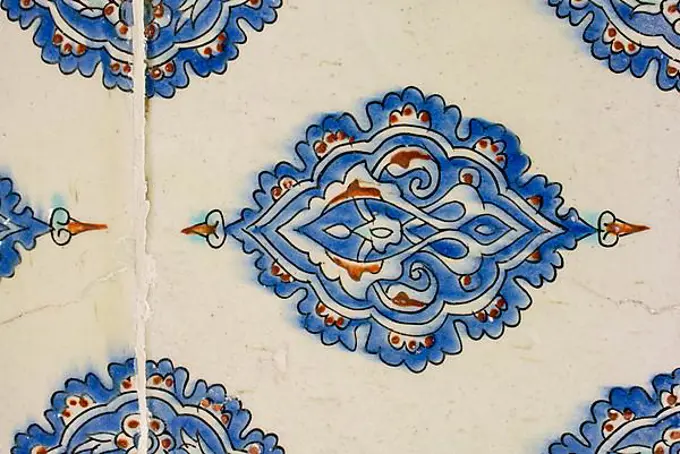
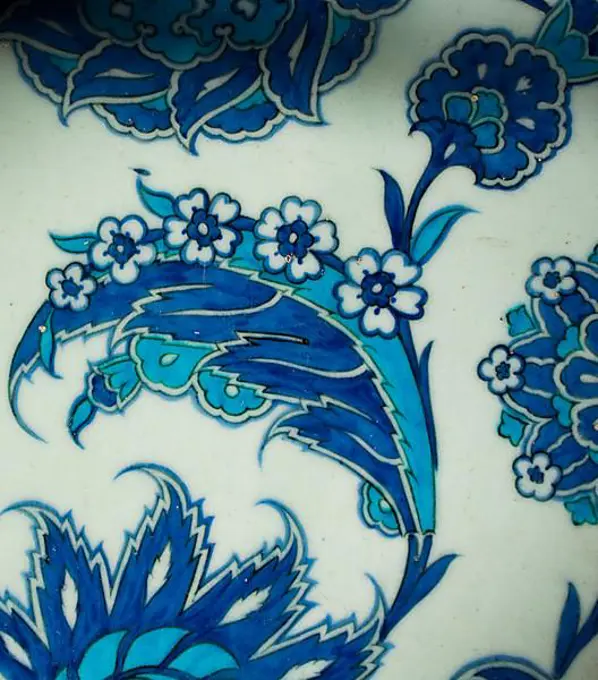
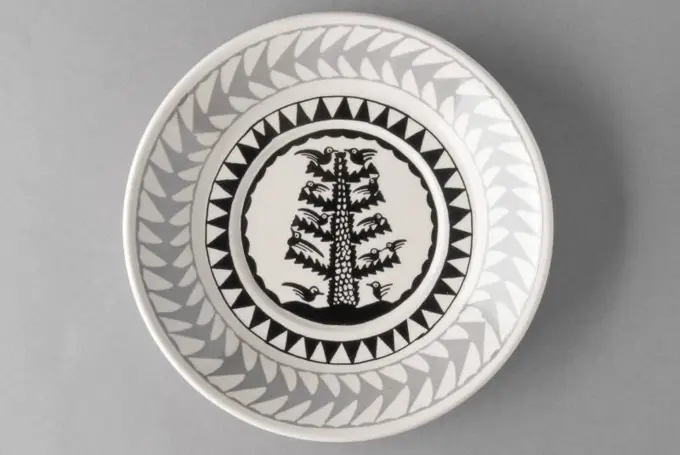
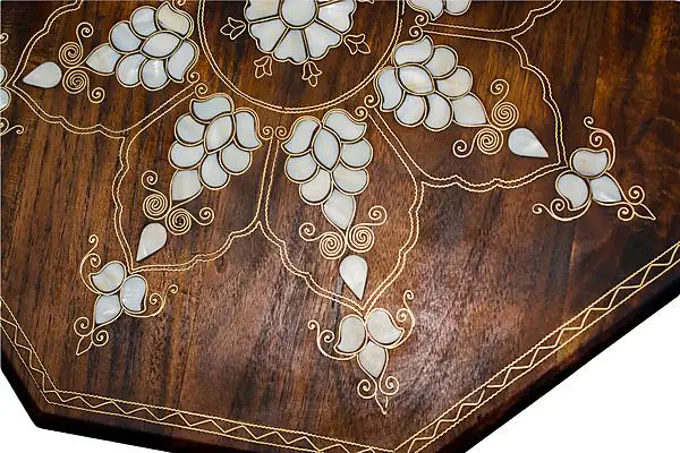
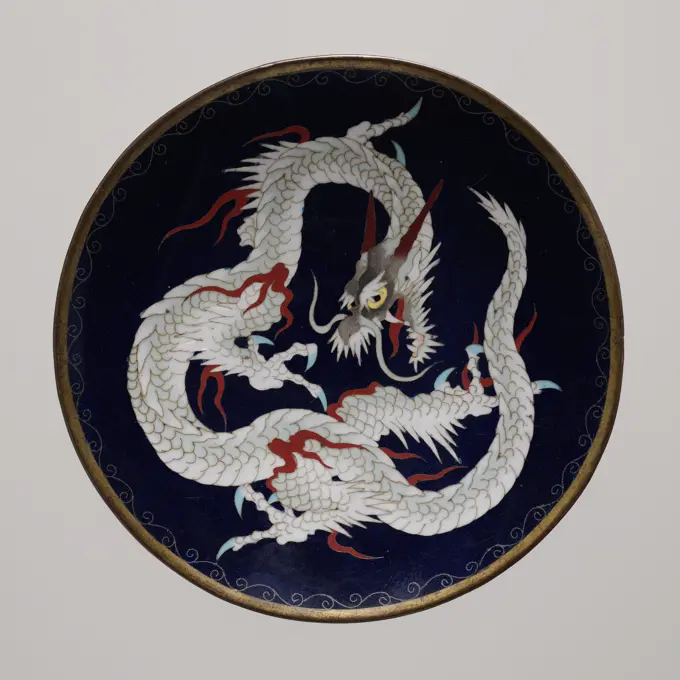
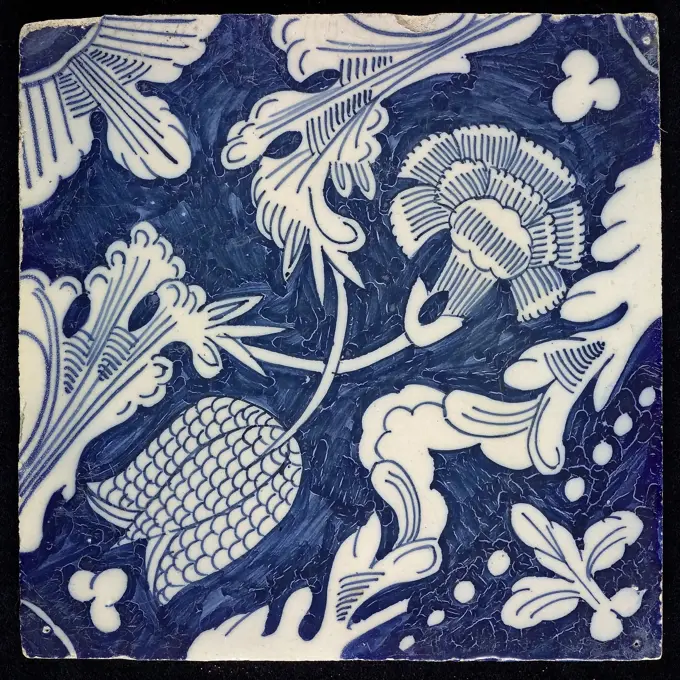
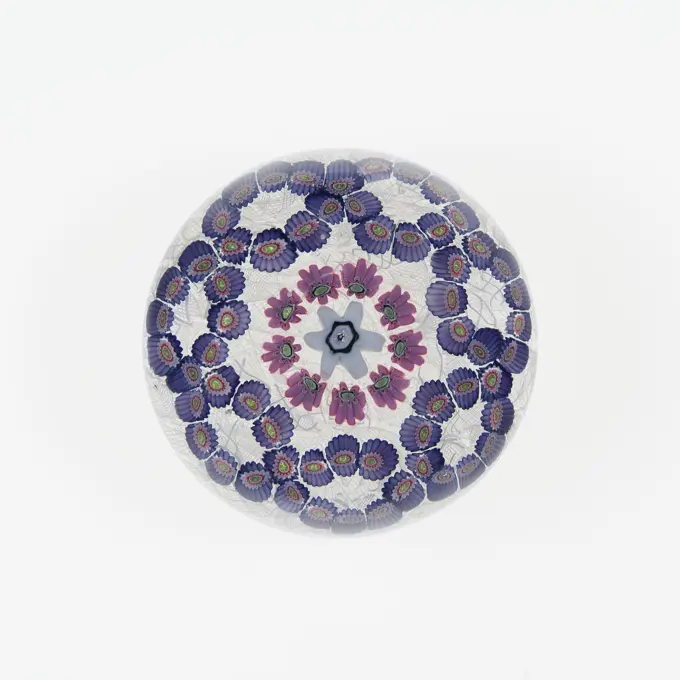
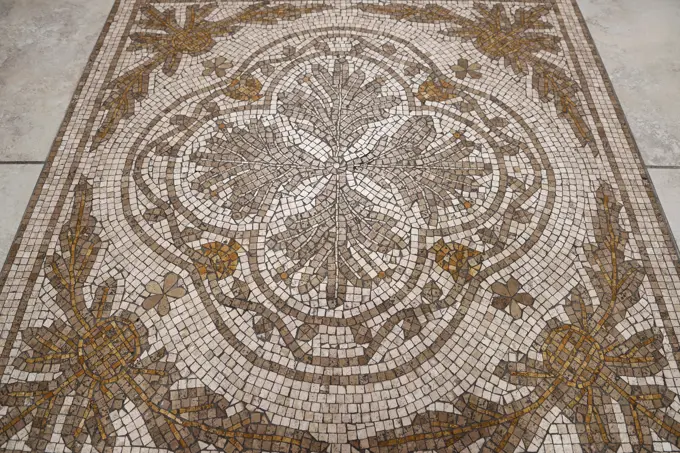
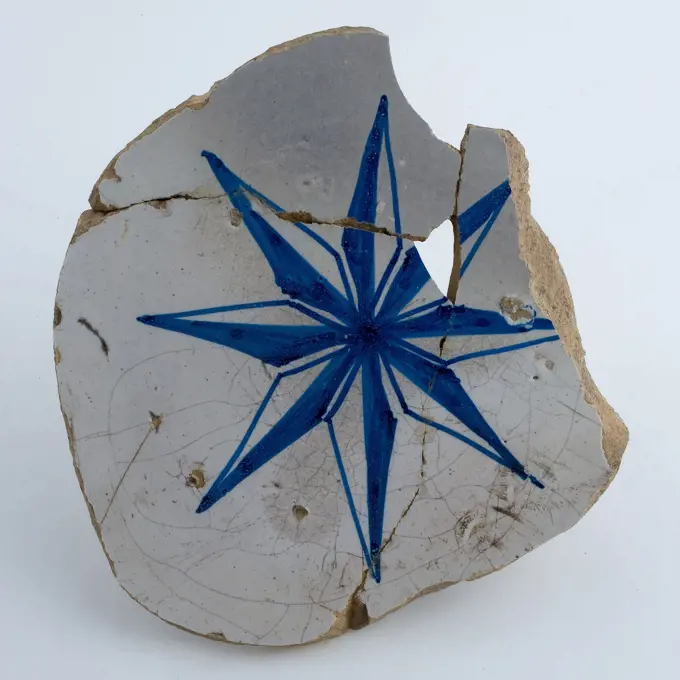
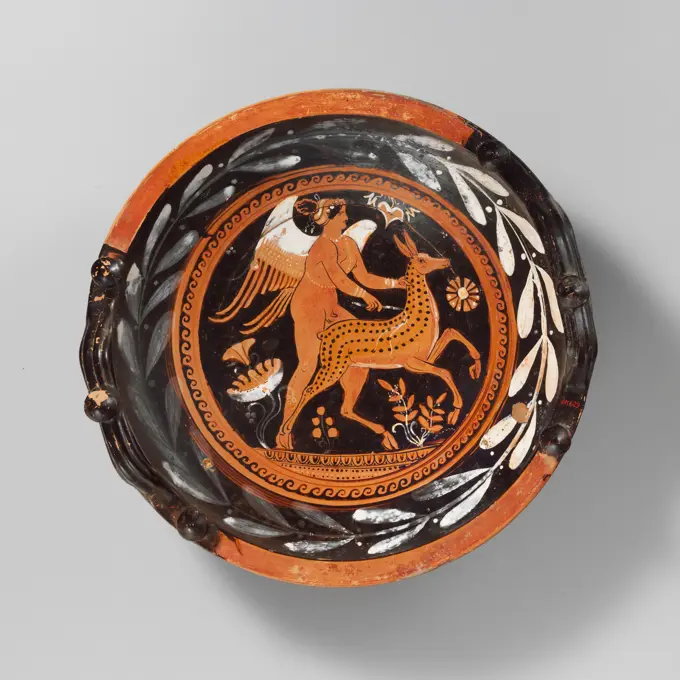
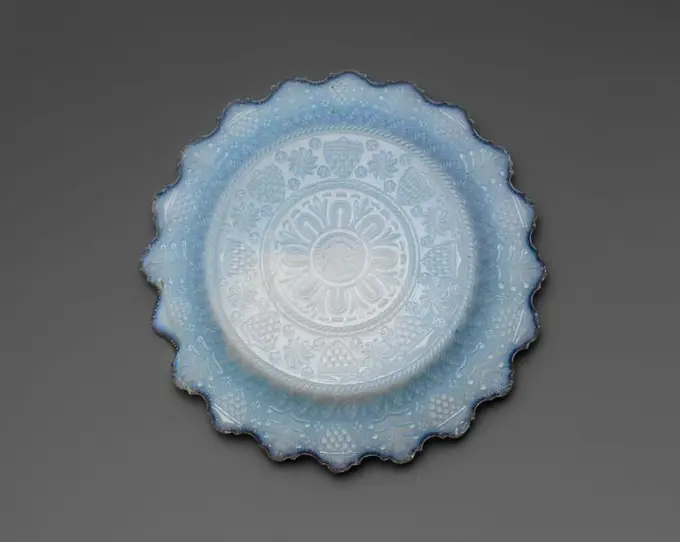
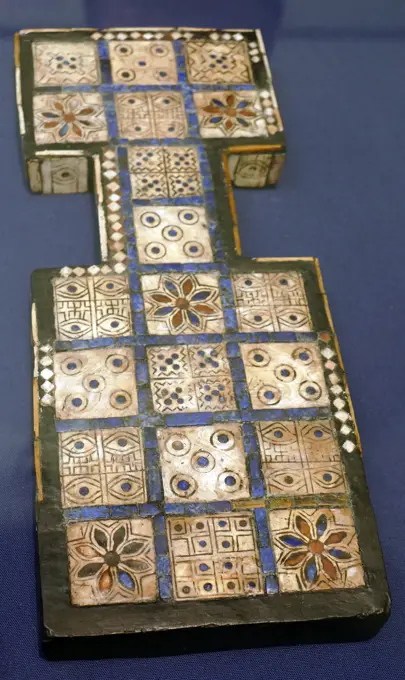
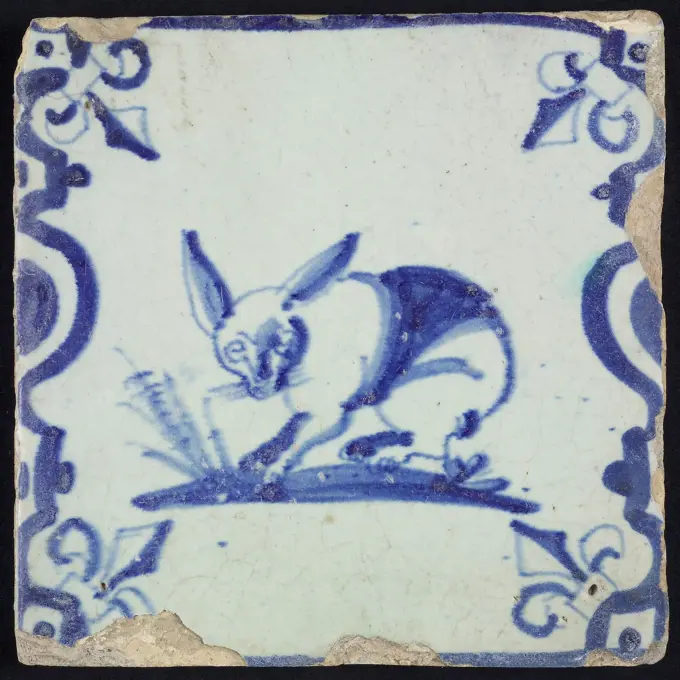
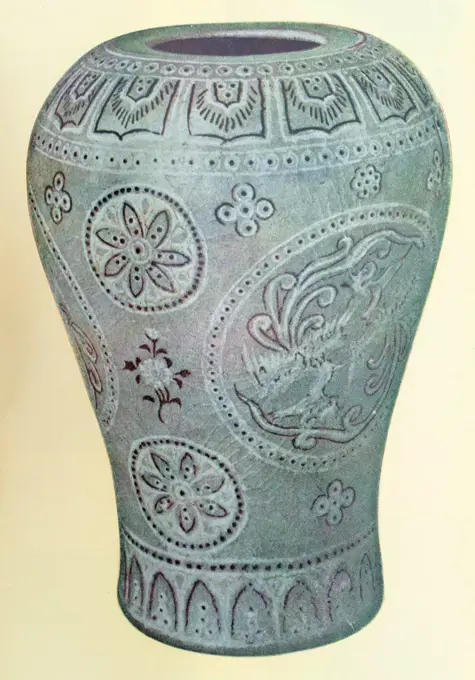
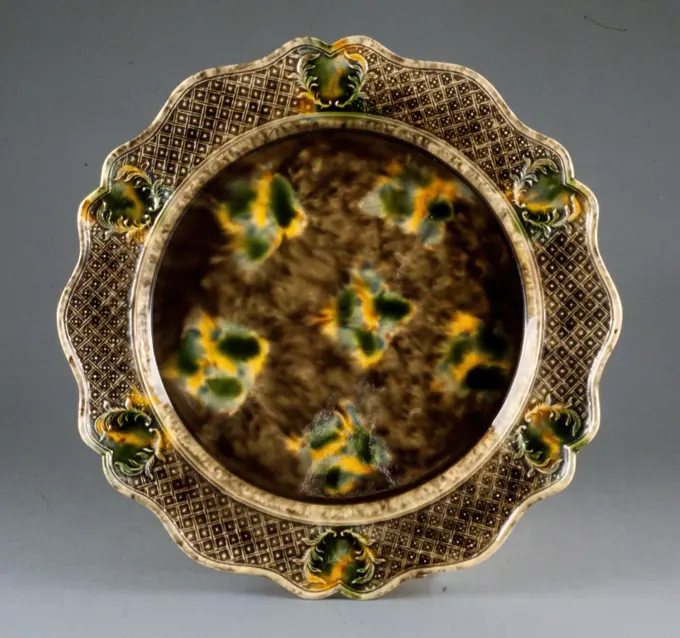
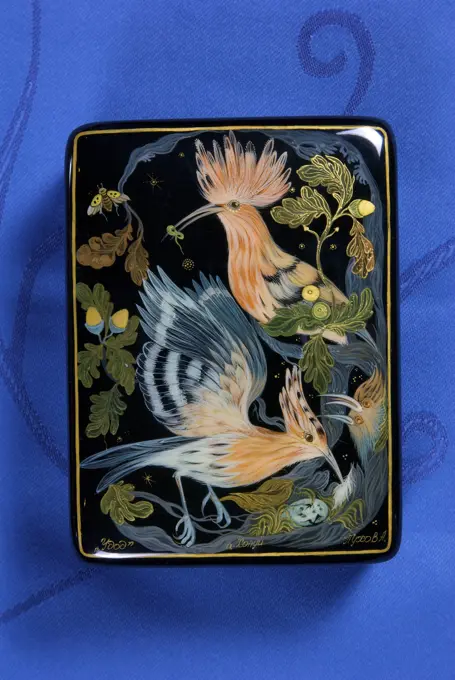
Close-up of tiles, Caltagirone, ItalyKom, found at V.O.C. -Schip Witte Leeuw, possibly from Zeelelie, Anonymous, 1775 - 1800 bowl Come, made for export to Anglo-Saxi countries, 25 present. This object is 18th century and cannot therefore be from the freight of the Witte Leeuw. It is unclear whether the object will come from the site or whether it was mixed later, possibly with material from the Zeelelie. Jingdezhen porcelain   Sint-HelenaDish 18th-19th century. Dish 447236Saucer with a fruit scrolls, anonymous, c. 1820  Porcelain dish on a high foot ring, painted on the glaze in blue, pink, green, purple and gold. On the flat golden concentric circles. The wall is divided into three tires in a matte green background. One of them is filled with a fruit drink. A golden band on the edge. France porcelain. glaze. gold (metal) painting / gilding / vitrification. Tile, adorned multicolored in Cuenca technique with an ornament from a braided stars.Carnavalet Museum, Medals CollectionChina. Chinese handicrafts. Cloisonne plate.  Each cloisonne design is hand made with tiny copper wires & powered enamel.Paperweight, 19th century, Saint Louis Glass Works, 2 1/4 x 3 1/4 x 3 1/4 in. (5.72 x 8.26 x 8.26 cm), Glass, France, 19th centuryBowl 17th century. Bowl 448396Fragment of a Floral Inlay 100 BCE-100 CE Egypt. In ancient Rome, there was a high demand for colorful glass that could dazzle banquet guests alongside the expensive silver and gold serving wares meant to impress. Fragments like this one would have once been a part of larger mosaic dishes. The mosaic pattern was made by sagging molten glass into bowl-shaped molds, a technique used on many of these fragments is similar to millefiori, ìthousand flowersî in Italian, a modern glass-making method in which tiny rods of colored glass are bundled together, wrapped in a sheet of glass, fused, and then thinly sliced to reveal swirls of a flower-like patterns. They were arranged side by side, sometimes together with bits of colored glass, and fused together with heat.. Glass, mosaic technique . Ancient EgyptianPlato de reflejos, siglo XVI. Colección privada.Tile, blue painted with a ship, c. 1650 - c. 1680 tile Tile, blue painted with a ship, supposedly farm ship. A spinning head in the corners. Holland earthenware. tin glaze majolicaPlaque with the arms of the Gaal family, De Metaale Pot (attributed to), c. 1700 - c. 1725 Plaque van Faïence with the coat of arms of the Gaal family Delft . Plaque van Faïence with the coat of arms of the Gaal family Delft .Patron with stamens of chestnut flowers for polychrome of the House of the Medical Society in Krakow Wyspiały, Stanis Aw (1869 1907)Lobed Dish: Guan ware, 12th-14th Century. China, Zhejiang province, Southern Song Dynasty (1127-1279) - Yuan Dynasty (1271-1368). Glazed buff stoneware; diameter: 16.5 cm (6 1/2 in.); overall: 2.9 cm (1 1/8 in.).Marquetery on picture frame, close-upPlatter (England); Manufactured by Mintons (United Kingdom); molded and glazed earthenware; Overall: L: 50.2 x W: 38 x D: 5 x cm (19 3/4 x 14 15/16 x 1 15/16 in.)Fragment of tile with polychrome rooster, corner filling: ox-head, wall tile tile visualization earth discovery ceramics earthenware glaze tin glaze lead glaze, in form made baked glazed painted baked Tile with polychrome decor on white background The image is rooster with feathers in yellow orange manganese and blue . Very fine painted. brown-yellow shard scraped pottery. Corner filling: ox head archeology Rotterdam City center Stadsdriehoek Mariniersweg indigenous pottery Soil discovery Mariniersweg 1983.Plate; Manufacture Nationale de Porcelaine de Sevres (1756-); 1838-1846 (1844-00-00-1844-00-00);ornaments, rosette (ornament)Tile, blue with woman sitting with frying pan in her hand, corner motif-shaped ox-head, wall tile tile sculpture ceramic earthenware glaze, baked 2x glazed painted Figure tile with woman turned to the left sitting on chair and frying pan over fire holds in her other hand trowel or flat knife; in the foreground hat. The woman herself wears hat of model lampshade pancake makerITALY, Sicily, TAORMINA: Corso Umberto 1, Decorative PlateFragment faience dish, polychrome landscape with castle with pointed towers and shed, dish plate crockery holder soil find ceramics pottery glaze tin glaze, Cooked in archeology ItalyTile, blue painted with a ship, c. 1650 - c. 1680 tile Tile, blue painted with a ship, supposedly farm ship. A spinning head in the corners. Holland earthenware. tin glaze majolicaSaucer with a bird on a branch, lozenges and garlands, La Courtille Parijs, c. 1790 - c. 1820  Porcelain dish with a straight wall, painted on the glaze in blue, red, green, yellow, purple, black and gold. On the flat a gold medallion with a bird on a branch. A bond with garlands around it. On the inner wall rosettes in a diamond pattern. Golden Rand. Marked on the underside with the crossed arrows. Paris porcelain. glaze. gold (metal) painting / gilding / vitrificationOttoman ancient Handmade Turkish Tiles with floral patternsAnonymous / "Heraldic tiles", XV and XVI centuries.Ottoman ancient Handmade Turkish Tiles with floral patternsWooden mask from Eket, Akwa Iborn state, Nigeria, Africa. Dated 20th CenturyAncient Ottoman time Handmade Turkish Tiles with floral patternsPlate with heraldic coat of arms, by Unknown, 1529, 16th Century, pottery. Italy, Emilia Romagna, Faenza, Ravenna, International Museum of Ceramic. Whole artwork. Plate decoration coat of arms raven on barrel around panoplies cartouche with inscriptions.Scottie Wilson Swan Design Coffee Cup and Saucer,  1960sOttoman art example of Mother of Pearl inlays on a traySmall plate. unknown, craftsmanTile, painted with the coat of arms of Prince William IV or Prince Willem V, Anonymous, 1752 Faïence tile, multi -colored painted with a weapon with the quarters of Nassau, Katzenelnbogen, Vianden, Dietz and Hartschild Chalon, Orange, Geneva, surrounded by the garter with the royal motto and covered by a crown with five fleurons and four pearls. The weapon was used both by Prince William IV and by Prince Willem V. Delft . Faïence tile, multi -colored painted with a weapon with the quarters of Nassau, Katzenelnbogen, Vianden, Dietz and Hartschild Chalon, Orange, Geneva, surrounded by the garter with the royal motto and covered by a crown with five fleurons and four pearls. The weapon was used both by Prince William IV and by Prince Willem V. Delft .F.J. Kleyn, Ornament tile, fritillary and carnation, corner motif quarter rosette, wall tile tile sculpture ceramic earthenware glaze, baked 2x glazed painted Yellow shard square three nail holes. Blue on white. Spaarechniek tile bakery Piet HeijnPaperweight 1840-1865 France. This paperweight uses a traditional glass-making technique called millefiori to great effect. Italian for ìone thousand flowers,î millefiori was first developed in fifteenth-century Venice. In the nineteenth century, French glassmakers revived the technique with a cultural twist. Arranged to evoke traditional French gardens such as the Tuileries in Paris, paperweights like this example brought a little of this landscaping magic indoors.From the late 1840s to early 1860s, French manufacturers of fine glass and crystalósuch as Baccarat (Alsace), Clichy (Paris), and Saint-Louis (Lorraine)ócatered to the vast public enthusiasm for beautiful yet functional desk accessories. Paperweights, which were designed to secure loose papers against drafts, were among their most popular products.. Glass . Clichy GlasshouseTile of a figure with a can be in hand. Tile with a multicolored (blue, green, orange and purple) figure with can be in hand. In the corners, a lily.PLATO DECORADO CON PAJARO CON TECNICA DE CUERDA SECA Y MANGANESO-S XX. Location: ALFARERIA. LA RAMBLA. CORDOBA. SPAIN.Floral design Cross of Saint Florian mosaic tiles on the floor of a Toronto Roman Catholic churchFragment majolica dish on stand, eight-pointed star in blue as decoration, plate dish crockery holder soil find ceramic earthenware glaze tin glaze lead glaze, hand turned fried glazed fried Mirror fragment of majolica dish on standring Standring pierced for hanging hole Tightly brushed blue eight-pointed star as representation Yellow shard On the underside sparsely glazed with lead glaze archeology underground pit Rotterdam Stadscentrum Stadsdriehoek Groenendaal indigenous earthenware serving garnish serving food soil founding underground pit Groenendaal (uit ditcherger) 1976-08-05.Excerpt deep plate from v.o.c.-ship De 'Witte Leeuw', Anonymous, Before 1613 plate (dishes) Fragment deep plate from V.O.C. ship De 'Witte Leeuw', 70  present (). Jingdezhen bone china (material)   Sint-HelenaTerracotta lekanis (dish) ca. 340-320 B.C. Attributed to the Group of Bologna 585/Trieste S 403 Interior, Eros and deerExterior, obverse and reverse, woman's head. Terracotta lekanis (dish) 246558Dish. Culture: American. Dimensions: Diam. 5 3/4 in. (14.6 cm). Date: 1830-35. Museum: Metropolitan Museum of Art, New York, USA.Rank Badge with Silver Pheasant 18th century China. Rank Badge with Silver Pheasant. China. 18th century. Silk on silk. Qing dynasty (1644-1911). Textiles-EmbroideredThe Royal Game of Ur, found in the Royal Tombs of Ur in Iraq by Sir Leonard Woolley in the 1920s. dating from the First Dynasty of Ur, before 2600 BC, thus making the Royal Game of Ur one of the oldest examples of board gaming Animal tile, standing hare to the left on ground between balusters, in blue on white, corner pattern French lily, wall tile tile sculpture ceramic earthenware glaze, baked 2x glazed painted Square. Blue hare standing on white ground. Baluster ornament with french lilies.Ancient Ottoman time Handmade Turkish Tiles with floral patternsDish with leafwork on golden fond. Dish of porcelain, decorated with purple and green leaves on golden fond.Tile with a blue painted pastoral performance, 1680 - 1725 Tile with a blue painted pastoral representation within a scalloped circle surrounded by purple splash. In the corners, a saved heart shape. Belonging to a group of 23 tiles. Netherlands earthenware. tin glaze majolica Tile with a blue painted pastoral representation within a scalloped circle surrounded by purple splash. In the corners, a saved heart shape. Belonging to a group of 23 tiles. Netherlands earthenware. tin glaze majolicaVase, Celadon glaze; inlaid twin phoenix design in underglaze iron, Koryo (Goreyo) (Goreyo) Dynasty, 13th centuryShards Kraakporcelain from V.O.C. ship De 'Witte Leeuw', Anonymous, Before 1613  Shards of cracking porcelain plates from V.O.C. ship De 'Witte Leeuw'. Jingdezhen bone china (material)   Sint-HelenaCross TilePaperweight 1840-1865 France. Technological improvements to optical scientific instruments in the mid-nineteenth century spurred a veritable obsession across Europe with identifying and classifying the natural world. Amateur botanists were eager to collect and preserve floral specimens, which they intently researched and catalogued. In response to this broad appeal, French glassmakers made paperweights that portrayed the very botanical subjects that were so enthusiastically sought. Many weights represented specimens with horticultural correctness, but others were entirely fanciful creations. Paperweights like this example speak to the periodís fascination with taxonomic systems.From the late 1840s to early 1860s, French manufacturers of fine glass and crystalósuch as Baccarat (Alsace), Clichy (Paris), and Saint-Louis (Lorraine)ócatered to the vast public enthusiasm for beautiful yet functional desk accessories. Paperweights, which were designed to secure loose papers against drafts, weHow long. White glazed plate with a multicolored painting over the entire surface and edge of the front. Exterior edge with geometric motifs on black background. Central to around Frame: cannon on rolling horse with three grenades. Below inscription. Reverse: Brand and 2 holes in substrate.Ten Playing Cards (Ganjifa)Souvenir and gift ceramic bowls with Ottoman style art patternsPlate, c. 1750, 1 1/8 x 14 1/8 x 14 1/8 in. (2.86 x 35.88 x 35.88 cm), Glazed earthenware, England, 18th century, The tortoiseshell appearance on this plate is the result of colored glazes. The kaleidoscope of colors are derived from oxides, such as iron, copper, and manganese. The English potter Thomas Wieldon perfected the process, and objects similar to this plate are often called Wieldon type wares.Heart and star shape with embroidery on velvetOld tin box about 1910 with angel on grunge background Old tin box about 1910 with angel on grunge background Copyright: xZoonar.com/FrankxRohdex 3175487Shards of Kraaikoppen from V.O.C. ship De 'Witte Leeuw', Anonymous, Before 1613 bowl Shards of Kraaikoppen from V.O.C. ship the 'Witte Leeuw'. Jingdezhen bone china (material)   Sint-HelenaHoly Quran ( Kuran ) and Crescent and Star, symbols of Islamic faith. Muslim symbols. Celtic stone head, Heidelberg, Germany, c5th - 4th century BC. Artist: UnknownRussia, Yaroslavl, Uglich, hand-painted lacquer box, RESTRICTED: Not available for use by any River Cruise operator. Call for more Information.