Decorative Ceramic Vessels

Artistic ceramic pieces including intricately designed bowls and lidded containers with floral motifs and gilded accents, reflecting craftsmanship from various historical periods.

Lid of sugar bowl. Cover of pottery of pottery with lilac transfer decor. The lid has a uivorous button. The button and edge decorated with leaf raft and flowers.
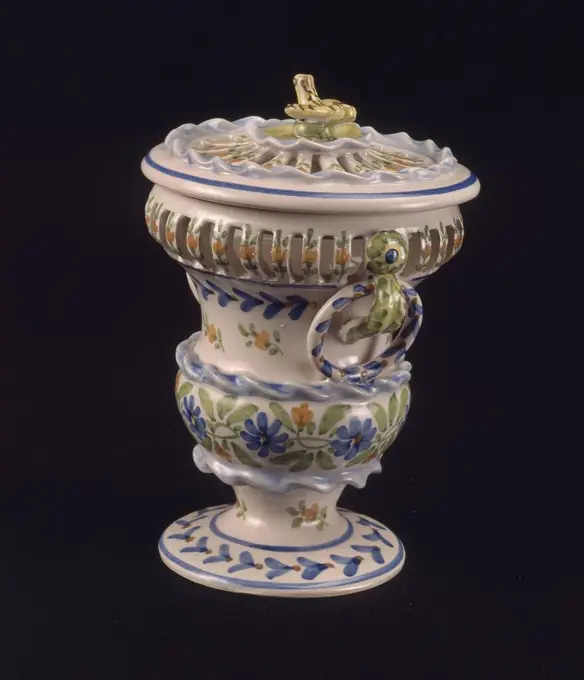
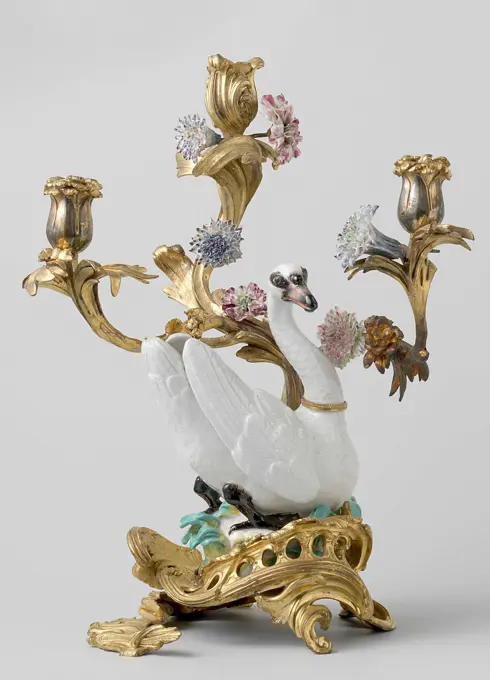
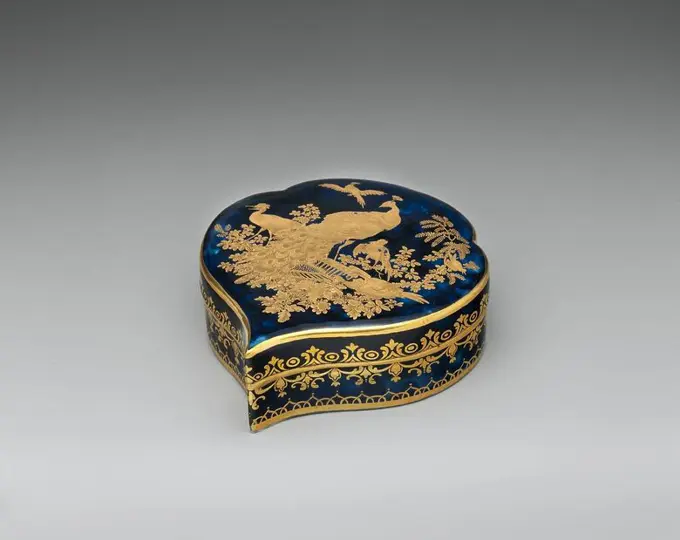
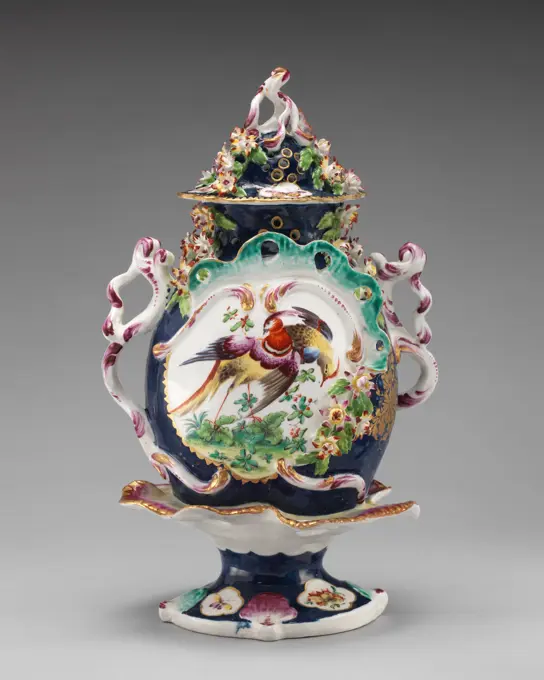
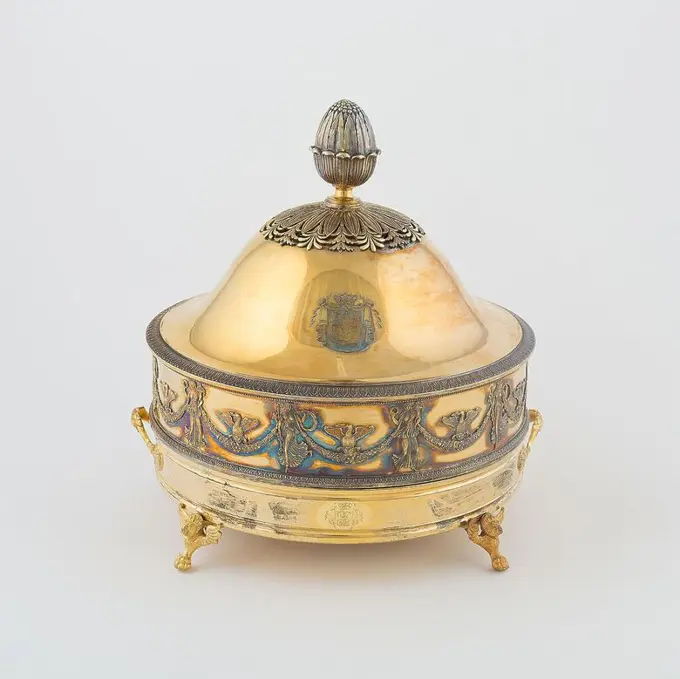
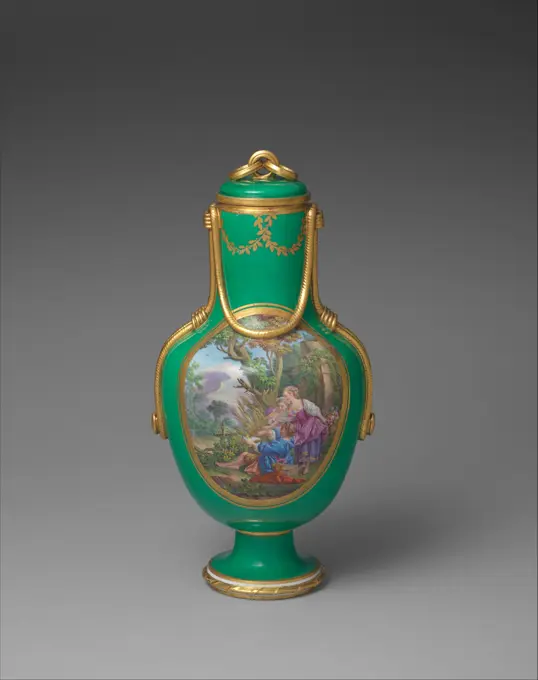
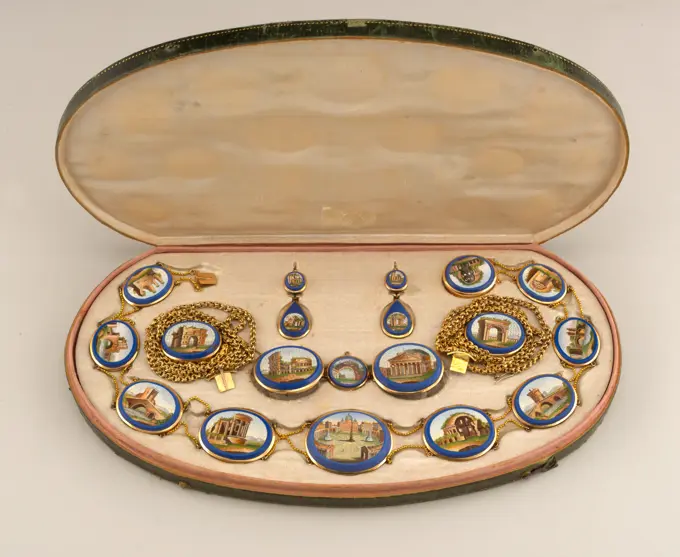
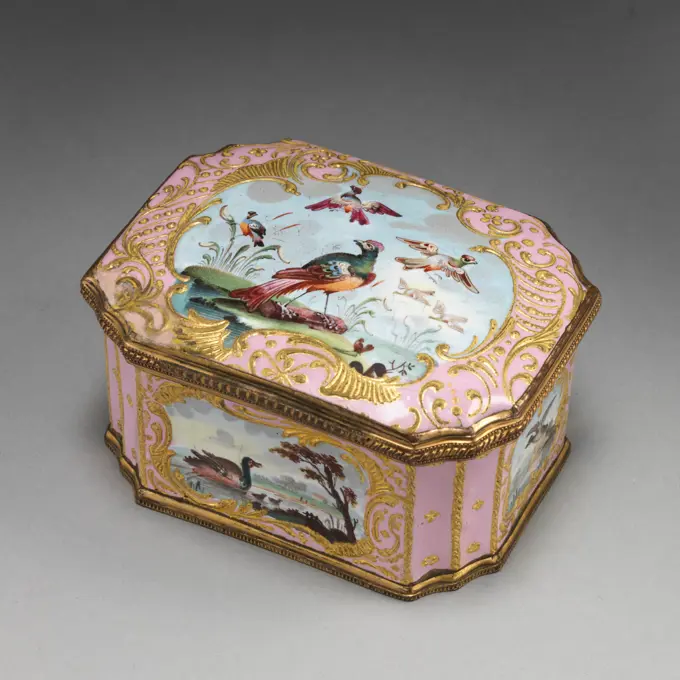
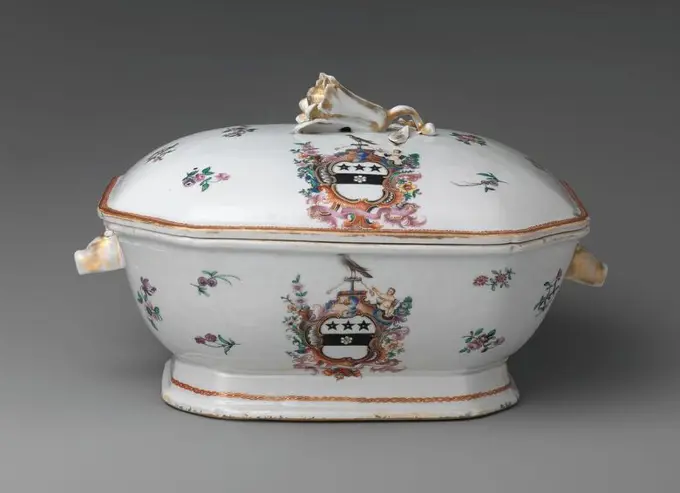
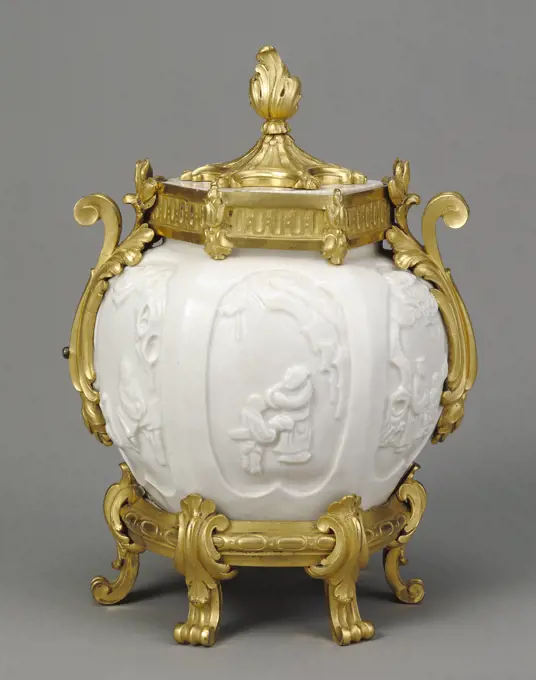
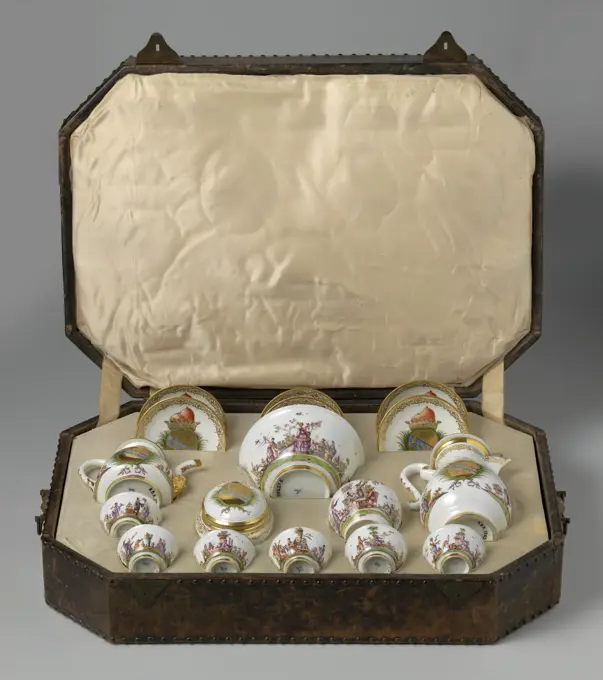
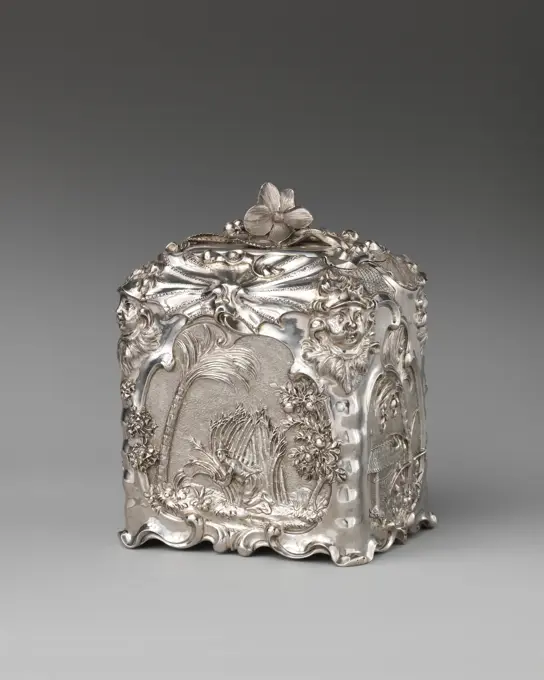
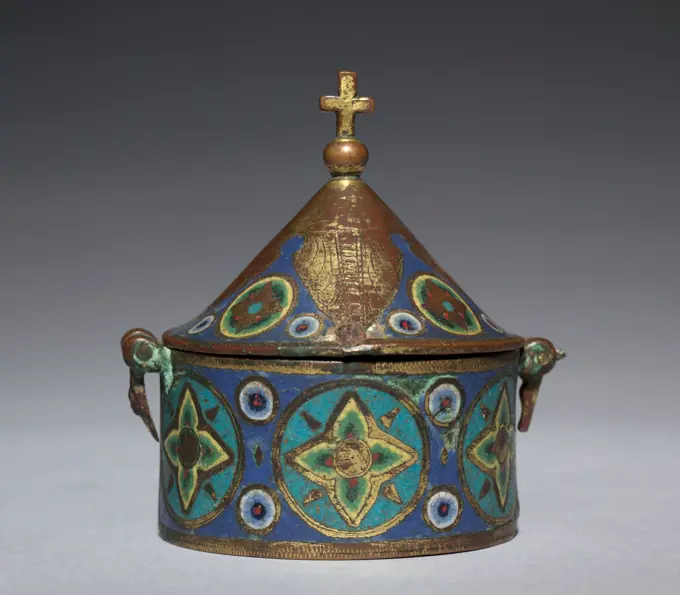
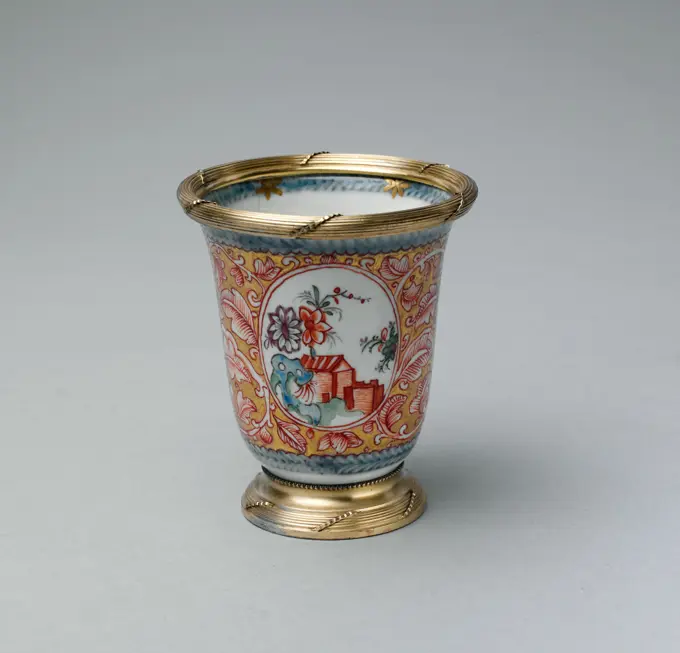
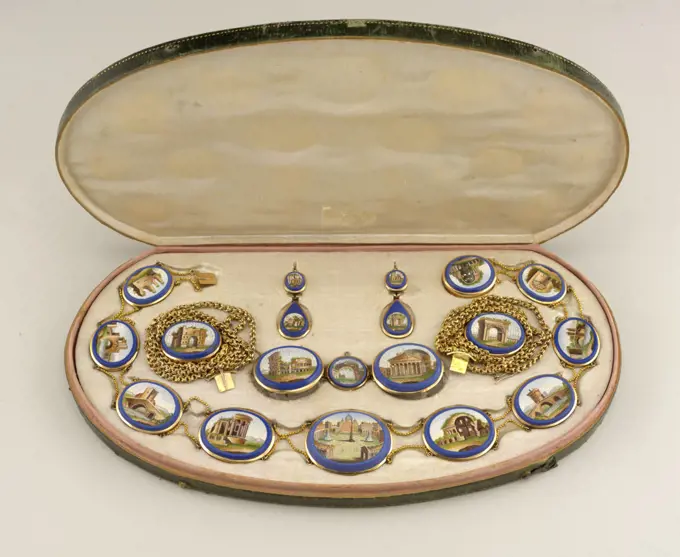
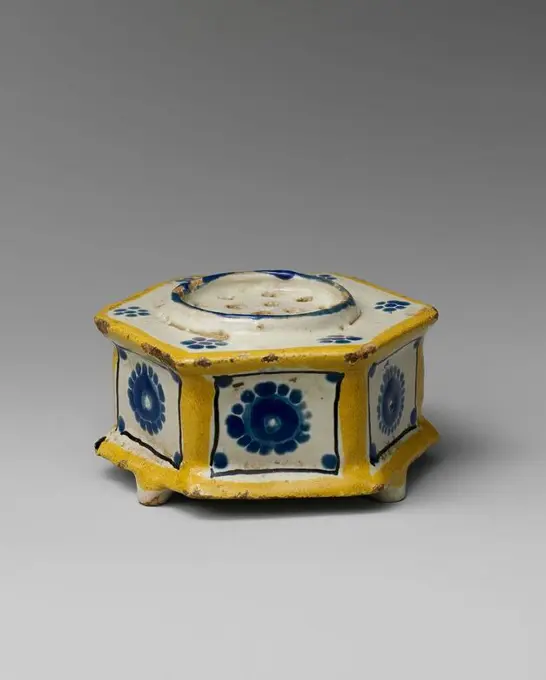
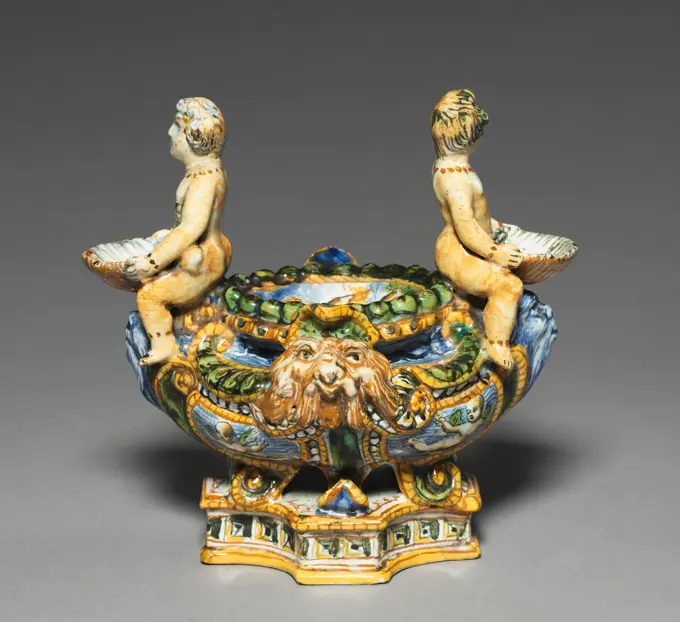
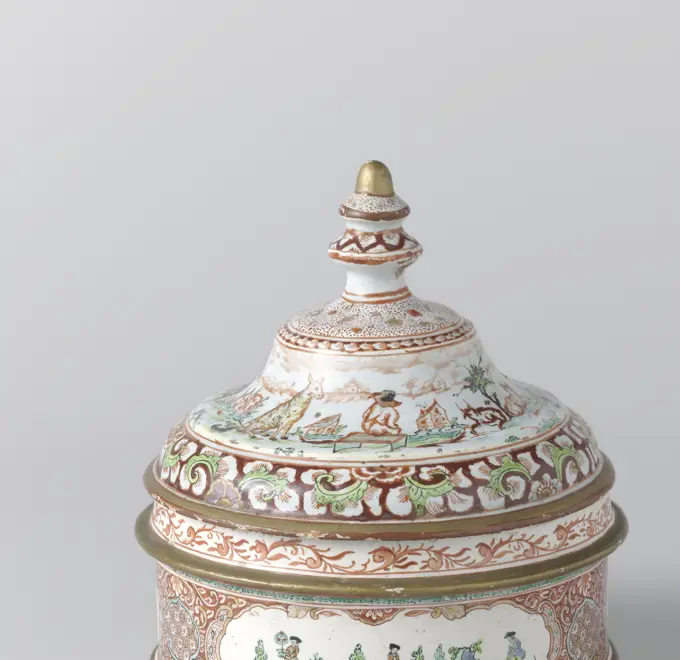
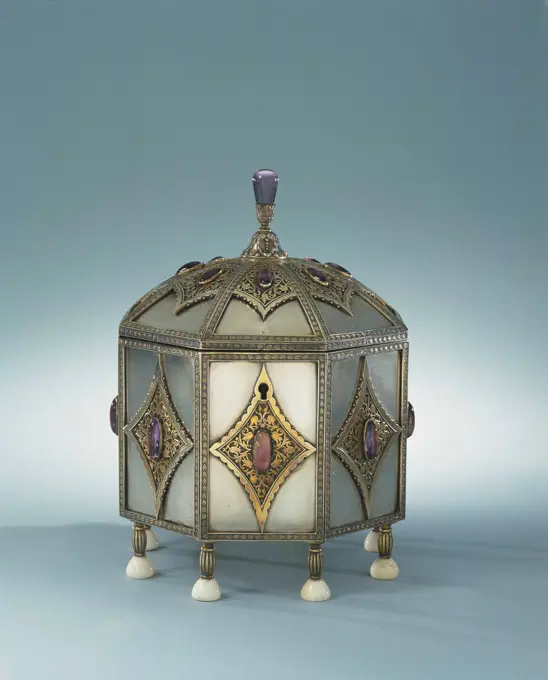
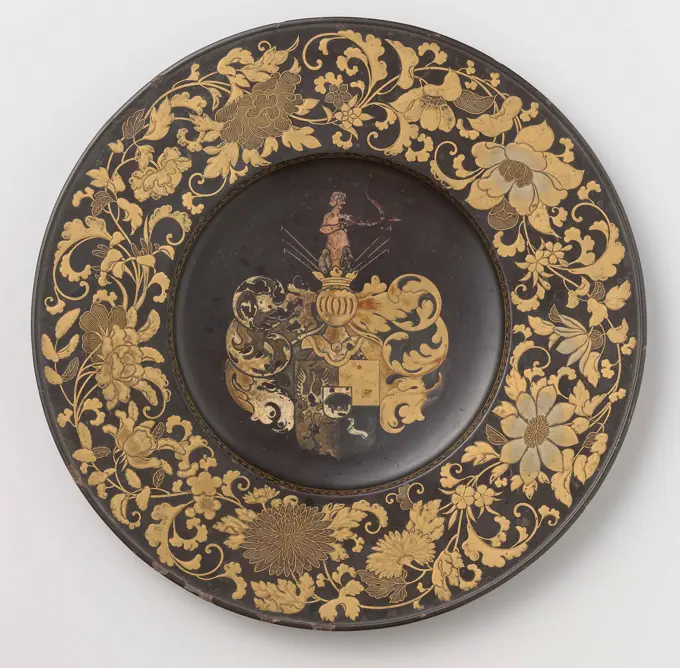
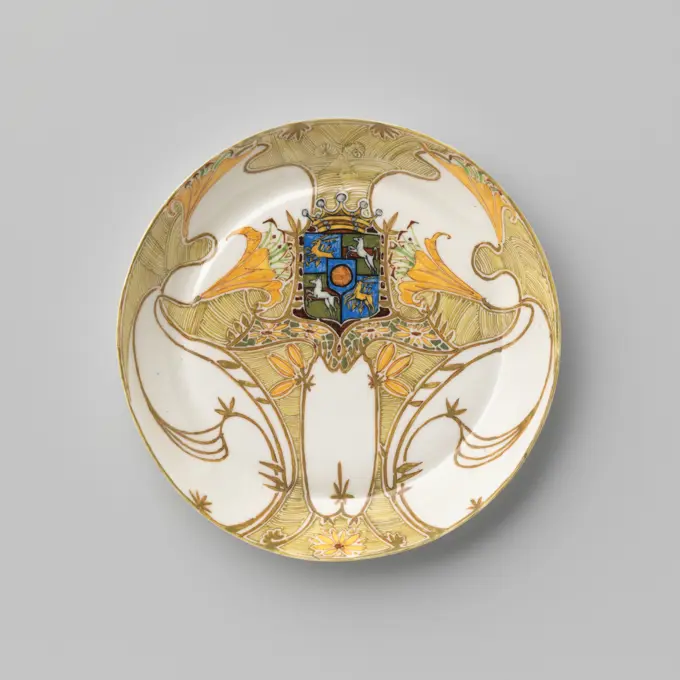
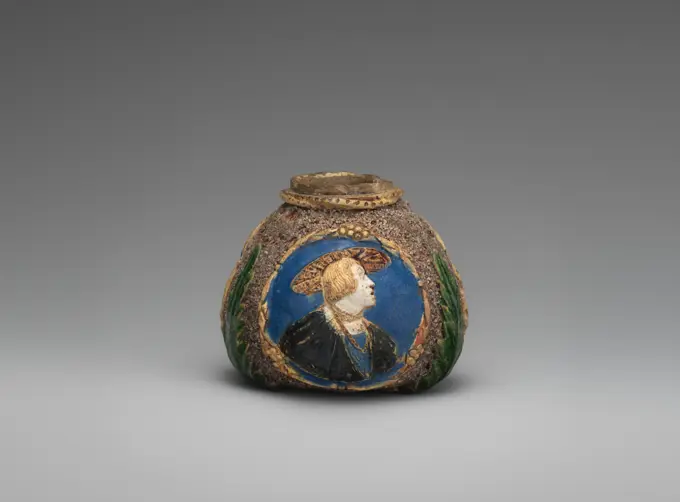
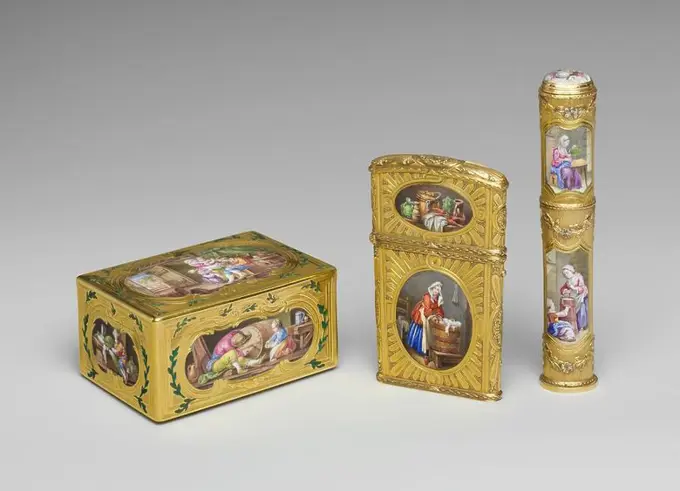
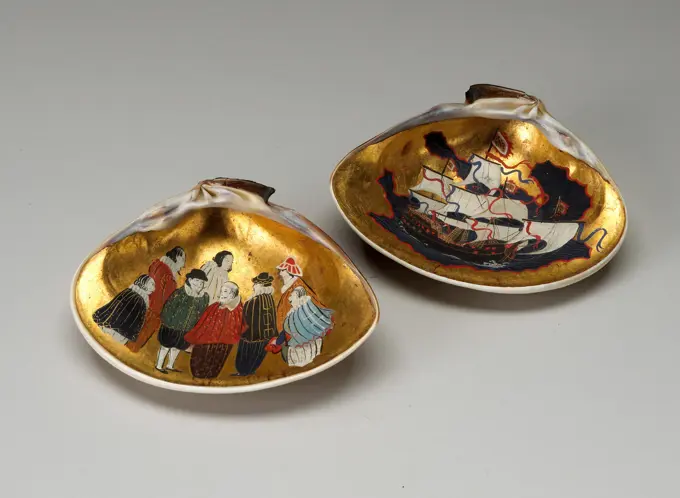
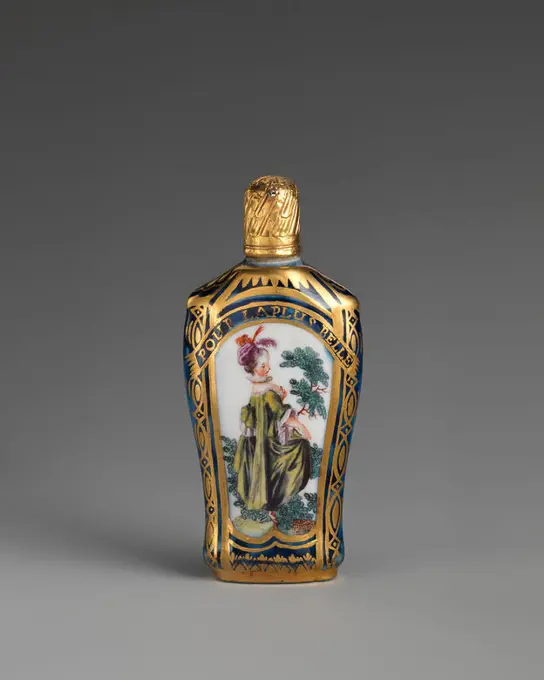
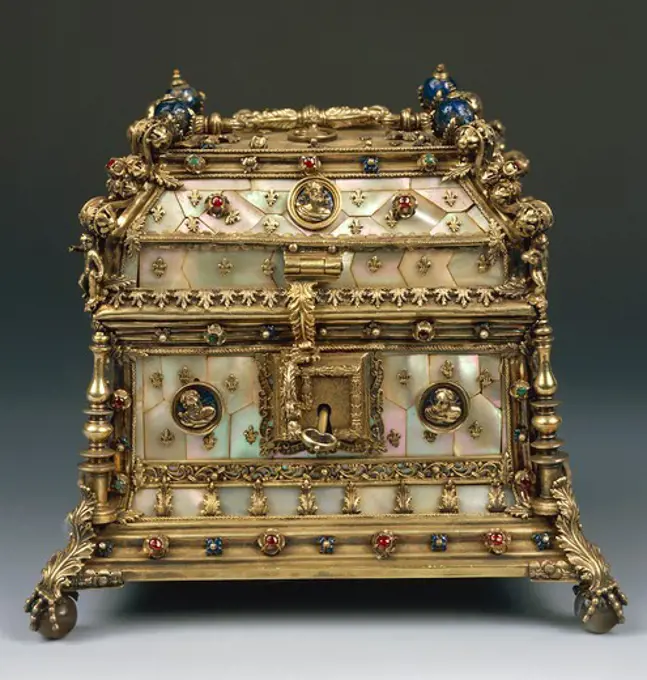
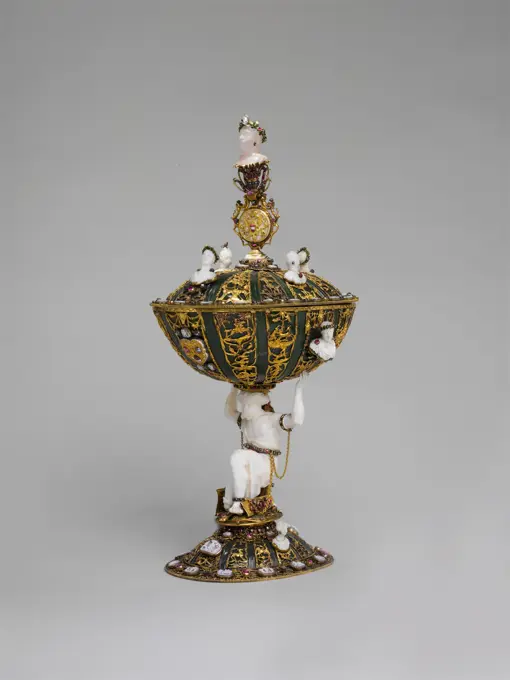
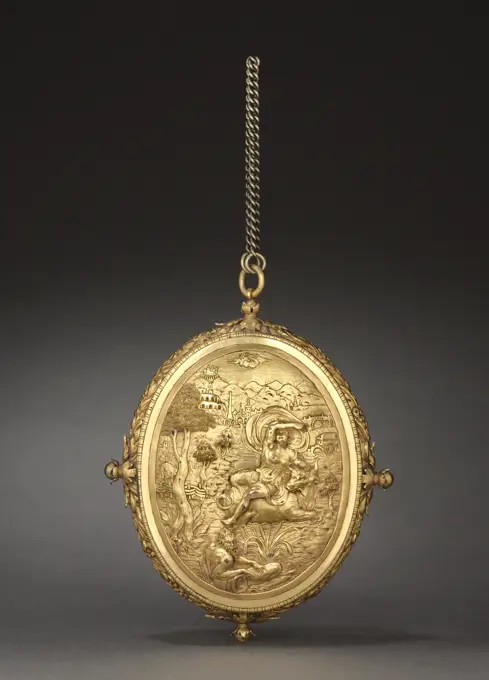
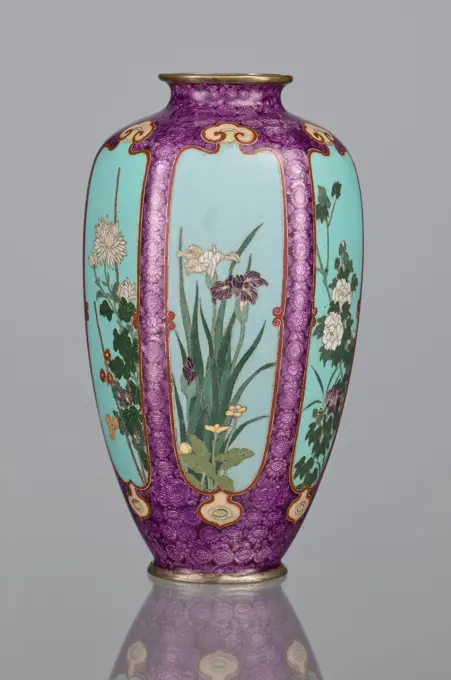
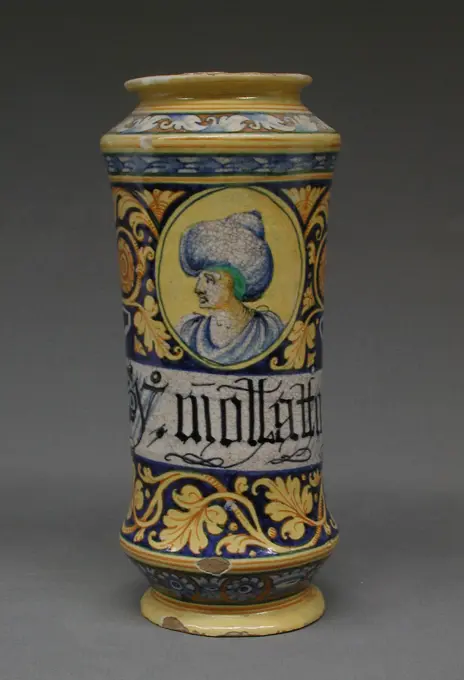
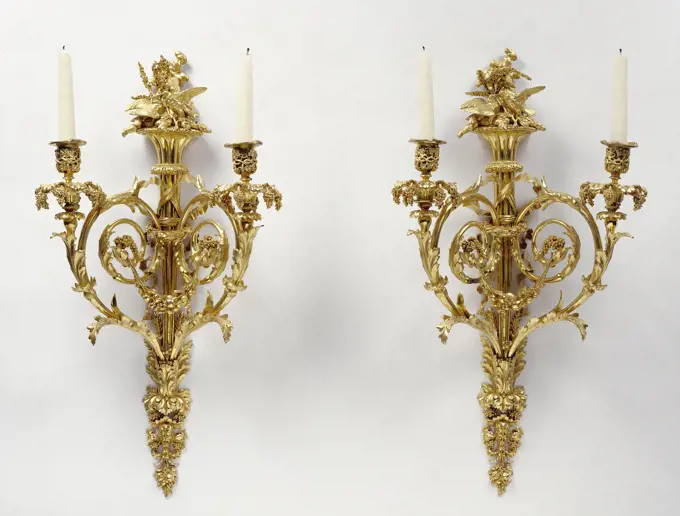
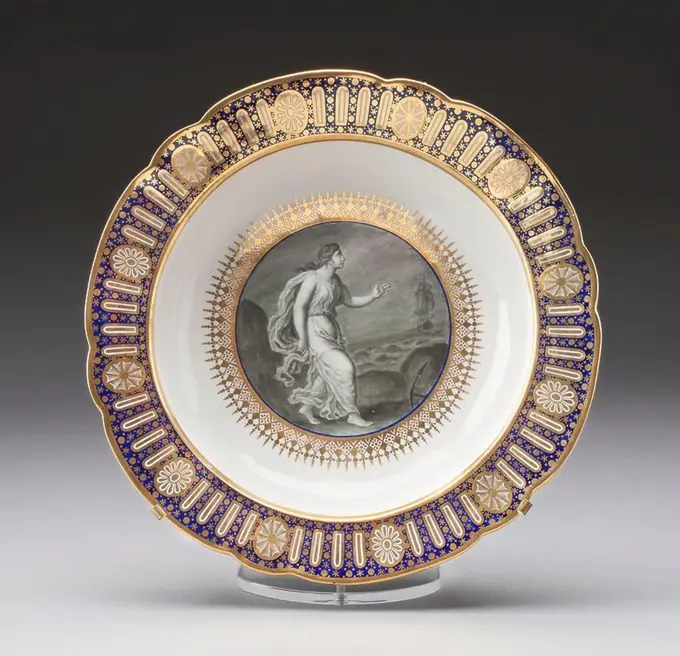
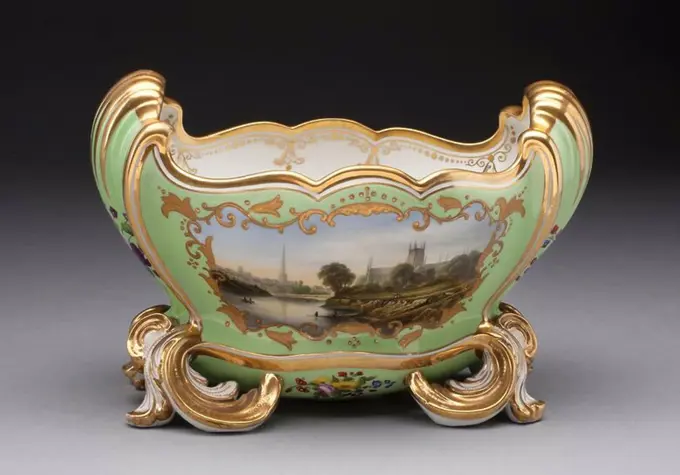
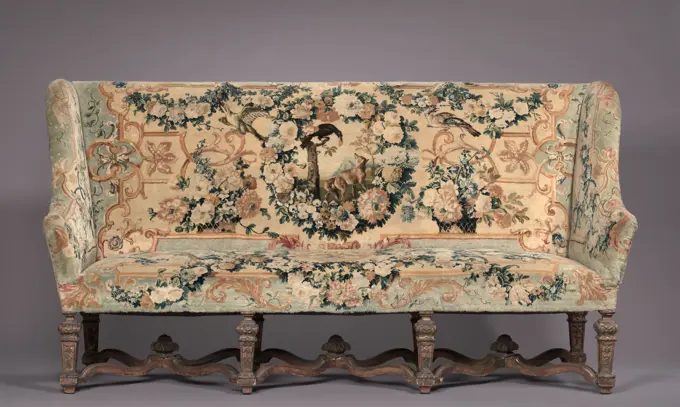
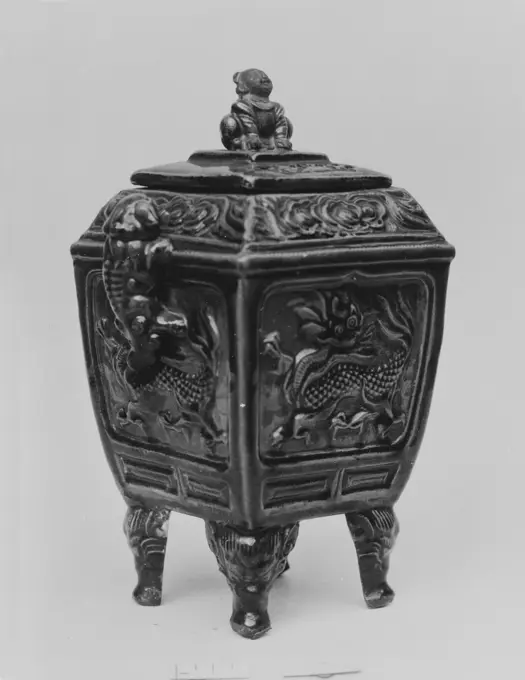
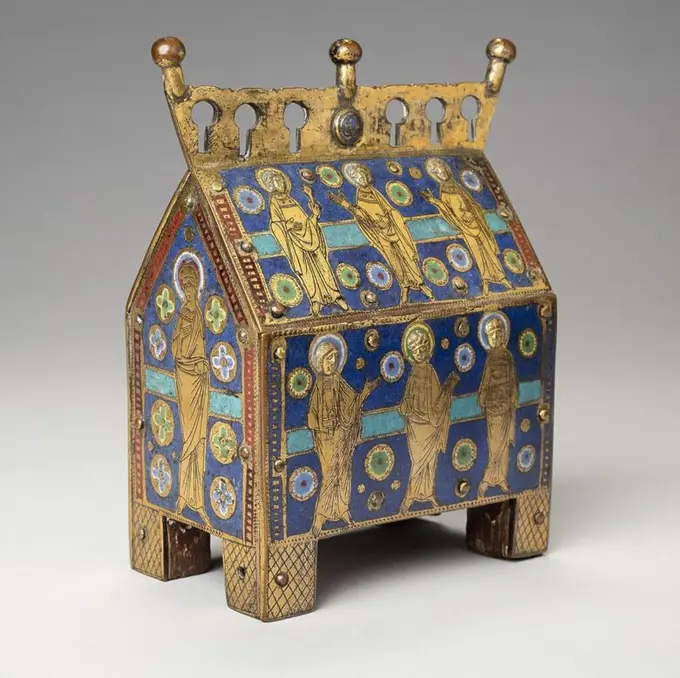
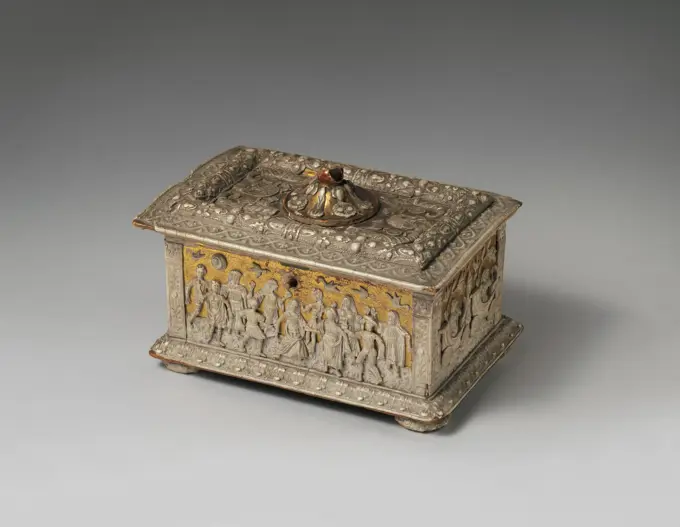
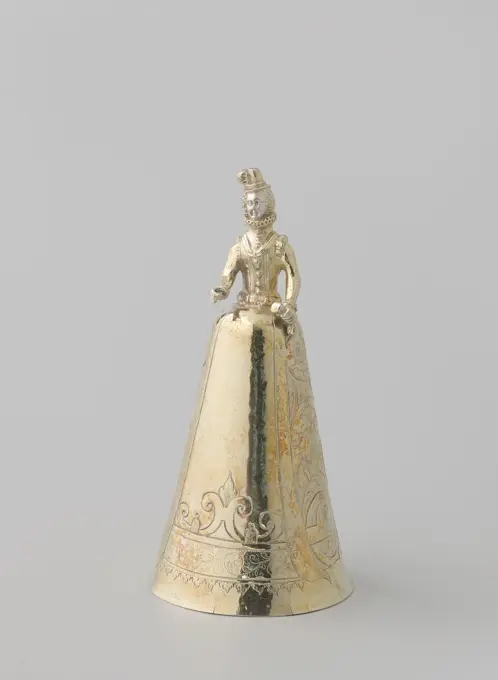
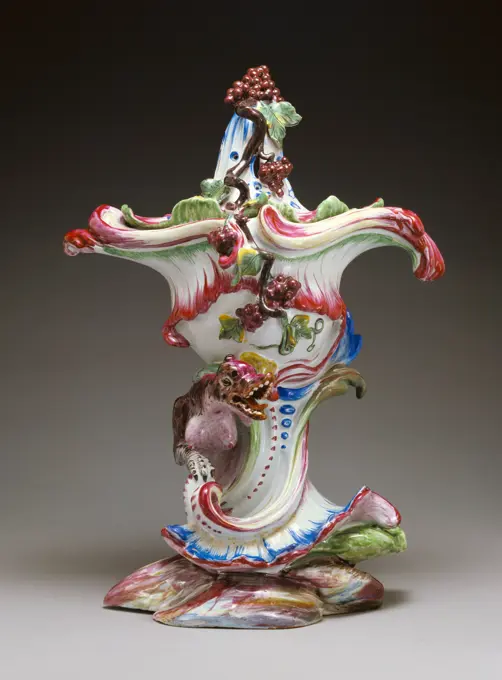
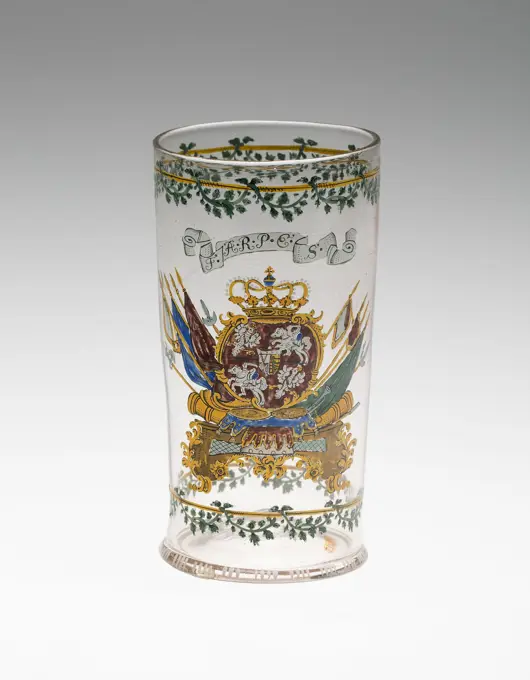
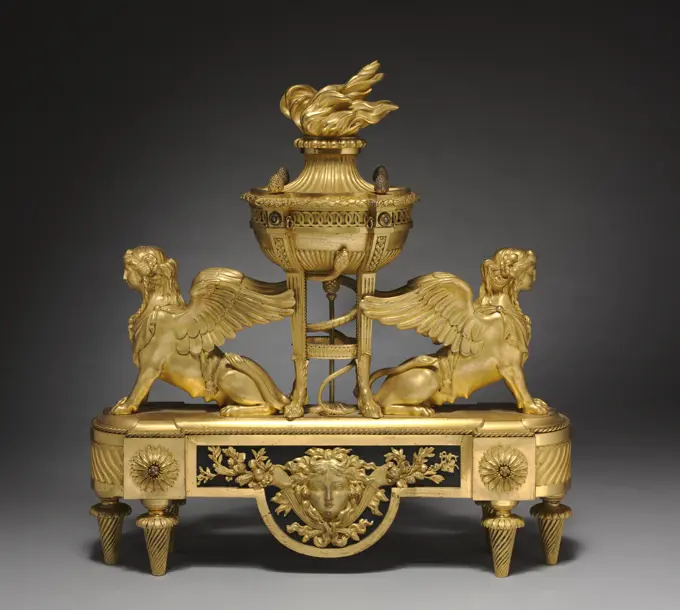
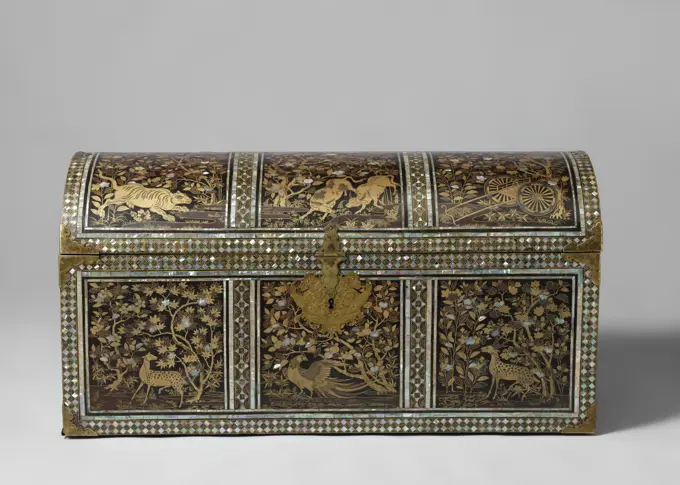
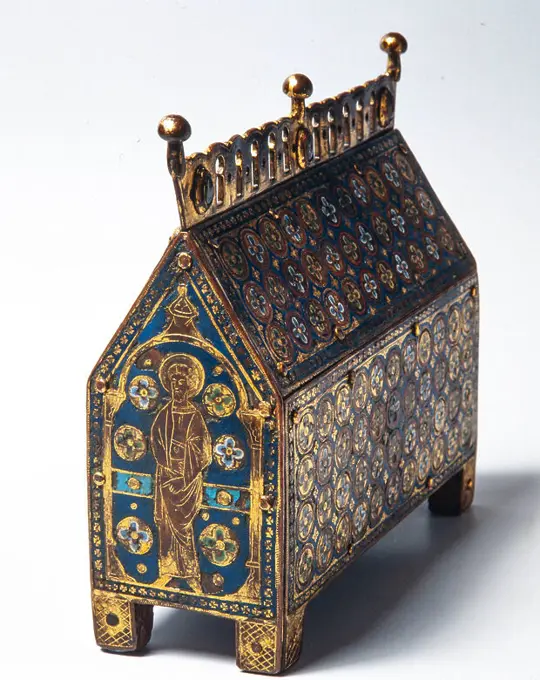
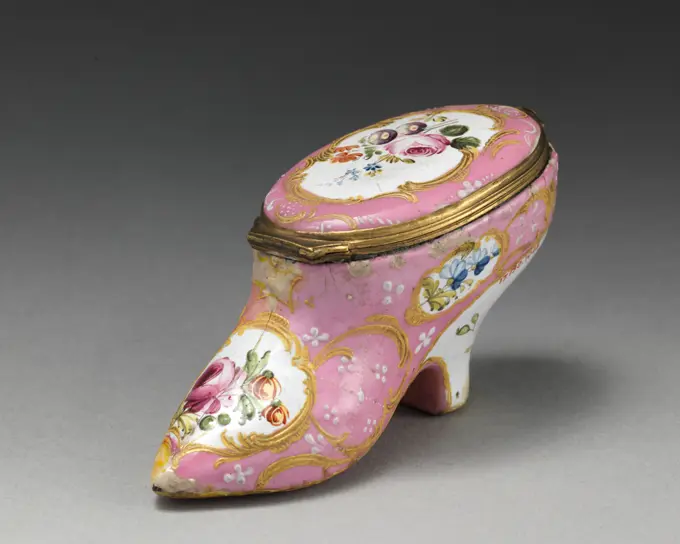
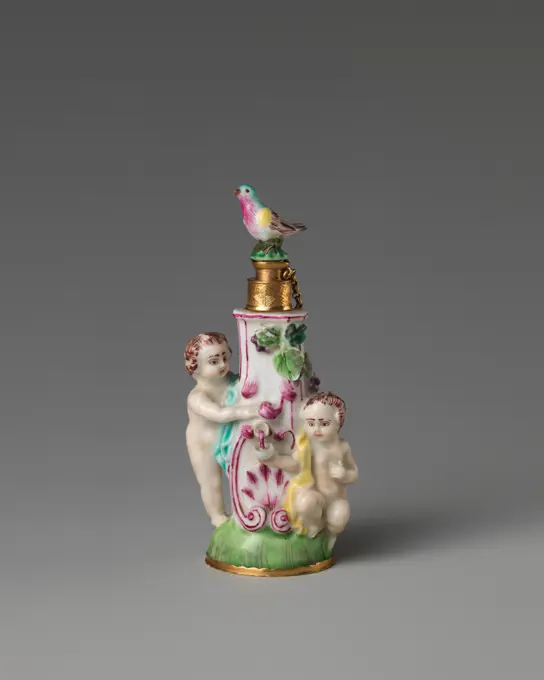
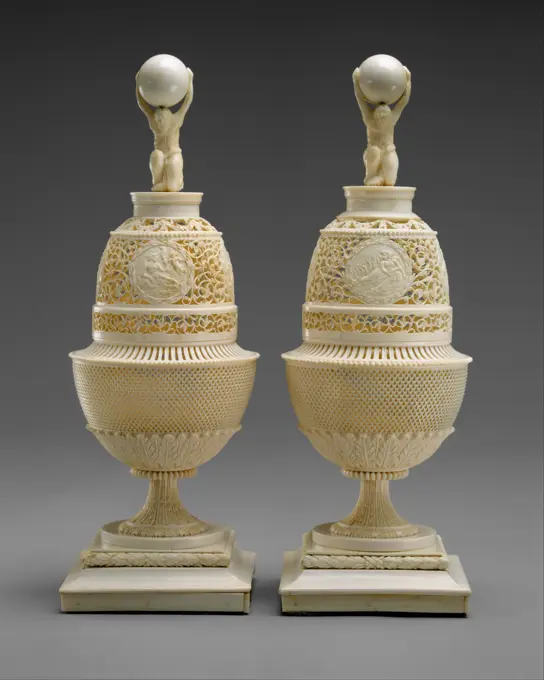
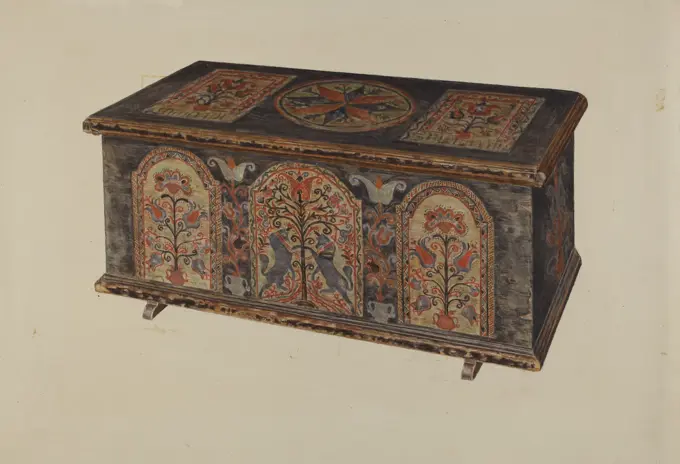
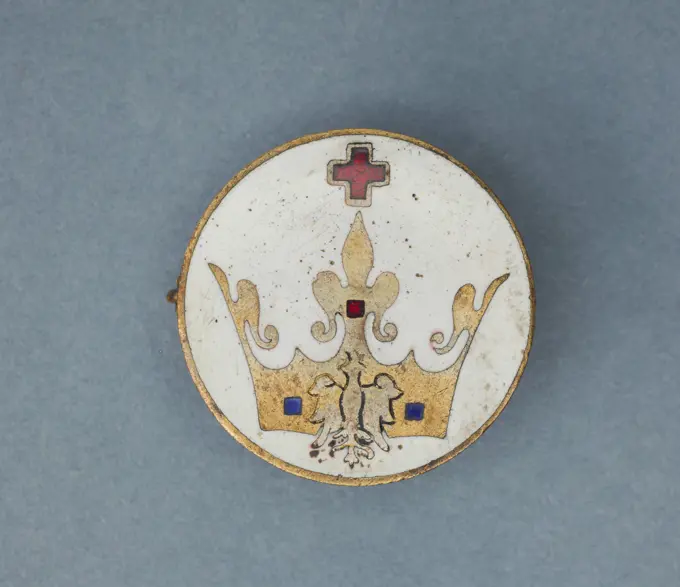
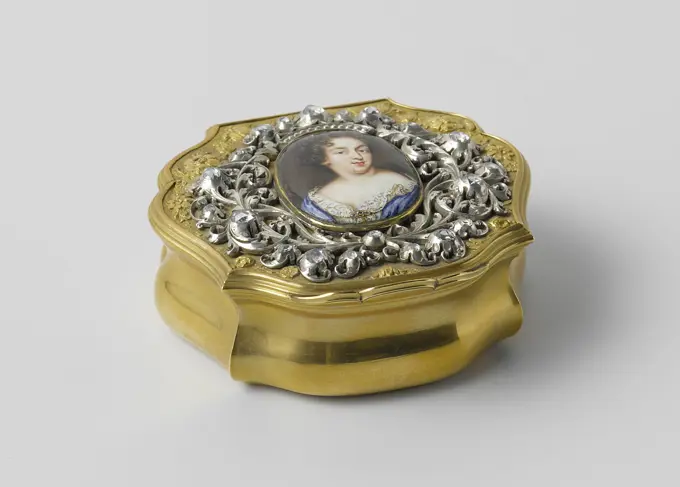
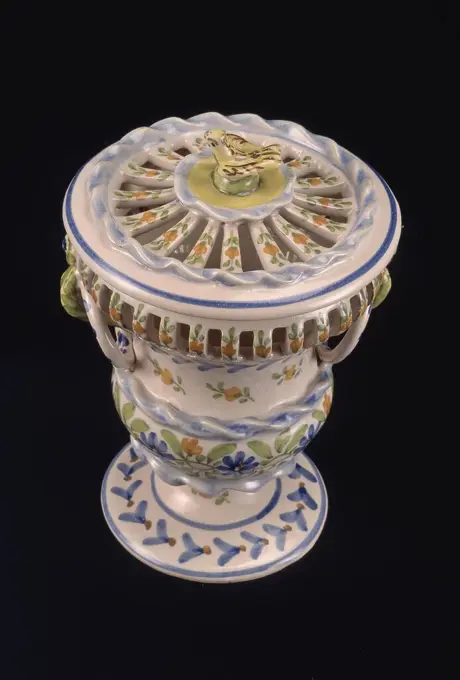
PEBETERO - S XX. Location: ALFARERIA. SPAIN.PEBETERO - S XX. Location: ALFARERIA. SPAIN.Vegetable Dish (lid), early 1800s. Davenport Pottery and Porcelain Factory (British). overall: 16.5 x 24.2 cm (6 1/2 x 9 1/2 in.).Swan of multicolored painted porcelain, in bronze frame. Swan of multi-colored painted porcelain, on pedestal with plastic leaf decoration in blue green, green and yellow. The swan has a ring made of gold-plated bronze. The swan is placed in a gilt bronze frame in Rococo style, in the form of a three-armed candelaber, to which flowers of porcelain in blue, pink, green and violet are attached. The swan in noticed.Toilet box containing four smaller boxes. Culture: British, Chelsea. Dimensions: Overall (confirmed): 2 1/8 × 6 1/2 × 5 13/16 in. (5.4 × 16.5 × 14.8 cm). Factory: Chelsea Porcelain Manufactory (British, 1745-1784). Date: ca. 1761.Containing a nest of smaller boxes, these pieces may have belonged to a luxurious dressing-table set similar to one advertised by the dealer Burnsall on July 21, 1764: "A most grand and capital Lot of . Chelsea Porcelain, containing a dressing Glass and three Drawers . with different Gold Instruments and Twelve Toilet Boxes to ditto, all of the rich Mazarine Blue and Gold." The deep blue ground color, known as Mazarine blue, combined with the lavish gold decoration, used at Chelsea as early as 1756, clearly was influenced by Vincennes and Sèvres porcelain. Museum: Metropolitan Museum of Art, New York, USA.Lid of sugar bowl. Cover of pottery of pottery with lilac transfer decor. The lid has a uivorous button. The button and edge decorated with leaf raft and flowers.Wall fountain with basin. This wall fountain is a splendid example of a luxury utilitarian object decorated entirely in the petit feu, or overglaze, technique. It would have been delivered to a painters workshop with only a white glaze, to be richly decorated with coastal landscapes and flowers. The fountain could be filled with water. It probably hung in a passage or formed part of a buffet in a dining room.Vase with cover (part of a garniture) ca. 1765-70 Bow Porcelain Factory British. Vase with cover (part of a garniture). British, Bow, London. ca. 1765-70. Soft-paste porcelain. Bow Porcelain Factory (British, 1747-1776). Ceramics-Porcelain. Candlestick vase of porcelain. The round foot of the vase and the foot of the candle holder are decorated with a laurel wreath in relief. The twisted godrewes on the foot of the vase and on the lid, the godrews down the vase body and on the candle holder lid and the cannelures of the candle holder are surrounded in blue, as well as the chain motif along the mouth edge, in which still golden dots are applied. The deepened surfaces of the pedestal are also blue to surround; In these boxes alternating garlands and flower branches in green. In relief and multi-colored painted on the vase body flowerguirlandes. A dependent painted flower branch in the middle. It is decorated in gold, as well as the heads, the plastic chain motif. Golden piping along the edges. The button of the lid is decorated in blue and gold; Below there is a ray wreath in gold (largely worn down, so that the red-brown underpainting is visible).Candlestick, painted multi-colored with Indian Blumen. Candlestick of multicolor and underglazing blue painted porcelain. The candlestick is octagonal, has a vaulted foot and a baluster-shaped, profiled strain. The strain is embossed at the bottom with strands of blast inside boxes and top with gold-plated acanthus leaves. The foot and part of the trunk are painted with Indian Blumen and an insect. A frieze of leaf raft and flowers is painted around the candle holder. The candlestick is noticed.Pair of Warming Dishes. Martin Guillaume Biennais; France, 1764-1843; Paris, France. Date: 1794-1797. Dimensions: 27.9 x 20.3 cm (11 x 8 in.). Silver gilt. Origin: Paris. Museum: The Chicago Art Institute, Chicago, USA. Author: MARTIN-GUILLAUME BIENNAIS.Cup Stand early 15th century China. Cup Stand 40695Vase with cover (vase à flacon) (one of a pair) 1772 Sèvres Manufactory French Works of art by the French artist François Boucher (1703-1770), who held the prestigious title of first painter to the king, served as a highly popular source of inspiration for artists working in a variety of media in the middle decades of the eighteenth century. Prints made after paintings by Boucher were widely circulated and provided artists with compositions that could be faithfully reproduced in smaller scale or adapted to three-dimensional porcelain sculpture. Works by Boucher served as the source not only for the painted scenes on vases and snuffboxes, but also for the porcelain figures which were listed as "Enfants Boucher" (Boucher Children) in the factorys sales ledgers.. Vase with cover (vase à flacon) (one of a pair) 202177Lidded tureen. Meissener Porzellan ManufakturMeissen, c. 1730-1735hard-paste porcelainMicro-mosaic Pendant; Italy; gold sheet and wire, glass mosaics; Lying on flat surface: .3H x 2W x 1.5D cm (1/8 x 13/16 x 9/16 in. )Snuffbox 18th century British, Staffordshire. Snuffbox. British, Staffordshire. 18th century. Enameled copper. Enamels-PaintedBowl from the lid; Koenigliche Porzellan Manufaktur (KPM; Berlin; 1763-1918); 1780-85 (1775-00-00-1780-00-00);Standing Basin ca. 1865 Worcester factory An example of historical revivals at ceramics factories in Victorian Britain, this basin imitates a sixteenth-century group of ceramics known as Saint-Porchaire wares and is a nineteenth-century copy of a sixteenth-century model in the museum (17.190.1741). Ceramics factories in Britain sought to explore historical production techniques alongside more standardized forms of industrial production.. Standing Basin. British, Worcester. ca. 1865. Glazed earthenware with enamel decoration. Ceramics-PotteryCandyer with lid; Koenigliche Porzellan Manufaktur (KPM; Berlin; 1763-1918); 1780-85 (1775-00-00-1780-00-00);Soup Tureen. Culture: Chinese, for American market. Dimensions: 6 5/16 x 9 7/16 in. (16 x 24 cm). Date: 1785-90.This object belongs to a large dinner service (10.149.1-.248) bearing the Townley family coat-of-arms. The service, probably ordered by Justice Samuel Chase (1741-1811) of Annapolis, Maryland, displays the enamel-painted arms of Margaret Townley, Chase's aunt. Museum: Metropolitan Museum of Art, New York, USA.Unknown, covered vase (main title). Ceramics, porcelain, moufle fire enamels (small lights). Petit Palais, Museum of Fine Arts of the City of Paris.Candelabrum (one of a pair) 18th century Chelsea Porcelain Manufactory. Candelabrum (one of a pair). British, Chelsea. 18th century. Soft-paste porcelain. Chelsea Porcelain Manufactory (British, 1744-1784). Ceramics-PorcelainA can on the host; Mannlich, Heinrich (Fl. Ca 1658-1698), Kupfer, Tobias (Fl. 1710-1730); 1687 and 1710-30 (30-00-00-30-00-00);Lidded Pot; Paris, France; porcelain about 1690 - 1700; mounts about 1765 - 1770; Hard-paste porcelain (blanc de chine); gilt bronze mounts; 25.1 x 18.7 x 15.9 cm (9 7,8 x 7 3,8 x 6 1,4 in.)Coffee and tea set, multi-colored painted with chinoiseries and the coat of arms of the Venetian Morosini family, 1731 Eighty coffee and tea set, multi-colored painted with Höroldt chinoiseries and the coat of arms of the Venetian Morosini family, in a rectangular case of leather-covered wood. Float porcelain. leather. wood (plant material) Eighty coffee and tea set, multi-colored painted with Höroldt chinoiseries and the coat of arms of the Venetian Morosini family, in a rectangular case of leather-covered wood. Float porcelain. leather. wood (plant material)Sugar box 1744/45 Paul de Lamerie British Decorated with whimsical scenes showing the harvesting of sugar cane, this box was probably part of a set that included containers for green and bohea (black) tea. Tea was an expensive commodity during the eighteenth century, and such canisters were often stored in a locked, fitted case made of mahogany or shagreen (shark skin). The scenes of exotically dressed sugar harvesters are surrounded by abstract organic ornament that suggests a grotesque facea juxtaposition that is characteristic of Paul de Lamerie’s workshop. Listen to experts illuminate this artwork's story Listen Play or pause #407. Teapots Supported by Bloomberg Philanthropies We're sorry, the transcript for this audio track is not available at this time. We are working to make it available as soon as possible.. Sugar box. British, London. 1744/45. Silver. Metalwork-SilverPyx, c. 1250. France, Limousin, Limoges, Gothic period, mid-13th century. Gilded copper, champlevé enamel; overall: 8.3 x 10.4 cm (3 1/4 x 4 1/8 in.).Beaker ca. 1725 Vienna The gift of the Hans Syz Collection in 1995 endowed the Museum with nearly three hundred examples of European and Asian ceramics meticulously acquired by Swiss-born collector Dr. Syz (1894-1991) to chart the migration of models and patterns from East to West. Documenting a continuous process of influence and adaptation, these pieces provide a discriminating review of the nuances of stylistic change resulting from three centuries of trade.. Beaker. Austrian, Vienna. ca. 1725. Hard-paste porcelain, silver-gilt. Ceramics-PorcelainScent Bottle, 1800s. Switzerland, 19th century. Gold and enamel; overall: 9.1 x 7.5 x 2.2 cm (3 9/16 x 2 15/16 x 7/8 in.).Micro-mosaic, Gold sheet and wire, glass mosaics, Gold necklace composed of ten ovals connected with an upper and lower gold chain. Each oval is outlined in blue with an inner image of Italian architecture. Necklace is part of a set., Rome, Italy, 1800-1825, jewelry, Decorative Arts, Necklace, NecklaceSand Shaker. Culture: Mexican. Dimensions: Diam. 3 1/2 in. (8.9 cm). Date: ca. 1830. Museum: Metropolitan Museum of Art, New York, USA.Saltcellar, c. 1570-90. Circle of the Patanazzi Family (Italian). Tin-glazed earthenware (maiolica); overall: 20.3 x 21 x 12.8 cm (8 x 8 1/4 x 5 1/16 in.).Pair of Vases (pots-pourris fontaine or pots-pourri à dauphins).Two-handled bowl ca. 1653 Michael Gatthi This type of small flat oval bowl with six or eight concave lobes and handles was very popular throughout Central and Southeastern Europe during the seventeenth century. The form derives from models produced in the German-speaking area. The dramatically swirling foliage around the single flower in high relief, together with the sensitively applied partial gilding, testify to the refinement of Hungarian goldsmithing. The circulation of Northern European floral and leaf patterns in Hungary and Transylvania is evident in drawings by Andreas Tar of about 1680 (Baroque Splendor: The Art of the Hungarian Goldsmith. Exh. cat. by István Fodor et al. Bard Graduate Center for Studies in the Decorative Arts. New York, 1994, p. 48, fig. 6).LiteratureJudit H. Kolba. Hungarian Silver: The Nicolas M. Salgo Collection. London, 1996, p. 63, no. 41.ReferencesElemér Kőszeghy. Magyarországi ötvösjegyek a középkortól 1867-ig / Merkzeichen der Goldschmiede Ungarns voTobacco spot, multi -colored painted, anonymous, c. 1740 - c. 1770 Faïence tobacco spot, multi -colored painted. The tobacco spot was donated together with a lid (A). The lid and the pot originally do not belong together. Delft . Faïence tobacco spot, multi -colored painted. The tobacco spot was donated together with a lid (A). The lid and the pot originally do not belong together. Delft .Vase, 1850, 16 3/4 x 6 1/4 x 6 1/4 in. (42.55 x 15.88 x 15.88 cm), Glass, Czechoslovakia, 19th centuryBeaded Bag, 19th century. America, 19th century. Glassbeads, crocheted with silk thread, metal purse frame, velvet ribbon; average: 26.7 x 19.1 cm (10 1/2 x 7 1/2 in.).. Jewelery box, octagonal, partly matted, partly gold-plated silver, inlaid with amethysts and resting on legs of ivory, on the inside covered with purple velvet, with a dome-shaped lid. Voorschoten, fa. J.M. Van Kempen and Son, 1916, to the design of J.J. Warnaar. Brands: Lion 1, Master sign UK under crescent mile in square: Fa. J.M. Van Kempen and Son.Two-handled bowl with cover ca. 1765 Chelsea Porcelain Manufactory. Two-handled bowl with cover. British, Chelsea. ca. 1765. Soft-paste porcelain. Chelsea Porcelain Manufactory (British, 1744-1784). Ceramics-PorcelainDecorative Dish. Lacquerware was a prized luxury product, with its rich gold decorations on a dark black background. This decorative dish was a special order as it bears the coat-of-arms of Joan van Huydecoper van Maarsseveen. In addition to being burgomaster of Amsterdam, he was director of theVOC, and so had the right connections to order lacquerware in Japan.Bowl. Culture: Italian, Venice. Dimensions: Overall .46 a, b (confirmed): 4 1/2 × 6 1/4 × 6 1/4 in. (11.4 × 15.9 × 15.9 cm); overall .46a (confirmed): 2 1/16 × 4 1/4 × 4 1/4 in. (5.2 × 10.8 × 10.8 cm); overall .46b (confirmed): 2 5/8 × 6 1/4 × 6 1/4 in. (6.7 × 15.9 × 15.9 cm). Date: 16th century. Museum: Metropolitan Museum of Art, New York, USA.Pair of Warming Dishes 1794-1797 Paris. These objects for the dining table are part of a vast service made for Emperor Napoleon Bonaparteís sister Pauline on the occasion of her marriage to the Roman nobleman Camillo Borghese, Sixth Prince of Sulmona.In the years after the French Revolution, architects and designers adopted the visual language of ancient Greece and Rome to express the new imperial order. Napoleon, hoping to promote Parisís luxury trades, commissioned several silver dinner services as gifts to be sent abroad. The slender outlines and smooth surfaces of the vessels in the Borghese service contrast with the rich decoration.. Silver gilt . Martin-Guillaume BiennaisIncense burner. Ivory and green covered sandstone. XVIIth-18th century. Paris, Cernuschi museum. 60084-13 Burning burn, covered, gres, ivory, greenCup and Saucer (gobelet litron et soucoupe deuxième grandeur).Vase;  19th/20th century (1891-00-00-1910-00-00);Dish, part of a tête-à-tête, painted with Lelies, N.V. Haagsche Plateel Factory Rozenburg, 1900 Dish, part of a porcelain tête-à-tête. Painted in yellow, reddish -brown and different shades of green with an ornamental decor, in which lilies. On all parts the monogram MVV (= Michiels van Verduynen) and the weapon of this family, in which the color blue also occurs. Marked Rozenburg. The Hague porcelain Dish, part of a porcelain tête-à-tête. Painted in yellow, reddish -brown and different shades of green with an ornamental decor, in which lilies. On all parts the monogram MVV (= Michiels van Verduynen) and the weapon of this family, in which the color blue also occurs. Marked Rozenburg. The Hague porcelainCilidrical covered box in the shape of a cricket's cage, anonymous, c. 1675 - c. 1699 Cylindrical porcelain box, ending in a raised knot as a lid button. Painted in underly glaze blue and on the glaze red, green, yellow and black. On the lid a fishnet pattern with loose flowers. Imari. Japan porcelain. glaze. cobalt (mineral) painting / vitrification Cylindrical porcelain box, ending in a raised knot as a lid button. Painted in underly glaze blue and on the glaze red, green, yellow and black. On the lid a fishnet pattern with loose flowers. Imari. Japan porcelain. glaze. cobalt (mineral) painting / vitrificationBasket of fruit ca. 1755 Chelsea Porcelain Manufactory. Basket of fruit. British, Chelsea. ca. 1755. Soft-paste porcelain. Chelsea Porcelain Manufactory (British, 1745-1784, Gold Anchor Period, 1759-69). Ceramics-PorcelainPair of Vases (Pots Pourris à Bobèches) 1754-1764 Sèvres. These multi-functional vessels served as both candleholders and room fresheners. Potpourri or burning pastilles were inserted at the foot of each vase, and the perfume was released through the intricate piercing along the sides and the bulblike projection between the candleholders. The resulting scent created the illusion that the porcelain flowers atop the vases were alive.. Soft-paste porcelain, polychrome enamels, and gilding . Manufacture nationale de Sèvres (Manufacturer)Vase 1828-38 Tucker Factory. Vase 14346Infant's Cap; silk and metal-wrapped silk thread embroidery on silk; linen backingCup and saucer ca. 1730-40 Workshop of Charles Fromery Geman. Cup and saucer 203286Ancient oil lamp from " Alentejo " PORTUGAL.Furniture, Anonymous, 1700 - 1750 Lindehout pedestal, decorated with cutting and polychromed in red and gold. It is triangular in shape and wears a three -lobe sculpted, almost semi -circular wrapper, with a faintly curved erased on the back. The gilt edge is largely decorated with grunts above a hollow profile frame. Both sides are ojief-shaped and showed sculpted plated flat tires with C-volutes and acanthus drinks on a red long distance. Gilded plinth list with grunts and cropping; Three red ball legs. Northern Netherlands wood (plant material). linden Lindehout pedestal, decorated with cutting and polychromed in red and gold. It is triangular in shape and wears a three -lobe sculpted, almost semi -circular wrapper, with a faintly curved erased on the back. The gilt edge is largely decorated with grunts above a hollow profile frame. Both sides are ojief-shaped and showed sculpted plated flat tires with C-volutes and acanthus drinks on a red long distance. Gilded plinth list with gruHafner ware pot with portraits of Ferdinand I, King of Hungary (1503-64), Anne of Hungary (1503-47), and probably Emperor Charles V (1519-56) ca. 1530 Germany, Nuremburg The pot is an iconic example of Hafner (stove fitter) ware, a type of earthenware production centered in Nuremberg that drew upon the citys rich stove tile making tradition. Though it adopts the appearance of a functional vessel, the pot was probably made for display as part of a princely Kunstkammer. Precious metal mounts would have once made a striking contrast with the rough surface of the sand decoration.. Hafner ware pot with portraits of Ferdinand I, King of Hungary (1503-64), Anne of Hungary (1503-47), and probably Emperor Charles V (1519-56). Germany, Nuremburg. ca. 1530. Hard fired earthenware with sand decoration and polychrome tin-glaze and lead-glaze decoration, traces of gilding. Ceramics-PotteryCenterpiece ca. 1815 British, Staffordshire. Centerpiece. British, Staffordshire. ca. 1815. Pearlware. Ceramics-PotterySèvres Porcelain Manufactory, Covered Cup and Socketed Saucer, c. 1765-75, soft-paste porcelain.Sealing wax case (étui). Culture: French, Paris. Dimensions: L. 4 5/8 in. (11.7 cm). Maker: Probably by Jean Ducrollay (French, born 1709, master 1734, recorded 1760). Date: 1756-62.In eighteenth-century Europe, Paris led the production of high-quality luxury goods. Parisian goldsmiths made a wide range of small, personal articles such as snuffboxes; étuis to hold sealing wax, tweezers, or utensils for sewing; souvenirs, which contained thin ivory tablets for note taking; and shuttles for knotting lace. Gold snuffboxes and boxes decorated with portrait miniatures were prized and frequently given as royal gifts, often to ambassadors or members of the court in lieu of cash payments for their services. Coveted and admired, these boxes were produced from a variety of materials. The best were skillfully made of gold and embellished with diamonds, enameled decoration, lacquer, and other luxurious materials. By the middle of the century, the taking of snuff had become an entrenched social ri(Lacquered shell), 19th century, Unknown Japanese, 1 7/8 x 3 3/4 x 3 1/4 in. (4.76 x 9.53 x 8.26 cm), Shell, lacquer, paint, gilt, Japan, 19th centuryFlagon. Culture: British, Chelsea. Dimensions: 3 1/2 × 1 5/8 in. (8.9 × 4.1 cm). Factory: Chelsea Porcelain Manufactory (British, 1745-1784, Gold Anchor Period, 1759-69). Date: ca. 1765. Museum: Metropolitan Museum of Art, New York, USA.Silversmith's art, France, 16th century. Pierre Mangot's casket in engraved and cast gilded silver, enamel, jasper, garnet, agate, pearls. Paris, 1533-1534.Candlestick (one of a pair) China. Candlestick (one of a pair) 40750Standing Cup and Cover Supported by an Enchained Turk ca. 1705-11 German, perhaps Frankfurt-am-Main This domed cup supported by the figure of a bearded Turk is richly decorated in many precious materials worked in a variety of techniques. The carved alabaster figure, enchained in jewels, bears a jade cup and cover surmounted by an elaborate finial. Pierced gold hunting figures, trophies, classical statues, birds, and beasts radiate from the center of the cup and lid, all enframed in garlands and blossoms. Eight chalcedony male and female busts, some with rose diamonds, rubies, and enameled coronets, encircle the cup and its base. The finial has a circular medallion of chalcedony and gold that displays the double eagle of the Habsburg empire. The coat of arms of three ecclesiastical electors appears on the opposite side of the medallion. The front and back of the cup also display the arms of electors: Brandenburg, Hanover, Bohemia, and Sachsen, Pfalz, Bayern, respectively. The base is jLocket, c. 1565. Germany, 16th century. Gilt copper; overall: 15.4 x 12 x 4.5 cm (6 1/16 x 4 3/4 x 1 3/4 in.).Vase;  XIX/XX (1891-00-00-1910-00-00);Block, Julius Henry (1858-1934) - collection, cloisonné, gift (provenance), Japanese (culture), flowers, Japanese art, vasesGarniture of Three Flower Vases (Vases Hollandois) 1756-1766 Sèvres. A garniture, or set, of vases usually consisted of three or five vases, which could vary by size or shape, shown as a group on mantles or furniture. Each of these vases is comprised of two parts vase and stand. Water was poured into the lower portion through the openings around the stand and was drawn up through holes into the fan-shaped vase.. Soft-paste porcelain, polychrome enamels, and gilding . Manufacture nationale de Sèvres (Manufacturer)Candlestick (one of a pair) 1769-70 Derby Porcelain Manufactory. Candlestick (one of a pair). British, Derby. 1769-70. Soft-paste porcelain. Derby Porcelain Manufactory (British, 1751-1785). Ceramics-PorcelainArdiniera Manufaktura Majoliki in Nieborów (Nieborów; Wytwórnia; 1881-1899); 1881-1886 (1881-00-00-1886-00-00);Albarello 16th century Italian, Sicily Storage vessels were among the most frequently produced maiolica wares in late medieval and Renaissance Italy. Made in fairly standard shapes, they were designed to fit with dozens of others on a shelf, often in a pharmacy or shop. Their handles therefore tend to fit within the vessels profile, and the cylindrical albarello type is generally narrower at the middle than at the top or bottom, making it easy to grip. Other common features include inscriptions indicating contents and flanged lips to help secure cloth or paper seals. The decoration, usually more elaborate on one side than the other, can sometimes link pieces to a known dispensary or specific workshop or artist.. Albarello. Italian, Sicily. 16th century. Maiolica (tin-glazed earthenware). Ceramics-PotteryBasket with BeadedLidPendant with flying cupido, anonymous, c. 1600 Gold pendant. Representing a flying cupid with arrow and arch. The figure depends on three chains. The whole is decorated with Émail, pearls, emeralds and rubies. Germany gold (metal). emerald (mineral). ruby (mineral). pearl Gold pendant. Representing a flying cupid with arrow and arch. The figure depends on three chains. The whole is decorated with Émail, pearls, emeralds and rubies. Germany gold (metal). emerald (mineral). ruby (mineral). pearlPair of Wall Lights; Attributed to Pierre-François Feuchère (French, 1737 - 1823 (master 1763)), or Jean-Pierre Feuchère (French, 1807 - 1852 (master 1767)); Paris, France; about 1787 - 1788; Gilt bronze;Strongbox with clockwork Alexander Fromery German Christian Ludwig von der Fecht German 1750 This sumptuous-looking strongbox is an extraordinary example of Berlin Rococo style, an interpretation of the rococo that was tailored to the taste of Frederick the Great, King of Prussia (r. 1740-1786). Frederick's name became synonymous with Rococo décor; in his honor, it was later called Friderizianisches Rococo. It may have been used to store the Kings seal, which represented the head of state in his absence to validate important contracts. The intricate lock, which has twenty-two sliding bolts requires two keys and secret knowledge to open; the keyhole to initiate the ceremony is hidden underneath the base of one of the soldiers stationed around the top. A collaboration between clockmaker Alexander Fromery and court gunsmith Christian Ludwig von der Fecht, the strongbox is an unparalleled showpiece of both the Kings taste and his artisans talent. View more. Strongbox with clockwork. GermanUrn with Flowers 1700-1799 France. Glass; lampwork (verre de Nevers), metal armature .Soup Plate from the "Hope Service" Made for the Duke of Clarence. Worcester Porcelain Factory (Flight Period); Worcester, England, founded 1751. Date: 1787-1797. Dimensions: Diam. 25.1 cm (9 7/8 in.). Soft-paste porcelain with blue enamel, monochrome gray, and gilding. Origin: Worcester. Museum: The Chicago Art Institute, Chicago, USA. Author: Worcester Royal Porcelain Company.Flower Vase with view of Worcester. Worcester Porcelain Factory; Worcester, England, founded 1751. Date: 1815-1825. Dimensions: 15.9 x 23.5 cm (6 1/4 x 9 1/4 in.). Soft-paste porcelain with green ground, polychrome enamels and gilding. Origin: Worcester. Museum: The Chicago Art Institute, Chicago, USA. Author: Worcester Royal Porcelain Company.Set of Four Armchairs and Settee, c. 1715. Royal Savonnerie Manufactory, Chaillot Workshops (French, est. 1627). Carved wood, Savonnerie knotted-pile (symmetrical rug knot) upholstery; wool, hemp; overall: 120 x 201.3 x 55.9 cm (47 1/4 x 79 1/4 x 22 in.). These chairs belong to a suite that includes a settee (also in the CMAs collection) and a tapestry made for a count and countess to mark their wedding in 1717. Furniture of this scale was usually placed against the wall in grand reception halls, more as a display of wealth than for use. Upholstered in Savonnerie tapestries, this suite was among the most treasured and expensive example anyone could own and was typically reserved for royalty. To add decorative and intellectual interest to the textiles, weavers incorporated symbols depicting various stories from the Fables of Jean de La Fontaine, published from 1668 to 1694 and largely adapted from Aesop and other early storytellers.Censer with cover 1800 Japan. Censer with cover. Japan. 1800. Faience with designs in relief (Raku ware). Edo period (1615-1868). CeramicsReliquary Casket. French; Limoges. Date: 1190-1210. Dimensions: 15.6 × 13.3 × 6.8 cm (6 1/8 × 5 1/4 × 2 11/16 in.). Gilt copper, champlevé enamel over wood core. Origin: Limoges. Museum: The Chicago Art Institute, Chicago, USA.Casket (cassetta) late 15th century Italian, Ferrara Molded pastiglia, a composition consisting of either gesso or pulverized white lead with an egg binder to which musk was added, was applied to the surface of small caskets and deliberately left ungilt and unpainted, so that the relief exuded a musky scent. The technique was introduced to Ferrarese craftsmen at the end of the 1440s by a French immigrant, Carlo di Monlione.. Casket (cassetta). Italian, Ferrara. late 15th century. Molded gesso on partly gilt wood (pastiglia). Woodwork-FurnitureFrauenbecher of gilded silver, anonymous, c. 1600 Frauenbecher of gilded silver in the form of a female figure. The outstanding skirt serves as a drinking chalice. Neurenberg (possibly) silver (metal). gilding (material) gilding Frauenbecher of gilded silver in the form of a female figure. The outstanding skirt serves as a drinking chalice. Neurenberg (possibly) silver (metal). gilding (material) gildingLinen press. Engraved and decorated linen press on four profiled legs. The upper rule between the legs has been opened. The linen press is marked with an unreadable femalible sign and twice a boar head.Pair of candlesticks (candelieri) ca. 1550-60 possibly workshop of Guido Durantino Italian. Pair of candlesticks (candelieri). possibly workshop of Guido Durantino (Italian, Urbino, active 1516-ca. 1576). Italian, Urbino. ca. 1550-60. Maiolica (tin-glazed earthenware). Ceramics-PotteryPot Pourri Vase.Beaker 1800-1899 Saxony. Glass .Andiron (Chenet), c. 1785. France, 18th century. Gilt bronze; overall: 50.3 x 46.3 x 14 cm (19 13/16 x 18 1/4 x 5 1/2 in.).Silversmith's art, Italy, 17th century. Reliquary of Saint Sigismund in silver, gilded bronze, ebony and pietre dure. Height cm. 57.7.Trunk, c. 1600 Case with a cylindrical lid. Three fields have been applied on the long sides and the lid, surrounded by tires with geometric patterns with pearl stem. In the fields, animals are painted against a background of flowering plants; It concerns deer, birds, tigers and cattle. On the short sides there are always two fields with flowering plants. The performances are applied in gold lacquer against a black background; There has been some pearl pledging work to this. The corners of the box and lid are fitted in copper. The hinges, the lock and the final plate are also made of copper. Japan wood (plant material). lacquer (coating). mother of pearl. copper (metal) lacquering / inlay (process) Case with a cylindrical lid. Three fields have been applied on the long sides and the lid, surrounded by tires with geometric patterns with pearl stem. In the fields, animals are painted against a background of flowering plants; It concerns deer, birds, tigers and cattle. On the short sides Étui ca. 1760-1800 British, Staffordshire. Étui. British, Staffordshire. ca. 1760-1800. Copper, enamel. Enamels-PaintedArqueta de Limoges, siglo XIII, 20 x 21 x 7,7 cm. Museu d'Història de Catalunya.Box ca. 1760-1800 British, Staffordshire. Box. British, Staffordshire. ca. 1760-1800. Enameled copper. Enamels-PaintedBoys at a fountain ca. 1750-55 Saint James's Factory. Boys at a fountain. British, London. ca. 1750-55. Soft-paste porcelain. Ceramics-PorcelainPair of vases ca. 1795-1800 Nikolai Stepanovich Vereshchagin The art of bone-carving in Russia is inseparably linked with the remote northern whaling city of Arkhangel'sk. Lack of academic training and his humble position in a customs office were not impediments to the most widely recognized Arkhangel'sk bone carver, Nikolai Stepanovich Vereshchagin, whose vases were commissioned as ambassadorial gifts of state and for the personal collection of Czar Alexander I. The oval body of each of these examples in the Neoclassical style is decorated with an ajouré (pierced) decoration, four circular medallions in relief, and a finial surmounted by the figure of Atlas. The design of the energetically curving floral stalks resembles ornament found in seventeenth-century Russian book illustrations, and the Four Elements-one in each medallion-were inspired either by the "Frankish" prints circulating in Russia since the seventeenth century or by images from the "Book of Symbols and Emblems" commissiAmerican 20th Century, Pa German Dowry Chest, 1935 1942 Pa. German Dowry ChestTea caddy ca. 1770 British, South Staffordshire. Tea caddy. British, South Staffordshire. ca. 1770. Enamel on copper. Enamels-PaintedTea caddy (one of a pair) 1726/27 Augustin Courtauld British Listen to experts illuminate this artwork's story Listen Play or pause #407. Teapots Supported by Bloomberg Philanthropies We're sorry, the transcript for this audio track is not available at this time. We are working to make it available as soon as possible.. Tea caddy (one of a pair) 238908Medal box, 1784 medal box Penning box of driven and citized gold, occupied with diamond. On the lid a dolphin that strokes around an anchor. Middelburg gold (metal). diamond (mineral)  parts of ship's exterior: anchor. Fourth Anglo-Dutch War Cape of Good Hope. Sri Lanka. TrincomaleeCommemorative badge of members of the National Red Cross AssociationSnuffbox with a breast ornament with a portrait of Queen Mary, Henri La Pierre, 1752 Gold snuff box. On the lid, in a medallion, an enamelled portrait of Queen Mary I, surrounded by silver leaves and diamonds. The miniature portrait and the frame are made between around 1680-1690. goldsmith: Amsterdammaker: Netherlandspainter: France gold (metal). silver (metal). diamond (mineral). Gold snuff box. On the lid, in a medallion, an enamelled portrait of Queen Mary I, surrounded by silver leaves and diamonds. The miniature portrait and the frame are made between around 1680-1690. goldsmith: Amsterdammaker: Netherlandspainter: France gold (metal). silver (metal). diamond (mineral).Dish ca. 1500-1510 Italian, Deruta. Dish. Italian, Deruta. ca. 1500-1510. Maiolica (tin-glazed earthenware). Ceramics-Pottery