Decorative Ceramics and Dish Art

Collection of vibrant decorated pottery dishes featuring historical themes and intricate designs, showcasing colorful glazes and artistic motifs in various styles.

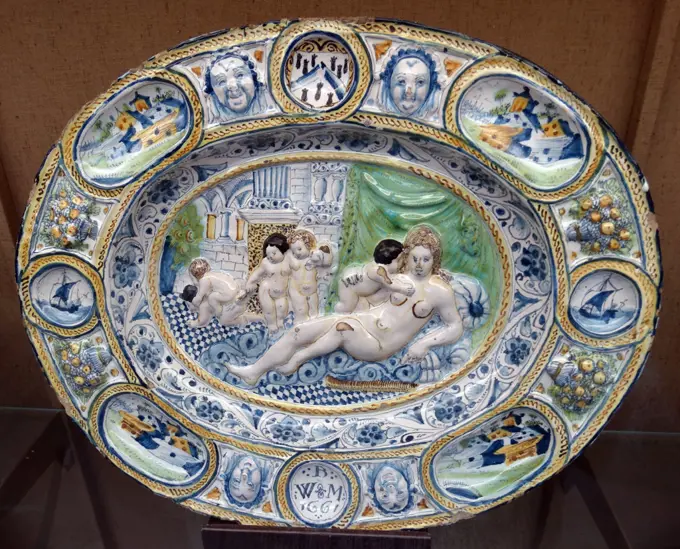
Plate, oval with a scumed edge with shepherd scene in blue, framed by a multicolored flower edge, anonymous, c. 1740 - c. 1775 Plate of Faïence, oval with a scumed edge. Painted with a shepherd scene in blue, framed by a multicolored flower edge. Delft . Plate of Faïence, oval with a scumed edge. Painted with a shepherd scene in blue, framed by a multicolored flower edge. Delft .
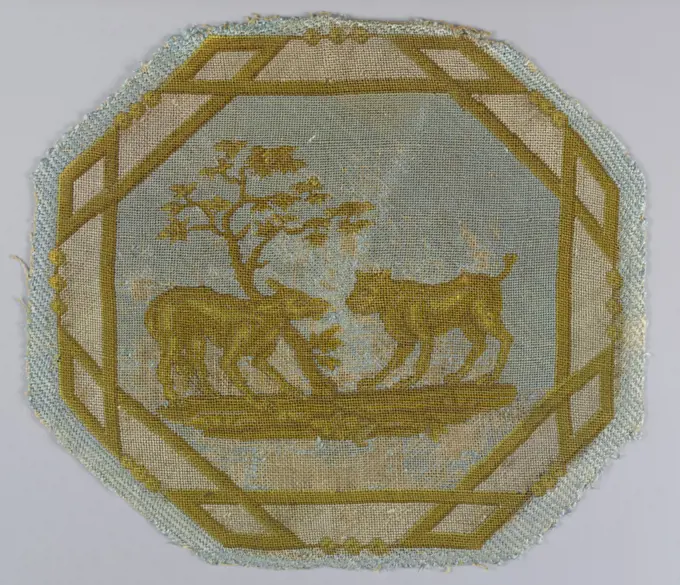
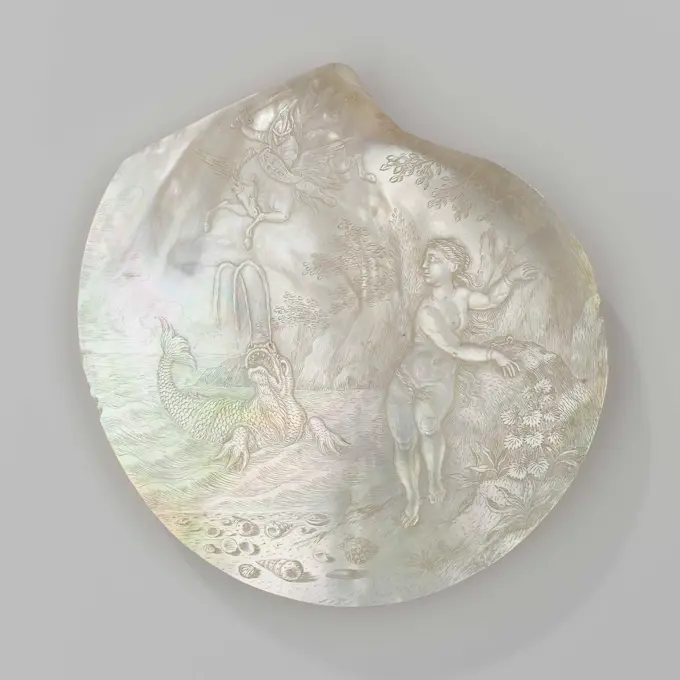
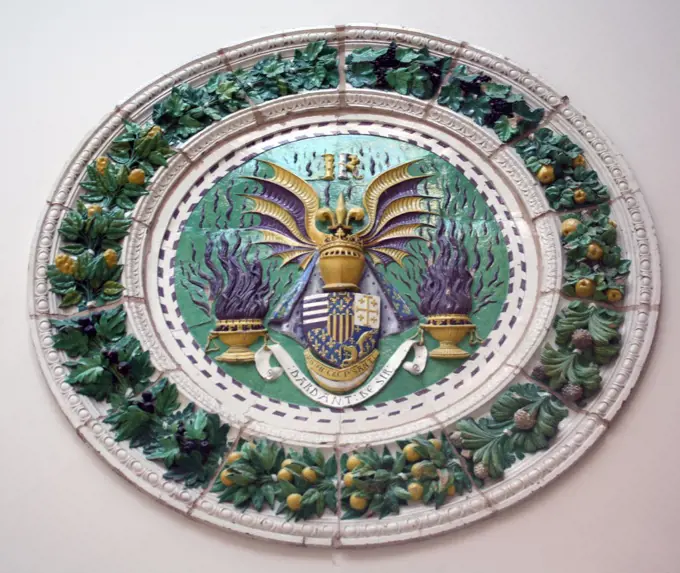
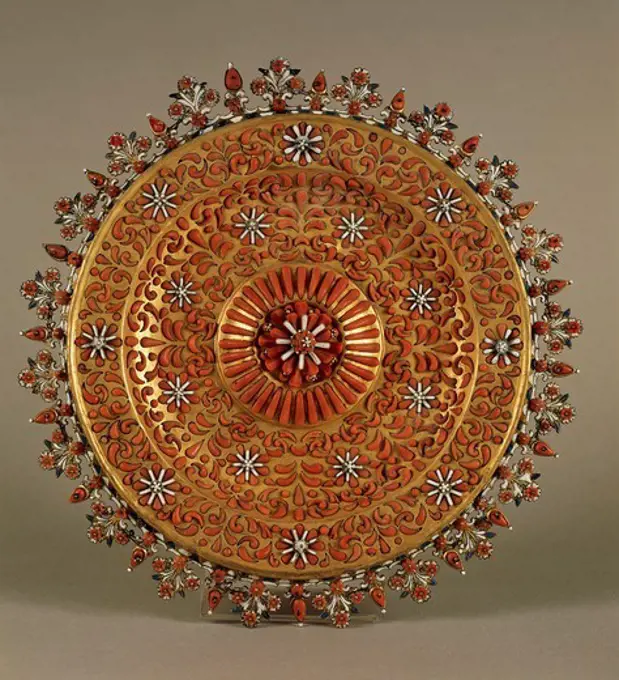
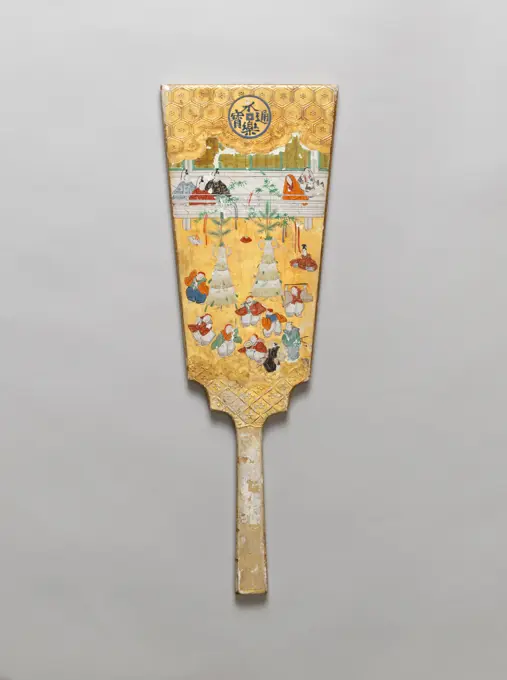
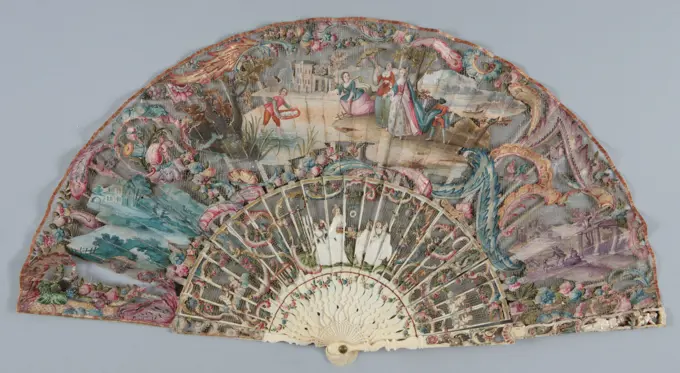
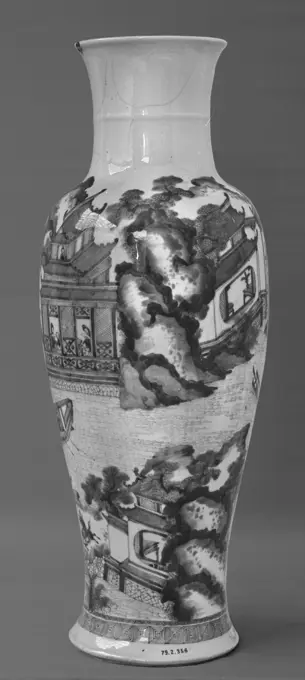
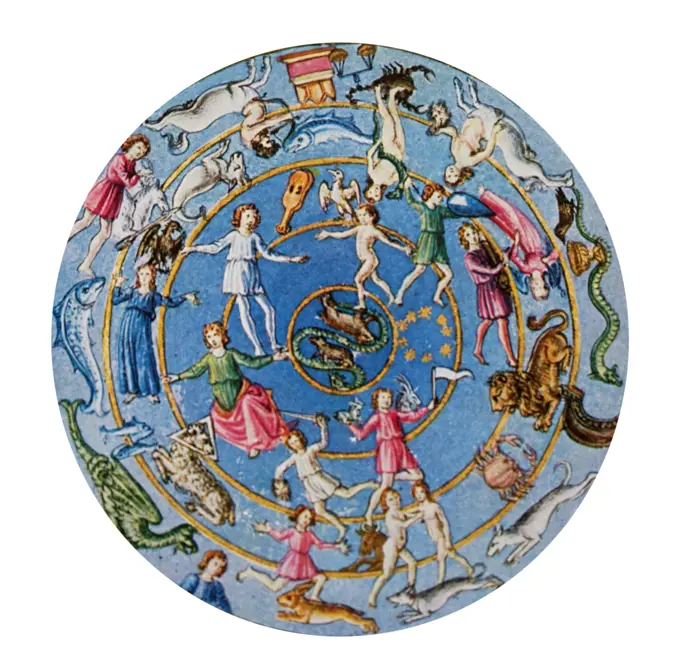
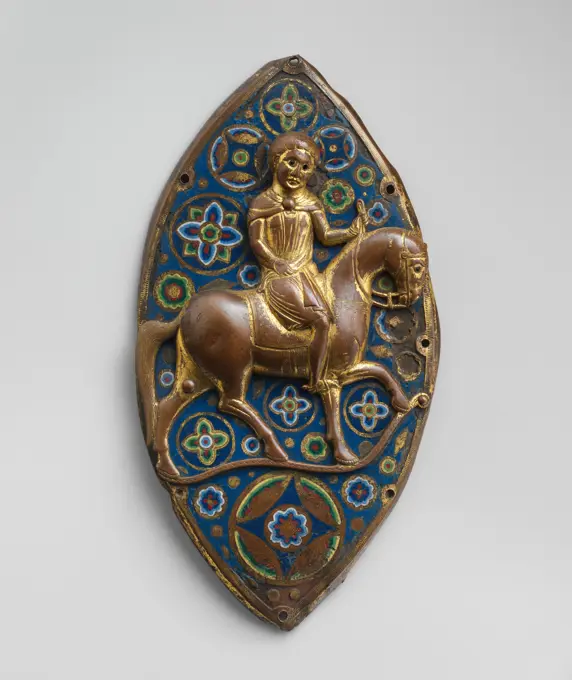
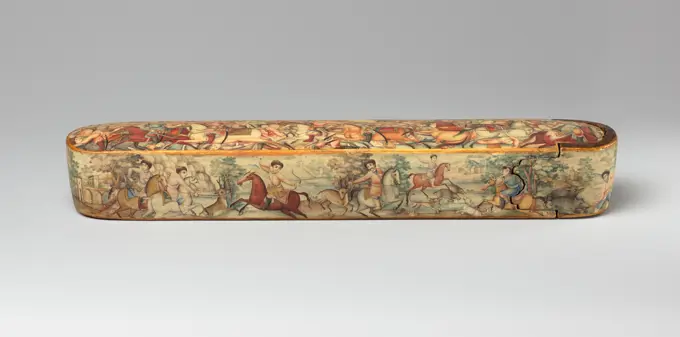
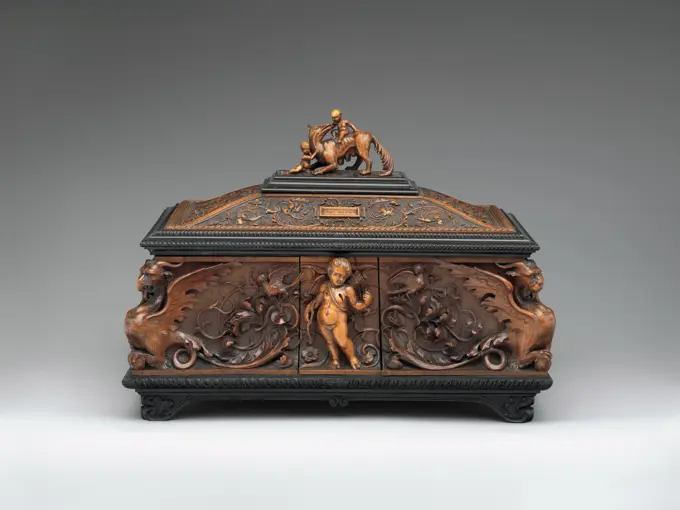
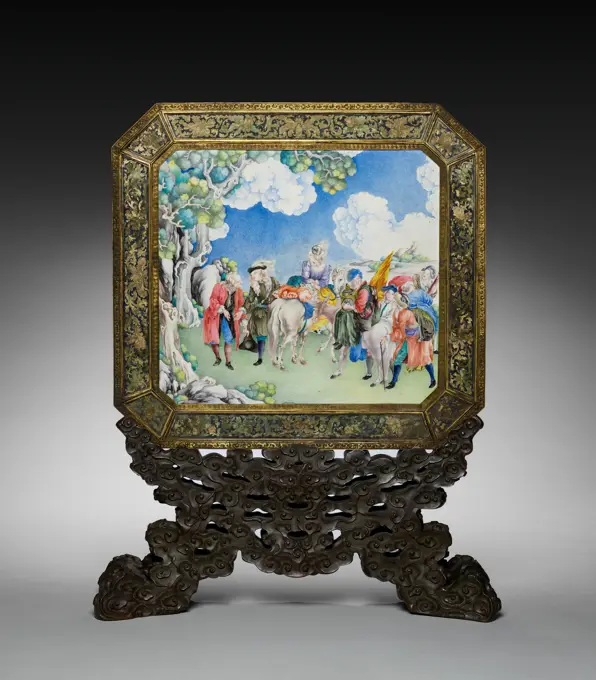
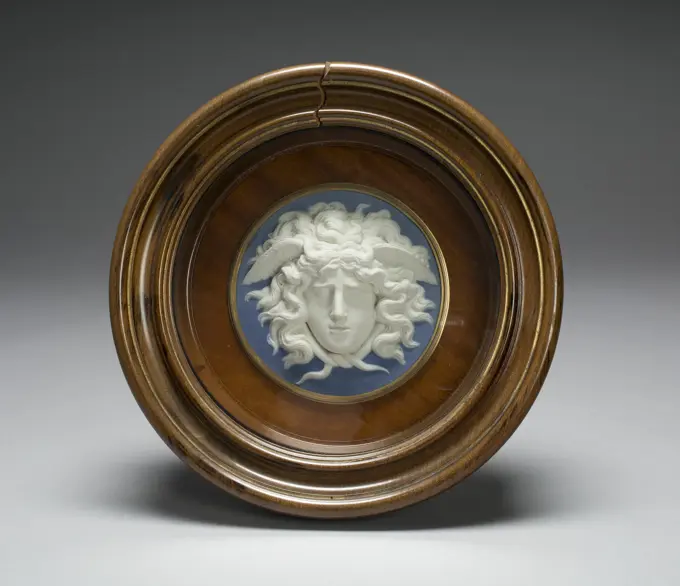
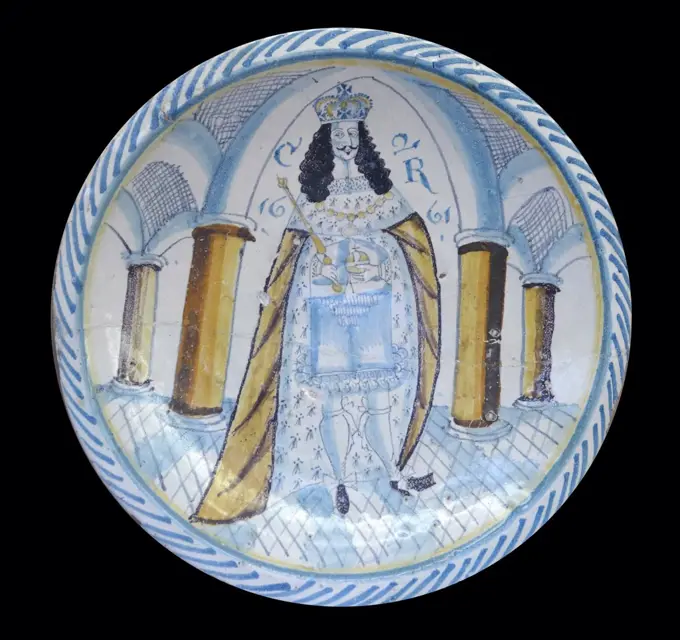
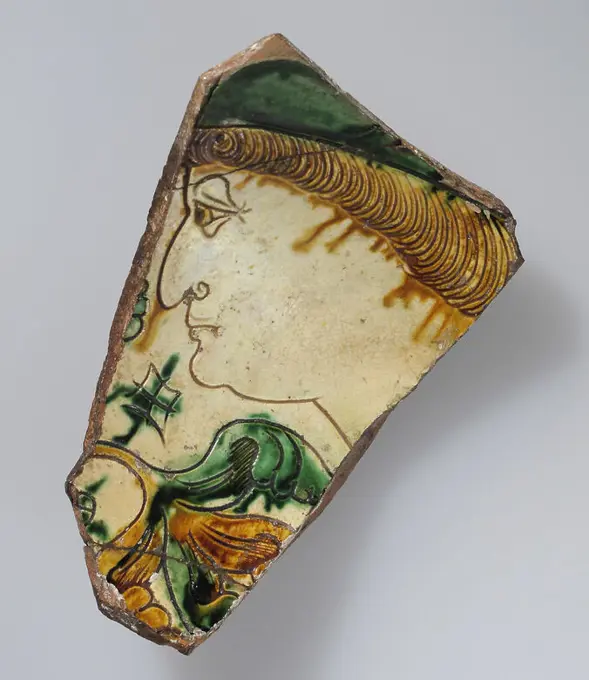
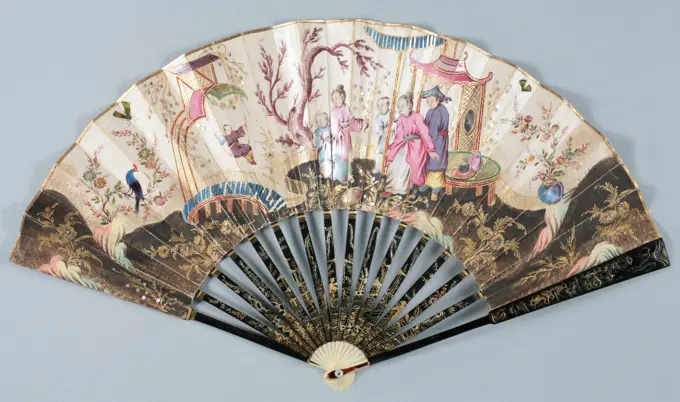
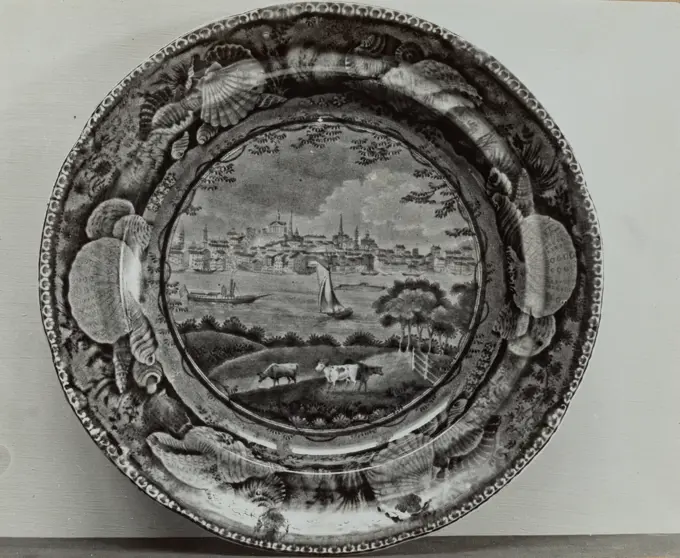
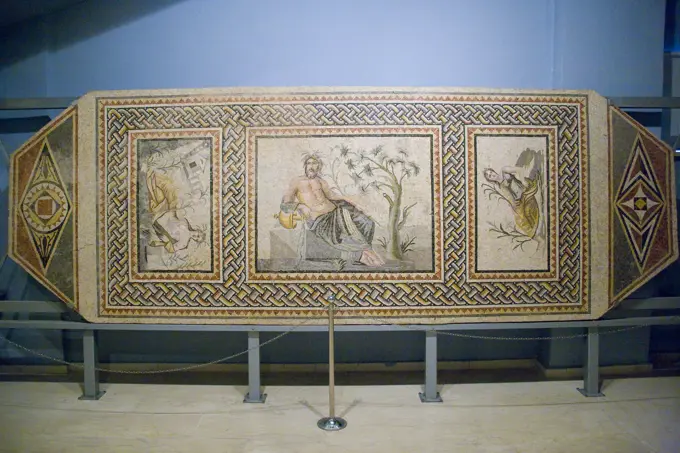
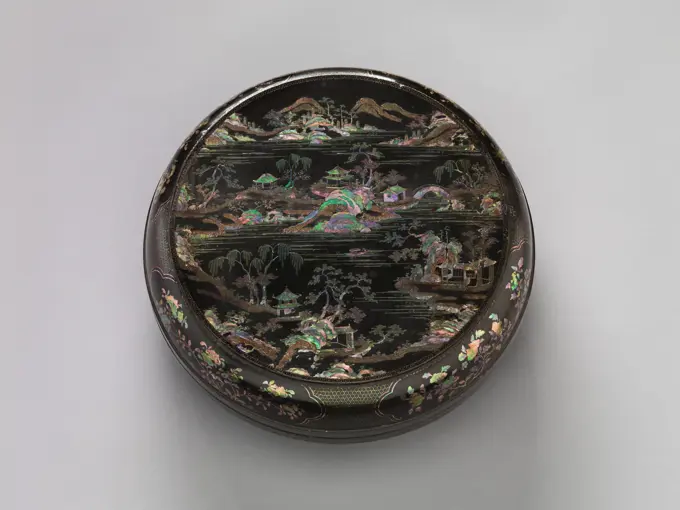
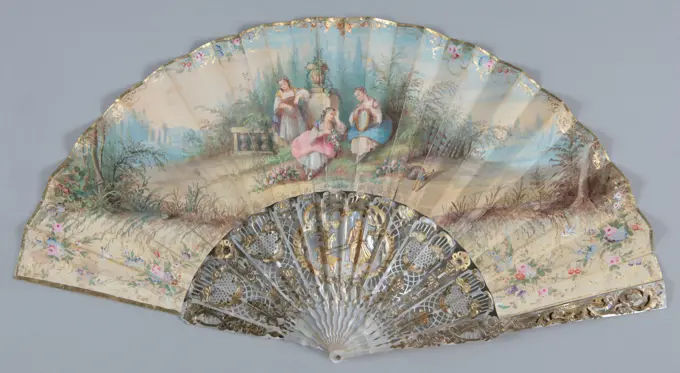
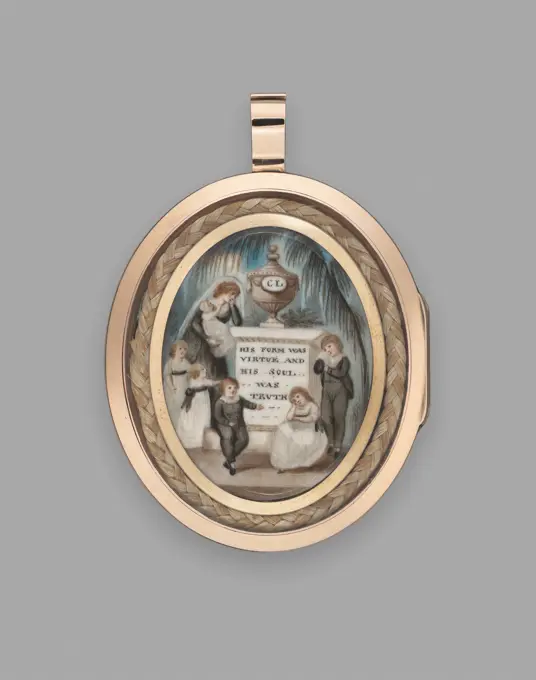
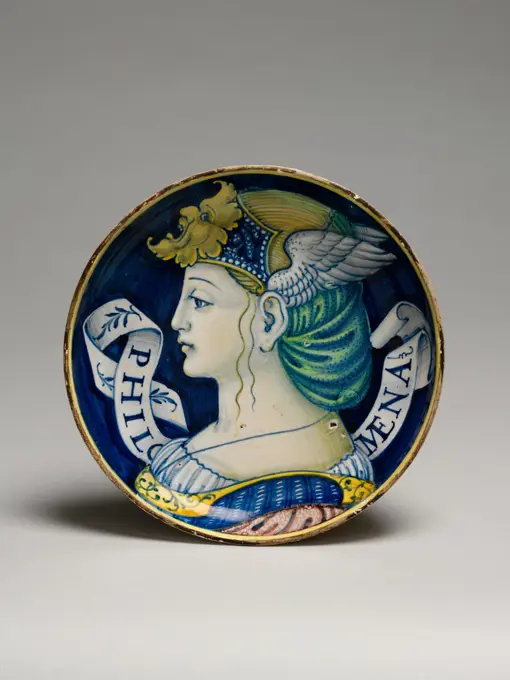
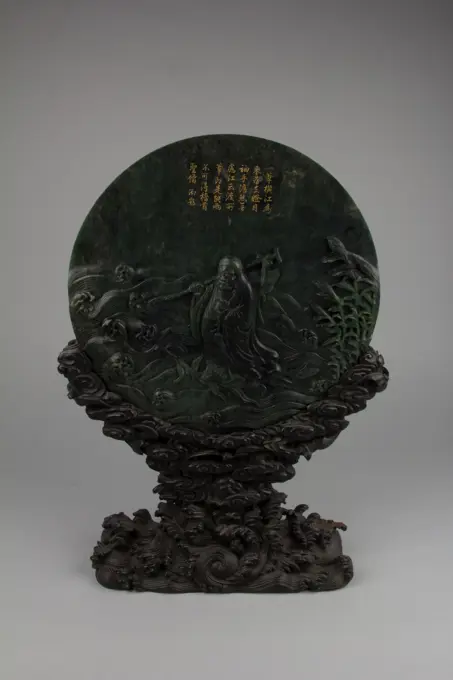
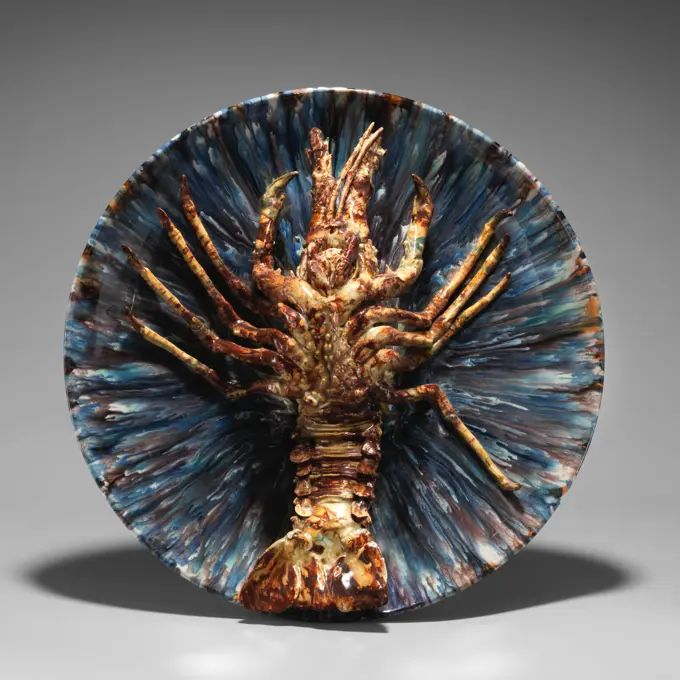
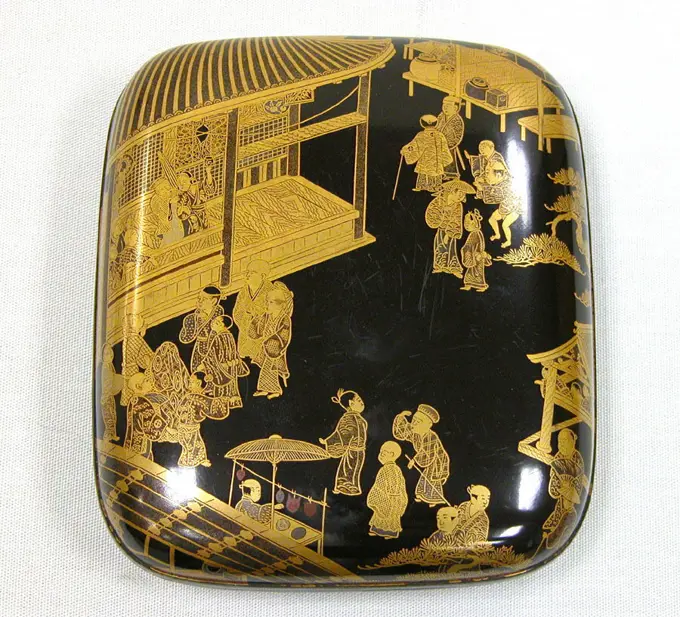
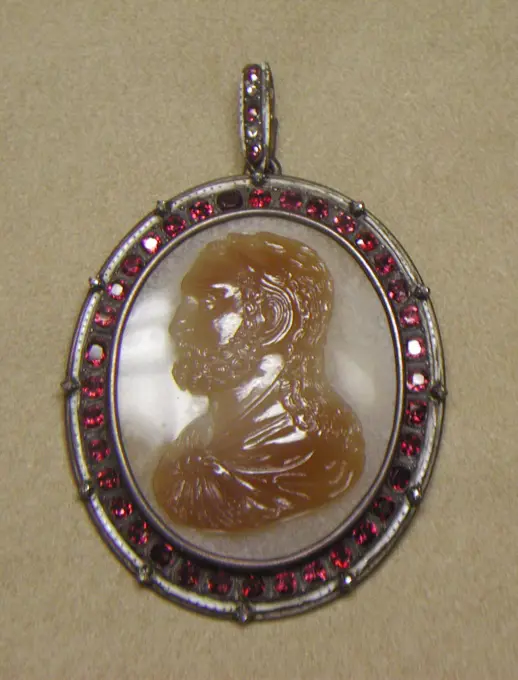
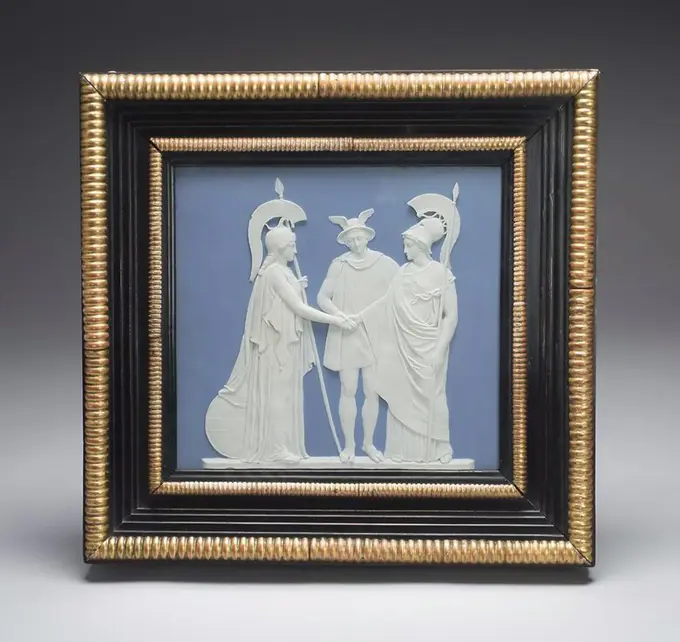
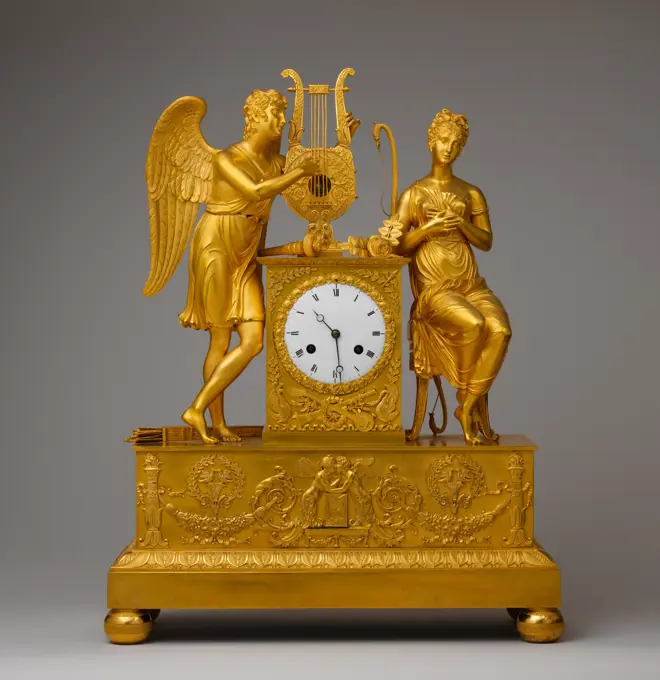
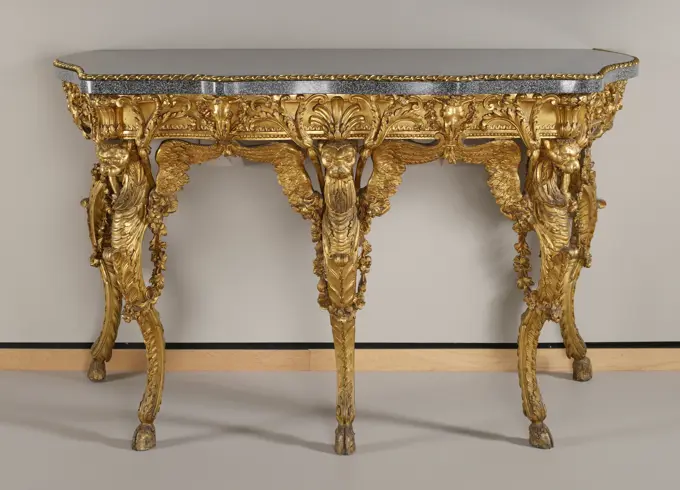
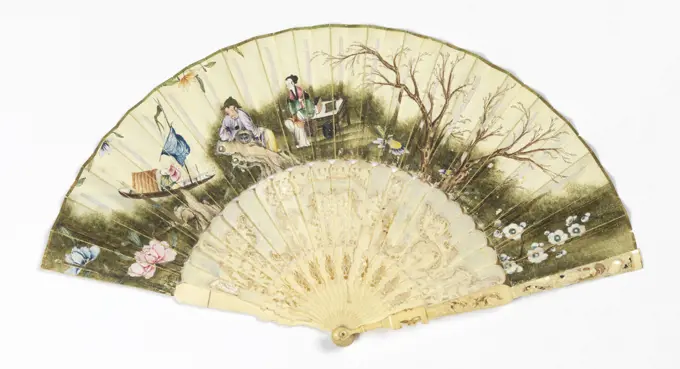
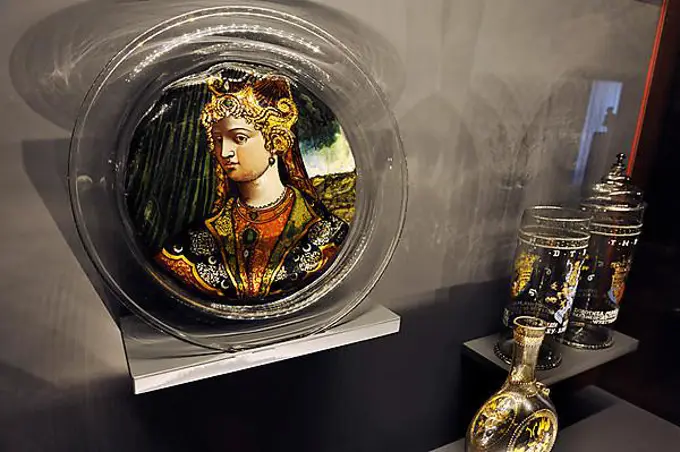
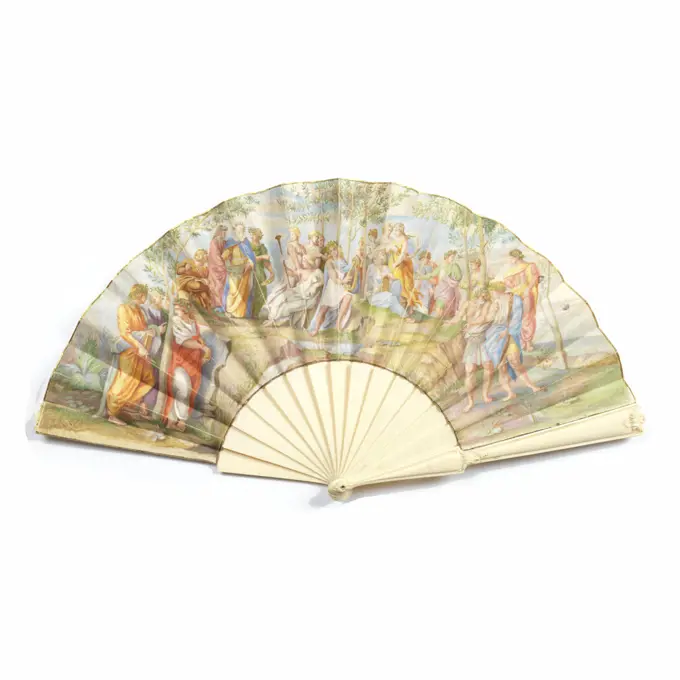
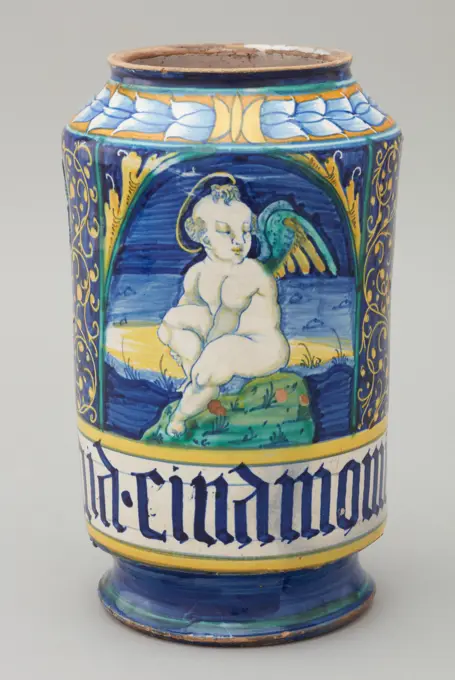
Pendant with the Adoration of the Shepherds and Deposition, by Unknown artist, 16th Century, bloodstone and gilded filigree silver. Italy: Tuscany: Florence: Bargello Museum: Inv. Carrand 1280. Whole artwork. Deposition stone oval two faces intaglio Jesus dead sepulcher/tomb men Madonna pious women vases of ointmentChair seat, Medium: linen, silk Technique: counted stitch embroidery, Octagonal medallion of upholstery fabric illustrating a fable by Aesop known as 'The Fox and the Dog.' The pattern is in white and shades of yellow on a light blue ground., France, 1800-1810, embroidery & stitching, Chair seatAngel Supporting a Heraldic Shield 1505-15 South Netherlandish. Angel Supporting a Heraldic Shield 476524Two carved shells. Bellekin transformed nature into art, producing objects perfectly in keeping with the 17th-century concept of a collection of rarities. VOC ships brought back oyster shells from the Indian Ocean, which Bellekin carved with scenes from Greek mythology in low relief: Perseus on his winged horse rescuing Andromeda, and the nymph Scylla reaching out to the sea god Glaucus.Stemma, or coat of arms, of Rene of Anjou. Circa 1466-1478. Tin-glazed terracotta. From Florence, Italy. Made by Luca della Robbia. An enormous roundel stemma, made for Jacompo de'Pazzi. Jacompo was councillor to Rene of Anjou.Goldsmith's art, Italy, 17th century. Gilded copper, coral, enamels plate, with engraving and openwork frame decoration. Trapani (Sicily) manufacture, late 1600.'Famille Verte Vase, with four upright panels painted with rocks and flowering plants, two monsters, Artist: Unknown.The Judgement of Cambyses, Dirck Vellert, 1542 Round stained glass with the representation of the case law of Cambyses. On the diamond, three episodes from the story are shown. On the left we see the corrupt right -hand sisamnes with bent head for King Cambyses that is in the right next to the column in the middle and is recognizable by his scepter, pointed cap and shoulder mantle of Hermelijn. In the foreground, two executioners perform the horrible verdict. In the middle is a bucket for taking the blood. In the background, on the left, Sisamnes' son and successor Otanes are thinking in the court's seat, placed on an elevation, in a niche under three arches. His attitude, placed with one leg for the other, can be seen that he is already in office. On the arches hangs, as a deterrent example and warning, the poached skin of his father, where King Cambyses admonishes. Because of the arched window, on the right, the people watch interests and full horror. The ax at the foot of the columnPainted Battledore (hagoita); Scenes of New Year's Festivities and Saicho, 18th century, Unknown Japanese, 16 1/2 × 5 5/8 × 1/2 in. (41.91 × 14.29 × 1.27 cm), Ink, color and gold on wood, Japan, 18th centuryPa. German Plate. Dated: c. 1936. Dimensions: overall: 50.3 x 38.1 cm (19 13/16 x 15 in.). Medium: watercolor, gouache, and graphite on paperboard. Museum: National Gallery of Art, Washington DC. Author: Charlotte Angus.EVENTAIL. Chinese -inspired scene, inlays of mother -of -pearl, straw flowers. Watercolor on paper, red and gold lacquered wood. Paris, Carnavalet museum. 99102-4 Fashion accessory, EventailFolded range, Facing decor: 3 cartels, on the left, is represented a landscape in blue camaieux, 2 characters are on the edge of a river, at the plan plan are dwellings, on the right, in a mauve rose shades, A couple of shepherds keep sheep near a port Gal1992.7.3 Leaf: face in cut paper, cut, gouache with on the back glued and gouache paper, gouache and glued on network, sculpted ivory frame, metal rterVase with Garden Scene late 17th-early 18th century China This vase illustrates the bustling life found along a garden stream, including women and children in pavilions, figures in a gazebo, and boaters.. Vase with Garden Scene. China. late 17th-early 18th century. Porcelain painted in underglaze cobalt blue (Jingdezhen ware), metal mounts. Qing dynasty (1644-1911), Kangxi period (1662-1722). CeramicsCushion cover with the city coat of arms of Brielle, Anonymous, c. 1770 - c. 1790 Magistrate cushion of carpet tissue with the weapon of Den Briel. Inscription "Brielle". Southern Netherlands Ketting: Wool. Entry: Wool. Entry: Silk tapestry Magistrate cushion of carpet tissue with the weapon of Den Briel. Inscription "Brielle". Southern Netherlands Ketting: Wool. Entry: Wool. Entry: Silk tapestryFlorentine, 15th century: Figures of the Zodiac and astrological symbols, by Matteo Palmieri. Matteo di Marco Palmieri (1406-1475) was a Florentine humanist and historian.Tin-glazed earthenware dish; moulded and painted in polychrome. London; Southwark - Several dishes of this type; depicting a recumbent Venus and cherubs dated between 1633 and 1697. Based on a 16th century design attributed to the French potter; Bernard Palissy.Circular Wall art Jade Buddha Temple, Shanghai, ChinaBliżej KulturyEquestrian Plaque ca. 1220 French This sure-seated rider, possessing all the poise of a great knight, was found before 1890 at Saint-Germain, near Gourdon in southwestern France. His identity and the original function of the plaque are unknown. His bearing has much in common with the kings on horseback from the sacred story depicted in stained glass from the Abbey of Saint-Germain-des-Prés (24.167a-k) exhibited nearby.. Equestrian Plaque. French. ca. 1220. Champlevé enamel and glass on gilded copper. Made in Limoges, France. Enamels-ChamplevéUnknown, console. Great fire earthenware, polychrome enamels. Petit Palais, Museum of Fine Arts of the City of Paris.Lazio Roma Rome SS. Giovanni e Paolo, Museum22. Hutzel, Max 1960-1990 Medieval: Ceramic fragments, sculptural fragments, fresco fragments, inscribed tomb markers. Houses one of the best collections of Malagan medieval ceramics for casting wall monuments, copies of which are housed in campanile. Specific Location: Museum Antiquities: Ceramic fragments, sculptural fragments, architectural fragments Object Notes: Basilica has separate record and is filed separately. German-born photographer and scholar Max Hutzel (1911-1988) photographed in Italy from the early 1960s until his death. The result of this project, referred to by Hutzel as Foto Arte Minore, is thorough documentation of art historical development in Italy up to the 18th century, including objects of the Etruscans and the Romans, as well as early Medieval, Romanesque, Gothic, Renaissance and Baroque monuments. Images are organized by geographic region in Italy, then by province, city, site complex and monument.Pen Box (Qalamdan) Depicting Shah Isma'il in a Battle against the Uzbeks early 19th century Painted in a harmonious palette of pastels with touches of gold on a cream-colored background, this pen box is an unusual and sensitively drawn example of Persian lacquer from the dawn of the nineteenth century, possibly by the master court painter Mirza Baba (active 1780s-1810) or an artist in his circle. The top depicts one of the battles between the first Safavid ruler, Shah Isma'il I (r. 1501-24), and the Ottoman Turks in the second decade of the sixteenth century, possibly the Battle of Chaldiran of 1514. In the foreground, the two armies are shown in fierce battle against a row of cannons, at the time the ultimate symbol of the modern military. In the scenes on the two sides, which continue onto the rounded ends, men on horseback, accompanied by dogs, hunt bears and gazelles in a delicately painted Europeanizing landscape with buildings. The details of the landscape and architecture and thPleated Fan; After Guido Reni (Italian, 1575 - 1642); painted and gilded parchment leaf, carved and pierced mother-of-pearl sticks overlaid with gold and silver leaf, spangles and painted detailsJewelry casket 1857 Pietro Giusti Pietro Giusti, one of the most successful nineteenth-century designers and sculptors in Tuscany, was known for his elaborately carved frames and furniture in sixteenth-century styles. Here, Giusti may have been inspired by the work of the Renaissance artist Antonio Barili (1453-1516); Guisti was probably familiar with Barilis cassone surmounted by the she-wolf with Romulus and Remus and with fabled monsters at the four corners in the Museo Civico, Siena. The city is traditionally thought to have been founded by the Romans, hence the use of the she-wolf on its seal and many of its civic buildings.. Jewelry casket. Italian, Siena. 1857. Carved walnut, ebony, lined with red velvet. Woodwork-FurnitureScreen with European Figures (obverse) and Landscape (reverse) with Stand, 1736-95. China, Beijing palace workshops, Qing Dynasty (1644-1911), Qianlong reign (1736-1795). Painted enamel, glass painting, and cast-iron stand; painting only: 35.7 x 32.4 cm (14 1/16 x 12 3/4 in.); height with stand: 65.8 cm (25 7/8 in.); screen only: 44.3 x 47.6 x 1.5 cm (17 7/16 x 18 3/4 x 9/16 in.). On the obverse side of this two-sided table screen is an enamel-painted copper plaque with European figures. The image is probably derived from prints. European enamelware was introduced to China through missionary-artists at the Beijing court and foreign trade in Guangzhou. On the reverse side is a glass painting of architectural landscape in the Chinese style. At the Qing court, imperial commands made possible artistic collaboration and the incorporation of different artistic expressions in a single artwork.. Dish of Faïence from a series of the five senses, painted with: the hearingArita (ceramic production center), Potiche vase with imari decor. Porcelain, polychrome enamels. Petit Palais, Museum of Fine Arts of the City of Paris.Medusa 1775-1780 Etruria. Stoneware (jasperware), gilded wooden frame . Wedgwood Manufactory (Manufacturer)Tin-glazed earthenware dish possibly depicting the coronation of King Charles II 1630-1685) King of England, King of Scotland and King of Ireland, on a dish. Dated 17th CenturyEventail: "Ci Git Malbrouk", the tomb surrounded by the 4 officers; departure of the warrior; Madam in her turn ". Paper, colored engraving, rosewood, ivory nets around the guards. Paris, Carnavalet museum. 99060-14 Fashion accessory, EventailFragment from a Vessel. Culture: North Italian. Dimensions: Overall: 7 x 5 1/4 x 2 3/4 in. (17.8 x 13.3 x 7 cm). Date: late 1400s.In northern Italy few potters made use of the technique of tin glazing. Rather, they coated clay objects with a creamy slip of liquid clay, into which they incised a design. They then applied additional colors, often in yellow and green, before a final firing. Even a small fragment reveals the virtuosity of line often found in these wares. Museum: Metropolitan Museum of Art, New York, USA.Cassone: The Story of Palaemon and Arcites from Boccaccios Teseida with a coat-of-arms (front); Putti bearing coat-of-arms (left side); Putti bearing coat-of-arms (right side). Artist: Giovanni dal Ponte, Italian, Florence, ca. 1385-1437Temple of Venus. Meissener porcelain manufactory modeled by Johann Gottlieb Kirchner (1706-After 1738) Meissen, 1727Hard paste PorcelainFolded range, Facing decor: representing a Chinese family in a garden decorated with chinoiseries, plumes: Chinese garden with people GAL1981.95.60 Gouache and golden face sheet, feathers and straw marquetry, encrusted with burgaus, black and gilded lacquered wood frame, rter with a mother -of -pearl, ivory head inlaid with scalesRound Box with Chinese-Style Landscape. Culture: Japan (Ryukyu Islands). Dimensions: H. 6 in. (15.2 cm); Diam. 16 in. (40.6 cm). Date: early 18th century.The rolling hills, small pavilions, and tripartite division of the landscape shown on the top of this box derive from Chinese painting. The foreground is viewed from above, the middle ground directly, and the background from below. The clear distinctions between the three parts of the landscape specifically parallel the conservative painting traditions favored by the Qing court in the late seventeenth and eighteenth centuries. The elegant rendering of the flowers in the cartouches on the sides of the box and the precise geometric designs also reveal an awareness of Chinese art at that time. Museum: Metropolitan Museum of Art, New York, USA.Helmut Hiatt, Plate  Albany, NY, c 1936 Plate - Albany, NYEuphrates Mosaic with Naias, Gaziantep Archaeology Museum, Gaziantep (Antep), TurkeyPLATO DE TALAVERA DE LA REINA - SIGLO XVII - CAZA DE JABALI CON LANZA. Location: MUSEO ARQUEOLOGICO NACIONAL-COLECCION. MADRID. SPAIN.Round Box with Chinese-Style Landscape early 18th century Japan (Ryky Islands) The rolling hills, small pavilions, and tripartite division of the landscape shown on the top of this box derive from Chinese painting. The foreground is viewed from above, the middle ground directly, and the background from below. The clear distinctions between the three parts of the landscape specifically parallel the conservative painting traditions favored by the Qing court in the late seventeenth and eighteenth centuries. The elegant rendering of the flowers in the cartouches on the sides of the box and the precise geometric designs also reveal an awareness of Chinese art at that time.. Round Box with Chinese-Style Landscape. Japan (Ryky Islands). early 18th century. Black lacquer inlaid with mother-of-pearl; wire. Edo period (1615-1868). LacquerFolded range, Facing decor: flowers and leaves with birds extending into a garland, in the center, 3 young women in a park: the first leaning on a pedestal, the second holding a mirror where the third is mirror, back decor: garland golden leaves, a hundred GAL1966.44.3 Facing sheet: gouache and golden cream with brush, gilded with a leaf and burgamed, engraved, penged mother -of -pearl, plumes with application of golden paper, rivet inLazio Roma Rome SS. Giovanni e Paolo, Museum19. Hutzel, Max 1960-1990 Medieval: Ceramic fragments, sculptural fragments, fresco fragments, inscribed tomb markers. Houses one of the best collections of Malagan medieval ceramics for casting wall monuments, copies of which are housed in campanile. Specific Location: Museum Antiquities: Ceramic fragments, sculptural fragments, architectural fragments Object Notes: Basilica has separate record and is filed separately. German-born photographer and scholar Max Hutzel (1911-1988) photographed in Italy from the early 1960s until his death. The result of this project, referred to by Hutzel as Foto Arte Minore, is thorough documentation of art historical development in Italy up to the 18th century, including objects of the Etruscans and the Romans, as well as early Medieval, Romanesque, Gothic, Renaissance and Baroque monuments. Images are organized by geographic region in Italy, then by province, city, site complex and monument.Family Group Memorial for C.L.. Artist, attributed to: J. Miers, active 1760-1810Writing box (suzuribako) with chrysanthemums and autumn grasses Attributed to Igarashi Doho  Japanese second half 17th century Next to Kyoto and Edo, there was a third major center of lacquer art in the early Edo period: Kanazawa in Kaga Province (present day Ishikawa Prefecture). Around the middle of the seventeenth century, Maeda Toshitsune (1594-1658), the third daimyo of Kaga, summoned the Kyoto-based lacquer master Igarashi Dho (d. 1678) to his seat of government at Kanazawa. Dho and a few other lacquer artists established the traditions of the so called Kaga lacquer school. Maeda Toshitsune was committed to the promotion of various arts and crafts in his Kanazawa Castle. The Igarashi workshop, as the official lacquerers of the Maeda, produced lacquered furniture and household items for the daimyo family and the elite. Maki-e lacquer decorated with gold was an especially important genre since Kaga was well-known for its gold mines and its high-quality gold leaf and powder.This wriBottle Vase with Dragons and Waves, 1736-95. China, Jiangxi province, Jingdezhen kilns, Qing dynasty (1644-1911), Qianlong mark and reign (1736-95). Porcelain decorated in underglaze cobalt blue and copper red; overall: 35.5 cm (14 in.).Plate (one of a pair) ca. 1525 or later Style of Nicola da Urbino Italian These two footed bowls (see also 65.6.7), or coppe, are part of one of the most striking series of maiolica produced in the 1520s. They were made for an unidentified patron and are painted with busts of illustrious heroes and heroines, ancient and modern. The helmets, in their classicizing style, are comparable to those on ancient coin portraits and on contemporary medals.. Plate (one of a pair). Italian, Castel Durante. ca. 1525 or later. Maiolica (tin-glazed earthenware). Ceramics-PotteryCushion mid-17th century British. Cushion. British. mid-17th century. Silk and metal thread on canvas. Textiles-EmbroideredTable screen with Bodhidharma crossing waves on a reed China During his tour of southern China in 1765, the Qianlong emperor visited Jinshan, a small island in the Yangtze River, where Bodhidharma, the founder of Zen Buddhism, was said to have crossed the river on a single stalk of reed. Inspired by this legend, the emperor composed a poem praising the patriarch and created a painting of the island. Later, he commissioned this jade plaque, which features his poem and an image of Bodhidharma on the front and his painting of the island on the back.. Table screen with Bodhidharma crossing waves on a reed 56182Anonymous. Headquarters at the carved and golden wood queen, Beauvais tapestry (overview on a light background), 19th century. Paris, Cognacq-Jay museum. Sculpt, countryside, gold, armchair, seated woman, Beauvais manufacture, furniture, queen seat, tapestry, 19th century, furnitureAlbarello 1545-1555 Urbania. Tin-glazed earthenware (maiolica) . Castel Durante PotteriesBrisé fan, Ivory sticks painted in oil and finished with Vernis Martin, tortoise shell overlay on guards, mother-of-pearl rivet, silk ribbon, Brisé fan of carved ivory painted in oils and finished with Vernis Martin; each face has a leaf and gorge area. On the front, the leaf shows an outdoor scene with figures and houses, at left a shop or bazaar; at center, a commedia dellarte performance; at right figures dining with blue and white porcelain. The gorge is decorated with Chinese and European motifs supporting a central cartouche over the edge of which leans a lady in 18th C. dress, while behind her can be seen the head of a gallant. On the reverse, the leaf is painted with a landscape with mounted hunters and hounds pursuing a stag. The gorge shows a central cartouche with a scene of Chinese figures. The head end of the guards is overlaid with tortoise. The guards are decorated in the scheme of the gorge, each divided into four parts and containing alternately a head or group of figGood resultsWashstand (athénienne or lavabo) 1800-1814 Design attributed to Charles Percier French The form of this elegant washstand ultimately derives from the ancient Greco-Roman three-legged perfume burner or brazier, of which the designer Charles Percier had made some study. The decoration reflects his familiarity with the wall decorations in the emperor Nero's Golden House and their adaptation in Raphael's Logge in the Vatican. A reappreciation during the Renaissance of the tripod as a luxury item of the utmost refinement is documented as early as 1499 by an example illustrated in Francesco Colonna's Hypnerotomachia Poliphili, published in Venice that year.1 A further not-to-be-underestimated influence on Percier was Neoclassical paintings illustrating ancient Greek mythology, such as The Loves of Paris and Helen, commissioned from Jacques-Louis David (1748-1825) by the comte d'Artois in 1788.2 The designer was also familiar with the richly illustrated seven-volume Recueil d'antiquités (Charger. Artist: John Bennett (1840-1907). Culture: American. Dimensions: 17 in. diameter x 2 in. deep (43.2 x 5.1 cm). Date: 1877.The rare charger embodies John Bennett's penchant for Anglo-Japanese style, one of the defining characteristics of the Aesthetic Movement. Painted the same year that Bennett immigrated to New York from England, the charger strongly relates to an earlier example of Doulton Pottery, where Bennett developed and taught his method of underglaze decoration. The subject of two cranes deviates from Bennett's more typical floral and plant motifs with pronounced dark outlines as seen on the large vase with dogwood blossoms (1984.425) also in the collection. Museum: Metropolitan Museum of Art, New York, USA.AZULEJO VALENCIANO - MADRE CON SU HIJA - SIGLO XVIII. Location: MUSEE D'ARTS DECORATIFS. MADRID. SPAIN.Abel Faivre (1867-1945) and Louis-Abel Truchet (1857-1918). Eventail in memory of the morning of Gala given to the Opéra-Comique, organized for the benefit of the monument in Gavarni. "Mimi Pinson affected by an arrow launched by love", 1903. Paper, wood. Paris, Carnavalet museum. Eventail: Mimi Pinson affected by an arrow launched by love (Gala Gavarni); Abel Faivre and Truchet 1903 Fashion accessory, EventailRound plate with lobster 1889 Rafael Bordalo Pinheiro Rafael Bordalo Pinheiro began his career as a political cartoonist, publishing O calcanhar de Aquiles, the first satirical cartoon pamphlet in Portugal and enjoying a successful career in Rio de Janeiro before establishing a ceramics factory with his brother in 1884 in Caldas da Rainha. Pinheiros quirky sense of humor and strong grasp of composition can be found in his Palissy-inspired ceramics, such as this lobster on a plate, which seems to herald the surreal works of Salvador Dalí.. Round plate with lobster. Portugal, Caldas de Rainha. 1889. Glazed earthenware. Ceramics-PotterySmall Box (Kobako) with Kyōgen Theater Scene at Mibu Temple in Kyoto ca. second half of the18th century Kōami Shinzaburō. Small Box (Kobako) with Kyōgen Theater Scene at Mibu Temple in Kyoto 58290Bust of Hercules late 16th-early 17th century Italian The Italian Renaissance brought with it a wholehearted embrace of classical antiquity throughout the fifteenth and sixteenth centuries. Emulation of ancient cameos played a large part. Carvers invested ancient myths with increasingly refined compositions and techniques, paying close attention to the latest archaeological discoveries. Demand for Italian carvers took them to all the courts of Europe. Milan in particular developed a taste for cameos with wondrous atmospheric effects.. Bust of Hercules 198325Mercury Joining the Hands of Britain and France. Wedgwood Manufactory; England, founded 1759; Etruria, Staffordshire, England. Date: 1787-1790. Dimensions: 36 × 37.8 × 3.7 cm (14 3/16 × 14 7/8 × 1 7/16 in.)Frame width: 7 cm (2 3/4 in.). Stoneware (jasperware), gilded wooden frame. Origin: Burslem. Museum: The Chicago Art Institute, Chicago, USA.Folded range, Face sheet decor: a seated woman and 2 birds. Gal1982.96.3A Black muslin leaf painted with gouache, wooden frame carved with gilding on certain patternsPablo Picasso / 'Owl', 1957, Thrown red earthenware, 43,8 x 16,5 cm, MPB 112.465. Museum: Museo Picasso, Barcelona.Émile Gallé (1846-1904). Landscape cut. Before 1904. Glass. St Denis. Museum of Fine Arts of the City of Paris, Petit Palais. 55424-4 Tree, art new, cut, landscape, character representation, serious glass, bridgeStatue of Goethe, print in paint in a small list, anonymous, c. 1750 - c. 1850 Statue of Goethe, print in paint in a small list.  lacquer (coating) Statue of Goethe, print in paint in a small list.  lacquer (coating)Love and Innocence ca. 1820-25 French This clock representing Love and Innocence corresponds closely to a watercolor drawing in the Museums collection (67.548.3). This drawing may have formed part of the catalogue of models belonging to a bronze caster to be shown to prospective clients. would have been executed in gilt bronze and a number of clocks of this model are known. As indicated by the yellow wash, the entire case The winged cupid holding a lyre symbolizes love while the seated female with her arms crossed over her chest is emblematic of innocence. The front of the plinth, decorated with a relief of flaming torches, billing doves and embracing figures further emphasizes the theme of love.. Love and Innocence 206873Pier table, c. 1768, Giovanni Battista Piranesi, Italian (Rome), Italian, 1720-1778, 35 1/2 x 59 x 29 1/4 in. (90.17 x 149.86 x 74.3 cm), Oak, limewood, marble, gilt, Italy, 18th century, This is one of the few pieces of Giovanni Piranesis furniture to survive. The versatile Piranesi was a printmaker, archaeologist, architect, and designer. His numerous etchings of Roman ruins contributed greatly to 18th-century Europes interest in the ancient world. In 1769 he published Diverse Manners of Ornamenting Chimneys and All Other Parts of Houses, a collection of imaginative designs for clocks, vases, chimneypieces, and even coaches.Pleated fan, Antoine Watteau, (French, 1684-1721), Parchment leaf painted in watercolor, carved and pierced mother-of-pearl sticks with gold foil and applied straw decoration, Pleated fan. Parchment leaf painted in watercolor. Obverse: scene of figures in a landscape after L'Assemblée Galante” of Jean-Antoine Watteau. Reverse: Chinoiserie scene with a man and woman in a landscape with a boat and a bare tree. Guard and sticks of pierced and carved mother-of-pearl with gold foil. Gorge covered with a diaper pattern of applied straw, showing an elaborately carved and pierced rocaille framework enclosing figures., England, Netherlands, ca. 1740, costume & accessories, Pleated fanBowl with the portrait of a woman and glasses, probably from Venice around 1550, Bavarian National Museum, Prinzregentenstrasse 3, Munich, Bavaria, Germany, EuropePleated fan, Raphael, (Italian, 1483-1520), Painted parchment leaf; molded and carved celluloid sticks, Folding fan with plain celluloid sticks in imitation of ivory. Guards carved with rococo designs. Parchment leaf painted in gouache with a large group of classical figures including Apollo and the Muses. After The Parnassus, the Stanze by Raphael, in the Palace of the Vatican., USA, possibly France, 1870-1879, costume & accessories, Pleated fanLluís Masriera / Colgante con ninfa, 1902. Colección privada. Author: LLUÍS MASRIERA I ROSÉS.Przeszo Przyszoci Pompeii, Orazio (1516-1590/96)