Decorative Ceramics and Dishes

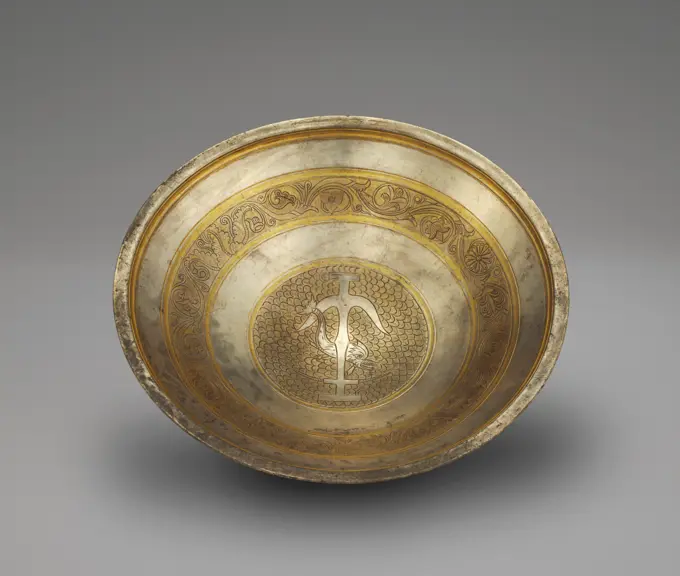
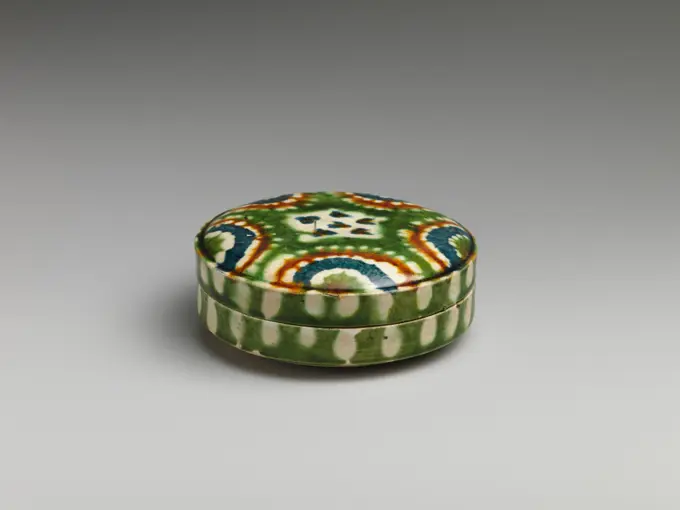
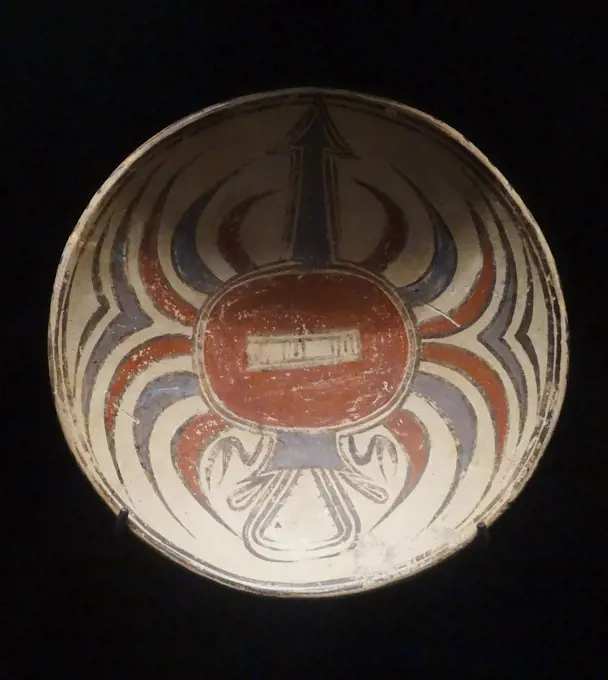
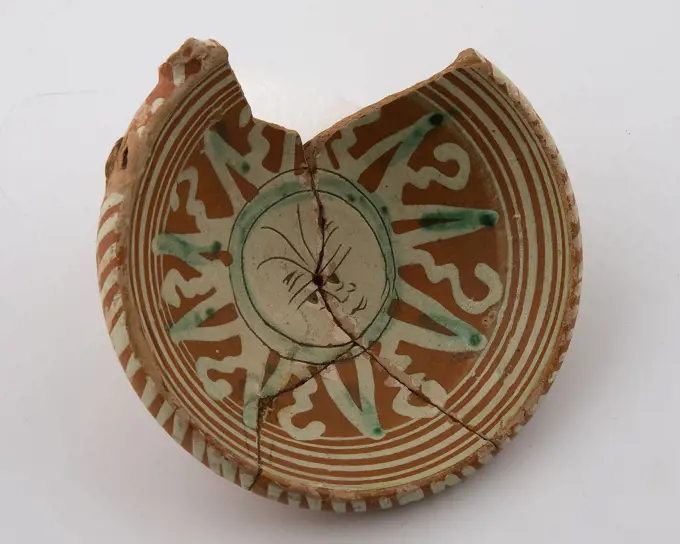
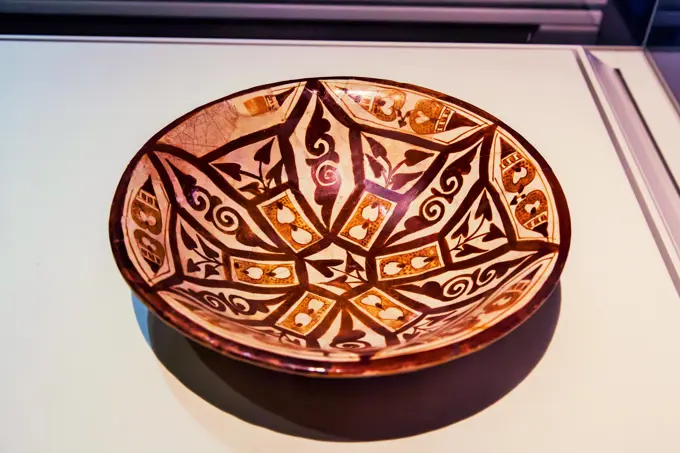
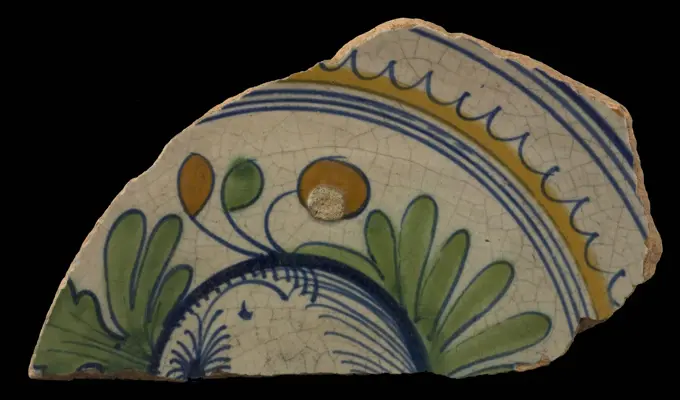
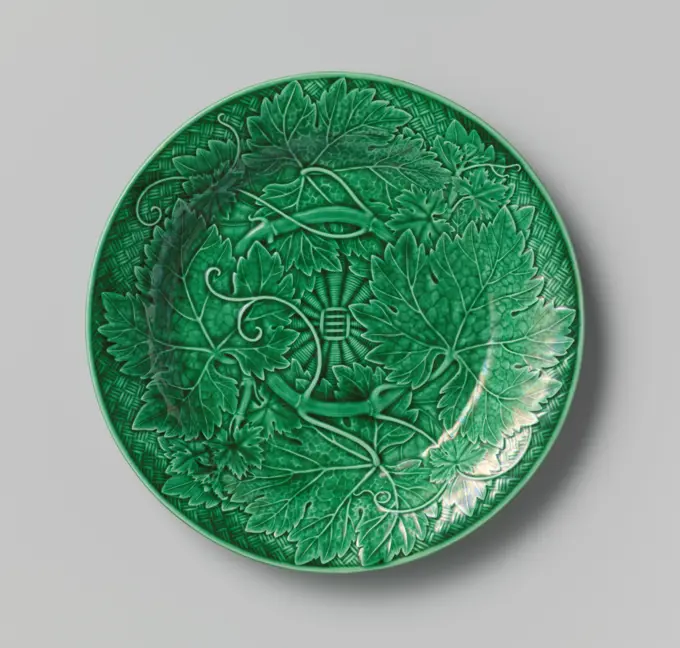
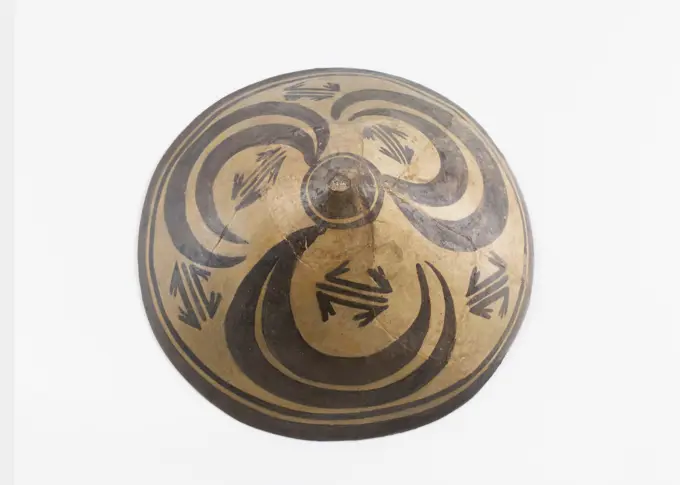
An assortment of decorative ceramic plates and bowls, showcasing intricate designs and historical styles from various cultures and periods.
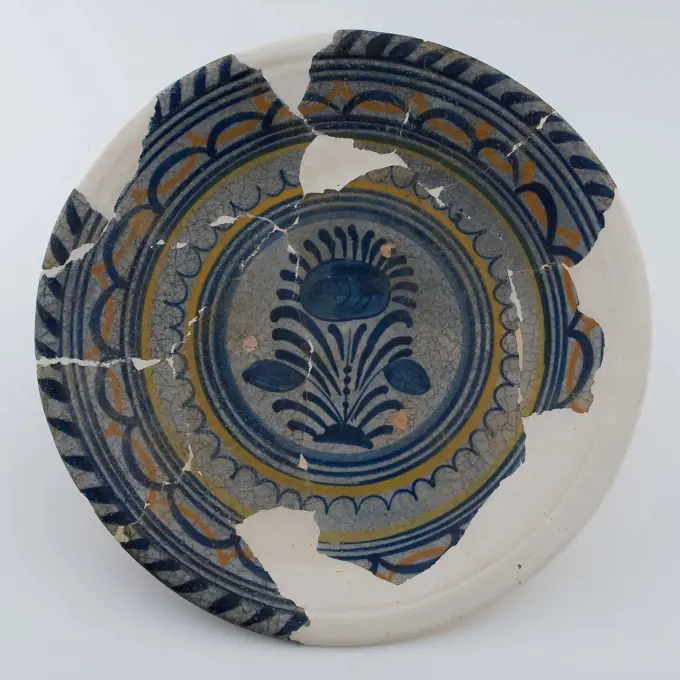
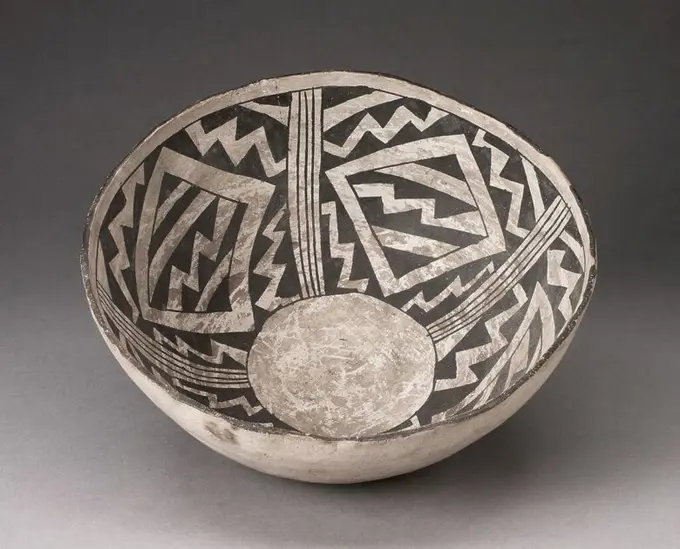
Majolica dish on stand, in the mirror flowering plant in Wanli style, dish plate crockery holder soil find ceramic earthenware glaze tin glaze lead glaze, hand turned fried glazed fried Low earthenware dish on stand. Majolica Ondergegg glaze Standring is pierced for hanging archaeology Rotterdam Stadscentrum Stadsdriehoek Nieuwehaven indigenous pottery serving serving food room table Soil discovery: Rotterdam Nieuwe Haven 1st cesspool (round) 21-08-1980
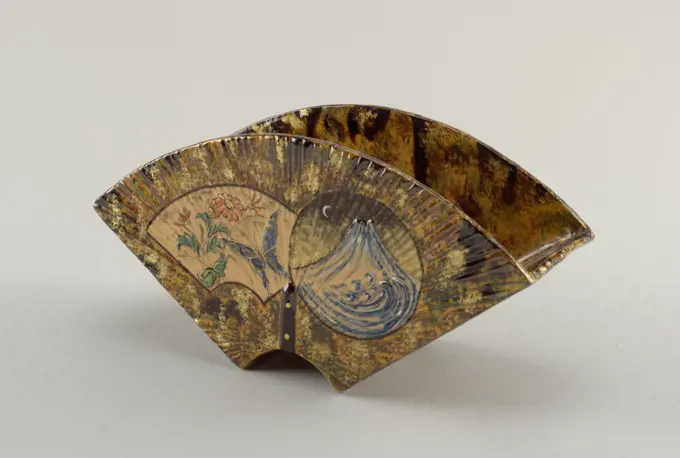
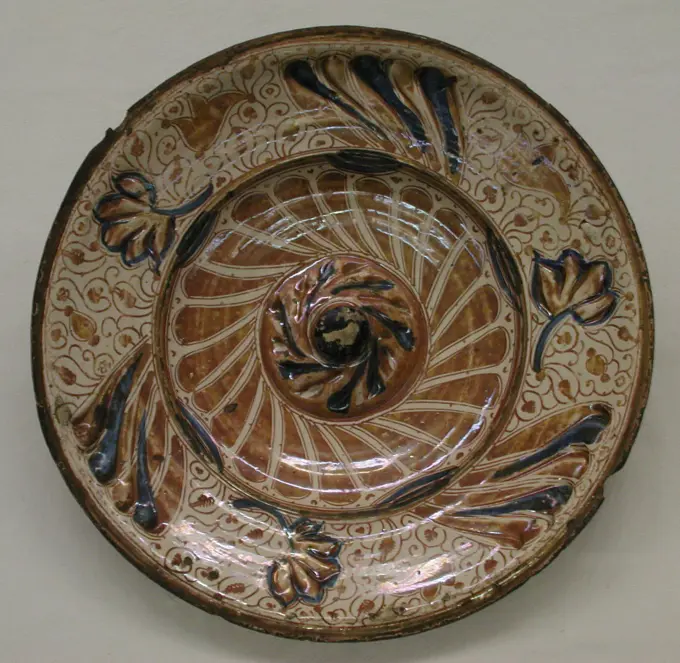
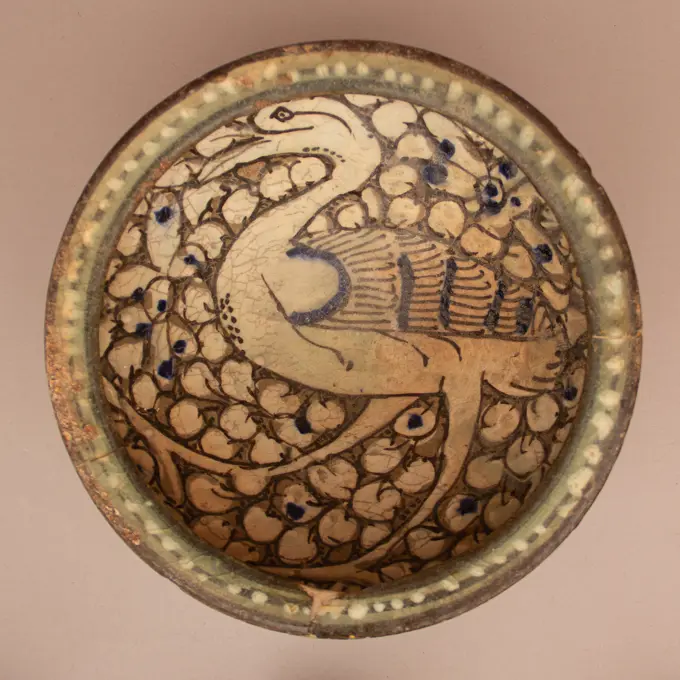
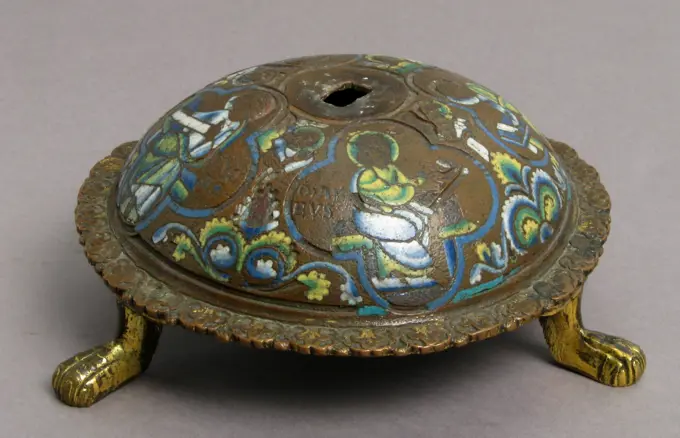
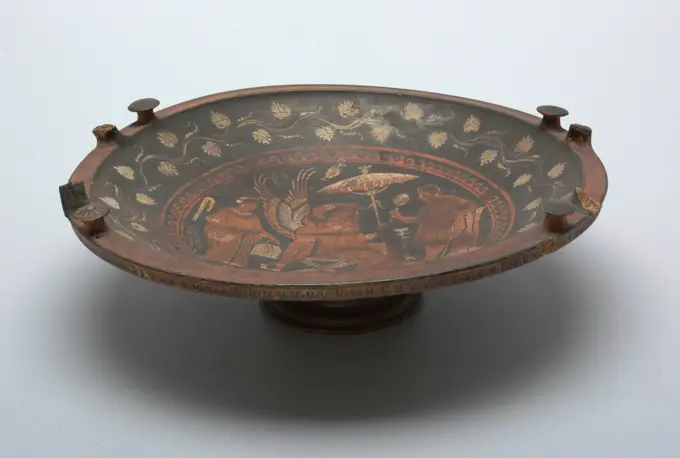
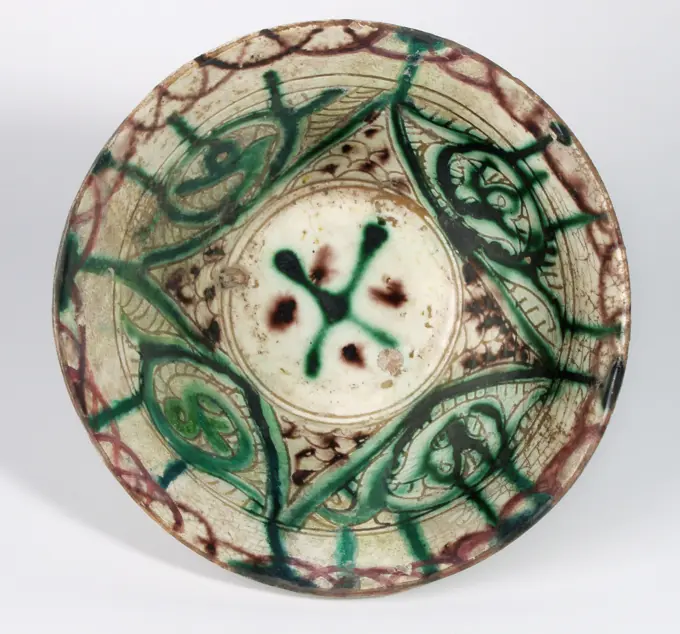
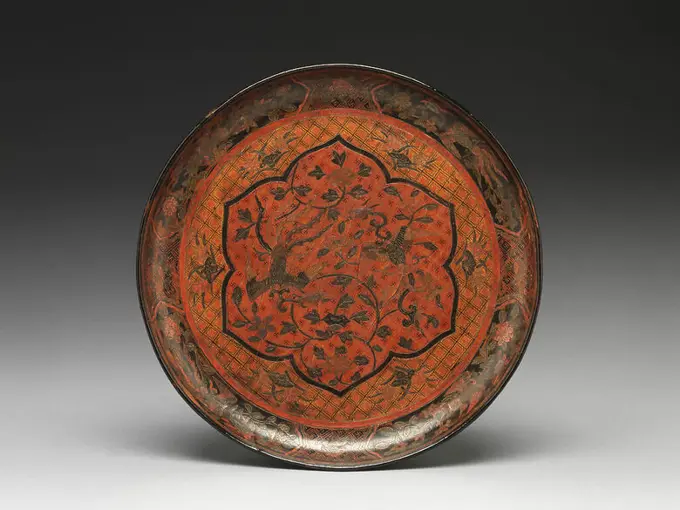
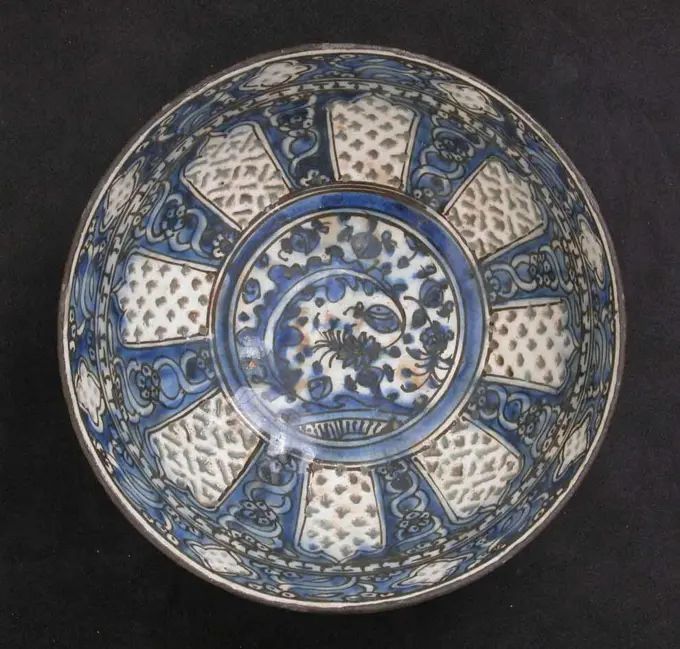
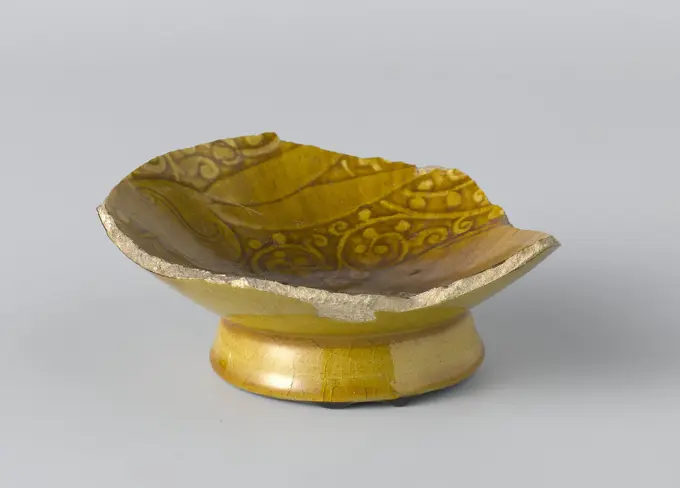
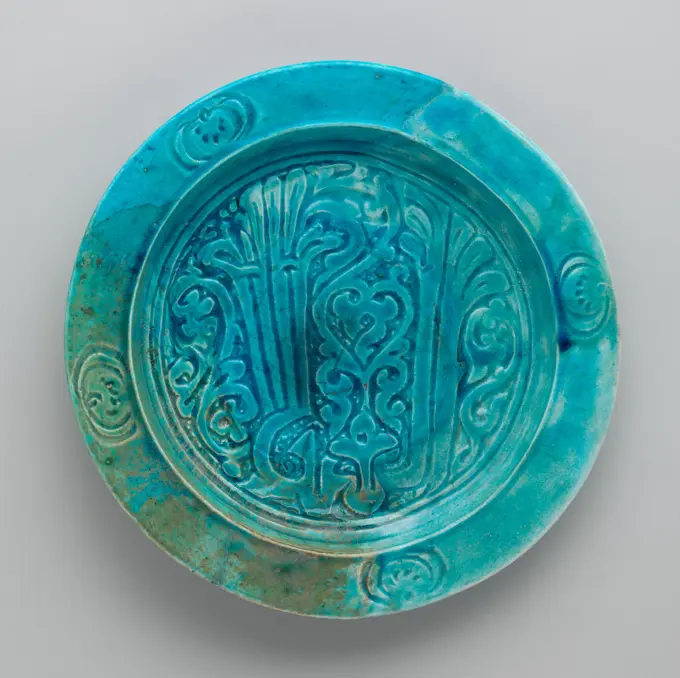
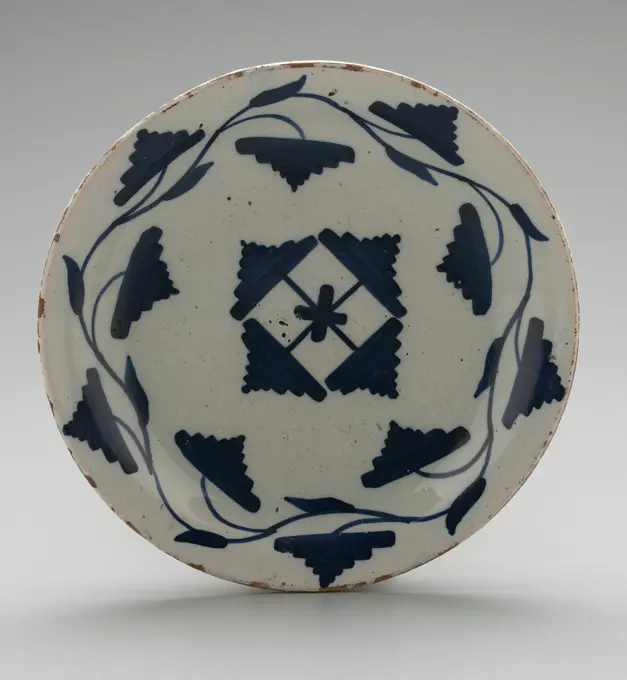
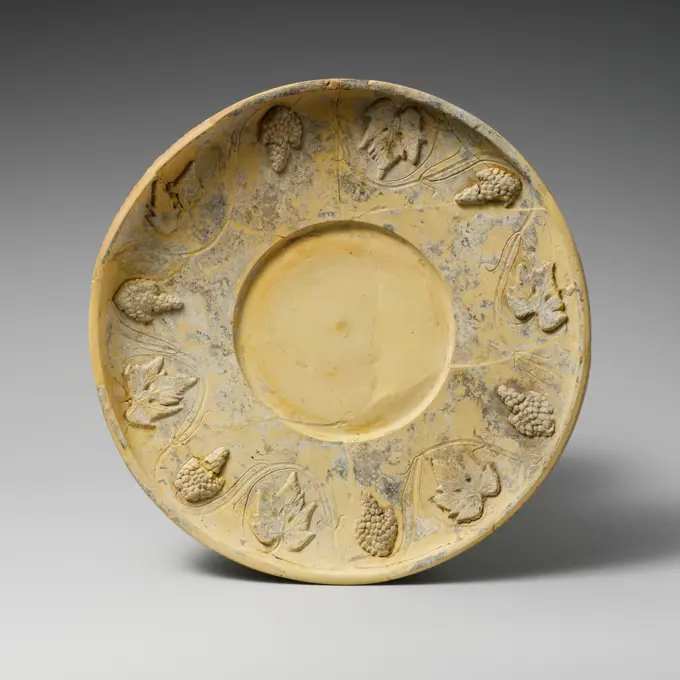
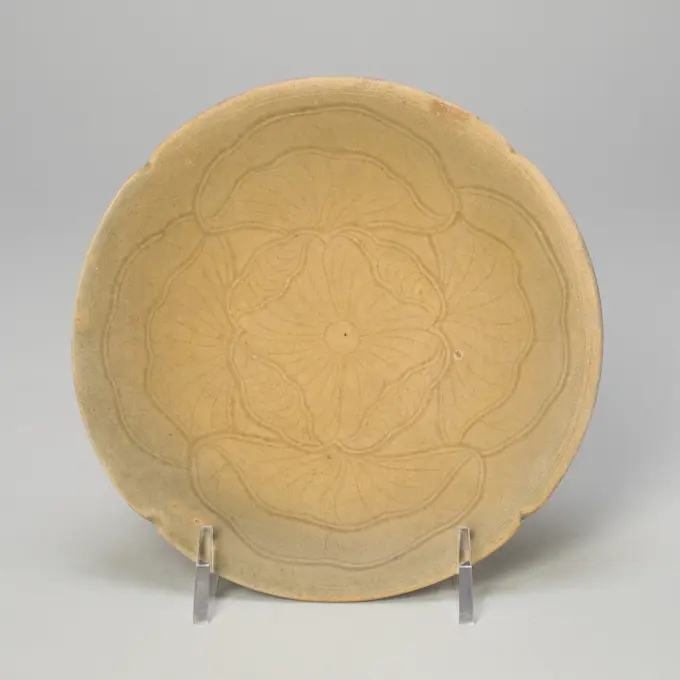
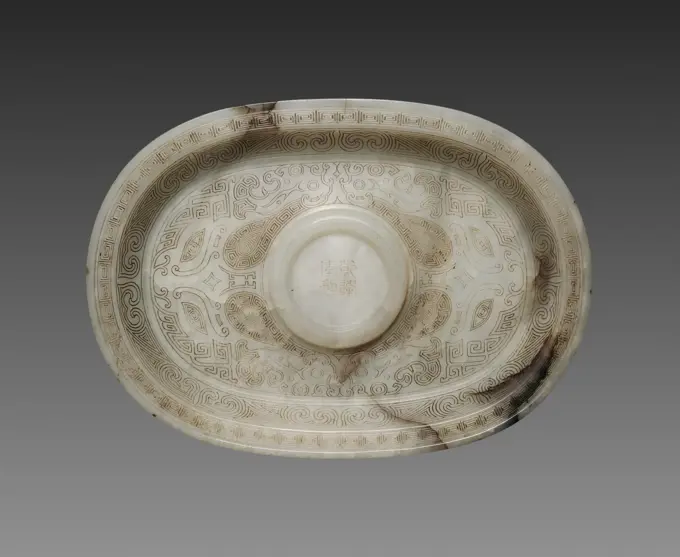
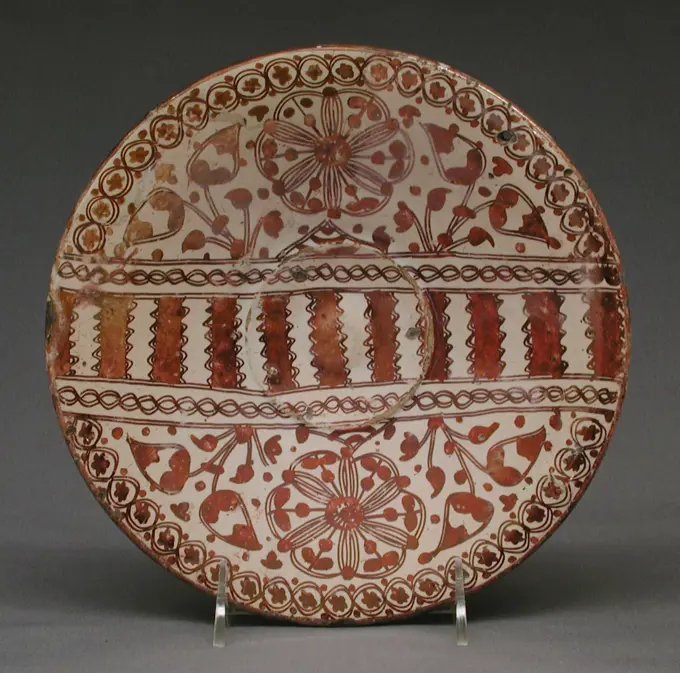
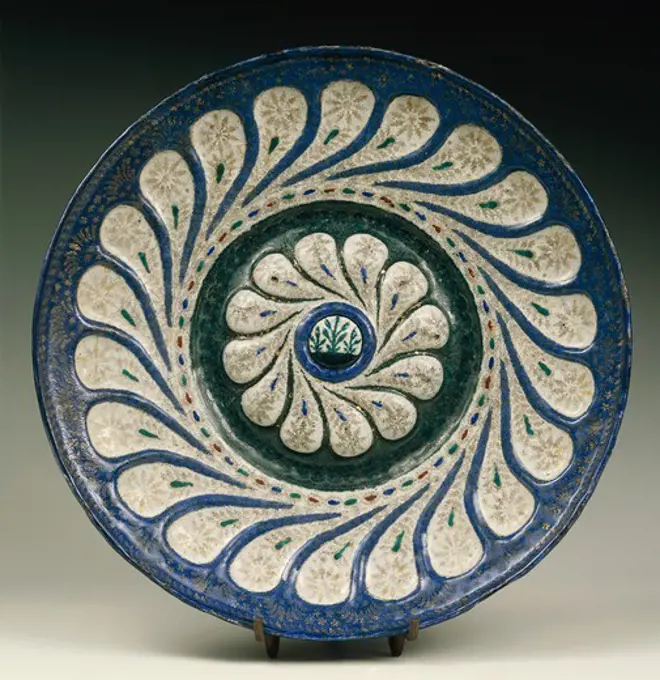
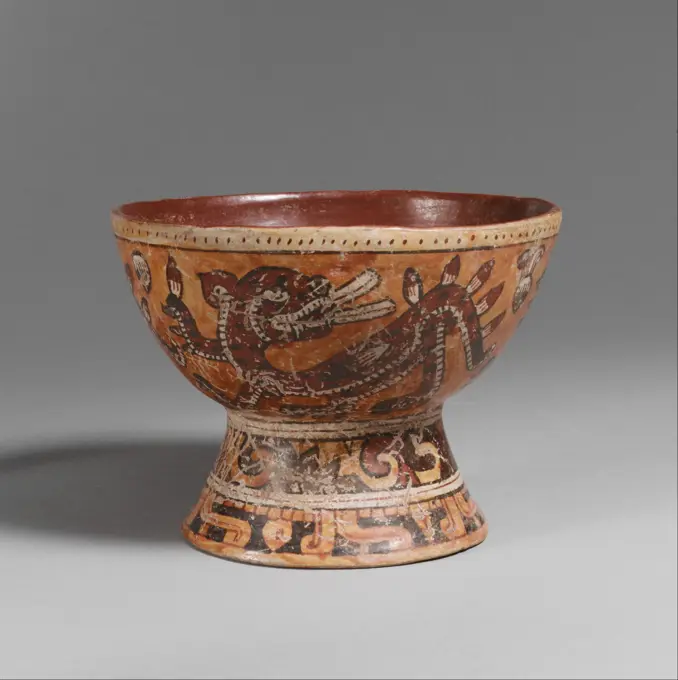
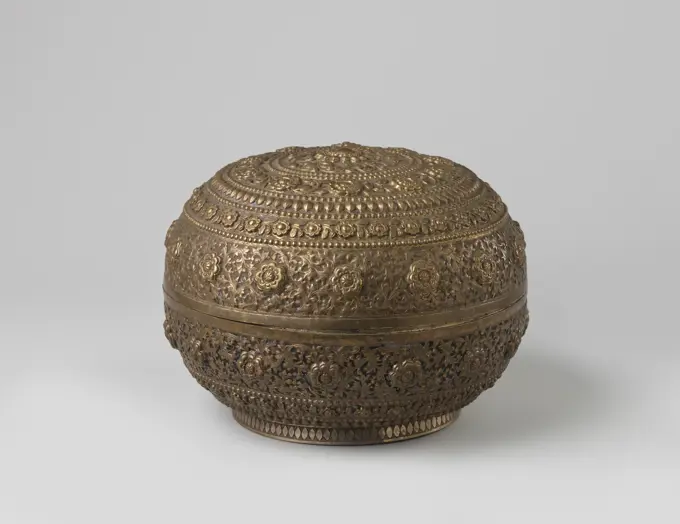
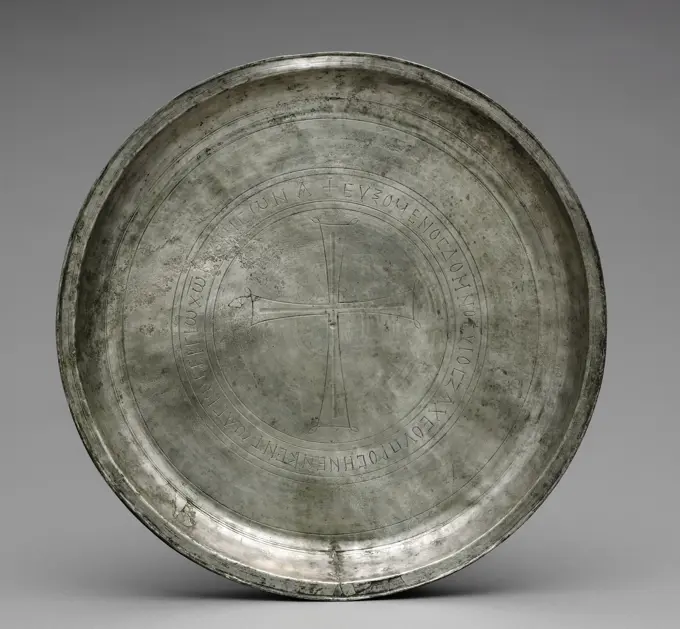
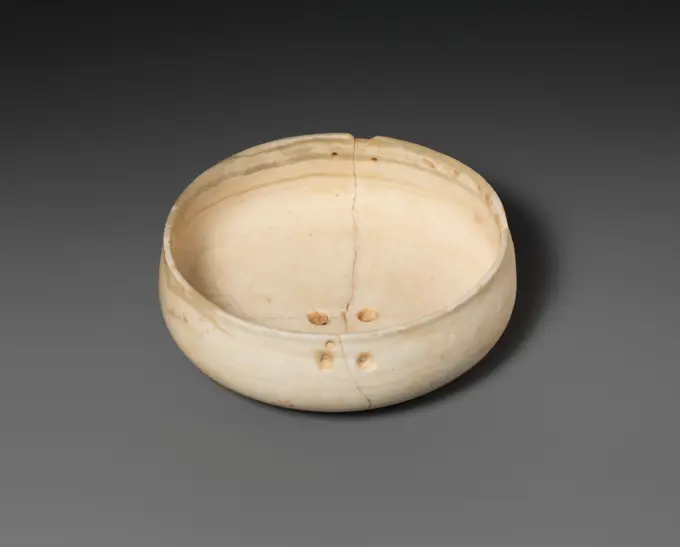
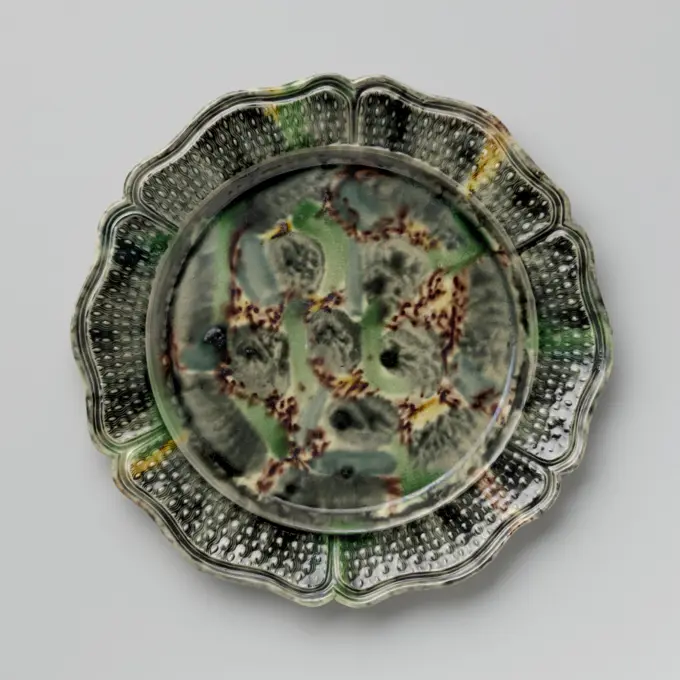
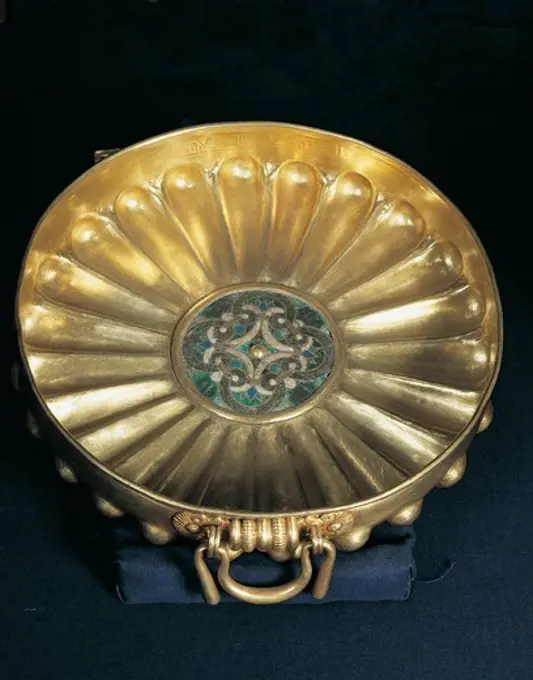
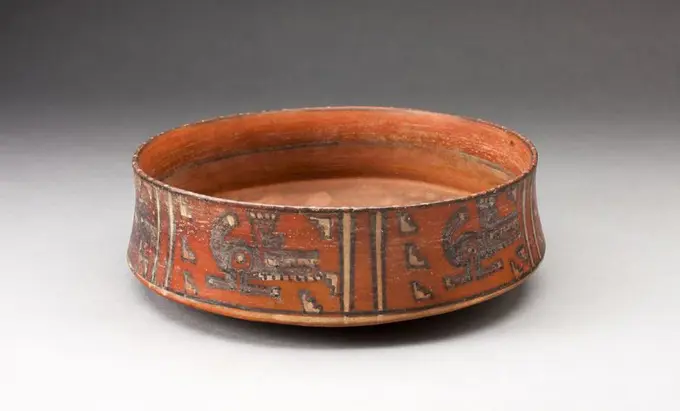
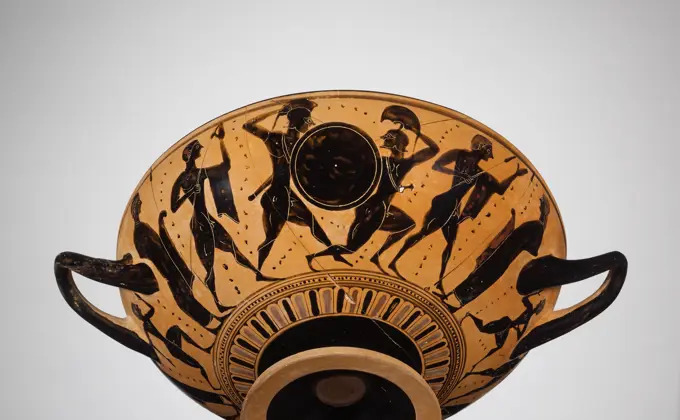
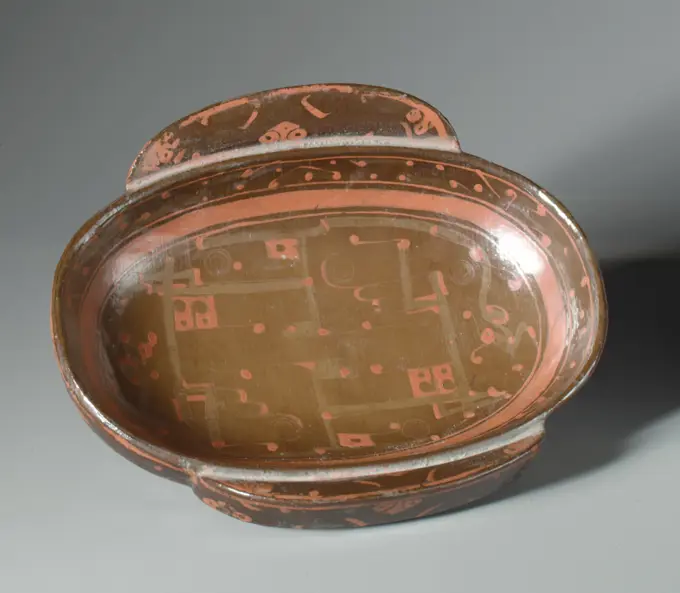
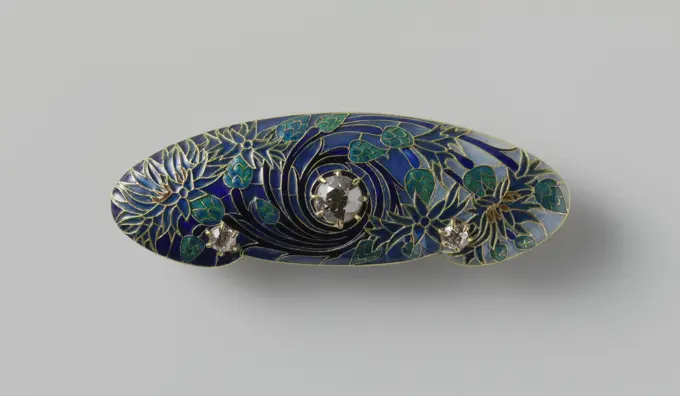
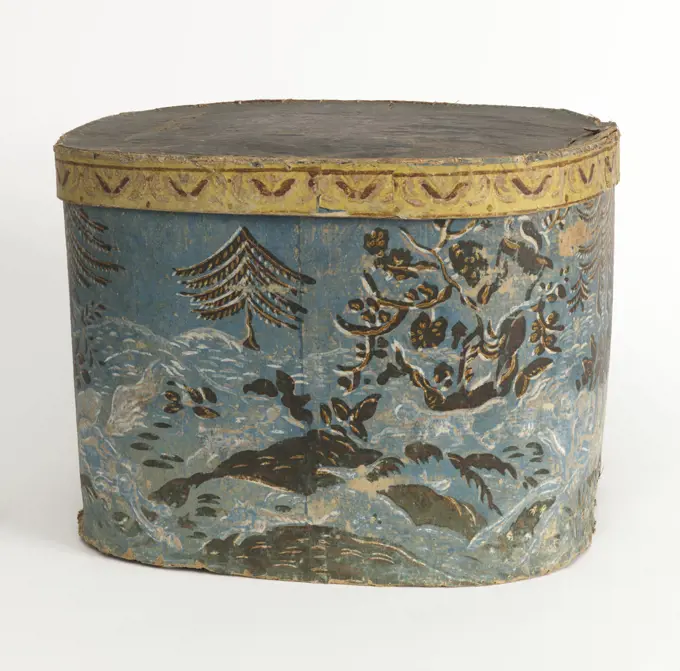
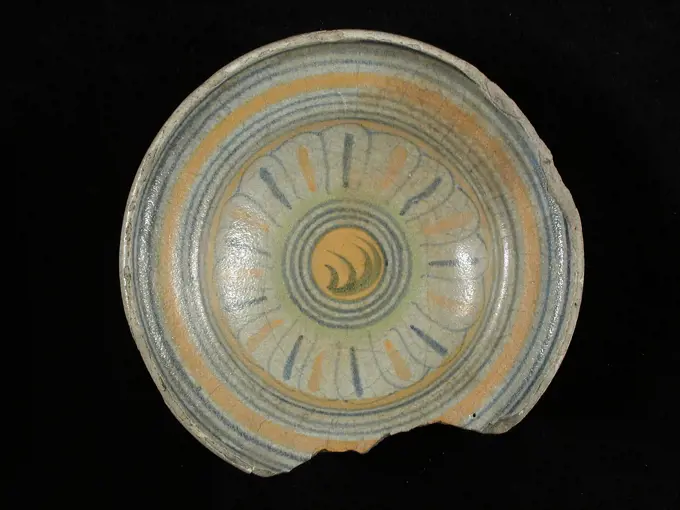
Majolica dish on stand, in the mirror flowering plant in Wanli style, dish plate crockery holder soil find ceramic earthenware glaze tin glaze lead glaze, hand turned fried glazed fried Low earthenware dish on stand. Majolica Ondergegg glaze Standring is pierced for hanging archaeology Rotterdam Stadscentrum Stadsdriehoek Nieuwehaven indigenous pottery serving serving food room table Soil discovery: Rotterdam Nieuwe Haven 1st cesspool (round) 21-08-1980Plate whose edge is decorated, anonymous, c. 1325 - c. 1450 Round plate of multi -colored painted majolica. The flat is deepened and undecorated, the edge is divided into courses. Geometric tires are painted in two courses and in two courses a palm -like or heart -shaped figure and geometric ornaments. Spain earthenware. tin glaze. lead glaze majolica Round plate of multi -colored painted majolica. The flat is deepened and undecorated, the edge is divided into courses. Geometric tires are painted in two courses and in two courses a palm -like or heart -shaped figure and geometric ornaments. Spain earthenware. tin glaze. lead glaze majolicaSaucer-dish with ornamental borders and a panel decoration, anonymous, c. 1175 - c. 1199 Scale of quartz fritry covered with Engobe of black sludge from which decoration has been cut away in 'Silhouette' under a monochrome turquoise alkalial glaze. A circle with a stripe pattern is depicted on the bottom. Above it a Frisian with standing motifs, reminiscent of an eagle motif. A checkered edge has been applied above that. Iran earthenware. glaze cutting / vitrification Scale of quartz fritry covered with Engobe of black sludge from which decoration has been cut away in 'Silhouette' under a monochrome turquoise alkalial glaze. A circle with a stripe pattern is depicted on the bottom. Above it a Frisian with standing motifs, reminiscent of an eagle motif. A checkered edge has been applied above that. Iran earthenware. glaze cutting / vitrificationVase, Emile Gallé, French, 1846 - 1904, Earthenware, A fan shaped vase sitting on two feet. The vase is a brown and black marbled color with a mountain night scene and a floral (with butterfly) day scene on the front., Nancy, France, 1884-89, ceramics, Decorative Arts, VaseDish 17th century Spanish, Valencia Tin-glazed earthenware, of which lusterware is one type, was developed in the Middle East in the ninth and tenth centuries to imitate the porcelains produced in China. The opaque white glaze concealed the clay body, which could range from pale buff to brick red, allowing for brilliant effects created by painting the white surface with metal oxides that fired to a range of colors. This technique, as well as the use of metallic lusteran iridescent, coppery painted glazespread throughout the Muslim world, arriving among the potters of Valencia in the thirteenth century. The so-called Hispano-Moresque lusterware, with its fusion of Islamic and Gothic styles and motifs, often in shaped imitating those of metal vessels, was treasured by the elite in Spain during the fifteenth century and exported to the courts of Europe. The Valencian industry declined in the late sixteenth century, as colorful Italian Renaissance maiolica gained in popularity among the Terracotta dish. Culture: Greek, South Italian, Campanian, Teano. Dimensions: Other: 1 3/4 x 10 7/8 in. (4.4 x 27.6 cm). Date: ca. 330-300 B.C..Shallow dish with ring base, decorated with ivy vine and stamped pattern. Museum: Metropolitan Museum of Art, New York, USA.Bowl first half 14th century. Bowl. first half 14th century. Stonepaste; underglaze painted. Made in Iran. CeramicsBowl;  19th century (1801-00-00-1900-00-00);Base of an Altar Cross with the Four Evangelists and Their Symbols ca. 1160 South Netherlandish The base for the cross is decorated with images of the four evangelists, shown as they write the Gospels. Their symbolsangel, lion, ox, and eagleappear to the right of each. Such crosses were common on altars in the eleventh and twelfth centuries, and elaborate examples became a specialty of goldsmiths working in the area of the Meuse Valley.. Base of an Altar Cross with the Four Evangelists and Their Symbols. South Netherlandish. ca. 1160. Champlevé enamel, copper-gilt. Made in Meuse Valley, Netherlands. Enamels-ChamplevéDish; terra-cotta dish (a) with bag of fragments (b)Fragment sign from V.O.C. ship De 'Witte Leeuw', Anonymous, Before 1613 plate (dishes) Fragment sign from V.O.C. ship De 'Witte Leeuw', 60 present. Shatou porcelain   Sint-HelenaBowl. unknown, craftsmanBowl. Dimensions: Diam. 12 7/8 in. (32.7 cm). Date: dated A.H. 975/ A.D. 1567-68. Museum: Metropolitan Museum of Art, New York, USA.Dish with phoenixes among flowers. Culture: China. Dimensions: H. 1 1/2 in. (3.8 cm); Diam. of rim: 10 in. (25.4 cm); Diam. of foot: 7 3/4 in. (19.7 cm). Date: late 16th-early 17th century. Museum: Metropolitan Museum of Art, New York, USA.Bowl 19th century Objects like this bowl were typically displayed in open niches in reception rooms of upper-class Syrian residences during the Ottoman period. Bowl 445243Bowl with Anchor and Dolphin Medallion. UnknownBox early 8th century China The design on this small box parallels that found in textiles produced using resist or tie-dye techniques.. Box. China. early 8th century. Earthenware with three-color (sancai) glaze. Tang dynasty (618-907). CeramicsDish with pomegranates, Anonymous, c. 1620 - c. 1635Pottery majolica bowl with simple decoration in blue on white fond, bowl crockery holder soil find ceramic earthenware glaze tin glaze lead glaze, hand turned fried glazed baked Pottery majolica bowl on stand ring Simply decorated in blue on white ground. Decoration consists of four-leaved leaf motif on the bottom band of wave patterns between two circles along the top edge. underside glazed with lead glaze. prints The fragments of the bowl are sloppy glued and serve differently discolored archeology indigenous pottery serving serving tablePolychrome Bowl. Probably We'wah (c. 1848-1896); Zuñi; Zuñi Pueblo, New Mexico, United States. Date: 1880-1900. Dimensions: 16.5 × 42 cm (6 1/2 × 16 1/2 in.). Ceramic and pigment. Origin: New Mexico. Museum: The Chicago Art Institute, Chicago, USA.Polychrome ceramic from Panama. The ceramic would have been used in funerals and would have sat on a bed of ash.Bowl 12th century. Bowl 447170Dish with Heron in Pond mid-17th century China. Dish with Heron in Pond. China. mid-17th century. Porcelain painted with colored enamels over transparent glaze (Jingdezhen ware). Ming dynasty (1368-1644), Chongzhen period (1628-44). CeramicsHat ca. 1867 British. Hat. British. ca. 1867. wool, leatherWerra bowl, mirror decor with nine-pointed star with incised face, bowl crockery holder soil find ceramic earthenware glaze, hand turned decorated glazed baked Red earthenware with drawing in light yellow and green glaze Small stand. Turning lips on the outside. Thickened and round bowl edge. Mirror decor star or moon with incised face. Circles under the edge. Short stripes perpendicular to the bowl edge Minimum glazed archeology Rotterdam serving serving porridge serving porridge archaeological find in the soil Rotterdam 1942.Genucilia Plate. Attributed to the Caeretan Branch of the Genucilia Group (Etruscan, active 325 - 300 B.C.)Dish 12th-13th century. Dish. 12th-13th century. Stonepaste; luster-painted on opaque white ground. Attributed to Iran, Rayy. CeramicsFragment of a bowl with floral scrolls, anonymous, c. 1000 - c. 1199 Fragment of a bowl of quartz-fritry with entered flower vines on a transparent yellow lead-alkalic laze. Egypt earthenware. glaze engraving / vitrification Fragment of a bowl of quartz-fritry with entered flower vines on a transparent yellow lead-alkalic laze. Egypt earthenware. glaze engraving / vitrificationBowl 12th-13th century. Bowl 450422Scale, decorated with a flower basket inside Lambrequinrand, De Greek A, After Pieter Adriaensz. Kocx, c. 1705 - c. 1725 Scale, round and ribbed, from Faïence. Multicolored painted with a flower basket inside a lambrequinrand. Delft . Scale, round and ribbed, from Faïence. Multicolored painted with a flower basket inside a lambrequinrand. Delft .Fragment of a pottery dish decorated with geometric ornaments. Fragment of a dish of pottery, on the top with tining acid, at the back with lead maze, decorated with geometric ornaments in blue and purple on white ground. Excavated in London, Middlesex Street.Dish. Iran, Kashan, first quarter of the 13th century. Ceramics. Fritware, molded and overglaze luster-paintedCharger with the Coat-of-Arms of Groningen, anonymous, c. 1700 - c. 1724 Porcelain saucer, painted in underly glaze blue and on the glaze blue, red, green, yellow, eggplant, black and gold. On the flat the crowned weapon of Groningen, with the inscription 'Groeningen'. The weapon is surrounded by flower ranks (peony, aster), a flowerpot and flying birds. On the wall a tire servetwork interrupted by cartouches with marine animals (shrimp, fish) between aquatic plants. The edge is covered with servetwork interrupted by lobed cartouches with four times a sitting person in a landscape and twice two birds with a flowering prunus branch. A Ruyi motif six times on the outer edge. Weapon porcelain in blue-white and email colors (Famle Verte). China porcelain. glaze. cobalt (mineral). gold (metal) painting / gilding / vitrification  Groningen Porcelain saucer, painted in underly glaze blue and on the glaze blue, red, green, yellow, eggplant, black and gold. On the flat the crowned weapon of GroDish with Carved Arabic Inscription in Floriated Kufic Reading "al'izz" ("Glory") 11th century This dish attributed to Iran and similar ones with carved decoration under a turquoise glaze are among the earliest stonepaste manufactured in Syria and in Iran in the second half of the 11th century. The elaborate inscription on this piece shows letters shaped as a trefoil motif or with floriated endings, set against scrolls and medallionlike scrolls. They read, in Arabic, "al-ʿizz", translated as "the glory.". Dish with Carved Arabic Inscription in Floriated Kufic Reading "al'izz" ("Glory") 448266Fragment of a dish, anonymous, c. 1590 - c. 1620 Fragment of a dish of lead glaze pottery. The fragment has a dark stock and is decorated with green. An animal (deer) is painted on the flat, of which only the legs and belly are present, and on the edge leaves. Wanfried earthenware. lead glaze Fragment of a dish of lead glaze pottery. The fragment has a dark stock and is decorated with green. An animal (deer) is painted on the flat, of which only the legs and belly are present, and on the edge leaves. Wanfried earthenware. lead glazePillow with PlumBlossomSaucer with Precious Objects on a Green Ground With Cloud Motifs. Dish of porcelain, painted on biscuit in green, yellow, eggplant and black. The dish is covered by the front and back (excluded in the foot ring) with a cloud motif on a green ground; On this motive valuables (coin, pearl, diamond, artemisia leaf) and lucky symbols (shell). Email sur biscuit.Plate.  Maker: Delftfield, founded 1748Terracotta phiale (libation bowl) ca. 250-200 B.C. Etruscan The interiors are enlivened with modeled vines or fanciful vegetal motifs reminiscent of modern wedding-cake decorations. At the center of each phiale, within a fluted medallion, is a frontal Silenos head.. Terracotta phiale (libation bowl) 246246Dish, painted multily painted with a South Ferry indoor concentric circles, yellow trim and orange stripes, Frisian with leaves, zigzag line and stripes on the outer edge .. round dish of multi-colored painted majolica. In the middle, concentric circles painted a South fruit with leaves. Around the circles is a yellow trim with orange stripes painted, around concentric circles, a frieze with blue leaves, concentric circles, a blue tire with a zig-zag line between which stylized leaves, concentric circles and on the outer edge small stripes.Bowl with Bold Black-on-White Diamond and Zizgag Motifs. Ancestral Pueblo (Anasazi); West-central New Mexico, United States. Date: 900 AD-1450. Dimensions: 10.8 × 24.1 cm (4 1/4 × 9 1/2 in.). Ceramic and pigment. Origin: New Mexico. Museum: The Chicago Art Institute, Chicago, USA.CDK unknownPlate with stylized motifs. Round plate of multi-colored painted majolica. In the middle is a checkered circle painted with a band with small stripes around it. The edge is divided into eight compartments, separated from each other by stripes. In two compartments, a stylized flower has been painted in four courses a leaf and niches in two courses. The plate is painted on the bottom with blue leaves.Tray (part of a service) 1800-1830 J. Spode. Tray (part of a service) 187962 Factory: J. Spode, Tray (part of a service), 18001830, Soft-paste porcelain, Diameter: 9 1/2 in. (24.1 cm). The Metropolitan Museum of Art, New York. Gift of Rev. W. P. Eigenbrodt, 1894 (94.5.19)Plate 1725-30 Chinese, for British market This dish is part of a service made for John Elwick of Cornhill, London (died 1730), who was a director of the English East India Company, the firm that dominated the British trade with India and China.. Plate. Chinese, for British market. 1725-30. Hard-paste porcelain. Ceramics-Porcelain-ExportBowl with Courtiers in aLandscapeDish ca. 1770 Worcester factory The design is adapted from imported Japanese "Imari" porcelains.. Dish. British, Worcester. ca. 1770. Soft-paste porcelain. Worcester factory (British, 1751-2008). Ceramics-PorcelainLobed Dish with Overlapping Lotus Leaves 800 CE-899 CE China. Yue ware; stoneware with pale olive-green glaze and underglaze incised decoration .Piatto's pity will give a pump;  around 1525 (1500-00-00-1550-00-00);Oval Cup Stand with Animal Masks, 1736-1795. China, Qing dynasty, Qianlong mark and period (1736-1795). White jade with black markings and incised decoration; overall: 10.5 cm (4 1/8 in.).Doucai Dragon and Phoenix dish, Chinese Art, 19th CenturyPlate, c. 1820-1830. Staffordshire Factory (British). Ceramic; diameter: 25.7 cm (10 1/8 in.).Plate second quarter 16th-early 17th century Spanish, Muel, Aragon Tin-glazed earthenware, of which lusterware is one type, was developed in the Middle East in the ninth and tenth centuries to imitate the porcelains produced in China. The opaque white glaze concealed the clay body, which could range from pale buff to brick red, allowing for brilliant effects created by painting the white surface with metal oxides that fired to a range of colors. This technique, as well as the use of metallic lusteran iridescent, coppery painted glazespread throughout the Muslim world, arriving among the potters of Valencia in the thirteenth century. The so-called Hispano-Moresque lusterware, with its fusion of Islamic and Gothic styles and motifs, often in shaped imitating those of metal vessels, was treasured by the elite in Spain during the fifteenth century and exported to the courts of Europe. The Valencian industry declined in the late sixteenth century, as colorful Italian Renaissance maiolica Plate. Dated: 1935/1942. Dimensions: overall: 42 x 38.8 cm (16 9/16 x 15 1/4 in.). Medium: oil paint on paper. Museum: National Gallery of Art, Washington DC. Author: William L. Antrim.Marsh Bowl ca. 1479-1458 B.C. New Kingdom The bowl's interior is decorated with a pool surrounded by blue lotus (Nymphaea caerulea) and papyrus flowers. The underside shows the petals and sepals of an open lotus. These motifs symbolize the themes of fertility, rebirth, and regeneration. Shrines dedicated to Hathor produced large quantities of such bowls, some of which have decoration that clearly symbolizes the goddess; others, like this one, bear patterns that are more general. The bright blue color reinforces the importance of the gift to Hathor, "Lady of Turquoise.". Marsh Bowl. ca. 1479-1458 B.C.. Faience, paint. New Kingdom. From Egypt, Upper Egypt, Thebes, Deir el-Bahri, near pit 219, Hathor shrine rubbish heaps, MMA excavations, 1922. Dynasty 18CERAMICA-PLATO CON DECORACION(PEZ). Location: MUSEUM OF FINE ARTS. GRANADA. SPAIN.Mitre Shaped Cap 11th-14th century Peruvian. Mitre Shaped Cap 316952Charger. Netherlands, Delft. Date: 1675-1685. Dimensions: Diam. 39.3 cm (15 1/2 in.). Tin-glazed earthenware with underglaze blue decoration. Origin: Delft. Museum: The Chicago Art Institute, Chicago, USA.Muqarnas fragment. unknown, craftsmanGoldsmith's art, Italy, 15th-16th century. Round enamelled copper tray. Veneto manufacture.Pedestal Bowl 1300-1500 Mixtec This well-preserved pedestal bowl is a fine example of polychrome ceramics made during the fourteenth and fifteenth centuries in the Cholula area of the state of Puebla and the Mixtec region of Oaxaca. Well finished with brilliant, almost lacquerlike surfaces, the ceramic vessels feature designs in vivid orange, red, and white. Gray, dark brown, and black are also used in a style seen in the painted manuscripts of the period. These vessels were of such high quality and superior workmanship that they were used in the court of the Aztec emperor in Tenochtitlan.Around the upper portion of this bowl are three prowling felines, their heads turned back over their slender, curved bodies. The creatures' aggressiveness is conveyed through their penetrating gaze, bared teeth, and fangs. Pointed forms emanate from under their feet, probably representing claws. Bladelike forms appear along their backbone, tail, and forearms, while one is held in an outstretched paw. Dish. Culture: Spanish. Dimensions: Overall: 18 5/8 in. (47.3 cm). Date: late 15th-early 16th century. Museum: Metropolitan Museum of Art, New York, USA.Subgeometric Plate. Attributed to the Heron Class (Etruscan, active 680 - 660 B.C.)Plate 16th century or later Italian, Gubbio. Plate. Italian, Gubbio. 16th century or later. Maiolica (tin-glazed earthenware). Ceramics-PotteryBox with lid. Silver box, round, spherical, driven.Arita (ceramic production center), hollow dish, Imari decor (username). Ceramics, porcelain, polychrome enamels: cobalt blue under cover, red on covered, gilding. Petit Palais, Museum of Fine Arts of the City of Paris.Mirror. Culture: China. Dimensions: Diam. 6 3/8 in. (16.2 cm). Date: late 8th century. Museum: Metropolitan Museum of Art, New York, USA.Paten (Dedicated to Saint Sergius) from the Beth Misona Treasure, c. 500. Early Byzantium, Constantinople or Syria, Byzantine period, 6th-7th Century. Silver; diameter: 32.2 x 3.5 cm (12 11/16 x 1 3/8 in.).Quarter's hat for voluntary hunter of the Hogeschool in Leiden 1830-1831, Anonymous, 1831  Head cover of green cloth with yellow piping and yellow band. On the bottom black leather, with two pins attached, piece of paper with the text: f () A 6 stollé () 1830-1882 free. Leidsche Student, injured JH Hage () 1831. Valve is missing, discolored and motolen. Netherlands cloth. cardboard   Netherlands. Belgium. LeidenDish 16th century. Dish 447615Fragment of Mukarnas;  End of the fourteenth century (1390-00-00-1399-00-00);gift (provenance), architectural elements, Persian (culture), art of IslamBowl ca. late 8th millennium B.C. Using only stone and sand to shape and polish objects, Neolithic stoneworking reached extraordinary levels of sophistication. Artisans carved the stone so that natural veins in the rock followed the shape of the finished product. The largest excavated assemblage of Neolithic stone vessels comes from the site of Bouqras, on the Euphrates River.. Bowl 327124Fragment 14th-15th century. Fragment 445147Storage Jar. Culture: Paracas. Dimensions: Height 14-23/32 in.Diameter: 14 1/2 in.. Date: 7th-2nd century B.C.. Museum: Metropolitan Museum of Art, New York, USA.Plate. Dimensions: H. 3 in. (7.6 cm)Diam. 16 3/8 in. (41.6 cm). Date: early 15th century. Museum: Metropolitan Museum of Art, New York, USA.Antique luster ware pottery bowl from Iraq, CSMVS Museum, Mumbai, Maharashtra, India, Asia India Copyright: xDuttagupta/DinodiaxPhotox -Fragment majolica dish decorated with fruit, in polychrome version on white ground, dish plate crockery holder earth discovery ceramic earthenware glaze lead glaze icing, w 9.0 hand-turned glazed fried Fragment earthenware dish decorated with fruit in polychrome version on white fond Standring Decoration consists of large apple in blue amid green leaves and orange buttons Along the border decorative band in yellow and blue. Bottom glazed with lead glaze archeology City Triangle Rotterdam Town Hall indigenous pottery room table food serving Soil discovery: probably Raadhuis Rotterdam 1914Bowl. Culture: Mimbres. Dimensions: H. 4 3/4 x Diam. 10 7/8 in. (12.1 x 27.6 cm). Date: 8th-10th century. Museum: Metropolitan Museum of Art, New York, USA.Terracotta vessel, Nazca cultureGreen colored plate of hard baked pottery; Wedgwood, Wedgwood, c. 1850 - c. 1875 Round plate of hard baked pottery. The board is colored green and has a decoration of wingerd leaves in relief. The board is marked: Wedgwood. England earthenware Round plate of hard baked pottery. The board is colored green and has a decoration of wingerd leaves in relief. The board is marked: Wedgwood. England earthenwareBracelet, 1700s - 1800s. Bulgaria, 18th-19th century. Silver; diameter: 4.5 cm (1 3/4 in.).Bowl with radial design of ibex horns ca. 4500-4100 B.C. Iran This conical bowl has straight sides and a pointed bottom; it cannot stand up on its own. It is made of a pale buff clay with painted brown decoration on the outside, especially large double swells radiating from the base with geometric designs within and around them. The regular form of the cup suggests it was finished on a slow wheel. About one quarter of it survives; the rest is modern reconstruction.This bowl was excavated in 1932 at Tall-i Bakun A in southwestern Iran, a prehistoric site near Persepolis. During the fifth millennium B.C. Bakun was a hub for trade between pastoral nomads who raised sheep and goats in the highlands and the farmers who raised barley, wheat and peas in the Marvdasht Plain. As a result it grew into a major administrative center, as attested by the many stamp seals found there. It was also where much of the pottery used by the pastoralists was made, including this bowl. The shape of this bowl Plate of multi -colored hard baked pottery; Staffordshire, Anonymous, c. 1750 - c. 1780 Plate of multicolored hard baked pottery, with a scalloped edge. The edge is decorated in relief with six fields of Gololfd Spaliewerk. The board is covered with blue -gray lead glaze with stains in green, yellow and manganese. The back is dotted in manganese. The board includes four plates (BK-1987-41-A to BK-1987-41-E). England earthenware. lead glaze Plate of multicolored hard baked pottery, with a scalloped edge. The edge is decorated in relief with six fields of Gololfd Spaliewerk. The board is covered with blue -gray lead glaze with stains in green, yellow and manganese. The back is dotted in manganese. The board includes four plates (BK-1987-41-A to BK-1987-41-E). England earthenware. lead glazePlate. Culture: American. Dimensions: Diam. 11 1/4 in. (28.6 cm). Maker: Samuel Troxel (1803-1870). Date: 1846.The eagle under a political banner was a common motif for Troxel, who designed a number of plates commemorating electoral victories, including this one for James Knox Polk, the eleventh president of the United States (1845-49). Museum: Metropolitan Museum of Art, New York, USA.Spittoon -Treasure of Tanis, gold bowl of Undebaunded, from tomb number 3Miniature Straight-sided Bowl with Abstract Aligator Motif. Inca; South coast or southern highlands, Peru. Date: 1450-1532. Dimensions: 5.9 x 19.4 cm (2 5/16 x 7 5/8 in.). Ceramic and pigment. Origin: Peru, southern. Museum: The Chicago Art Institute, Chicago, USA.Bowl 12th century. Bowl 447610Terracotta kylix (drinking cup) ca. 550 B.C. Attributed to the Painter of New York 06.1021.154 Exterior, obverse and reverse, combat between spectatorsCompared with the Little Master cupsthe Lip cups and Band cupsthat predominated in Athens during the middle of the sixth century B.C., this example shows a deeper bowl that permitted a more expansive scene on the exterior. Such kylikes became established during the third quarter of the century, thanks especially to the innovations of the potter and painter Exekias.. Terracotta kylix (drinking cup). Greek, Attic. ca. 550 B.C.. Terracotta; black-figure. Archaic. VasesWinged Cup with Geometric Designs 3rd century B.C. China By the Warring States period, Chu, noted for its lacquer production, was the major cultural force in south central China. The visual arts of Chu are often characterized as shamanistic in response to the prevalence of images of fairylike creatures riding on dragons, or clouds that change imperceptibly into dragons, and, as they meander through the sky, transform again into dragons. The playful, thin lines painted on this winged cup are a later stylized version of the traditional cloud-dragon motif. The two large winglike appendages on the cup are often described as "ears" in Chinese writings, and cups of this type, known from at least the eighth century B.C., are generally termed "ear-cups," or erbei. It was most likely once part of a matched set of eating and drinking vessels.. Winged Cup with Geometric Designs 44788Brooch with cornflowers, René Lalique, c. 1904 - c. 1906 Brooch of gold, diamonds and window-mail. Core flowers around the central diamond. Paris gold (metal). diamond (mineral). Brooch of gold, diamonds and window-mail. Core flowers around the central diamond. Paris gold (metal). diamond (mineral).Salver. John Tuite; English, active 1710-30; London, England. Date: 1726-1727. Dimensions: 4.1 x 31.1 cm (1 5/8 x 12 1/4 in.). Silver. Origin: London. Museum: The Chicago Art Institute, Chicago, USA.Ring flask (fiasca d'anello) ca. 1530-40 Italian, probably Gubbio. Ring flask (fiasca d'anello) 460263Terracotta phiale (libation bowl). Culture: Etruscan. Dimensions: H.: 1 3/4 in. (4.4 cm)Diam.: 9 5/16 in. (23.7 cm). Date: ca. 250-200 B.C..Clay with ornaments in relief: Silenus head in center; remains of blue and yellow pigments. Museum: Metropolitan Museum of Art, New York, USA.Bow Brooch 2nd-3rd century Roman. Bow Brooch 469823Bandbox, Block-printed paper, pasteboard support, Blue field, with trees; and horse and rider on sides, and dog and rider on cover., USA, ca. 1830, Wallcoverings, BandboxDish 17th century. Dish. 17th century. Stonepaste; underglaze painted in black, blue, and green with red and yellow slips. Attributed to Iran. CeramicsCover for a Broth Bowl, 1730-40. Meissen Porcelain Factory (German). Gilt porcelain; overall: 10.5 x 14.6 cm (4 1/8 x 5 3/4 in.).Bowl with Lizard (), c 1000- 1150. Southwest, Mogollan, Mimbres, Pre-Contact Period, 11th-12th century. Ceramic; overall: 9.5 x 22.5 cm (3 3/4 x 8 7/8 in.).AP, Majolica salt bowl, polychrome, in the middle rosette, signed, salt bowl salt barrel tableware holder soil find ceramic earthenware enamel, h 3,5 Cooked on underside covered with lead glaze. Polychrome. Signed on reverse initials AP archeology decorate serving food salt serving condiment