Decorative Ceramics and Dishes

An assortment of decorative ceramic plates and bowls, showcasing intricate designs and historical styles from various cultures and periods.
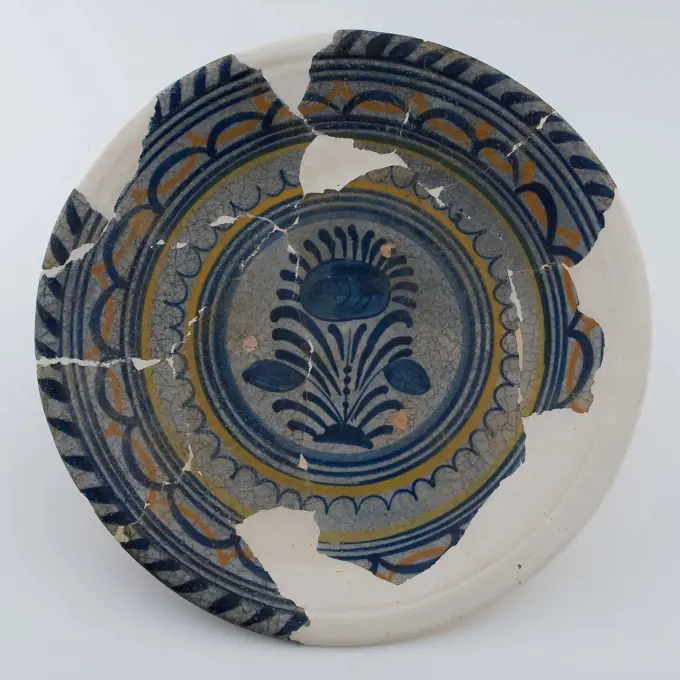
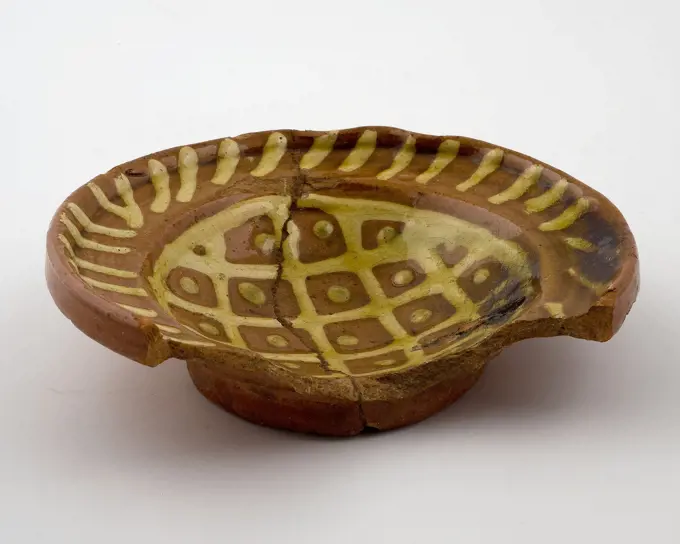
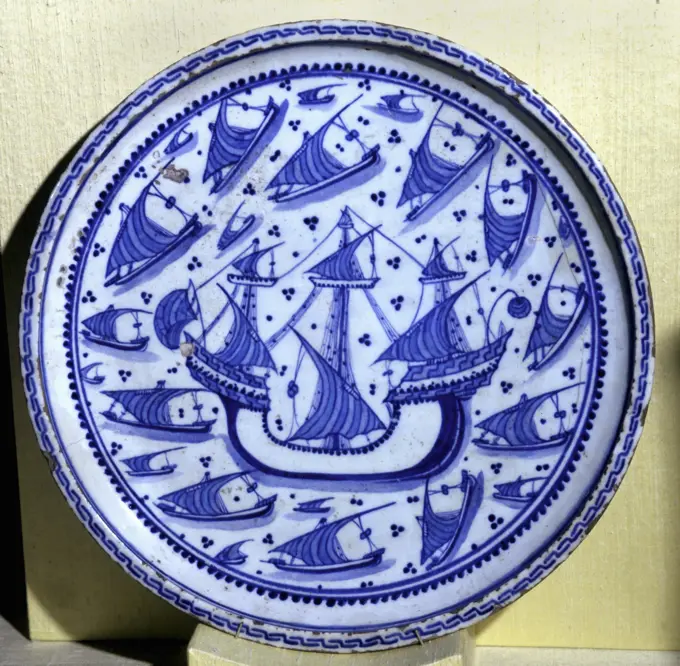
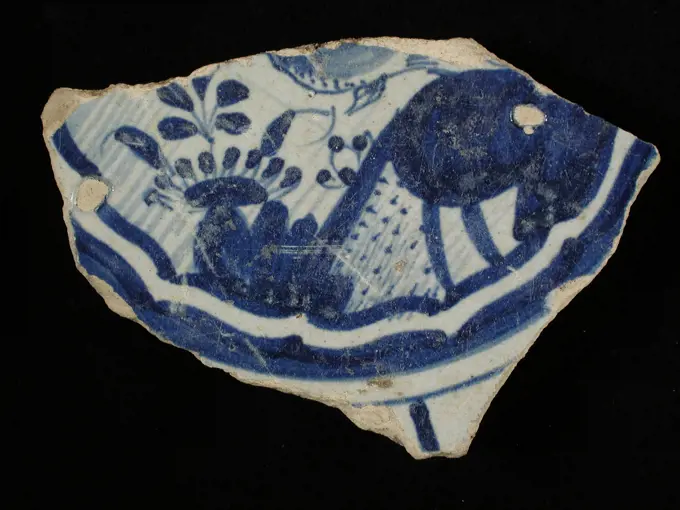
Majolica dish on stand, in the mirror flowering plant in Wanli style, dish plate crockery holder soil find ceramic earthenware glaze tin glaze lead glaze, hand turned fried glazed fried Low earthenware dish on stand. Majolica Ondergegg glaze Standring is pierced for hanging archaeology Rotterdam Stadscentrum Stadsdriehoek Nieuwehaven indigenous pottery serving serving food room table Soil discovery: Rotterdam Nieuwe Haven 1st cesspool (round) 21-08-1980
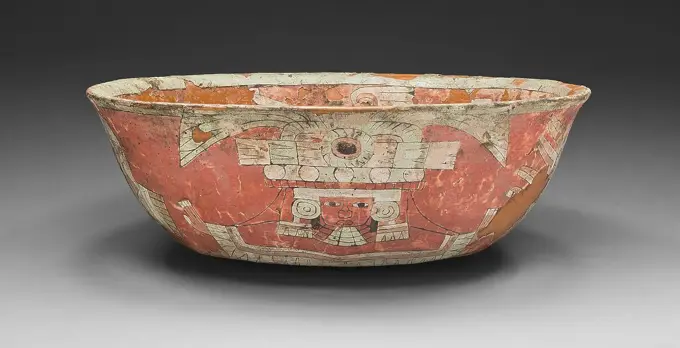
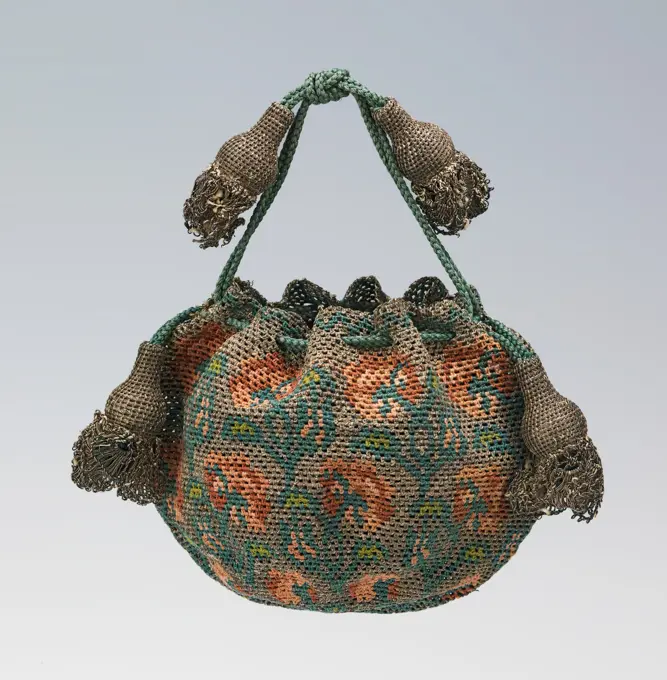
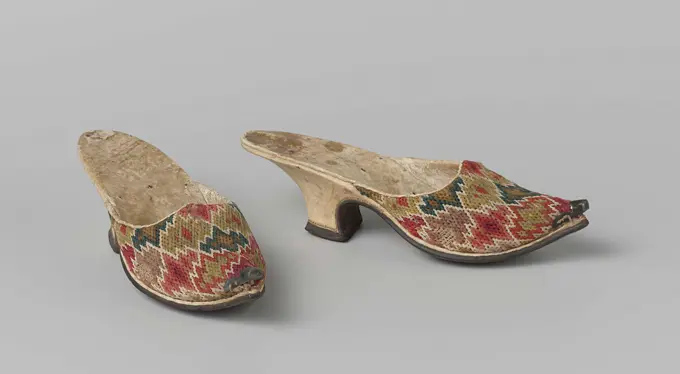
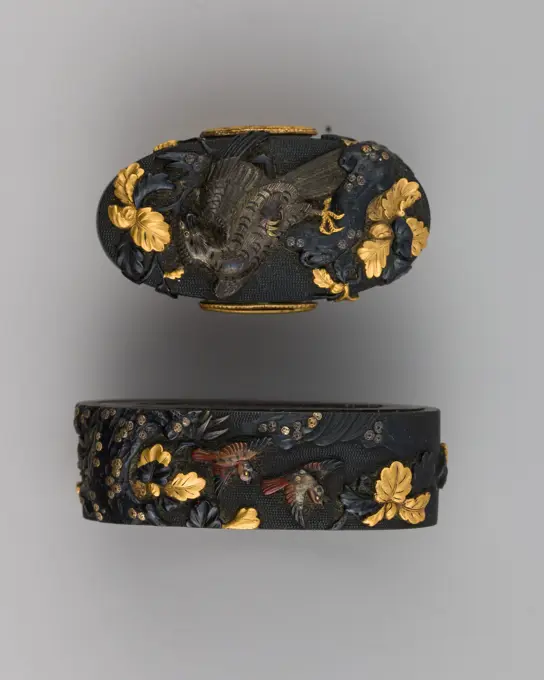
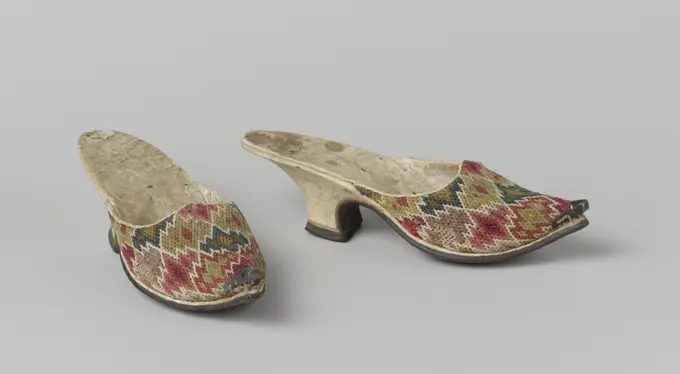
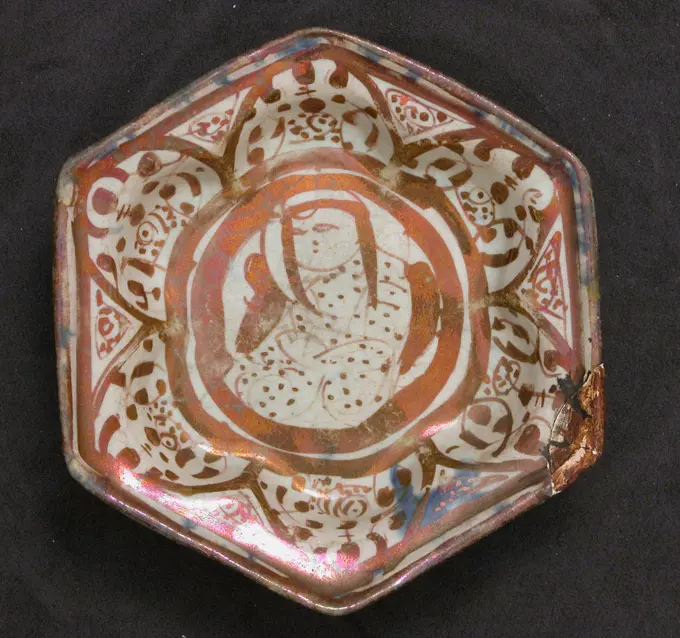
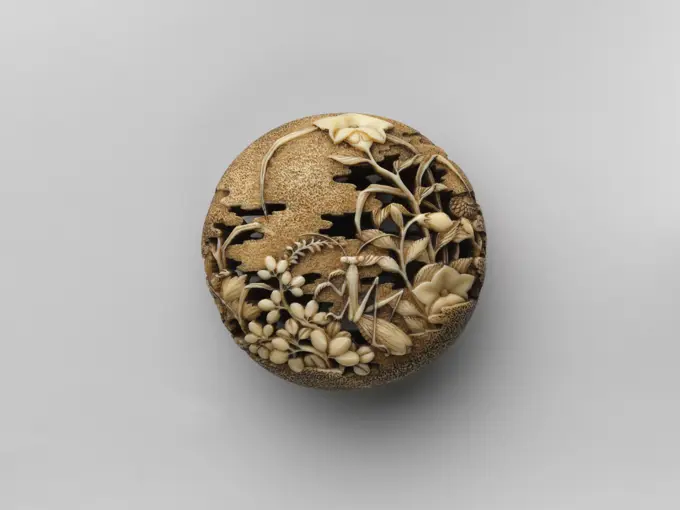
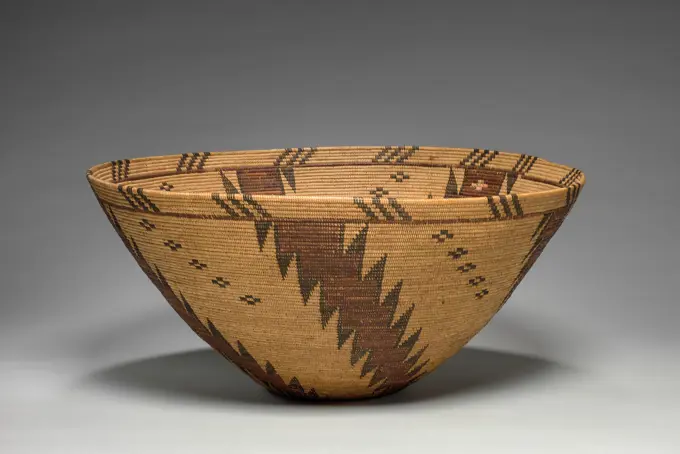
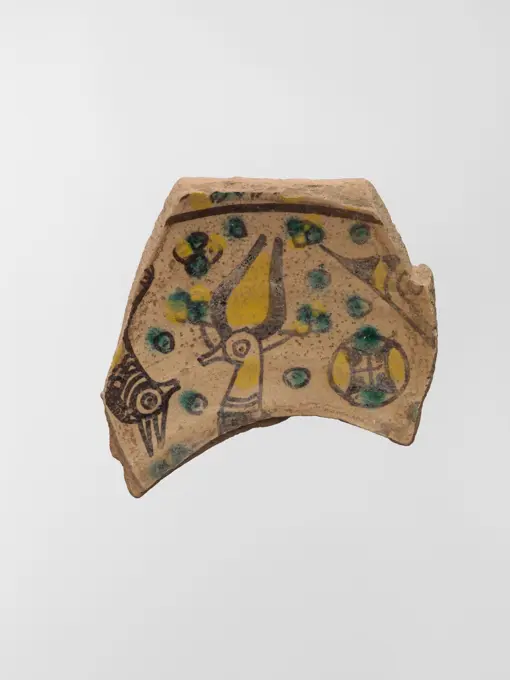
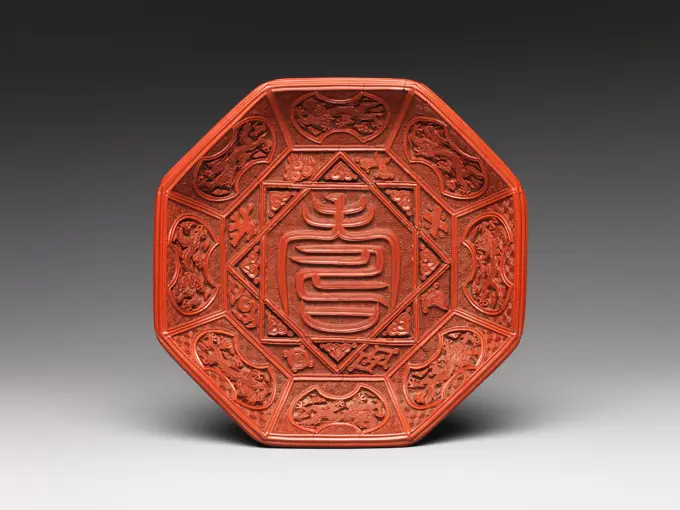
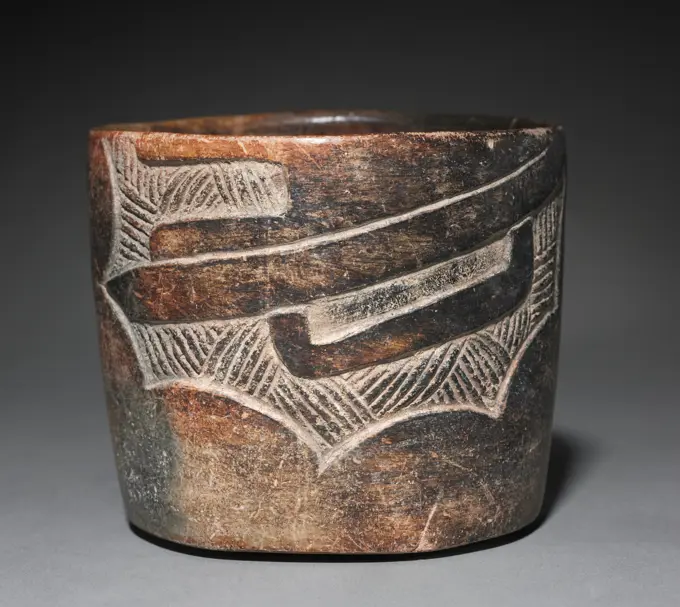
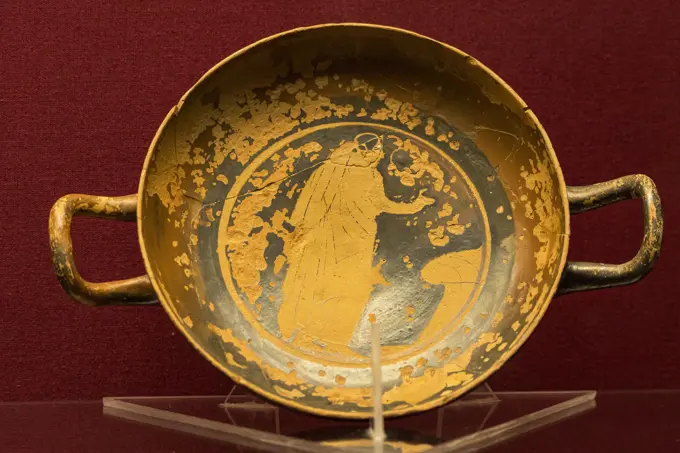
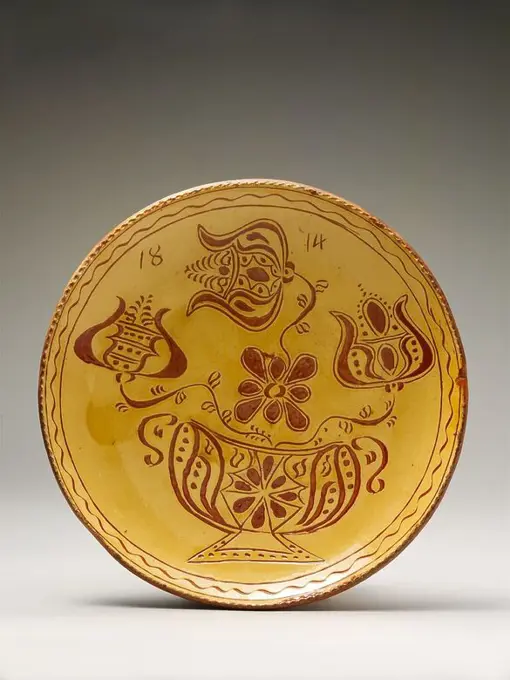
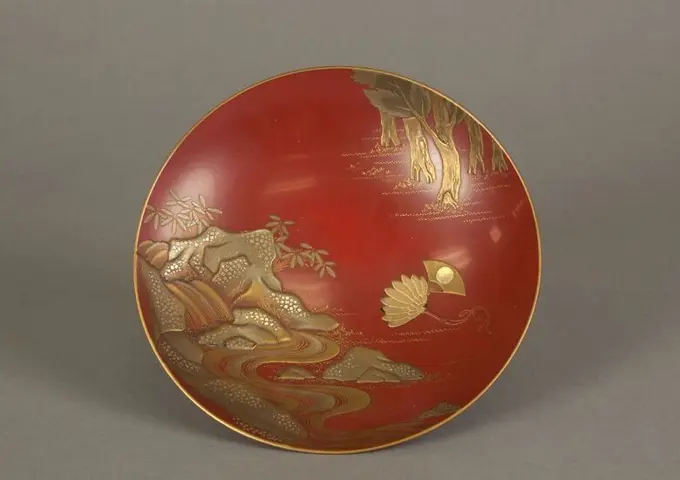
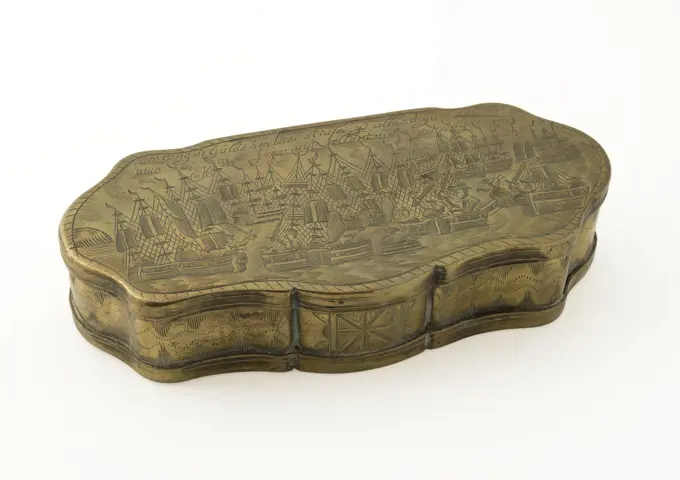
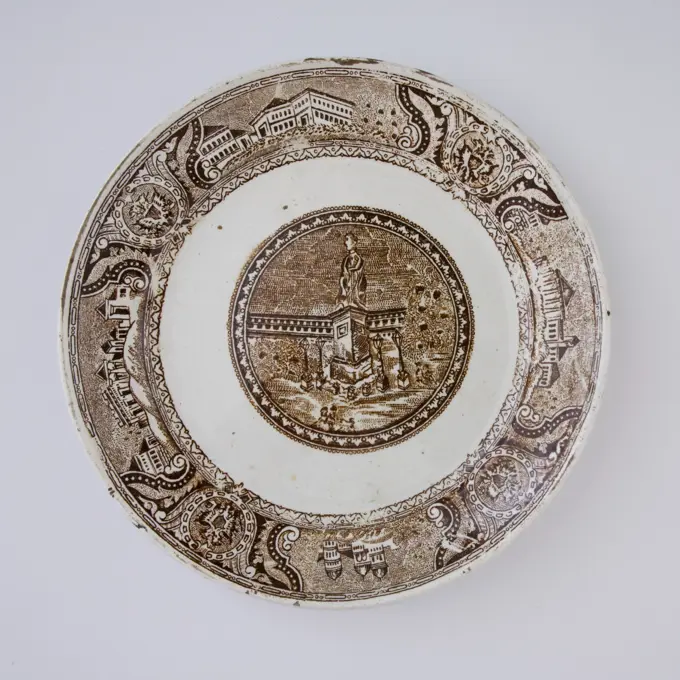
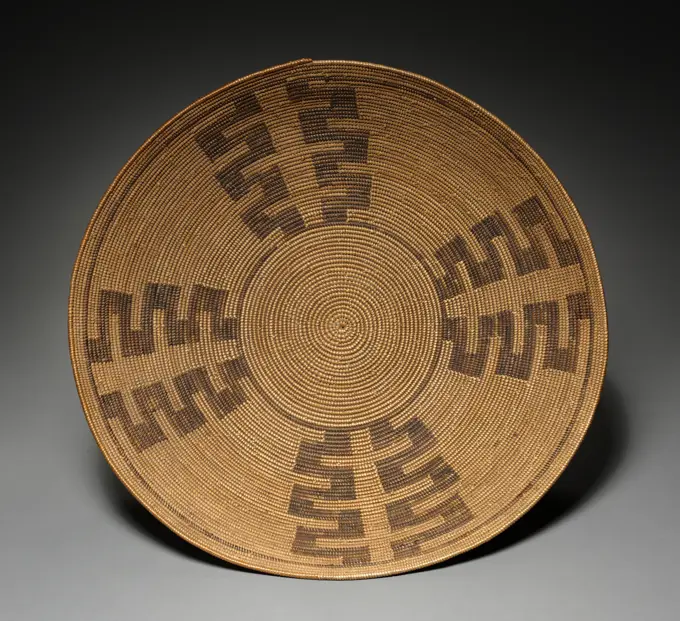
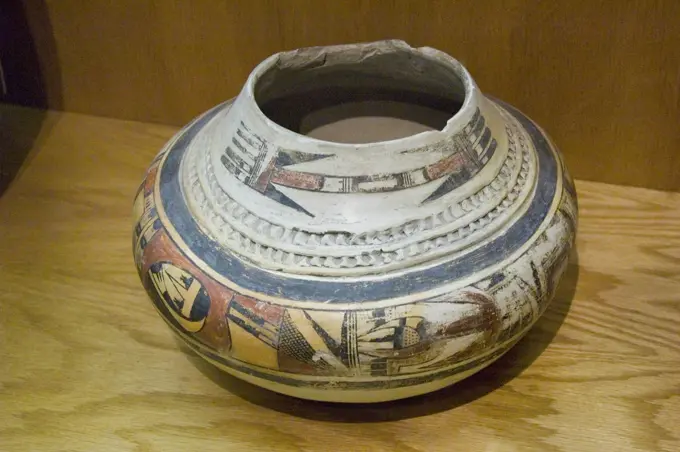
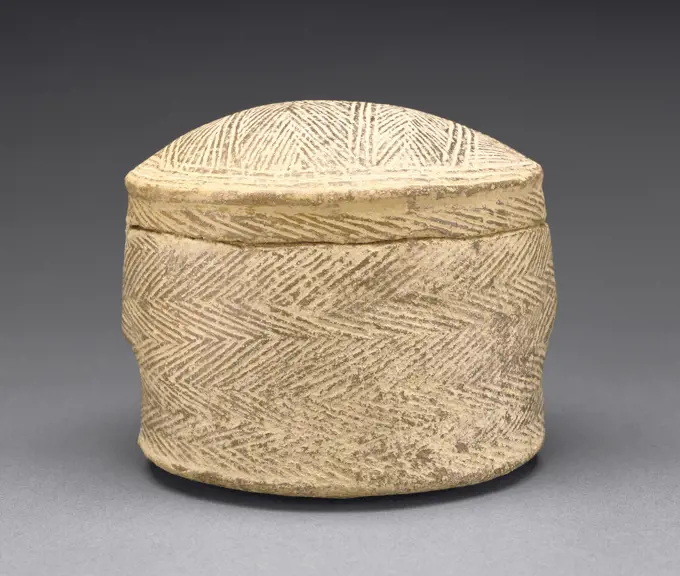
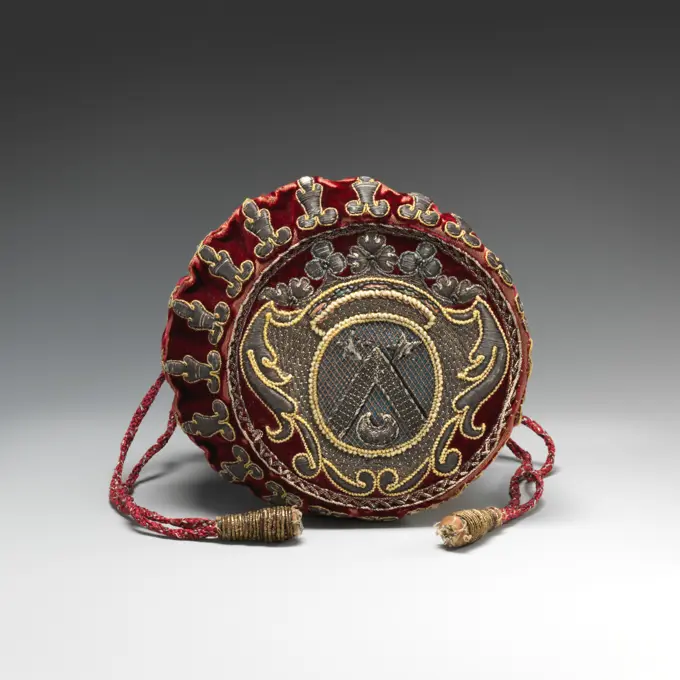
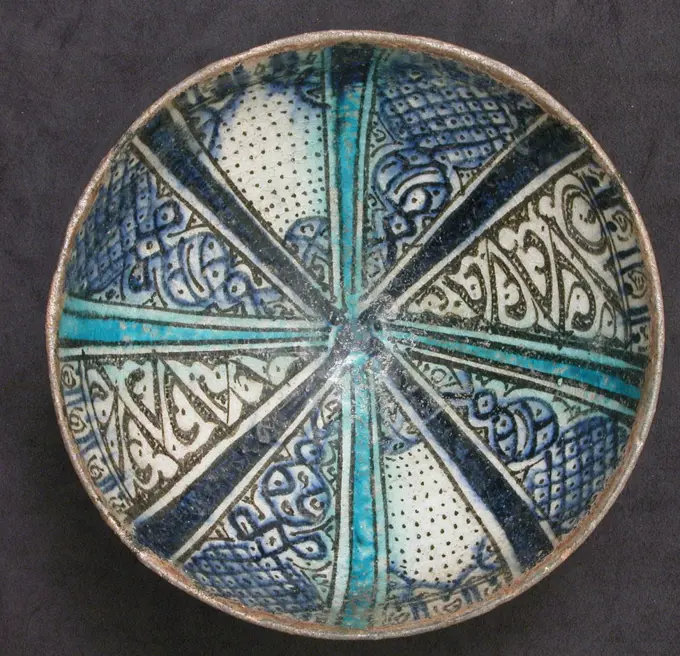
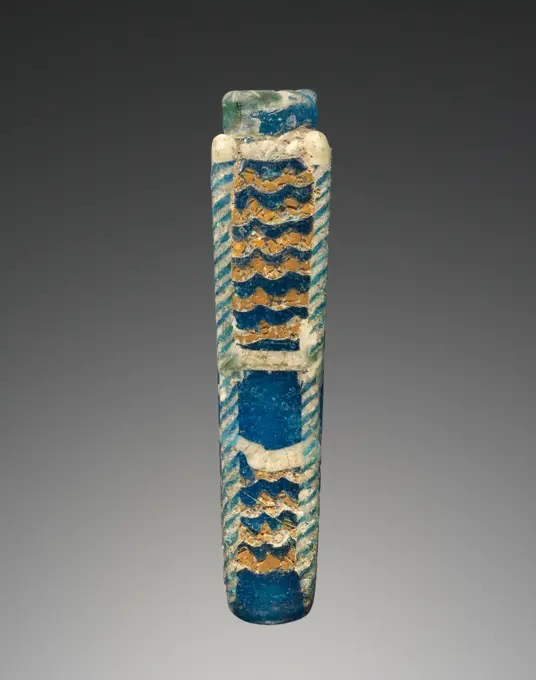
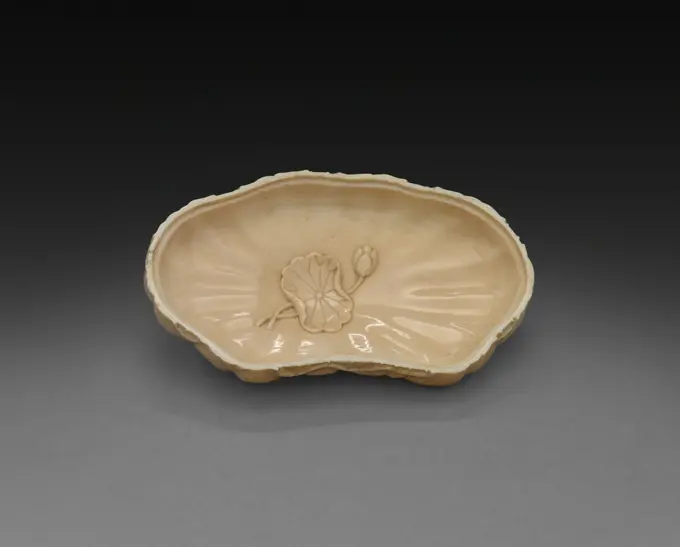
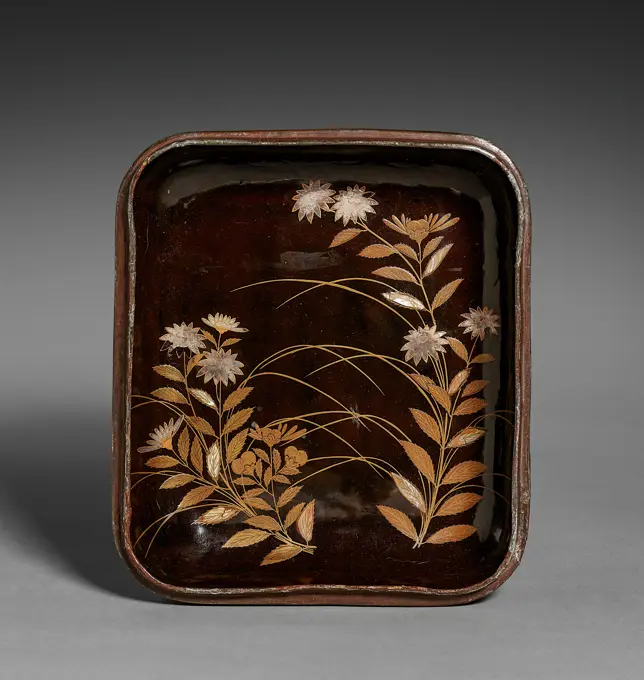
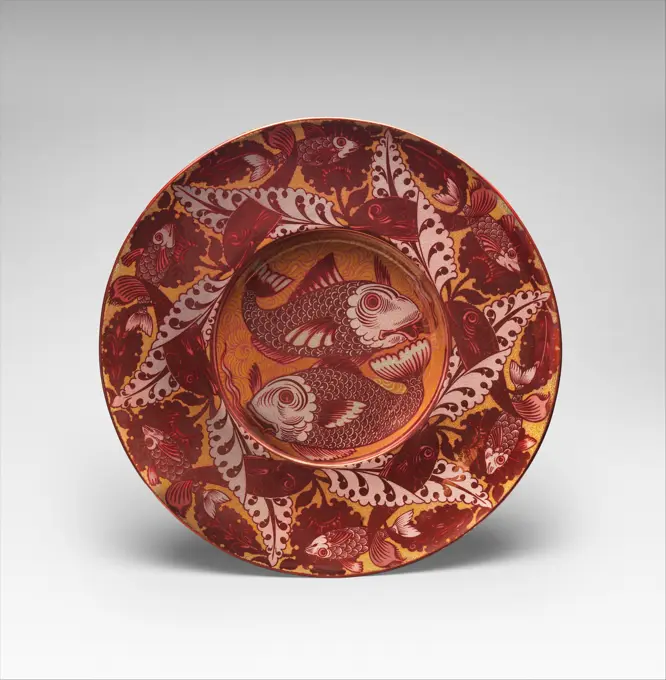
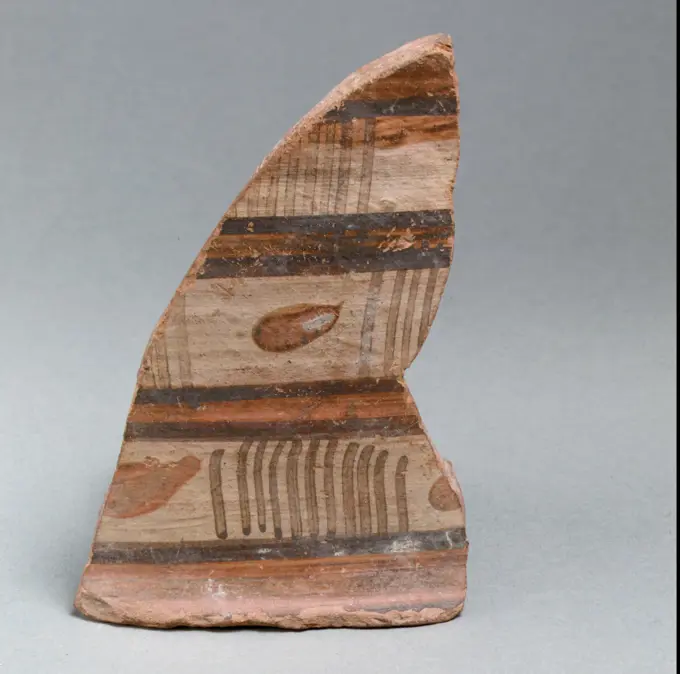
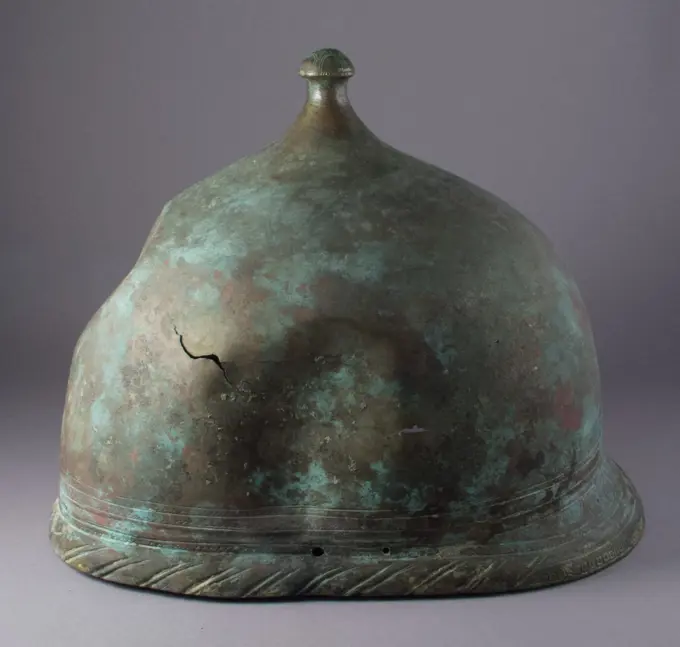
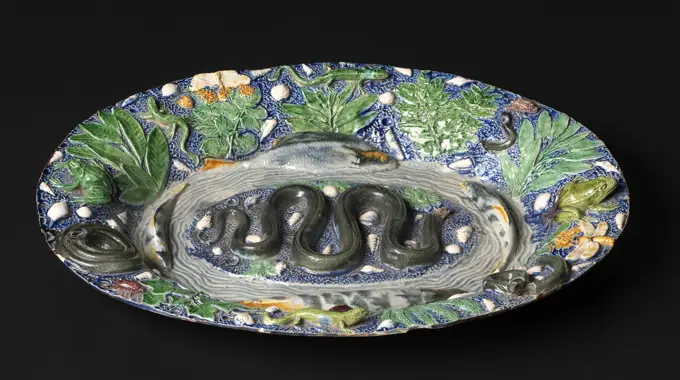
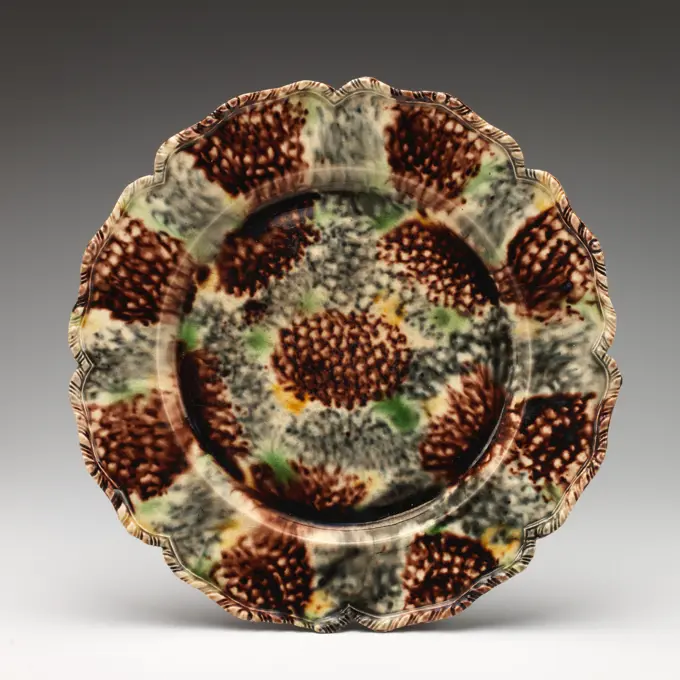
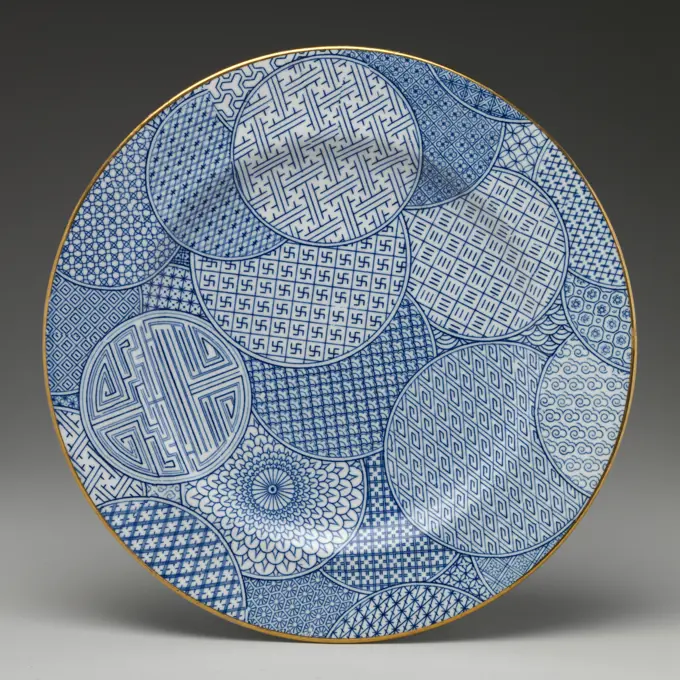
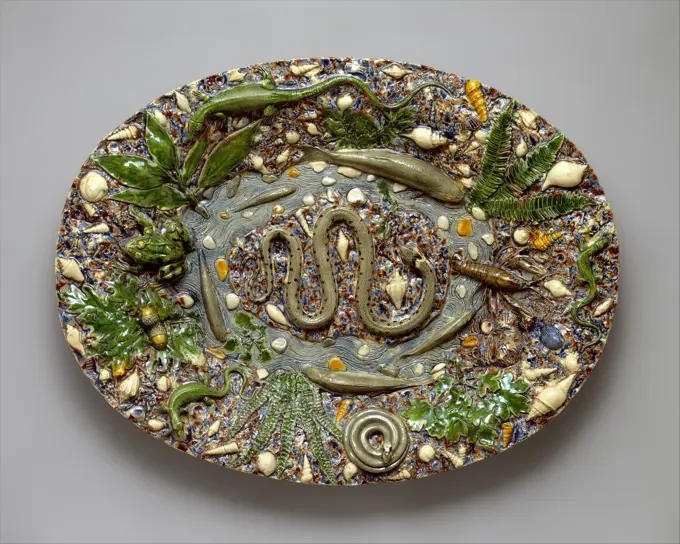
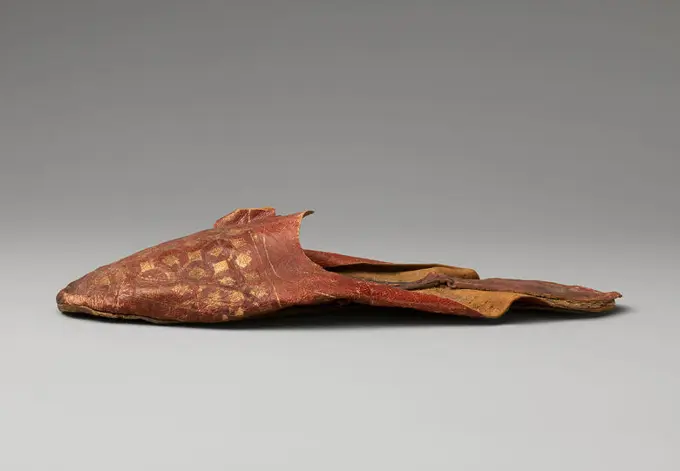
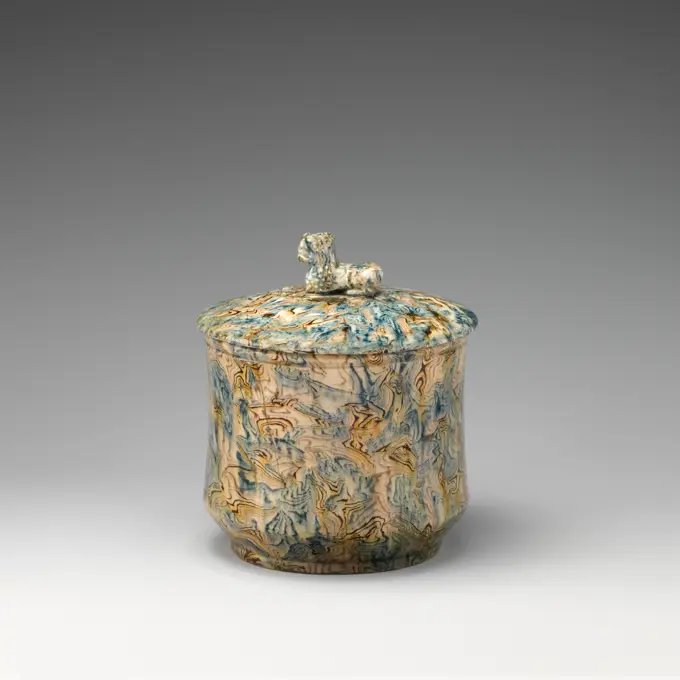
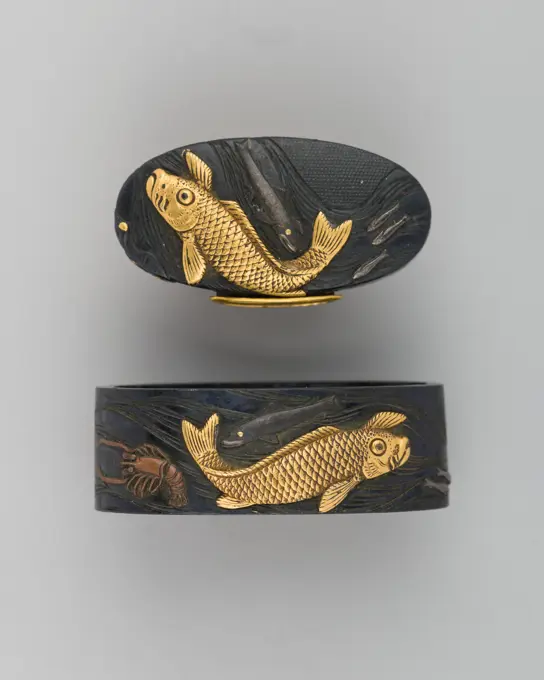
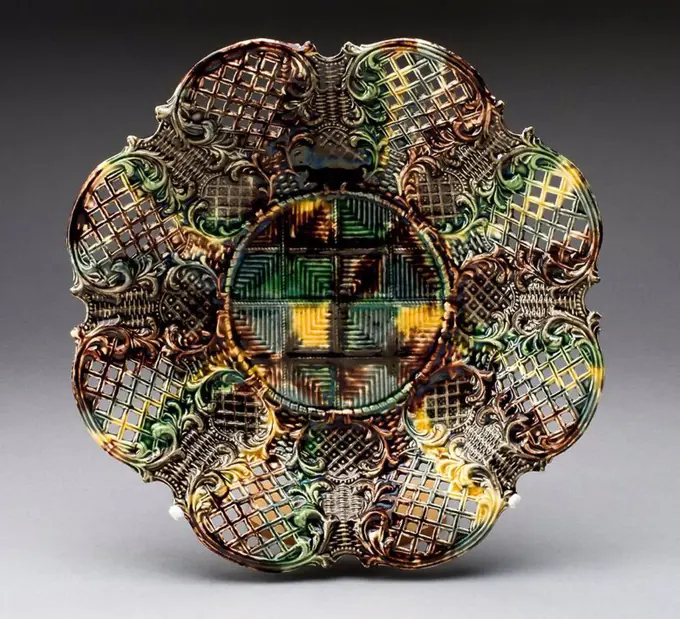
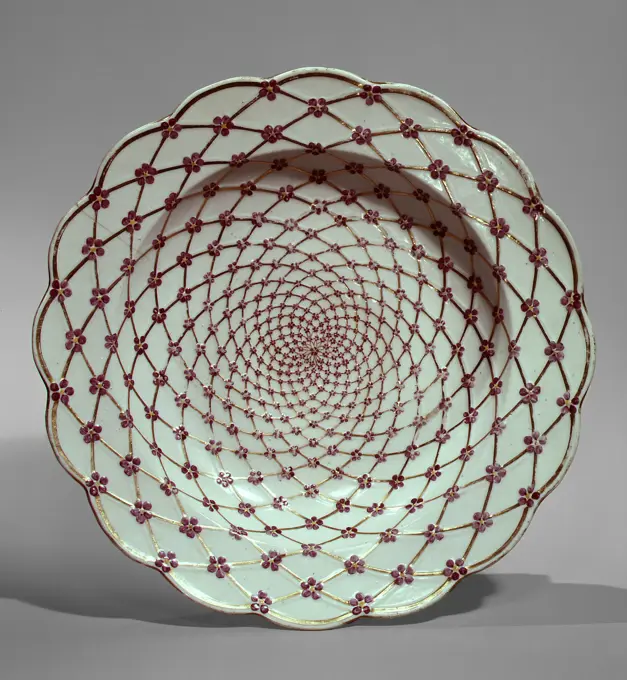
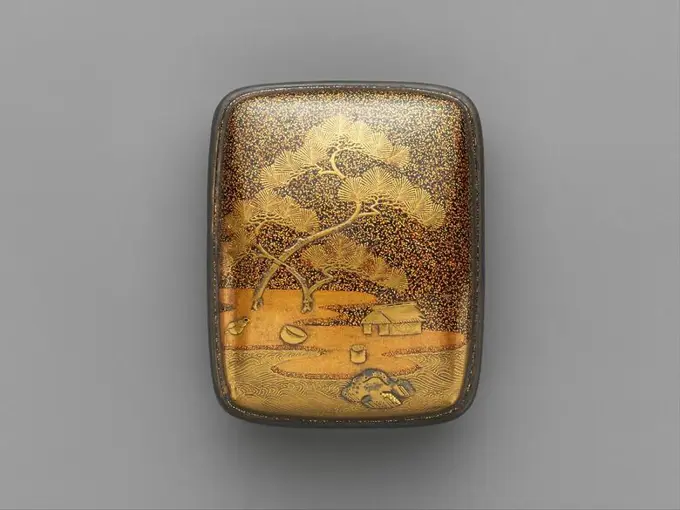
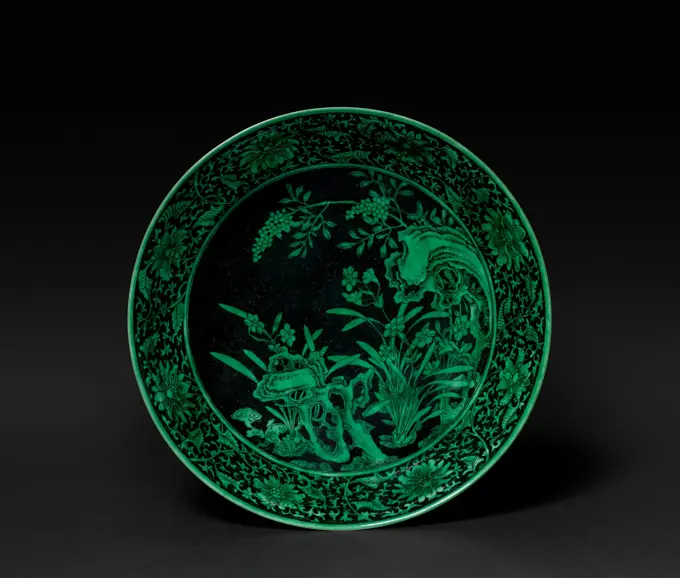
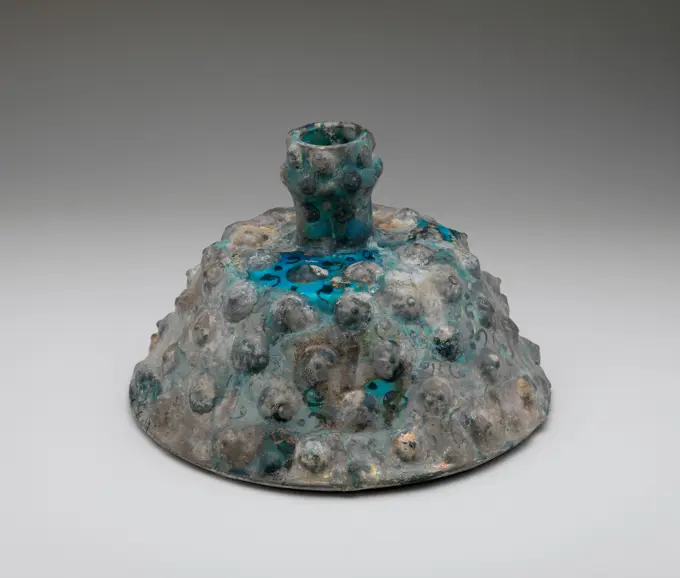
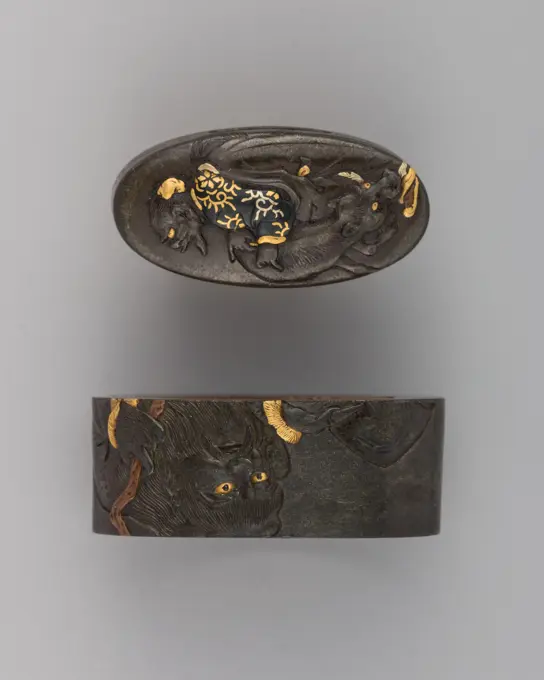
Sword-Hilt Collar and Pommel (Fuchigashira) ca. 1615-1868 Japanese A fuchigashira is a pair of matching sword fittings comprising the fuchi (collar at the base of the grip of the sword hilt) and kashira (pommel cap at the end of a sword hilt).. Sword-Hilt Collar and Pommel (Fuchigashira). Japanese. ca. 1615-1868. Copper-silver alloy (shibuichi), gold. Sword Furniture-Fuchi-KashiraCircular casket with lid. unknown, craftsmanDish, the ribs alternately blue and white, separated by golden piping, c. 1775 - c. 1800  Dish, ribbed, the edges serrated. The ribs separated by vertical gold piping. The Cavities Dark Blue (Blue du Roi), the ribs white, on which a decoration of leaf work and braid tire. The edges gilded, gilding inwards. Marked in underlaze blue. Worcester earthenware vitrificationBowl Depicting a Ritual Figure and Flaming Torches. Teotihuacan; Teotihuacan, Mexico. Date: 300 AD-600 AD. Dimensions: Diam. 22.5 cm (8 7/8 in.). Ceramic, plaster, and pigment. Origin: Valley of Mexico. Museum: The Chicago Art Institute, USA.Jug 1st half of 6th century B.C. Italic-Native, South Italian (Daunian) Wide, flat rim and high handle; geometric design.. Jug. Italic-Native, South Italian (Daunian). 1st half of 6th century B.C.. Terracotta. Archaic. VasesIncense Burner, late 1800s. Japan, Meiji period (1868-1912). Glazed white porcelain, gilded bronze cover; diameter of mouth: 14.6 cm (5 3/4 in.); overall: 12.4 cm (4 7/8 in.). This incense burner emulates Chinese porcelain in its glaze and form. A number of prominent Meiji-period ceramicists explored classical Chinese forms and glazes even as they also produced stoneware with Japanese-style glazes.Bowl And Liner (USA); Manufactured by Gorham Manufacturing Company (United States); raised, repoussé, chased silver, silver-plated metal (liner)Pouch fourth quarter 17th century European, Eastern. Pouch 156854Milk of leather with leaf of grids on which a zigzag pattern is embroidered with wool (point d'hongrie) and to the tip with a silver buzz. Doing bulk (trip) or Leather with ahead or grid. Front Piece Embroidered With Geometric figures, 'Point the Hongrie' in Wool. The Sole Runs Pointed Forward And Gradually Moves To A Heel, Which is sloping sloping. To the Point A Silver Raid, 'Basin'.Cover basket;  19th century (1801-00-00-1900-00-00);Sword-Hilt Collar and Pommel (Fuchigashira) 19th century Japanese A fuchigashira is a pair of matching sword fittings comprising the fuchi (collar at the base of the grip of the sword hilt) and kashira (pommel cap at the end of a sword hilt).. Sword-Hilt Collar and Pommel (Fuchigashira). Japanese. 19th century. Copper-gold alloy (shakud), gold, silver. Sword Furniture-Fuchi-KashiraMile of leather with a pattern leaf on which a zigzag pattern is embroidered with wool (point d'hongrie) and with a silver bump, anonymous, c. 1660 - c. 1670 Miljes (Tripping) of leather with pattern front piece. In front with geometric figures, 'Point the Hongrie' in wool. The sole runs pointy forward and gradually crosses a heel backwards, which runs slanted forwards. At the point a silver bump, 'pelvis'. Netherlands Sole:. Leaf: Linen (Material). Sheet:. Embroidery: Wool. Pump: Silver (Metal). Stitching: rope embroidering / engraving Miljes (Tripping) of leather with pattern front piece. In front with geometric figures, 'Point the Hongrie' in wool. The sole runs pointy forward and gradually crosses a heel backwards, which runs slanted forwards. At the point a silver bump, 'pelvis'. Netherlands Sole:. Leaf: Linen (Material). Sheet:. Embroidery: Wool. Pump: Silver (Metal). Stitching: rope embroidering / engravingDish late 12th-early 13th century. Dish 453286Flowers and Grasses with a Praying-Mantis late 18th century Attributed to Ryūsa Japanese The superb high relief carving and mist-like stippled surface of the ivory piece may be the work of Ryūsa himself, after whom this type of openwork manjū-shaped netsuke is named.. Flowers and Grasses with a Praying-Mantis 60329Food or Serving Bowl (Presentation Bowl), 1880-90. Great Basin, Timbisha Shoshone (Panamint). Sumac, devil's claw, yucca root, with orange shafted flicker (woodpecker) quills; coiled (2 rod and a bundle of deer grass or basket grass); diameter: 21.5 x 48 cm (8 7/16 x 18 7/8 in.). This basket was likely made for the commercial market, and is modeled on native food service bowls. When used indigenously, the main view would have been of the interiors, which in two cases are patterned with bold, well-executed geometric designs. The two small, pink crosses on this exampleboth executed with flicker (woodpecker) quillsmay be a maker’s mark.Covered Box. China. Date: 1522-1566. Dimensions: H. 18.5 cm (7 1/4 in.); diam. 25.6cm (10 1/16 in.). Carved cinnabar lacquer on wood. Origin: China. Museum: The Chicago Art Institute, Chicago, USA.Buff Ware Fragment with Horned Animals 9th-10th century This small fragment gives us a sense of the vivid colors and unique imagery of the buff ware objects discovered at Nishapur, demonstrating why their discovery at Nishapur was so exciting to the museum's excavators.. Buff Ware Fragment with Horned Animals 450106Dish with character for longevity (shou) mid-16th century China Eight auspicious emblems, including flaming pearls, a pair of horns, and a pair of books, encircle the character for longevity (shou) in the center of this dish; the same designs are found on the exterior. The dragons on the outer edge all lack one claw. Since five-clawed dragons symbolized the emperor, the claws were likely removed to make the dish suitable for presentation to a member of the nobility or a senior court official.. Dish with character for longevity (shou). China. mid-16th century. Carved red lacquer. Ming dynasty (1368-1644), Jiajing period (1522-66). LacquerDish 12th-13th century. Dish 452001Oval basin with lizards, shells, and ivy leaves with brown background ca. 1865-1875 Georges Pull Georges Pull created some of the most sophisticated examples of Palissy ware, ceramics made in the nineteenth century inspired by the work of the Renaissance potter Bernard Palissy (1510-c.1589). The reverse of this dish shows deep impressions left by the lizard and the snake, indicating Pull, like Palissy, created the basin and the creatures decorating its surface from a single mold.. Oval basin with lizards, shells, and ivy leaves with brown background. French, Paris. ca. 1865-1875. Glazed earthenware. Ceramics-PotteryBox, Rock crystal, gilt metal, Irregularly octagonal, oblong, hinged cover rock crystal gilt rim. Crystal is carved in central cartouche with plain surface, its frame foliated surmounted by rocaille frame, C-scrolls, base gadrooned., France, 1838-99, containers, Decorative Arts, BoxPlate ca. 1750-70 Style of Whieldon type. Plate. British, Staffordshire. ca. 1750-70. Lead-glazed earthenware. Ceramics-PotteryBowl. UnknownCarved Bowl, 1200-900 BC. Mexico, Central Highlands, Olmec, 1200-300 BC. Earthenware; diameter: 13.2 cm (5 3/16 in.); overall: 12 x 14 cm (4 3/4 x 5 1/2 in.).Kylix Kylix, Ceramics. Around 450 B.C. Castellones de Ceal, Hinojares, Iberian culture, Archeological Museum. Úbeda, Jaén province, Andalusia, Spain Copyright: xZoonar.com/BartomeuxBalaguerxRotgerx 21702839Plate. Artist: Attributed to Heinrich Stofflet (active 1812-30). Culture: American. Dimensions: Diam. 11 1/2 in. (29.2 cm). Date: 1814. Museum: Metropolitan Museum of Art, New York, USA.Bandbox (USA); block-printed paper, pasteboard support; 44.5 x 35 x 28 cm (17 1/2 x 13 3/4 x 11 in.)Shards of a sign from V.O.C. ship De 'Witte Leeuw', Anonymous, Before 1613 plate (dishes) Sign from V.O.C. ship De 'Witte Leeuw', 60 present; Parts of the flat and the wall are missing. The shard is glassy white and has little ingrained dirt. The glaze is blue tinted and peels over parts of the lip edge. The glaze has pinholes and small baking cracks on the corners of the lip edge. The bottom is glazed. The foot ring is inside, is V-shaped and faceted. One piece consists of seven fragments glued together. Jingdezhen bone china (material)   Sint-HelenaWogumas tribal shield from Papua New Guinea, 20Th CenturyThe Great Ruby Watch. Culture: German, Augsburg. Dimensions: Overall: 3 1/8 × 2 1/8 × 7/8 in. (7.9 × 5.4 × 2.2 cm); Diameter (back plate): 1 3/4 in. (4.4 cm). Maker: Watchmaker: Nicolaus Rugendas the Younger (German, 1619-1694/5) , master 1662. Date: ca. 1670.Rugendas was a member of a prominent family of clock and sundial makers in Augsburg. This watch has long been known as the Great Ruby Watch for its eighty-five clear rubies. Its cover is a fine example of the florid style of Augsburg goldsmiths' work that was in vogue from about 1660 to 1680. The enamel of the inside cover and the dial are equally fine examples of Augsburg work. Museum: Metropolitan Museum of Art, New York, USA.Sake Cup. Artist: Shomosai (Japanese, active late 18th-early 19th century). Culture: Japan. Dimensions: H. 1 in. (2.5 cm); W. 4 1/8 in. (10.5 cm). Date: mid-19th century. Museum: Metropolitan Museum of Art, New York, USA.Cover for a Bowl, c 1875- 1900 . Northwest Coast, Vancouver Island, late 19th century (). Twined grass; overall: 6.8 x 8.5 cm (2 11/16 x 3 3/8 in.).Plate ca. 1878 Minton(s) British This plate was made for the 1878 Exposition Universelle in Paris.. Plate 208031Fragment of a Bowl 14th century. Fragment of a Bowl 452869Netsuke, japanese miniature sculpture. Museum: COLECCION PRIVADA.Tobacco box with naval battle and Soo long the Gulde Son its radiance will not seem to disappear., tobacco box holder metal copper, cast engraved Elongated box front and side in accolade shape flat hinged lid on lid: heraldic sea battle war Johan Arnold Zoutman Dogger Bank tobacco smoking store snuffbox 1781 Collection AO van Kerkwijk.A plate Engelman & Schreier, new faience factoryTray, c 1875- 1925. California, Mission, San Diego, Late 19th- Early 20th century. Juncus, Sumac; Coiled, Deergrass Foundation; overall: 10.5 x 52.3 cm (4 1/8 x 20 9/16 in.).Circa 1930-1940 Hopi Painted and corrugated polychrome clay pottery jar. Museum of Northern Arizona, Flagstaff AZBowl Depicting Fish, Sharks, or Whales Made 180 BCE-500 CE Nazca Valley. Ceramic and pigment . NazcaLidded Container with a Herringbone Pattern; Cyclades, Greece; 3000-2800 B.C; Terracotta; 16.4 × 14 cm (6 7,16 × 5 1,2 in.)Gaming purse late 17th century French This is a fine example of the type of gaming purse used by the French aristocracy to hold their game pieces, and money, when playing at board games, cards or other entertainments at court. Typically, these bags had drawstring necks, like this one, and flat bases on which the owners coat of arms or heraldic devices could be represented, usefully avoiding any debates of ownership amongst competing players, distracted by their game! The device, with stars and crescent moon on this bag, has not yet been identified.. Gaming purse. French. late 17th century. Red silk velvet embroidered with silver and silver-gilt wrapped threads. Textiles-EmbroideredExcerpt (foot) with red shard, with lanes with geometric figures in sgrafitto technology in white and colorless glaze, anonymous, 1200 - 1899  Italy earthenware  Italy earthenwareCAJA HISPANOMUSULMANA DE MARFIL - SIGLO X. Location: VICTORIA AND ALBERT MUSEUM. LONDON. ENGLAND.Earthenware salt bowl with white line and check pattern in sludge technology, salt barrel tableware holder earth discovery ceramics earthenware glaze lead glaze clay, hand turned decorated glazed fried lemonade Pottery salt bowl on stand. Red shard internal glazed Decorated in sludge technology with yellow diamond pattern and dots along the edge slashes. Bowl-shaped mirror Should be of fired strange pottery in the mirror archeology native pottery salt spices condiment food serving tableFragment of a Mosaic Glass Vessel. Unknown 1st century B.C.-1st century A.D. Brown with yellow, green and pink in a scale pattern.Bowl with Radiating Panel Design 14th century Panel-style bowls, so called because of the wedge-shaped panels that make up their interior decoration, were typically produced in Kashan, one of the primary ceramic centers in Iran during the fourteenth century. Modeled after Chinese celadon bowls in form, this influence is also present in the highly abstracted lotus petals on this bowls exterior.. Bowl with Radiating Panel Design 447269Balsamarium. UnknownAblutions Basin of Yemeni Sultan al-Mujahid Sayf al-Din 'Ali. Dimensions: H. 8 1/2 in. (21.6 cm)Diam. 18 3/8 in. (46.5 cm). Date: ca. 1321-63.Although commissioned for a Rasulid sultan of Yemen, this basin reflects prevailing tastes of early fourteenth century Cairo and was clearly produced there or in Damascus, where comparable pieces were created. Bold inscriptions on the wall and rim constitute the central decorative theme, punctuated by medallions featuring lotus blossoms and the Rasulid emblem, a five-petaled rosette. Museum: Metropolitan Museum of Art, New York, USA.Paderewski, Ignacy Jan (1860-1941), Paderewski, Ignacy Jan (1860-1941)-collection, qing (style), Chinese (culture), gift (provenance), Chinese artBox in Form of Lotus Leaf (lid), 1700s. China, Qing dynasty (1644-1911). Ivory; overall: 5.1 cm (2 in.).orientalizing bowl, 7th century BC, Iberian Museum of Jaén, Jaén province, Andalusia, Spain.Napkin Ring, early 1900s. Japan, Meiji period (1868-1912) to Taishō period (1912-26). One of a pair; cloisonne enamel; diameter: 3.2 x 4.6 cm (1 1/4 x 1 13/16 in.).Dish 12th-13th century. Dish. 12th-13th century. Stonepaste; molded; luster-painted on opaque white glaze under transparent colorless glaze. Made in Iran, Rayy. CeramicsShip and caiques on an Iznik plate, 16th cent. Topkapi palace. Istanbul. TURKEY.Drum, 1800 - before 1865 musical instrument. percussion instrument. drum Trom of the militia. The brass kettle is equipped with a veal sheet on both sides, held by a hoop and tense by means of a tension with tractors and screws. Both hoops are decorated with a motif of triangles in the colors red, white and blue. With engraved numbers: 3448-462-1833. Netherlands Kettle: Brass (Alloy). Hoop: Wood (Plant Material). Team resort: RopeCope. Italy, Bologna, 1700-1725. Costumes; ecclesiastical. Silk and metallic-thread plain weave (taffeta) with silk, silk-chenille and metallic-thread embroideryCap, Medium: silk, metallic threads Technique: embroidered, Yellow silk with embroidered design of flowers, in silks and silver springing from urns of silver and twining about a silver ornamental motif. Trimmed with silver lace. Edge bound with red silk ribbon. Lined with green silk., Europe, 17th-18th century, costume & accessories, CapLetter Box (base), 1700s. Manner of Ogata Kōrin (Japanese, 1658-1716). Lacquer with pewter and mother-of-pearl inlay; overall: 24.2 x 21.6 cm (9 1/2 x 8 1/2 in.).Charger 1882-88 William De Morgan British De Morgan, who began his career painting stained glass for William Morriss company, noticed iridescent effects in silver paint and then experimented to achieve lustered glazes on earthenware inspired by fifteenth-century Hispano-Moresque wares. This charger combines red and yellow lusters to describe fish swimming through a leafy pond. It was once owned by Morris, who displayed similar ceramics on his mantelpiece at Kelmscott House, Hammersmith, London.. Charger 487663Vase fragment East Greek/Sardis, Lydian Red and black lines.. Vase fragment 252700 East Greek/Sardis, Lydian, Vase fragment, Terracotta, Overall: 4 7/16 x 2 5/8in. (11.3 x 6.6cm). The Metropolitan Museum of Art, New York. Gift of The American Society for the Excavation of Sardis, 1926 (26.199.132)Helmet "Jockey-cap" type.. Helmet. Bronze. BronzesHexagonal Lantern With Pierced Sides. Porcelain lantern with openwork walls, painted on biscuit in blue, green, yellow, eggplant and black. The walls are opened in the form of a medallion with Swastika symbol, around them three dragons and loose flowers on a speckled, green soil; The top with a cut-away medallion with a bond with ruyi motif and large butterflies and flower branches against a speckled, green soil. Email sur biscuit with famille verte colors.Dessert Service (Saucer). Flight, Barr & Barr (England, Worcester, 1813-1840). England, 1813. Furnishings; Serviceware. PorcelainRustic Platter, late 1500s. Manner of Bernard Palissy (French, 1510-1589). Lead glazed earthenware; overall: 52.4 x 40.7 cm (20 5/8 x 16 in.).Table screen (username). Sandstone, molding, celadon, molded decor. Cernuschi Museum, Asia Museum of Asia in the city of Paris.Embroidery (China); satin, silk, metallic threadsPlate ca. 1750-70 Style of Whieldon type. Plate. British, Staffordshire. ca. 1750-70. Lead-glazed earthenware. Ceramics-PotteryBowl 17th century Italian. Bowl. Italian. 17th century. Lead-glazed earthenware. Ceramics-PotteryBird Pendant , c. 900-1550. Central Colombia, Muisca style, 10th-16th century. Cast gold; overall: 11.7 x 10 x 2.9 cm (4 5/8 x 3 15/16 x 1 1/8 in.). This elaborate bird pendant was worn. It features delicate herringbone moldings, open-work patterns, and wing details-all part of the wax model from which the pendant was cast using the lost-wax process. The dangles were attached after casting.Right Pauldron. Northern Italian, Milan. Date: 1575-1580. Dimensions: Wt. 2 lb. 6 oz. Steel with gilding, brass. Origin: Milan. Museum: The Chicago Art Institute, Chicago, USA.Plate 1878 Worcester factory After the end of the Flight, Barr & Barr ownership of the Worcester factory in 1840, the firm went through a succession of owners and mergers before falling under the ownership of Kerr & Binns in 1852. During the partnership, the factory sought to rebuild its former eighteenth-century reputation in porcelain and known for Renaissance-inspired designs. With the establishment of the Royal Worcester Porcelain Company in 1862, the company gradually gained recognition for its Japanese-inspired designs, which formed part of Japonisme, a collective fascination with Japan that took place in Europe and the United States following the opening of Japanese markets to the West by Commodore Perry in 1853.. Plate. British, Worcester. 1878. Bone china. Ceramics-PorcelainFragments majolica dish with polychrome decor, tulip and ornamental band, dish plate crockery holder earth discovery ceramic earthenware glaze tin glaze lead glaze, w 9.5 hand-turned baked decorated glazed fried Fragments low majolica dish on stand ring Smooth transition to the dish edge without shoulder Groove along the dish edge Bottom lead glaze dark discolored by staying in the bottom Polychrome tulip decor in the mirror Ornamental band along the flag with diamonds and crosses in blue rope motif over the dish edge. Wood-baked archeology Valckensteyn Poortugaal Albrandswaard indigenous pottery serving serve Soil discovery: castle Valckensteyn in Poortugaal now Albrandswaard 1961-1962.Buckle, 1900s. China, 20th century. Silver gilt; overall: 5.8 x 7.4 cm (2 5/16 x 2 15/16 in.).FROPS FOR THE WEEPLE WITH THE LUB FO motif unknownArm Guard (Dastana) 18th century Indian This type of arm guard, known as a dastana, was used throughout Turkey, Iran, and India. Its curved plate protected the outside of the forearm and is connected to a pair of shorter plates that guarded the inside of the wrist. The inscriptions on this example are incorporated into the gold decoration and the nail-head design on the mitten and include Quranic verses and the popular Shi‘i prayer Nad-i ‘Ali (Call upon ‘Ali).. Arm Guard (Dastana). Indian. 18th century. Steel, gold, textile (velvet), textile (silk), textile (linen), copper alloy. Armor PartsSoul fragment majolica plate, Wanli decor, Chinese garden, signed, plate crockery holder soil find ceramic earthenware glaze tin glaze lead glaze, hand-turned baked glazed painted baked Majolica dish. Stand ring Bottom covered with lead glaze. Monochrome decor blue. Chinese garden in wanli style. At the bottom part of the painter's signature is not legible. Forest-baked archeology Rotterdam Stadscentrum Stadsdriehoek Nieuwehaven Old Port underground pit indigenous pottery decorate serving serve underground pit Nieuwe Haven or Oude Haven Rotterdam.Platter last quarter 16th century Follower of Bernard Palissy French The sixteenth century was marked by a scientific interest in natural phenomena. New worlds had been discovered, occupied by animals and human beings never before seen in Europe. Museums of curiosities abounded, and self-styled naturalists, such as Cosimo de' Medici, gilded armadillos from the Americas and placed them on pillars in their palaces. Native Indians of the Americas toured the courts of Europe, and the taste for the exotic flourished. It was in this atmosphere that the talented French potter Bernard Palissy began practicing his trade. An enthusiastic natural scientist, Palissy used local fish, plants and reptileshe made casts of actual specimens for use in his modelingfashioned in a range of colored glazes, to develop what he called "pastoral pottery." Although he is recorded as having produced his rustic ware in abundance, the only documented work by his hand was the grotto (now destroyed) in the garden oLarge Basin with Carp and Waterweeds 1260-1368 China. Cizhou ware; stoneware painted in underglaze iron-brown slip .Disk (Shield Cover). Culture: Chimú. Dimensions: H.12 1/2 x W. 13 5/8 x D. 3/8 in. (31.8 x 34.7 x 1 cm). Date: 14th-15th century. Museum: Metropolitan Museum of Art, New York, USA.Hanging Flower Vase with Symbols for Long and Short Lunar Months. Japan, circa 1750-1764. Ceramics. Kyoto ware (Kyōyaki); stoneware with overglaze enamels and underglaze iron brownTazza 1520-35 or later Italian, Castel Durante. Tazza. Italian, Castel Durante. 1520-35 or later. Maiolica (tin-glazed earthenware). Ceramics-PotterySword Guard (Tsuba) 19th century Japanese A tsuba is a sword guard and part of a sword mounting. It is mounted between the swords blade and grip to protect the users hands.. Sword Guard (Tsuba) 34978. Rounded rectangular tsuba, faced in a silver border; On the front in Iroe-Taka-Zogan two oni who flights, while they are checked by a window from a window; Signed "seiryoken hagiya katsuhira".Leather Shoe with Gilded Decoration. Dimensions: 9.25 in. long (23.5 cm long). Date: 4th-7th century.Documentary and archaeological sources attest to the variety of footwear in Byzantine Egypt. Written evidence suggests that sandals were worn by government officials, slippers by monks and clergy, and boots by soldiers and laborers; the poorest members of society would have gone barefoot.The gold that creates the lattice pattern was stamped onto the red leather of this sumptuously decorated shoe. Museum: Metropolitan Museum of Art, New York, USA.Bowl with cover ca. 1745 British, Staffordshire Listen to experts illuminate this artwork's story Listen Play or pause #407. Teapots Supported by Bloomberg Philanthropies We're sorry, the transcript for this audio track is not available at this time. We are working to make it available as soon as possible.. Bowl with cover. British, Staffordshire. ca. 1745. Agateware (glazed earthenware). Ceramics-PotteryVASO DE HORNOS (JAEN) - DETALLE DE ASA CON REMATE ZOOMORFO - SIGLO XV - CERAMICA NAZARI. Location: MUSEO ARQUEOLOGICO NACIONAL-COLECCION. MADRID. SPAIN.Lakub, tobacco box. Maranao, Mindanao. Lake Lanao First 20th Century. Carved wood.Sword-Hilt Collar and Pommel (Fuchigashira) late 18th century Japanese A fuchigashira is a pair of matching sword fittings comprising the fuchi (collar at the base of the grip of the sword hilt) and kashira (pommel cap at the end of a sword hilt).. Sword-Hilt Collar and Pommel (Fuchigashira). Japanese. late 18th century. Copper-silver alloy (shibuichi), copper-gold alloy (shakud), gold, silver, copper. Sword Furniture-Fuchi-KashiraPlate 1841 American. Plate 6008Plate. Staffordshire, England. Date: 1760-1770. Dimensions: H. 4.5 cm (1 3/4 in.); diam. 28.1 cm (11 in.). Lead-glazed earthenware (creamware). Origin: Staffordshire. Museum: The Chicago Art Institute, Chicago, USA.Plate 1755-60 Imperial Porcelain Manufactory, St. Petersburg Russian The Imperial Porcelain Factory was established in 1744 by the Empress Elizabeth I (r. 1741-61). For several years production was hampered by unreliable or inexperienced workmen, but by the 1750s the factory had begun producing porcelain in the Meissen style. This plate is from the factory's first table service, made for the empress about 1756-60. Every piece was decorated with a graceful molded trellis pattern, which suggests they were part of a dessert service, perhaps to be used in summer.. Plate 204533Game fair of green velvet with a bottom of silver brocade on which a cardinal weapon is embroidered with gold thread and colorful silk. Game fair of green velvet with a bottom of silver brocade on which a cardinal weapon is embroidered with gold thread and colorful silk. Model: flat round bottom of which a wavy upright edge has holes with which a cord of green and silver braided silk - ending in a button with wooden core wounded with metal wire and an open knitwear of metal wire - has been drawn. On the outside, buttons are connected to goat leather on the outside buttons - just like that on the cord. Decoration: the 20 protrusions or 'ribs' are decorated with stacked ornaments consisting of lobed drops, wings and a three-leaf. A horizontal line of silver thread runs just under the holes. Along the top it is completely trimmed with a passing of silver thread (largely worn). The bottom is circled with a double edge within which a zigzag line of silver wire. In this a fond of silver brocBox for Tooth Black with Design of Saltmaking Hut on the Shore (Suma no ura). Culture: Japan. Dimensions: H. 1 3/8 in. (3.5 cm); W. 2 1/8 in. (5.4 cm); L. 3 1/8 in. (7.9 cm). Date: 15th century. Museum: Metropolitan Museum of Art, New York, USA.Dish with Narcissus and Rocks (interior); Floral Scrolls (exterior), 1723-35. China, Jiangxi province, Jingdezhen kilns, Qing dynasty (1644-1911), Yongzheng mark and reign (1722-35). Porcelain painted in overglaze-black with a green glaze; diameter: 16.8 cm (6 5/8 in.); overall: 4.8 cm (1 7/8 in.).Embossed Candlestick 12th century While metal candlesticks with sloping sides and rosette knobs were fairly common in the twelfth century, this ceramic version is rare, and shows an interesting innovation to create the same decorative effect. Whereas the rosettes on the metal candlesticks were created by hammering out the surface of the object from the interior (the repoussé technique), here the effect was created by attaching separate ceramic knobs to the candlestick surface. This object was found in one of the upper levels of the mosque in the Tepe Madrasa area, and was probably used next to the mihrab.. Embossed Candlestick 449638Fragment 14th-15th century. Fragment 446465Carved lozenge box. Culture: China. Dimensions: W. 13 1/8 in. (33.3 cm). Date: 18th century. Museum: Metropolitan Museum of Art, New York, USA.Utensil for incense sticks. unknown, craftsmanBox, Painted tole, A tole biscuit tin with painted scenes of a village on the top and sides., England, ca. 1820-30, metalwork, Decorative Arts, Box