Decorative Ceramics and Dishes

An assortment of decorative ceramic plates and bowls, showcasing intricate designs and historical styles from various cultures and periods.
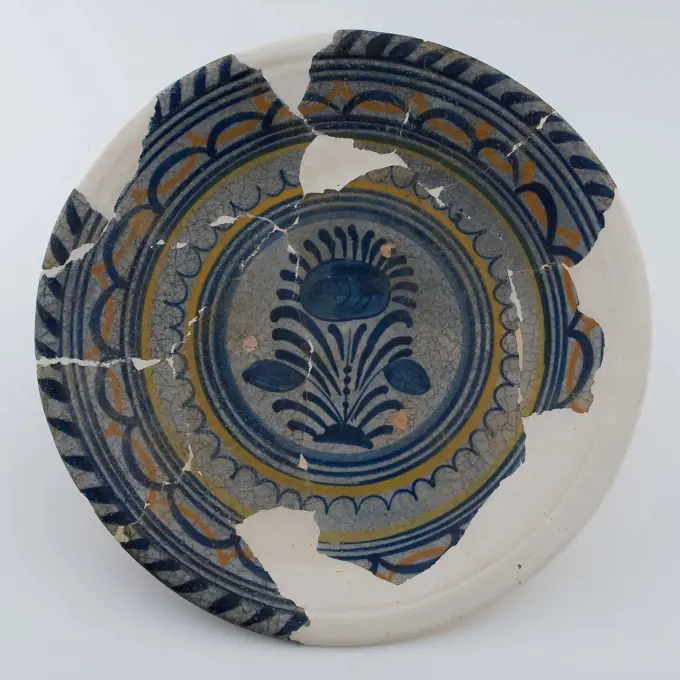
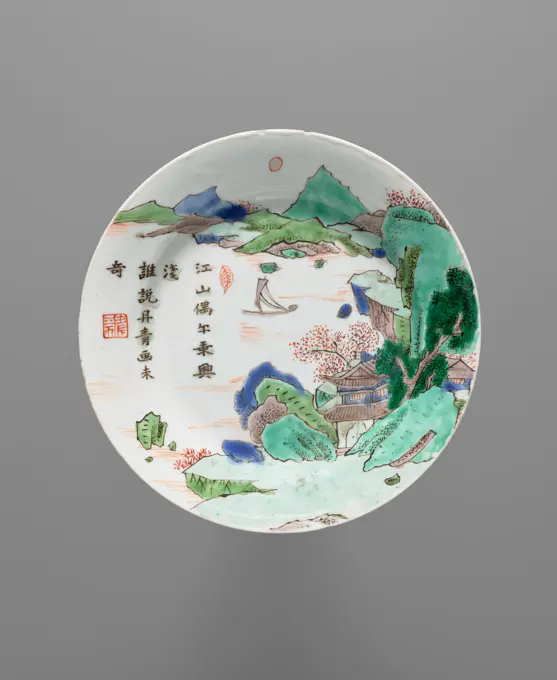
Majolica dish on stand, in the mirror flowering plant in Wanli style, dish plate crockery holder soil find ceramic earthenware glaze tin glaze lead glaze, hand turned fried glazed fried Low earthenware dish on stand. Majolica Ondergegg glaze Standring is pierced for hanging archaeology Rotterdam Stadscentrum Stadsdriehoek Nieuwehaven indigenous pottery serving serving food room table Soil discovery: Rotterdam Nieuwe Haven 1st cesspool (round) 21-08-1980
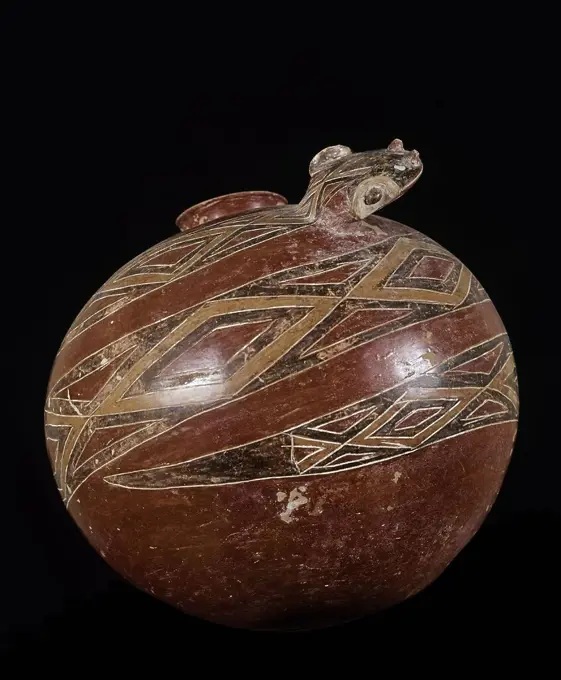
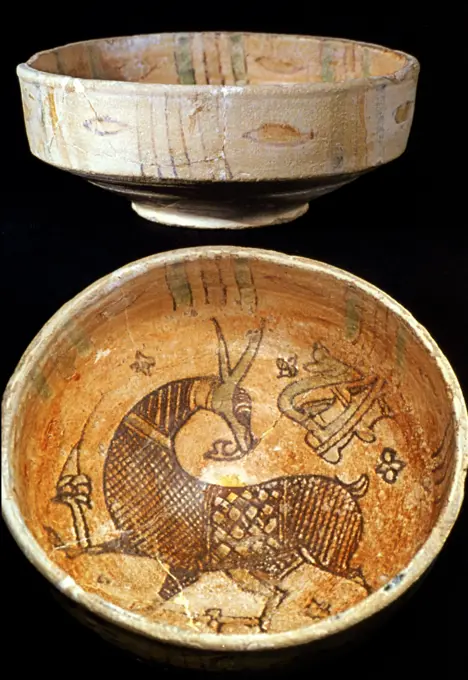
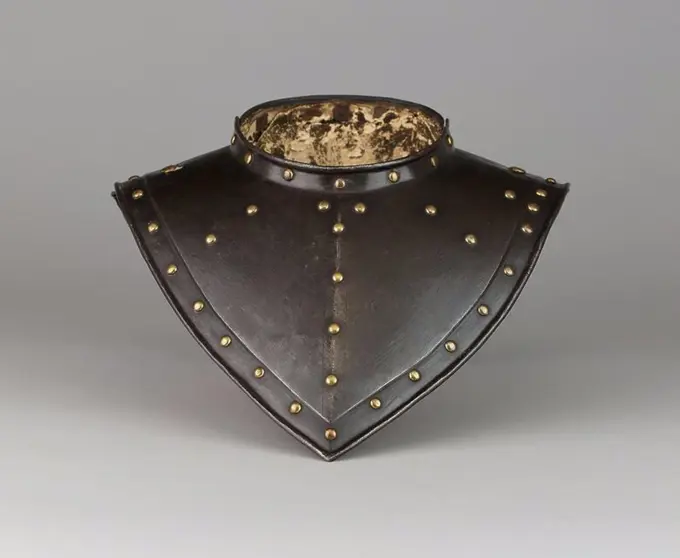
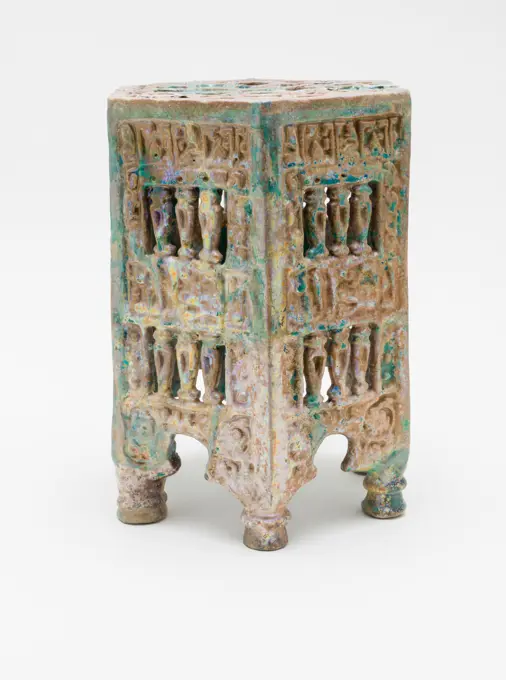
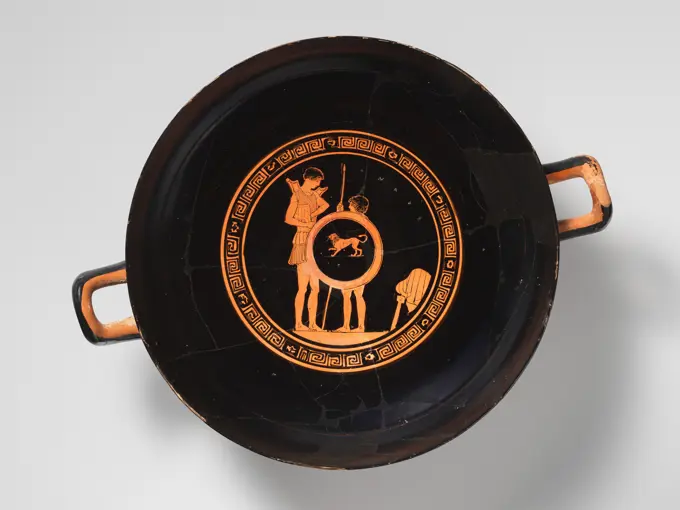
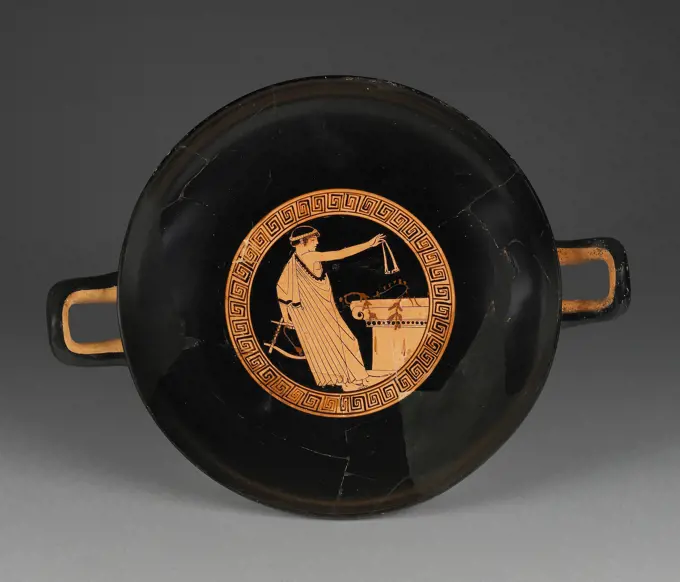
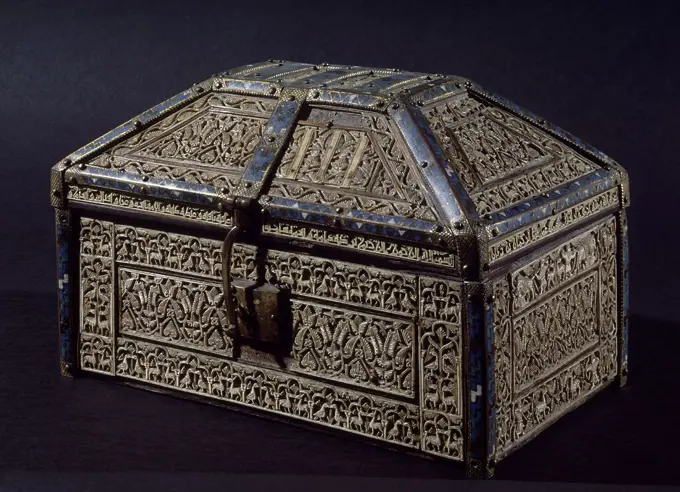
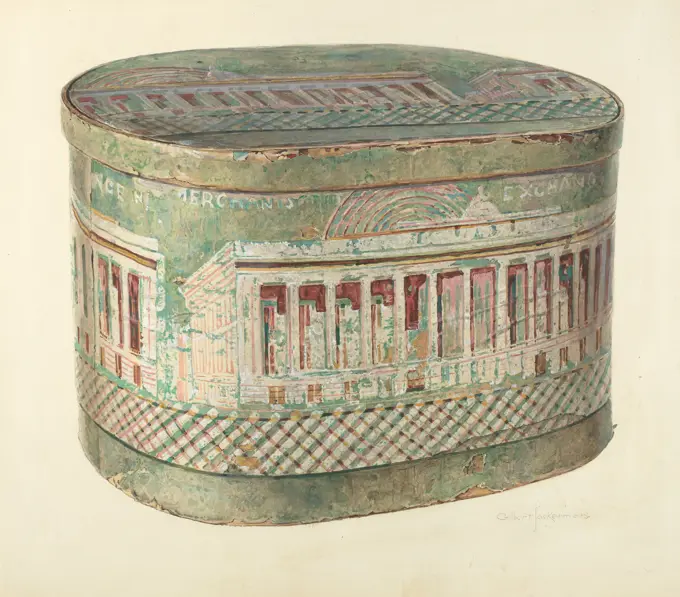
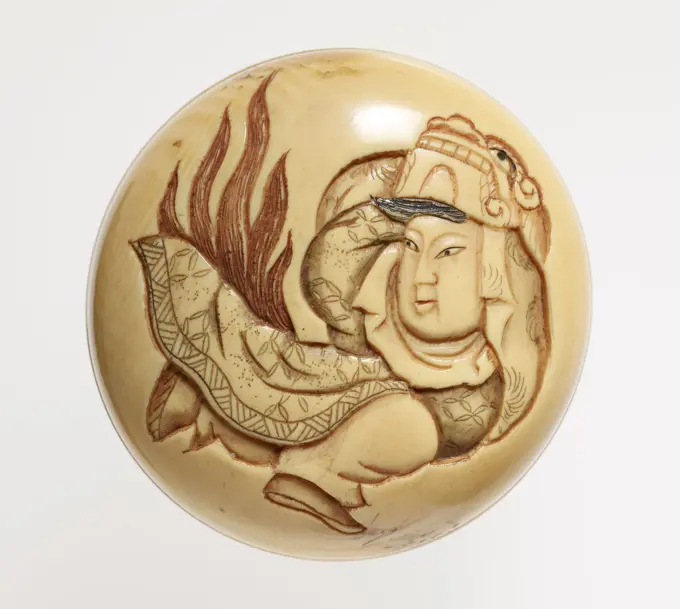
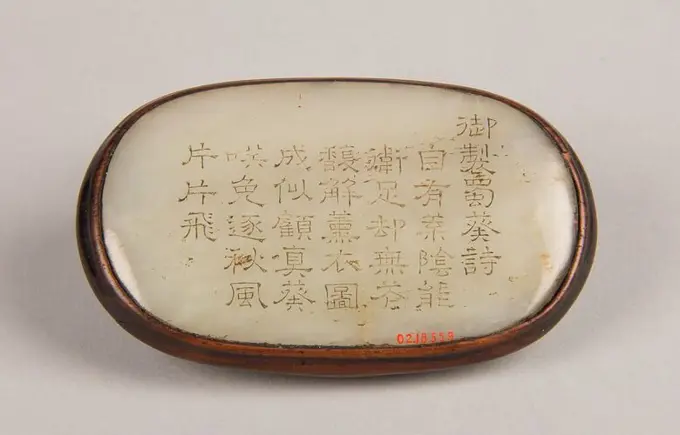
Plate, early 1500s. Italy, early 16th century. Tin-glazed earthenware (maiolica); diameter: 23.2 x 2.9 cm (9 1/8 x 1 1/8 in.).Bronze helmet early 6th century B.C. Italic, Picene Hemispherical shape with deep brim.. Bronze helmet 248010TERRACOTA PRECOLOMBINA. Location: PRIVATE COLLECTION. QUITO. ECUADOR.Terracotta plate. Culture: Greek, South Italian, Apulian. Dimensions: H. 2.8 cm. Diameter 12.07 cm.. Date: ca. 325-300 B.C..Female head, profile to left. Museum: Metropolitan Museum of Art, New York, USA.Bowl, 1-550. Central Mexico, Teotihuacán, Classic Period. Ceramic, pigment; diameter: 4.9 x 13.8 cm (1 15/16 x 5 7/16 in.); overall: 4.6 cm (1 13/16 in.).Bardo Museum, Tubnisia: 10th Century Fatimid, Islamic pottery dishesGorget. German. Date: 1620-1650. Dimensions: . Steel, brass, gilding, and leather. Origin: Germany. Museum: The Chicago Art Institute, Chicago, USA.Table. Syria, late 12th-early 13th century. Ceramics. Fritware, molded, pierced and glazedStory Board, 20th century, 19 1/2 x 38 1/8 x 1 1/4 in. (49.5 x 96.8 x 3.2 cm) (oval), Wood, Papua New Guinea, 20th centuryStationary horizontal sundial. Culture: probably Northern German. Dimensions: Overall: 6 1/4 × 7 5/8 × 7 5/8 in. (15.9 × 19.4 × 19.4 cm). Date: late 18th century. Museum: Metropolitan Museum of Art, New York, USA.Lukombé (slit drum) Tetela, Kasai or Kusu ca. 1900 Slit drums (which acoustically function as bells) are found globally. Logs hollowed into cylindrical, trapezoidal, or zoomorphic shapes are used for sending messages or, as with this one, played in ensembles to accompany dance. Strapped to the player and held at an angle, the instrument is struck on both sides, producing from four to six tones.Covered Box, late 1800s. Japan, Meiji period (1868-1912). Wood with lacquer and gold; overall: 9.9 x 12.3 x 11.4 cm (3 7/8 x 4 13/16 x 4 1/2 in.).Terracotta kylix (drinking cup) ca. 450 B.C. Attributed to the Lyandros Painter Interior, youth arming while a boy holds his spear and shieldExterior, youthsEvery able-bodied male citizen of Athens was expected to fight when necessary. Here a youth dons the panoply of a foot soldier.. Terracotta kylix (drinking cup). Greek, Attic. ca. 450 B.C.. Terracotta; red-figure. Classical. VasesSword-Hilt Pommel (Kashira), 1700-1850. Japan, Edo period (1615-1868). Shakudo; average: 3.7 x 1.8 cm (1 7/16 x 11/16 in.).Wine Cup with a Boy Dedicating the Mouth Strap of a Wind Instrument; Attributed to Brygos Painter (Greek (Attic), active about 490 - 470 B.C.); Athens, Greece; about 480 B.C; Terracotta; 9.2 × 30.2 × 23 cm (3 5,8 × 11 7,8 × 9 1,16 in.)Plate. unknown, craftsmanPointed Morion Made 1570-1590 Milan. Steel and brass .ARQUETA DE PALENCIA - MARFIL Y ESMALTE - REALIZADA EN EL SIGLO XI - PROCEDENTE DEL TALLER DE CUENCA - 35x23x23 cm. Author: ABD AL RAHMAN BEN ZEIYAN. Location: MUSEO ARQUEOLOGICO NACIONAL-COLECCION. MADRID. SPAIN.Gilbert Sackerman, Bandbox, 1935 1942 BandboxGlass Fragment late 15th-16th century European. Glass Fragment. European. late 15th-16th century. Colorless glass, silver stain. Glass-StainedNetsuke (manju), 19th century, Unknown Japanese, 15/16 × 1 13/16 × 1 13/16 in. (2.38 × 4.6 × 4.6 cm), Ivory, Japan, 19th centuryTwo Hat Plates c 1810-1830 United States. Tin and paint . Artist unknownGirdle plaque. Culture: China. Dimensions: H. 5/8 in. (1.6 cm); W. 3 3/4 in. (9.6 cm); D. 2 11/16 in. (6.8 cm). Museum: Metropolitan Museum of Art, New York, USA.Table Screen with Stand (stand), 1644-1911. China, Qing dynasty (1644-1911). Carved wood; overall: 29.8 x 24.4 cm (11 3/4 x 9 5/8 in.); stand: 18.9 x 27.4 x 13 cm (7 7/16 x 10 13/16 x 5 1/8 in.).Plate (tagliere) ca. 1530-35 Italian, Gubbio. Plate (tagliere) 460260