Decorative Ceramics and Porcelain

A collection of ornate porcelain containers and trays featuring vibrant colors, intricate designs, and decorative motifs showcasing traditional craftsmanship.

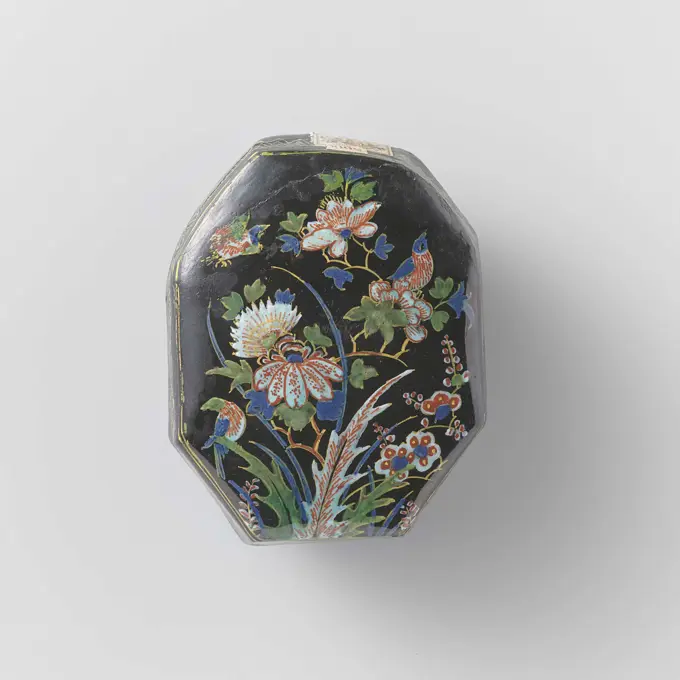
Square bottle with flowering plants and birds, anonymous, c. 1700 - c. 1724 Square bottle of porcelain with a short, narrow, spreading neck, painted on the glaze in blue, red, green, black and gold. On two sides a peony and prunus at a rock with a Hoo bird; On the other two sides a flowering plant and two birds. On the shoulder flower branches and a chrysanan drink. The neck with two flower branches. Arita, Kakiemon style. Japan porcelain. glaze. gold (metal) painting / gilding / vitrification Square bottle of porcelain with a short, narrow, spreading neck, painted on the glaze in blue, red, green, black and gold. On two sides a peony and prunus at a rock with a Hoo bird; On the other two sides a flowering plant and two birds. On the shoulder flower branches and a chrysanan drink. The neck with two flower branches. Arita, Kakiemon style. Japan porcelain. glaze. gold (metal) painting / gilding / vitrification
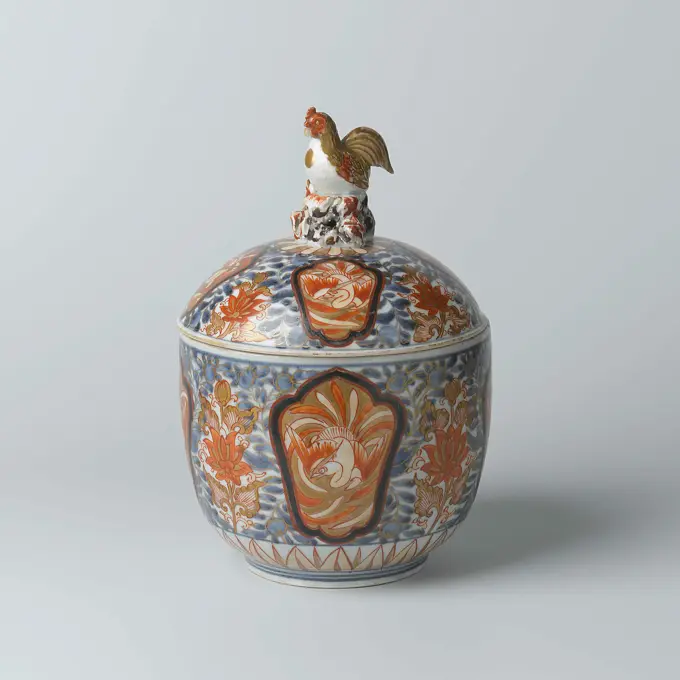
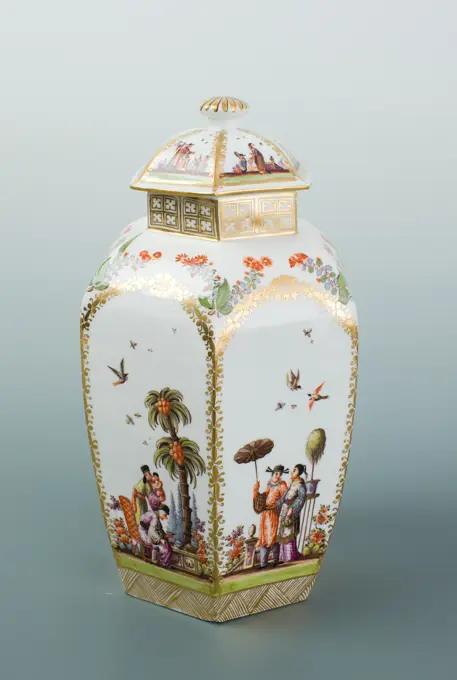
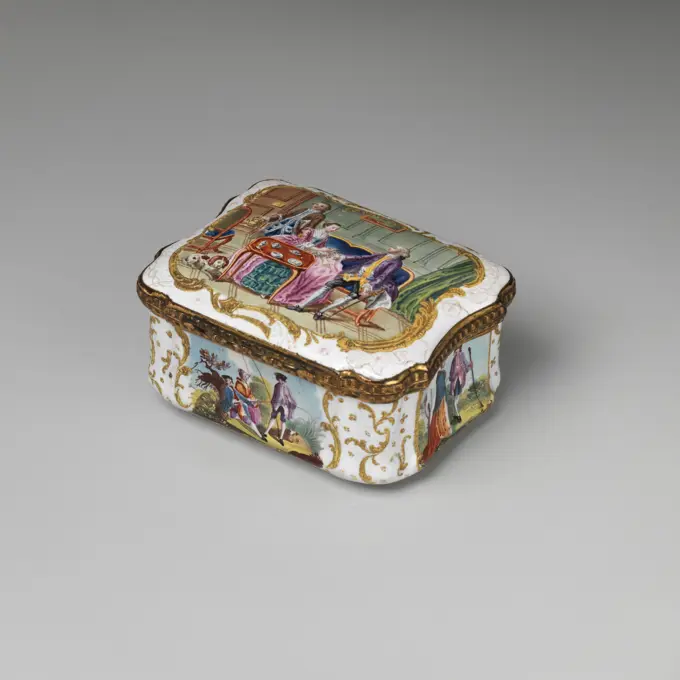
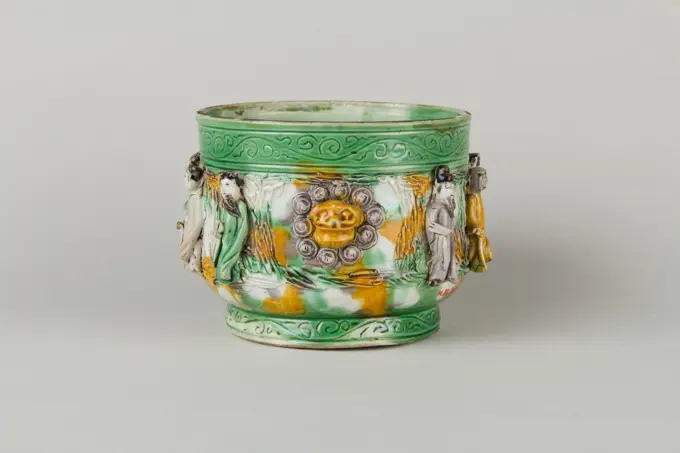
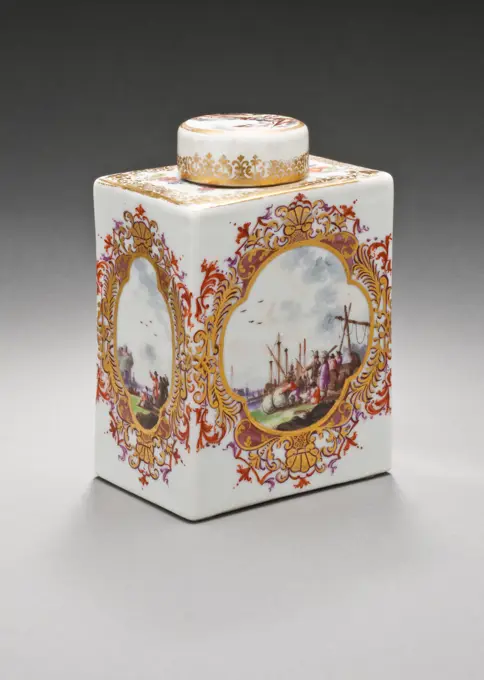
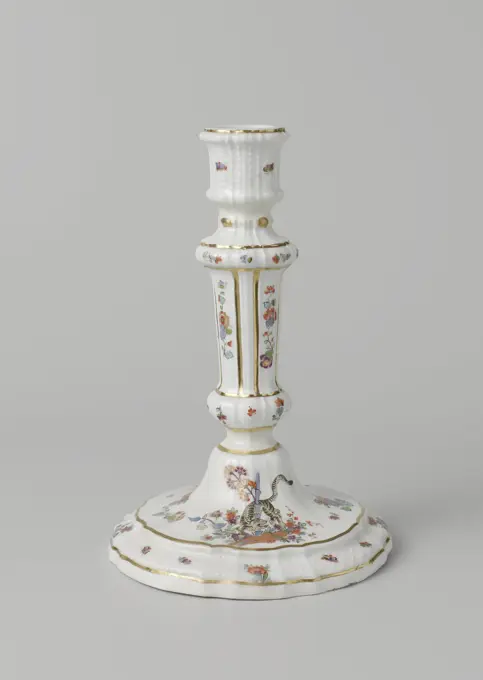
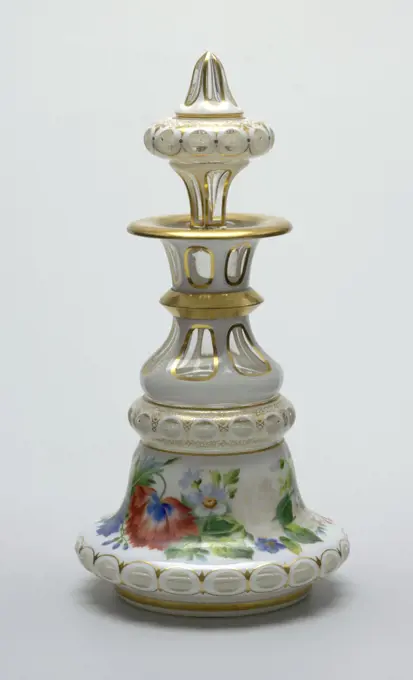
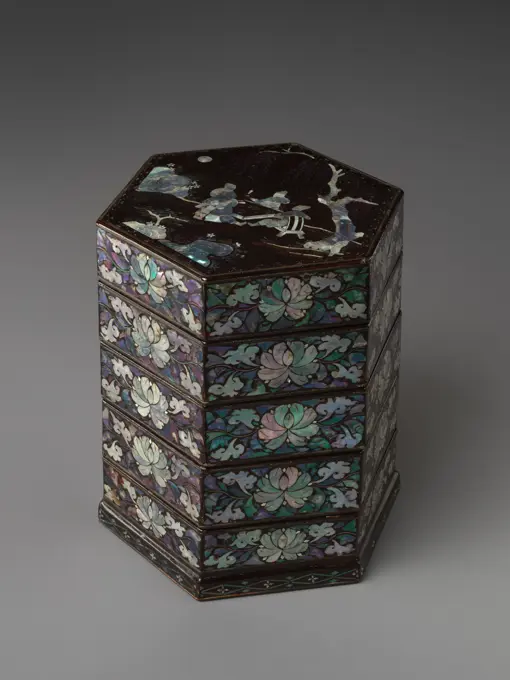
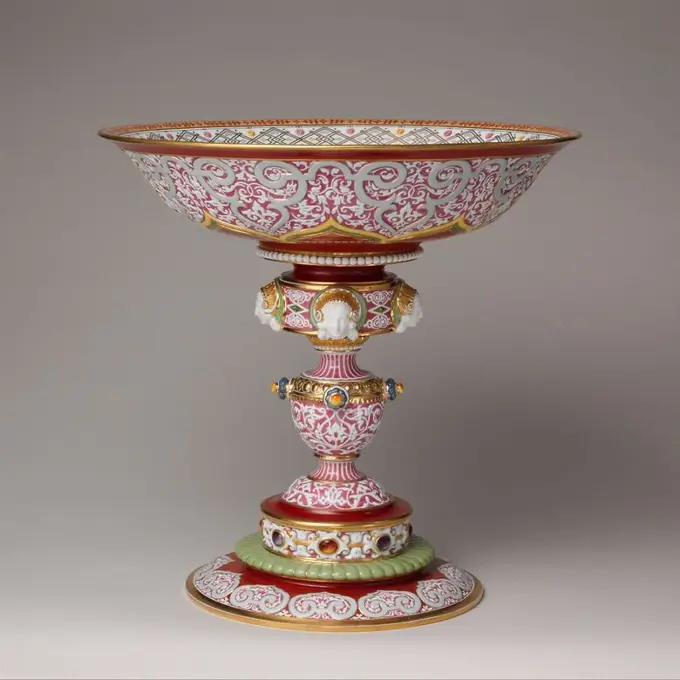
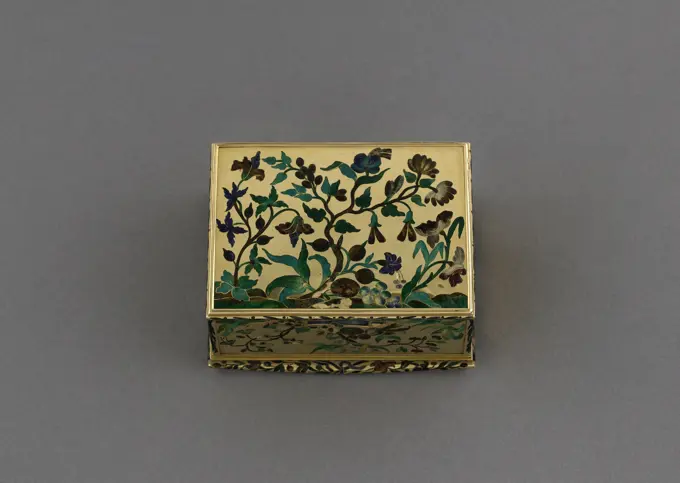
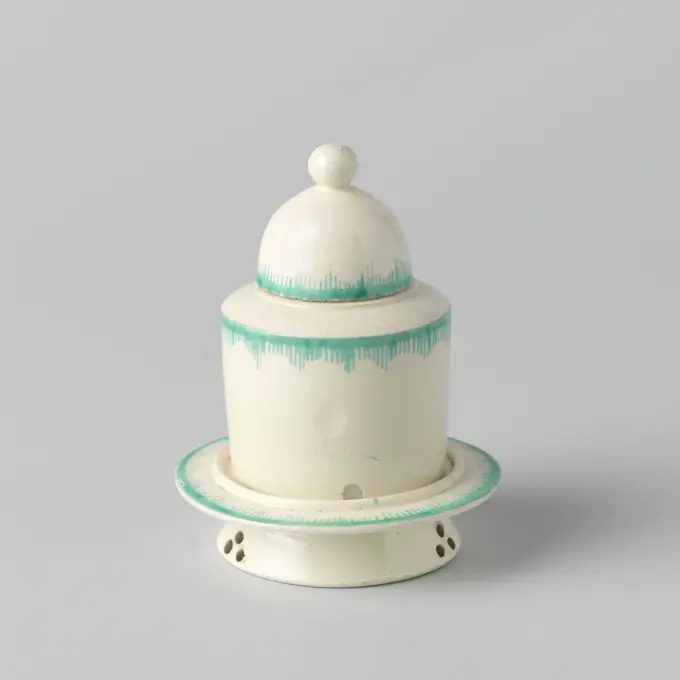
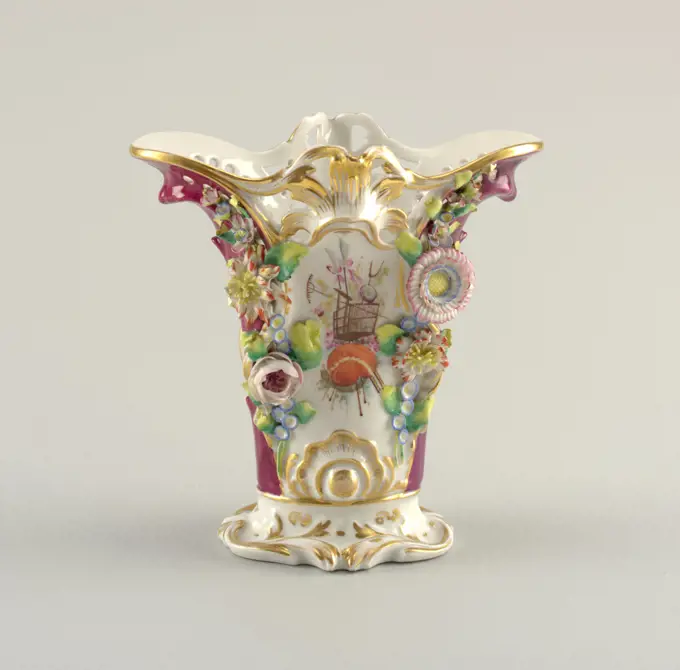
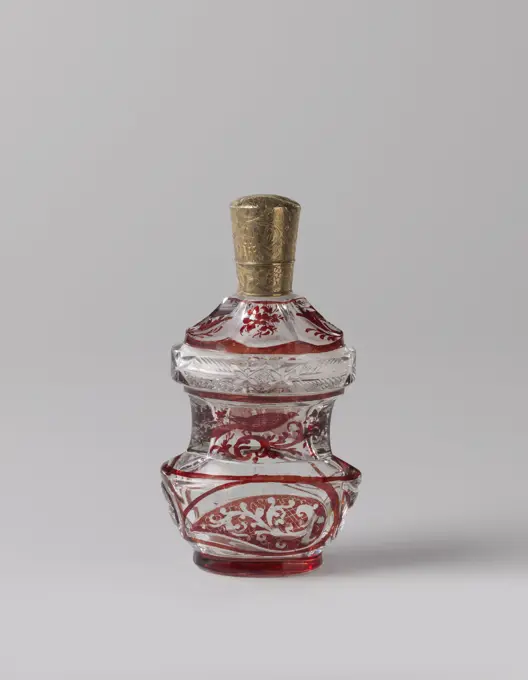
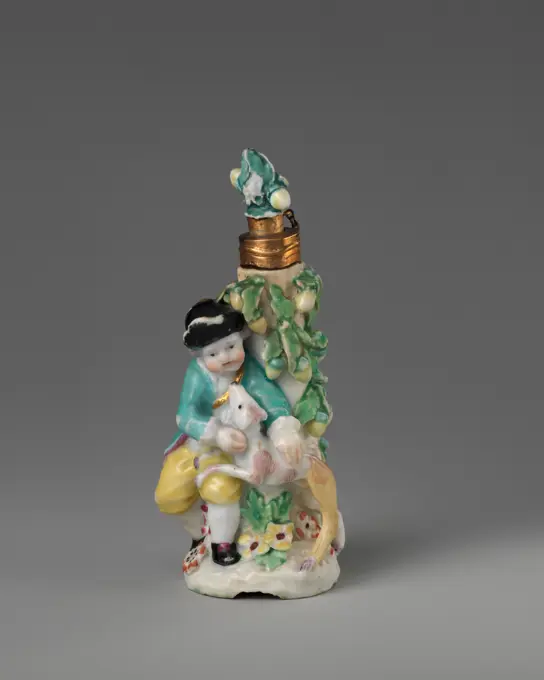
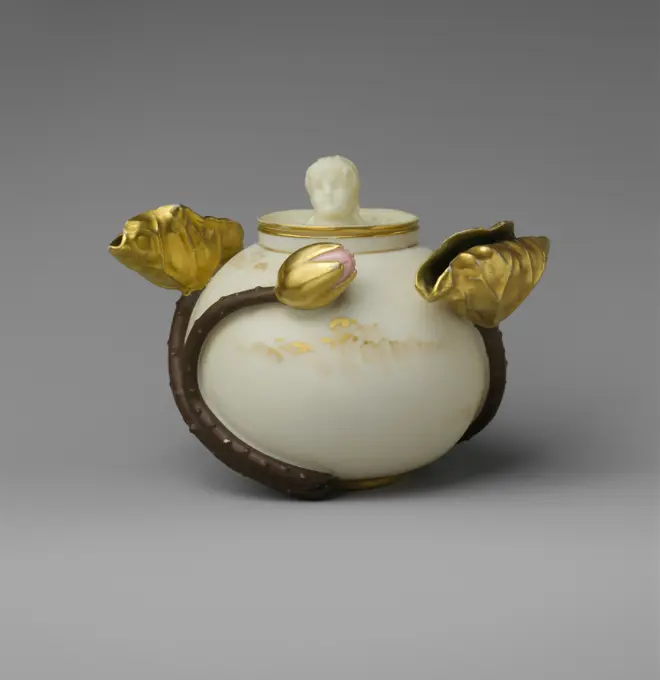
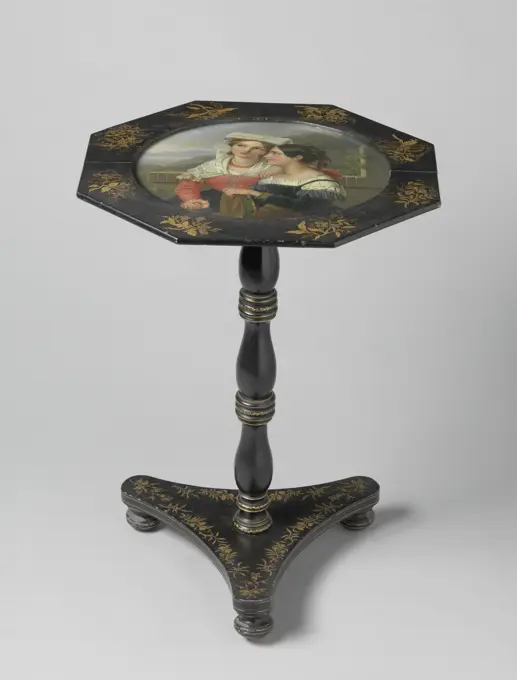
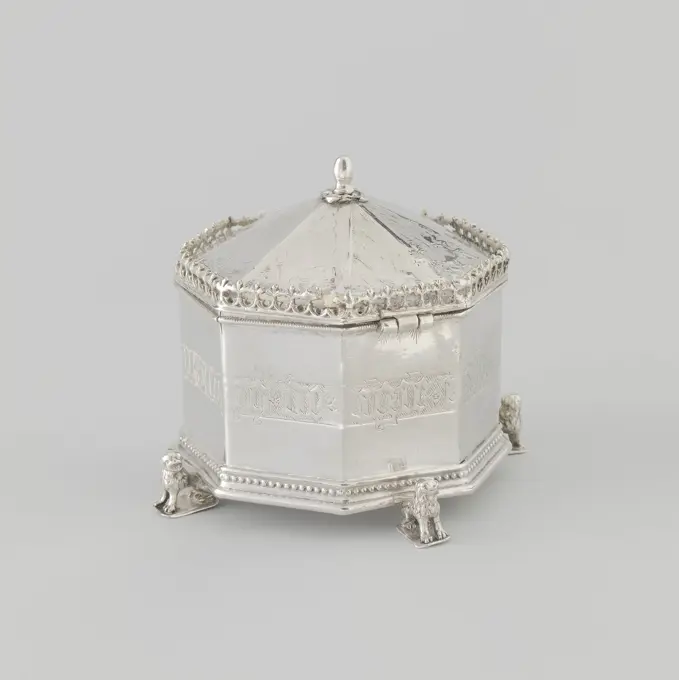
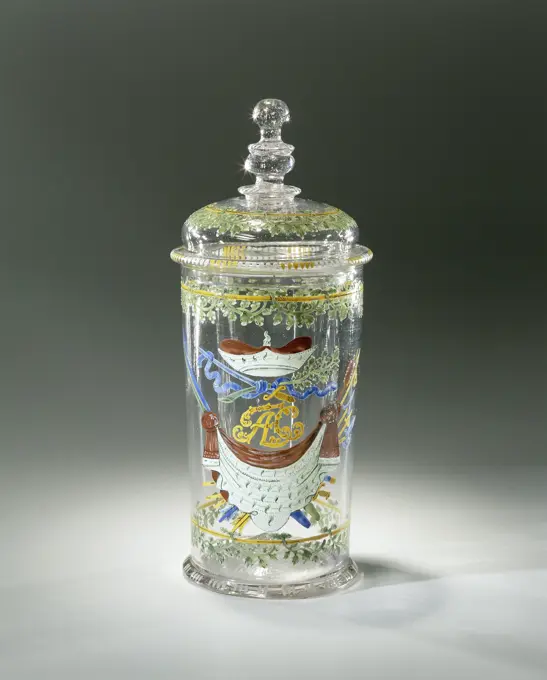
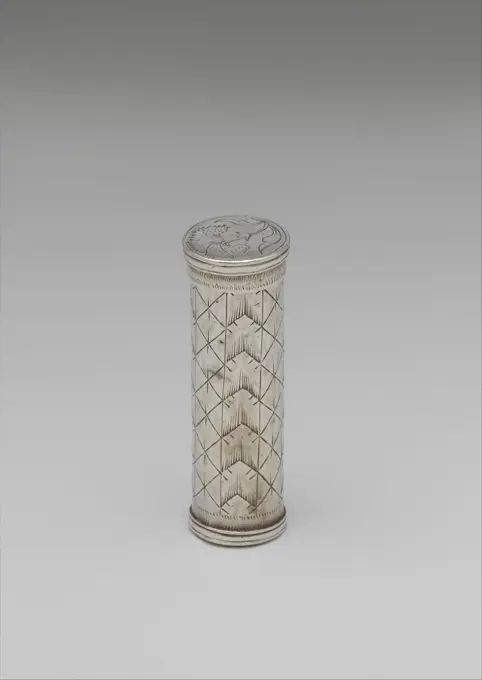
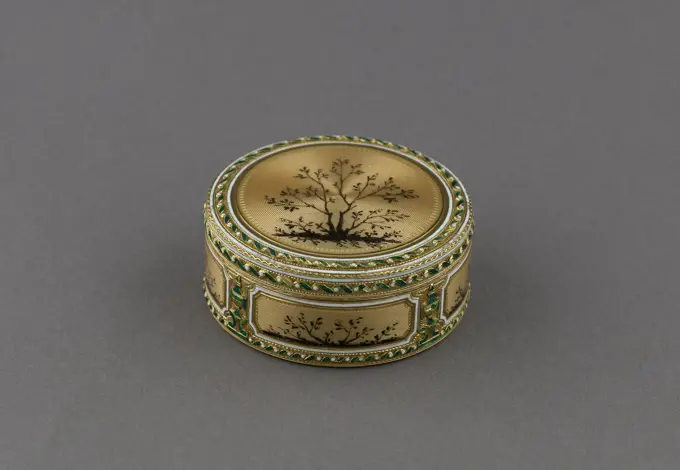
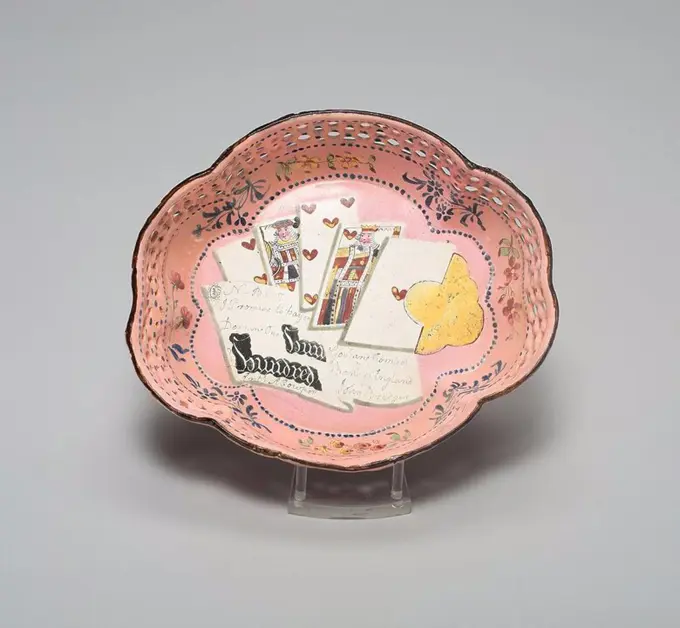
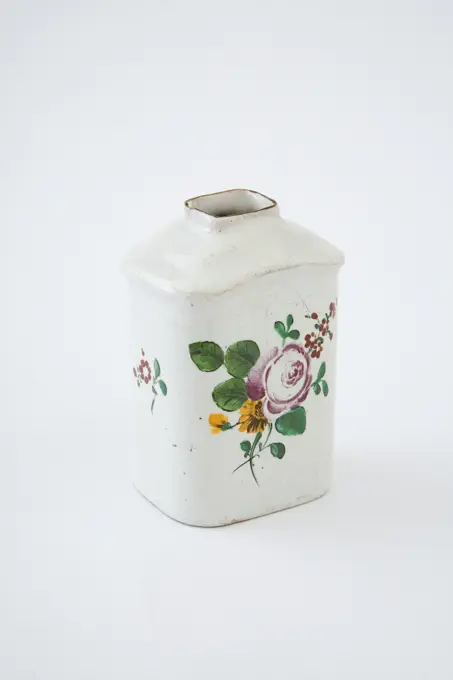
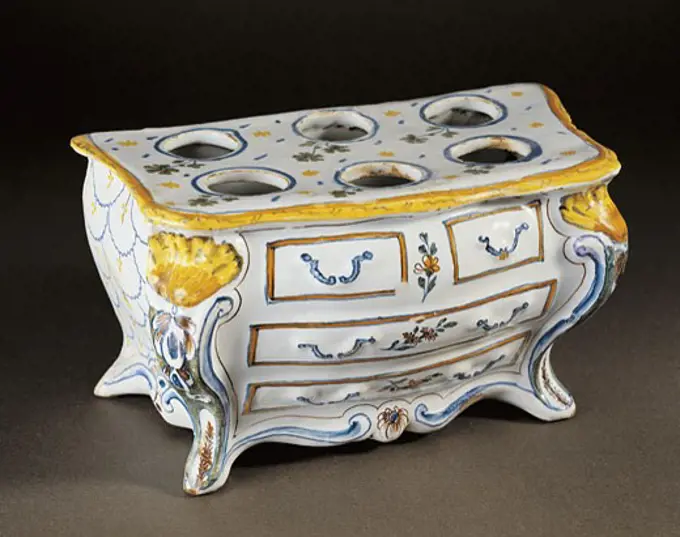
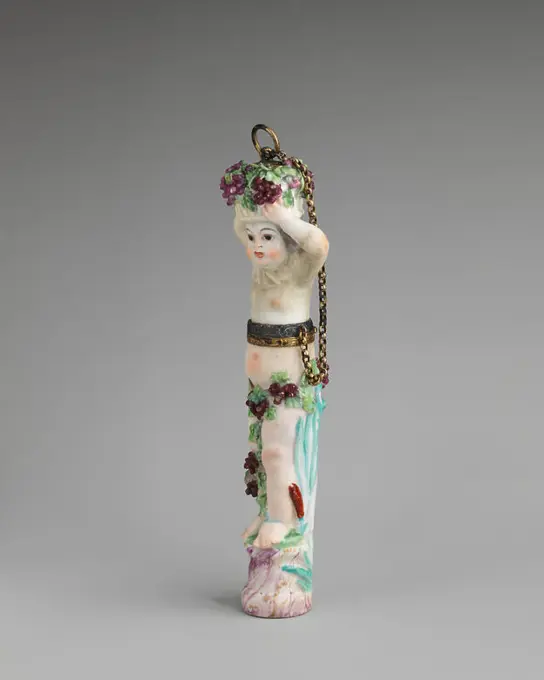
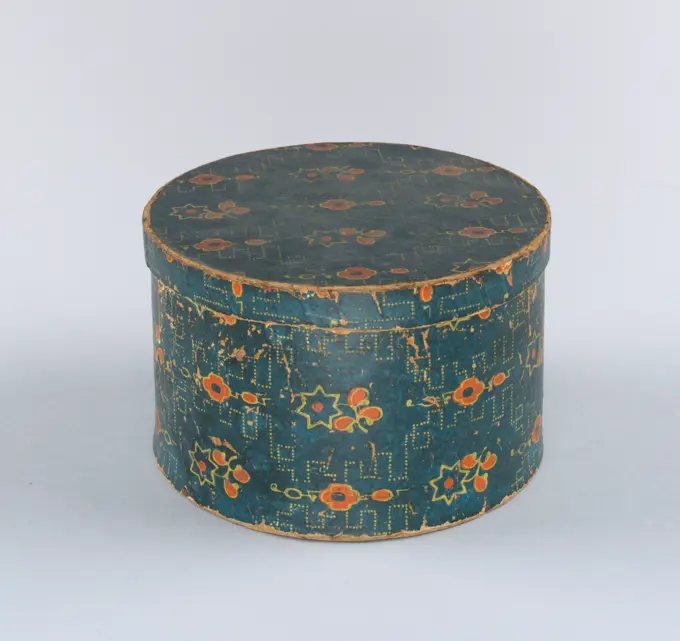
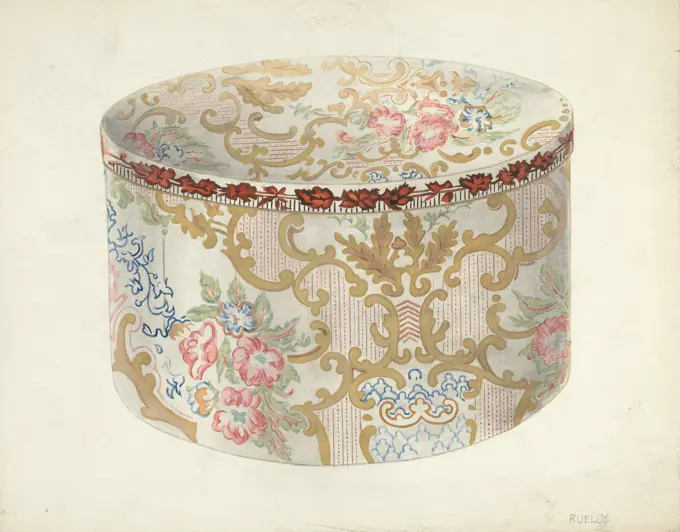
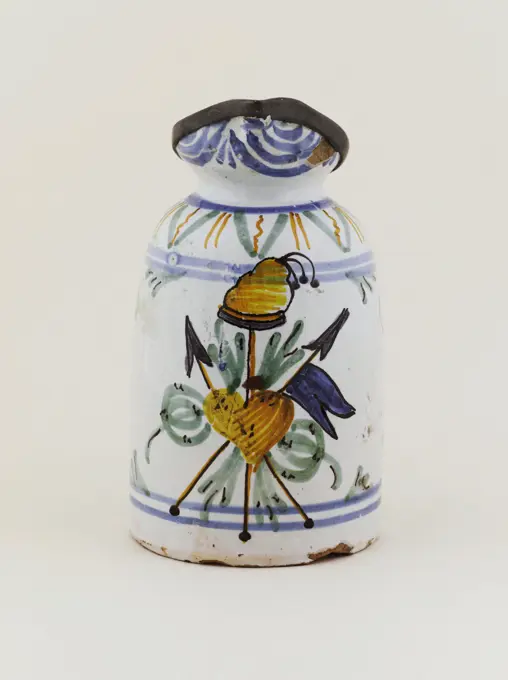
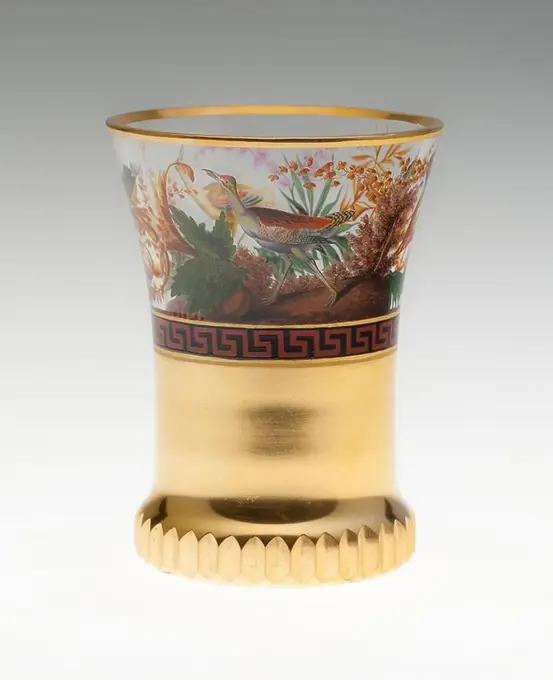
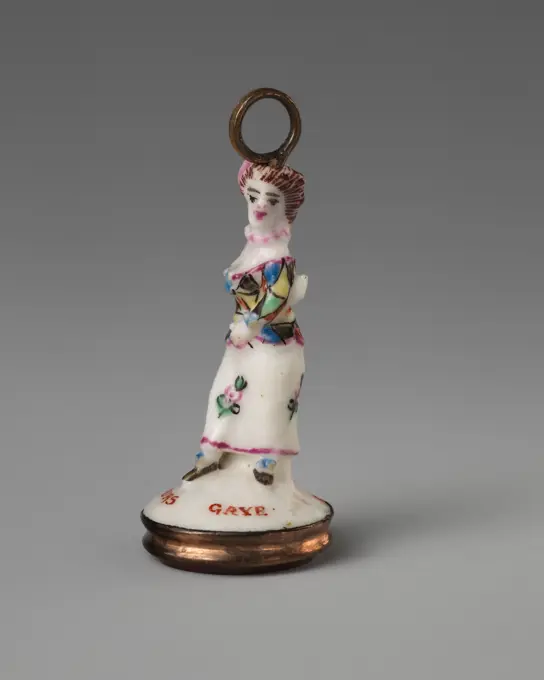
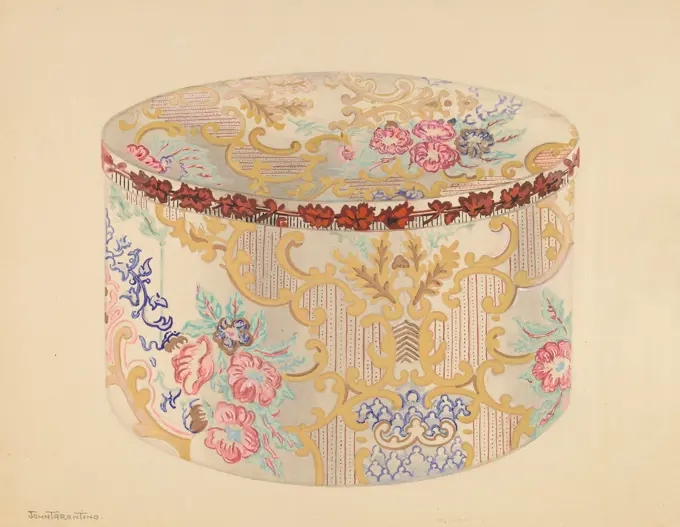
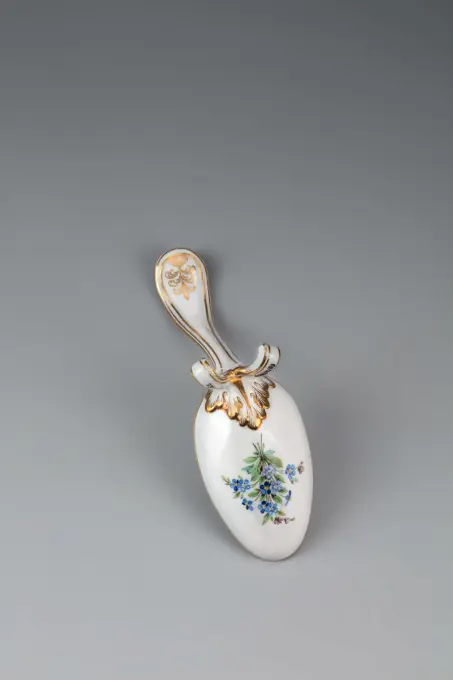
Botersloot lid. Botervot lidUnknown (n. - d.), Covered vase tray. Ceramics, porcelain, moufle fire enamels. Petit Palais, Museum of Fine Arts of the City of Paris.Covered Jar With Hoo-Birds in panels on a ground of Lotus and Floral scrolls. Porcelain lid pot, painted in underglaze blue and on the glaze red, black and gold. On the outer wall flower drinks with a lotus drink and a cartouche with a hay-bird alternately. A tire with pointed leaf motifs around the foot. The lid with the same decoration; Lid knob in the shape of a rooster on a rock. Imari.Tea caddy with a crowned, illegible monogram surrounded by two flower sprays, anonymous, c. 1750 - c. 1774 Porcelain tea lobe with four times lobed wall and edge and four short feet, painted on the glaze in blue, red, pink, green, yellow, black and gold. On the outer wall a crowned, unreadable monogram surrounded by two flower branches; Between the monograms of flower vines with a cartouche with a landscape and four medallions with plants. On the shoulder a band with flower vines. The lid button in the form of a shishi (lion dog); On the lid of flower vines and cartouches with landscapes or flower branches. A baking tear in the edge. European performance in email colors. China porcelain. glaze. gold (metal) painting / gilding / vitrification Porcelain tea lobe with four times lobed wall and edge and four short feet, painted on the glaze in blue, red, pink, green, yellow, black and gold. On the outer wall a crowned, unreadable monogram surrounded by two flower branches; Between the mono. Rectangular incense box of stoneware, painted on the glaze in blue, red, green, black and gold. On the walls a continuous band with peekanjers (Nadeshiko). A lobed window around the rectangular lid; The lid knob with a stylized flower. Satsuma.Vase with a lid Höroldt, Johann Gregorius, Mi Nia (Meissen)Square bottle with flowering plants and birds, anonymous, c. 1700 - c. 1724 Square bottle of porcelain with a short, narrow, spreading neck, painted on the glaze in blue, red, green, black and gold. On two sides a peony and prunus at a rock with a Hoo bird; On the other two sides a flowering plant and two birds. On the shoulder flower branches and a chrysanan drink. The neck with two flower branches. Arita, Kakiemon style. Japan porcelain. glaze. gold (metal) painting / gilding / vitrification Square bottle of porcelain with a short, narrow, spreading neck, painted on the glaze in blue, red, green, black and gold. On two sides a peony and prunus at a rock with a Hoo bird; On the other two sides a flowering plant and two birds. On the shoulder flower branches and a chrysanan drink. The neck with two flower branches. Arita, Kakiemon style. Japan porcelain. glaze. gold (metal) painting / gilding / vitrificationMustard pot 18th century Worcester factory. Mustard pot. British, Worchester. 18th century. Soft-paste porcelain. Worcester factory (British, 1751-2008). Ceramics-PorcelainIncense box with flowering plants, anonymous, anonymous, c. 1860 - c. 1880 Rectangular incense box of stoneware, painted on the glaze in blue, red, green, black and gold. On the walls a continuous bond with beautifulanjers (Nadeshiko). A lobed window around the rectangular lid button; The lid button with a stylized flower. Satsuma. Japan stoneware. glaze. gold (metal) painting / gilding / vitrification Rectangular incense box of stoneware, painted on the glaze in blue, red, green, black and gold. On the walls a continuous bond with beautifulanjers (Nadeshiko). A lobed window around the rectangular lid button; The lid button with a stylized flower. Satsuma. Japan stoneware. glaze. gold (metal) painting / gilding / vitrificationFaïence ink set of multicolored painted faïence. Pen holder of ink set.Milk; Manufacture de Porcelaine (Vincennes; 1740-1756); 3 18th century (1750-00-00-1780-00-00);Flower decorations, landscapes, solitaireSnuffbox ca. 1770 British, South Staffordshire Listen to experts illuminate this artwork's story Listen Play or pause #413. Retail Value. High and Low Supported by Bloomberg Philanthropies We're sorry, the transcript for this audio track is not available at this time. We are working to make it available as soon as possible.. Snuffbox. British, South Staffordshire. ca. 1770. Enameled copper. Enamels-PaintedBowl with Eight Immortals China. Bowl with Eight Immortals 51069Tea Caddy. Meissen Porcelain Manufactory (Germany, Meissen, founded 1710)Johann Gregor Heroldt (Germany, 1696-1775). Germany, circa 1735. Furnishings; Serviceware. PorcelainCandlestick, multicolored painted with a kakiemon decor, meissener porzellan manufaktur, c. 1740 - c. 1745 Candlestick of painted porcelain. The candlestick has a round, scalloped foot with a profiled trunk with two nodes. The 'Altbrandenstein' pattern is painted on the candle holder and the foot edge. On the foot, a tiger is painted around a bamboo stalk in flowers. The candlestick is marked. Float porcelain Candlestick of painted porcelain. The candlestick has a round, scalloped foot with a profiled trunk with two nodes. The 'Altbrandenstein' pattern is painted on the candle holder and the foot edge. On the foot, a tiger is painted around a bamboo stalk in flowers. The candlestick is marked. Float porcelainScent bottle and lid, Enameled and gilt glass, White glass scent bottle with an undulating form and very decorative lid with pointed knob. Lower section of bottle has a floral pattern around the bottom. Very bottom of bottle has repeating clear circles outlined in gold, which is repeated on the top and lid of the bottle. Part of a set., Bohemia, ca. 1870, glasswares, Decorative Arts, Scent bottle and lidSet of hexagonal stacked boxes Japan (Ryky Islands) 18th century View more. Set of hexagonal stacked boxes. Japan (Ryky Islands). 18th century. Black lacquer with mother-of-pearl inlay. LacquerCandlestick, Meissener porcelain manufactory, 1727 Candlestick of painted porcelain. The round foot has four volute -shaped legs between which a plastic symmetrical ornament and a dolphin. The tribe consists of a female figure that Torst, decorated with Lambrekijns, Torst. Four Höroldt chinoiseries have been painted closely and a running Höroldt chinoiserie on the candle holder. The candlestick is not marked. Float porcelain Candlestick of painted porcelain. The round foot has four volute -shaped legs between which a plastic symmetrical ornament and a dolphin. The tribe consists of a female figure that Torst, decorated with Lambrekijns, Torst. Four Höroldt chinoiseries have been painted closely and a running Höroldt chinoiserie on the candle holder. The candlestick is not marked. Float porcelainCovered Jar With Hoo-Birds in panels on a ground of Lotus and Floral scrolls. Porcelain lid, painted in underglaze blue and on the glaze red, black and gold. On the outer wall flower drinks with a lotus drink and a cartouche with a hay-bird alternately. Around the button a tire with pointed leaf motifs. Lid knob in the shape of a rooster on a rock. Imari.Covered Box Decorated with Shiva, Vishnu, Krishna, and Ganesa, 1700s-1800s. India, Jaipur, 18th-19th Century. Gold with enamel; overall: 4.5 x 6.3 cm (1 3/4 x 2 1/2 in.).Bekervaas, part of a cupboard set. Vase of multicolored painted faïence. The vase is painted with four compartments. In two compartments a vase with two S-shaped handles, standing on a 3-legged pedestal and filled with flowers. In the other two compartments, a pot with lid on a three-legged pedestal, above which a Fenix is painted. The vase has been marked and is part of a couple.Square Brushpelen With Fish, Flower Sprays and Landscapes in Panel Decoration. Square brush pot of porcelain on plinth, painted on the glaze in blue, red, green, yellow, eggplant and black. The pot is covered with blooming plants against a black speckled green ground with two cartouches with a bird on a prunus branch and a lotus plant; bamboo at a rock and fishermen; a Qilin in a landscape and three squirrels on a och roof; a figure on a boat in a river landscape and a fish; The plinth with meander pattern. Famille Verte.. Rectangular golden snuff box, with on the lid and on the sides of flower bouquets in email. On the inside of the lid a painted family portrait.Pot with a stand Matejko, Stefan Witold (1872 1933), J. Nieg Wiecki, Kraków D BnikiPeacock. Culture: British, Chelsea. Dimensions: 3 1/2 × 1 5/8 in. (8.9 × 4.1 cm). Factory: Chelsea Porcelain Manufactory (British, 1745-1784, Red Anchor Period, ca. 1753-58). Date: ca. 1755. Museum: Metropolitan Museum of Art, New York, USA.Pair Of Covered Jars (France); Manufactured by Mennecy Porcelain Manufactory (France); soft-paste porcelain; a) H x W: 12.1 × 11.2 cm (4 3/4 × 4 7/16 in.) (lid) H x W: 4.3 × 6.1 cm (1 11/16 × 2 3/8 in.) d) H x W: 12.2 × 11.5 cm (4 13/16 × 4 1/2 in.) (lid) H x W: 4.5 × 6.2 cm (1 3/4 × 2 7/16 in.); 1921-25-1-a/dLid of hexagonal tea bus, painted enamel. Lid with painted enamel.Standing cup (coupe Chenavard). Culture: French, Sèvres. Designer: Watercolor design sketch by Aimé Chenavard (French). Dimensions: Height: 12 7/8 in. (32.7 cm); Diameter: 13 1/8 in. (33.3 cm). Manufactory: Sèvres Manufactory (French, 1740-present). Modeler: Plaster model by Hyacinthe Régnier (French, active 1825-63). Date: 1837.The Sevres factory developed this model of standing cup in 1836 and named it after its designer, Aimé Chenavard. Both its form and its decoration refer directly to French Renaissance metalwork and ceramics, and indeed one of the first coupes Chenavard produced was described in factory records as "a goblet in the 16th century style." The low-relief interlace patterns of the coupe are derived from those found on a type of French Renaissance pottery known as Saint-Porchaire ware. The first piece of Saint- Porchaire pottery to be identified as dating to the sixteenth century was sold at auction in Paris in 1837. It has been suggested that the then director of the Needle case, Meissener Porzellan Manufaktur (attributed to), c. 1760 Discounted case of painted porcelain. The tube is painted with figures within purple cartouches. Both parts are connected by a copper insert with a golden band. The tube is not marked. Messen (POSSIBLY) porcelain. copper (metal). gold (metal) Discounted case of painted porcelain. The tube is painted with figures within purple cartouches. Both parts are connected by a copper insert with a golden band. The tube is not marked. Messen (POSSIBLY) porcelain. copper (metal). gold (metal)Pilgrim flask with Willem III on horseback. Pilgrim flask from stoneware. Circular, flat on one side, on the other bulb and with 4 ears on the sides for the carrying strap. Decorated with flower drinks on a blue ground. In the middle a medallion in which embossed Willem III on a triggering horse.Germain Lévêque (master in 1720). "Golden snore, decorated with flowers and exotic fruits in translucent enamel on chiseled gold", 1744-1745. Paris, Cognacq-Jay museum. This box, decorated with rare trees, flowers and fruits, illustrates the vogue for exoticism. A desired range of enamels, emerald colors, Lapis-Lazulis, brown or purple, sometimes speckled, is applied to the background of gold. In a concern for naturalism, the veins of the leaves as well as the ribs and the fruits of fruit, were chiselled before receiving the enamel layer. CHISELED, DECOR, DECORATED, EMAIL, ENAMEL, EXOTIC FRUIT, FLEUR, FRUIT EXOTIQUE, Flower, OR, OR CISELE, SNUFFBOX, Scenic, TABATIERE, TRANSLUCENT, TRANSLUCIDE, goldSugar bowl of earthenware with black -covering glaze, anonymous, c. 1740 - c. 1770 Bulb -shaped sugar bowl of earthenware with black -covering glaze. The pot has a wide, bent edge. The pot is decorated in relief with a wingerdrank and leaf work, which is gilded in a few places on the glaze. Staffordshire earthenware Bulb -shaped sugar bowl of earthenware with black -covering glaze. The pot has a wide, bent edge. The pot is decorated in relief with a wingerdrank and leaf work, which is gilded in a few places on the glaze. Staffordshire earthenwareTea Service, Manufactuur Oud-Loosdrecht, c. 1774 - c. 1778 Porcelain tea. Rectangular, with a rounded shoulder. On the lid a fruit on branch, as a button. Painted in sepia with figures in a landscape. Along the edges a lilac fries between golden piping. Loosdrecht porcelain Porcelain tea. Rectangular, with a rounded shoulder. On the lid a fruit on branch, as a button. Painted in sepia with figures in a landscape. Along the edges a lilac fries between golden piping. Loosdrecht porcelainTeabus of hard baked earthenware, creamware, anonymous, c. 1790 - c. 1810 Tea bus of hard baked earthenware, from a children's service. The Tea bus is Cylindrian. The edge of the bus are decorated with a green radiating edge. England earthenware Tea bus of hard baked earthenware, from a children's service. The Tea bus is Cylindrian. The edge of the bus are decorated with a green radiating edge. England earthenwareVase;  around 1900 (1895-00-00-1905-00-00);Snuffbox ca. 1760-80 British, Staffordshire. Snuffbox. British, Staffordshire. ca. 1760-80. Copper, enamel. Enamels-PaintedInk stand. Ansbach or Fürstenbergpainted decoration: possibly Porseleinfabriek Den Haag, c. 1777-1790hard-paste porcelainVase with Porcelain Flower Appliqués, porcelain, vitreous enamel, gold, England, ca. 1840-60, ceramics, Decorative Arts, vase, vaseBottle with fish blowing, birds and flowers, anonymous, c. 1850 - c. 1900 Flat stump, oval, bounded body, facet cut in the middle, fish blowing, birds, flowers and leaf ornament. Small, flat stop of glass. The neck caught in a frame of gold with a high, round lid, engraved with flower vines. Bohemia Glass. frame: Gold (Metal) glassblowing / grinding Flat stump, oval, bounded body, facet cut in the middle, fish blowing, birds, flowers and leaf ornament. Small, flat stop of glass. The neck caught in a frame of gold with a high, round lid, engraved with flower vines. Bohemia Glass. frame: Gold (Metal) glassblowing / grindingUnknown (n. - d.), Cornet vase (common name). Porcelain, polychrome enamels of canton. Petit Palais, Museum of Fine Arts of the City of Paris.Cup with handle with the arms of the Van Isselmuden and Van Haersolte family, anonymous, c. 1746 - c. 1750 Porcelain ear head, painted on the glaze in blue, red, pink, green, yellow, black and gold. On the outer wall the coat of arms of the Isselmuden and Van Haersolte families. The weapon to the right of the Isselmuden family has a twill with three common swifts on a red background. The coat of arms to the left of the Haersolte family has three twigs in a golden background. The helmet sign consists of a crown with a man's head underneath and a basket above it. The weapons are surrounded by a multicolored decoration with two columns, a vase with flowers and other plants. The whole is supported by two Adelaren. On the outskirts a European bond with shell motifs and ranks. A chip in the edge. Weapon porcelain with email colors. China porcelain. glaze. gold (metal) painting / gilding / vitrification Porcelain ear head, painted on the glaze in blue, red, pink, green, yellow, black and goldFour-sided bottle. unknown, craftsmanBoy hunter ca. 1765 Chelsea Porcelain Manufactory. Boy hunter. British, Chelsea. ca. 1765. Soft-paste porcelain. Chelsea Porcelain Manufactory (British, 1745-1784, Gold Anchor Period, 1759-69). Ceramics-PorcelainCovered wine pot or teapot 1662-1722 Chinese. Covered wine pot or teapot 460683INRO, Migita ToshiHide, 1725-1825 Five -part inro decorated with flowers and a bird in gold lacquer and insert. Signed "Toshihide". Japan wood (plant material). lacquer (coating) Five -part inro decorated with flowers and a bird in gold lacquer and insert. Signed "Toshihide". Japan wood (plant material). lacquer (coating)Teapot (usage name). 1800. CERUNUSCHI Museum, Musée des Arts de l'Asie in the city of Paris.. Snuff box, oval, from battery lymail, with a decoration of a vase motif between two rose buttons on the vaulted lid.. Five part inro with a decor of hills and ahorn trees in gold, silver and red. Signed "Nishikawa Yasunobu".Drum, c. 1825 - c. 1832 musical instrument. percussion instrument. drum Drum of brass with wooden top and bottom edge, red, white and blue points. With engraved numbers A / 133. Netherlands copper (metal). wood (plant material)Snuffer with flirts;  after. 18th century (1750-00-00-1750-00-00);Bukowski, Henryk (1839-1900) - collection, Polish National Museum (Rapperswil - 1870-1927) - collections, Rapperswil (Switzerland), Fete Galante, Rococo (Style)Covered Potpourri Jar 1883-90 Ott and Brewer The potpourri jar incorporated an eclectic mix of stylistic references typical of the period in which it was made. The cover is pierced and decorated in gold in an Islamic pattern; the sponged gold clouds and applied lotus blossoms are Japanesque.. Covered Potpourri Jar 14362Walking stick button with painting in blue. Walking stick of porcelain, painted in underglaze blue with floor motifs standing on the wall and on top of a vase with flowers.Incense container with lid 19th century Japan. Incense container with lid. Japan. 19th century. Stoneware with polychrome enamels. late Edo period (1615-1868). CeramicsTable with folding leaf, c. 1830 - c. 1845 Table, lacquered in Japanese style, inlaid with round painting of two women to the painting by Cornelis Kruseman, 'one of sentence' (SK-A-1070). Netherlands wood (plant material). oil paint (paint) lacquering / painting Table, lacquered in Japanese style, inlaid with round painting of two women to the painting by Cornelis Kruseman, 'one of sentence' (SK-A-1070). Netherlands wood (plant material). oil paint (paint) lacquering / paintingInkstand with Candleholder. Sèvres Manufactory (French, founded 1756)Communion host container or pyx, anonymous, 1495 Pyxis of silver. Eighty -sided and supportive on four lions. Along the lid an open work edge of Fleurons. The lid is decorated with engraving work. The Hague silver (metal) Pyxis of silver. Eighty -sided and supportive on four lions. Along the lid an open work edge of Fleurons. The lid is decorated with engraving work. The Hague silver (metal)Container for Tobacco of Snuff. Chantilly Porcelain Manufactory (France, Chantilly, circa 1730 - 1805). France, Chantilly, circa 1750. Furnishings; Serviceware. Soft-paste porcelain with glaze, enamel, and silver mountsCourt cellar MET DEKEL EN Monogram Fac, Anonymous, c. 1704 - c. 1709 Insented soil, smooth, set stand ring, cylindrical body. Vaulted lid with overhanging edge and composite button. On the body the Hermelines Elector Mantel stopped by Weapons and Standard, the Monogram Fac for Friedrich August Churfürst, a sword and Lauertak, above that a judge hat. The position ring decorated with stripes; Along the lower and upper edge and on the lid a narrow yellow piping wounded with climbing profits. Dresden glass glassblowing Insented soil, smooth, set stand ring, cylindrical body. Vaulted lid with overhanging edge and composite button. On the body the Hermelines Elector Mantel stopped by Weapons and Standard, the Monogram Fac for Friedrich August Churfürst, a sword and Lauertak, above that a judge hat. The position ring decorated with stripes; Along the lower and upper edge and on the lid a narrow yellow piping wounded with climbing profits. Dresden glass glassblowingNutmeg Grater 1705-10 William Cowell Sr.. Nutmeg Grater. American. 1705-10. Silver, steel. Made in Boston, Massachusetts, United StatesFlower holder of Faïence, painted multi-colored with spreader flowers. Flower holder of Faïence. Many color painted with spreader flowers. With accompanying perforated plate.Round box in chopped gold and guilloche with an enameled decor imitating the herbal agate. Anonymous Swiss. Paris, Cognacq-Jay museum. 35592-1 Agate, box, chisel, decor, emaille, guilloche, herbalized, imitation, gold, roundBandbox (USA); block-printed paper on pasteboard supportVase Mounted as Ewer, porcelain, vitreous enamel, gold, Baluster-shaped vase with ormolu mounts in shape of ewer. Interior scene with figures, animals, porcelains and flowers in overglaze enamel in 'famille rose' colors., China (vase), France (mounts), mid-18th century, ceramics, Decorative Arts, ewer, ewerCounter Tray. South Staffordshire, England. Date: 1785-1795. Dimensions: 3.2 x 13.3 x 11.1 cm (1 1/4 x 5 1/4 x 4 3/8 in.). Polychrome enamel on copper. Origin: South Staffordshire. Museum: The Chicago Art Institute, Chicago, USA.Vessel Bia And undergroundClose-up of a flower pot, Nevers, FranceBOTE DECORADO CON UN DONCEL Y UNA DAMA - MANISES - SIGLO XV. Location: INSTITUTO VALENCIA DE DON JUAN-COLECCION. MADRID. SPAIN.Infant Bacchus. Culture: British, Chelsea. Dimensions: Height: 4 7/8 in. (12.4 cm). Factory: Chelsea Porcelain Manufactory (British, 1745-1784, Transitional (Brown Anchor) Period, ca. 1758-1759). Date: ca. 1755. Museum: Metropolitan Museum of Art, New York, USA.Cruet Stand, c. 1790 - 1810 . Southern France, late 18th - early 19th century . Faience; overall: 7.7 x 18.5 x 14 cm (3 1/16 x 7 5/16 x 5 1/2 in.).Cupid on a donkey ca. 1765 Chelsea Porcelain Manufactory. Cupid on a donkey. British, Chelsea. ca. 1765. Soft-paste porcelain. Chelsea Porcelain Manufactory (British, 1745-1784, Gold Anchor Period, 1759-69). Ceramics-PorcelainPedestan of Inktstel, Theodorus Gerardus Bentvelt, 1824 Feds of ink set with two silver lids of the barrel -shaped jars. The rectangular leaves with rounded corners rest on four printed spherical, ribbed legs. The wall is made up of a straight, ribbed strap and a smooth vaulted part, along which a cable edge runs at the top. On the raised central part of the leaf are three cylindrical, low holders with profiled lower and upper edge. Three tons -shaped jars of colorless glass fit in, decorated with a sharpened diamond pattern. The middle jar has a fixed silver lid, in which a pattern is sawn from a stylized flower surrounded by stars. A smooth, silver ring is mounted on the neck of the other two, on which a silver lid fits. This has a straight wall with a profile edge at the bottom and a cable edge at the top, and a slightly vaulted top. The middle jar is intended for sand; The other two for ink. The three holders are secured by means of a long pin under the bottom of the leaf. Around tTable Bell. Meissen Porcelain Manufactory (Germany, Meissen, founded 1710)Johann Gregor Heroldt (style of) (Germany, 1696-1775). Germany, Saxony, Meissen, circa 1740. Tools and Equipment; musical instruments. Porcelain with enamel and gildingESPECIERO O TINTERO POLICROMADO Y VIDRIADO. Location: MUSEO RUIZ DE LUNA. TALAVERA DE LA REINA. Toledo. SPAIN.Terracotta pyxis (box) ca. 550 B.C. Related to the Painter of Munich 1842 Around the box, warriors armingOn the lid, athletesThis engaging little box is decorated with rapidly executed images of warriors putting on their greaves (shin guards) while their spears and shields are held by female members of the household. Greaves and ankle guards were hammered from sheet bronze and retained considerable tensile strength, allowing them to be snapped onto the raised leg.. Terracotta pyxis (box). Greek, Attic. ca. 550 B.C.. Terracotta; black-figure. Archaic. VasesInkwell , 1825-1850. England or America, 19th century. Gilt bronze and glass; overall: 7 x 24.8 x 13.4 cm (2 3/4 x 9 3/4 x 5 1/4 in.).Vase; Ôta, Jinnoei (Fl. Ca 1870-1920); around 1900-1910 (1885-00-00-1910-00-00);Wooden inlaid vase, China. Chinese Civilisation, Ming dynasty, Wan Li reign, 17th century.. Salt barrel of painted porcelain. The salt barrel has the shape of a shell with a scalloped edge and stands on three volutely legs. The salt barrel is painted with Deutsche Blumen, insects and fruits. The edge is decorated with the Neuozier pattern in relief. The salt barrel is marked and belongs to a tableware (BK-17474-1 to BK-17474-253).Incense Burner 19th century Japan. Incense Burner. Japan. 19th century. Clay decorated with polychrome enamels (Awata ware). Edo (1615-1868) or Meiji period (1868-1912). CeramicsIncense burner with a cover in the shape of a mountain, anonymous, c. 0 - c. 199 Incense burner (grave gift) of earthenware on three feet, covered with a green glaze. On the wall of the pot a band in relief with a mountain landscape. China earthenware. glaze vitrification Incense burner (grave gift) of earthenware on three feet, covered with a green glaze. On the wall of the pot a band in relief with a mountain landscape. China earthenware. glaze vitrificationAbstract Christmas Tree Spoon Reflexion Confetti Stars Unknown (n. - d.), Inkwell with two buckets (title of the whole) Ceramic, great fire earthenware, polychrome enamels. Petit Palais, Museum of Fine Arts of the City of Paris.Box with Cover, c. 1750. Olerys Factory (French). Faience encased with burled wood; diameter: 12 cm (4 3/4 in.); overall: 5.8 cm (2 5/16 in.).JARRA DE CERAMICA DE TALAVERA DE LA REINA. Location: MUSEE D'ARTS DECORATIFS. MADRID. SPAIN.Bandbox (USA); block-printed paper, pasteboard, wood, wool; 17 x 17 x 10.5 cm (6 11/16 x 6 11/16 x 4 1/8 in.)Eleanor Ruelos, Bandbox, 1935 1942 BandboxBrush back of multi-colored painted faïence. Faïence brush back. Multicolor painted with flower branches. With bristles.Kałarz; unpredictable Lona Manufaktura; 2. PO. 18th century (1751-00-00-1800-00-00);floral decorations, inkwellsAnonymous. Pichet at the Bonnet de la Liberté. Earthenware. . Paris, Carnavalet museum. 72437-43 Phrygian cap, heart, painted decor, re -realizational faience, freedom, object, pitcher, prick, revolution 1789, French revolution, daily life, 18th 18th 18th 18th centuryBeaker. In the style of Anton Kothgasser; Austrian, 1769-1851; Vienna, Austria. Date: 1825-1835. Dimensions: 10.6 x 9.1 cm (4 3/16 x 3 9/16 in.). Glass; colorless, cut, transparent enamels and gilding. Origin: Vienna. Museum: The Chicago Art Institute, Chicago, USA.Sea -lobe dish from email with a performance by Maria with child, Jean Limosin (Circle of), c. 1600 - c. 1650 Sea -lobe dish decorated with email. In the middle in Grisaille against a black background Maria with child. The sea lobby, raised edge is decorated with leaf vines and flowers in the colors yellow, red and blue. Limoges gilding (material). copper (metal) gilding Sea -lobe dish decorated with email. In the middle in Grisaille against a black background Maria with child. The sea lobby, raised edge is decorated with leaf vines and flowers in the colors yellow, red and blue. Limoges gilding (material). copper (metal) gildingBean-Shaped Pillow with Peony Scrolls 1100-1127 China. Cizhou ware; stoneware, slip-coated, with underglaze sgraffito (cut-slip) decoration .Condiment Dish. Culture: American. Dimensions: 4 7/8 x 4 in. (12.4 x 10.2 cm). Maker: Union Porcelain Works (1863-ca. 1922). Date: 1885.Union Porcelain Works was one of the most important and inventive American porcelain manufacturers in the second-half of the nineteenth century. In addition to their imaginative works designed by the German-born artistic director, Karl H. L. Müller, the firm's mainstay was the production of heavy porcelain hotel dinnerware. This extensive service was made by Thomas Carll Smith, head of the Union Porcelain Works, as a gift to his daughter, Pastora Forest Smith Chace. The neoclassical decoration of the gilt bellflower and basket motif is complimented by turquoise enamel. Unlike the firm's more eccentric and lavish designs created for their display at the Philadelphia Centennial Exposition in 1876, the pottery favored a more restrained classical style for their dinner services. This service descended in the Chace family. Museum: Metropolitan Museum of ArColumbine ca. 1755 Saint James's Factory. Columbine. British, London. ca. 1755. Soft-paste porcelain. Ceramics-PorcelainJohn Tarantino, Bandbox, c 1937 BandboxMedicine spoon. Kaiserliche Porzellanmanufaktur in Wien (1744-1864), factoryScent bottle ca. 1760 Chelsea Porcelain Manufactory. Scent bottle. British, Chelsea. ca. 1760. Soft-paste porcelain. Chelsea Porcelain Manufactory (British, 1745-1784, Red Anchor Period, ca. 1753-58). Ceramics-PorcelainFangding crane with a cover;  19th century (1801-00-00-1900-00-00);Vase with cover (vase à bandes) (one of a pair). Artist: After engravings by Louis Crépy (French); Based on a composition by Antoine Watteau (French, Valenciennes 1684-1721 Nogent-sur-Marne). Culture: French, Sèvres. Decorator: Gilded by Henry-Martin Prévost (French, active 1757-97); Figures by Charles Nicolas Dodin (French, Versailles 1734-1803 Sèvres). Dimensions: H. 12 15/16 in. (32.9 cm.). Factory: Sèvres Manufactory (French, 1740-present). Date: ca. 1770-75.The bucolic scenes on the front of these vases (see also 58.75.68a, b) are after compositions by the French painter Jean-Antoine Watteau (1684-1721). Engraved together on one copper plate by Louis Crépy in 1729, L'heureux moment (the happy moment) and Le berger content (the content shepherd) were, as a result, printed on the same sheet of paper and often used as a pair.Jeffrey H. Munger, 2006. Museum: Metropolitan Museum of Art, New York, USA.Bird on tree trunk from Faience, Anonymous, c. 1750 - c. 1780 Bird on Faience tree trunk. Multicolored painted. Delft . Bird on Faience tree trunk. Multicolored painted. Delft .