Decorative Ceramics and Porcelain

A collection of ornate porcelain containers and trays featuring vibrant colors, intricate designs, and decorative motifs showcasing traditional craftsmanship.

Square bottle with flowering plants and birds, anonymous, c. 1700 - c. 1724 Square bottle of porcelain with a short, narrow, spreading neck, painted on the glaze in blue, red, green, black and gold. On two sides a peony and prunus at a rock with a Hoo bird; On the other two sides a flowering plant and two birds. On the shoulder flower branches and a chrysanan drink. The neck with two flower branches. Arita, Kakiemon style. Japan porcelain. glaze. gold (metal) painting / gilding / vitrification Square bottle of porcelain with a short, narrow, spreading neck, painted on the glaze in blue, red, green, black and gold. On two sides a peony and prunus at a rock with a Hoo bird; On the other two sides a flowering plant and two birds. On the shoulder flower branches and a chrysanan drink. The neck with two flower branches. Arita, Kakiemon style. Japan porcelain. glaze. gold (metal) painting / gilding / vitrification
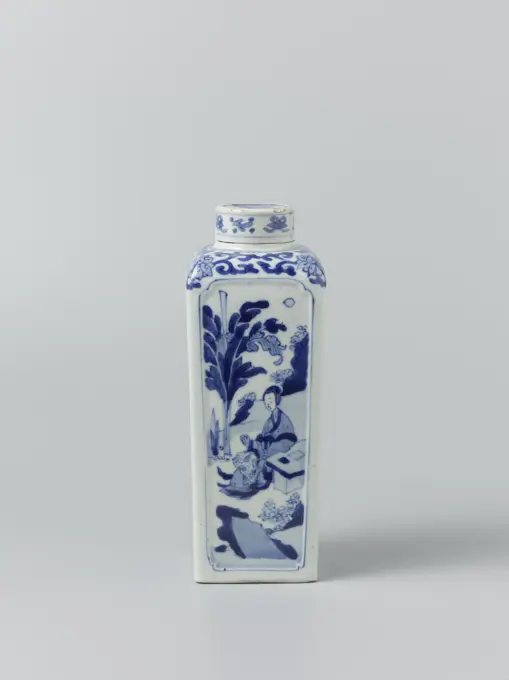
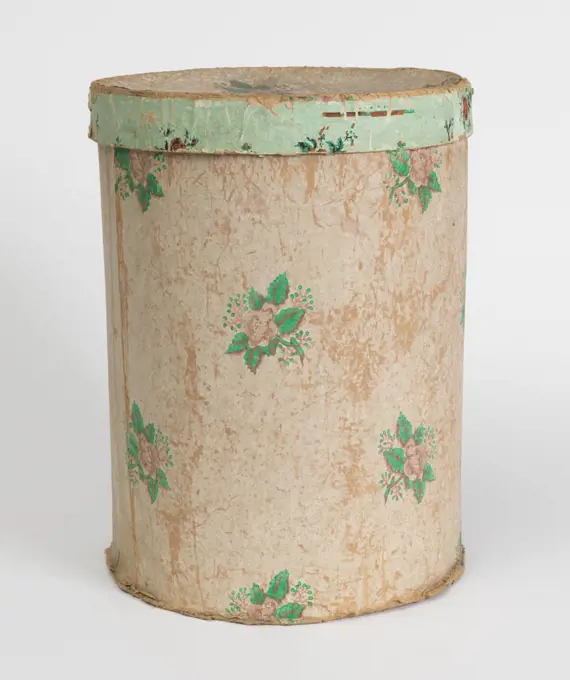
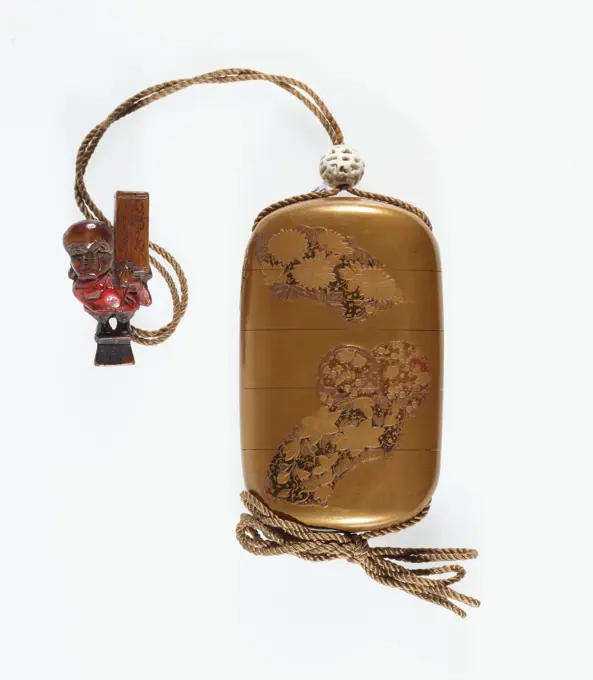
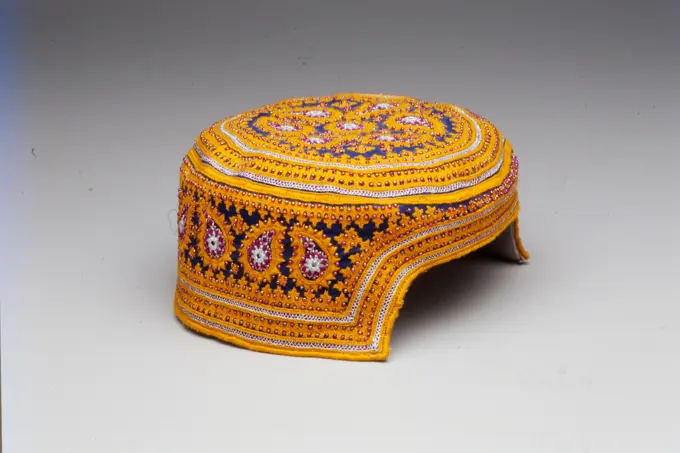
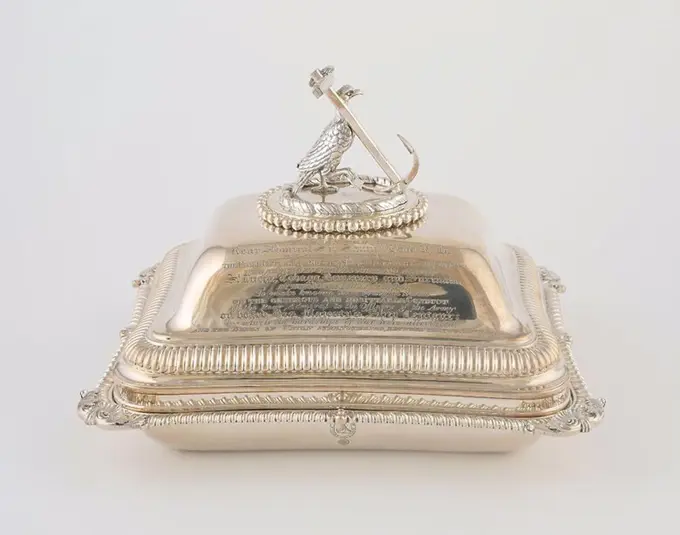
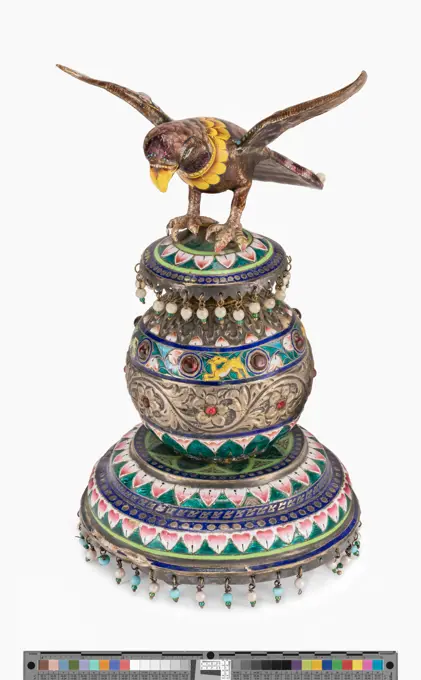
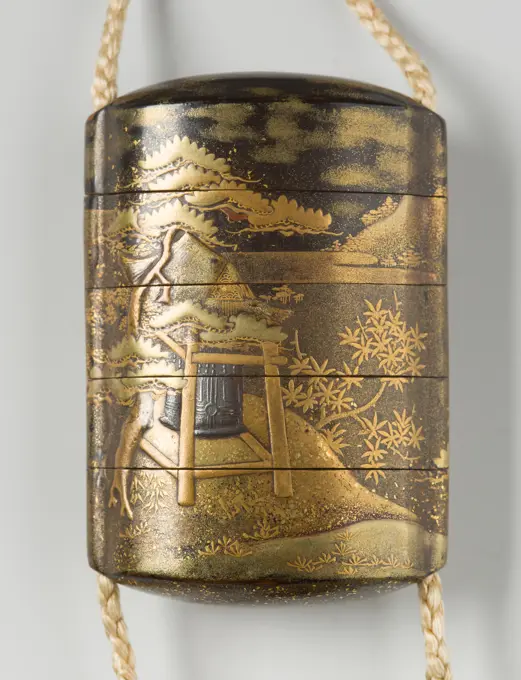
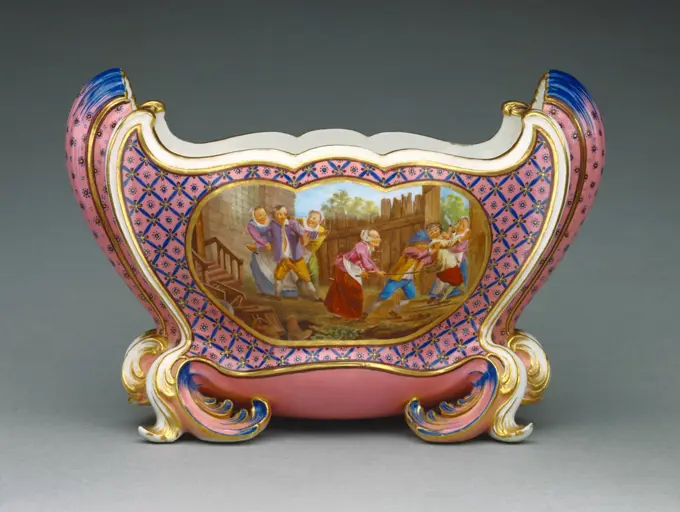
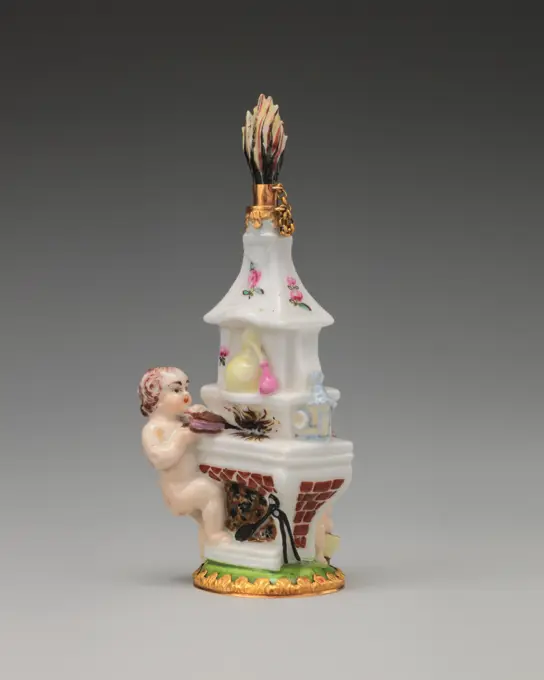
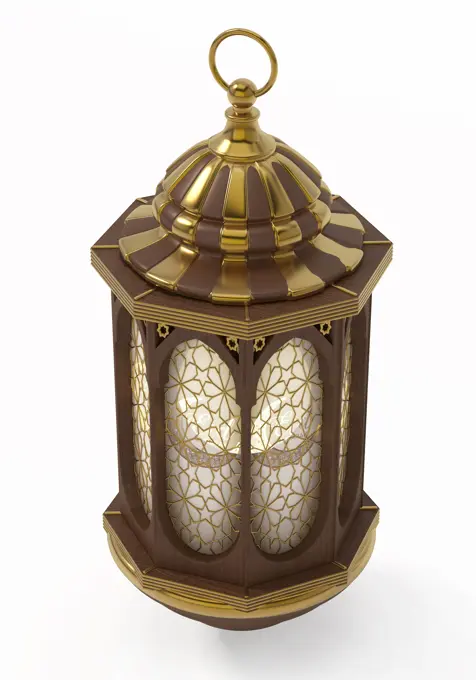
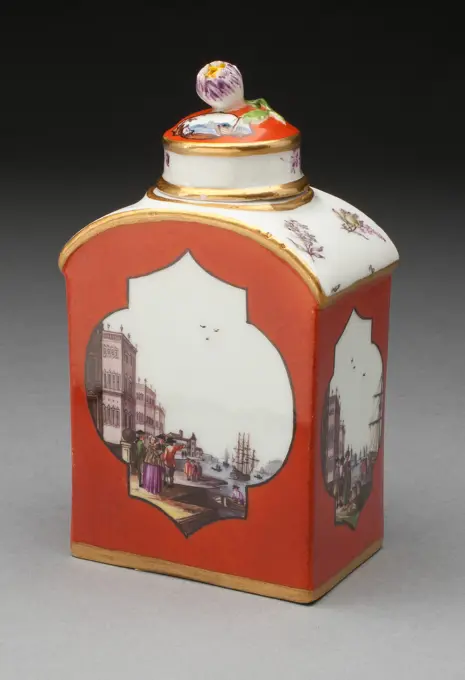
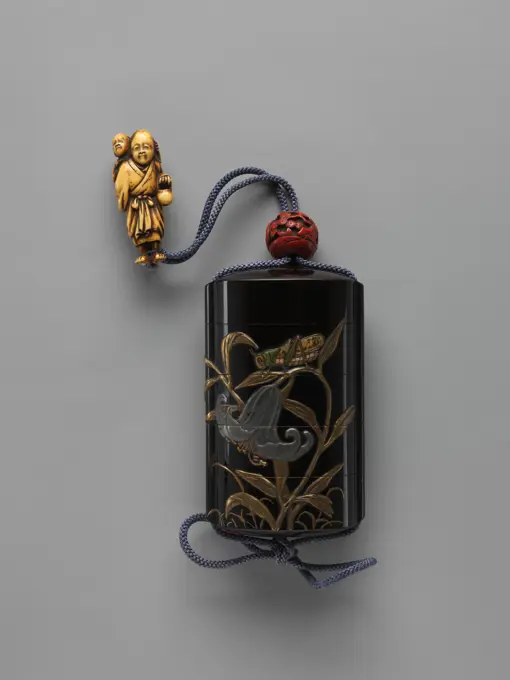
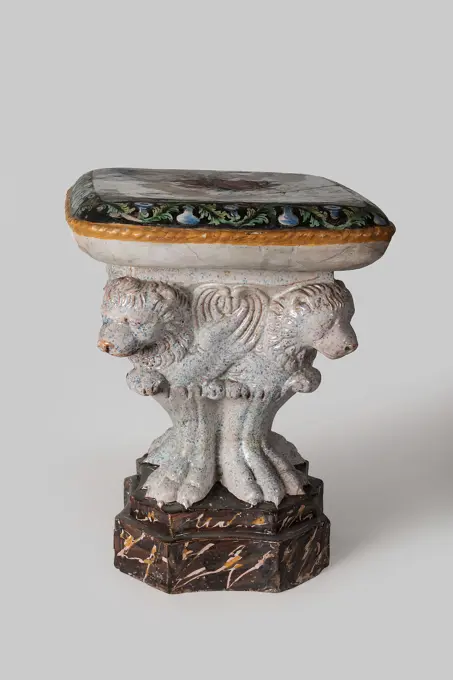
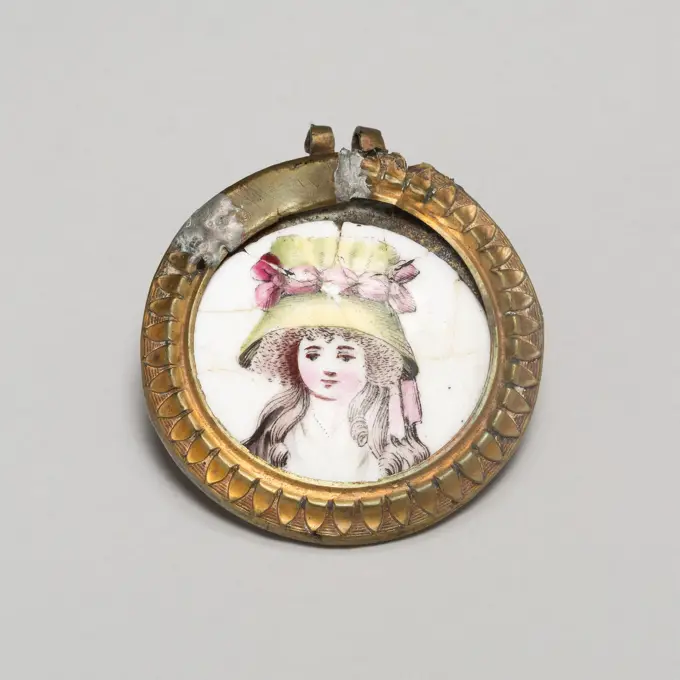
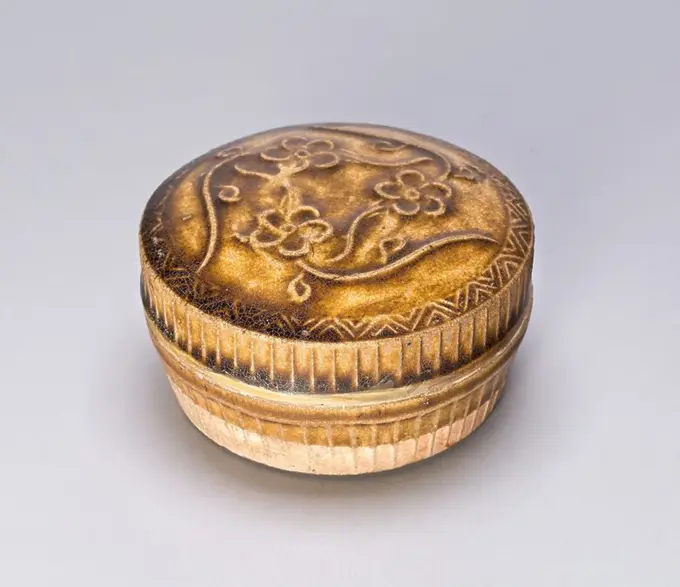
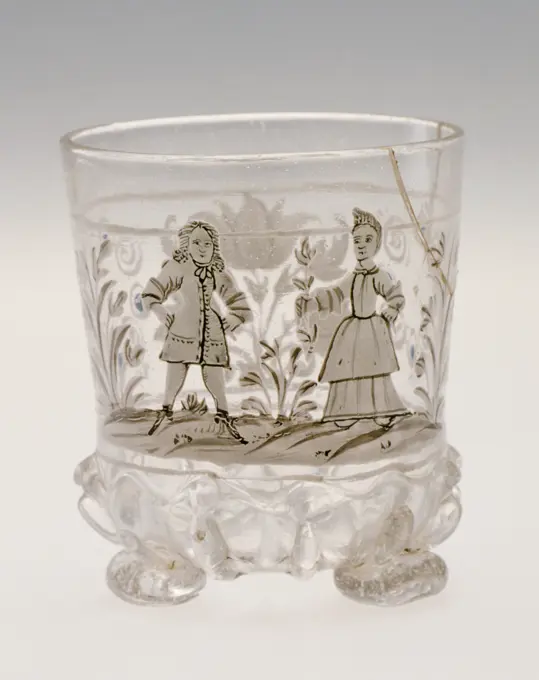
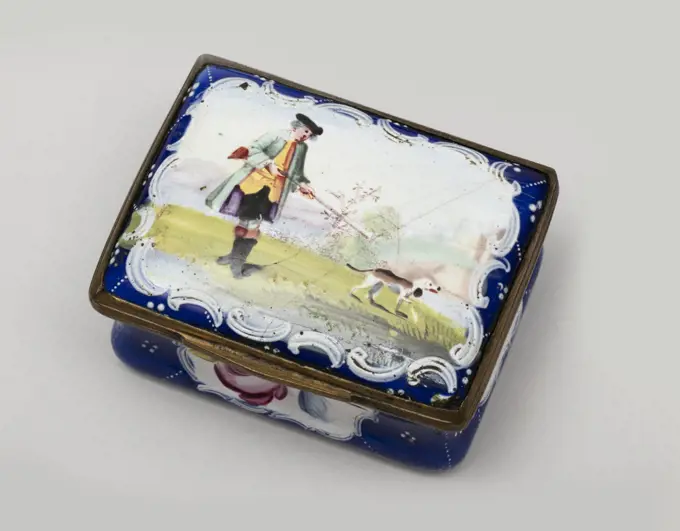
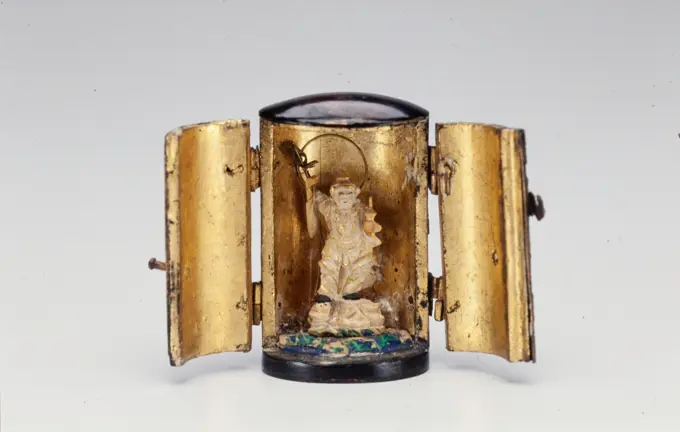
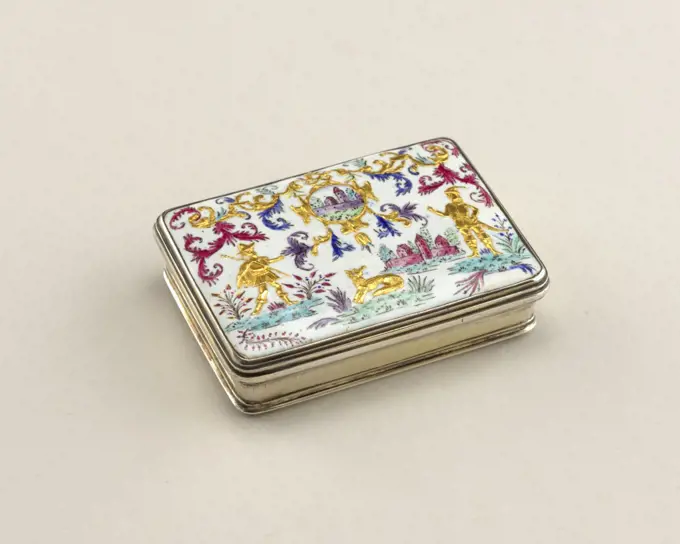
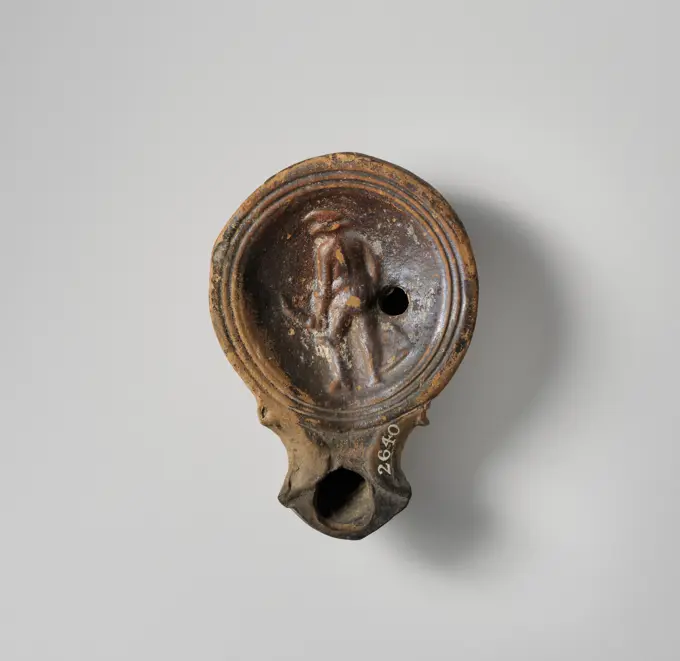
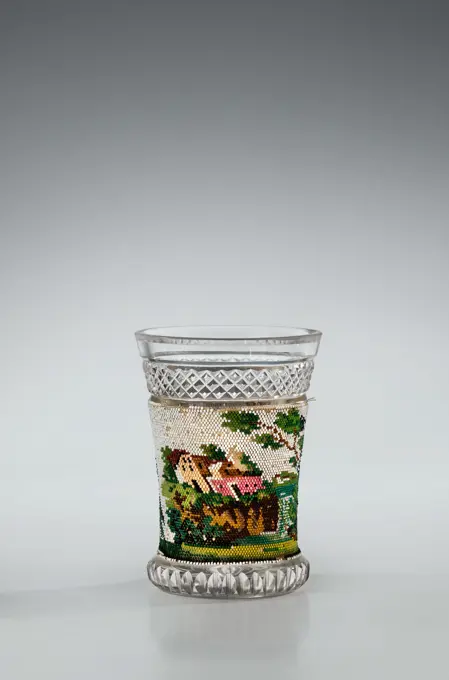
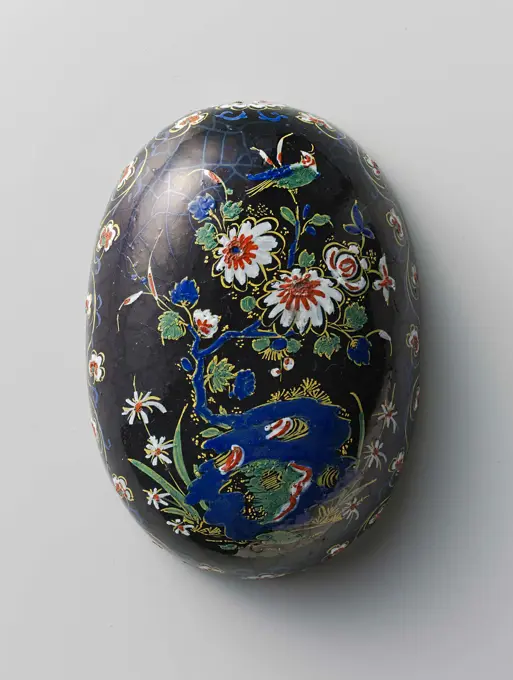
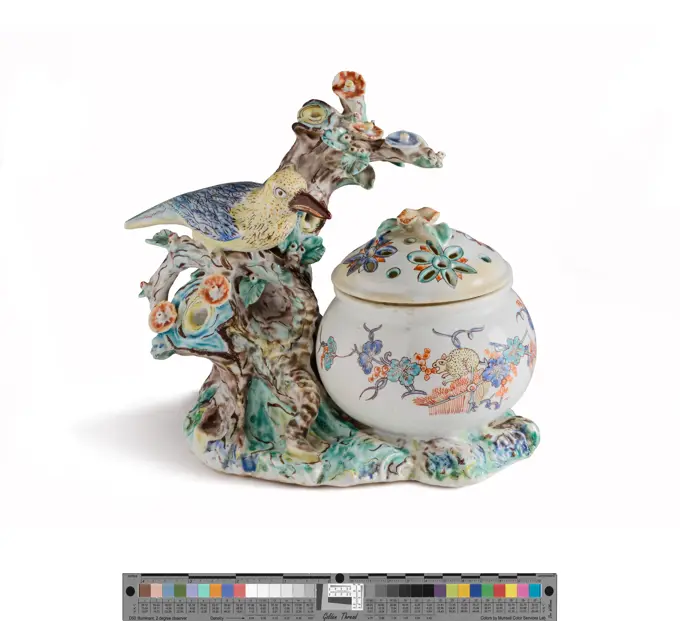
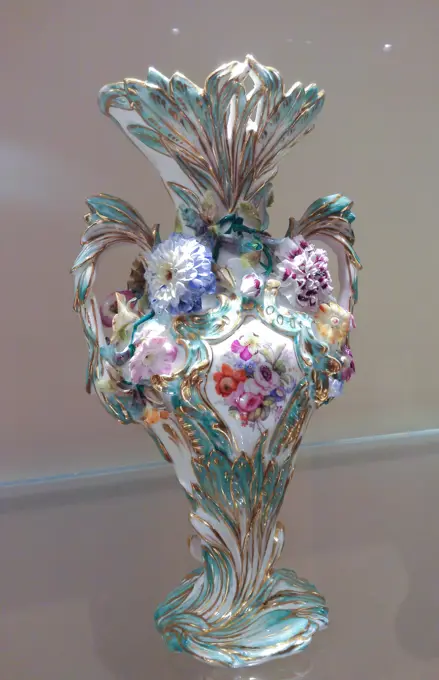
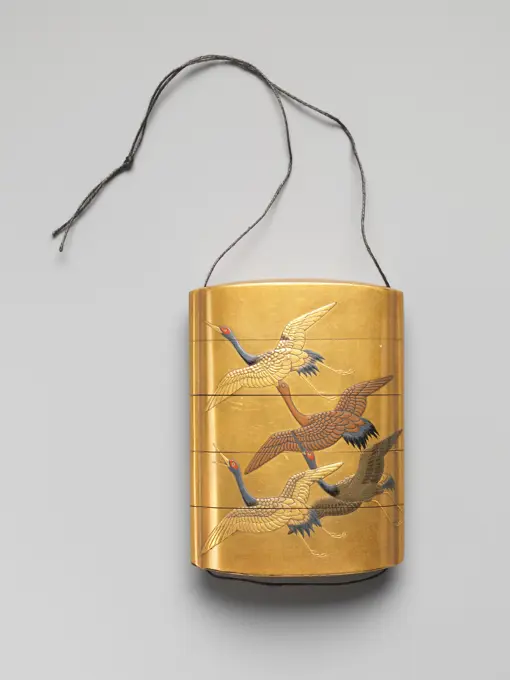
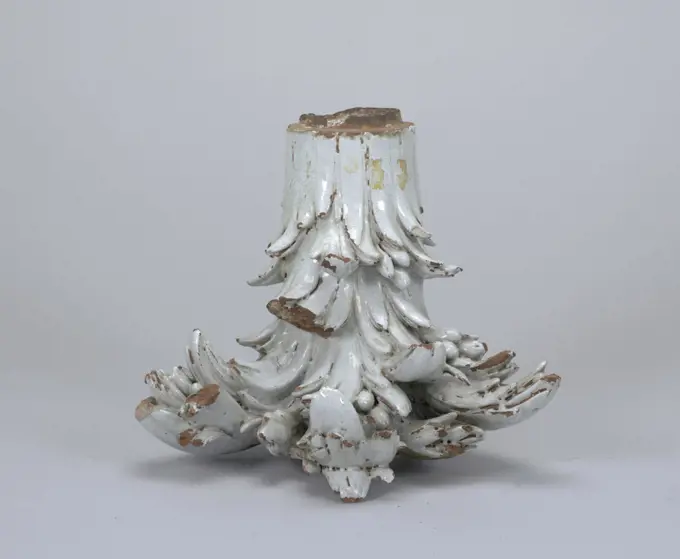
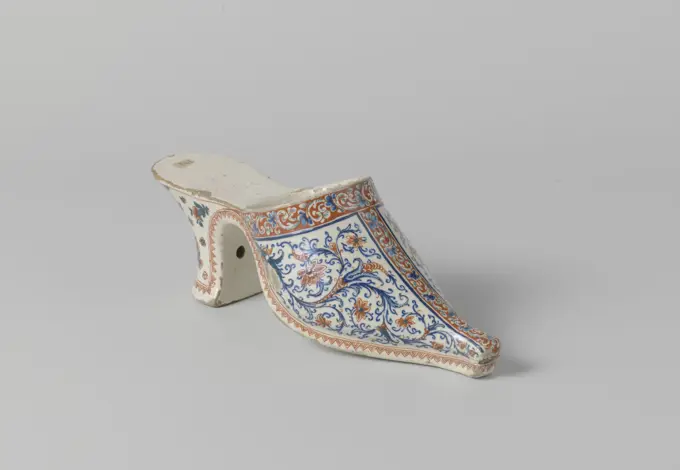
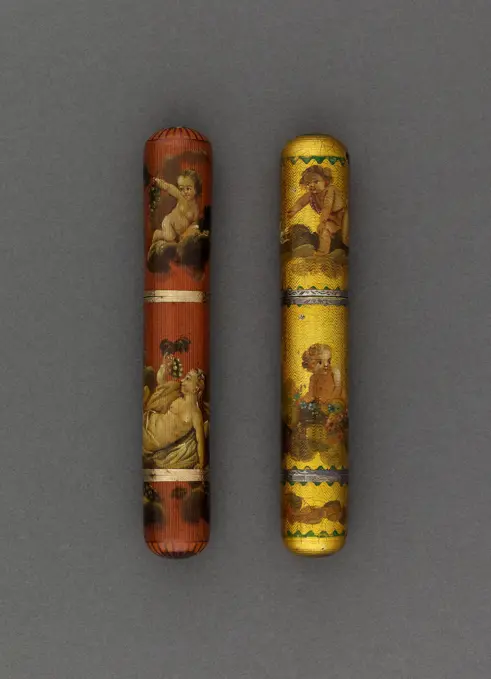
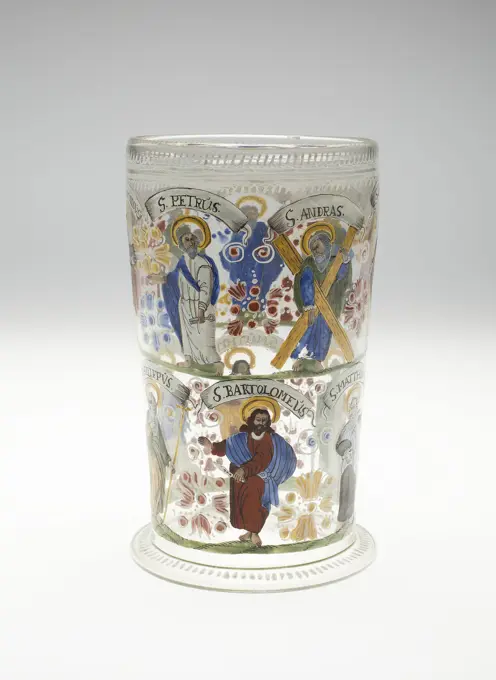
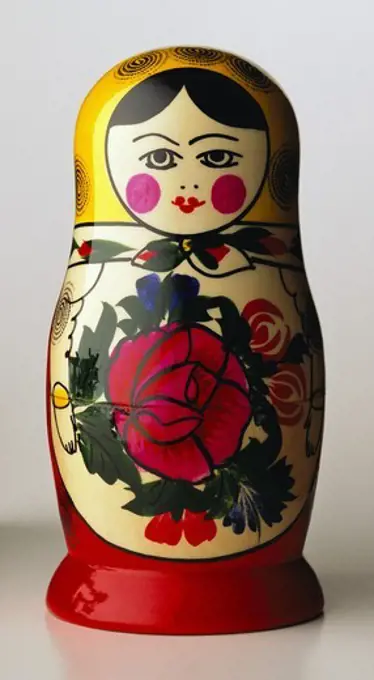
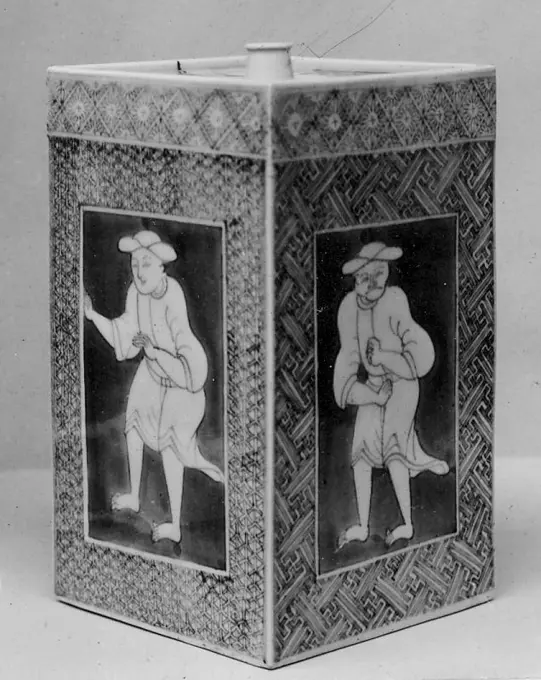
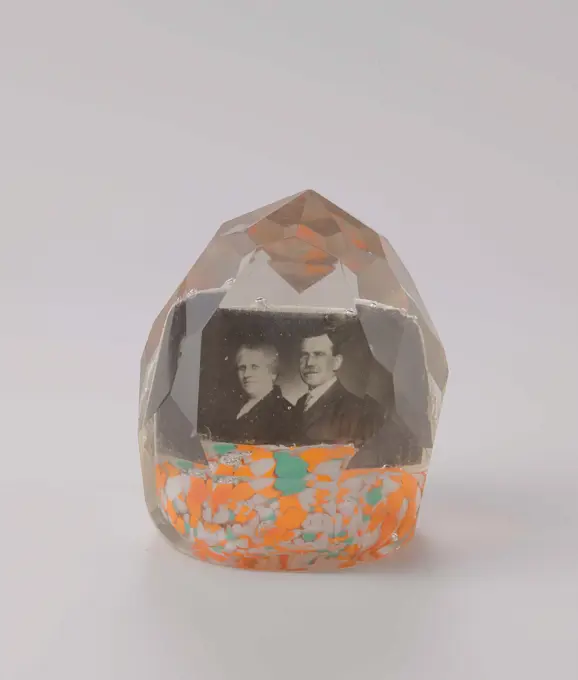
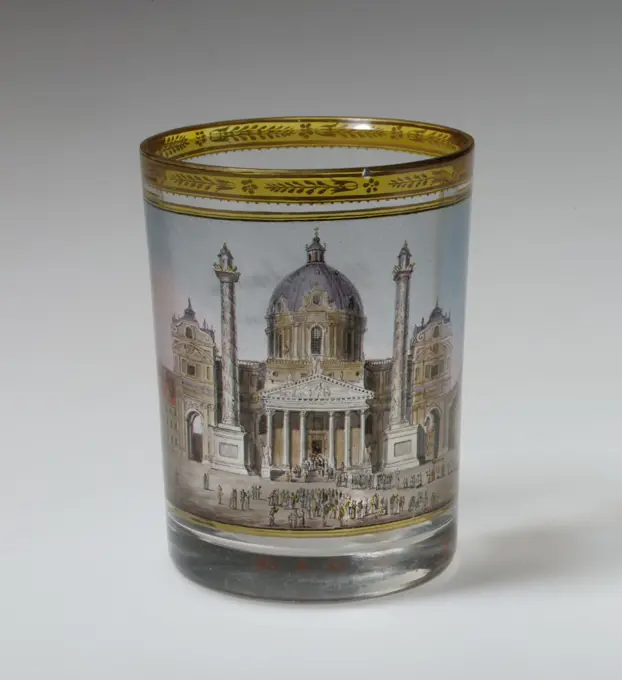
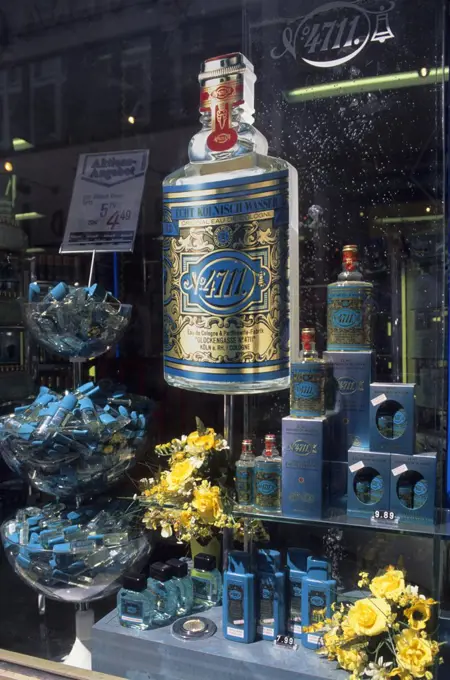
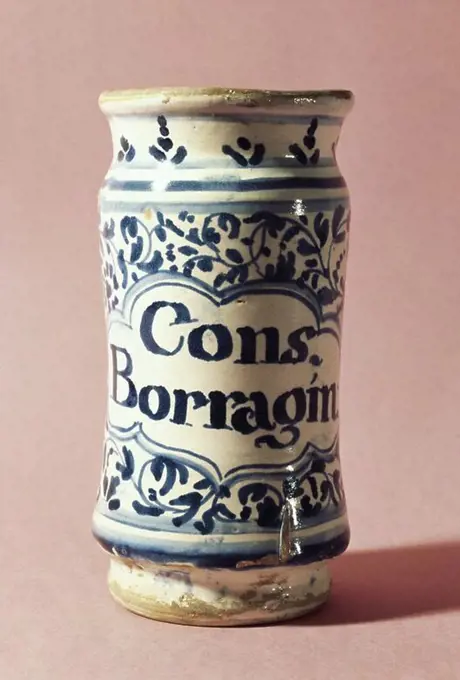
Wooden boxKop, multicolored painted with water landscapes in saved four passes in an Oranjerode Fond, Meissener Porzellan Manufaktur, c. 1735 Head without ear, from painted porcelain. The head is covered with an Oranjerode Fond, in which accolade -shaped four passes are saved with (water) landscapes with European figures, sometimes with bales and ships. The head is marked. Float porcelain Head without ear, from painted porcelain. The head is covered with an Oranjerode Fond, in which accolade -shaped four passes are saved with (water) landscapes with European figures, sometimes with bales and ships. The head is marked. Float porcelainSquare jar with women in a landscape or garden, anonymous, c. 1680 - c. 1720 Square pot of porcelain, painted in under -glaze blue. On each side a slightly sunken cartouche with squeezed corners containing a woman (long lijs): a woman with a fan sitting in her hand sitting at a rock in front of a pavilion in an unhealthy garden with a mourning willow; A standing woman in a rock with a fan in the hand next to a pine; A woman sitting at a table next to a banana plant; A woman with a twig in hand next to a tree in a fenced garden. On the shoulder lotus vrocks. The lid with valuables (window, horn, musical stone) and lucky symbols (shell, coral). A few chips in the lid. Blue White. China porcelain. glaze. cobalt (mineral) painting / vitrification Square pot of porcelain, painted in under -glaze blue. On each side a slightly sunken cartouche with squeezed corners containing a woman (long lijs): a woman with a fan sitting in her hand sitting at a rock in front of a pavilion in an unhealthy gBandbox, J.G. Hunt, Block-printed paper on pasteboard support, Tall bandbox covered with wallpaper, printed with flowers with bright green leaves. Top of lid covered with matching paper, with rim of top covered in a small floral pattern on light green ground. The green pigment on the wallpaper appears to be arsenic.Manufacturer label pasted inside lid., USA, ca. 1850, Wallcoverings, BandboxAnonymous. "Tea box with lid". Earthenware and metal. Paris, Museum of Romantic Life. EARTHENWAREOval four-case inro showing scattered panels with flowers of the seasons, first half 19th century, Hara Yōyūsai, Japanese, 1772 - 1845, 3 1/2 × 2 1/8 × 7/8 in. (8.89 × 5.4 × 2.22 cm), Lacquer (hiramaki-e, takamaki-e, kinji), gold, silver, Japan, 19th century, Against a fundame (matte gold) ground, medallions of different floral motifs are executed in slightly raised maki-e against black lacquered cut-outs sprinkled with kinpun (fine gold dust). The signature on the bottom of the case reads Yōyūsai, which could refer to Hara Yōyūsai (1772-1845), a highly revered lacquer artist in Edo, who would often base his designs on the paintings of his friend, the Rinpa artist Sakai Hōitsu. However, it is more likely that this inrō was made by another lacquer artist who worked under the same name during the second half of the 19th century.Man's Hat, 20th century, 3 3/4 x 6 3/4 x 6 1/4in. (9.5 x 17.1 x 15.9cm), Wool, cotton, metallic thread, beads, Iran, 20th centurySnuffbox ca. 1750 Meissen Manufactory German. Snuffbox. German, Meissen. ca. 1750. Hard-paste porcelain, gold. Ceramics-PorcelainA mug with a coverEight side of milk glass with flower drinks and braid motifs. Flat ground. Octagonal, body blown in the form with in black, red, green, yellow and blue stylized flower drinks on front and back and flower and braid motifs on the narrow sides. A rank on the shoulder. The mouth is caught in a tin edge.Entree Dish with Cover from the Hood Service. Paul Storr; English, 1771-1844; London, England. Date: 1806-1807. Dimensions: 22.2 x 28.6 x 24.3 cm (8 3/4 x 11 1/4 x 9 1/2 in.). Sterling silver. Origin: London. Museum: The Chicago Art Institute, Chicago, USA.Falcon on a Pedestal. India, Uttar Pradesh, Varanasi, late 19th century. Sculpture. Enameled silver, silver repoussé inlaid with foil-backed glass set in gold, and pearlsVessel 600 CE-800 CE México. Ceramic and pigment . MayaSocle; porcelain with overglaze enameling and gildingChildren's hat with a low wide sphere, decorated with satin ribbon, c. 1900 Children's hat with a low wide sphere and scalloped edge of white cotton with English embroidery, decorated with satin ribbon. Model: full of plain cotton, cotton edge with woven decoration. On a lining of wrinkled cotton batist provided with a laitan wire for reinforcement and an entrance of beige -colored side. Decoration: The solid fabric of the bulb is wrinkled in a number of three double jobs. The edge is equipped with studs, leaves and flowers, partially open. The tough satin ribbon around the ball is also genopter. Netherlands cotton (textile). silk. satin Children's hat with a low wide sphere and scalloped edge of white cotton with English embroidery, decorated with satin ribbon. Model: full of plain cotton, cotton edge with woven decoration. On a lining of wrinkled cotton batist provided with a laitan wire for reinforcement and an entrance of beige -colored side. Decoration: The solid fabric of the bulRound box with figures on a terras or in a landscape, anonymous, c. 1800 - c. 1899 Lid of round box of stoneware, painted on the glaze in blue, red, green, purple, brown, black and gold. The lid with a modeled, lobed cartouche with a parade of men with a carrier, walking for a pavilion. For the cartouche and on the edge of servetwork. Satsuma. Japan stoneware. glaze. gold (metal) painting / gilding / vitrification Lid of round box of stoneware, painted on the glaze in blue, red, green, purple, brown, black and gold. The lid with a modeled, lobed cartouche with a parade of men with a carrier, walking for a pavilion. For the cartouche and on the edge of servetwork. Satsuma. Japan stoneware. glaze. gold (metal) painting / gilding / vitrificationCDK unknownVase (Cuvette Mahon).Boys at a distilling furnace ca. 1750-55 Saint James's Factory. Boys at a distilling furnace. British, London. ca. 1750-55. Soft-paste porcelain. Ceramics-PorcelainReichsadlerhumpen. Light inserted soil. Smooth, mounted stand ring, decorated with white paired flowers. On the cylinder-shaped body the black, double-headed empire with yellow crown and Nimbus. For the breast the Rijkeappel. On the wings, in a horizontal row, the weapons of the electoral tricks. Below, in twice four vertical rows, each with a banderole with explanatory inscription, the shields of the Quaterniones Imperii (see for a detailed description Cat. Nr. KOG 102). At the back on the wings the Burgundian fireplace with sparks. Above the show the inscription: DAS Saint R Manche Reich Mit Sampf Sein Glidern and the year 1598. Along the top edge a gold plated band with geometric decoration of white dots and colored triangles.Drinking cup in the form of a book. Multicolored painted and with year: Anno 1651., Anonymous, 1651 Drinking cup of multicolored painted Majolica, in the form of a book. A cartouche has been painted on the front and back in which the dating: in 1651 and above which the weapon of Amsterdam. Four rosettes are painted on the back. Holland earthenware. tin glaze. lead glaze majolica  Amsterdam Drinking cup of multicolored painted Majolica, in the form of a book. A cartouche has been painted on the front and back in which the dating: in 1651 and above which the weapon of Amsterdam. Four rosettes are painted on the back. Holland earthenware. tin glaze. lead glaze majolica  AmsterdamCovered salt 1830-40 Probably Boston & Sandwich Glass Company. Covered salt 2447Tobacco box with the image of vigilance, C. Koppenol (attributed to), 1769 Silver tobacco box, on which the image of vigilance is driven. In addition, a rock with water and a nude figure. Leiden silver (metal) Silver tobacco box, on which the image of vigilance is driven. In addition, a rock with water and a nude figure. Leiden silver (metal)Night lame; Popow, Aleksander (Porcelain Factory; 1806-1872); 19th century (1801-00-00-1900-00-00);Theebus Met Chinoiser, Corgelais Color, C. 1730 - c. 1749 Rectangular tea bus with a raised, round lid. A landscape with Chinese is depicted on every wall. The corners of the top are decorated with leaf motifs. There is a rosette on the top of the lid. The tea bag is marked: stk. = Amsterdam, size = Cornelis Coutrier and an ax. Amsterdam silver (metal) Rectangular tea bus with a raised, round lid. A landscape with Chinese is depicted on every wall. The corners of the top are decorated with leaf motifs. There is a rosette on the top of the lid. The tea bag is marked: stk. = Amsterdam, size = Cornelis Coutrier and an ax. Amsterdam silver (metal)Brooch (England or United States); hair, gold, ivory, seed pearls, pailettesNécessaire. Culture: French. Dimensions: 3 × 2 in. (7.6 × 5.1 cm). Date: third quarter 18th century.This pocket nécessaire contains the following fittings for personal grooming: a patch box with mirror, tweezers, ear spoon, file, and two scent bottles with porcelain stoppers. It is part of a group of étuis and snuffboxes collected by the New York broker Valentine Alexander Blacque, who retired to Paris in the 1880s. Museum: Metropolitan Museum of Art, New York, USA.Bird on tree trunk of faience. Bird on tree trunk of faience. Painted multi-colored.Eid Mubarak lantern isolated on a white background. 3D illustration eid Mubarak lantern isolated on white background. 3D illustrationGilt button mounted with a clear glass disc, 1830-1850.. Produced in Birmingham.Anonymous / 'Case for plain rock crystal vessel with a lid and foliate mount'. 1650 - 1689. Leather, Wood, Gamuza. Museum: Museo del Prado, Madrid, España.Tea Caddy 1735-1745 Meissen. Hard-paste porcelain, polychrome enamels, and gilding . Meissen Porcelain Manufactory (Manufacturer)Case (Inrō) with Design of Grasshopper on Stalk of Flowering Lily 18th-19th century Nomura Chōkei (dates unknown) Japanese. Case (Inrō) with Design of Grasshopper on Stalk of Flowering Lily 58697Dorothy Dwin, Bandbox, 1940 Bandbox. Snuff box of gold-plated copper with white irmail with blue flowers. The box has a double lid and an associated spoon.Garden stool. unknown, factoryOld style box isolated on whitePlate with portrait medallions. Plaques with portrait medallions and names of Roman emperors.Bowl with Peonies 1796-1821 China. Porcelain painted in overglaze enamels .Tête-à-tête, consisting of different parts and painted with Lelies, N.V. Haagsche Plateel Factory Rozenburg, 1900 Porcelain tête-à-tête, consisting of a rectangular leaves with beveled corners, a teapot, a milk jug, a sugar bowl with lid and two cups and saucers. All parts painted in yellow, reddish -brown and different shades of green with an ornamental decor, in which lilies. On all parts the monogram MVV (= Michiels van Verduynen) and the weapon of this family, in which the color blue also occurs. Marked: Rozenburg. The Hague porcelain Porcelain tête-à-tête, consisting of a rectangular leaves with beveled corners, a teapot, a milk jug, a sugar bowl with lid and two cups and saucers. All parts painted in yellow, reddish -brown and different shades of green with an ornamental decor, in which lilies. On all parts the monogram MVV (= Michiels van Verduynen) and the weapon of this family, in which the color blue also occurs. Marked: Rozenburg. The Hague porcelainCloak Pin (Knob or Tieback) 1810-1830 England. Copper, transfer printed and polychrome enamel, gilt bronze, and iron .Vase, Minton Ceramics Manufactory, English, established 1796, hard paste porcelain, vitreous enamel, gold, Cylindrical shape with long neck, flaring mouth and flaring cylindrical foot; two applied, gilt handles on neck, modelled as prunus branches; grey ground decorated with flying cranes in low relief in white slip, and with gilt oriental and arabesque designs with some touches of black., England, 1871-1875, ceramics, Decorative Arts, vase, vaseTea with lid; Koenigliche Porcellain Fabrique, Meissen (1710-1763); after. XVIII (1745-00-00-1755-00-00);Covered Cosmetic Box with Floret Scrolls. China. Date: 1100-1299. Dimensions: H. 4.1 (3 7/16 in.); diam. 7.3 cm (5 1/4 in.). Jizhou-type ware; stoneware with olive-brown glaze and underglaze molded decoration. Origin: China. Museum: The Chicago Art Institute, Chicago, USA.Wedding Beaker with Couple. Germany, Saxony or Thuringia, late 17th century. Furnishings; Serviceware. Glass, enamel, giltThree Casters. Alice Sheene; English, active 1700-02; London, England. Date: 1701-1702. Dimensions: A: 19.4 x 7.9 cm (7 1/8 x 3 1/8 in.); B: 14 x 5.7 cm (5 1/2 x 2 1/4 in.); C: 14 x 5.7 cm (5 1/2 x 2 1/4 in.). Silver. Origin: London. Museum: The Chicago Art Institute, Chicago, USA.Beaker with cover ca. 1725-30 Meissen Manufactory German. Beaker with cover 206014Patch box, Enameled and gilt copper, Oblong with concave sides and hinged cover slightly domed, with moulded mounts and V-shaped thumb-lift. Dark blue ground sparsely patterned with lozenge shapes in raised white dots; white reserve panel on each side, framed by raised white scrolls, contain floral sprays, a rose on face. Cover has landscape painted over transfer of man with gun, in blue-green coat with purple lining and yellow waistcoat, and hunting dog; stream in background. Scene framed by raised white scrolls and portion of blue ground, left all aroundior and underside in white., Bilston, South Staffordshire, England, 1760-80, containers, Decorative Arts, Patch boxRider on horseback, anonymous, c. 1760 - c. 1790 Image of undecorated faience. On a rectangular pedestal with beveled corners is a rider on horseback. The pedestal is multi -colored but is not associated. The horse has bent its left front leg and has two rosettes on its neck. The rider carries a three -pointed stitch and holds an object in his right hand. Delft Earthenware. Tin Glaze. pedestal: Image of undecorated faience. On a rectangular pedestal with beveled corners is a rider on horseback. The pedestal is multi -colored but is not associated. The horse has bent its left front leg and has two rosettes on its neck. The rider carries a three -pointed stitch and holds an object in his right hand. Delft Earthenware. Tin Glaze. pedestal:Vase. Culture: China. Dimensions: H. 22 in. (55.9 cm). Museum: Metropolitan Museum of Art, New York, USA.Inrō with Captured Heron 19th century Japan. Inrō with Captured Heron 59008Counter Tray. South Staffordshire, England. Date: 1785-1795. Dimensions: 2.9 x 8.9 x 7.6 cm (1 1/8 x 3 1/2 x 3 in.). Polychrome enamel on copper. Origin: South Staffordshire. Museum: The Chicago Art Institute, Chicago, USA.Basket a Ur.; Veuve Perrin (1748-1803); 2 after. 18th century (1701-00-00-1800-00-00);Miniature Shrine of Bishamon-Ten, 20th century, Unknown Japanese, 1 7/16 x 7/8 x 11/16in. (3.7 x 2.2 x 1.7cm), Wood, metal, pigment, Japan, 20th centuryFaience horse. Animal figure of faience, representing a horse. Painted multi-colored.Vase with lid. unknown, craftsmanBox with spoon, Silver gilt, enamel, Berlin, Prussia, ca. 1735, containers, Decorative Arts, Box with spoonTerracotta oil lamp late 1st century B.C.-early 1st century A.D. Roman, Cypriot Loeschcke Type 1A. Mold-made. Deep body. Discus: gladiator, standing, facing back, wearing helmet, trunks, and greaves, holding a short, curved sword in his left hand, with a rectangular shield fallen against his right leg; a single filling hole at right center; band of fine lines and grooves at edge. Volutes flanking angular nozzle, with large wick hole. Raised base ring, and flat but slightly uneven base.Intact.. Terracotta oil lamp. Roman, Cypriot. late 1st century B.C.-early 1st century A.D.. Terracotta. Early Imperial. TerracottasBeaker. Nieokreślona huta, factoryBrush back. Brush back from faience. Painted multi-colored.Potpourri. Chantilly Porcelain Manufactory (France, Chantilly, circa 1730 - 1805). France, Chantilly, circa 1740. Furnishings; Accessories. Soft-paste porcelain with glaze and enamelVase from a garniture, c. 1830, 10 1/8 x 5 x 3in. (25.7 x 12.7 x 7.6cm), Porcelain, England, 19th centuryOorhanger Met Mythological Figures, Anonymous, c. 1770 - c. 1790 Ear pendant of blue Jasperware. The earring is decorated in white with Greek female figures. Stoke-on-Trent . Ear pendant of blue Jasperware. The earring is decorated in white with Greek female figures. Stoke-on-Trent .Case (Inr) with Design of Seven Cranes in Flight 18th-19th century Japan. Case (Inr) with Design of Seven Cranes in Flight. Japan. 18th-19th century. Lacquer, fundame, gold, silver, black and red hiramakie, gold foil; Interior: nashiji and fundame. Edo period (1615-1868). InrCharles Caseau, Bandbox, c 1938 BandboxStove pipes, top and bottom, Tin-glazed earthenware, Three pieces of a stove in the form of a tree with a vine growing on the trunk. Leaves in the form of a canopy., France, mid- 18th century, ceramics, Decorative Arts, Stove pipes, top and bottomMile of multi -colored Faïence, Anonymous, c. 1700 - c. 1725 Mile of Faïence. Multicolored painted. Delft . Mile of Faïence. Multicolored painted. Delft .Hat from a Complete Child's Outfit, 20th century, 5 1/4 x 9 x 7 1/4 in. (13.3 x 22.9 x 18.4 cm), Silk, China, 20th centuryVase painted with purple lilacs and a bird on one wall, N.V. Haagsche Plateel Factory Rozenburg, 1914 Vase of porcelain on square ground surface, with a bombarded body with a rib in the middle of the four walls and a slender round neck. Painted with purple lilacs and a bird on one wall. The colors are purple, blue, green and red; The bird in black, yellow, green, brown, blue and red. The Hague porcelain Vase of porcelain on square ground surface, with a bombarded body with a rib in the middle of the four walls and a slender round neck. Painted with purple lilacs and a bird on one wall. The colors are purple, blue, green and red; The bird in black, yellow, green, brown, blue and red. The Hague porcelainAnonymous French. Studies. Martin varnish. 18th century. Paris, Cognacq-Jay museum. 56641-13 Etui, Martin varnishArtifacts in the museum at the Alcazaba and Castle of Gibralfaro on Mount Malaga above the old town, Malaga, Spain. (Editorial Use Only)Bottle. Germany or Central Europe, 18th century. Furnishings; Accessories. Glass, enamel, pewterTea caddy, 18th century, 4 1/4 x 2 7/8 x 1 1/2 in. (10.8 x 7.3 x 3.81 cm), Porcelain, Germany, 18th centuryCase (Inrō) with Design of Chinese Sage and Karako beneath Pine Tree at Shore (obverse); Karako Fishing (reverse) late 19th century Japan. Case (Inrō) with Design of Chinese Sage and Karako beneath Pine Tree at Shore (obverse); Karako Fishing (reverse) 58611Gilbert Sackerman, Bandbox, 1935 1942 BandboxTwo seated characters;  19th century (1801-00-00-1900-00-00);Vernafleur brand cosmetics from CPC, 1927. Can of Vernatalc, box of three toilet soaps, jar of nutri creme and can of talcum powder with puff. Chromolithograph by an unknown artist from the California Perfume Company (later Avon) product catalog, New York, Kansas, Montreal, 1927.Coverstained glass lamp 2Cachepot - Doll heads and cup handlesBeaker (Humpen) 1650-1700 Germany. Blown glass with polychrome enamel decoration .Traditional Russian doll, close-upSake bottle 1780 Japan. Sake bottle. Japan. 1780. Porcelain decorated in blue under the glaze (Arita ware, Imari type). Edo period (1615-1868). CeramicsPaperweight with double portrait of a man and woman. .Beaker with view of the Karlskirche, Vienna 1816 Gottlob Samuel Mohn View of the Karlskirche, or Church of Saint Charles Borromeo (Vienna), in bright translucent enamel. The artist, Gottlob Samuel Mohn, was the son of Samuel Mohn (1762-1815) of Dresden, the creator of highly translucent enamels for painting on glass with miniature, delicate effects. Gottlob went to Vienna in 1811 and there communicated the art to Anton Kothgasser and other glass painters.. Beaker with view of the Karlskirche, Vienna 207286Tray with glasses and serving pitcher of authentic Moorish tea ready to drink with mint leavesVase ca. 1882-83 Odell & Booth Brothers. Vase. American. ca. 1882-83. Earthenware. Made in Tarrytown, New York, United StatesBell jar -Branches; Tomaszów Lubelski (faience and porcelain manufacture; 1794-1827); around 1808 (1800-00-00-1808-00-00);Lubomirski (collection), Lubomirski (family), Zamoyski, Aleksander August (1770-1800), portrait miniaturesGERMANY, COLOGNE, HOHE STRASSE, SHOPPING STREET, EAU DE COLOGNE DISPLAYART 18th century. SPAIN. CATALAN CERAMIC JAR. Made at the end of the 17th century or the beginning of the 18th. Episcopal Museum of Vic. Province of Barcelona. Catalonia.