Decorative Ceramics and Shields

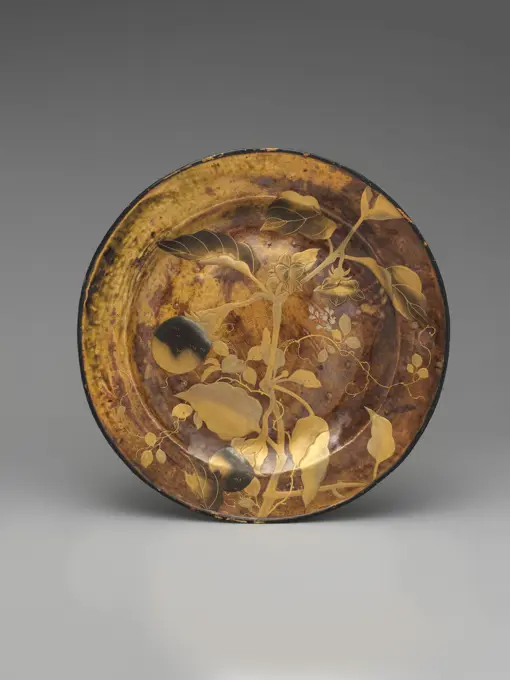
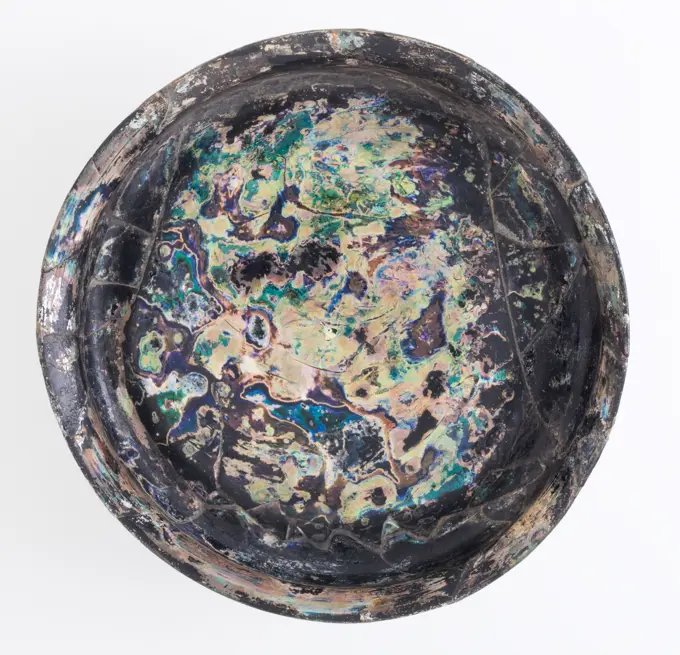
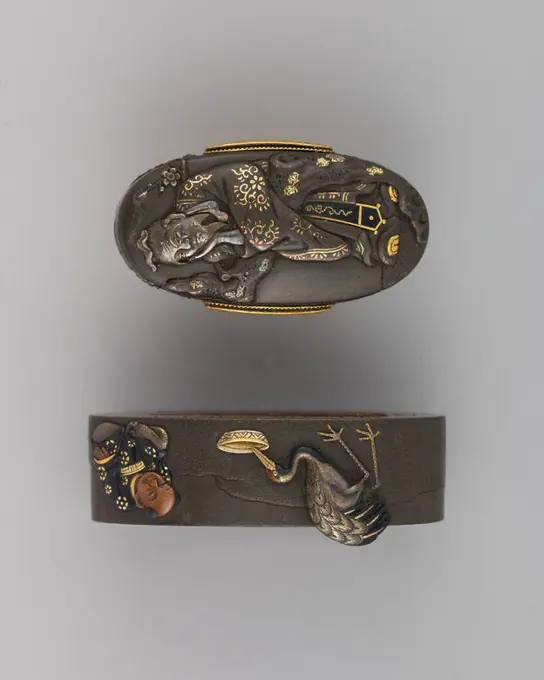
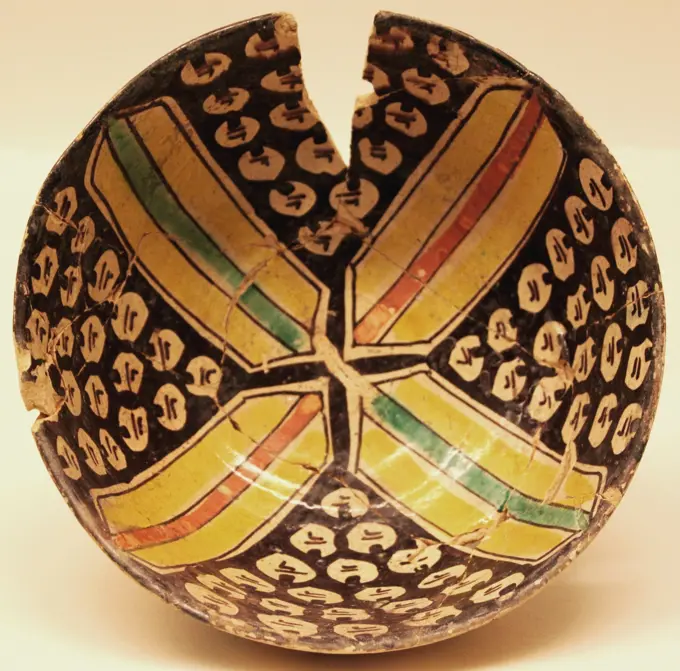
A gallery of ornamental dishes and shields from different cultures, featuring intricate patterns, metals, and designs that reflect historical craftsmanship.

Mirror, 8th century, 8 1/4 in. (20.96 cm), Bronze, China, 8th century
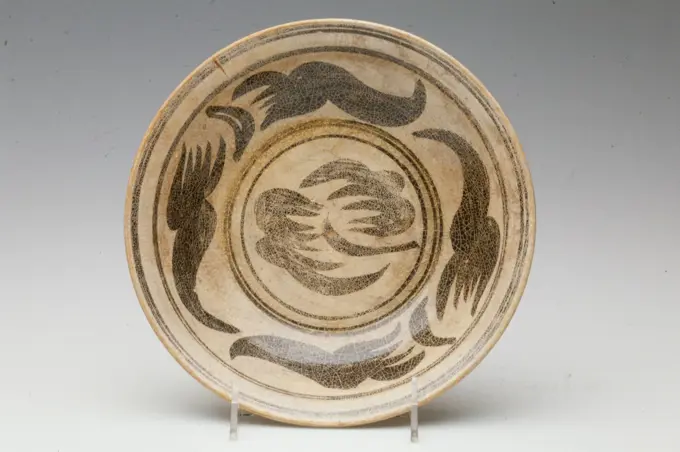
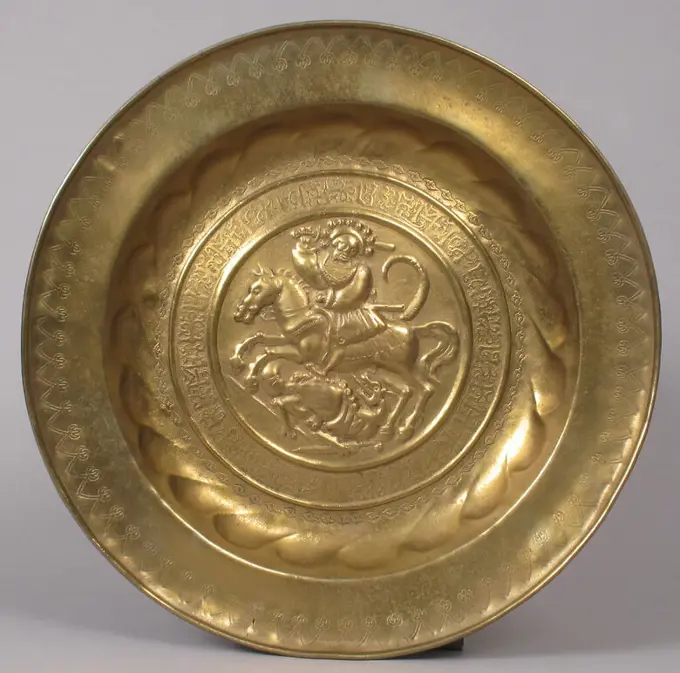
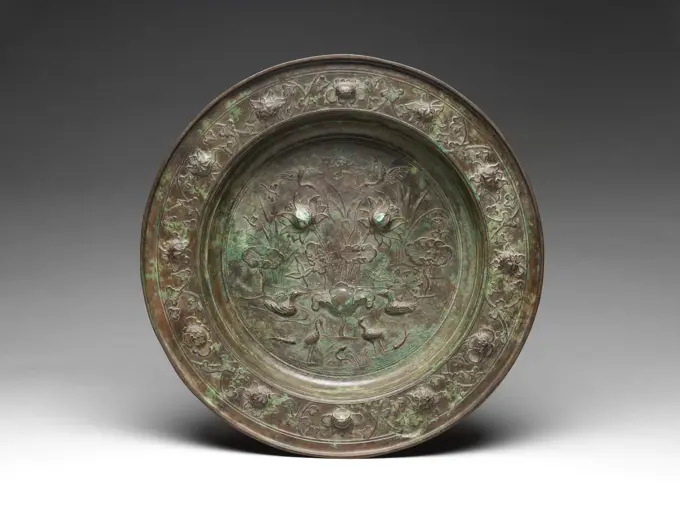
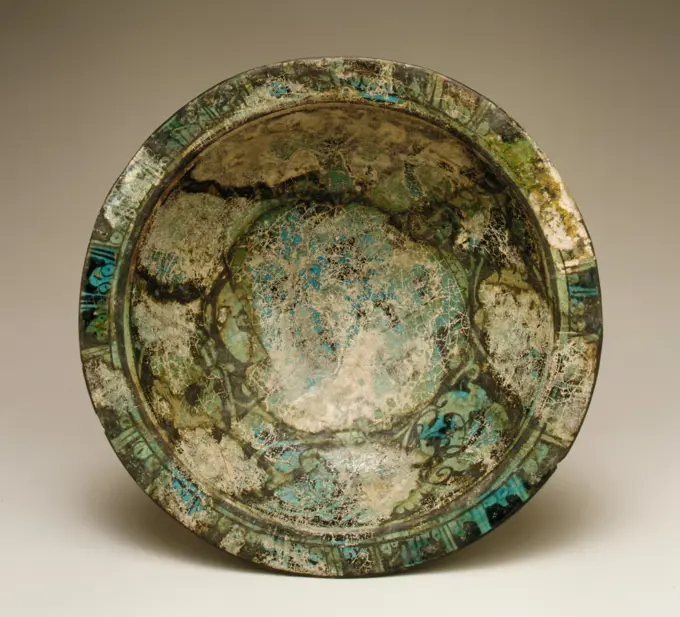
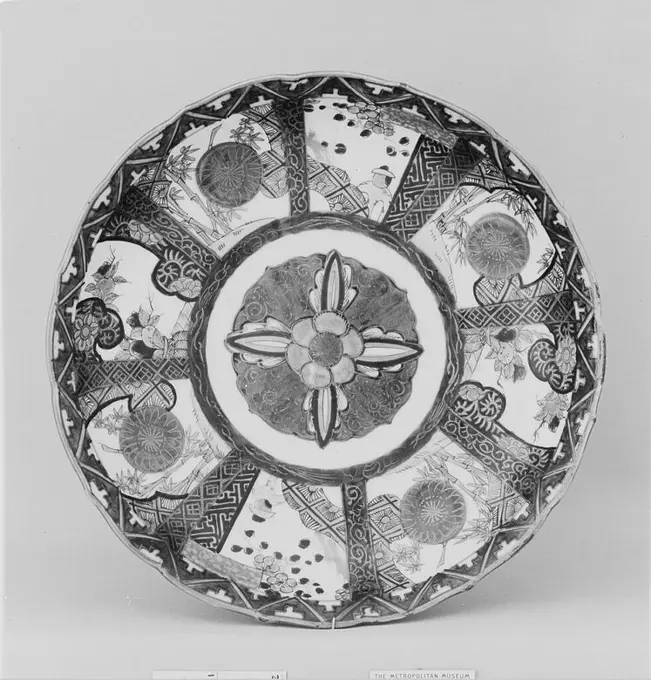
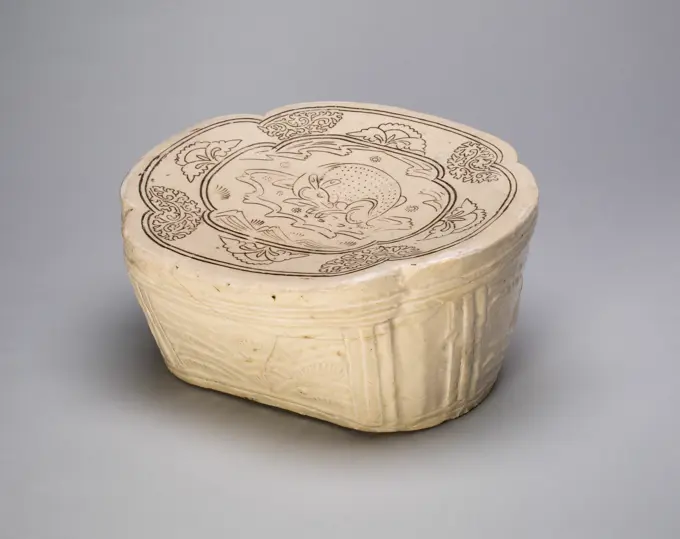
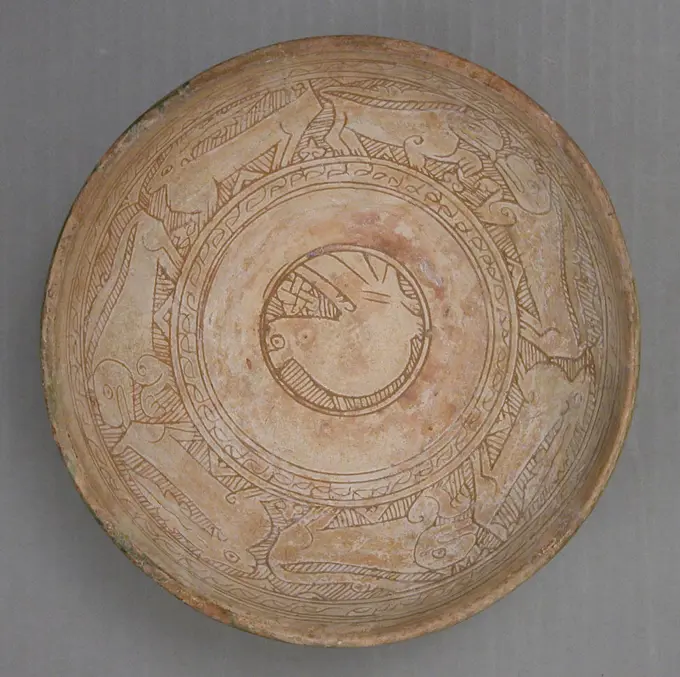
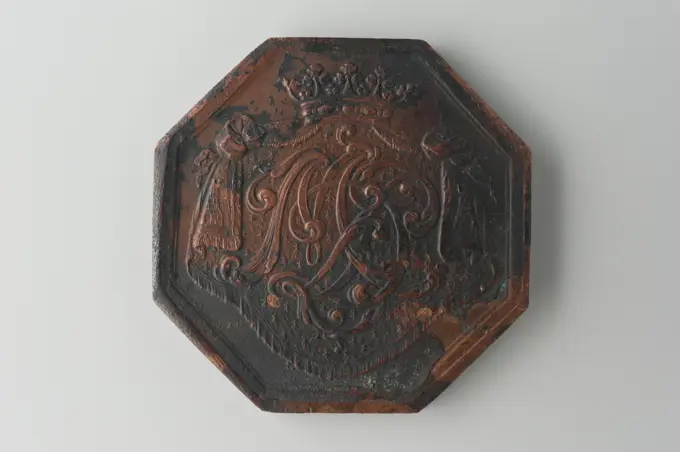
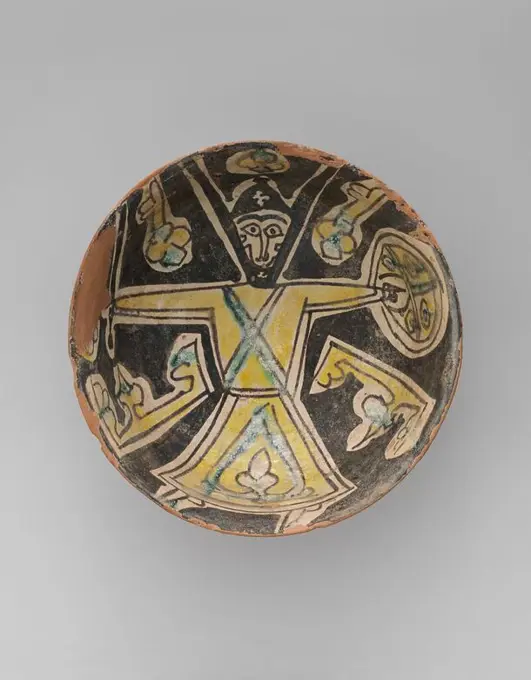
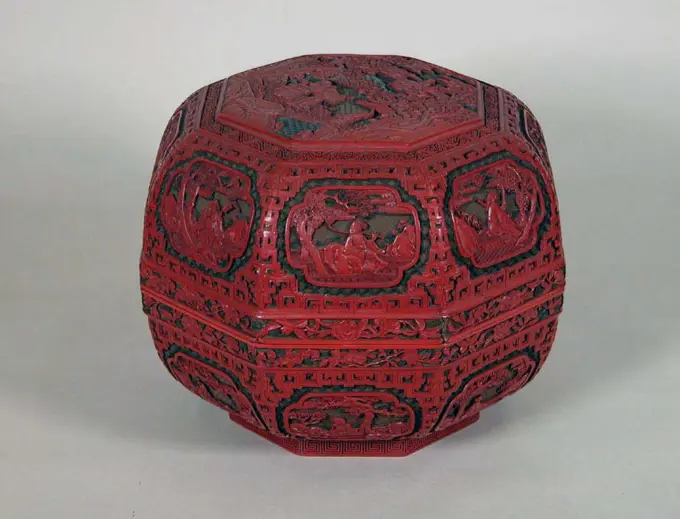
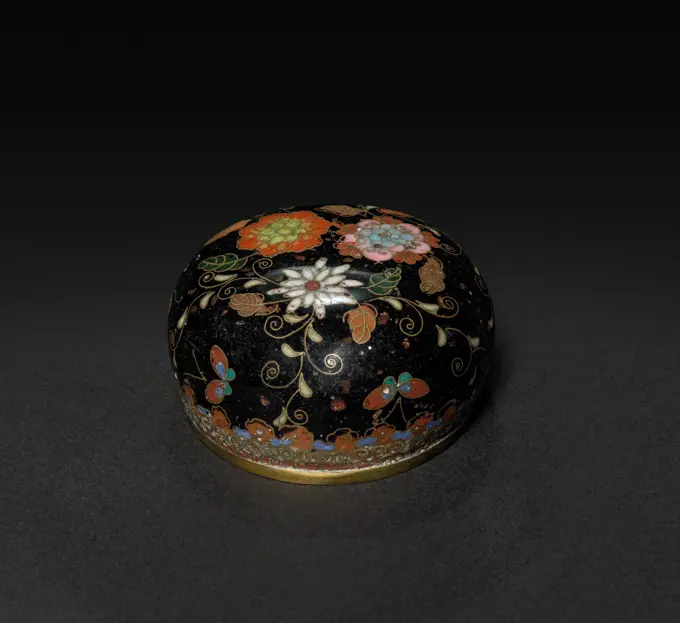
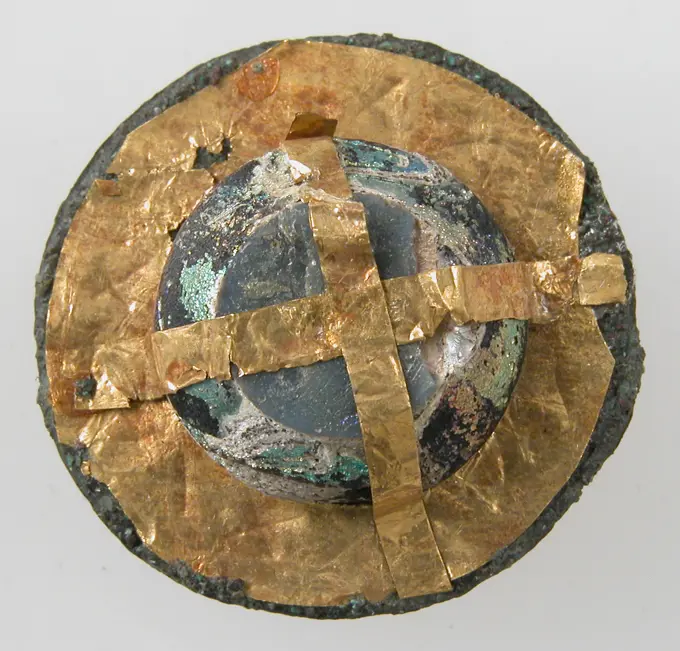
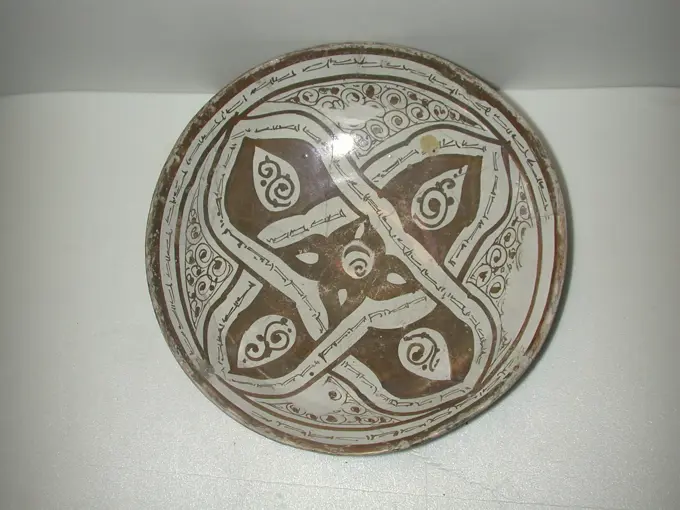
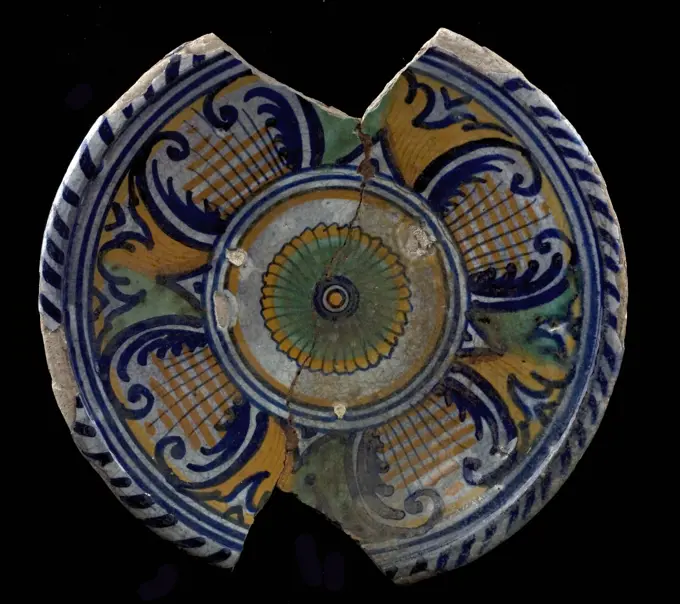
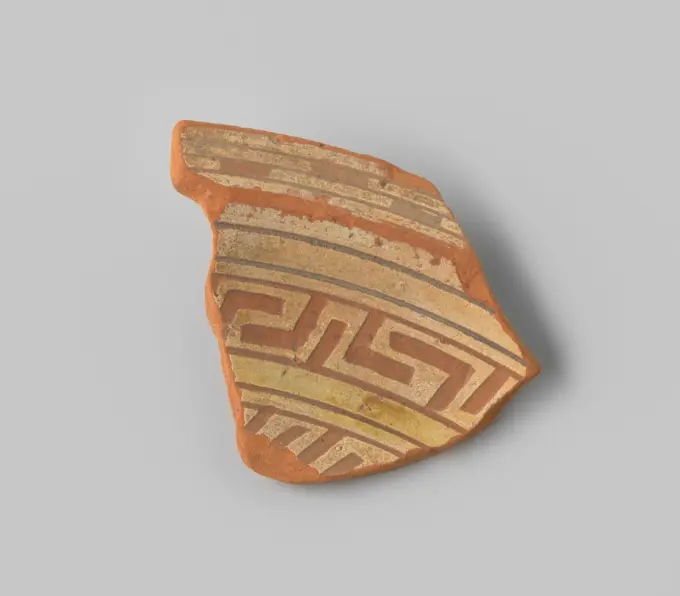
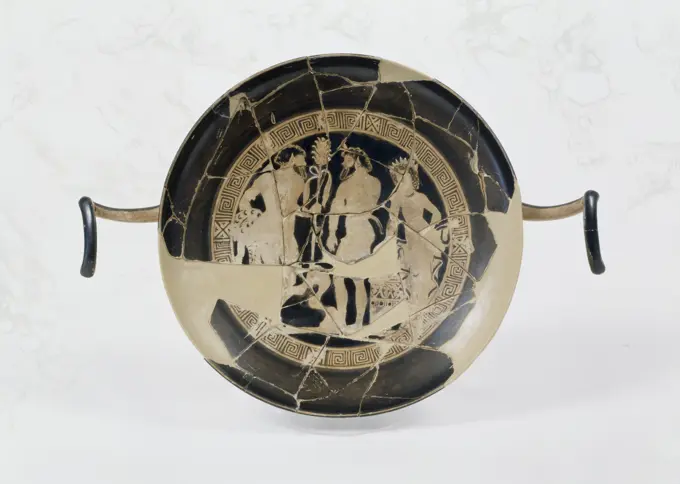
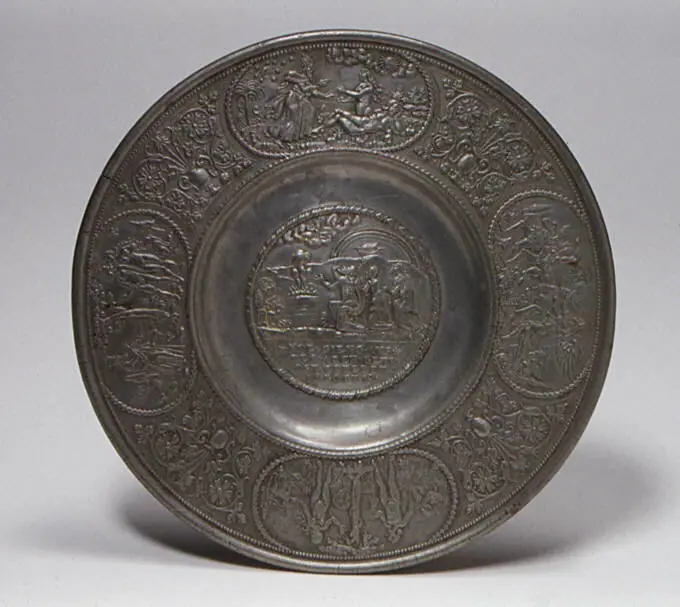
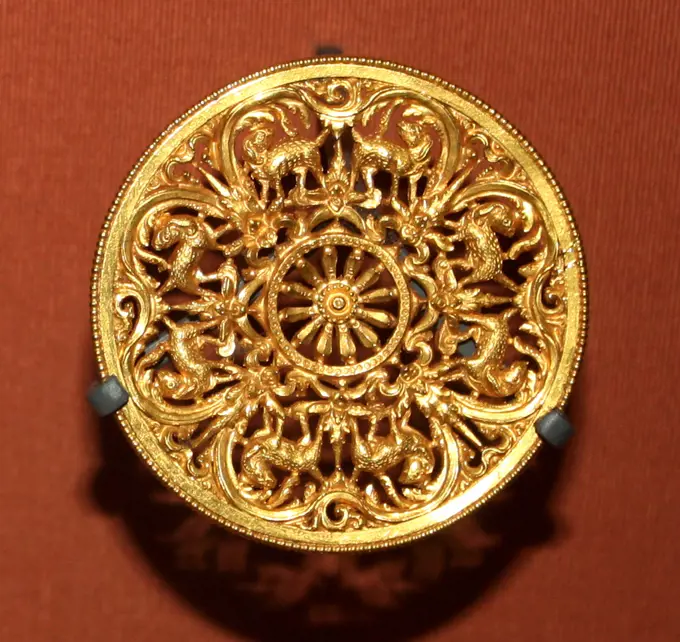
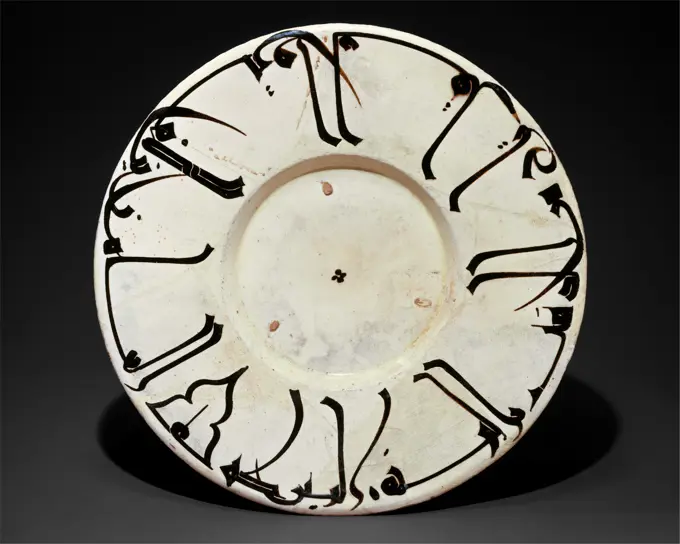
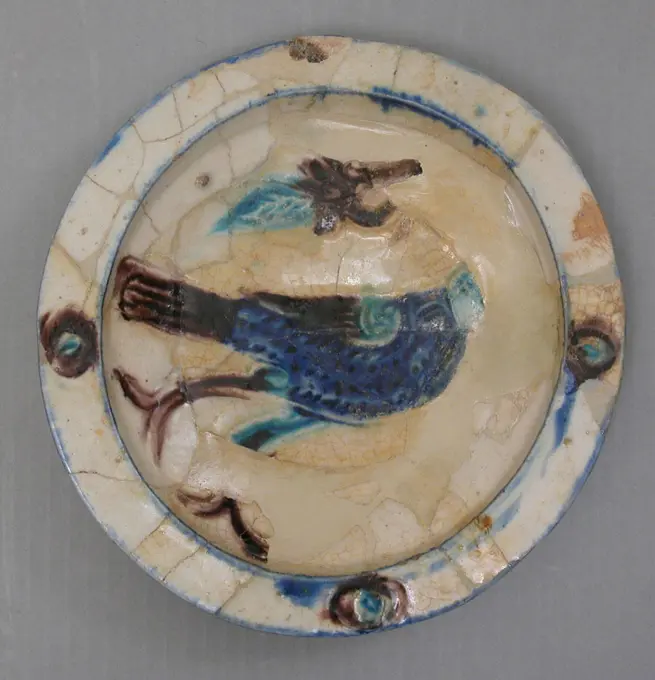
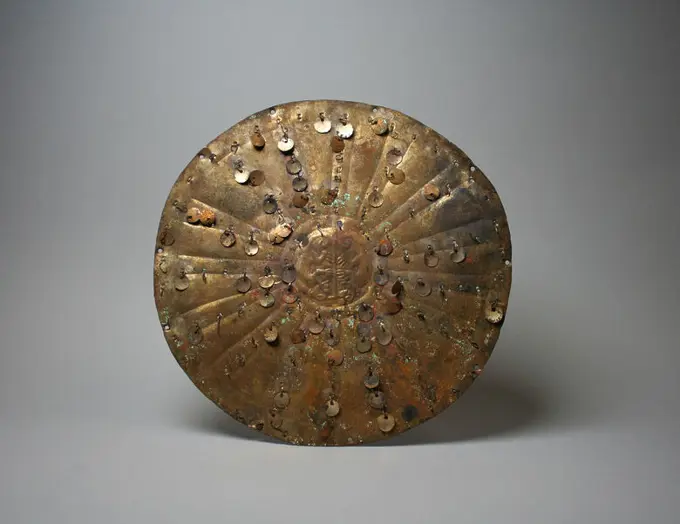
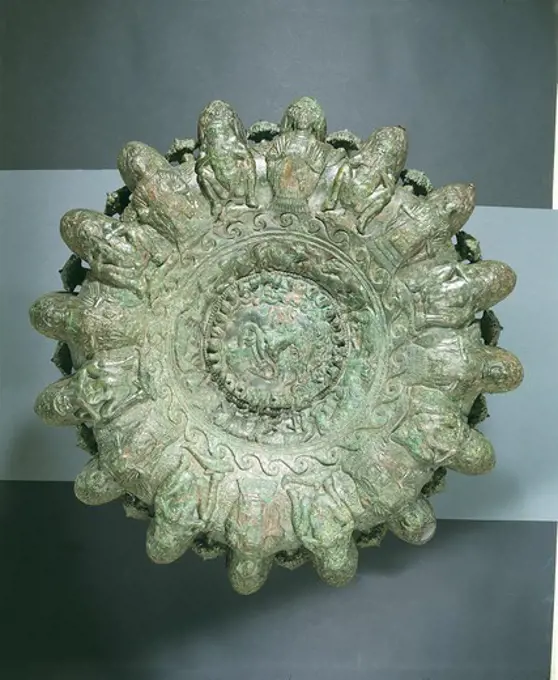
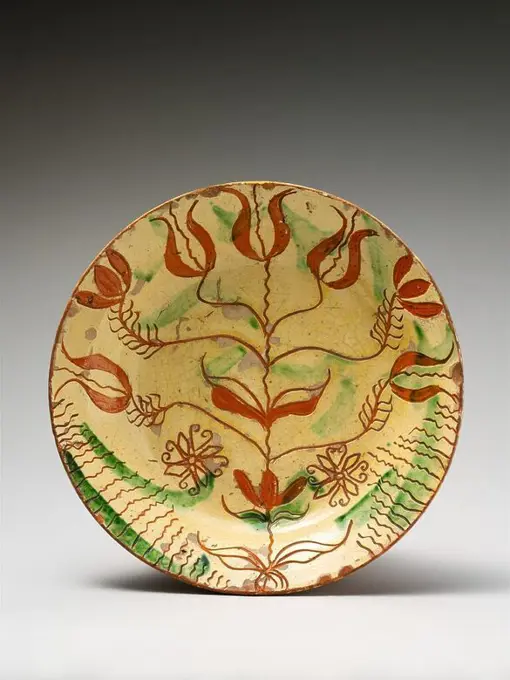
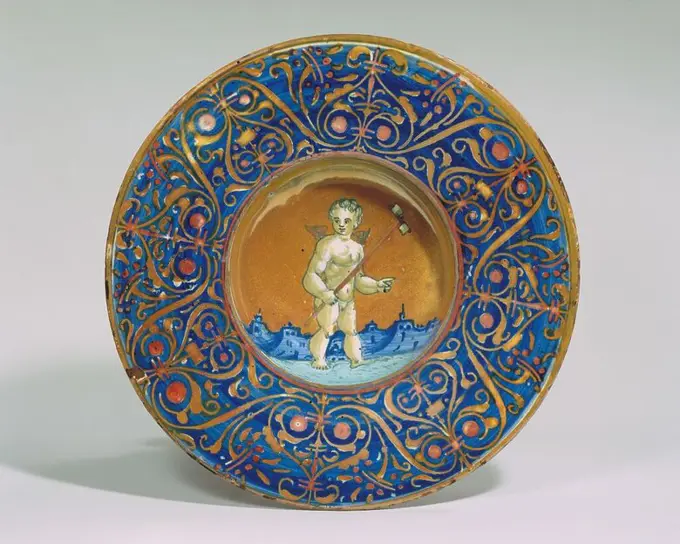
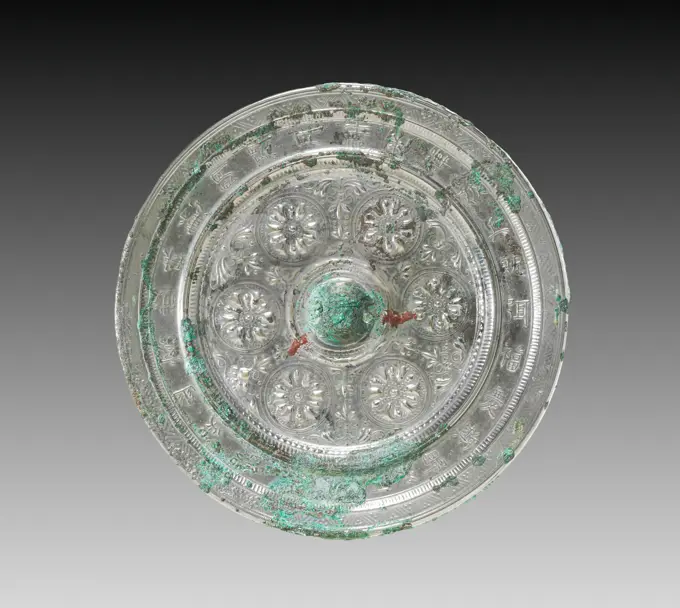
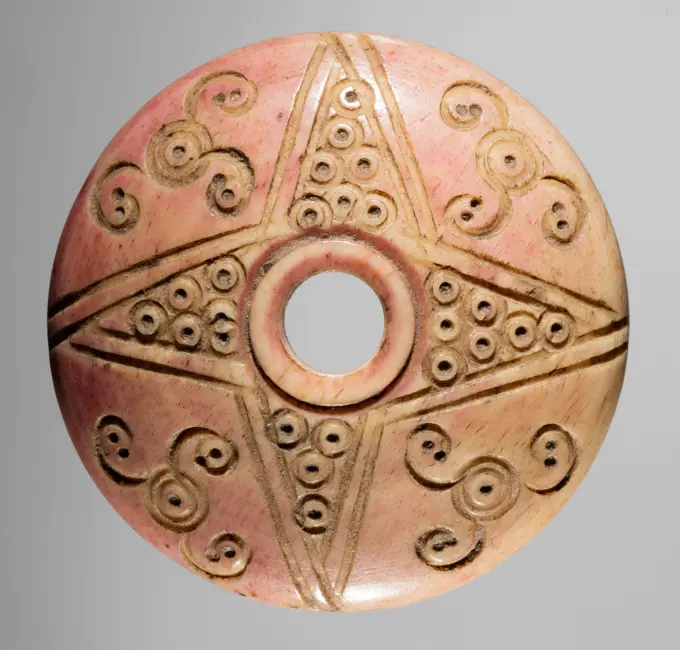
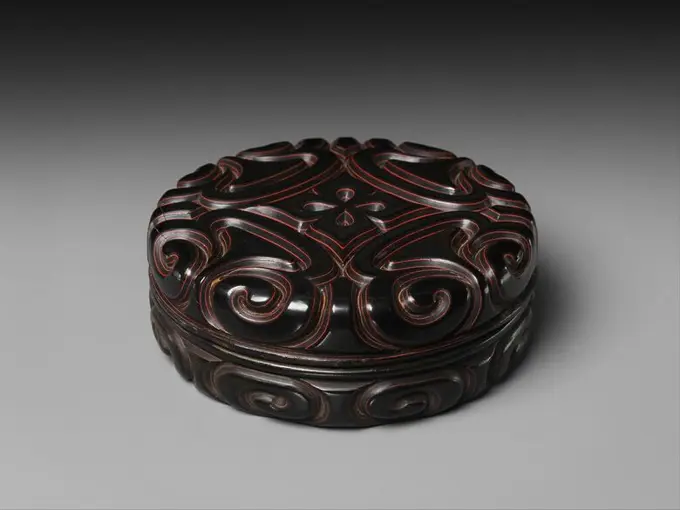
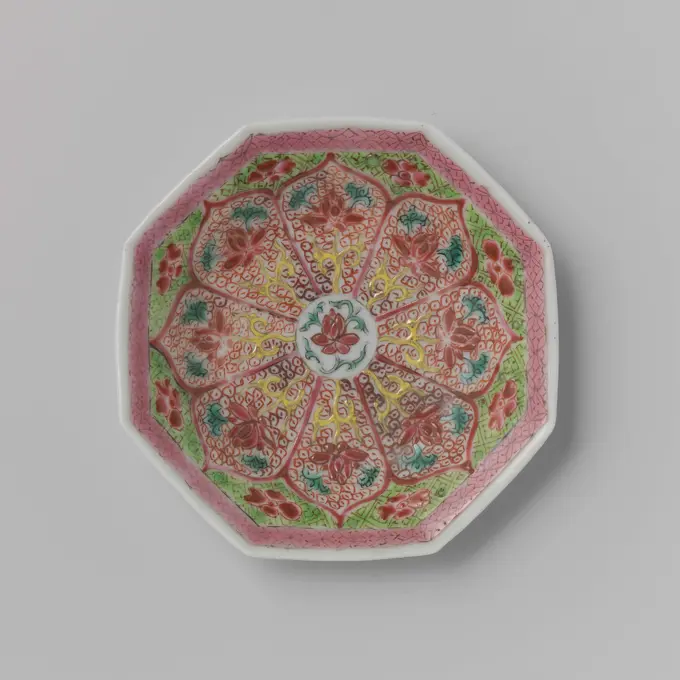
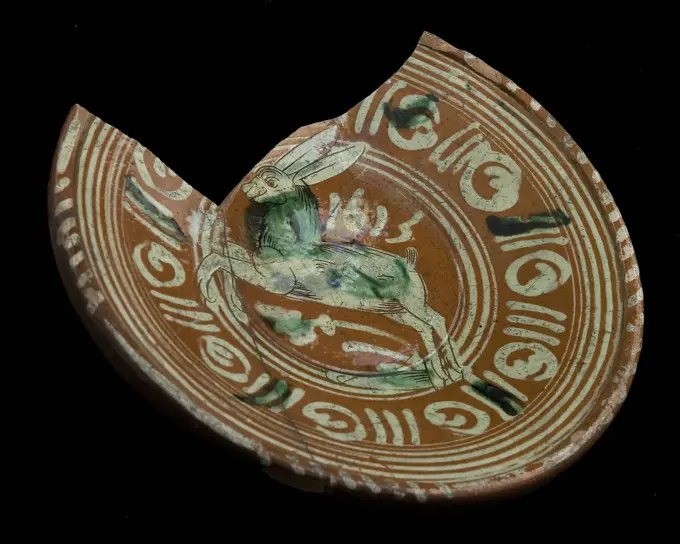
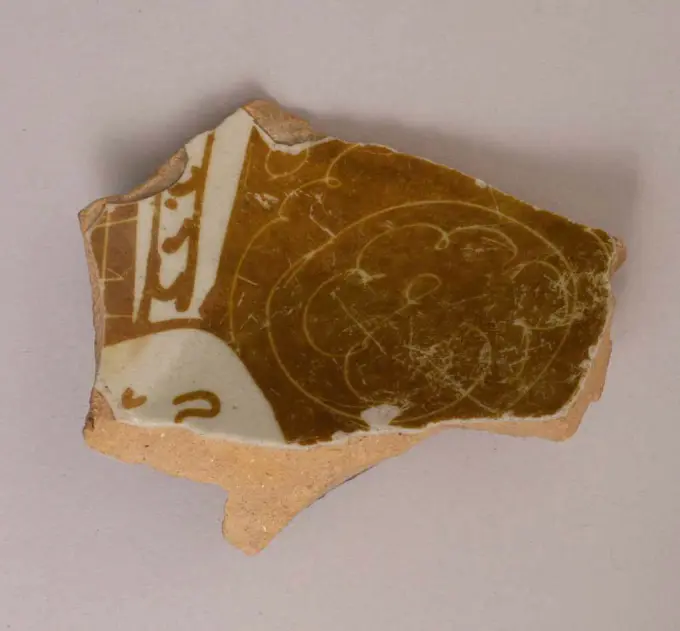
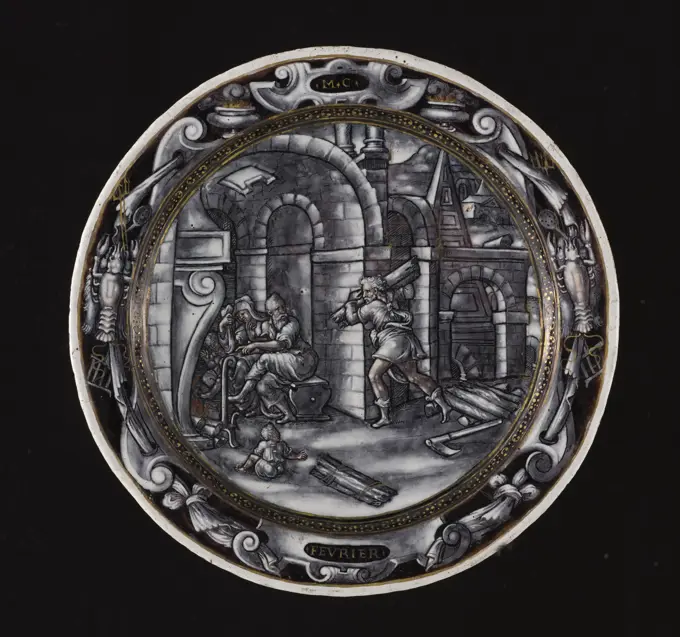
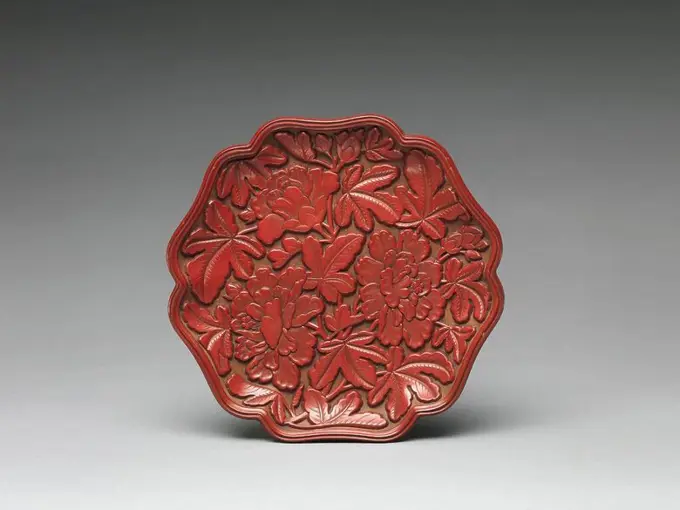
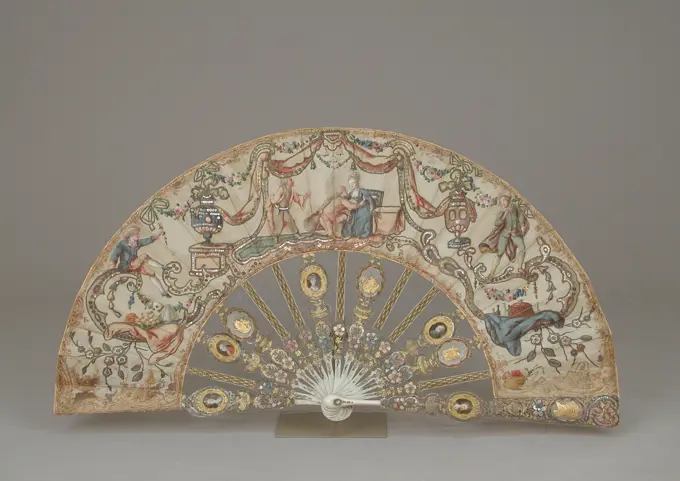
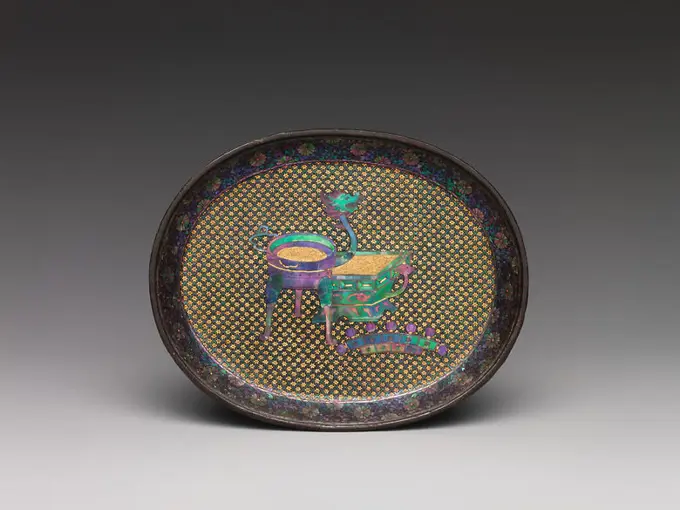
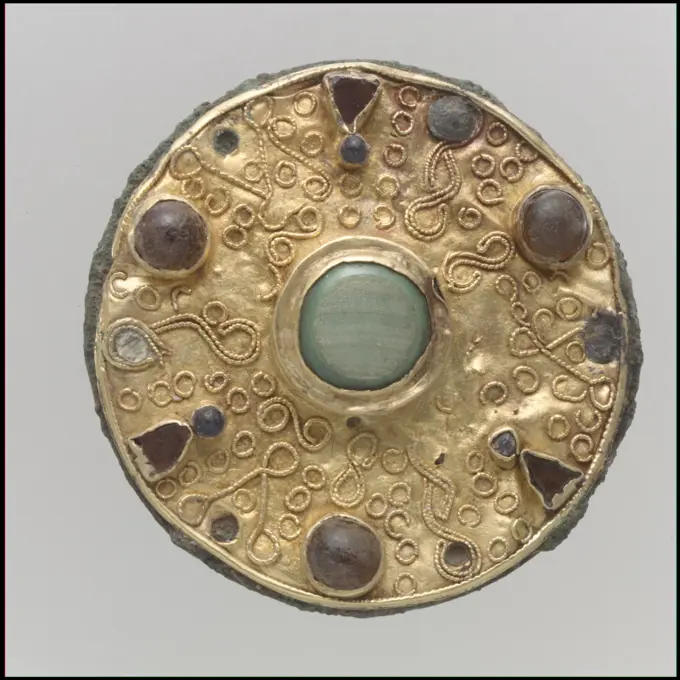
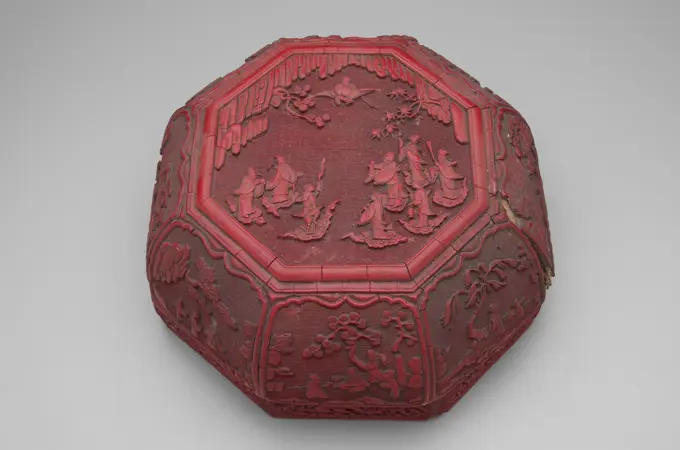
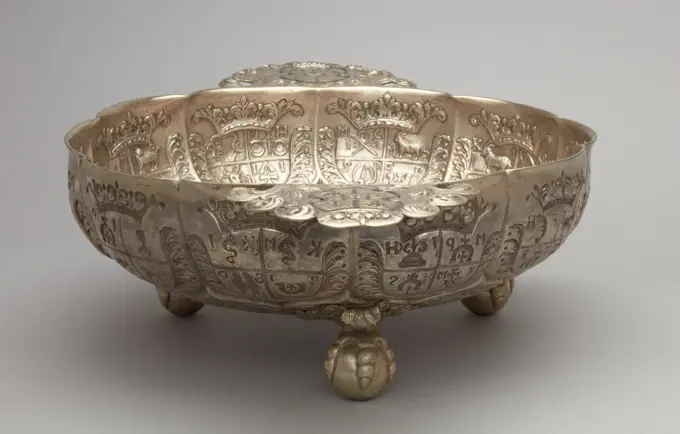
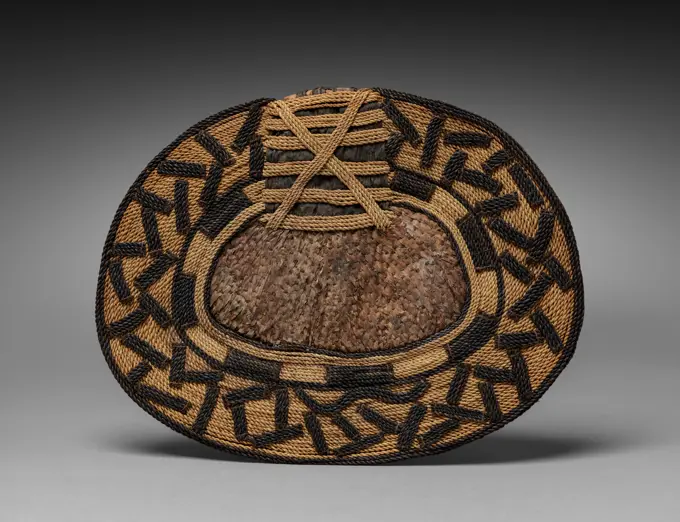
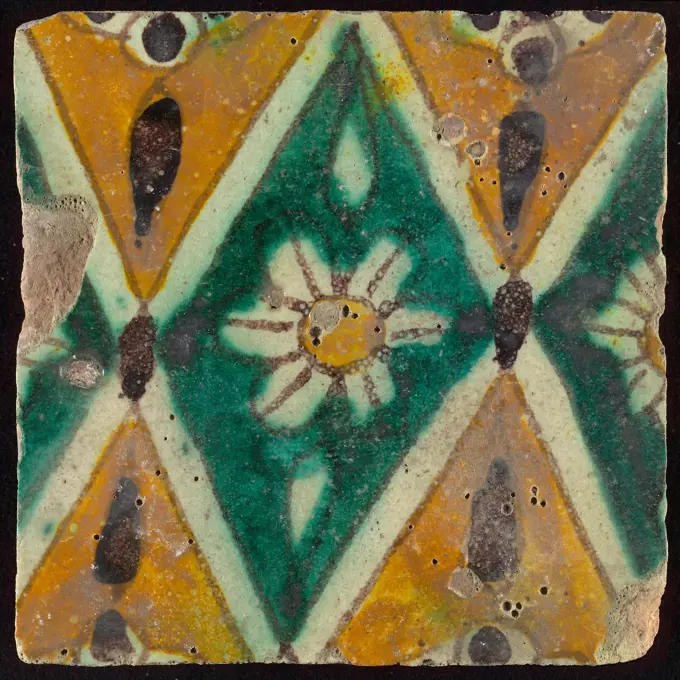
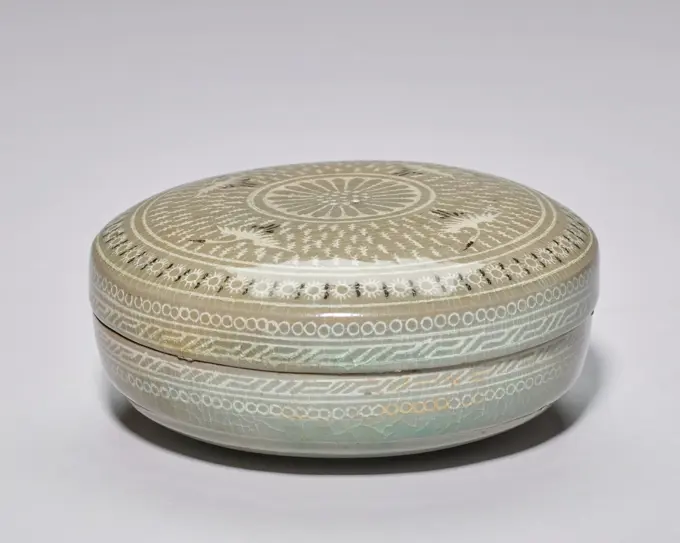
(Covered Cosmetic Box with Carved Decor), 12th century, Unknown Korean, 2 1/2 x 5 3/4 x 5 3/4 in. (6.35 x 14.61 x 14.61 cm), Stoneware with celadon glaze, Korea, 12th centuryDish with Unidentified Coat of Arms 1470-1490 Spanish. Dish with Unidentified Coat of Arms. Spanish. 1470-1490. Tin-glazed earthenware. Made in probably Manises, Valencia, Spain. CeramicsBlack Bird Plate, 15th century, 1 7/8 x 8 5/8 in. (4.76 x 21.91 cm), Kalong ware Stoneware with floral design in underglaze brown, Thailand, 15th centuryWall plate with stylized floral motif, 1887 Wall plate with white stock, about which a stylized floral motif has been applied in green brown and yellow. The motif is black. The Hague earthenware. glaze vitrification Wall plate with white stock, about which a stylized floral motif has been applied in green brown and yellow. The motif is black. The Hague earthenware. glaze vitrificationTLV Mirror with Multiple Nipples, AD 9-23. China, Xin dynasty (AD 9-23). Bronze; diameter: 16.6 cm (6 9/16 in.); overall: 1.1 cm (7/16 in.); rim: 0.5 cm (3/16 in.).Handscreen leaf, Printed paper, Printed paper handscreen leaf (handle missing) with 'Jeux' (games) spelled out in playing cherubs, with garlands, swags and other neoclassical ornament., France, late 18th-early 19th century, costume & accessories, Handscreen leafBoy in a feather hat; Norblin de la Gourdaine, Jean Pierre (1745-1830); 1775-1789 (1775-00-00-1789-00-00);. Fragment of a saucer of quartz frying with a white engobe and a thick glaze. To the circular center, in which a three-leaf flour has been spared into dark blue field, is a backdrop made of radial compartments, alternately in blue and black gray filled with flower drinks and geometric motifs. An Arab inscription on the back. The fragment is found in Cairo.Mirror with Grapes and Fantastic Sea Animals. Culture: China. Dimensions: Diam. 6 3/4 in. (17.1 cm). Date: 8th century. Museum: Metropolitan Museum of Art, New York, USA.Dish. Culture: German. Dimensions: Overall: 16 1/4 x 1 7/16 in. (41.3 x 3.7 cm). Date: early 16th century. Museum: Metropolitan Museum of Art, New York, USA.Charola. Culture: Mexican. Dimensions: 12 15/16 x 10 1/4 x/ 1 5/8 in.. Date: ca. 1830. Museum: Metropolitan Museum of Art, New York, USA.Plate. Anonymous. Japan, circa 1650-1660. Ceramics. Arita ware, Kokutani style; porcelain with over-glaze enamelsWall Facing (Netherlands); tin-glazed earthenware, underglaze; 5 tiles tall, various wideBasin with birds in a lotus pond 14th century China Large bronze basins functioned as water containers for daily use and can be traced back to the Han dynasty (206 B.C.-A.D. 220). While drawing inspiration from the traditional basin form, the artist modeled the tightly arranged lotus pond with birds after the popular design used to decorate blue-and-white porcelain made for the West Asia market during the fourteenth century.. Basin with birds in a lotus pond. China. 14th century. Bronze. Yuan (1271-1368)-Ming (1368-1644) dynasty. MetalworkExcerpt (foot) with red shard, with a decoration of floral shapes in blue, yellow and green on the top, anonymous, 1200 - 1899  Italy earthenware  Italy earthenwareTile/tile Fragment; glazed earthenwareBowl with Knotted Dragons 12th century This bowl shows an aspect of ceramics produced in twelfth-century Syria and the Jazira that proved unappealing to early twentieth-century collectors. While the painted design is exquisite, the whitening of the alkaline glaze when it was buried rendered the imagery almost illegible. This ware represents a large proportion of the glazed ceramics of the period found in excavations, but restorers have not found a way to enhance the pieces successfully, and they are underrepresented in collections.. Bowl with Knotted Dragons. 12th century. Stonepaste; underglaze-painted, transparent turquoise glaze. Attributed to Syria, Raqqa. CeramicsDish. Culture: Spanish. Dimensions: Overall: 18 1/8 in. (46 cm). Date: 15th century. Museum: Metropolitan Museum of Art, New York, USA.Bowl, Mina'i ("enameled") ware early 13th century Iranian. Bowl, Mina'i ("enameled") ware. Iranian. early 13th century. Mina'i ware. Composite body, stain- and overglaze-painted, and gilded.. Ceramics-PotteryPlate. Culture: Japan. Dimensions: Diam. 8 3/4 in. (22.2 cm). Date: 1700-1780. Museum: Metropolitan Museum of Art, New York, USA.Lobed Pillow with Deer 1075-1127 China. Cizhou ware; slip-coated stoneware with underglaze impressed and molded decoration .Bead. UnknownTerracotta plate ca. 1050-900 B.C. Cypriot. Terracotta plate. Cypriot. ca. 1050-900 B.C.. Terracotta. Iron Age. VasesBowl 10th-11th century. Bowl 451398Carnavalet museum, tokens collectionBowl. Dimensions: H. 2 9/16 in. (6.5 cm)Diam. 6 7/8 in. (17.5 cm)Base: 3 3/8 in. (8.5 cm). Date: 10th century. Museum: Metropolitan Museum of Art, New York, USA.Molded Dish with Autumn Grasses ca. 1600-15 Japan Iron oxide was painted directly onto the white stoneware body. The milky-white quality of the glaze is a result of its high feldspathic content and of the firing temperatures achieved in an ogama kiln.. Molded Dish with Autumn Grasses 50318Foliated Dish (Pan) with Sword-Pommel Pattern. China, Chinese, Early Ming dynasty, about 1368-1450. Furnishings; Serviceware. Carved red and brown lacquer on wood core (tixi)Plate Fragment 9th-10th century View more. Plate Fragment. 9th-10th century. Earthenware; white slip with splashed polychrome glazes under transparent glaze. Excavated in Iran, Nishapur. CeramicsTripod plate. Painted ceramics. Maya Salua. Late Classic Period (600-900 AD). El Salvador. Museum of the Americas. Madrid, Spain.Box with Daoists welcoming immortal Shoulao 19th century China Boxes in this shape are often fitted with trays that have recesses for holding cups to serve wine at celebrations. The design on this example shows Daoists welcoming Shoulao, the god of longevity, as he descends from the heavens on a craneapt imagery for a vessel used to mark a birthday and convey wishes for a long life. A historical group of Daoist immortals is seated in the individual cartouches carved on the sides of the box.. Box with Daoists welcoming immortal Shoulao. China. 19th century. Carved red and green lacquer. Qing dynasty (1644-1911). LacquerGinger Jar (lid), early 1900s. Japan, Meiji period (1868-1912) to Taishō period (1912-26). Cloisonne enamel; diameter of mouth: 2.9 x 4.5 cm (1 1/8 x 1 3/4 in.).Medallion 14th century. Medallion 452406Disk Brooch 500-700 Frankish. Disk Brooch 465382 Frankish, Disk Brooch, 500700, Copper alloy coated with gold foil, glass paste, Overall: 1 1/16 x 1/2 in. (2.7 x 1.2 cm). The Metropolitan Museum of Art, New York. Gift of J. Pierpont Morgan, 1917 (17.192.76)Ceramic Fragment 13th-16th century. Ceramic Fragment 452427Bowl. Western Iran, 550-330 B.C.. Furnishings; Serviceware. BronzeFragment of a Bowl with a Horse and Rider 1200-1268 Byzantine When intact, this example of Port Saint Symeon ware may have shown the rider hunting with a falcon. It is typical of the wares produced in the 1200s at the Crusader port of the Byzantine city of Antioch, which fell to the Mamluks of Egypt in 1268. Similar examples have been found in Crusader castles in the Holy Land as well as Italy.. Fragment of a Bowl with a Horse and Rider 466112Plate;  19th/20th century (1890-00-00-1910-00-00);Bowl early 11th century. Bowl 452209Majolica dish, polychrome, in the middle rosette, surrounded by volutes, cable edge, plate crockery holder soil find ceramic earthenware glaze, baked underside covered with lead glaze. Polychrome. Italian Dutch decor archeology food decorate serving ItalyBowl Base 300-early 400s Roman. Bowl Base 465927Dish. Culture: German. Dimensions: Overall: 9 1/2 x 2 1/8 in. (24.1 x 5.4 cm). Date: early 16th century. Museum: Metropolitan Museum of Art, New York, USA.Fragment of a dish with red -baking shard, on which stripes are applied to the front in Sgrafitto technology with white and yellow glaze, anonymous, 1200 - 1899  Italy earthenware  Italy earthenwareFragment of Plate with Radish-like Motif 9th-10th century. Fragment of Plate with Radish-like Motif. 9th-10th century. Earthenware; red slip with polychrome slip decoration under transparent glaze. Excavated in Iran, Nishapur. CeramicsTerracotta pyxis (box) late 4th-early 3rd century B.C. Greek, South Italian, Apulian, Canosan On the lid, seated couple and ErosAlthough the two works were acquired separately, the figured tondi were made from the same mold. The colors that are preserved quite well here indicate the original, brightly polychrome appearance of vases that were made for the tomb. The pyxis 06.1021.253a, b comes from the same pair of burials as the loutrophoroi 06.1021.245 and 06.1021.249; the funnel-jar 06.1021.248a, b; and the two-handled vase 06.1021.246a, b.. Terracotta pyxis (box). Greek, South Italian, Apulian, Canosan. late 4th-early 3rd century B.C.. Terracotta. Early Hellenistic. VasesSpindle Whorl, 700s - 900s. Iran, early Islamic period, 8th - 10th century. Bone, incised; overall: 0.8 x 2 x 2 cm (5/16 x 13/16 x 13/16 in.).Kylix Vase: Three Figures-Barbaric Satyr with Kill in Left Hand, Another Satyr & Menade Facing Him Ceramic Museo Guarnacci, Volterra, ItalyPlate ca. 1635-70 Paulus Öham the younger. Plate 207977Dish 17th century. Dish 446538Ear Plug 1375-1400, Majapahit period, Indonesia, East Java, gold and ruby. This ear plug was probably worn by royalty on ceremonial occasions. It would have fitted within a distended earlobe. Similar ear plugs have occasionally been found in earthenware pots buried in the ground. As with this example, they show little sign of use.Sword Guard (Tsuba). Culture: Japanese. Dimensions: Diam. 3 1/4 in. (8.3 cm); thickness 3/16 in. (0.5 cm); Wt. 4.9 oz. (138.9 g). Date: 18th century. Museum: Metropolitan Museum of Art, New York, USA.Mirror with Serpentine Interlaces and Angular Meanders, c. 325-275 BC. China, Warring States period (475-221 BC). Bronze; diameter: 16.9 cm (6 5/8 in.); height: 1 cm (3/8 in.); rim: 0.5 cm (3/16 in.).Plate 10th century The elegant kufic calligraphy on this plate demonstrates how calligraphy alone can be used to achieve a strong visual effect. The contrast between black letters and opaque white ground intensifies the impact of the simply yet elegant decoration. The Arabic inscription, the beginning and end of which are indicated by a bell-shaped design, is a phrase that was used on other pottery from Nishapur: "Knowledge is an ornament to youth and intelligence is a crown of gold in paradise. Blessing." Pottery with such phrases serves as a compendium of Arabic proverbs from this period.. Plate 451944Bowl 12th century. Bowl 448274Dish first quarter 19th century Spanish, Aragon. Dish. Spanish, Aragon. first quarter 19th century. Enameled earthenware. Ceramics-PotteryDishes of red -baking earthenware, with a painting of a tulip with the year 1644 in blue on a white surface at the front, and colorless glaze at the rear, anonymous, c. 1500 - c. 1699 fragment   earthenware. glazePlate 18th century Japan. Plate. Japan. 18th century. Copper. Edo period (1615-1868). MetalworkDish. Probably Iran, 8th-10th century. Glass. Glass, free-blownBrazier, Brass, copper lining, wood, Shaped sides, oval, on four short legs; hinged and pierced lid with grid on top; scrolled brass hinged handle with wooden crosspiece. Separate copper liner with two small ring handles., France, ca. 1700, metalwork, Decorative Arts, BrazierSword-Hilt Collar and Pommel (Fuchigashira). Culture: Japanese. Dimensions: Kashira (a); H. 1 5/16 in. (3.3 cm); Wt. 0.5 oz. (14.2 g); fuchi (b); H. 1 1/2 in. (3.8 cm); Wt. 1 oz. (28.3 g). Date: 18th century. Museum: Metropolitan Museum of Art, New York, USA.Bowl 10th century. Bowl 452623Terracotta lekane (dish) ca. 550-540 B.C. Greek, Boeotian Interior, dolphinExterior, animal friezeInterior, dolphin; exterior, frieze of animals.. Terracotta lekane (dish) 247189Plate from the Arabesque Service 1785 France. Soft-paste porcelain, polychrome enamels, and gilding . Manufacture nationale de Sèvres (Manufacturer)Floor tile, Anonymous, 1400 - 1550 Floor tile decorated with a deer in a circle with dots. In the corners, flames. Netherlands (possibly)France (possibly) earthenware. lead glaze Floor tile decorated with a deer in a circle with dots. In the corners, flames. Netherlands (possibly)France (possibly) earthenware. lead glazeDisc. Culture: Moche (Loma Negra). Dimensions: Diameter 6-7/8 in. (17.5 cm). Date: 390-450. Museum: Metropolitan Museum of Art, New York, USA.Agnes Karlin and Mina Lowry, Pie Plate, c 1936 Pie PlateClose up of bronze chandelier, Etruscan civilization, 4th century b.c.Plate. Culture: American. Dimensions: Diam. 8 5/8 in. (21.9 cm). Date: ca. 1800. Museum: Metropolitan Museum of Art, New York, USA.Dish (tondino). Artist: Italian , Gubbio, early 16th century. Culture: Italian, Gubbio. Dimensions: Diameter: 9 15/16 in. (25.2 cm). Date: ca. 1530.This small lustered bowl is typical of ceramics made in Gubbio in the 1520s and 1530s. The meaning of the boy playing with a pinwheel is uncertain, but it relates to imagery found on birth trays. Museum: Metropolitan Museum of Art, New York, USA.Mirror with Six Circular Flowers, 600s. China, Tang dynasty (618-907). Bronze; diameter: 16.6 cm (6 9/16 in.); overall: 1.5 cm (9/16 in.); rim: 0.9 cm (3/8 in.).Spindle Whorl, 700s - 900s. Iran, early Islamic period, 8th - 10th century. Bone, incised; overall: 0.8 x 2.9 x 2.9 cm (5/16 x 1 1/8 x 1 1/8 in.).Box with Pommel Scroll Design. Culture: China. Dimensions: H. 1 5/8 in. (4.1 cm); Diam. 4 7/16 in. (11.3 cm). Date: 13th century. Museum: Metropolitan Museum of Art, New York, USA.Octagonal Saucer With Foral Scrolls in Petal-Shaped Panels. Octagonal dish of porcelain with straight, flared wall, painted on the glaze in red, green, yellow and black. On the flat of the dish compartments in the shape of a flower, in the center a flower drink and in the flower leaf-shaped lotus drinks on napkin; a swastika pattern with flour between the leaf-shaped compartments; On the edge napkin. A crack in the edge of the dish. Family Rose.Terracotta pyxis (box). Culture: Greek, Attic. Dimensions: Other: 2 3/4 x 4 5/8 in. (7 x 11.7 cm). Date: ca. 400 B.C..Women, youths, and ErotesThe setting for the figures here seems to be outdoors, due to the rocky formation on which one woman places her foot. The youth reclining on a vaguely shaped object with legs may introduce a Dionysiac reference. Museum: Metropolitan Museum of Art, New York, USA.Werra plate, mirror decor jumping hare, decorated in sludge technique and sgraffito, dated 1615, plate crockery holder soil find ceramic earthenware glaze lead glaze clay, hand-turned decorated glazed fried sweetheart sgraffito Layer plate. Sloping sidewall without shoulder Stand surface. Red shard only glazed on the top Vertical saucer edge Decorated in sludge technique and sgraffito Decoration consists of jumping hare and year in the mirror yellow circles in the flag between them band with curls and stripes. Rope pattern along the edge Yellow and green. year in the mirror: 1615 archeologie Stadscentrum Stadsdriehoek Rotterdam Town Hall City Hall serving pottery serve food decorate tableCrespina plate. Nieokreślona manufaktura, factoryFragment of a Dish 11th-12th century. Fragment of a Dish 446512Calendar Plate for February (Chopping Wood). Martial Courteys (France, Limoges, circa 1544-1592). France, Limoges, circa 1565-1575. Furnishings; Serviceware. Grisaille enamel, flesh tones, touches of color, and gold on copperDish with peonies. Culture: China. Dimensions: H. 1/4 in. (.6 cm); Diam. 6 11/16 (17 cm). Date: 14th century.The deep carving of the peonies and leaves in this small dish is typical of Chinese lacquerware produced in the first half of the fourteenth century. A similar example dated before 1333 was recovered during the 1976-84 excavation of a famous shipwreck off the Sinan Islands near the southwestern coast of Korea. Museum: Metropolitan Museum of Art, New York, USA.Fragment 14th century. Fragment 452491Bowl 16th century. Bowl 453157Folding fan ca. 1774-93 French. Folding fan. French. ca. 1774-93. Silk, ivory, spangles. FansDish with Antiquities. Culture: China. Dimensions: W. 3 3/4 in. (9.5 cm); L. 4 3/4 in. (12.1 cm). Date: mid-17th-early 18th century.The phrase inlaid into the bottom of this small dish reads "for the delectation of the jade hall" (yuntang jiawan), indicating that it was a private commission. This inscription alludes to the collection of the infamous Ming-dynasty Prime Minister Yan Song (1480-1566). Because of his greed and lack of scruples, Yan was able to amass an astonishing collection of antiquities. In an ironic transformation, he instead became known as an icon of good taste in later ages. Museum: Metropolitan Museum of Art, New York, USA.Ceiling medallion. Culture: French. Dimensions: 38 5/8 × 33 1/8 in. (98.1 × 84.1 cm). Date: late 17th-early 18th century. Museum: Metropolitan Museum of Art, New York, USA.Tile Fragment first half 13th century. Tile Fragment 449433Scale with coat of arms and motto 'per Ardua Ad Astra'. The scale has the shape of a seapas with an equally raised edge. This is decorated with engraved spinning on granulated background, along driven to each other goddron lists, which are interrupted by six rosettes. On the bottom an engraved by leaf ornament surrounded coat of arms with two six-lasting stars in the upper half and a schuinkruis in the lower half. Above the coat of arms a helmet with two wings, under the coat of arms two banderoles with the motto 'per Ardua Ad Astra'.Plate, 1st century B.C., Cast mosaic glass, 2.1 × 15.6 cm (13/16 × 6 1/8 in.), Hellenistic or Roman, EasternMediterranean, Containers -GlassDisk Brooch 7th century Frankish. Disk Brooch 465434 Frankish, Disk Brooch, 7th century, Copper alloy, coated with gold, iron pin, glass paste & glass paste cabochons, Overall: 1 5/8 x 9/16 in. (4.1 x 1.5 cm). The Metropolitan Museum of Art, New York. Gift of J. Pierpont Morgan, 1917 (17.193.127)Box with DaoistImmortalsPrzeszo Przyszoci unknownBack Skirt/Sitting Pad (negbe), before 1929. Africa, Central Africa, Democratic Republic of Congo, Mangbetu-style makers. Plant fibers and dye; overall: 26 x 33.7 x 10.2 cm (10 1/4 x 13 1/4 x 4 in.). Egbe (singular: negbe) were fashionable and practical garments aristocratic Mangbetu women made for special occasions. Worn over a skirt, it tied onto a girdle along with a frontal apron.” The curved interior piece rested on the lower back. Thickly woven, flexible natural fibers bent with the body, cushioning the wearer’s behind when sitting. When the woman was standing, the decorated flat portion faced outward, showing off bold geometric motifs. Egbe were among items sold to foreigners at the Mangbetu king’s encouragement as the Mangbetu actively constructed their self image for outsiders during the 1920s and 1930s.Mirror, 1185-1333. Japan, Kamakura period (1185-1333). Bronze; diameter: 11.2 cm (4 7/16 in.).Campania Napoli Naples S. Lorenzo Maggiore90. Hutzel, Max 1960-1990 Medieval: Sculpture, architecture, architectural sculpture (including Roman spolia) 13-14th century Chapter house; sarcophagi, gravestones; wall painting. Fragment of mosaic; sculptural fragments in the Sala Capitolare. Post-medieval: Architecture, architectural sculpture, ceiling painting fresco cycle; prints depicting Venice c. 1845 (4), sculpture; life-size creche figures dressed in original Neapolitan costume Church restored in 1882, 1926, 1944; excavations under the transept undertaken between 1958-1962, and in the cloister in 1976, have revealed remains of a Roman macellum (market), street, and the paleochristian basilica of the 6th c. AD. Antiquities: Pottery: black-glazed, archaic banded, domestic wares, bucchero; architectural terracottas, statuettes, lamps, sculpture fragments Object Notes: 3 color negatives with no prints at the end. General Notes: Most objects/paintings/frescoes unidentified. Three batches Floor tile, brown draft, green and yellow on white ground, central green oblique glass in which white flower with yellow heart, half yellow diamonds, half green diamonds, floor tile tile footage ceramic earthenware glaze, d 2.3Bowl, c. 1450, 3 x 8 3/4 in. (7.62 x 22.23 cm), Ceramic, pigment, United States, 15th centuryTLV Mirror with Multiple Nipples, 1st century AD. China, Eastern Han dynasty (25-220). Bronze; diameter: 17.1 cm (6 3/4 in.).Speelhuisensning from Thailand, 1760-1871 ,, 1760 - 1871 coin Octagonal porcelain playing house fencing, which is also used as a mint. Front: Four Chinese characters. Reverse: image.  porcelainProfiled construction fragment, part of faience frieze, showing landscape in blue, frieze frame part ceramics pottery glaze tin glaze, in mold made baked glazed decorated Faience building fragment Probably tile from frieze or plinth of the covering of chimney or fireplace. Profiled like roof tile upstanding edge at the back. Glazed only on one side. Blue decor. Cityscape along river. Roetsporen adorn building home furnishingsJelec (Tsuba); Kitagawa, sôten, sôten; 1701-1730 (1701-00-00-1730-00-00);Fragment majolica dish, blue on white, on mirror landscape with ruin, Edge in Wanli style, dish crockery holder soil find ceramic earthenware glaze, Fried on the underside covered with greenish lead glaze. Monochrome. Chinese Dutch decor. Scraped pottery yellow shard with grains red pottery archeology decorate serving food China