Decorative Ceramics and Shields

A gallery of ornamental dishes and shields from different cultures, featuring intricate patterns, metals, and designs that reflect historical craftsmanship.

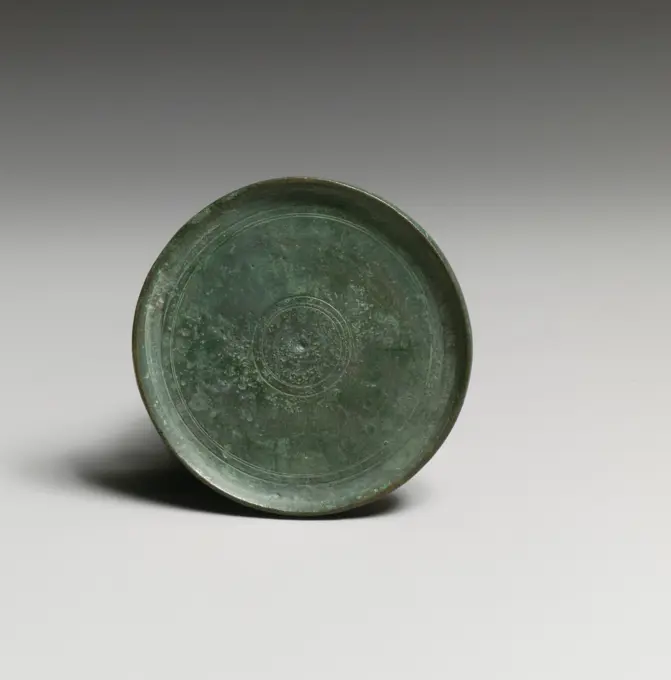
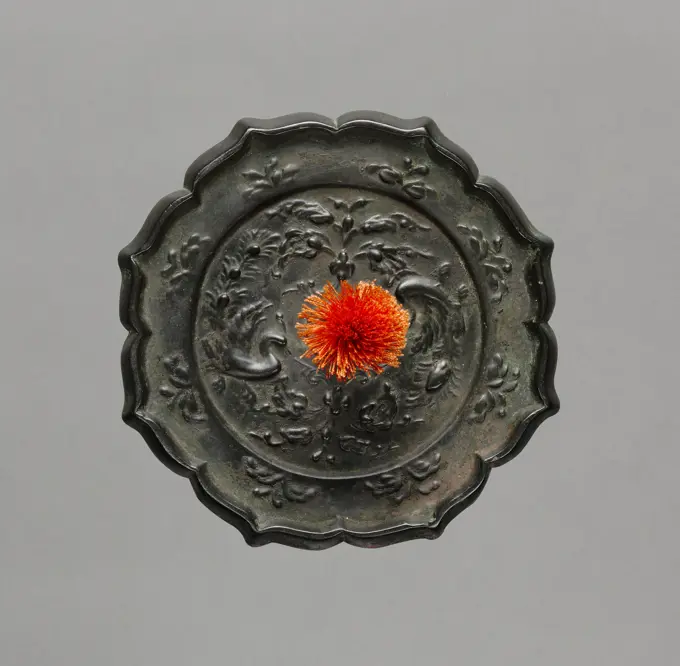
Mirror, 8th century, 8 1/4 in. (20.96 cm), Bronze, China, 8th century
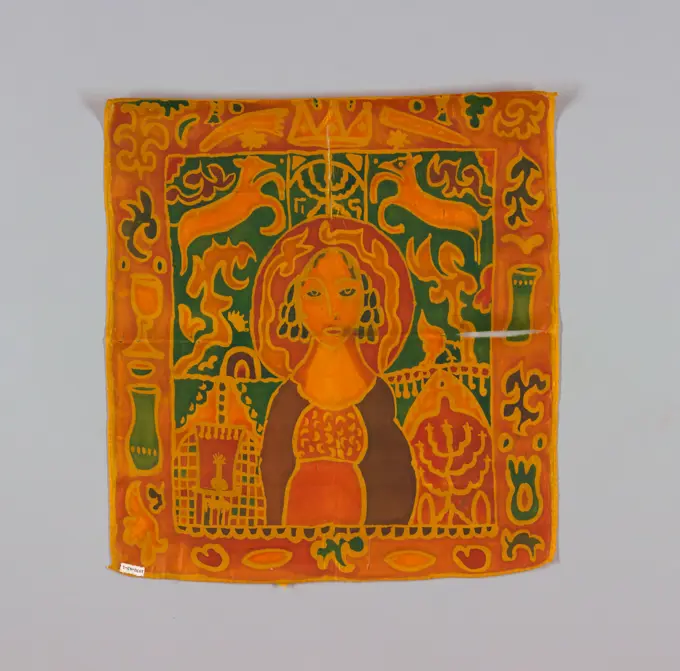
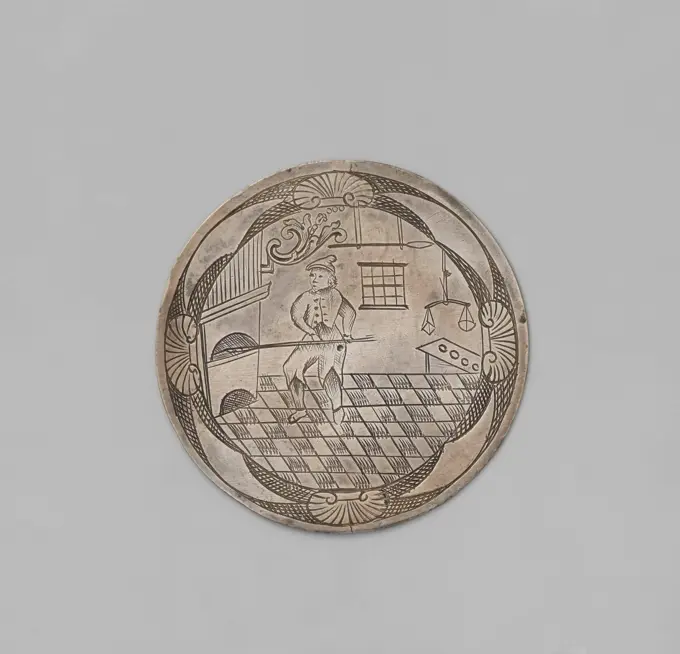
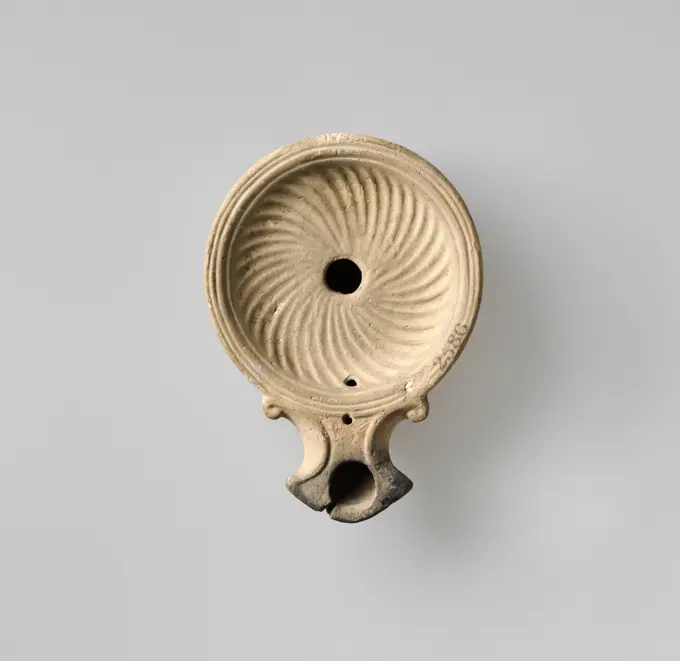
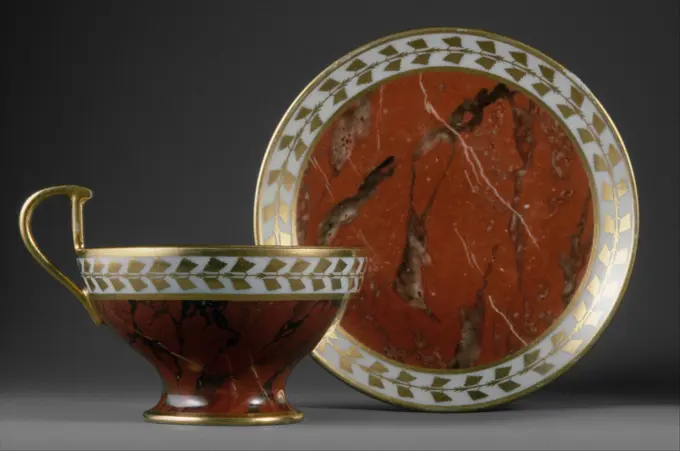
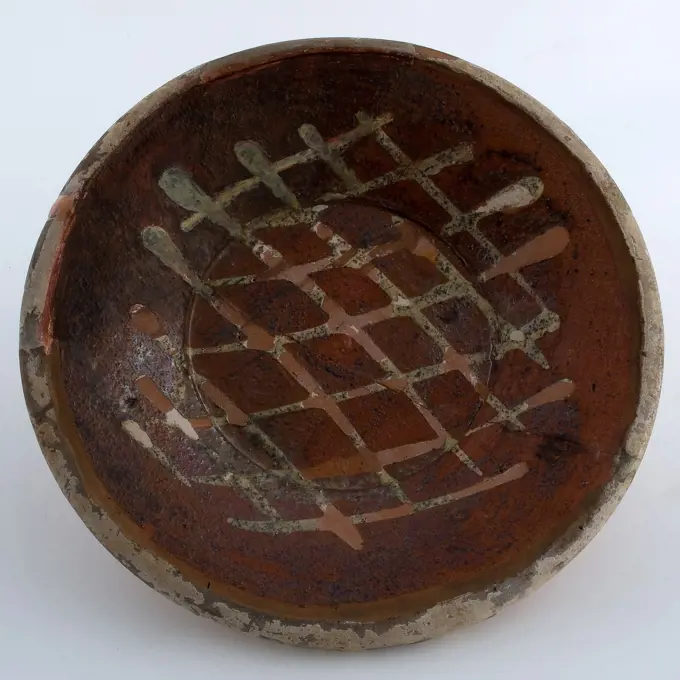
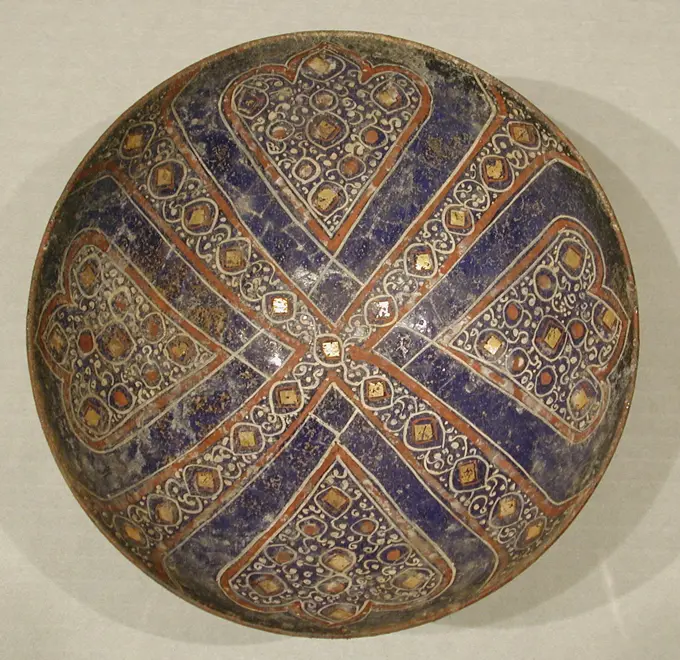
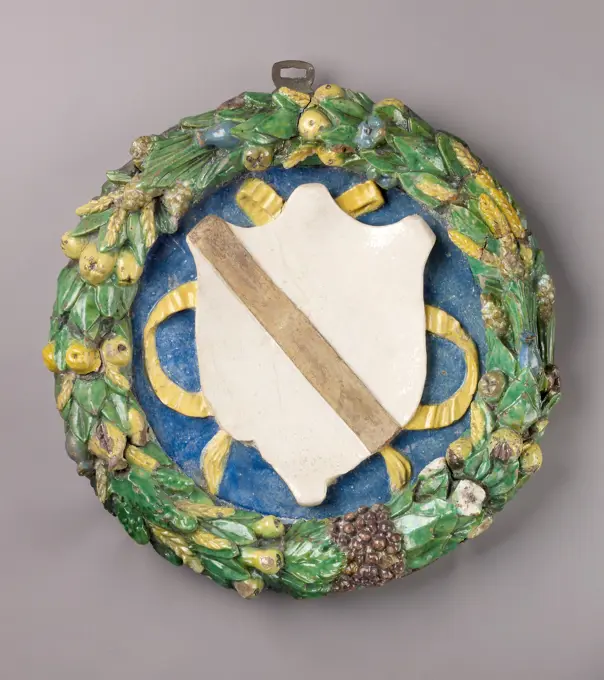
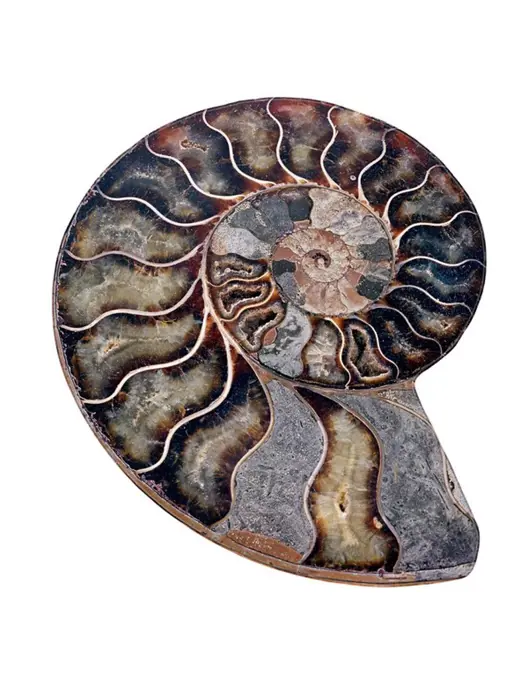
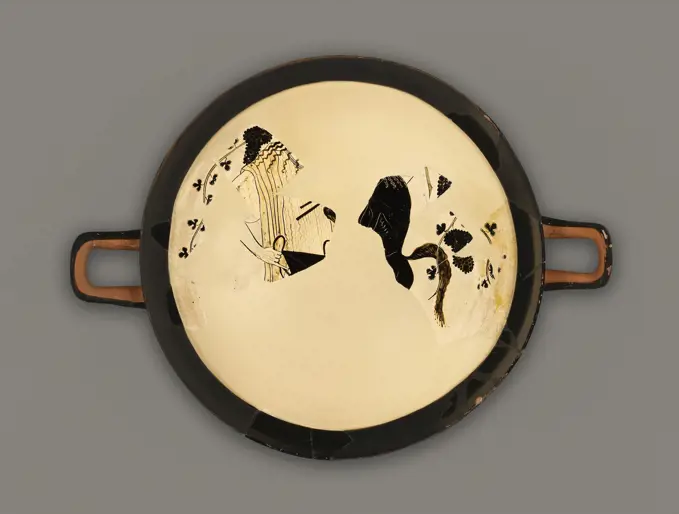
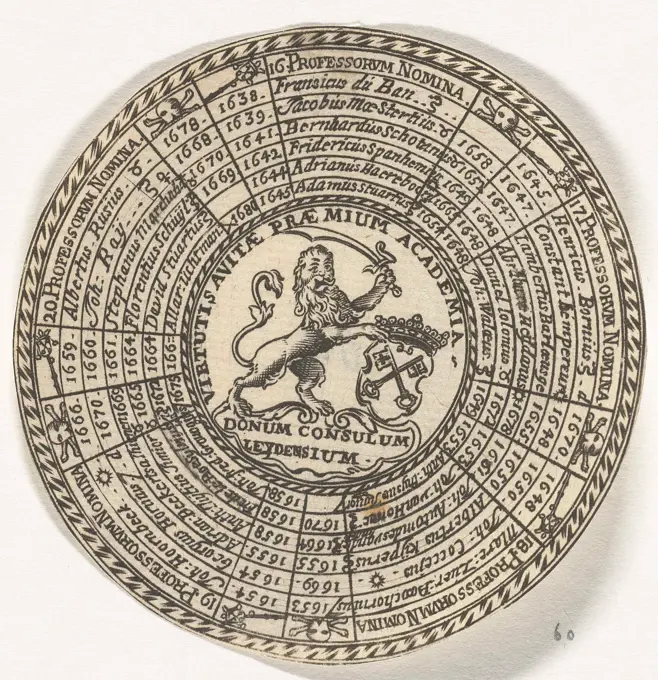
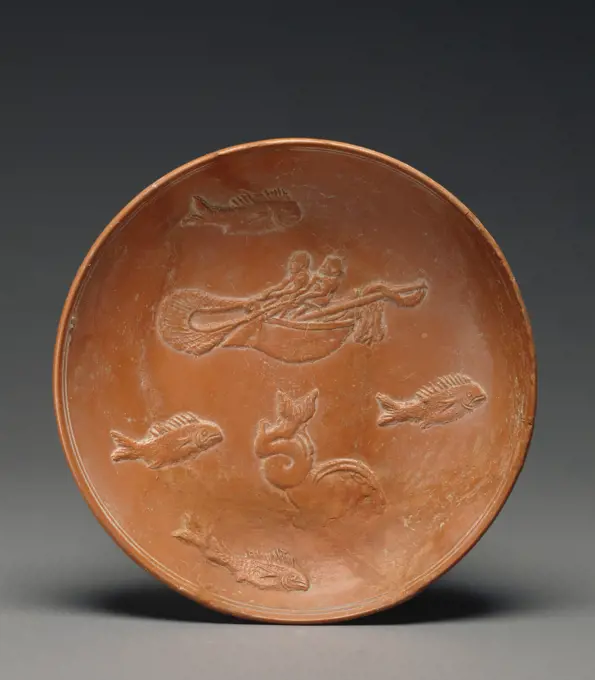
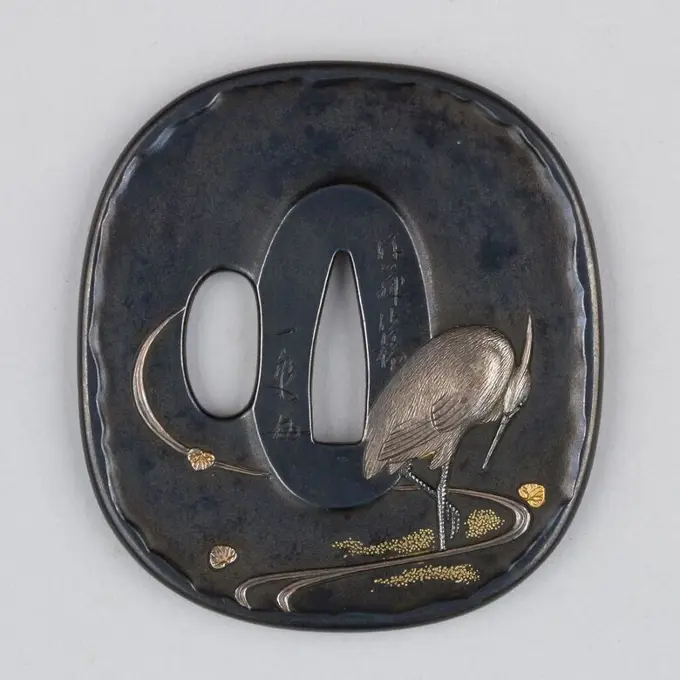
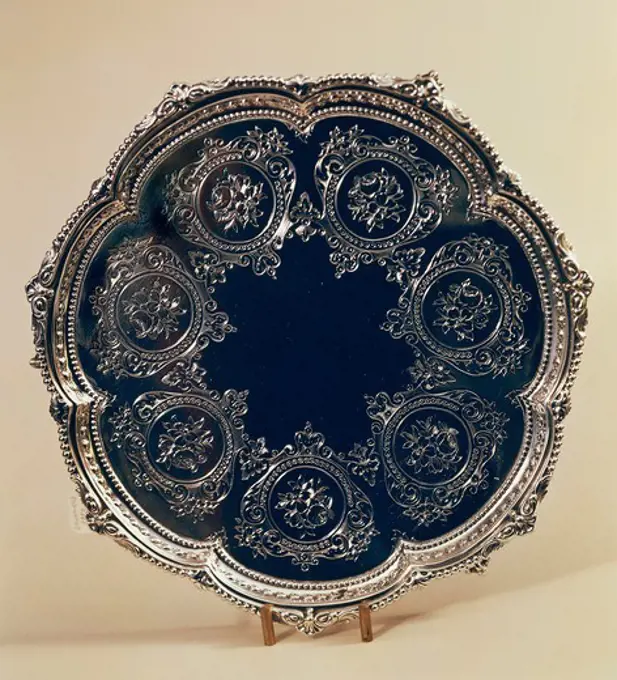
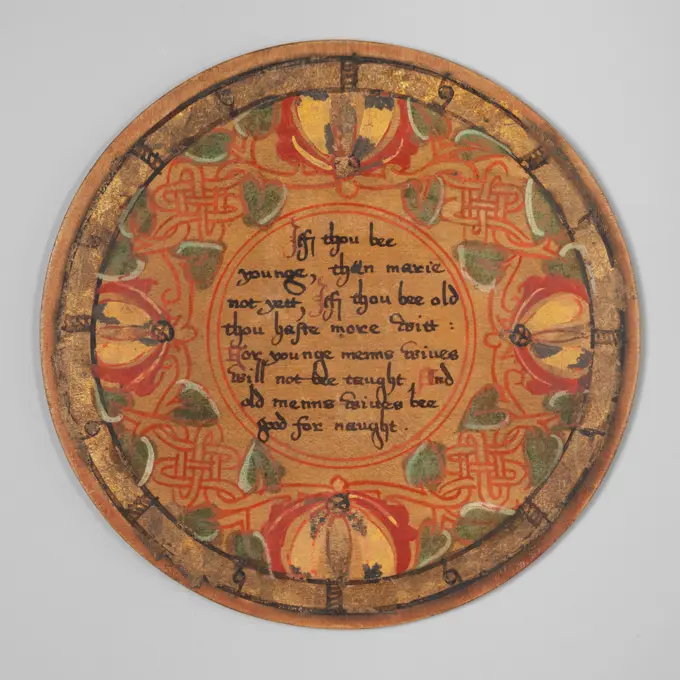
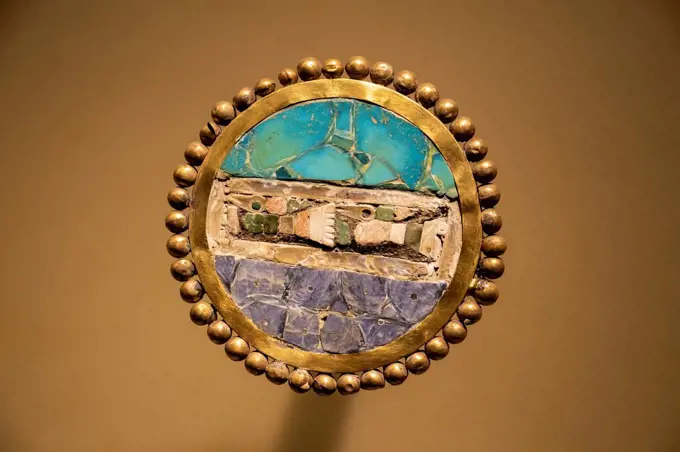
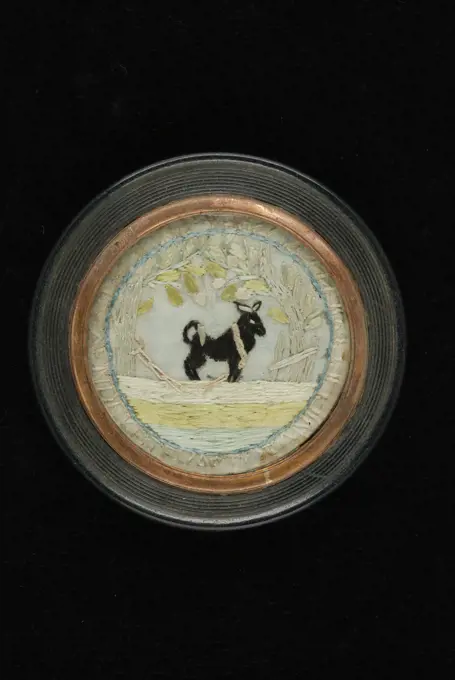
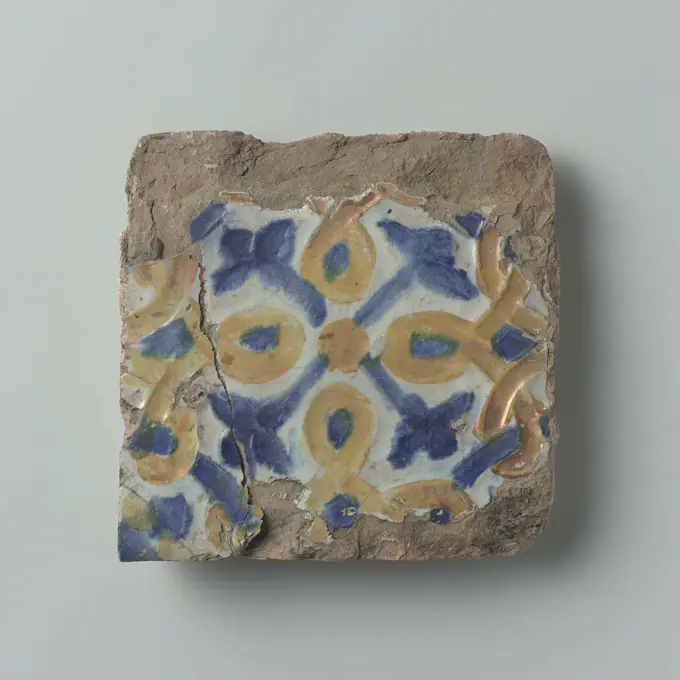
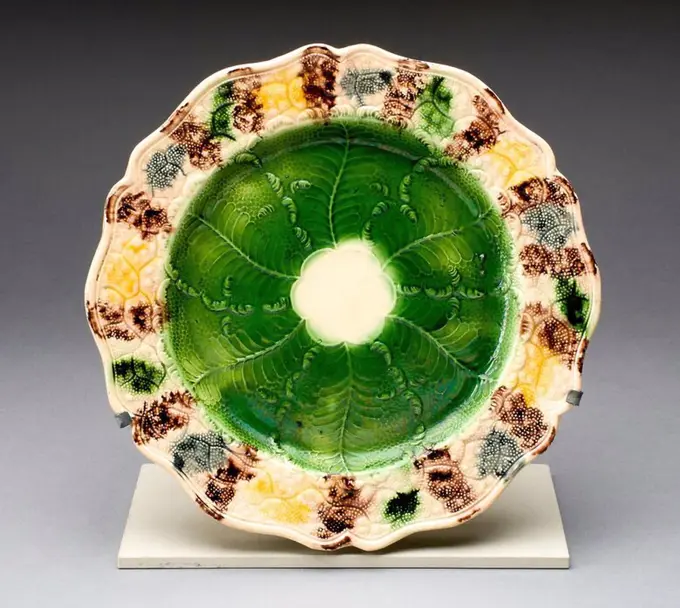
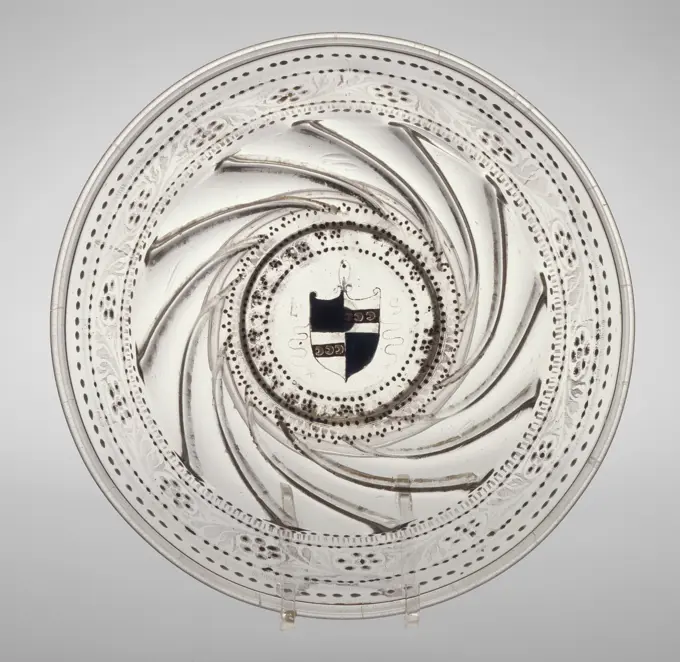
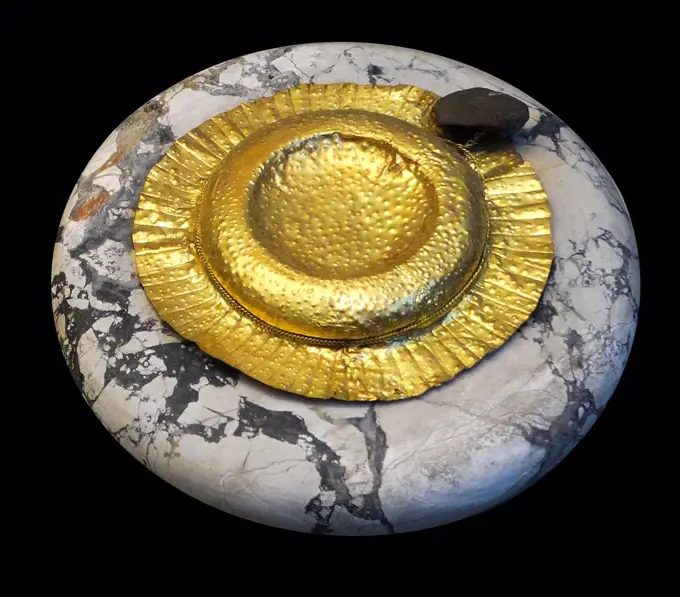
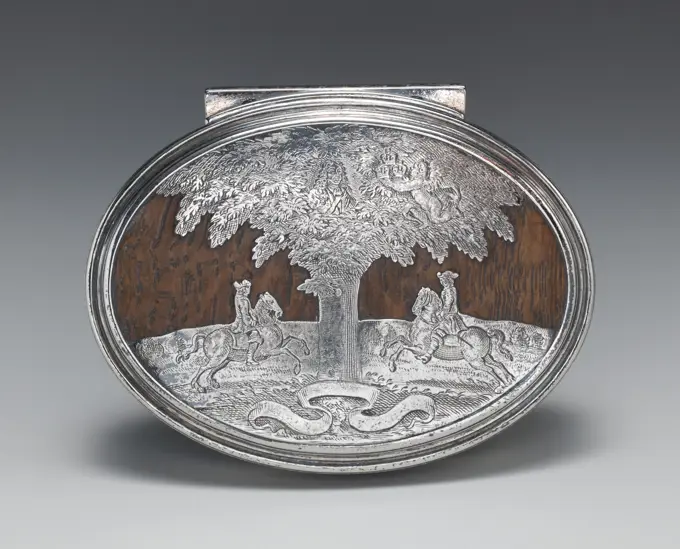
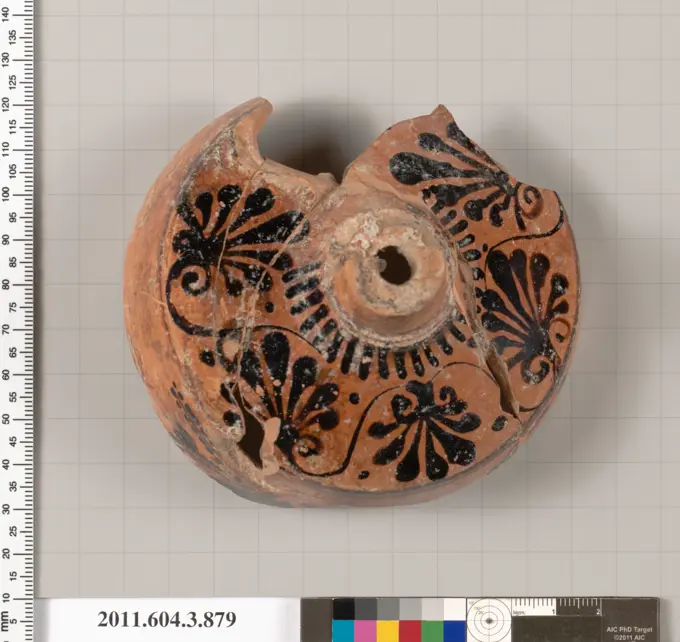
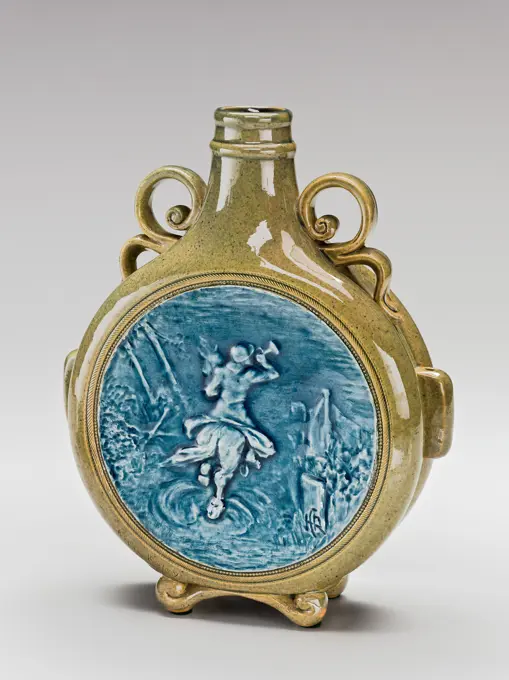
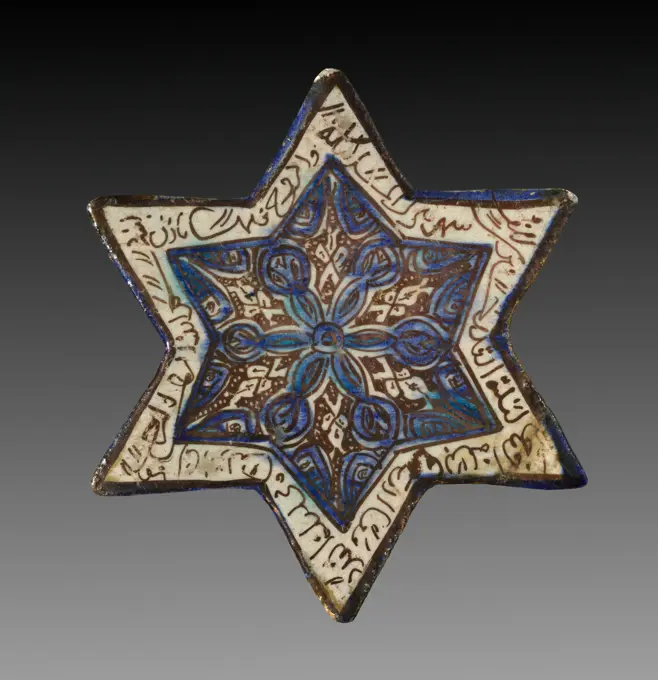
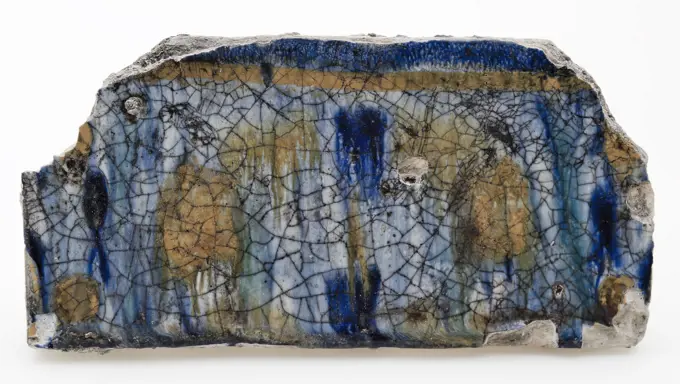
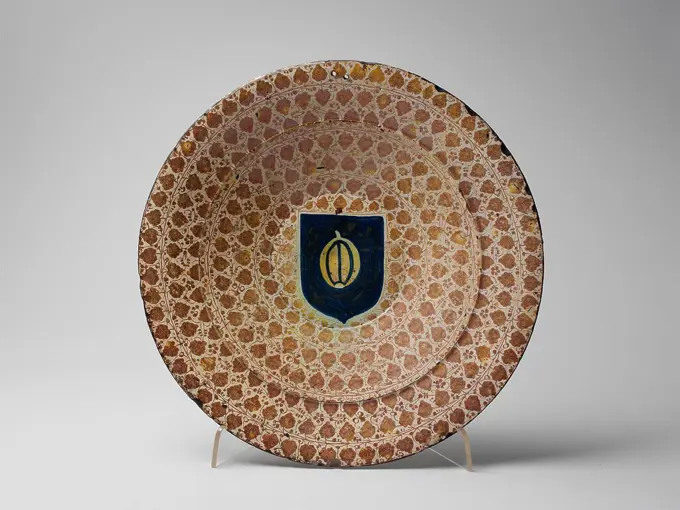
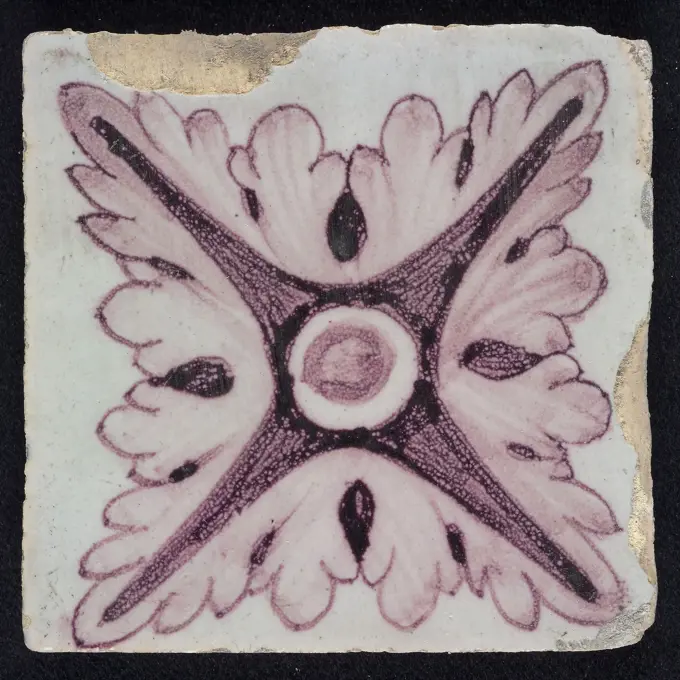
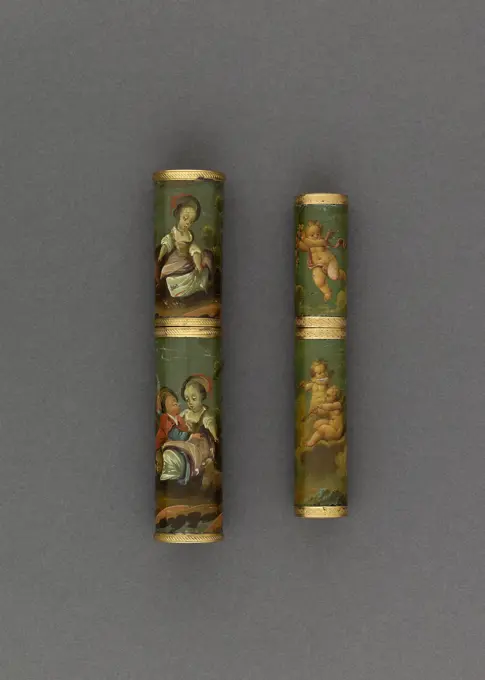
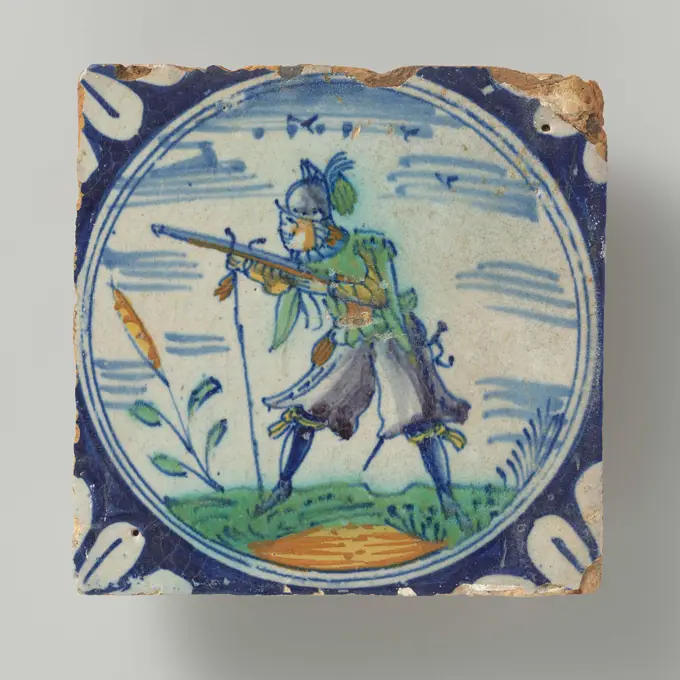
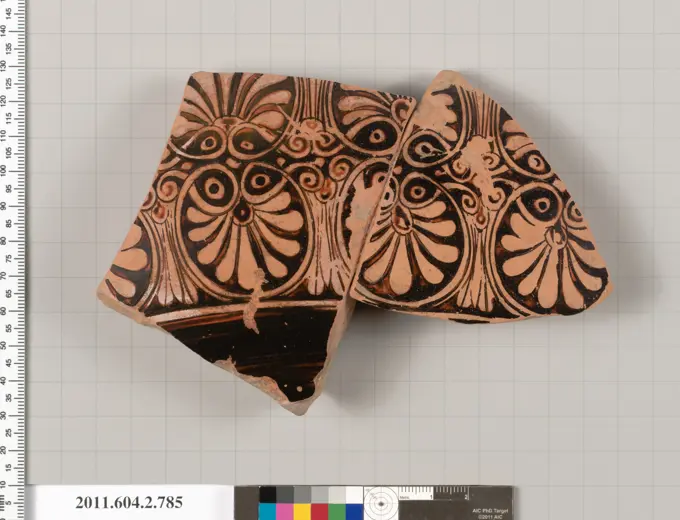
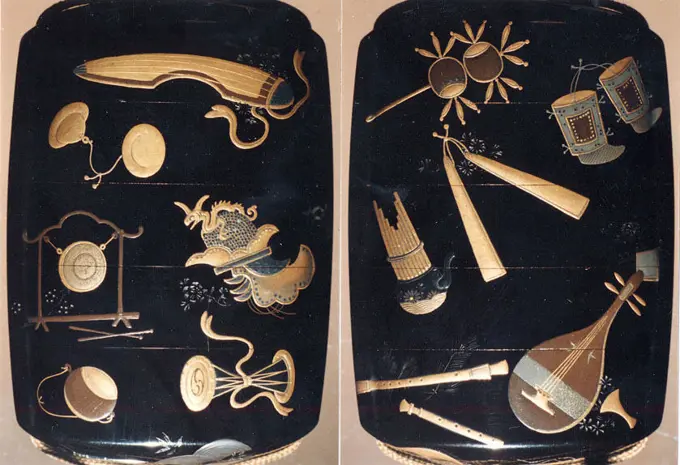
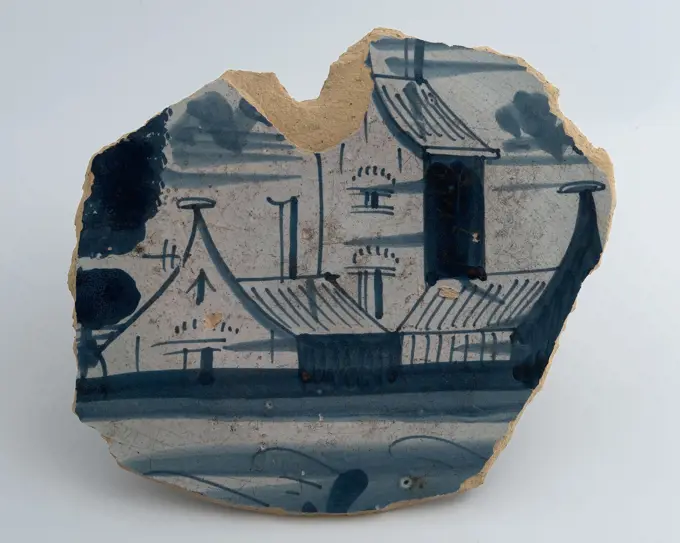
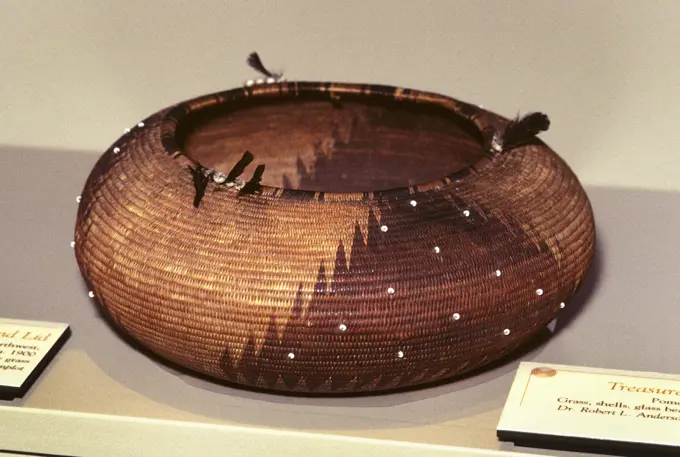
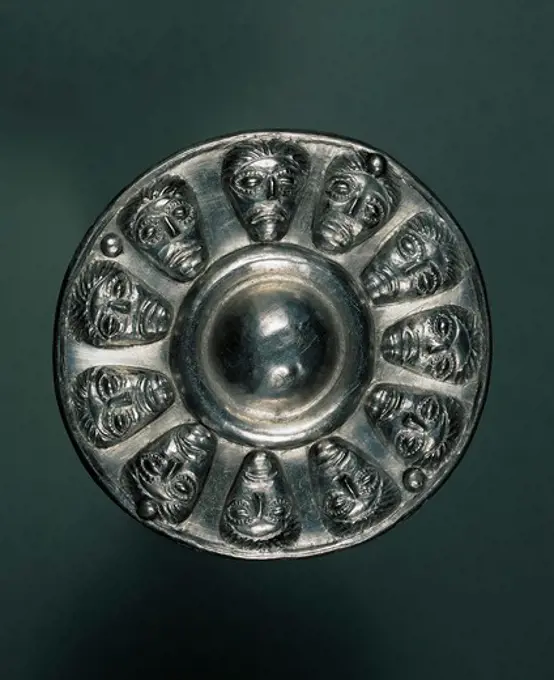
Embossed silver phalera, part of equestrian gear, from Manerbio (Lombardy region, Italy)Engraved Gem with the Bust of a Young Satyr inset into a Ring. UnknownHanging; silk, metallic trimBakkers guild of Enkhuizen, Cornelis Heineman guild pension. Silver medal. Front: Bakker used to the left, standing in his bakery, busy to slide bread in oven within a decorative edge consisting of four Amazon shields. Downside: inscription within decorative edge consisting of four Amazon shellsShards of a bowl from V.O.C. ship De 'Witte Leeuw', Before 1613 bowl Shards of a bowl from V.O.C. ship De 'Witte Leeuw', 40 present. Jingdezhen porcelain   Sint-HelenaMirror Roman, Cypriot. Mirror 244302Terracotta oil lamp 1st century B.C.-1st century A.D. Roman Loeschcke Type 1A. Mold-made. Discus: spiral, radiating ribs; single filling hole at cente, with a narrow band of lines and grooves at edge. Volutes flanking angular nozzle, with tiny central hole at the back of the nozzle and a large wick hole. Raised base ring, and shallow concave base.Broken and repaired on nozzle, with one small loss in front edge.. Terracotta oil lamp. Roman. 1st century B.C.-1st century A.D.. Terracotta. Early Imperial. TerracottasDecorative theme Mehoffer, Józef (1869 1946)Cup and saucer ca. 1804-5 Sèvres Manufactory French. Cup and saucer 207806Mold for Making Jewelry 10th-11th century. Mold for Making Jewelry. 10th-11th century. Probably brass. Attributed to India. JewelryEarthenware plate with yellow waffle pattern in sludge technology, plate crockery holder soil find ceramic earthenware glaze, hand-turned glazed decorated fried loin plate Pottery plate with waffle pattern as decoration Low dish with kink on the transition from flag to mirror Flat mirror. Slightly thickened bordrand Internal glazed yellow decoration in sludge technology. Restoration is repainted archeology underground pit Rotterdam City Triangle Groenendaal indigenous pottery import serving table eating room archaeological find in the soil underground pit Groenendaal (from canal dredger) 1976-07-28.Scale, anonymous, c. 1575 - c. 1600 Round scale of lead glaze pottery. Animals have been applied to the scale, including a fish, a lobster, reptiles and shells (Genre Palissy). France earthenware. lead glaze Round scale of lead glaze pottery. Animals have been applied to the scale, including a fish, a lobster, reptiles and shells (Genre Palissy). France earthenware. lead glazeDishwill of earthenware with white tinglaze on the underside and white tinglaze on the top and a winged animal in blue, damaged, anonymous, 1500 - 1799   earthenware. tin glaze   earthenware. tin glazeEsquila, cencerro pequeño, Marqués del Collar. Museu Català de les Arts i Tradicions Populars.Bowl late 8th-early 9th century. Bowl 449380Bowl late 13th-early 14th century This bowl exhibits a rare glaze type referred to as lajvardina, from the Persian word lajvard, or lapis lazuli (a deep blue colored stone containing gold inclusions). Its design comprises small squares of gold leaf, carefully arranged into intricate patterns with delicate red and white overpainting. Production of this type of glazed ware is limited to the Ilkhanid period in Iran. And the luxurious nature of this bowl suggests it was destined for wealthy patrons.. Bowl 449019Salero de pastor. Museu Català de les Arts i Tradicions Populars.Bowl 9th-10th century. Bowl. 9th-10th century. Earthenware; slip covered and polychrome painted under transparent glaze. Excavated in Iran, Nishapur. CeramicsTray late 18th century Japan. Tray 63319Plate, c. 1760. England, Staffordshire. Salt-glazed stoneware; diameter: 30.5 cm (12 in.); overall: 4.3 cm (1 11/16 in.).Base for a mandala 15th century China Ceremonial mandalas were used in later forms of Buddhism, including Esoteric Buddhism, which flourished in Tibet from the tenth century and was influential at the Chinese court after the fourteenth. This base once supported a three-dimensional mandala that probably comprised small sculptures, models of temples and stupas, or colored sands. The decoration combines lotus flowers (Buddhist symbols of purity) at the top with the Eight Buddhist Treasures at the sides.. Base for a mandala. China. 15th century. Cloisonné enamel. Ming dynasty (1368-1644). CloisonnéMirror Greek, Cypriot. Mirror 244294Shards of scales from V.O.C. ship De 'Witte Leeuw', Before 1613 dish Shards Kraakporcelain from V.O.C. ship De 'Witte Leeuw'. Jingdezhen bone china (material)   Sint-HelenaFragment of a tile. Fragment of a tile with a multi-colored (blue, purple, green, yellow and orange) painted banquet carrier on a ground framed by an oval. In the corners, a blue rosette with yellow heart in filling technology.Tile with rosette in oval, anonymous, c. 1700 - c. 1800 Tile with a rosette within an oval. In two corners, loops. Limburg (Belgian province) earthenware. lead glaze Tile with a rosette within an oval. In two corners, loops. Limburg (Belgian province) earthenware. lead glazeTondo ca. 1500 Benedetto Buglioni Italian. Tondo 460948Box in Form of Lotus Leaf (lid), 1700s. China, Qing dynasty (1644-1911). Ivory; overall: 5.1 cm (2 in.).Embroidery (China); satin, silk, metallic threadsAmmoniteBowl with Enthroned Figure, Attendants, and Peacocks. Dimensions: Diam. 7 1/2 in. (19.1 cm); H. 2 in. (5.1 cm). Date: 12th-13th century. Museum: Metropolitan Museum of Art, New York, USA.Gilded silver Buckle. Malaysia (Perak), 1800-1900; Malay men wore a sash with a buckle to hold up their sarong or lower garment This especially elaborate waist buckle once; belonged to a noble of the 2nd rank, Abdul Wahab bin Toh Muda Abdul Aziz. He was the Chief Minister of Perak between 1948 and 1957.Attic White-Ground Cup (Lipped Inside) Fragment; Onesimos (Greek (Attic), active 500 - 480 B.C.), and Euphronios (Greek (Attic), active 520 - 480 B.C.); Athens, Greece; about 510 - 500 B.C; Terracotta; 2.7 cm (1 1,16 in.)Kylix fragment ca. 520-510 B.C. Attributed to Oltos. Kylix fragment 247462Sword Guard (Tsuba). Culture: Japanese. Dimensions: H. 3 1/16 in. (7.8 cm); W. 2 15/16 in. (7.5 cm). Date: 17th century. Museum: Metropolitan Museum of Art, New York, USA.Basket wicker is handmade on a dark backgroundMedal of the University of Leiden with the names of the professors and the Dutch lion.Tile, J. & J. G. Low Art Tile Works, 1877 - 1883, Glazed stoneware, Square, molded tile of white clay; reverse bears inscription in double line frame: 'J. & J.G. Low/ Patent Art Tile Works/ Chelsea, Mass. U.S.A. / copyright 1881 by J & J.G. Low'. Face of tile is decorated with four petalled flower placed so that petals extend into corners; painted dark, green crackle glaze., Chelsea, Massachusetts, USA, late 19th century, tiles, Decorative Arts, TileRed-Slip Bowl; North Africa, Tunisia; about 400; Terracotta; 17.8 cm (7 in.)Water Filter 10th-12th century. Water Filter 447455Mirror, 794-1185. Japan, Heian period (794-1185). Bronze; diameter: 11.5 cm (4 1/2 in.).Bliżej Kultury unknownHelmut Hiatt, Flat Dish  Virginia State Arms, c 1936 Flat Dish - Virginia State ArmsFragment of the dish, yellow shard, decorated in white and blue, with representation of putto with jug, dish crockery holder soil find ceramic earthenware glaze tin glaze lead glaze, hand-turned glazed decorated baked Fragment dish yellow shard in white and blue decorated with the representation of right-angled putto angel carrying jug on stand outside smooth gray colored but heavily discolored The saucer is too hot fried glaze layer is sintered archeology Rotterdam City center Stadsdriehoek Oudehaven indigenous pottery serve table food tableware Soil discovery: Oude Haven Rotterdam.Medium oval basin with fish, bark, and fall leaves ca. 1850-1855 Charles-Jean Avisseau Born the son of a stonemason, Charles-Jean Avisseau was celebrated for rediscovering the lost” techniques of Bernard Palissy. Though this basin shares elements with the earlier work of the Renaissance potter, Avisseau introduces a seasonal element to this nature-inspired work. Moss-covered bark, and the colors of the foliage suggest autumn and the passage of time.. Medium oval basin with fish, bark, and fall leaves. French. ca. 1850-1855. Glazed earthenware. Ceramics-PotteryFragment of a tile with yellow shard, with a painting of flowers and fruits in yellow, green and blue on a white surface, c. 1500 - c. 1899 fragment. tile   earthenware. glazeFUENTE DE PAIVA-PLATA DORADA-S XVI-PROC DE FLANDES. Location: CATEDRAL-INTERIOR. Sevilla. Seville. SPANIEN.Glass Fragment ca. 1300 French or British. Glass Fragment. French or British. ca. 1300. Colorless glass. Glass-StainedBasket wicker is handmade isolated on white backgroundSword Guard (Tsuba). Culture: Japanese. Dimensions: H. 2 11/16 in. (6.8 cm); W. 2 1/2 in. (6.4 cm); thickness 3/16 in. (0.5 cm); Wt. 4 oz. (113.4 g). Fittings maker: Inscribed by Goto Ichijo (Japanese, 1791-1876). Date: 19th century.This tsuba features a design of a heron in a stream. Museum: Metropolitan Museum of Art, New York, USA.Shards of a deep sign from V.O.C. ship De 'Witte Leeuw', Before 1613 plate (dishes) Shards of a deep plate from V.O.C. ship the 'Witte Leeuw'. Jingdezhen bone china (material)   Sint-HelenaFragment majolica dish, blue on white, stylized flower, rim in Wanli style, dish tableware holder soil find ceramics pottery glaze, Op fried archeology food decorate serve ChinaSilversmith's Art, Great Britain 19th century. Martin Hall, Sheffield plate tray, 1880.Trencher (one of a set) mid-16th century British Banquets usually ended with candied fruits or other sweetmeats served on such decorative "spice dishes" of silver or wood. The gold effects were achieved with yellow varnish over a layer of silver-leaf. The verses were written in Black Letter script, with elaborate capital letters in Lombardic script. The verses, either amusing or moralizing, were shared with the other diners.. Trencher (one of a set). British. mid-16th century. Oak and sycamore woods, painted, silvered and yellow varnished; inscription: ink (animal or vegetable). Natural SubstancesPalissy ware dishes, early 1600s, France, ceramic 1685-1585-6.Snuff Box. United States, circa 1770-1780. Tools and Equipment; boxes. Ivory, tortise shell, copperEarring with a turquoise inlay figure of the Lord of Sipan with copper detailing from the Tomb of the Lord of Sipan in Huaca Rajada on display at the ...Butterfly Buckle, 1800s-1900s. China, 19th-20th century. White jade; part 1: 4.6 x 6.1 cm (1 13/16 x 2 3/8 in.); part 2: 4.6 x 6.1 cm (1 13/16 x 2 3/8 in.).Engraved Scarab with Lions Head and Two Mice. UnknownFragment 14th-15th century. Fragment 445463Episcopal seal, red and yellow stamped wax, 13th century, Huesca Diocesan Museum, Aragon community, Spain.Loose lid of snuff box, with embroidered painting of keeshond, lid closure part snuffbox holder textile silk wood glass embroidery, (dagmaat) embroidery sniff tobacco tobacco box patriot Collection .O van Kerkwijk.Tile. Tile, painted in white, blue and yellow / brown, glaze is deepened and has a metal shine. Decoration of braided tires between which flowers.Copper Gilt and Glass Button, 1770-1800. Made in Birmingham, maker unknownLucky Money Wheel' still bank, early 20th century, 7 13/16 x 4 3/8 x 2 3/4 in. (19.84 x 11.11 x 6.99 cm), Tin, pigment, England, 20th centuryPlate. Staffordshire, England. Date: 1760-1775. Dimensions: H. 1.5 cm (3/4 in.); diam. 22.2 cm (8 3/4 in.). Lead-glazed earthenware (creamware). Origin: Staffordshire. Museum: The Chicago Art Institute, Chicago, USA.Tazza with Arms of the Strozzi Family. Italy, Venice, circa 1525-1550. Furnishings; Serviceware. Glass, gilt, enamelCollar Fragment; silkdolomite stone vase found beneath a collapsed wall in Khasekhemwy's tomb. the vase has a lid of sheet gold tied on with fine gold wire and secured with small clay seals. Abydos, Egypt, Tomb of Khasekhemwy, Second Dynasty. Khasekhemwy (ca. 2690 BC;) was the final king of the Second dynasty of Egypt.Snuffbox ca. 1700 probably British The commemorative scene on the cover shows the future Charles II hiding in the Boscobel Oak, with an angel in flight offering him three crowns of the three kingdoms, England, Scotland and Ireland. Two armed riders search for Charles below the tree. Such boxes circulated among royalists as a sign of loyalty to the cause of the young Pretender. Oak was used in combination with silver to symbolize that famous tree.. Snuffbox. probably British. ca. 1700. Silver and oak. Metalwork-Silver In CombinationTerracotta fragment of a lekythos (oil flask) late 6th/early 5th century B.C. Greek, Attic Part of the neck of a lekythos; below, on the shoulder, a band of tongues, and palmettes with tendrils with dots in the interstices; on the body of the lekythos, two vines with a grape cluster, upper part of a figure to right; part of a lyre. Terracotta fragment of a lekythos (oil flask). Greek, Attic. late 6th/early 5th century B.C.. Terracotta; black-figure. Archaic. VasesPilgrim flask ca. 1878-80 Chelsea Keramic Art Works The Chelsea Keramic Art Works was the first American ceramics firm to designate itself an "art pottery." It was founded in Chelsea, Massachusetts, by members of the Robertson family, all of whom had honed their skills in the ceramics industry in Britain before coming to this country. This pilgrim vase is typical of Hugh Robertsons work in the late 1870s and early 1880s. Although its form relates to medieval canteens, this vessel is more directly aligned with contemporary English art wares, notably vases executed at the Mintons and Doulton potteries. This flask features a central medallion depicting a mail carrier riding into town and trumpeting his arrival. Robertson, who skillfully sculpted the scene (his monogram appears at the lower right), copied the imagery from James E. Kelllys "An Old Time Post-Boy," an illustration that appeared in the May 1878 issue of the popular magazine Scribners Monthly. Roberson openly acknowledged hiWall Tile, 1300s. Iran, Kashan, Ilkhanid period (1256-1353). Fritware with luster-painted design; diameter: 18.5 cm (7 5/16 in.).Pottery tile, pastel with flowed, polychrome representation, wall tile tile visualization earth discovery ceramics earthenware glaze tin glaze, in form made glazed baked 2x Pottery tile pastels Heavy flow polychrome representation. Probably some tulips within double band of yellow and blue. Yellow-orange shard of highly layered ceramics archeology Rotterdam Stadscentrum Stadsdriehoek Schielandshuis Soil discovery: Schielandshuis Rotterdam.Dish. Culture: Spanish. Dimensions: Overall: 18 x 2 5/8 in. (45.7 x 6.7cm). Date: 1430-1470. Museum: Metropolitan Museum of Art, New York, USA.Square purple corner edge tile with central corner decor, four-pointed oblong star against leaves, edge tile wall tile tile sculpture ceramic earthenware glaze, baked 2x glazed paintedAnonymous French. ETUI in Martin varnish, 2nd half of the 18th century. Paris, Cognacq-Jay museum. 56696-1 Accessory, Etui, Martin varnishTile, painted multi-colored with a soldier or a standard bearer. Tile, painted multi-colored with a soldier or a standard bearer.For a long time; Palissy, Bernard (1510-1589); 19th century (1800-00-00-1900-00-00);Terracotta fragment of a calyx-krater (bowl for mixing wine and water) second quarter of the 5th century B.C. Greek, Attic On the cul, double chain of lotuses and circumscribed palmettes. Terracotta fragment of a calyx-krater (bowl for mixing wine and water). Greek, Attic. second quarter of the 5th century B.C.. Terracotta; red-figure. Classical. VasesCase (Inr) with Scattered Design of Musical Instruments, Theatrical Implements and Flowers 19th century Shibata Zeshin Japanese. Case (Inr) with Scattered Design of Musical Instruments, Theatrical Implements and Flowers. Shibata Zeshin (Japanese, 1807-1891). Japan. 19th century. Lacquer, roiro, incised, gold, silver and brown hiramakie, takamakie, aogai; Interior: gyobu nashiji and fundame. Meiji period (1868-1912). InrAnonymous. Round box forming drum, in gold lacquer imitating wood; Interior containing tray and 8 small perfume boxes in gold lacquer. Together. Lacquer. Museum of Fine Arts of the City of Paris, Petit Palais. Round box, imitation wood, lacquer object, gold, perfume, drumCase (Inrō) with Design of Chinese-Style Mountain Landscape with Buildings beside Rocks 19th century Japan. Case (Inrō) with Design of Chinese-Style Mountain Landscape with Buildings beside Rocks 58776Fragment of the dish, yellow shard, decorated in white and blue, depicting farmstead, dish crockery holder soil find ceramic earthenware glaze tin glaze lead glaze, hand-turned glazed decorated flaked Fragment dish yellow shard in white and blue decorated with boer's farm on stand. Exterior gray colored but strongly discolored archeology Rotterdam City Triangle Oudehaven indigenous pottery serve table food tableware Soil discovery: Oude Haven Rotterdam.Pomo treasure basket with woven geometric pattern decorated with tiny white beads and flicker feathers. CaliforniaCeramic fragment. Dimensions: D 12 cm x H 7.3 cm. Date: 8th-12th century. Museum: Metropolitan Museum of Art, New York, USA.Inside Ragamuffins in downtown Bethlehem, New Hampshire.Tabakierka