Decorative Ceramics Through Ages

A collection of intricate decorative ceramics including bowls and plates from various cultures such as Asian and Middle Eastern, showcasing unique designs and historical craftsmanship.

Wall plate with the pattern of flower basket, 1892 Wall plate polychrome painted with a stylized flower pattern. The blue, turquoise and manganese motif is applied to a yellow background. The Hague earthenware. glaze vitrification Wall plate polychrome painted with a stylized flower pattern. The blue, turquoise and manganese motif is applied to a yellow background. The Hague earthenware. glaze vitrification
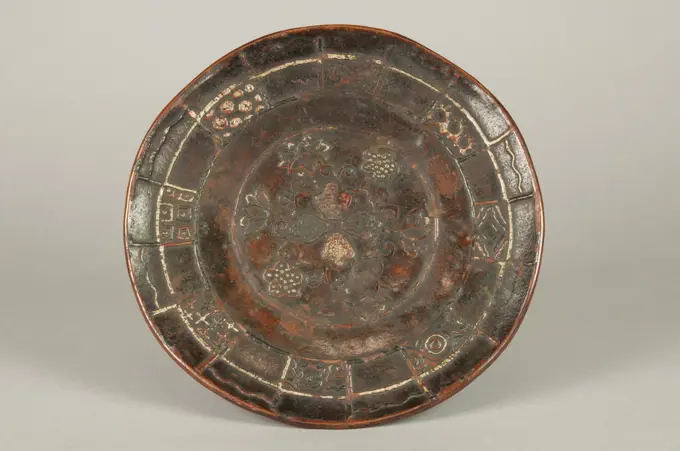
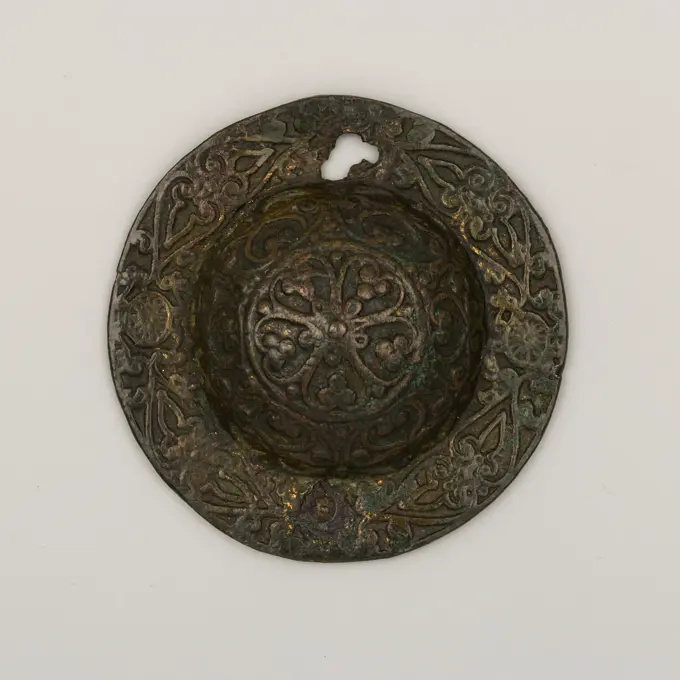
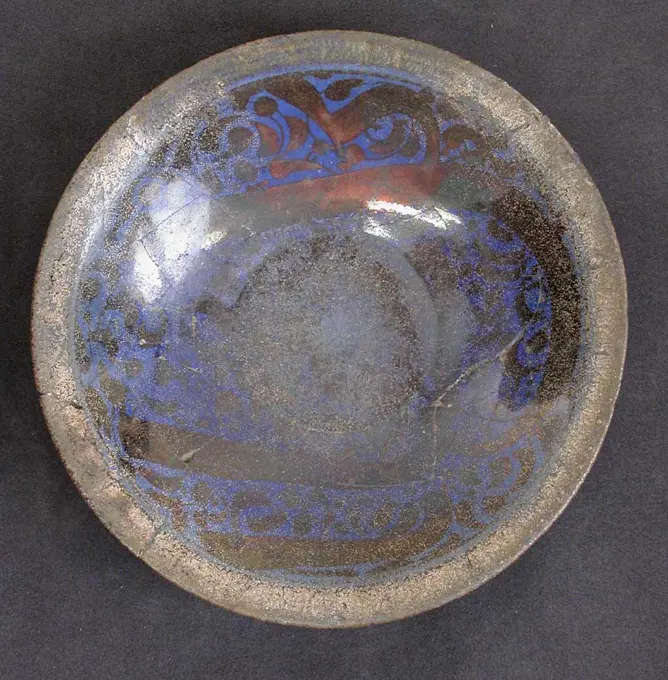
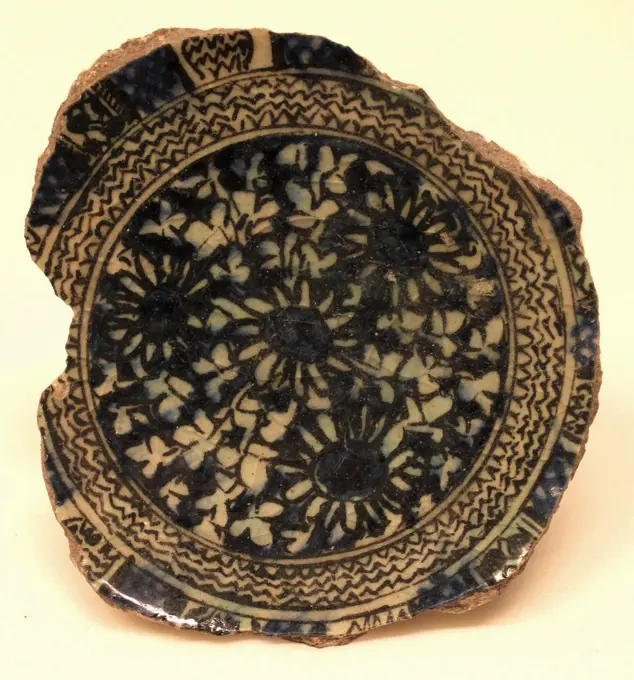
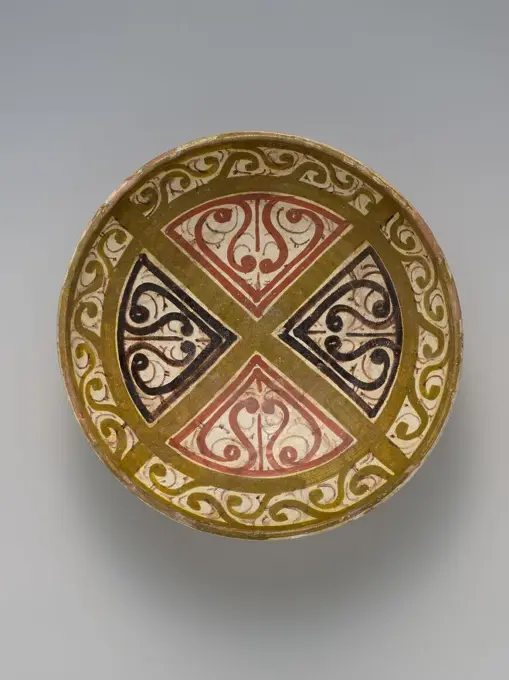
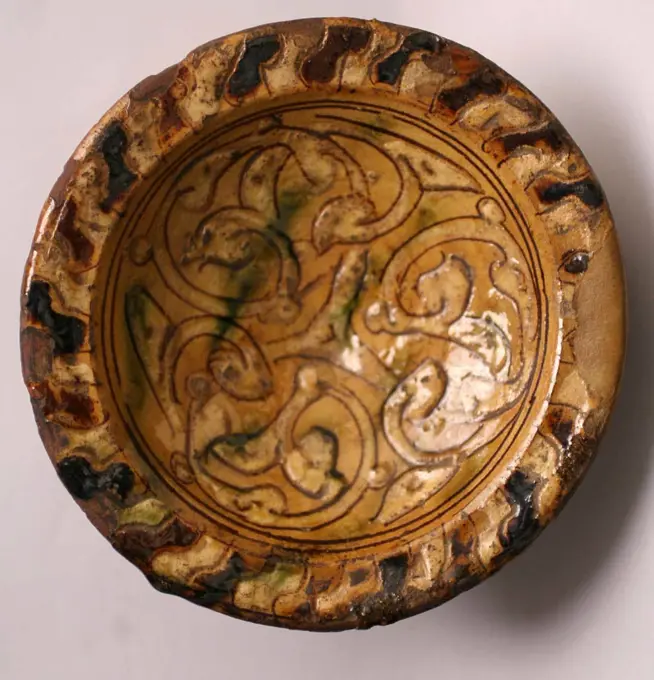
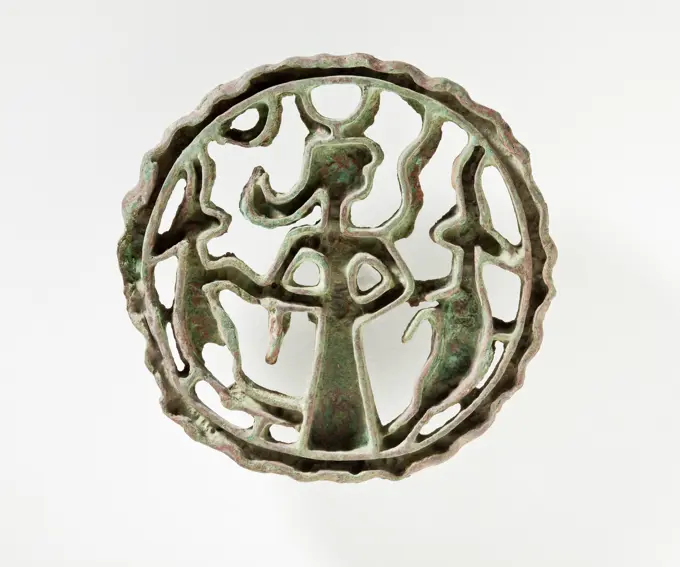
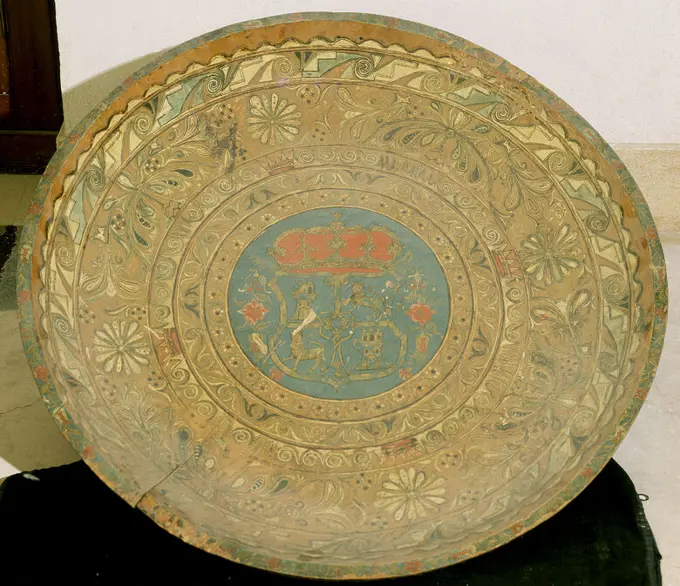
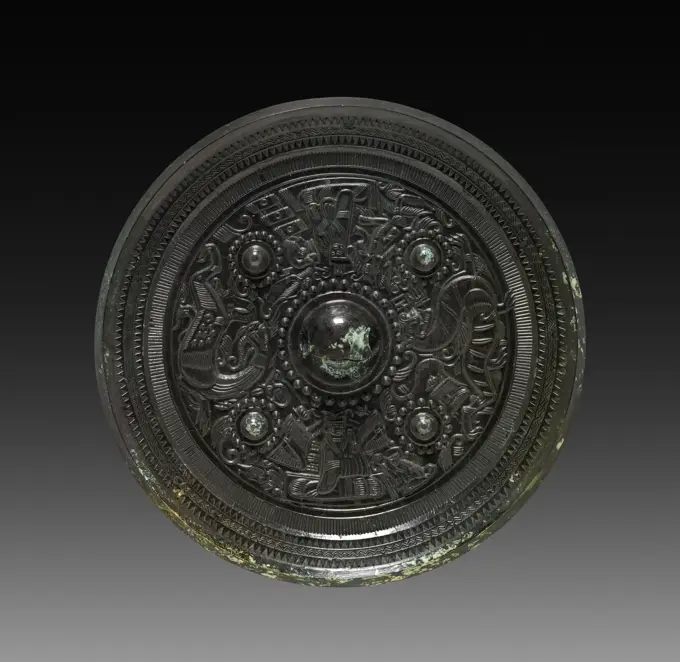
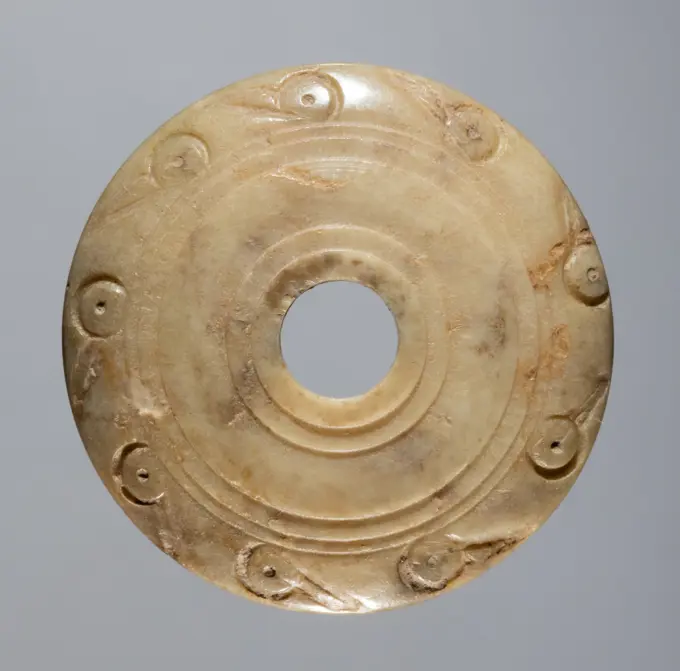
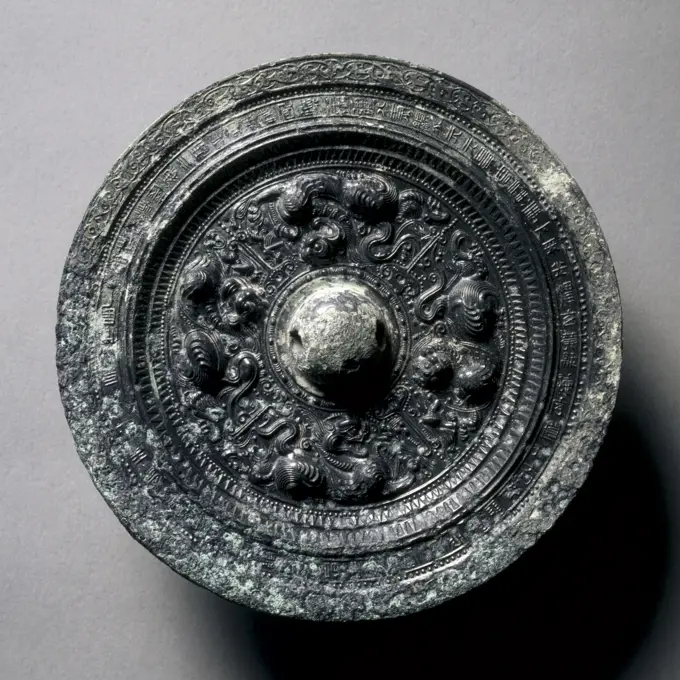
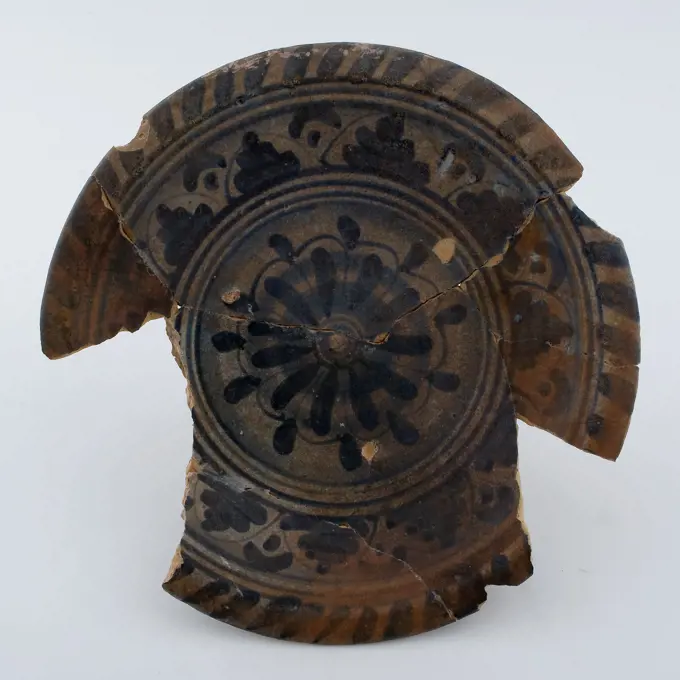
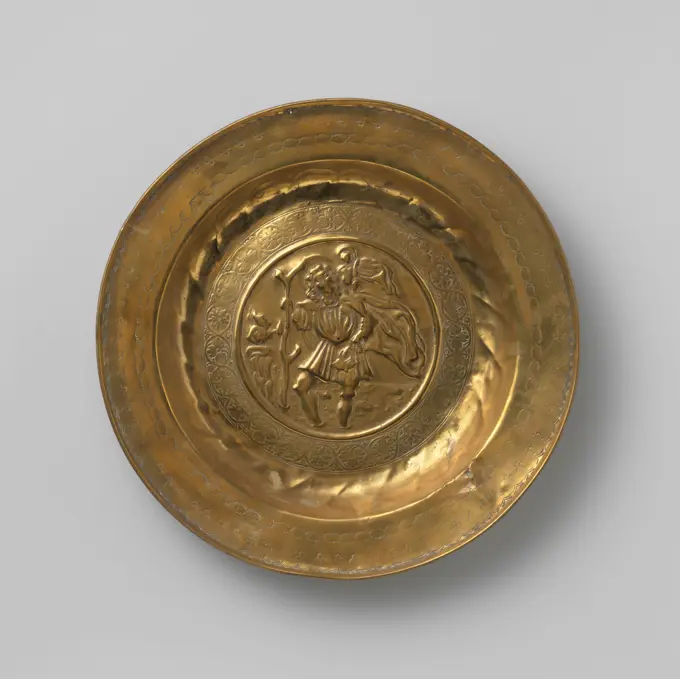
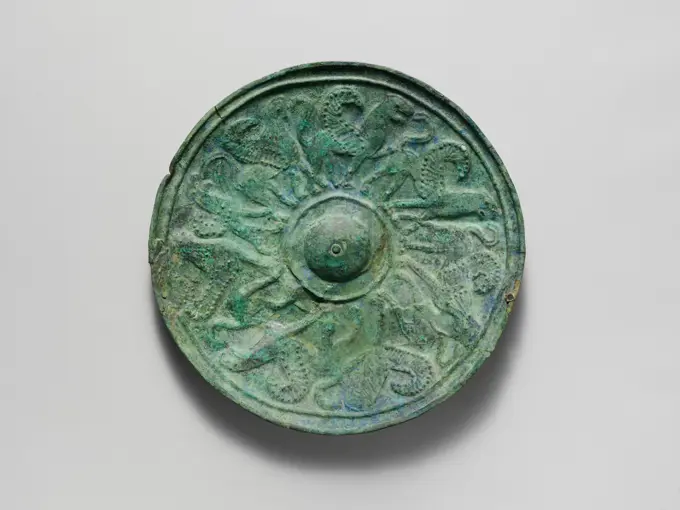
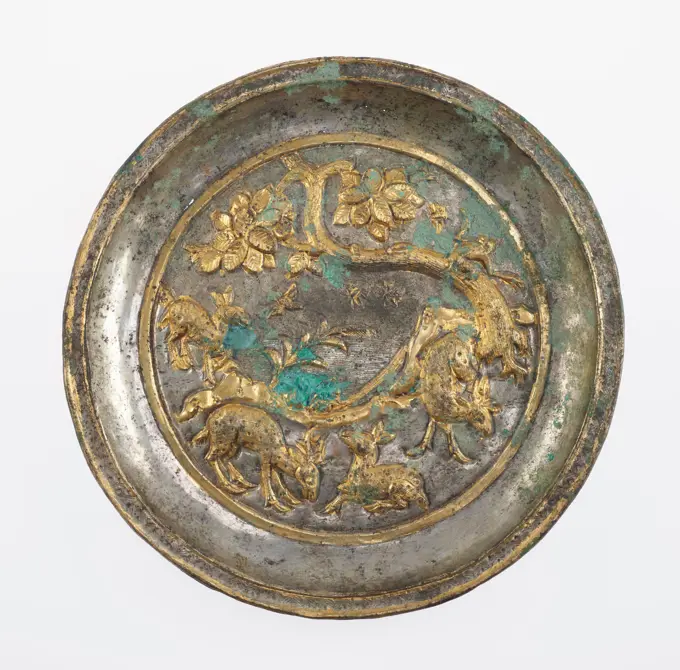
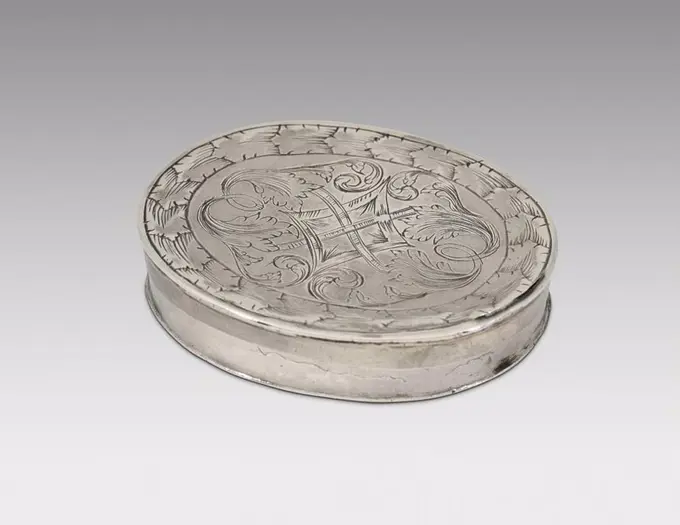
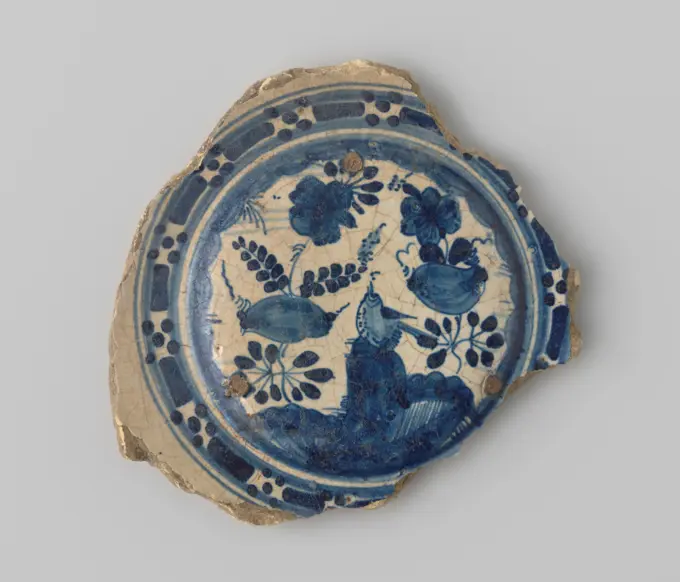
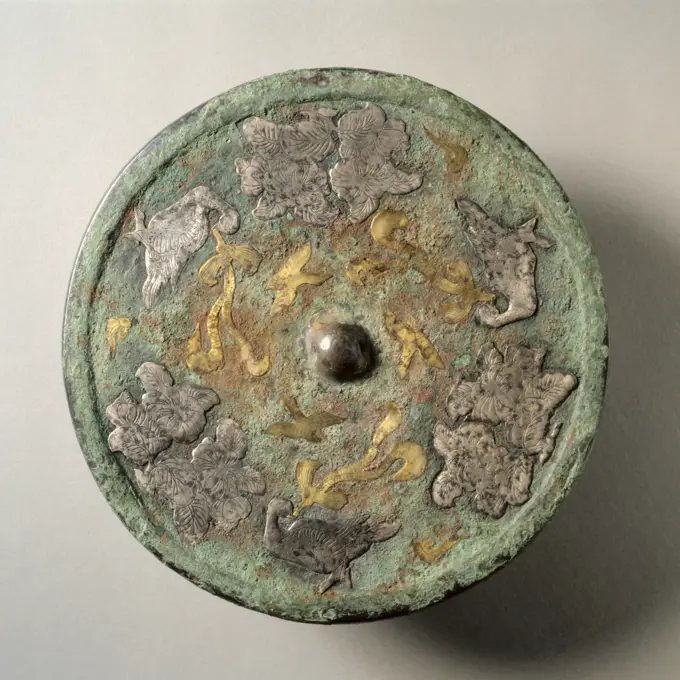
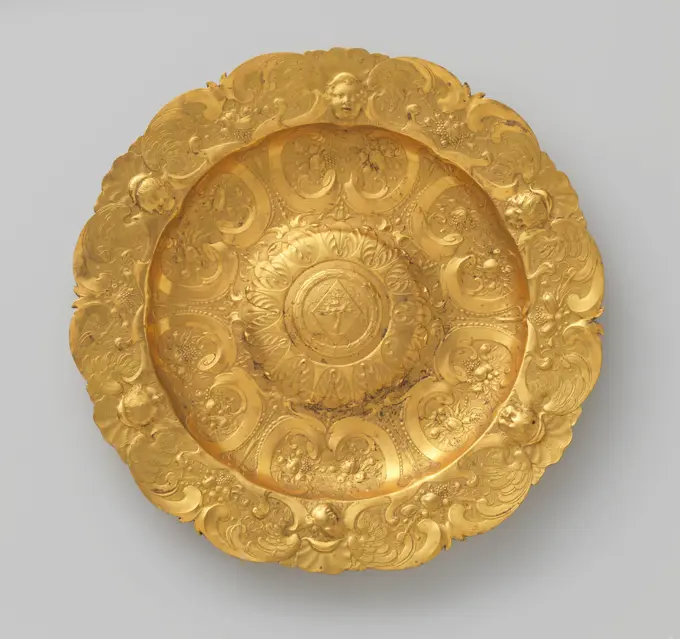
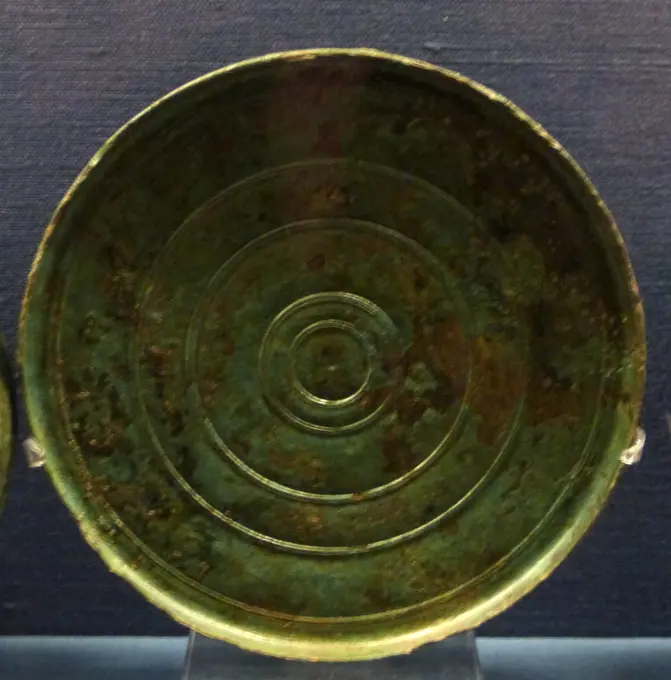
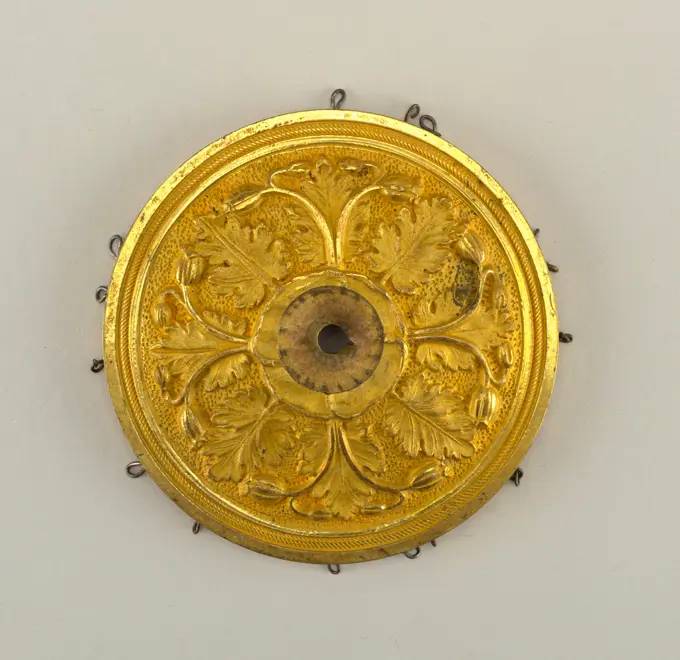
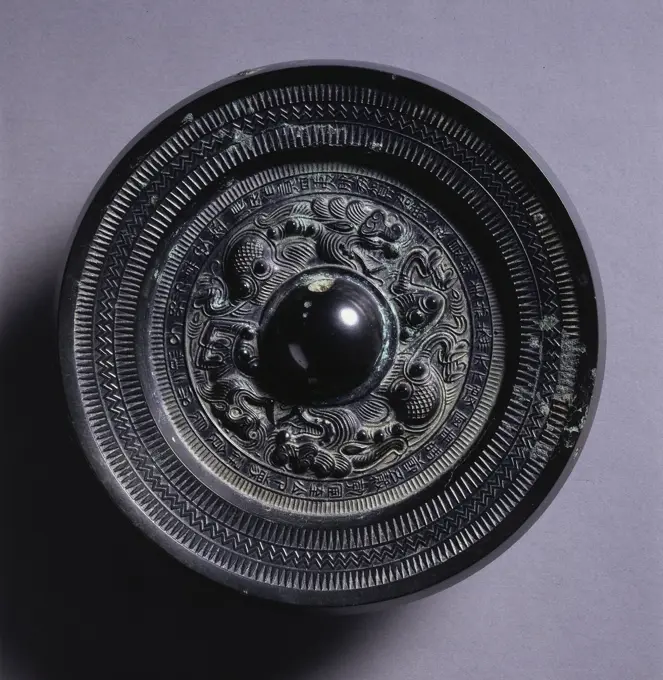
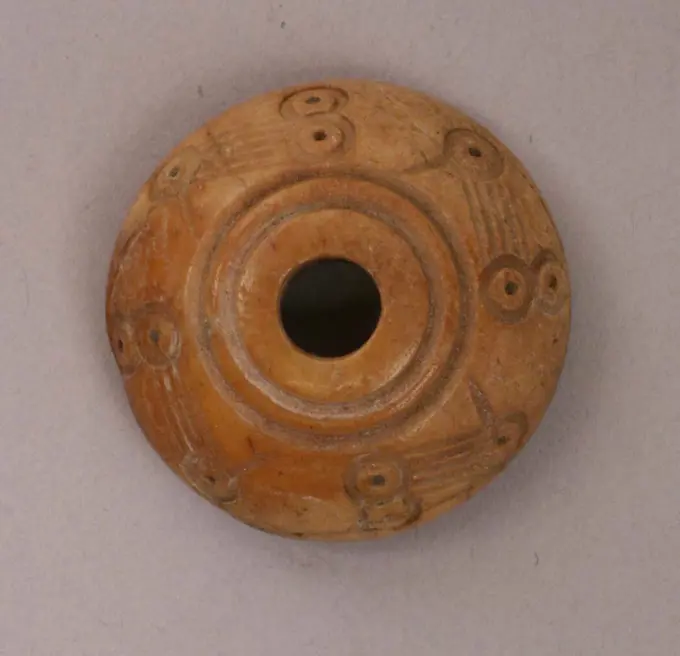
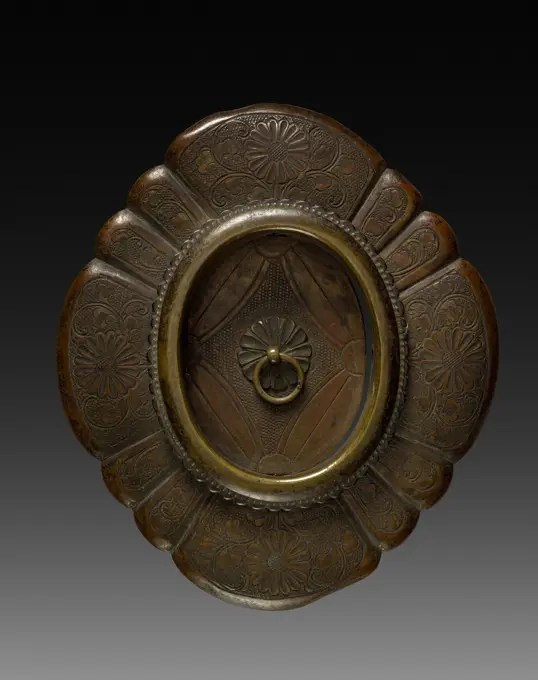
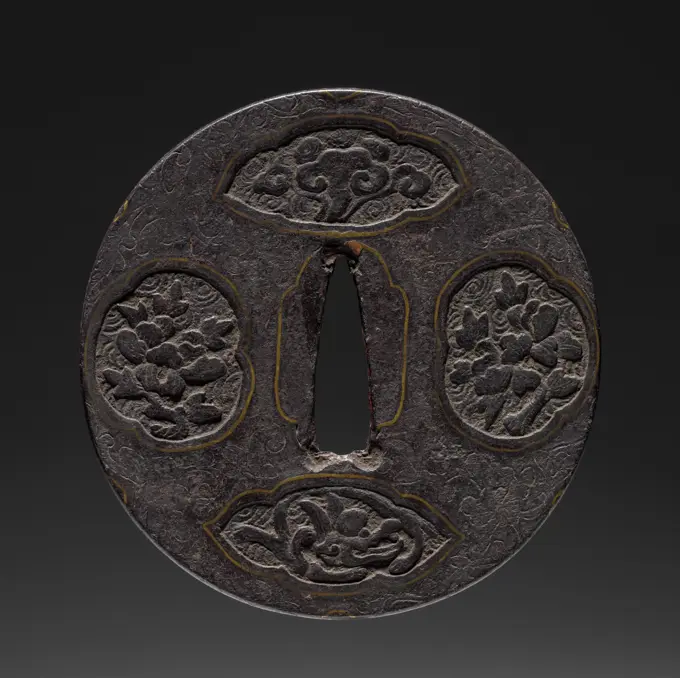
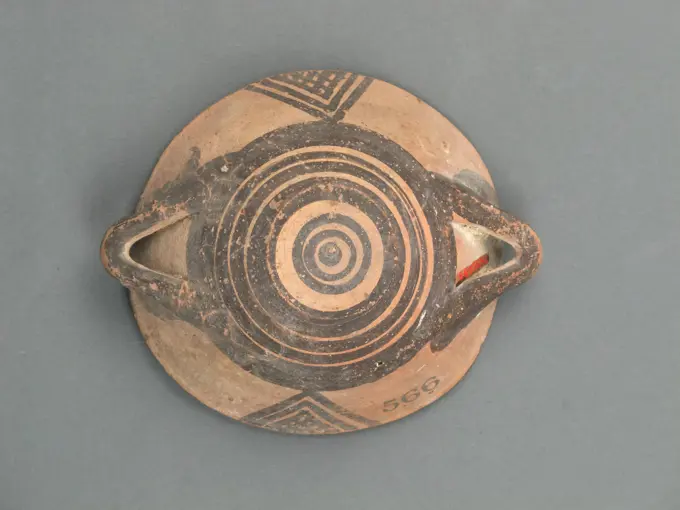
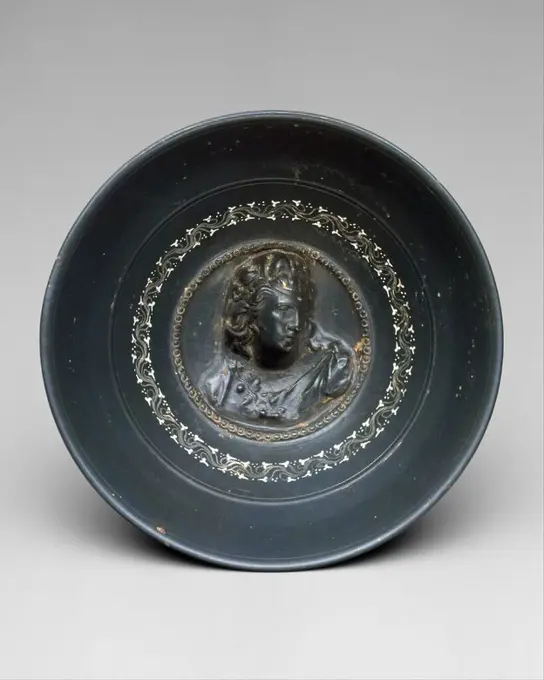
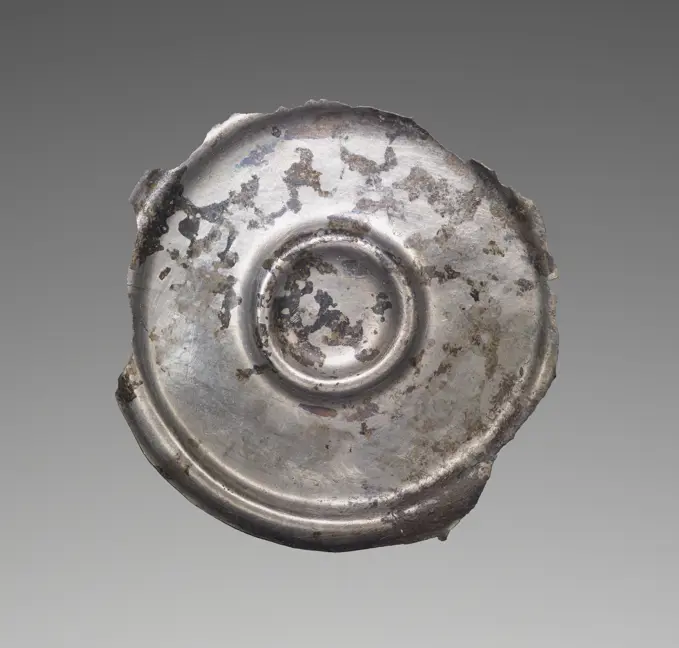
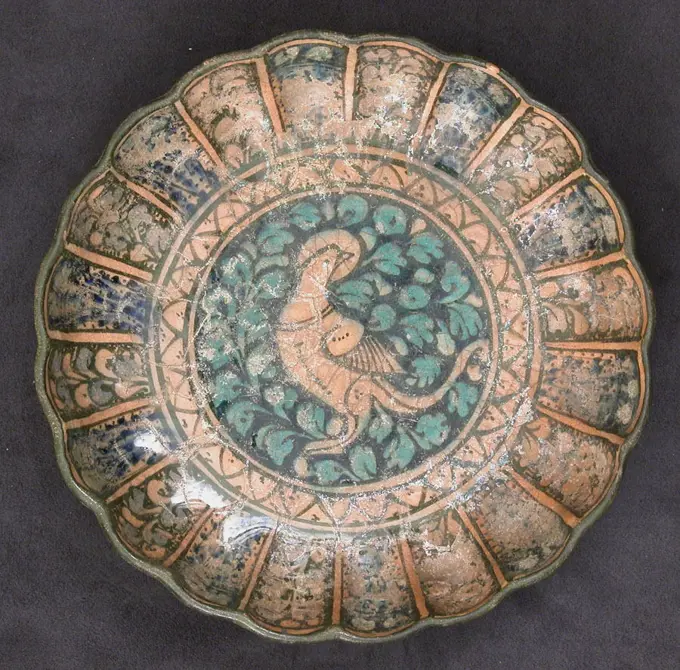
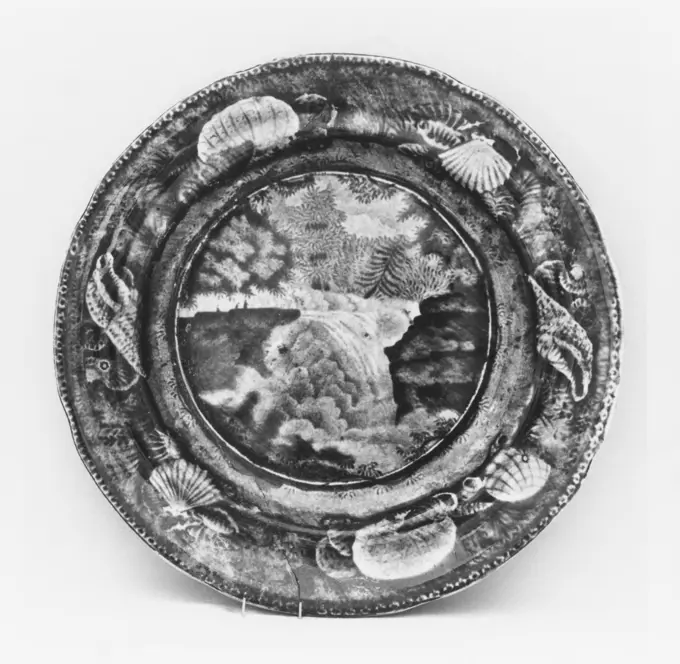
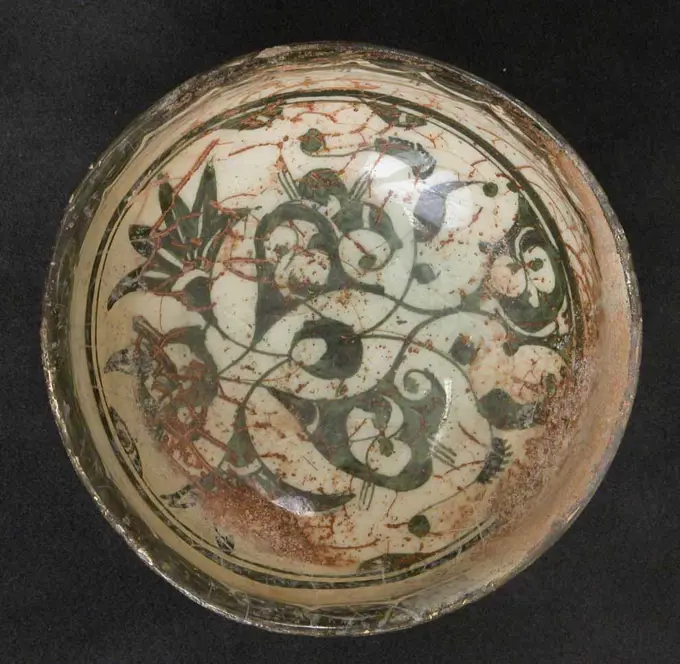
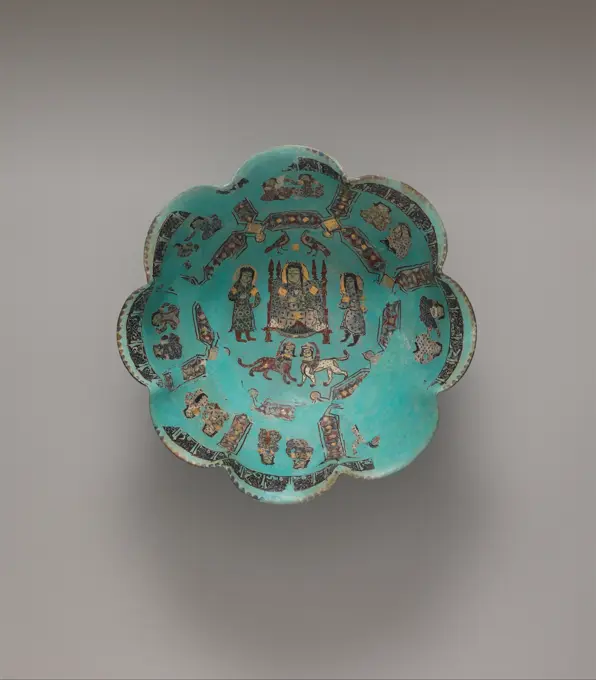
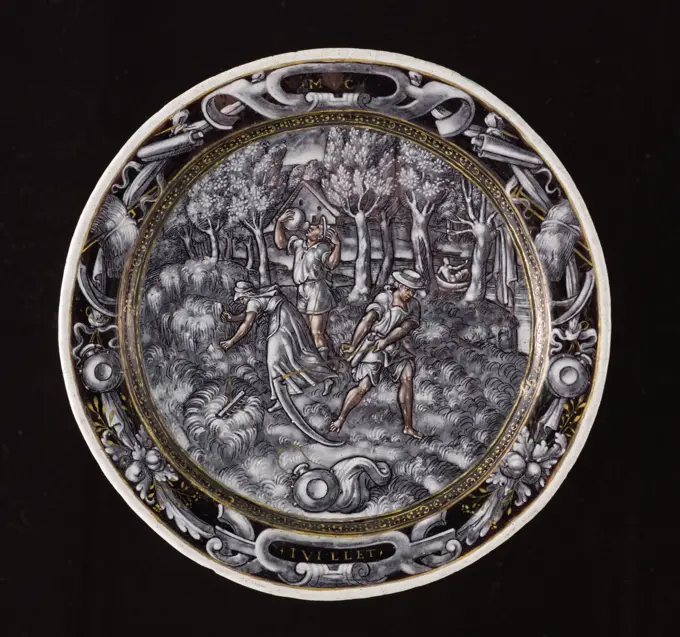
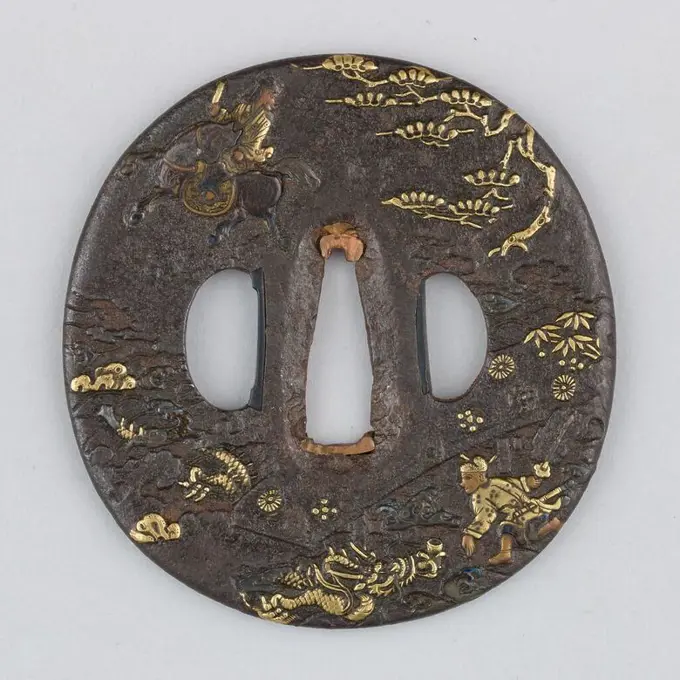
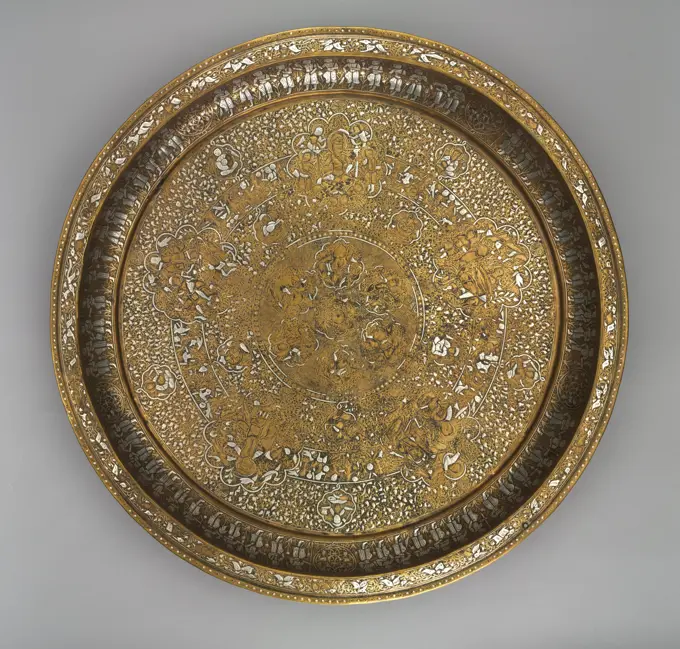
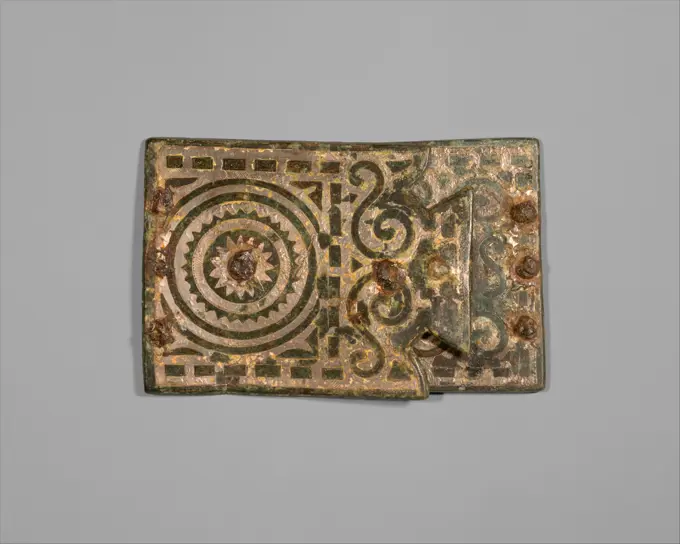
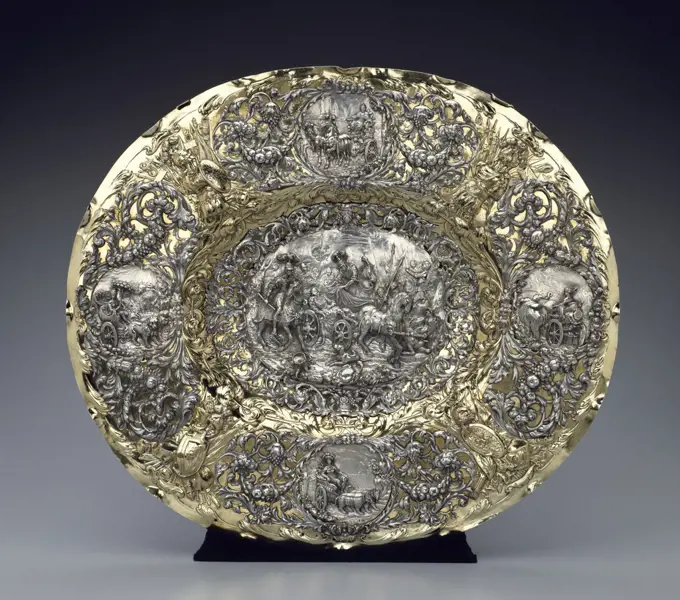
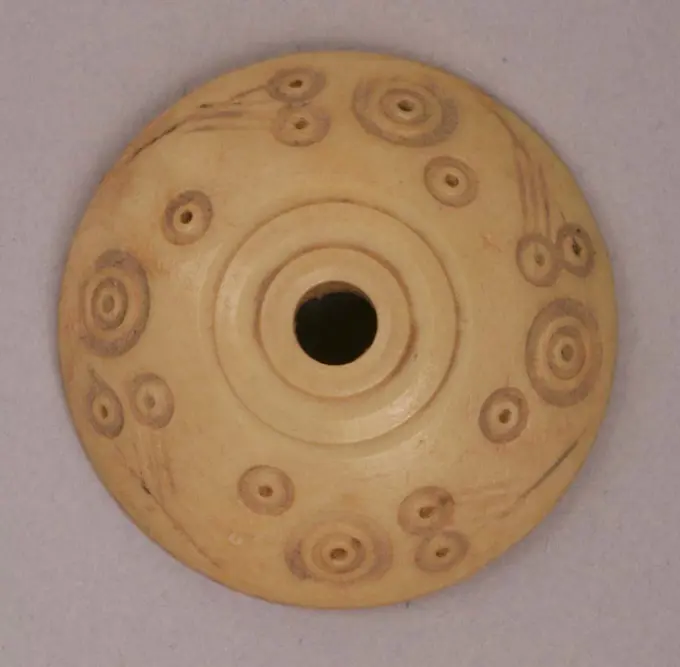
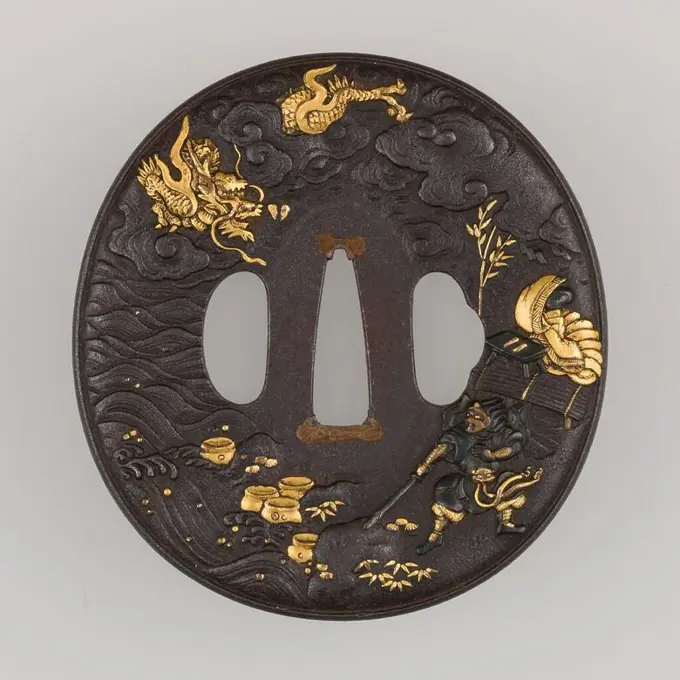
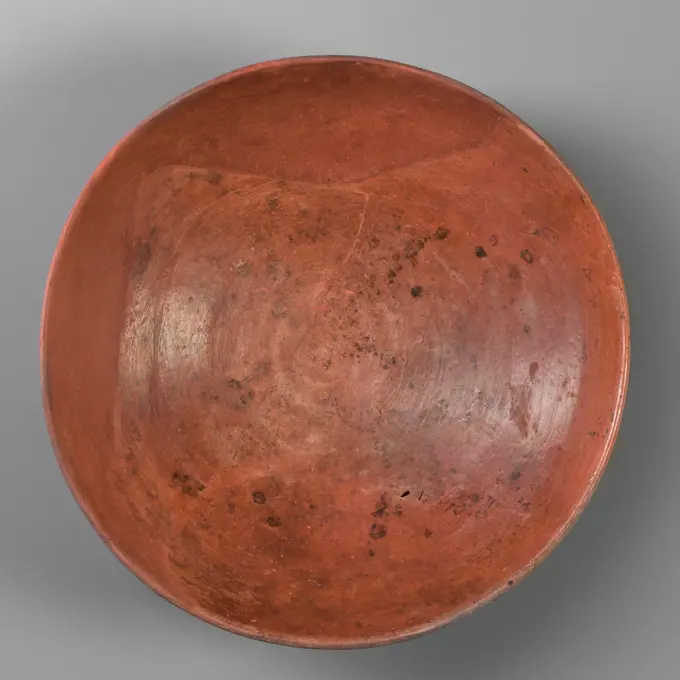
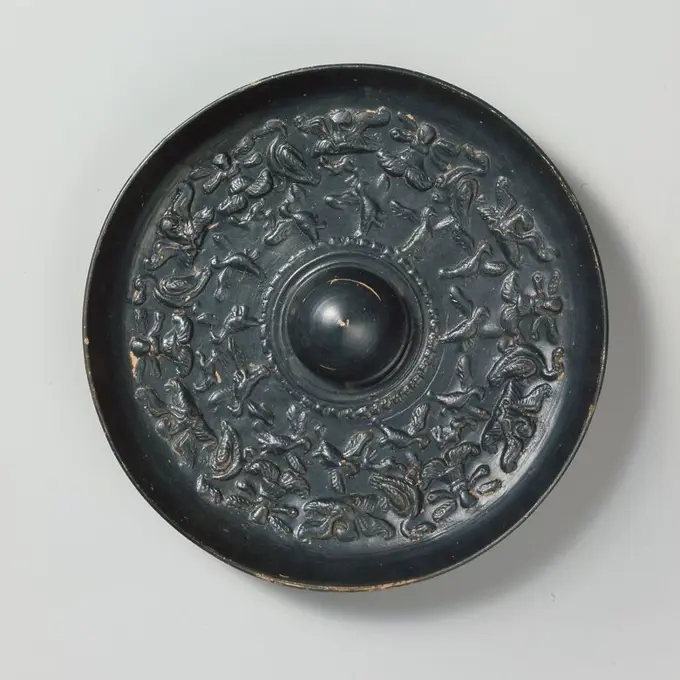
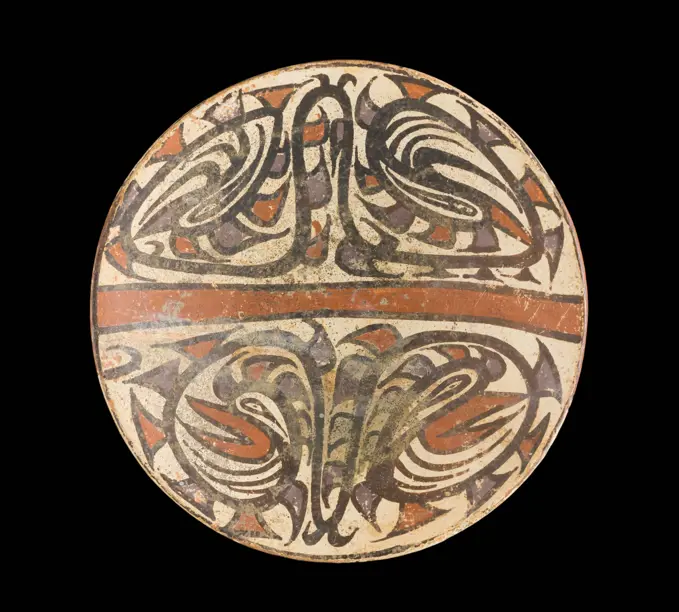
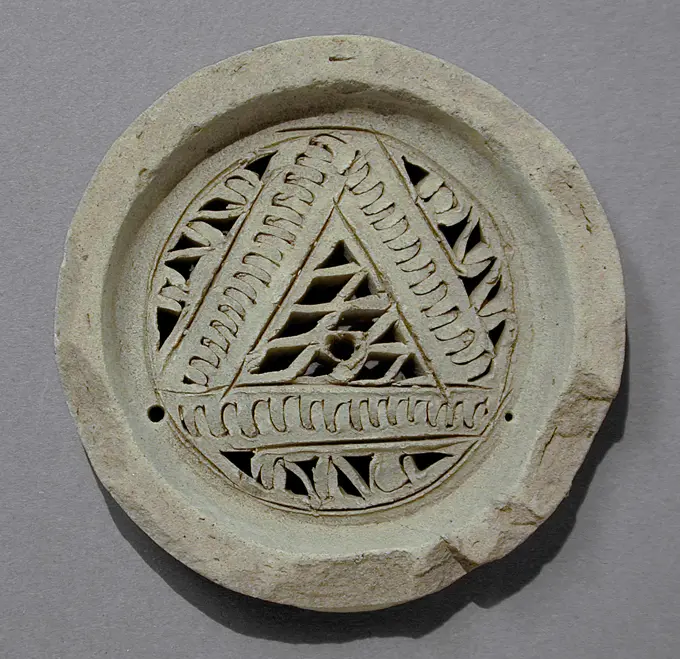
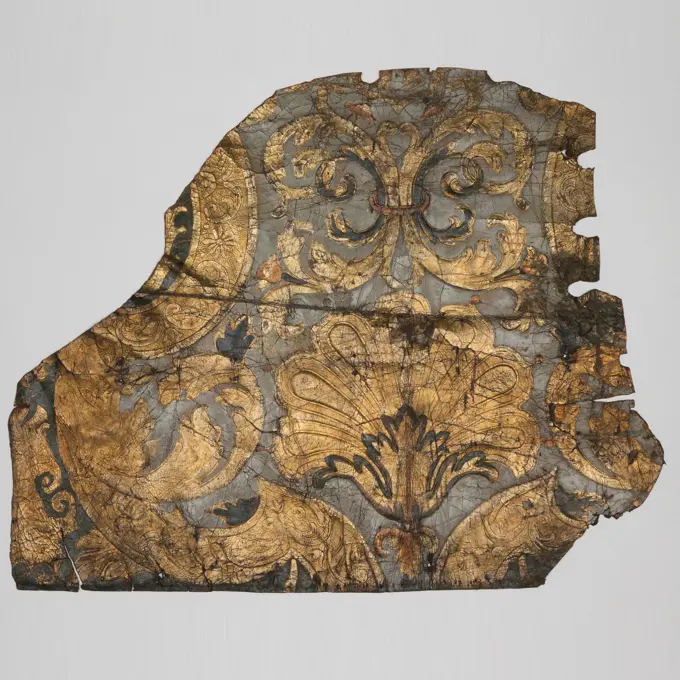
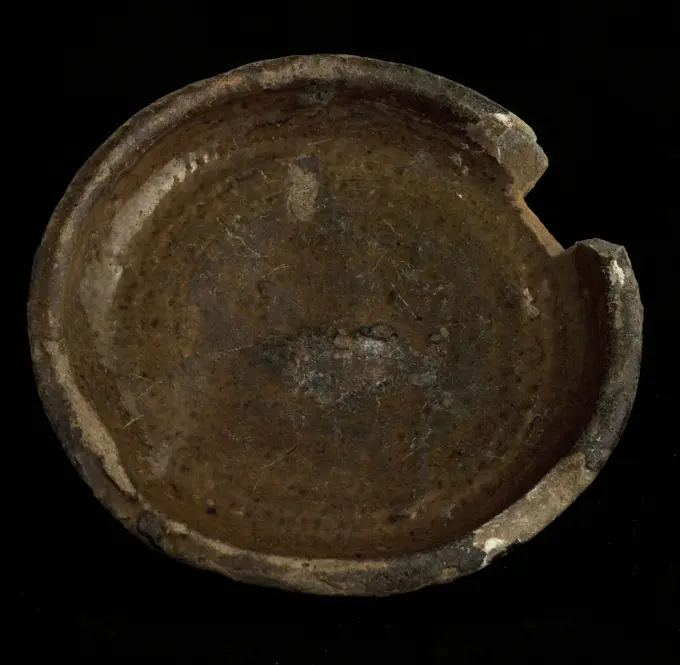
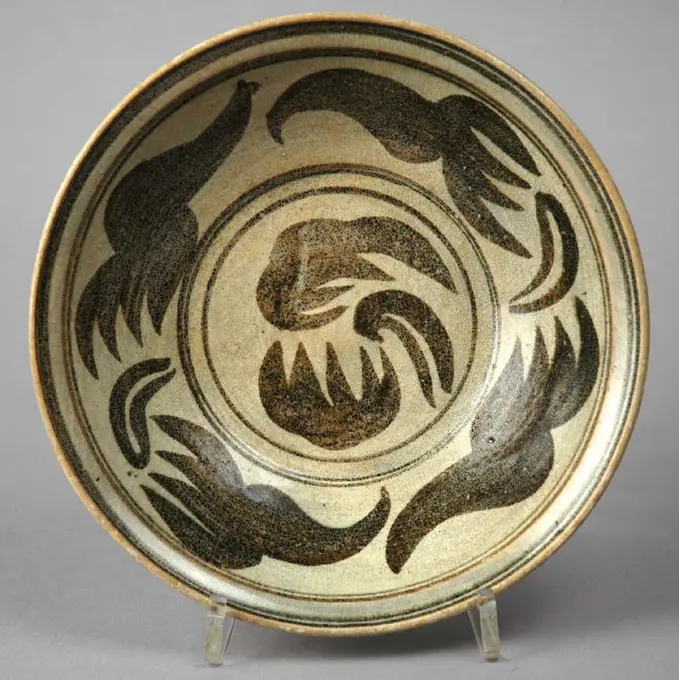
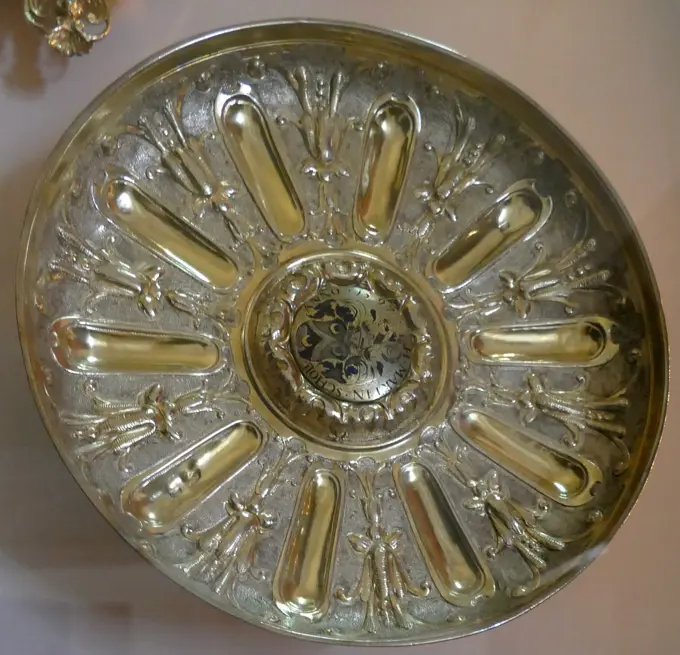
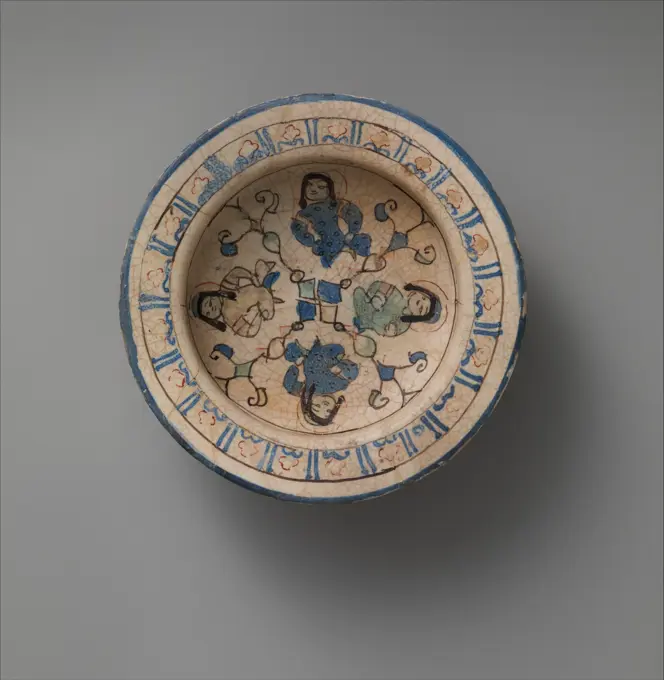
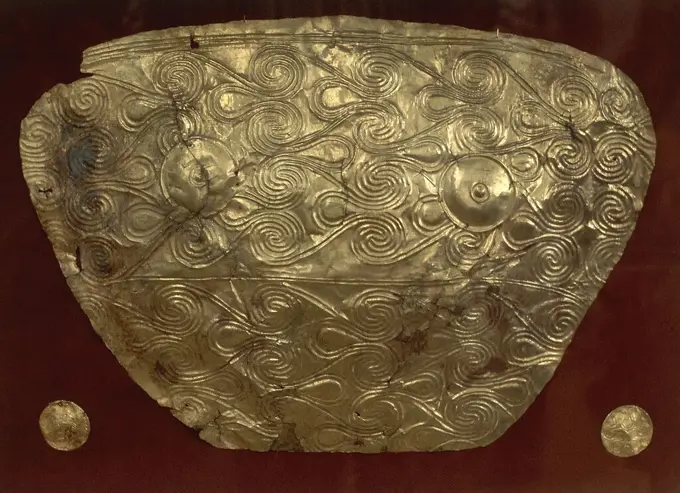
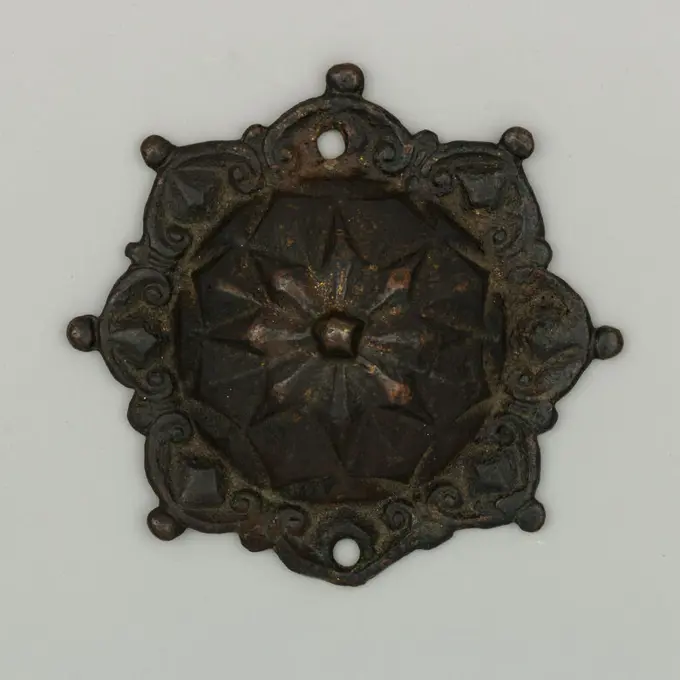
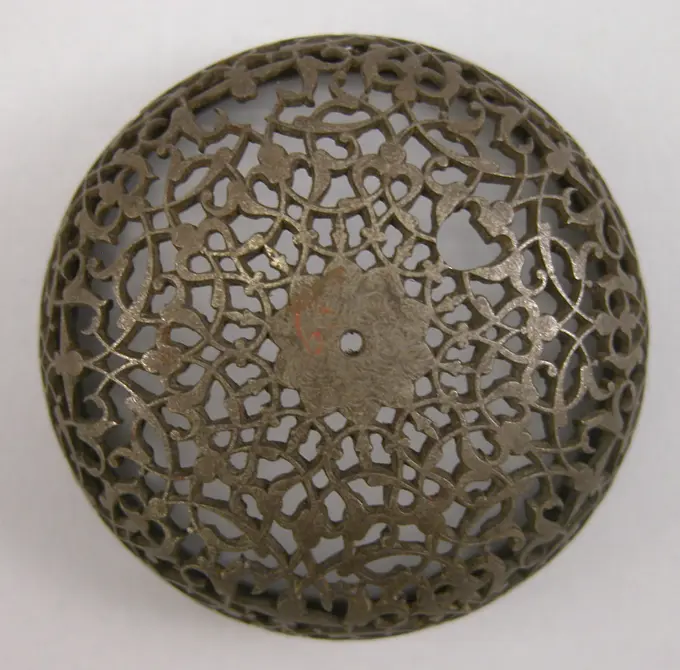
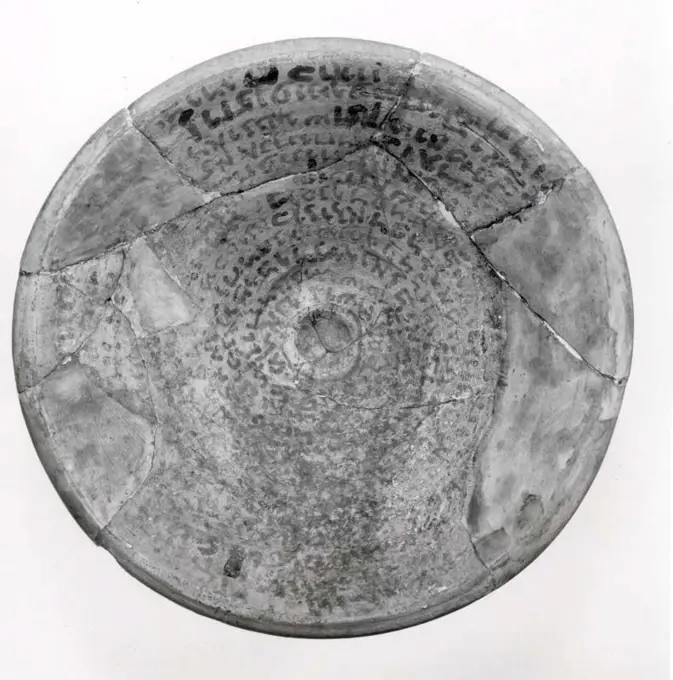
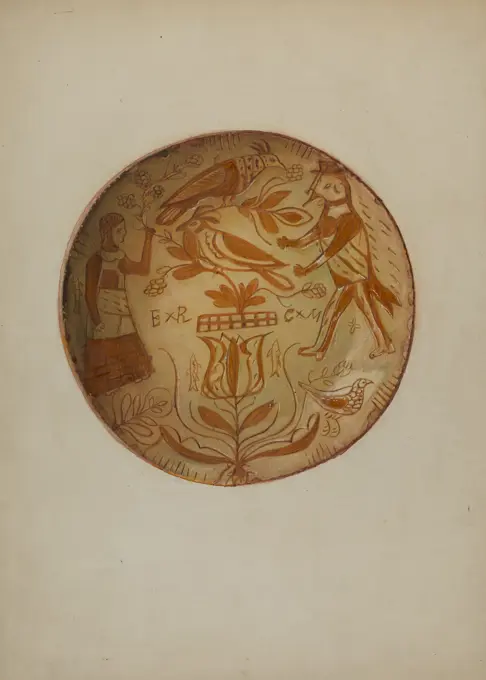
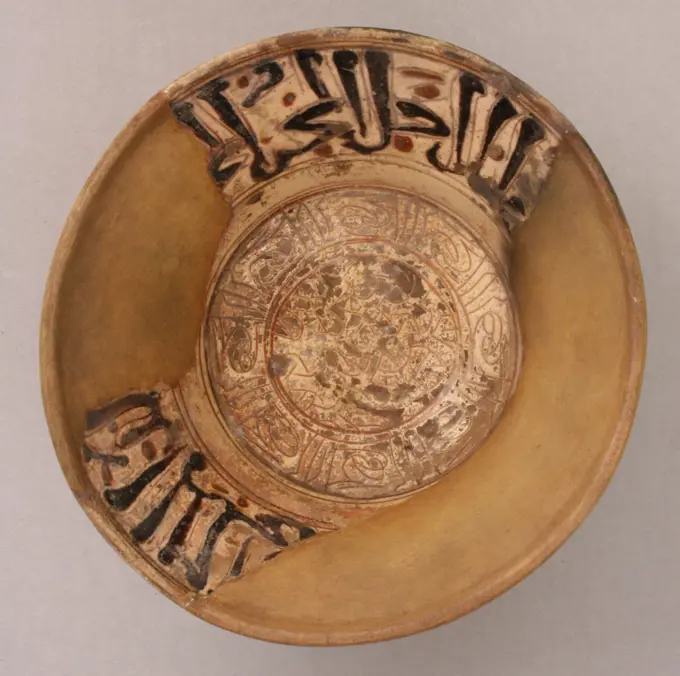
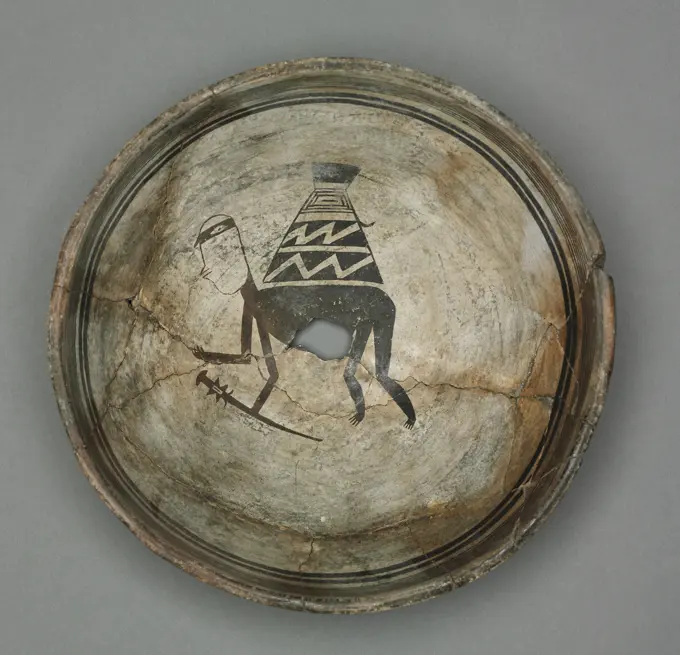
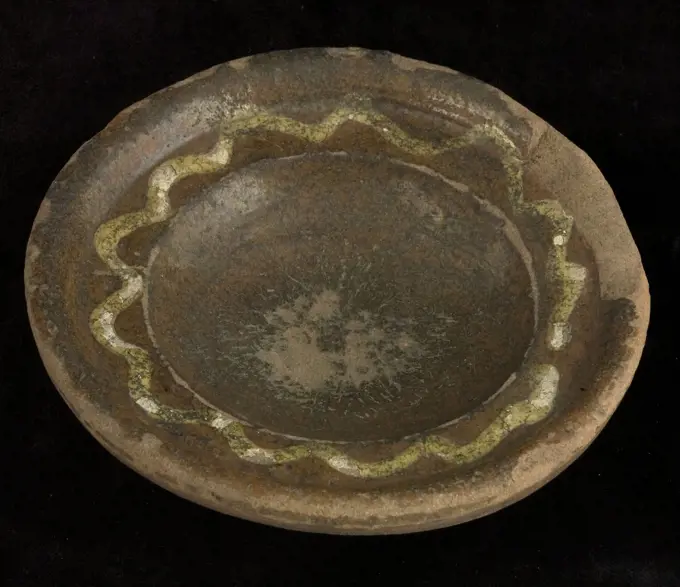
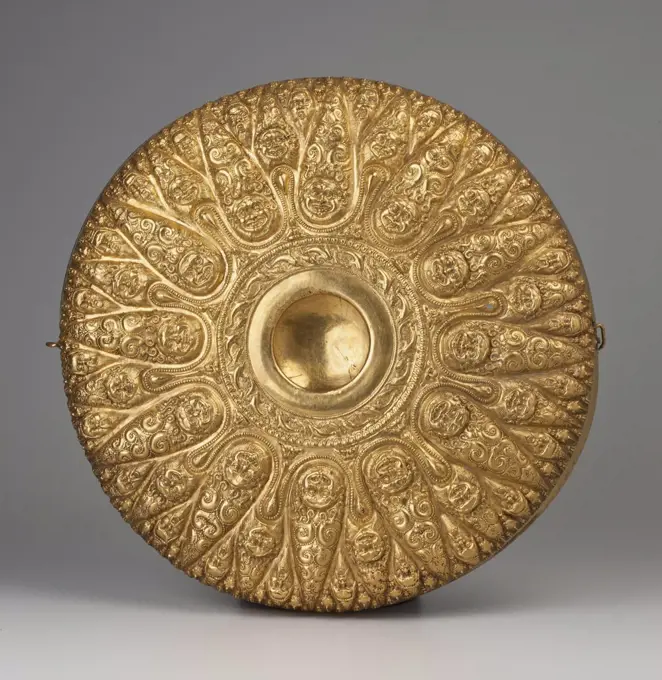
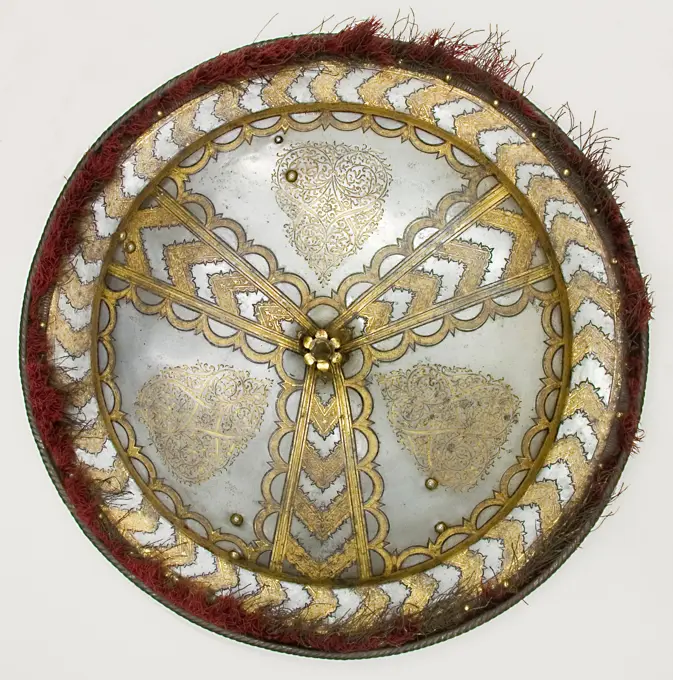
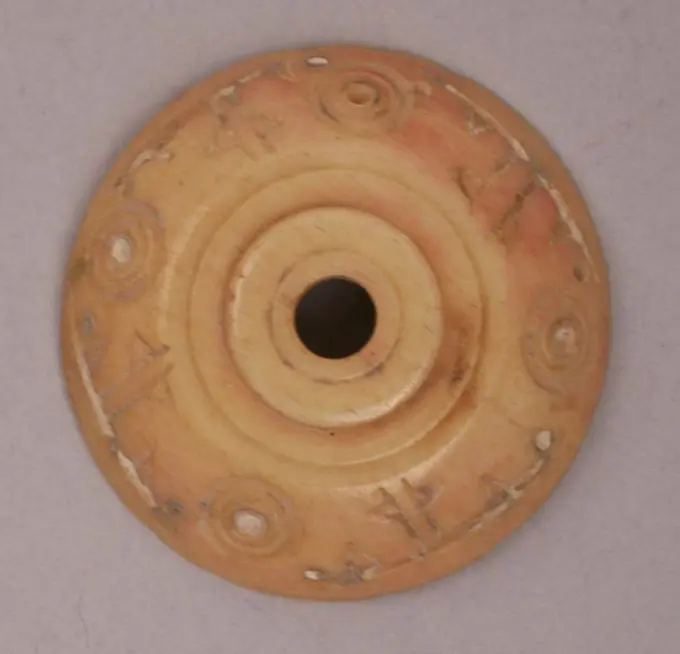
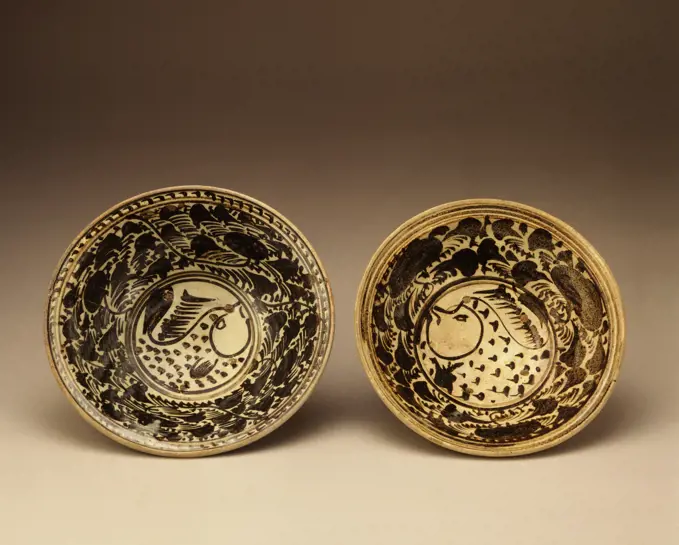
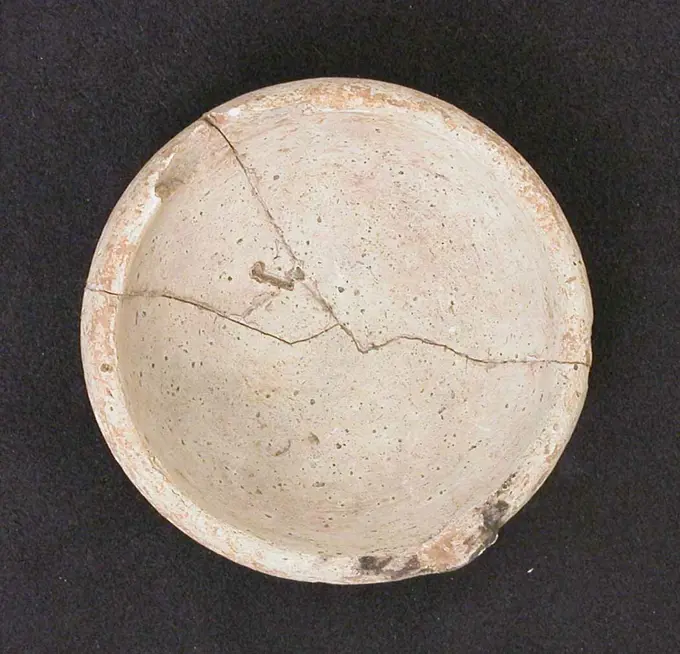
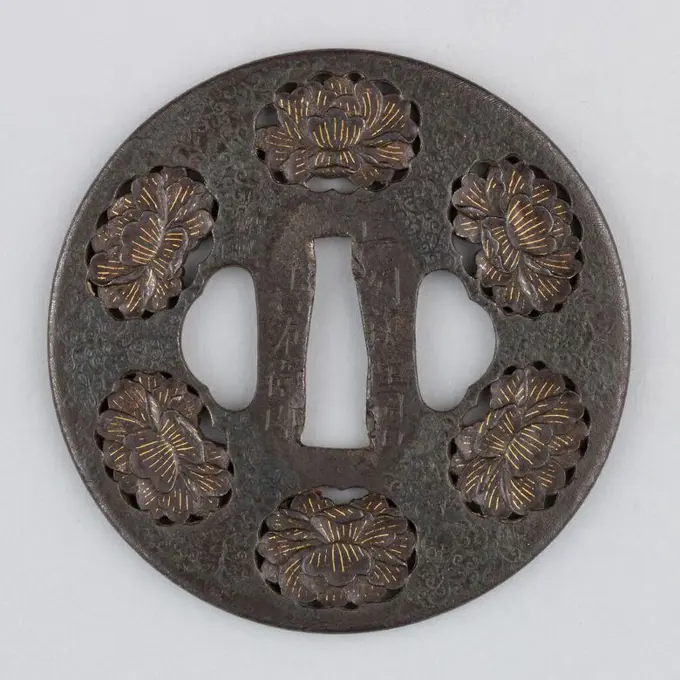
Cup ". GRS covered ivory. Paris, Muse Cernuschi. Coupe Asian art, extreme-East art, Vietnamese art, ceramic, cut, gres, dishesPlate 19th century Japan. Plate 59876Bowl with Incised Decoration 11th century. Bowl with Incised Decoration. 11th century. Earthenware; white slip under transparent glaze, incised. Excavated in Iran, Nishapur. CeramicsBit Boss late 16th - early 17th century Italian Bit bosses were ornamental elements decorating both sides of a horse bit. The decoration of this very popular kind of Italian bit boss imitates traditional Venetian filigree. Bit Boss. Italian. late 16th - early 17th century. Copper alloy, gold, iron. Equestrian Equipment-BitsBowl Mid-12th century. Bowl. Mid-12th century. Stonepaste; luster-painted. Attributed to Syria. CeramicsFragment 13th-16th century. Fragment 452483Przeszo Przyszoci Wonnecker, Christoph (16 .. 1727)Lid A.H. 609/ A.D. 1212. Lid 451860Bowl Decorated in the 'Beveled Style'. Dimensions: H. 2 1/4 in. (5.7 cm)Diam. 10 1/2 in. (26.7 cm). Date: 10th century.The Beveled style of surface ornament painted onto the surface of this bowl is similar to that seen on the molded stucco surfaces of the palaces in Samarra. This motif, which first appeared in ninth-century Samarra, spread to a variety of places, including Samarqand. Museum: Metropolitan Museum of Art, New York, USA.Wall plate with the pattern of flower basket, 1892 Wall plate polychrome painted with a stylized flower pattern. The blue, turquoise and manganese motif is applied to a yellow background. The Hague earthenware. glaze vitrification Wall plate polychrome painted with a stylized flower pattern. The blue, turquoise and manganese motif is applied to a yellow background. The Hague earthenware. glaze vitrificationMajolica dish with Wanli decor in blue, bird in chinese garden, dish crockery holder soil find ceramic earthenware glaze tin glaze lead glaze, ring 12.5 hand turned baked glazed painted fried Majolica dish on stand. Monochrome decor in blue on white background. Cassetterand and chinese garden with bird in wanli style. Reverse glaze. Decoration of poor quality. Glaze severely affected. Dull and gray become probably by bleaching with hydrogen peroxide archeology indigenous earthenware decorate interior furnishing serve food"Sgraffito-ware" Bowl 14th century Metalwork provided the inspiration for the shapes and designs of this ware, which is especially characteristic of Mamluk-period potteries in Egypt but found in excavations throughout the Mamluk realm. Mass produced for the general public as well as for the military, it was popular through the end of the fourteenth century.. "Sgraffito-ware" Bowl 455006Compartmented Seal with Woman and Two Animals. Northern Afghanistan, 2000-1500 B.C.. Tools and Equipment; seals. BronzeLamp. UnknownBATEA CON ESCUDO CON CORONA DE MARQUES EL CENTRO - ARTE VIRREINAL DE MICHOACAN - S XVIII. Location: MUSEO DE AMERICA-COLECCION. MADRID. SPAIN.Mirror with Four Nipples, Immortals, Dragon and Tiger, c. AD 125-220. China, probably Zhejiang province, Eastern Han dynasty (25-220). Bronze; diameter: 20.9 cm (8 1/4 in.).Majolica plate, blue on white, in the middle rosette, Chinese tape band in Wanli, plate dish tableware holder earth discovery ceramics pottery glaze, total, At pruned fried archeology serving decorate ChinaSpindle Whorl, 700s - 900s. Iran, early Islamic period, 8th - 10th century. Bone, incised; overall: 0.5 x 2.4 x 2.4 cm (3/16 x 15/16 x 15/16 in.).Mirror with Four Pixie, early 400s-late 500s. China, Southern and Northern Dynasties period (386-589). Bronze; diameter: 11.6 cm (4 9/16 in.); overall: 1.3 cm (1/2 in.); rim: 0.6 cm (1/4 in.).Majolica plate on stand, momochrome rosette in the mirror, rope motif along the edge, plate dish crockery holder soil find ceramic earthenware glaze tin glaze lead glaze, hand turned fried glazed fried Low dish on stand ring. Stand ring pierced for hanging hole Bottom glazing Central representation of rosette Along the edge an ornamental band and rope pattern along the edge of the board. Flat outstanding bordrand. No shoulder Proprints in the mirror. Highly discolored by staying in the soil archeology Rotterdam City Triangle Nieuwehaven indigenous pottery food serving table decorate room Soil discovery: Nieuwe Haven 1st cesspool (around) 21-08-1980Black-Glaze Bowl with Inscription. UnknownDish With H. Christoffel Measures the Child, Anonymous, 1500 - 1550 In the flat of the dish, which has the center point in the middle, punched with the help of stamp shapes: a representation of the H. Christoffel with the child and a round edge of ranking with leaves and a flower on shaded background (repeated seven times). The Holy Christoffel, who uses a tree trunk as a stick, wads through a river and has the Christ child on the shoulders. Fish blowing is driven in the wall. Furthermore, a punched ornament has been applied to the board, consisting of leaves and cross flowers. The edge has been beaten for iron wire. The hanging ring at the rear and the hole in the edge were installed later. The center point has become a small opening. Neurenberg (possibly) brass (alloy). casting In the flat of the dish, which has the center point in the middle, punched with the help of stamp shapes: a representation of the H. Christoffel with the child and a round edge of ranking with leaves and a floBronze shield boss with griffin and sphinx frieze ca. 650 B.C. Etruscan In repoussé, a procession of winged monsters.. Bronze shield boss with griffin and sphinx frieze 247071plate, 16th century, Can Pont i Vic, Museu de Mallorca, Palma, Majorca, Spain.Dish, 1127-1279, 1/4 × 6 1/16 × 6 in. (0.64 × 15.4 × 15.24 cm), Parcel-gilt silver, China, 12th-13th century, The Chinese began to use silver as a decorative element in the Spring and Autumn period (770 BCE-476 BCE), and until the Han dynasty (206 BCE-220 CE) the metal was used extensively to create jewelry, luxury implements, and religious vessels.Patch Box. American; Probably Newport, Rhode Island. Date: 1710-1730. Dimensions: 2 × 5.1 × 7.6 cm (7/16 × 2 × 3 1/8 in.). Silver. Origin: Newport. Museum: The Chicago Art Institute, Chicago, USA.Bowl 12th-13th century. Bowl 453598Disc - headed Pin. Iran, Luristan, 1000-650 B.C.. Jewelry and Adornments; pins. BronzeTray 18th century. Tray 451704SCHOOTELIJKENT OF EARTHER WITH LOOD GLAZER ON THE REFTER SIDE AND TINGLAZEUL WITH BLUE DECORATION ON THE FRONT, Anonymous, 1600 - 1620   Northern Netherlands earthenwareBronze disc with enamel inlay, Celtic artefact, France, La Tene I.Mirror with Flowers and Birds in Gold and Silver Cutouts over a Lacquer Base, mid-700s. China, Tang dynasty (618-907). Bronze with gold and silver cutouts; diameter: 16.8 cm (6 5/8 in.); overall: 0.9 cm (3/8 in.); rim: 0.4 cm (3/16 in.).Galvanoplastic reproduction of a dish with the Popta family crest on the flat, Fa. Elkington & Co., 1881 Galvanoplastic reproduction of a dish with the Popta family crest on the flat. On the edge -driven representations of Europe, Asia, Africa and America. London copper (metal). silver (metal) Galvanoplastic reproduction of a dish with the Popta family crest on the flat. On the edge -driven representations of Europe, Asia, Africa and America. London copper (metal). silver (metal)Lobed Mirror with Paired Phoenixes and Auspicious Animals, 700s. China, Tang dynasty (618-907). Bronze; diameter: 27.6 cm (10 7/8 in.); overall: 1.2 cm (1/2 in.); rim: 0.8 cm (5/16 in.).Galvanoplastic reproduction of a dish with driven ornament and coat of arms, fa. Elkington & Co., 1881 Galvanoplastic reproduction of a dish decorated with driven band work, fruits and flowers. In the center a diamond -shaped coat of arms with drill and bird, surrounded by ribbons. Gilded. London copper (metal). silver (metal) gilding Galvanoplastic reproduction of a dish decorated with driven band work, fruits and flowers. In the center a diamond -shaped coat of arms with drill and bird, surrounded by ribbons. Gilded. London copper (metal). silver (metal) gildingSword Guard (Tsuba) early 18th century Japanese A tsuba is a sword guard and part of a sword mounting. It is mounted between the swords blade and grip to protect the users hands.. Sword Guard (Tsuba) 34967Back of a bronze folding mirror with concentric circles. Late 4th century -Early 3rd century BC.TiebackPECES - PLATO CERAMICA VERDE DE PATERNA. Location: MUSEO DE CERAMICA GONZALEZ MARTI. Valencia. SPAIN.EscutcheonMirror with Two Dragons and a Tiger, AD 200s. China, Three Kingdoms (221-280). Bronze; diameter: 14.7 cm (5 13/16 in.); overall: 1.5 cm (9/16 in.); rim: 1.1 cm (7/16 in.).Spindle Whorl or Button 3rd-12th century The dot-in-circle motif recalls designs presumed to be of magical significance, most likely an abstract eye to ward off the evil-eye, which serves an apotropaic function. Easily reproduced with a tool and visible in many cultures and times, this symbol may have lost its meaning, and become simply a decorative pattern, or may have one that we have not yet discovered. Spindle Whorl or Button 447618Door Pull (Hikite), early to mid-1800s. Japan, Edo period (1615-1868). Bronze (); overall: 1.3 x 10.2 cm (1/2 x 4 in.).Sword Guard (Tsuba), c. 1615-1868. Japan, possibly Edo period (1615-1868). Iron; diameter: 7.7 cm (3 1/16 in.).Bowl 1050-950 B.C. Cypriot Two handles, and bands and lattice triangles on under side.. Bowl. Cypriot. 1050-950 B.C.. Terracotta. Cypro-Geometric I. VasesDish ca. 1520-30 Italian, Deruta. Dish. Italian, Deruta. ca. 1520-30. Maiolica (tin-glazed earthenware), lustered. Ceramics-PotteryTerracotta deep bowl. Culture: Greek, South Italian, Campanian, Calenian. Dimensions: H. 2 15/16 in. (7.5 cm); diameter 6 3/8 in. (16.2 cm). Date: late 3rd-early 2nd century B.C..The deep bowl originated in metal during the Hellenistic period and was reinterpreted in clay quickly and widely. The bust represents Dionysos, god of wine, an appropriately frequent subject for a drinking vessel. Pottery of this type is conventionally known as Calenian, after Cales, a site in Campania. Recent studies indicate that there were numerous centers of production in Italy and wide distribution to both the west and the east. Museum: Metropolitan Museum of Art, New York, USA.Pendant. UnknownDish 14th century. Dish 444505Plate ca. 1828-ca. 1846 Enoch Wood & Sons British. Plate. British (American market). ca. 1828-ca. 1846. Earthenware, transfer-printed. Made in Staffordshire, Stoke-on-Trent, EnglandBowl 12th-13th century. Bowl. 12th-13th century. Stonepaste; painted on an opaque white ground under transparent glaze. Attributed to Syria, Raqqa. CeramicsBowl 12th-13th century. Bowl 453850Bowl with Two Leopards and aDeerCalendar Plate for July (Mowing). Martial Courteys (France, Limoges, circa 1544-1592). France, Limoges, circa 1565-1575. Furnishings; Serviceware. Grisaille enamel, flesh tones, touches of color, and gold on copperSword Guard (Tsuba). Culture: Japanese. Dimensions: H. 2 7/8 in. (7.3 cm); W. 2 3/4 in. (7 cm); thickness 3/16 in. (0.5 cm); Wt. 3.9 oz. (110.6 g). Date: possibly late 16th century. Museum: Metropolitan Museum of Art, New York, USA.One of Three Hundred Sixty Heads, Five Molds, Fifteen Oscilla and Other Figural and Vase Fragments. UnknownTray Portraying Courtly Pleasures, 1240s. Syria, Ayyubid period (1171-1260). Sheet brass inlaid with silver; diameter: 53.8 cm (21 3/16 in.); overall: 5.8 cm (2 5/16 in.).Austria, Vienna, Naturhistorisches Museum, Bronze lid decorated with zoomorphic and flowery motifs from HallstattBelt Clasp 2nd century B.C. Celtic This bronze and silver buckle is unusual in that both its top and bottom plaque are preserved, along with remains of the iron rivets used to attach it to a leather belt. Small figurines show warriors wearing similar clasps, suggesting this was designed for use by a soldier. It is typical of a type of buckle produced in the central plain region of the Iberian Peninsula, where silver is found in the Sierra Morena mountains. In design it is closely related to engraved examples of artwork in Andalusia in the southwest of Spain, a province that strongly influenced the artistic development of the rest of Iberia. Opposing spirals were a popular motif in Celtic art and were often combined with concentric circles on buckles such as this one. The design was created by carving out a pattern on a bronze panel, and then hammering a thin sheet of silver into the indentations.. Belt Clasp 466184Charger with Alexander the Great Defeating Darius Surrounded by the Four Continents, Hans Ulrich Frank, German, 1603-1680, Stefano della Bella, Italian, 1610-1664, silver, gold, Oval, with four repoussé martial trophies on marli, wreath around center. Applied, on marli, four high relief medallions with the Four Continents (after Stefano della Bella's playing cards, published in Paris in 1646). Asia, turbaned, in chariot drawn by two elephants; Europe, crowned, drawn by horses; Africa, with feather headdress and parasol, drawn by lions; America, in feather headdress and tunic, drawn by armadillos. In center, relief plaque of Alexander and King Darius, lying dead in battle chariot with attending warriors (after an etching of 1645 by Hans Ulrich Frank)., Augsburg, Germany, 1689, metalwork, Decorative ArtsAfter Andrea Briosco, called Riccio, Lamp, Upper Portion, c 1800 1899 Lamp, Upper PortionLazio Viterbo Viterbo Museo Civico9. Hutzel, Max 1960-1990 Views of paintings (Middle Ages through 18th c.), frescoes, a tabernacle, coffin, sculpture reliefs, portal fragments, busts, sculpture, tapestry found in the Pinacoteca, Second floor gallery and Second floor cloister sequences. Antiquities: Many views of Etruscan and Roman fragments, sculpture, sarcophagi, pottery, masks, jewelry and other objects found in the Storeroom sequence (inventory numbers on back of prints), and the Cloister, Second floor Cloister, Valle Giulia, Sala Romana and Sala Etrusca sequences. General Notes: There are eight separate numerical sequences for this location. The cloister as an architectural structure, rather than museum site, is documented in the record and file for S. Maria della Verita, Cloister, all views of which are stored in Medieval core collection. Five views from the Museo Civico Second floor cloister sequence are stored in Medieval. German-born photographer and scholar Max Hutzel (1911-1Plate of multicolor hard-baked pottery; Staffordshire. Plate of multicolored hard-baked pottery, with a scalloped edge. The edge is embossed with six fields of corrugated railing. The plate is covered with blue gray lead glaze with stains in green, yellow and manganese. The back is dotted in manganese. Four signs belong to the board (BK-1987-41-A to BK-1987-41-E).Bowl 10th century. Bowl 451115Button or Spindle Whorl 9th-10th century The dot-in-circle motif recalls designs presumed to be of magical significance, most likely an abstract eye to ward off the evil-eye, which serves an apotropaic function. Easily reproduced with a tool and visible in many cultures and times, this symbol may have lost its meaning, and become simply a decorative pattern, or may have one that we have not yet discovered.. Button or Spindle Whorl. 9th-10th century. Bone; incised and inlaid with paint. Excavated in Iran, Nishapur. Ivories and BoneSword Guard (Tsuba). Culture: Japanese. Dimensions: H. 3 1/4 in. (8.3 cm); W. 3 in. (7.6 cm); thickness 5/16 in. (0.8 cm); Wt. 6 oz. (170.1 g). Date: late 18th-early 19th century. Museum: Metropolitan Museum of Art, New York, USA.Bowl; Unknown Nubian workshop; VI-VII century (501-00-00-700-00-00);Nubian ceramics, bowls, nubian vesselsTerracotta phiale (libation bowl). Culture: Greek, South Italian, Campanian, Calenian. Dimensions: diameter 3 3/8in. (8.6cm). Date: 3rd century B.C..The decoration in relief combines geese, ducks, and horses with the foreparts of winged lions and female figures with two pairs of wings. Museum: Metropolitan Museum of Art, New York, USA.Plate. Panama, Conte style from near Nata, Cocle, 500-700 CE. Ceramics. Slip-painted ceramicJar FilterSidewall (Belgium), ca. 1700; leather, stamped, silvered, paintedLampka dekorowana motywem drobnolistnej rozety. unknown, authorFor a long time; Manises (ceramic family; Ca 1400-); 16th century (1501-00-00-1600-00-00);Dish with double -headed eagle and year 1592, Anonymous, 1592 Round dish of lead glaze pottery, on three shell -shaped legs. The dish is decorated in white sludge, with a double -headed eagle on the flat and the year 1592 and on the edge four pomegranates with a flower branch with leaves on either side. The dish is covered with local green -tinted lead glaze. North Holland earthenware. lead glaze Round dish of lead glaze pottery, on three shell -shaped legs. The dish is decorated in white sludge, with a double -headed eagle on the flat and the year 1592 and on the edge four pomegranates with a flower branch with leaves on either side. The dish is covered with local green -tinted lead glaze. North Holland earthenware. lead glazeToy pottery saucepan or frying pan on stand fins, saucepan tableware holder kitchenware toy relaxant soil find ceramic earthenware glaze lead glaze, hand turned glazed baked Toy frying pan or saucepan on three stand fins Shallow round bowl covered with lead glaze Scratches in the glaze layer of use cutting movements. Rupture where the handle was seated seems to be sawn out reason why is unclear archeology Coolhaven Dijkzigt City center Rotterdam indigenous pottery play child child play war World War II reuse archaeological find in the soil Rotterdam found at the construction of the Coolhaven or in the city center during the clearing of the rubble after the bombing in May 1940.Dish with Floral Design late 14th-early 16th century Thailand (Kalong). Dish with Floral Design 37632Wine taster from Switzerland, 1500's. embossed cup in silver gilt was used for tasting wine. It may have been a gift to commemorate a marriageFooted Bowl 12th-13th century. Footed Bowl 446206GRAN PECTORAL DE ORO PROCEDENTE DE MICENAS. Location: MUSEO ARQUEOLOGICO-ORFEBRERIA. ATHENS. GREECE.Bit Boss. Culture: probably Netherlandish. Dimensions: Diam. 3 1/8 in. (8 cm); Wt. 3.4 oz. (95 g). Date: first half 17th century.Bit bosses were ornamental elements decorating both sides of a horse bit. This circular bit boss is adorned with a domed faceted center and a rim presenting a frieze of pointed lobes. This object belongs to a large group of bosses featuring a series of rims and centers combined in different ways. The exact center of production of these bosses is still unclear. If the motifs used are Italian, the scale of the production and the process of combining a series of rims and center recalls contemporary German practices. Some of them, however, are identical or very similar to bosses seen in several early 17th-century Netherlandish paintings, a likely origin for the manufacture of these objects. Museum: Metropolitan Museum of Art, New York, USA.Badge or Harness Pendant 14th century Spanish Heraldry, or coat-of-arms, were vitally important in Europe throughout the Middle Ages and the Renaissance. Heraldic emblems were used to identify noble families, cities, regions, and even countries. In addition to being displayed on shields and flags, heraldry was incorporated into architectural decoration on the interior and the exterior of buildings, on furniture, works of art, clothing, and horse equipment. Harness pendants, like this example, would have been attached to a headstall, bridle, or other straps making up the tack of a horse ridden by a nobleman or noblewoman, or a member of their household. Many harness pendants also have decoration that is simply ornamental, or have symbols that are not specifically heraldic in nature.. Badge or Harness Pendant. Spanish. 14th century. Copper, gold, enamel. Miscellaneous-BadgesVasque (attributed title), sigillée ceramics, Carnavalet museum, history of Paris. Decor at the wheelFragment of a Bowl 14th-15th century. Fragment of a Bowl. 14th-15th century. Earthenware; incised decoration through white slip and coloring under transparent glaze.. Attributed to Egypt. CeramicsOrnamental Boss 16th century This ornamental boss consists of a hemispherical pierced interlace design, radiating from a central, ten-pointed star. The finely-finished openwork has been carefully crafted on this small object, and it may have been used as a decorative element on an object such as an alam (standard), or a shield.. Ornamental Boss 452812Incantation bowl with Aramaic inscription ca. 5th-6th century A.D. Sasanian. Incantation bowl with Aramaic inscription 322405David Ellinger, Pa German Plate, c 1937 Pa. German PlatePowdewr flask. The Netherlands, c. 1625-1675. Tortoiseshell, copper. Rijksmuseum. Amsterdam. Netherlands.Fragmentary Bowl 14th-15th century. Fragmentary Bowl 445168Bowl with Burden-Bearing Human, c. 1000-1150. Southwest, Mogollon, Mimbres, Pre-Contact Period, 11th-12th century. Earthenware; diameter: 25.4 cm (10 in.); overall: 10.5 x 25.5 cm (4 1/8 x 10 1/16 in.).Earthenware salt bowl on stand ring with yellow silt decoration, salt bowl salt barrel tableware holder soil find ceramic earthenware clay engobe glaze lead glaze, hand turned bezel glazed baked Pottery salt bowl or small dish red shard covered with lead glaze unglazed stand ring. Bowl shaped mirror and narrow flag thickened dish edge. Yellow silt decoration: wave line on the flag archeology indigenous pottery serve serving salt table condiment foodPhial, Scythian Art  Shield ca. 1550 or later probably German. Shield. probably German. ca. 1550 or later. Steel, gold, brass, velvet. ShieldsButton or Spindle Whorl 9th-10th century The dot-in-circle motif recalls designs presumed to be of magical significance, most likely an abstract eye to ward off the evil-eye, which serves an apotropaic function. Easily reproduced with a tool and visible in many cultures and times, this symbol may have lost its meaning, and become simply a decorative pattern, or may have one that we have not yet discovered.. Button or Spindle Whorl 449228Spindle Whorl, 700s - 900s. Iran, early Islamic period, 8th - 10th century. Bone, incised; overall: 0.6 x 2.4 x 2.4 cm (1/4 x 15/16 x 15/16 in.).Sawankalok fishplates,Thailand.Lamp 8th-9th century. Lamp 448993Hammered Gold Disk 11th-16th century Veraguas (). Hammered Gold Disk 317886Sword Guard (Tsuba). Culture: Japanese. Dimensions: Diam. 3 1/4 in. (8.3 cm); D. 3/16 in. (0.5 cm); Wt. 5.1 oz. (144.6 g). Date: 18th century. Museum: Metropolitan Museum of Art, New York, USA.Prehistory, France, Bronze Age. Terracotta saucer. From the tomb of Rancogne.Cup and Saucer. Dated: c. 1939. Dimensions: overall: 30.5 x 22.8 cm (12 x 9 in.) Original IAD Object: 3 1/4" high; 5 1/2" in diameter. Medium: watercolor and graphite on paperboard. Museum: National Gallery of Art, Washington DC. Author: Robert Stewart.