Decorative Ceramics Through Ages

A collection of intricate decorative ceramics including bowls and plates from various cultures such as Asian and Middle Eastern, showcasing unique designs and historical craftsmanship.

Wall plate with the pattern of flower basket, 1892 Wall plate polychrome painted with a stylized flower pattern. The blue, turquoise and manganese motif is applied to a yellow background. The Hague earthenware. glaze vitrification Wall plate polychrome painted with a stylized flower pattern. The blue, turquoise and manganese motif is applied to a yellow background. The Hague earthenware. glaze vitrification
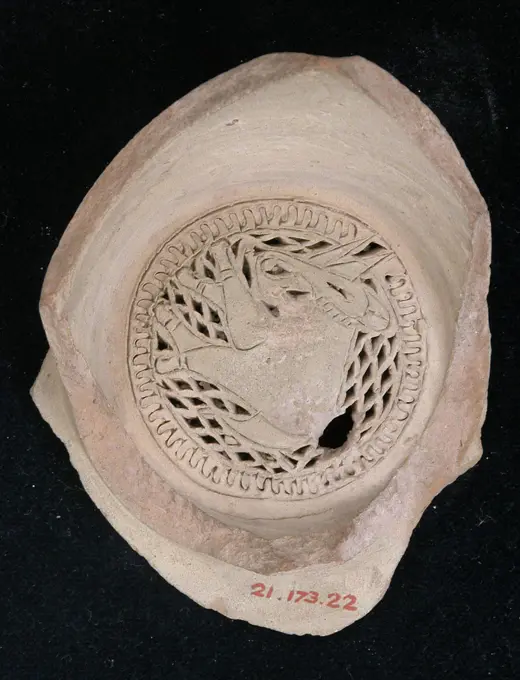
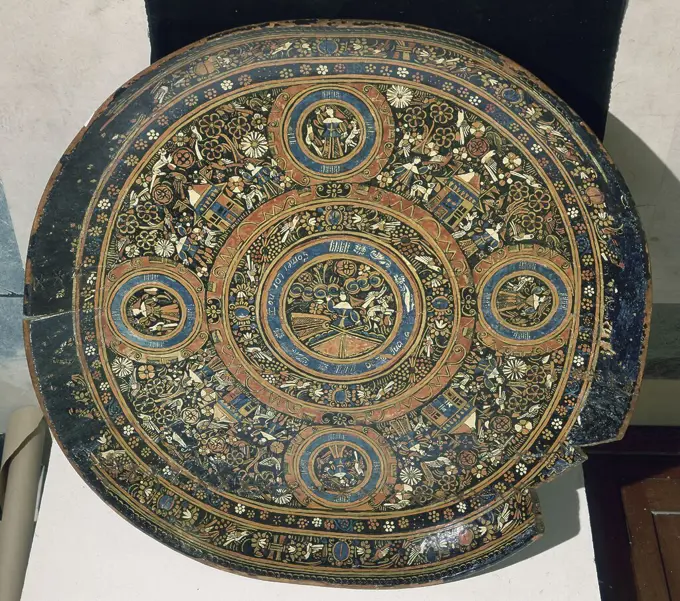
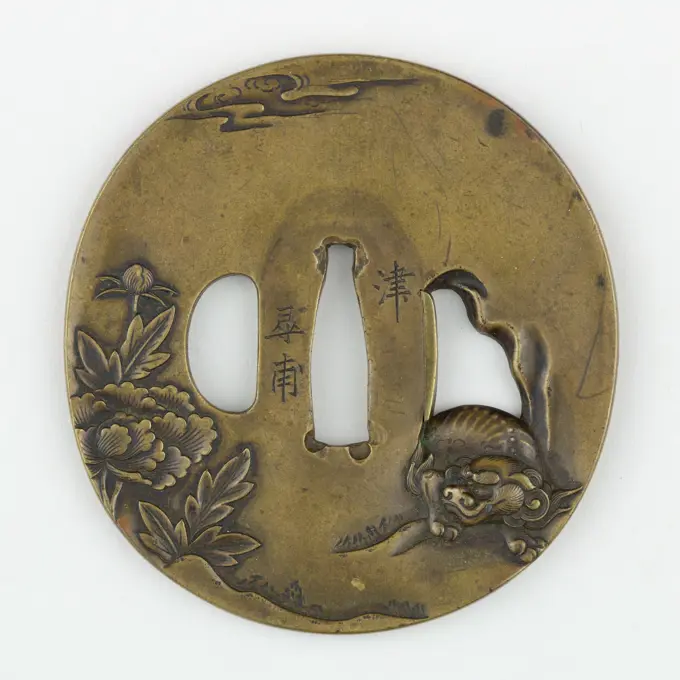
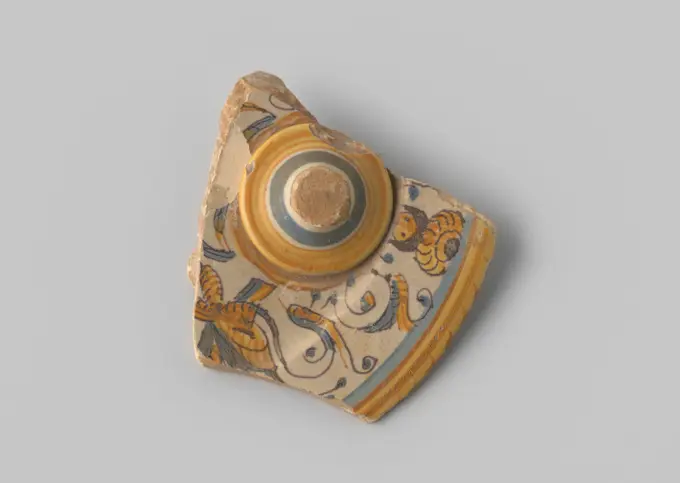
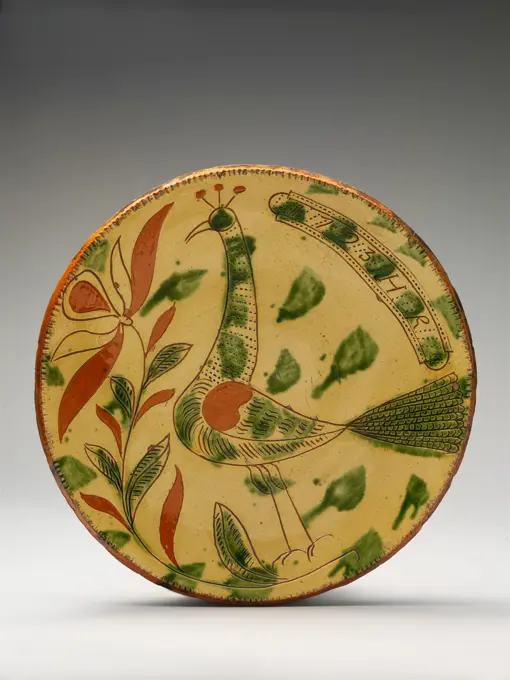
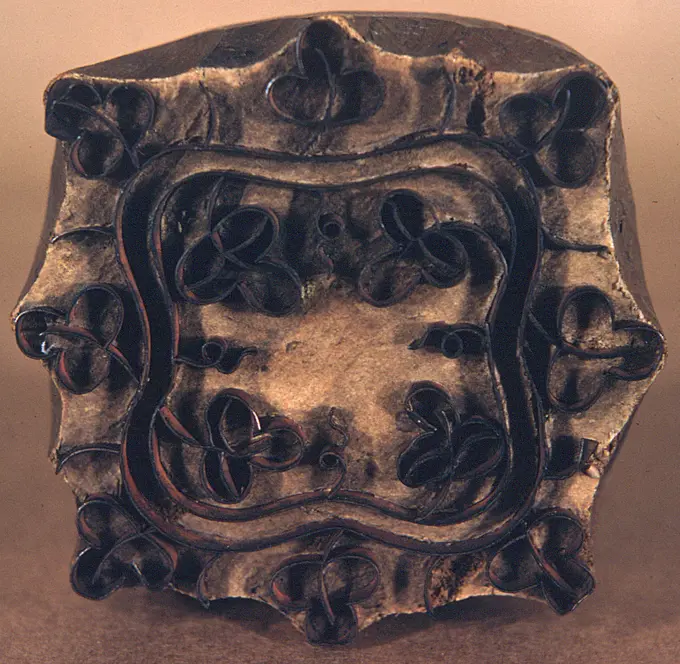
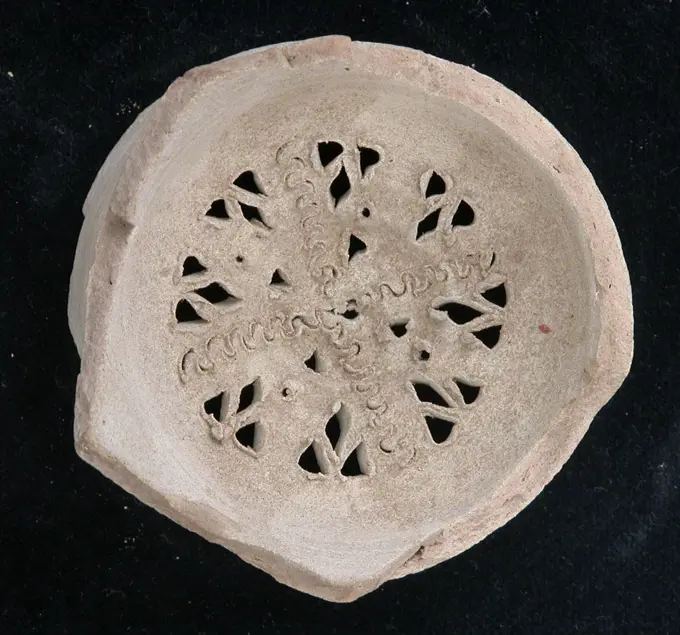
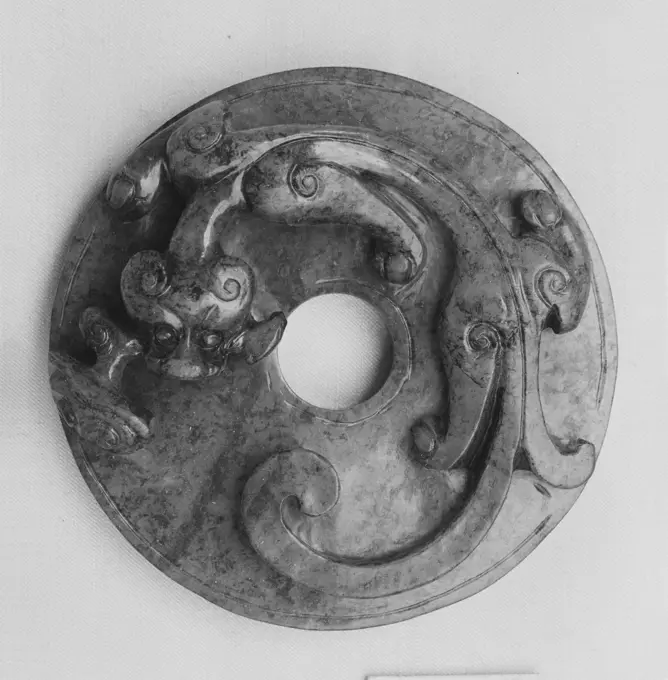
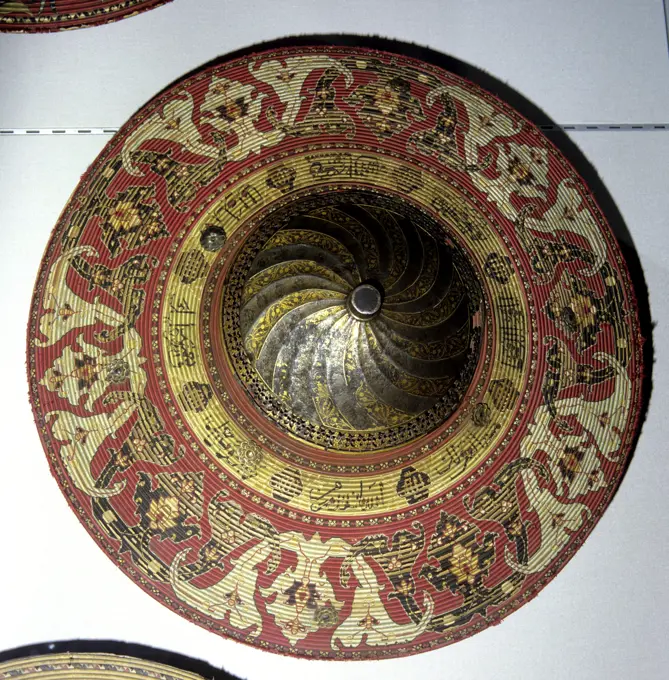
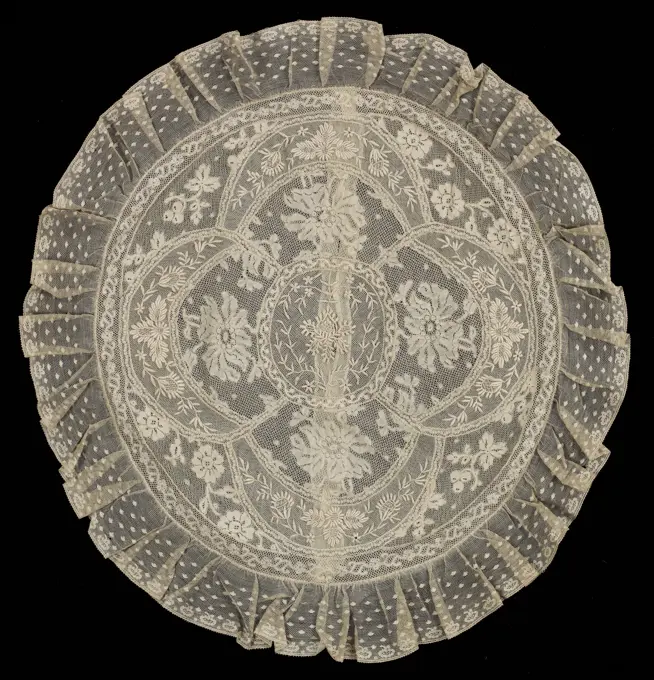
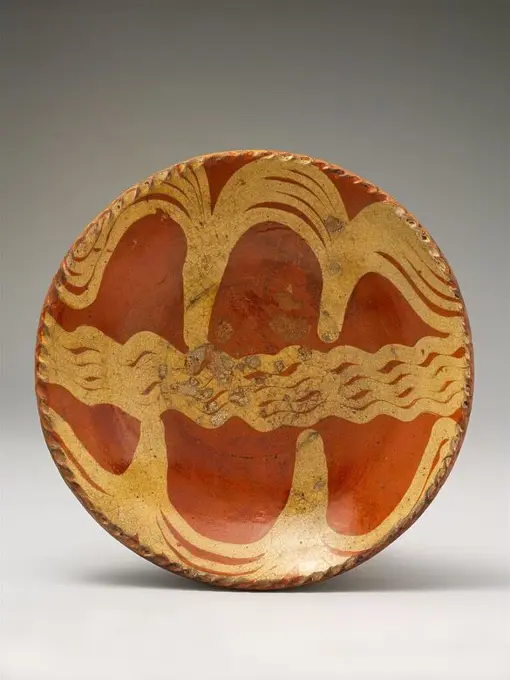
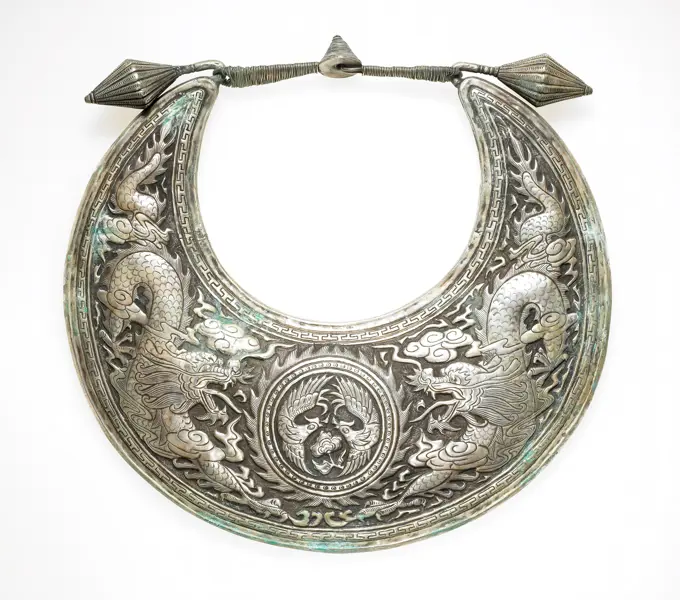
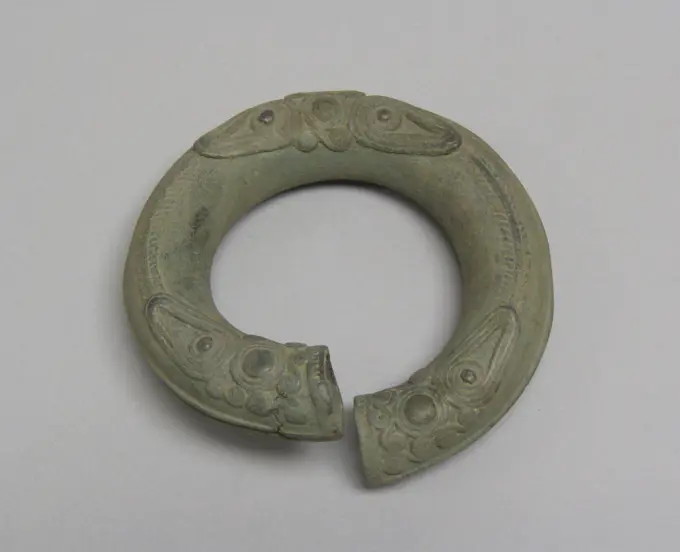
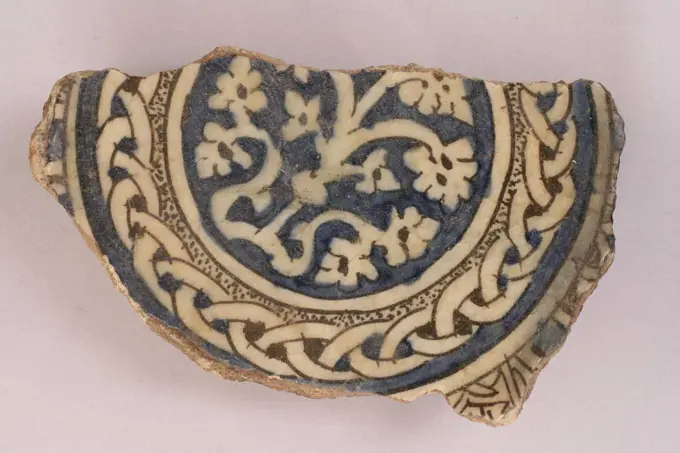
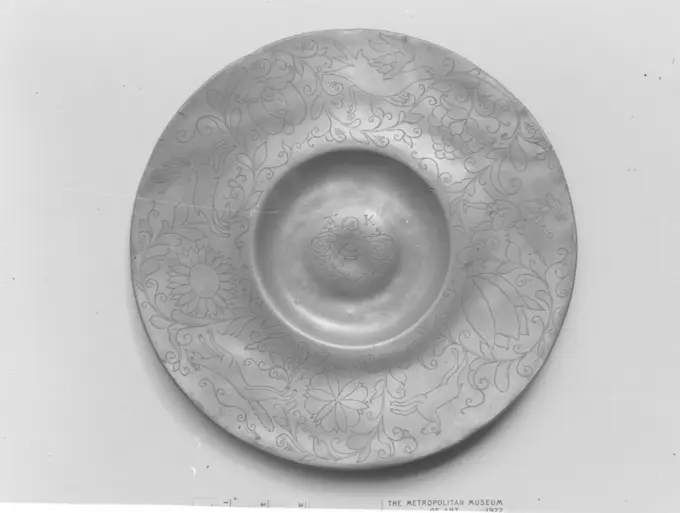
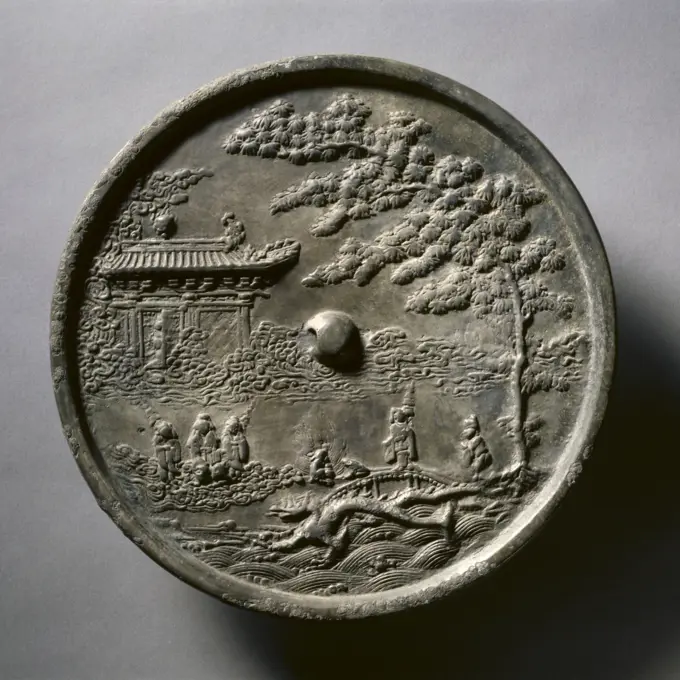
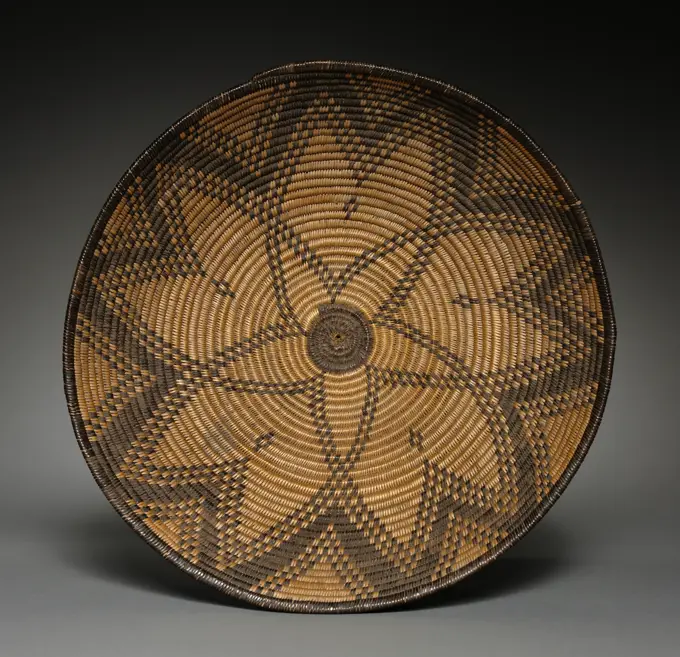
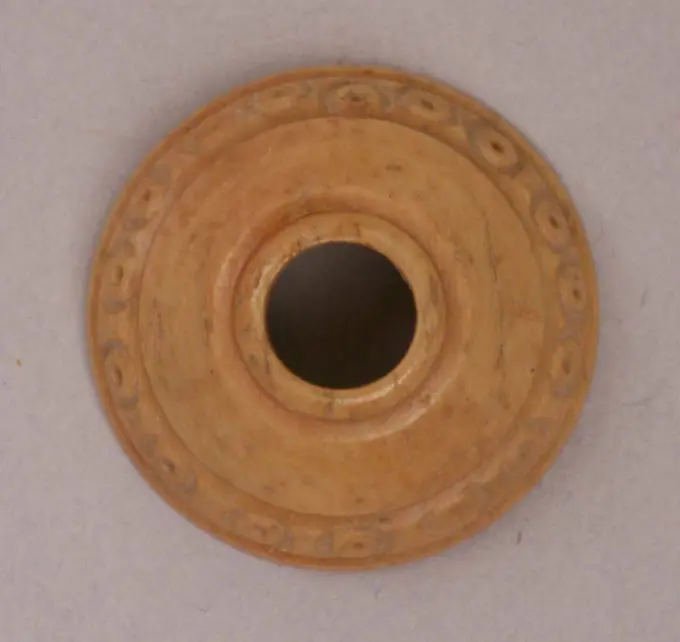
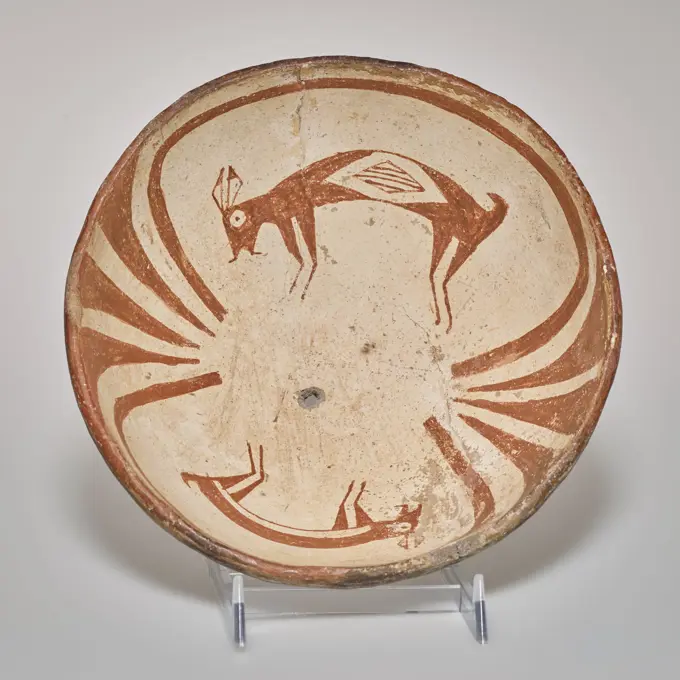
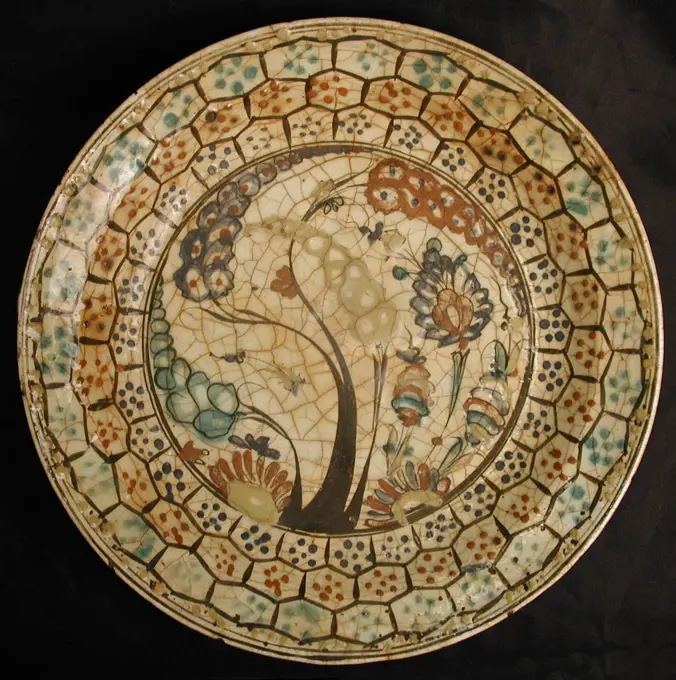
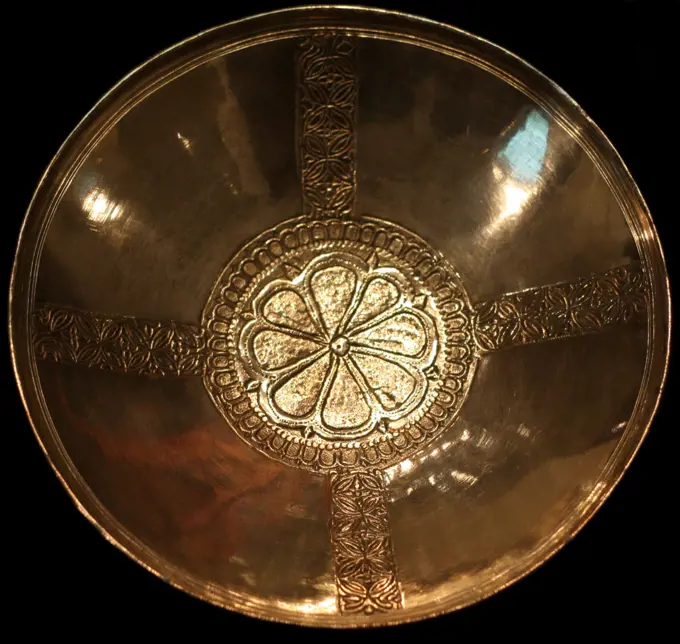
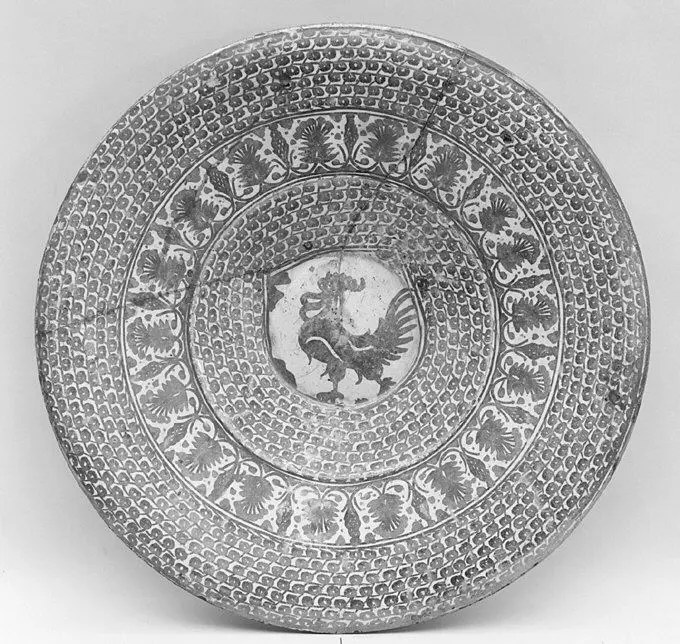
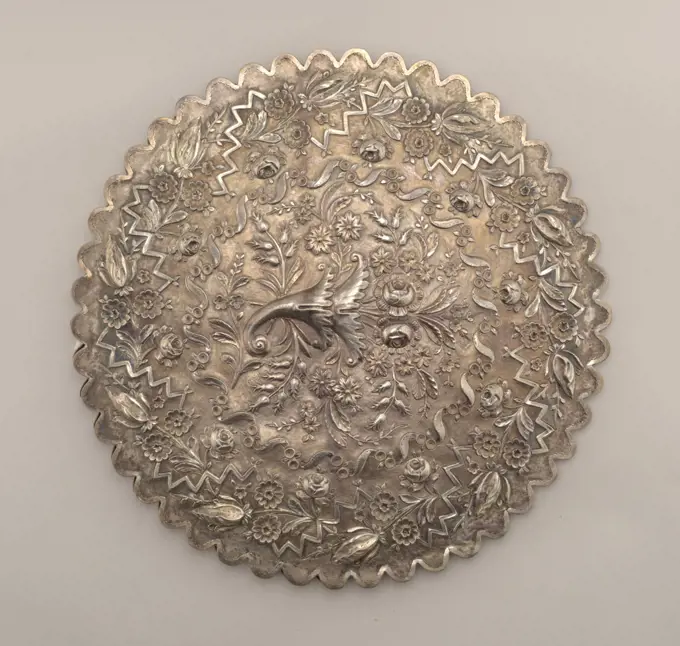
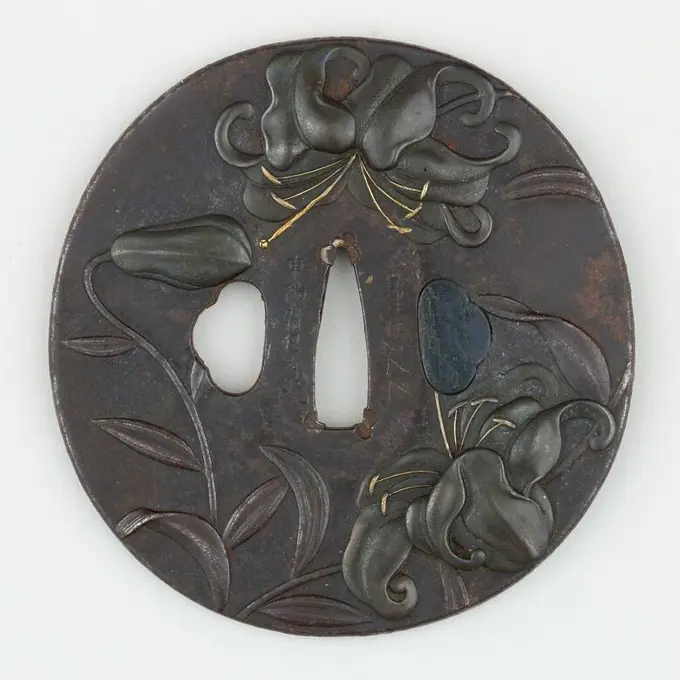
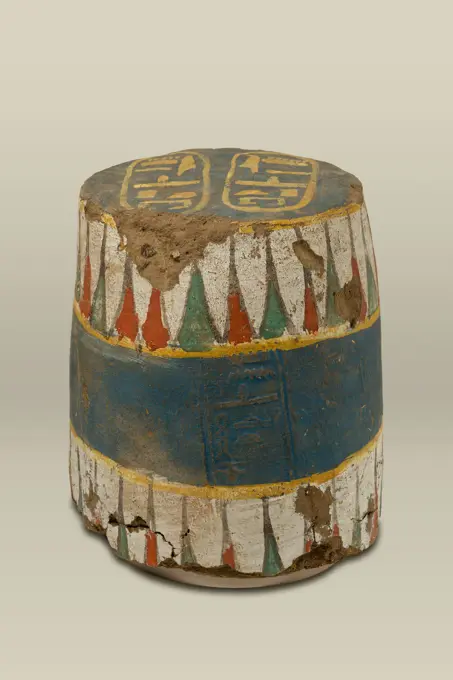
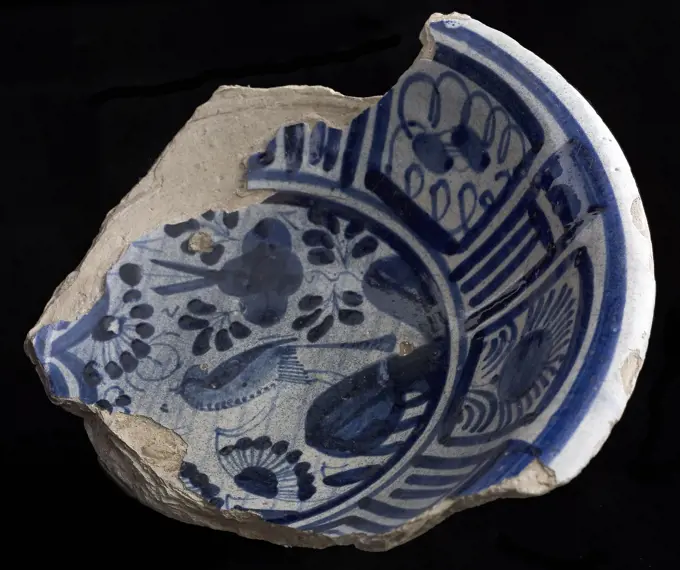
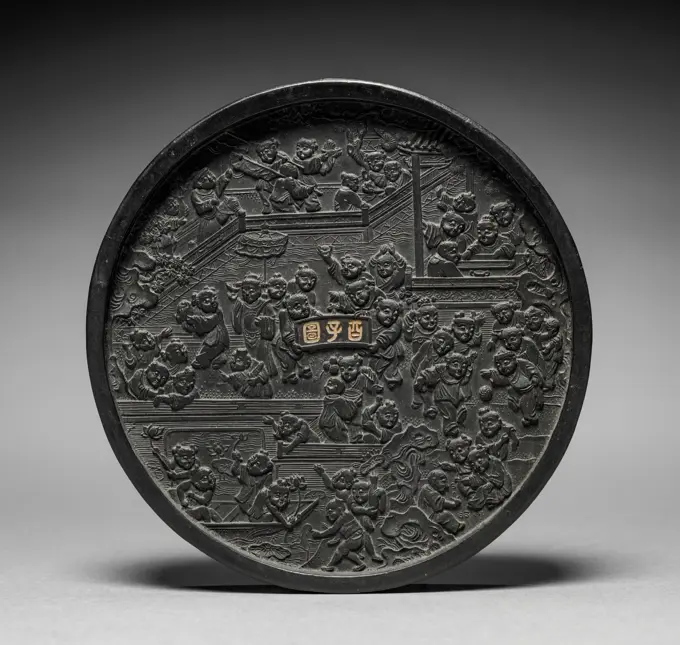
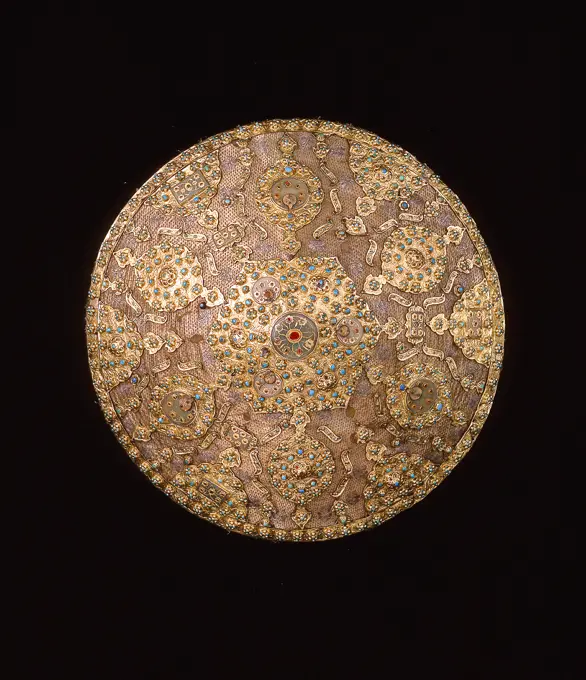
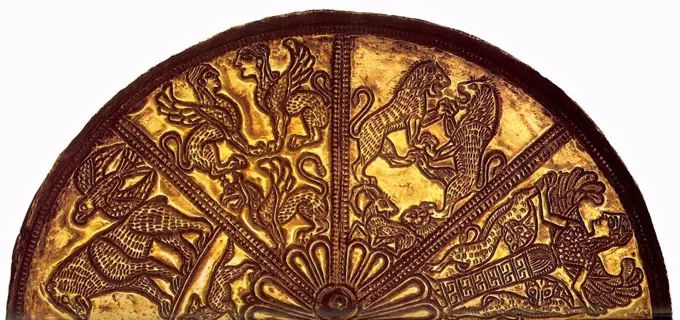
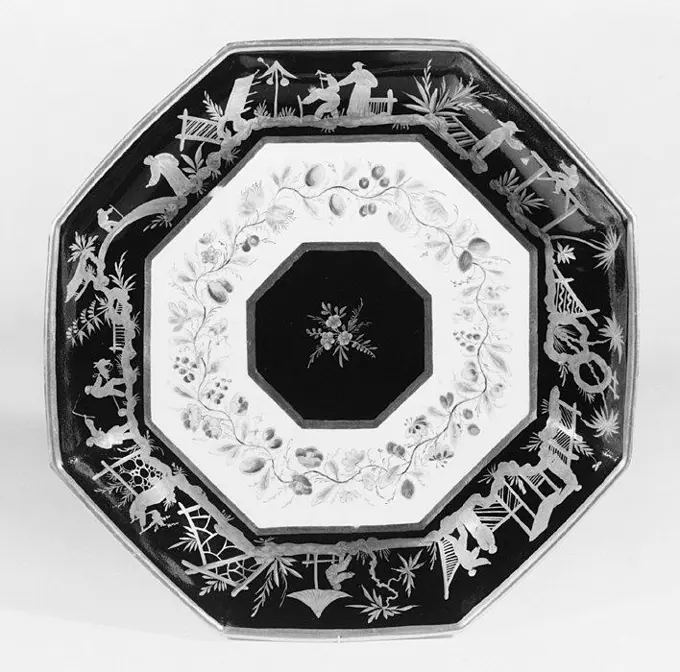
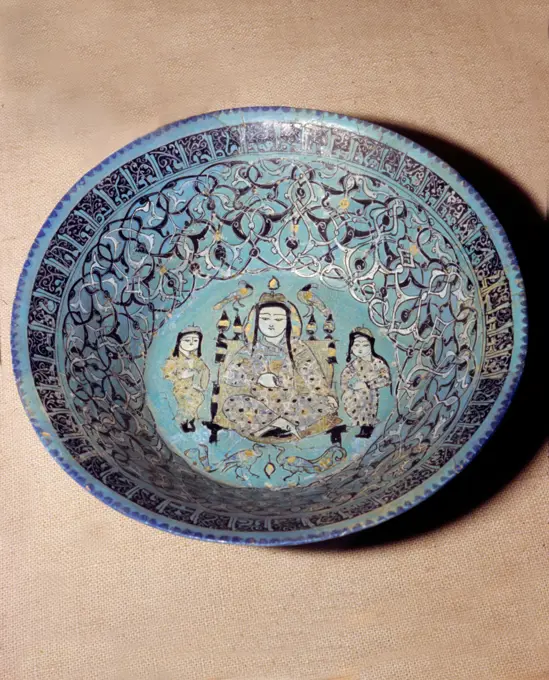
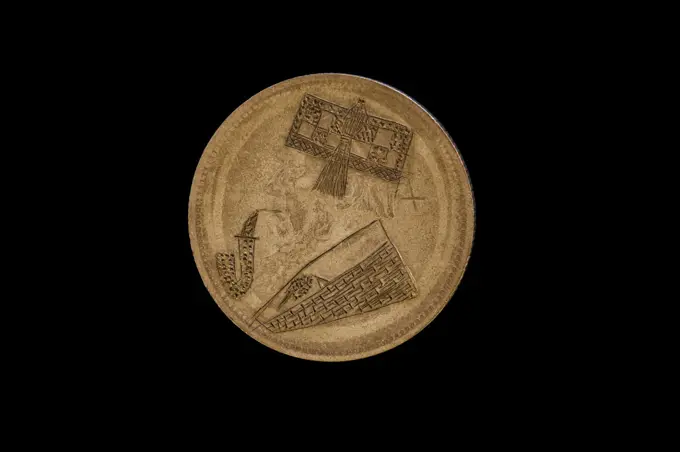
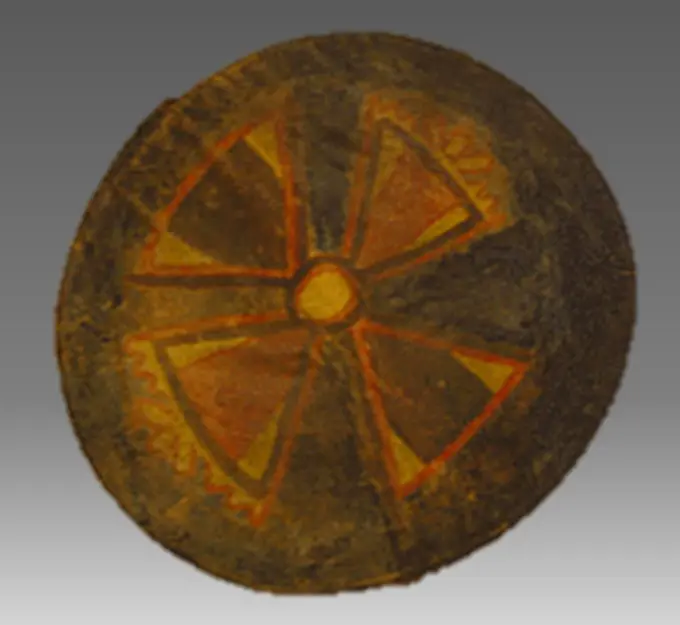
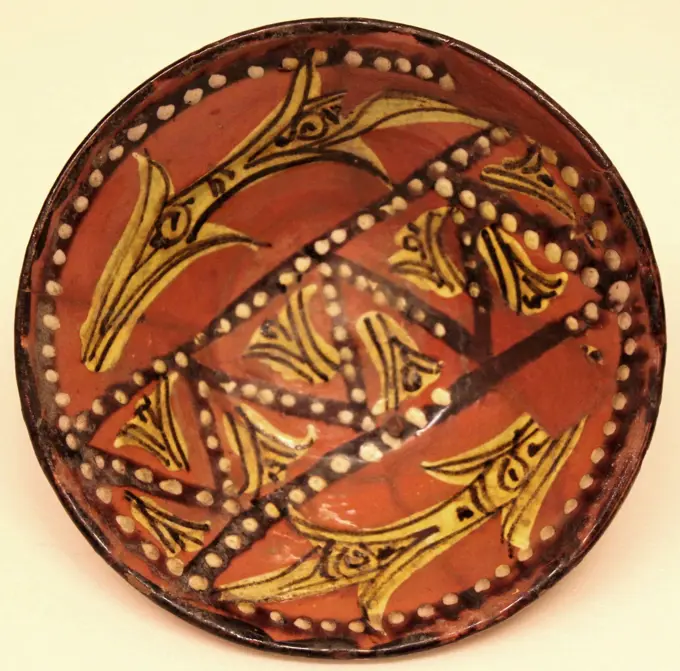
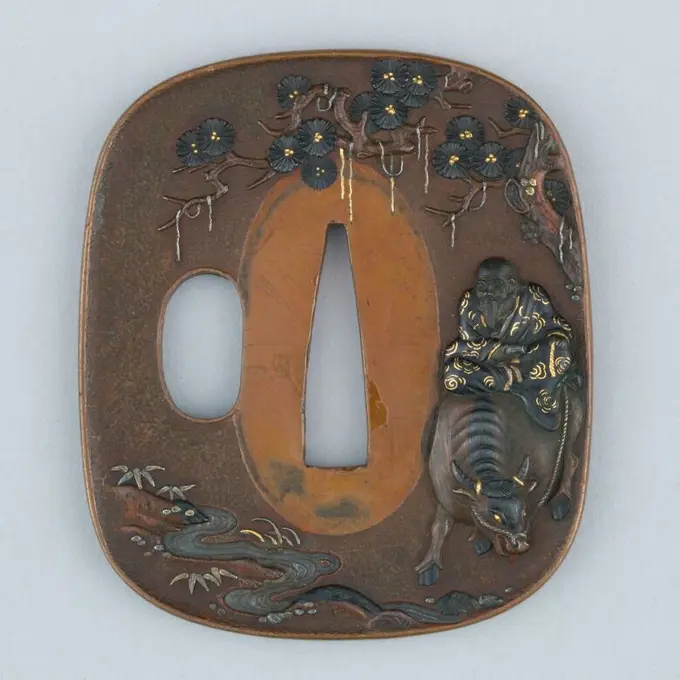
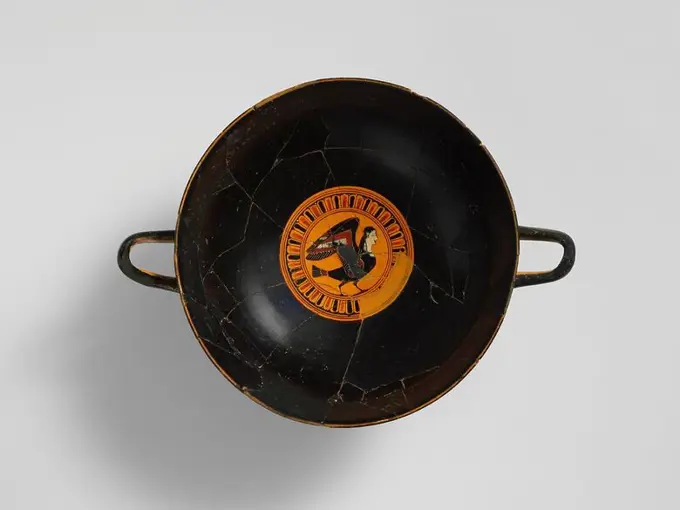
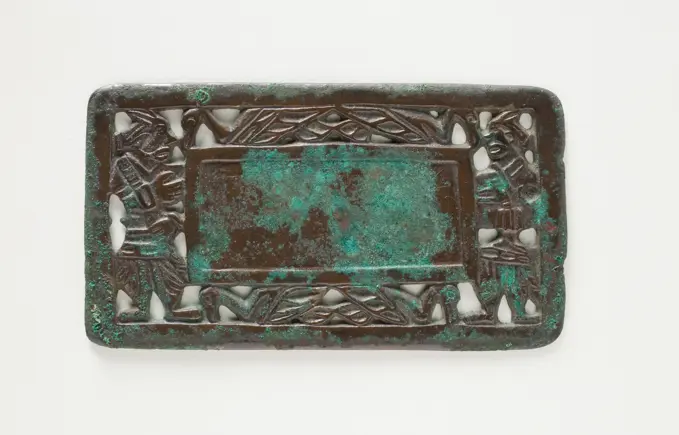
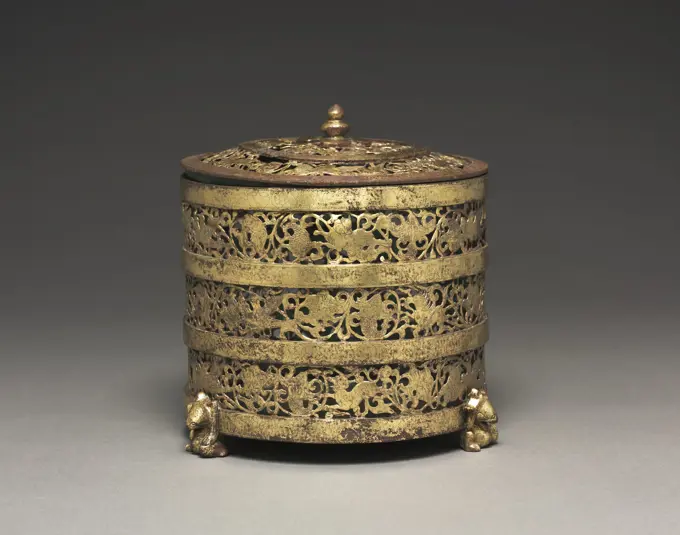
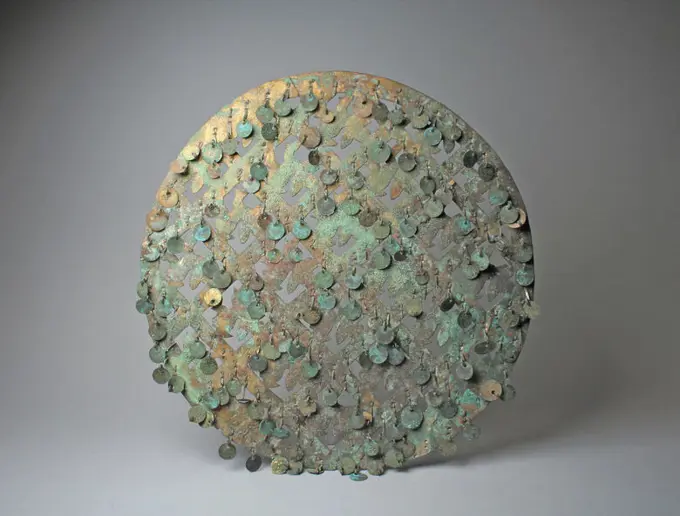
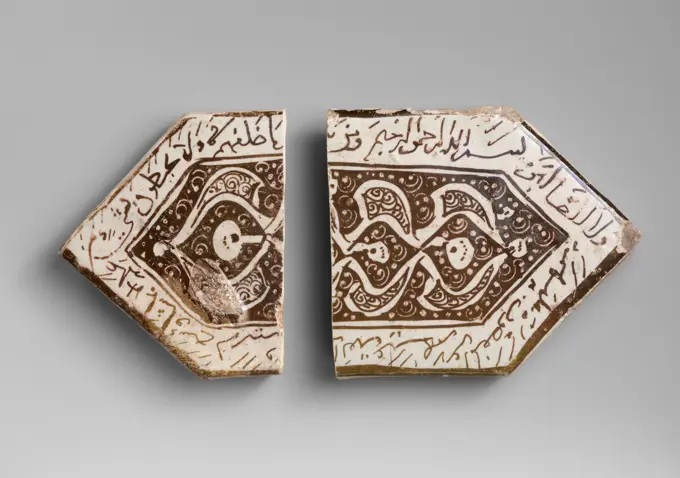
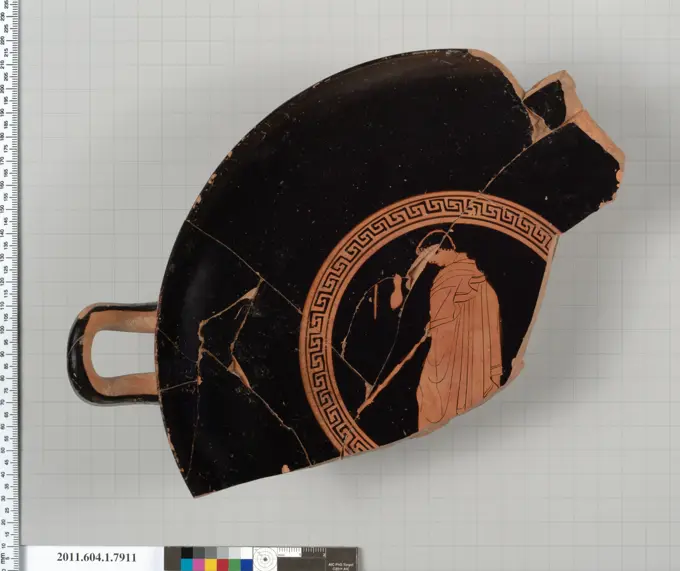
Celtic civilization, Great Britain. Bronze shield decorated with red enamel. From Battersea, London.Glass spindle whorl ca. 1st-2nd century A.D. Roman Translucent cobalt blue, with opaque white trail.Low, domed body, slightly flattened at center; flat bottom; vertical hole.Trail applied to upper surface in a spiral from center to outer edge.Intact but slight chip on lower edge; some dulling and pitting, and surfaces largely covered with brownish enamel-like weathering.Made by winding trail in a spiral around rod.Blue domed spindle-whorl with thick white spiral glass thread.. Glass spindle whorl. Roman. ca. 1st-2nd century A.D.. Glass; rod-formed, trailed, and wound. Early to Mid Imperial. GlassBATEA DE MADERA DECORADA CON FIGURAS HUMANAS - ARTE VIRREINAL - S XVIII. Location: MUSEO DE AMERICA-COLECCION. MADRID. SPAIN.Indian Shield from Lahore, Pakistan, circa 1830. Shield (dhal), steel with gold overlay, backed with crimson textile. Central to the ornamentation of this shield are a series of figures representing Maharaja Ranjit Singh) identified by the nimbus around his head, his son Sher Singh and two of his generals. This is an important centre for the production of arms and armour. The technique used is called koftgari. This high quality of the overlay and the patination of the steel indicate that this object was probably used for display but it is the same shape and basic design as more functional shields. Birmingham Museum.Sword Guard (Tsuba) With Shishi Lion and Peonies Motif (子牡丹図鐔) 18th-19th century Japanese This tsuba shows a shishi lion who crawls through one of the hitsu-ana (opening for scabbard accessory) which is carved to represent a rock formation, thus half of his body is carved out of the obverse and half of the reverse. A large and prominent peony is depicted at the bottom right of the obverse and so the motif alludes to the Nō play Shakkyō (石橋), The Stone Bridge, which features a famous scene of a shishi lion dancing among peonies.Tsu Jinpo (1721-1762), first name Hachizaemon (八左衛門), was an Edo-based artist who had studied with the fourth Nomura master Masamichi (正道, 1707-1754) but who is also assumed to have trained with Gotō School.. Sword Guard (Tsuba) With Shishi Lion and Peonies Motif (子牡丹図鐔) 25700Sword Guard (Tsuba) 18th century Japanese A tsuba is a sword guard and part of a sword mounting. It is mounted between the swords blade and grip to protect the users hands.. Sword Guard (Tsuba) 26342Dish with Horse and Rider 13th century This popular equestrian theme takes on monumental proportions when rendered in the "silhouette" style, but incised details in the riders face and the horses caparison lighten the black slip-drawn image.. Dish with Horse and Rider 450578Spindle Whorl 10th-early 16th century Mexican. Spindle Whorl 307549Excerpt with reddish shard, with a base of a broken part of the object at the top, and a decoration of floral shapes in blue, yellow, orange and brown on a white surface, anonymous, 1200 - 1899  Italy earthenware  Italy earthenwareConcave bowl with dots on white slip, anonymous, c. 900 - c. 1099 Concave come with flat bottom; red -baking clay with a white sludge layer, decorated with red -brown and dark brown dots and a dot strap along the inner lip; The inside is covered with a translucent lead glaze. Nishapur earthenware. lead glaze painting / vitrification Concave come with flat bottom; red -baking clay with a white sludge layer, decorated with red -brown and dark brown dots and a dot strap along the inner lip; The inside is covered with a translucent lead glaze. Nishapur earthenware. lead glaze painting / vitrificationPlate 1793 Possibly Heinrich Roth Pennsylvania German potters of the late eighteenth and early nineteenth centuries, utilizing the locally available red clay, produced for a local market utilitarian earthenware pieces as well as more elaborate wares. These immigrant craftsmen brought skills and decorative traditions from their homeland. This plate from Northampton County exemplifies the sgraffito technique employed by many Pennsylvania Germans. The method involves coating the hardened clay with white slip and then scratching through the surface with a sharp tool to reveal the red layer beneath. This piece, like many of its kind, features a simplified peacock and floral motif.. Plate 6186PiePlateBronze mirror. Culture: Etruscan. Dimensions: diameter 6 3/8in. (16.2cm). Date: ca. 350-325 B.C..Bellerophon riding Pegasus and killing the chimaera. Museum: Metropolitan Museum of Art, New York, USA.Priting Block For Embroidery (USA); wood, copper, brass; 1941-87-1-b. Oval tsuba with a tea hut and attributes of the tea ceremony in positive silhouette and relief; Details in gold Nunome-Zogan.Water Filter 10th-12th century. Water Filter 447434The Badge of Dignity of the Sołtys in the Kingdom of Poland Brothers SCHY (Warsaw)Disk China. Disk. China. Jade. Han dynasty (206 B.C.-A.D. 220). JadeCharger 17th century Possibly by Thomas Batteson. Charger. British, London. 17th century. Pewter. Metalwork-PewterShield with steel central boss and painted pattern. 16th century. Ottoman period.Halles and Paris Markets: Pierr (or Piera), XVII-XVIIIth Century Halles and Markets of Paris: Pierr (or Piera), 17th-eighteenth century . Copper.Round pillowcase, 19th century, 21 x 21 in. (53.34 x 53.34 cm), Linen and cotton lace, France, 19th centuryBowl with Fish. Culture: Byzantine. Dimensions: Overall: 3 9/16 x 10 1/16 in. (9 x 25.5 cm). Date: 1000-1300.A fish wearing a playful smile swims among reeds. Fishing was an important trade in the Byzantine Empire. Large fish were often centerpieces of banquets and were given as valuable gifts. Museum: Metropolitan Museum of Art, New York, USA.Plate. Culture: American. Dimensions: Diam. 10 5/8 in. (27 cm). Date: ca. 1770-1800. Museum: Metropolitan Museum of Art, New York, USA.Torque, 13 x 13 5/8 x 1 1/2 in. (33.02 x 34.61 x 3.81 cm), Silver, ChinaHollow Torqued Anklet 300 B.C.-A.D. 400 Thailand. Hollow Torqued Anklet. Thailand. 300 B.C.-A.D. 400. Bronze. Late period. JewelryTreasure of Tanis, gold bowl of Undebaunded, from tomb number 3Anonymous. "Ombilic dish". Ceramic, earthenware, clay earth, stanniferous enamel, metal chandelier with yellow reflections. Museum of Fine Arts of the City of Paris, Petit Palais. 101893-1 Ceramic, decor, vegetal decor, email, earthenware, metallic chandelier, umbilico dish, dishes, dishHighland Targe. Scottish. Date: 1700-1740. Dimensions: Diam. 45.7 cm (18 in.); 44.5 cm (17 1/2 in.)Wt. 5 lb. 11 oz. Wood (fir), leather, and brass. Origin: Scotland. Museum: The Chicago Art Institute, Chicago, USA.Fragment of a Bowl or Cup mid-15th century. Fragment of a Bowl or Cup 452458Shield (Dhàl). Culture: Indian, Balochistan (modern-day Pakistan). Dimensions: Diam. 11 in. (27.9 cm); D. 2 3/4 in. (7 cm); Wt. 2 lb. 1.4 oz. (946.9 g). Date: 19th century. Museum: Metropolitan Museum of Art, New York, USA.Talam, Anonymous, 930 - 1600 Talam, bronze sacrificial sheet with an engraved decoration in the middle, representing a horn shell, stylized flower motifs and a flame edge. Indonesia bronze (metal) Talam, bronze sacrificial sheet with an engraved decoration in the middle, representing a horn shell, stylized flower motifs and a flame edge. Indonesia bronze (metal)Excerpt of a plate painted in blue under the glaze with a pear, anonymous, 1600 - 1650 plate (dishes) Fragment of a plate painted in blue and yellow under the glaze with a pear surrounded by concentric circles. Northern Netherlands earthenware majolicaBuckle, 1900s. China, 20th century. Brass; overall: 7 cm (2 3/4 in.).Sharf of ross -baking earthenware, with foot ring, with blue glaze on the front, with a painting with stylized flower molds in brown, blue, green, yellow and white, anonymous, 1600 - 1650 on the flat  Northern Netherlands earthenware. glaze majolica  Northern Netherlands earthenware. glaze majolicaEarthenware dish, ringing-plate, decorated with bird, in sludge technology, dish plate crockery holder earth discovery ceramic earthenware glaze lead glaze clay, hand turned decorated glazed fried lemonade Pottery dish on stand surface ringeloorbord decorated with bird in sludge technology Inside top edge decorated with yellow sling along the shoulder wide yellow band over it garland in green. Above the bird in the midfield stylized plant in yellow and green archeology Rotterdam rail tunnel of indigenous earthenware import serve table food Soil discovery: rail tunnel Rotterdam.Dragon Mirror, mid-1300s-mid-1600s. China, Ming dynasty (1368-1644). Bronze; diameter: 14.1 cm (5 9/16 in.); overall: 1.3 cm (1/2 in.); rim: 1 cm (3/8 in.).Taking the Bastille ". Copper rejected. July 14, 1789. Paris, Carnavalet museum. Right to take the Bastille at a time when the governor, M. de Launay, is brought about by the besiegers, among whom we recognize soldiers of the French guards. Falling monarchy, regrowth copper, medal, Bastille socket, French revolutionPlate ca. 1650 possibly German. Plate. possibly German. ca. 1650. Pewter. Metalwork-PewterOctafoil Mirror with Lunar Palace, early 1100s-mid-1200s. China, Jin dynasty (1115-1234). Bronze; diameter: 21.3 cm (8 3/8 in.); overall: 0.9 cm (3/8 in.); rim: 0.8 cm (5/16 in.).Cantle Plate of a Saddle ca. 1575 and ca. 1900 French. Cantle Plate of a Saddle. French. ca. 1575 and ca. 1900. Metal, gilt. Equestrian Equipment-SaddlesTray, c 1900-1939. Southwest, Apache, Western or Yavapao Apache, 20th century. Devil's claw, Willow; Coiled; overall: 7.5 x 26 cm (2 15/16 x 10 1/4 in.).The Strickland Brooch, a silver brooch, from Anglo-Saxon England. Dated 9th CenturyCovered Cosmetic Box in the Form of Chrysanthemum Flower. Korea. Date: 1265-1299. Dimensions: H. 4.8 cm (1 7/8 in.); diam. 9.3 cm (3 11/16 in.). Celadon-glazed stoneware with underglaze molded and inlaid decoration of white clay. Origin: Korea. Museum: The Chicago Art Institute, Chicago, USA.Button or Bead 9th-10th century The dot-in-circle motif recalls designs presumed to be of magical significance, most likely an abstract eye to ward off the evil-eye, which serves an apotropaic function. Easily reproduced with a tool and visible in many cultures and times, this symbol may have lost its meaning, and become simply a decorative pattern, or may have one that we have not yet discovered.. Button or Bead. 9th-10th century. Bone; incised and inlaid with paint. Excavated in Iran, Nishapur. Ivories and BoneBowl, c. 1000-1150, 3 1/4 x 7 1/2 in. (8.26 x 19.05 cm), Clay, pigments, 11th-12th century, The Mimbres, a group of people within the Mogollon tradition, lived in southwestern New Mexico from A.D. 1000 to 1150. The majority of Mimbres ceramics are simple, white bowls with black painted, geometric and pictorial designs. Some Mimbres bowls, however, have red designs, as in this example. The color of the designs depended upon how the bowls were fired. A kiln with freely circulating air would cause the iron ore in the paint to oxidize, rendering a red color, but if the oxygen supply was reduced, the paint would fire black. The Mimbres depicted a wide range of creatures, including fish, frogs, rabbits, turtles, bats, birds and humans. Bowls were not only utilitarian but were also ceremonial and accompanied the deceased. When buried with the dead, a hole was punched through the center, and the bowl was then placed over the face.Dish 17th century. Dish 446923Stem Bowl with Tibetan Inscription. China. Date: 1426-1435. Dimensions: Bowl: h. 10.7 cm (4 3/16 in.); diam. 15.3 cm (6 in.); kept in brass and leather case: h. 15.0 cm (5 15/16 in.); diam. 19.0 cm (7 1/2 in.). Porcelain painted in underglaze blue. Origin: China. Museum: The Chicago Art Institute, Chicago, USA.Shallow bowls. A set of ten small silver bowls was deposited in the burial chamber at Sutton Hoo. They were stacked upside down and many of them survived in excellent condition. The Byzantines used such bowls to serve food, and perhaps the Anglo-Saxons did so as well. Although they are decorated with cross-shaped bands, the bowls probably did not have Christian meaning. AD 500s-600s Eastern MediterraneanPendant - sapek, good amulet returned;  19th century (1801-00-00-1900-00-00);Bowl with Radiating Petals and Two Fish. Korea. Date: 918 AD-1392. Dimensions: H. 5.3 cm (2 1/16 in.); diam. 17.2 cm (6 3/4 in.). Celadon-glazed stoneware with underglaze incised decoration. Origin: Korea. Museum: The Chicago Art Institute, USA.Gambling Tray 1895-1905 Central California. Games of chance were played by many of Californiaís indigenous peoples. This gambling tray would have been used for huuchuish, a game of dice played exclusively by women in which eight walnut-shell dice were thrown and sticks were used to keep score. The dice, score sticks, and participants are depicted in the circular design woven into this tray.. Plant fibers . YokutsFragment of a dish, c. 1600 - c. 1625 Fragment of a dish on a low foot ring. Light red shard covered with ting laze on the front and lead glaze at the rear. Painted in blue and orange with a Chinese with a flag over the left shoulder on a ground. Northern Netherlands earthenware. tin glaze. lead glaze majolica Fragment of a dish on a low foot ring. Light red shard covered with ting laze on the front and lead glaze at the rear. Painted in blue and orange with a Chinese with a flag over the left shoulder on a ground. Northern Netherlands earthenware. tin glaze. lead glaze majolicaDish early 16th century Spanish, Valencia Tin-glazed earthenware, of which lusterware is one type, was developed in the Middle East in the ninth and tenth centuries to imitate the porcelains produced in China. The opaque white glaze concealed the clay body, which could range from pale buff to brick red, allowing for brilliant effects created by painting the white surface with metal oxides that fired to a range of colors. This technique, as well as the use of metallic lusteran iridescent, coppery painted glazespread throughout the Muslim world, arriving among the potters of Valencia in the thirteenth century. The so-called Hispano-Moresque lusterware, with its fusion of Islamic and Gothic styles and motifs, often in shaped imitating those of metal vessels, was treasured by the elite in Spain during the fifteenth century and exported to the courts of Europe. The Valencian industry declined in the late sixteenth century, as colorful Italian Renaissance maiolica gained in popularity amonMirror, Repoussé and chased silver, mirrored plate glass, Scalloped circular silver frame engraced with leaves and flowers holding mirror glass. Back repousse with floral wreath, with horn-of-plenty bouquet in center., Turkey, Mid-19th century, metalwork, Decorative Arts, MirrorSmall table 1368-1644 China. Small table. China. 1368-1644. Red lacquer. Ming dynasty (1368-1644). LacquerRound plate of hard baked earthenware, anonymous, c. 1850 - c. 1875 plate (dishes) Round plate of hard baked pottery. The board is colored green and has a decoration of lotus flowers and leaves in relief. England earthenwarePlate, c. 1750-1760. After a design by Bernard Picart (French, 1673-1733). Porcelain; diameter: 22.9 cm (9 in.).Sword Guard (Tsuba). Culture: Japanese. Dimensions: H. 3 7/16 in. (8.7 cm); W. 3 3/8 in. (8.6 cm); thickness 1/4 in. (0.6 cm); Wt. 7.2 oz. (g). Date: ca. 1615-1868. Museum: Metropolitan Museum of Art, New York, USA.Sealing from a Jar with the Name of a king Amenhotep ca. 1360 B.C. New Kingdom The Egyptians used large pottery jars to store wine and other foodstuffs. These storage jars were closed by placing a reed mat, a cloth, or a small pottery dish over the mouth of the jar and then sealing it with mud. The jars were often opened by knocking off the neck. This sealing still has the neck of the jar inside. The outside of the mud sealing material was painted and stamped with an official seal. The oval inscriptions on the top read "the house of Amenhotep," probably referring to the palace of Amenhotep III at Malqata. The stamp on the side identifies the contents as a liquid called hedbet.. Sealing from a Jar with the Name of a king Amenhotep 554751Greece, Serifos Island, Greek Metallic TrayPanel 14th-15th century. Panel. 14th-15th century. Wood; inlaid with ivory and wood. Attributed to Egypt, Cairo. WoodFragment majolica bowl or saucer, blue on white, with bird in Chinese garden, rim in Wanli style, bowl dish crockery holder soil find ceramic earthenware glaze, Cooked on prunes. Layered earthenware red veins archeology Rotterdam serving food decorate China Soil discovery Rotterdam 1940.Ink Cake with One Hundred Children at Play, 1368-1644. China, Ming dynasty (1368-1644). Molded ink; diameter: 12.8 cm (5 1/16 in.); overall: 2 cm (13/16 in.).CrampDecorative object, Scythian Art, Silver, 650-620 BC, Russia, St. Petersburg, State Hermitage, D 17, 3Balance and weights with case probably late 17th-early 18th century possibly Bohemian, Prague. Balance and weights with case 237199Netsuke with Ivy and Flower Design 19th century Japan. Netsuke with Ivy and Flower Design 59757Stem Bowl with Tibetan Inscription 1426-1435 China. Porcelain painted in underglaze blue .Bronze ritual wine vessel from the Western Zhou Dynasty. Dated 11th Century BCDish 1804-13 Sèvres Manufactory French Porcelain decorated with a black ground in imitation of Asian lacquer was produced at Sèvres for about a fifteen-year period beginning in 1790. Furniture decorated with imported black lacquer panels saw a resurgence of popularity in the last two decades of the eighteenth century, and the Sèvres factory's efforts to simulate black lacquer on porcelain were probably stimulated by this renewed general interest in lacquer decoration. Black-ground Sèvres porcelain was decorated with chinoiserie scenes executed in gold, which was often applied in subtle tones of yellow, green, and red. Small decorative highlights were often executed in platinum, and the ability to apply platinumfirst mastered by the factory in 1790may have been an impetus to produce these lacquer-inspired pieces.[Jeffrey H. Munger, 2015. Dish 202675Royal Presentation Plaid Brooch,  1902Diadem - Panama or Costa Rica 11th-16th century, hammered goldBox with DaoistImmortals, 19thcentury, Carved red lacquer, 6 1/16 × 12 3/4 in. (15.4 × 32.4cm), China, Chinese, Qing dynasty(1644-1911), Containers -WoodMongolian bowl showing king and courtiers, from Rhages, 13th cent.Paul Kruger wih Oriental Hat and Pipe, South African Coin defaced by Anglo-Boer War POW'sFrame Drum 19th century Native American (Sioux). Frame Drum 501249Compartmented Seal with Two Mouflons. Northern Afghanistan, 2000-1500 B.C.. Tools and Equipment. BronzeDish for ritual offerings 17th-19th century Nepal. Dish for ritual offerings 39469Pair of Earspools with Eight-Pointed Star Motif Made 1200-1400 Oklahoma. Stone . MississippianBowl 9th century. Bowl 449127Sword Guard (Tsuba). Culture: Japanese. Dimensions: H. 2 1/2 in. (6.4 cm); W. 2 1/8 in. (5.4 cm); thickness 1/4 in. (0.6 cm); Wt. 3.2 oz. (90.7 g). Date: mid-19th century. Museum: Metropolitan Museum of Art, New York, USA.Carnavalet Museum, Medals CollectionTerracotta kylix: lip-cup (drinking cup). Culture: Greek, Attic. Dimensions: H. 4 7/16 in. (11.3 cm.)Diameter 6 in. (15.3 cm.). Date: ca. 550-540 B.C..Interior, sirenExterior, obverse and reverse, inscription: hail and drink wellThis thin, delicate kylix depicts a siren encircled by a tongue pattern. Traces of red and white paint remain on her wings and body. Museum: Metropolitan Museum of Art, New York, USA.Excerpt (foot) with red shard, in sgraffito technology within brown and ocher -colored circles some smoothly broken -in terres, decorated with a few keys green and ocher, between which the letters Spinar, Anonymous, 1200 - 1899  Italy earthenware  Italy earthenwareRELOJ DE FALTRIQUERA-FRANCES S XVI. Location: PRIVATE COLLECTION. MADRID. SPANIEN.Plaque. Mongolia or Southern Siberia, 2nd-1st century B.C.. Sculpture; plaques. BronzeEngageante, double, from white nettle cloth, anonymous, c. 1775 - c. 1800 Engageante, double, from white nettle cloth, decorated in white with flowers and sities in Doorstop and Fils-Tiré work. Probably Dutch work. West-Europa canvas. buckram embroidering Engageante, double, from white nettle cloth, decorated in white with flowers and sities in Doorstop and Fils-Tiré work. Probably Dutch work. West-Europa canvas. buckram embroideringCylindrical Container with Cover (Lian), 100 BC-100 AD. China, Han dynasty (202 BC-AD 220). Gilt bronze with openwork and chased designs; diameter: 16 cm (6 5/16 in.); overall: 17.2 cm (6 3/4 in.).REVERSO DE ASTROLABIO DE BRONCE DEL AÑO 1566 (50 CMS DE DIÁMETRO POR 80 CMS DE ALTO) (DEPOSITO: MUSEO ARQUEOLOGICO DE MADRID).Portrait of a Polish nobleman, the so -called Jan III Sobieski; Norblin de la Gourdaine, Jean Pierre (1745-1830); 1784-1787 (1784-00-00-1787-00-00);Conch Shell Set in Silver, 1800s. Tibet, 19th century. Shell and silver; overall: 29.2 cm (11 1/2 in.).Sword Guard (Tsuba) early 19th century Japanese A tsuba is a sword guard and part of a sword mounting. It is mounted between the swords blade and grip to protect the users hands.. Sword Guard (Tsuba) 34980Disk Ornament. Culture: Moche (Loma Negra). Dimensions: Diam. 11 15/16 in. (30.3 cm). Date: 390-450. Museum: Metropolitan Museum of Art, New York, USA.Badge or Harness Pendant ca. 1400 Spanish Heraldry, or coat-of-arms, were vitally important in Europe throughout the Middle Ages and the Renaissance. Heraldic emblems were used to identify noble families, cities, regions, and even countries. In addition to being displayed on shields and flags, heraldry was incorporated into architectural decoration on the interior and the exterior of buildings, on furniture, works of art, clothing, and horse equipment. Harness pendants, like this example, would have been attached to a headstall, bridle, or other straps making up the tack of a horse ridden by a nobleman or noblewoman, or a member of their household. Many harness pendants also have decoration that is simply ornamental, or have symbols that are not specifically heraldic in nature.. Badge or Harness Pendant. Spanish. ca. 1400. Copper, gold, enamel. Miscellaneous-BadgesSword Guard (Tsuba) 18th century Japanese A tsuba is a sword guard and part of a sword mounting. It is mounted between the swords blade and grip to protect the users hands.. Sword Guard (Tsuba) 34909Cross-Shaped Tile Fragments dated A.H. 661/ A.D. 1262. Cross-Shaped Tile Fragments. dated A.H. 661/ A.D. 1262. Stonepaste; overglaze luster-painted. Attributed to Iran, Varamin. Ceramics-TilesWater Filter 10th-12th century. Water Filter 447442One hundred years ANWB 1883-1983. Bronze medal. Front: Right-side structures and six to the left pointing arrows to nature and recreation, signed. Reverse: Inscription.Terracotta fragment of a kylix (drinking cup) second quarter of the 5th century B.C. Greek, Attic Interior, draped youth to left, holding a knobby stick in his right hand; in the field, a pair of sandals; Obverse, Theseus with a sword, with his left arm extended, crouching in front of the Marathonian Bull; in the background, a tree; complete handle, with handle patch preserved to rim; below, two addorsed palmettes and tendrils; Reverse, right leg and foot and toes of left foot of a male to right; above, part of a quiver and bow. Terracotta fragment of a kylix (drinking cup). Greek, Attic. second quarter of the 5th century B.C.. Terracotta; red-figure. Classical. Vases