Decorative Ceramics Through Ages

A collection of intricate decorative ceramics including bowls and plates from various cultures such as Asian and Middle Eastern, showcasing unique designs and historical craftsmanship.

Wall plate with the pattern of flower basket, 1892 Wall plate polychrome painted with a stylized flower pattern. The blue, turquoise and manganese motif is applied to a yellow background. The Hague earthenware. glaze vitrification Wall plate polychrome painted with a stylized flower pattern. The blue, turquoise and manganese motif is applied to a yellow background. The Hague earthenware. glaze vitrification
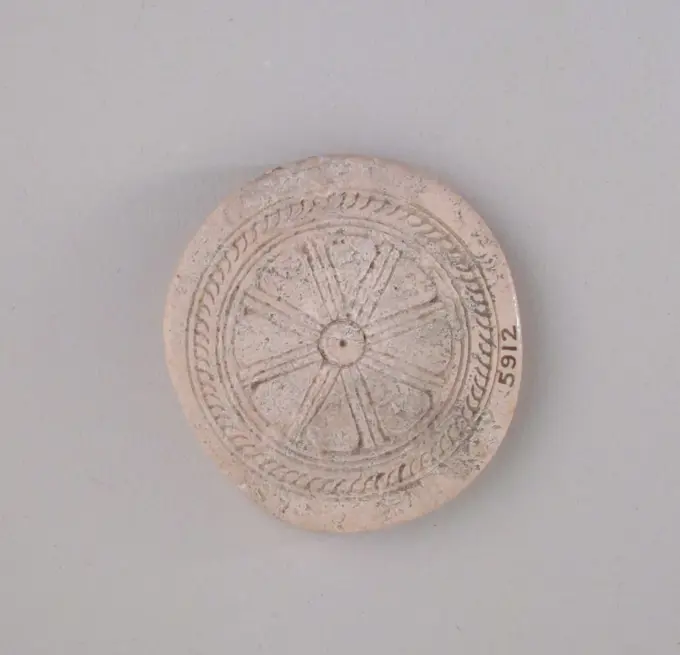
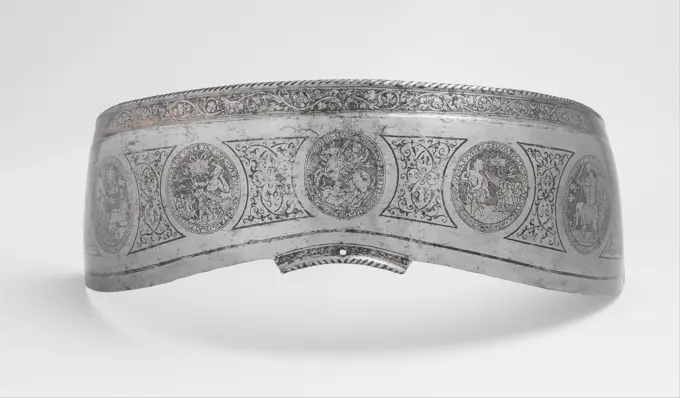
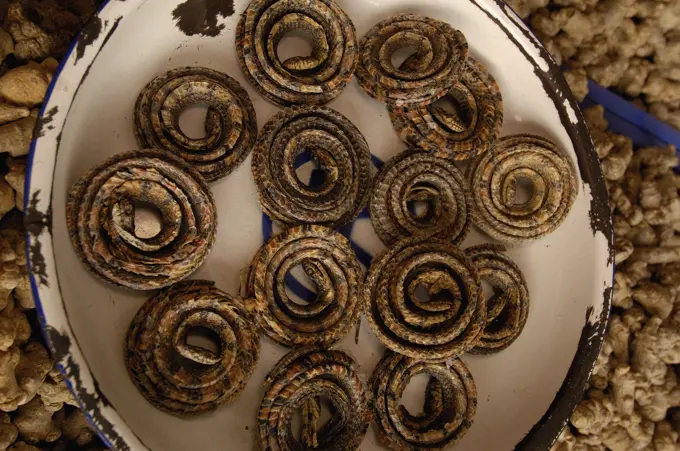
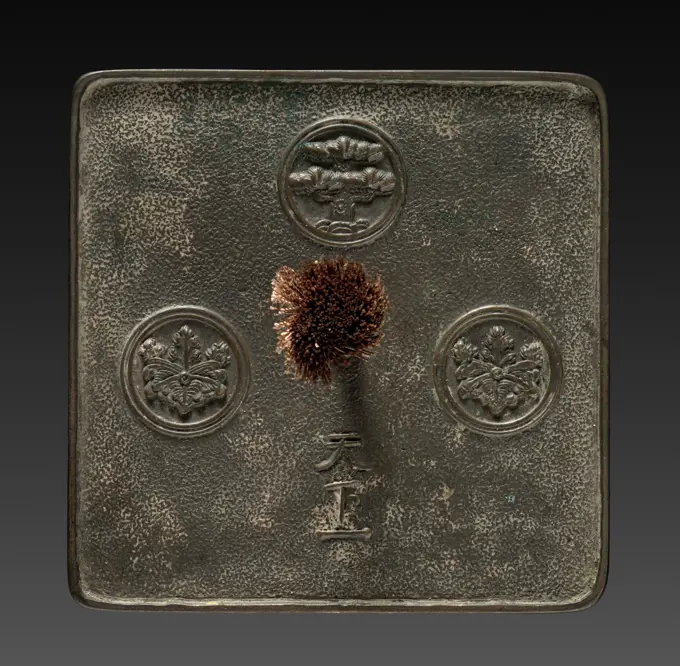
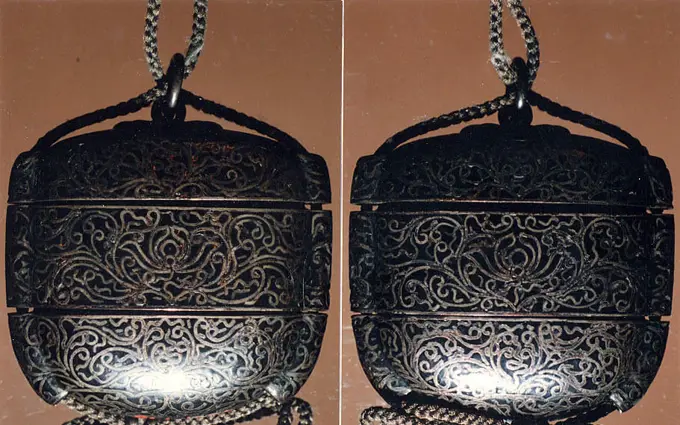
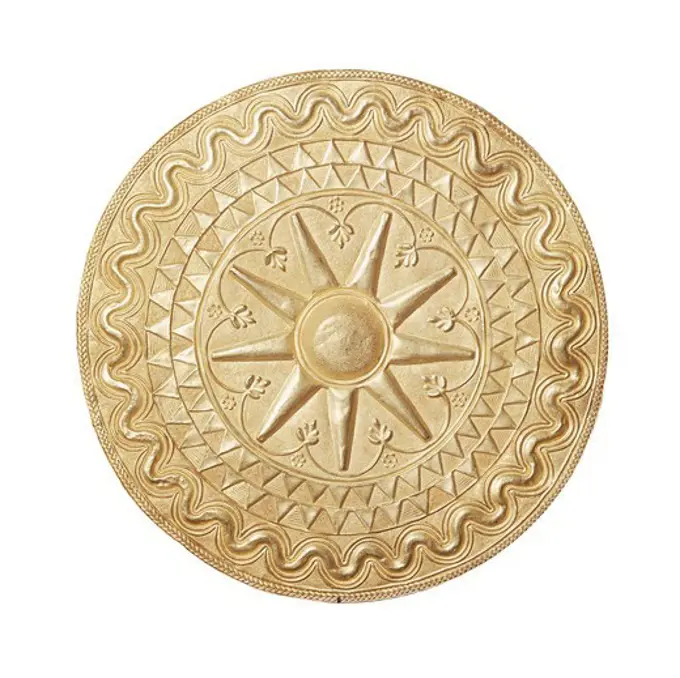
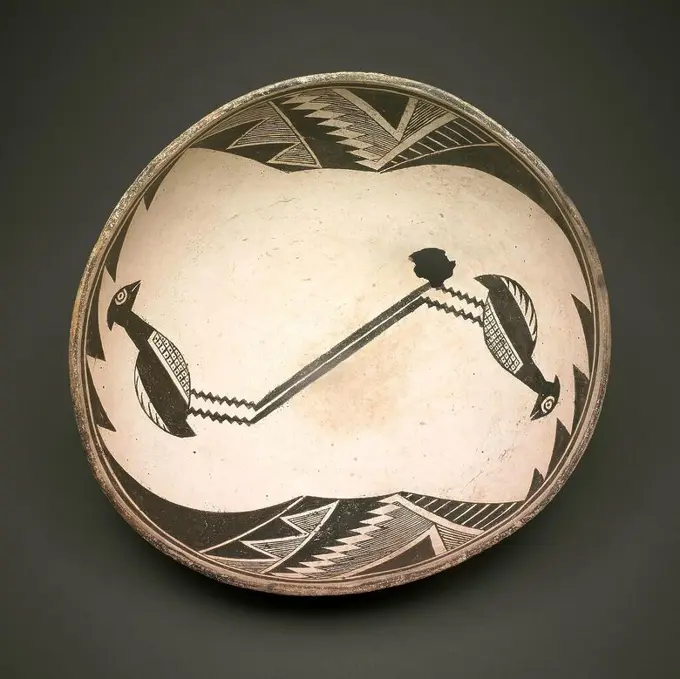
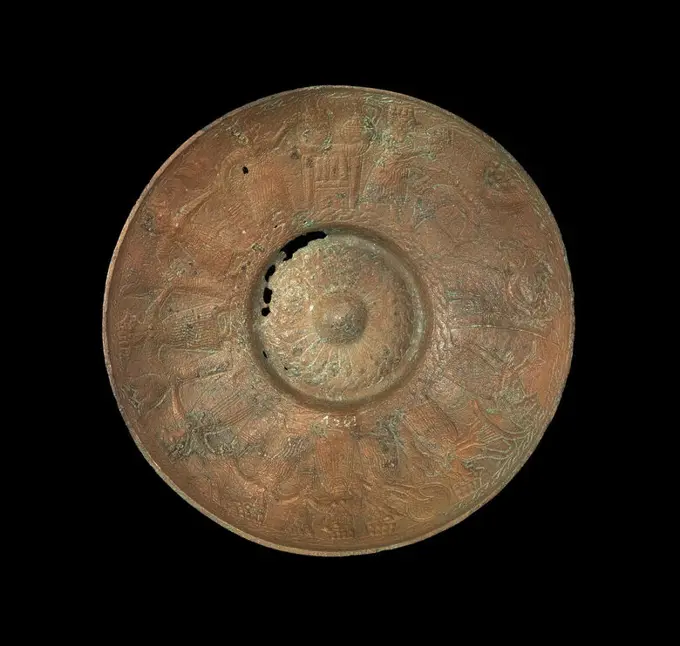
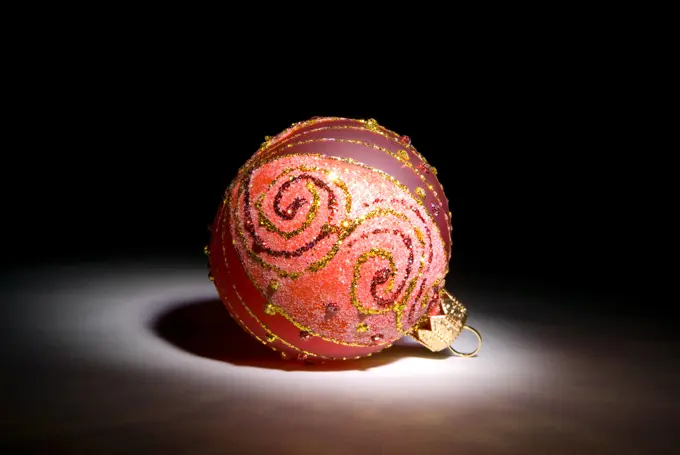
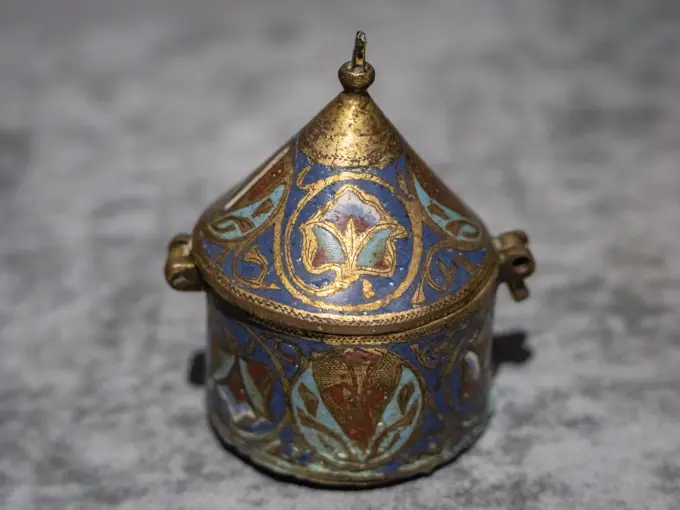
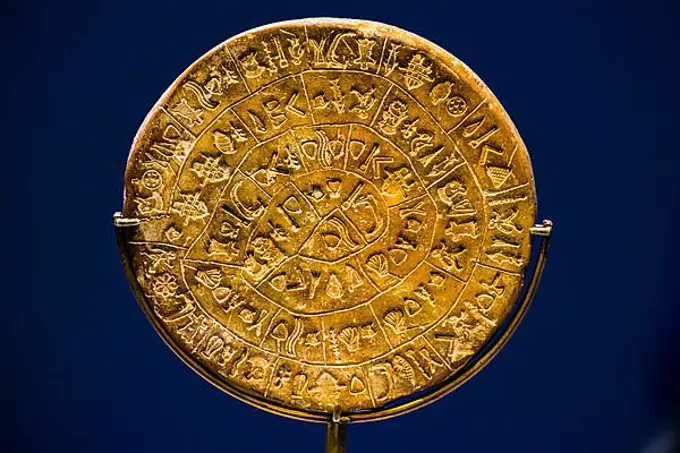
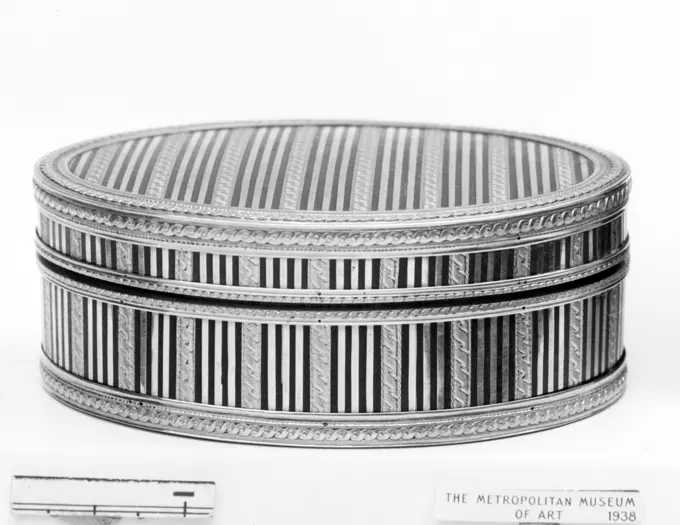
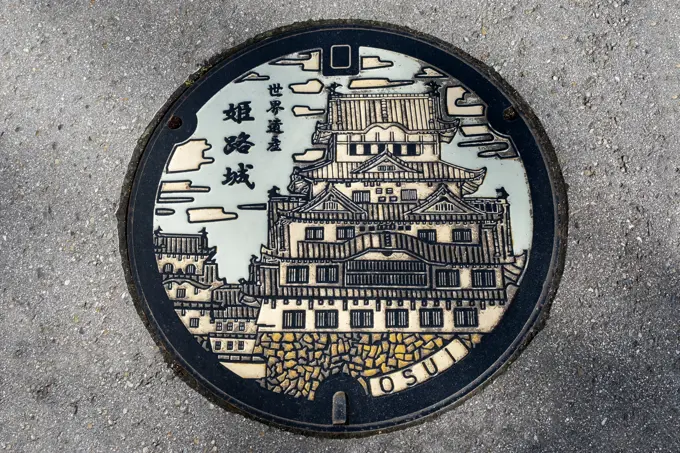
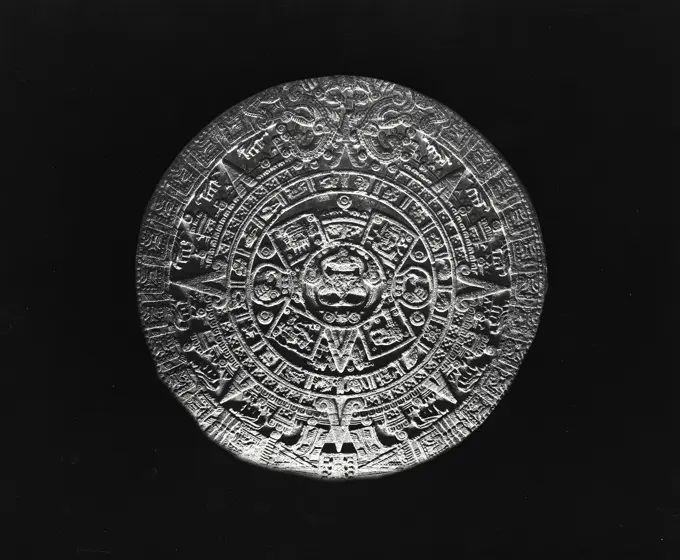
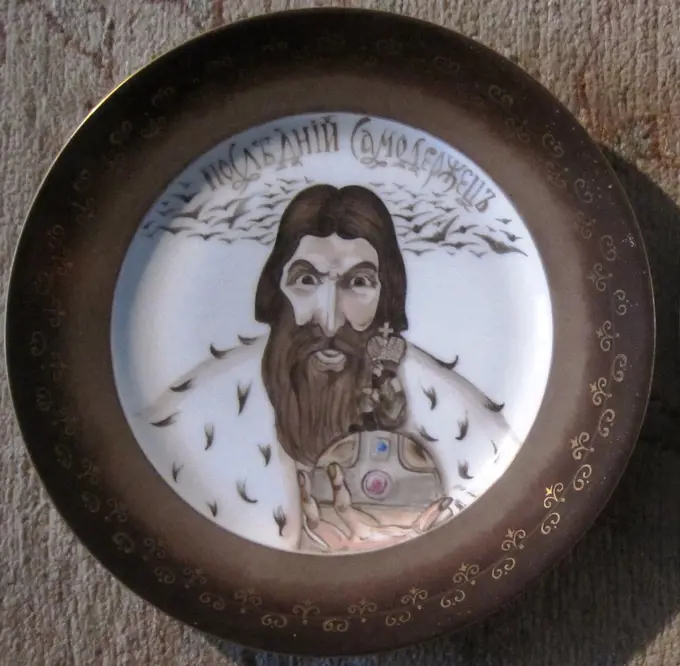
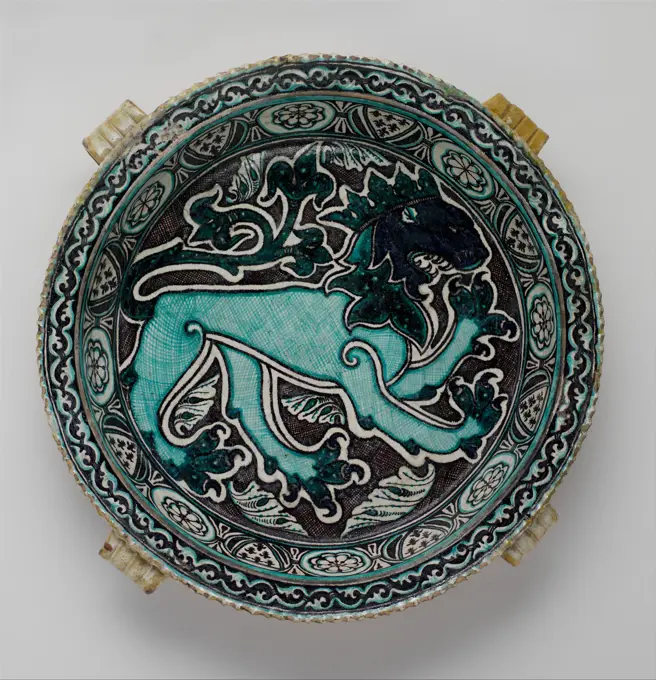
Dish with Lion late 14th century Italian. Dish with Lion 468162Roundel, disk. Roundel, disk. Bone Terracotta kylix (drinking cup) ca. 460 B.C. Attributed to the Akestorides Painter Interior, youth playing lyreThe youth is sitting beside an altar, and his hair is bound in a fillet (band). Above the altar hangs a type of bag that is often shown holding marbles. The representation is memorable for its simplicity and for the sympathetic rendering of a schoolboy happily absorbed in his music.. Terracotta kylix (drinking cup). Greek, Attic. ca. 460 B.C.. Terracotta; red-figure. Classical. VasesWatch ca. 1650 Watchmaker: Pierre Debaufré. Watch 194196Cantle Plate ca. 1550-60 Italian, possibly Milan This cantle plate is distinguished by its very unusual etched decoration, featuring five emblematic scenes in rondels, each of which is surronded by a motto in Spanish. Between the rondels there are cartouches filled with symmetrical arabesque patterns. The border at the top edge consists of a sunken band etched with an undulating leafy vine on a dotted ground. The etched decoration was formerly gilt, and faint traces of gilding survive. The emblems and mottoes are taken from Los emblemas de Alciato traducidos in rhimas españolas (Lyons, 1549), the first Spanish edition of the widely influential emblem books of Andrea Alciato (1492-1550). Alciato (also known as Andreus Alciatus) was a renowned Italian humanist and professor of law who enjoyed the patronage of Pope Leo X and King Francis I of France and held prestigious teaching posts in Avignon, Bourges, Pavia, Bologna, and Ferrara. The following emblems and mottoes from Alciato's works Dried snakes in Kunming Traditional Medicine Market. Yunnan Province CHINACuirass (Char-aina) Indian or Iranian late 18th-early 19th century The Arabic inscriptions stress God as the God of Light, the rewards He will give His servants, and His punishment of unbelievers and evildoers. The light imagery is particulary appropriate for gold embellished armors of "four mirror" (char-aina) type.Mirror, 1392-1573. Japan, Muromachi period (1392-1573). Bronze; overall: 9.6 x 9.6 cm (3 3/4 x 3 3/4 in.).Case (Inrō) 18th-19th century Japan. Case (Inrō) 58507Mobilization 1914-1915 - Fort at Vuren A permanent Burght, Petrus Regout & Co., 1915 - 1920  Memorial board with wide, sloping edge on which, among other things, sea green stylized scrap leaves and purple-red berries, cannon trays and axes. In the field: Fort behind which a sun with rays. Before a staircase, a fence and bullets. Maastricht earthenware. glaze vitrification  FireAsante gold disc. s.XIX. Ashanti art. Jewelry. UNITED KINGDOM. ENGLAND. London. The British Museum. Proc: GHANA.Bowl with Mirror Pattern of Birds Framed by Geometric Motifs. Mimbres branch of the Mogollon, Classic Mimbres Black-on-white; New Mexico, United States. Date: 950 AD-1150. Dimensions: 14.6 x 31.8 cm (5 3/4 x 12 1/2 in.). Ceramic and pigment. Origin: Southwest. Museum: The Chicago Art Institute, Chicago, USA.Republic of Colombia, Bogota, Exhibits in the Gold Museum, Museo de Oro, Colombia, South AmericaBronze bowl. Culture: Cypriot. Dimensions: H. 1 9/16 in. (4 cm)diameter 5 1/4 in. (13.3 cm). Date: 8th century B.C..The repoussé and incised decoration represents a cult scene. A procession of dancers and three musicians approaches an enthroned goddess holding a large flower. The two offering tables before her bear a large bowl of fruit and containers for liquid offerings. A priestess stands between the tables. Museum: Metropolitan Museum of Art, New York, USA.Christmas Tale Red decorative sphere on a dark art background. Copyright: xZoonar.com/RuslanxGrechkax 10801978Ring brooch with linked hoop from Ireland. Dated 8th CenturyLipsanoteca Lipsanoteca, chest to keep relics, thirteenth century Maçanet de Cabrenys, Alt Empordà, Girona art museum, Girona, Catalonia, Spain Copyright: xZoonar.com/Tolox 22283213Phaistos Disc (early 17th century BC), Archaeological Museum with most important finds of the Minoan culture, Heraklion, Crete, Heraklion, Crete, Greece, EuropeGold-glass base. From Rome, 4th century.A hexagon vessel with elephant heads unknownBox ca. 1780 Russian, Moscow. Box 192866Diesinkers ToolsMedal with a motto and the names of the Hessen landgraves. Design of a round of medal with, in three concentric circles, the names of the landgraves of Hessen and their government years, starting at Graaf Louis III and ending at Karel van Hessen. In the middle of the medal a motto with a crowned swan on a base. The motto of the motto is: "Candide et constanter".chinese antique compass . chinese compass LuopanSnuffbox 1768-75 French, Paris In eighteenth-century Europe, Paris led the production of high-quality luxury goods. Parisian goldsmiths made a wide range of small, personal articles such as snuffboxes; étuis to hold sealing wax, tweezers, or utensils for sewing; souvenirs, which contained thin ivory tablets for note taking; and shuttles for knotting lace. Gold snuffboxes and boxes decorated with portrait miniatures were prized and frequently given as royal gifts, often to ambassadors or members of the court in lieu of cash payments for their services. Coveted and admired, these boxes were produced from a variety of materials. The best were skillfully made of gold and embellished with diamonds, enameled decoration, lacquer, and other luxurious materials. By the middle of the century, the taking of snuff had become an entrenched social ritual, and the snuffbox, too, had become an important social prop. Snuffboxes were considered highly fashionable accessories, with some merchants advertiDecorative manhole covers, Himeji, Japan. (Editorial Use Only)Aztec Sun Stone National Museum of Anthropology Mexico City, MexicoPlate with Emperor Nicholas II by Boris Michaylovich Kustodiev, porcelain, 1916, 1878-1927, Private Collection, D 25, 4