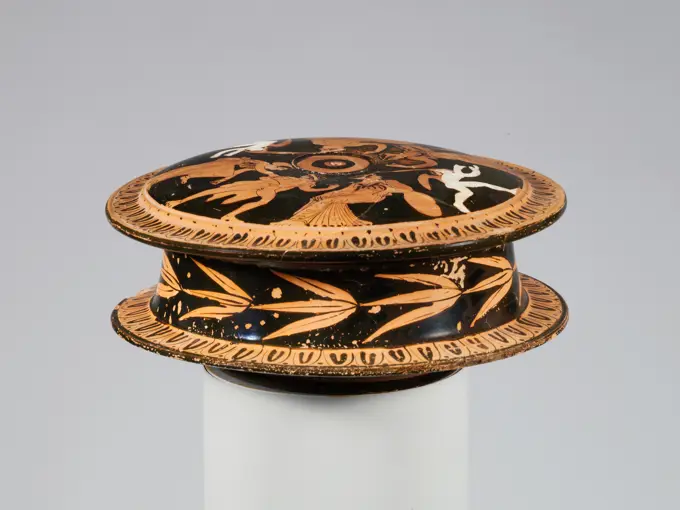
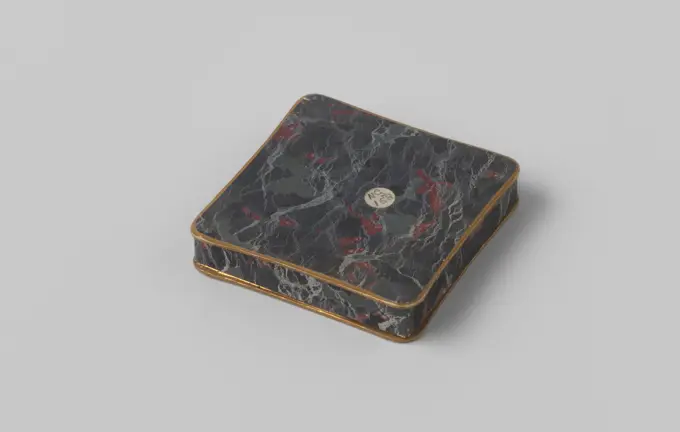
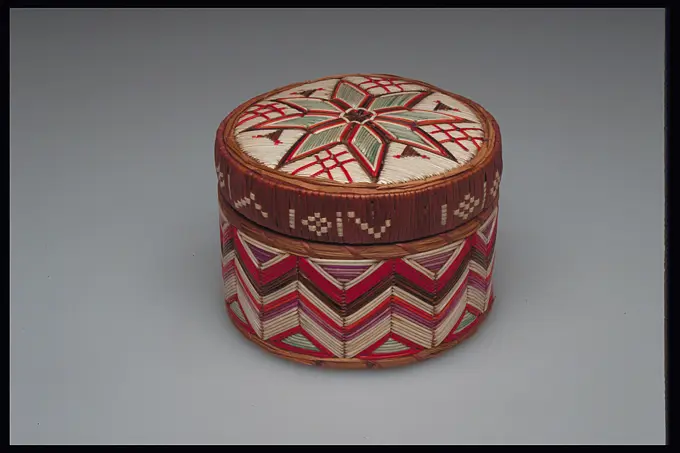
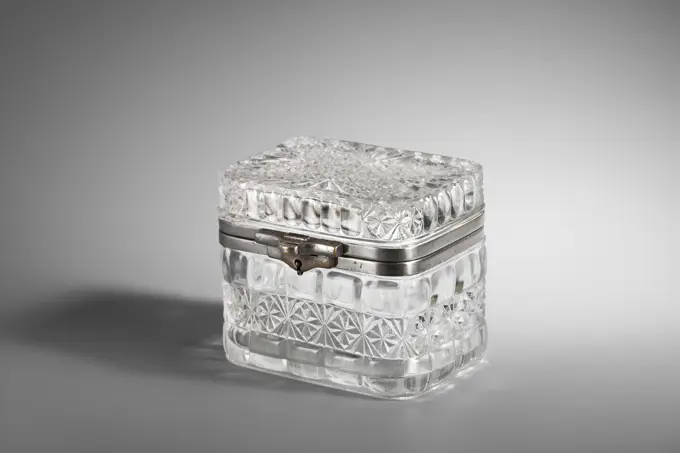
Decorative Chests and Boxes

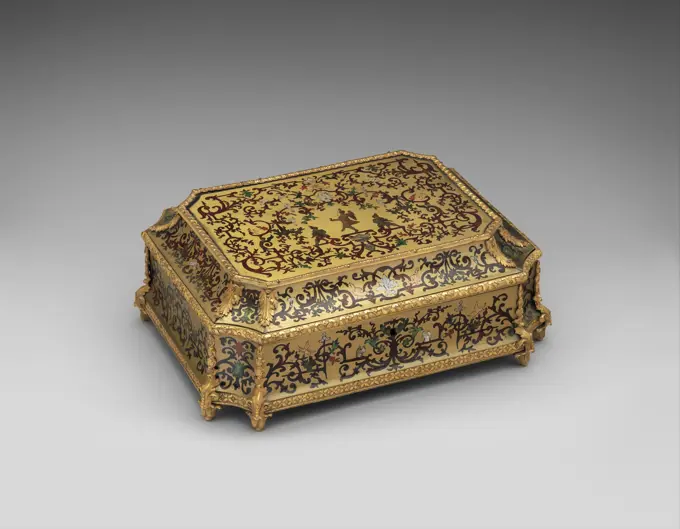
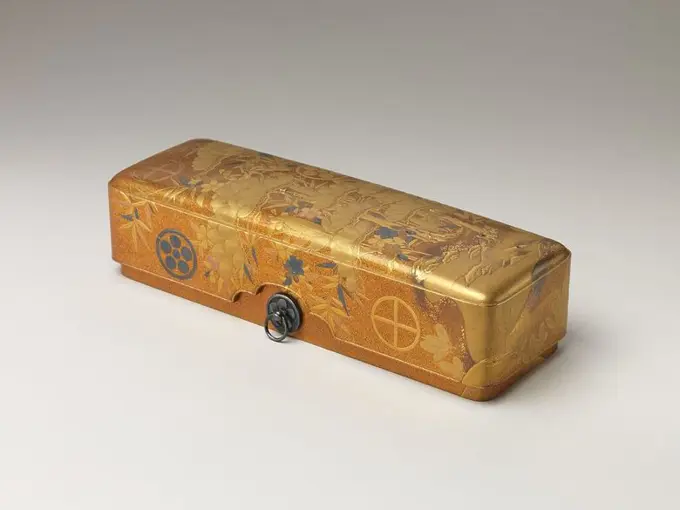
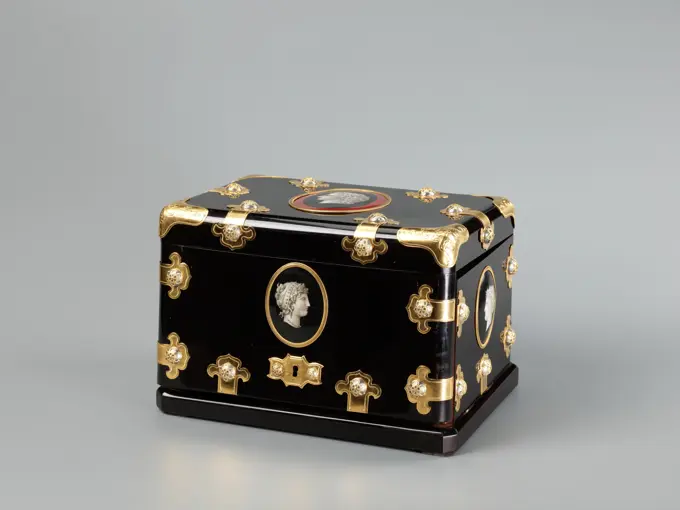
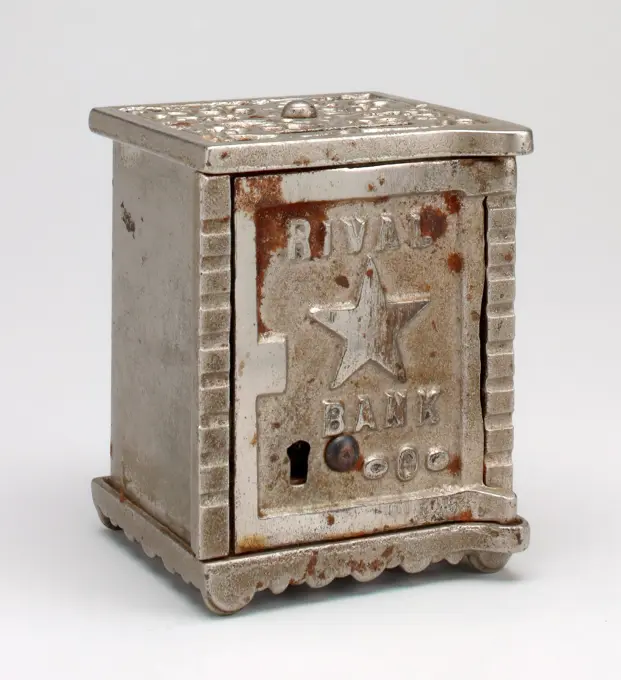
Elaborate chests and boxes with intricate designs and materials, reflecting artistic styles from different periods, showcasing craftsmanship.
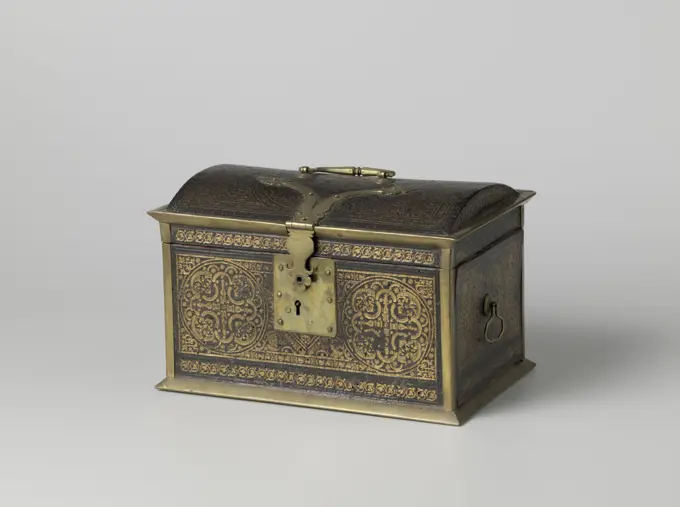
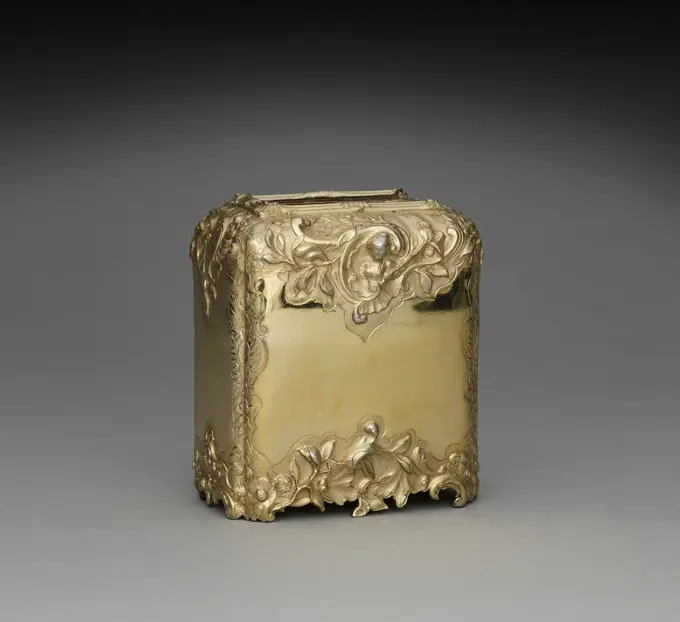
Gold leather suitcase with copper edges, anonymous, c. 1600 - c. 1625 Gold leather suitcase with bombarded lid, new copper edges.  leather. brass (alloy) Gold leather suitcase with bombarded lid, new copper edges.  leather. brass (alloy)
Gold leather suitcase with copper edges, anonymous, c. 1600 - c. 1625 Gold leather suitcase with bombarded lid, new copper edges. leather. brass (alloy) Gold leather suitcase with bombarded lid, new copper edges. leather. brass (alloy)
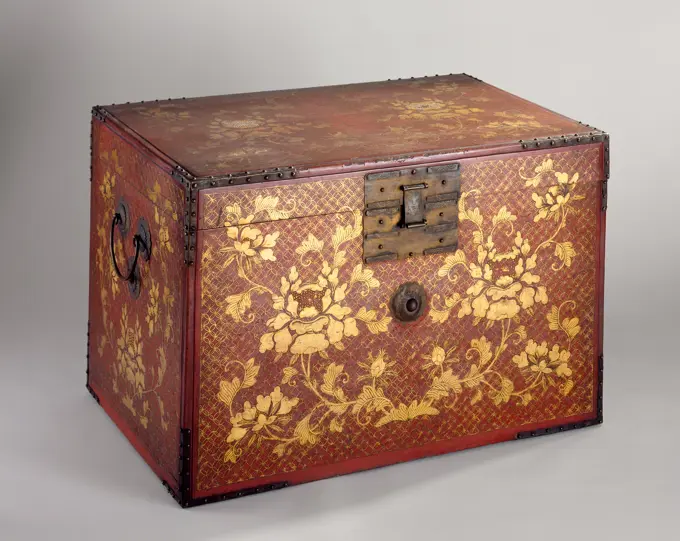
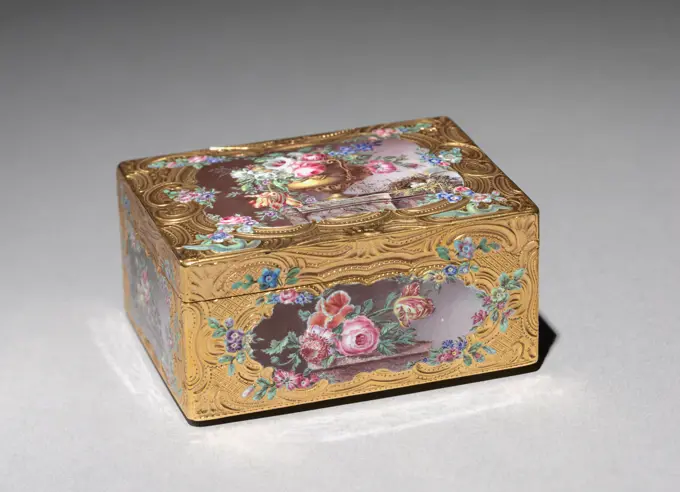
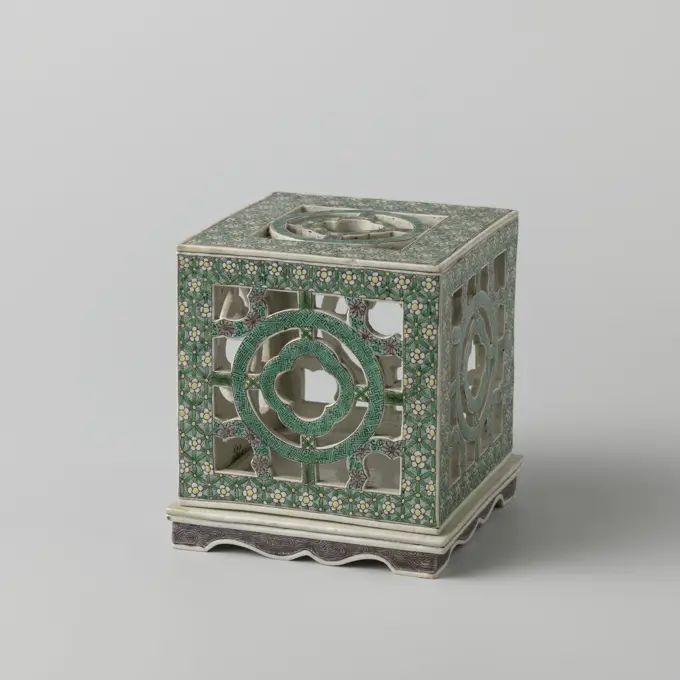
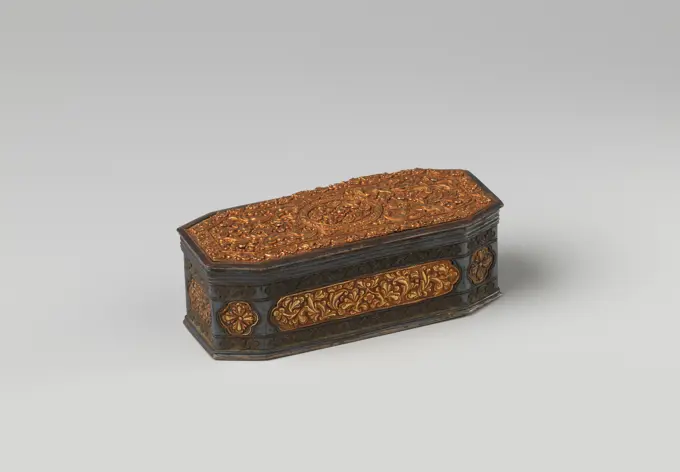
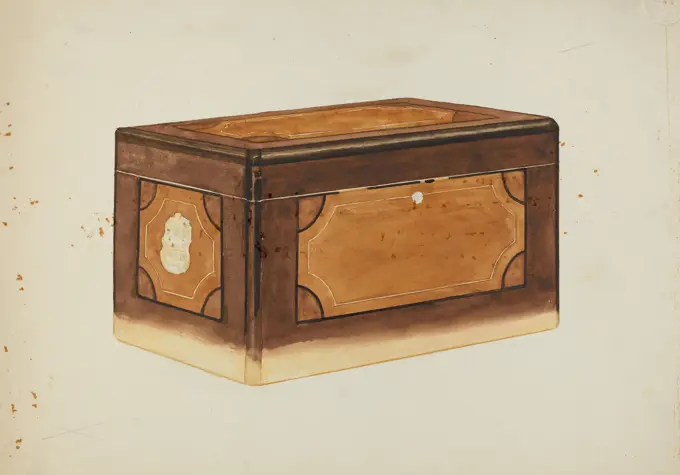
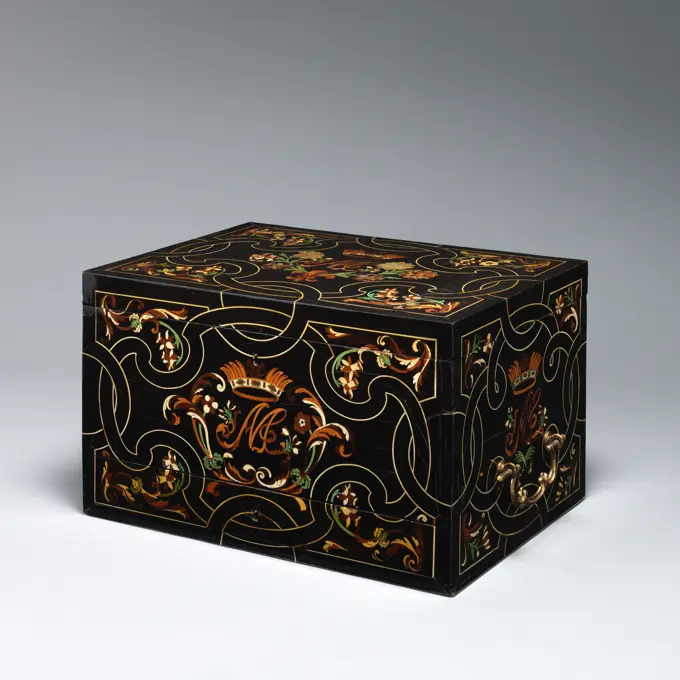
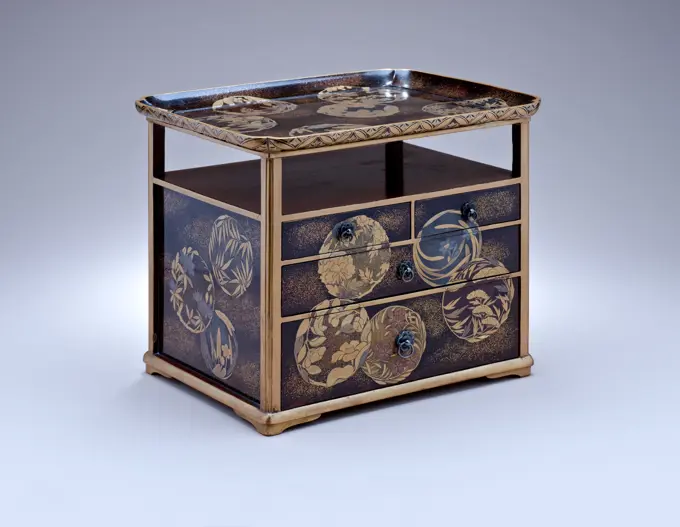
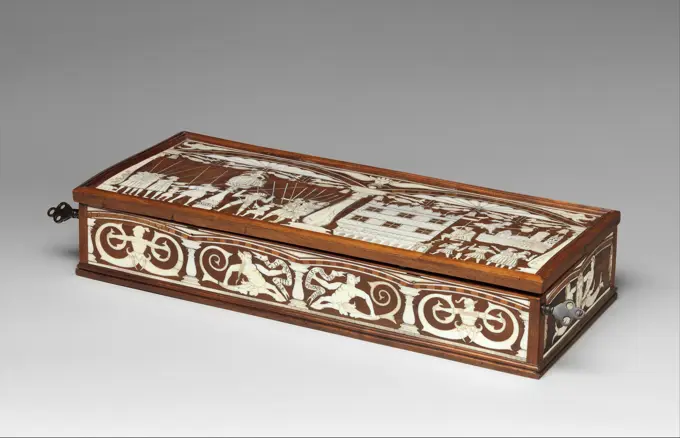
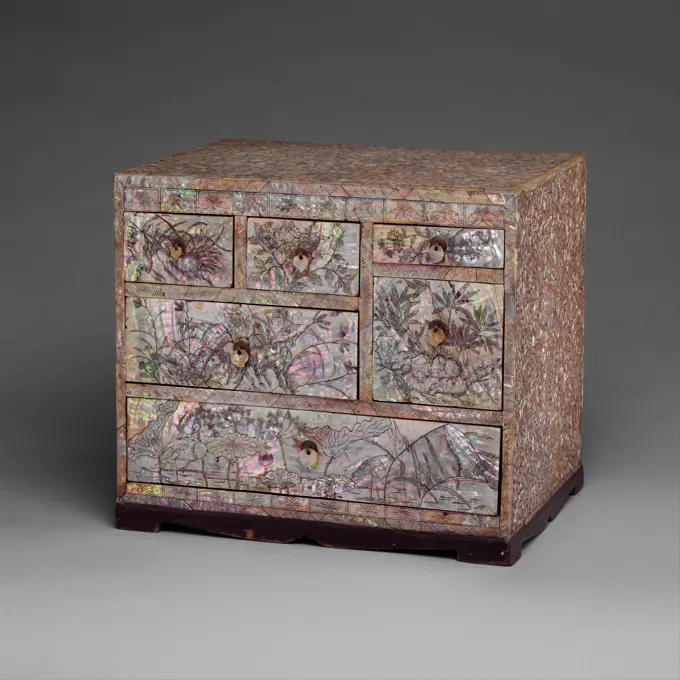
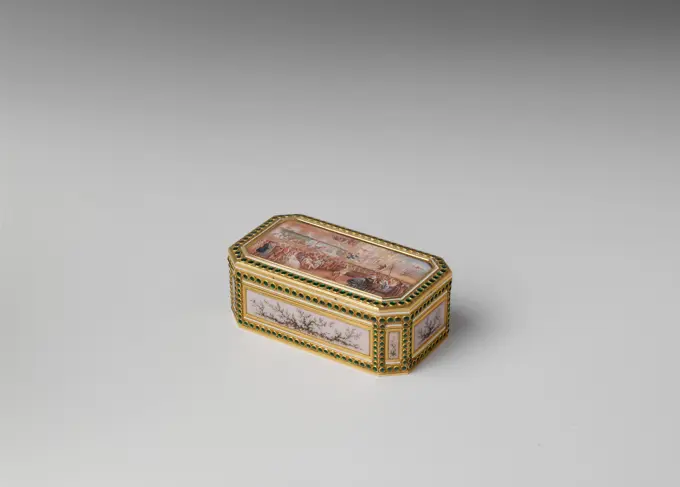
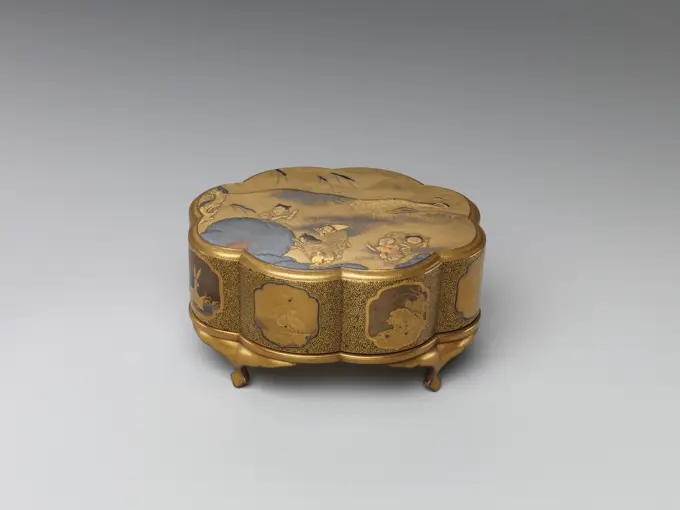
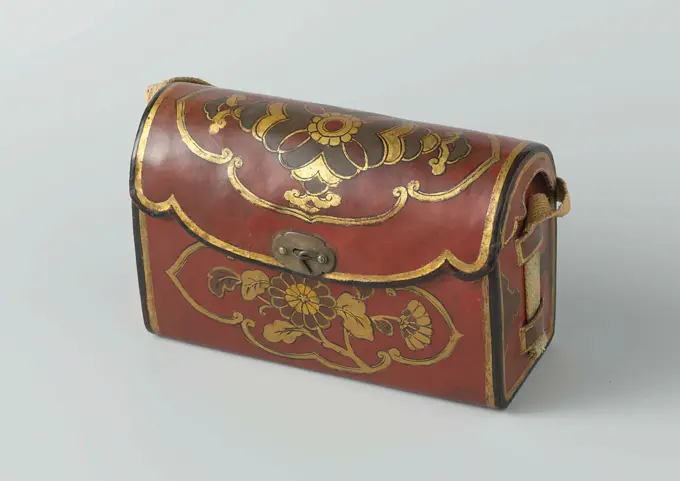
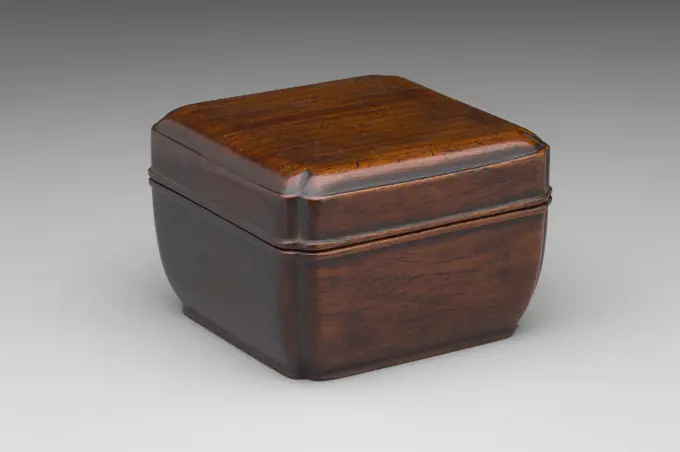
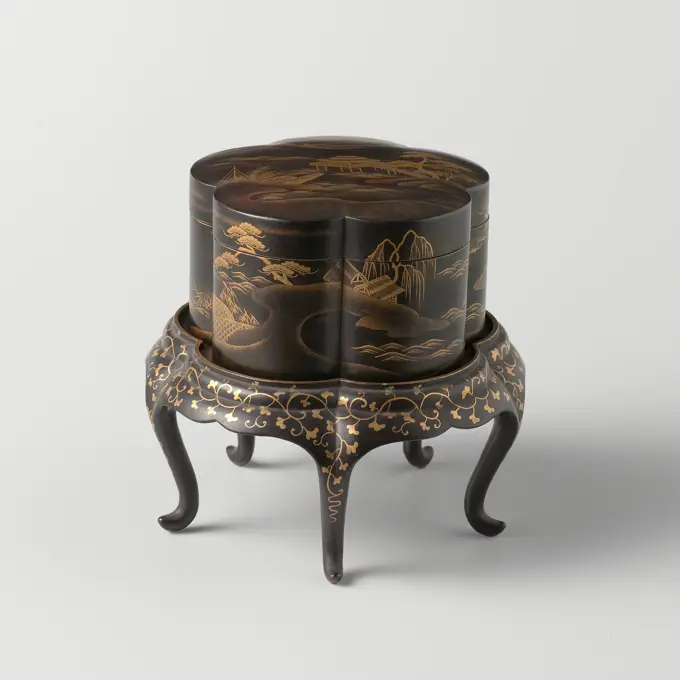
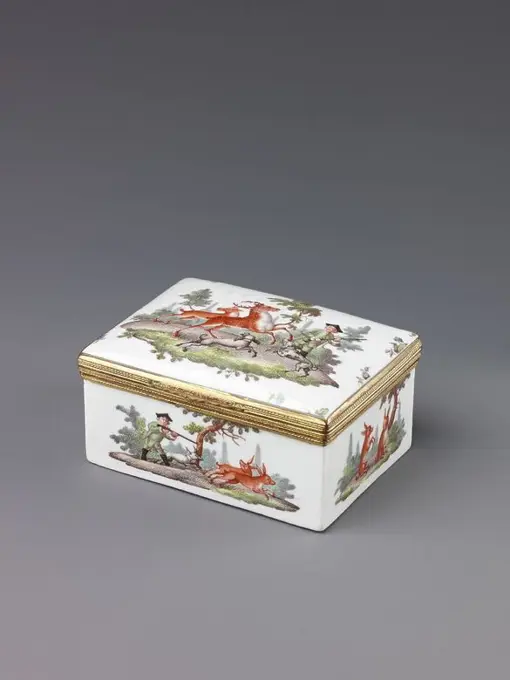
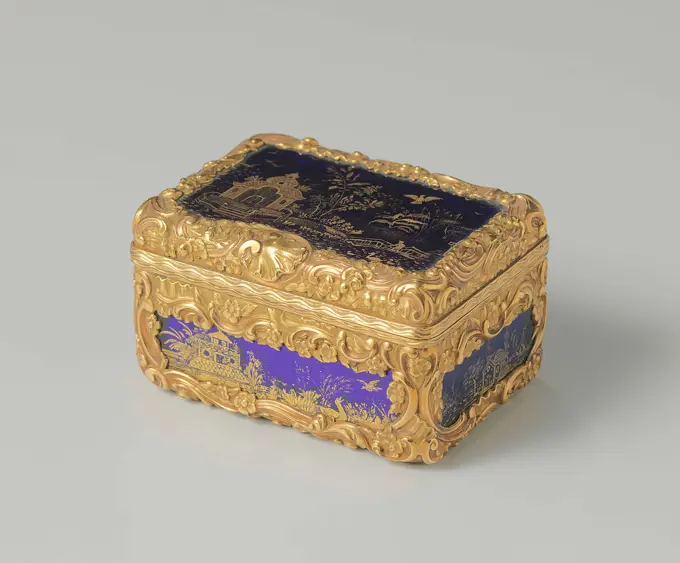
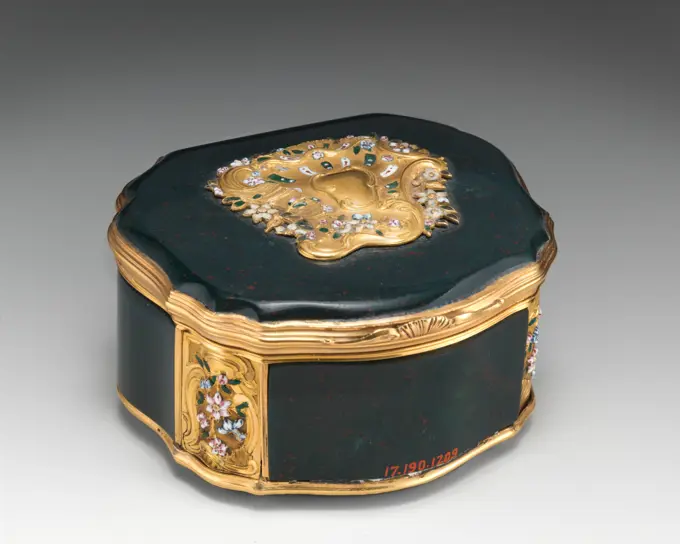
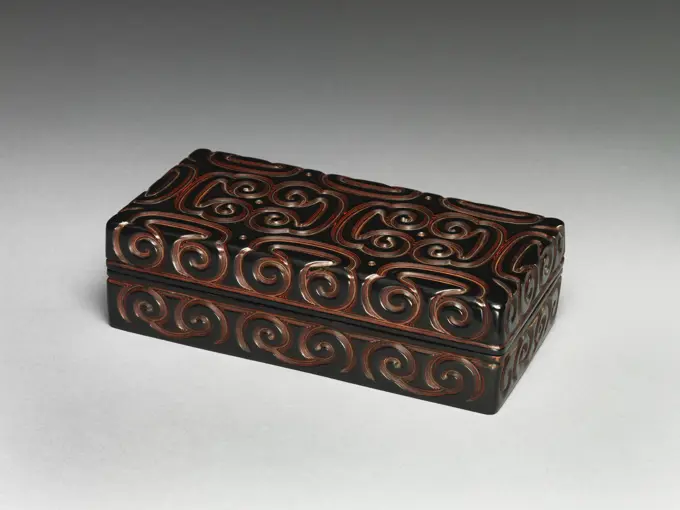
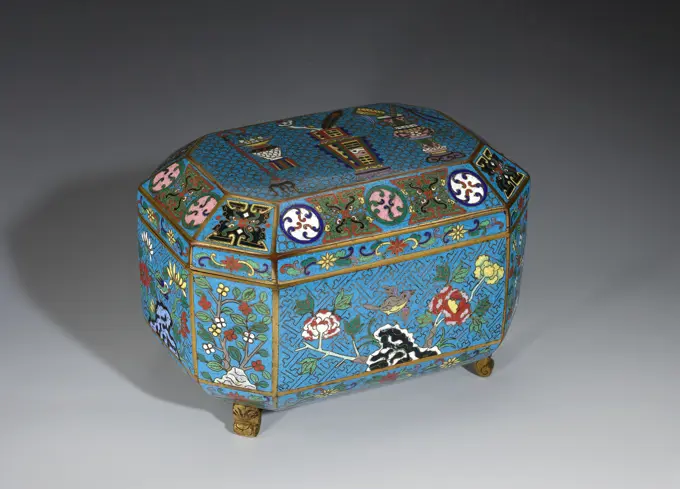
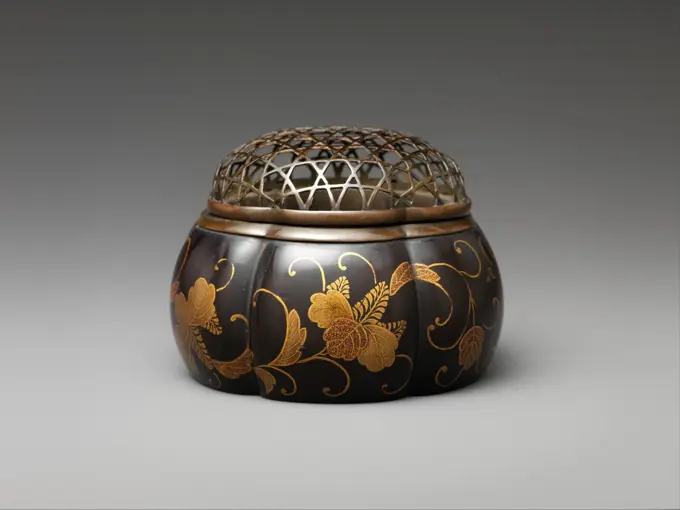
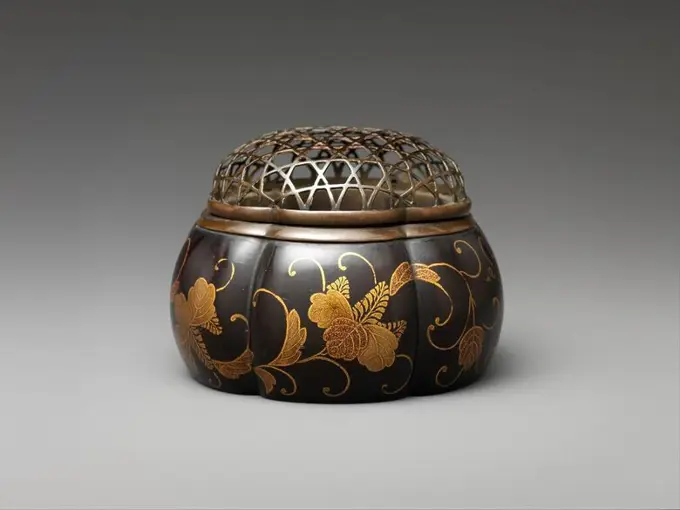
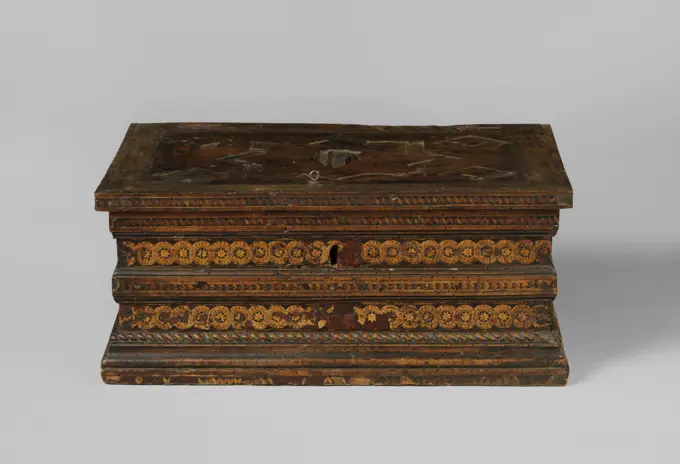
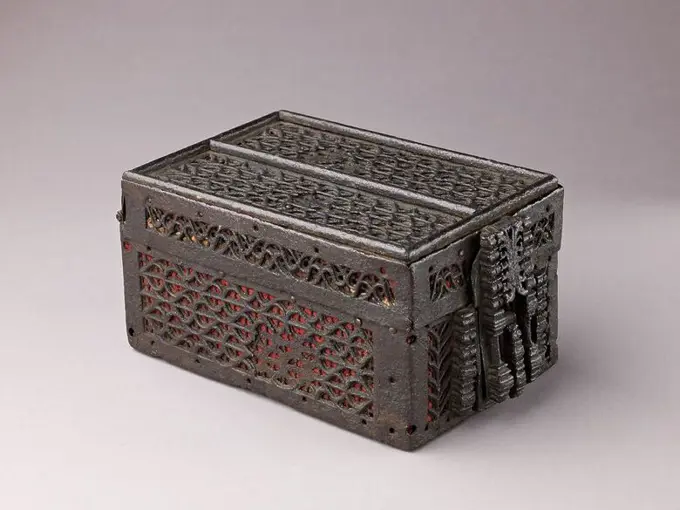
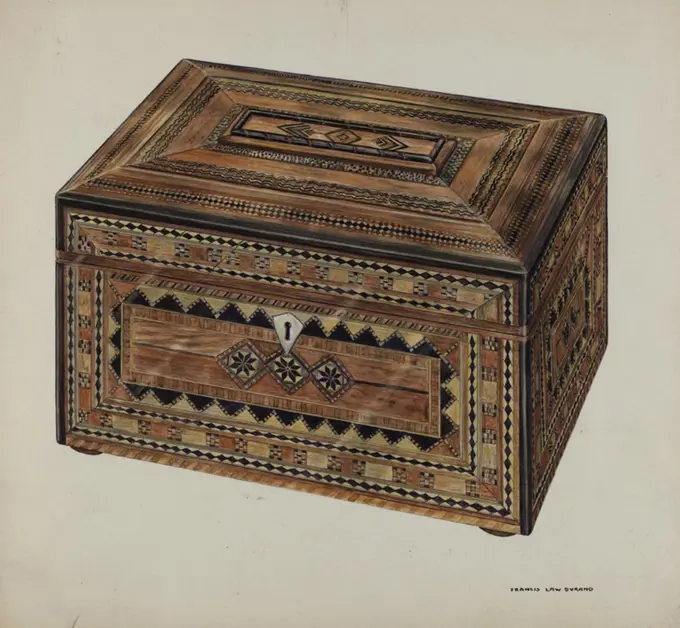
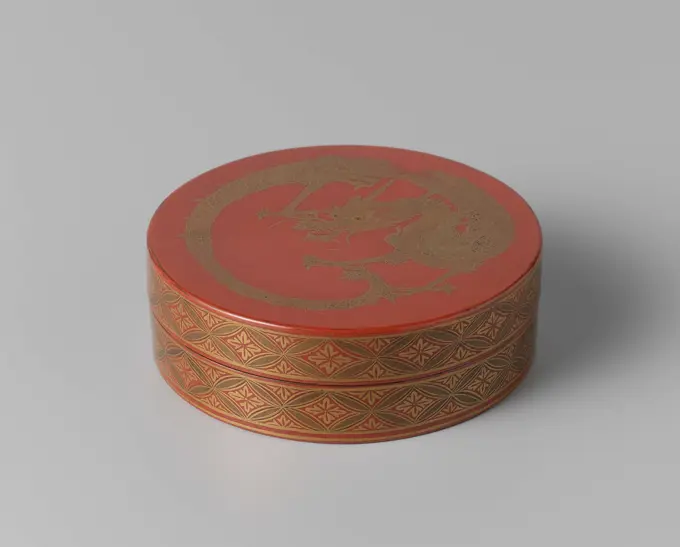
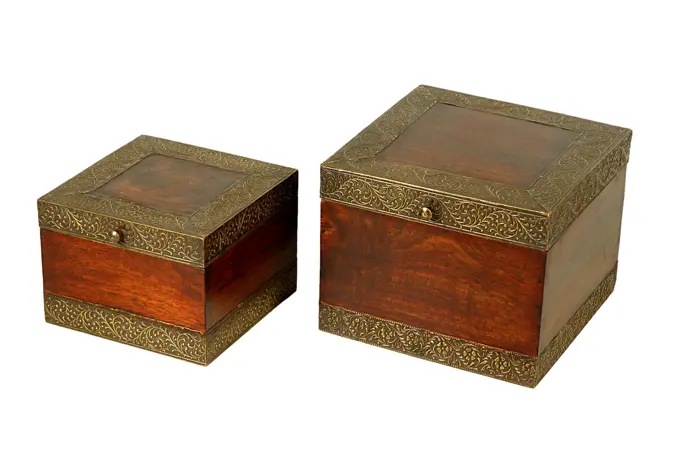
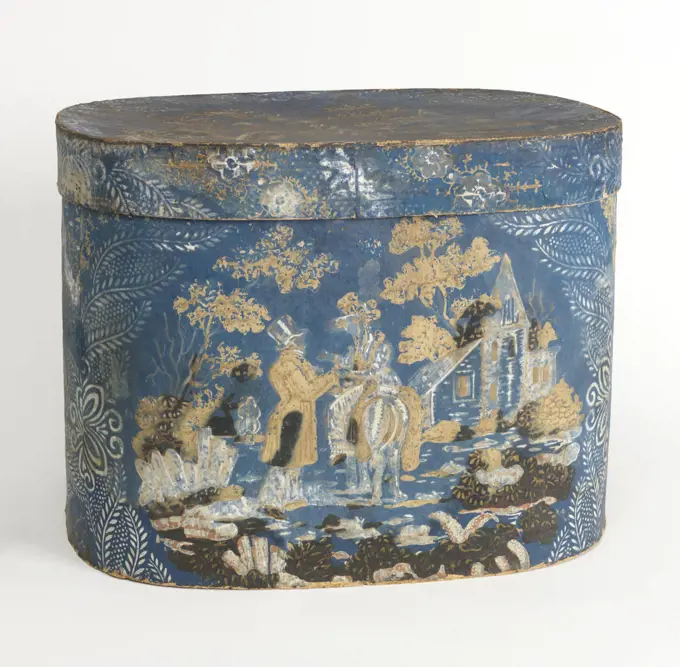
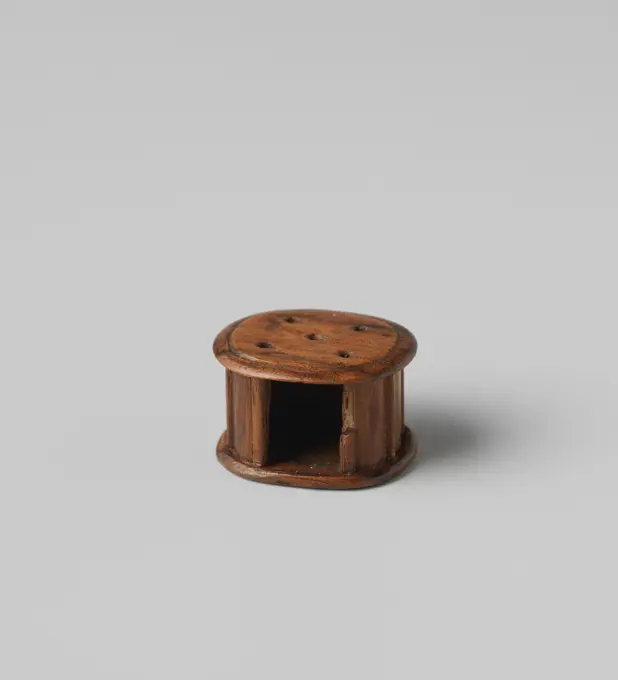
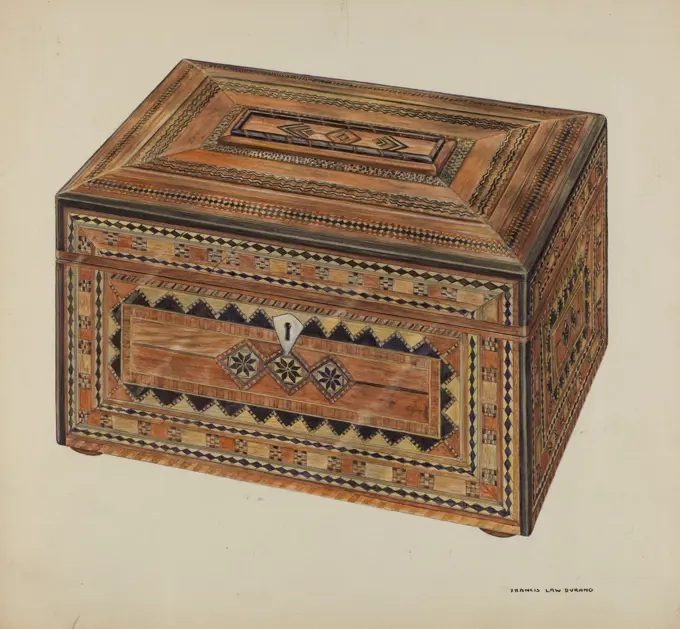
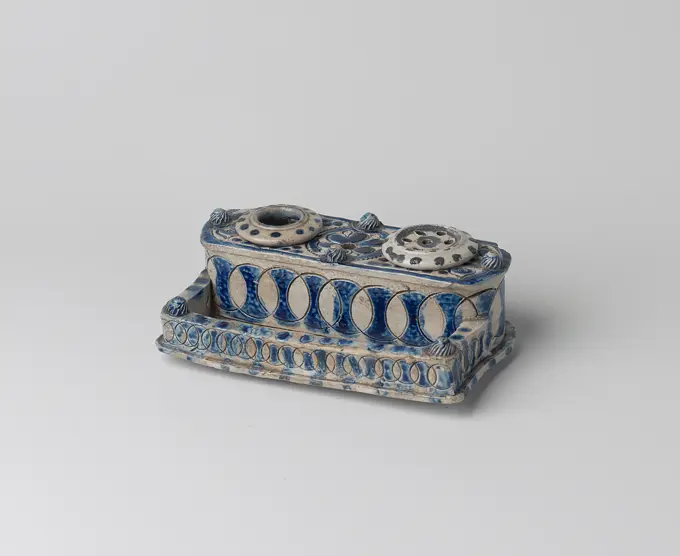
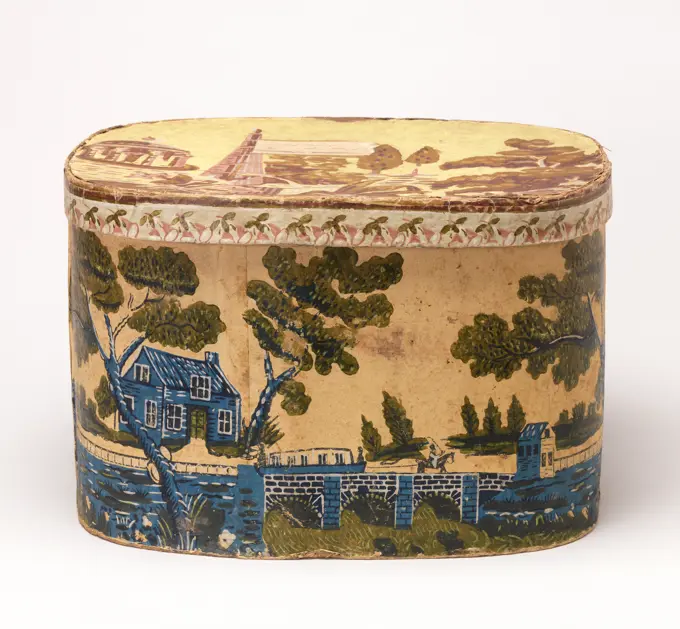
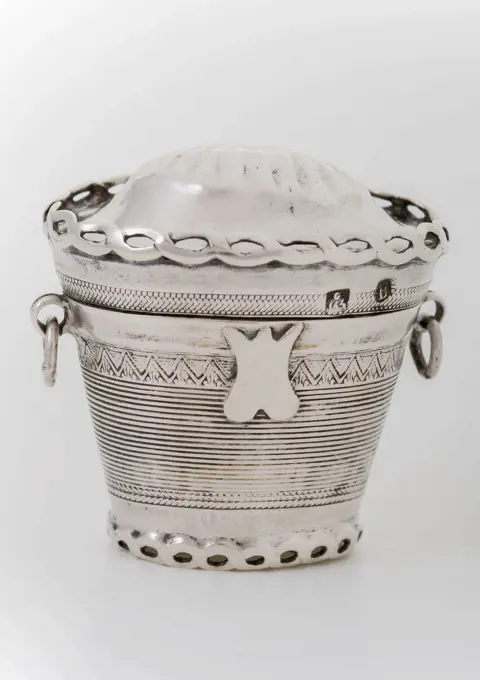
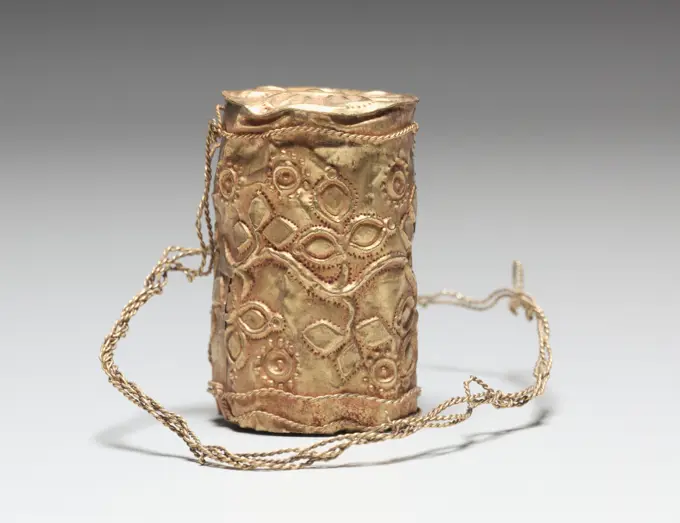
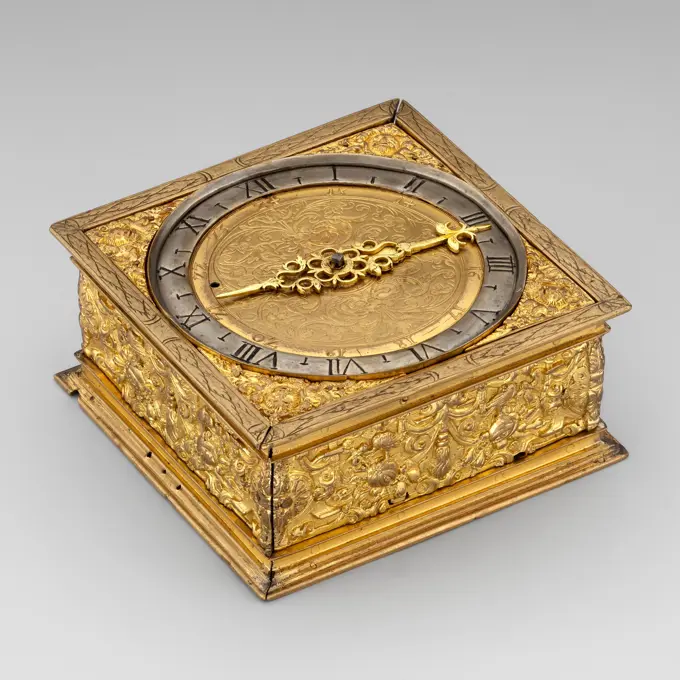
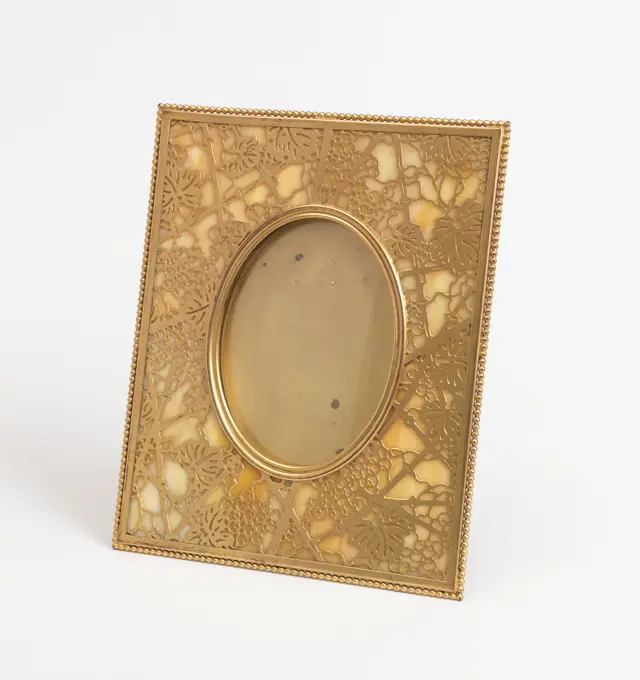
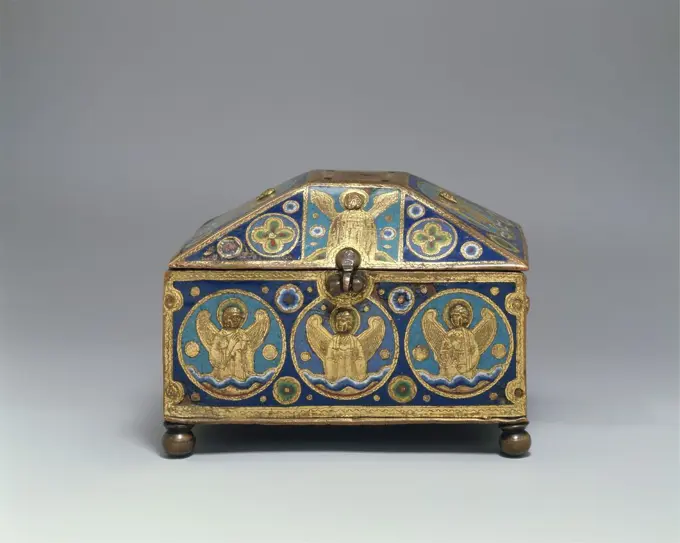
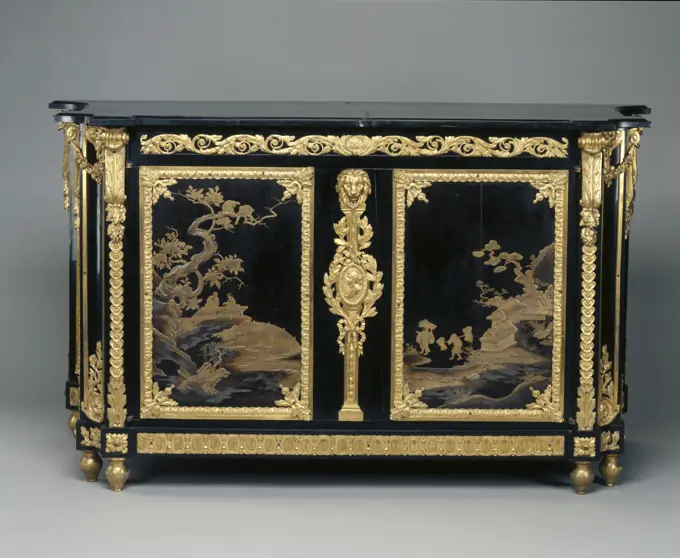
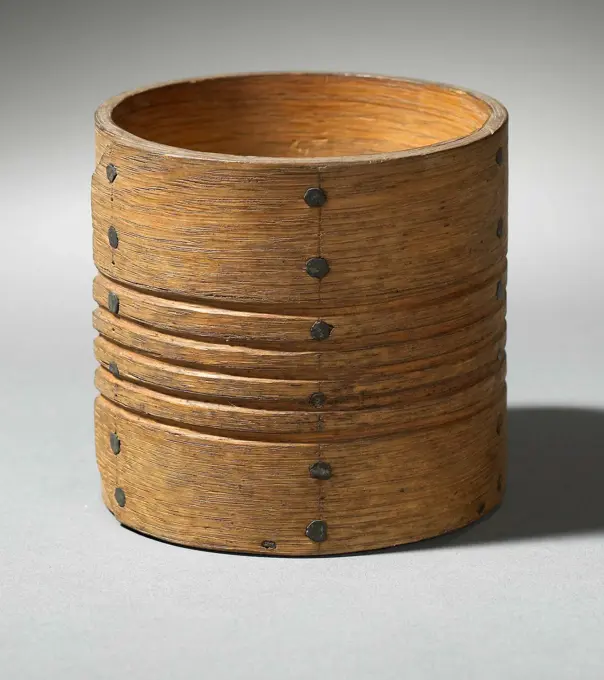
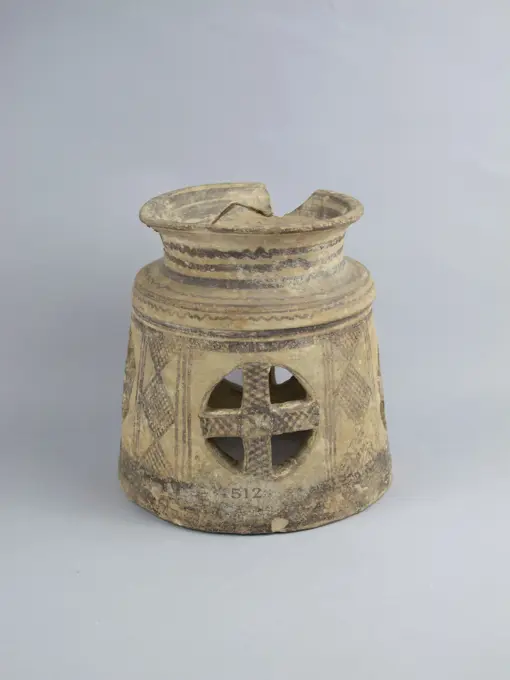
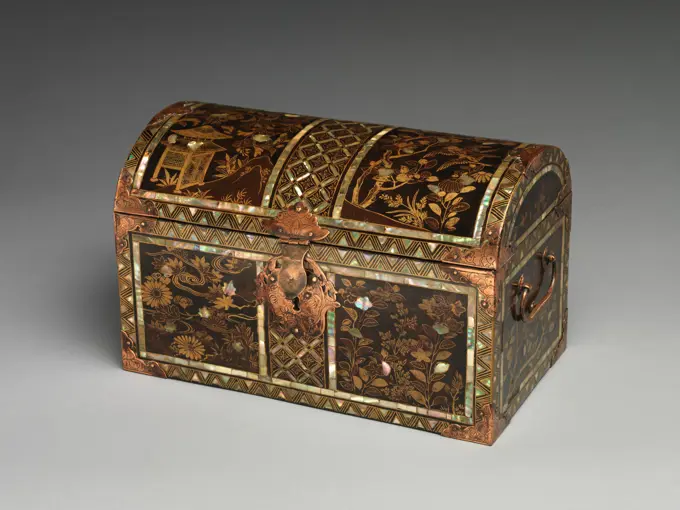
Coffer in Nanban (Southern Barbarian) Style ca. 1600-30 Japan This coffer belongs to a category of Japanese goods known as namban (literally, southern barbarians) that were produced in the late sixteenth and early seventeenth century for trade with Portugal and other European countries. The shape derives from European chests, while the decoration illustrates an awareness of Indian designs transmitted via such trade goods as lacquers and textiles.. Coffer in Nanban (Southern Barbarian) Style. Japan. ca. 1600-30. Gold maki-e and mother-of-pearl inlay on black lacquer; gilt-bronze fittings. Momoyama period (1573-1615). LacquerBox c 1830 New Bedford. Tiger walnut, mother of pearl, bone, and baleen . Artist unknownChest with PeoniesGold leather suitcase with copper edges, anonymous, c. 1600 - c. 1625 Gold leather suitcase with bombarded lid, new copper edges.  leather. brass (alloy) Gold leather suitcase with bombarded lid, new copper edges.  leather. brass (alloy)Snuff Box (Tabatière), 1756-1757. Francois Guillaume Tiron (French). Gold and enamel; overall: 3.2 x 5.1 cm (1 1/4 x 2 in.).Square lantern with pierced sides, anonymous, c. 1700 - c. 1724 Foot of square lantern of porcelain, painted on biscuit in blue, green, yellow, eggplant and black. The foot with a wood grain pattern. Email sur biscuit with family distance colors. China porcelain. glaze. painting / vitrification Foot of square lantern of porcelain, painted on biscuit in blue, green, yellow, eggplant and black. The foot with a wood grain pattern. Email sur biscuit with family distance colors. China porcelain. glaze. painting / vitrificationTobacco box. Sirih box, tobacco box, octagonal, decorated with floral motifs mounted on the golden plaques that are on all sides and the flat lid.. A bouquet of flowering autumn plants adorns the lid of this box for writing implements, in which a brush and inkstone would have been stored. Japanese lacquerware is decorated with autumnal motifs remarkably often. One explanation may be that autumn in Japan is a pleasant season, when the oppressive heat of summer is replaced by fine, clear weather.American 20th Century, Chest, c 1940 Chest. Rectangular paint box with a door on the short side. Six left behind dirt and a leaf. Everything decorated with blooming plants on rocks embossed on golden lacquer. The flowers in colored material. Hinges and lock plates and handle made of engraved silver. Lot plate on the door and two tractors lack late. From Mrs. H.S.C. Von Hemert, born Barones from Pallandt.Coffer with inlaid monogram ca. 1680-1700 Possibly French or Italian This marquetry coffer shows the Medici ducal coronet and the interlaced initials of Anna Maria Luisa, the last descendant of the main branch of this family. It is possible that this coffer was made for her at the occasion of her 1691 wedding to John William, Elector Palatine of the Rhine in Düsseldorf.. Coffer with inlaid monogram. Possibly French or Italian. ca. 1680-1700. Ebony, various marquetry woods, stained horn, mother-of-pearl, on poplar wood, mahogany; modern velvet; brass hardware; gilt-bronze handles. Woodwork-FurnitureSliced coffin with iron fittings. Sliced coffin with iron fittings and lock. On top of a handle.Cosmetics Stand. Japan, 18th century. Lacquer. Lacquer with gold-sprinkled design (maki-e) and metal fittingsBox, horn with inlaid gold, silver, Rectangular amber horn snuff box; on lid: repeated floral motif border around edge, evenly spaced dot pattern across top, decoration of vase with flowers in center with chased gilt-metal., Europe, late 19th century, containers, Decorative Arts, BoxChurch Window' safe still bank, c. 1890s, Shimer Toy Company, Bethlehem, Pennsylvania, c. 1899-1915, 3 x 2 3/16 x 2 1/4 in. (7.62 x 5.56 x 5.72 cm), Iron, pigment, 19th centuryBox For Crossbow Bolts (Bolzenkasten), Probably Made for William IV, Duke of Bavaria (r. 1508-50) dated 1539 Hans Wagner the Elder German The lid is inlaid on its outside with scenes from the medieval story of Virgil the Sorcerer, intended as a humorous warning against the "wiles of women." Corresponding inlay on the inside shows a Fountain of Youth and Orpheus playing music to the animals, surrounded by an inscription based on a German drinking song. The maker, Hans Wagner, signed himself Pixenshifter, gunstock maker.. Box For Crossbow Bolts (Bolzenkasten), Probably Made for William IV, Duke of Bavaria (r. 1508-50) 24858KasetkaSmall Chest of Drawers with Decoration of Flowers, Birds, and Insects early 20th century Korea This chest is an excellent example of an early twentieth-century lacquer box with allover mother-of-pearl decoration. The incised floral motifs filled with black ink or charcoal make the piece particularly striking. The shape, size, and compartments suggest that this chest held writing or cosmetic paraphernalia.. Small Chest of Drawers with Decoration of Flowers, Birds, and Insects 73210Snuffbox with theatrical scenes of a rope dancer and a puppet show 1778-79 Box by Joseph Etienne Blerzy French The box bears four marks, among them the Paris mark for 1778-79, and the mark of Joseph-Étienne Blérzym a master in 1768, working to 1806. The sides and chamfered corners are decorated with plaques of translucent opalescent enamel resembling moss agate with delicate branches in silhouette. Judging by the costumes, the miniatures, this one and that on the lid, A Rope Dance, are contemporaneous. Neither is signed, but the style is typical of the Van Blarenberghes in the late 1770s, the date of the box.Seated to the left are a hunchbacked violinist and a cellist, while to the right, a family group, an elegant couple with small children, enters through a drawn-back curtain. The hall is hung with brightly painted curtains and lit by candles; the audience is seated on plank benches and on risers. A white-faced Pierrot in a traditional costume with a ruff and a hat calls attention toTea caddy. Culture: probably British. Dimensions: Overall (confirmed): 4 9/16 × 7 × 4 3/16 in. (11.6 × 17.8 × 10.6 cm). Date: third quarter 18th century.For the marquetry of this tea caddy, layers of lighter and darker straw were stacked and cut at the same time before being separated. That resulted in identical chinoiserie decoration, which was used with a twist: on the right, a light ground is inlaid with darker straw ornament and vice versa on the left. Museum: Metropolitan Museum of Art, New York, USA.Box with lid 1368-1644 China. Box with lid. China. 1368-1644. Lacquer with inlay. late Ming dynasty (1368-1644). LacquerIncense box with Chinese children playing with snowballs 18th century Japan This eight-lobed incense box has small curvy legs. The decoration on the lid shows Chinese children playing with large snowballs or snowflakes; in the background are a snow-covered tree and waves of a lake. On the side of the box, various symbolic or auspicious animals are depicted in cartouches, such as the hare, tiger, crane, and lion. Inside the box are three small incense containers. Two of these are in the shape of butterflies, while the other is a rhomboid box placed between them, and decorated with a peony pattern. The incense box is decorated with several maki-e (decoration with gold and/or silver sprinkled powder) techniques, among them the meticulous okibirame (individual gold flakes placed onto the sticky lacquer surface) and mother-of-pearl inlay. The box is very finely executed, with attention paid to every detail of composition and technique. The style, shape, and motifs recall eighteenth-century Plejerko with a cover;  19th century (1801-00-00-1900-00-00);Patrontas belonging to arms rack of Cornelis Tromp. Patrontas, trunk-shaped with a cotton carrying strap and breakdown division inside. Red lacquered and decorated with various floral motifs in gold and black.SquareBox, 17thcentury, Huang-hua-li wood, 2 × 3 × 3 in. (5.1 × 7.6 × 7.6cm), China, Chinese, Late Ming dynasty (1368-1644) or early Qing dynasty(1644-1911), Containers -Wood. Loose foot with curved legs. Black lacquer with decorations in Hiramakie with water landscape, butterflies and flowers. Leaf rights on the legs.. In 1609 the Amsterdam entrepreneur Willem Kick applied for a patent for the production of all manner of lacquerware, like that brought in from the East Indies.’ Because original lacquer (obtained from an Asian tree species) could not be imported, Kick developed his own method.Using this, he could imitate costly Japanese lacquerwork on both wood and metal.Sport Safe' still bank, c. 1882, Kyser & Rex Company, Philadelphia, c. 1879-1898, 3 1/16 x 2 1/4 x 2 1/4 in. (7.78 x 5.72 x 5.72 cm), Iron, pigment, United States, 19th centurySnuffbox with Hunting Scenes. Artist: Andreas Philipp Oettner (German, active 1756-87). Dimensions: H. 4.1 cm, L. 8.3 cm, D. 6.2 cm. Date: mid-late 18th century. Museum: Metropolitan Museum of Art, New York, USA.Rookstel, anonymous, 1800 - 1825 Smoking set made of wood with metal frames. Decorated with plum blossoms in gold lacquer. Complete with pipe, stew for charcoal, ashtray, etc. Japan wood (plant material). lacquer (coating). metal Smoking set made of wood with metal frames. Decorated with plum blossoms in gold lacquer. Complete with pipe, stew for charcoal, ashtray, etc. Japan wood (plant material). lacquer (coating). metalBox. Rectangular golden snuff box. With heavy rocaille frames within which, on the lid and along the walls on blue glass of chiniosiums are drawn in gold.Snuffbox ca. 1745-55 possibly British Hard stones were commonly used by goldsmiths in Germany and England in the eighteenth century. The attribution of this box is based on the enameling style.. Snuffbox. possibly British. ca. 1745-55. Gold, heliotrope, enamel. Metalwork-Gold and PlatinumBox with pommel scroll design 16th century China A close examination of this box indicates that three layers of red lacquer were interspersed among the predominant black. The yellow background brings additional color to the vessel, which was used to hold documents. The object illustrates the taste for vibrant aesthetic combinations that characterizes the late Ming period.. Box with pommel scroll design. China. 16th century. Carved black and red lacquer. Ming dynasty (1368-1644). LacquerCan on four legs;  18th century (1701-00-00-1800-00-00);Paderewski, Ignacy Jan (1860-1941), Paderewski, Ignacy Jan (1860-1941)-collection, qianlong (style), qing (style), Chinese (culture), cloisonné, gift (provenance), huaniao (style), flowers , meander (ornament), cans, Chinese art, images of birdsMelon-Shaped Incense Burner (Akoda Kōro) with Paulownia and Foliage Scroll early 17th century Japan. Melon-Shaped Incense Burner (Akoda Kōro) with Paulownia and Foliage Scroll 40325. Stacking box, consisting of two bins and a lid. Black lacquer with over the sides and lid spreads a decor of pumpkin plants in gold and silver-macarie. The Inner Nashiji.Toilet casket 1700-1715 French Known in French as a carré de toilette, this rectangular casket has canted corners and is richly decorated in so-called boulle marquetry of brass inlaid with tortoiseshell, mother-of-pearl, and tinted horn (contre partie). Containing ribbons, feathers, or other adornments, boxes like this played a role in the elaborate dressing ritual of the past and would have been placed on the dressing table. Similar caskets are depicted in Jean-Marc Nattiers portrait Madame Marsollier and Her Daughter of 1749.. Toilet casket 238448Box with Design of Pine, Bamboo, and Cherry Blossom. Culture: Japan. Dimensions: W. 12 1/8 in. (30.8 cm). Date: 19th century.This covered box, part of a wedding trousseau, comprised of thirty-one pieces, represents late Edo-period maki-e (decoration in gold and/or silver sprinkled powder) art at its finest. The Shimazu family, lords of Satsuma in Kyushu, ordered this traditional trousseau most likely for Taka-hime, who was married to Matsudaira Sadakazu, lord of Kuwana (Ise Province), around 1830.The items of the wedding set are decorated with various auspicious motifs. The evergreen pine represents longevity and also symbolizes renewal. The fast-growing, springy, but at the same time very strong and enduring bamboo also stands for longevity and represents endurance and strength. The plum blossoms are the first flowers of spring, representing the renewal of nature. The combination of the "Three Friends of Winter"--originating from China--is associated with celebration, and consideredCigarette cassette;  3. W. 19th century (1851-00-00-1875-00-00);Censer (kôro) with lid. unknown, craftsmanRival Bank' safe still bank, c. 1904, Kenton Hardware Manufacturing Co., Kenton, Ohio, 1890-1950, 3 1/4 x 2 1/2 x 2 1/2 in. (8.26 x 6.35 x 6.35 cm), Iron, United States, 19th-20th centuryMelon-Shaped Incense Burner with Paulownia and Foliage Scroll. Culture: Japan. Dimensions: H. 3 1/2 in. (8.9 cm); Diam. 4 3/8 in. (11.1 cm). Date: early 17th century. Museum: Metropolitan Museum of Art, New York, USA.Writing box decorated with Intarsia in nuthout and other types of wood, Anonymous, 1500 Writing box decorated with Intarsia in nuthout and other types of wood. The rest on a plinth, crowned with reverse ojief -shaped profile and injured cord list. The coffin is articulated by three profile lists, between which braid tire in Intarsia. On the right is a drawer in the double bottom. The lid has a weapon on the left in Intarsia and on the inside window braid and a brand in the shape of a clock. Italy wood (plant material). walnut (hardwood). copper (metal). poplar (wood) Writing box decorated with Intarsia in nuthout and other types of wood. The rest on a plinth, crowned with reverse ojief -shaped profile and injured cord list. The coffin is articulated by three profile lists, between which braid tire in Intarsia. On the right is a drawer in the double bottom. The lid has a weapon on the left in Intarsia and on the inside window braid and a brand in the shape of a clock. Italy wood (plant . Box, consisting of two (originally three) filling containers and lid. From outside black lacquer with water landscapes, buildings and a few figures in gold-makie. From within Nashiji.Box. Rectangular box decorated with chrysanthemums and Pauwlonia Imperialis in golden lacquer.Cylindrical food box with decoration of morning glories 17th century Japan. Cylindrical food box with decoration of morning glories 40478Coffret a mailles. Culture: French. Dimensions: H. 10.2 cm, L. 18.5 cm, W. 12.2 cm (excluding lock).. Date: late 15th century.This coffret à mailles is covered with a double layer of wrought-iron sheaving with late Gothic grillwork, mounted on a wood support; the interior is lined with modern, red velvet. Caskets such as this one must have been produced in large quantities, as numerous examples remain. They were called coffret à mailles or à la manière d'Espagne, in connection to the fine iron tracery of the sides and cover. Sometimes referred to as a missal box, this type probably preserved precious objects such as jewelry or small illuminated prayer books. Museum: Metropolitan Museum of Art, New York, USA.Inlaid Sewing Box. Dated: c. 1937. Dimensions: overall: 24 x 26.1 cm (9 7/16 x 10 1/4 in.) Original IAD Object: 7 7/32" high; 12 1/2" wide. Medium: watercolor, graphite, and pen and ink on paperboard. Museum: National Gallery of Art, Washington DC. Author: Francis Law Durand.. Round, red lacquer box, decorated with dragon in golden lacquer.Polychrome terracotta container showing stylized motifs originating from Tikal (Peten, Guatemala). Mayan culture.Brass design fitting on antique wooden box, Jodhpur, Rajasthan, India Copyright: xSafatxAli/DinodiaxPhotoxBandbox, Block-printed on handmade paper, cardboard support, Blue field. Medallion scene of a woman on horse talking with a man on foot, within a framework of twisted foliage. Pink, green and white field., USA, ca. 1840, Wallcoverings, BandboxCylindrical brush holder. unknown, craftsmanSutra Box (Kyōbako) with Lotus Pond early 17th century Japan This box with a shallow drawer was made to hold Buddhist sutras and is decorated with the sacred symbol of Buddhist art: the lotus pond. The style of the leaves, stems, and seed heads in the various stages of the plants life is reminiscent of early seventeenth-century designs by Tawaraya Sōtatsu (died ca. 1640). The application of the hiramaki-e (flat “sprinkled picture”) and e-nashiji (“pear-skin picture”) sprinkling represents a later type of the Kōdaiji lacquer style.. Sutra Box (Kyōbako) with Lotus Pond 52995Box with Unicorn 15th century Northern European. Box with Unicorn. Northern European. 15th century. Wood with iron mounts. Woodwork-FurnitureCaja, siglo XV. Museu Diocesà i Comarcal de Solsona.Stew, oval, with five holes in the top. Stew Van Nuthout, oval; leaf with profile edge and five holes; decorated with vertical ridges all around; Originally with extendable rule in the opening for the lighth test.Francis Law Durand, Inlaid Sewing Box, c 1937 Inlaid Sewing BoxBandbox (USA); block-printed on handmade paper, pasteboard support; 44 x 34 x 32.5 cm (17 5/16 x 13 3/8 x 12 13/16 in.)Union Bank' safe still bank, c. 1904, Kenton Hardware Manufacturing Co., Kenton, Ohio, 1890-1950, 3 1/4 x 2 1/2 x 3 1/4 in. (8.26 x 6.35 x 8.26 cm), Iron, nickel plate, 19th-20th centuryInk set. Stoneware ink set in gray with blue decoration.Book Case 15th century Italian (). Book Case 468356Tea bus with lid of tin. Tea bus with lid of tin. Respondly painted.Bandbox And Lid, Grand Canal; USA; block-printed paper on pasteboard support. This cassone is painted with symbols that probably refer to the donor familys coat of arms. Such chests were often made on the occasion of a marriage and were used to store clothing and fabrics - precious dowry items. The chests were usually set against a wall; they could also be tied to the back of a mule to accompany someone travelling.Model of A Lifeboat Release, Rijkswerf Vlissingen (Possible), After Clifford, 1857 - c. 1858 demonstration model Model of a sloop. The model demonstrates the sloop trap in the sloop. The sloop is a slippery double -belt sloop with flat mirror, peaked around and seam to both ends ascending; He has seven dids. model maker: Flushingafter design by: United Kingdom wood (plant material). brass (alloy). ropeSilversmith: D.H. Greup, Silver lodger's box, loddereindoos box holder silver, stamped Foot box lid two eyes two rings truncated cone G144 running lion (debossed)Tea Caddy, 1741-1742. Paul Jacques de Lamerie (British, 1688-1751). Silver gilt; overall: 13.4 x 9.6 x 5.8 cm (5 1/4 x 3 3/4 x 2 5/16 in.). In the 1600s and 1700s, silver played a significant role in projecting wealth, status, power, and ritual in British life. Tea was likewise a highly valued commodity, and as such, silver caddies like this one were designed to display the social distinction of its owner. This canisters prominently sloping shoulders were designed by Paul Jacques de Lamerie in the early 1730s and became a standard form for tea caddies by the end of the decade.Casket. unknown, creatorTunbridgeware Tea Caddy, 1830-40. Pinto Collection - Purchased from Edward H Pinto, 1965.. Made in Tunbridge Wells, Kent, England UK. This Tunbridgeware tea caddy was made around 1830-1840 in Tunbridge Wells. The centre panel is decorated with parquetry or perspective cube work, a type of decoration which was popular throughout the nineteenth century. A craftsman often used over forty different woods to make a single object. This tea caddy is faced with a veneer of rosewood and makes use of exotic timbers like Partridgewood and Palmyra to achieve the broken lines and stippling effects. .Cachepots; enameled and gilt tôleTwo-segment casket. unknown, craftsman. Rectangular golden box topped with mosaic of mother-of-pearl, with which a tea party is presented in the open air. Along the front a garland with diamonds.Toilet Box ca. 1760 Johann Martin Heinrici Trained as a porcelain painter who worked both at Meissen and at the Frankenthal porcelain manufactories, Heinrici specialized in a so-called laque burgauté technique of decorating small lacquered objects with inlaid designs of mother-of-pearl, differently colored metals, and other materials. Although this technique originated in China, the landscapes executed on boxes attributed to Heinrici and his workshop are clearly European in nature.. Toilet Box. German, Dresden. ca. 1760. Lacquered metal inlaid with mother-of-pearl, copper, brass, ray skin, colored stone, gold. Natural SubstancesBandbox, Block-printed paper, pasteboard support, USA, ca. 1830, Wallcoverings, Bandbox. Tea bus from painted porcelain. The bus is square with rubbed corners and almost entirely covered with a yellow part. In the fond, four-accolo-shaped four passes were saved on the bus and the lid, in which contour chinoiseries have been painted on two sides of the bus, in the other recesses flowers. The chinoiseries consist of a man and two children dancing and a dancing man and woman. The tea bus has been marked.Snuff box, Carved bloodstone, chased and engraved gold, cut diamonds, rubies, emeralds, Pouch shape, with two hinged covers and two compartments; plaques of heliotrope held in a frame of gold carved with scrolls, leaves and pinecone motifs; thumb-piece of foliate scrolls set with small diamonds, rubies, and emeralds; sides of box lined with gold., possibly Germany, ca. 1750, containers, Decorative Arts, Snuff boxCoffret à mailles. Culture: French. Dimensions: H. 7 cm, L. 9.6 cm, W. 7.9 cm (excluding lock and suspension rings).. Date: late 15th century.Caskets such as this one must have been produced in large quantities, as numerous examples remain. They were called coffret à mailles or à la manière d'Espagne, in connection to the fine iron tracery of the sides and cover. Sometimes referred to as a missal box, this type probably preserved precious objects such as jewelry or small illuminated prayer books. This small box has two suspension rings to carry it, possibly on a girdle. The front is probably an old replacement. Museum: Metropolitan Museum of Art, New York, USA.Bottle and cover. Beykoz (huta szkła), glass worksTerracotta pyxis (box) ca. 400 B.C. Greek, Attic Women, youths, and ErotesThe setting for the figures here seems to be outdoors, due to the rocky formation on which one woman places her foot. The youth reclining on a vaguely shaped object with legs may introduce a Dionysiac reference.. Terracotta pyxis (box) 247288Bandbox (USA); block-printed paper, pasteboard supportEmbossing on antique wooden napkin holder box, Jodhpur, Rajasthan, India Copyright: xSafatxAli/DinodiaxPhotoxFaceted and Covered Jar 1800-1899 Korea. Stoneware with iron brown glaze .Box belonging to a bronze history tokens, Toon Dupuis, 1909 box Square cardboard box with golden edges. On the inside red velvet in which with golden state: 'Royal Utrecht Factory of Silver Works by C.J. Begeer, Oudegracht, Utrecht. Utrecht cardboard. velvet (fabric weave)   Utrecht. To leadPaduan 16th Century, Writing Casket, c 1500 Writing CasketQuadrangularcontainer with openwork walls decorated with cobalt unknownBox -Sword-Hilt Collar (Fuchi), 1700-1850. Japan, Edo period (1615-1868). Shakudo; average: 3.9 x 2.3 cm (1 9/16 x 7/8 in.).Sugar bowl with a cover. Ząbkowicka Fabryka Szkła (Ząbkowice ; 1883-post 1995), creatorTea Caddy, Eusebius Willem Voet, c. 1700 Hexagonal tea leak with turtle covered and inlaid with engraved silver chinoiseries. Zwolle silver (metal). wood (plant material) Hexagonal tea leak with turtle covered and inlaid with engraved silver chinoiseries. Zwolle silver (metal). wood (plant material)Jewelry, 1800s. Guinea Coast, Ghana, Asante, 19th century. Gold; overall: 4.3 cm (1 11/16 in.).Tiled clock;  1619 (1619-00-00-1619-00-00);Bylewski, Tadeusz (1866-1939) - collection, grotesque, mascarons, birds, snakes, turtlesTiered Box 19th century China. Tiered Box 61280Picture Frame (USA); Made by Tiffany and Co. (United States); gilded metal, glass; 25h x 20w x 12.2d cm (9 13/16 x 7 7/8 x 4 13/16 in. )Anonymous / 'Case for jasper vessel with gold and enamelled rim and foot and eight attached clips'. XVII century. Leather, Wood, Metal, Silk. Museum: Museo del Prado, Madrid, España.Chrismatory. Culture: French. Dimensions: Overall: 3 7/8 x 5 9/16 x 3 3/4 in. (9.9 x 14.2 x 9.6 cm)Overall (without feet): 3 3/8 x 5 9/16 x 3 3/4 in. (8.6 x 14.2 x 9.6 cm). Date: ca. 1200-1220.This ornamented box probably once contained holy oils, the use of which at baptism is noted by early Christian writers. Oils were also used for other sacraments, such as confirmation, the ordination of priests, and extreme unction, and for the consecration of churches. Few medieval containers for holy oils survive. Museum: Metropolitan Museum of Art, New York, USA.Chest of Drawers (Commode), c. 1765- 1770. René Dubois (French, 1737-1798). Ebony veneer with Japanese lacquer panels, gilt bronze mounts, and marble top; overall: 86.8 x 152.4 x 59.7 cm (34 3/16 x 60 x 23 1/2 in.).Grain size of ½ liter. Whoodwood grain size of ½ liter with label.Tripod 1050-950 B.C. Cypriot Decorated with bands, wavy lines and lattice panels.. Tripod. Cypriot. 1050-950 B.C.. Terracotta. Cypro-Geometric I. VasesAntique wooden piggy bank box, Jodhpur, Rajasthan, India Copyright: xSafatxAli/DinodiaxPhotox