Decorative Cutlery and Weapons

An assortment of unique cutlery and historical weaponry, featuring ornate designs and materials like steel, horn, and gold, showcasing various cultures.

Gilt knife, knife cutlery silver gold iron, forged gilt Heft blade. With embossed oval medallion band work. Pine cone BW in oval (smashed back) cutting food Napoleon Suermondt Rotterdam 1811 According to tradition left by Napoleon at Suermondt Maire de Rotterdam 1811.
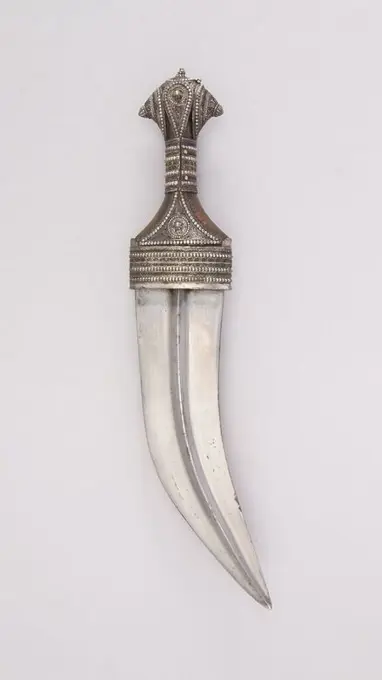
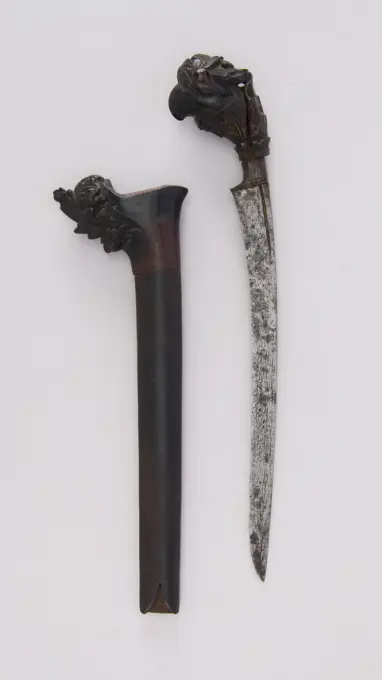
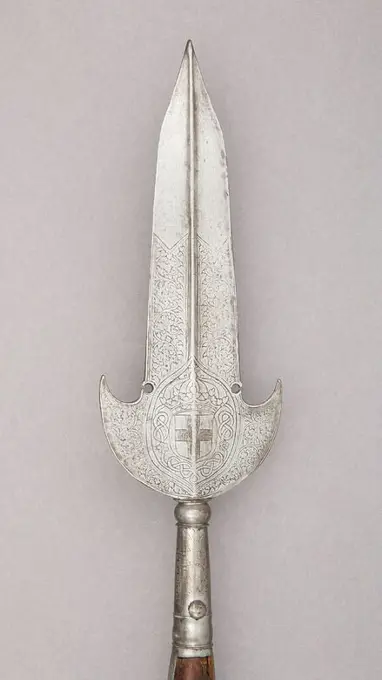
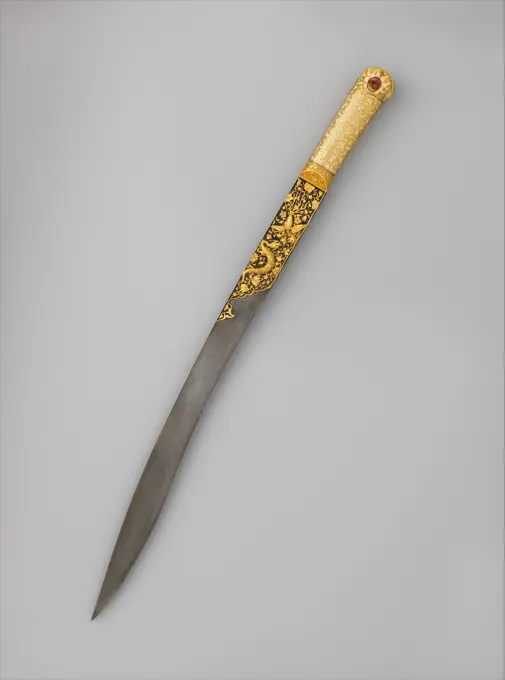
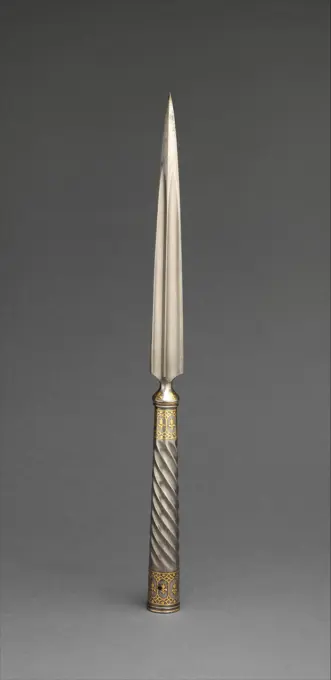
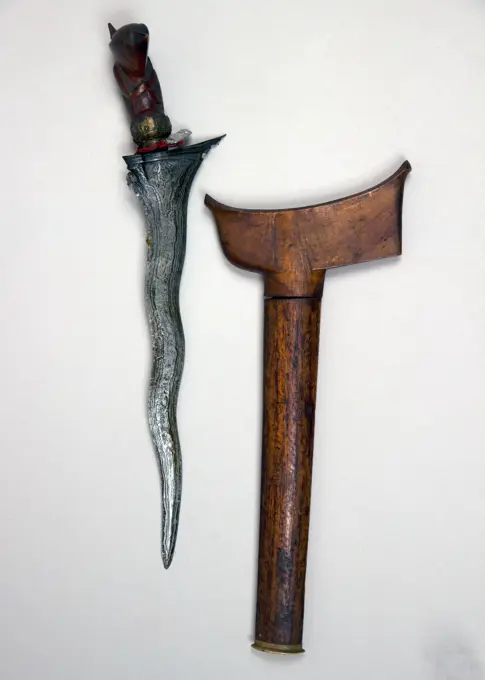
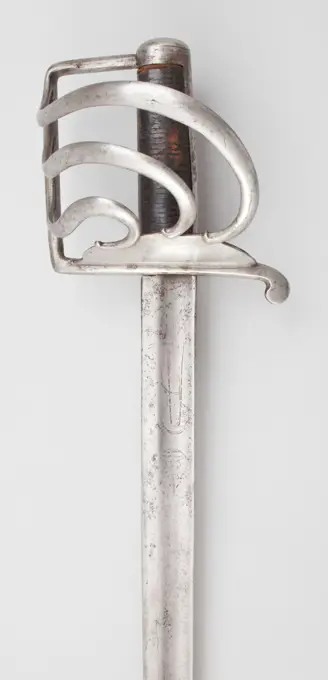
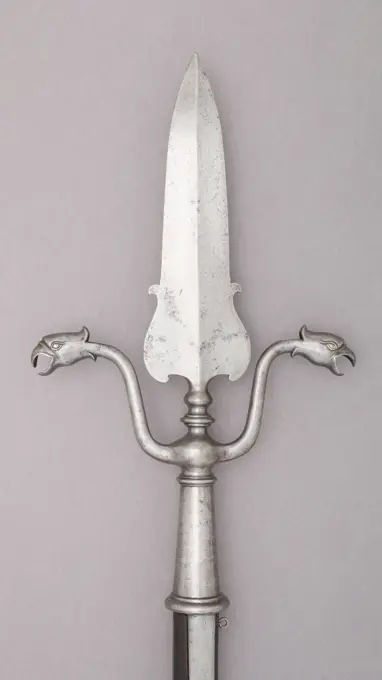
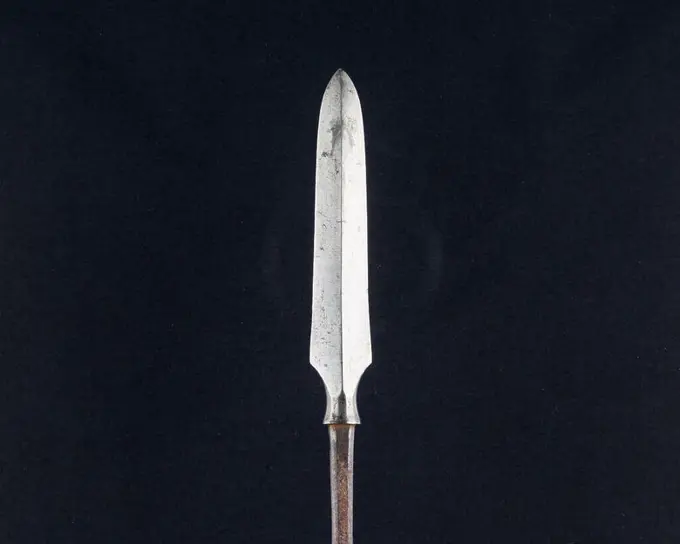
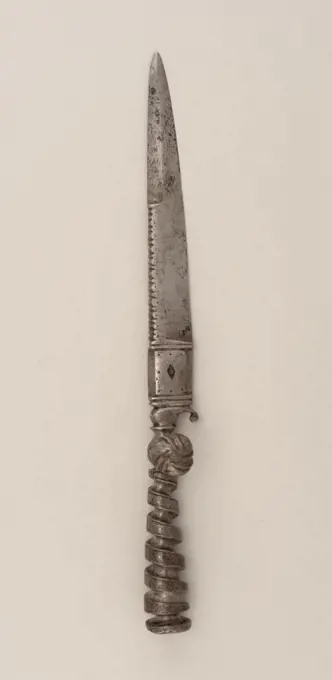
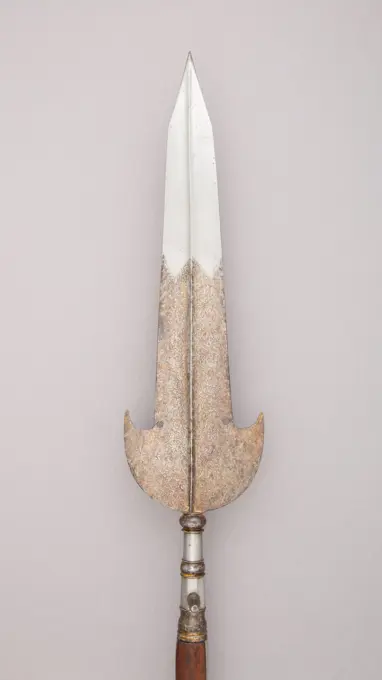
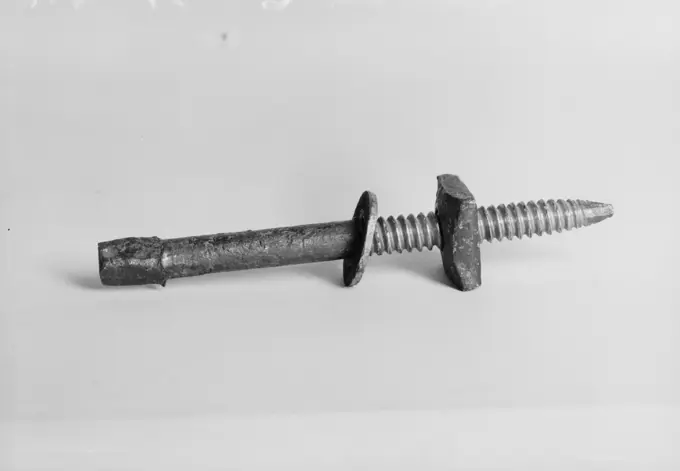
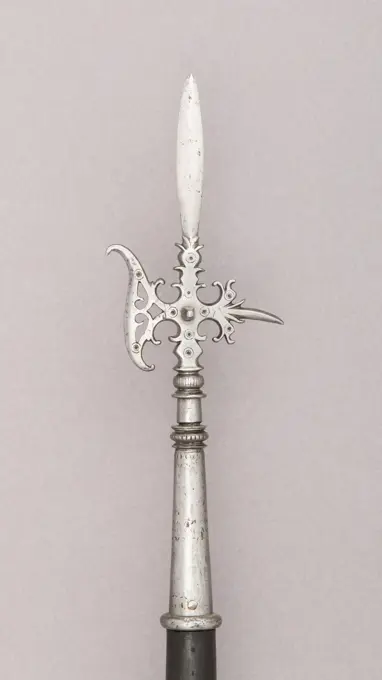
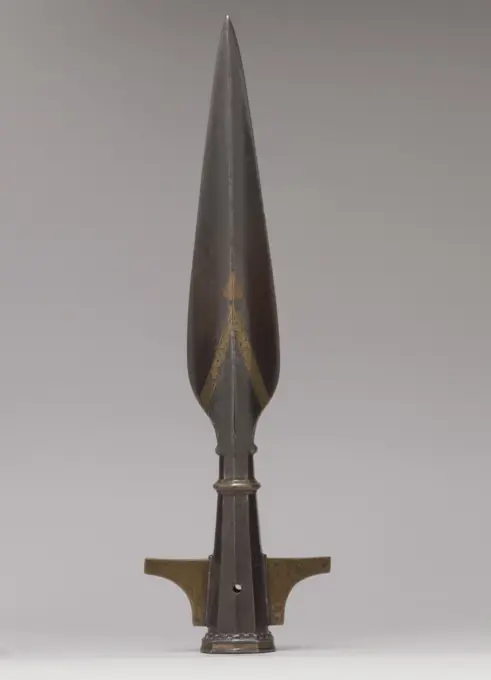
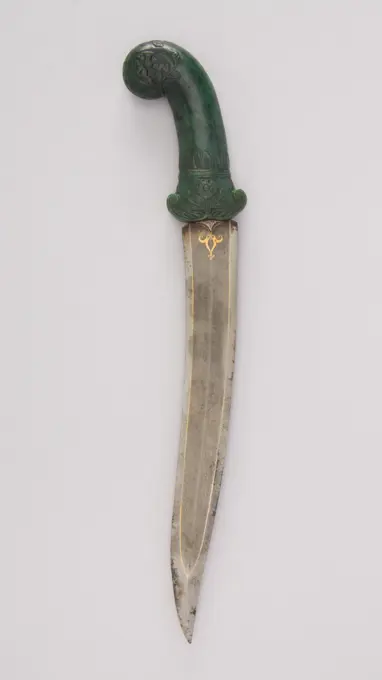
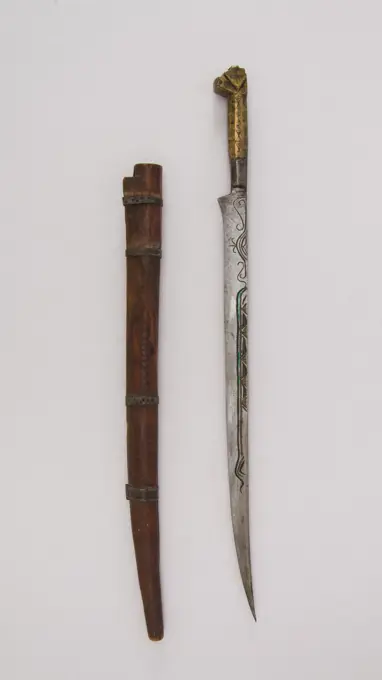
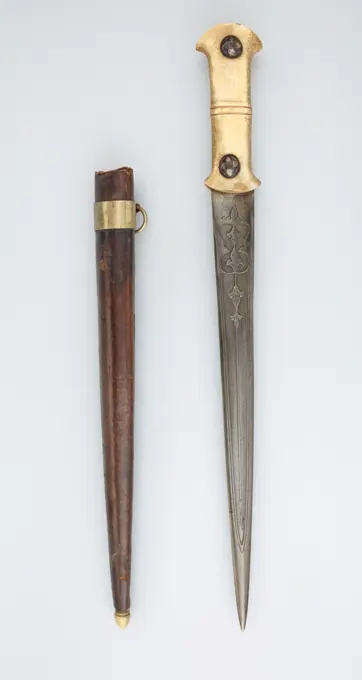
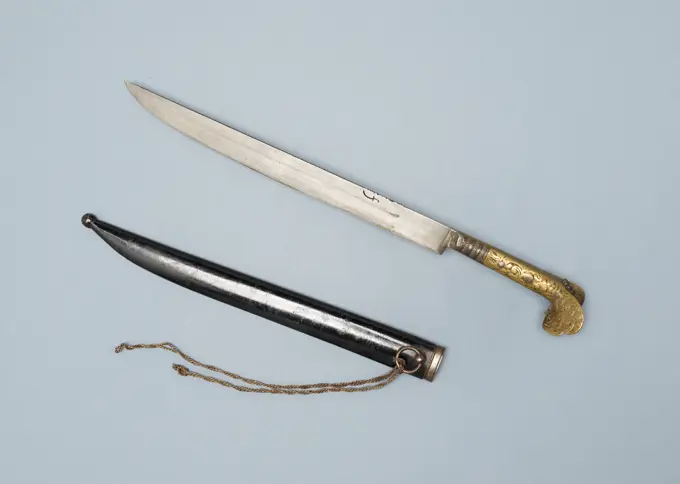
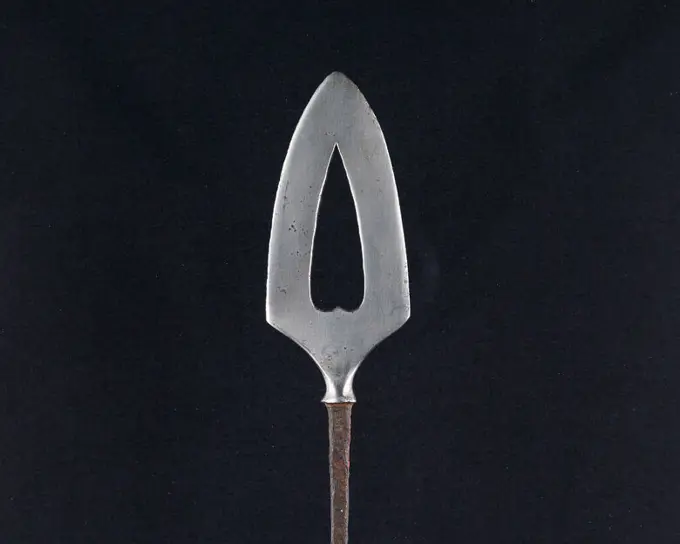
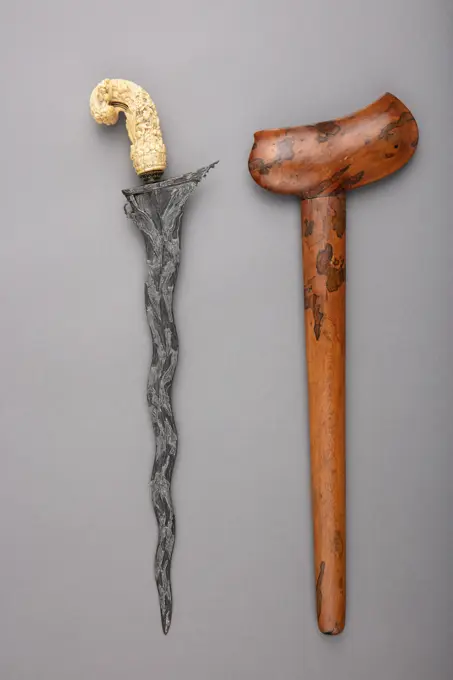
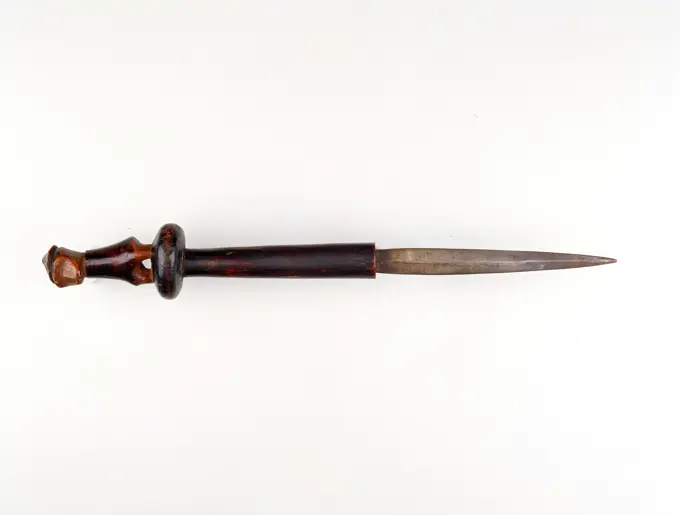
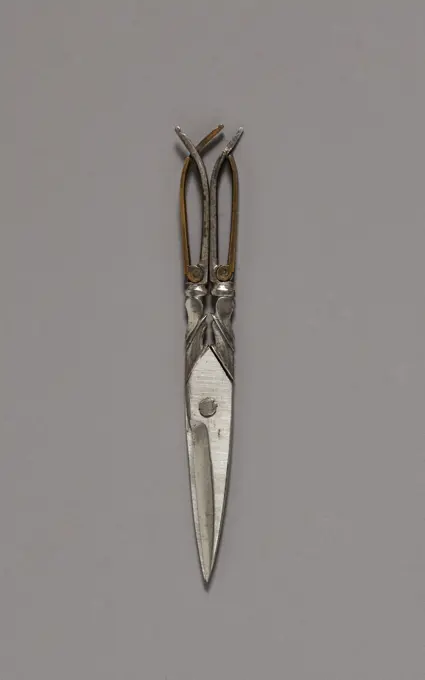
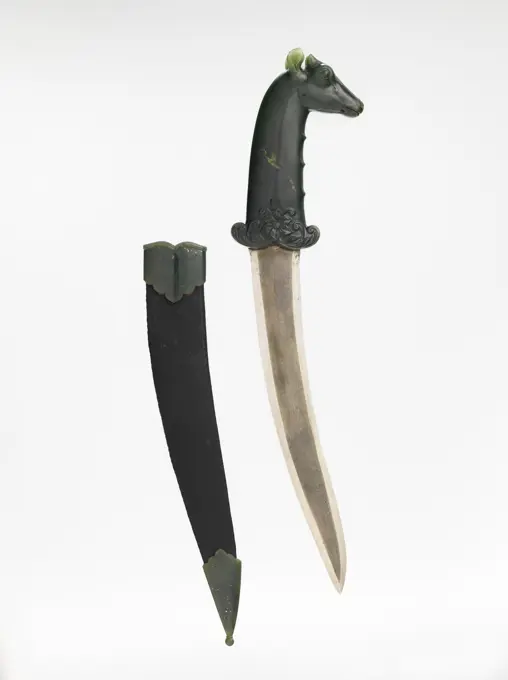
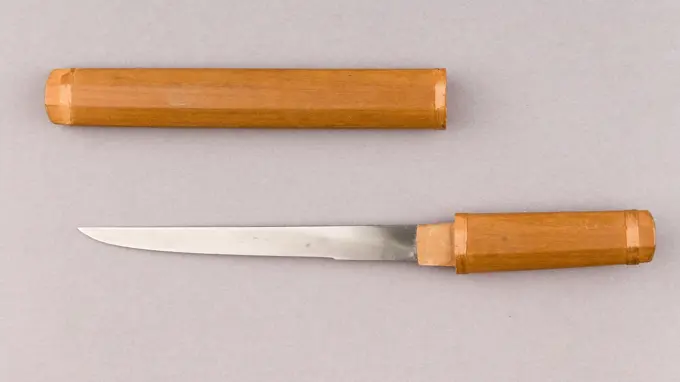
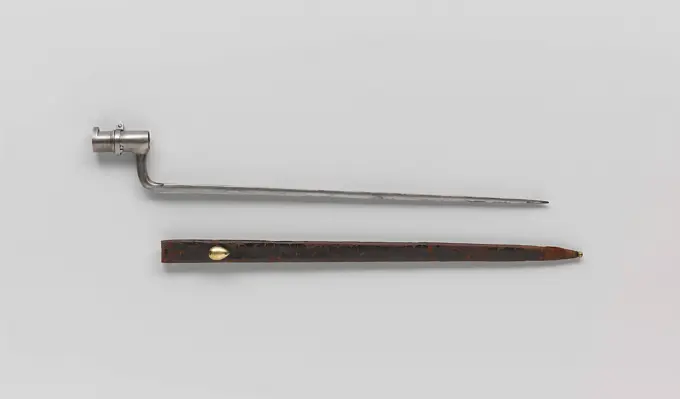
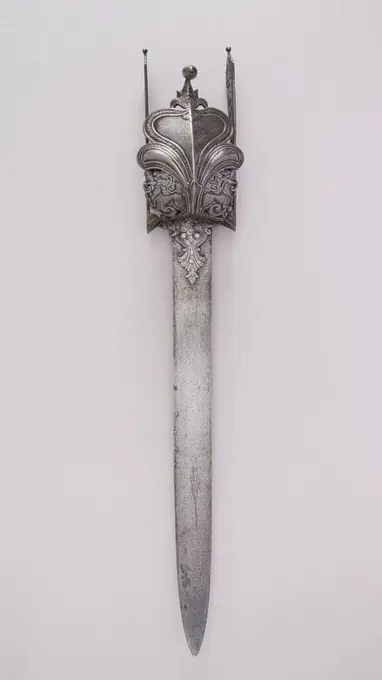
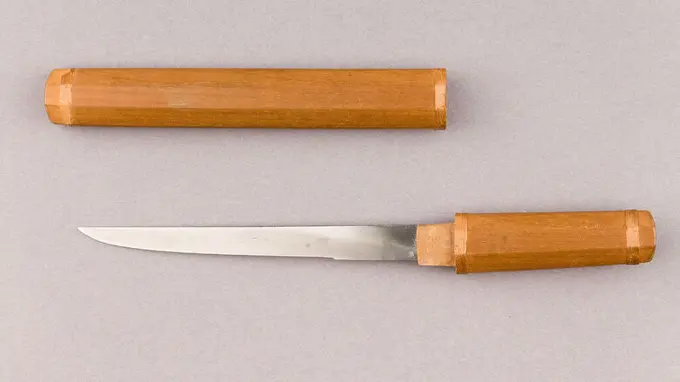
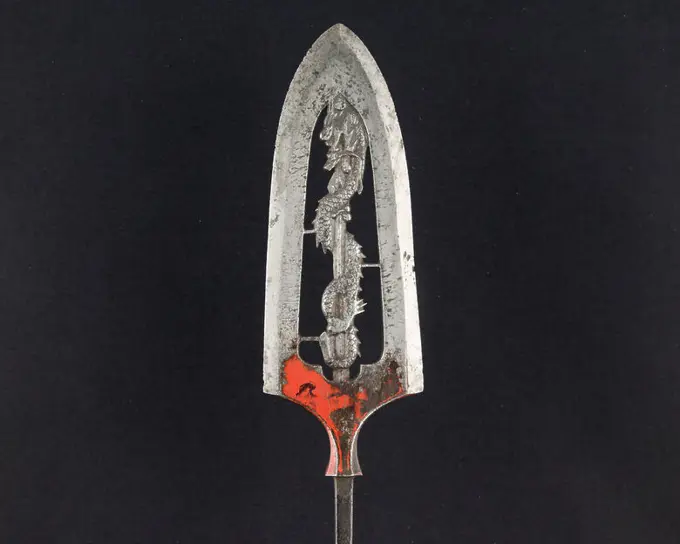
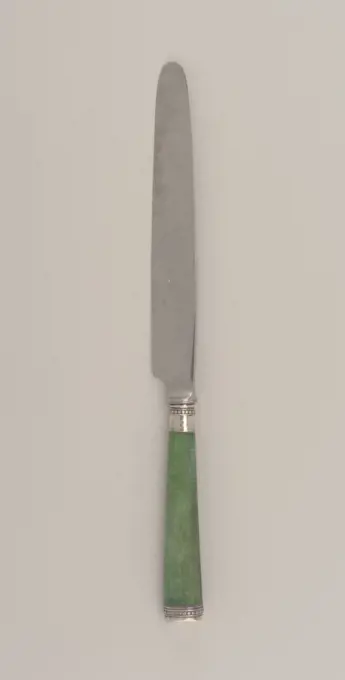
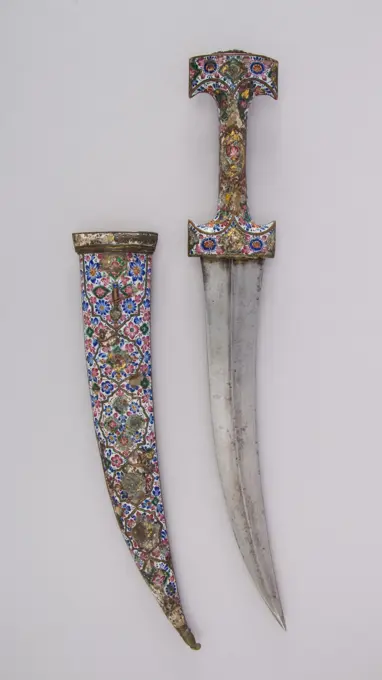
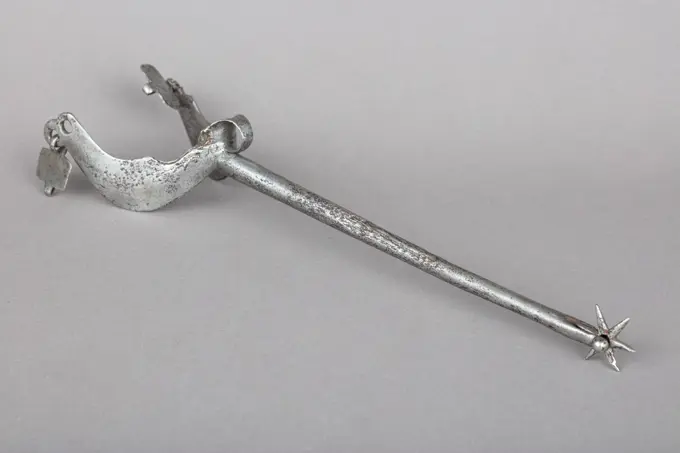
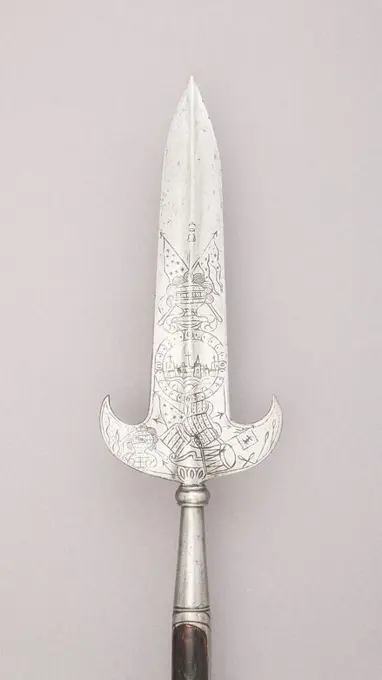
Dessert fork; Würtembergische metallwarefabrik - WMF (Germany; Wytwónia Z Otnarz; 1880-1914); after 1880 (1890-00-00-1914-00-00);Knife (probably Germany); steel, horn, gilding; L x W: 23.7 x 2.1 cm (9 5/16 x 13/16 in.); The Robert L. Metzenberg Collection, gift of Eleanor L. Metzenberg; 1985-103-283-cSpear 16th-19th century Javanese. Spear 30689Dagger (Jambiya) with Sheath and Belt. Culture: Arabian. Dimensions: H. with sheath 13 15/16 in. (35.4 cm); H. without sheath 12 3/8 in. (31.4 cm); H. of blade 8 3/4 in. (22.2 cm); W. 2 3/8 in. (6 cm); Wt. 8.3 oz. (235.3 g); Wt. of sheath 1 lb. 4.8 oz. (589.7 g). Date: 19th century. Museum: Metropolitan Museum of Art, New York, USA.Knife (Bade-bade) with Sheath 18th-19th century Malayan. Knife (Bade-bade) with Sheath 31656Gilt knife, knife cutlery silver gold iron, forged gilt Heft blade. With embossed oval medallion band work. Pine cone BW in oval (smashed back) cutting food Napoleon Suermondt Rotterdam 1811 According to tradition left by Napoleon at Suermondt Maire de Rotterdam 1811.Dagger, c. 1750. Northeast India. Brass with gilt grip; overall: 37.2 cm (14 5/8 in.); blade: 23.6 cm (9 5/16 in.).Dagger (Khanjar). Culture: Indian, Mughal. Dimensions: H. 15 3/4 in. (40 cm); H. of blade 11 in. (27.9 cm); W. 3 in. (7.6 cm); D. 15/16 in. (2.4 cm); Wt. 13 oz. (368.5 g). Date: 18th-19th century. Museum: Metropolitan Museum of Art, New York, USA.Partisan. Culture: Italian. Dimensions: L. 82 1/8 in. (208.5 cm); L. of head 14 3/4 in. (37.4 cm); W. 4 1/2 in. (11.4 cm); Wt. 4 lbs. 13 oz. (2182.9 g). Date: ca. 1620. Museum: Metropolitan Museum of Art, New York, USA.Horseman's Axe 1500-1533 Spain. Steel with gilding, brass, iron, wood (oak), and attached tassel .Knife with Sheath 19th century Moroccan, Mekus. Knife with Sheath 31760Short Sword (Yatagan) from the Court of Süleyman the Magnificent (reigned 1520-66) ca. 1525-30 Workshop of Ahmed Tekelü possibly Iranian Exquisite workmanship and lavish use of precious materials distinguish this sword as a princely weapon and exemplifies the opulence and refinement of Ottoman luxury arts. Almost identical to a yatagan (now in the Topkapi Palace, Istanbul) made in 1526-27 by the court jeweler Ahmed Tekel, for the Ottoman sultan Süleyman the Magnificent (r. 1520-66), this sword was undoubtedly made in the same imperial workshop. The gold incrustation on the blade depicts a combat between a dragon and a phoenix against a background of foliate scrolls. These figures, like the gold-inlaid cloud bands and foliate scrolls on the ivory grips, are Chinese in inspiration, and were probably introduced into Ottoman art through contacts with Persia.This sword is one of the earliest known yatagans, distinctly Turkish weapons characterized by a double-curved blade and a hilt withoutFolding knife, steel, silver, gold, Leaf-shaped blade, handle straight-sided with engraved floral decoration with gold inlaid leaves and gold inlay inscription 'Souvenir de Carlsbad' on the front side. Blade folds into handle., possibly Germany, ca. 1790-1800, cutlery, Decorative Arts, Folding knifeDagger (Katar) 18th century South Indian. Dagger (Katar) 31730Partisan. Culture: Italian. Dimensions: L. 91 5/8 in. (232.7 cm); L. of head 33 1/2 in. (85.1 cm); W. 4 in. (10.2 cm); Wt. 4 lb. 5.9 oz. (1981.6 g). Date: late 16th century. Museum: Metropolitan Museum of Art, New York, USA.Indo Persian KanjarKnife (possibly Indonesia); steel; L x W: 26.5 x 4.3 cm (10 7/16 x 1 11/16 in.); The Robert L. Metzenberg Collection, gift of Eleanor L. Metzenberg; 1985-103-22Spear 17th century North Indian Spears were a versatile tool for royal hunting expeditions, as demonstrated by their depiction in the paintings nearby. They were used while either on foot or on horseback, and could be thrust or thrown. Some spears were made of a single piece of iron or steel; others comprised a wooden shaft and steel spear head. Inlaid with gold, this example was intended to be both lethal and beautiful.. Spear. North Indian. 17th century. Steel, gold. Shafted WeaponsKris with Sheath 18th-19th century Malayan, Sumbawa Island. Kris with Sheath 31243Military Pałasz AugustówkaDagger (Jambiya). Culture: Indian. Dimensions: H. 11 1/4 in. (28.6 cm); H. of blade 7 1/2 in. (19.1 cm); W. 2 5/16 in. (5.9 cm); Wt. 7.3 oz. (207 g). Date: 19th century. Museum: Metropolitan Museum of Art, New York, USA.Linstock 1650-1700 German. Linstock 25012Sword (Kilij) with Scabbard 19th century Turkish. Sword (Kilij) with Scabbard. Turkish. 19th century. Steel, horn, silver. SwordsTable knife 17th century German. Table knife. German. 17th century. Steel. Metalwork-SteelKnife with Sheath. Culture: Javanese. Dimensions: L. with sheath 9 15/16 in. (25.2 cm); L. without sheath 9 1/2 in. (24.1 cm); W. 2 3/4 in. (7 cm); Wt. 1.9 oz. (53.9 g); Wt. of sheath 0.6 oz. (17 g). Date: 16th-19th century. Museum: Metropolitan Museum of Art, New York, USA.Arrowhead (Yanone). Culture: Japanese. Dimensions: L. 10 5/8 in. (27 cm); L. of head 3 1/4 in. (8.3 cm); W. 1/2 in. (1.3 cm); Wt. 1.5 oz. (42.5 g). Date: 18th century. Museum: Metropolitan Museum of Art, New York, USA.Dagger (Jambiya) with Sheath. Culture: South Moroccan. Dimensions: H. with sheath 23 1/2 in. (59.7 cm); H. without sheath 23 1/4 in. (59.1 cm); H. of blade 13 3/4 in. (34.9 cm); W. 6 1/2 in. (16.5 cm); Wt. 1 lb. 5.7 oz. (615.2 g); Wt. of sheath 1 lb. 9.4 oz. (720.1 g). Date: 18th-19th century. Museum: Metropolitan Museum of Art, New York, USA.Spontoon 18th century Spanish. Spontoon 27043Object ID #18804261; wood, steel; L x W: 27 x 2 cm (10 5/8 x 13/16 in.); The Robert L. Metzenberg Collection, gift of Eleanor L. Metzenberg; 1985-103-34Knife 18th-19th century Persian. Knife 31736Knife, steel, Triangular tapered pointed blade swaged and notched upper outer edge, inner edge flat. Scroll hilt. Tapered deeply-cut spiral handle. Flat button terminal with radiating flutes. Applied thumb pommel spirally fluted at right near hilt. On blade inner side 6 stamped lozenges with central circle, one on outer side., possibly Spain, early 16th century, cutlery, Decorative Arts, KnifeSword with Scabbard. Culture: Acheen. Dimensions: L. with scabbard 33 1/4 in. (84.5 cm); L. without scabbard 32 1/2 in. (82.6 cm); L. of blade 26 in. (66 cm); W. 3 5/8 in. (9.2 cm); Wt. 1 lb. 8.8 oz. (703.1 g); Wt. of scabbard 8.6 oz. (243.8 g). Date: 16th-19th century. Museum: Metropolitan Museum of Art, New York, USA.Military Trident 1520-1540 Italy. Steel and wood (oak) .Pike 17th century Spanish. Pike 25847Short Sword and Scabbard 18th-19th century Tibetan. Short Sword and Scabbard 27781Boarding Knife, D. van den Bosch, 1831 demonstration model. knife (weapon) Entermes of peculiar design. The blade extends to the bottom of the handle, for which an oval opening has been applied as a kind of riser. At the bottom of the handle is a blunt point. The handle is covered with lead. Netherlands iron (metal). copper (metal). lead (metal)Ceremonial Hoe, Early 1900s. Africa, South Africa, possibly Zulu peoples, early 20th century. Wood and copper alloy; overall: 14 cm (5 1/2 in.).Dagger (Jambiya) with Sheath 18th century Moroccan. Dagger (Jambiya) with Sheath 31756Sword (Pappenheimer Rapier). Dutch. Date: 1625-1635. Dimensions: 122.2 × 25.4 cm (48 1/8 × 10 in.). Steel, silver, gilding, wood, and leather. Origin: Netherlands. Museum: The Chicago Art Institute, Chicago, USA.SchiavonaPartisan ca. 1600 French. Partisan 26687Reconstruction of the French Saber Saber of the Guard's horse, pattern 1802 Courses of the Industrial MuseumBolt, Nut, and Washer 1700-1800. Bolt, Nut, and Washer. 1700-1800. BrassIron stretch saw, 1600 - 1699   iron (metal)   iron (metal)Halberd-spontoon 17th century possibly Italian. Halberd-spontoon 27035Head of a Hunting Spear 1425-50 German or Austrian Spearheads such as this one were used for hunting various types of large game, especially wild boar, deer, and bear. The protruding wings on either side of the base were intended to check the forward momentum of a charging animal, keeping it at a safe distance from the hunter. The fine brass inlay decorating the spearhead is a reminder that hunting was a favorite pastime of nobility during the Middle Ages and the Renaissance.. Head of a Hunting Spear 22196Dagger (Khanjar) 18th-19th century Indian, Mughal. Dagger (Khanjar) 31826Dagger with Sheath 19th century hilt, Persian; blade, Indian. Dagger with Sheath. hilt, Persian; blade, Indian. 19th century. Steel, jade, silver, velvet, wood. DaggersKris van Bali with Schede, Anonymous, c. 1800 - c. 1899 kris Kris van Bali with flaming blade, with yellow sheath painted on one side. Taken on the Expedition of Lombok in 1894. Bali kling: iron (metal). schede, greep: wood (plant material)   LombokHalberd ca. 1600 French. Halberd 26665Knife (Flyssa) with sheath 19th century Moroccan. Knife (Flyssa) with sheath 31765Knife with a sheathKnife with Porcelain Handle, steel, silver; soft paste porcelain, vitreous enamel, Sabre-shaped blade, sharply waisted bolster. Silver ferrule with scalloped edge. Pistol-shaped white porcelain handle decorated in relief with scrolls, acanthus leaves and flowers. Small cap on top of handle., England, ca. 1750, cutlery, Decorative Arts, knife, knifeYataghan with a scabbardArrowhead (Yanone). Culture: Japanese. Dimensions: L. 8 1/2 in. (21.6 cm); L. of head 3 1/4 in. (8.3 cm); W. 1 1/2 in. (3.8 cm); Wt. 1.1 oz. (31.2 g). Date: 18th century. Museum: Metropolitan Museum of Art, New York, USA.Kris with Sheath 18th-19th century Madurese. Kris with Sheath. Madurese. 18th-19th century. Steel, ivory, wood, brass. Madura, Jawa Timur. KrissesPoniard 18th century possibly Sardinian. Poniard. possibly Sardinian. 18th century. Steel, gold, brass. KnivesSiermes, anonymous, 1775 - 1825 Ornamental knife. This type of decorative knives was carried exclusively by members of the aristocracy in the Kingdom Kandy, Hoogelegen in the interior of the island of Ceylon. He nobler the material from which it was made, the higher the nobleman who was allowed to wear. No noble materials are incorporated in this knife; It therefore belonged to a member of the lower nobility. Sri Lanka iron (metal). horn (animal material). copper (metal) Ornamental knife. This type of decorative knives was carried exclusively by members of the aristocracy in the Kingdom Kandy, Hoogelegen in the interior of the island of Ceylon. He nobler the material from which it was made, the higher the nobleman who was allowed to wear. No noble materials are incorporated in this knife; It therefore belonged to a member of the lower nobility. Sri Lanka iron (metal). horn (animal material). copper (metal)knife sharpener  isolated on a white backgroundSabre with scabbard and belt, owned by General Karol Kniaziewicz (1762-1842) Boutet, Miko Aj ChristmasParrying Dagger ca. 1580 German, Saxon. Parrying Dagger. German, Saxon. ca. 1580. Steel, gold, copper wire, wood. DaggersSmallsword Italian ca. 1650 By the early seventeenth century, the rapier, a long slender thrusting sword, began to dominate as the gentlemans weapon of choice. During the course of the century, however, as civilian fencing techniques became more specialized and refined, the rapier developed into a lighter, trimmed-down weapon known by about 1700 as the smallsword. Smallswords, often richly decorated, remained an integral part of a gentlemans wardrobe until the wearing of swords in civilian settings went out of fashion at the end of the eighteenth century, at which time pistols were replacing swords as arms most frequently used in personal duels. The majority of smallsword hilts are made of silver or steel, but many also employ a wide variety of luxurious materials, such as gold, porcelain, and enamel. At their best, smallswords combine the crafts of swordsmith, cutler, and jeweler to create an elegant weapon that was also a wearable work of art. View more. Smallsword. Italian. ca. 1650Dagger, 20th century, 15-1/2 x 2 x 2 in. (39.4 x 5.1 x 5.1 cm), Wood and metal, Zambia or Botswana, 20th centuryScissors, c. 1770. England, 18th century. Luxurious personal objects were an essential part of a privileged wardrobe during the 1700s and early 1800s, emphasizing their owners refinement and wealth. Especially popular were étuis, small ornamented cases containing miniature sewing, writing, or grooming implements that hung at a womans waist from an ornate clasp, known as a chatelaine. Despite its glittering surface, this small expensive set disguised a system based on the labor and suffering of enslaved or indentured people, whether in gold and stone mines or the shop where it was made.Knife (Barong) with Sheath. Culture: Philippine, Sulu. Dimensions: L. with sheath 26 3/8 in. (67 cm); L. without sheath 24 1/2 in. (62.2 cm); L. of blade 17 in. (43.2 cm); W. 2 3/4 in. (7 cm); Wt. 1 lb. 12.7 oz. (813.6 g); Wt. of sheath 5.5 oz. (155.9 g). Date: 18th-19th century. Museum: Metropolitan Museum of Art, New York, USA.Dagger with Hilt in the Form of a Blue Bull (Nilgai) ca. 1640 The weaponry produced at the Mughal court reflects the same refinement as other portable arts. Daggers such as this one were sometimes awarded to officers who had distinguished themselves in military victory and were worn at court as dress accessories indicating royal favor. Animal-headed hilts were especially favored, and the realism of their rendering conveys the keen appreciation for nature by Mughal artists.On this dagger, the hilt portrays a nilgai, or blue bull, one of the most beautiful animals found in India, and terminates at the base with a leafy scroll and lotus flower. Carved from a bluish-green nephrite that approximates the color of the animal, this hilt not only demonstrates the artist's thorough mastery of hard-stone carving, but also displays a level of accuracy and sensitivity that suggest close observation of a model, perhaps one of the captive animals kept in the imperial zoo. Listen to experts illuminateHunting knifeKnife Blade (Kozuka) 17th century Japanese A kozuka is a handle of a by-knife that is part of a sword mounting. It is kept in a slot on the reverse of a katana scabbard, often with a matching kgai (hairdressing tool).. Knife Blade (Kozuka). Japanese. 17th century. Steel, wood, gold. Sword Furniture-KozukaDagger, early 1600s. Italy, early 17th century. Steel, perforated blade; openwork grip; overall: 46 cm (18 1/8 in.); blade: 32.1 cm (12 5/8 in.); quillions: 8.8 cm (3 7/16 in.); grip: 11 cm (4 5/16 in.).Throwing knife, early 20th century, 18 x 1 1/8 x 14 in. (45.72 x 2.86 x 35.56 cm), Metal, cloth, plant fiber, Democratic Republic of the Congo, 20th centuryArrowhead (Yanone). Culture: Japanese. Dimensions: L. 9 5/8 in. (24.4 cm); L. of head 3 in. (7.6 cm); W. 2 in. (5.1 cm); Wt. 1.8 oz. (51 g). Date: 18th century. Museum: Metropolitan Museum of Art, New York, USA.Knife, steel, ivory, Leaf-shaped blade, slightly hollow in the centre, plain bolster. Pistol- shaped carved ivory handle with floral decoration and a decorative pattern with leaves, beads and scrolls following the contours of the handle., probably France, ca. 1750, cutlery, Decorative Arts, KnifeFriuli Spear 1550-1600 Europe. Steel, wood (chestnut), brass, and velvet .Knife and Fork with Sheath. European, possibly Dutch. Date: 1660-1700. Dimensions: . Steel, copper, ivory, and leather. Origin: Europe. Museum: The Chicago Art Institute, Chicago, USA.Bayonet.The Bayonet has a standard bayonet closure. Sheath of black leather with a brass button. Associated with a percussion weather.Medieval weapons Medieval weapons for close combat. These weapons can pierce light armor knight Copyright: xZoonar.com/ValeryxxSibrikovx 5638414Yeah to fish; Korzec (Porcelain and faience manufacture; 1790-1832); 19th century (1801-00-00-1901-00-00);Gunner's Stiletto Made 1600-1700 Italy. Steel, iron, horn, and brass .Guarded Dagger (Katar). Culture: Indian, Thanjavur; blade, European. Dimensions: L. 22 in. (55.9 cm); W. 4 13/16 in. (12.2 cm); Wt. 1 lb. 9.7 oz. (728.6 g). Date: 17th century. Museum: Metropolitan Museum of Art, New York, USA.Upper Paleolithic. Harpoon fish. Replica. National Archaeological Museum, Madrid. Spain.Small scissors with oval eyes and hinged, slightly decorated leaves, scissor cutting tool soil find iron metal, forged Small scissors with oval eyes and hinged blades Wide legs on which flower rosette in the middle round hole archeology cut needleworkKnife Blade (Kozuka). Culture: Japanese. Dimensions: L. with sheath 8 1/4 in. (21 cm); L. without sheath 8 in. (20.3 cm); W. 3/4 in. (1.9 cm); Wt. 0.8 oz. (22.7 g); Wt. of sheath 0.6 oz. (17 g). Date: 17th century. Museum: Metropolitan Museum of Art, New York, USA.Arrowhead (Yanone). Culture: Japanese. Dimensions: L. 12 3/8 in. (31.5 cm); L. of head 4 3/4 in. (12.1 cm); W. 1 3/4 in. (4.5 cm); Wt. 2.2 oz. (62.4 g). Date: 18th century. Museum: Metropolitan Museum of Art, New York, USA.Small Sword, late 1600s. France, late 17th Century. Steel, chiseled and pierced; iron, wood; wire-bound grip; overall: 104.1 cm (41 in.); blade: 87.6 cm (34 1/2 in.); guard: 7.9 cm (3 1/8 in.).knife, green-stained ivory, steel, silver, Part of a set of knives and forks ((1959-56-1-a/f), where a/d are knives, and e-f are forks)., Knife (a,b): tapering, stained green ivory handle with beaded silver cap terminal and ferrule and silver blade, England, late 18th century, cutlery, Decorative Arts, knifePrzeszo Przysoci unknownSpanner for a Wheel-Lock Gun, c. 1600-1625. Germany, early 17th century. Steel; overall: 15.5 x 7.1 cm (6 1/8 x 2 13/16 in.).Does not SquadDagger (Jambiya) with Sheath early 19th century Persian, Qajar. Dagger (Jambiya) with Sheath 31848Sugar Nippers (France); Manufactured by Charles Victor Gibert (French); silver; L x W (Closed): 14.7 x 5.8 cm (5 13/16 x 2 5/16 in.)Ancient sabre Ancient sabre. A smart variant of the fighting weapon Copyright: xZoonar.com/ValeryxxSibrikovx 5611889Sword with Scabbard 16th-19th century Sumatran. Sword with Scabbard. Sumatran. 16th-19th century. Wood, rattan, cord. Sumatra. SwordsSmall Sword, c. 1750-1770. France, Paris, 18th century. Steel, gilded with wood; overall: 103.2 cm (40 5/8 in.); blade: 86 cm (33 7/8 in.); guard: 7 cm (2 3/4 in.).Rowel Spur (Right) 15th century British In the 15th century, rowel spurs with very long necks were of common use in Western Europe. At this period, the elevated war saddles and the very specific riding style, with long stirrup leathers and legs extended forward, had the consequence of taking away the riders feet from the horses flank. Thus, these long necks gave them easier access without having to disturb the riders position. As a knights status was closely related to his horse, spurs became one of the symbols of chivalry, and one of the tokens given to him during his knighting.. Rowel Spur (Right). British. 15th century. Iron alloy. Equestrian Equipment-SpursDagger (Bichuwa) 17th century Indian, Thanjavur. Dagger (Bichuwa) 31436Hunting knife with vaginaKnife (possibly England); brass, steel; L x W: 13.9 x 1.3 cm (5 1/2 x 1/2 in.); The Robert L. Metzenberg Collection, gift of Eleanor L. Metzenberg; 1985-103-104Cranequin (Winder) for a Crossbow. German. Date: 1600. Dimensions: Wt. 5 lb. 8 oz. Steel and wood. Origin: Germany. Museum: The Chicago Art Institute, Chicago, USA.Partisan. Culture: Italian. Dimensions: L. 86 3/8 in. (219.4 cm); L. of head 14 1/4 in. (36.4 cm); W. 4 7/8 in. (12.4 cm); Wt. 2 lbs. 8 oz. (1134 g). Date: ca. 1650. Museum: Metropolitan Museum of Art, New York, USA.Knife with a Handle Representing a Nun with a Pot, anonymous, c. 1650 - c. 1700 The nun holds a flaming heart in her right hand. Northern Netherlands boxwood (hardwood) The nun holds a flaming heart in her right hand. Northern Netherlands boxwood (hardwood)