Decorative Cutlery and Weapons

An assortment of unique cutlery and historical weaponry, featuring ornate designs and materials like steel, horn, and gold, showcasing various cultures.

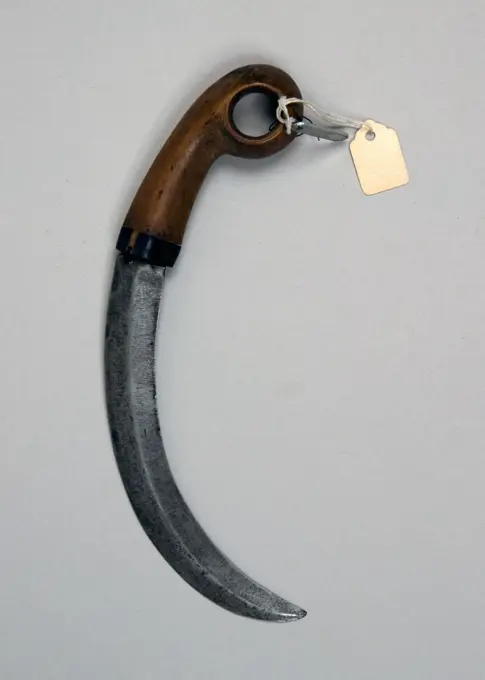
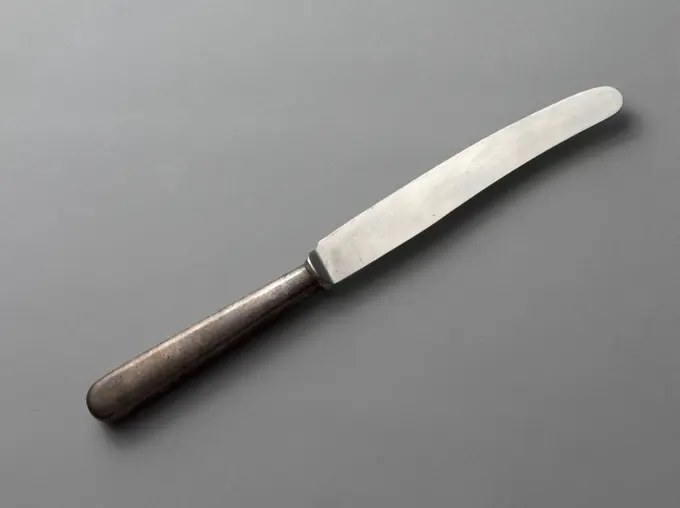
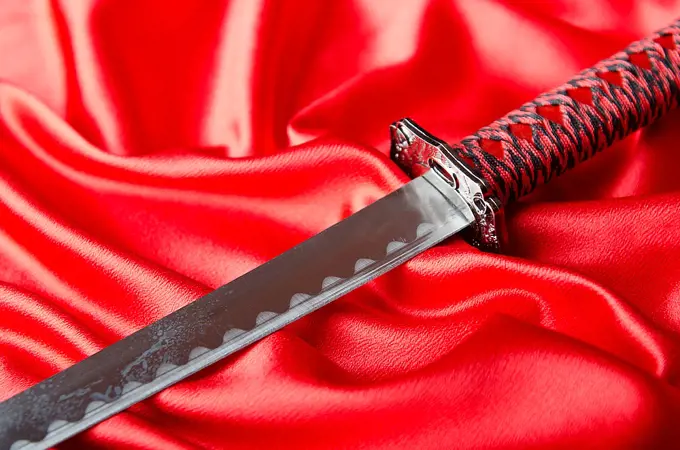
Gilt knife, knife cutlery silver gold iron, forged gilt Heft blade. With embossed oval medallion band work. Pine cone BW in oval (smashed back) cutting food Napoleon Suermondt Rotterdam 1811 According to tradition left by Napoleon at Suermondt Maire de Rotterdam 1811.
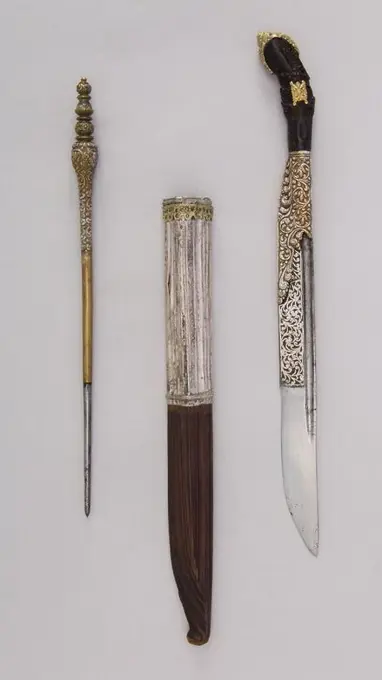
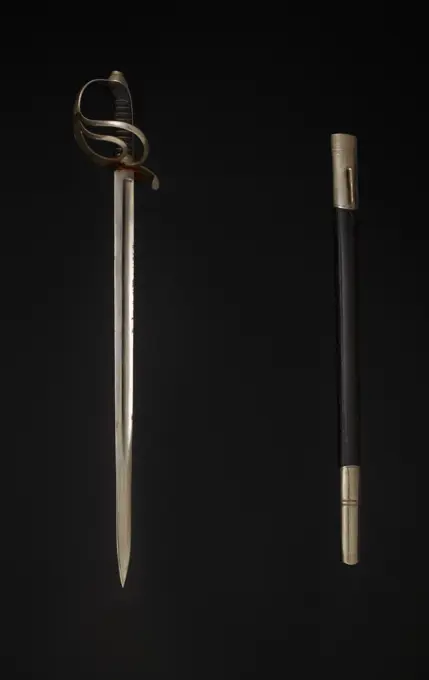
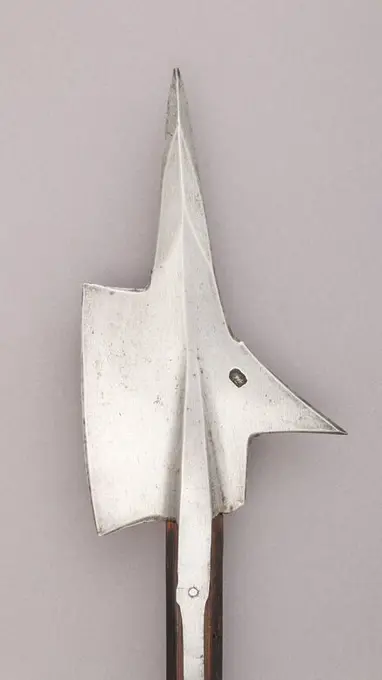
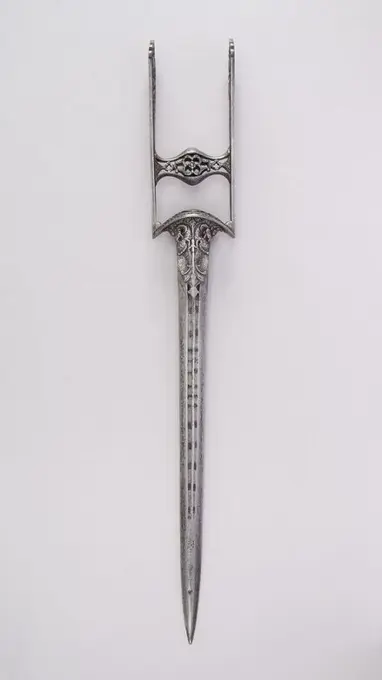
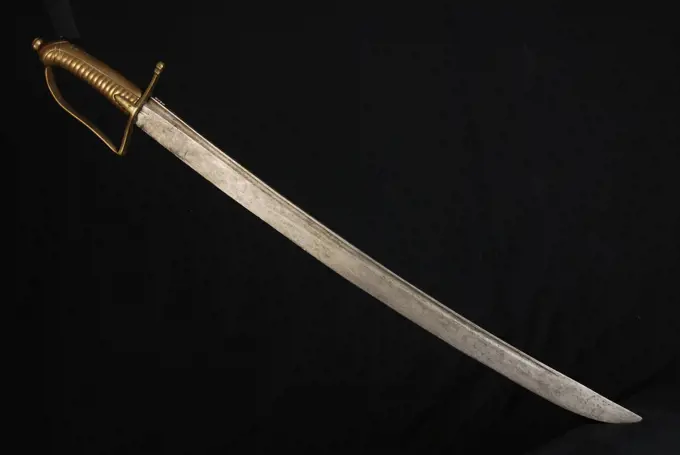
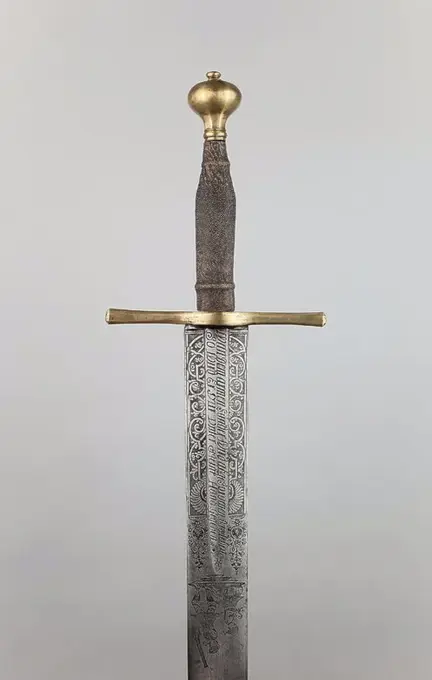
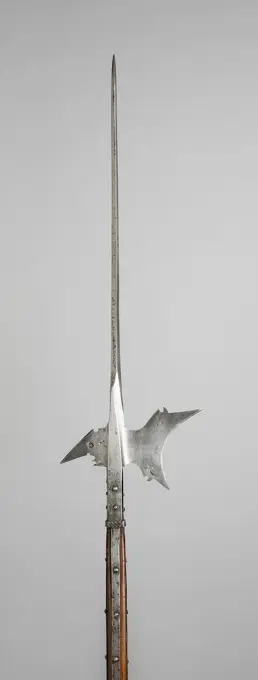
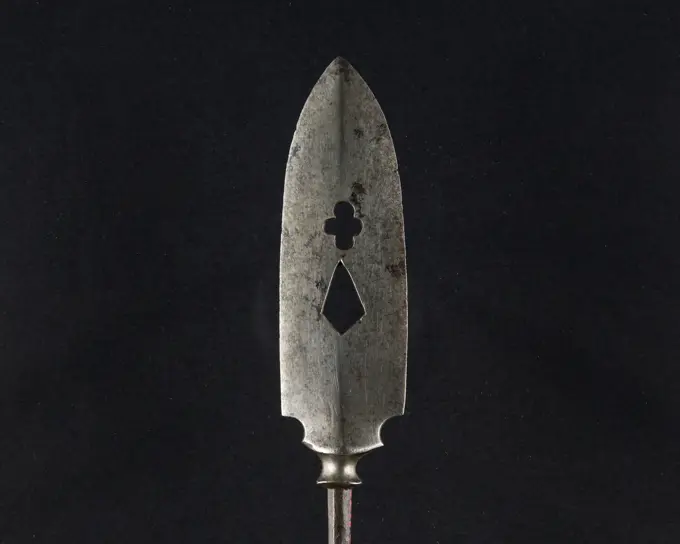
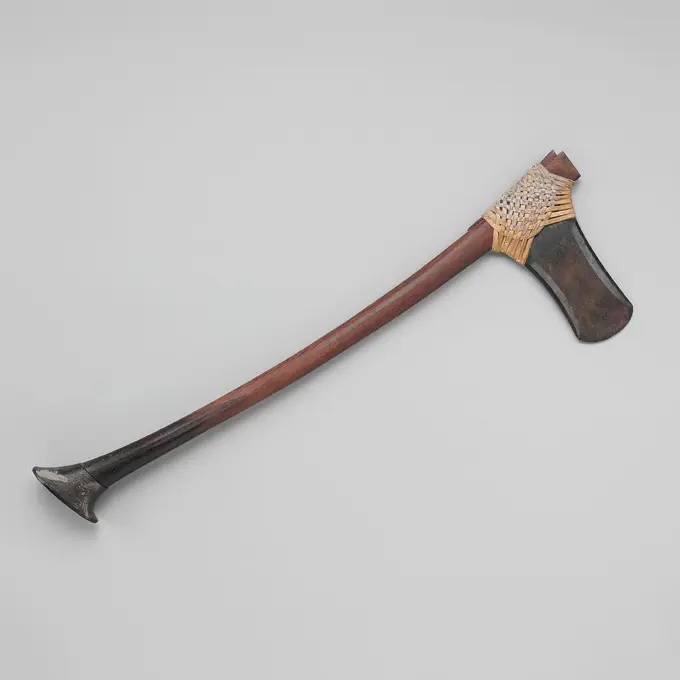
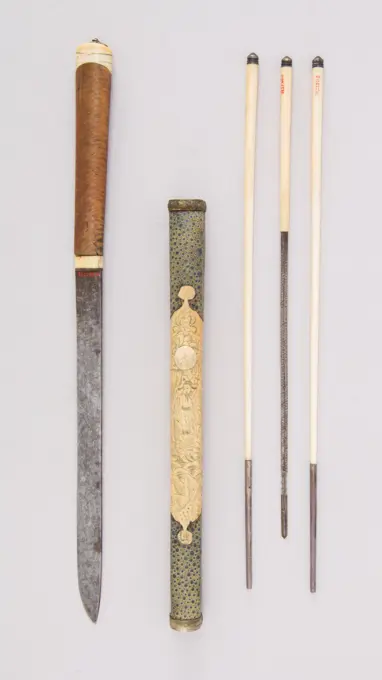
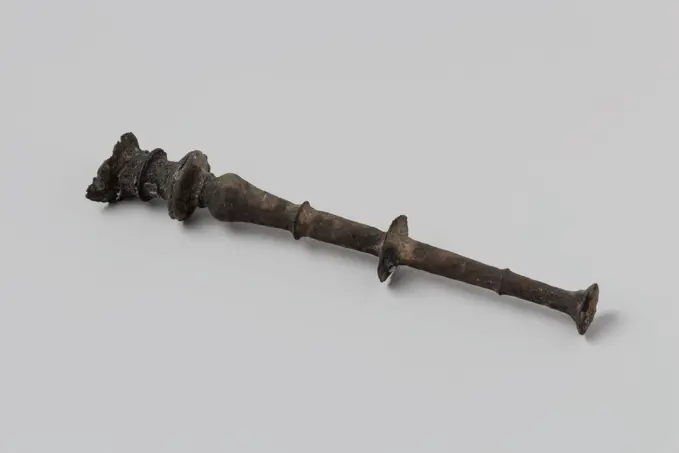
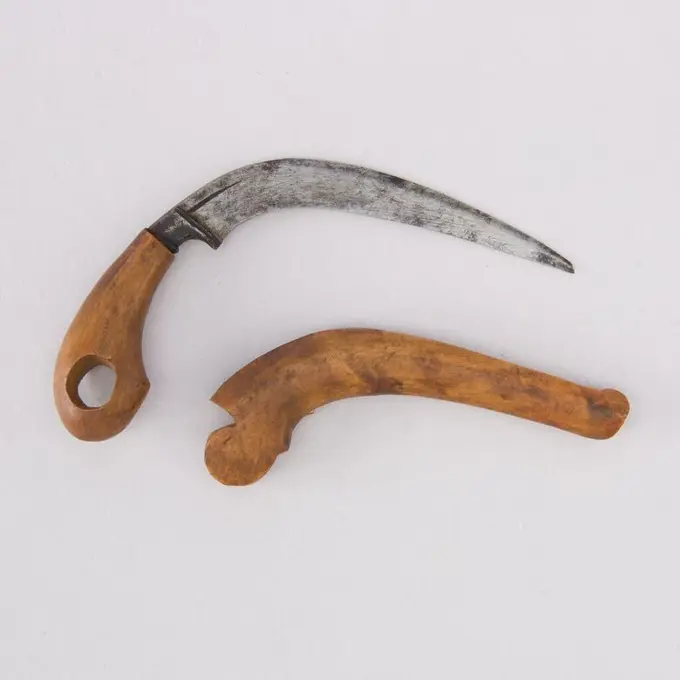
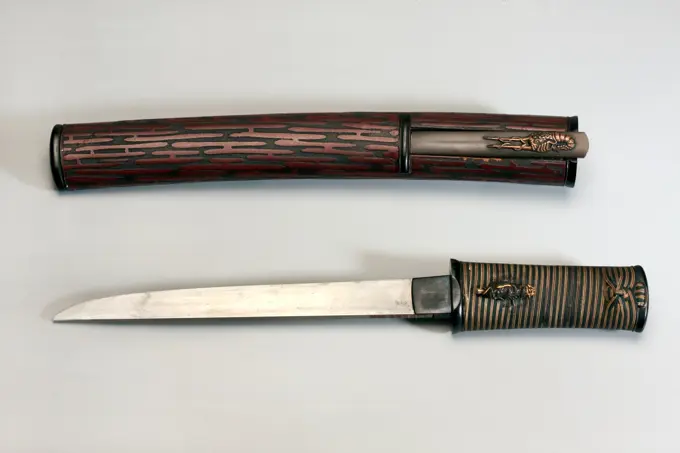
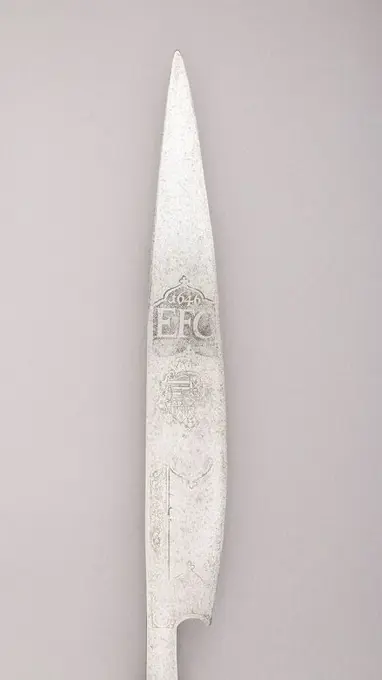
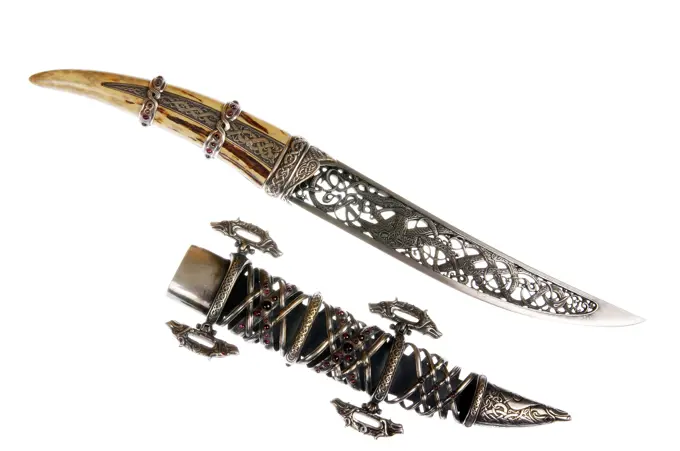
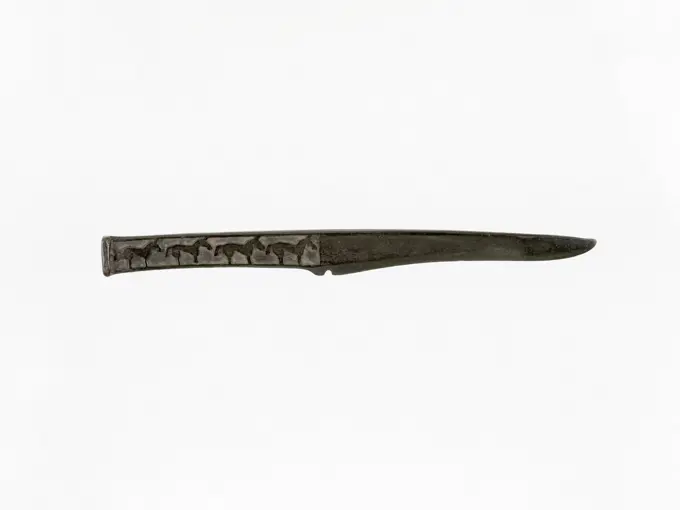
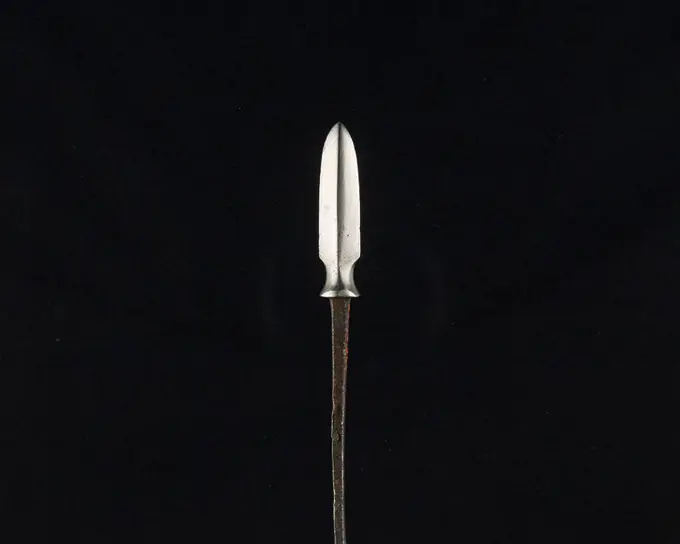
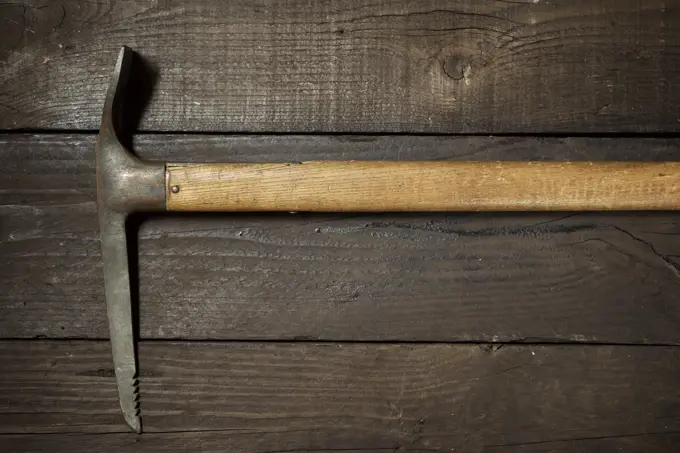
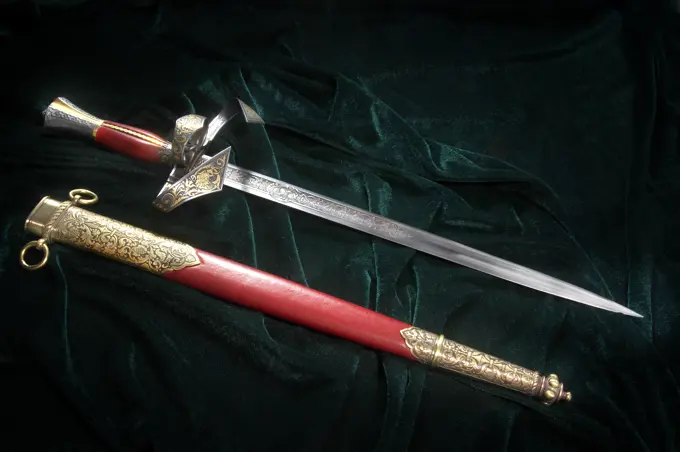
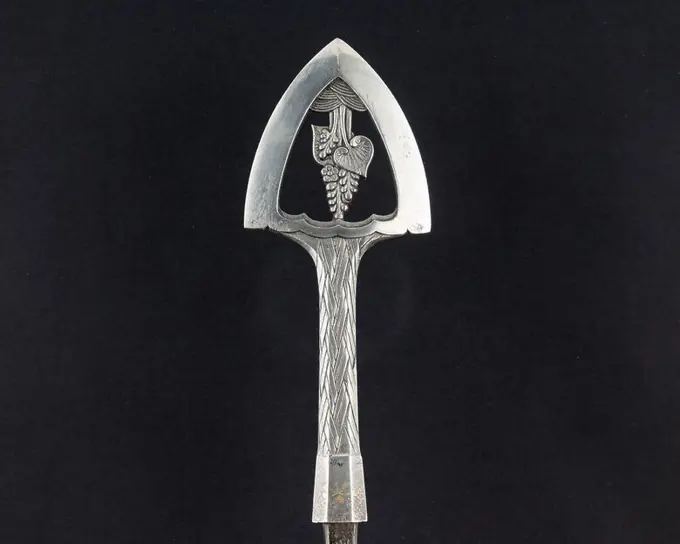
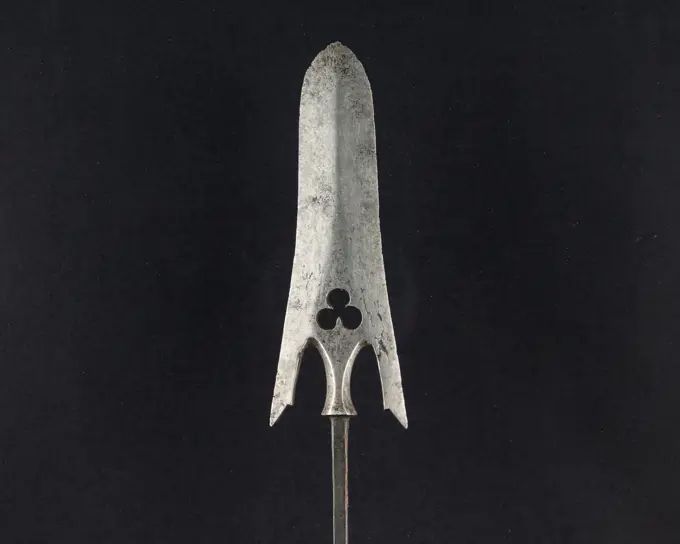
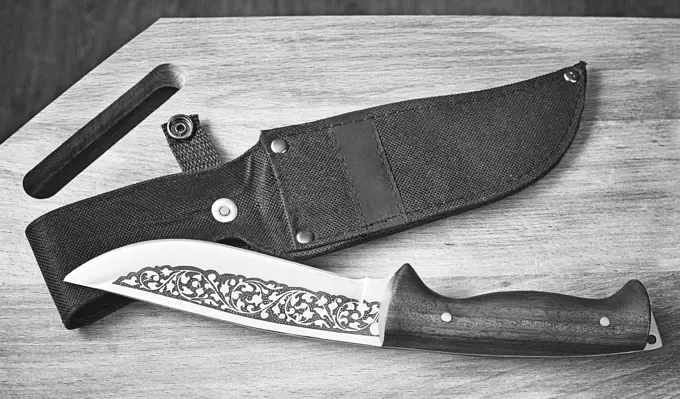
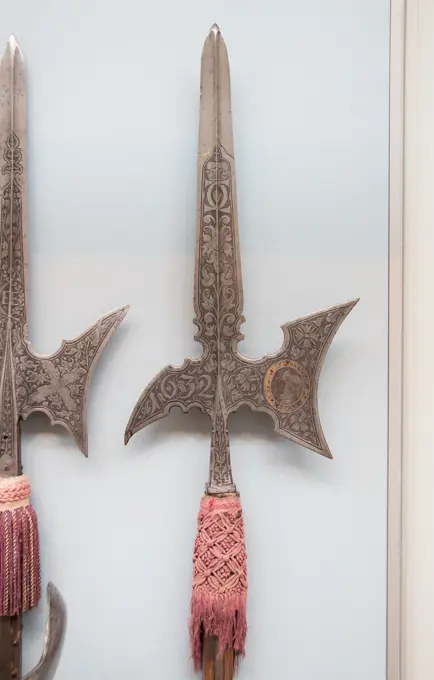
Knife (Korambi) 18th-19th century Indonesian, Sulawesi. Knife (Korambi) 31660Dagger (Piha Kaetta) with Stylus and Sheath. Culture: Sri Lankan. Dimensions: Dagger (a); L. with sheath 11 1/2 in. (29.2 cm); L. without sheath 11 in. (27.9 cm); L. of blade 6 3/4 in. (17.1 cm); W. 13/16 in. (2.1 cm); D. 9/16 in. (1.4 cm); Wt. 4 oz. (113.4 g); Wt. of sheath 1.4 oz. (39.7 g); skewer (b); L. 9 1/4 in. (23.5 cm); W. 9/16 in. (1.4 cm); D. 9/16 in. (1.4 cm); Wt. 2.1 oz. (59.5 g). Date: 17th century. Museum: Metropolitan Museum of Art, New York, USA.An old Hammer isolated on white background Two-edged country swords with twisted hand protection, sword armored ground found iron metal, w 14.2 forged Iron double-edged sword. Knighted hand protection in the shape of an S the sting of the hilt is driven by the ashes of the S archeology Rotterdam weapon war weapon equipment stonework Soil discovery Rotterdam.Halberd ca. 1590 German. Halberd 27047Police palas with the vaginaHalberd. Culture: Swiss. Dimensions: L. 76 3/4 in. (194.9 cm); L. of head 12 1/2 in. (31.8 cm); W. 7 1/2 in. (19 cm); Wt. 4 lbs. 8 oz. (2040 g). Date: 1380-1430. Museum: Metropolitan Museum of Art, New York, USA.Dagger (Katar). Culture: Indian, Thanjavur; blade, European. Dimensions: L. 22 3/4 in. (57.8 cm); W. 3 1/8 in. (7.9 cm); Wt. 1 lb. 8.9 oz. (705.9 g). Date: 17th century. Museum: Metropolitan Museum of Art, New York, USA.Convenient functional knife in the unfolded form.French infantry table, saber sword armored weapon steel bronze leather iron metal saber, lemmet, hilt with crossbar and bracket, French infantry saber The bronze colored hilt in one piece with the combined crossbar and brace is ribbed with from the upside down picture at the end of the parole is block-shaped quadrangular ornament. The bracket is of the stirrup type. The curved blade is blank with groove one cut and without decoration On the back at the button engraved 6 and No35 Rotterdam militia military war army standardization hack hanger militaria Schutterij Rotterdam.Axe 18th-19th century Indian. Axe. Indian. 18th-19th century. Steel, wood (bamboo), paint. Shafted WeaponsSword of Justice. German, Solingen. Date: 1660-1700. Dimensions: Overall L. 105 cm (41 5/16 in.)Blade L. 82.5 cm (32 1/2 in.)Wt. 4 lb. 3 oz. Wood, sharkskin, and brass. Origin: Solingen. Museum: The Chicago Art Institute, Chicago, USA.black board looking through craft paperFork handle, steel, brass, Tapering brass handle, round in section, engraved decoration of vertical bands with v-shaped patttern. Handle is hollow and screw-thread inside. (Handle does not fit on fork)., Germany, ca. 1700-1800, cutlery, Decorative Arts, Fork handleWar 1939-1945. Adolf Hitler's initial knife. General Leclerc Museum of Hauteclocque and the Liberation of Paris, Jean Moulin Museum. 75311-9 Knife, war 1939-1945 39-45, object, Second World War, Table service, Daily LifeHalberd 1575 Germany. Steel, wood (ash), and iron .Knife, Silver, Knife in the form of a Japanese sword; handle with mottled surface, one side decorated with scene of a soldier in armor running; other side depicts bamboo trees, leaves, birds. Flat, curved blade engraved with stylized foliate decoration. Some guilding., ca. 1880, cutlery, Decorative Arts, KnifeKnife (Germany); Designed by Peter Behrens (German, 1868-1940); Manufactured by Martin Josef Rückert (Germany); silver, silver gilt; cm: L: 20 x W: 2Arrowhead (Yanone) 18th century Japanese Although today Japanese warriors are renowned most for their swordsmanship, archery, especially from horseback, has been an essential part of samurai warfare and culture for centuries. Arrows were fitted with heads of varying shape according to their intended use in war, the hunt, or target practice. Arrowheads made for use on the battlefield incorporated different designs intended for specialized purposes such as the piercing of armor or to cause maximum damage to horses and unarmored personnel.Large arrowheads, pierced and elaborately chiseled with landscapes, birds, flowers, dragons, and Buddhist divinities, were created to be admired for the beauty of their metalwork and design rather than for use in archery. Such highly elaborate examples may have been made for presentation or as a votive offerings to a shrine.. Arrowhead (Yanone). Japanese. 18th century. Steel. Archery Equipment-ArrowheadsOld rusted sickle under the white backgroundBattle Ax of Baki. Dimensions: L. as restored 55.5 cm (21 7/8 in); w. 16.5 cm (6 1/2 in)L. of blade 13.6 cm (5 3/8 in); w. 9.8 cm (3 7/8 in); th. 1 cm (3/8 in). Dynasty: Dynasty 18, early. Reign: reign of Thutmose I-early sole Thutmose III. Date: ca. 1504-1447 B.C..This battle axe was found inside the coffin of a man named Baki, whose formal name was Bak-Amun. He was buried in the family tomb of Noferkhawt, who was probably his father or his father-in-law. The handle has been partially restored with modern wood. The rawhide lashing is modern, based on ancient examples. Museum: Metropolitan Museum of Art, New York, USA.Knife with Sheath, Chopsticks, Pickle Spear and Picks 18th-19th century Chinese. Knife with Sheath, Chopsticks, Pickle Spear and Picks 31581Tribe of a candlestick from V.O.C. ship De 'Witte Leeuw', Before 1613 candlestick. fragment Stam of a candlestick.  brass (alloy)Knife (Korambi) with Sheath. Culture: Indonesian, Sulawesi. Dimensions: H. with sheath 4 3/4 in. (12.1 cm); H. without sheath 4 5/8 in. (11.7 cm); W. 1 1/8 in. (2.9 cm); Wt. 1.2 oz. (34 g); Wt. of sheath 0.5 oz. (14.2 g). Date: 18th-19th century. Museum: Metropolitan Museum of Art, New York, USA.Fantasy style dagger  isolated on white Arrowhead ca. 18th-19th century probably Tibetan or Chinese. Arrowhead. probably Tibetan or Chinese. ca. 18th-19th century. Iron, reed, sinew. Archery Equipment-ArrowheadsTantô from Kozuk in aikuchi -type luminaire;  XVI-XVIII century (1801-00-00-1868-00-00);Paderewski, Ignacy Jan (1860-1941), Paderewski, Ignacy Jan (1860-1941)-collection, gift (provenance), goat, menuki, vagina, Japanese art, tantôCarving knife, Gorham Manufacturing Company, Providence, Rhode Island, USA, founded 1818, Horn, steel, silver, Large carving knife: bone handles with silver boar's head terminals., 1900, cutlery, Decorative Arts, Carving knifeStaff Weapon. Culture: Austrian. Dimensions: L. 96 in. (243.8 cm); L. of head 26 3/4 in. (68 cm); W. 3 1/4 in. (8.3 cm); Wt. 7 lbs. 1 oz. (3203.5 g). Date: dated 1646. Museum: Metropolitan Museum of Art, New York, USA.dagger Smart dagger of the medieval soldier. It was used for hunting Copyright: xZoonar.com/ValeryxxSibrikovx 2421218Goldsmith s cutter engineering Copyright: xAnilxDave/DinodiaxPhotoxkitchen knives, isolated on white background. kitchen knivesKnife. Bronze.Chine du Northeast, 7th-the sixth century BC. Paris, Cernuschi museum. 59696-9 Bronze, knife, horse, decorative motif, northeast, animalAncient sabre. A smart variant of the fighting weaponsword of honor, 1480, castle of Foix, 10th century, Foix, department of Ariège, Occitanie, Pyrenean mountain range, France.Arrowhead (Yanone). Culture: Japanese. Dimensions: L. 5 3/4 in. (14.6 cm); L. of head 1 1/2 in. (3.8 cm); W. 3/8 in. (1 cm); Wt. 0.4 oz. (11.3 g). Date: 18th century. Museum: Metropolitan Museum of Art, New York, USA.Garden tool, Garden tools, Garden shears, Garden shovel, Hand fork, ShovelBowling pinknife isolatedDagger (Katar) with Sheath. Culture: Indian. Dimensions: L. with sheath 17 3/16 in. (43.7 cm); L. without sheath 16 3/16 in. (41.1 cm); W. 3 7/16 in. (8.7 cm); Wt. 14.4 oz. (408.2 g); Wt. of sheath 1.2 oz. (34 g); small dagger (b); L. 15 5/8 in. (39.7 cm); W. 3 1/2 in. (8.9 cm); Wt. 10.6 oz. (300.5 g). Date: 18th-19th century. Museum: Metropolitan Museum of Art, New York, USA.Knife -Old ice-axe on a wood tableKnife on a wooden butcherDelicate instruments were developed by al-Zahrawi and others for eye surgery including scalpels, cauteries, retractors, speculums and scissors. The scissors created for eye surgery were amongst the first scissors used anywhere in the world. The scalpels invented by early Islamic surgeons compare in quality with the instruments used today.smart dagger smart dagger of the medieval soldier. It was used for hunting Copyright: xZoonar.com/VALERY-SIBRIKOVx 14134272Java War or Diponegoro War. 1825-1830. Spear rack of Governor-General Jean Chretien Baud (1789-1859). Java. 1824. Rijksmuseum. Amsterdam. Netherlands.Arrowhead (Yanone). Culture: Japanese. Dimensions: L. 11 3/4 in. (29.9 cm); L. of head 5 1/4 in. (13.3 cm); W. 2 in. (5.1 cm); Wt. 4.8 oz. (136.1 g). Date: dated 1645. Museum: Metropolitan Museum of Art, New York, USA.Three kitchen knives on dark groundKitchen knife isolated with clipping pathArrowhead (Yanone) 18th century Japanese Although today Japanese warriors are renowned most for their swordsmanship, archery, especially from horseback, has been an essential part of samurai warfare and culture for centuries. Arrows were fitted with heads of varying shape according to their intended use in war, the hunt, or target practice. Arrowheads made for use on the battlefield incorporated different designs intended for specialized purposes such as the piercing of armor or to cause maximum damage to horses and unarmored personnel.Large arrowheads, pierced and elaborately chiseled with landscapes, birds, flowers, dragons, and Buddhist divinities, were created to be admired for the beauty of their metalwork and design rather than for use in archery. Such highly elaborate examples may have been made for presentation or as a votive offerings to a shrine.. Arrowhead (Yanone). Japanese. 18th century. Steel. Archery Equipment-ArrowheadsMedieval swords blades shapes edges curvatures varieties knife dagger weapon set honor authority symbol realistic vector illustrationBeautiful hunting knife and a case for the knife. Large, beautifully decorated with a hunting knife and black case for a knife. Located on a cutting Board. Copyright: xZoonar.com/GalinaxxTolochkox 13861939Partisan 1729-32 German. Partisan 32437Nib with notebook, diary, travel diaryWalk from a stir, probably a snaphane, with an iron loop, a square room, a mouth with an octagonal diameter, a visor and two hafts on the bottom. The wooden pen in the course, sticks out. The coffin room of the course and the remarkable diopter vizier give rise to the suspicion that this course belongs to the Snaphane slot NG-NM-7762-7763. The wooden pen in the course, sticks out.Halberd of Prince Karl Eusebius of Liechtenstein (1611-1684) dated 1632 German. Halberd of Prince Karl Eusebius of Liechtenstein (1611-1684) 23211Hammer, Sweden.Traditional japanese higonokami pocket knife isolated on black background. Traditional wooden japanese pocket knife on black backgroundClose-up of stained glass making toolsCeltiberian weapons, Museo Comarcal de Molina de Aragón, Guadalajara, Spain.Tobacco pipeJapanese sword takana on red satin backgroundcartoon blood splattered swordCivil War Regalia of Major Levi Gheen McCauley 1887 United States. George Cope spent most of his life in West Chester, Pennsylvania where he specialized in local landscapes and still-life paintings. This large work, known in the 19th century as an ìexhibition hanging picture,î was Copeís first documented canvas in the trompe líoeil (fools the eye) style. Commissioned in 1887 by the artistís friend Levi McCauley, a leading citizen of West Chester, this carefully organized and balanced composition depicts precisely rendered swords, military medals, a leather belt and buckle, a Majorís kepi (hat), and a holster, all of which belonged to the patron. The ensemble of military artifacts commemorates Major McCauleyís participation in the Civil War.. Oil on canvas . George Copekitchen knives, isolated on white backgroundKatana over white custody, red background, horizontal imageMagnetite (Lodestone) Holding Iron Tacks, Magnetic Iron Oxidehigh end titanium genesis atomizer and old school titanium long drip tip with stabilized natural black ash wood regulated box mods, vaping device, selective focus