Decorative Dishes and Bowls

An assortment of elegant dishes and bowls made from various materials, featuring unique designs and craftsmanship from different cultures and periods.

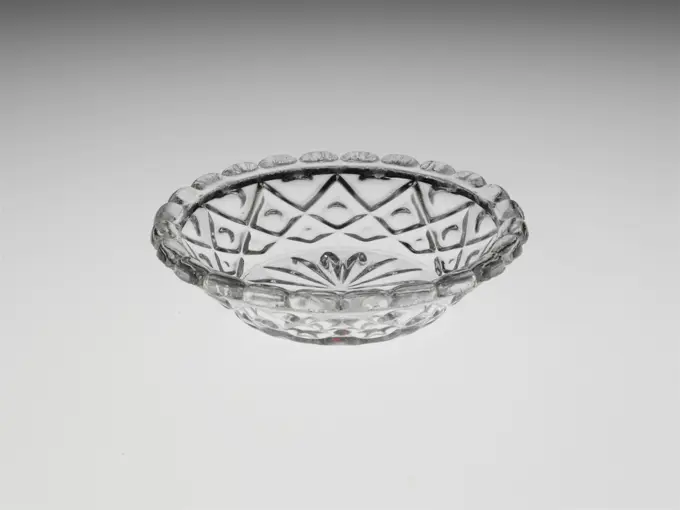
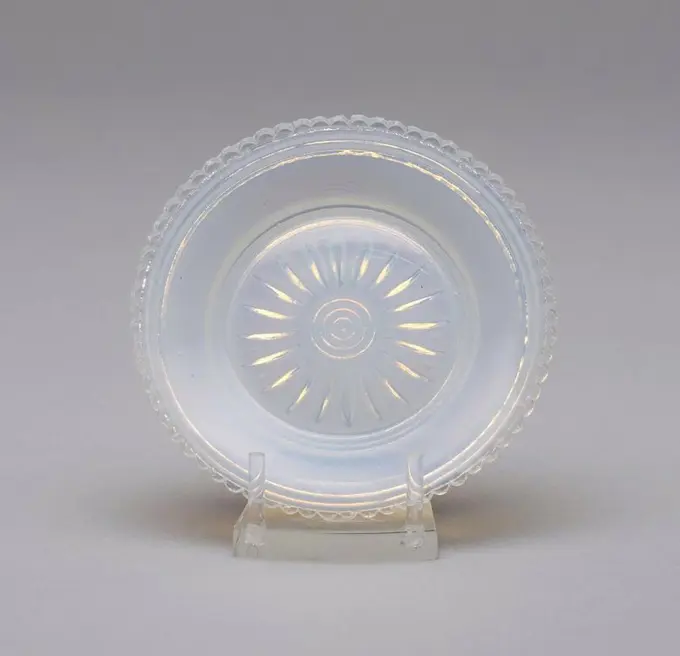
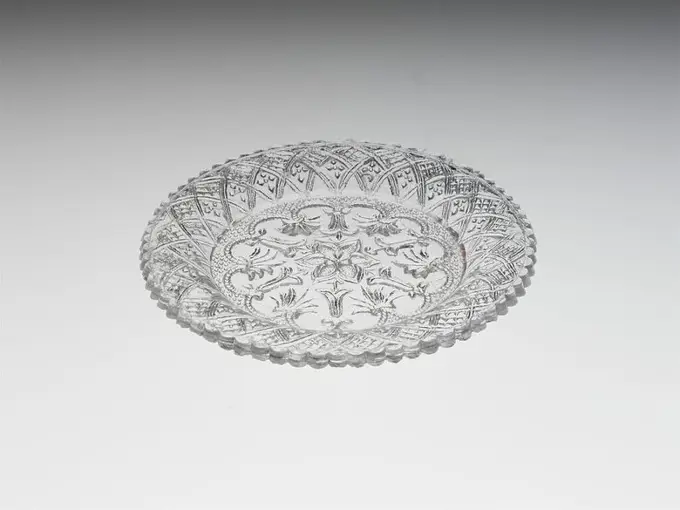
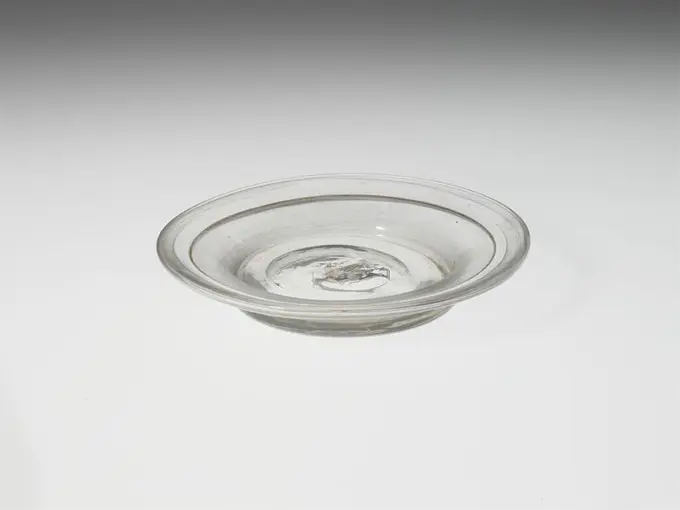
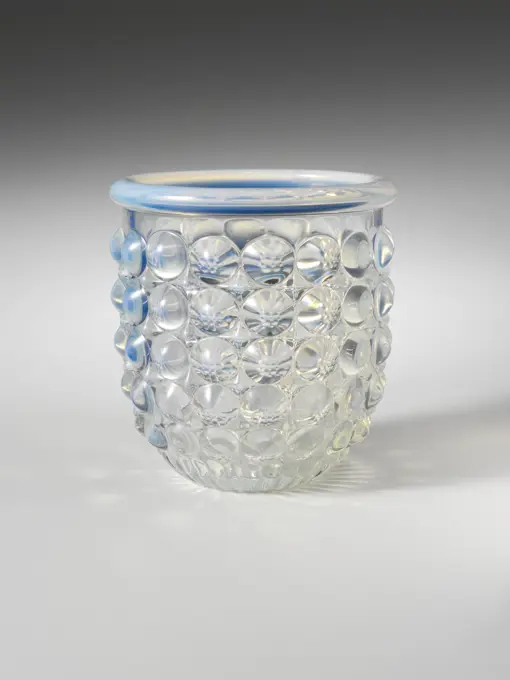
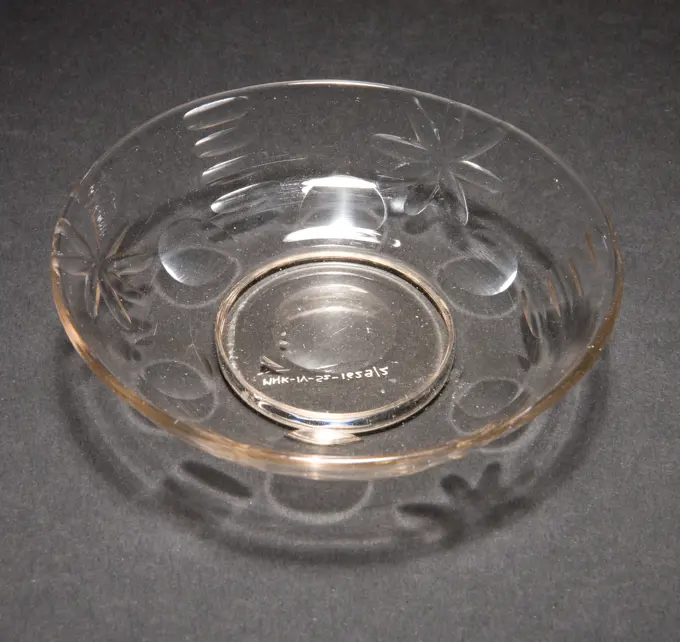
Bowl, 18th-19th century, 1 1/2 x 6 1/4 x 6 1/4in. (3.8 x 15.9 x 15.9cm), Glass, United States, 18th-19th century
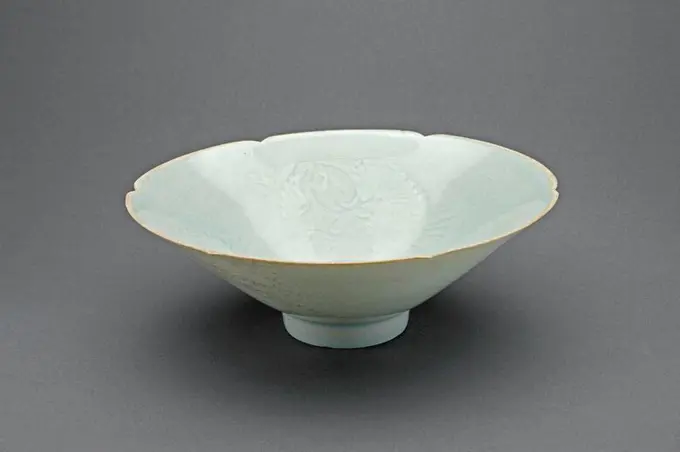
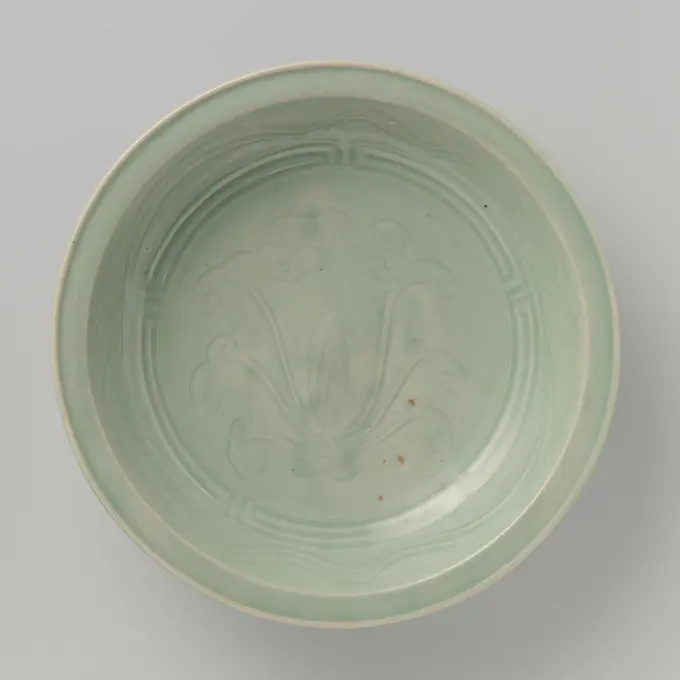
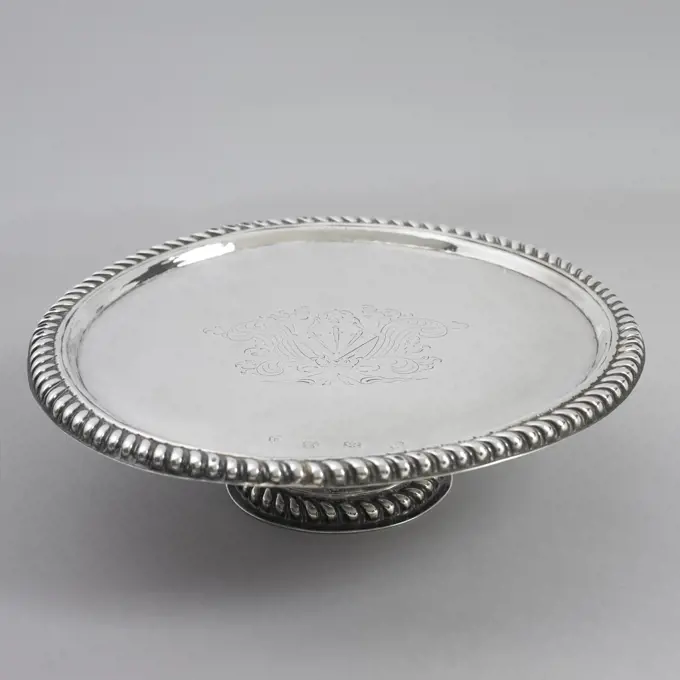
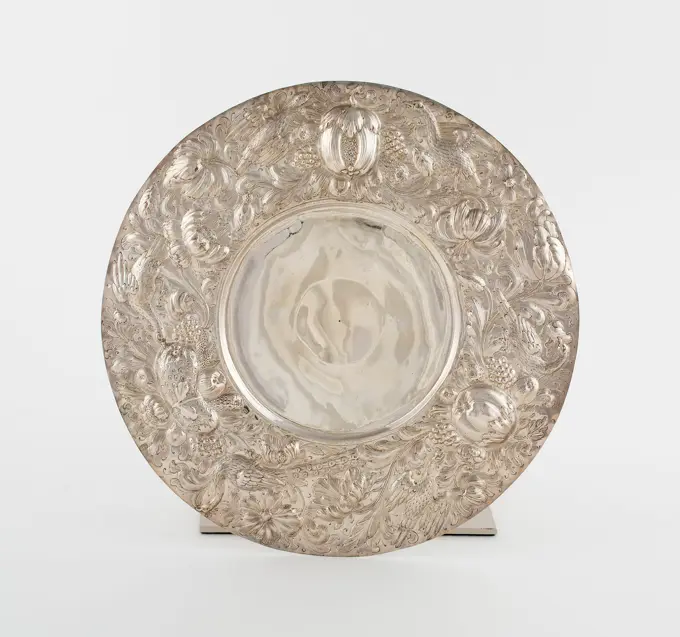
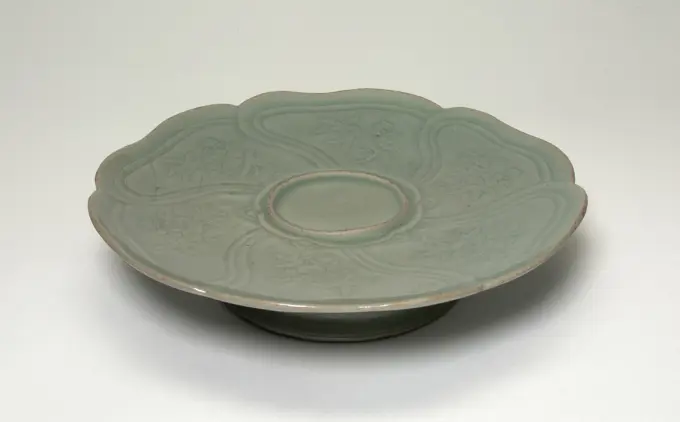
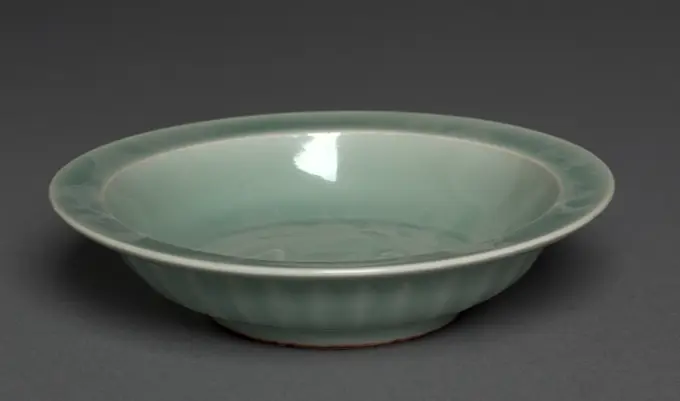
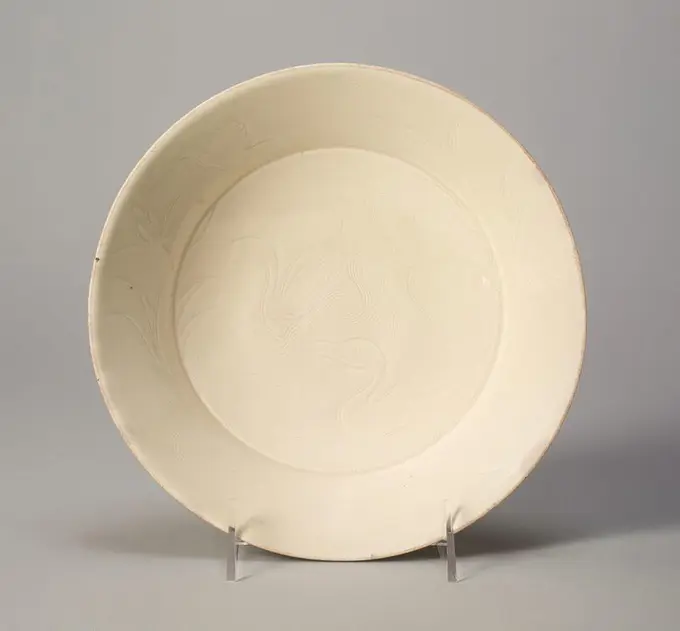
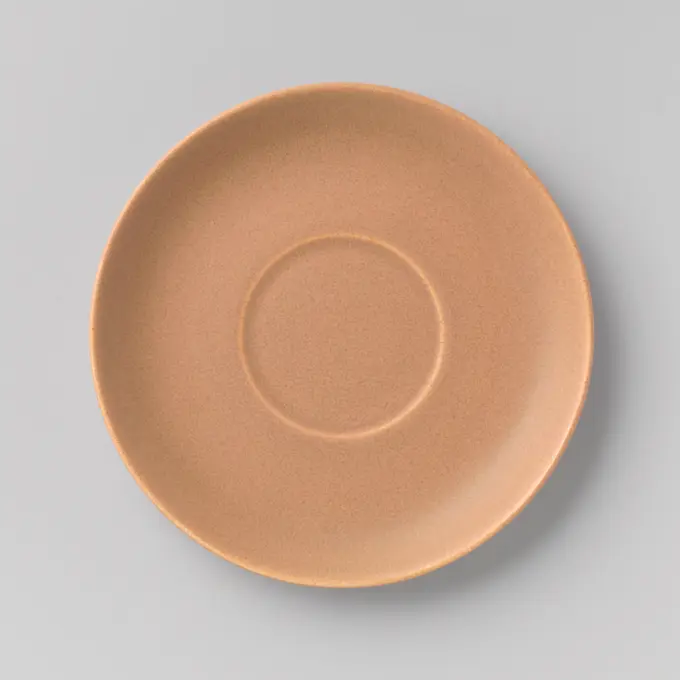
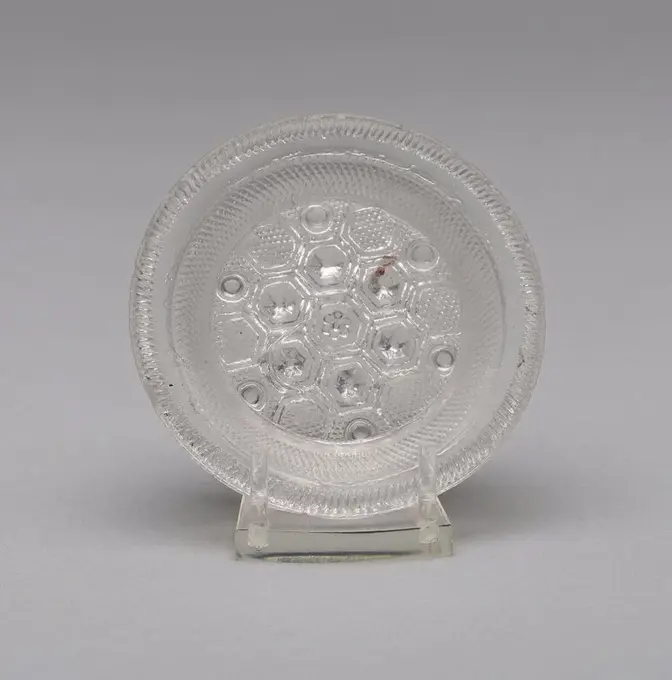
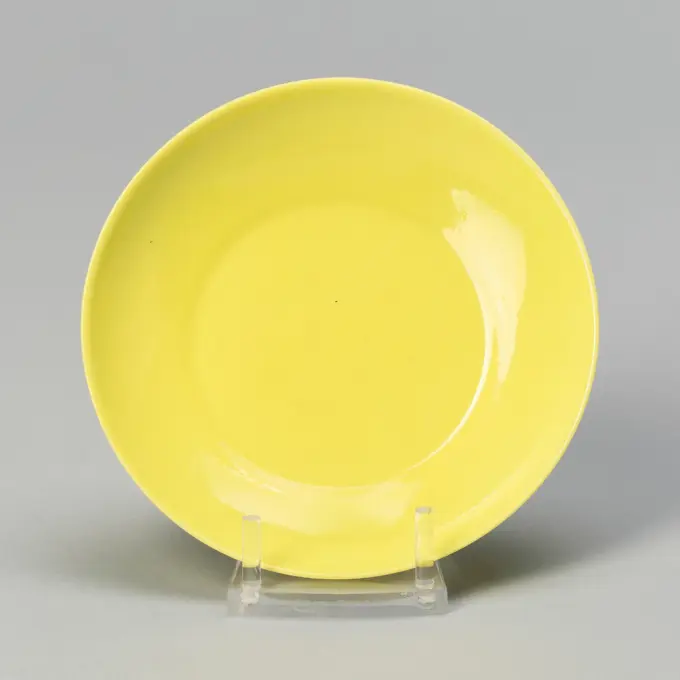
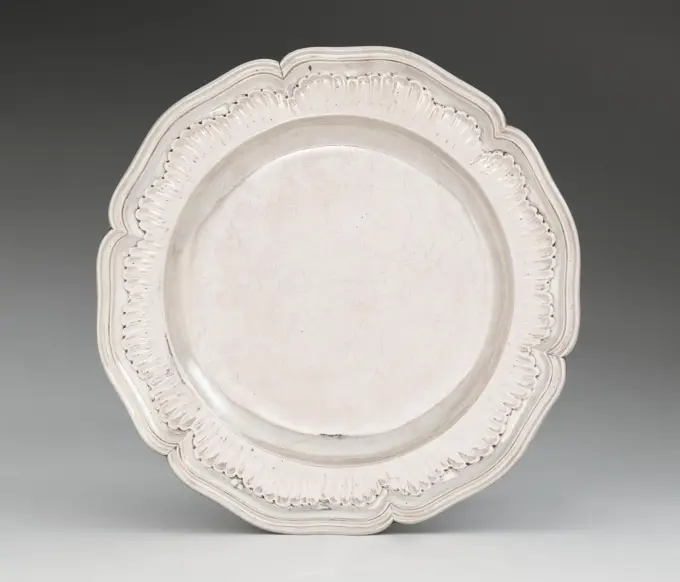
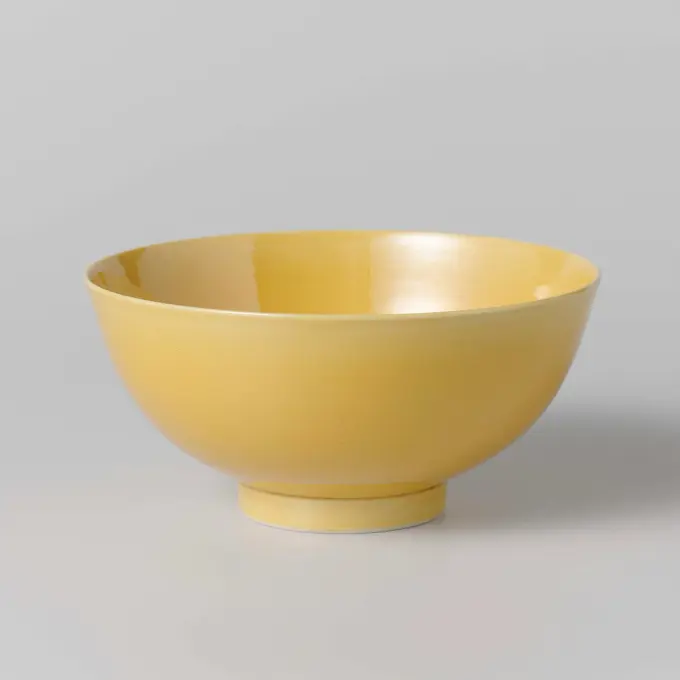
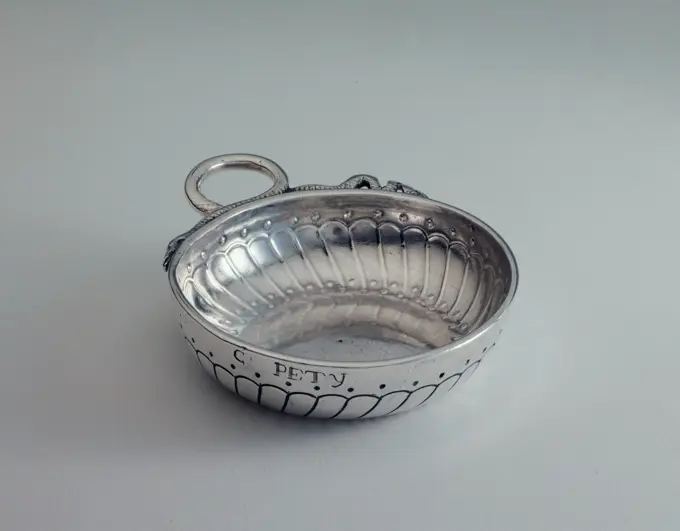
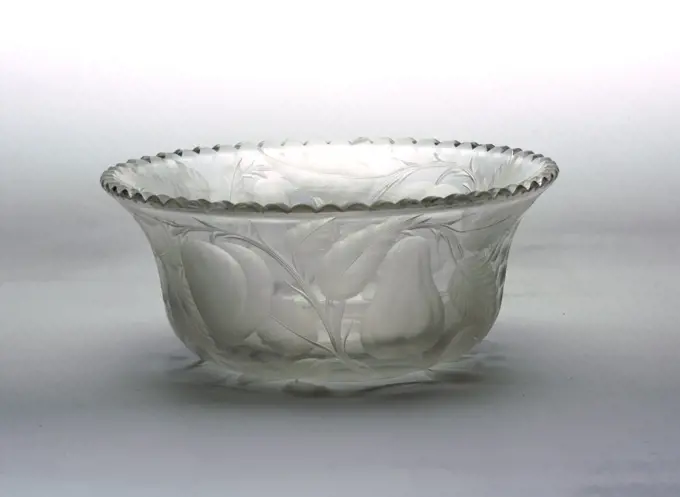
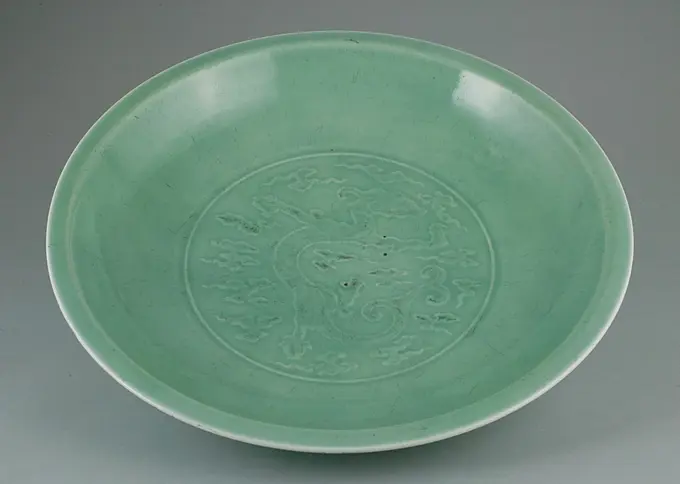
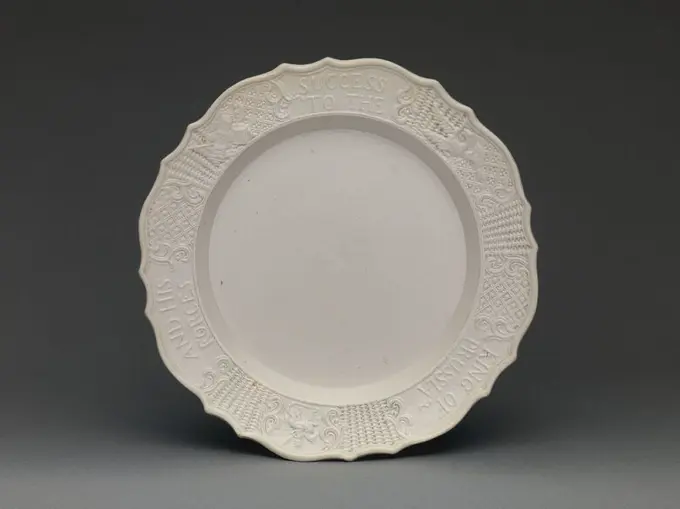
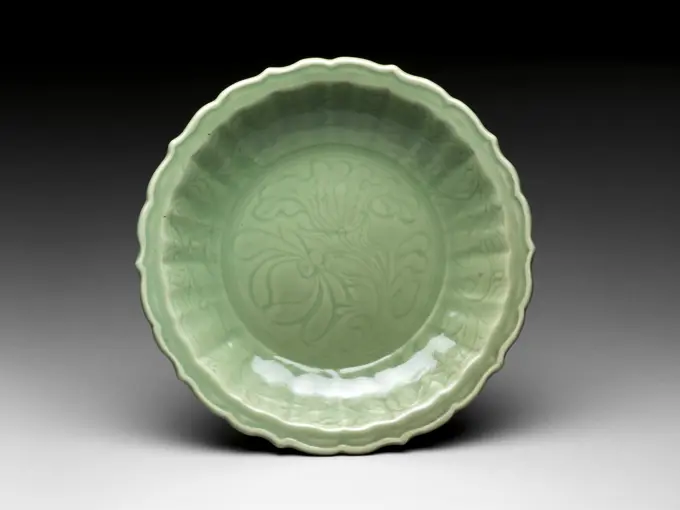
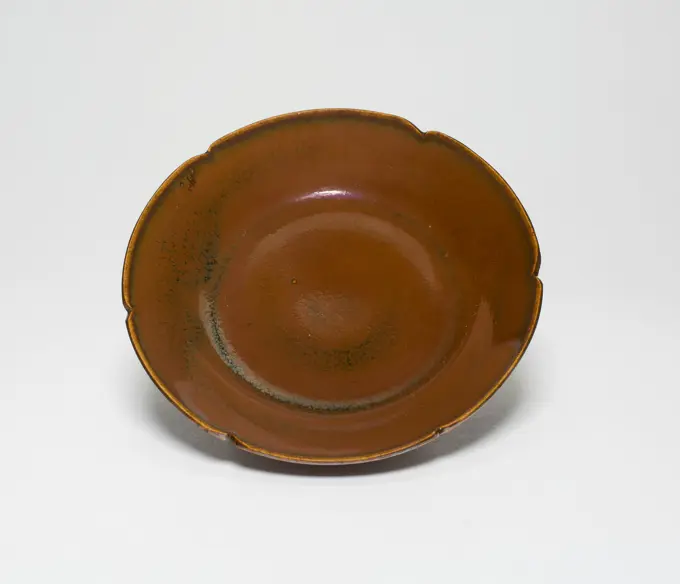
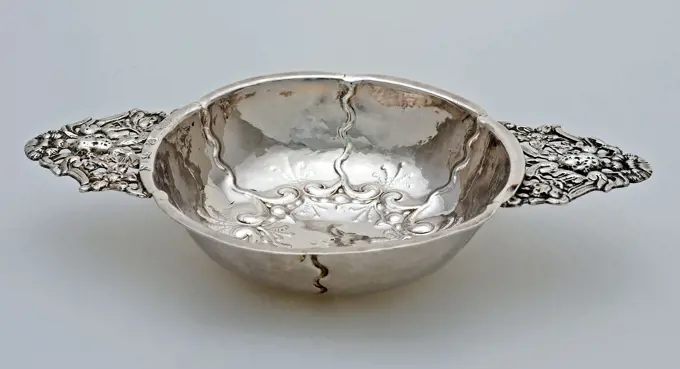
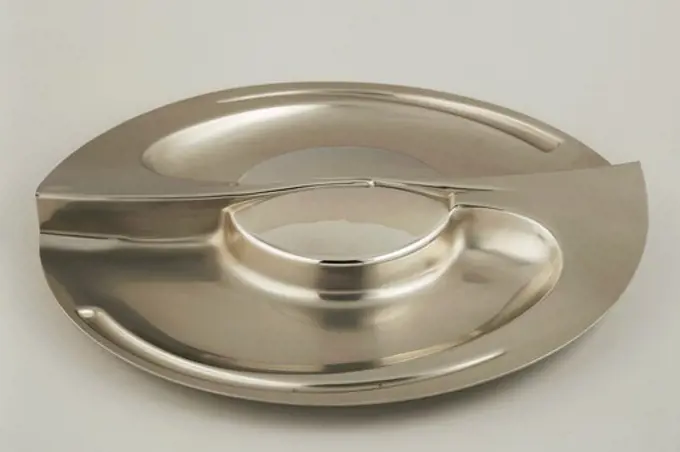
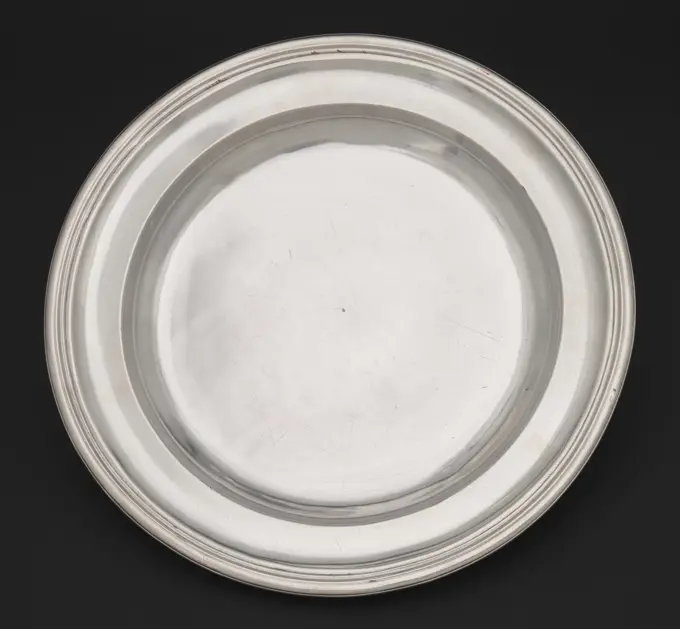
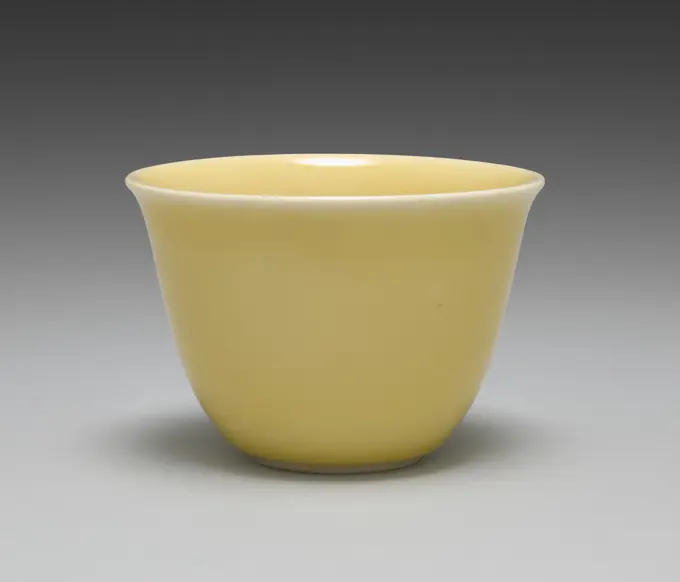
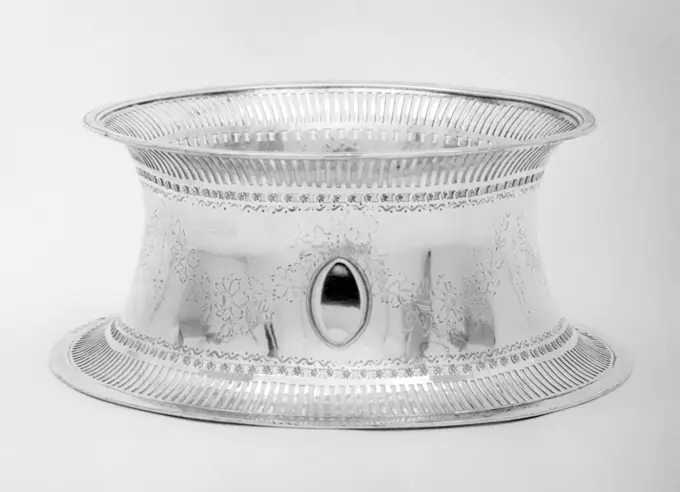
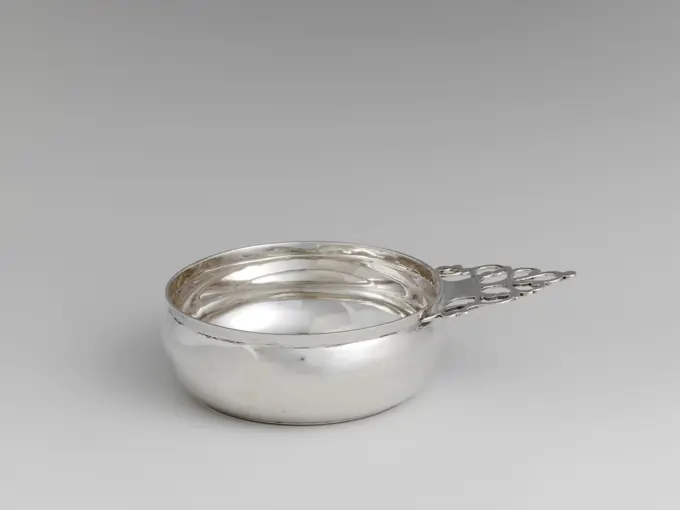
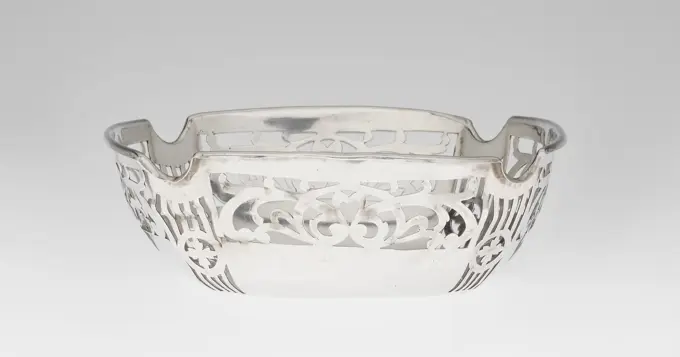
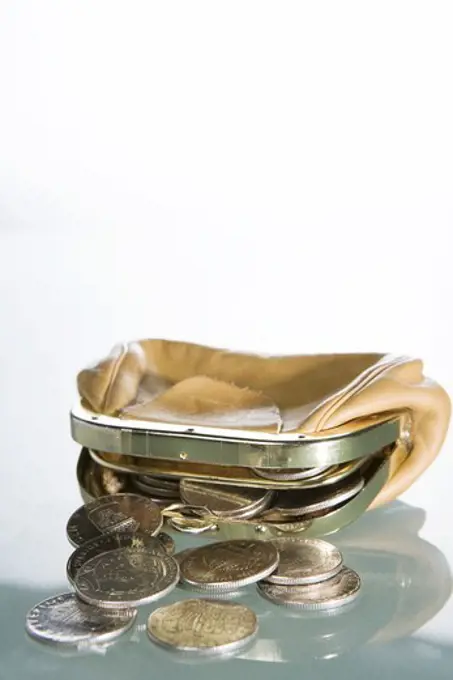
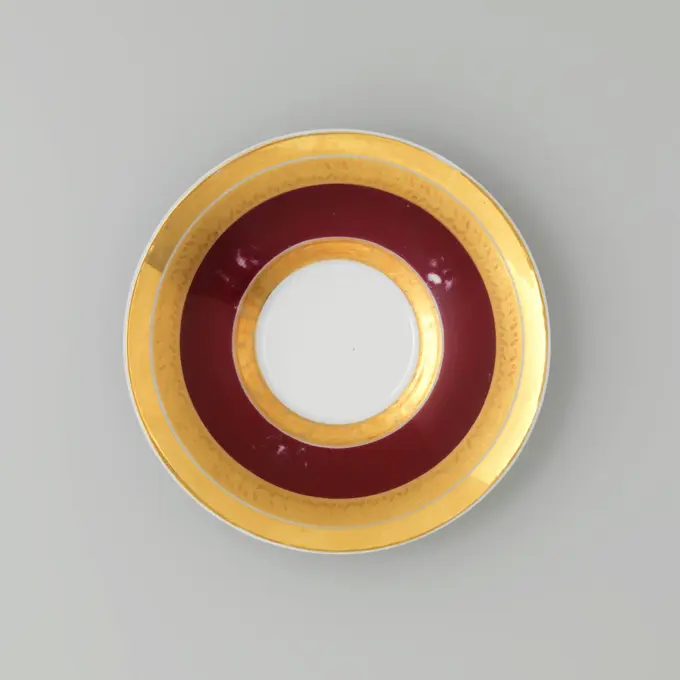
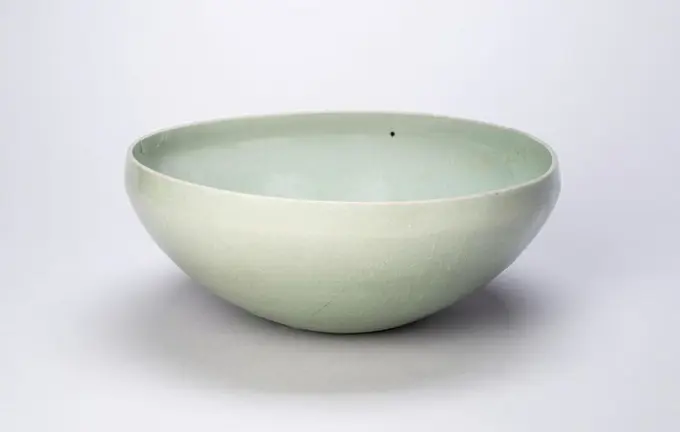
Dish, anonymous, c. 1675 - c. 1685 Round dish with a wide edge, the edge of which has turned and on which italian letters are Colligravende 'Voorensicht Verscelt with Wijs Beraed, his hedge columns of the Staet'. glassblower: Low CountriesLeiden glass Round dish with a wide edge, the edge of which has turned and on which italian letters are Colligravende 'Voorensicht Verscelt with Wijs Beraed, his hedge columns of the Staet'. glassblower: Low CountriesLeiden glassBowl with floral patterns late 16th-early 17th century China. Bowl with floral patterns 48240Bowl, 18th-19th century, 1 1/2 x 6 1/4 x 6 1/4in. (3.8 x 15.9 x 15.9cm), Glass, United States, 18th-19th centuryLobed Bowl with Lotus Scrolls. China. Date: 1127-1279. Dimensions: H. 8.3 cm (3 5/16 in.); diam. 17.7 cm (7 in.). Qingbai ware; porcelain with underglaze carved decoration. Origin: China. Museum: The Chicago Art Institute, Chicago, USA.Glass dish 4th century A.D. Roman Translucent blue green.Vertical, slightly thickened, rounded rim; short, convex side to body, turned in horizontally, and then sloping inwards to thick, flat bottom with upward kick inside and central pontil scar, surrounded by tubular base ring. Intact; many pinprick bubbles and blowing striations; dulling and faint iridescence.. Glass dish 245197Empty bowlOpenwork basket. Lilpop, Karol Jerzy (fl. 1820-1833), goldsmithWaster 13th century China. Waster 50731Dish with an incised flowering plant. Dish of stoneware with a flat edge, covered with green glaze. On the flat an ingestion blooming ? Plant; On the inner wall a band with a meander pattern and above one with a wave pattern. The edge with a zigzag pattern. An unglazed band within the foot ring. Maruo oven. Arita, celadon.Footed Salver, silver, Cylindrical foot, straight platter. Spreading base of foot and rim of top edged with repoussé cording. Engraved in center are three swords in lozenge shield, surrounded by feathers. M.P.” engraved on back., London, England, 1695-1696, metalwork, Decorative ArtsCup. Drezno (huta szkła ; 1699-post 1756), creatorSauce Dish 1850-60 American With the development of new formulas and techniques, glass-pressing technology had improved markedly by the late 1840s. By this time, pressed tablewares were being produced in large matching sets and innumerable forms. During the mid-1850s, colorless glass and simple geometric patterns dominated. Catering to the demand for moderately-priced dining wares, the glass industry in the United States expanded widely, and numerous factories supplied less expensive pressed glassware to the growing market. At the Exhibition of the Industry of All Nations at New Yorks Crystal Palace in 1853, for example, the New England Glass Company exhibited 130 pieces of one design, "consisting of bowls, tumblers, champagnes, wines, and jelly glasses." This object belongs to one such service. Although the glass manufactory is not known, the glassware is very typical of the large services that were very popular with Americas middle class in the nineteenth century.. Sauce Dish. AmerTazza 1659-1660 London. Silver . William HoughPewter plate with a raised edge, Martinus Maaldrink (attributed to), c. 1762 - 1780 Pewter deep plate. Unkindly only provided with a raised edge. Deventer tin (metal) Pewter deep plate. Unkindly only provided with a raised edge. Deventer tin (metal)Pan. Culture: American. Dimensions: Diam. 12 in. (30.5 cm). Manufacturer: Possibly Redwood Glass Company (1828-1868); Possibly Redford Crown Glass Works (1831-1851). Date: 1835-65. Museum: Metropolitan Museum of Art, New York, USA.Cup Stand with Overlapping Petals and Floral Sprays 1126-1175 Korea. Celadon-glazed stoneware with underglaze carved decoration .Dish with Two Fish in Relief: Longquan Ware, mid-1200s. China, Zhejiang province, Southern Song dynasty (1127-1279). Glazed porcelain with molded decoration; diameter: 21.3 cm (8 3/8 in.); overall: 5.1 cm (2 in.).Oval lower part of silver for sauce bowl. Oval underfatio for sauce bowl. The dish has a deepened leaf. The edge is decorated with a profile that is interrupted in four places through a shell pattern. The dish has been marked.Cup plate. American; Sandwich, Massachusetts. Date: 1830-1840. Dimensions: diam. 8.3 cm (3 1/4 in.). Pressed glass. Origin: Sandwich. Museum: The Chicago Art Institute, Chicago, USA.Dish. Culture: American. Dimensions: H. 3/4 in. (1.9 cm); Diam. 12 in. (30.5 cm). Maker: Thomas Danforth, I (1703-1786); John Danforth (1741-1799). Date: ca. 1762-73. Museum: Metropolitan Museum of Art, New York, USA.Dish with Ducks and Water Plants. China. Date: 1000-1050. Dimensions: H. 5.1 cm (2 in.); diam. 21.6 cm (8 1/2 in.). Ding ware; porcelain with underglaze carved and incised decoration. Origin: China. Museum: The Chicago Art Institute, Chicago, USA.Kyoto-based Japanese ceramist Seif Yohei III (1851-1914) admired the glaze colors found on Chinese porcelain and tried to replicate them through intensive experimentation. His green and creamy white glazes were particularly well received. The combinations of colors with subtle molded and incised decorations in his ceramics respond powerfully to changes in light, creating a dynamic viewing experience. Names for the glazes, written in ink with a brush on the lids of the custom-made storage boxes for the works, often indicate a specific glaze or ware that had inspired him, even when the resulting color was distinctively his own. Dish with Carp in Waves, c. 1893-1914. Seifū Yohei III (Japanese, 1851-1914). Porcelain with red glaze, iron oxide and incised design; height: 3.5 cm (1 3/8 in.); diameter: 16 cm (6 5/16 in.).Manhattan” Bowl with Stand. Manufacturer: Anchor Hocking Glass Company, American, founded 1905Round dish, c. 1700 - c. 1800 Round dish from Tin. Netherlands tin (metal) Round dish from Tin. Netherlands tin (metal)Cup Plate 1825-60. Cup Plate 2946Plate, painted with tendrils. Round plate of blue painted majolica. The plate has a blue fond and is painted with blue tendrils. The plate is a soil find out of Delft.Dish, part of a tea set, Petrus Regout & Co., 1934 Dish of earthenware, part of a tea set. Brown distance on the outside, with red buttons, spouts, ears and edges. Marked with sphinx stamp; Petrus Regout & Co Maastricht in a lying rectangle; Made in Holland; Dishes: Insented AR and waxing moon. Maastricht earthenware Dish of earthenware, part of a tea set. Brown distance on the outside, with red buttons, spouts, ears and edges. Marked with sphinx stamp; Petrus Regout & Co Maastricht in a lying rectangle; Made in Holland; Dishes: Insented AR and waxing moon. Maastricht earthenwareDish (England); Manufactured by Jennens & Bettridge; paper papier-mché, enamel, gilding, varnishCup plate. American; Probably Pittsburgh, Pennsylvania. Date: 1830-1835. Dimensions: Diam. 7.6 cm (3 in.). Pressed glass. Origin: Pittsburgh. Museum: The Chicago Art Institute, Chicago, USA.Saucer 1723-1735 China. Porcelain painted in overglaze enamel .Circular platter. Kieyda, Beniamin (fl. 1774-1790), goldsmithHalf -bowl; Bandau, Johann Georg I (1734-1812); The end of the seventies of the 18th century (1790-00-00-1800-00-00);. Bowl of porcelain with a straight wall covered with a yellow glaze. The bottom, inside the foot ring with a transparent glaze. Marked on the underside with the six-character seal brand from Emperor Qianlong. A crack in the wall. Monochromes.Miniature waiter 1737-38 Possibly by IS. Miniature waiter. British, London. 1737-38. Silver. Metalwork-Silver-MiniatureScale, round, with a green edge and golden Greek band, Petrus Regout, c. 1865 Scale of earthenware, round, scalloped, with green edge and golden Greek band. Maastricht earthenware Scale of earthenware, round, scalloped, with green edge and golden Greek band. Maastricht earthenwareJoseph-Urbain Coiny. "Taste-vin". Money. 1762-1764. Museum of Fine Arts of the City of Paris, Petit Palais. 74385-4 Silver, silverware, bottleneck, TastevinPlate with Cloud Pattern,  Qing Dynasty, 18th centuryQuadrangular Platter with Birds, Derby Porcelain Factory, English, established 1756, soft paste porcelain, vitreous enamel, Oval thick-bodied dish, molded with ribbed panels inside, scalloped edge, and four shell scrolls on border. Glazed overall. Interior decorated with pink four-petalled flowers in each ribbed section, and blue and yellow flowers at top, green enameled shells at sides, gilt scroll edges, and a central motif of pair of polychrome birds in a stylized landscape., England, ca. 1760, ceramics, Decorative Arts, platter, platterSalt (Ireland); glass; 6.5 x 10.2 x 9.4 cm (2 9/16 x 4 x 3 11/16 in.); Bequest of Walter Phelps Warren; 1986-61-239Bowl. Culture: China. Dimensions: H. 2 3/4 in. (7 cm); W. 8 in. (20.3 cm). Museum: Metropolitan Museum of Art, New York, USA.Come from tin, c. 1400 - c. 1950 Small, undecerated bowl of tin, with a narrow edge. Rotterdam tin (metal) casting Small, undecerated bowl of tin, with a narrow edge. Rotterdam tin (metal) castingBowl, Glass, Clear glass bowl with scalloped edge. Engraved and etched fruit decoration, USA, ca. 1890-1900, glasswares, Decorative Arts, BowlDish of earthenware dish, decorated with block pattern, n.v. Plateelbakkerij Zuid -Holland, 1900 - 1925 Coffee cup of pottery, decorated with block pattern in green and yellow. Gouda earthenware Coffee cup of pottery, decorated with block pattern in green and yellow. Gouda earthenwareDish with Dragon amid Clouds and Lotus Petals 1644-1911 China. Celadon-glazed porcelain with underglaze molded decoration .Dish with King of Prussia inscription. Culture: British, Staffordshire. Dimensions: Overall (confirmed): 7/8 × 9 1/8 × 9 1/8 in. (2.2 × 23.2 × 23.2 cm). Date: ca. 1756.The "Success to the King of Prussia" plates (see also 2014.712.7) can be dated to the time of Frederick the Great's successes against the French in the Seven Years' War, after an alliance was formed between Britain and Prussia in 1756. In this context, the two plates offer insight into the political and military history of the time, as well as providing an interesting comparison between two styles of decoration.Elizabeth Sullivan, 2014. Museum: Metropolitan Museum of Art, New York, USA.Compote 1835-65 Possibly by Redwood Glass Company. Compote. American. 1835-65. Blown glass with applied decoration. Made in New York, United StatesGlass ribbed bowl. Culture: Roman. Dimensions: H.: 1 11/16 in. (4.3 cm)Diam.: 5 5/8 in. (14.3 cm). Date: 1st century A.D..Translucent blue green.Slightly outsplayed rim with rounded edge; shallow sides curving in to slightly concave bottom.On interior, two narrow horizontal grooves in a band at junction of side and bottom, and a small concentric circle at center of bottom; on exterior, twenty-four prominent, almost vertical ribs with angular tops and tapering towards bottom, almost touching at center.Intact; some pinprick bubbles; slight dulling and weathering.Rotary grinding marks on interior and on plain horizontal band between rim and ribs on exterior.The rim of the bowl was finished on a lathe. Museum: Metropolitan Museum of Art, New York, USA.Bowl (Ireland); glassPlate with Lotus 15th century China At its height, the complex at Longquan operated more than 200 kilns, making it one of the largest in China. Unlike most of the other celadon-producing centers, Longquan remained active well into the sixteenth and seventeenth centuries, producing significant quantities of ceramics often for export to Southeast and West Asia.. Plate with Lotus. China. 15th century. Porcelain with incised decoration under celadon glaze (Zhejiang Province, Longquan ware). Ming dynasty (1368-1644). CeramicsAnonymous. Flat "the nation and the law" "" peace and freedom. Faïence. 1790-1792. Paris, Musée Carnavalet. 72430-37 Faience, law, nation, revolutionary period, French revolution, king, dishDish (Pan) in the Form of a Chrysanthemum with Melon Vine Scrolls. China, Chinese, Ming dynasty, Wanli period, 1619. Furnishings; Serviceware. Black and red lacquer on wood core with painted decorationShallow Dish with Peony Sprays 1000-1099 China. Ding ware; porcelain with underglaze carved decoration; metal rim .Cup Plate. Dimensions: Dimensions unavailable. Date: 1825-60. Museum: Metropolitan Museum of Art, New York, USA.Lobed Dish 960 CE-1279 Henan. Stoneware with brown glaze .Bowl. Artist: Onata North Fitts (1871-1946). Culture: American. Dimensions: H. 1 1/2 in. (3.8 cm); Diam. 7 1/2 in. (19.1 cm). Date: ca. 1906-27. Museum: Metropolitan Museum of Art, New York, USA.Dessert plate - Théodore Haviland & Company, 1892-1941 Théodore Haviland & Company, 1892-1941Foliate Bowl with Peony Scrolls. China; Jiangxi province. Date: 1100-1279. Dimensions: H. 7.3 cm (2 7/8 in.); diam. 17.0 cm (6 11/16 in.). Qingbai ware; porcelain with underglaze incised and stippled decoration. Origin: China. Museum: The Chicago Art Institute, Chicago, USA.Saucer with pearl chasing dragons and flowering plants, anonymous, c. 1875 - c. 1908 Porcelain saucer with round wall, covered with a yellow glaze and painted in underlaze black. On the Plat Two Ingegreking Pearl pursuit five -clawy dragons between flames; Plants and Peach branches flowering on the inner wall; The outside with two three -cliff dragons and two mushrooms (Lingzhi). Marked on the underside with the six-character brand of Keizer Guangxu. Wand has been broken. Porcelain with email colors. China porcelain. glaze painting / vitrification Porcelain saucer with round wall, covered with a yellow glaze and painted in underlaze black. On the Plat Two Ingegreking Pearl pursuit five -clawy dragons between flames; Plants and Peach branches flowering on the inner wall; The outside with two three -cliff dragons and two mushrooms (Lingzhi). Marked on the underside with the six-character brand of Keizer Guangxu. Wand has been broken. Porcelain with email colors. China porcelain. glaze paSilver brandy bowl, brandy bowl bowl holder silver, ears) 12.0 die-cast decoration molded Round low bowl with flat scalloped top edge on stand ring two cast in ears top edge bowl with handle ( smashed)Glass Fruit Bowl against White BackgroundBaptismal Basin c 1756 Boston. Baptismal basins, which were traditional European forms, were introduced into America in the early 18th century. The form was impervious to the stylistic changes of the century. Although this basin was crafted in 1755, the plain style, with its broad rim and thin banding around the edge, evokes designs of the earlier part of the century.. Silver . Samuel EdwardsCup China. Cup 52631Tobacco Box ca. 1730-40 Possibly Samuel Burrill. Tobacco Box 8671Toy tureen lid - Inconnu / UnknownPlate 12th-13th century China. Plate. China. 12th-13th century. Porcelain with mold-impressed decoration under ivory white glaze (Ding ware). Jin dynasty (1115-1234). CeramicsChrysanthemum-petal dish with tortoise, cranes, and flowers 12th-early 13th century China. Chrysanthemum-petal dish with tortoise, cranes, and flowers. China. 12th-early 13th century. Porcelain with impressed design under glaze (Ding ware). Jin dynasty (1115-1234). CeramicsDish of hard baked earthenware, Wedgwood Cream Ware., Wedgwood, c. 1800 - c. 1815 Dish of hard baked pottery. The edge is decorated with ornament tires, consisting of a continuous blue branch with alternating blue and golden leaves between blue piping. The dish is marked. The dish belongs to a terrine (BK-1960-30-A) and a bread bowl (BK-1960-30-B). England earthenware Dish of hard baked pottery. The edge is decorated with ornament tires, consisting of a continuous blue branch with alternating blue and golden leaves between blue piping. The dish is marked. The dish belongs to a terrine (BK-1960-30-A) and a bread bowl (BK-1960-30-B). England earthenwareSilversmith's Art, Italy 20th century. Silver, horizontal and circular tray, design by Carmelo Cappello. Alessi manufacturing, 1972.Cup Plate. Dimensions: Dimensions unavailable. Date: 1825-60. Museum: Metropolitan Museum of Art, New York, USA.Dish 1813-25 Probably New England Glass Company. Dish 3305For a long time;  End of the 19th century (1885-00-00-1895-00-00);Platter (part of a set) 1771-72 Edme-Pierre Balzac. Platter (part of a set) 200190Peachbloom-Glazed Washer. China. Date: 1662-1722. Dimensions: H. 3.6 cm (1 7/16 in.); diam. 11.8 cm (4 5/8 in.). Porcelain with copper red peachbloom glaze. Origin: China. Museum: The Chicago Art Institute, Chicago, USA.Dish. Culture: American. Dimensions: Dimensions unavailable. Date: 1835-40. Museum: Metropolitan Museum of Art, New York, USA.Toy dessert plate - Inconnu / UnknownPlate -. This tureen and stand bear the alliance coat of arms of Baron Assueer Jan Torck and Eusebia Jacoba de Rode van Heeckeren, who were married in 1758. This couple was closely acquainted with the stadtholder and his consort. The imposing tureen, an early example of NeoclassicalHague silver, affords a good impression of the art at and around the stadtholders court.Lobed Dish 960 CE-1279 China. Ding ware; porcelain .Cup, c. 1915-40. Seifū Yohei IV (Japanese, 1872-1951). Porcelain; overall: 6.5 x 9 cm (2 9/16 x 3 9/16 in.).Terracotta statuette base. Culture: Greek, South Italian, Tarentine. Dimensions: H. 1 5/16 in. (3.3 cm)Diameter: 3 7/8 in. (9.8 cm). Date: 3rd century B.C..For statuette. Museum: Metropolitan Museum of Art, New York, USA.Vigil Light ca. 1888 Richards and Hartley Flint Glass Co.. Vigil Light 9593Toy serving plate - Spode SpodeDish ring ca. 1816 Henry Freeth. Dish ring 204474SaucerPaperweight, 19th century, Saint Louis Glass Works, 2 1/8 x 3 x 3 in. (5.4 x 7.62 x 7.62 cm), Glass, France, 19th centuryPorringer 1750-70 Samuel Casey American. Porringer 6671Plate - St. Johns Stone Chinaware Company (founded 1873) St. Johns Stone Chinaware Company (founded 1873)Elm Bowl, 1954. Made by George Lailey of Bucklebury Common, Berkshire.. Pinto Collection - Purchased from Edward H Pinto, 1965.. This elm wood bowl was made by George Lailey of Bucklebury Common, Berkshire in 1954. George Lailey was one of the last pole lathe workers to earn a living from making domestic utensils in England. This bowl was one of his last pieces which he made in 1954 when he was 85 years old. Although woods such as sycamore and beech were popular amongst wood turners, George Lailey preferred to use elm, which was in plentiful supply at that time. The outbreak of Dutch elm disease in the 1970s was a catastrophe for the English Elm. Only a handful of large elm trees have survived and it is now commonly. found only as a small tree in hedgerows.Dish George W. Shiebler & Co. American ca. 1893Emilia-Romagna Ferrara Ferrara Museo Civico di Schifanoia07. Hutzel, Max 1960-1990 General Notes: INCOMPLETE RECORD--NEGATIVES PROCESSED, PRINTS FILED German-born photographer and scholar Max Hutzel (1911-1988) photographed in Italy from the early 1960s until his death. The result of this project, referred to by Hutzel as Foto Arte Minore, is thorough documentation of art historical development in Italy up to the 18th century, including objects of the Etruscans and the Romans, as well as early Medieval, Romanesque, Gothic, Renaissance and Baroque monuments. Images are organized by geographic region in Italy, then by province, city, site complex and monument.Brushwasher in the shape of a peach, anonymous, c. 1800 - c. 1899 Porcelain brush bowl, covered with a monochrome turquoise, blue glaze. Come in the form of a peach with a modeled leaf branch with a small fruit on the edge. Seven prenes on the bottom. Monochrome. China porcelain. glaze vitrification Porcelain brush bowl, covered with a monochrome turquoise, blue glaze. Come in the form of a peach with a modeled leaf branch with a small fruit on the edge. Seven prenes on the bottom. Monochrome. China porcelain. glaze vitrificationPaterka a Urla; Adams, William Ltd (Birmingham; company Z Otnicz and Platernicza Fl. 1865-Ca 1956); 1928/29 (1928-00-00-1929-00-00);Coins in a wallet.Serving plate - St. Johns Stone Chinaware Company (founded 1873) St. Johns Stone Chinaware Company (founded 1873)Empty round ceramic plate on a plain background, flatley with copy space Empty round ceramic plate on a plain background, flatley with copy space. Kitchen utensils in home kitchen Copyright: xZoonar.com/TetianaxChernykovax 21757831Bell-shaped cup with powder blue and flower heads in reserve, anonymous, c. 1700 - c. 1724 Bell -shaped head of porcelain with a flared wall, painted in underlaze blue. The head is covered with bleu poudré (powder blue) with a flower saved six times; On the bottom a flower in a double circle. Marked on the underside with a seal brand in a double circle. Four chips in the edge. Bleu Poudré with underlaze blue. China porcelain. glaze. cobalt (mineral) painting / vitrification Bell -shaped head of porcelain with a flared wall, painted in underlaze blue. The head is covered with bleu poudré (powder blue) with a flower saved six times; On the bottom a flower in a double circle. Marked on the underside with a seal brand in a double circle. Four chips in the edge. Bleu Poudré with underlaze blue. China porcelain. glaze. cobalt (mineral) painting / vitrificationSaucer with gold borders on a red ground, anonymous, c. 1800 - c. 1824 Porcelain saucer, covered on the glaze with red and gold. The wall and edge are covered with tires of red and gold, with a flower drink on the edge. Golden line closely. Empire. France (possibly) porcelain. glaze. gold (metal) painting / gilding / vitrification Porcelain saucer, covered on the glaze with red and gold. The wall and edge are covered with tires of red and gold, with a flower drink on the edge. Golden line closely. Empire. France (possibly) porcelain. glaze. gold (metal) painting / gilding / vitrificationDeep Bowl. Korea. Date: 1101-1200. Dimensions: H. 9.3 cm (3 11/16 in.); diam. 23.2 cm (9 1/8 in.). Stoneware with celadon glaze. Origin: Korea. Museum: The Chicago Art Institute, Chicago, USA.. Sconce, on a narrow base that rests on a bacon-shaped sheet with a trunk. There is a cylindrical candle holder on this. A narrow fat catcher is located under the top edge. Signature and dated.Round edge, c. 1770 - 1795 Round of Tin plate. The thin edge has turned. Small pewter on the bottom. Roermond tin (metal) Round of Tin plate. The thin edge has turned. Small pewter on the bottom. Roermond tin (metal)