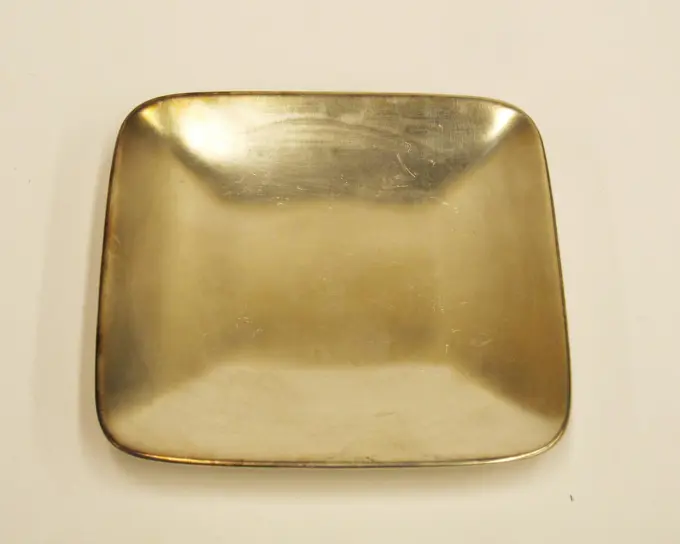
Decorative Dishes and Bowls

An assortment of elegant dishes and bowls made from various materials, featuring unique designs and craftsmanship from different cultures and periods.

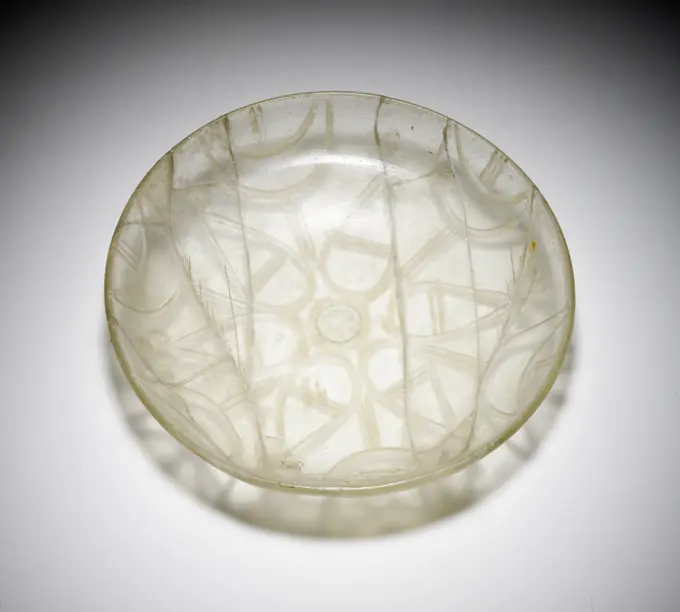
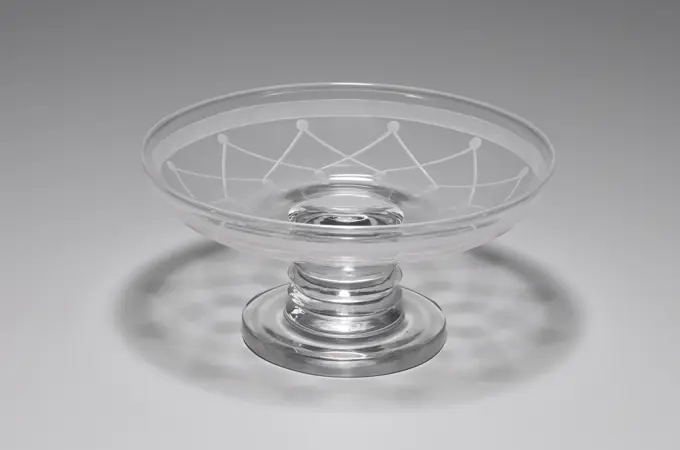
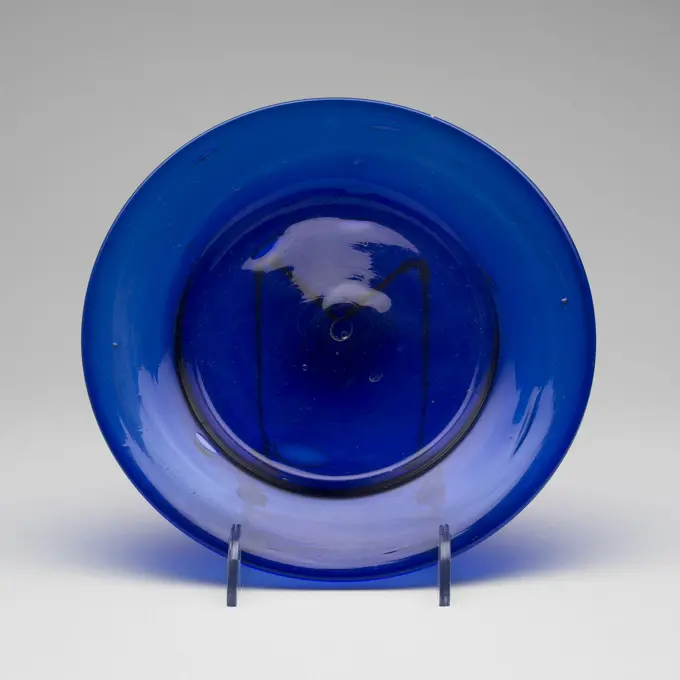
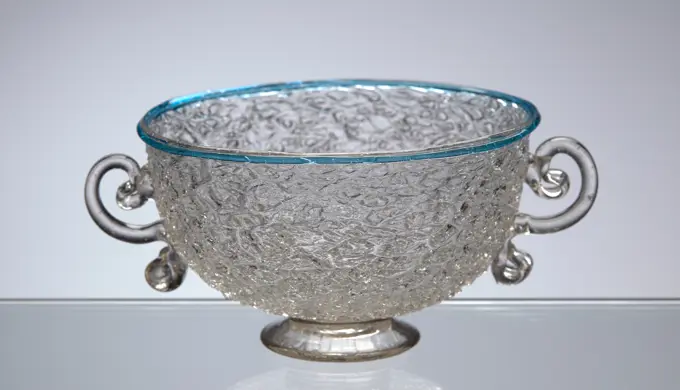
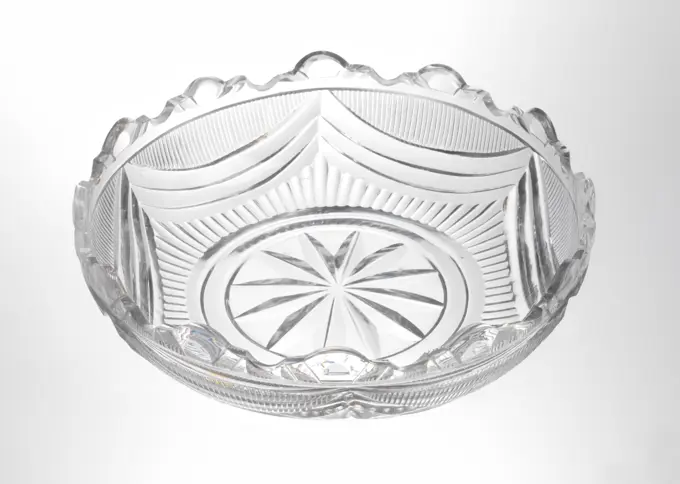
Bowl, 18th-19th century, 1 1/2 x 6 1/4 x 6 1/4in. (3.8 x 15.9 x 15.9cm), Glass, United States, 18th-19th century
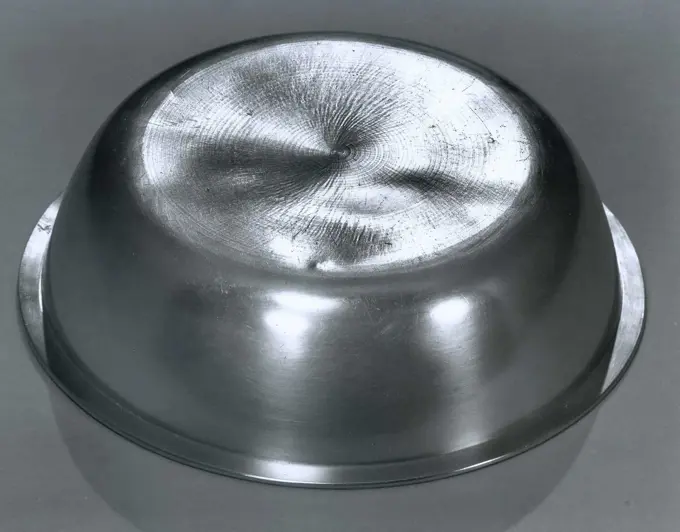
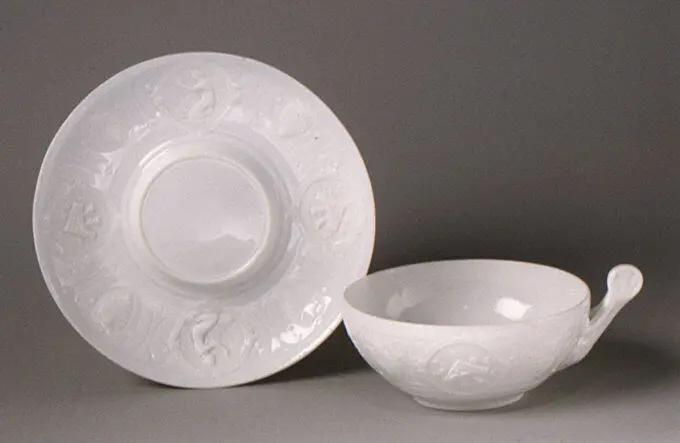
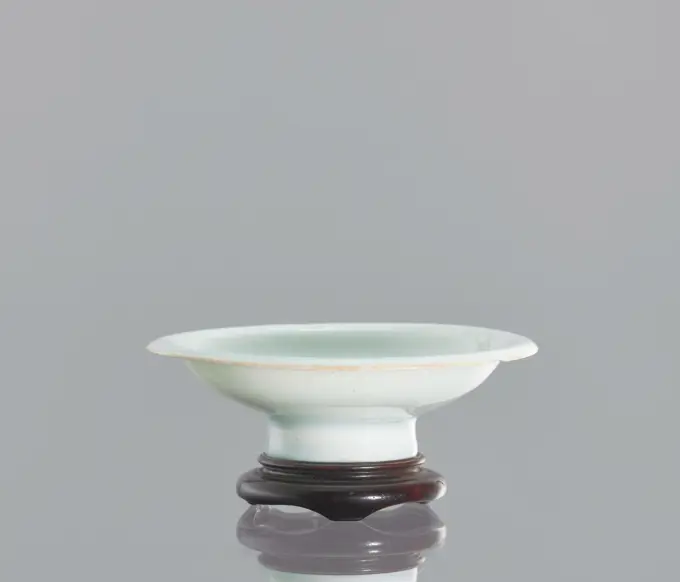
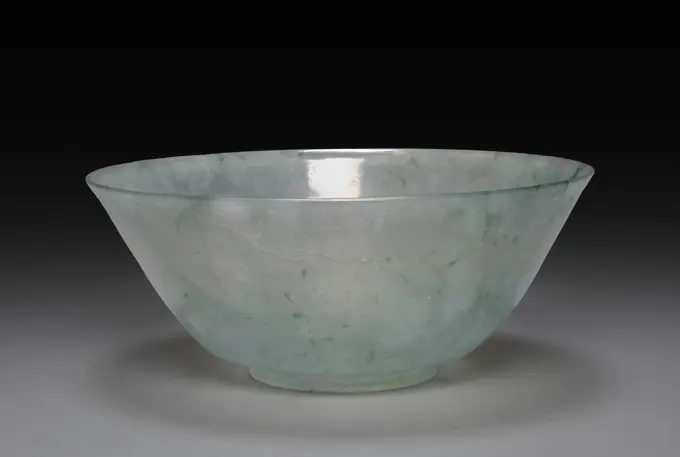
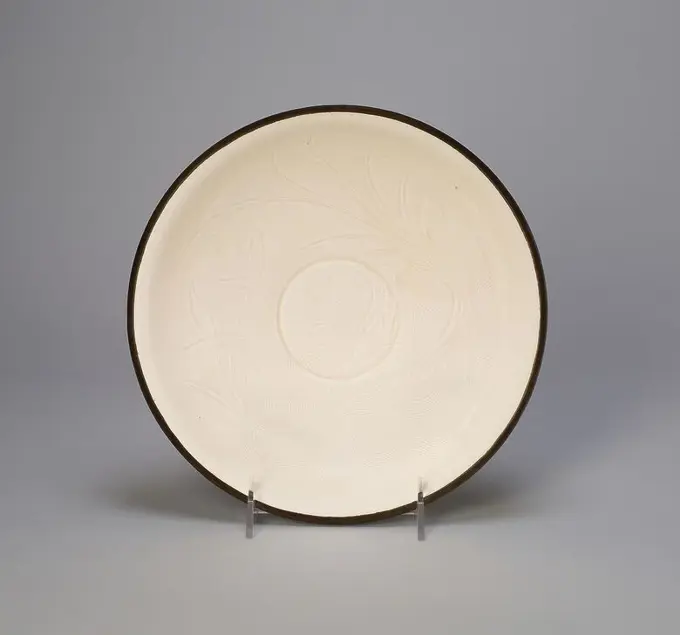
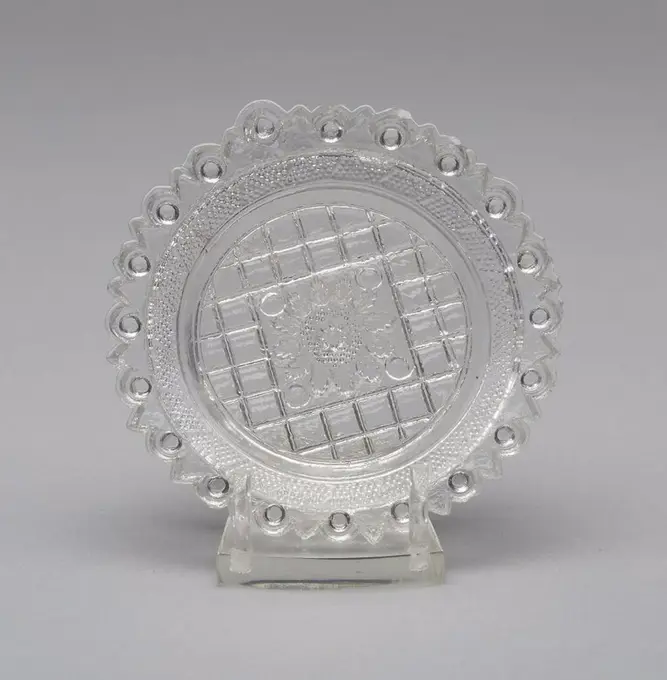
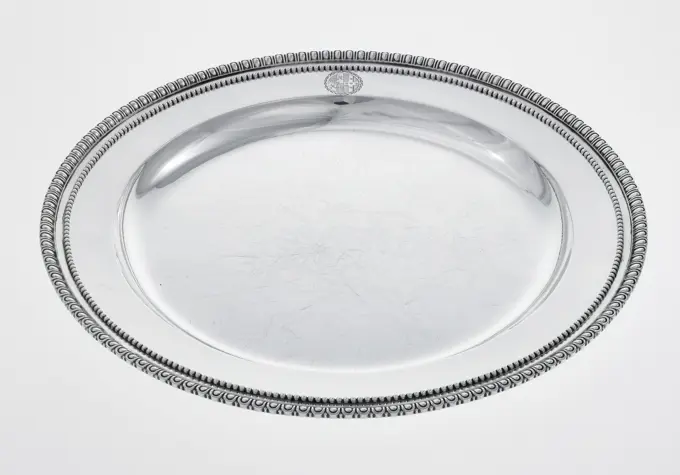
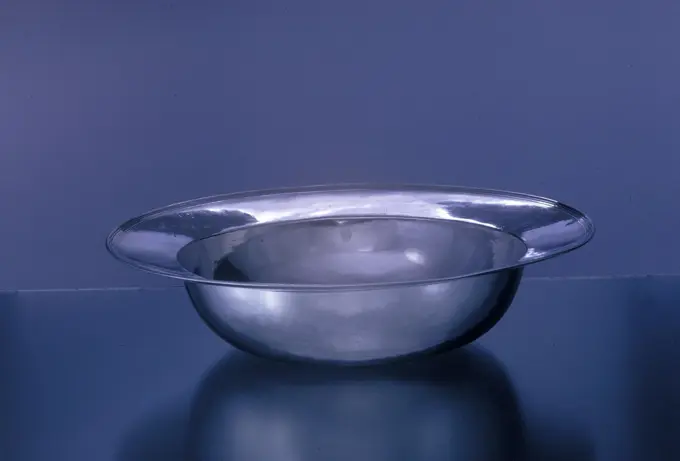
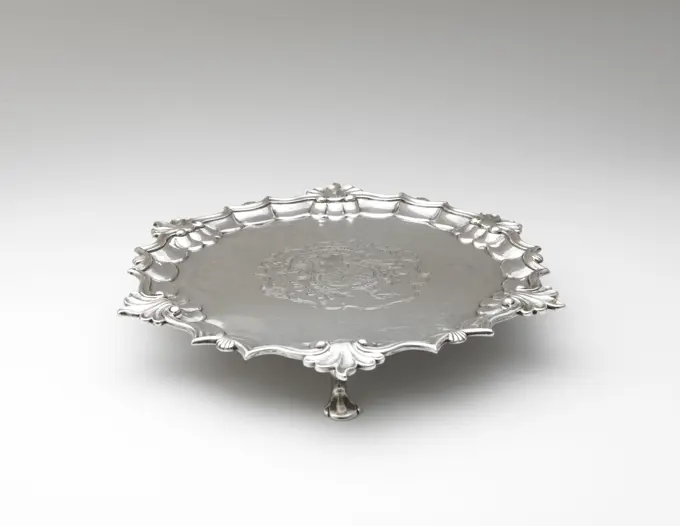
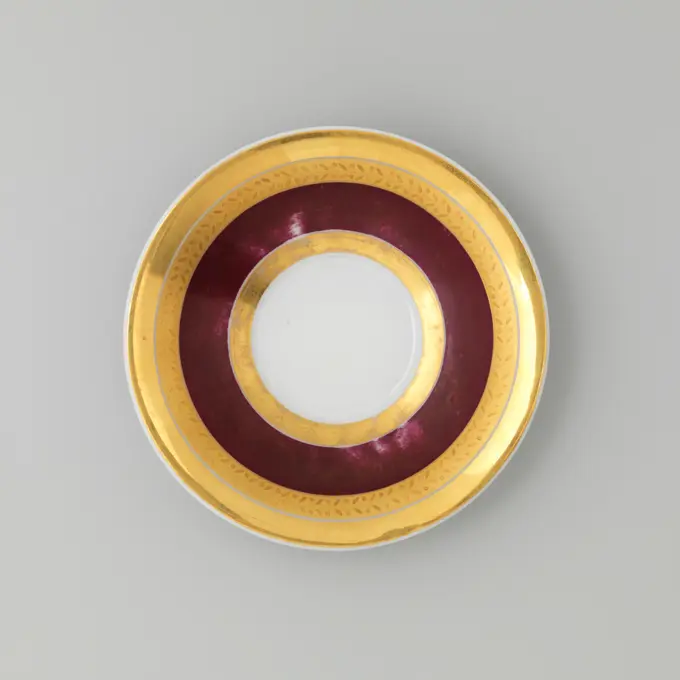
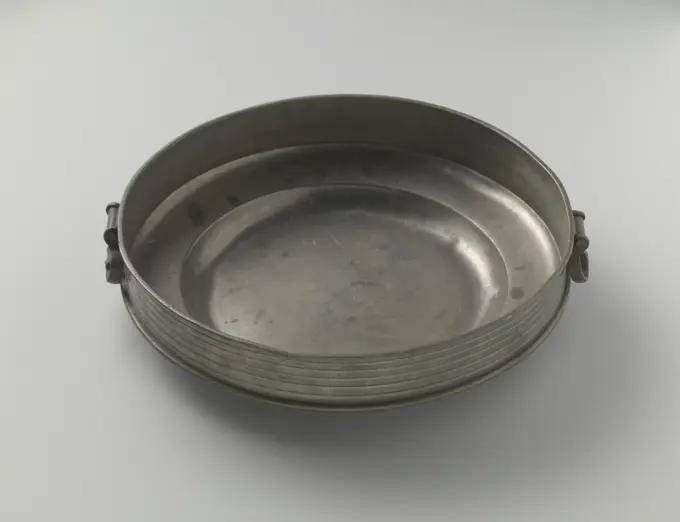
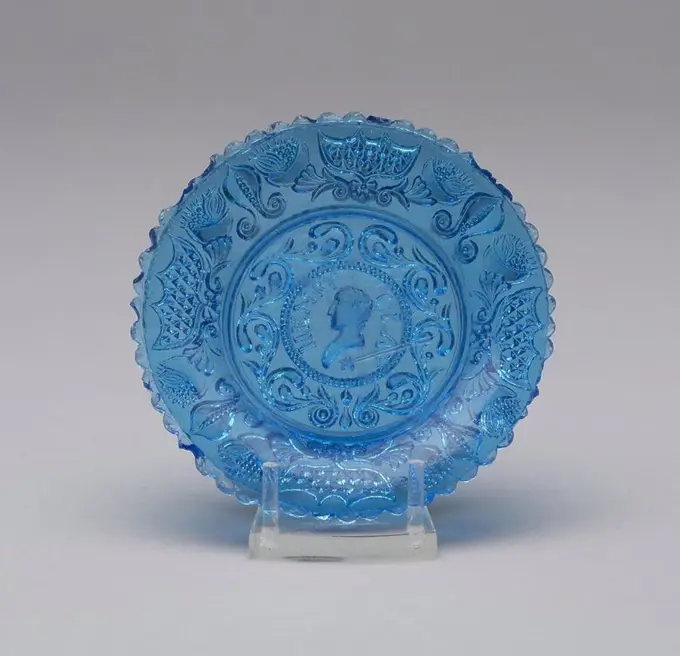
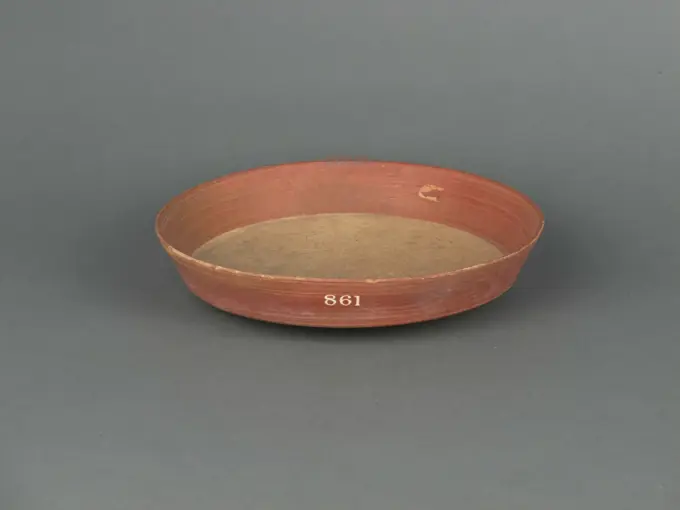
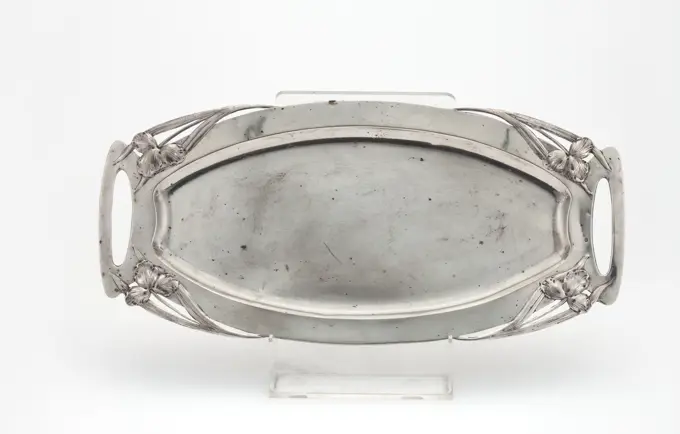
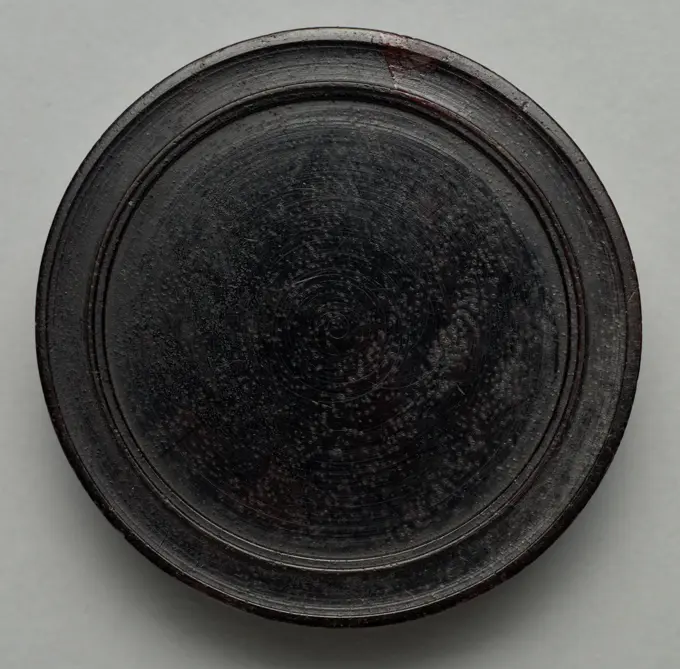
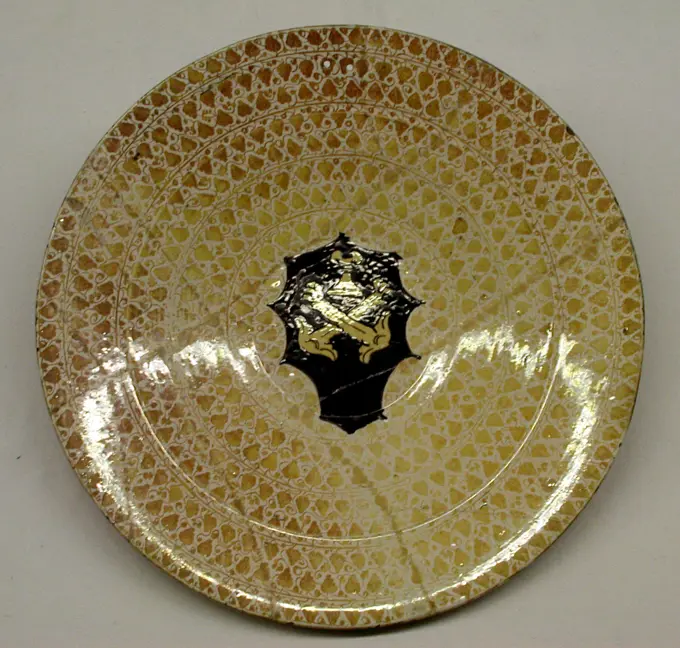
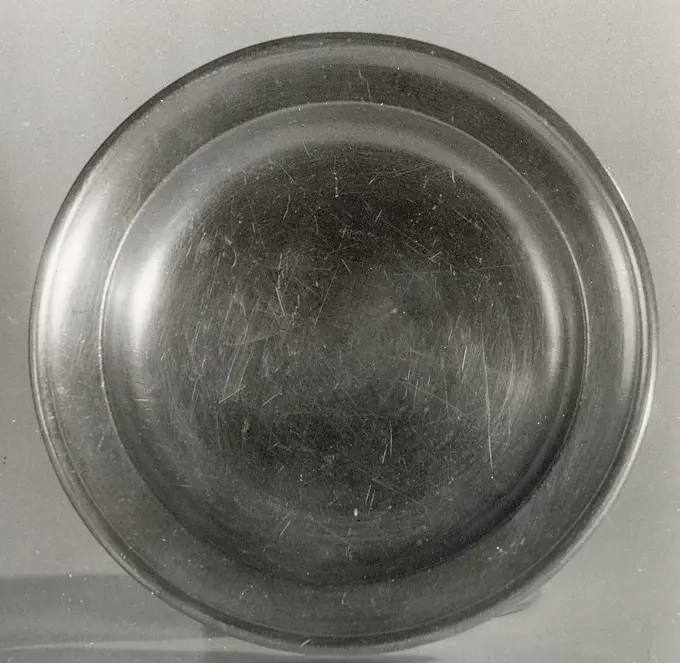
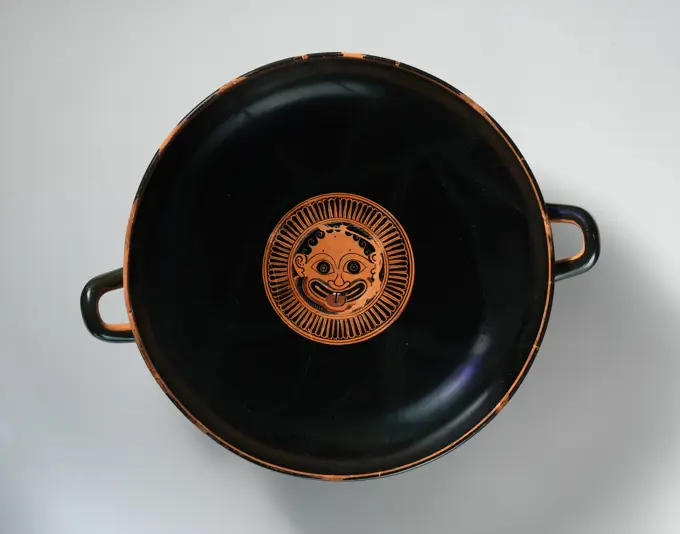
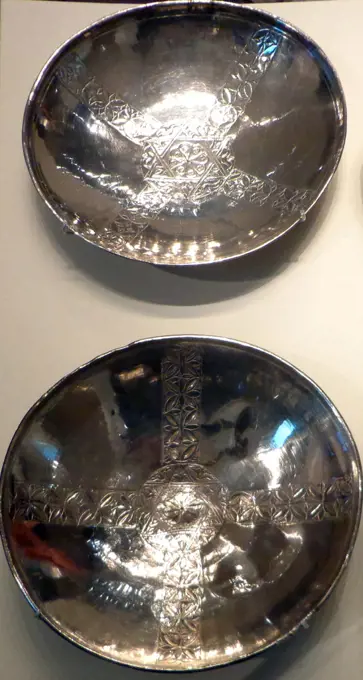
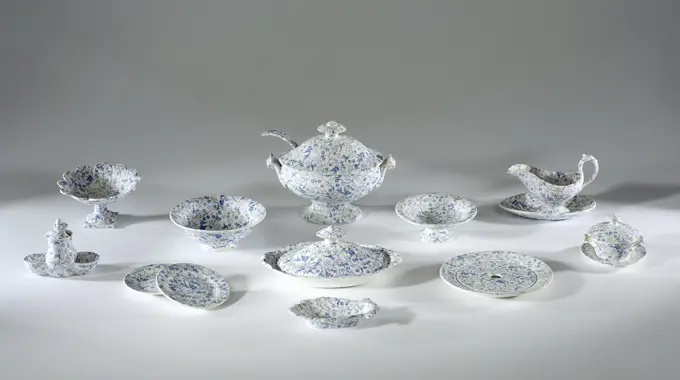
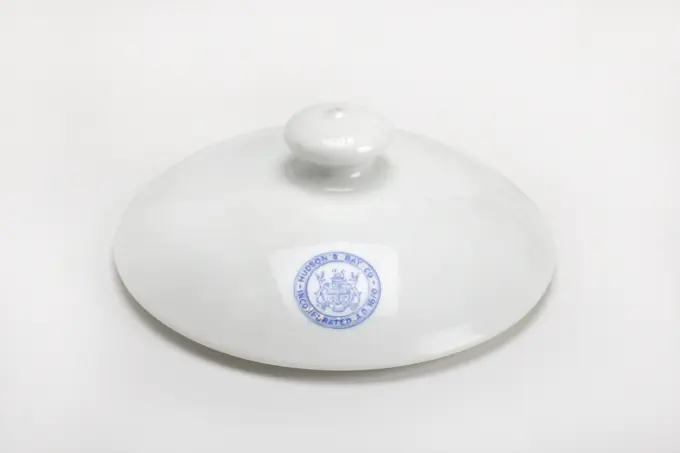
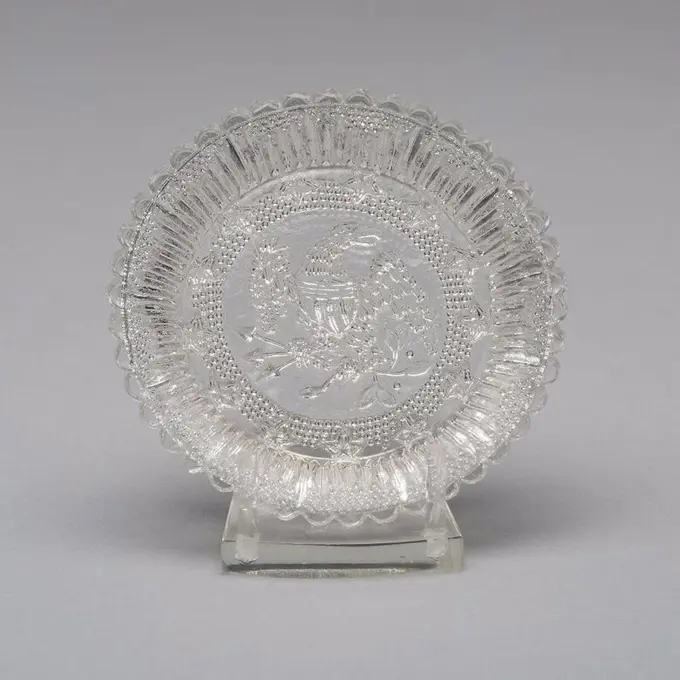
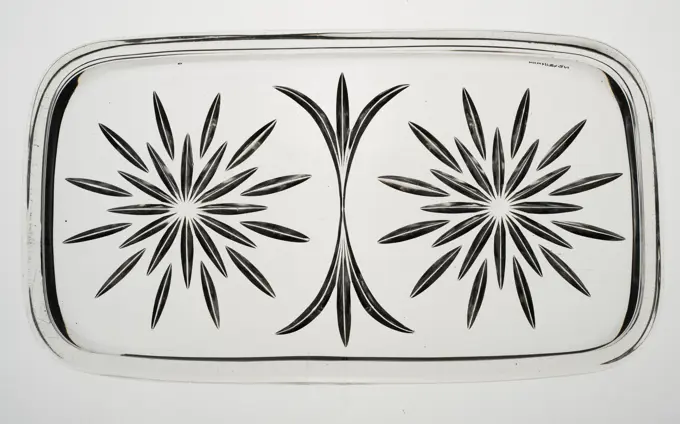
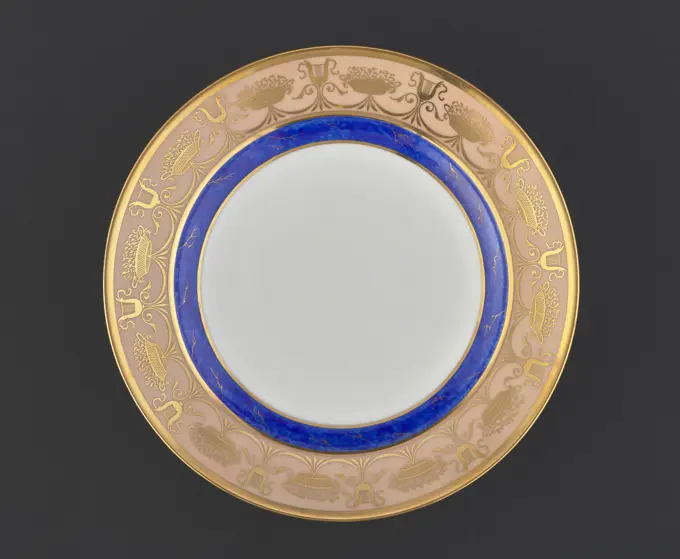
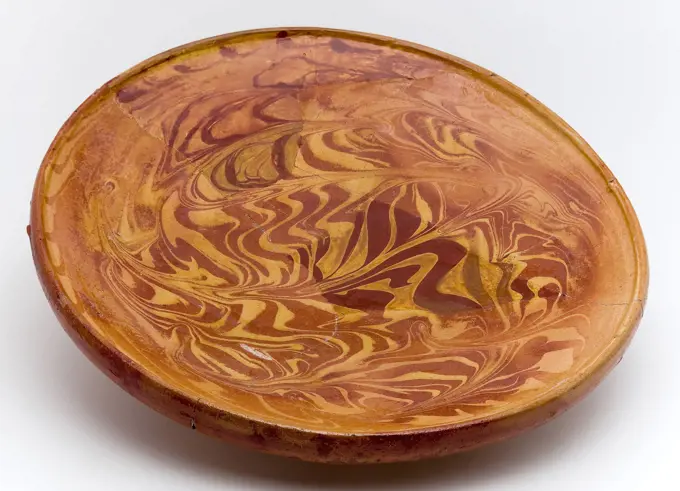
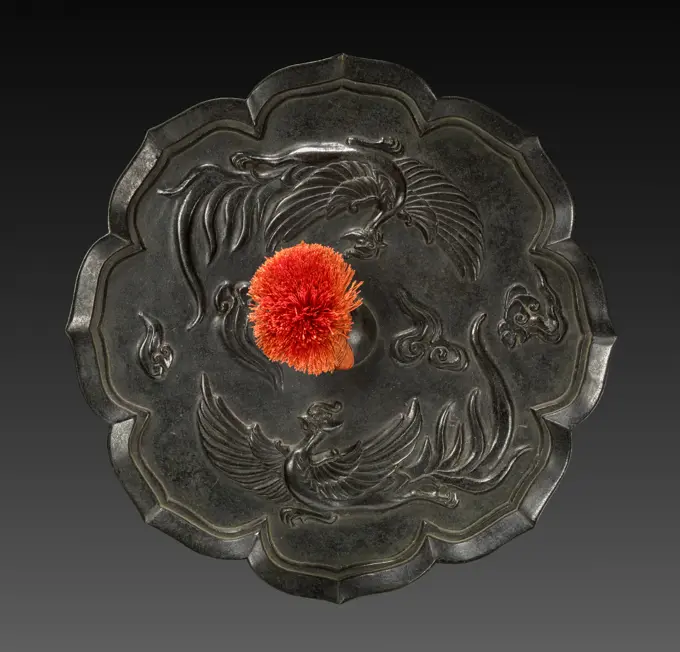
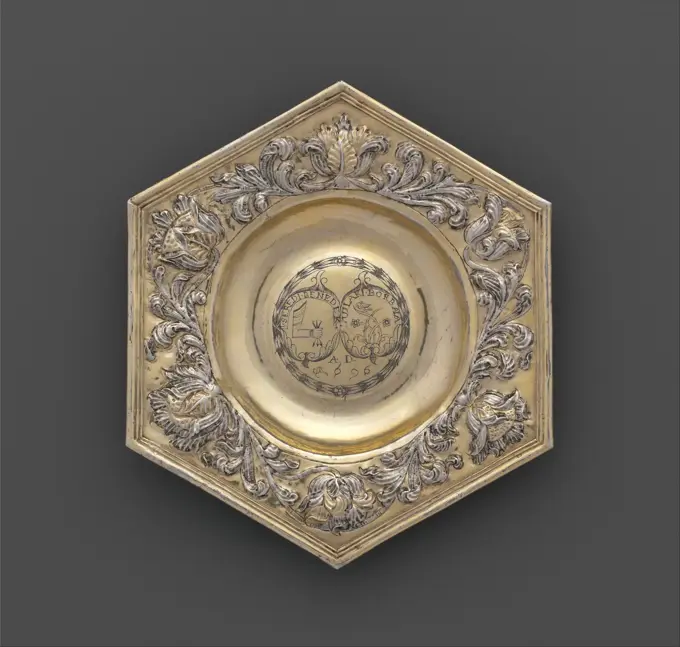
3D model platesBasin.   Maker: Samuel Hamlin, American, 1746-1801Maker or: Samuel Ely Hamlin, American, 1774-1864Cup and saucer 1855-67 Pouyat. Cup and saucer. French, Limoges. 1855-67. Hard-paste porcelain. Pouyat (ca. 1840-1912). Ceramics-PorcelainNishapur dish, 9th cent. AD, Iran.Serving plate - Chain with Star PatternShallow Bowl, 14th century, 2 1/4 x 10 3/4 x 10 3/4 in. (5.7 x 27.31 x 27.31 cm), Stoneware, Thailand, 14th centurymetal plate on a white backgroundBowl - Maple Thomas Furnival & Sons Thomas Furnival & SonsDish with Floral Scrolls 960 CE-1279 China. Stoneware with underglaze carved and incised decoration .Salt shaker basket; Lilpop, Karol Jerzy (Fl. 1820-1833); 1920s (1820-00-00-00-1829-00-00);Banking Foundation Leopolda Kroneneberg (Warsaw - 1996-) - collection, gift (provenance), mating ornament, spice vessel, spices (vessel), salt (vessel)Cup for alcohol with stand. unknown, craftsmanBowl, 1736-95. China, Qing dynasty (1644-1911), Qianlong mark and reign (1736-95). Jade; diameter: 14.4 cm (5 11/16 in.); overall: 6 cm (2 3/8 in.).knife and fork at plate on white backgroundDish. Probably Iran, 9th-10th century. Glass. Glass, engravedSaucer with gold borders on a red ground, anonymous, c. 1800 - c. 1824 Porcelain saucer, covered on the glaze with red and gold. The wall and edge are covered with tires of red and gold, with a flower drink on the edge. Golden line closely. Empire. France (possibly) porcelain. glaze. gold (metal) painting / gilding / vitrification Porcelain saucer, covered on the glaze with red and gold. The wall and edge are covered with tires of red and gold, with a flower drink on the edge. Golden line closely. Empire. France (possibly) porcelain. glaze. gold (metal) painting / gilding / vitrificationBowl with Mandarin Ducks among Leaves and Cattails. China. Date: 1000-1099. Dimensions: H. 6.6 cm (2 5/8 in.); diam. 23.7 cm (9 5/16 in.). Ding ware; porcelain with underglaze carved and incised decoration; metal rim. Origin: China. Museum: The Chicago Art Institute, Chicago, USA.Cup plate. American; Midwest. Date: 1830-1835. Dimensions: diam. 8.3 cm (3 1/4 in.). Pressed glass. Origin: Midwest. Museum: The Chicago Art Institute, Chicago, USA.Serving platter, one of a pair, 1773, Robert Adam, Scottish / British, Scottish, 1728-1792, 15/16 x 13 1/8 x 13 1/8 in. (2.38 x 33.34 x 33.34 cm), Silver, 18th centuryBaptismalBasin.   Maker: John Burt, American, 1692-1745Salver Nathaniel Hurd American ca. 1756Nappy - Queen Victoria pattern Burlington Glass Works Burlington Glass WorksDish, purple red fond with golden piping. Dish of porcelain, part of a coffee set, with purple red fond and golden piping along the edge a wide golden trim in which a engraved leaf drink. No brand.Fish dish from Tin, c. 1800 - c. 1825 Fish dish from Tin. A high raised edge with profiled, horizontal jobs. The open handles are sculpted. Low Countries tin (metal) Fish dish from Tin. A high raised edge with profiled, horizontal jobs. The open handles are sculpted. Low Countries tin (metal)Toy soup plate - W. T. Copeland & Sons, 1868-1931 W. T. Copeland & Sons, 1868-1931Cup plate. American; Sandwich, Massachusetts. Date: 1839-1849. Dimensions: diam. 9.1 cm (3 9/16 in.). Pressed glass. Origin: Sandwich. Museum: The Chicago Art Institute, Chicago, USA.Saucer with gold borders on a red ground, anonymous, c. 1800 - c. 1824 Porcelain saucer, covered on the glaze with red and gold. The wall and edge are covered with tires of red and gold, with a flower drink on the edge. Golden line closely. Empire. France (possibly) porcelain. glaze. gold (metal) painting / gilding / vitrification Porcelain saucer, covered on the glaze with red and gold. The wall and edge are covered with tires of red and gold, with a flower drink on the edge. Golden line closely. Empire. France (possibly) porcelain. glaze. gold (metal) painting / gilding / vitrificationBowl 750-600 B.C. Cypriot Shallow bowl with incised concentric circles on bottom.. Bowl. Cypriot. 750-600 B.C.. Terracotta. Cypro-Archaic I. VasesLampshade -Compote. Designer (decoration): Walter Dorwin Teague, American, 1883-1960Designer (form): Frederick Carder, American, born England, 1863-1963 Manufacturer: Steuben Division, Corning Glass Works, American, 1918-1933Infant for Geuzenbaaltje. Original oval wooden, with black leather covered case, which is covered on the inside with red sheet consisting of two parts: the lower brooch on foot on which the weapon of flowers of triallong is painted; The upper part flat. Confirmation sites for a belt (missing). Infant for Geuzenbaaltje (NG-372-A) of glass.Salver. Culture: American. Dimensions: 1 1/4 x 8 in., 9 oz. 19 dwt. (3.2 x 20.3 cm, 309.477 Grams). Maker: Nathaniel Hurd (American, Boston, Massachusetts 1729/30-1777 Boston, Massachusetts). Date: ca. 1756. Museum: Metropolitan Museum of Art, New York, USA.studio shot of a pile of white plate and white cup isolated on whiteCommemorative nappy - Nova Scotia Victoria Commemorative Nova Scotia Glass Company Nova Scotia Glass CompanyTwochambersticks.   Maker: Samuel Kirk and Son, American, 1815-1979Service: Czarka Ludwig Moser & SonsOval tray;  the beginning of the 20th century (1900-00-00-1909-00-00);irises, flowers, secession (style)Porringer.   Maker: Samuel Hamlin, Sr., American, 1746-1801Soup plate - Inconnu / UnknownMaker Unknown, Footed Salt, c. 1820-40, colorless glass.Gaming Piece (reverse), c.1700. Martin Brunner (German, 1659-1725). Wood; diameter: 6.1 cm (2 3/8 in.); overall: 1.3 cm (1/2 in.).Compote - Philipp Rosenthal & Company, Limited, 1897- Philipp Rosenthal & Company, Limited, 1897-Empty round ceramic plate as an item of kitchen utensils on a textured concrete backgroundCovered Box. Culture: China. Dimensions: H. 1 3/8 in. (3.5 cm); Diam. 2 3/4 in. (7 cm). Museum: Metropolitan Museum of Art, New York, USA.Cake Plate ca. 1780 French, possibly. Cake Plate 6245Dish ca. 1450-75 Spanish, Valencia Tin-glazed earthenware, of which lusterware is one type, was developed in the Middle East in the ninth and tenth centuries to imitate the porcelains produced in China. The opaque white glaze concealed the clay body, which could range from pale buff to brick red, allowing for brilliant effects created by painting the white surface with metal oxides that fired to a range of colors. This technique, as well as the use of metallic lusteran iridescent, coppery painted glazespread throughout the Muslim world, arriving among the potters of Valencia in the thirteenth century. The so-called Hispano-Moresque lusterware, with its fusion of Islamic and Gothic styles and motifs, often in shaped imitating those of metal vessels, was treasured by the elite in Spain during the fifteenth century and exported to the courts of Europe. The Valencian industry declined in the late sixteenth century, as colorful Italian Renaissance maiolica gained in popularity among the fPlate.   Maker: The Harbeson Shop, American. Oval drum of silver. Flowers and leaf refinters driven on the walls and the vaulted lid.empty plate on white  background, top viewPlate; glassEarthenware salt bowl, salt vessel on foot, white glazed, salt bowl salt barrel tableware container earth discovery ceramics earthenware glaze tin glaze, hand turned glazed baked Earthenware salt barrel on foot Completely white glazed archeology Rotterdam railway tunnel native earthenware serving room table Soil discovery: railway tunnel or construction site Rotterdam.. Square sheet with slanting sides and decorated with arabesque, a peacock pair and peonies.Dessert plate - William Davenport & Company, 1835-1881 William Davenport & Company, 1835-1881Empty bowlsScale or bin, painted with the Flügelmuster decor, Meissener Porzellan Manufaktur, 1901 Rectangular scale of painted porcelain, with rounded corners. The scale is painted in green and blue with the Flügelmuster. The scale is part of a service (BK-1976-65-1 to BK-1976-65-34) and is marked. Float porcelain Rectangular scale of painted porcelain, with rounded corners. The scale is painted in green and blue with the Flügelmuster. The scale is part of a service (BK-1976-65-1 to BK-1976-65-34) and is marked. Float porcelainJean Debrie. "Taste-vin". Money. 1738-1744. Museum of Fine Arts of the City of Paris, Petit Palais. 74384-22 Silver, silverware, bottleneck, TastevinBasin.   Maker: Daniel Curtiss, American, active 1821-40Pyxis lid ca. 900-700 B.C. Greek, Corinthian Lid with bands, and on knob a star-ornament.. Pyxis lid 240019Brass and copper design fitting shallow large dish, Jodhpur, Rajasthan, India Copyright: xSafatxAli/DinodiaxPhotox. Scale of silver, formed by five deep bins in the form of shells. In the middle of the bowl a weapon with helmet sign is engraved, possible from Richard Fisher, Baronet or Barnsbury and Anne Leigh.Plate ca. 3rd century B.C. Seleucid This ceramic plate, which has been heavily restored, has a ring base and a hanging rim. The interior is decorated with concentric incised lines, and there is a round depression in the center. It is made of a gray clay. It was excavated at Pasargadae in southwestern Iran, about 90 km northeast of Shiraz. Pasargadae was the first capital of the Achaemenid Persian Empire, founded by Cyrus the Great c. 546 B.C. The plate was found at the Tall-i Takht, a massive artificial platform presumably built as the site of a royal palace but converted into a fortified compound after Darius established a new capital at Persepolis around 520. However, the coin hoards and other finds from the Takht, including this plate, show that it continued to be occupied down into the second century B.C., long after the fall of the Achaemenid Empire. This plate was found near the fortification wall of the northern side of the Takht.. Plate 326385Mazer with scene of St. Margaret of Antioch and her dragon, c. 1470-1500, 2 1/4 x 6 x 6 in. (5.72 x 15.24 x 15.24 cm), Silver, gilt, spotted maple, England, 15th-16th century, The term 'mazer' comes from the German word for 'spot,' and referring to the spotted maple used to make drinking vessels like this one.white plate isolated on white with clipping pathFluted Tray, 14th Century. China, Yuan dynasty (1271-1368) - Ming dynasty (1368-1644). Red lacquer; diameter: 32.7 cm (12 7/8 in.).Blue-ground Dish with Floral and 'Cintamani' Designs ca. 1570-75 Most Iznik wares were coated with a white slip, or engobe, prior to decoration, and this slip produced the predominant white background against which colored glazes stood out so dramatically. In a small number of wares, pigments were added to the slip, and the resulting backgrounds included a range of pinks, beiges, browns, and blues that were decorated with floral designs or, in this case, an abstract pattern of petals or swirling lobes, perhaps inspired by a metalwork prototype.. Blue-ground Dish with Floral and 'Cintamani' Designs. ca. 1570-75. Stonepaste; colored slip and polychrome painted. Made in Turkey, Iznik. CeramicsPatch Box 1700-1740 American. Patch Box 5542Bowl with Geometeric Design (Concentric Circles), c 1000- 1150. Southwest, Mogollan, Mimbres, Pre-Contact Period, 11th-12th century. Ceramic; overall: 8.5 x 19.5 cm (3 3/8 x 7 11/16 in.).above view of gray plate on gray concrete surface above view of one gray plate on gray concrete surface Copyright: xZoonar.com/ValeryxVoennyyx 9790855Plate c 1900 United States. Glass . Artist unknownBox China. Box 60934Plate mid-17th-early 18th century Italian (Venice). Plate 460893Terracotta kylix: eye-cup (drinking cup) ca. 530 B.C. Signed by Nikosthenes Interior, gorgoneion (Gorgon's face)Exterior, obverse, between eyes, Dionysos, the god of wine, with satyrs and maenads; reverse, between eyes, chariotNikosthenes was the leading ceramic entrepreneur in Athens from about 530 B.C. to the end of the sixth century. Because he signed his name often, we know that he had a large shop and exported actively. Many of the largest preserved Attic vases were made for the Etruscan market.. Terracotta kylix: eye-cup (drinking cup). Greek, Attic. ca. 530 B.C.. Terracotta; black-figure. Archaic. VasesThe Byzantine Silver bowls. Eastern Mediterranean, AD 500s-600s. Found in the Sutton Hoo ship burial site, UK.Children's service with blue continuous flower decor, Petrus Regout, 1867 Children's service of earthenware with blue continuous flower decor, called Parsemé No. 3. Forty -one parts: a soup tight with lid and spoon, two oval deck bowls, a sauce bowl, a trois usages, a butter fleet, a fruit bowl on foot, two dessert scales, saucer with colander, two oval scales, two bowls, two Round scales on foot, six deep plates, twelve plates, six dessert signs. Maastricht .   Maastricht Children's service of earthenware with blue continuous flower decor, called Parsemé No. 3. Forty -one parts: a soup tight with lid and spoon, two oval deck bowls, a sauce bowl, a trois usages, a butter fleet, a fruit bowl on foot, two dessert scales, saucer with colander, two oval scales, two bowls, two Round scales on foot, six deep plates, twelve plates, six dessert signs. Maastricht .   MaastrichtEmpty ceramic round plate on dark textured concrete background. Cutlery, preparation for dinnerEmpty black ceramic plate on a dark concrete background. Preparing the table for a family dinnerLid - Hudson's Bay Co Incorporated A. D. 1670Przeszo Przyszoci unknownA plate;  20th century (1901-00-00-2000-00-00);Bowl. Maker, formerly attributed to: Paul Revere, American, 1735-1818Dish, one of a pair, 1st century, 1 9/16 x 8 1/2 in. (4 x 21.59 cm), lacquer, China, 1st centuryInkstone, 17thcentury, Duan stone, 1 3/4 × 4 5/8 × 7 5/8 in. (4.4 × 11.7 × 19.4cm), China, Chinese, Late Ming dynasty (1368-1644) or early Qing dynasty(1644-1911), Containers -StoneCup plate. American; Pittsburgh, Pennsylvania. Date: 1830-1835. Dimensions: Diam. 7.6 cm (3 in.). Pressed glass. Origin: Pittsburgh. Museum: The Chicago Art Institute, Chicago, USA.Tray;  the beginning of the 20th century (1900-00-00-1910-00-00);Brazier, Cornelis Hendrik Bömcke (attributed to), 1783 The round grinding is equipped with a red copper inner box and ring. It is made up of a profiled ring, caught between four C-shaped bent legs. The legs are placed in such a way that they form the corners of a rectangle. A lip is attached to the inside of each leg, on which the ring rests. The legs are widening downwards, where they have swiveled corners and have a corrugated end, and upwards, where they are each crowned by a hinged, narrow -tuning valve, which rests on an upright lip. The Red Copper Ring has four slightly rising supports with slots that fit around these lips. In a closed state, the valves hold this ring in place. The right -wing inner box rests with a horizontal top edge on the silver ring. Amsterdam silver (metal). copper (metal) The round grinding is equipped with a red copper inner box and ring. It is made up of a profiled ring, caught between four C-shaped bent legs. The legs are placed in such a way that they Dish (one of a pair) (part of a set) 1714/15 Lewis Mettayer British When Sir Paul Methuen embarked on his ambassadorial mission to Spain in 1714, he ordered a set of seventeen fruit dishes, of which these five survive (68.141.288-.292). They were used during the dessert service, when they were piled high with candied fruits, sweetmeats, and pastries and arranged in a perfectly symmetrical pattern on the table.. Dish (one of a pair) (part of a set) 238334Fate J. Pouyat, LimogesPlate; Koenigliche Porzellan Manufaktur (KPM; Berlin; 1763-1918); 1870-82 (1823-00-00-1832-00-00);Large earthenware dish with silt decoration, on stand fins, dish crockery holder soil find ceramic earthenware glaze lead glaze, hand turned decorated glazed fried lemonade Fragment of dish on three pinched feet. Decorated in sludge technology flowed marbled Restored fragments have been repainted but deviating from color archeology Rotterdam kitchen room serving food Soil discovery: Rotterdam.Plate. Attributed to Thomas Whieldon (England, Staffordshire, 1719-1795). England, circa 1765. Furnishings; Serviceware. Tortoiseshell ware, earthenware with lead glazeDish with Waves 1723-1735 China. Porcelain with underglaze molded decoration .Mirror, 794-1185. Japan, Heian period (794-1185). Bronze; diameter: 21 cm (8 1/4 in.). The polished side of this eight-pointed mirror has an incised design of the kami Takemikazuchi riding on a deer from Kashima to Mount Mikasa, where he takes up residence. Although the mirror itself could have been produced as early as the 1300s, the incised line work has a fresh quality more consistent with later works, and the image may have been executed as late as the 1600s-1800s. Unlike most painted images of the episode, this incised one includes neither the sakaki tree branch supporting the Buddhist manifestations of the five Kasuga kami, nor Takemikazuchis companions. The back of the mirror has a design of two phoenixes.Scale, elongated, with green edge and golden Greek band, Petrus Regout, c. 1865 Scale of earthenware, elongated, scalloped, with green edge and golden Greek band. Maastricht earthenware Scale of earthenware, elongated, scalloped, with green edge and golden Greek band. Maastricht earthenwareBowl. China. Date: 960 AD-1279. Dimensions: H. 5.0 cm (2 in.); diam. 14.2 cm (5 9/16 in.). Qingbai ware; glazed porcelain with underglaze incised decoration. Origin: China. Museum: The Chicago Art Institute, Chicago, USA.Plate 4th century B.C. Attributed to the Xenon Group. Plate 255350Salt stand, Glass, Round body on short foot, lip turned-in and cut with fluting, sides cut with 6 panels of diamonds; stand is shallow dish with wide lip cut with flutes, rayed flutes cut on bottom., Ireland, ca. 1820, glasswares, Decorative Arts, Salt standHexagonal dish 1696 Hungarian, Transylvania The center of each dish in this set (acc. nos. 2010.110.42-49) bears an engraved laurel wreath encircling a coat of arms. Small differences in these arms could be the result of different masters working quickly to complete what was probably a much larger set for a wedding that was fast approaching. The bold blossoms in the six corners symbolize both the wish for abundance throughout marriage and the transitory glories of earthly existence. Salgo acquired two of these dishes at a later date from the others, but all eight pieces belonged to the same set of fourteen dishes that were once part of the Andrássy treasury.LiteratureEuropean Silver. Sale cat., Sothebys, Geneva, November 15, 1983, p. 19, no. 53.European Silver. Sale cat., Sothebys, Geneva, November 14, 1984, n.p., no. 34.Judit H. Kolba. Hungarian Silver: The Nicolas M. Salgo Collection. London, 1996, p. 86, no. 64.ExhibitedRégi ezüstkiállításának leíró lajstroma. Exh. cat. Museum of Bowl (Ireland); glassPlate of porcelain decorated with edge decoration of alternating flower and leaves, Rörstrand, c. 1900 Porcelain plate, decorated in Pâte-sur-Pâte with alternately a leaf and a flower challenge in the colors green, pink and purple and along the edge of the flat connected by green stems. Marked in green: Rörstrand; The same brand ingrift including the letter I. Rörstrand porcelain Porcelain plate, decorated in Pâte-sur-Pâte with alternately a leaf and a flower challenge in the colors green, pink and purple and along the edge of the flat connected by green stems. Marked in green: Rörstrand; The same brand ingrift including the letter I. Rörstrand porcelainPatera  Cora's plate Trzewik Drost, Eryka, Economic Huta Z BkowiceDessertplate.  Designer Calvin Klein, American, born 1942Retailer: Swid Powell, American, 1982-2001