Decorative Dishes and Bowls

An assortment of elegant dishes and bowls made from various materials, featuring unique designs and craftsmanship from different cultures and periods.

Bowl, 18th-19th century, 1 1/2 x 6 1/4 x 6 1/4in. (3.8 x 15.9 x 15.9cm), Glass, United States, 18th-19th century
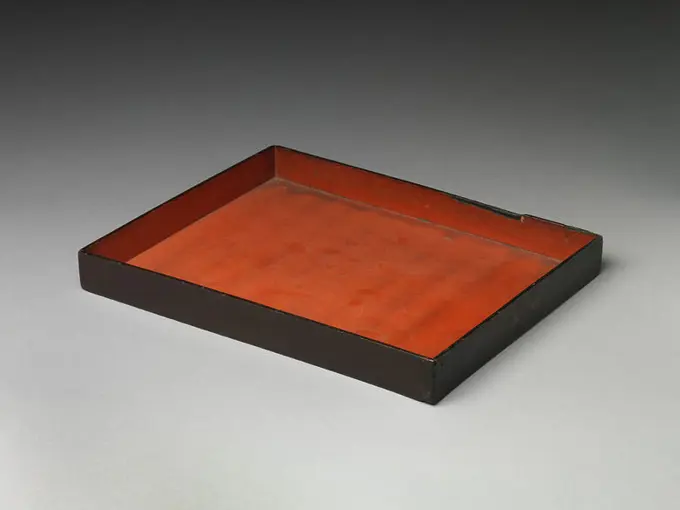
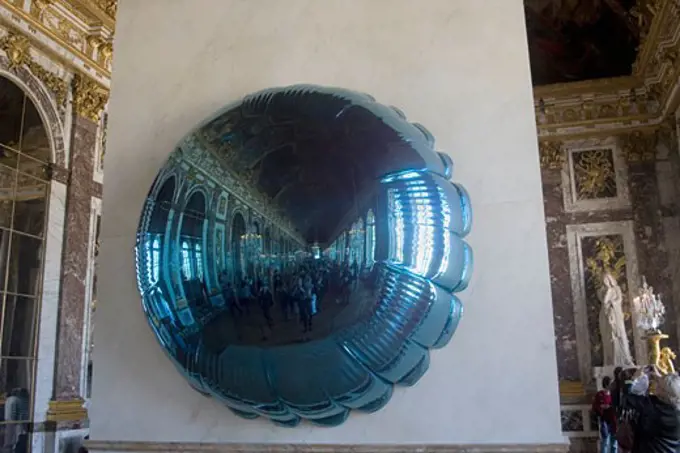
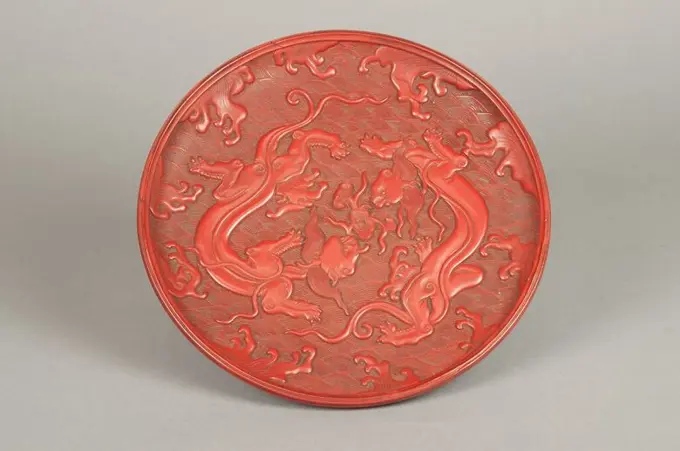
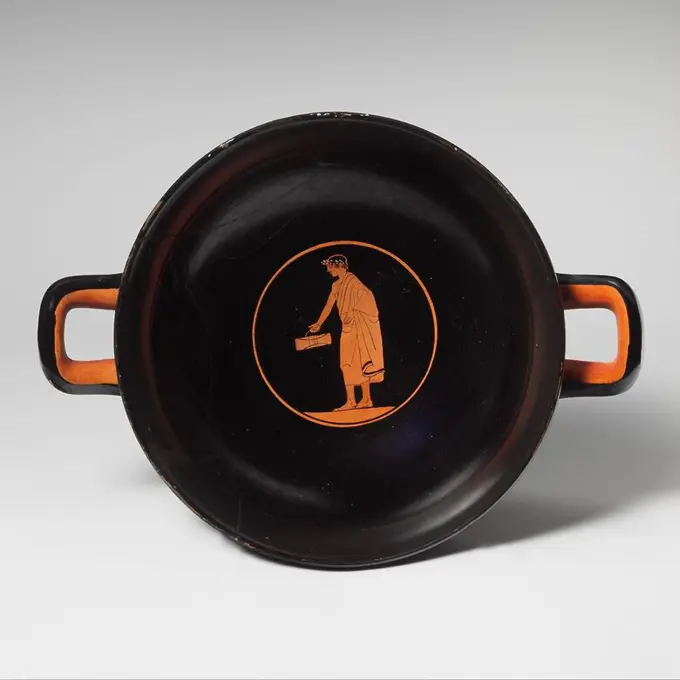
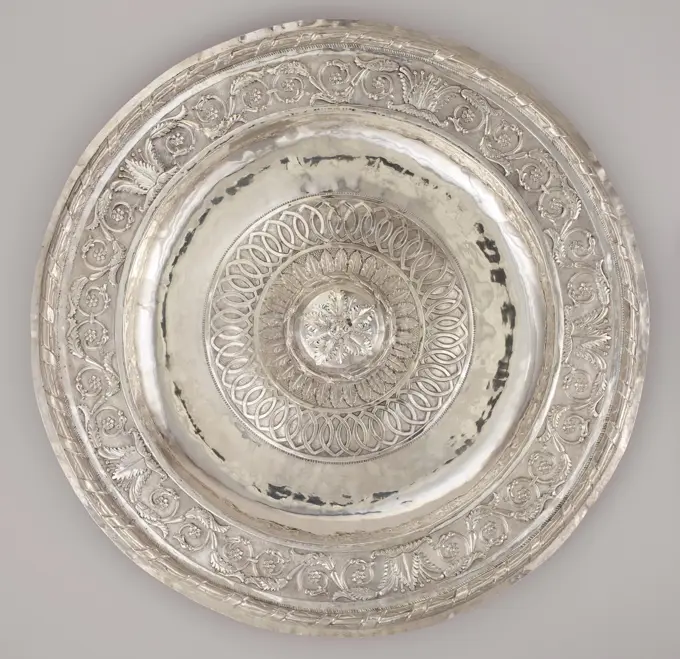
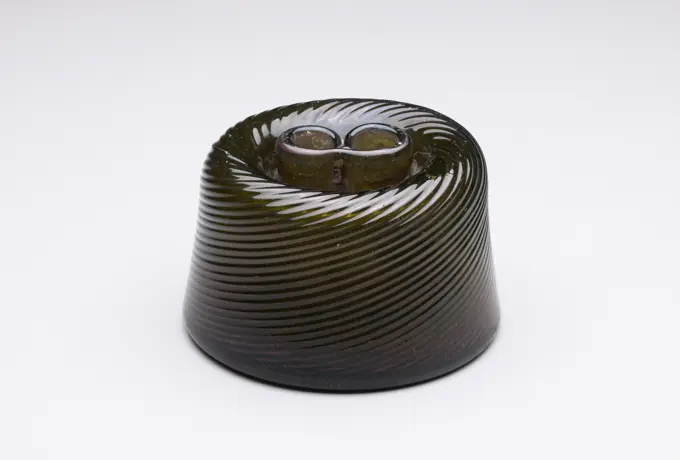
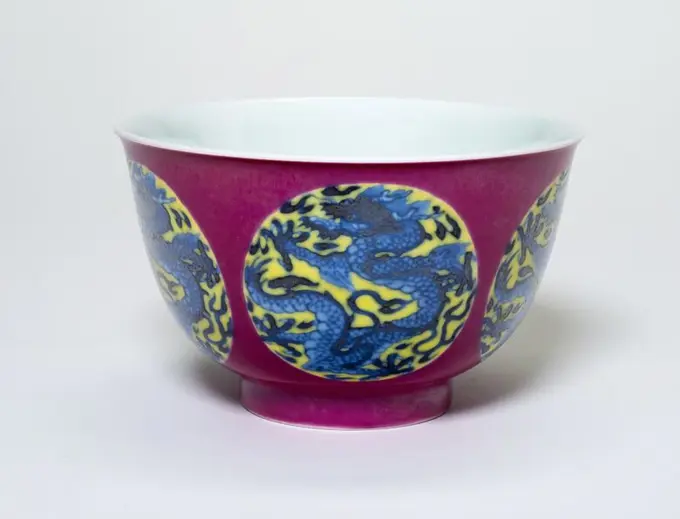
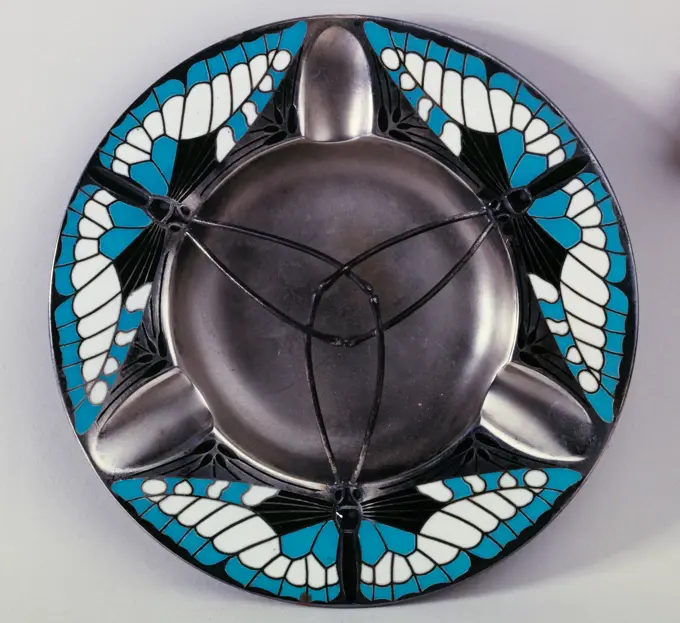
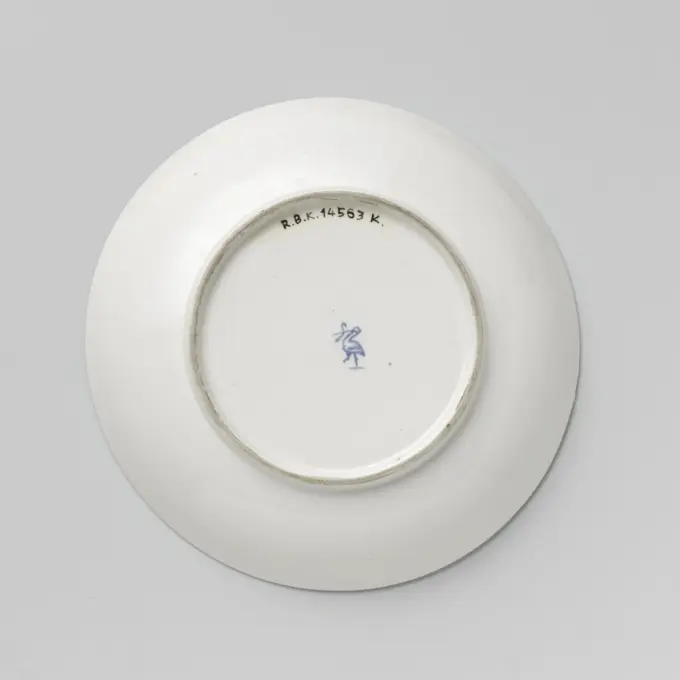
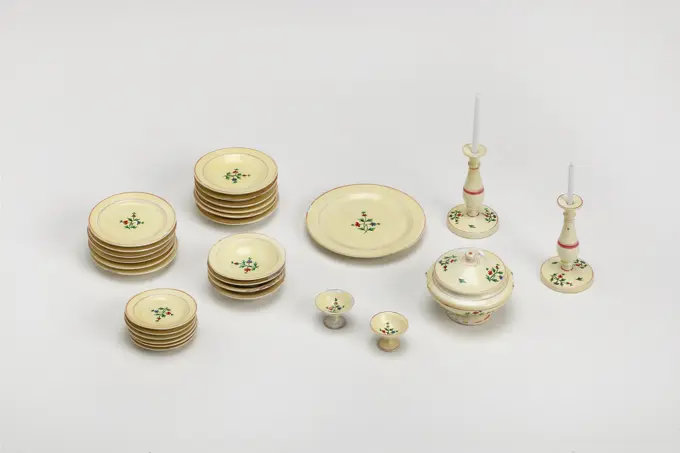
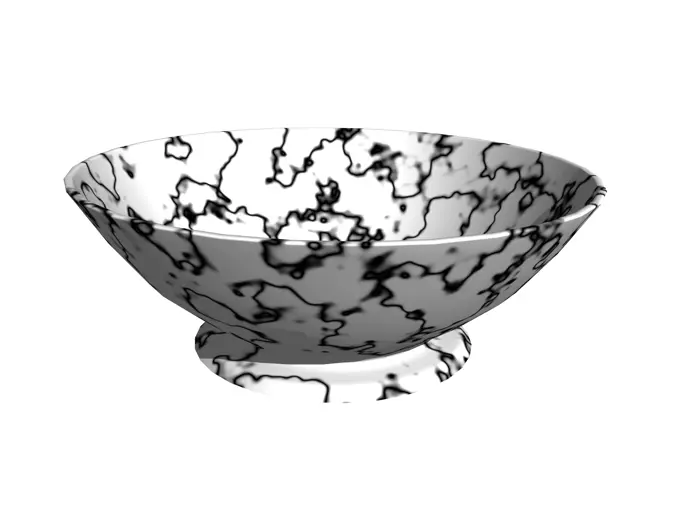
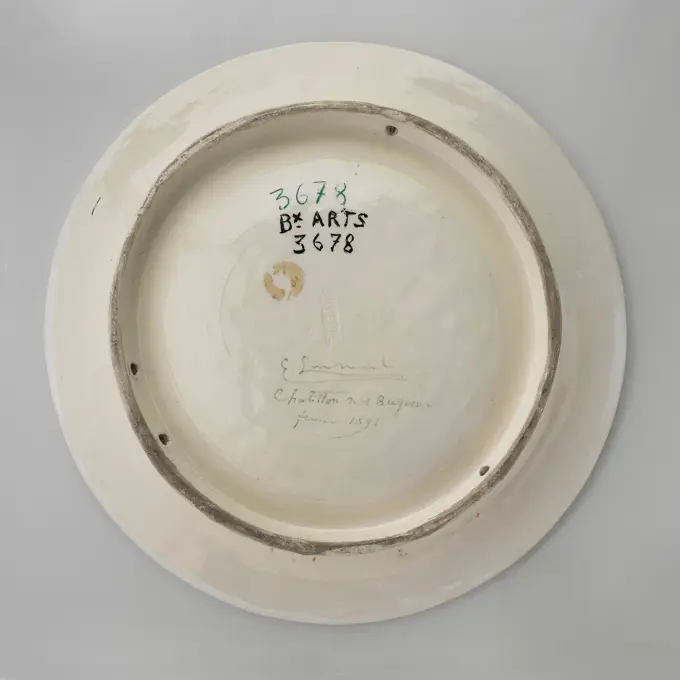
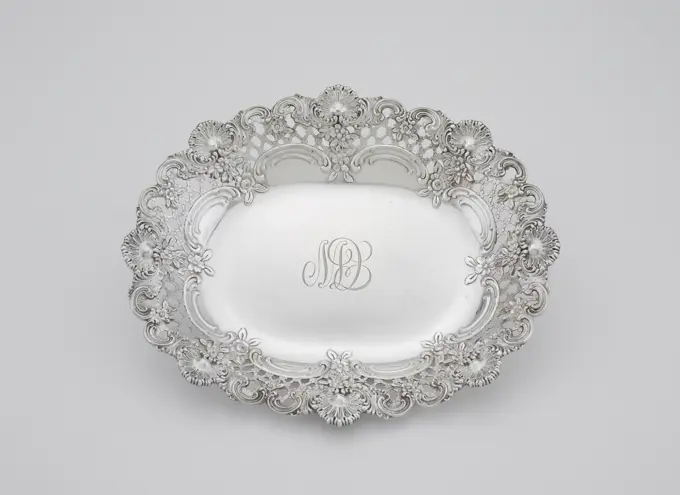
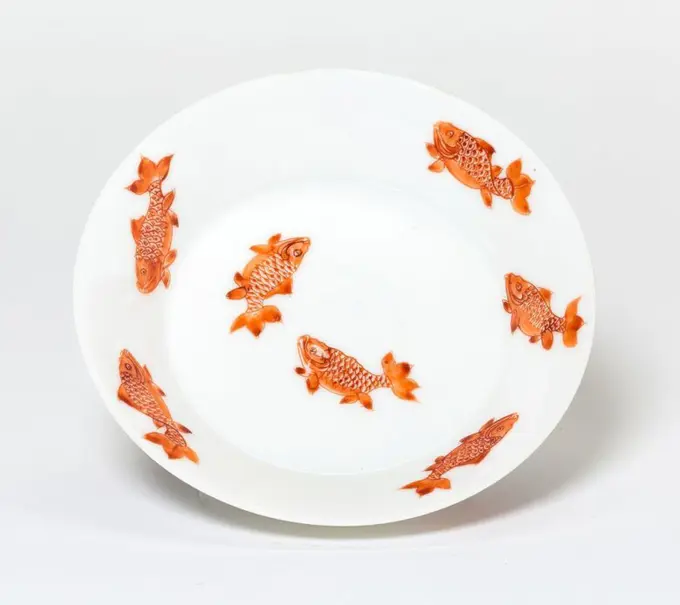
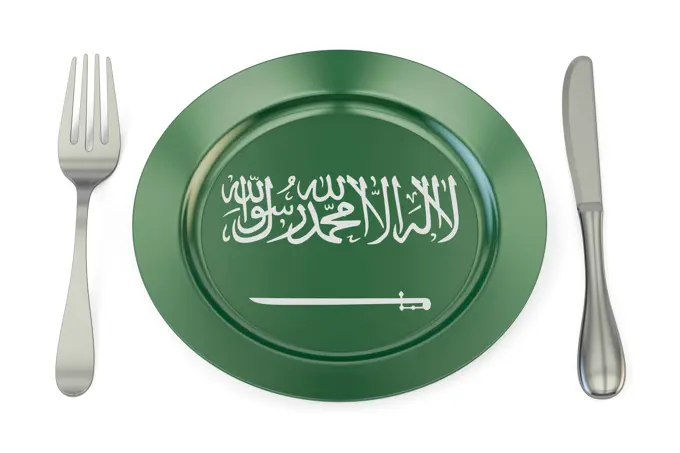
socket, Tin, painted in places, glass, pewter, Candle sconce (a) with attached socket (b). a: circular, concave reflector made of many small pewter discs arranged around a central one; in painted tin frame, under glass; flat band of tin with nail hole at back. b: arm with single candle socket made to fit into slide at bottom of frame., early 19th century, lighting, Decorative Arts, socketSutra Tray. Culture: Japan. Dimensions: W.12 1/8 in. (30.8 cm); L.15 3/4 in. (40 cm). Date: 12th century.Long use as a container for sutras is indicated by the shadowy imprint of ten scrolls visible on the bright red lacquer interior of this finely made rectangular box. That it was one of a number of trays for a large set of scrolls is suggested by the number thirty-six written in red on black lacquer on one side of the exterior. Its high-quality construction--with very thin wood strengthened by a fabric layer (visible on the damaged edge) under a heavy lacquer coating of red over black--suggests a twelfth-century date, when carefully made storage boxes were used for the lavish sets of sutras dedicated to shrines and temples. Museum: Metropolitan Museum of Art, New York, USA.Stand for a Sauce Tureen, c. 1780-1840. Wedgwood Factory (British). Earthenware; overall: 18 x 19.7 x 19.7 cm (7 1/16 x 7 3/4 x 7 3/4 in.).Round-bodied box with continuous flower motif in relief, anonymous, c. 1300 - c. 1500 Lid of spherical porcelain box, covered with a gray glaze. Covered with a revolving flower pattern in relief. Two cracks in the lid. Two old labels in the box with 'Van Lier'. Ming porcelain. China porcelain. glaze vitrification Lid of spherical porcelain box, covered with a gray glaze. Covered with a revolving flower pattern in relief. Two cracks in the lid. Two old labels in the box with 'Van Lier'. Ming porcelain. China porcelain. glaze vitrificationTable cup, round, with fillet edges. The round comfors rest on three ebony legs, which are made up of a high globe portion, a thrilled neck and a low convex crown. The redhead inner container rests in a cylindrical container that is connected to the round stand ring by means of three S volutes. The S vultuts partly together with three, survived, faceted C volutes, which form the compound with the legs. Filet edges run along top and top of the container for the inner box and along the outer wall of the stand ring.Circular Box with Ribbed Motif, 18th-19th century, 2-1/16 x 3-3/4 x 3-3/4 in. (5.2 x 9.5 x 9.5 cm), Huang-hua-li hardwood, China, 18th-19th centuryFragment Come from V.O.C. ship De 'Witte Leeuw', Anonymous, Before 1613 bowl Fragment come from V.O.C. ship De 'Witte Leeuw'. Soil clip. Jingdezhen porcelain   Sint-HelenaHall of Mirrors reflected in sculpture by Jeff Koons on display in the Palace of Versailles Versailles FranceTray with Design of Dragons in Waves. Culture: Japan. Dimensions: H. 1 1/8 in. (2.9 cm); Diam. 6 3/4 in. (17.1 cm). Date: 17th-18th century. Museum: Metropolitan Museum of Art, New York, USA.Terracotta kylix (drinking cup). Culture: Greek, Attic. Dimensions: H. 2 3/4 in. (7 cm); diameter 7 7/8 in. (20 cm). Date: ca. 460 B.C..Interior and exterior, schoolboysAthenian boys received their elementary education at three different places. They could learn to read, write, and do arithmetic at various private establishments. They learned to play the lyre and sing from a lyre master. And they were trained in gymnastics at a palaestra, a public or private exercise ground.On the inside of this cup, a boy trudges to school carrying a writing tablet, which consists of two wooden leaves coated on one side with wax and tied together. One could scratch into the wax surface with a sharp stylus and then smooth the wax to erase the marks. It has been suggested that the boys on the outside of the cup are playing school. On either side, two students approach a boy who is acting as teacher. Two of the boys have papyrus rolls on which various poetic works could be written. Museum: MetropolitaScottish quaich isolated on the white backgroundPassover seder plate, 1812-1822, Pacifico Levi, Italian, active c. 1818, 1 3/4 × 25 3/4 × 25 3/4 in. (4.45 × 65.41 × 65.41 cm), Silver, Italy, 19th century, Pacifico Levi and his workshop associates employed a technique called 'repoussé' to create the decorations on this plate. The French term literally means 'to push back.' First, they hammered from the back of the plate to create the designs on the front: concentric borders of leaves, interlocking almond-shaped strap work, and leafy scrolls. These they further refined with engraved and punched details on the front. The flower in the center was cast separately and attached.Inkwell.   Maker: East Hartford Glass Works, American, 1783-1830Cup with Dragon Medallions (Exterior) and Fruit (Interior). China. Date: 1723-1735. Dimensions: H. 6.1 cm (2 3/8 in.); diam. 10.0 cm (3 15/16 in.). Porcelain with underglaze blue and overglaze enamel decoration. Origin: China. Museum: The Chicago Art Institute, Chicago, USA.Toy serving plate - Inconnu / UnknownMetal hat pin with flat, oval button in which marbled brown/beige/white glass, anonymous, c. 1900 - c. 1915 Hats made of metal with flat, oval button in which marbled brown/beige/white glass. Netherlands (possibly) pen: Metal. button: Glass forging / grinding Hats made of metal with flat, oval button in which marbled brown/beige/white glass. Netherlands (possibly) pen: Metal. button: Glass forging / grindingSalt 1830-40 Probably Boston & Sandwich Glass Company. Salt. American. 1830-40. Pressed glass. Possibly made in Sandwich, Massachusetts, United States; Possibly made in East Cambridge, Massachusetts, United StatesEugène leaves. Ashtray. Melted, forged and chopped silver enamels cloisoned up to date. Museum of Fine Arts of the City of Paris, Petit Palais. 79583-12 Melted silver, ashtray, cisele, email, partition, forge, decoration objectChina and crystal used in the White House. Porcelain dinner plate with a red border and gold swags. The plate was manufactured by Josiah Wedgwood Sons and is part of the china collection acquired during the second administration of President Grover Cleveland.Dish, painted with vegetables and fruits surrounded by sprinkling flowers, porcelain factory The Hague, c. 1777 - c. 1790 Dish, multi -colored painted with a backdrop of vegetables and fruits surrounded by sprinkles. Marked with a stork in blue under the glaze. N.B. German porcelain painted in The Hague. The Hague porcelain Dish, multi -colored painted with a backdrop of vegetables and fruits surrounded by sprinkles. Marked with a stork in blue under the glaze. N.B. German porcelain painted in The Hague. The Hague porcelainDish. Maker, probably by: Boston and Sandwich Glass Works, American, 1826-88Basket, oval, with braided diamond pattern and embroidered flowers in red and green, anonymous, c. 1675 - c. 1700 Low oval basket of split willow; Braided with diamond pattern, open scalloped edge. Flat bottom embroidered with floral pattern in red and green. Halle (possibly) silk Low oval basket of split willow; Braided with diamond pattern, open scalloped edge. Flat bottom embroidered with floral pattern in red and green. Halle (possibly) silkfloral ornament plate isolatedDoll dinner plate - F. K. Martin Löchner F. K. Martin LöchnerDoll candle - F. K. Martin Löchner F. K. Martin LöchnerStone marbled bowl stone marbled bowl copyright: xzoonar.com/DR.XNORBERBERTXLANGEX 14308764Serving plate -  William & Edward Corn, 1854-1904 William & Edward Corn, 1854-1904straw hat isolated on white backgroundScaleLachenal, Edmond (Édouard Achille Lachenal, dit) (N.1855-06-03-D.1948-06-10), Sarah Bernhardt (main title), 1891-02. Earthenware, gold leaves. Petit Palais, Museum of Fine Arts of the City of Paris.CupPlateDoll dinner plate - Inconnu / UnknownEnglish” dish. Manufacturer: Tiffany and Company, American, founded 1837Toy dessert plate - Inconnu / UnknownDish with Ten Fish. China. Date: 1723-1735. Dimensions: H. 1.8 cm (11/16 in.); diam. 8.9 cm (3 1/2 in.). Porcelain painted in underglaze iron red, possibly refired. Origin: China. Museum: The Chicago Art Institute, Chicago, USA.Pair of Bowls with Sprays of Flowers, 1662-1722. China, Jiangxi province, Jingdezhen kilns, Qing dynasty (1644-1911), Kangxi reign (1662-1722). Porcelain; diameter: 21.2 cm (8 3/8 in.); overall: 7 cm (2 3/4 in.).DishPlate from Childs Dinner Set. Designer Louis Comfort Tiffany, American, 1848-1933 Manufacturer: Tiffany and Company, American, founded 1837Dish of porcelain with inscription. Dish of porcelain, gold and white with a wide outstanding edge. On the flat in black on white: 'From acknowledgment of J.A. and J.G. Tiehl 1842 '. Brand in blue.Saudi-Arabien Küche Konzept, Teller mit Flagge. 3D-Rendering Saudi-Arabien Küche Konzept, Teller mit Flagge. 3D-Rendering LicenseRF Copyright: xZoonar.com/alexlmxx 23389099