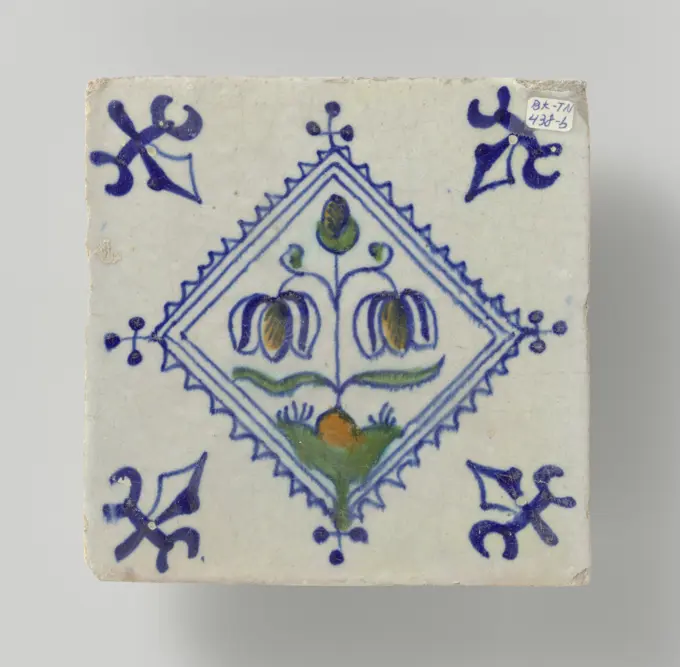
Decorative Dishware

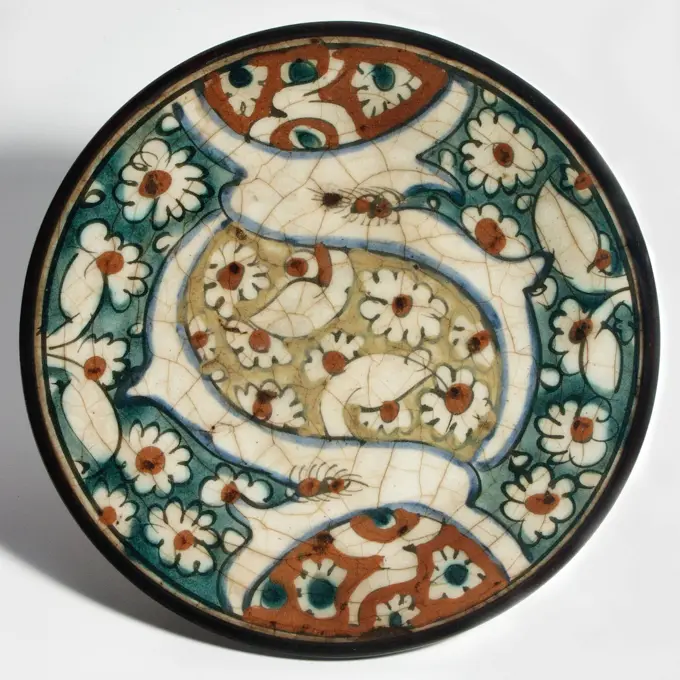
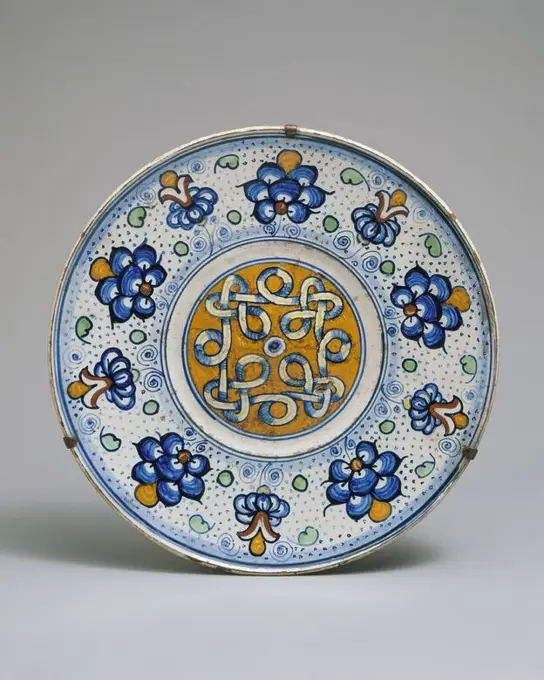
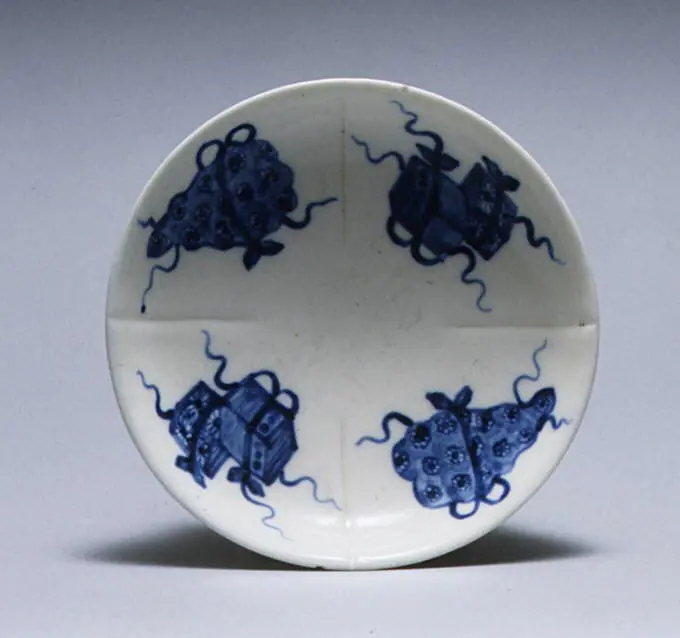
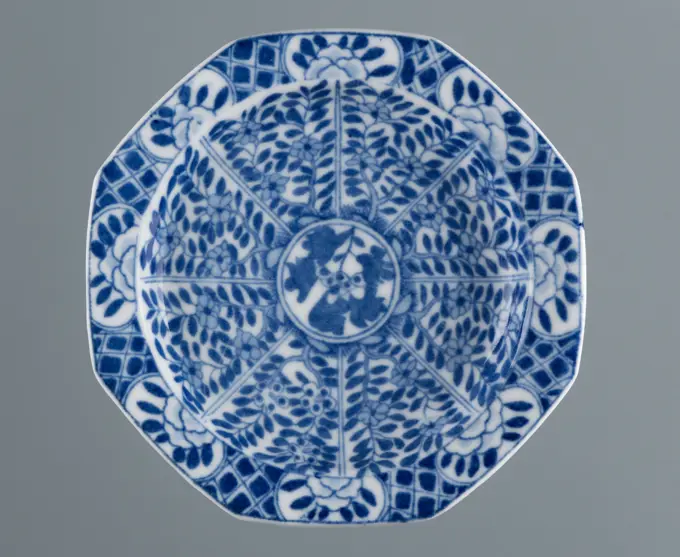
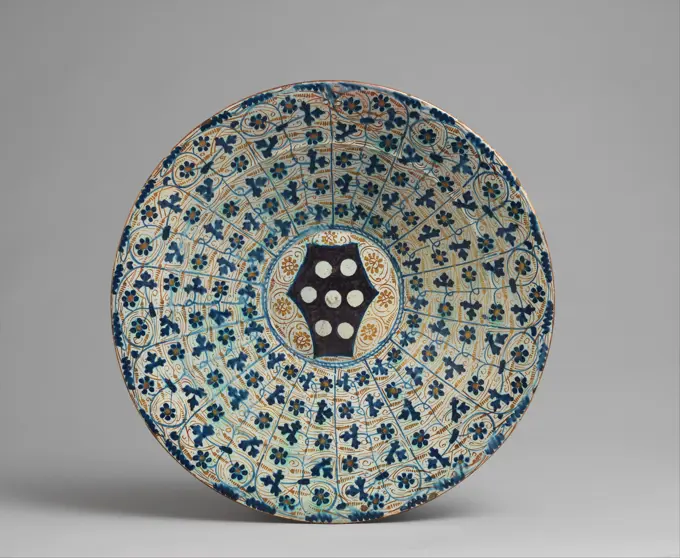
Assorted antique dishes featuring colorful floral and geometric designs, showcasing the artistry and craftsmanship of ceramics from different eras.
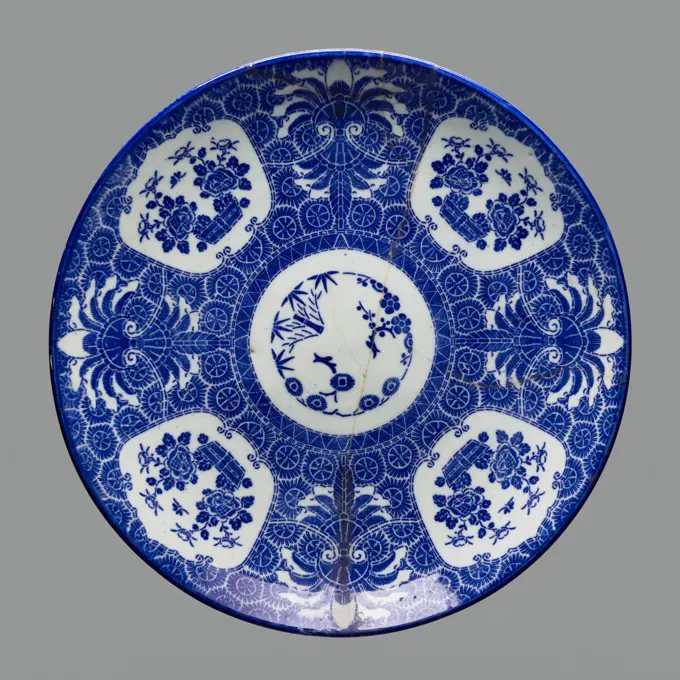
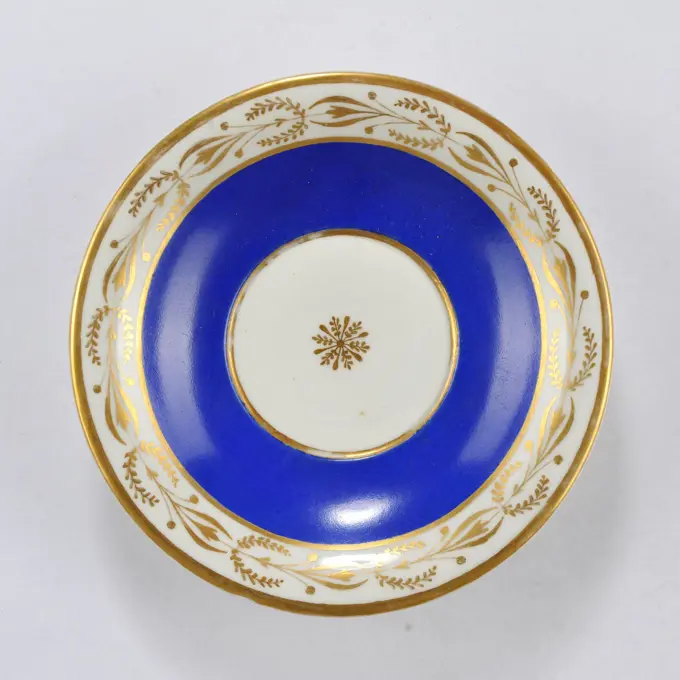
Plate;  19th century () (1801-00-00-1900-00-00);
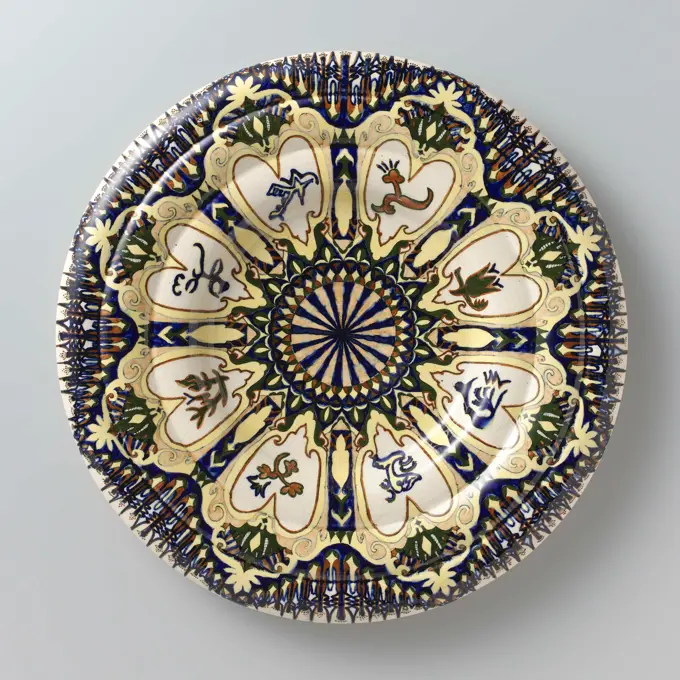
Plate; 19th century () (1801-00-00-1900-00-00);
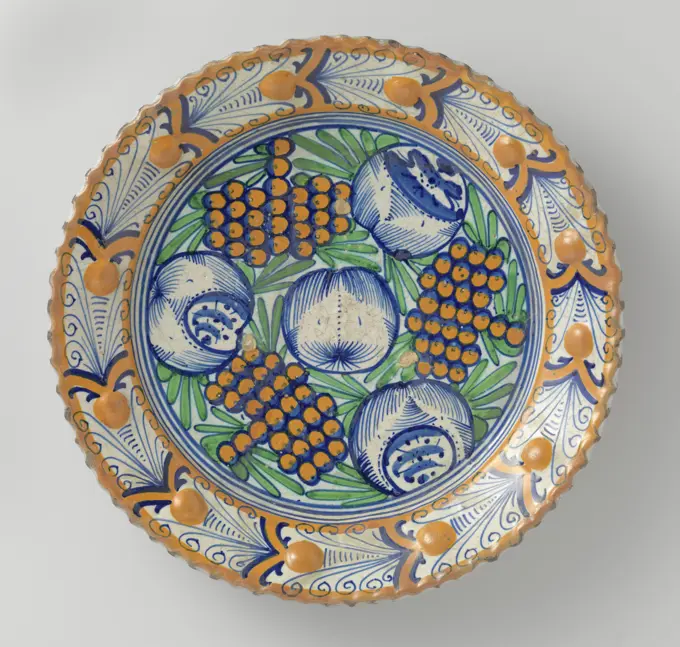
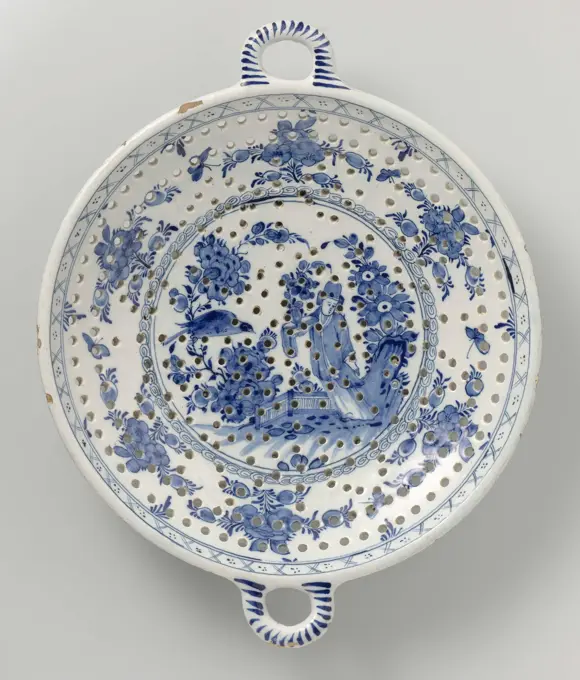
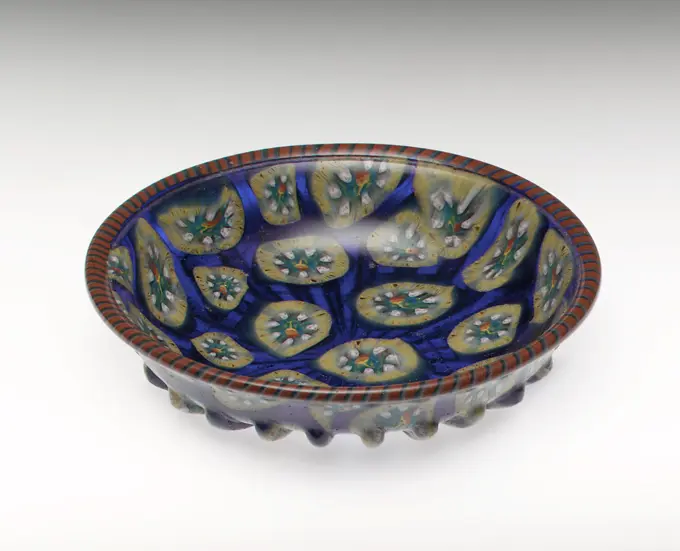
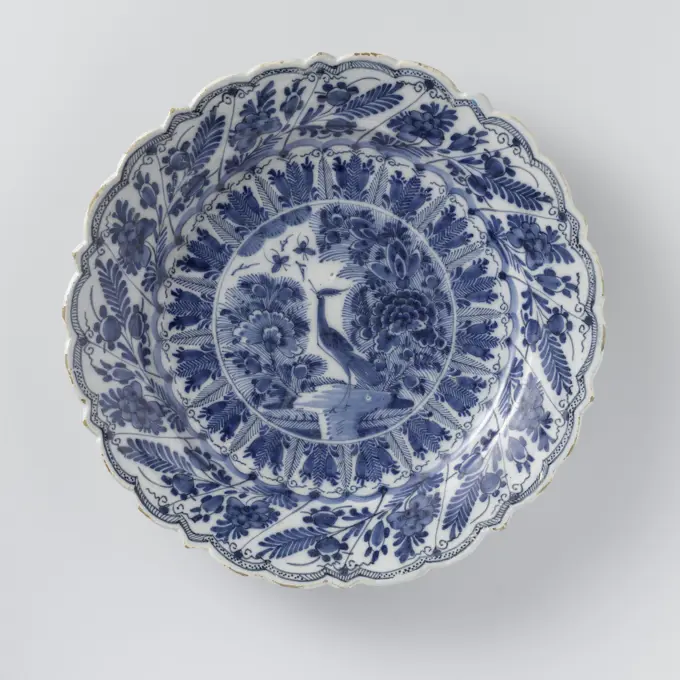
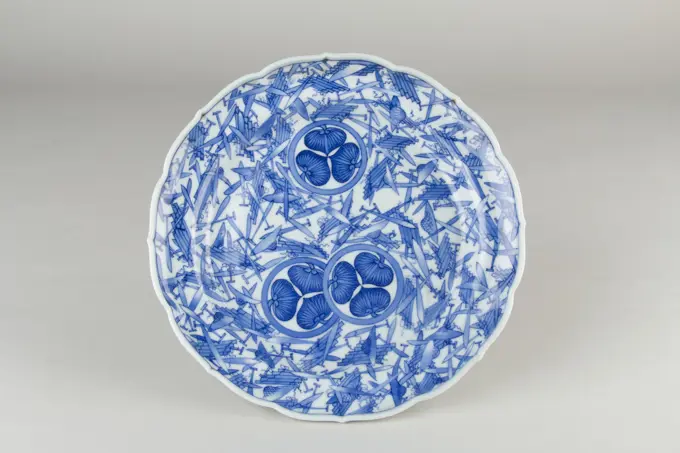
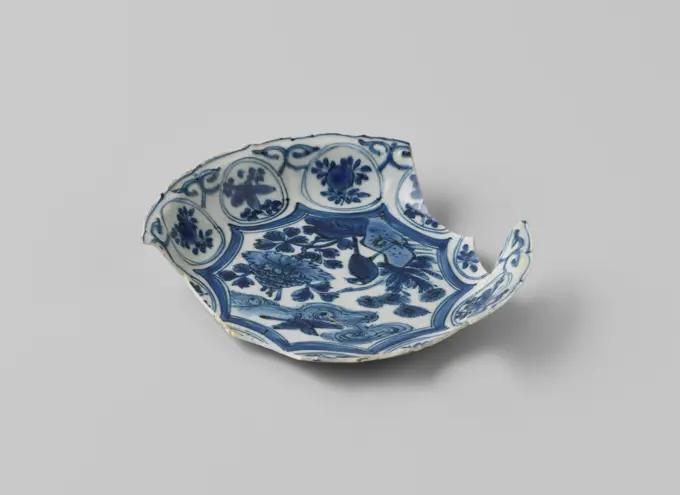
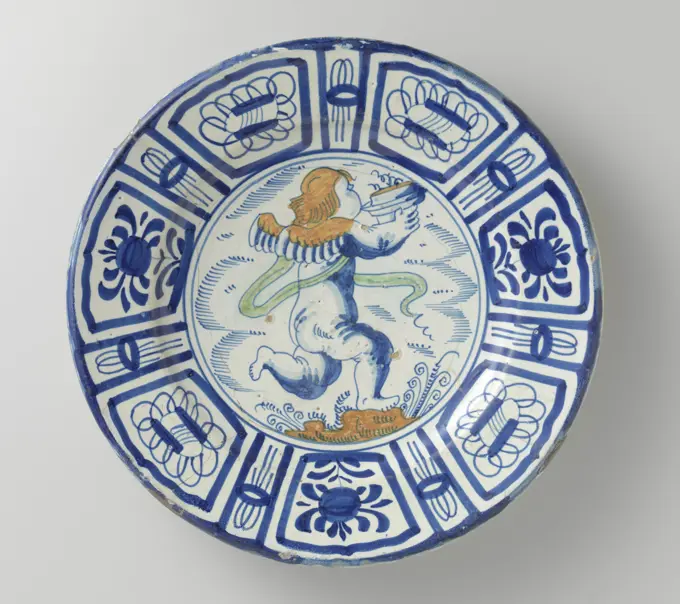
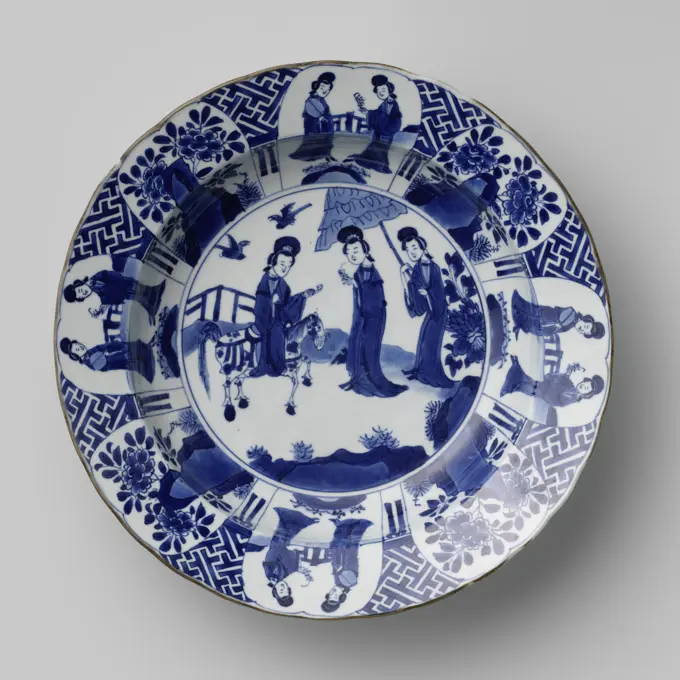
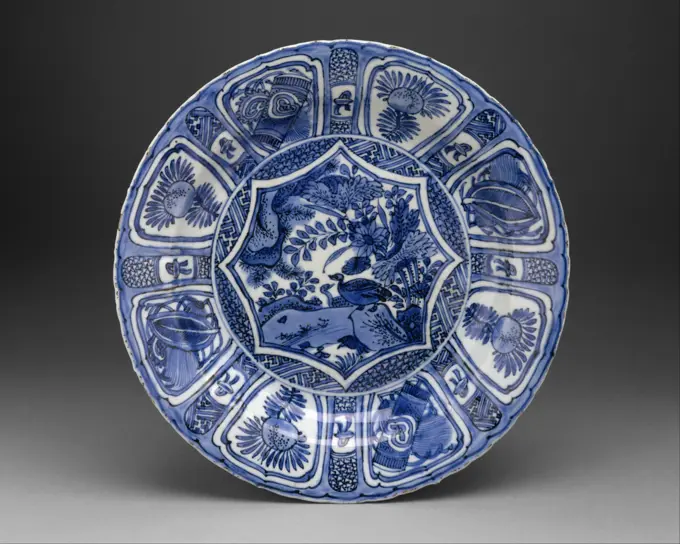
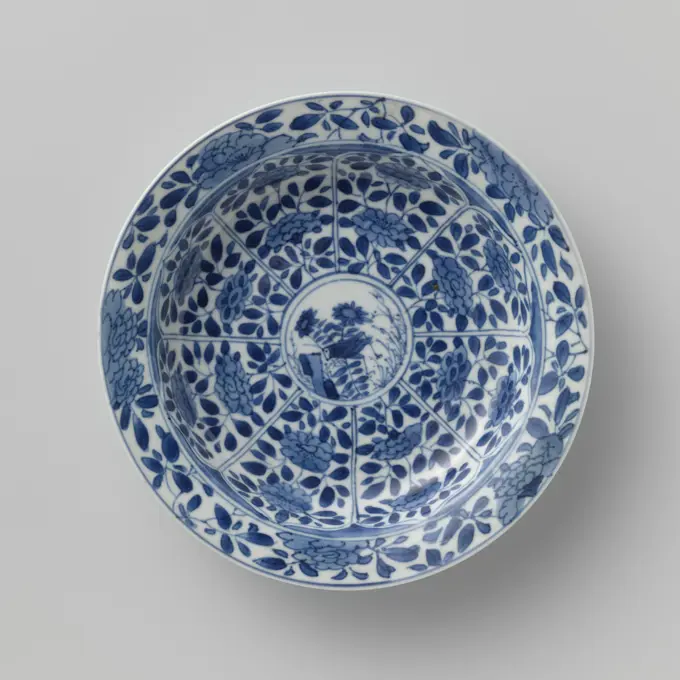
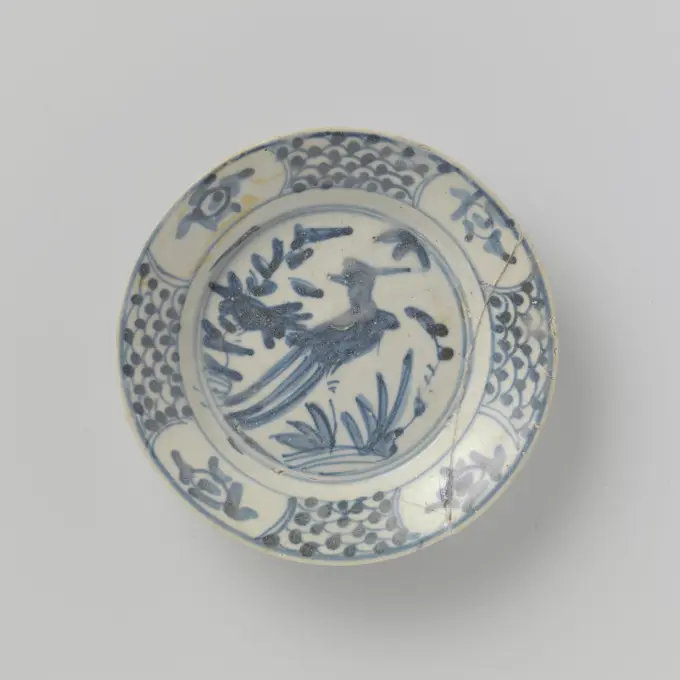
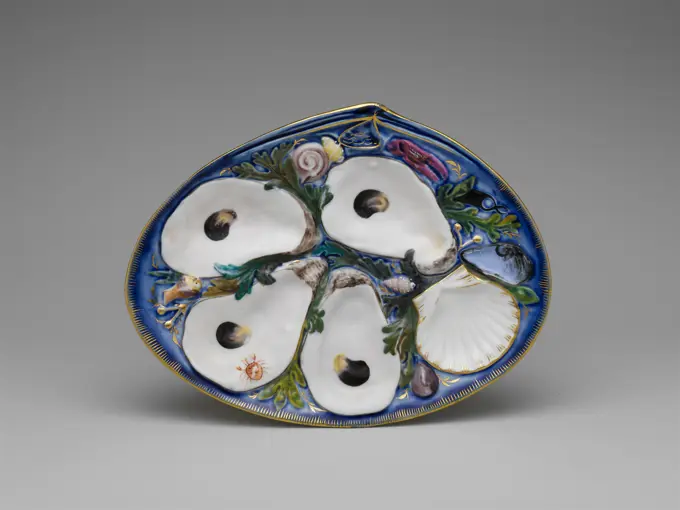
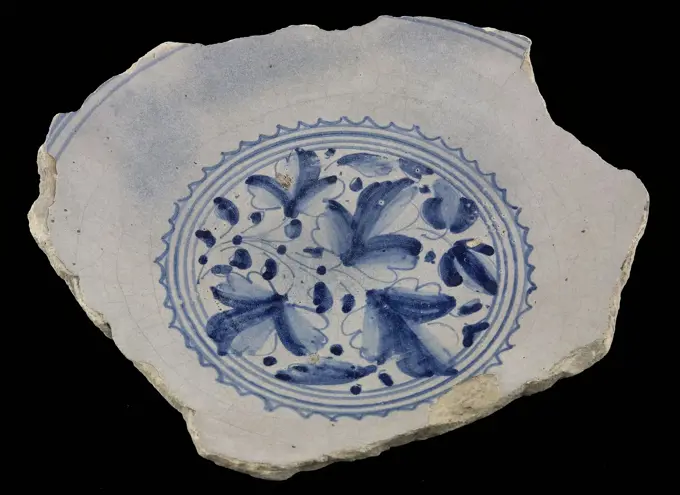
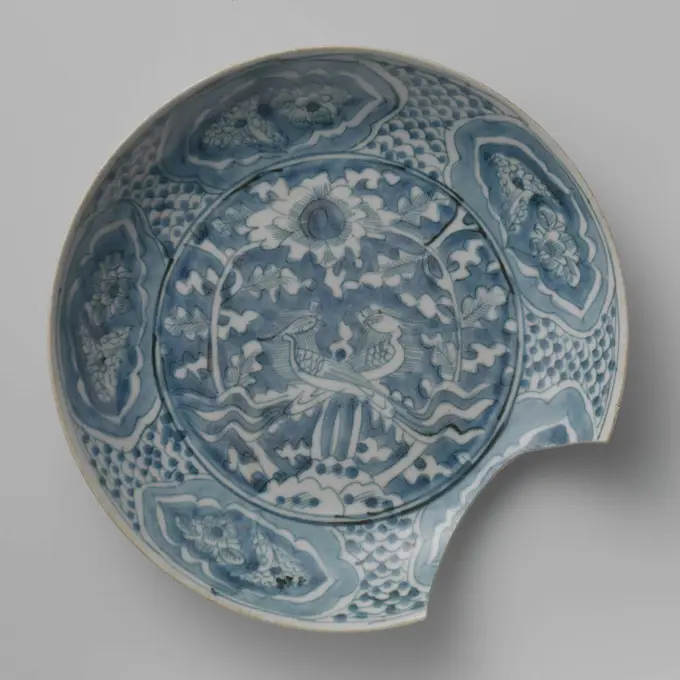
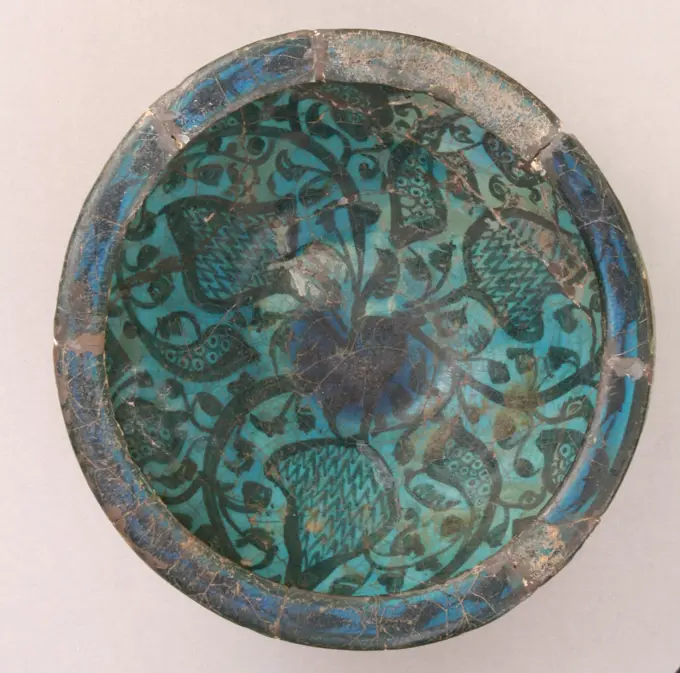
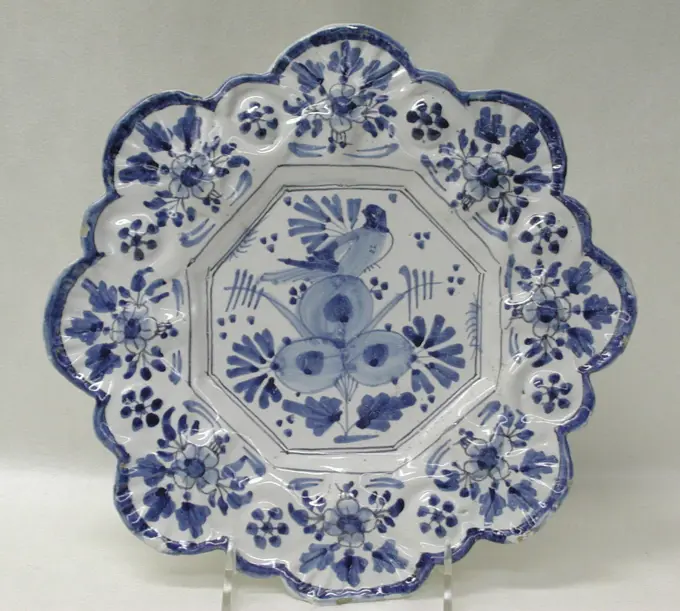
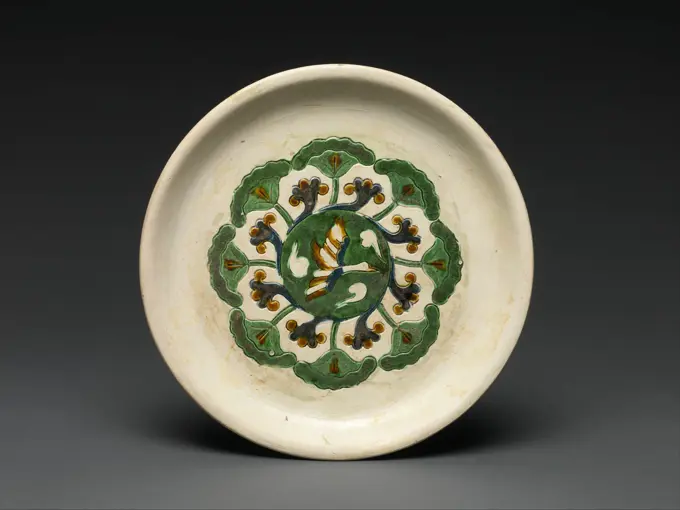
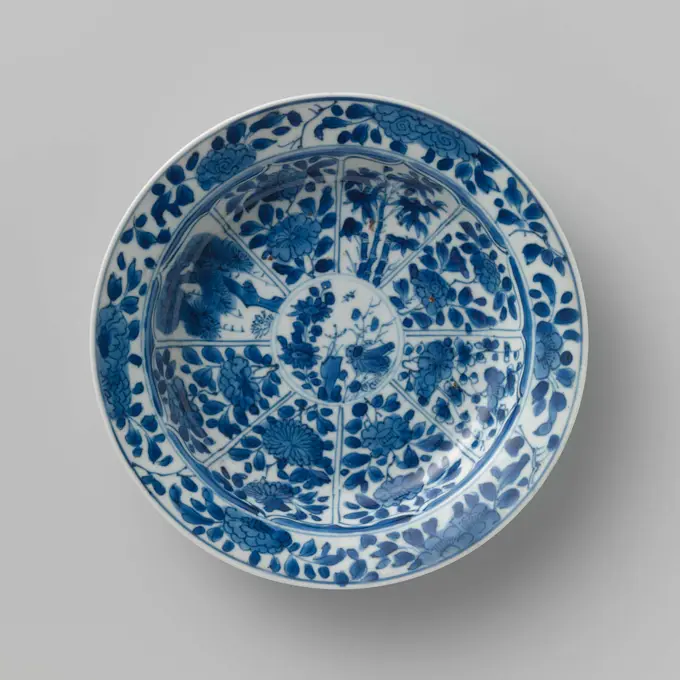
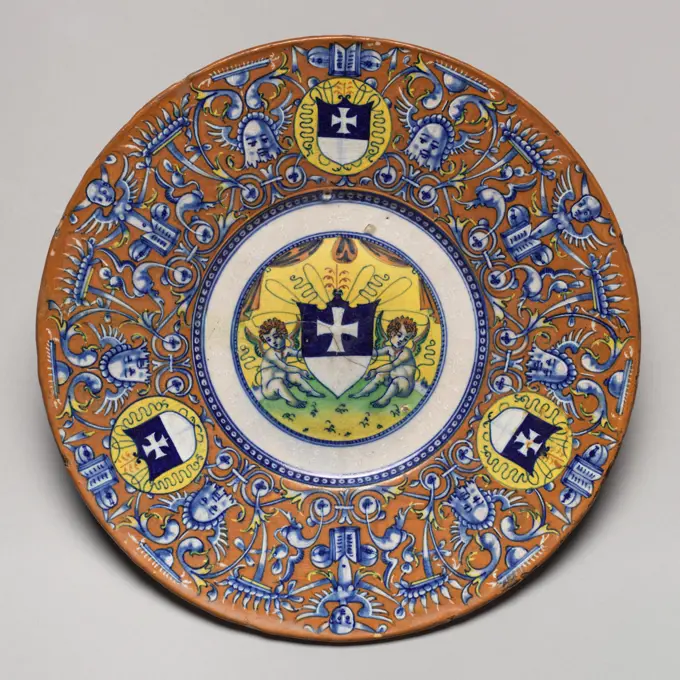
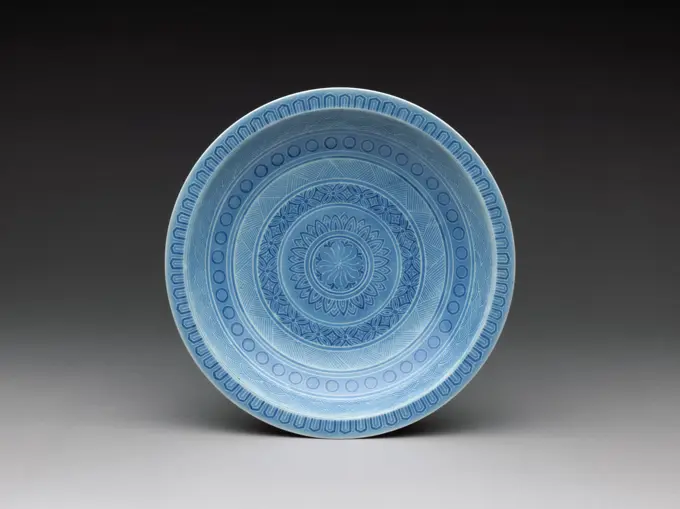
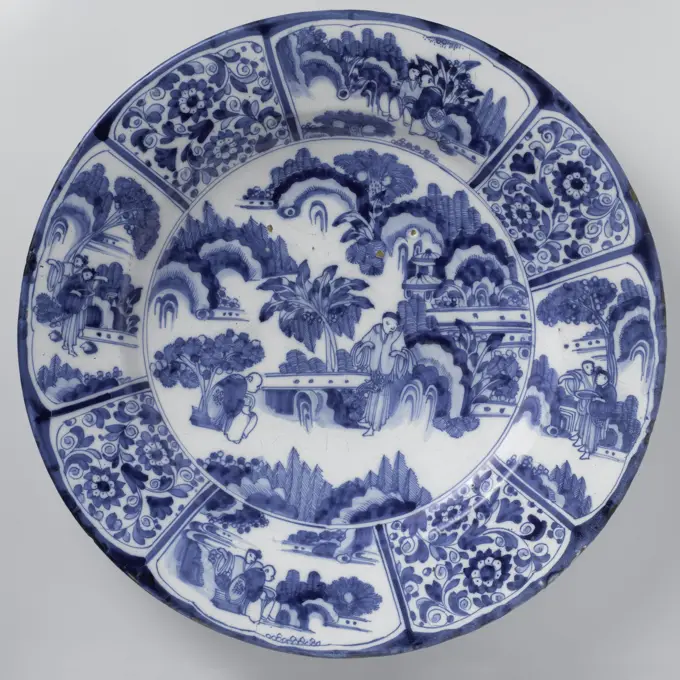
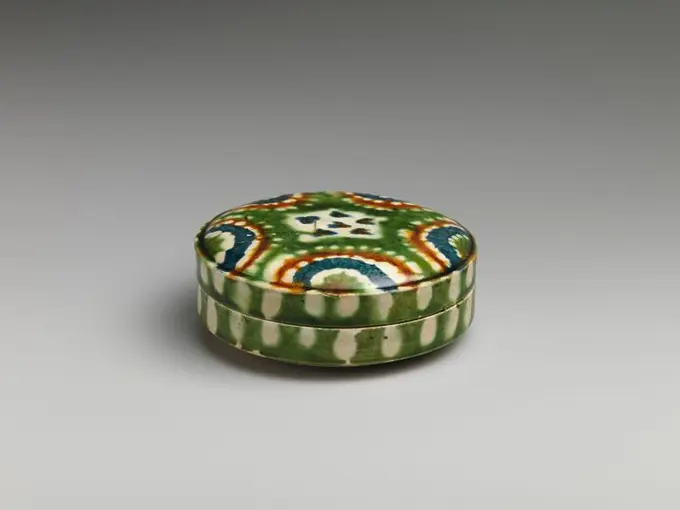
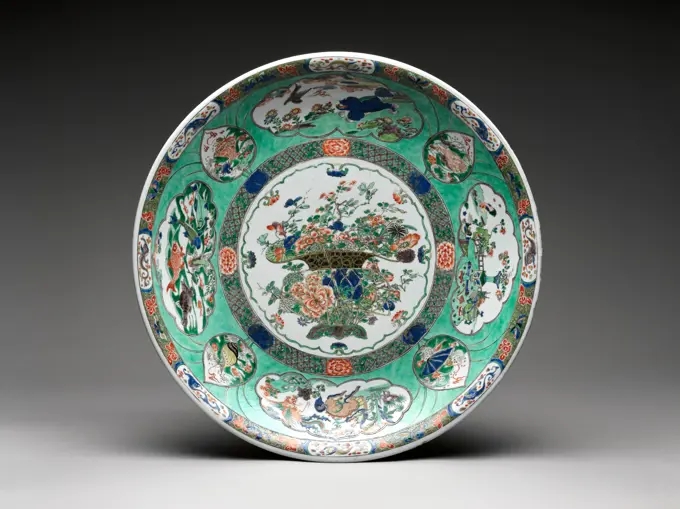
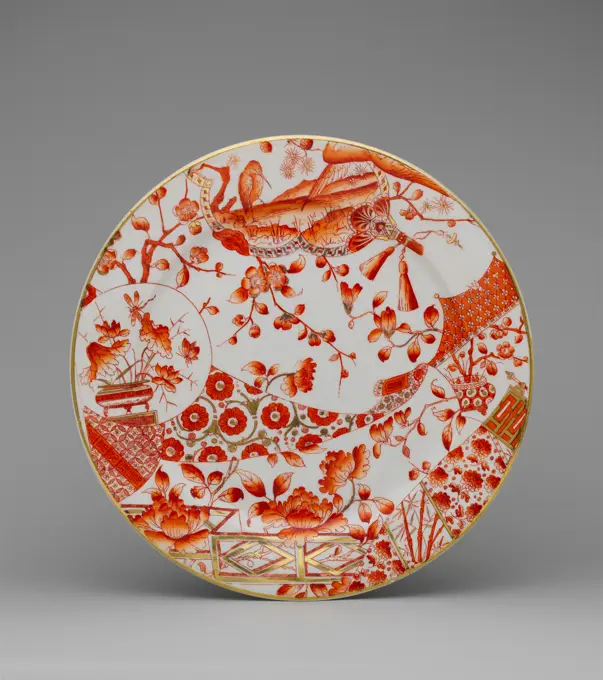
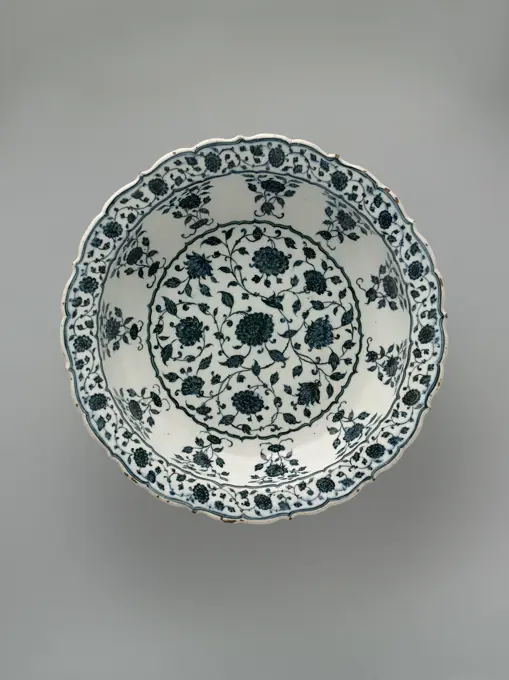
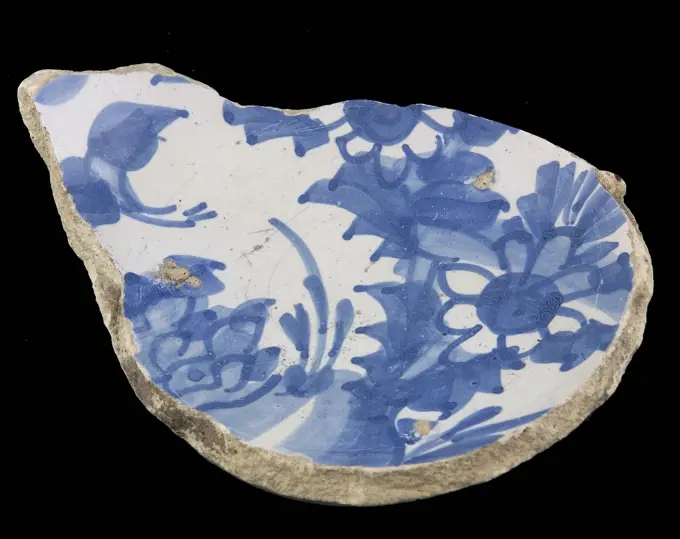
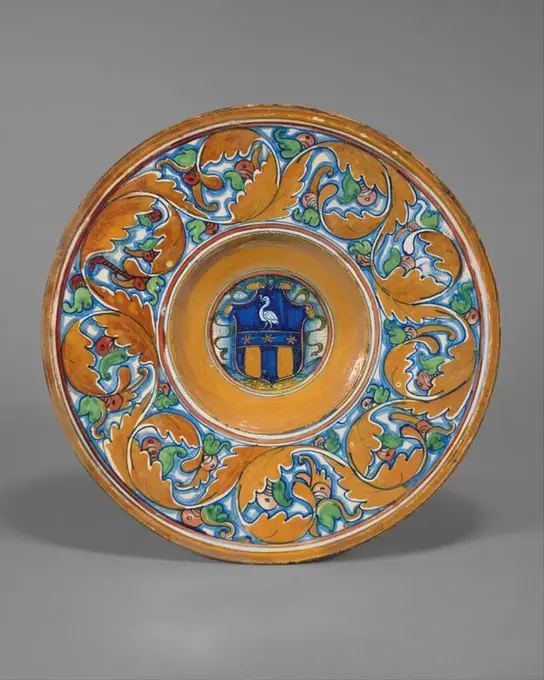
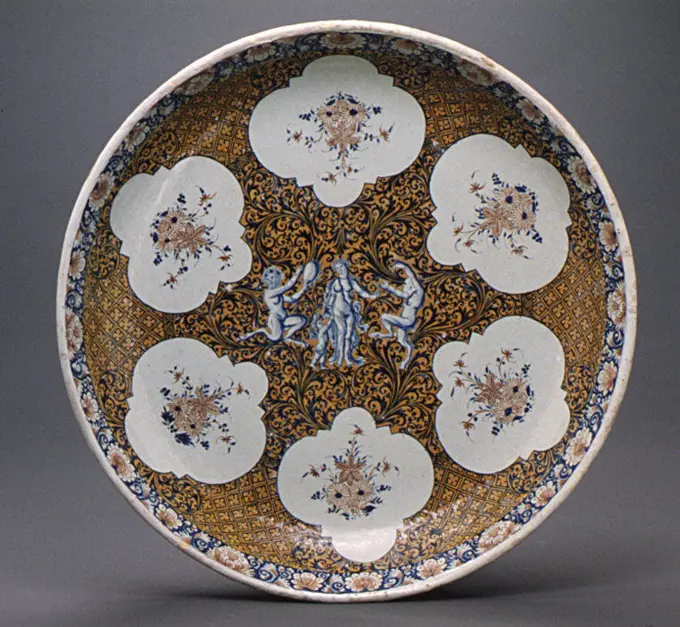
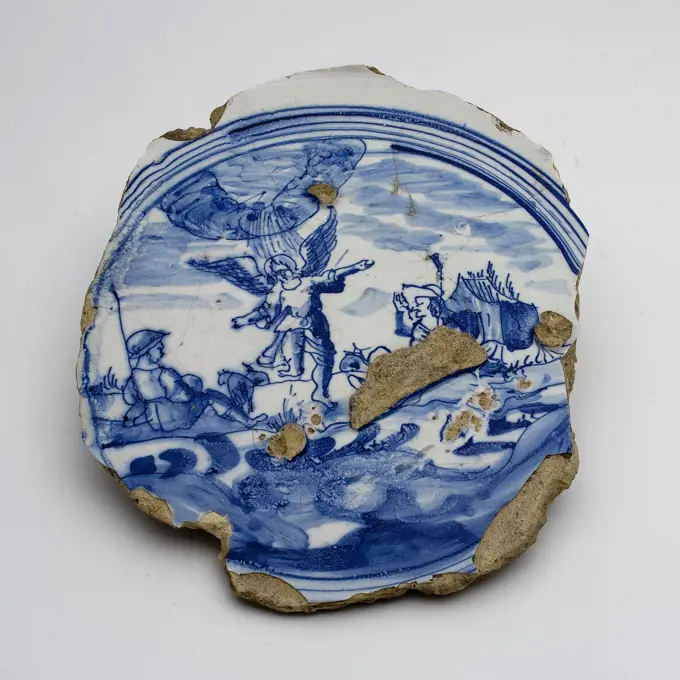
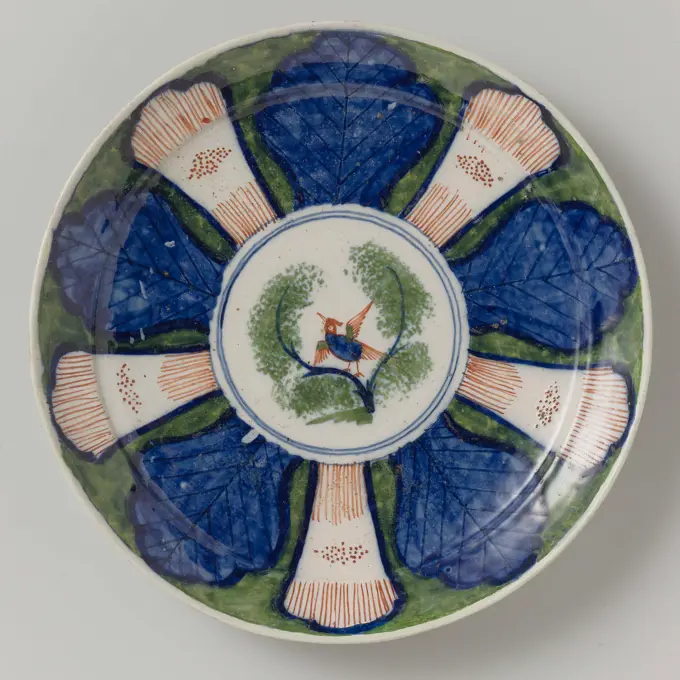
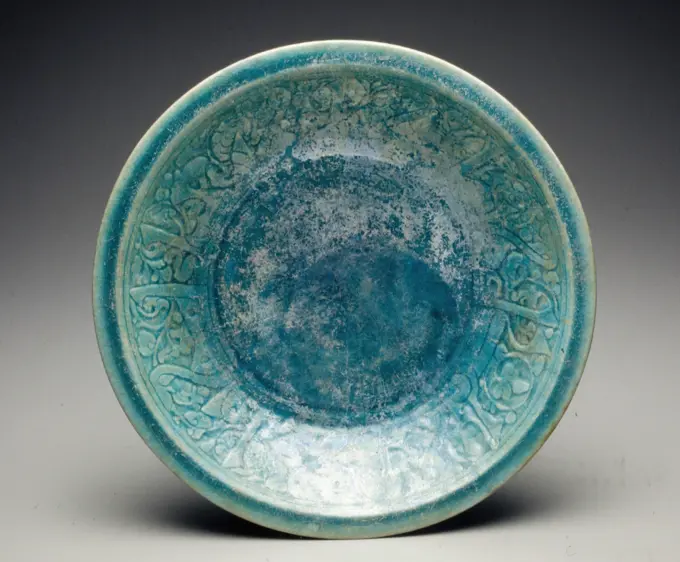
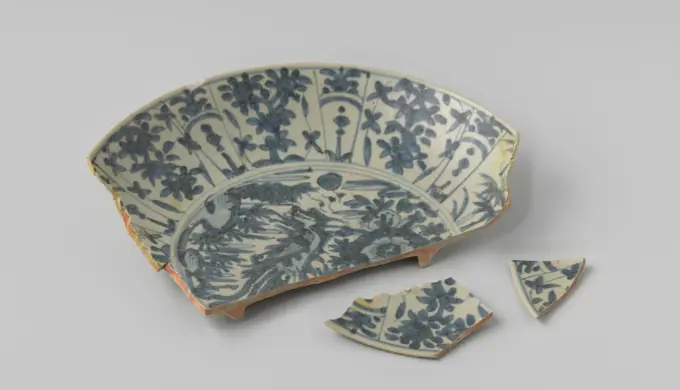
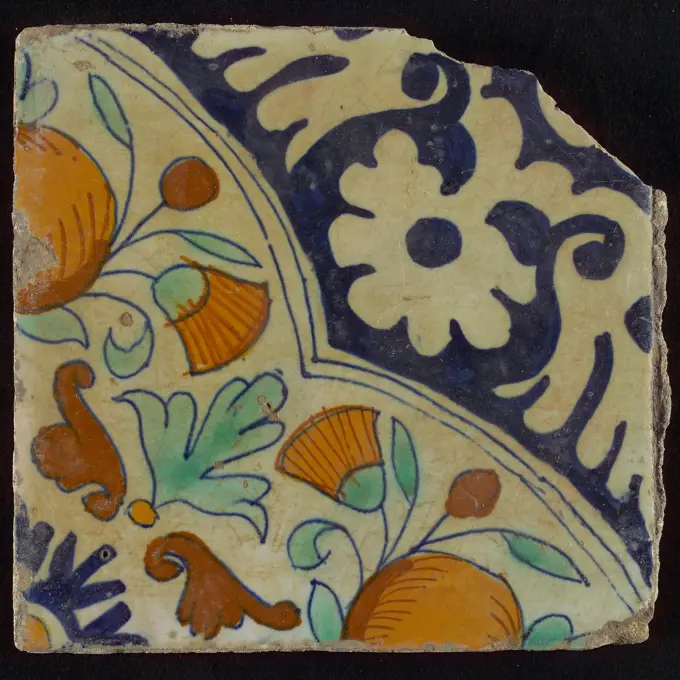
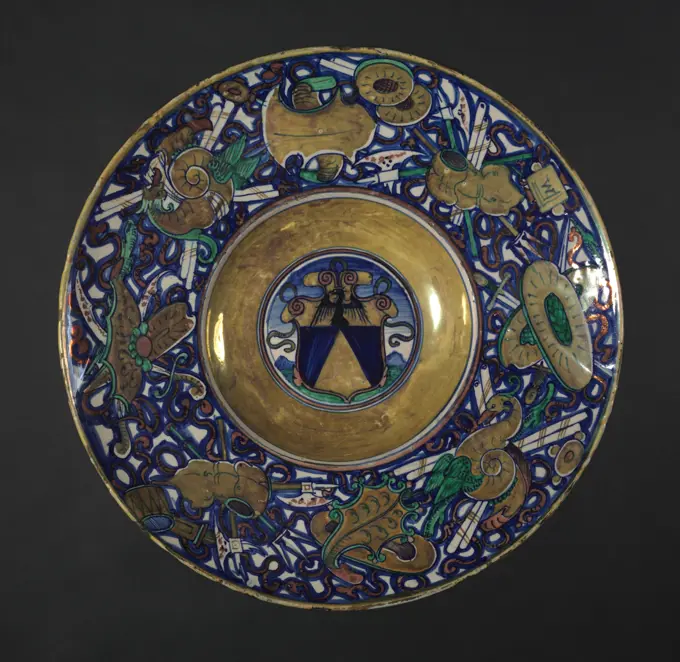
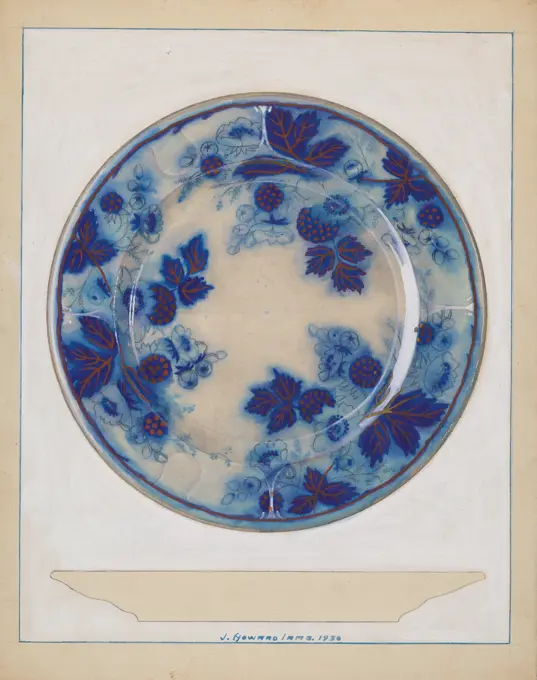
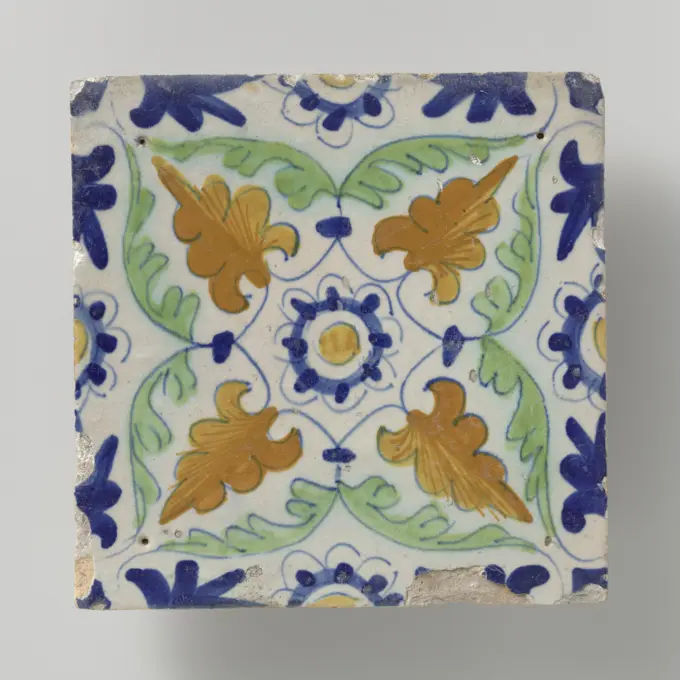
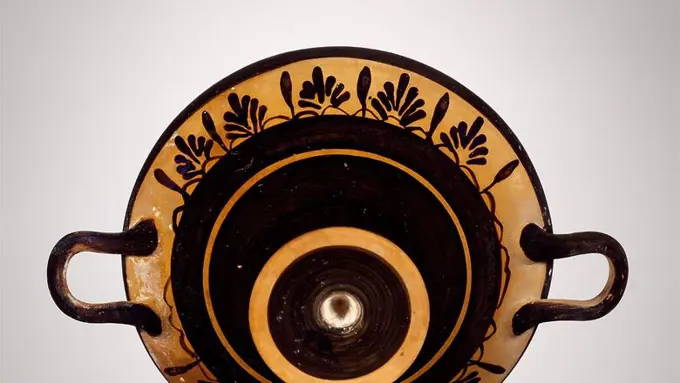
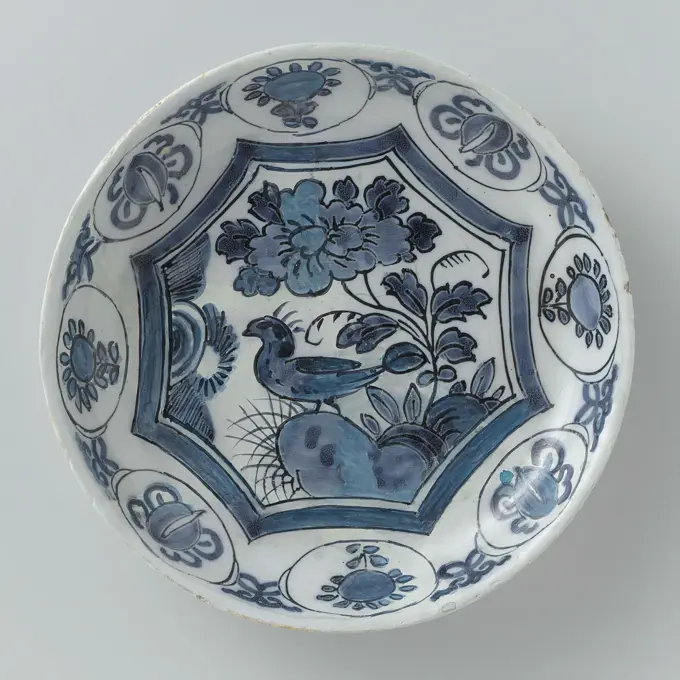
. Round dish of blue painted faience. On the flat, a bird has been painted under a plant within an eight pass and Chinese motifs on the edge. The dish is a soil find.Saucer-dish with floral scrolls, anonymous, c. 1550 - c. 1570 Dish with a backdrop of large stylized flower vines and buds in blue under transparent alarm laze. On the back a imitation of a Chinese brand (a flower branch) in blue. Around the foot a band with Ruyi motifs; A strap with half flower straws on the foot. The dish is very cracked and glued. Kirman earthenware. glaze painting / vitrification Dish with a backdrop of large stylized flower vines and buds in blue under transparent alarm laze. On the back a imitation of a Chinese brand (a flower branch) in blue. Around the foot a band with Ruyi motifs; A strap with half flower straws on the foot. The dish is very cracked and glued. Kirman earthenware. glaze painting / vitrificationDish with pomegranates, anonymous, c. 1620 - c. 1635 Round dish of multi -colored painted majolica. Three grape bunches and four fruits (pomegranates) Are painted on the flat, between which leaves. Three fruits are open. Twelve studs are painted on the edge connected by spiral lines. The outer edge is serrated. Holland earthenware. tin glaze. lead glaze majolica Round dish of multi -colored painted majolica. Three grape bunches and four fruits (pomegranates) Are painted on the flat, between which leaves. Three fruits are open. Twelve studs are painted on the edge connected by spiral lines. The outer edge is serrated. Holland earthenware. tin glaze. lead glaze majolicaFaaMence board, the Greek A, c. 1690 - c. 1700 Fowence board. Blue painted. Delft . Fowence board. Blue painted. Delft .Saucer-dish with powder blue and panels in reserve with Flower sprays. Dish with round wall of porcelain, painted in underglaze blue. The front of the dish is covered with bleu poudré (powder blue) with two fan-shaped and two rectangular cartouches filled in this with flower branches, in the center a round medallion filled with a flower rosette with tendrils; The back with three flower drinks. Marked on the bottom with a diamond in a double circle. Restored with four staples; A chip in the edge. Bleu poudré with blue and white.Dish polychrome painted faience, De Porceleijne Schotel, Johannes van Duijn, c. 1765 - c. 1780Dish, the Lampetkan, c. 1740 - c. 1790  Round dish of blue -painted faience, with a scalloped edge and decorated with the heron pattern. The dish is marked: LP can Delft Fabr. Six identical dishes with invnrs belong to the dish. BK-NM-13284-A, BK-NM-13284-B, BK-NM-13284-C, BK-NM-13284-E, BK-NM-13284-F and BK-NM-13284-g. Delft earthenware. tin glaze.Plate ca. 1800 Mexican. Plate 5981Plate;  19th century () (1801-00-00-1900-00-00);. Round plate of multicolored padded faience. A flower basket is painted on the flat in a penhag-socket, with five boxes around it, each with a flower basket. The flower baskets are painted in the colors yellow, green, purple, red and light brown. The plate has been marked.. Fish verties of faience. Blue painted with a chinoiserie decoration.Wall plate with three -part symmetrical vegetative ornament, N.V. Haagsche Plateel Factory Rozenburg, 1888 Pottery wall plate, painted in purple, green, yellow and blue with a three -part symmetrical vegetative ornament on dark blue stock. The edge in light purple. One suspension hole in the foot ring. The Hague earthenware Pottery wall plate, painted in purple, green, yellow and blue with a three -part symmetrical vegetative ornament on dark blue stock. The edge in light purple. One suspension hole in the foot ring. The Hague earthenwareBowl ca. 1875-78 Venezia-Murano Company Italian This ribbed bowl was made by fusing cross-sections of glass cane (murrine) into a sheet and forming it with a mold, a revived ancient technique called mosaic glass. Seven tiny faces surround a tulip-like flower at the center of each of the twenty-nine murrine.. Bowl 195312Hexagonal Floor Tile 1401-1500 Spain. Tin-glazed earthenware .Dish, the Lampetkan, c. 1740 - c. 1790  Round dish of blue -painted faience, with a scalloped edge and decorated with the heron pattern. The dish is marked: LP can Delft Fabr. Six identical dishes with invnrs belong to the dish. BK-NM-13284-A, BK-NM-13284-C, BK-NM-13284-D, BK-NM-13284-E, BK-NM-13284-F and BK-NM-13284-G. Delft earthenware. tin glaze.Saucer-dish with two pheasants on a prunus tree on a ground of flowers and swastikas, anonymous, anonymous, c. 1700 - c. 1799 Scale of porcelain with lobed edge, painted in underlaze blue. On the flat a pheasant on a prunus tree near a rock; A second pheasant flies above the tree. The background with a grid pattern alternately filled with swastikas and stylized flowers. An inscription of four characters next to the tree. The inner wall with a band Ruyi motifs. The outer wall with a continuous edge with birds. Marked on the bottom with 'Fuku' in a square inside a double circle. Baking sand on the foot ring. Arita, Blauw-Wit. Japan porcelain. glaze. cobalt (mineral) painting / vitrification Scale of porcelain with lobed edge, painted in underlaze blue. On the flat a pheasant on a prunus tree near a rock; A second pheasant flies above the tree. The background with a grid pattern alternately filled with swastikas and stylized flowers. An inscription of four characters next to the tree. TheSaucer-dish with powder blue, flower sprays, auspicious symbols and precious objects, anonymous, c. 1700 - c. 1724 Porcelain saucer with round wall, painted in underly glaze blue with bleu poudré. On the flat a medallion with peon branch; On the wall a prunus, chrysanthemum, peony and cameliatak; the edge with a geometric motif; The rear is covered with bleu poudré (powder blue) with grabbed lucky symbols (parasol, shell), valuables (artemisia leaf) and antiques (roll). Marked on the underside with the six-character brand of Keizer Chenghua. Six chips in the edge. Bleu Poudré with blue and white. China porcelain. glaze. cobalt (mineral) painting / vitrification Porcelain saucer with round wall, painted in underly glaze blue with bleu poudré. On the flat a medallion with peon branch; On the wall a prunus, chrysanthemum, peony and cameliatak; the edge with a geometric motif; The rear is covered with bleu poudré (powder blue) with grabbed lucky symbols (parasol, shell), valuables (artemisBottom of the half -bowl;  XVII century (1601-00-00-1700-00-00);Leopold and Janina Binnenthal - collection (Fl. Ante 1940), Dar (provenance), fragments, Persian (culture), platforms, Islamic artExcerpt of a plate, multi -colored painted with stylized leaf vines and concentric circles, anonymous, 1600 - 1650 plate (dishes) Fragment of a Majolica plate. The flat is multi -colored with stylized leaf vines and concentric circles. The edge is missing. Northern Netherlands earthenwareMaiolica: Plate (tagliere). Culture: Italian (Tuscany). Dimensions: Diameter: 23.3cm (9 3/16 in.). Date: ca. 1500. Museum: Metropolitan Museum of Art, New York, USA.Dish with Rafts, Bamboo Hats, and Tokugawa Family Crest ca. 1680-1720 Japan The Tokugawa family crest, three of which appear on this striking dish, is rarely seen on porcelain from Arita, and never on Nabeshima ware. Besides the latter, Hirado ware was the only porcelain required to be presented regularly as gifts to the shogun. Unusually for Hirado ware, the decoration covers the entire surface of the dishs interior.. Dish with Rafts, Bamboo Hats, and Tokugawa Family Crest 52509Fragment sign from V.O.C. ship De 'Witte Leeuw', Anonymous, Before 1613 plate (dishes) Fragment sign from V.O.C. ship De 'Witte Leeuw', 65 present. Jingdezhen bone china (material)   Sint-Helena. Plate of Faïence. Painted multi-colored with a basket with flowers. Edge with tendrils and Chinese motifs.Dish ca. 1776 Belvedere Manufactory The dish forms part of the Poniatowski service executed around 1776 as a gift of the Polish king, Stanislaus Augustus Poniatowski, to the Turkish Sultan.. Dish 200963Fragment of a sign from V.O.C. ship De 'Witte Leeuw', Before 1613 plate (dishes) Fragment of a sign from V.O.C. ship the 'Witte Leeuw'. Soil. Jingdezhen bone china (material)   Sint-HelenaSharp of ross -baking earthenware, with blue glaze at the top with decoration of a scene of five flowers in the earth in brown, white, yellow, orange and green, and some circles in brown and yellow around it, anonymous, 1600 - 1650  Northern Netherlands earthenware. glaze majolica  Northern Netherlands earthenware. glaze majolicaDish from v.o.c.-ship the 'Witte Leeuw', Anonymous, Before 1613  Dish from v.o.c. ship the 'Witte Leeuw', 100  present. The bowl is flat with an almost straight wall. The foot ring is low and faceted on one side. The bowl is made of good quality clay and has few impurities. The bottom is convex, has radial ridges and oven sand has been found on it. The glaze is blue -tinted and thin with cracks and pinholes. The flat of the interior is decorated with flowering lotus plants with a duck underneath. Jingdezhen porcelain  lotus ~ ornament - AA - stylized Sint-HelenaDish, anonymous, c. 1630 - c. 1650 Round dish of multi -colored painted majolica. On the flat, an angel running to the right is painted, who carries an object in front of him. The edge is divided into courses in which stylized flowers are painted (after Chinese example). Holland earthenware. tin glaze. lead glaze majolica Round dish of multi -colored painted majolica. On the flat, an angel running to the right is painted, who carries an object in front of him. The edge is divided into courses in which stylized flowers are painted (after Chinese example). Holland earthenware. tin glaze. lead glaze majolicaPlateau; unpredictable Lona Manufaktura; 2 after. 19th century (1701-00-00-1900-00-00);Dish, anonymous, c. 1630 - c. 1650 Round dish of blue painted majolica. Two concentric circles are painted on the flat within which a flying bird (mountain duck) Between stylized flowers and leaves. The edge is divided according to Chinese example into courses in which stylized flowers. The dish is marked. Northern Netherlands earthenware. tin glaze. lead glaze majolica Round dish of blue painted majolica. Two concentric circles are painted on the flat within which a flying bird (mountain duck) Between stylized flowers and leaves. The edge is divided according to Chinese example into courses in which stylized flowers. The dish is marked. Northern Netherlands earthenware. tin glaze. lead glaze majolicaDish 17th century. Dish. 17th century. Stonepaste; underglaze painted in black, blue, and green with red and yellow slips. Attributed to Iran. CeramicsDish with women in a fenced garden and flowering plants near a rock, anonymous, c. 1680 - c. 1720 Deep dish of porcelain with a lobed edge, painted in underlaze blue. On the flat in a medallion a woman (long lijs) on a horse in a fenced garden. Opposite her another woman with a twig in her hand, behind her a servant with a parasol. Two birds fly above them. The wall and edge with eight lobed compartments with alternating two women in a fenced garden or flowering plants in a rock. A Swastika pattern and bows between the cartouches. The outer edge with six flower vines. The outer wall with Ruyi motifs separated by vertical stripes. Marked on the underside with the six-character brand of Kangxi in a double circle. A chip in the edge. Blue White. China porcelain. glaze. cobalt (mineral) painting Deep dish of porcelain with a lobed edge, painted in underlaze blue. On the flat in a medallion a woman (long lijs) on a horse in a fenced garden. Opposite her another woman with a twig in her handDish. unknown, craftsmanDish late 17th century Chinese, for European market A defining feature of kraak porcelain (so-called from the Dutch name for caracca, the Portuguese merchant ship) is the device of paneled decoration, seen here in the wide border of the dish, with its alternation of sunflowers and emblems. The central scene of ducks on a pond and the paneled motifs are among the numerous variants on the basic format of this extensive class of export porcelain. Examples similar to the Museum's dish, which is well made and painted with strong color and with care, if not with spirit, were found in the cargo of the Dutch ship Witte Leeuw, sunk in battle off Saint Helena in 1613.. Dish. Chinese, for European market. late 17th century. Hard-paste porcelain with cobalt blue under transparent glaze. Ceramics-Porcelain-Export. Scale, oval, from faience. Painted multi-colored with flower decorations and so-called lightning pattern. Edge canceled.Plate from v.O.c.-ship the 'white lion'. Plate from v.O.c.-ship the 'white lion', 90%% present.Dish with rider by Anonymous. Copper engraving decorated with enamel. Dated 13th CenturySaucer with panels in the shape of a flowerhead filled with flower sprays, anonymous, c. 1680 - c. 1720 Porcelain saucer with raised wall and flat edge, painted in underlaze blue. On the flat a medallion surrounded by petal -shaped compartments; The medallion is filled with a flower branch, rock and grasshopper, in the leaf -shaped subjects each time a flower branch; on the edge of flower branches; The rear with two flower branches and a peach branch. Marked on the underside with an artemisia leaf in a double circle. Blue White. China porcelain. glaze. cobalt (mineral) painting / vitrification Porcelain saucer with raised wall and flat edge, painted in underlaze blue. On the flat a medallion surrounded by petal -shaped compartments; The medallion is filled with a flower branch, rock and grasshopper, in the leaf -shaped subjects each time a flower branch; on the edge of flower branches; The rear with two flower branches and a peach branch. Marked on the underside with an artemisia leaf Saucer; Koenigliche Porzellan Manufaktur (KPM; Berlin; 1763-1918); 1. PO. 19th century (1801-00-00-1850-00-00);Plant decorations, gildingSaucer With a Flower Spray and Flowering Plants. Dish of porcelain, painted in underglaze blue and on the glaze red and gold. On the flat in a medallion a flower branch. To the medallion thriving plants from the flat on the wall. Imari.Sign from V.O.C.-ship De 'Witte Leeuw', Anonymous, Before 1613 plate (dishes) Plate from V.O.C. ship De 'Witte Leeuw', 100 present, made up of shards. The shard is white and has little ingrained dirty. The glaze is blue -tinted, has pinholes and baking cracks and peels over the lip edge. The bottom is glazed and the foot ring is faceted. The flat is decorated with a pheasant with flowers. The wall of the interior is decorated with 4 medallions with a sketchy flower. Swatow porcelain   Sint-HelenaPlate 1680-1700 Hanau. Tin-glazed earthenware (faience) .Oyster plate 1881 Union Porcelain Works. Oyster plate 5488Fragment majolica scale, blue on white, -foglie leaf motifs in the mirror, dish plate crockery holder earth discovery ceramics earthenware glaze, Winning fried archeology serving food decorateTile, Anonymous, 1620 - 1640 tile Tile with a blue -painted bird in a Chinese garden within an Akkolade surrounded by a meander. Netherlands earthenware. tin glaze majolicaPlate from v.O.c.-ship the 'white lion'. Plate from v.o.c.-ship the 'white lion', 95%% present; Part of the wall is missing. The shard is white, the glaze colorless. The dish has pinholes and frying tears. The bottom is glazed, the foot ring has been completed and a lot of oven sand has been found.Bowl 13th-14th century. Bowl 452004Shallow bowl 1867-1899 Morocco. Hard buffware body, thick walls, opaque white slip ground with transparent glaze .Plate ca. 1670-80 British, Brislington. Plate 198107Dish with Floral and Fruit Sprays ( Gardenia Dish ) Made 1488-1505 . Porcelain painted in underglaze blue and overglaze yellow enamel .Dish with figures in a landscape late 17th century probably German The East Asian motif of figures in a landscape was frequently chosen for kraak ware in the early seventeenth century. The decoration of this dish employs the same motif, painted in a style based on Japanese prototypes of the mid-seventeenth century. The lobed form is derived from European metalwork dishes.. Dish with figures in a landscape. probably German. late 17th century. Tin-glazed earthenware with cobalt blue pigment (Delftware). Ceramics-PotteryTray 8th century China The shape of this tray emulates silver examples imported from either the Sasanian empire (224-651) in present-day Iran or the trading nation of Sogdia in present-day Uzbekistan. The pattern at the center of the tray was impressed while the clay was still soft, then splashed with three colors (sancai) of glaze that first appeared in funerary ceramics of the late seventh century. The addition of blue to the standard beige, green, and amber palette dates this tray to the eighth century when that color was first used.. Tray. China. 8th century. Earthenware with three-color (sancai) glaze. Tang dynasty (618-907). CeramicsFragment sign from V.O.C. ship De 'Witte Leeuw', Anonymous, Before 1613 plate (dishes) Sign from V.O.C. ship De 'Witte Leeuw', 30 present; The wall is missing. The shard is glassy white and has little ingrained dirt. The glaze is blue tinted. The bottom is unglazed. The foot ring is inside and is faceted. The lip is scooped. Jingdezhen bone china (material)   Sint-HelenaSaucer with panels in The Shape of a Flowerhead Filled with Flower Sprays. Dish of porcelain with raised wall and flat edge, painted in underglaze blue. On the flat a medallion surrounded by flower leaf-shaped compartments; The medallion is filled with a flower branch, rock and insect, in the leaf-shaped compartments each time a flower branch (bamboo, chrysanthemum, prunus, pine, etc.); on the edge flower branches; The back with two flower branches and a peach roof. Marked on the bottom with an artemisia leaf in a double circle. Blue White.Plate. Manufacture nationale de porcelaine de Sevres (1756-), factoryFragment majolica dish, blue on white, -foglie leaf motifs, dish plate tableware holder earth discovery ceramics earthenware glaze, majolica At princes baked archeology food decorate servingPaperweight 1843-1860 Lunéville. Technological improvements to optical scientific instruments in the mid-nineteenth century spurred a veritable obsession across Europe with identifying and classifying the natural world. Amateur botanists were eager to collect and preserve floral specimens, which they intently researched and catalogued. In response to this broad appeal, French glassmakers made paperweights that portrayed the very botanical subjects that were so enthusiastically sought. Many weights represented specimens with horticultural correctness, but others were entirely fanciful creations. Paperweights like this example speak to the periodís fascination with taxonomic systems.From the late 1840s to early 1860s, French manufacturers of fine glass and crystalósuch as Baccarat (Alsace), Clichy (Paris), and Saint-Louis (Lorraine)ócatered to the vast public enthusiasm for beautiful yet functional desk accessories. Paperweights, which were designed to secure loose papers against drafts,Plate with a musician and dancing company, anonymous, c. 1400 - c. 1950 Plate of earthenware with flow -blue transfer decor. On the flat a musicianing and dancing company in a garden. England earthenware Plate of earthenware with flow -blue transfer decor. On the flat a musicianing and dancing company in a garden. England earthenwareProbably Faentine or Venetian 16th Century, Plate with border of grotesques on an orange ground and three shields of the arms of the Gritti of Venice, probably c 1510 1525 Probably Faentine or Venetian 16th Century, Plate with border of grotesques on an orange ground and three shields of the arms of the Gritti of Venice; in the center, putti holding another shield of the same arms, probably c. 1510/1525, tin-glazed earthenware (maiolica), Widener Collection 1942.9.314Dish with Bands of Geometricized Patterns 18th century Japan This dish is an excellent example of the sophisticated technique of early Nabeshima potters. The unglazed ware was painted with sumi (ink), decorated with underglaze cobalt blue and then covered in a light cobalt-blue glaze followed by a clear glaze. When fired, the sumi evaporates along with the cobalt-blue glaze, leaving the underlying white porcelain visible in a process known as sumihajiki.. Dish with Bands of Geometricized Patterns 50344Covered Box. China, 16th century. Furnishings; Accessories. Stoneware with underglaze blue painted decoration. Scale of quartz Fritgoed decorated with leaf refrices saved in curlwork in black blue on white under a transparent glaze.Saucer-Dish With Powder Blue and Flower Heads in reserve. Dish with round wall of porcelain, painted in underglaze blue. The dish is covered with bleu poudré (powder blue) with a flower seven times in this. Marked on the underside with a seal mark in a double circle. Bleu poudré with blue and white.Plate with fluted sides and continuous flower pattern, anonymous, c. 1700 - c. 1724 Plate of porcelain with ribbed wall and scalloped edge, painted in underlaze blue. On the flat flower vines in a medallion with a tire archive work; the wall with flower vines and a band with shadowing; The back with four lotus plants. Marked on the bottom with a window in a double circle. Edge damaged. Blue White. China porcelain. glaze. cobalt (mineral) painting / vitrification Plate of porcelain with ribbed wall and scalloped edge, painted in underlaze blue. On the flat flower vines in a medallion with a tire archive work; the wall with flower vines and a band with shadowing; The back with four lotus plants. Marked on the bottom with a window in a double circle. Edge damaged. Blue White. China porcelain. glaze. cobalt (mineral) painting / vitrificationLa Mer. Acquired by the artist on the Paris World Exhibition 1900Dish with Peaches ca. 1690-1720 Japan. Dish with Peaches 40458Scherf of a sign from V.O.C. ship De 'Witte Leeuw', Anonymous, Before 1613 plate (dishes) Sharf of a sign from V.O.C. ship the 'Witte Leeuw'. Jingdezhen bone china (material)   Sint-Helena. Pottery wall plate, with ribbed edge and multi-colored painted with an edge of yellow cartouches around a substantially blue rosette. Different vegetative motifs in the cartouches. Original label from Rozenburg, Long Paws 39, La Haye.Charger, anonymous, c. 1650 - c. 1665 Round dish of blue painted faience. A garden is painted on the flat with a standing and a bald sitting figure (Chinese). Eight compartments have been painted on the edge. In four small compartments of flower vines, in two large compartments in a landscape and in two large compartments two standing figures in a landscape. Delft earthenware. tin glaze. Round dish of blue painted faience. A garden is painted on the flat with a standing and a bald sitting figure (Chinese). Eight compartments have been painted on the edge. In four small compartments of flower vines, in two large compartments in a landscape and in two large compartments two standing figures in a landscape. Delft earthenware. tin glaze.Saucer ca. 1715-25 Saint-Cloud factory The gift of the Hans Syz Collection in 1995 endowed the Museum with nearly three hundred examples of European and Asian ceramics meticulously acquired by Swiss-born collector Dr. Syz (1894-1991) to chart the migration of models and patterns from East to West. Documenting a continuous process of influence and adaptation, these pieces provide a discriminating review of the nuances of stylistic change resulting from three centuries of trade.. Saucer 208241Dish from V.O.C. ship De 'Witte Leeuw', Before 1613  Dish from V.O.C. ship De 'Witte Leeuw', 95 present. Jingdezhen porcelain   Sint-HelenaTalerzyk. unknown, craftsmanTile, orange, brown, green, and blue on white, flowerpot in square, corner pattern palm, wall tile tile sculpture ceramic earthenware glaze, baked 2x glazed paintedSaucer with 'Strohblumen' Pattern, hard paste porcelain, vitreous enamel, Curved shape, reeding on the outside. Decoration of underglaze blue strohblumen” pattern., Germany, ca. 1790, ceramics, Decorative Arts, saucer, saucerDish 15th century Spanish. Dish 471802Bowl 18th-19th century. Bowl 446694Box with Abstract Design. Culture: China. Dimensions: H. 1 9/16 in. (4 cm); Diam. 3 5/8 in. (9.2 cm)H. (Lid) 11/16 in. (1.8 cm)H. (Body) 1 in. (2.5 cm). Date: early 8th century.The design on this small box parallels that found in textiles produced using resist or tie-dye techniques. Museum: Metropolitan Museum of Art, New York, USA.Plate with Basket of Auspicious Flowers late 17th-early 18th century China. Plate with Basket of Auspicious Flowers. China. late 17th-early 18th century. Porcelain painted with colored enamels over transparent glaze (Jingdezhen ware). Qing dynasty (1644-1911), Kangxi mark and period (1662-1722). CeramicsPlate ca. 1880-93 Ott and Brewer Transfer printing enabled Ott and Brewer to create artistic wares that cost less than those dependent on other decorative techniques. The gilded highlights on this plate indicate that it was nevertheless considered an artistic product.. Plate 15935Dish with a scale motif and scrolls, anonymous, c. 1565 - c. 1585 Dish of quail fritry with lead decorated with a scaly motif and tendrils in blue, red and green on white under transparent lead-alkali-laze laze. A cloud motif or curl on the edge. Iznik. Iznik earthenware. glaze painting / vitrification Dish of quail fritry with lead decorated with a scaly motif and tendrils in blue, red and green on white under transparent lead-alkali-laze laze. A cloud motif or curl on the edge. Iznik. Iznik earthenware. glaze painting / vitrificationFooted Dish with Foliate Rim in Imitation of Chinese Porcelain ca. 1570-80 Many Ottoman sultans were avid collectors of Chinese porcelains, and the importation of these wares had a profound effect on regional ceramic production. The floral scrolls, foliate rim, and palette of this Iznik bowl reproduce those of a fifteenth-century Chinese prototype. The unusual addition of a raised foot on this piece, however, appears to be an Ottoman invention.. Footed Dish with Foliate Rim in Imitation of Chinese Porcelain. ca. 1570-80. Stonepaste; polychrome painted in blue under transparent glaze. Made in Turkey, Iznik. CeramicsFragment majolica dish, blue on white, flowers in vase, dish plate crockery holder earth discovery ceramics earthenware glaze, majolica At princes fried archeology food decorate servingDish with flowers first half of the 19th century China. Dish with flowers 46278Plate (tondino). Artist: probably workshop of Maestro Giorgio Andreoli (Italian (Gubbio), active first half of 16th century). Dimensions: Diameter: 10 3/4 in. (27.3 cm). Date: 1525-30. Museum: Metropolitan Museum of Art, New York, USA.Plateau ca. 1750 French, Rouen This dish derives from the rimless shallow bowl of the Orient, a ceramic form that first became known in the sixteenth century to the Portuguese through Chinese porcelain examples made for the Arab market. It was meant for display rather than for practical use. The decoration is assembled from a variety of sources, unified by a subdued color scheme of yellow, blue and light red. At the center are Venus and Cupid flanked by bacchanalian satyrs, probably from two different engravings. Dots in the outlines of these figures indicate that a poncis”—a type of stenciled guide for the painter—was used. The central figure group in blue monochrome stands in reserve on a star-shaped yellow compartment filled with curling dark blue, seaweed-like foliage in the manner of André-Charles Boulle (1642-1732). Surrounding this in six shaped reserves of identical form and content, are naturalistic, asymmetrical arrangements of chrysanthemums and grasses in pale red and blueShards of a bowl from V.O.C. ship De 'Witte Leeuw', Anonymous, Before 1613 dish Shards Kraakporcelain from V.O.C. ship De 'Witte Leeuw'. Jingdezhen bone china (material)   Sint-HelenaBowl. Iran. Date: 1475-1500. Dimensions: H. 8.2 cm(3 1/4 in.); diam. 36.9 cm (14 1/2 in.). Fritware, painted in black under a transparent turquoise glaze. Origin: Iran. Museum: The Chicago Art Institute, Chicago, USA. Author: Islamic.Fragment majolica dish, blue on white, angel that proclaims the shepherds of the birth of Jesus, plate dish crockery holder soil find ceramic earthenware glaze tin glaze lead glaze, baked underside covered with lead glaze gray matt and draped Monochrome archeology Rotterdam City center Cool Van Oldenbarneveltstraat indigenous pottery serve serve food craft stew bakery bible christmas Soil discovery: Van Oldenbarneveltstraat 1966 Rotterdam.. Round plate of multi-colored painted faience, with a bird between two branches on the flat in a circle, painted in blue, green and red. Five blue leaves and five courses with red lines and dots are painted around the circle.Saucer with woman and boy near a pavilion and panel decoration with landscapes, anonymous, c. 1725 - c. 1749 Porcelain dish with round wall, painted on the glaze with blue, red, pink, green, yellow, black and gold. On the flat a medallion with a woman and child on a terrace for a pavilion; Around the medallion eight courses with cartouches against different colored soil with servetwork: two courses with pomegranate -shaped cartouche with rooster or bird, four range -shaped cartouches with ingredients with landscape and flower branch, two peach -shaped cartouches with hare in a landscape. Famle Rose. China porcelain. glaze. gold (metal) painting / gilding / vitrification Porcelain dish with round wall, painted on the glaze with blue, red, pink, green, yellow, black and gold. On the flat a medallion with a woman and child on a terrace for a pavilion; Around the medallion eight courses with cartouches against different colored soil with servetwork: two courses with pomegranate -shaped carDish, c. 1200, 3 1/4 x 14 1/16 in. (8.26 x 35.72 cm), Stonepaste with carved decor under turquoise glaze, Iran, Seljuk period (1038 - c. 1194), The interior of this exceptionally large and well-preserved Kashan dish is decorated with an elegant Arabic verse: La elah ela allah (No god other than god). During the Seljuk period, innovative Kashan workshops produced a variety of luster, underglaze-decorated, and monochrome wares. Chemical changes in the glaze resulting from centuries of burial gave this striking work a heavy iridescence.Shards of a sign from V.O.C. ship De 'Witte Leeuw', Anonymous, Before 1613 plate (dishes) Shards of a sign from V.O.C. ship De 'Witte Leeuw', 50 present. Shatou porcelain   Sint-HelenaOrnament tile, diagonal ornament in quatrefoil with bows in which orange-apples and flowers, palm corner, corner pattern rosette, wall tile tile sculpture ceramics pottery glaze, baked 2x glazed painted Yellow and reddish shard square two and four nail holes. Multicolored: brown blue green yellow on white ground (variation in light and dark). Saving technique in blue on white.Charger with Arms of the Vigeri Family, 1524. Circle of Maestro Giorgio Andreoli (Italian, 1465-1553). Tin-glazed earthenware with gold and red lustre (maiolica); diameter: 39.4 cm (15 1/2 in.).J Howard Iams, Plate, 1936 PlateTile, Anonymous, 1600 - 1630 Tile with a multicolored (blue, green and orange) rosette surrounded by four leaves to the corners. Along the edges, half rosettes. Netherlands earthenware. tin glaze majolica Tile with a multicolored (blue, green and orange) rosette surrounded by four leaves to the corners. Along the edges, half rosettes. Netherlands earthenware. tin glaze majolicaSharf of white -baking earthenware, with a motif of flowers in blue at the front, c. 1500 - c. 1899 fragment   earthenware. glazeTerracotta kylix (drinking cup). Culture: Greek, Boeotian. Dimensions: H. 2 3/4 in. (7 cm); diameter 6 1/8 in. (15.5 cm); width with handles 8 1/4 in. (20.9 cm). Date: early 5th century B.C..Exterior, palmettesThe black-figure technique and its variant, silhouette, were practiced well into the fifth century B.C. in Boeotia. Their survival probably facilitated the appearance of a full-blown figural style in the so-called Cabiric vases of the fourth century B.C. A fine example ( 1971.11.1 ) is exhibited on the main floor, just west of the Sardis column in a case devoted to Greek theater. Museum: Metropolitan Museum of Art, New York, USA.Dish, the ribs alternately blue and white, separated by golden piping. Saucer, ribbed, the edges serrated. The ribs separated by vertical golden piping. Dark blue caves (Blue du ROI), the ribs white, on which a decoration of leafwork and braid band. The edges gilt, gilt inside serrated. Marked in underglaze blue.Squat tile, multi -colored painted with a tulip on a ground, c. 1640 - c. 1660 tile Late square tile with a serrated edge and four lilies in the corners. Multicolored tulip on a ground. Holland earthenware. tin glaze majolica