Decorative Dishware

Assorted antique dishes featuring colorful floral and geometric designs, showcasing the artistry and craftsmanship of ceramics from different eras.
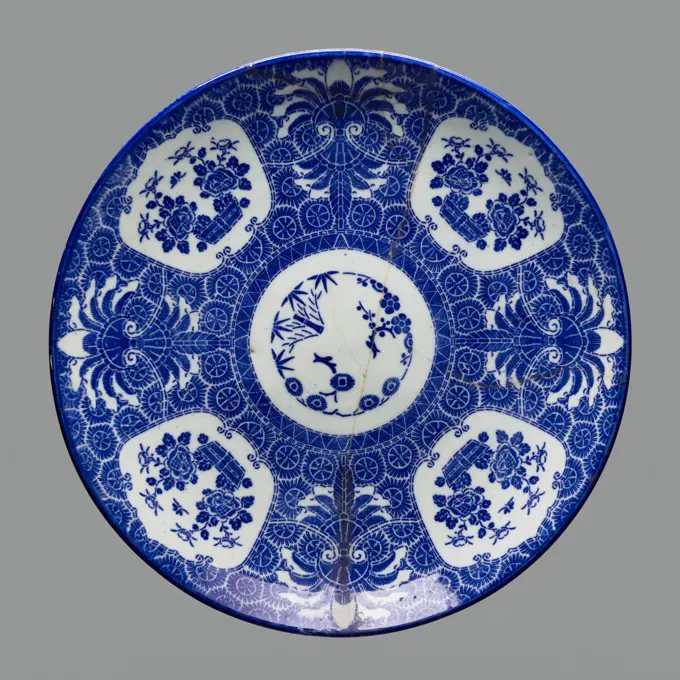
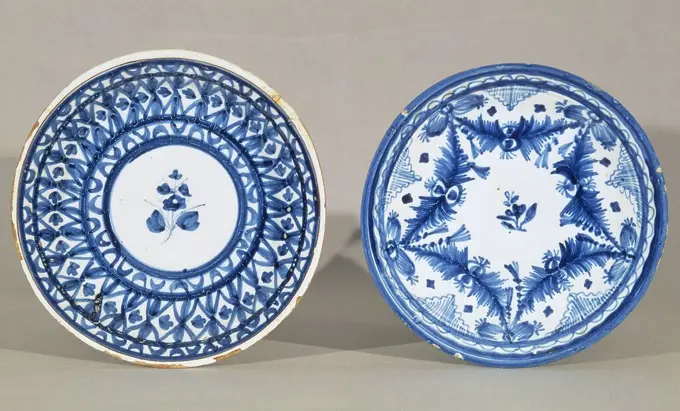
Plate;  19th century () (1801-00-00-1900-00-00);
Plate; 19th century () (1801-00-00-1900-00-00);
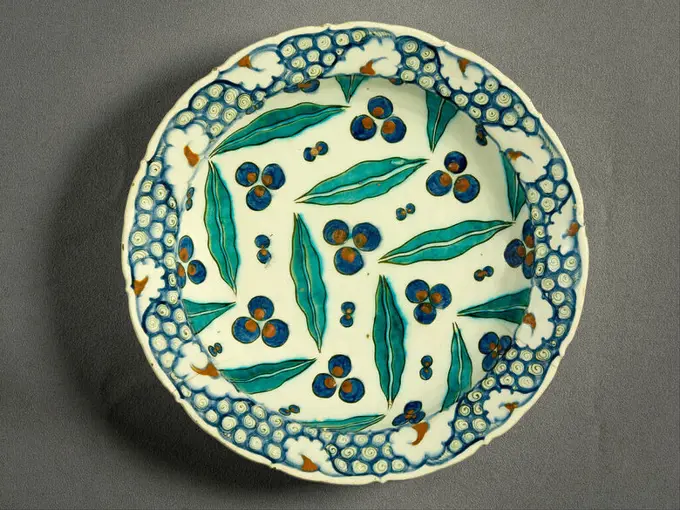
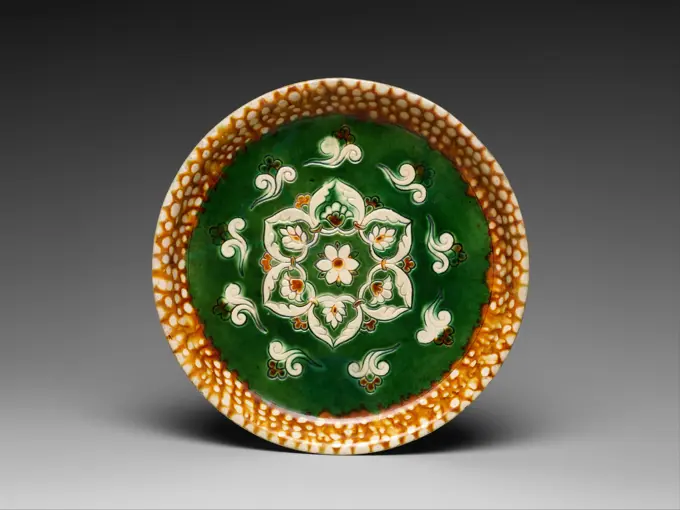
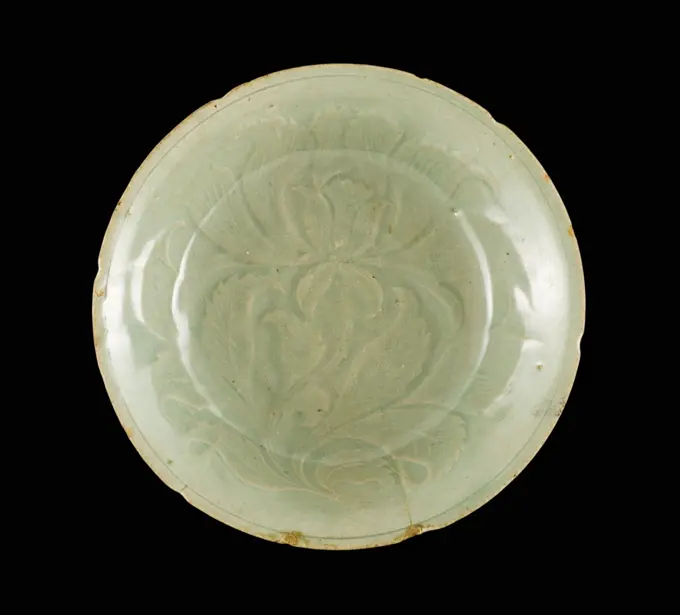
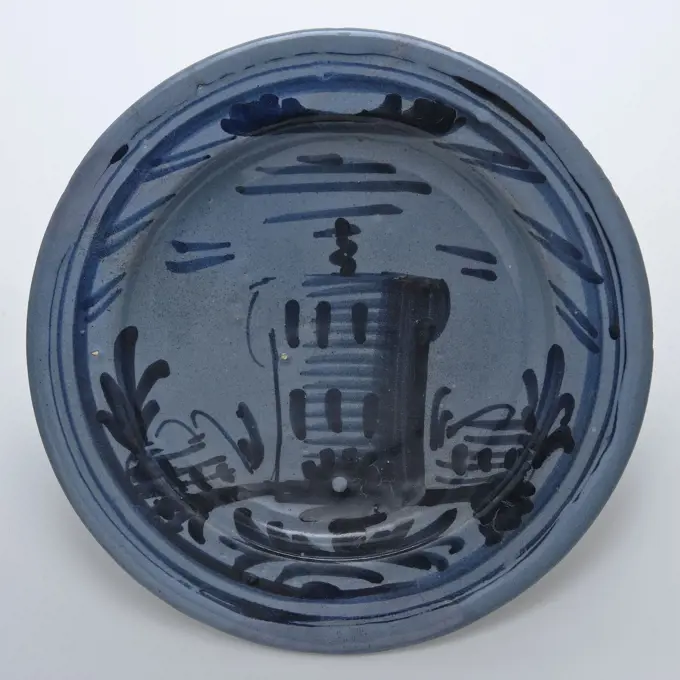
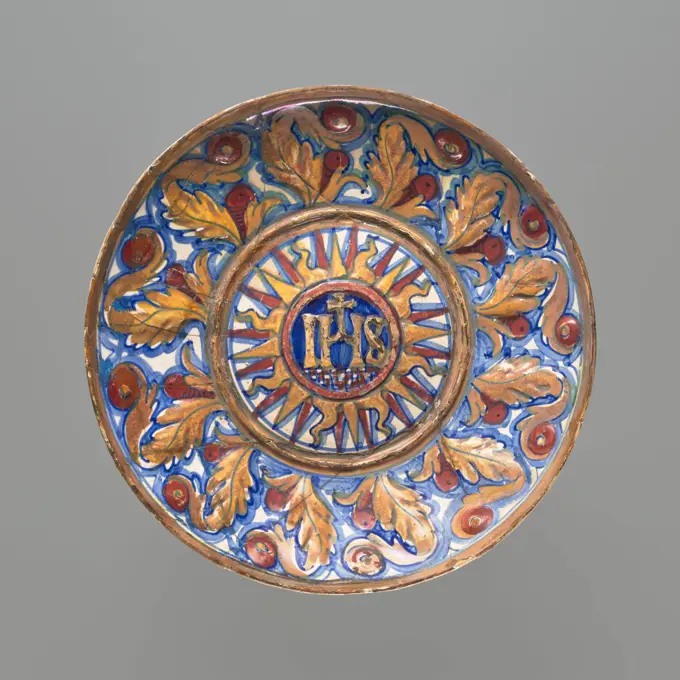
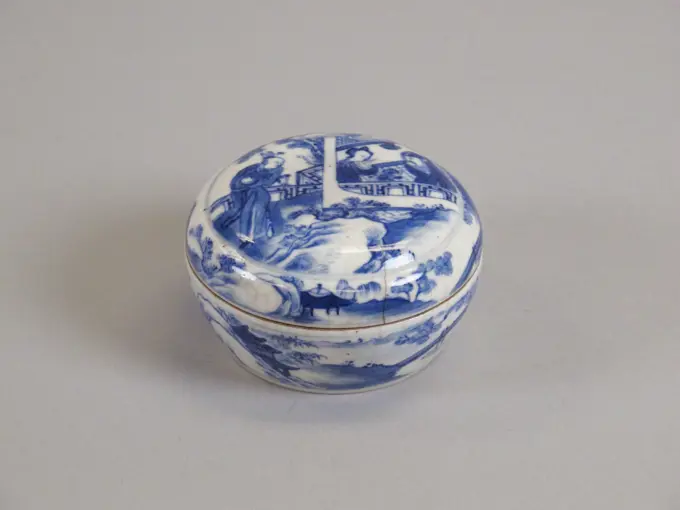
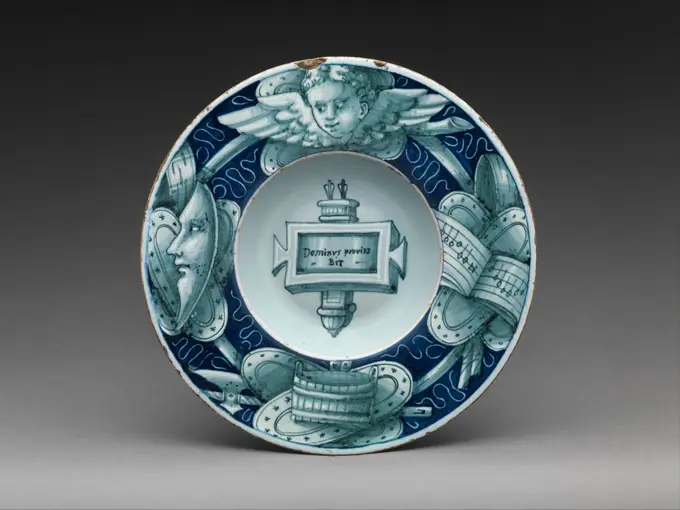
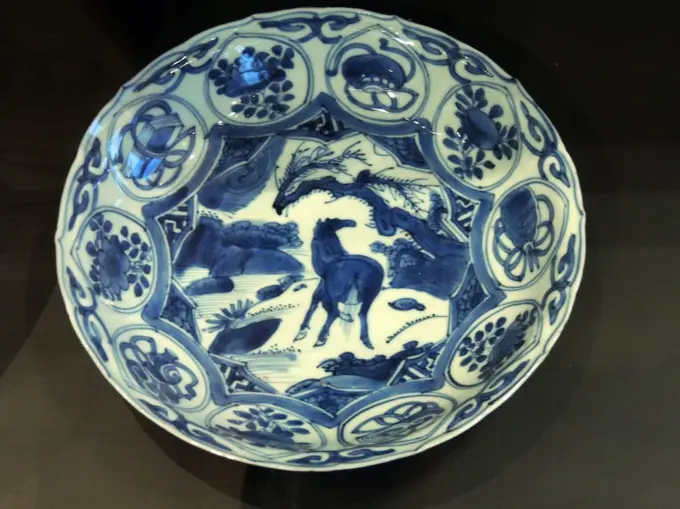
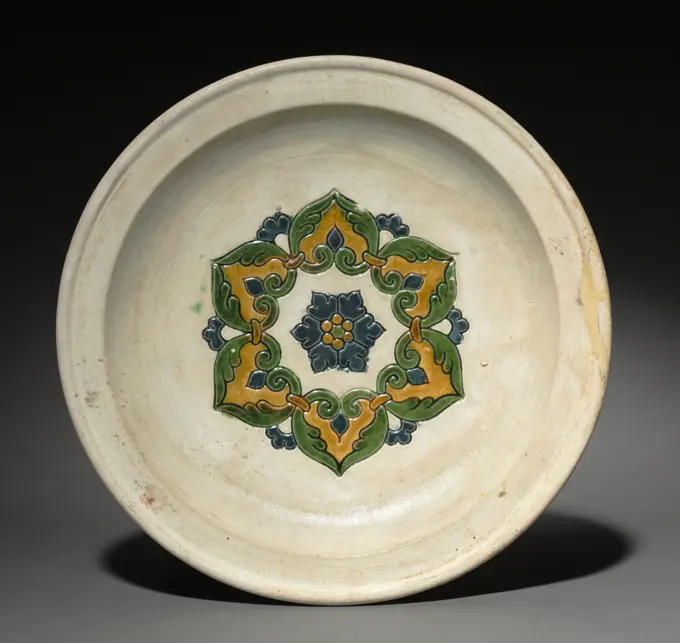
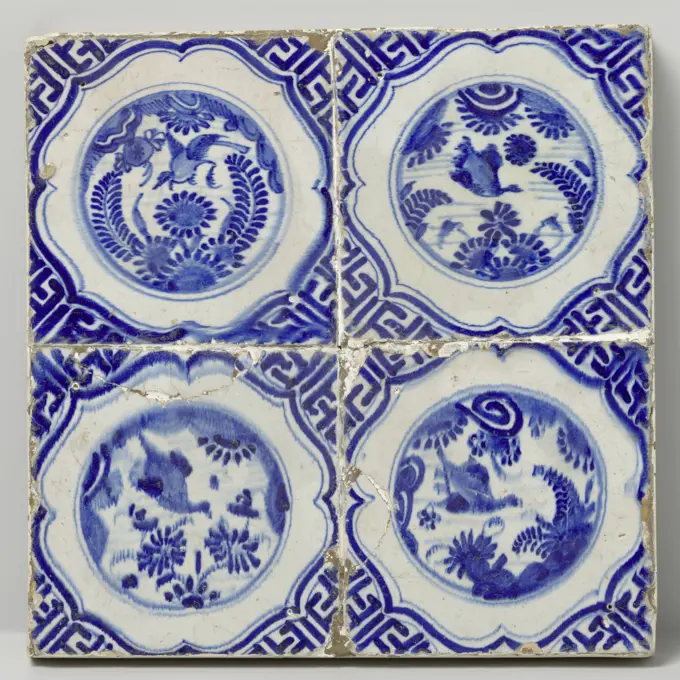
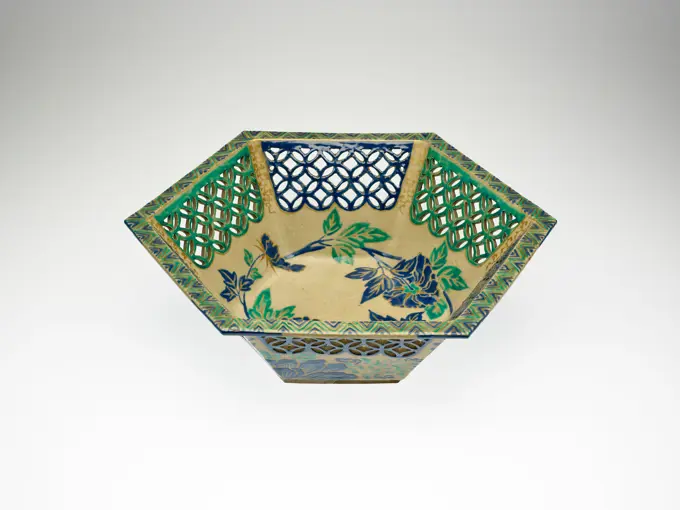
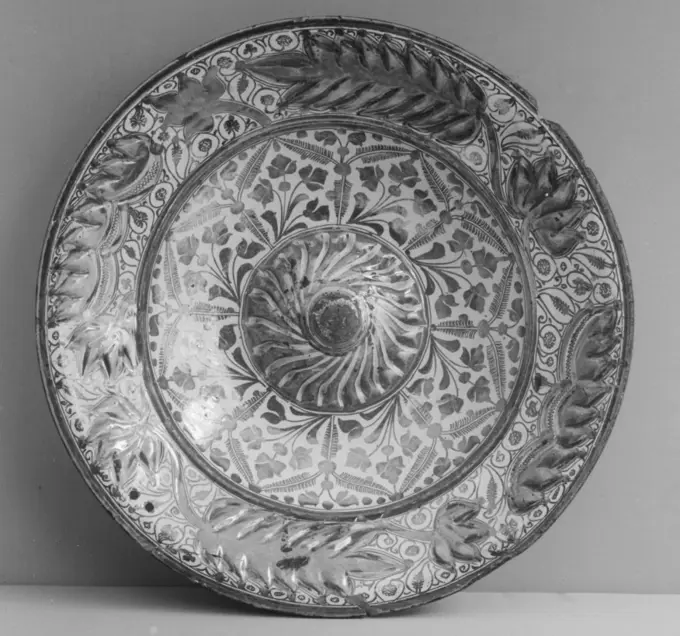
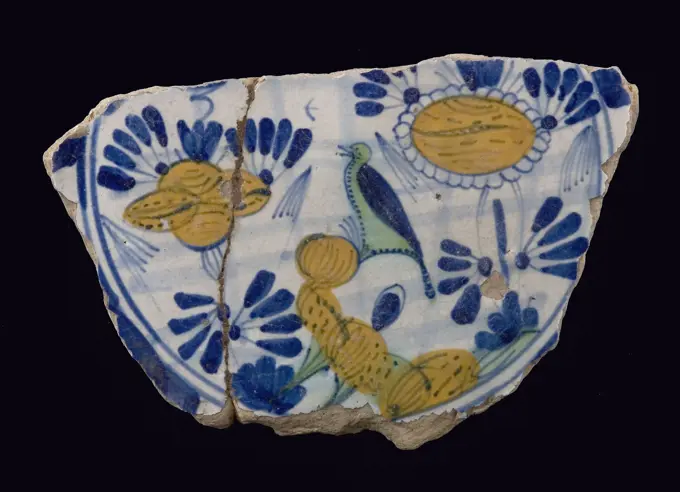
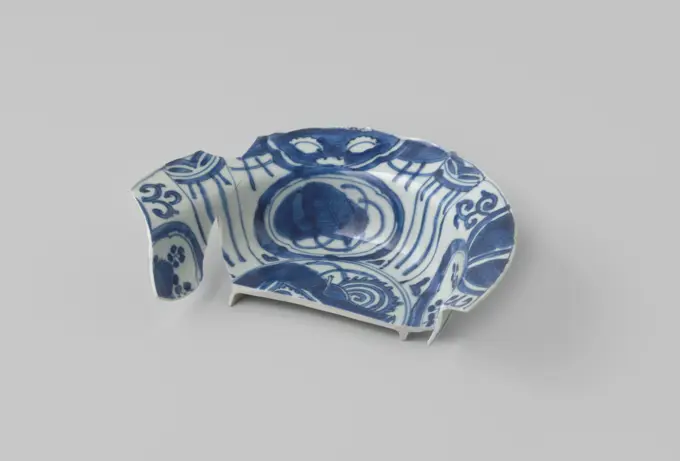
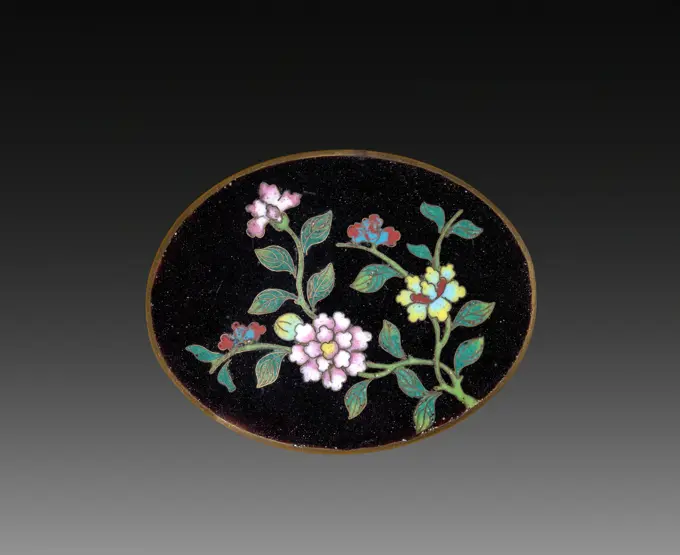
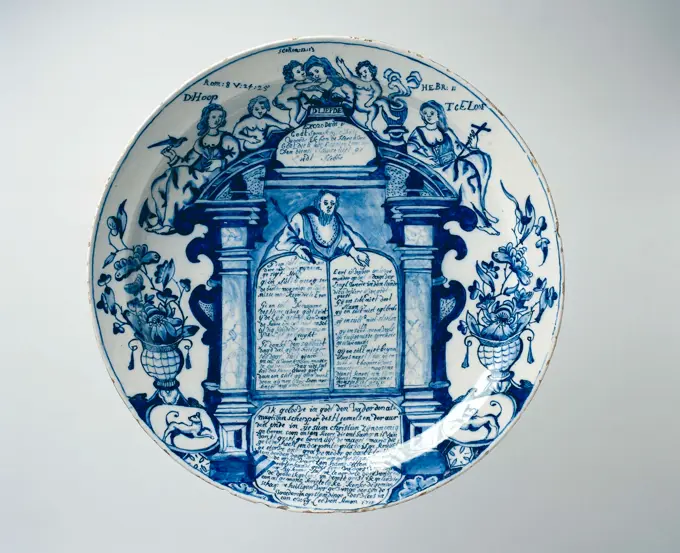
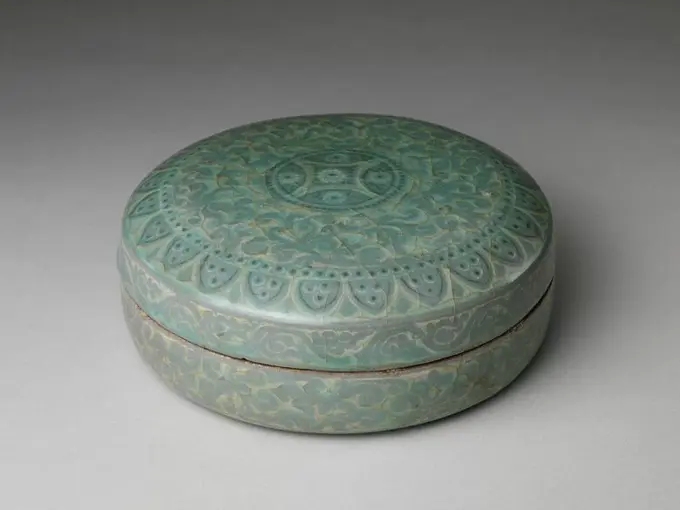
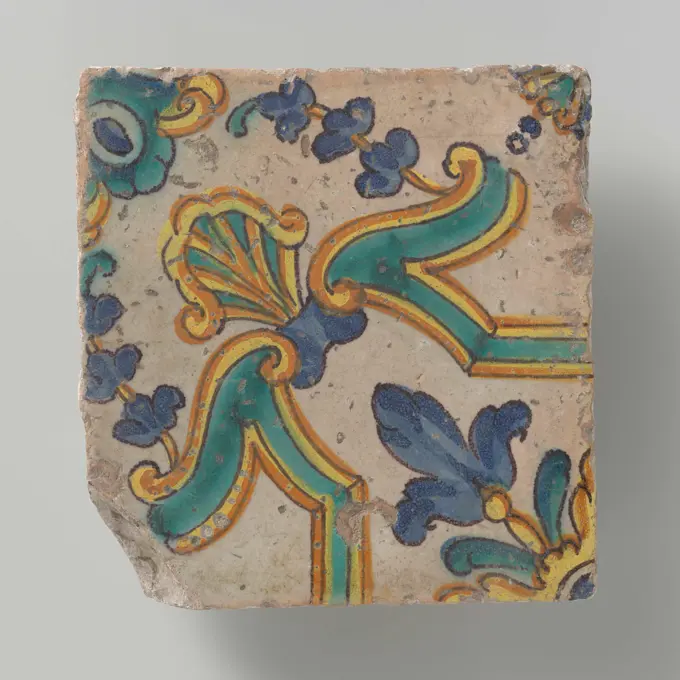
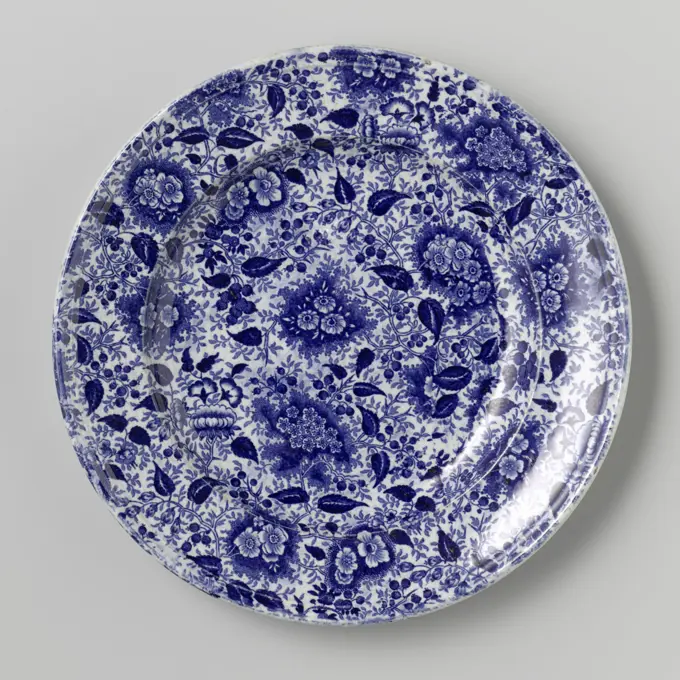
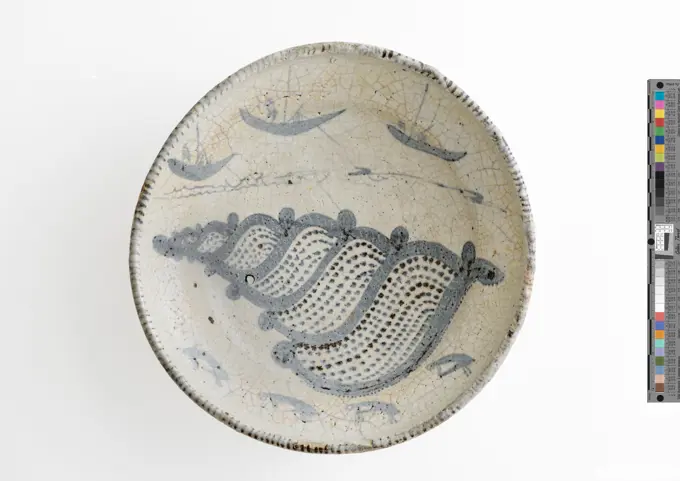
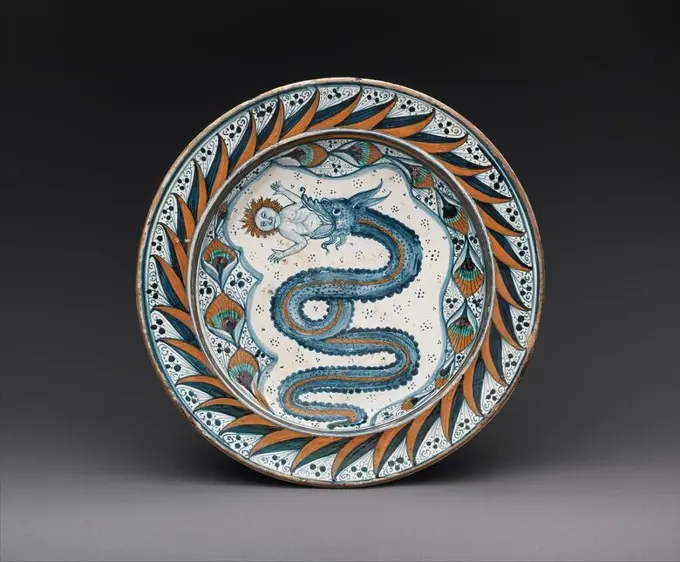
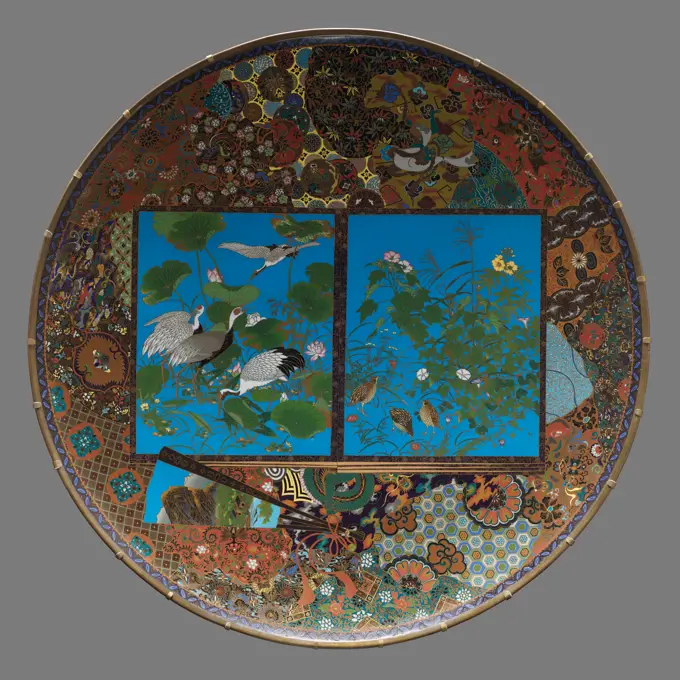
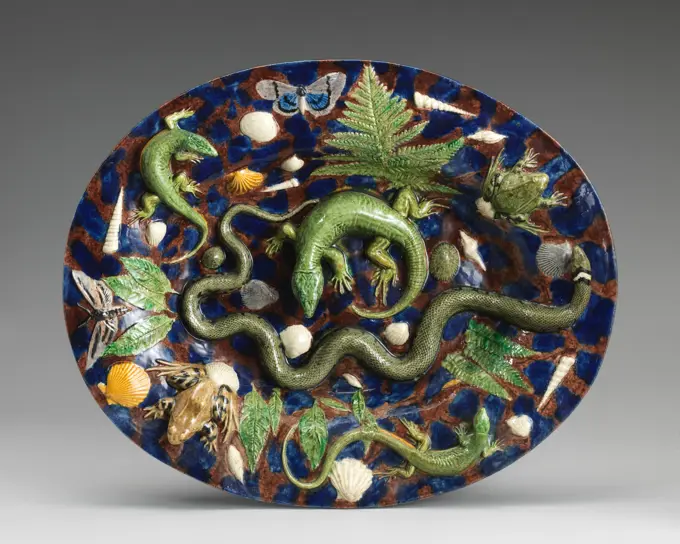
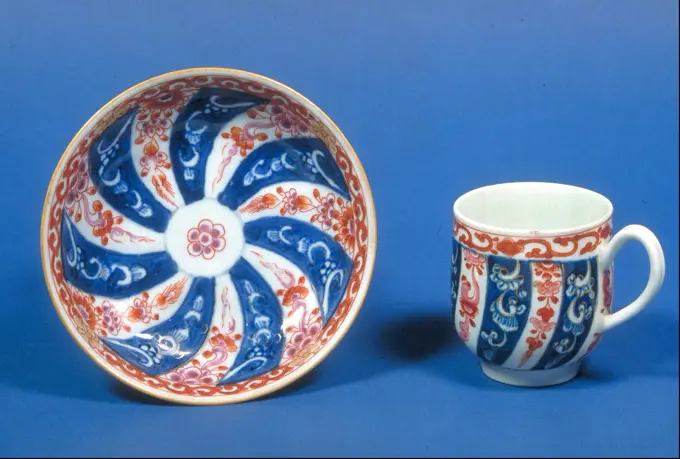
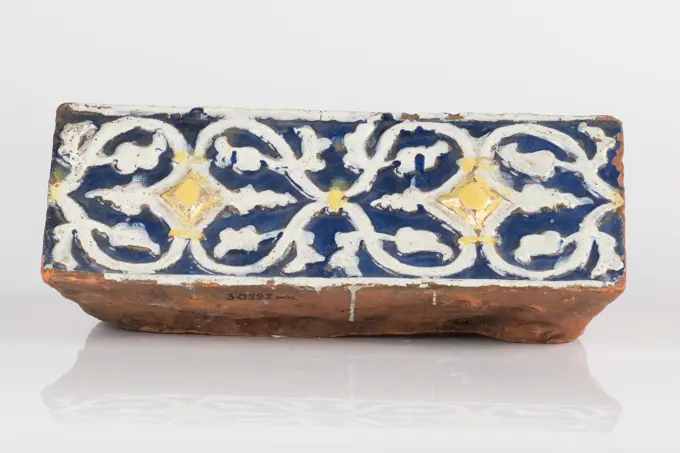
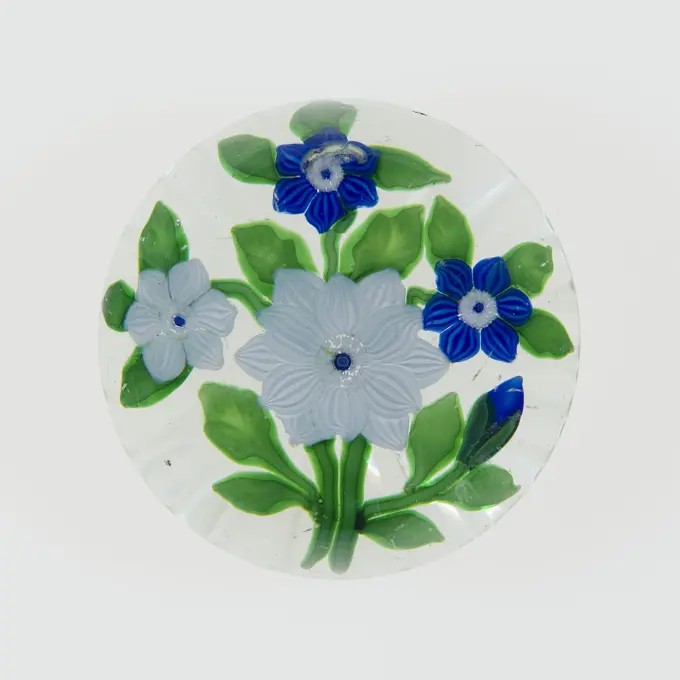
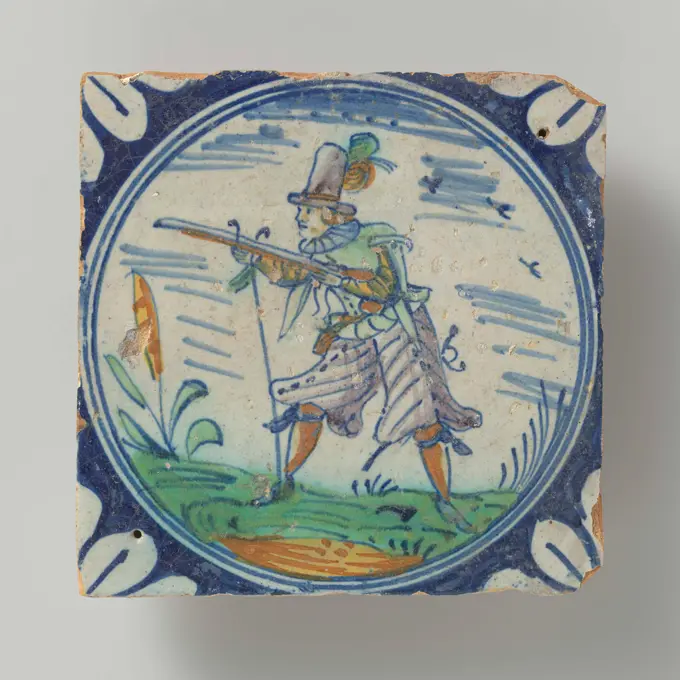
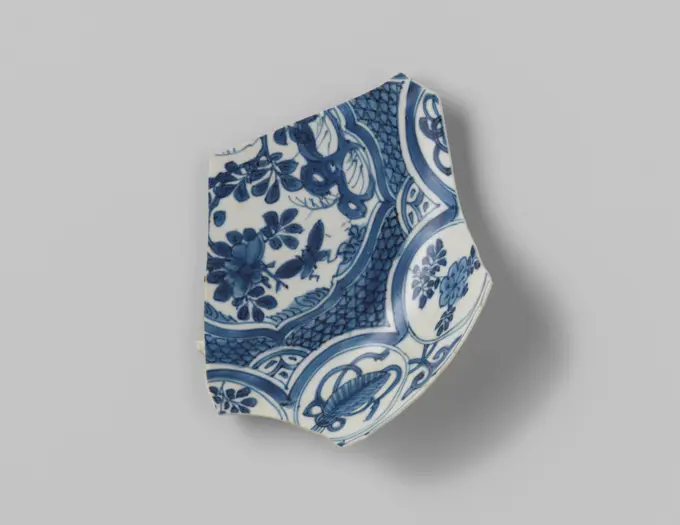
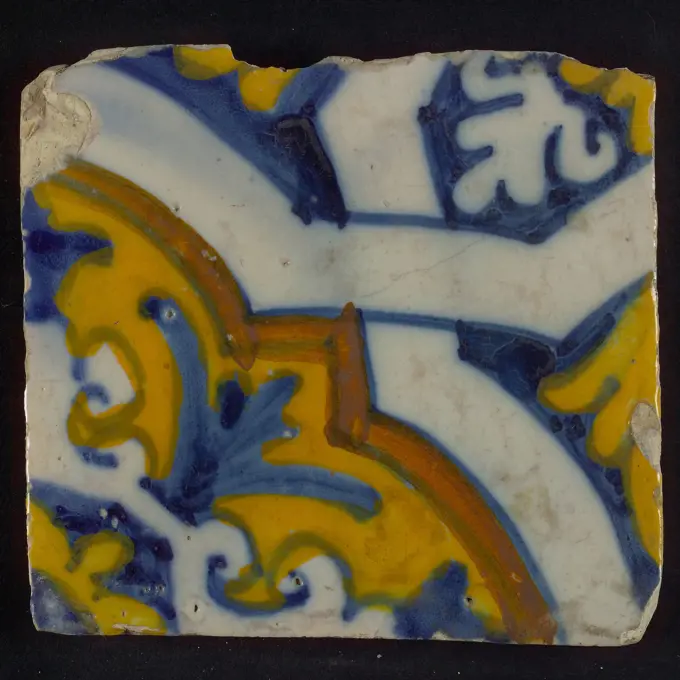
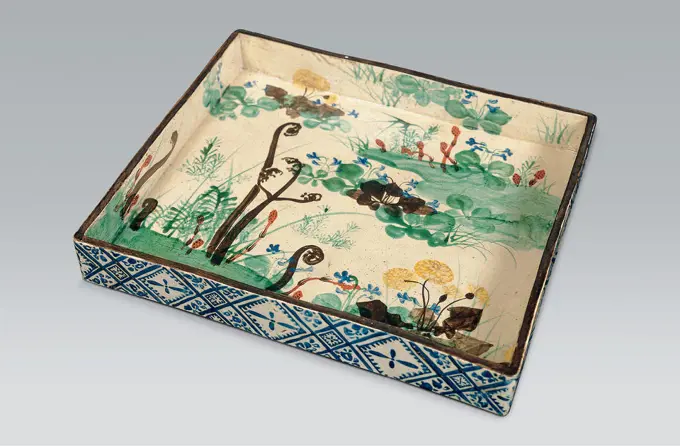
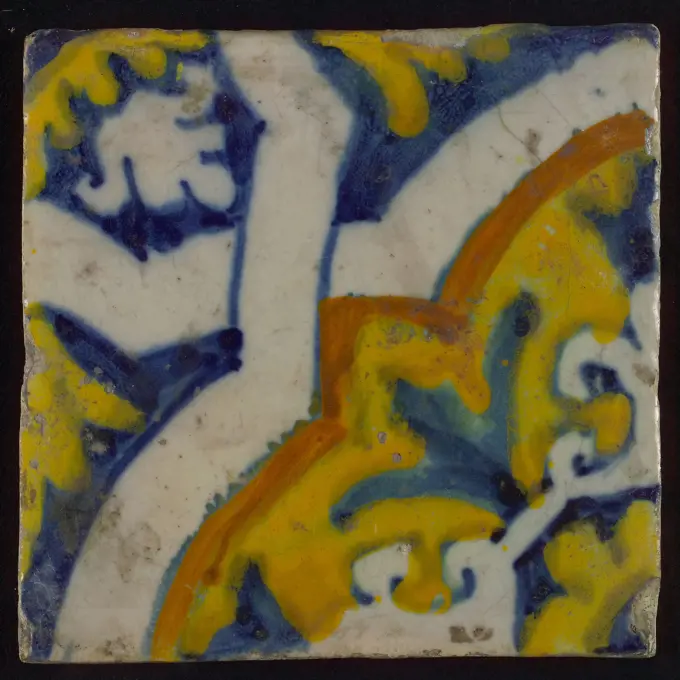
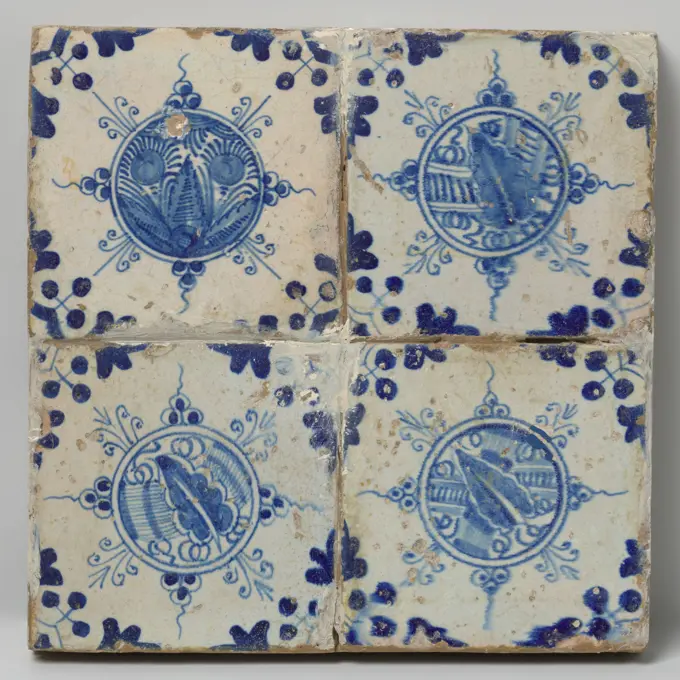
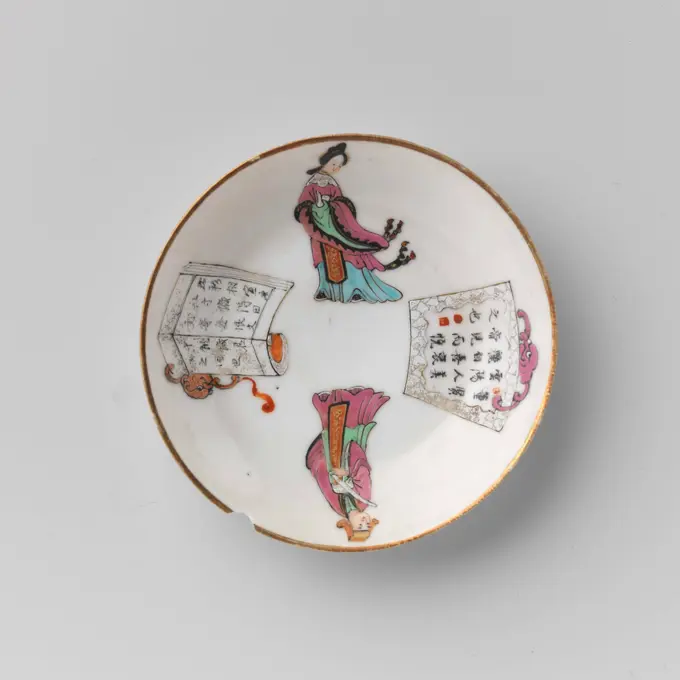
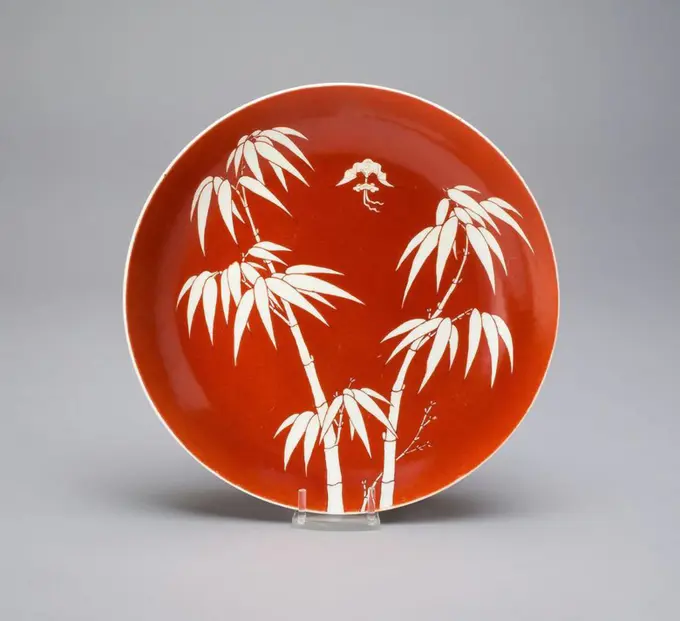
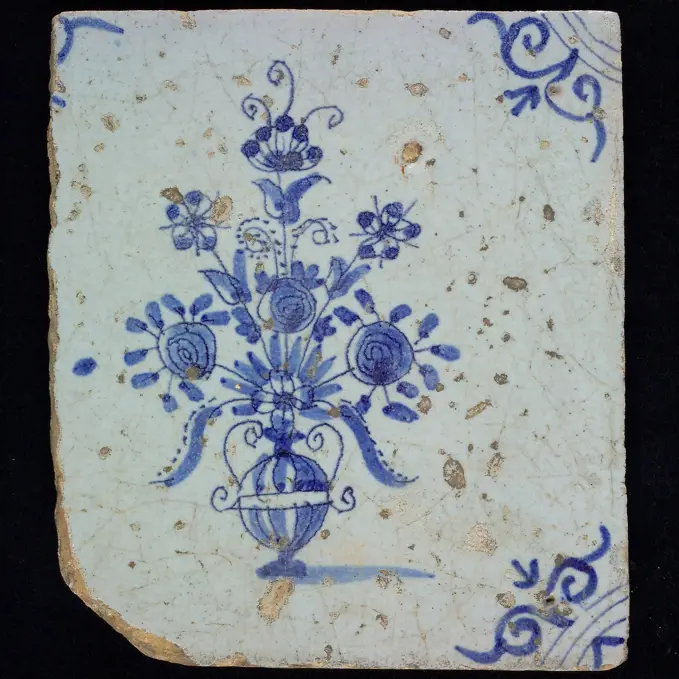
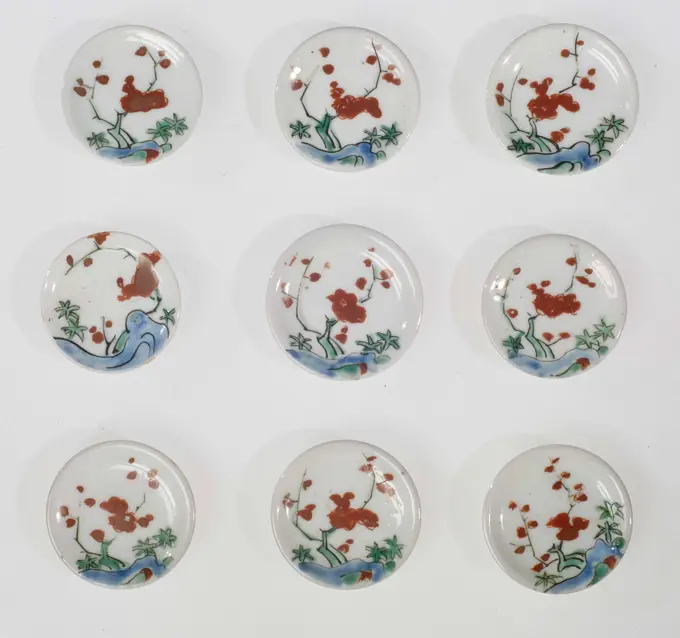
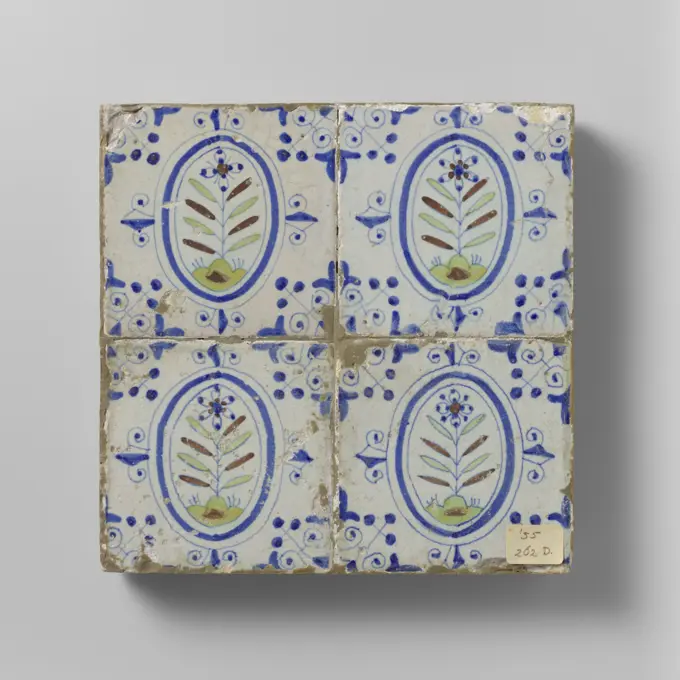
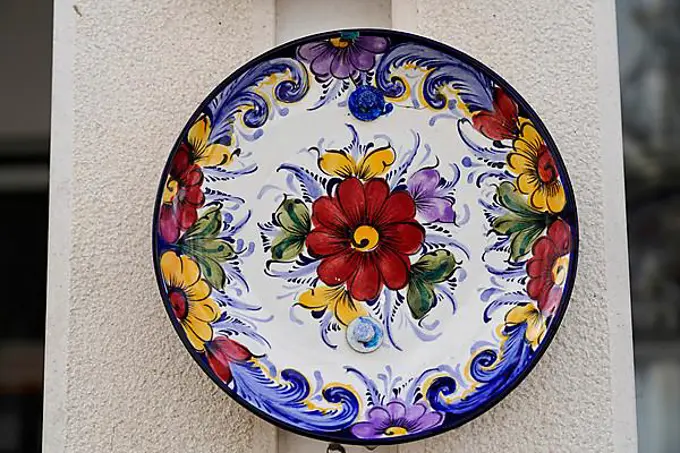
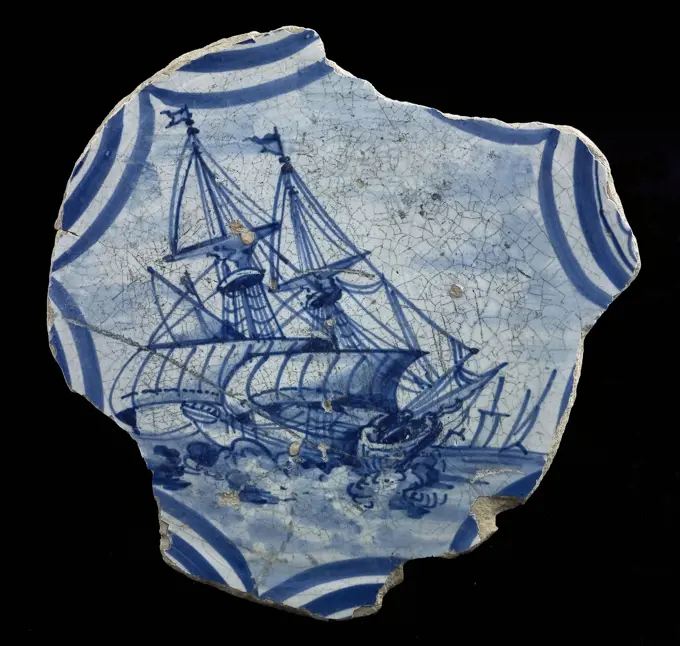
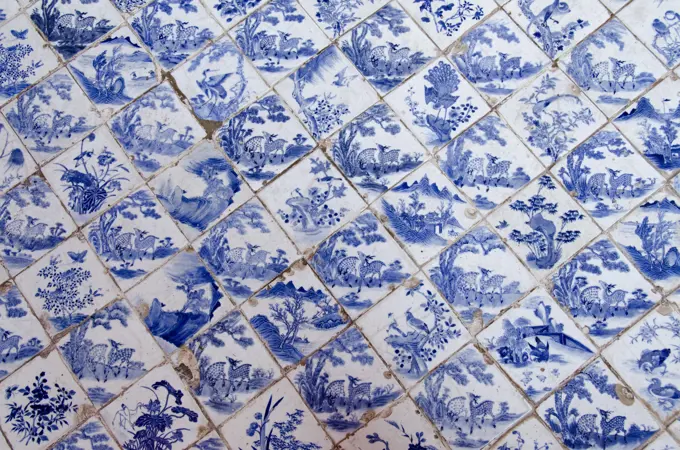
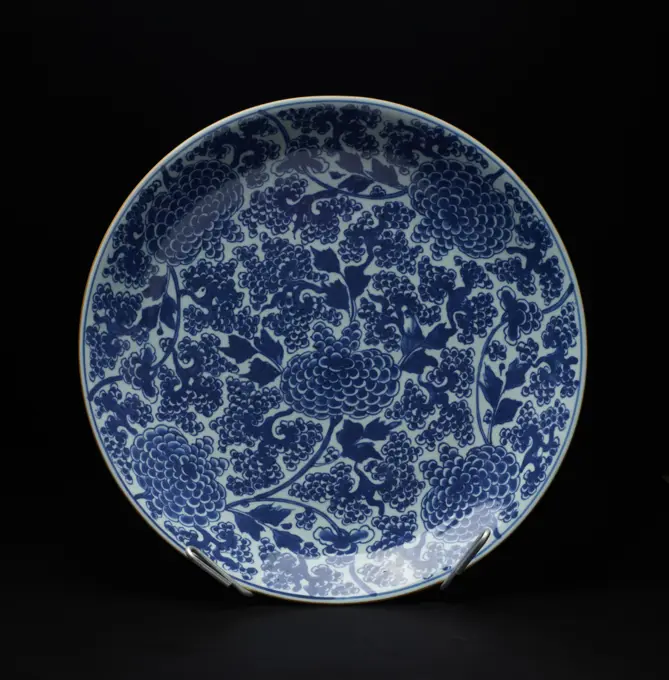
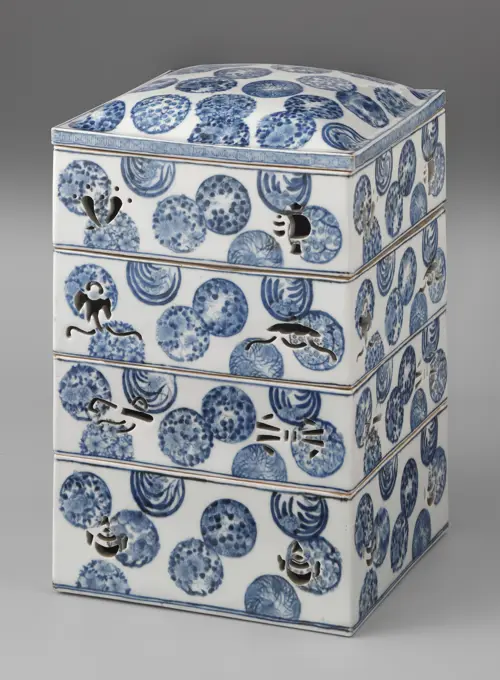
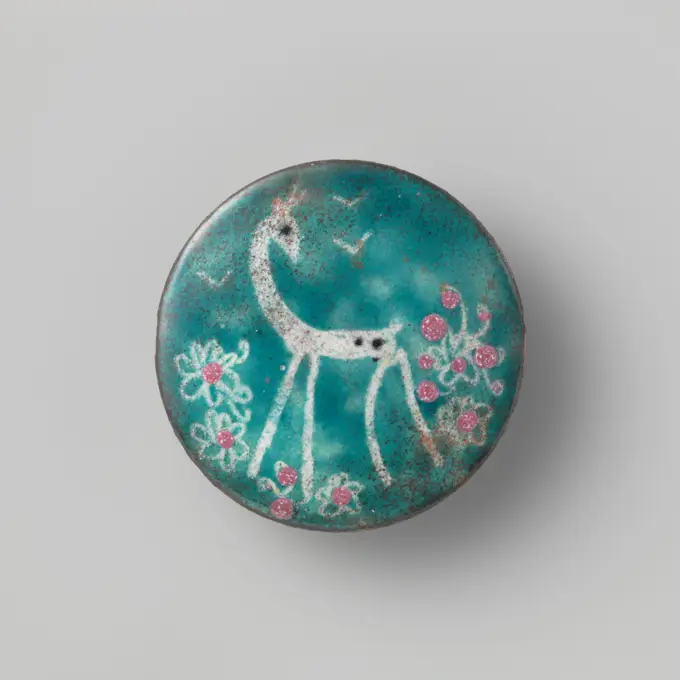
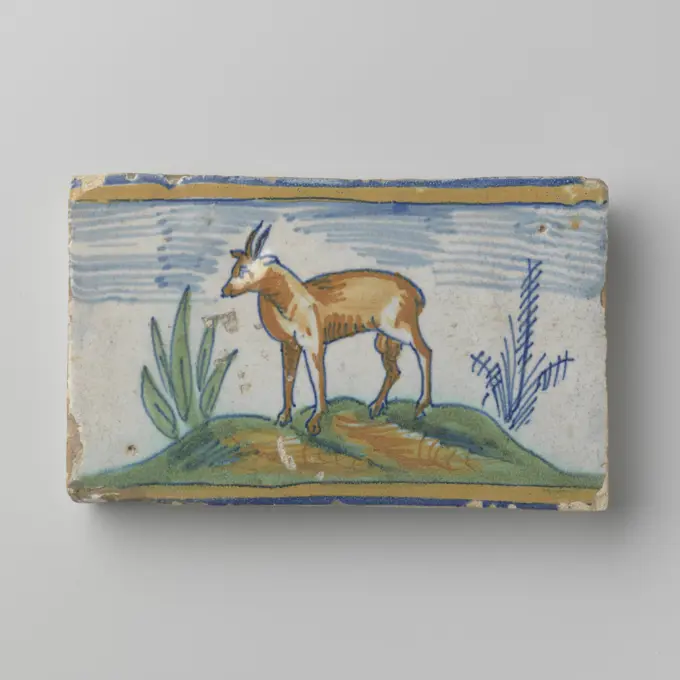
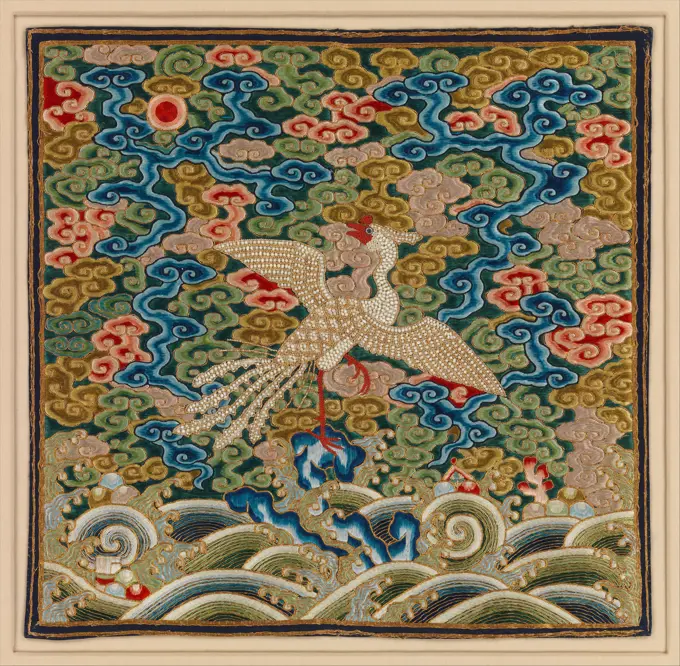
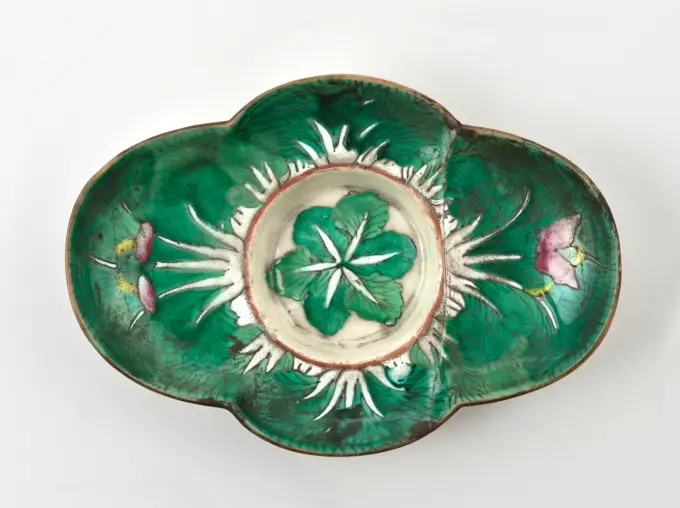
Dishes. Porcelain "Pink family", Qing dynasty (1644-1912). Provenance: China. Paris, Cernuschi museum. 78840-26 Asian art, Chinese art, living art, Ching dynasty, Qing dynasty, Tsing dynasty, porcelain, dishesUnderglaze Painting. Date/Period: 1550 - 1575. Painting. Height: 75 mm (2.95 in). Author: Turkey Unknown.Tray 8th century China Combinations of white, amber, and green glazes, typically known as sancai or three-colored” wares, were first developed in China in the late seventh century, and were used primarily for funerary goods. The bright colors, clear tones, and superior bonding power of this technique were achieved by firing twice, first at high temperature to achieve a hard pottery body, and then at low temperature, after the glazes were applied, to bring out the vibrant colors. The shape and medallion decor of this tray were derived from metalwork prototypes. The deep, intaglio lines of the floral patterns, impressed onto the surface of the still-soft clay by stamps, helped to contain the glaze in the intended areas. The pearl-like white spots on the rim were created by the use of wax or clay resists, a technique commonly employed in dyed textiles.. Tray 44348Plate 18th-19th century. Plate 444619Flower - shaped Dish with Peony Spray Design in Relief. Korea, Korean, Goryeo dynasty (918-1392), 12th century. Furnishings; Serviceware. Wheel-thrown stoneware with decoration carved in relief, and green glazeBlue majolica, berettino dish with tower as image, dish crockery holder soil find ceramic earthenware glaze tin glaze, hand-turned baked decorated glazed fried Majolica dish or berettino with dark blue decor on pale blue fond white shard baked in tube (no prune prints in the mirror but print in the dish rim at the bottom). Wide narrow stand ring Picture tower (donjon) Bottom with floral pattern archeology indigenous pottery import food serve serving tablePlate;  beginning of the 16th century (1501-00-00-1520-00-00);Ornament tile, diagonal ornament in quatrefoil with bows in which orange apples and flowers, palm corner, corner pattern rosette, wall tile tile sculpture ceramic earthenware glaze, baked 2x glazed painted Yellow and rossig shard square two and four nail holes. Multicolored: brown blue green yellow on white ground (variation in light and dark). Saving technique in blue on white.Tile. Tile with a multicolored (blue, green and orange) flowerpot with a quarter of rosette in the corners.Bowl with character of longevity (shou) late 16th-early 17th century China. Bowl with character of longevity (shou). China. late 16th-early 17th century. Porcelain painted in underglaze cobalt blue (Jingdezhen ware. Ming dynasty (1368-1644), Wanli period (1573-1620). CeramicsKenzan-style Dish in the Shape of Chrysanthemum early 19th century Japan. Kenzan-style Dish in the Shape of Chrysanthemum 62912Covered Box China. Covered Box 47886Wide-rimmed bowl ca. 1530-50 Possibly Jacopo da Pesaro. Wide-rimmed bowl 195748Chinese porcelain, China, 1600-1650 hard-paste porcelain, under glaze blue. Chinese potters supplied their wares not only to the Dutch, but to other buyers as well. The plates with the bare-bellied monk and the plate with the two people in a river landscape were made for Japanese connoisseurs. The little plates with the horse and the grasshopper were intended for European customers.Footed Plate with Floral Medallion, early 700s. China, Tang dynasty (618-907). Glazed earthenware with impressed decoration, sancai (three-color) ware; diameter: 23.9 cm (9 7/16 in.); overall: 5.1 cm (2 in.).Field of four tiles with birds, anonymous, c. 1620 - c. 1640 Field of four tiles (2 x 2) each with a blue -painted bird in a Chinese garden within a circle surrounded by an accolade. In the corners, meander ornament. Netherlands earthenware. tin glaze majolica Field of four tiles (2 x 2) each with a blue -painted bird in a Chinese garden within a circle surrounded by an accolade. In the corners, meander ornament. Netherlands earthenware. tin glaze majolicaOpenwork Hexagonal Ko-Kiyomizu Ware Bowl Made 1731-1752 Japan. Made in 18th-century Kyoto, ko-kiyomizu ware (ìOld Kiyomizuî ware, named after the site of a famous temple in the city) is characterized by designs in brightly colored overglaze enamel. All six sides of this bowl feature a complex pattern of reticulated medallions covered in blue and green glaze, with peonies adorning the bottom interior and outside walls. The veins of the leaves, decorative arabesques, and other areas were decorated with gold paint after the piece was fired. Great skill was required to carve the intricate openwork and to brush on the ornate floral designs.. Stoneware with overglaze enamels .Tile, blue draft, orange, yellow, brown and green on white, central flowerpot with marigolds, corner pattern, rosette, wall tile tile sculpture ceramics pottery glaze, baked 2x glazed painted Yellow reddish and red shard square two nail holes.Plateau 17th century Spanish, Valencia Tin-glazed earthenware, of which lusterware is one type, was developed in the Middle East in the ninth and tenth centuries to imitate the porcelains produced in China. The opaque white glaze concealed the clay body, which could range from pale buff to brick red, allowing for brilliant effects created by painting the white surface with metal oxides that fired to a range of colors. This technique, as well as the use of metallic lusteran iridescent, coppery painted glazespread throughout the Muslim world, arriving among the potters of Valencia in the thirteenth century. The so-called Hispano-Moresque lusterware, with its fusion of Islamic and Gothic styles and motifs, often in shaped imitating those of metal vessels, was treasured by the elite in Spain during the fifteenth century and exported to the courts of Europe. The Valencian industry declined in the late sixteenth century, as colorful Italian Renaissance maiolica gained in popularity among tFragment majolica dish, polychrome, chinese garden with bird and flowers, dish crockery holder soil find ceramics pottery glaze, At prongs fried archeology serve serving serve ChinaFragment deep plate from V.O.C. ship De 'Witte Leeuw', Before 1613 plate (dishes) Fragment deep plate from V.O.C. ship the 'Witte Leeuw'. Two fragments glued together. 45 present. Jingdezhen bone china (material)   Sint-HelenaBelt Buckle with Flowers, early 1900s. Japan, Meiji period (1868-1912) or Taishō period (1912-26). Cloisonne enamel; overall: 5.1 cm (2 in.).Plate, with three people on the flat in a landscape, Peter Regout, c. 1860 - c. 1880 Plate of pottery with blue transfer decor. The flat decorated with landscape with three people and decorated on the edge with flowers, leaves, volutes and fencing. Maastricht . Plate of pottery with blue transfer decor. The flat decorated with landscape with three people and decorated on the edge with flowers, leaves, volutes and fencing. Maastricht .. Dish of Faïence, painted in blue with Moses by ten commandments and below the apostolic creed.Covered Box. Culture: Korea. Dimensions: H. 3 in. (7.6 cm); Diam. 7 1/2 in. (19.1 cm). Date: 13th century.This sumptuously decorated container, probably used as a cosmetics box, would have held a set of smaller celadon boxes for makeup. Museum: Metropolitan Museum of Art, New York, USA.Tile. Tile, painted in blue, green, yellow, orange and manganese. Overhoeks placed band work with palm with two flower branches. A quarter of rosette in two corners.Plate of pottery with parsemé decor, factory Clermont and Chainaye, c. 1850 - c. 1859 Plate of earthenware, decorated with a parsemé decor in under-glaze blue transfer pressure. Maastricht earthenware Plate of earthenware, decorated with a parsemé decor in under-glaze blue transfer pressure. Maastricht earthenwareOrnament tile, diagonal ornament in quatrefoil with bows in which orange-apples and flowers, palm corner, corner pattern rosette, wall tile tile sculpture ceramics pottery glaze, baked 2x glazed painted Yellow and reddish shard square two and four nail holes. Multicolored: brown blue green yellow on white ground (variation in light and dark). Saving technique in blue on white.Large Bowl with Design of Trumpet Shell and Fishing Boats. Japan, Momoyama period (1573-1615). Ceramics. E-Shino ware; stoneware with underglaze iron oxide and white Shino glazeCERAMICA DE SARGADELOS - DOS PLATOS CON DECORACIONES AZULES. Location: BANCO EXTERIOR-COLECCION. MADRID. SPAIN.Dish with arms of the Visconti family. Culture: Italian, probably Deruta. Dimensions: Overall (confirmed): 3 5/16 × 15 in. (8.4 × 38.1 cm). Date: ca. 1480-1500.Here, a dragon-headed creature devours a somewhat complacent-looking boy. This startling image, known as the biscione (big serpent), was a heraldic symbol of the ruling family of the duchy of Milan. Filling much of the dish's central well, it is surrounded by an irregular border of peacock feathers. Two holes in the foot ring allowed the dish to be suspended on the wall, where it would be viewed as a bold statement of Milanese allegiance. Museum: Metropolitan Museum of Art, New York, USA.For a long time (ôzara);  1880-1910 (1880-00-00-1910-00-00);Twee tegels.Two tiles with multicolored (blue, green and yellow) painted diagonally placed grape. In the corners, a French lily.Oval basin with lizards, moths, and blue and purple background ca. 1860 Georges Pull Based in Paris, Georges Pull was among the most talented practitioners of Bernard Palissys rustique figulines, a technique developed by the Renaissance potter that featured reptiles and other creatures embedded in a pond-like basin. Pulls piece features a brilliant blue and purple glaze. The striking jewel tones contrast with the verdant colors of the lizard, snake, and leaves.. Oval basin with lizards, moths, and blue and purple background. French, Paris. ca. 1860. Glazed earthenware. Ceramics-PotteryCup andSaucerElongated corner tile. unknown, factoryPaperweight 1843-1860 Lunéville. Technological improvements to optical scientific instruments in the mid-nineteenth century spurred a veritable obsession across Europe with identifying and classifying the natural world. Amateur botanists were eager to collect and preserve floral specimens, which they intently researched and catalogued. In response to this broad appeal, French glassmakers made paperweights that portrayed the very botanical subjects that were so enthusiastically sought. Many weights represented specimens with horticultural correctness, but others were entirely fanciful creations. Paperweights like this example speak to the periodís fascination with taxonomic systems.From the late 1840s to early 1860s, French manufacturers of fine glass and crystalósuch as Baccarat (Alsace), Clichy (Paris), and Saint-Louis (Lorraine)ócatered to the vast public enthusiasm for beautiful yet functional desk accessories. Paperweights, which were designed to secure loose papers against drafts,Tile, painted multi-colored with a soldier or a standard bearer. Tile, painted multi-colored with a soldier or a standard bearer.Saucer; Sevres; 1809 (1809-00-00-1809-00-00);Museum of the Krasińskich Ordinance (Warsaw - 1860-1944) - collection, black -gear decorations, ornaments, Pompeian patterns, animalsDish 1833-50 American Pottery Manufacturing Company. Dish 15907Console of multi-colored painted faïence. Faïence console. Painted multi-colored and a man's head at the bottom.Nicholas I Imperial porcelain dinner-plate. Imperial Porcelain Fact., St. Petersburg, (1825-1855). Enhanced with gilt. 22cm Diam.Tile with pomegranate. Tile with a multicolored (blue, orange, yellow and green) painted pomegranate with leaves framed by a square with in the corners, ornament in filling technology.Fragment sign from V.O.C. ship De 'Witte Leeuw', Anonymous, Before 1613 plate (dishes) Fragment sign from V.O.C. ship De 'Witte Leeuw', 25 present. Jingdezhen bone china (material)   Sint-HelenaDecorative tile, diagonally over the tile white braid tape motif, corner pattern, rosette, wall tile tile sculpture ceramic earthenware glaze, baked 2x glazed painted Light yellow shard with fine red dots and square strings. Multicolored: blue (ocher to lemon) yellow and orange on white. Savings technique MoorsFive porcelain Shards of a tea head, found at V.O.C.S. Witte Leeuw, possibly from Zeelelie, Anonymous, 1750 - 1799  Five porcelain shards of a cup or cup, the bottom consists of two glued fragments, found at V.O.C. ship De 'Witte Leeuw'. This object is 18th century and cannot therefore be from the freight of the Witte Leeuw. It is unclear whether the object will come from the site or whether it was mixed later, possibly with material from the Zeelelie.  porcelainSquare Dish with Spring Flowers 18th century Style of Ogata Kenzan Kenzans major contribution to Kyoto pottery and Rinpa aesthetics was his invention of modes of decoration that drew on his education, paintings of the early 1600s, and illustrated books. The brightly colored, stylized patterns became identified with his workshop. He collaborated with his older brother, Ogata Kōrin (1658-1716), on ceramics featuring Kōrins simplified designs of flowers, plants, and figures on square dishes that recall the format of shikishi poem cards.. Square Dish with Spring Flowers 77863Ornament tile, diagonally across the tile white braid band motif, corner motif quarter rosette, wall tile tile sculpture ceramic earthenware glaze, baked 2x glazed painted Light yellow shard with fine red dots and square strings. Multicolored: blue (ocher to lemon) yellow and orange on white. Savings technique MoorsTile, flower on plot in blue, green, and yellow on white, inside frame with accolades, corner motif, wing, wall tile tile sculpture ceramic earthenware glaze, baked 2x glazed paintedField of four tiles with Chinese symbols, anonymous, c. 1620 - c. 1640 Field of 4 tiles (2 x 2) each with a blue painted Chinese symbol within a circle. In the corners, a three -way tip. Netherlands earthenware. tin glaze majolica Field of 4 tiles (2 x 2) each with a blue painted Chinese symbol within a circle. In the corners, a three -way tip. Netherlands earthenware. tin glaze majolicaTile in orange, brown, green, and blue on white, flowerpot in square, corner pattern palmet, wall tile tile sculpture ceramic earthenware glaze, baked 2x glazed paintedSaucer with a lady, gentlemen and two panels with characters. Dish of porcelain with straight wall, painted on the glaze in blue, red, pink, green, yellow, black and gold. On the flat of the dish a lady and a gentleman and two cartouches with Chinese characters; a fan-shaped cartouche with a band of 'crackled ice' and a book-shaped cart shower; The head also with a lady and lord (in other clothing) and two cartouches with characters; The fan-shaped with 'crackled ice' and a cartouche formed by a bamboo roof. A chip from the dish. Family Rose.Dish with Bamboos and Bat. China. Date: 1821-1850. Dimensions: H. 3.7 cm (1 7/16 in.); diam. 19.3 cm (7 5/8 in.). Porcelain painted in overglaze red with reserve decoration. Origin: China. Museum: The Chicago Art Institute, Chicago, USA.TP (), Flower tile, flower pot, blue decor on white ground, corner filling: ox head, marked, wall tile tile sculpture ceramic earthenware enamel tinglage, in form made baked glazed painted baked Wall tile with blue decor on white background. Flower tile with large flowerpot as the central representation The decor is set up with thin purple line Orange-yellow shard. Scraped earthenware Slightly slanted sides. Marked at the back. strip has been cut off from the tile in order to be able to fit the tile to the wall: Pastel In blue paint on the back: TP de P is uncertain and partially disappeared Rotterdam City Center Stadsdriehoek Zandstraat indigenous earthenware Originating from the Zandstraat Rotterdam area.Bandbox (USA); block-printed on paper, pasteboard support; 43 x 36 x 28.5 cm (16 15/16 x 14 3/16 x 11 1/4 in.)Dish of porcelain with multicolored decoration, on the flat two 'phoenixen', edge in boxes with fruits and flowers. Dish of porcelain with multicolored decoration (above-glaze emails green, blue, black and iron red). On the flat two 'phoenixen', edge in boxes with fruits and flowers.Field of four tiles with flowers, anonymous, c. 1640 - c. 1660 Field of four tiles (2 x 2) each with a multicolored (blue, green, yellow and orange) flower on bulb within an oval with lily, and in the corners a triple tip. Netherlands earthenware. tin glaze majolica Field of four tiles (2 x 2) each with a multicolored (blue, green, yellow and orange) flower on bulb within an oval with lily, and in the corners a triple tip. Netherlands earthenware. tin glaze majolicaSouvenirs, pottery, old town, alley, houses, Tavira, Algarve, Portugal, EuropeFragment majolica dish, blue on white background, sailing ship on rough sea, plate dish crockery holder soil find ceramic earthenware glaze tin glaze lead glaze, hand turned fried glazed decorated baked Flat mirror of large dish on stand ring. Yellow shed lead glaze at the bottom very lumpy tin glaze at the top Monochrome representation in blue consisting of rigged sailboat in turbulent sea Bogendecor Around the show. Wood-baked archeology Rotterdam Stadscentrum Stadsdriehoek Delftware indigenous pottery decorate serving food serving table Soil discovery: Delftse Vaart Rotterdam 1941.Thailand, Bangkok. Ayuthaya Province. Bang Pa-in Palace (aka Royal Summer Palace). Phra Thinang Wehart Chamrun, Chinese-style mansion built in 1889. Traditional blue and white Chinese floor tile detail.Bowl  decoration with a cobalt floral motif unknownPottery display in a market, Oedo Monthly Antique Market, Tokyo International Forum, Yurakucho, Tokyo Prefecture, JapanRectangular brooch from email on copper with three flowers, c. 1950 - c. 1960 Rectangular brooch with rounded corners of email on copper from a hook closure. The three flowers are light pink on a blue background with four green leaves. Europe copper (metal). Rectangular brooch with rounded corners of email on copper from a hook closure. The three flowers are light pink on a blue background with four green leaves. Europe copper (metal).. Upper box of square stack box (Jubako) with porcelain lid consisting of four layers with openwork walls in various shapes, painted in underglaze blue. On the walls medallions formed from different flower drinks (prunus, chrysanthemum, peony, orchid, lily, etc.). On the edge of the lid a meander pattern. Blue White.Tile, multi -colored painted with a soldier or a standard bearer, 1625 - 1700 Tile, multi -colored painted with a soldier or a standard bearer. Netherlands earthenware. tin glaze majolica Tile, multi -colored painted with a soldier or a standard bearer. Netherlands earthenware. tin glaze majolicaRound brooch from email on copper with giraffe, c. 1950 - c. 1960 Round brooch made of email on copper with a hook closure. The giraffe is white on a sea green background with some pink details. Netherlands copper (metal). Round brooch made of email on copper with a hook closure. The giraffe is white on a sea green background with some pink details. Netherlands copper (metal).Edge with animal, anonymous, c. 1600 - c. 1630 Randtegel with a multicolored (blue, green, yellow and orange) animal on a ground between two plants. Netherlands earthenware. tin glaze majolica Randtegel with a multicolored (blue, green, yellow and orange) animal on a ground between two plants. Netherlands earthenware. tin glaze majolicaRank Badge with Silver Pheasant China An exquisite example of Qing rank badge, this badge use minuscule pearls to render the white feathers of the bird in addition to extremely refined embroidery. The silver pheasant corresponds to the fifth civil rank.. Rank Badge with Silver Pheasant 60513