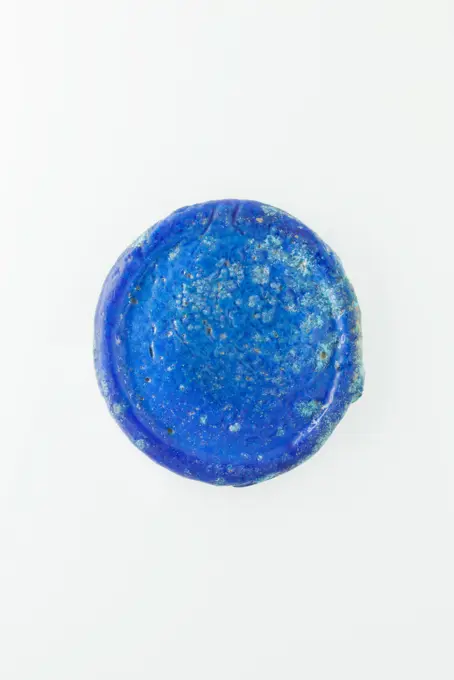
Decorative Earthenware Fragments

Fragments of decorative earthenware with intricate patterns and colors, revealing historical art styles and techniques through a variety of pieces.

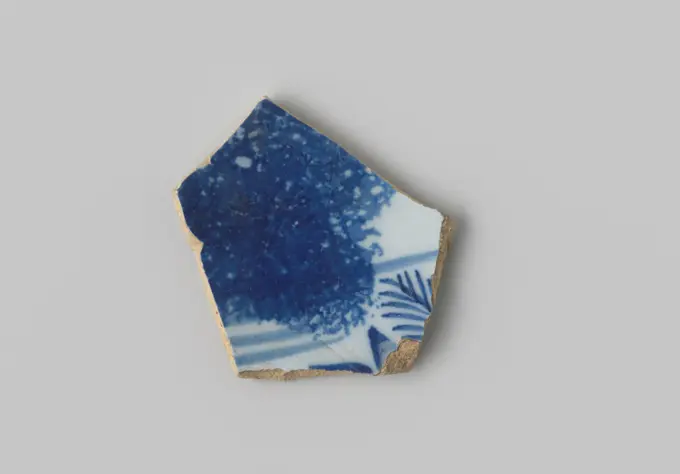
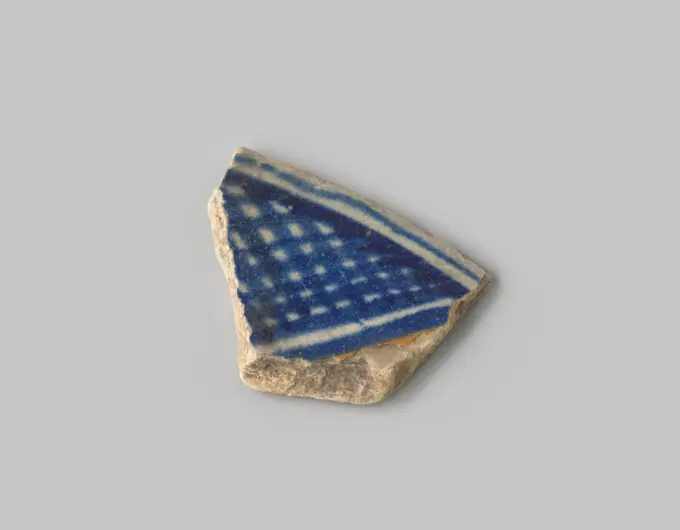
Fragment of a dish of earthenware decorated with geometric ornaments, anonymous, c. 1650 - c. 1725 Fragment of a dish of earthenware, at the top with tinglaze, covered at the rear with lead glaze, decorated with geometric ornaments in blue, purple and green. Excavated in London, Middlesex Street. England (possibly) earthenware. tin glaze majolica Fragment of a dish of earthenware, at the top with tinglaze, covered at the rear with lead glaze, decorated with geometric ornaments in blue, purple and green. Excavated in London, Middlesex Street. England (possibly) earthenware. tin glaze majolica
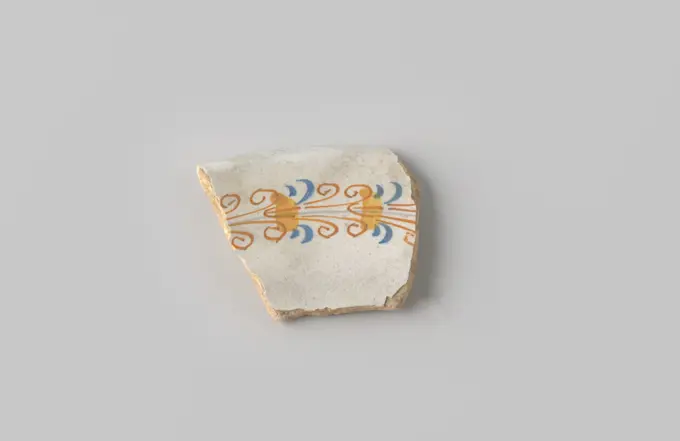
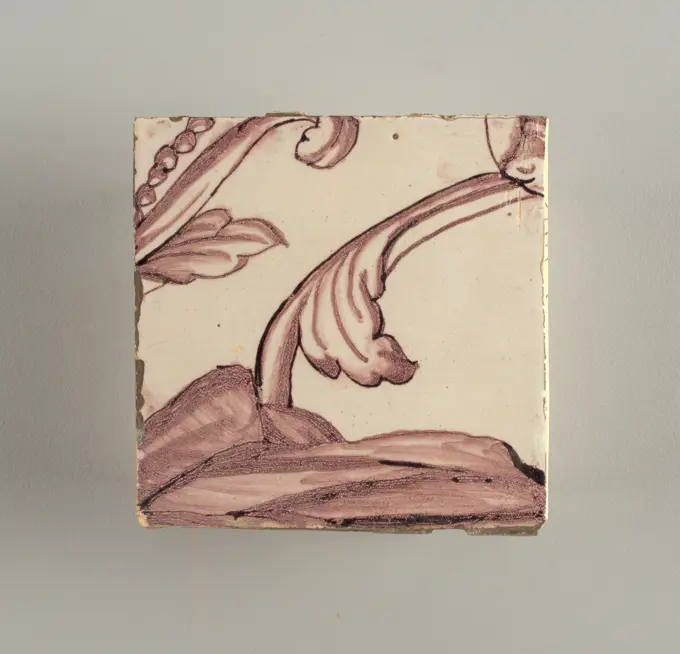
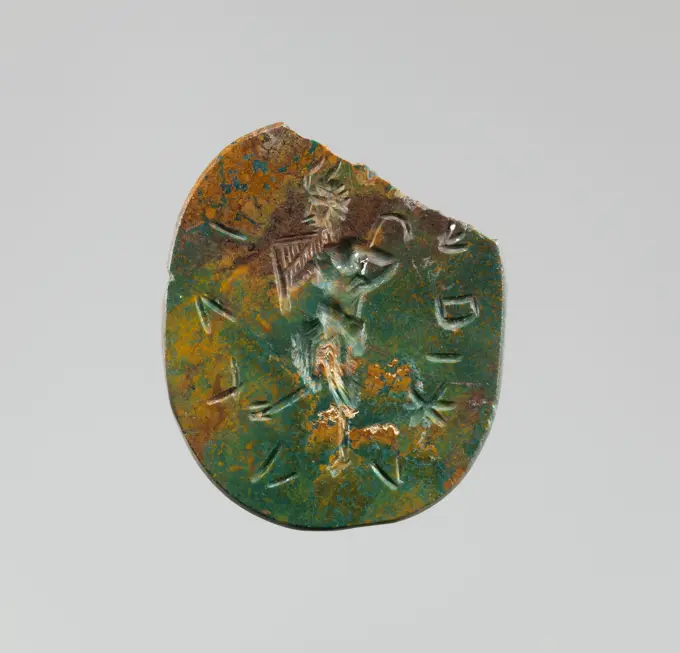
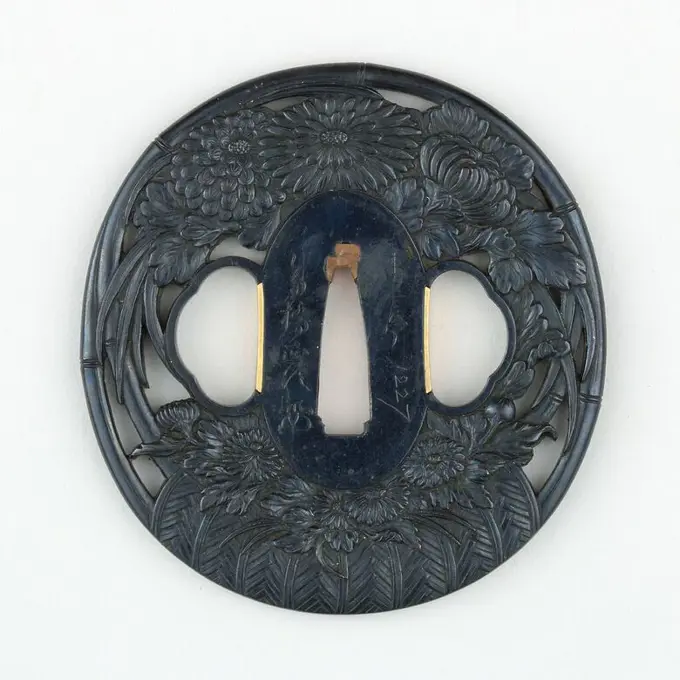
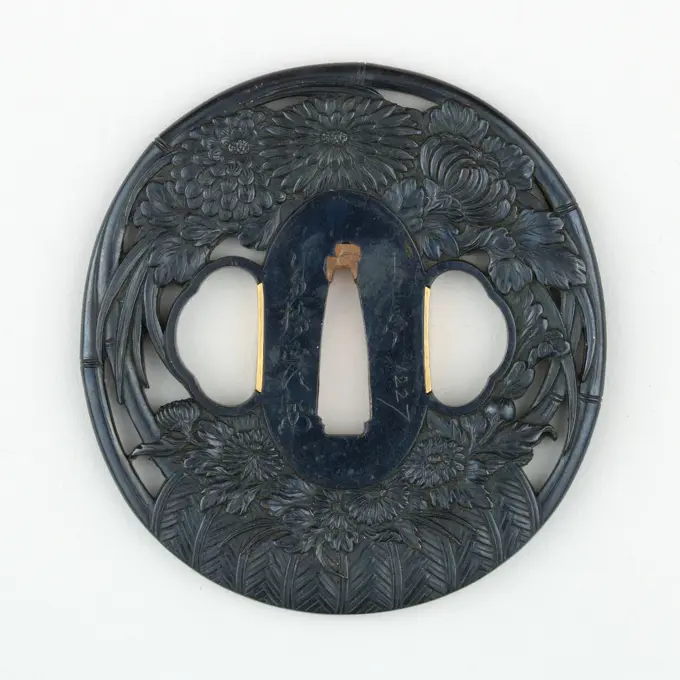
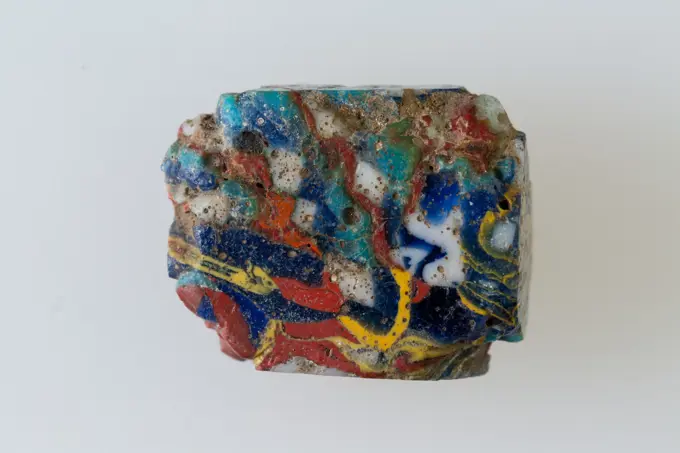
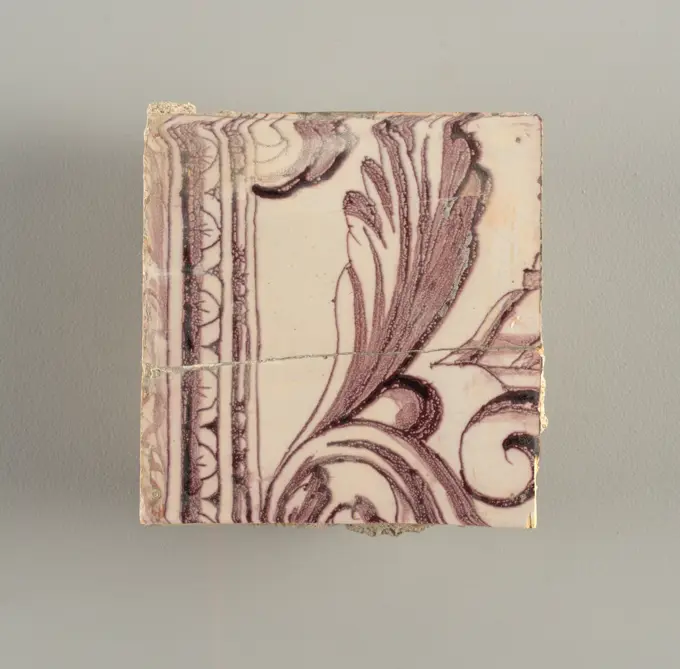
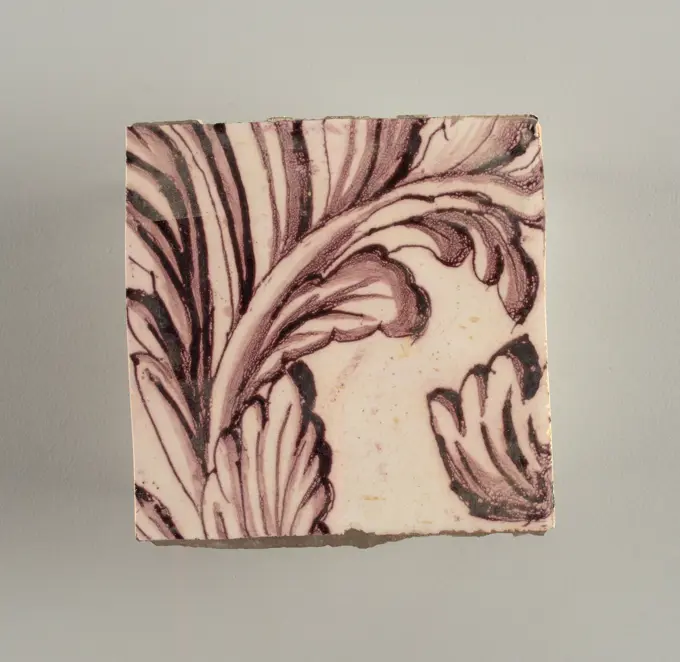
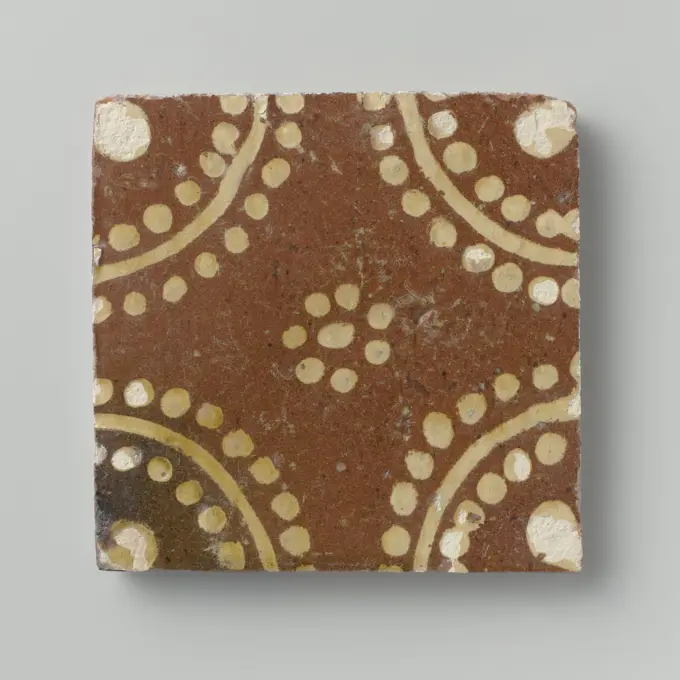
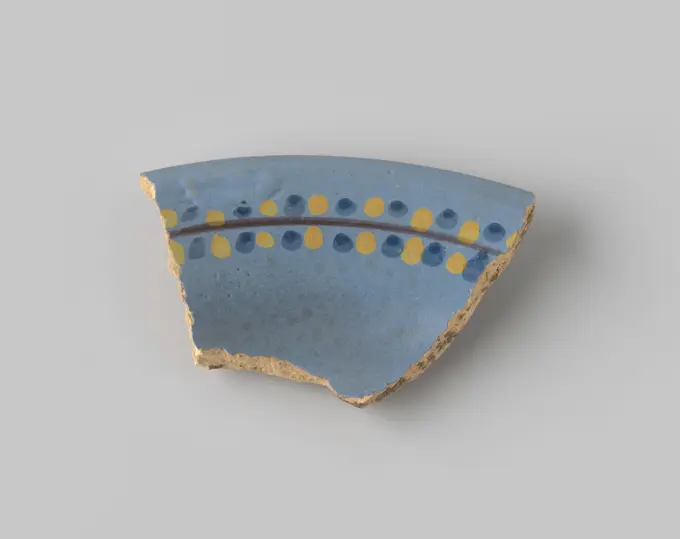
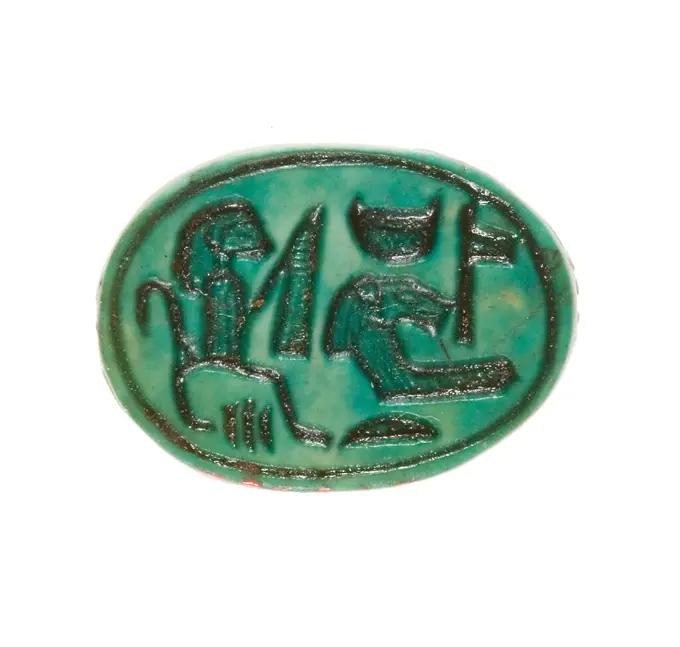
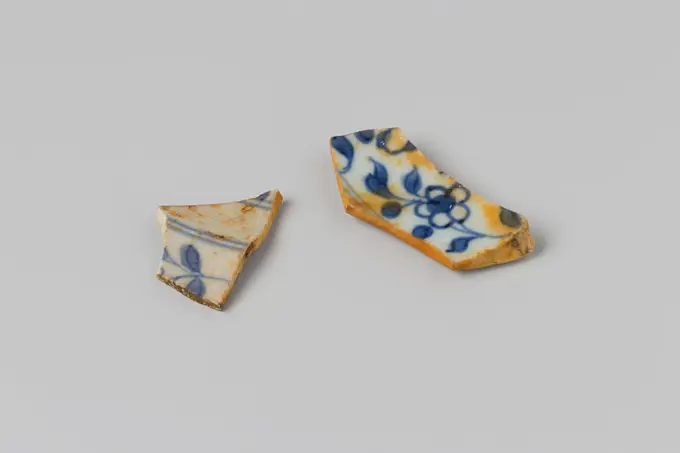
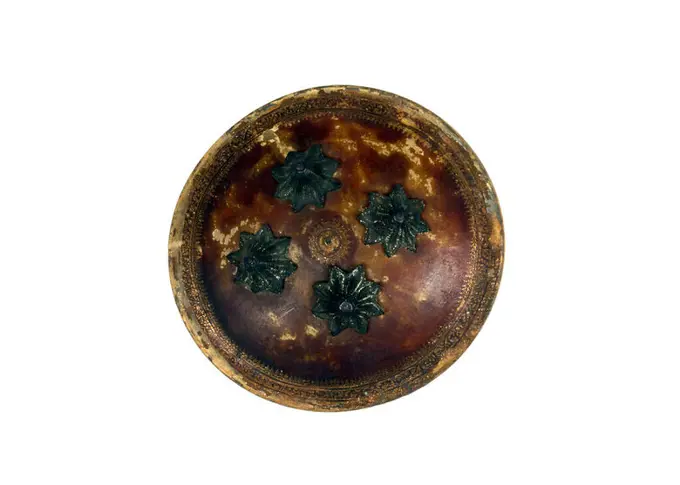
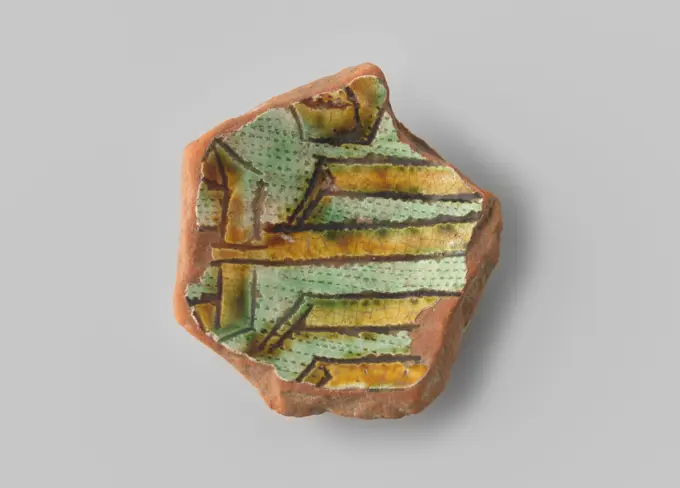
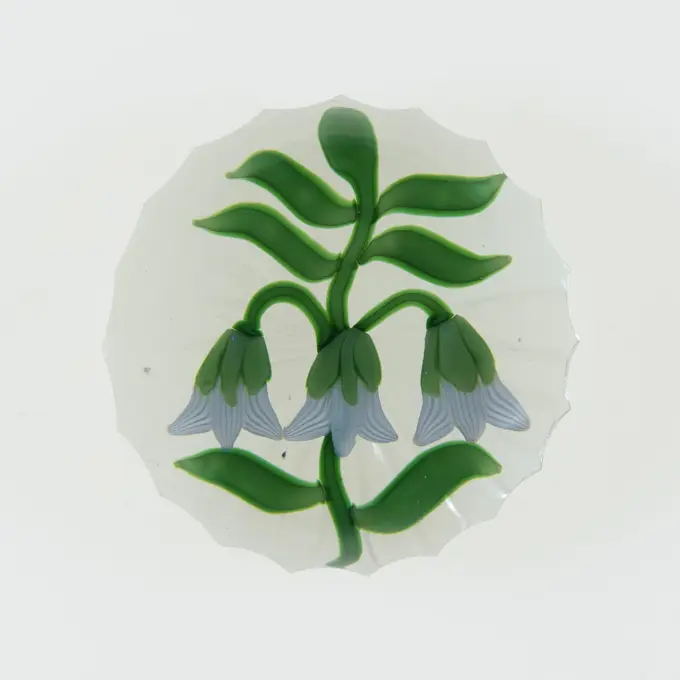
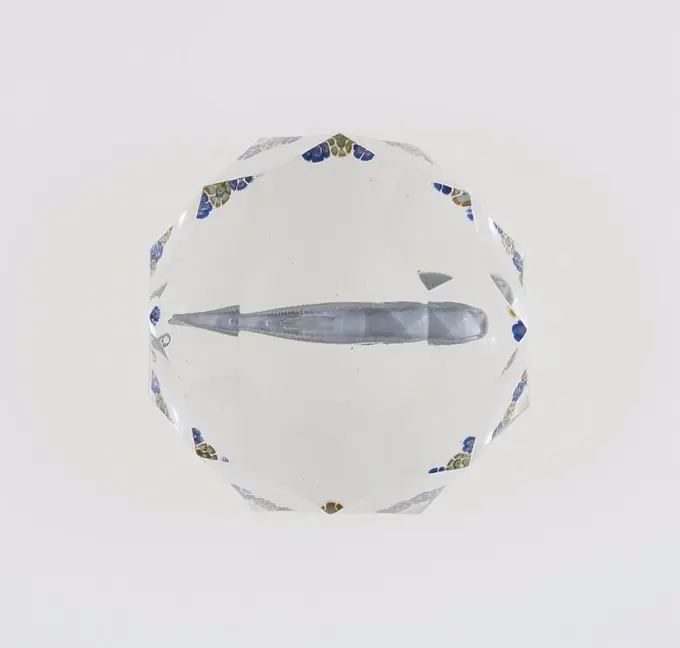
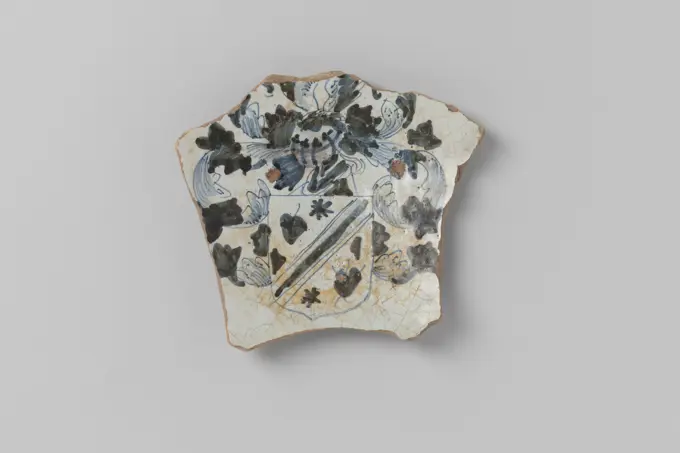
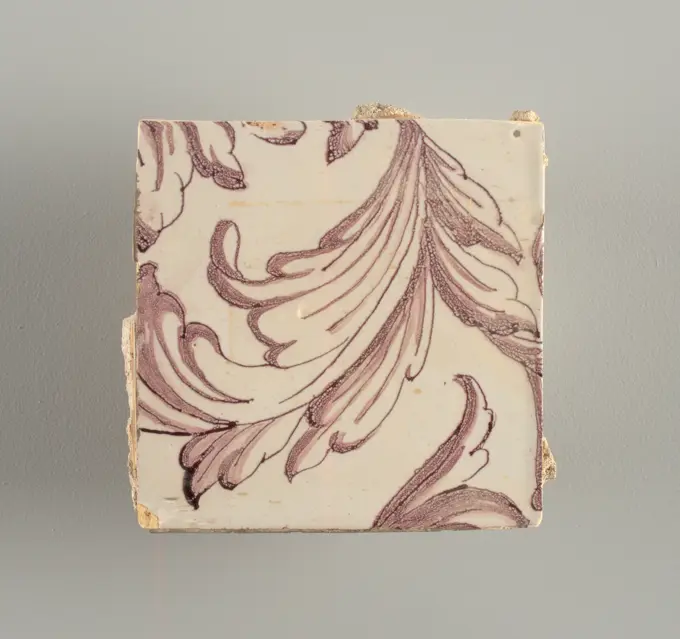
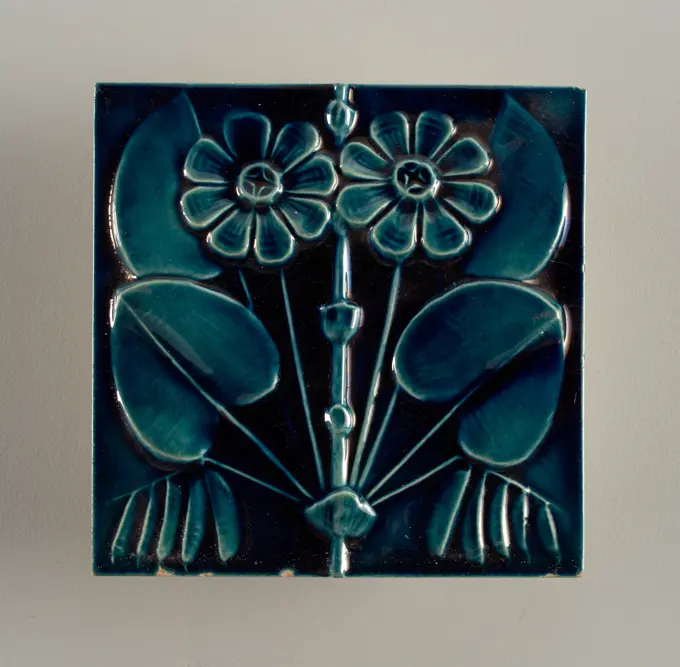
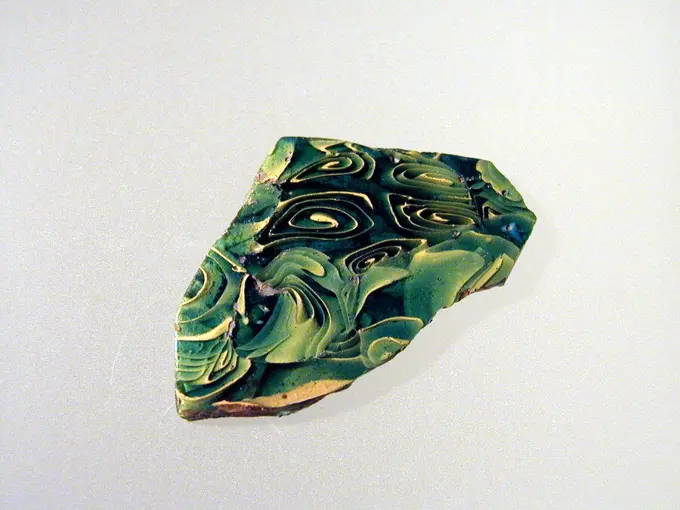
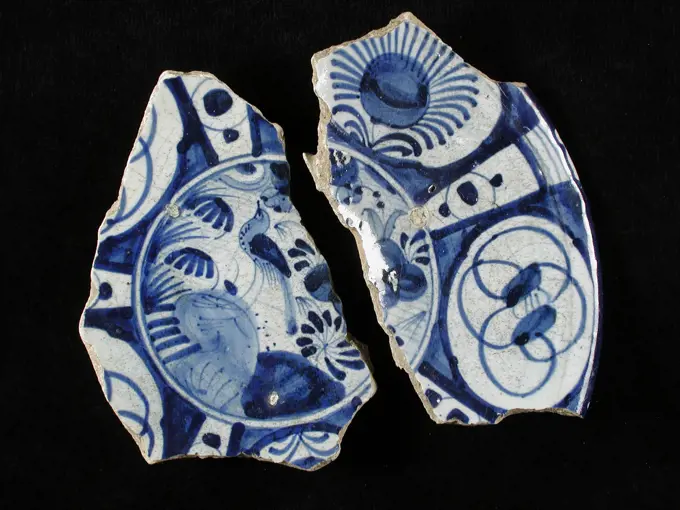
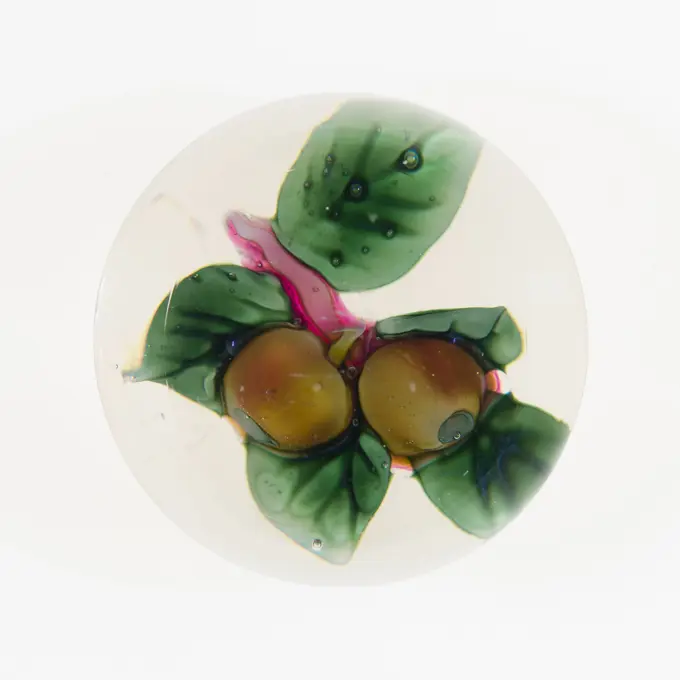
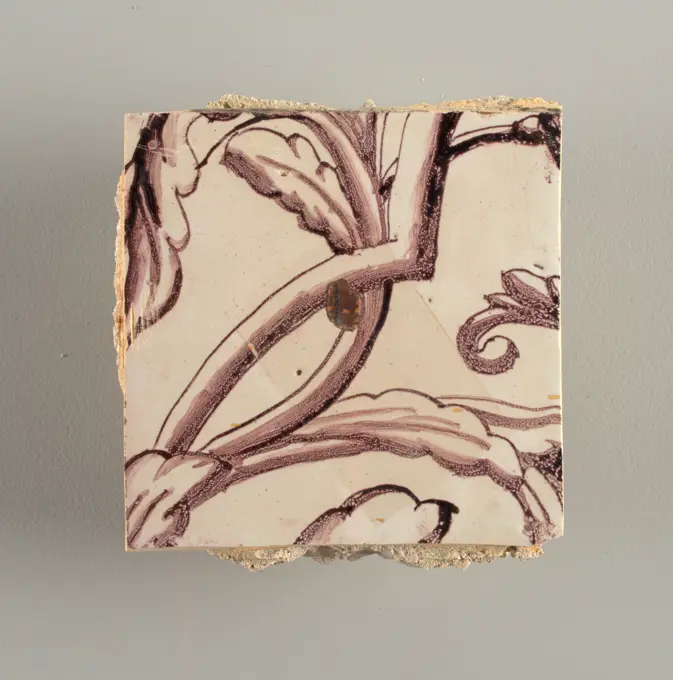
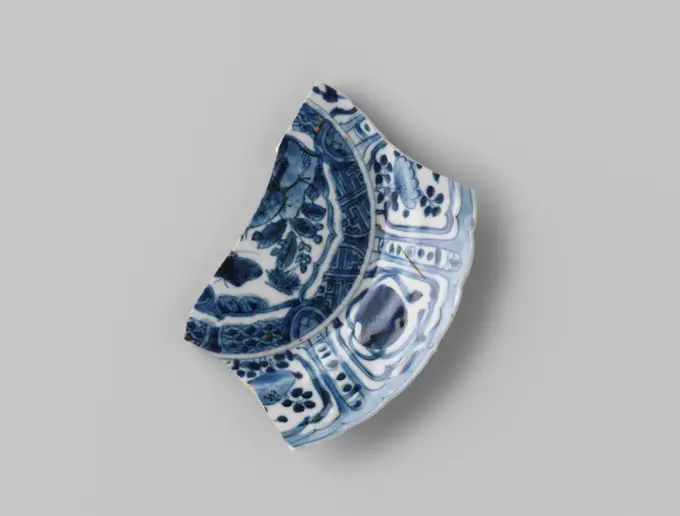
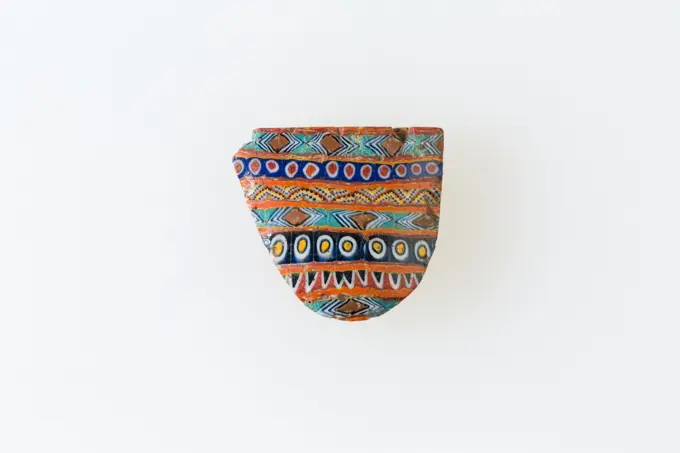
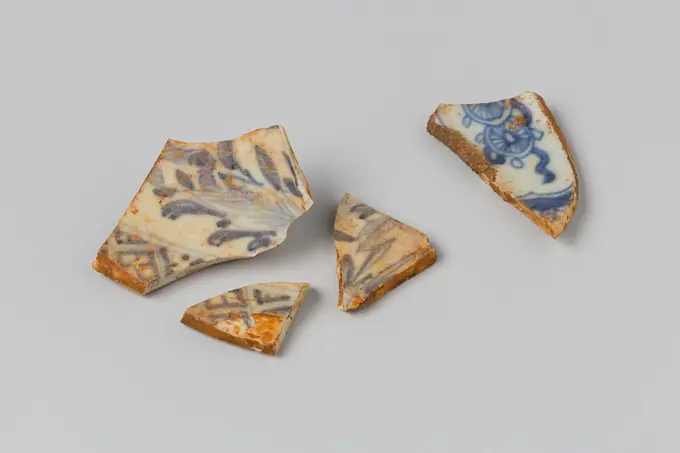
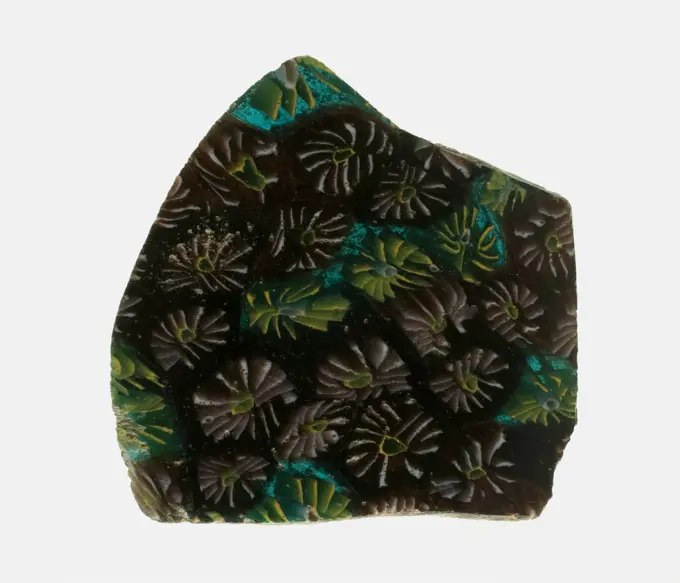
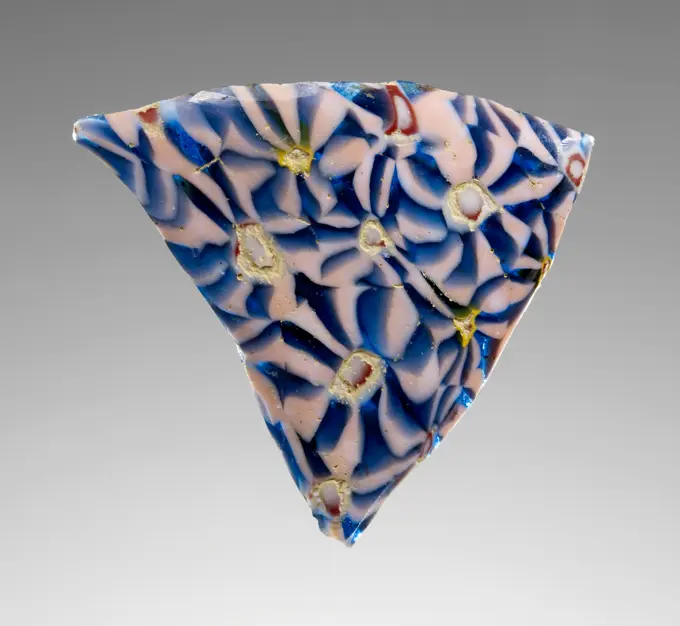
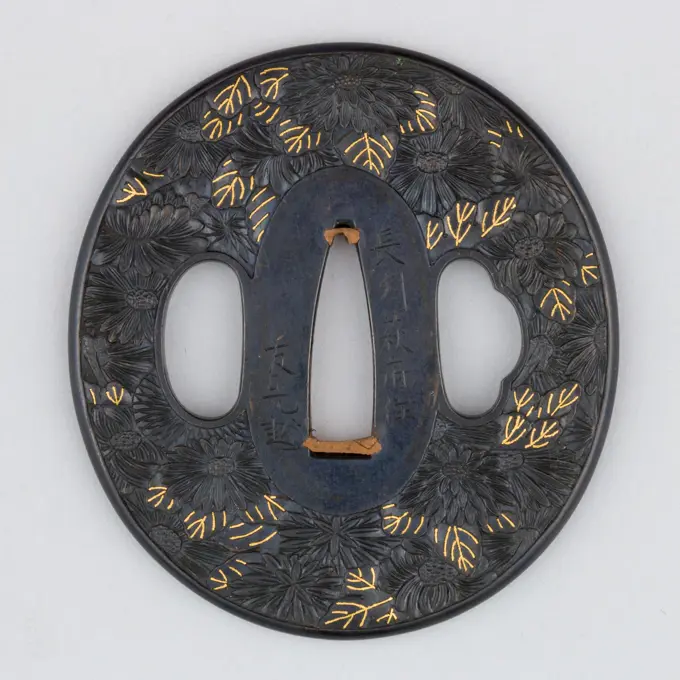
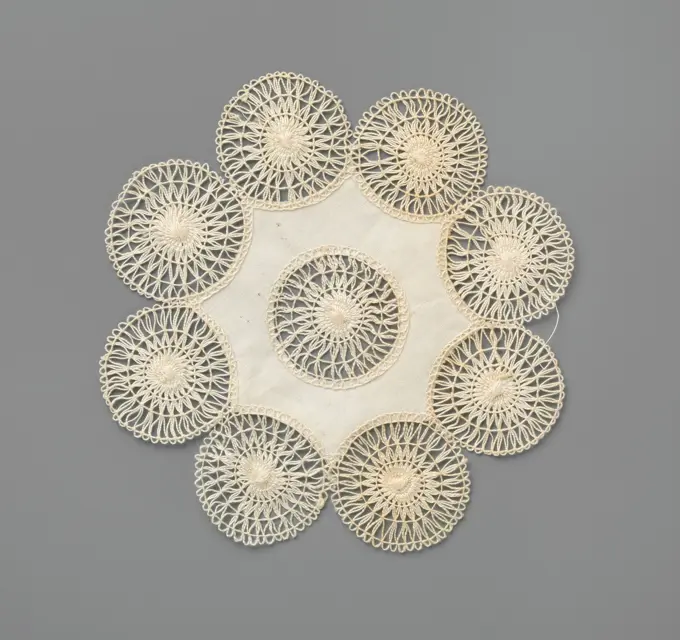
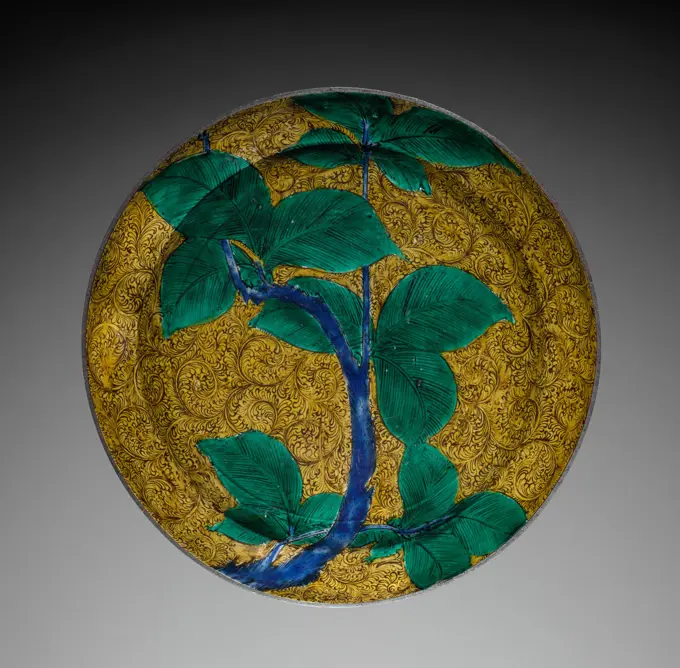
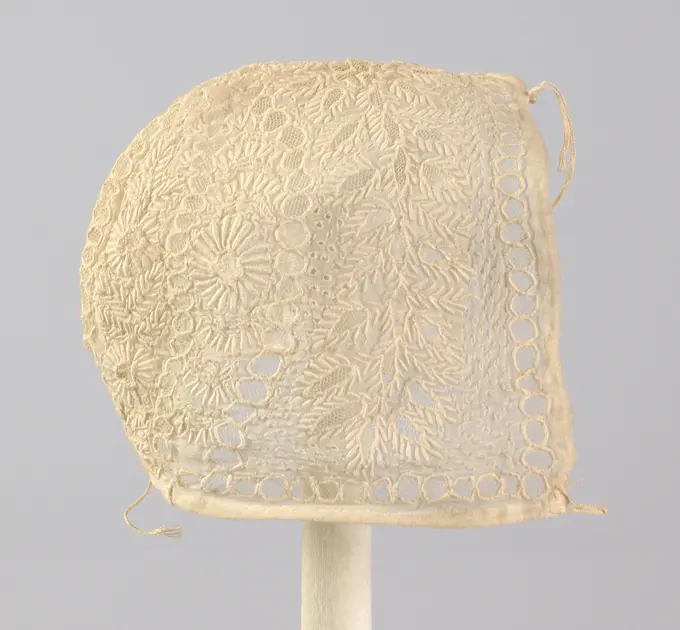
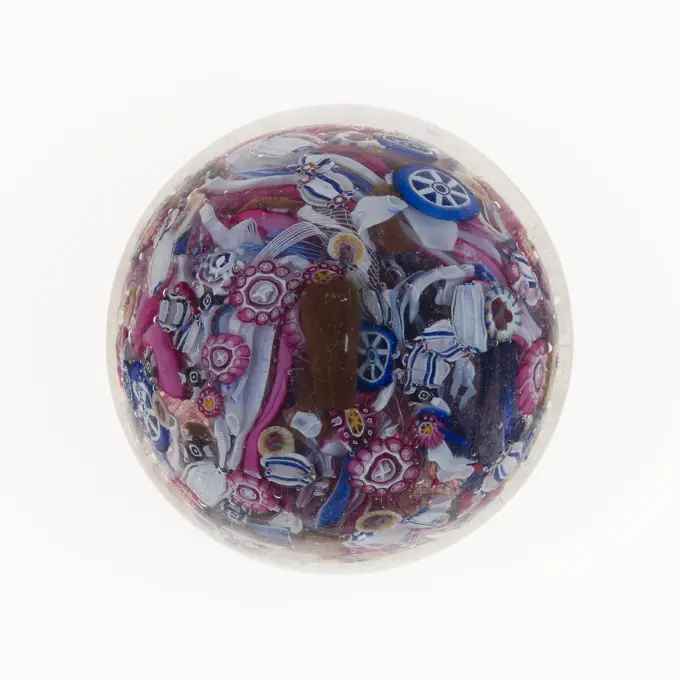
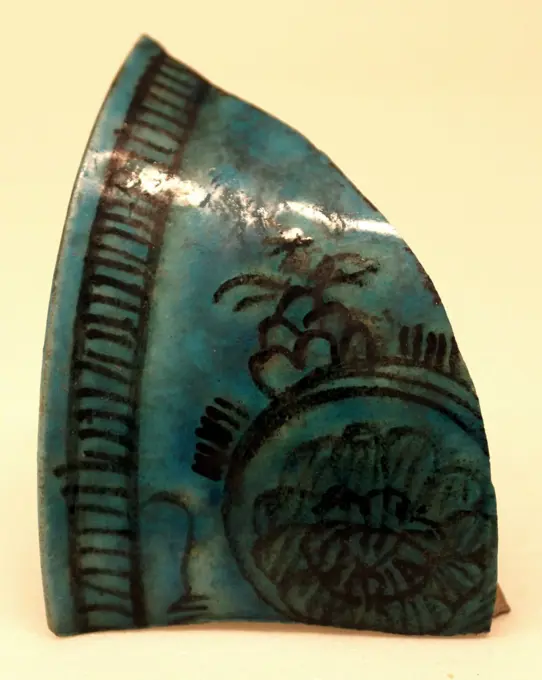
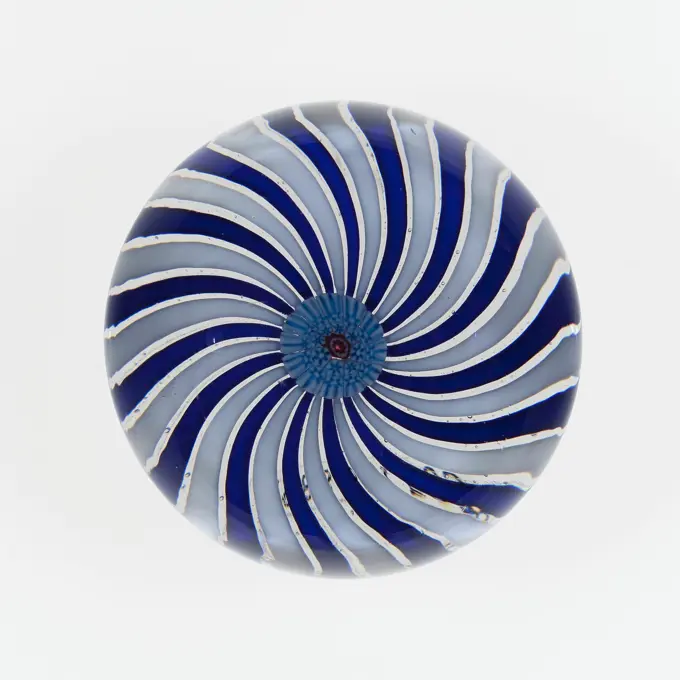
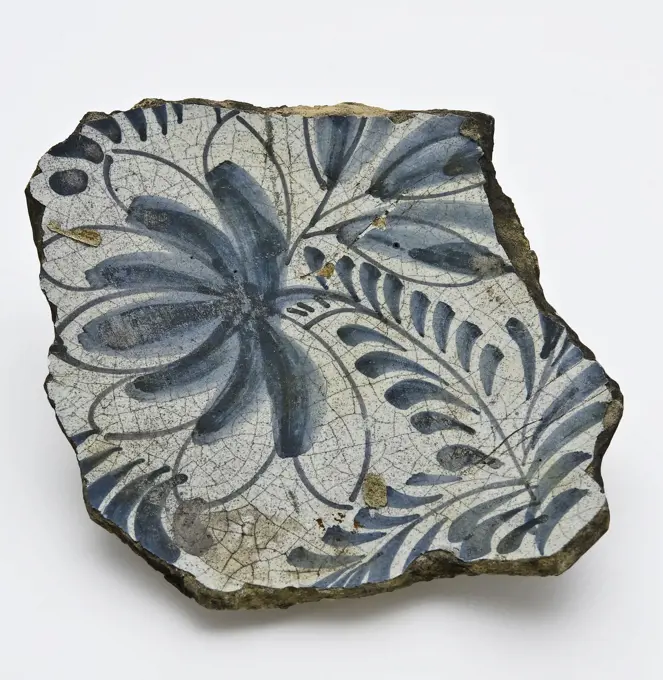
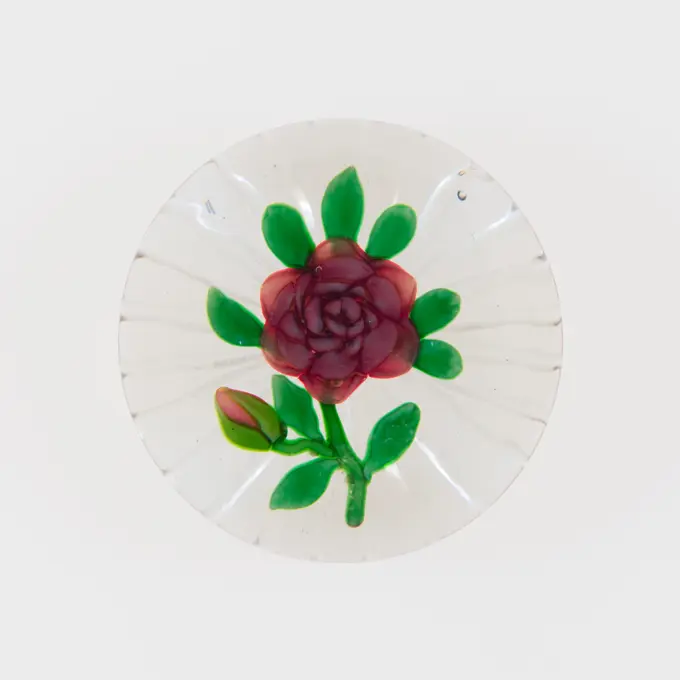
Wall Facing (Holland); tin-glazed earthenware, underglazeSharf of white -baking earthenware, with white glaze with an edge of orange and blue curls and yellow stripes in blue, anonymous, 1600 - 1650  Northern Netherlands earthenware. glaze majolica  Northern Netherlands earthenware. glaze majolicaLid from V.O.C.-ship De 'Witte Leeuw', Anonymous, Before 1613 lid Cover from V.O.C. ship De 'Witte Leeuw', 40  present. Jingdezhen porcelain   Sint-HelenaWall Facing (Holland); tin-glazed earthenware, underglazeFragment of a dish of earthenware decorated with geometric ornaments, anonymous, c. 1650 - c. 1725 Fragment of a dish of earthenware, at the top with tinglaze, covered at the rear with lead glaze, decorated with geometric ornaments in blue, purple and green. Excavated in London, Middlesex Street. England (possibly) earthenware. tin glaze majolica Fragment of a dish of earthenware, at the top with tinglaze, covered at the rear with lead glaze, decorated with geometric ornaments in blue, purple and green. Excavated in London, Middlesex Street. England (possibly) earthenware. tin glaze majolicaJasper intaglio: Horned Pan ca. 2nd-3rd century A.D. Roman. Jasper intaglio: Horned Pan 253782 Roman, Jasper intaglio: Horned Pan, ca. 2nd3rd century A.D., Jasper, Other: 7/8 x 3/4 x 3/16 in. (2.2 x 1.8 x 0.5 cm). The Metropolitan Museum of Art, New York. Bequest of W. Gedney Beatty, 1941 (41.160.639)Paperweight 1840-1865 France. Glass . Compagnie de Saint LouisBracket-Lobed Dish 1127-1279 China. Jun ware; glazed stoneware .Paperweight 1840-1865 France. The colorful geometric clusters embedded in this paperweight reflect the nineteenth-century European fascination with optical effects. Sir David Brewster invented the kaleidoscope in 1815, and its colorful and changing patterns brought great visual entertainment. Paperweights such as this example reformed this childlike pastime for a sophisticated adult audience. Depicted in glass were tiny glittering flowers, small black and blue cameos of figures, and even miniature bottlecaps. These were delicately arranged within the orb for the observant eye to discover.From the late 1840s to early 1860s, French manufacturers of fine glass and crystalósuch as Baccarat (Alsace), Clichy (Paris), and Saint-Louis (Lorraine)ócatered to the vast public enthusiasm for beautiful yet functional desk accessories. Paperweights, which were designed to secure loose papers against drafts, were among their most popular products.. Glass . Baccarat GlassworksTile Wall Facing (Holland); tin-glazed earthenware, underglazeSharp of ross -baking earthenware, with blue glaze at the top with decoration of a scene of flowers that stand in the earth in brown, white, yellow, orange and green, and a few circles in brown and yellow around it, anonymous, 1600 - 1650  Northern Netherlands earthenware. glaze majolica  Northern Netherlands earthenware. glaze majolicaFragment Come from V.O.C. ship De 'Witte Leeuw', Anonymous, Before 1613 bowl Fragment Come from V.O.C. ship De 'Witte Leeuw', 40 present. Soil clip. Jingdezhen porcelain   Sint-HelenaPaperweight 1840-1865 France. This paperweight uses a traditional glass-making technique called millefiori to great effect. Italian for ìone thousand flowers,î millefiori was first developed in fifteenth-century Venice. In the nineteenth century, French glassmakers revived the technique with a cultural twist. Arranged to evoke traditional French gardens such as the Tuileries in Paris, paperweights like this example brought a little of this landscaping magic indoors.From the late 1840s to early 1860s, French manufacturers of fine glass and crystalósuch as Baccarat (Alsace), Clichy (Paris), and Saint-Louis (Lorraine)ócatered to the vast public enthusiasm for beautiful yet functional desk accessories. Paperweights, which were designed to secure loose papers against drafts, were among their most popular products.. Glass . Compagnie de Saint LouisWhite -baking earthenware dish, with a foot ring, with white glaze on the top, on which a weapon with harness and plumes are painted in blue, anonymous, c. 1500 - c. 1699 fragment   earthenware. glazeTile (USA); Manufactured by J. & J. G. Low Art Tile Works; glazed stoneware; 10.8 x 10.8 x 1.2 cm (4 1/4 x 4 1/4 x 1/2 in. )Sharf of white -baking earthenware, on the outside with a painting in blue on a white surface, c. 1500 - c. 1899 fragment   earthenware. glazeSword Guard (Tsuba). Culture: Japanese. Dimensions: H. 2 15/16 in. (7.46 cm); W. 2 13/16 in. (7.14 cm); thickness 1/4 in. (0.6 cm); Wt. 4.6 oz. (130.4 g). Date: late 18th-early 19th century. Museum: Metropolitan Museum of Art, New York, USA.Sword guard (Tsuba) with Flower Basket Motif (籠図鐔) late 18th-early 19th century Japanese This tsuba shows an openwork design of a flower basket with bamboo forming the rim. Masatsugu, real name Takahashi Uhei (高橋卯兵衛), was a student of the second Akao generation Yoshitsugu (吉次) but also learned from the Bushū (武州) School. He signed in early years with the name Masaoki (正興) and used the gō (art name) Mokusantei (木三亭), which we also find quoted as Bokusantei or Kisantei. Masatsugu established his own branch within the Akao (赤尾) School which was based in Edo.. Sword guard (Tsuba) with Flower Basket Motif (籠図鐔) 25701Inlay fragment 100 BC-100 AD Ptolemaic Period-Roman Period A mosaic glass technique allowed multiples of an image to be created: a figural or design composition was made by bundling colored glass canes, which were then drawn out into a long bar. The bar was then sectioned at right angles, probably by striking the bar with appropriate tools, to produce small inlay tiles. The tile would then be smoothed and polished on the face intended to appear outwards.. Inlay fragment. 100 BC-100 AD. Polychrome glass. Ptolemaic Period-Roman Period. From Egypt, Upper Egypt, ThebesLarge Ball Bead ca. 1981-1458 B.C. Middle Kingdom-Early New Kingdom. Large Ball Bead 546984Tile Wall Facing (Netherlands); tin-glazed earthenware, underglazeFragment of a dish, c. 1600 - c. 1650 Fragment of a dish on a low foot ring. Crème shard covered with ting laze at the front and dark lead glaze at the rear. Painted in blue; On the flat remnants of the Christ monogram; On the edge of Wan-Li decorations. Northern Netherlands earthenware. tin glaze. lead glaze majolica Fragment of a dish on a low foot ring. Crème shard covered with ting laze at the front and dark lead glaze at the rear. Painted in blue; On the flat remnants of the Christ monogram; On the edge of Wan-Li decorations. Northern Netherlands earthenware. tin glaze. lead glaze majolicaTile Wall Facing (Holland); tin-glazed earthenware, underglazeTile Wall Facing (Netherlands); tin-glazed earthenware, underglazeTile Wall Facing (Holland); tin-glazed earthenware, underglazeTile Wall Facing (Netherlands); tin-glazed earthenware, underglazePaperweight 1840-1865 France. Technological improvements to optical scientific instruments in the mid-nineteenth century spurred a veritable obsession across Europe with identifying and classifying the natural world. Amateur botanists were eager to collect and preserve floral specimens, which they intently researched and catalogued. In response to this broad appeal, French glassmakers made paperweights that portrayed the very botanical subjects that were so enthusiastically sought. Many weights represented specimens with horticultural correctness, but others were entirely fanciful creations. Paperweights like this example speak to the periodís fascination with taxonomic systems.From the late 1840s to early 1860s, French manufacturers of fine glass and crystalósuch as Baccarat (Alsace), Clichy (Paris), and Saint-Louis (Lorraine)ócatered to the vast public enthusiasm for beautiful yet functional desk accessories. Paperweights, which were designed to secure loose papers against drafts, weWall Facing (Netherlands); tin-glazed earthenware, underglaze; 5 tiles tall, various wideLarge Ball bead ca. 1635-1458 B.C. Second Intermediate Period-Early New Kingdom. Large Ball bead 551206Floor tile, Anonymous, 1700 - 1850 Tile with a rosette consisting of dots and in the corners, a quarter of circles. Belgium earthenware. lead glaze Tile with a rosette consisting of dots and in the corners, a quarter of circles. Belgium earthenware. lead glazeSharf of yellowish earthenware, with blue glaze at the front, on which a black stripe with blue and yellow dots on either side, anonymous, 1600 - 1650  Northern Netherlands earthenware. glaze majolica  Northern Netherlands earthenware. glaze majolicaScarab Inscribed for the God's Wife Hatshepsut. Dimensions: L. 1.7 cm (11/16 in.); W. 1.2 cm (1/2 in.); H. 0.7 cm (1/4 in.). Dynasty: Dynasty 18, early. Reign: Joint reign of Hatshepsut and Thutmose III. Date: ca. 1479-1458 B.C..This scarab was found in a foundation deposit associated with Hatshepsut's funerary temple at Deir el-Bahri. The base is inscribed with her personal name, Hatshepsut ("foremost of noblewomen") linked with the title God's Wife. Hatshepsut inherited the title while she served as principal queen of her half-brother, Thutmose II. Later in her life, after taking on the titles of King, Hatshepsut passed the title to her daughter, Neferure (see scarab 27.3.326). Museum: Metropolitan Museum of Art, New York, USA.Shards of plates from the wreck of the East India Hollandia.Porcelain, Plate, Type 3; Fragm or base and rim, sim. NG 1980-27H3202C.Fragment of a dish, anonymous, c. 1590 - c. 1620 Fragment of a dish of lead glaze pottery. The fragment has a dark stock and is painted in green with piping and zigzag lines. Wanfried earthenware. lead glaze Fragment of a dish of lead glaze pottery. The fragment has a dark stock and is painted in green with piping and zigzag lines. Wanfried earthenware. lead glazeShield (Dhàl). Culture: Indian. Dimensions: Diam. 8 1/2 in. (21.6 cm); D. 2 in. (5.1 cm); Wt. 14.7 oz. (416.7 g). Date: 19th century. Museum: Metropolitan Museum of Art, New York, USA.Excerpt (foot) with red shard, in sgraffito technology a Jesus monogram in ocher on green, vertically dotted soil, anonymous, 1200-1899  Italy earthenware  Italy earthenwareDish with marbled decor, anonymous, c. 1575 - c. 1625 Dish of lead glaze pottery. The dish is covered with a white -yellow sludge layer, on which a marbled decor is applied of lead glaze, in the colors brown, green, manganese and blue. Italy earthenware. lead glaze Dish of lead glaze pottery. The dish is covered with a white -yellow sludge layer, on which a marbled decor is applied of lead glaze, in the colors brown, green, manganese and blue. Italy earthenware. lead glazeTile Wall Facing (Netherlands); tin-glazed earthenware, underglazePaperweight 1840-1865 England. Glass .Paperweight 1840-1860 Clichy. This paperweight uses a traditional glass-making technique called millefiori to great effect. Italian for ìone thousand flowers,î millefiori was first developed in fifteenth-century Venice. In the nineteenth century, French glassmakers revived the technique with a cultural twist. Arranged to evoke traditional French gardens such as the Tuileries in Paris, paperweights like this example brought a little of this landscaping magic indoors.From the late 1840s to early 1860s, French manufacturers of fine glass and crystalósuch as Baccarat (Alsace), Clichy (Paris), and Saint-Louis (Lorraine)ócatered to the vast public enthusiasm for beautiful yet functional desk accessories. Paperweights, which were designed to secure loose papers against drafts, were among their most popular products.. Glass . Clichy GlasshousePaperweight 1801-1900 Clichy. This paperweight uses a traditional glass-making technique called millefiori to great effect. Italian for ìone thousand flowers,î millefiori was first developed in fifteenth-century Venice. In the nineteenth century, French glassmakers revived the technique with a cultural twist. Arranged to evoke traditional French gardens such as the Tuileries in Paris, paperweights like this example brought a little of this landscaping magic indoors.From the late 1840s to early 1860s, French manufacturers of fine glass and crystalósuch as Baccarat (Alsace), Clichy (Paris), and Saint-Louis (Lorraine)ócatered to the vast public enthusiasm for beautiful yet functional desk accessories. Paperweights, which were designed to secure loose papers against drafts, were among their most popular products.. Glass . Clichy GlasshousePaperweight. Saint-Louis; France, founded 1767. Date: 1825-1850. Dimensions: Diam. 6.7 cm (2 5/8 in.). Glass. Origin: France. Museum: The Chicago Art Institute, Chicago, USA. Author: Compagnie de Saint Louis.Paperweight 1848 France. Glass . Compagnie de Saint LouisDishwill of earthenware with a drawing of a family crest with a helmet and feathers, in underly glaze blue, anonymous, 1500 - 1799   earthenware. glaze   earthenware. glazeGlass mosaic vessel fragment. Culture: Roman. Dimensions: 7/8 × 1 1/16 × 1/16 in. (2.2 × 2.7 × 0.2 cm). Date: late 1st century B.C.-early 1st century A.D..Translucent cobalt blue, purple, and honey yellow, and opaque white.Thin-walled curving body fragment.Mosaic pattern formed from sections of composite canes with distorted designs: one in a blue ground with a circle of white rods surrounding a central purple rod, outlined in white, and another in a purple ground with white rods.Polished exterior; slight pitting of surface bubbles; dulling, pitting, and slight iridescence on interior; weathering on some jagged edges. Museum: Metropolitan Museum of Art, New York, USA.Tile Wall Facing (Netherlands); tin-glazed earthenware, underglazeTile (USA); Manufactured by J. & J. G. Low Art Tile Works; glazed stoneware; 15.5 x 15.5 x 1.0 cm (6 1/8 x 6 1/8 x 3/8 in. )Glass mosaic fragment late 1st century B.C.-early 1st century A.D. Roman Bottom fragment ().Translucent turquoise blue and opaque yellow, partially mixed and appearing as green.Almost flat, with slight inward curve along one edge.Mosaic pattern formed from sections of a single cane in blue ground with a spiral yellow thread.Polished exterior; pitting of surface bubbles; dulling and creamy weathering on interior and jagged edges.. Glass mosaic fragment 257266Two fragments of majolica dish, blue on white, bird in Chinese garden, signed, dish crockery holder soil find ceramic earthenware glaze tin glaze lead glaze , majolica Cooked on the underside covered with lead glaze. Monochrome. Signed. Signature backside, in the ring E ** only the first letter is vaguely visible archeology decorate serving foodPaperweight 1840-1865 France. Technological improvements to optical scientific instruments in the mid-nineteenth century spurred a veritable obsession across Europe with identifying and classifying the natural world. Amateur botanists were eager to collect and preserve floral specimens, which they intently researched and catalogued. In response to this broad appeal, French glassmakers made paperweights that portrayed the very botanical subjects that were so enthusiastically sought. Many weights represented specimens with horticultural correctness, but others were entirely fanciful creations. Paperweights like this example speak to the periodís fascination with taxonomic systems.From the late 1840s to early 1860s, French manufacturers of fine glass and crystalósuch as Baccarat (Alsace), Clichy (Paris), and Saint-Louis (Lorraine)ócatered to the vast public enthusiasm for beautiful yet functional desk accessories. Paperweights, which were designed to secure loose papers against drafts, weBead 1000 BCE-800 BCE China. Jade .Grahal-Manzara. Carnavalet 2013-2016 collection sites. Numismatics.Paperweight 1801-1900 Saint-Louis. Glass . Compagnie de Saint LouisBowl. Iran, Nishapur, 10th century. Ceramics. Earthenware, incised, splashes of color in transparent glazeWall Facing (Holland); tin-glazed earthenware, underglazeRound plate of hard baked pottery; Staffordshire, Anonymous, c. 1756 Round plate of hard baked earthenware, covered with blue-black lead glaze with spots in light blue, green, yellow-brown and manganese. The edge is decorated in relief with fields alternately smooth and filled with grille. On the razes alternately an eagle, a trophy and the portrait of Frederik the Great. On the slippery fields, the inscriptions are successful to the king, king of prussia, and his forces. The sign is part of five plates (BK-1987-40-A to BK-1987-40-F). England earthenware. lead glaze Round plate of hard baked earthenware, covered with blue-black lead glaze with spots in light blue, green, yellow-brown and manganese. The edge is decorated in relief with fields alternately smooth and filled with grille. On the razes alternately an eagle, a trophy and the portrait of Frederik the Great. On the slippery fields, the inscriptions are successful to the king, king of prussia, and his forces. The sign is part ofSharf of a sign from the wreck of the East Indians Hollandia, Anonymous, 1700 - in Or Before 1743 plate (dishes) Porcelain, plate, type 2; fragm of rim, sim. NG 1980-27H2624h. Netherlands porcelain   SecondWall Facing (Netherlands); tin-glazed earthenware, underglazeFragment sign from V.O.C. ship De 'Witte Leeuw', Before 1613 plate (dishes) Fragment sign from V.O.C. ship De 'Witte Leeuw', 40 present. Jingdezhen porcelain. bone china (material)   Sint-HelenaSemi-eliptical inlay, pattern formed by fused bars of diamonds, circles, dentelations 100 BC-100 AD Ptolemaic Period-Roman Period A mosaic glass technique allowed multiples of an image to be created: a figural or design composition was made by bundling colored glass canes, which were then drawn out into a long bar. The bar was then sectioned at right angles, probably by striking the bar with appropriate tools, to produce small inlay tiles. The tile would then be smoothed and polished on the face intended to appear outwards.. Semi-eliptical inlay, pattern formed by fused bars of diamonds, circles, dentelations. 100 BC-100 AD. Glass. Ptolemaic Period-Roman Period. From EgyptPaperweight 1840-1865 Baccarat. This paperweight uses a traditional glass-making technique called millefiori to great effect. Italian for ìone thousand flowers,î millefiori was first developed in fifteenth-century Venice. In the nineteenth century, French glassmakers revived the technique with a cultural twist. Arranged to evoke traditional French gardens such as the Tuileries in Paris, paperweights like this example brought a little of this landscaping magic indoors.From the late 1840s to early 1860s, French manufacturers of fine glass and crystalósuch as Baccarat (Alsace), Clichy (Paris), and Saint-Louis (Lorraine)ócatered to the vast public enthusiasm for beautiful yet functional desk accessories. Paperweights, which were designed to secure loose papers against drafts, were among their most popular products.. Glass . Baccarat GlassworksTile, Anonymous, 1600 - 1800 Tile, painted in yellow, manganese. Lobbed rosette, in which an eight -pointed star. In the corners of a quarter of huge corners, connected to the rosette with a thin line. Tunisia (Possible) Morocco (Possible) earthenware. tin glaze Tile, painted in yellow, manganese. Lobbed rosette, in which an eight -pointed star. In the corners of a quarter of huge corners, connected to the rosette with a thin line. Tunisia (Possible) Morocco (Possible) earthenware. tin glazeRing 400 BCE-200 BCE China. Jade .Scarab Inscribed with the Throne Name of Thutmose III ca. 1479-1458 B.C. New Kingdom. Scarab Inscribed with the Throne Name of Thutmose III. ca. 1479-1458 B.C.. Steatite (glazed). New Kingdom. From Egypt, Upper Egypt, Thebes, Deir el-Bahri, Temple of Hatshepsut, Foundation Deposit 7 (G), MMA excavations, 1926-27. Dynasty 18, earlygreen square saucer on gray concrete board one green square saucer on gray concrete board Copyright: xZoonar.com/ValeryxVoennyyx 9790724Box with lid, square, covered with blue-green silk and trimmed with white strap, anonymous, c. 1750 Box with lid, square, covered with blue-green silk (satin). The lid is trimmed with a white silk strap. The bottom of the box is covered with blue silk (ribs). In the box there is an orange roset (silk strap) with metal sequin. Amsterdam (possibly) silk. Box with lid, square, covered with blue-green silk (satin). The lid is trimmed with a white silk strap. The bottom of the box is covered with blue silk (ribs). In the box there is an orange roset (silk strap) with metal sequin. Amsterdam (possibly) silk.Shards of signs from the wreck of the East India Hollandia.Porcelain, Plate, Type 2; Fragm or Base SIM. NG 1980-27H507.Buttons, glass and brass, all buttons of glass made in imitation of malachite - a/: circular, flat button pierced in center with brass ornament on shank - b,c,g/: oval buttons made of stone set in scalloped brass collets - d,e,f/: circular stones set in scalloped brass collets., On card 17, France, 19th century, costume & accessories, Decorative Arts, ButtonsCollar in the Shape of Two Butterflies 18th-19th century China Fancifully shaped collars were often worn by children. This embroidered example, probably worn by a young girl, is in the shape of two butterflies.. Collar in the Shape of Two Butterflies. China. 18th-19th century. Silk embroidery on silk satin. Qing dynasty (1644-1911). Textiles-EmbroideredFragment of a Plate 100 BCE-100 CE Roman Empire. In ancient Rome, there was a high demand for colorful glass that could dazzle banquet guests alongside the expensive silver and gold serving wares meant to impress. Fragments like this one would have once been a part of larger mosaic dishes. The mosaic pattern was made by sagging molten glass into bowl-shaped molds, a technique used on many of these fragments is similar to millefiori, ìthousand flowersî in Italian, a modern glass-making method in which tiny rods of colored glass are bundled together, wrapped in a sheet of glass, fused, and then thinly sliced to reveal swirls of a flower-like patterns. They were arranged side by side, sometimes together with bits of colored glass, and fused together with heat.. Glass, mosaic glass technique . Ancient RomanUnknown, vase cover (common name). Small fire earthenware, polychrome enamels. Petit Palais, Museum of Fine Arts of the City of Paris.Cast Fragment. UnknownSword Guard (Tsuba) 17th century Japanese A tsuba is a sword guard and part of a sword mounting. It is mounted between the swords blade and grip to protect the users hands.. Sword Guard (Tsuba) 642485Inlay, hieroglyph 664-610 B.C. Late Period, Saite A quantity of faience hieroglyphs and border elements was found in the tomb or courtyard of Nespekashuty. These are displayed in galleries 127 and 130. They are of similar size and manufacture, so seem to have belonged to a single object, likely of wood. Some of the signs belong to the standard offering formula, others mention Osiris and Anubis, so they certainly suggest an item of funerary furniture - a box, a screen, or a coffin although coffins are not usually inlaid in faience and remnants of Nespekashuty's were painted.Unfortunately, there are no signs indisputably pointing to Nespekashuty's names or titles. Although it seems likely that the fairly elaborate piece of equipment to which they testify belonged to the main burial of this tomb, and not to the Third Intermediate Period burials found in the courtyard or to the material apparently cleared from the Hathor Shrine at Deir el Bahri or to the other sets of late shabtis found inRound rug of linen with sunbathing sunbath sunbathing and along the edges, anonymous, c. 1925 - c. 1949  Dress of linen with in the center and along the edge of natural solar side (needle side): Tenerife side. Round model, star -shaped linen, with round scallops. The outer edge is formed by eight circles with a needle side filling of rays -wise threads. An equal circle has been worked in the middle of the rug. Tenerife linen (material) sun lace / Tenerife laceFragment of a Bowl 9th-10th century This object was excavated at Nishapur.Nishapur was a vital city in the early and middle Islamic periods, located along one of the main trajectories that connected Iran and West Asia Islamic lands with Central Asia and China. These itineraries are often referred to by the term Silk routes but were in fact crucial to the movement of constellations of materials and objects, as well as people and ideas. The diverse population of Nishapur and its surroundings, from the better-researched elite groups of merchants, land-owning aristocracy, and literates, to the less-known artisans, farmers, miners, and servants, were instrumental in adapting global cultural trends to create their own distinctive visual languages. This is seen in the material remains of everyday life in medieval Nishapur - from pots and pans to lighting devices, inkwells, textiles and trimmings, jewelry, games and toys, talismanic devices, weapons, coins, and architectural fragments.NishapurLarge Dish with Persimmon Branch, mid- to late 1600s. Japan, Edo period (1615-1868). Porcelain with underglaze black and overglaze enamel (Hizen ware, Ko-Kutani style); diameter: 33.4 cm (13 1/8 in.); height: 6.2 cm (2 7/16 in.). This large plate is considered to have been produced in Kyushu, and is in a palette of Ko-Kutani style works called aode (literally, bluish-green hand) for the deep blue, green, purple, and yellow overglaze enamels that completely cover their surfaces. Ko-Kutani means old Kutani,” and can refer to two kinds of porcelains. One kind is said to have been produced in the village of Kutani in present-day Ishikawa prefecture in the mid-1600s through the early 1700s. The other kind, decorated with similar glazes and designs, was produced in the former Arita domain of present-day Saga prefecture in Kyushu.Cap 1831 Abigail Lloyd Lott Zabriskie. Cap 168453Paperweight 1846 . Glass . Pietro BigagliaPaperweight 1840-1865 France. Glass . Compagnie de Saint LouisBouquet consisting of shells, Anonymous, 1885 On the back of the box: shells from the west taken by your father in 1885. Bij -one collected by your grandmother. December 1885.  cardboard. On the back of the box: shells from the west taken by your father in 1885. Bij -one collected by your grandmother. December 1885.  cardboard.TwoPlatesFragment of a Cup 17th-18th century. Fragment of a Cup 445196Paperweight 1840-1865 Clichy. Glass . Clichy GlasshousePaperweight 1875-1900 England. Glass . George Bacchus & Sonsbead from anhydrite natural mineral gem stone round bead from anhydrite natural mineral gem stone isolated on white background Copyright: xZoonar.com/ValeryxVoennyyx 8635947Scroll Handle with Dragons Chasing Flaming Pearls. China. Date: 1521-1567. Dimensions: H. 5.7 cm (2 1/4 in.); diam. 5.4 cm (2 1/8 in.). Porcelain painted in underglaze blue. Origin: China. Museum: The Chicago Art Institute, Chicago, USA.Gnathia Stemless Cup. UnknownGrahal-Manzara. Carnavalet 2013-2016 collection sites. Numismatics.Sharf of a sign from the wreck of the East Indians Hollandia, Anonymous, 1700 - in Or Before 1743 plate (dishes) Porcelain, plate, type 2; fragm of rim, sim. NG 1980-27H2624h. Netherlands porcelain   SecondFragment of a Bowl 9th-10th century This ceramic fragment was excavated at the site of Tepe Madrasa in Nishapur.Nishapur was a vital city in the early and middle Islamic periods, located along one of the main trajectories that connected Iran and West Asia Islamic lands with Central Asia and China. These itineraries are often referred by the term Silk routes but were in fact crucial to the movement of constellations of materials and objects, as well as people and ideas. The diverse population of Nishapur and its surroundings, from the better-researched elite groups of merchants, land-owning aristocracy, and literates, to the less-known artisans, farmers, miners, and servants, were instrumental in adapting global cultural trends to create their own distinctive visual languages. This is seen in the material remains of everyday life in medieval Nishapur - from pots and pans to lighting devices, inkwells, textiles and trimmings, jewelry, games and toys, talismanic devices, weapons, coins, aScherf Majolica with decoration in blue, anonymous, 1500 - 1699  Majolic screen. Northern Netherlands earthenware. glazePaperweight 1840-1865 Clichy. Technological improvements to optical scientific instruments in the mid-nineteenth century spurred a veritable obsession across Europe with identifying and classifying the natural world. Amateur botanists were eager to collect and preserve floral specimens, which they intently researched and catalogued. In response to this broad appeal, French glassmakers made paperweights that portrayed the very botanical subjects that were so enthusiastically sought. Many weights represented specimens with horticultural correctness, but others were entirely fanciful creations. Paperweights like this example speak to the periodís fascination with taxonomic systems.From the late 1840s to early 1860s, French manufacturers of fine glass and crystalósuch as Baccarat (Alsace), Clichy (Paris), and Saint-Louis (Lorraine)ócatered to the vast public enthusiasm for beautiful yet functional desk accessories. Paperweights, which were designed to secure loose papers against drafts, weAuguste Delaherche (1857-1940). Flat. Enamelled sandstone, around 1898. Museum of Fine Arts of the City of Paris, Petit Palais. Blue, Ceramic, Email, GRES, Pottery, XIXth XIXth 19th 19th 19th 19th 19 CenterFragment of majolica dish, mirror with flower in blue, dish crockery holder soil find ceramic pottery glaze tin glaze lead glaze, hand turned baked glazed painted baked Soul fragment of majolica dish. Standring. Monochrome. Blue decor on white background Decor consists of foliage with feathered leaves and large flower figure. Proof printing in the mirror. underside covered with lead glaze archeology Rotterdam Kralingen-Crooswijk Struisenburg Buizengat indigenous earthenware serve food serve table decorate Soil finds landfill of municipal waste at the construction site: Buizengat 1983.Tile, blue and manganese, with flamed decoration .. tile with a blue and manganese, flamed decoration.Paperweight 1801-1900 France. Technological improvements to optical scientific instruments in the mid-nineteenth century spurred a veritable obsession across Europe with identifying and classifying the natural world. Amateur botanists were eager to collect and preserve floral specimens, which they intently researched and catalogued. In response to this broad appeal, French glassmakers made paperweights that portrayed the very botanical subjects that were so enthusiastically sought. Many weights represented specimens with horticultural correctness, but others were entirely fanciful creations. Paperweights like this example speak to the periodís fascination with taxonomic systems.From the late 1840s to early 1860s, French manufacturers of fine glass and crystalósuch as Baccarat (Alsace), Clichy (Paris), and Saint-Louis (Lorraine)ócatered to the vast public enthusiasm for beautiful yet functional desk accessories. Paperweights, which were designed to secure loose papers against drafts, weFive fragments of a dish decorated with apples and grapes. Five fragments of a dish of pottery, on the top with tinglobic, on the back with lead maze covered, decorated in blue, green, orange and yellow with apples and grapes. On the edge a rosette and blast. Excavated in London, Middlesex Street.Glass mosaic inlay. Culture: Egyptian, Roman. Dimensions: Other: 5/8 in. (1.6 cm). Date: late 1st century B.C.-early 1st century A.D..Semi-opaque turquoise blue ground; decoration in opaque yellow and red, and deep purple appearing black.Square plaque, with sharp edges and corners; concave, uneven underside.Symmetrical palmette and lotus bud motif arranged around a central four-petaled rosette, with a tall palmette at each corner.Complete except for chips at two corners; upper side ground and polished; pitted surface bubbles, weathering and slight iridescence on underside and edges.Square blue opaque block, flower pattern in red and black. Museum: Metropolitan Museum of Art, New York, USA.Shards of signs from V.O.C. ship De 'Witte Leeuw', Before 1613 plate (dishes) Shards of signs from V.O.C. ship De 'Witte Leeuw'.  porcelain   Sint-Helena