Decorative Fabrics and Carpets

Colorful textiles and carpets from Indonesia and the Caucasus, featuring intricate patterns and luxurious materials used for ceremonial occasions and decoration.

Oriental carpet, Anonymous, 1900 - 1949 Oriental carpet of knotted wool, decorated with rectangular medallions, filled with squares and huge corners. Five edges, the middle of which is decorated with S-shaped motifs. Caucasus wool Oriental carpet of knotted wool, decorated with rectangular medallions, filled with squares and huge corners. Five edges, the middle of which is decorated with S-shaped motifs. Caucasus wool
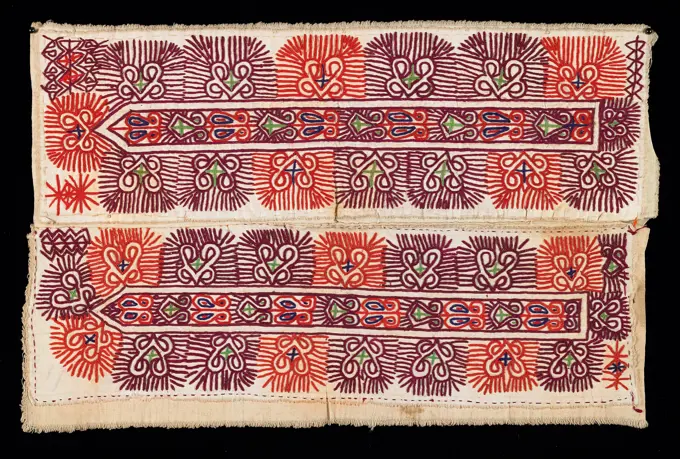
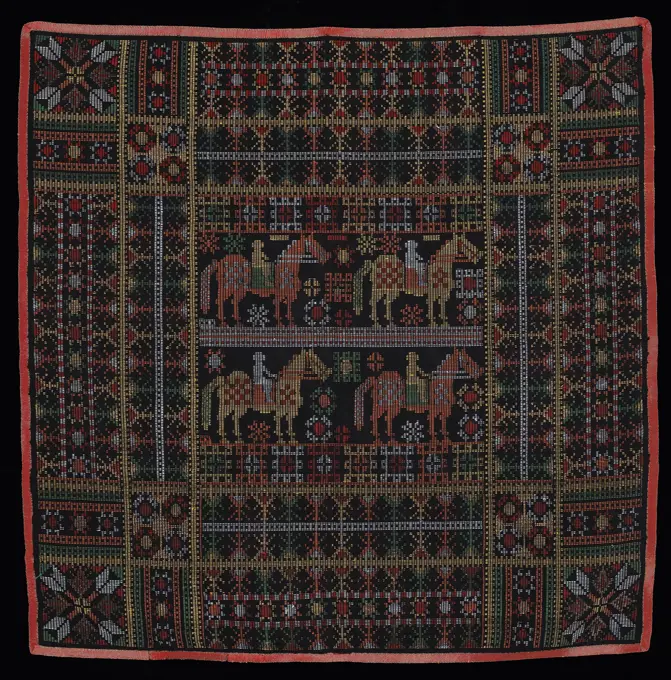
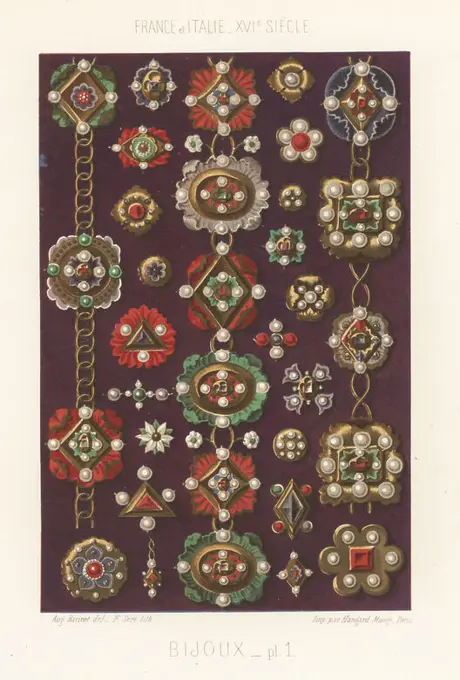
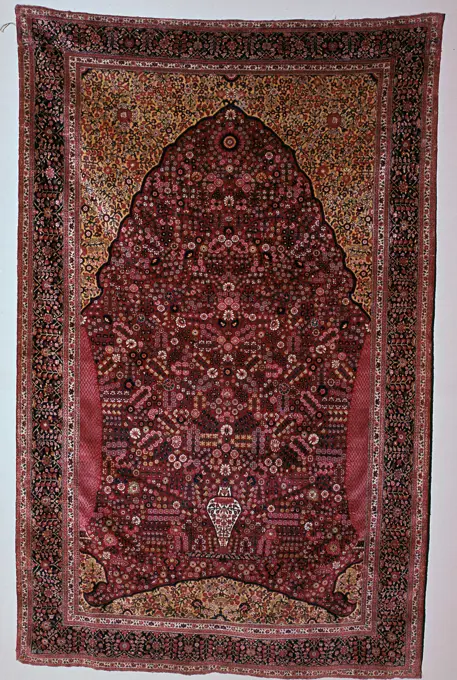
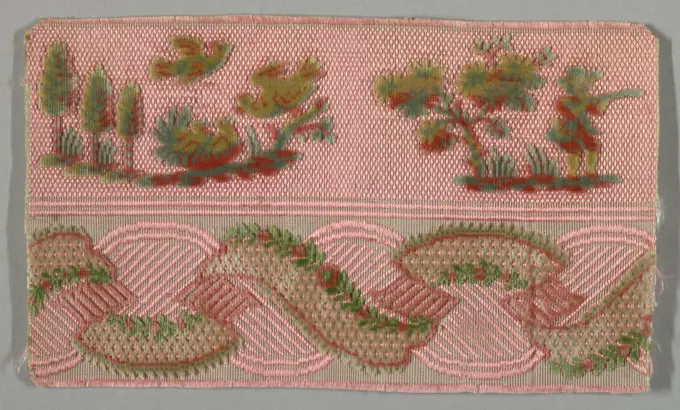
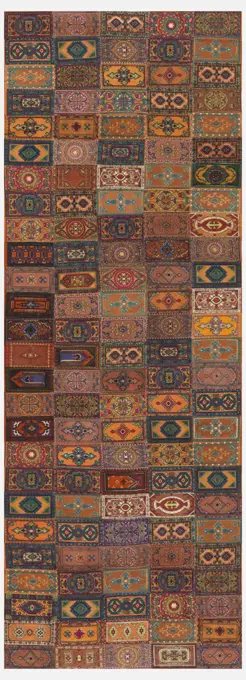
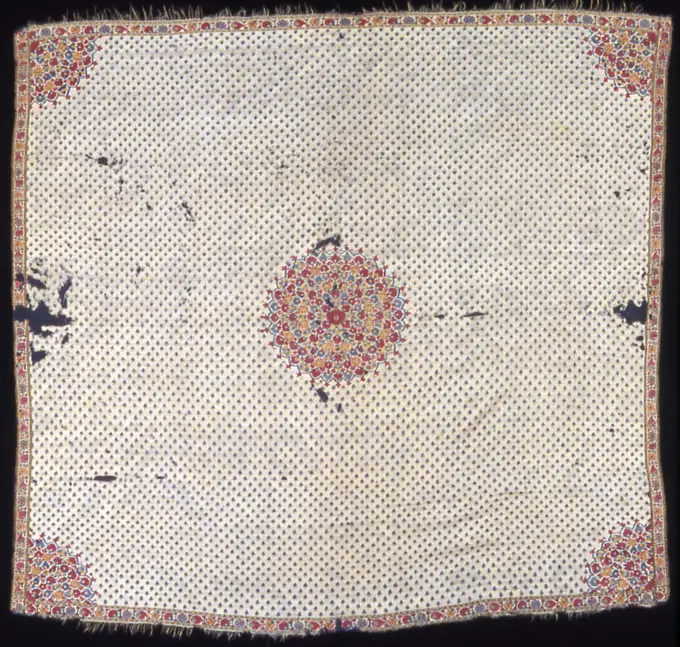
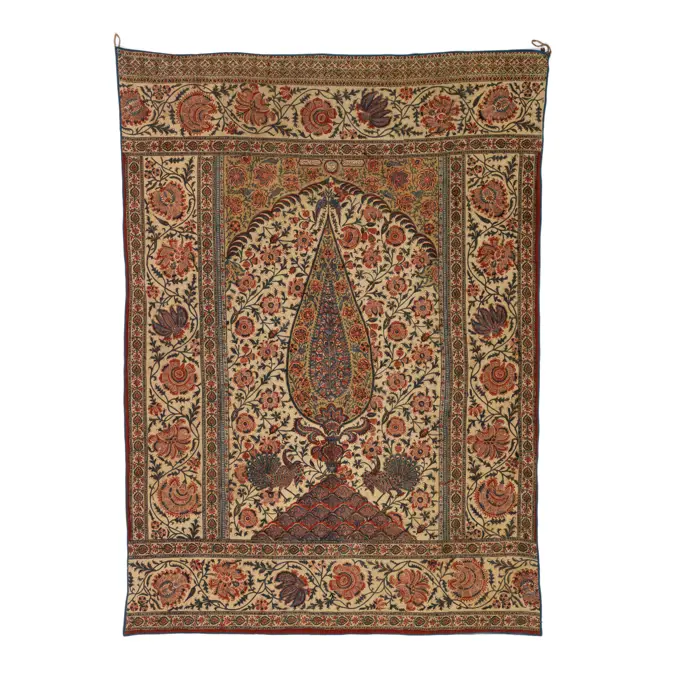
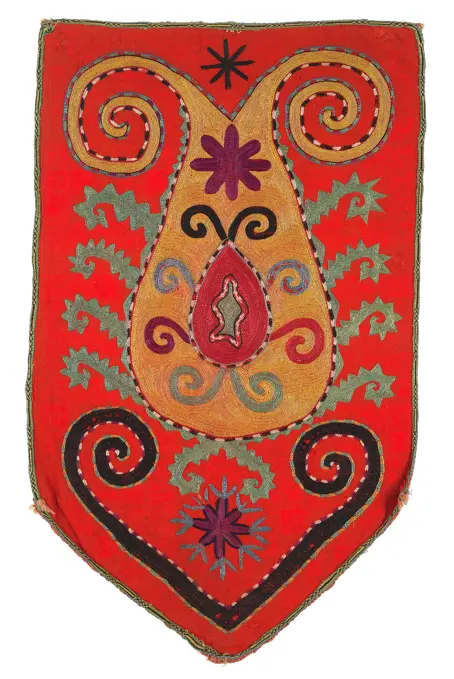
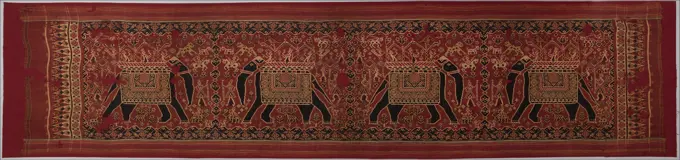
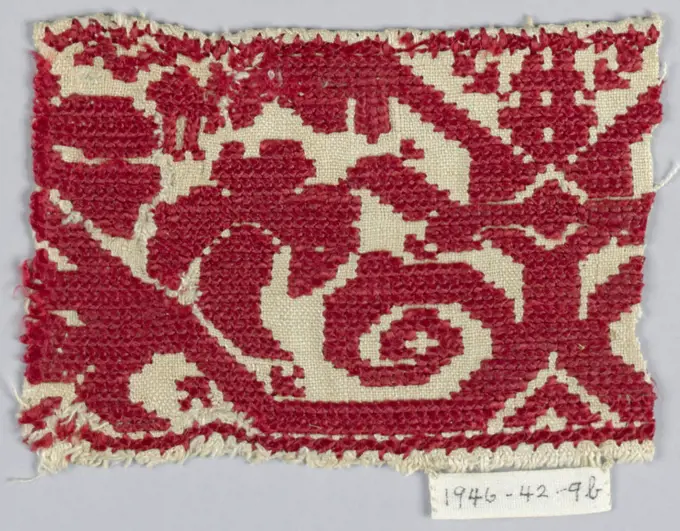
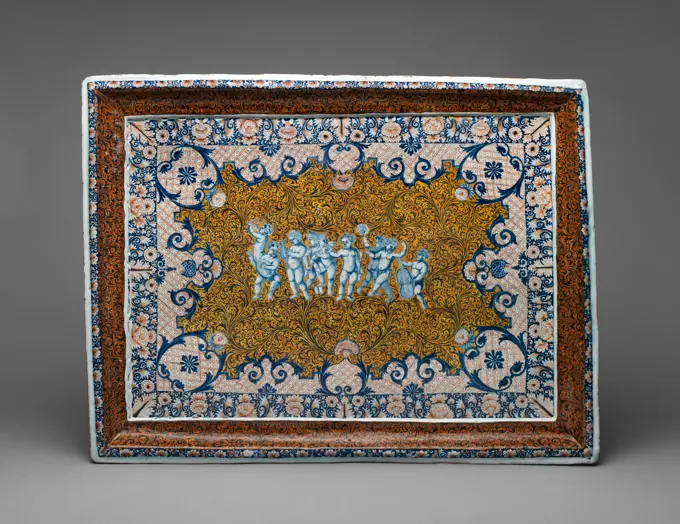
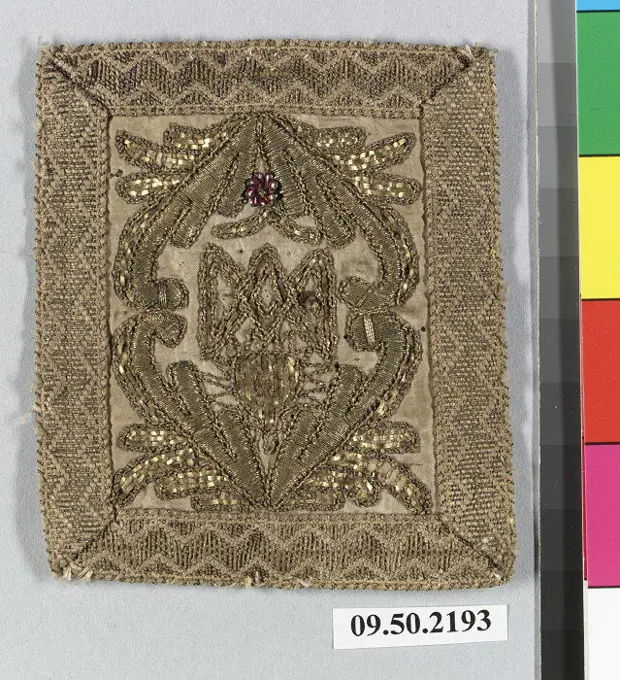
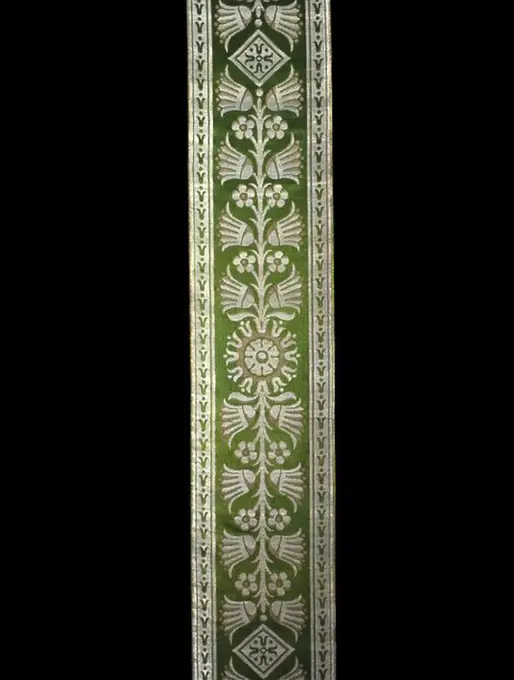
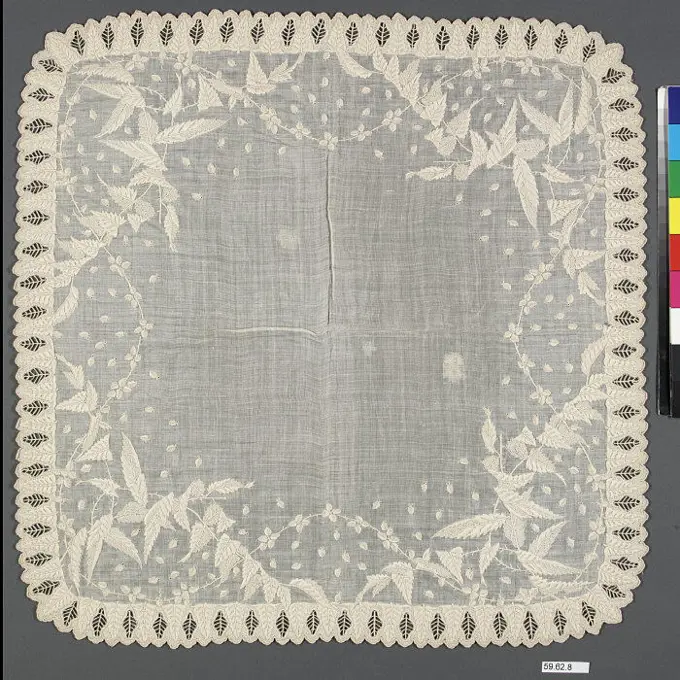
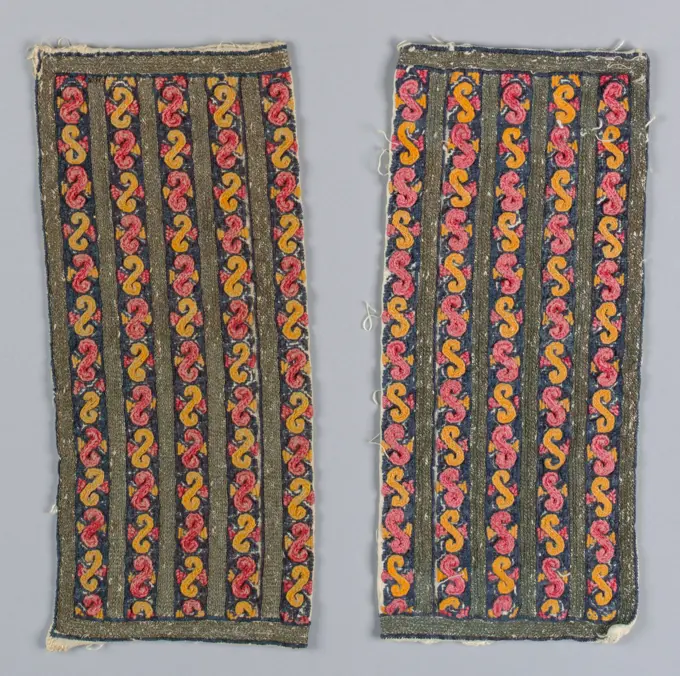
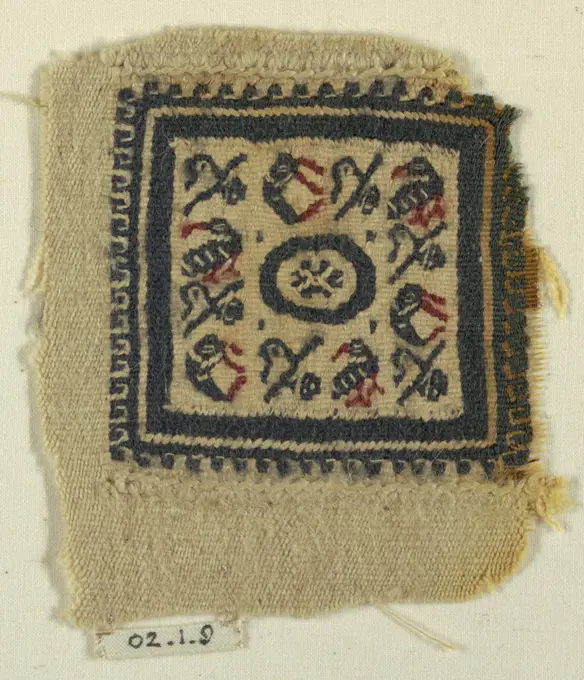
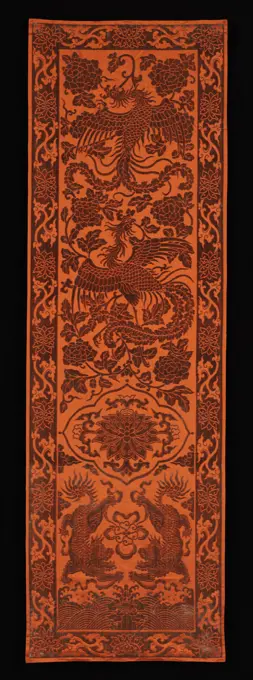
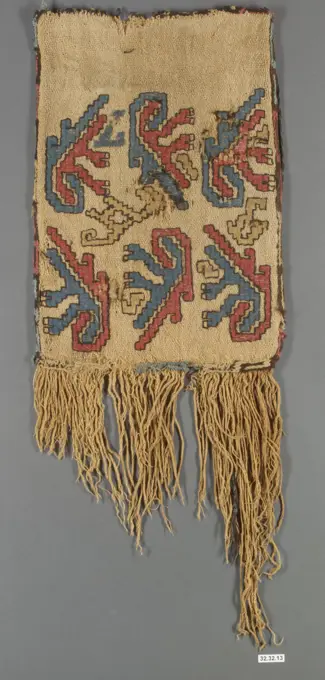
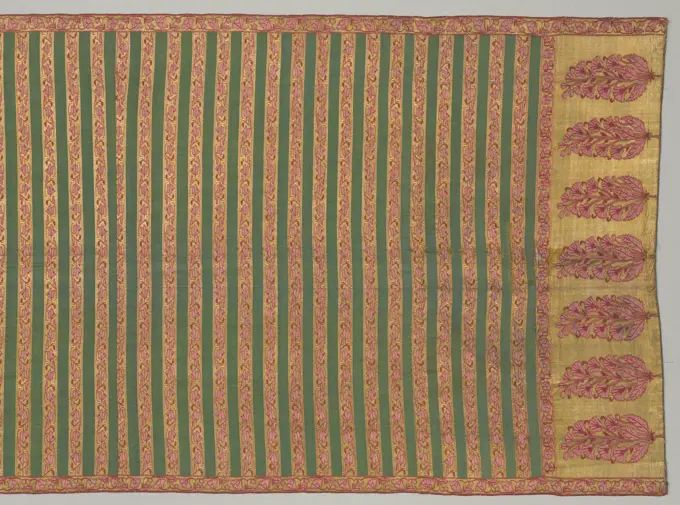
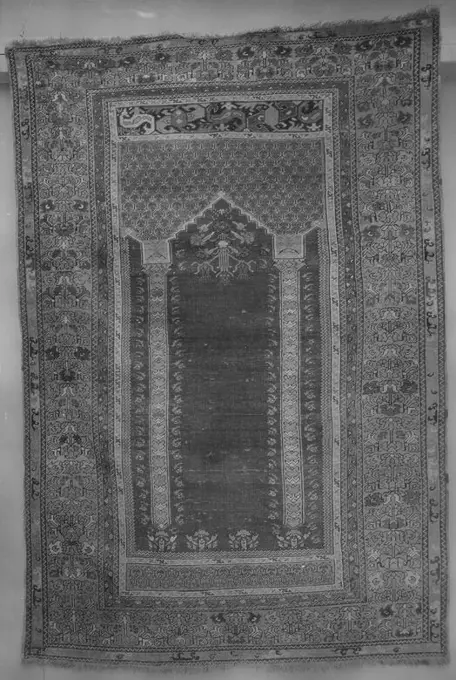
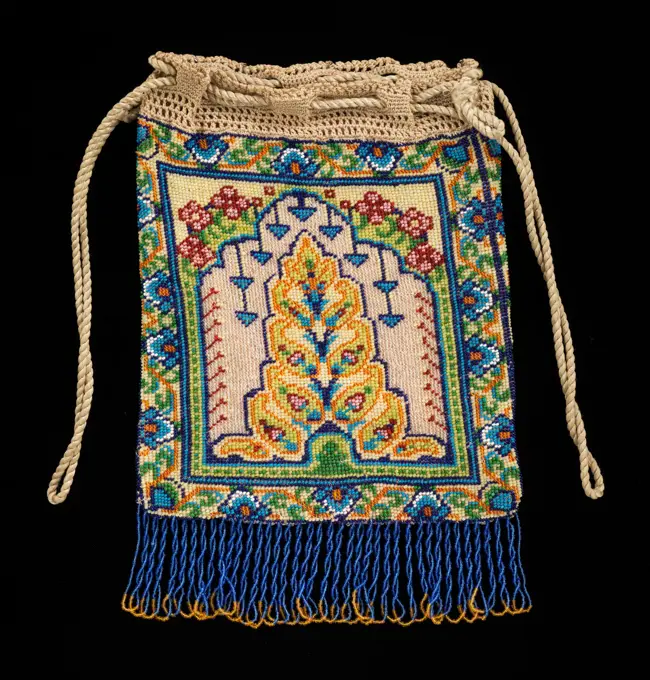
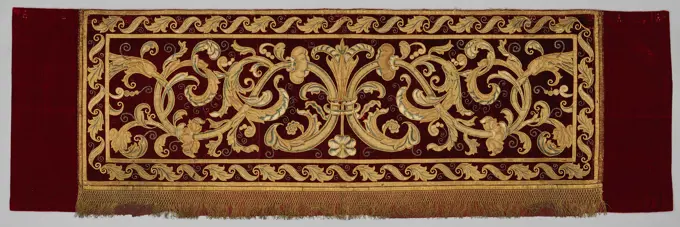
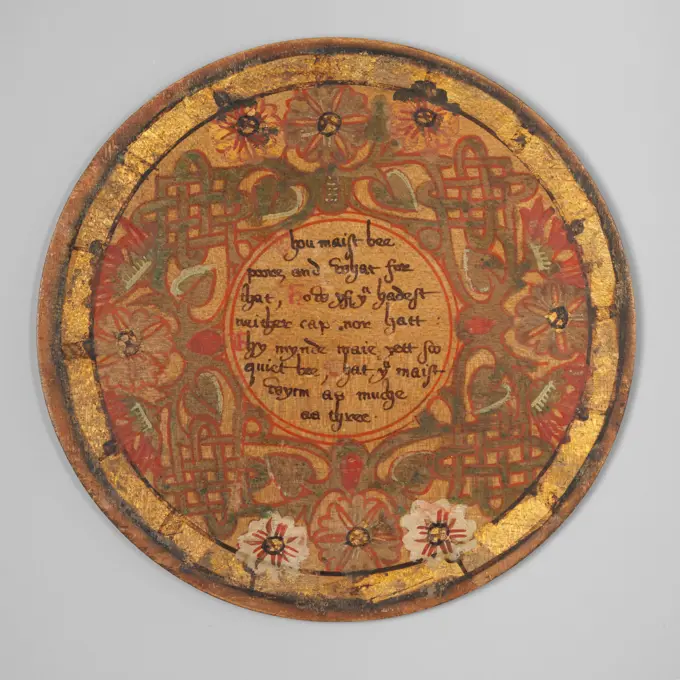
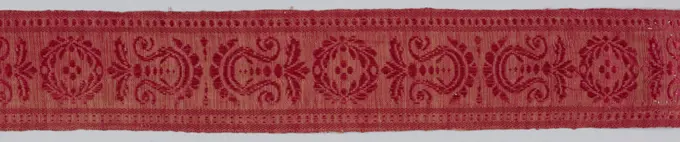
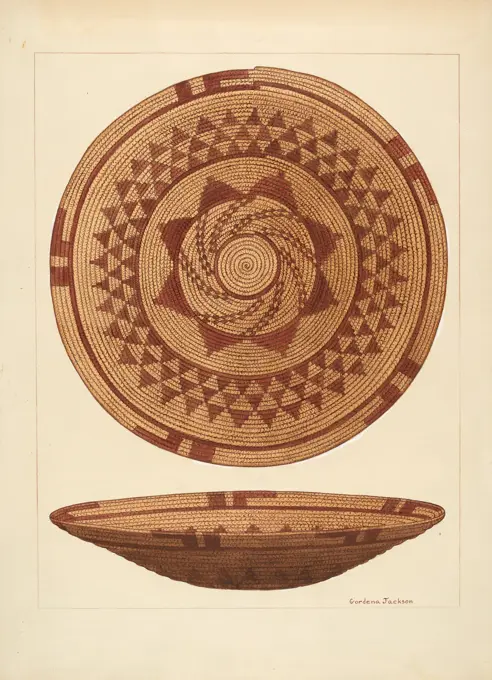
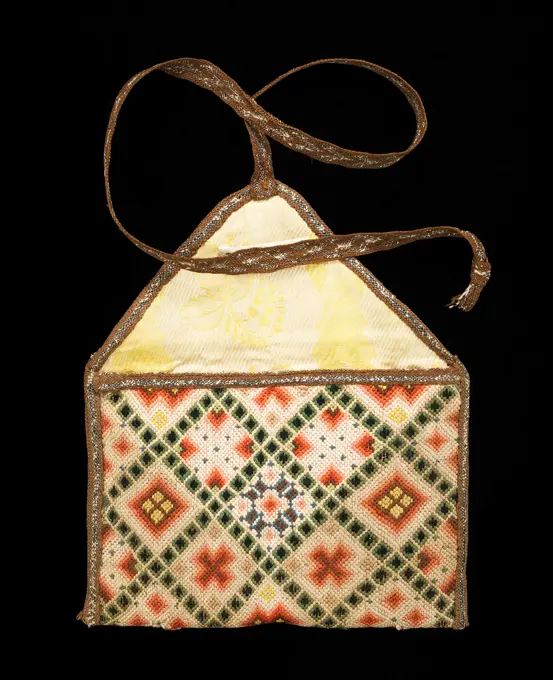
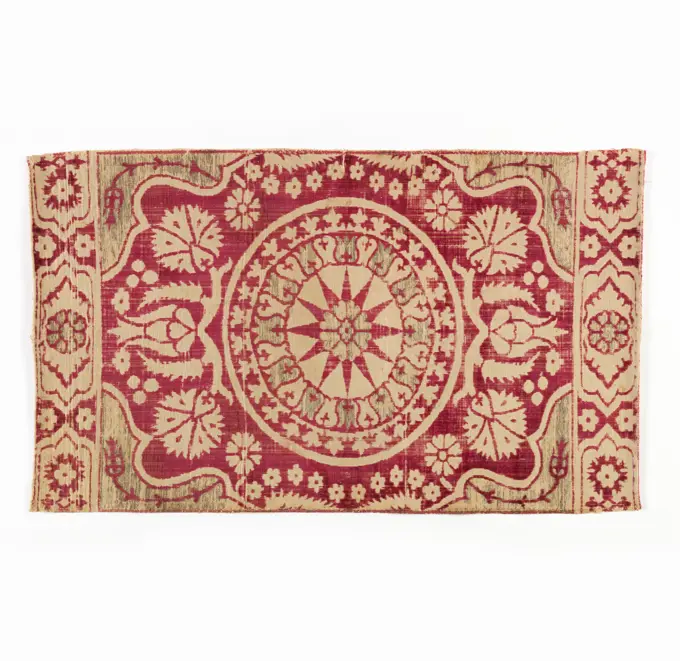
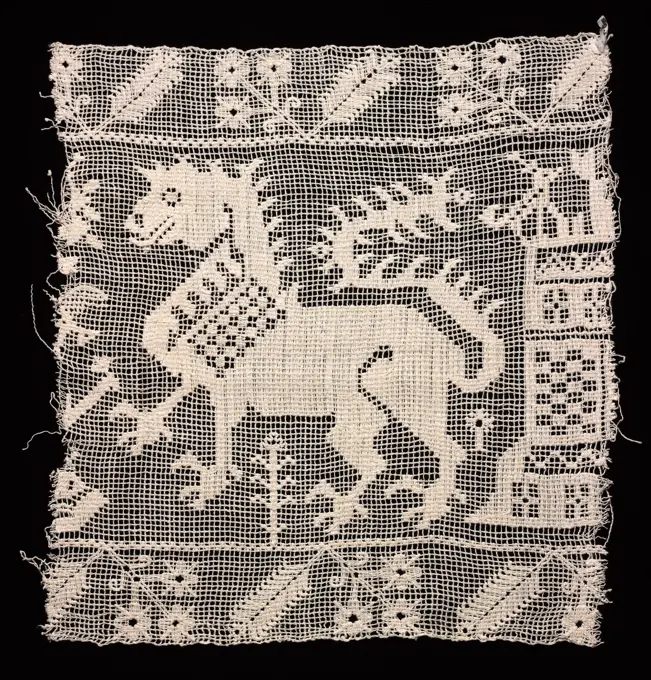
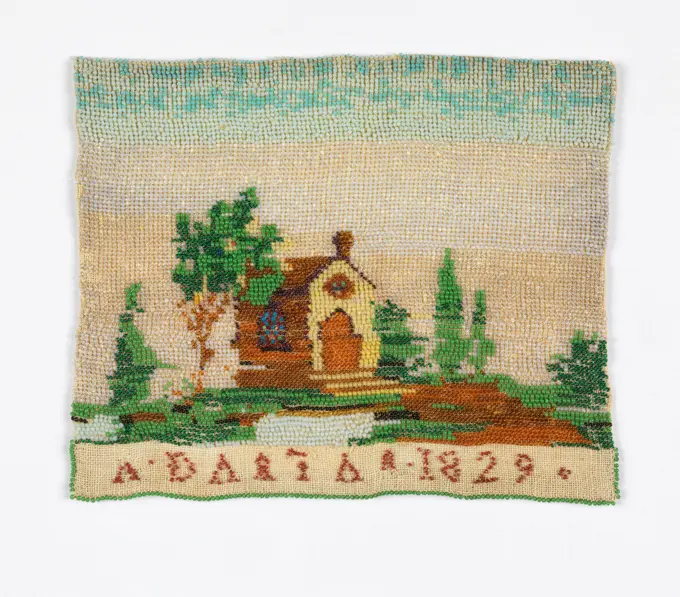
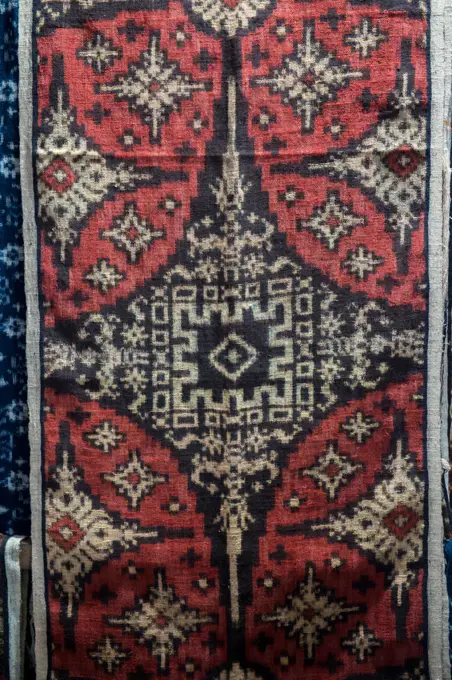
Double Ikat weavings in a house in the Tenganan Village in East Bali, Indonesia.Pair of Cuffs, c. 1925, 15 x 4 1/2 in. (38.1 x 11.43 cm) (each), Cotton; embroidery, Afghanistan, 20th centuryTablecloth, c. 1900. China, early 20th century. Silk satin weave ground with silk and metallic thread embroidery; overall: 152.4 x 154.9 cm (60 x 61 in.).Band, Medium: silk on linen Technique: embroidered, edging of needlepoint., Band of white linen with one embroidered border in design of scrolls and acorns on angular stem, edging of needlepoint., Europe, 17th century, embroidery & stitching, BandSampler (Spain); cottonMan's ceremonial turban, 20th century, 39 x 39 in. (99.06 x 99.06 cm), Cotton, yellow metal; needlework, Malaysia, 20th centuryConciliate belt; Manufaktura Aleksander Unruga (Kobyłka; Pasów Factory; 1781-1787); 1781-1784 (1781-00-00-1784-00-00);Trimmings (possibly France); silk; Bequest of Richard Cranch Greenleaf in memory of his mother, Adeline Emma Greenleaf; 1962-56-79-a/tSampler (Germany); silk embroidery, linen foundation; Warp x Weft: 26 x 105 cm (10 1/4 x 41 5/16 in.); Bequest of Mrs. Henry E. Coe; 1941-69-255Examples of bracelets, France and Italy, 16th century. Enamelled and decorated with pearls, rubies, emeralds, precious stones, etc, Bijoux, Pl. 1, France et Italie, XVIe siecle. Chromolithograph by Ferdinand Sere and Auguste Racinet from Charles Louandres Les Arts Somptuaires, The Sumptuary Arts, Hangard-Mauge, Paris, 1858.Piece 16th-17th century Italian. Piece 223583South Persian prayer rug, 18th century. Artist: UnknownFragment, Medium: silk Technique: cut and uncut supplementary warp pile (velvet) in a twill foundation, Fragment of 'velours miniatures' divided in half with the top section showing vignettes of trees, birds and a single hunter with a gun. The bottom section has an entwined ribbon garland decorated with sprigs. Fragment is mainly pink with red, blue and greyish-green., France, late 18th century, woven textiles, FragmentHandkerchief (Switzerland); cottonSampler, Isabell Lawry, Medium: silk and linen embroidery on linen foundation Technique: embroidered in cross, long armed cross, satin and eyelet stitches on plain weave foundation; bands of withdrawn element work with needle made fillings (reticella); overcasting creating areas of deflected element work, Alphabets and verse 'When I was young I little thought that witt must be so dearly bought,' signature and band of reticella., Scotland or England, 1686, embroidery & stitching, SamplerTextile Fragment 7th-8th century. Textile Fragment 444167Sampler Made 1825-1875 México. Linen, plain weave; pulled thread work embroidered with silk and linen in buttonhole, hem, interlocking lace, overcast, Russian overcast, and simple loop stitches; embroidered in double running and satin stitches .Patchwork panel, Medium: cotton Technique: roller printed on supplementary weft pile (velveteen), stitching, Patchwork panel made of 130 rectangles printed to look like Persian carpets. At least twenty-nine different pattern are present and several have different colorways. On each rectangle, printed on the back is: 'Factory No. 649, 1st District N.Y.,' or 'Factory No. 33, 2nd District N.Y.', USA, ca. 1910, printed, dyed & painted textiles, Patchwork panelSampler (Italy); linen, colored glass beads, metallic threadShawl Made 1770-1800 India .Hanging (India); cottonUuk kap ilgich, late 19th century, 22 x 13 in. (55.88 x 33.02 cm), Silk, wool, cotton; chain stitch, double chain stitch, Uzbekistan, 19th centurySucker of sits with design of cypres -shaped tree, anonymous, c. 1600 - c. 1799 Sucker of sits: Printed and painted cotton, with remains of gold. Desin: Cypres -shaped tree. Eastern textile.  cotton (textile) block printing (relief printing process) Sucker of sits: Printed and painted cotton, with remains of gold. Desin: Cypres -shaped tree. Eastern textile.  cotton (textile) block printing (relief printing process)Kontusz sash/belt. unknown, authorSampler (Netherlands); silk embroidery on linen foundationSampler 19th century Mexican. Sampler 228170Mandarin emblem Buzi a civilian clerk with a motif of mandarin duck, secondly sewn in the pillowcase unknownPatolu with Elephant Design late 18th century India (Gujarat) for the Indonesian market A patolu is a silk textile with a design produced by a skillful, time-consuming process of pre-dyeing the patterns into both the warp and the weft threads so that the intended composition is revealed only after the two are woven together. This majestic textile depicts a royal parade with two pairs of elephants, each carrying attendants holding fly whisks, drivers, and crowned dignitaries. Standard-bearers, soldiers with lances, and soldiers on horses and camels accompany the procession. Patola played an important role in the Dutch effort to secure trading privileges in the Maluku spice trade, as these precious Indian-made silks were used as prestige gifts for local Indonesian rulers.cat. no. 42. Patolu with Elephant Design 77871Band, Medium: linen, cotton, silk Technique: long-armed cross stitch embroidery, Design of scrolling stem with leaves in long-armed cross stitch., Europe, 17th century, embroidery & stitching, BandTea tray (Plateau) ca. 1725 Based on engravings by Pierre Brebiette The central parade of child musicians is adapted from engravings by Pierre Brébiette (1598-1650). The black and yellow of the ground evoke the ebony, brass, and tortoiseshell marquetry furniture of André Charles Boulle (1642-1732) and his successors.. Tea tray (Plateau). Based on engravings by Pierre Brebiette (French, Mantes-sur-Seine ca. 1598-1642 Paris). French, Rouen. ca. 1725. Faience (tin-glazed earthenware). Ceramics-PotteryStrip for a bell, embroidered unknownScapular () (one of a pair) 18th century German. Scapular () (one of a pair) 216989Sampler (England); silk embroidery, linen foundation; Warp x Weft: 37 x 39 cm (14 9/16 x 15 3/8 in.); Bequest of Mrs. Henry E. Coe; 1941-69-180Border. France. Date: 1801-1825. Dimensions: 132.1 × 19.6 cm (52 × 7 3/4 in.). Silk, warp-float faced satin weave with twill interlacings of secondary binding warps and supplementary patterning wefts. Origin: France. Museum: The Chicago Art Institute, Chicago, USA.Heirloom Textile Made 1600-1725 India. Cotton, plain weave; resist-dyed; both selvages present .Roundel Made 601 CE-700 CE Syria. Silk, plain compound twill weave .Mill sample, c. 1895, 111-5/16 x 50-3/16 in. (282.7 x 127.5 cm), Cotton; supplementary weft patterning, England, 19th-20th centuryHandkerchief French 19th centuryPair Of Cuffs; cotton, metallic yarns on cotton foundationNettle cloth handkerchief surrounded by the reticella intermediate site and trimmed with a climbing side. Handkerchief made of thin nettle cloth surrounded by a reticella intermediate site and deposited by a climbed side consisting of repetitive point motifs. The Reticella has a decor of alternating circles with eight-pointed stars and thinly worked eight-point stars for a small rosette motif.Fragment, Medium: linen, wool Technique: slit tapestry with supplementary wrapping., Square with small figures (birds fish) around a central blue oval., 9th-11th century, woven textiles, FragmentChair strip with phoenixes 18th century China In a traditional Chinese reception hall, chairs for the hosts are set in pairs on either side of a central table and are covered with textiles that are not adhered directly onto the furniture. Made with velvet, the textiles provide not only comfort but also a pleasing aesthetic due to their shine and elegance. Here, the motif of phoenixes among peonies symbolizes noble women, making these pieces suitable for use in a ladys quarters.. Chair strip with phoenixes 70611Bag 16th century () Quechua. Bag 316923Sampler (Netherlands); Embroidered by Anna Margareta Wartenberg; silk embroidery on cotton foundationTurkish Rugs on display, Cappadoccia TurkeyKuwait, Kuwait City, Sadu House, Beduin carpet,Carpet Made 1775-1800 Turkey. Wool, plain weave (with variations) with supplementary wrapping wefts forming cut pile through a technique known as Turkish (Ghiordes) knots .Piece 18th century Japan. Piece 71181Fringed Bag 7th century Nasca. Fringed Bag. Nasca. 7th century. Camelid hair. Peru, Rio Grande de Nasca. Textiles-WovenFragment of a Floral Inlay 100 BCE-100 CE Italy. In ancient Rome, there was a high demand for colorful glass that could dazzle banquet guests alongside the expensive silver and gold serving wares meant to impress. Fragments like this one would have once been a part of larger mosaic dishes. The mosaic pattern was made by sagging molten glass into bowl-shaped molds, a technique used on many of these fragments is similar to millefiori, ìthousand flowersî in Italian, a modern glass-making method in which tiny rods of colored glass are bundled together, wrapped in a sheet of glass, fused, and then thinly sliced to reveal swirls of a flower-like patterns. They were arranged side by side, sometimes together with bits of colored glass, and fused together with heat.. Glass, mosaic technique . Ancient RomanKontusz sash/belt. unknown, authorSash with flora and banded field, 1700s. India, probably Aurangabad. Tapestry weave, double interlocked: silk and gilt-metal thread; overall: 309.9 x 64.8 cm (122 x 25 1/2 in.).Valance (Needlework). Italy or Spain. Date: 1650-1700. Dimensions: 47.5 x 217.7 cm (18 3/4 x 125 in.)Width repeat: 158.8 cm (62 1/2 in.). Linen, plain gauze weave; embroidered in darning stitches (lacis); edged with linen, crochet. Origin: Italy. Museum: The Chicago Art Institute, Chicago, USA.Band; silk on linenSamplerBedcover (Mexico); wool, cottonPiece 18th-19th century Japan. Piece. Japan. 18th-19th century. Silk. Textiles-WovenRed-Ground Prayer Rug. Dimensions: H. 75 in. (190.5 cm)W. 51 in. (129.5 cm). Date: probably late 18th-early 19th century. Museum: Metropolitan Museum of Art, New York, USA.Border or Ribbon. France. Date: 1860-1869. Dimensions: 95.6 × 4.1 cm (37 5/8 × 1 5/8 in.). Silk and cotton, warp-float faced satin weave with supplementary patterning wefts tied by supplementary binding warps in a twill interlacing (lampas). Origin: France. Museum: The Chicago Art Institute, Chicago, USA.Border - Sample (USA); Manufactured by Liberty Paper & Bag Co.; machine-printed paper; 48 x 26.5 cm (18 7/8 x 10 7/16 in.)Savonnerie-tapijt met wereldbol.Savonnerie carpet with globe. On a black fond is in the middle of an oval medallion from Beige surrounded by an ike leaf wreath, on which a globe of nuanced blue. On either side and inside a blue urn with ocherous acanthuses as a button and foot. They rest on an acanthus rosette of Roserood, which passes into two symmetrical branched volutes, in yellow, violet-white, yellow, roserood and those surrounded by wine drinks with grape fees. Single sides from a middle piece of acanthus rosettes in yellow, white and red two large symmetrical volutes, which expired in finer color varied volutes and wine drinks. Narrow edges of golden yellow, as a red shadow rang, which two each other wavers walks of white with blue shadow. In the corners a palm with golden yellow.Textile Fragment 17th century. Textile Fragment. 17th century. Silk. Made in Iran. TextilesHandkerchief, 1940s, maker unknown. Gift of Duncan Matthews and Moray Guise on behalf of their aunt Miss Kate Joudain, 2008.Rank badge, Medium: silk, canvas linen Technique: embroidery in tent stitch, Mandarin Square (P'u-Tzu) for military official of the second rank. Lion on a rock surrounded by wave and cloud forms as well as the Eight Auspicious Signs, worked in a tent stitch. Border of Chinese character alternating with bat motif. Lined with linen., China, 19th century, embroidery & stitching, Rank badgeTablecloth, Medium: linen, silk Technique: damask with satin weave, Tablecloth of white linen and light purple silk damask. Central design of four musicians at a table under a canopy. Maid and youth in each corner. Group of hunters are on opposite sides while and a man and woman stand by a table on the other two sides., France, 18th century, woven textiles, TableclothValance -Turkey, Kusadasi. Turkish carpet workshop & showroom.Pouch 1830-60 French. Pouch 156772German 15th Century, Playing Card, second half 15th century Playing CardLice line or strip of embroidery application. Lice line or strip of application embroidery on a wine-red velvet fond. The pattern has symmetrical lying S-tanks, together in the middle with a lily and a rose. The rich branched rank is occupied with leaf trips and ends in volutes of Acanthus leaves and silver bonding drinks. The strip is finished with gold passement and goldfring from the bottom. The strip belongs to three strips.Trencher (one of a set) late 16th-early 17th century British Banquets usually ended with candied fruits or other sweetmeats served on such decorative "spice dishes" of silver or wood. The gold effects were achieved with yellow varnish over a layer of silver-leaf. The verses were written in Black Letter script, with elaborate capital letters in Lombardic script. The verses, either amusing or moralizing, were shared with the other diners.. Trencher (one of a set). British. late 16th-early 17th century. Oak and sycamore woods, painted, silvered and yellow varnished; inscription: ink (animal or vegetable). Natural SubstancesTrimming, Medium: wool, linen, silk Technique: stamped, Fragment from curtain (rings still at top) of warm red, hard-surfaced wool, stamped in barely visible design of large all-over floral motifs. Bordered along one side by woven linen-and-silk strip in wreath and anthemioh design, also red., USA, 1800-1850, trimmings, TrimmingBandolier (Shoulder) Bag, 1880s. Northeastern Woodlands, Great Lakes Region, Anishinaabe (Ojibwe) People. Plain weave cotton, twill weave wool, velvet, plaited wool binding, wool tassels, glass beads; average: 107.3 x 33 cm (42 1/4 x 13 in.).Sampler (Germany); linen; Warp x Weft: 105 x 85 cm (41 5/16 x 33 7/16 in.); Bequest of Mrs. Henry E. Coe; 1941-69-68-aEmboss art on wooden bottle box, Jodhpur, Rajasthan, India Copyright: xSafatxAli/DinodiaxPhotoxPanel For A Fan Case (China); silk, metallic yarnsRank Badge with Peacock. Culture: China. Dimensions: 11 1/2 x 12 in. (29.21 x 30.48 cm). Date: late 19th century. Museum: Metropolitan Museum of Art, New York, USA.Gordena Jackson, Basket, c 1937 BasketCard case 1790-1810 Mexican This card case dates to the late-18th, early-19th century, a time when making afternoon calls on friends and acquaintances--or leaving calling cards--was de rigueur for any socially adept woman. The case, with its lovely silk lining, is a well-executed example of the type. Although the exterior colors have changed due to extended exposure to light, the colors under the flap have retained their brilliance. This case is part of the Mexican beadwork collection of over 600 pieces assembled by Elizabeth Morrow (1873-1955), mother of writer Anne Morrow Lindbergh, the wife of renowned aviator Charles Lindbergh. Morrow collected the objects between 1927 and 1930, when her husband, Dwight Morrow, Sr., served as U.S. ambassador to Mexico. She lent the collection to the Brooklyn Museum in 1938 and upon her death, her children donated it. A collection of 155 pieces of Mexican ceramics and other decorative arts were given to Amherst College, her husband's alma mater. MrsBand Or Sash; silkMOROCCO, MARRAKECH: Palais de la Bahia / House of the Grand Vizier (19th century) Woodwork DetailAntepenendium of red velvet with embroidery in gold thread, c. 1700 Velvet antipendium with embroidery. In the middle the pattern has a pigeon surrounded by rays.  velvet (fabric weave) embroidering Velvet antipendium with embroidery. In the middle the pattern has a pigeon surrounded by rays.  velvet (fabric weave) embroideringOttoman Turkish art with geometric patterns on woodPanel; silk, metallicFragment of a Band with Dragon, Castle, and Vegetation, 1500s. Italy, 16th century. Needle lace, burato (twined ground and darned in one direction); bleached linen (est.); overall: 35.7 x 32.5 cm (14 1/16 x 12 13/16 in.).Valance Made 1875-1900 China. .Box with Ink Cakes (lid), 1795-1820. China, Qing dynasty (1644-1911), Jiaqing reign (1795-1820). Lacquer and silk box; case: 26.4 x 19.1 cm (10 3/8 x 7 1/2 in.); lid: 26.5 x 19.2 cm (10 7/16 x 7 9/16 in.).Patchwork Four SeasonsTrimming (possibly Portugal); white, black, and colored silk in velvet weave.; Overall: 16 x 4.6 cm (6 5/16 x 1 13/16 in.)Shaker Shirred Rug. Dated: 1935/1942. Dimensions: overall: 35.2 x 36.9 cm (13 7/8 x 14 1/2 in.) Original IAD Object: 26" high; 41 1/4" wide. Medium: watercolor and graphite on paper. Museum: National Gallery of Art, Washington DC. Author: Charles Goodwin.Decorated Gift Box, Diwali Festival, Mumbai, Maharashtra, India, Asia Copyright: xNitinxKelvalkar/DinodiaxPhotoxEmbroidered Picture (Italy); linen with linen lining and colored glass beadsEmbroidered Sampler - Mary Chamberlain, Aston School, 1857