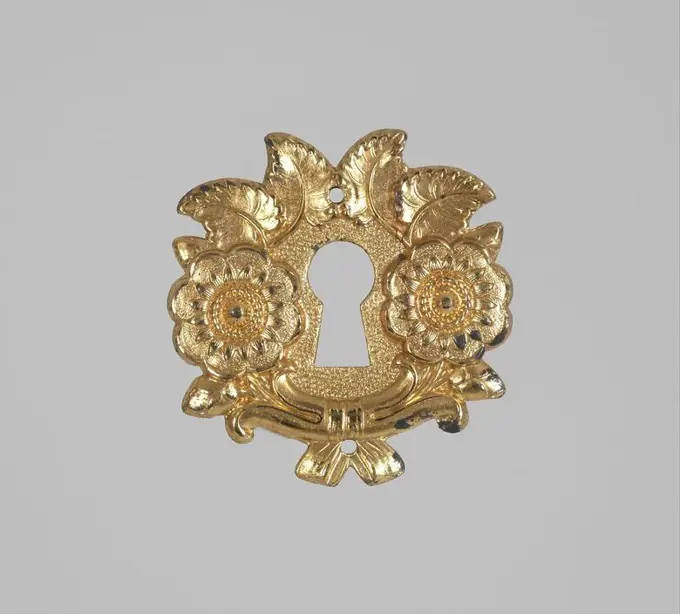
Decorative Furniture Hardware

Antique and ornate furniture hardware pieces, including buckles and decorative accents, showcasing intricate designs.

Bliżej Kultury unknown
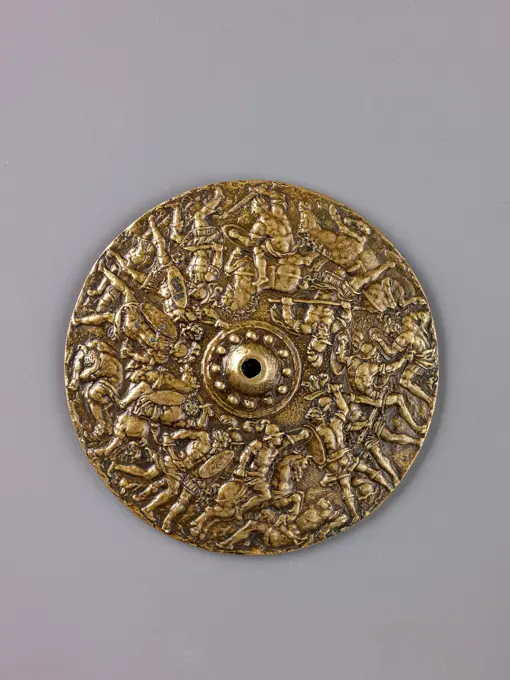
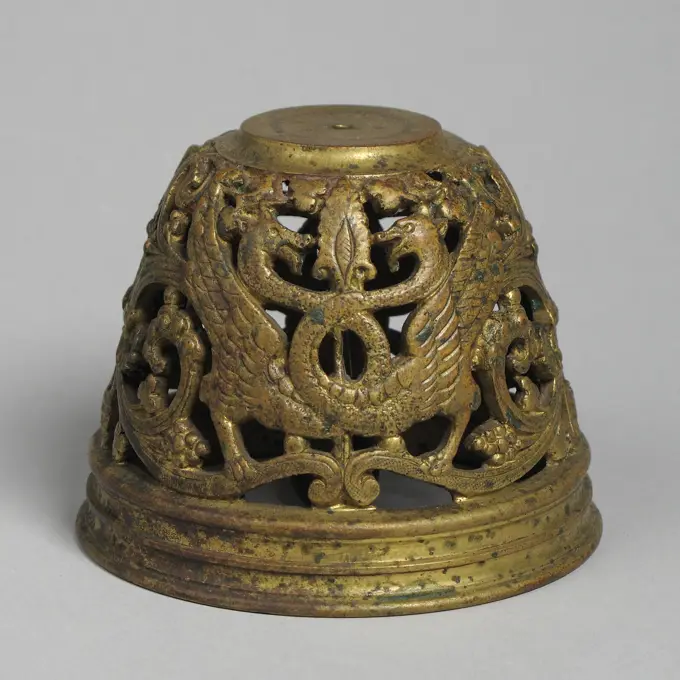
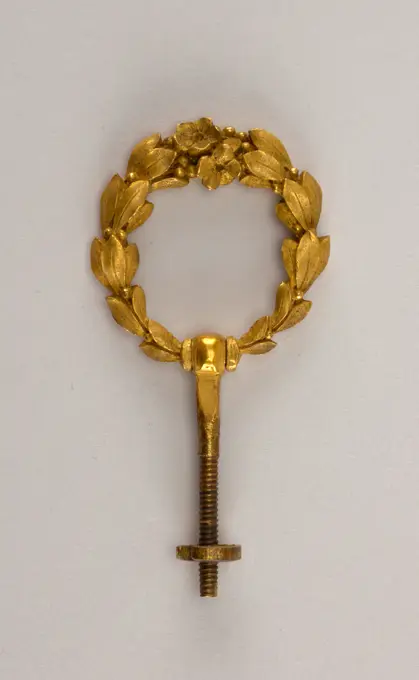
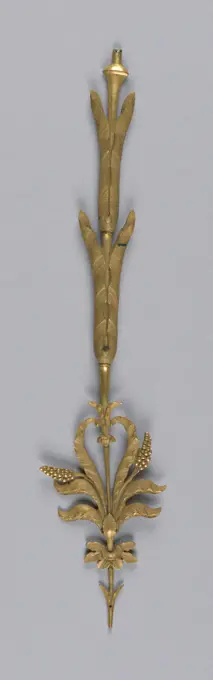
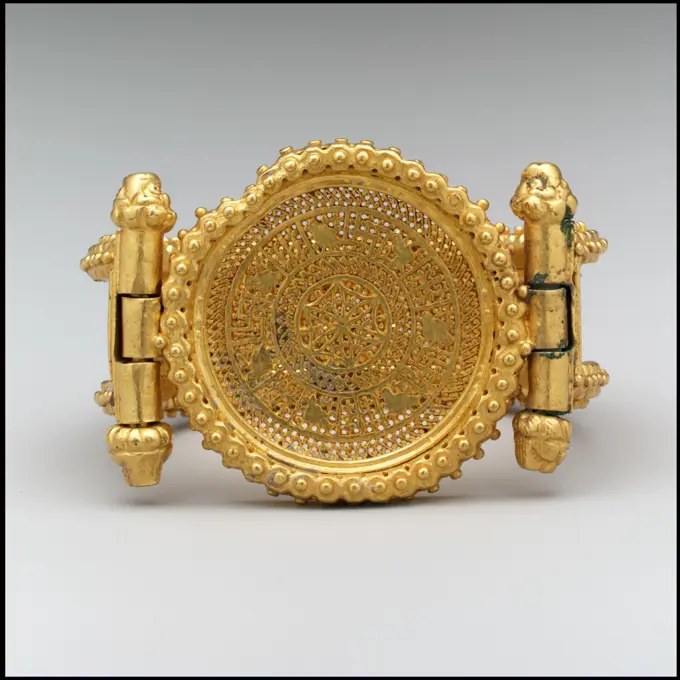
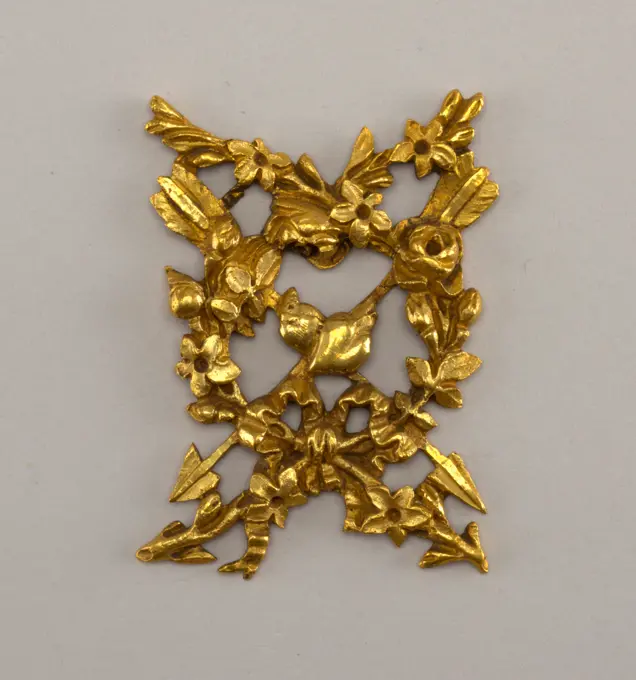
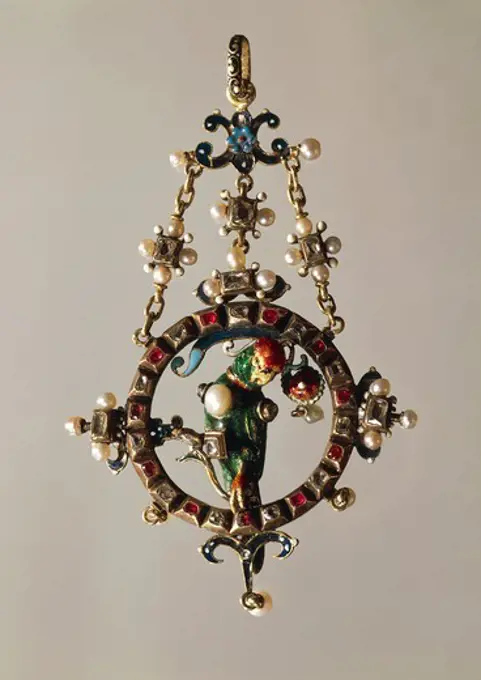
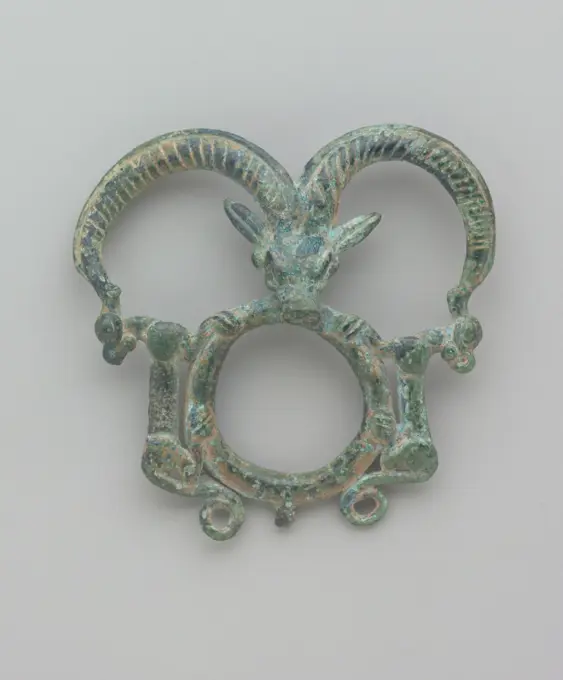
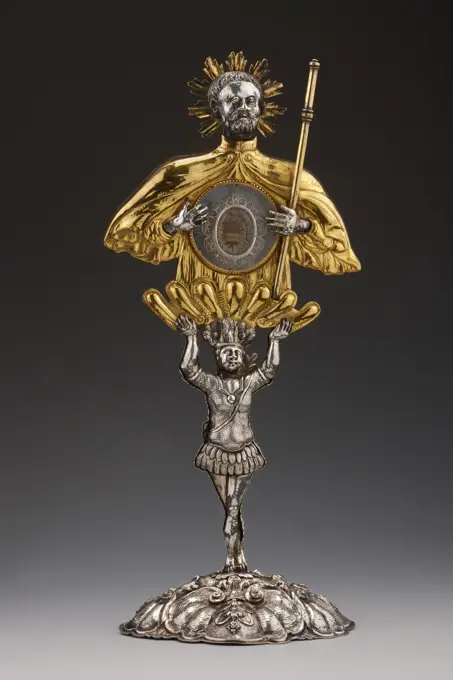
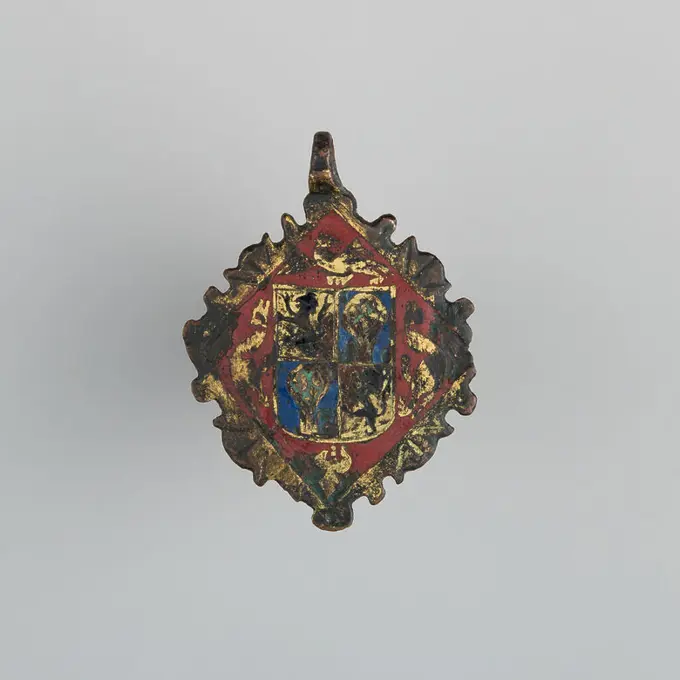
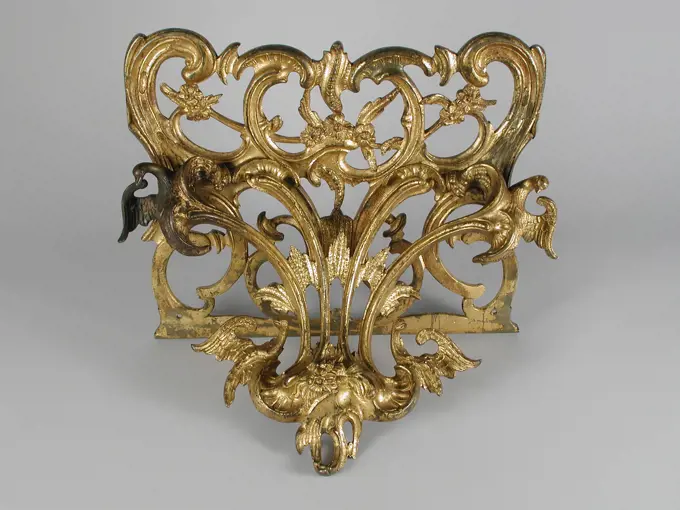
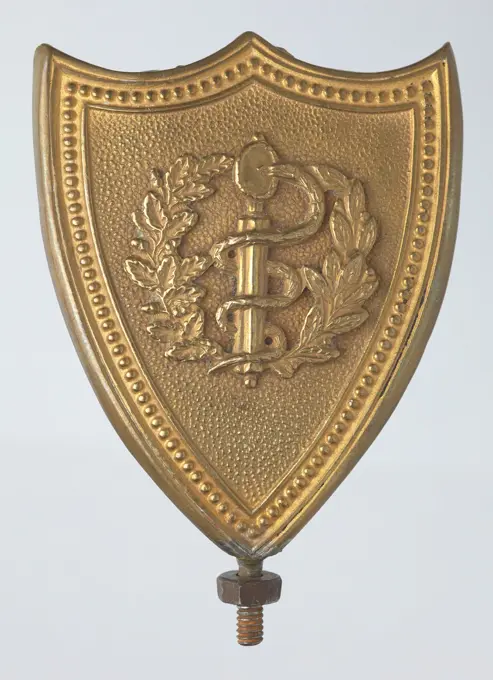
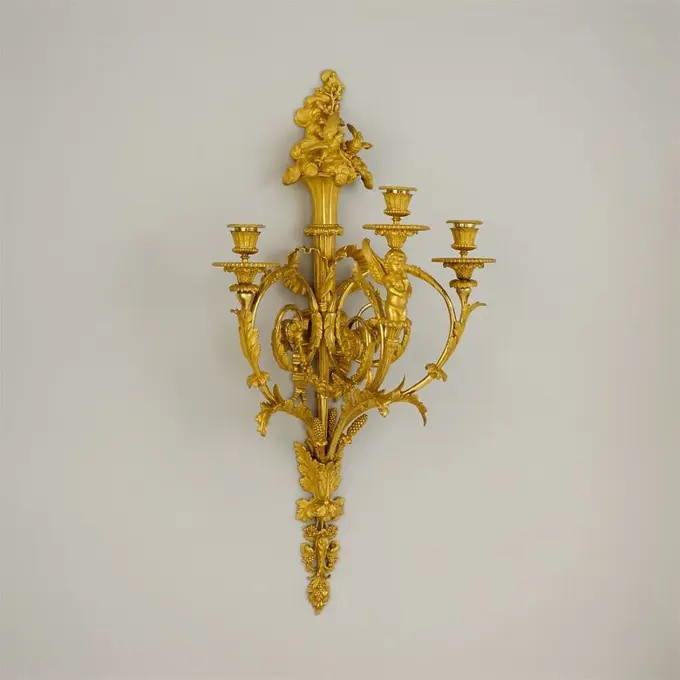
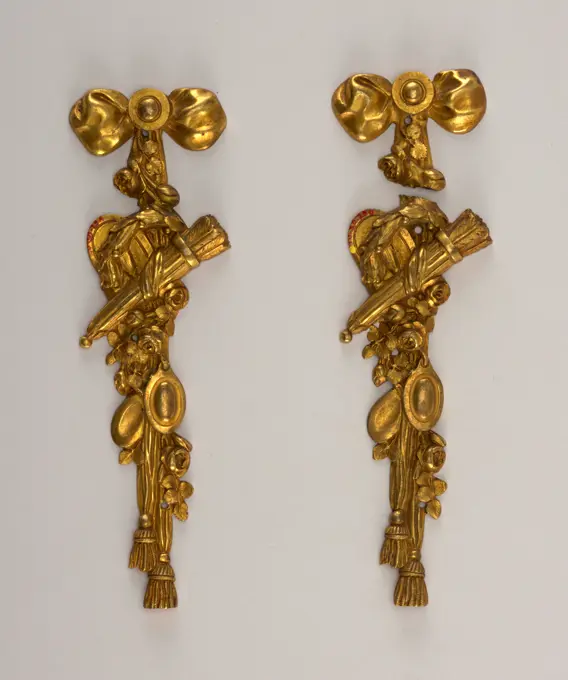
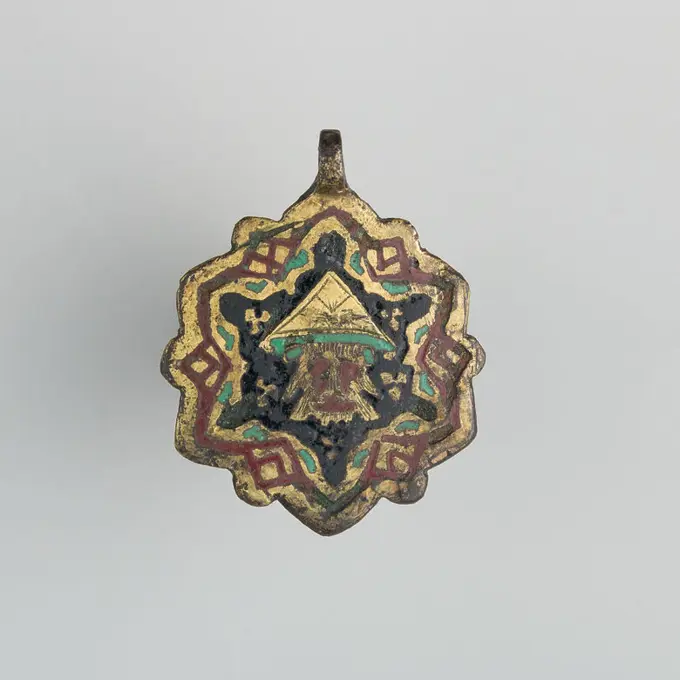
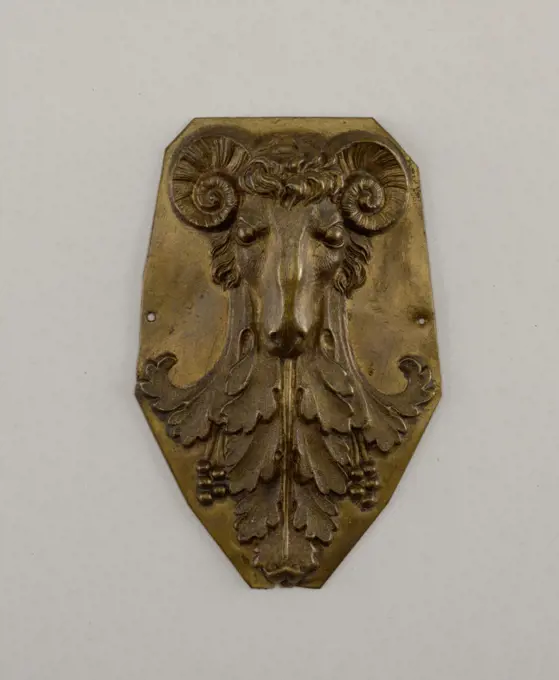
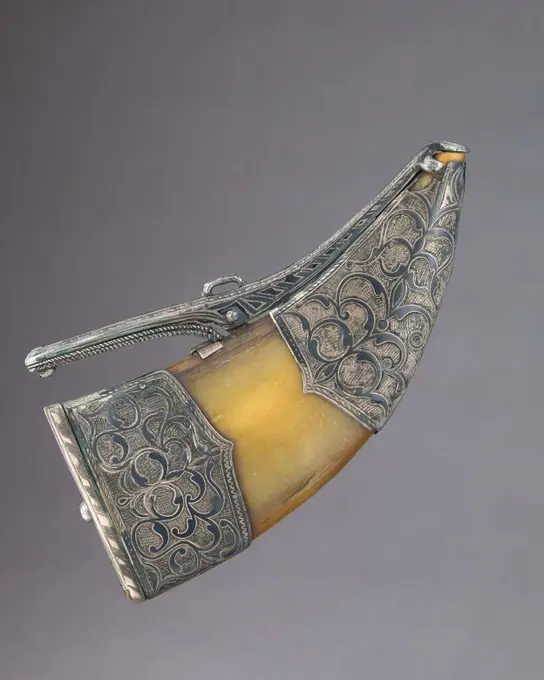
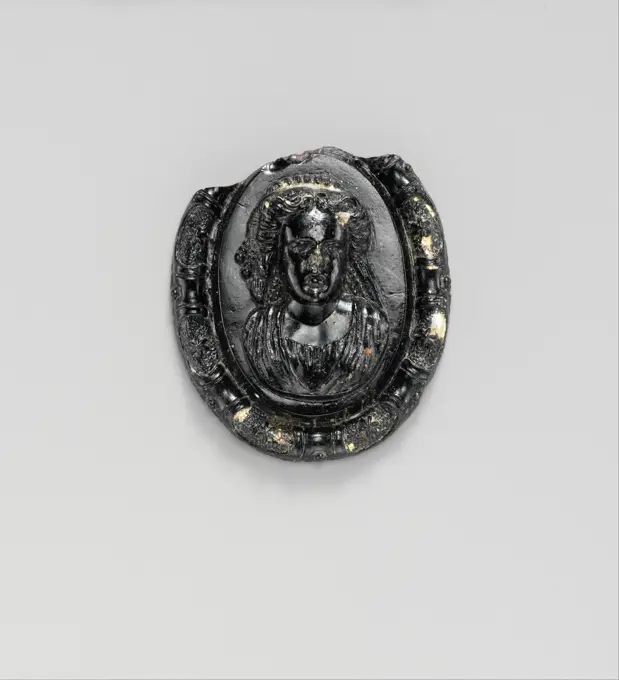
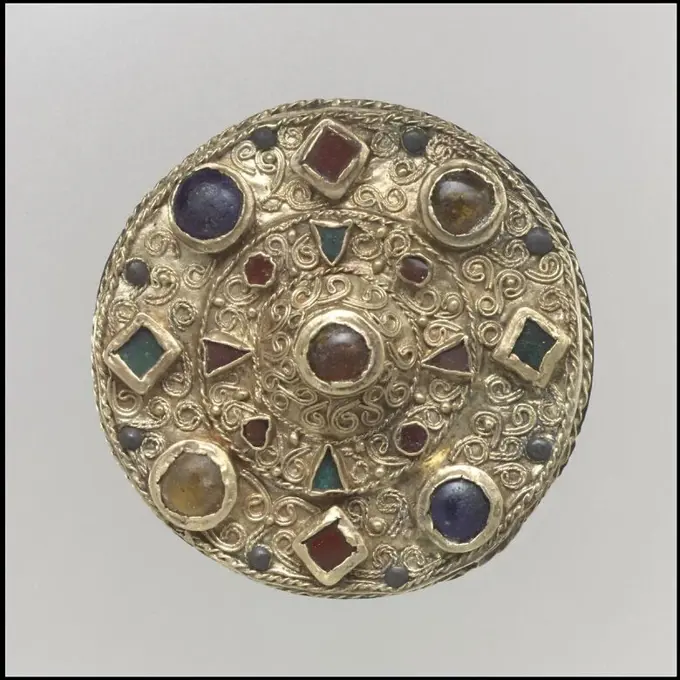
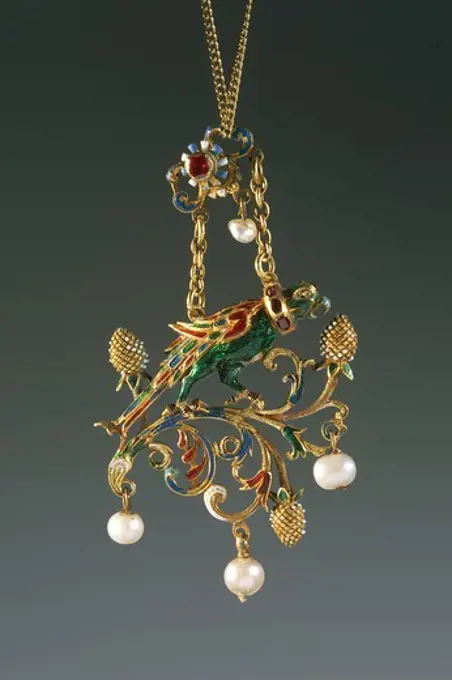
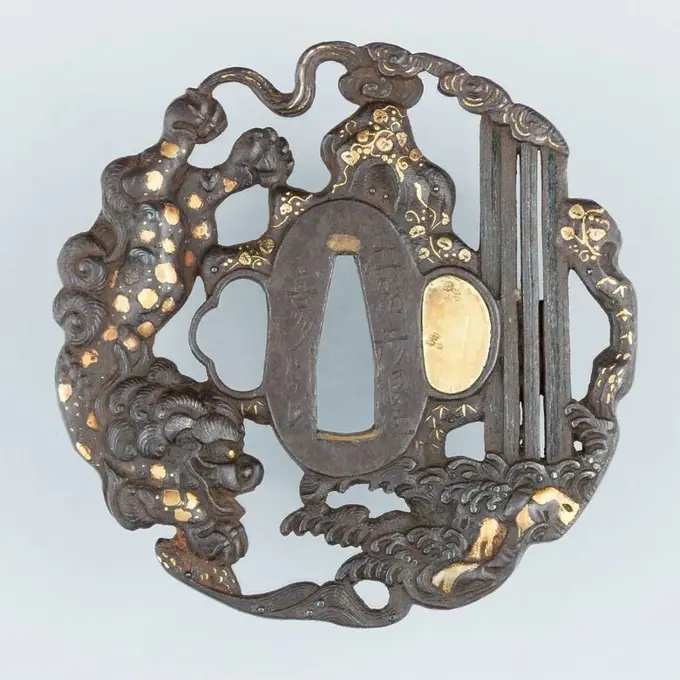
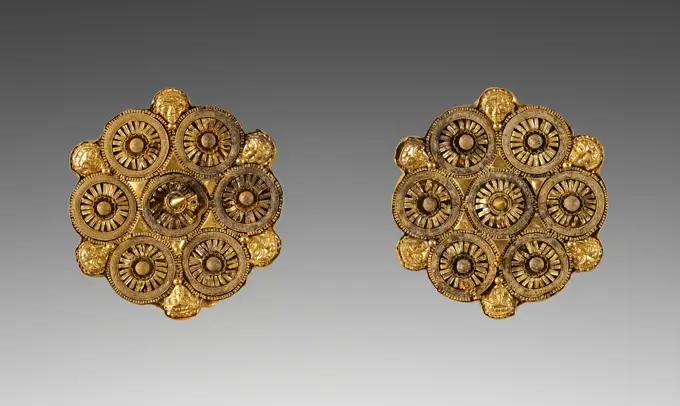
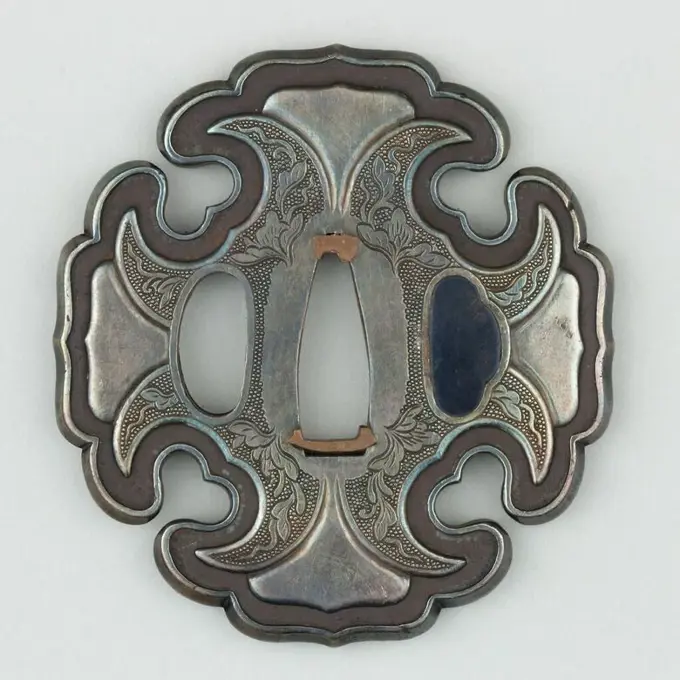
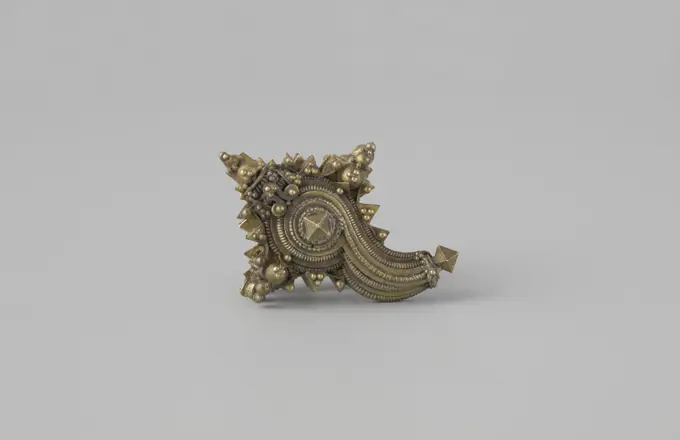
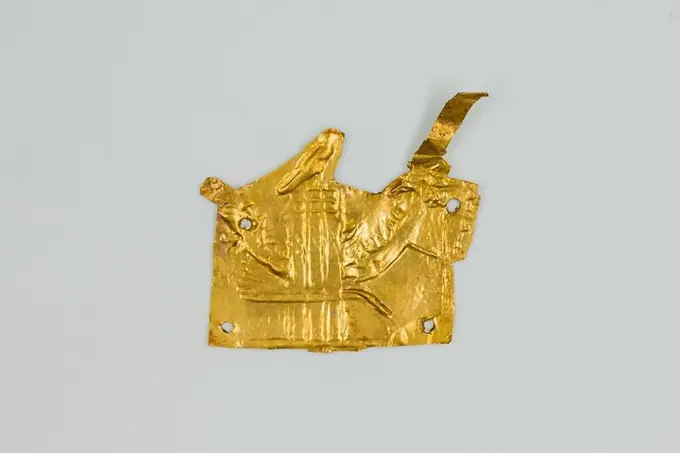
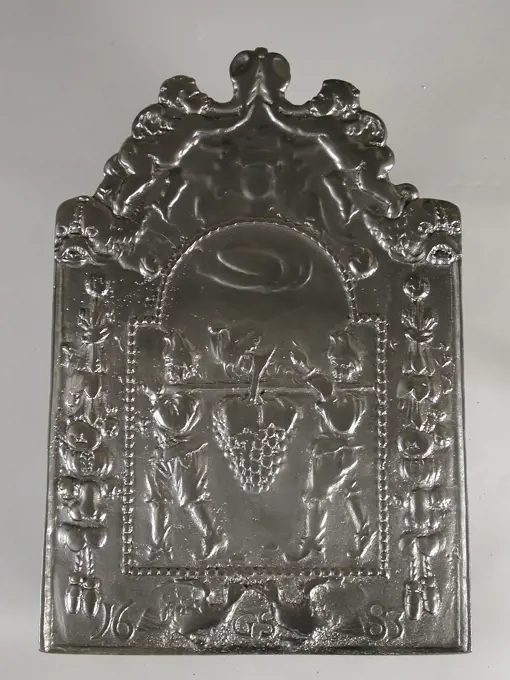
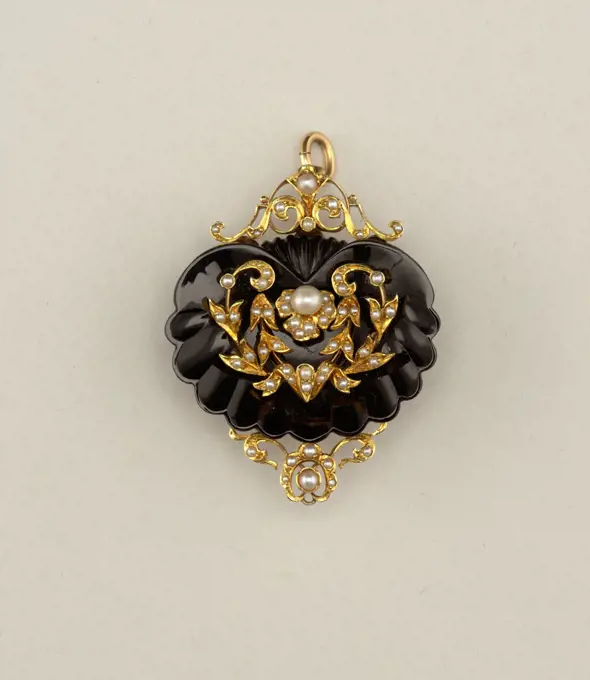
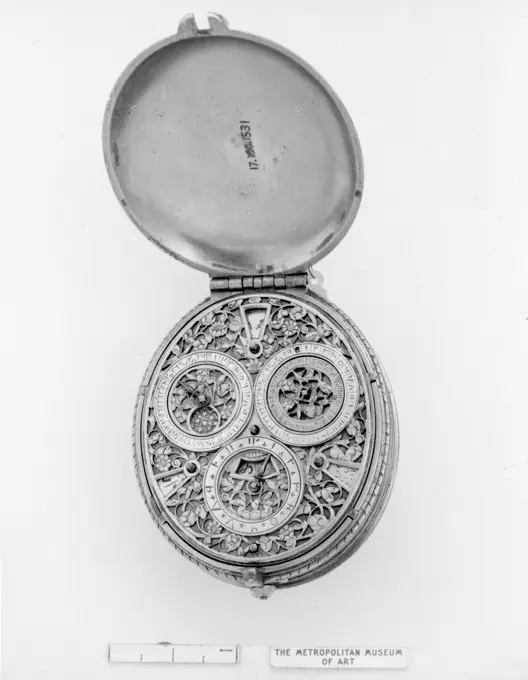
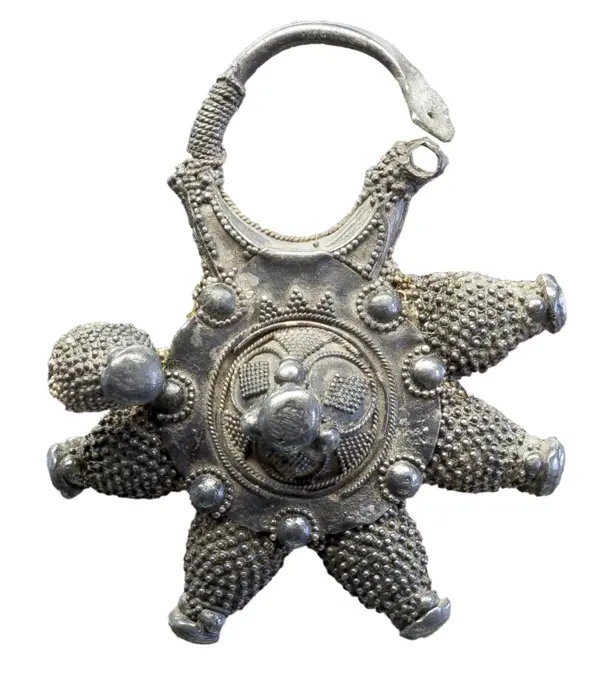
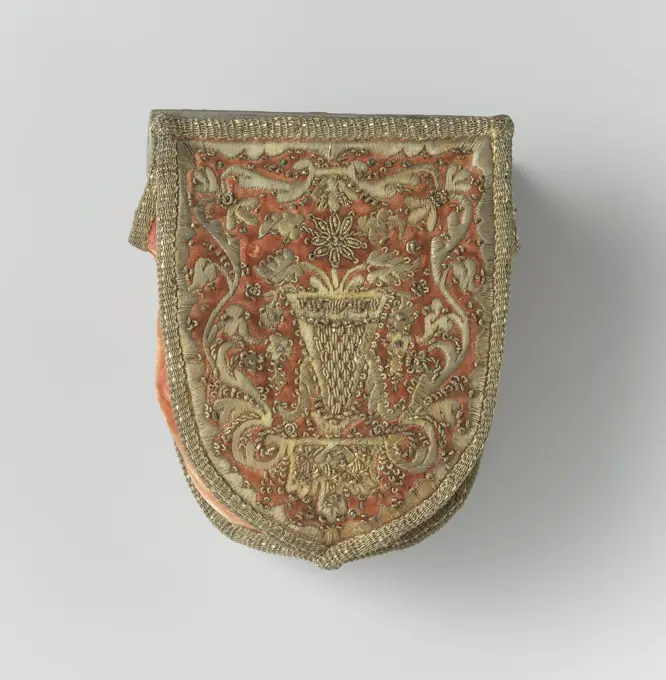
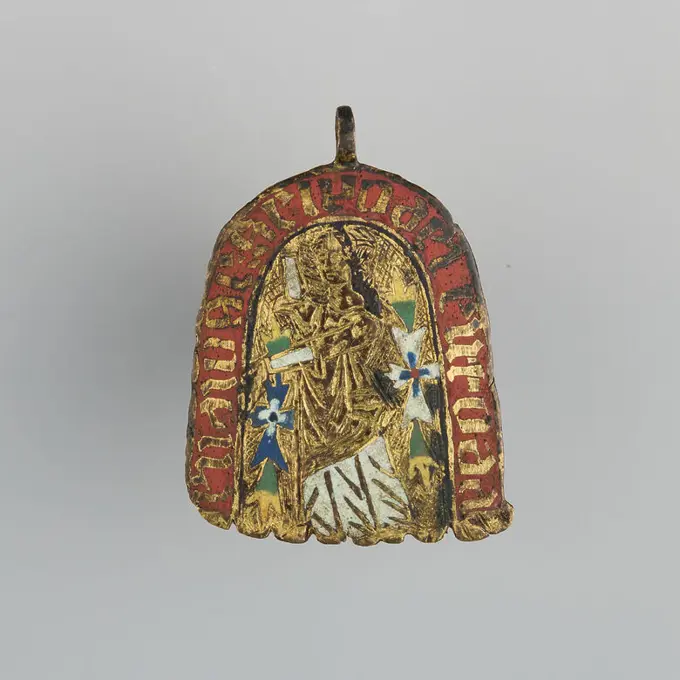
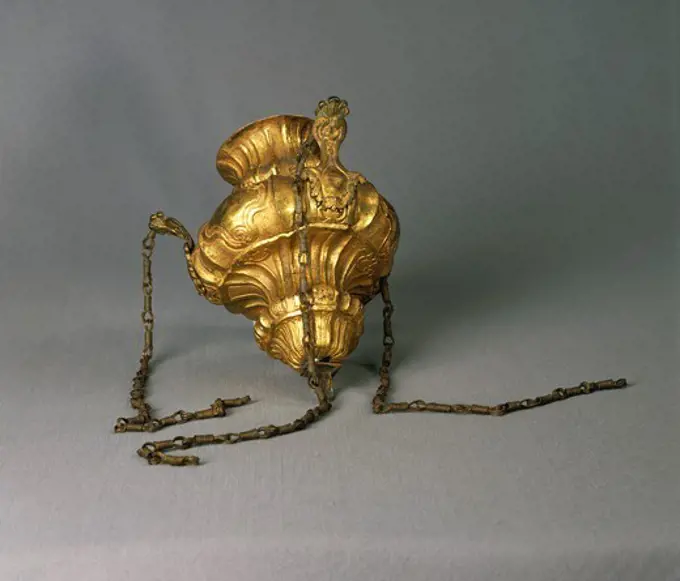
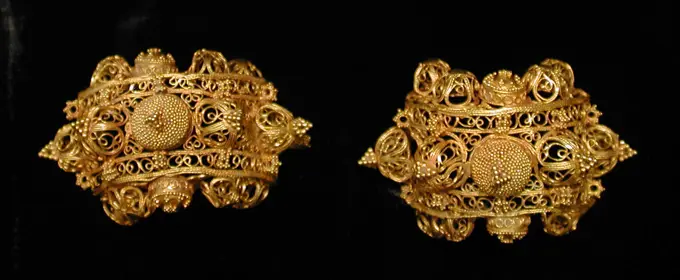
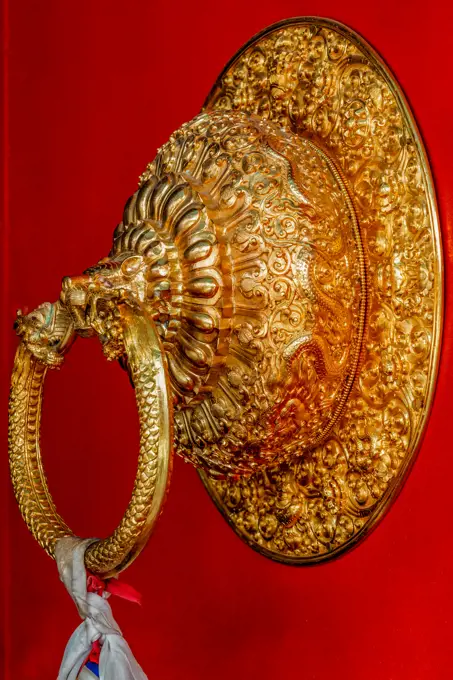
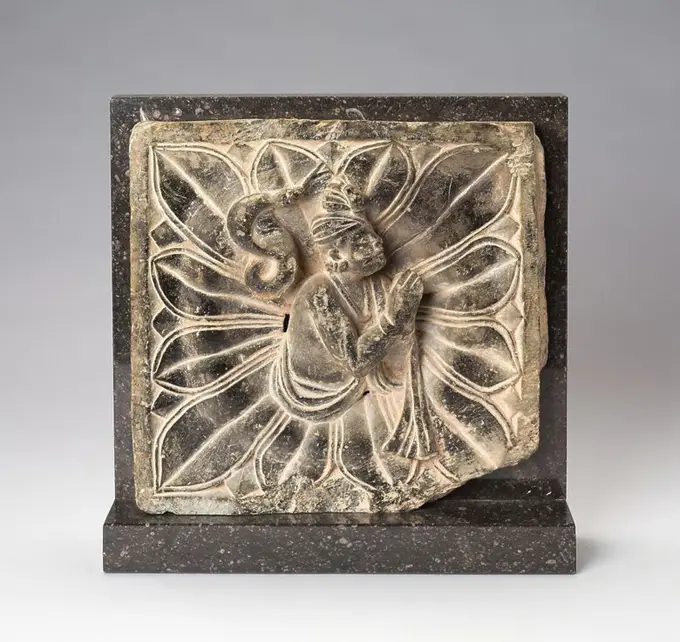
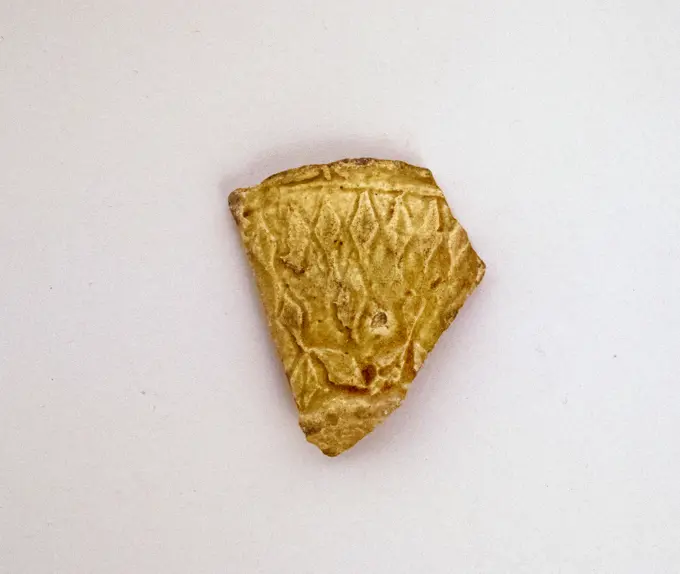
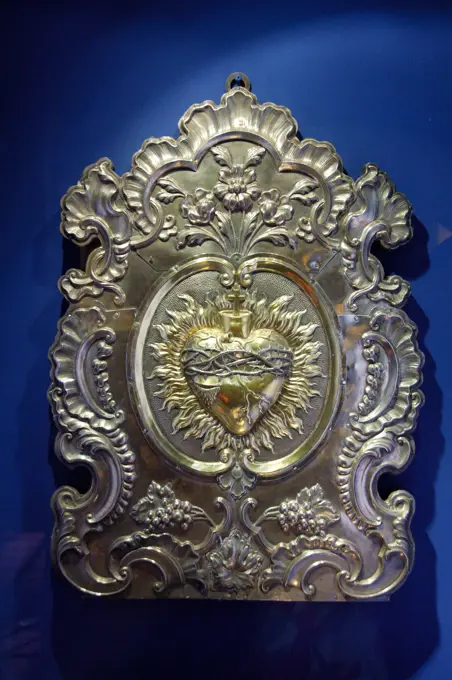
BuckleEscutcheonFurniture Hardware. Dimensions: 2 x 1 7/8 in. (5.1 x 4.8 cm). Retailer: Henry Kellam Hancock (1816-1851). Date: 1820-30. Museum: Metropolitan Museum of Art, New York, USA.MountBattle Scene model third quarter 16th century (cast late 16th or 17th century) South German or North Italian This piece is the central decoration of a shield or the foot of a tazza, in the shape of a circular shield decorated with a continuous allantica battle scene. Such imagery was particularly popular in sixteenth-century Southern Germany, as demonstrated by the prints of Hans Sebald Beham, Barthel Beham, and Jost Amman. The high quality of this composition, with a remarkable variety of poses, suggests that the modeler was inspired by a detailed design (drawing or print) or by a larger model, possibly a shield. These scenes were often used to decorate dagger sheaths, helmets, gorgets, shields, and other forms of arms and armor. The Lehman object is an old aftercast, possibly dating from the late sixteenth or seventeenth century.. Battle Scene 461111MountBliżej Kultury unknownGold and enamel sword belt buckle with figures of man griffin and panther from Porogi Jampol prob 1st centrury AD. Museum: Ethno Museum, Vinnitsa, UKRAINE.Serial commemorative badge of the 3rd horse artillery battery of Tsar Alexander IPin or Lime Spatula. Culture: Popayan. Dimensions: H. 1/2 x W. 2 3/4 in. (1.3 x 7 cm). Date: 11th-16th century. Museum: Metropolitan Museum of Art, New York, USA.MountBell 12th century French. Bell. French. 12th century. Bronze. Metalwork-BronzeWatch ca. 1620 German. Watch. German. ca. 1620. Smoke crystal, gilt metal, enamel. HorologyBook lock of silver, Anonymous, 1812   silver (metal)   silver (metal)Gold Belt Buckle and Gold Strap End ca. 600 Langobardic This group of objects was found in the grave of a Langobardic horseman, who was buried in his warrior dress, with weapons, shield, helmet, and the fittings for his horse. What remains are the many gold pieces that would have ornamented his clothing and equipment, and they attest to the great wealth of the Langobardic aristocracy within a generation of settling in Italy.. Gold Belt Buckle and Gold Strap End 469033MountShoe Buckle 400-450 Hunnic or Frankish It is possible that buckles like this one were made in Byzantine workshops and given to barbarians in an effort to persuade them to become Roman allies.. Shoe Buckle 464569MountTablet of the Superscription, from a Crucifix. Dated: c. 1600. Dimensions: overall: 3.3 x 5.5 cm (1 5/16 x 2 1/8 in.) gross weight: 14 gr. Medium: bronze. Museum: National Gallery of Art, Washington DC. Author: Italian 17th Century.Gilt bronze Hanukkah lamp from Italy. The lamp would be used during the Festival of Lights which celebrates the victory of Judas Maccabeus over Antiochus Epiphanes and the rededication of the Temple in Jerusalem. Dated 18th CenturySword Pommel. Culture: Italian. Dimensions: Diam. 2 5/8 in. (6.7 cm); Wt. 8.5 oz. (241 g). Date: probably 1500. Museum: Metropolitan Museum of Art, New York, USA.Pendant with a Cameo of Orpheus Charming the Animals. Italian. Date: 1550-1600. Dimensions: 12.4 × 6.6 cm (4 7/8 × 2 5/8 in.). Chalcedony, gold, and enamel. Origin: Europe. Museum: The Chicago Art Institute, Chicago, USA. Author: ALESSANDRO MASNAGO.iberian gold earring, Ategua, Iberian Museum of Jaén, Andalusia, Spain.Plaque of Sword Pommel ca. 1500 Italian, Venice. Plaque of Sword Pommel 34108Two parts of a men's watch, Joseph Fly, c. 1780  London silver (metal)  London silver (metal)Badge. Culture: Spanish. Dimensions: H. 1 3/4 in. (4.5 cm); W. 2 3/4 in. (7 cm); Wt. 0.5 oz. (14.2 g). Date: 14th century. Museum: Metropolitan Museum of Art, New York, USA.PendantMountGoldsmith's art, Germany, 17th century. Enamelled gold pendant depicting Venus and Mars, set with pearls, rubies and emeralds, 1600, mm. 70x57. .Hair ornaments, 19th century AD, Tibet. Made with turquoise and coral in gilt copper. These were secured at the side of the head, hanging down in front of the ears.BracketBracelet (one of a pair) ca. 400 Byzantine The medallions and hoops of these handsome bracelets were worked by tracing the design onto a gold sheet and then punching holes in the background to reveal the pattern of small doves.. Bracelet (one of a pair). Byzantine. ca. 400. Gold. Made in probably Rome. Metalwork-GoldS. Pemberton & Son, Caddy Spoon, 1830/31, silver.MountGoldsmith's art, Italy, 19th century. Enamelled gold pendant set with pearls, emeralds and rubies attributed to Carlo Giuliano (1831-1895), 1870-1900.Bow Brooch 500-550 Frankish. Bow Brooch 468302Bracelet made of beaten gold ,, 1800 - 1900 In the middle, within a cartouche a cameee with Dianabuste in gilded silver stand. As supporters, gold chains with two brush buttons. Germany (possibly) gold (metal). silver (metal) gilding In the middle, within a cartouche a cameee with Dianabuste in gilded silver stand. As supporters, gold chains with two brush buttons. Germany (possibly) gold (metal). silver (metal) gildingPendant in the form of a monster, anonymous, c. 1600 - c. 1620 Pendant representing a matched monster. The body is composed of opals. The monster is on an oval pedestal hanging on four chains. Germany pearl. opal Pendant representing a matched monster. The body is composed of opals. The monster is on an oval pedestal hanging on four chains. Germany pearl. opalSaltcellar 19th century, after 16th century original British, after German original This electrotype is after a sixteenth-century original in the Victoria and Albert Museum, London, at the time of reproduction.. Saltcellar 185884Harness Ring with Ibex Head andFelinesReliquary Franciszek Xawery;  1. PO. 18th century (1701-00-00-1750-00-00);Franciszek Ksawery (Saint, 1506-1552), Indians, relics of saints, purchase (provenance)Book Clasp; silverSilver loop between 1758 and 1771.PullAnonymous. "Edelweiss for Bergmütze of Gebirgsjäger (mountain hunter)". Metal. 1933-1945. General Leclerc Museum of Hauteclocque and the Liberation of Paris, Jean Moulin Museum. 158825-11Badge (probably from Horse Harness). Culture: Spanish. Dimensions: L. 2 7/8 in. (7.3 cm); W. 2 1/8 in. (5.4 cm); Wt. 1 oz. (28.3 g). Date: 14th century. Museum: Metropolitan Museum of Art, New York, USA.Necklace with Pendant. UnknownFrame; cast and fire-gilt bronze; Frame H x W x D: 25.4 × 16.5 × 2.5 cm (10 in. × 6 1/2 in. × 1 in.)Johannes Specht I, Brass chancellor with gilding remnants, lectern standard furniture interior design copper metal h 45.0 w. 55.2 kg cast Lezenaar for pulpit. Metal support for open bible On the front with voluten with rocailles flowers and birds Rotterdam City triangle Vissersdijk schuilkerk remonstrant Remonstrant church read bible reverend preaching interior religion Originating from the former Remonstrantse Kerk in Rotterdam.Shield from a pendent officer of the French medical service unknown labelButton, Metallic foils, painted paper, metal, glass, France, late 18th-early 19th century, costume & accessories, Decorative Arts, ButtonThree-light wall brackets (set of four). Culture: French. Dimensions: Each: H. 27 1/4 x W. 15 1/4 x D. 9 1/4 in. (69.2 x 38.7 x 23.5 cm). Modeler: After a model by F. L. Feuchère père (French, died 1828). Date: late 18th or early 19th century.These four gilt-bronze wall lights are decorated with allegories of love. The stem is fluted in the form of a torch flaring at the top and surmounted by a group of clouds on which two kissing doves and a laurel spray are poised. From the stem emerge two arabesque-shaped branches, linked by a ribbon knot and ornamented with grape bunches and acanthus leaves. In the center, a third arm, higher than the two others, terminates in a small naked cupid holding a flaming heart.The original model of these so-called « lovebirds » wall lights, was made in 1787 by the bronzier Pierre-François Feuchère for the bedchamber of Marc-Antoine Thierry de Ville d'Avray, Intendant Général du Garde-Meuble. The workshop of Pierre-François Feuchère, who worked with his MountBadge (probably from Horse Harness). Culture: Spanish. Dimensions: H. 2 1/2 in. (6.4 cm); W. 2 1/8 in. (5.4 cm); Wt. 1.5 oz. (42.5 g). Date: 14th century. Museum: Metropolitan Museum of Art, New York, USA.Mount, Gilt bronze, Ram's head with acanthus leaves. Two holes for mounting., Italy, early 19th century, metalwork, Decorative Arts, MountHanger of Strass.Ohor of Strass. Form one pair with BK-1972-60-a.Pendant first half 17th century Italian, Sicily. Pendant. Italian, Sicily. first half 17th century. Gold, enamel, rubiesPowder Horn. Culture: Caucasian. Dimensions: L. 6 9/16 in. (16.7 cm); D. 1/4 in. (0.6 cm); Wt. 6.4 oz. (181.4 g). Date: 19th century. Museum: Metropolitan Museum of Art, New York, USA.Gold pendant in the form of a bull's head. Culture: Cypriot. Dimensions: L. 1. 3/8 in. (3.5 cm). Date: ca. 1400-1050 B.C..The two small rings in the nose of the bull may indicate that a domesticated animal is represented. Museum: Metropolitan Museum of Art, New York, USA.Glass medallion with the bust of a woman or goddess 1st century A.D. Roman, Cypriot Translucent deep purple, appearing opaque black.Oval, with deep relief on upper surface, and flat, smooth back.On a plain background, a female bust, facing front, with head turned slightly to left, wearing a diadem on her hair parted at center and with locks or veil headdress falling behind shoulders, and drapery on shoulders and across chest; narrow frame, comprising a banded scallop design, interspersed with small beads, forming eight roughened areas, each with a central six-pointed star.Broken with part of top of frame missing, and nose of woman also missing; dulling, small patches of brilliant iridescence, and faint brownish weathering on back.Despite its small size, this molded glass object has finely worked details, both on the central bust of a woman or goddess and on the ornate raised oval frame. It was presumably intended as a decorative appliqué for a piece of jewelry, possibly even a diadem oDisk Brooch. Culture: Frankish. Dimensions: Overall: 1 3/4 x 7/8 in. (4.5 x 2.3 cm). Date: 7th century ().The dress of Frankish women generally consisted of a tunic, cinched by a belt from which hung an array of pendants. A wrap or cloak went over the tunic. Shoes and hosiery, fastened with buckles, covered the legs. Earrings, necklaces, and hairpins completed the ensemble. Museum: Metropolitan Museum of Art, New York, USA.Goldsmith's art, Flanders, 16th century. Enamelled gold pendant in the form of a parrot set with pearls and rubies, 1580-1590, 65x40 mm.Mantle pin (ttipqui) Peruvian 19th century This pin, used to secure a womans shoulder cloth or mantle, features a tapering shaft surmounted by a large repoussé and chased plaque in the shape of a flower. Attached to the upper part of the shaft is a smaller plaque that serves as a base for the flower-shaped plaque. The smaller plaque features relief decoration in the form of a shield and two scrolls. Inside the shield is a design of three horizontal bars and two dots; while this design is suggestive of a coat of arms, it may simply be decorative. The hole punched in the lower part of the right-hand scroll, now damaged, may have originally been intended as an attachment point for a chain. The large plaque (or head of the pin) takes the form of a three-petal flower with a green, faceted paste (leaded glass) gem in the center. The gem is held in place by a setting of twelve wide prongs, and is encircled by two relief borders. The floral and foliate decoration of the plaque is vertically sAbruzzo L'Aquila Sulmona Museo Civico9. Hutzel, Max 1960-1990 Museo Civico Treasures: these objects (Tesoro del Pio Istituto della SS. Annunziata and Tesoro della Cattedrale) are now housed in the security vault of a bank, not in the Museo Civico, as noted in Hutzel's photo campaign notes of August 1984. Views of the treasures include: a silver processional cross (14th century); gold, silver and enamel chalice (13th century), gold and silver crosier with sculpted figures depicting the Annunciation (13th century), a silver and gold reliquary with glass (13th century), a silver diadem (13th century), and a box-like silver and gold reliquary (15th century). German-born photographer and scholar Max Hutzel (1911-1988) photographed in Italy from the early 1960s until his death. The result of this project, referred to by Hutzel as Foto Arte Minore, is thorough documentation of art historical development in Italy up to the 18th century, including objects of the Etruscans and the Romans, as welMan's Portable Amulet Shrine (Ga'u) 1701-1800 Tibet. Silver with partial gilding and copper .Harness Pendant 13th-early 15th century possibly Spanish Heraldry, or coat-of-arms, were vitally important in Europe throughout the Middle Ages and the Renaissance. Heraldic emblems were used to identify noble families, cities, regions, and even countries. In addition to being displayed on shields and flags, heraldry was incorporated into architectural decoration on the interior and the exterior of buildings, on furniture, works of art, clothing, and horse equipment. Harness pendants, like this example, would have been attached to a headstall, bridle, or other straps making up the tack of a horse ridden by a nobleman or noblewoman, or a member of their household. Many harness also have decoration that is simply ornamental, or have symbols that are not specifically heraldic in nature.. Harness Pendant. possibly Spanish. 13th-early 15th century. Copper, gold, enamel. Miscellaneous-BadgesBadge or Harness Pendant 14th century possibly Spanish Heraldry, or coat-of-arms, were vitally important in Europe throughout the Middle Ages and the Renaissance. Heraldic emblems were used to identify noble families, cities, regions, and even countries. In addition to being displayed on shields and flags, heraldry was incorporated into architectural decoration on the interior and the exterior of buildings, on furniture, works of art, clothing, and horse equipment. Harness pendants, like this example, would have been attached to a headstall, bridle, or other straps making up the tack of a horse ridden by a nobleman or noblewoman, or a member of their household. Many harness pendants also have decoration that is simply ornamental, or have symbols that are not specifically heraldic in nature.. Badge or Harness Pendant. possibly Spanish. 14th century. Copper, gold, enamel. Miscellaneous-BadgesSword Guard (Tsuba). Culture: Japanese. Dimensions: H. 3 1/4 in. (8.3 cm); W. 3 1/4 in. (8.3 cm); thickness 7/16 in. (1.1 cm); Wt. 5.1 oz. (144.6 g). Date: late 17th century. Museum: Metropolitan Museum of Art, New York, USA.Pair of sconces 1666-99 British, Surrey. Pair of sconces. British, Surrey. 1666-99. Enamel on brass. Metalwork-BrassKey, Steel, 18th century, metalwork, Decorative Arts, KeyPair of Disk Ear Studs. UnknownSword Guard (Tsuba). Culture: Japanese. Dimensions: H. 2 11/16 in. (6.8 cm); W. 2 3/4 in. (7 cm); thickness 1/4 in. (0.6 cm); Wt. 5.1 oz. (144.6 g). Date: 18th century. Museum: Metropolitan Museum of Art, New York, USA.Pair of Shell-Shaped Ear Clips, c. 1300 - c. 1500 Ear pendant of gold in the form of a shell, part of a few. Indonesia gold (metal) Ear pendant of gold in the form of a shell, part of a few. Indonesia gold (metal)Cruz procesional del siglo XIV. Punxó de Tarragona. Museum: VICTORIA AND ALBERT MUSEUM, NAPOLES, UK.Henu barque amulet. Dimensions: l. 2.9 cm (1 1/8 in.) × h. 2.6 cm (1 in.). Dynasty: Dynasty 26-29. Date: 664-380 B.C.. Museum: Metropolitan Museum of Art, New York, USA.Fireplace biblical representation: spies with bunch of grapes and G S, fire place, cast Rectangular with arch at the top where putti standing on the head of dolphins. Wide border between frame and pearl necklace in which fruit hangers on the side at the bottom two birds year and text In the middle two walking men with large bunch of grapes on branch on the shoulder: biblical representation of the spies Below on both sides of the birds: 1683; between the two birds: GS home environment interior heating religion bible Josua Kaleb spy. Decoration with suzuki grass in gold against a black background. Also a crowbar in silver lacquer and a poem. Five boxes with rope connected.Medallion. Italy. Date: 1601-1700. Dimensions: 25.1 × 27.9 cm (9 7/8 × 11 in.). Silk; embroidered with silk and metal thread. Origin: Italy. Museum: The Chicago Art Institute, Chicago, USA.Pair of Quatrefoil EarOrnamentsBrooch, Gold, onyx, pearls, ca. 1860, jewelry, Decorative Arts, BroochWatch ca. 1620 German. Watch 194124Silver pendant (Kolt) from Old Ryazan, Ancient Russian Art  Earring with Animal Head, anonymous, c. 1300 - c. 1500 Easter jewelry in the shape of a horse's head with flapors between which a floral ornament. Java gold (metal) Easter jewelry in the shape of a horse's head with flapors between which a floral ornament. Java gold (metal)S-Shaped Brooch 6th century Frankish. S-Shaped Brooch 465335 Frankish, S-Shaped Brooch, 6th century, Copper alloy, garnet, Overall: 1 9/16 x 1 1/16 x 3/8 in. (4 x 2.7 x 0.9 cm). The Metropolitan Museum of Art, New York. Gift of J. Pierpont Morgan, 1917 (17.192.3)Stock market of coral red velvet with embroidery of gold thread, anonymous, c. 1700 Stock market of coral red velvet with embroidery of gold thread. Wind Gold thread and Cannetille-Gold that is flat and griffed, some sequins. On two shield -shaped pattes with hard filling, a pattern of a high flower basket standing on a 'lambrequin' and framed by symmetrical wavy terrants. Two soufflés of unadorned red velvet. Finished with gold galon and lined with bright green taf side. Easy cutting bracket of Ondedel Metal. Netherlands (possibly) whole: velvet (fabric weave). embroidery:. galon:. Lining: Taffeta. Cut bracket: Metal embroidering / striking (metalworking) Stock market of coral red velvet with embroidery of gold thread. Wind Gold thread and Cannetille-Gold that is flat and griffed, some sequins. On two shield -shaped pattes with hard filling, a pattern of a high flower basket standing on a 'lambrequin' and framed by symmetrical wavy terrants. Two soufflés of unadorned red velvet. FinisSaddleWatch. Culture: probably Swiss. Dimensions: Diameter: 1 3/4 in. (4.4 cm). Date: ca. 1820-30. Museum: Metropolitan Museum of Art, New York, USA.Lacquer Mirror Case dated A.H. 1295/ A.D. 1878 Painting by Fathallah Shirazi Iran The exquisitely painted mirror case has a tan ground covered with a graceful gold grapevine scroll over which the main design has been painted in delicate shades of black. The artist, Fathallah Shirazi, has signed his name and given the date (1295/1878) on one side of the case. The inscription on the other side alludes to the patron but does not give his name. Fathallah was court painter to Nasir al-Din Shah (r. 1848-96), and was highly regarded for his lacquerwork, which is known primarily from a number of penboxes. These most often have a black ground onto which oval scrolls and swags of roses are painted in gold. On this mirror case, however, a variety of sleek birds and robust butterflies are scattered among branches bearing a dazzling array of sumptuous blossoms and bursting buds. This early work of the painter would appear to be the only known example in this particular style.. Lacquer Mirror Case. BROCHE DE CINTURON. VISIGODO.(DEPOSITO: MUSEO ARQUEOLOGICO NACIONAL).Badge. Culture: Spanish. Dimensions: H. 3 1/8 in. (7.9 cm); W. 2 1/8 in. (5.4 cm); Wt. 1 oz. (28.3 g). Date: 14th century. Museum: Metropolitan Museum of Art, New York, USA.Goldsmith's art, Italy, 17th century. Fire-gild copper votive lamp, Louis XIV style.Anonymous, at the Petit Bel Air 1787. Sign of wine merchant. Paris (dummy title), 1787. Wrought iron, stretched and rejected. Carnavalet museum, history of Paris. A bomotic panonceau surrounded by two branches of oak in a frame composed of fies supporting a garland of bay leaves.Grabbelbak, anonymous, 1609 Round dish of earthenware with two ears and two handles. On the outskirts, the inscription is in relief: Godt is our Trov Ghewis in ROV 1609. On the flat, marriage emblems have been applied, including two collapsed hands and a heart. Bergen op Zoom earthenware Round dish of earthenware with two ears and two handles. On the outskirts, the inscription is in relief: Godt is our Trov Ghewis in ROV 1609. On the flat, marriage emblems have been applied, including two collapsed hands and a heart. Bergen op Zoom earthenwareEarring, One of a pair 11th-12th century These delicate earrings have been produced with fine strands of gold filigree, forming golden domes topped with small balls of granulation. The overall crescent and polylobed shape of these earrings is featured in Persian manuscript painting of the period.. Earring, One of a pair 453014Lion shaped door handle in Buddhist temple. Kaza Monastery, Kaza, Spiti Valley, Himachal Pradesh, IndiaSerpent King (Nagaraja) Emerging from a Lotus. Pakistan; Ancient region of Gandhara. Date: 101 AD-200 AD. Dimensions: 22.9 × 25 × 3 cm (9 × 9 13/16 ×1 3/16 in.). Gray schist. Origin: Gandhara. Museum: The Chicago Art Institute, Chicago, USA.Vase fragment Roman Fragment of yellow enamelled vase with raised diamond pattern.. Vase fragment. Roman. Terracotta. VasesCentral America, Guatemala, Antigua, Casa Santo Domingo Hotel. Convent Colonial Art museum. 18th Century gilded silver religous artifact.HEBILLA EN FORMA DE CRUZ:LAMINA DE ORO-ORFEBRERIA WIKINGA S XI.