Decorative Furniture Hardware

Antique and ornate furniture hardware pieces, including buckles and decorative accents, showcasing intricate designs.

Bliżej Kultury unknown
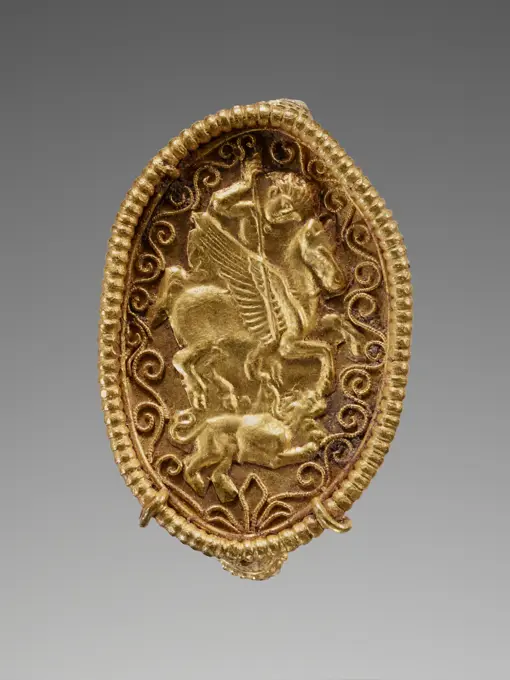
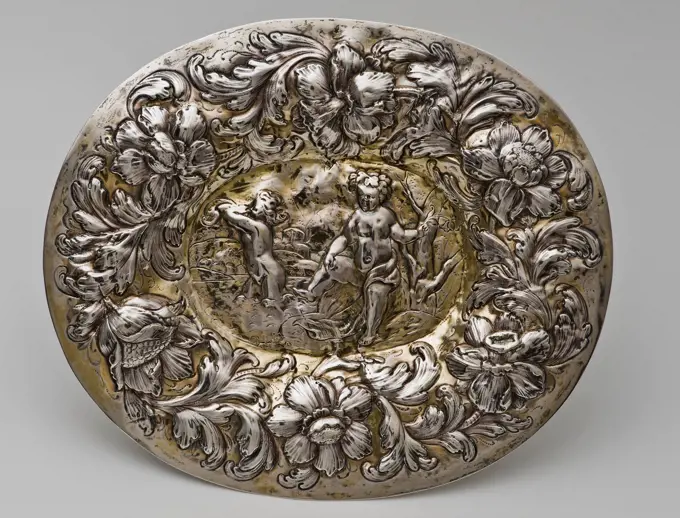
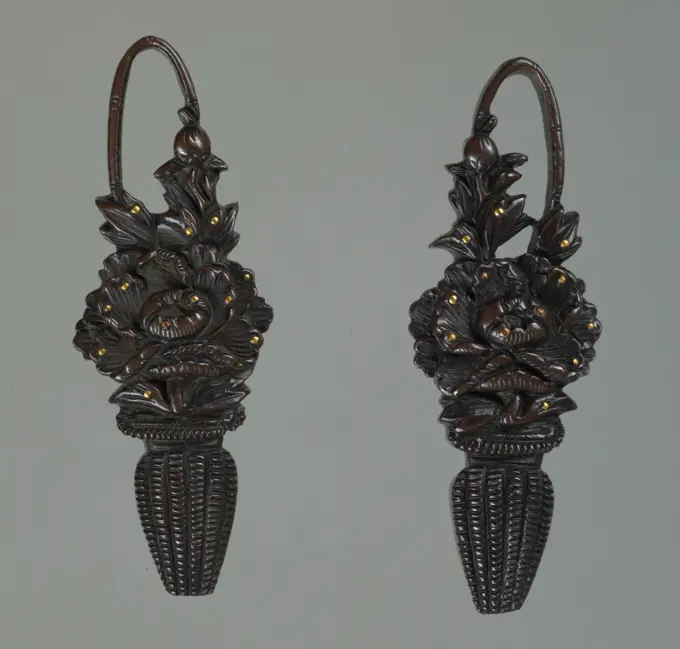
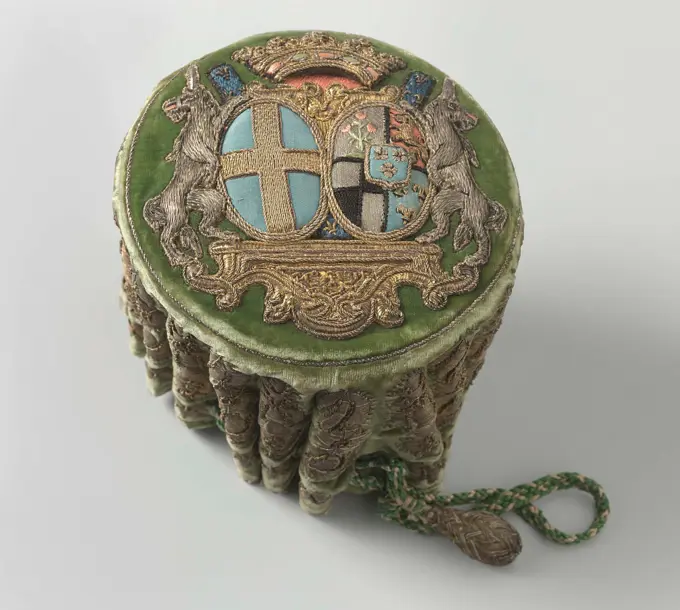
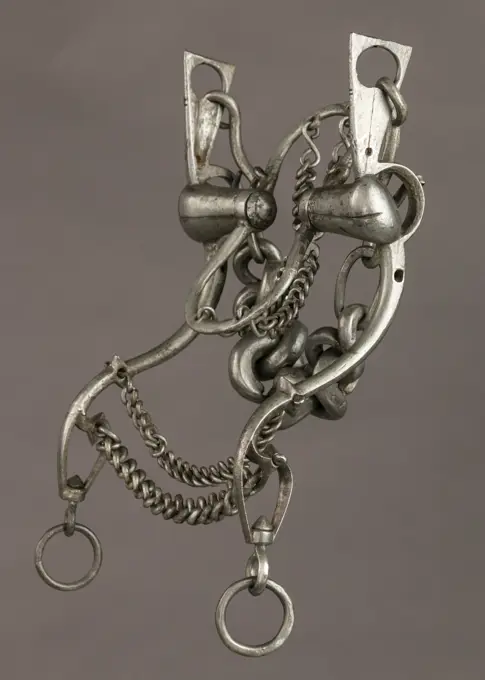
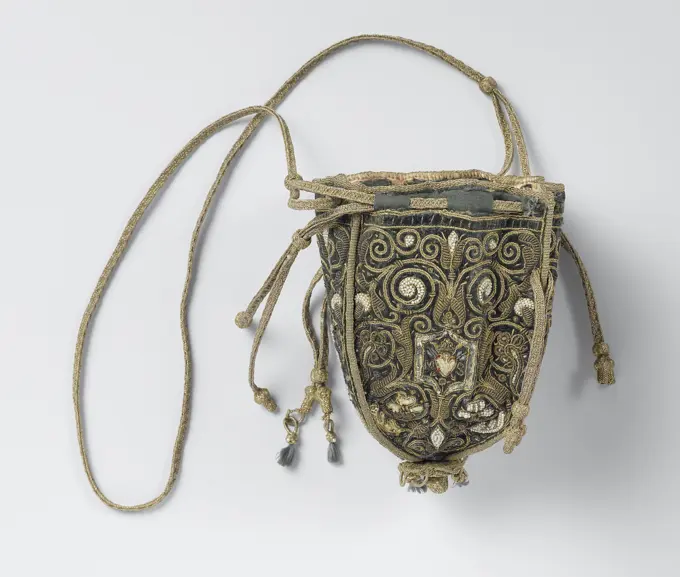
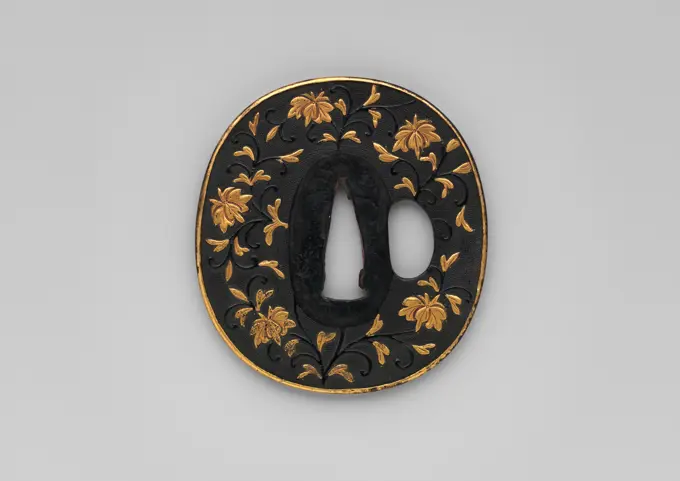
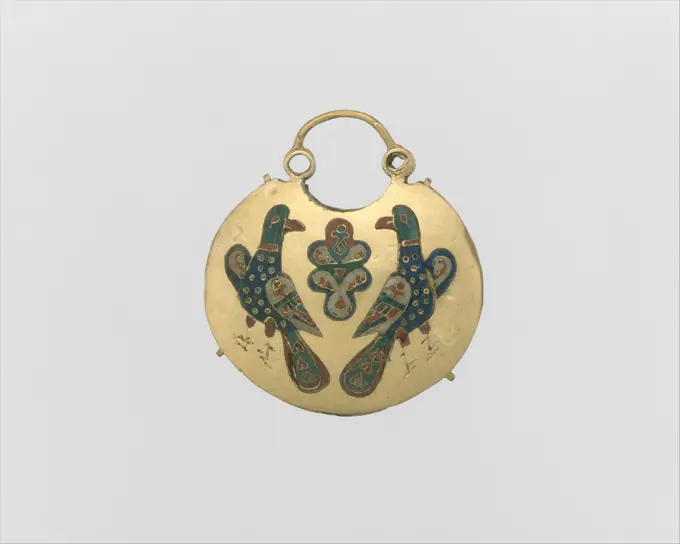
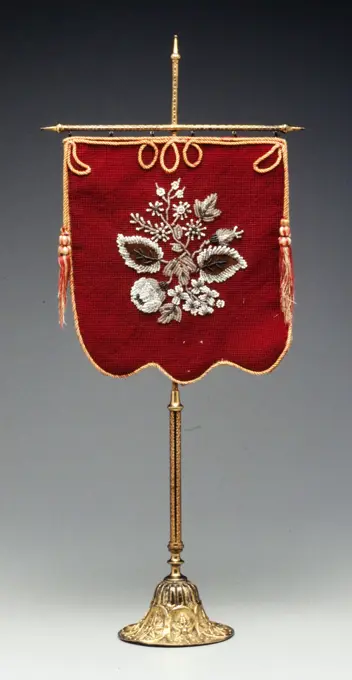
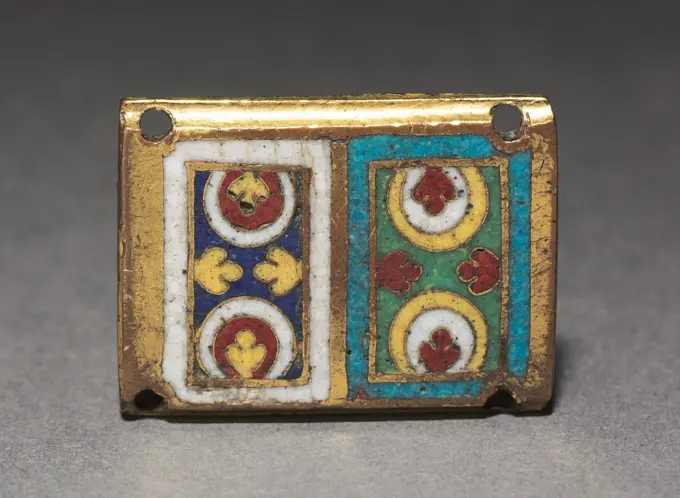
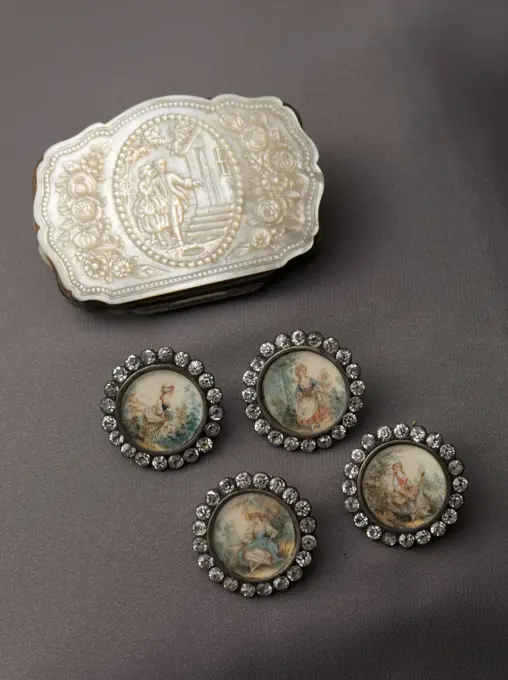
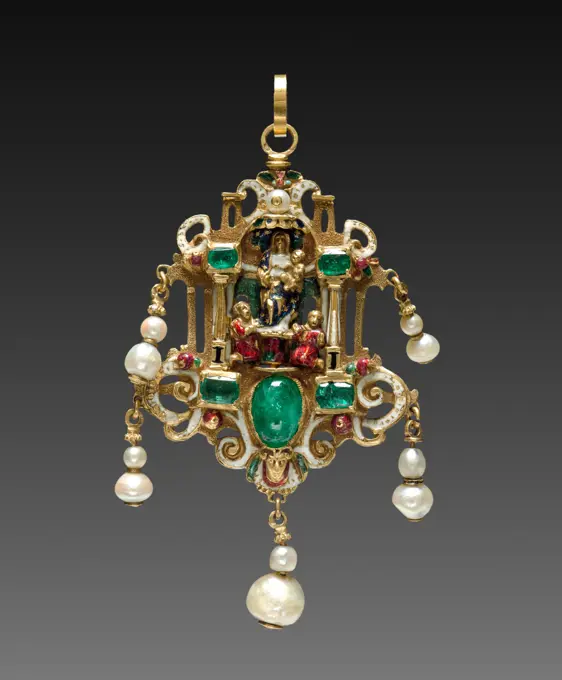
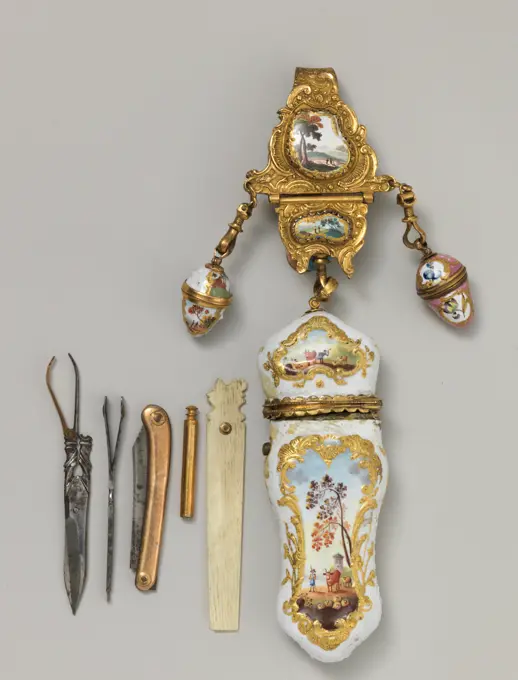
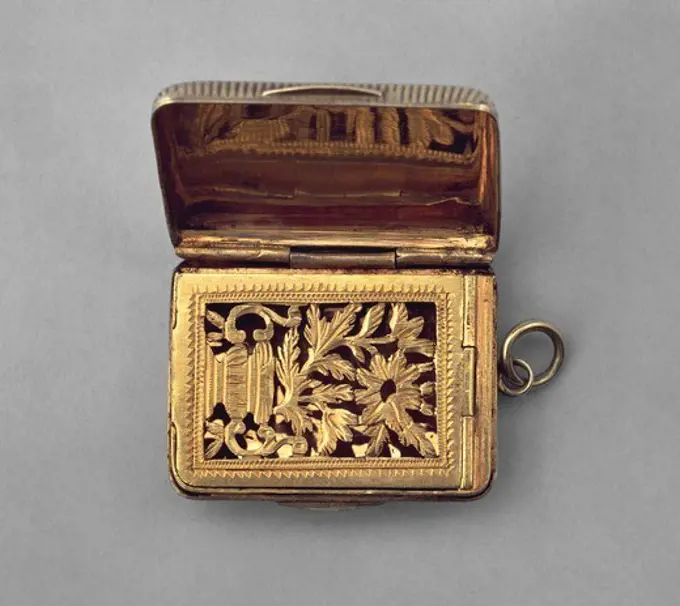
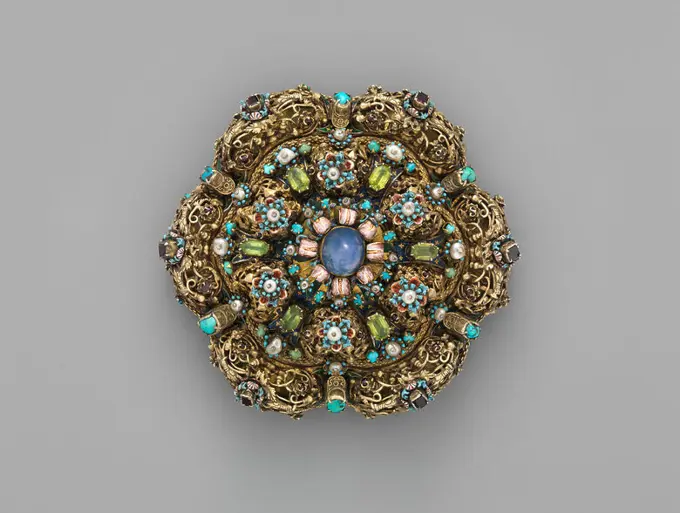
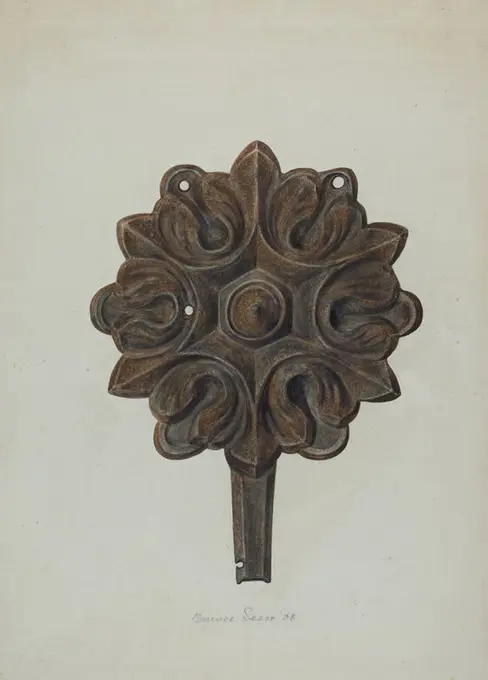
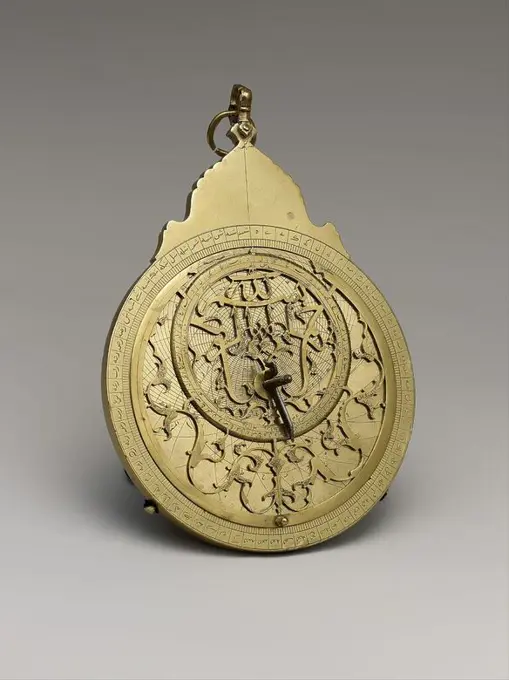
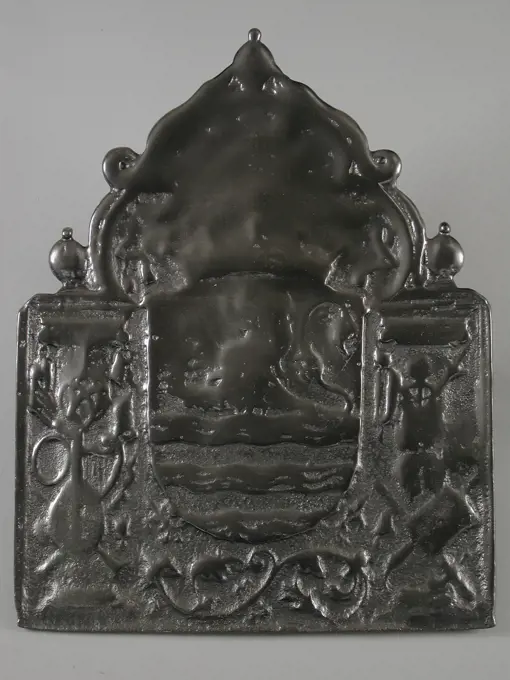
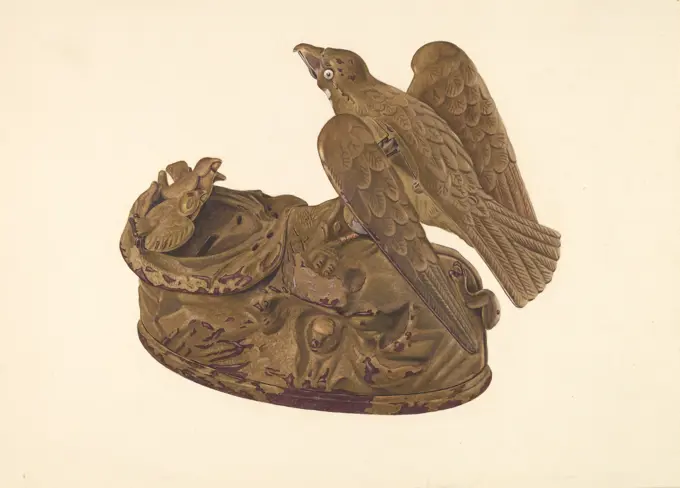
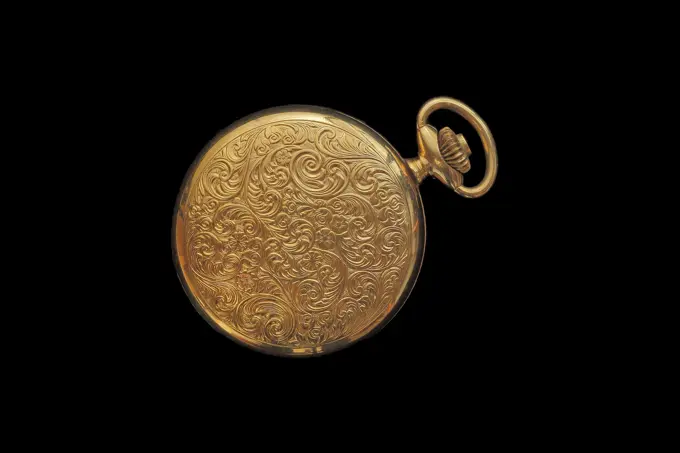
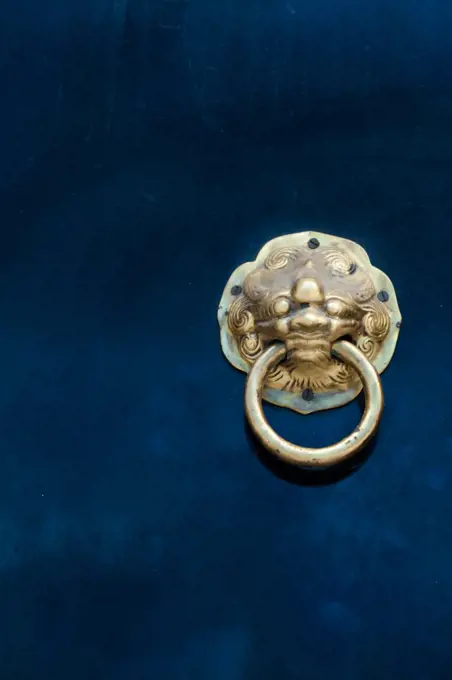
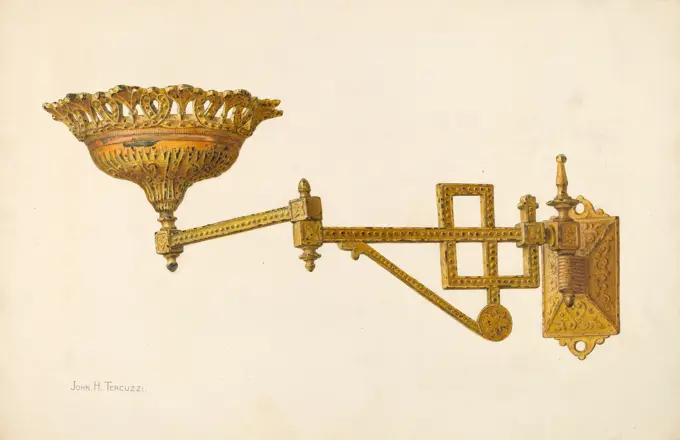
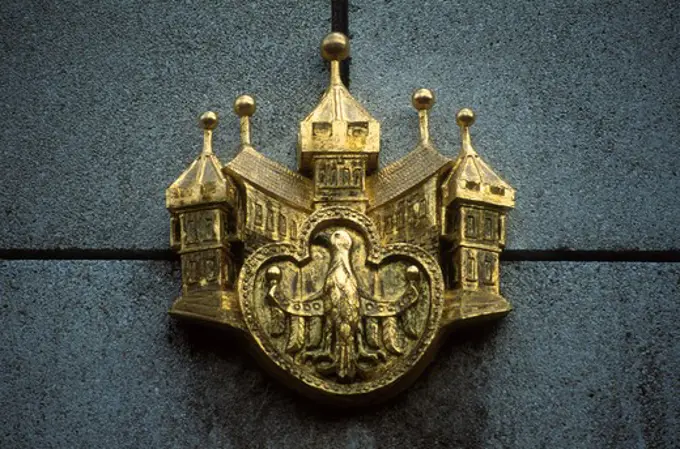
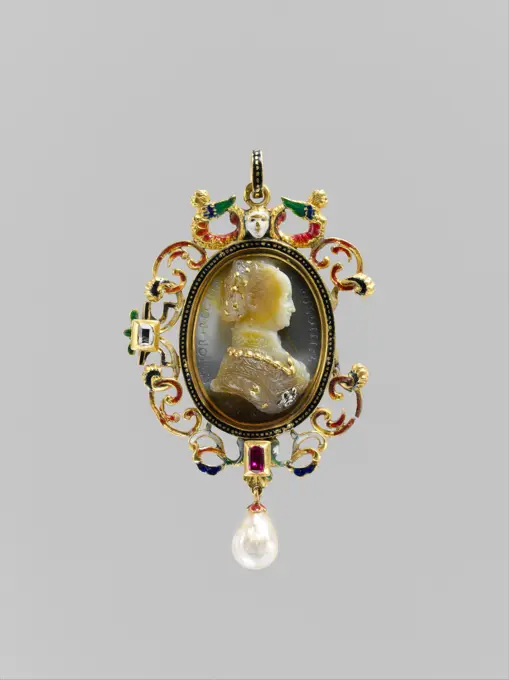
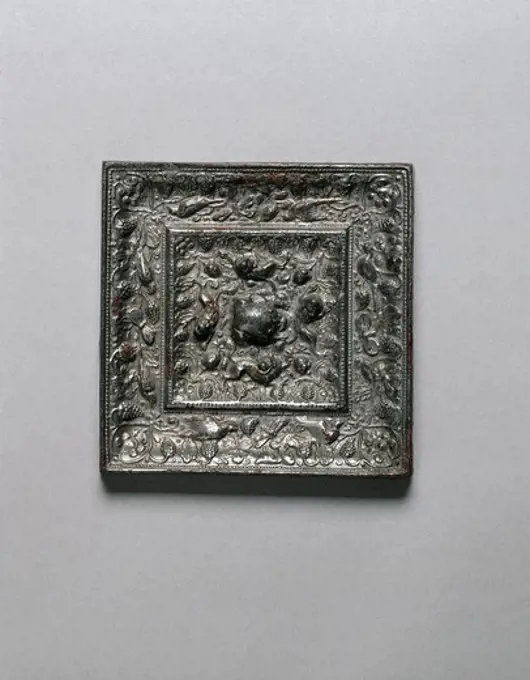
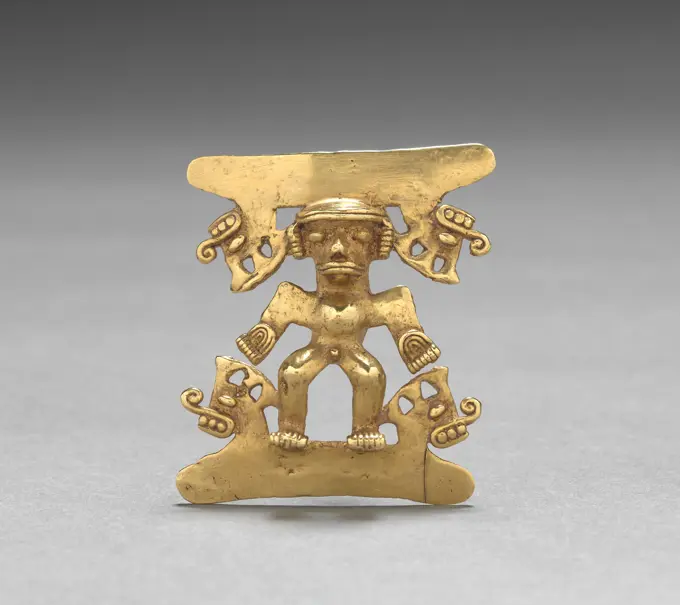
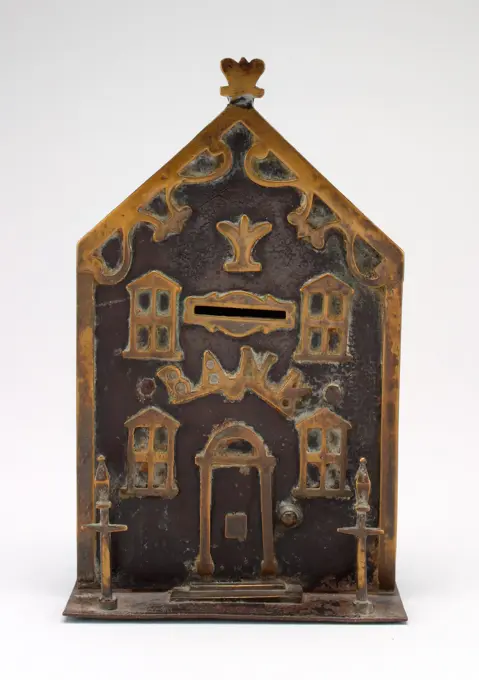
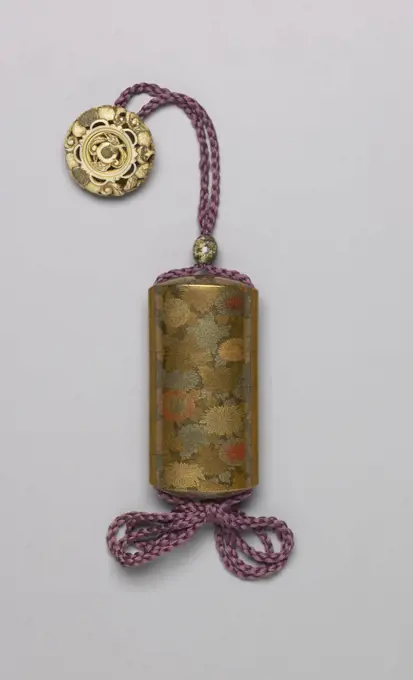
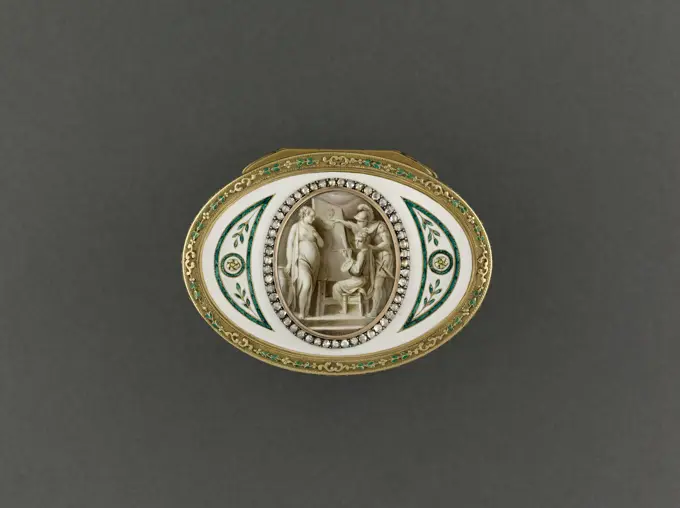
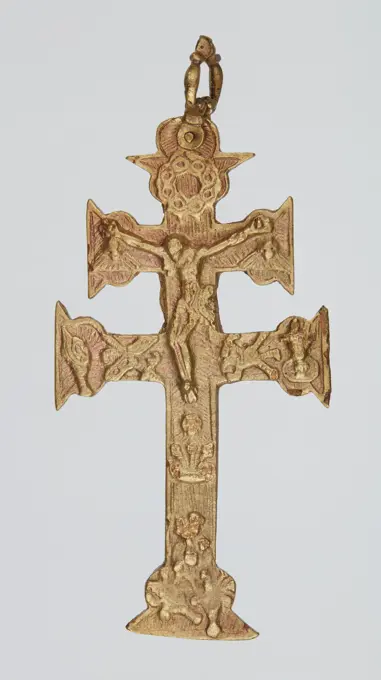
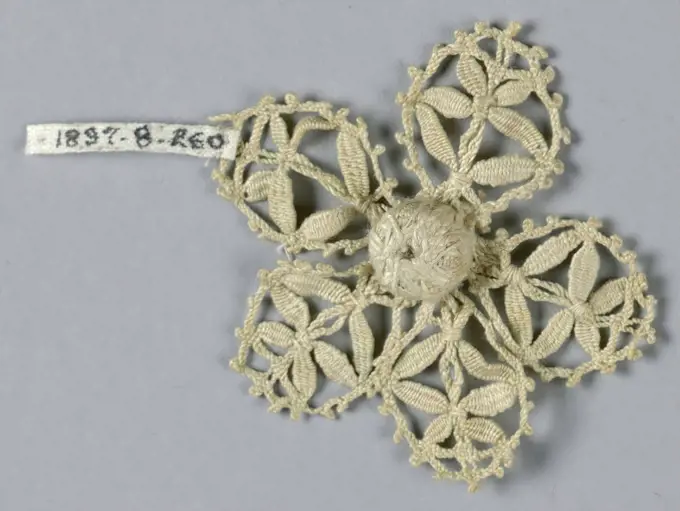
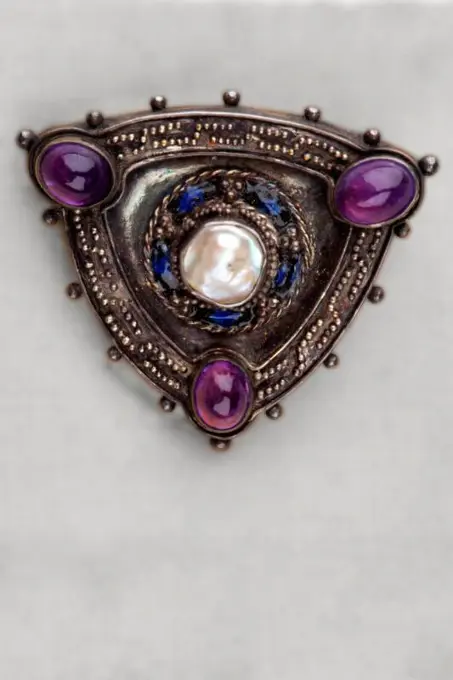
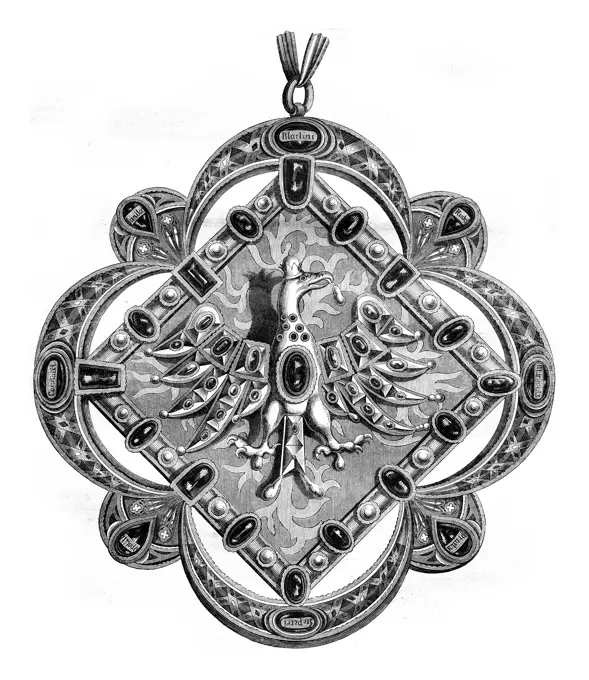
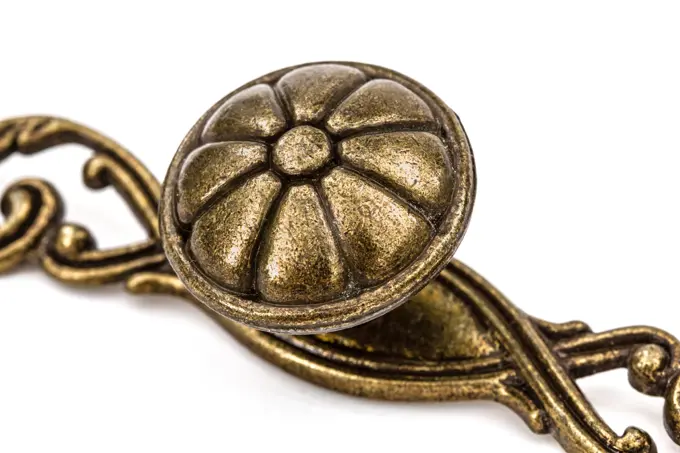
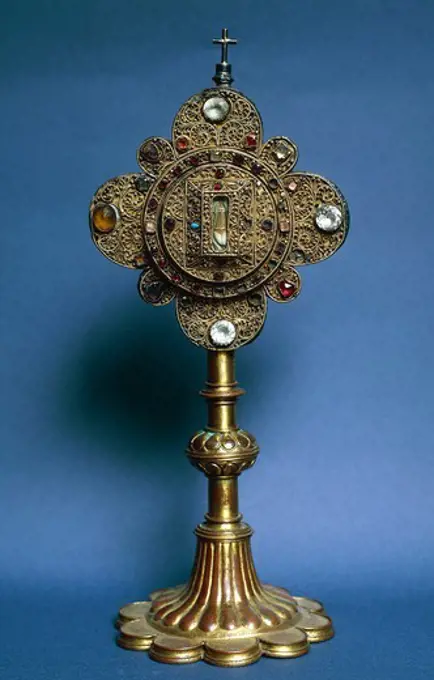
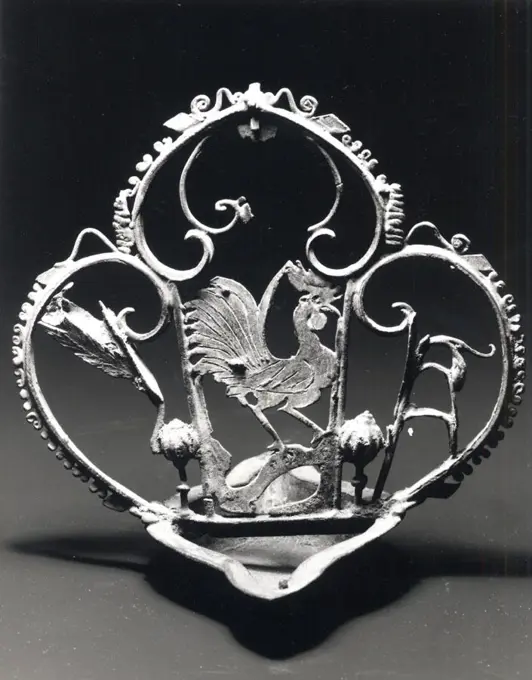
Aplique romano de bronce procedente del yacimiento arqueológico de Torre Llauder. Can Serra Museu de Mataró.Leaf-Shaped Box 17th-19th century Top decoration: Newari; box: Tibet, Lhasa area This box made for an elite patron presents the god Vishnu, in carved aquamarine, in a field of emeralds. The lid was made in a Nepalese workshop, while the gold box was manufactured in Tibet. The object speaks for a seamless integration of Hindu deities with the Tibetan pantheon.. Leaf-Shaped Box 39468Horn gilden plate, 1599. Silver guild plate. St. Medardus engraved on this and the arm of Hoorn. Here around the peripheral: Santus. Medardus. Patronus Ecclesia Wessemensis. Anno 1599.Earring ca. A.D 1st-2nd century Parthian This pair of exquisitely crafted gold earrings take the form of scroll-handled vases composed of hollow balls designed to resemble grape clusters and soldered together with granules. The vases themselves are soldered to large rings, and hollow cylindrical bases at their bottom tips each have four additional hollow balls soldered to them. Parthian wealth obtained through lucrative trade networks resulted in substantial patronage of the arts and luxury goods including jewelry. In addition to surviving examples, representations of earrings, necklaces, bracelets, and frontal bands appear in funerary portraits from Palmyra and statuary from Hatra.. Earring. Parthian. ca. A.D 1st-2nd century. Gold. Parthian. Mesopotamia or IranBox bezel ring. Attributed to Santa Eufemia Master (Greek (South Italian), active 340 - 320 B.C.)Ampullum dish on four legs with two puttos and flower and leaf, ampoule dish bowl tableware holder silver gold, driven gold plated Four legs rim scale master mark city hall IR (Jesus King) serving church priest eucharist religious ceremony religionMount; bronze (gilt)CDK unknownHunting Sword with Scabbard ca. 1740 Grip attributed to Joseph Deutschmann German Very similar sword grips of ivory, carved with fanciful Rococo ornament of shells and waves, are recorded in the armory of the prince-elector of Bavaria in Munich in the 1740s. The lion at the top of the grip holds a crescent moon beneath its paw, probably alluding to recent European victories over the Ottoman Turks in Eastern Europe.. Hunting Sword with Scabbard. German, possibly Munich. ca. 1740. Steel, silver, ivory, wood, leather. possibly Munich. Swords-HuntingSnaffle Bit. Culture: German. Dimensions: H. 7 1/4 in. (18.42 cm); W. 9 5/16 in. (23.65 cm).. Date: late 16th century.This kind of bit was used in the German lands for horses carrying litters and pulling sleighs.The snaffle bit is the simplest type of horse bit, and it has an effect on the bars (part of the horses' jaw without teeth) and the corners of the lips. The scatches, the flattened triangular elements composing this mouthpiece, were slightly stronger in their effect and more resistant than the traditional conical canons also used at the time. The rings on the sides would serve to hang the bit on the headstall and attach the reins, while the triangular extensions would to help to hold the mouthpiece in place and would press the sides of the mouth when reins are pulled, helping indicating direction to the horse. Museum: Metropolitan Museum of Art, New York, USA.Pendant with the Virgin, or Faith, Triumphant. Spanish. Date: 1650-1700. Dimensions: 5.2 × 3 cm (2 1/16 × 1 3/16 in.). Silver, silver gilt, rubies, diamonds, and glass. Origin: Spain. Museum: The Chicago Art Institute, Chicago, USA.Games fair of green velvet embroidered with gold-plated silver wire, adorned on the bottom with unidentified coat of arms of gold-plated silver wire, brocade and floss. Games fair of green velvet embroidered with gold-plated silver wire, adorned on the bottom with unidentified coat of arms of gold-plated silver wire, brocade and floss. Model: Flat round bottom where a wavy raised edge is provided with holes through which a cord of braided white and green silk, ending in drop shapes of braided silver wire has been drawn. Lined with goat leather. Decoration: The 20 bulges or 'ribs' are decorated with stacked leaf and floral motifs in relief, equipped with lovers. Along the top - between the pull holes - a fleur de lys between two lines. On both sides of the top a drip pilot decorated with braided silver wire. The bottom is circled with a border of silver wire. Inside the family jeams worked in high relief with a five-pointed crown. The paints are made up of silk dust, silver brocade and Curb Bit 18th century French This is probably a driving bit, used for carriage horses. This very peculiar type of mouthpiece is described in some contemporary equestrian manuals, like L'art de la cavalerie by Gaspard de Saunier (1756), as used "for preventing the tongue from going down out of the mouth, as it happens to several horses, especially to carriage horses, because of the tendency of some drivers to maintain the reins constantly tight, weakening the jaws so that the tongue goes out.". Curb Bit. French. 18th century. Iron alloy, tin. Equestrian Equipment-BitsPouch of green velvet, consisting of four pattes on which a crowned heart each pierced by two arrows and resp. The initials DA and MS surrounded by tendrils, embroidered with silk, gilded silver thread, lovers and freshwater pearls, anonymous, c. 1617 - c. 1622 Pouch of green velvet, consisting of four pattes on which a crowned heart each pierced by two arrows and resp. The initials DA and MS surrounded by tendrils, embroidered with silk, gilded silver thread and freshwater pearls. The embroidery is a symmetrically constructed floral ornament in which violins, clover-three and tulip-like flowers are embroidered in a pointit. The whole is in relief and with Canetille. The stock market is closed by two cords of braided gold thread with acorns at the ends. Openings at the same distance in the fabric of the stock market. On two seams, diagonally opposite each other, extra cords: decoration (). Under the fair a flat disc where eyes with balls with a pearl and a green silk brush. Lining fromModel for a decorative element of a chatelaine, anonymous, c. 1750 - c. 1775 The model driven out of plate for a mold is equipped with a rococo ornament surrounded by a putto with a corn sheaf and a sickle. At the bottom along the edges three -eye -mounting of links. Amsterdam copper (metal) The model driven out of plate for a mold is equipped with a rococo ornament surrounded by a putto with a corn sheaf and a sickle. At the bottom along the edges three -eye -mounting of links. Amsterdam copper (metal)Disk Brooch first half 7th century Frankish. Disk Brooch 464890 Frankish, Disk Brooch, first half 7th century, Gold, filigree green and blue glass, Overall: 1 1/8 x 1 3/8 x 13/16 in. (2.9 x 3.5 x 2 cm). The Metropolitan Museum of Art, New York. Gift of J. Pierpont Morgan, 1917 (17.191.192)Sword Guard (Tsuba) late 16th century Ko-kinko school This is an early and comparatively rare example in excellent condition of a shakudo and gold tsuba. Few exist today of this early date (Momoyama period, late 16th century).. Sword Guard (Tsuba). Japanese. late 16th century. Copper-gold alloy (shakud), gold, copper. Sword Furniture-TsubaGold head of a Mycenaean silver pin, 16th century. Artist: UnknownBracket; wood, paintedTemple Pendant with Two Birds Flanking a Tree of Life (front) and Geometric and Vegetal Motifs (back) 11th-12th century Kievan Rus' When Kievan Rus, a powerful new state to the north of the Byzantine Empire, accepted Christianity as its official religion in 988, the aristocracy also adopted the manners and dress of the Byzantine court. Local artists soon produced their own versions of Constatinopolitan fashions. This temple pendant of precious metals worked in cloisonné enamel or niello are local variants of the more intricately detailed works made for the Byzantine court.As in Byzantium, temple pendants may have been worn next to the face by both the men and the women of Rus. The works shown here were perhaps buried by their owners when the Mongol armies under Batu Khan sacked Kiev in 1240.. Temple Pendant with Two Birds Flanking a Tree of Life (front) and Geometric and Vegetal Motifs (back) 464558Lock plate, Pompeo Leoni (attributed to), c. 1550 - c. 1600  The object consists of a shield and a bracket and has four mounting pins. The ornament executed in relief has a punched background. The bracket shows a standing female figure in a pleated robe, which with her right hand holds the basket with fruits, which she carries on her head. An oval coat of arms was applied at the end of the bracket. It has two putti as shield holders. The weapon is as follows: sections, on the right, a twill, accompanied by two unclear armor figures and a six -pointed star, left two crossed scepters (), Accompanied by three six -pointed stars, 1 and 2, as well as a triangle; Morture: a helmet with a six -pointed star as a helmet sign and a cover of ranks. The lock shield is divided into two halves by a bracket. In the right half, the keyhole was cut by a cartouche. Above the cartouche trophies, consisting of a helmet, an enclosed and a armor for a woman. The lower half of the cartouche is surrounded by Fire Screen, late 19th century, 21 x 9 1/4 x 4 1/8in. (53.3 x 23.5 x 10.5cm), Brass, cotton, silk, glass beads, England, 19th centuryOrnament for a Headdress 18th century China. Ornament for a Headdress 60880Pendant. Western Inner Mongolia, 5th-3rd century B.C.. Jewelry and Adornments; pendants. Bronze, castRELICARIO DE SAN GENARO REALIZADO EN CRISTAL DE ROCA - SIGLO XVII. Location: CONVENTO DE LAS CLARISAS / MUSEO DE ARTE SACRO. MONFORTE DE LEMOS. LUGO. SPANIEN.Plaque from a Reliquary Shrine, c. 1170. Germany, Rhine Valley, Cologne, Romanesque period, 12th century. Gilded copper; champlevé and cloisonné enamel; overall: 2.7 x 3.7 cm (1 1/16 x 1 7/16 in.).Lock 15th-16th century European The decoration of Gothic iron locks and keys was often elaborate and of the highest standard of workmanship. The motifs were frequently drawn from Gothic architecture, reproducing on a miniature scale complicated tracery patterns and even tiny statuettes. A number of these tiny locks were compound, with some of the mechanisms concealed from view, and required two or even three keys used in sequence to open them. It has been suggested that the greatly expanded use of locks on doors, or coffrets and other types of storage chests was a result of the increasing urbanization of life and the new emphasis on material wealth and private ownership which developed in the late Middle Ages.. Lock. European. 15th-16th century. Iron. Metalwork-IronSilver metal wallet and white mother-of-pearl, with floral decor and pearl central medallion representing a couple in the 18th century style. Gouache ivory buttons set back from shepherdesses and peasant women, circulated by twenty rhinestones. Dributing: White mother-of-pearl and silver metal. Buttons: ivory painted with gouache 20 rhinestones, glass, silver metal frame. 1850-1870. Galliera, fashion museum of the city of Paris. Wallet and buttons Accessory, button, circle, female, gouache, painted ivory, silver metal, frame, white mother-of-pearl, wallet, champetre scene, rhinestone, 18th century centuryWatch ca. 1680-90 Watchmaker: Etienne Oltramare. Watch 194187Pendant with Virgin and Child with Saints and Saint John the Evangelist, late 1500s. Italy, late 16th century. Enameled gold with pearls and emeralds; overall: 7.3 cm (2 7/8 in.).Small Elbow Reinforce. Culture: Italian. Dimensions: L. 9 1/2 in. (24.1 cm); W. 7 in. (17.8 cm); Wt. 1 lb. 11.1 oz. (768.3 g). Date: ca. 1550 to 1575.This small elbow reinforce is part of an unusually large armor garniture (acc. no. 27.159.1) from the armory of the Dos Aguas family in Valencia, Spain. The garniture contains pieces for use in battle and for the tilt in both the Italian and German fashions. The tilt was a tournament fought on horseback between two opponents armed with lances and separated by a lengthwise barrier.The armor as mounted is equipped with a helmet and vambraces (arm defenses) for the tournament. The buffe (chin defense), second breastplate (27.159.2), and manifer (reinforced left gauntlet) (27.159.6) would have been added to make the armor ready for exchange pieces for different forms of the tournament. For the German tilt, the trellised targe (shield) (27.159.7), small elbow defense (27.159.5), and small stomach defense (27.159.3) were added. For the ItaliaBit Boss 17th century English The center part of this horse bit boss displays the royal coat of arms of the United Kingdom, which consists, at that time, of the association of the arms of France, Scotland, Ireland and England. The shield is topped by a crowned helmet, circled by the Order of the Garter and flanked by the two traditional supporters of the British arms: a lion and a unicorn.The pierced rim consists of a frieze alternating the French fleur-de-lis (France was an official claim for England since the 14th century) and the English rose.. Bit Boss. English. 17th century. Copper alloy. Equestrian Equipment-BitsFifty -year celebration of the independence of the Netherlands, in honor of William III, King of the Netherlands, Anonymous, 1863  One -sided pewter carrier inside Eikkrans to Sea Eye. Front: breastpiece man below and above the year within the cable edge. Reverse: Blanco. Netherlands tin (metal) striking (metalworking)  NetherlandsWatch ca. 1650 Watchmaker: M.K.. Watch. German, Ulm. ca. 1650. Gold, smoke crystal. HorologyNécessaire and chtelaine ca. 1760-80 British, Staffordshire Chatelaines, which hung from the waist, were designed to hold sewing, writing, or toilet implements.. Nécessaire and chtelaine. British, Staffordshire. ca. 1760-80. Enameled copper. Enamels-PaintedFrench 15th Century (setting western European late 19th Century), Morse with the Trinity, c. 1400-1410 (Trinity and Angels); 1884-1897 (setting), gold, enamel, and pearlsSilversmith's Art, France 19th century. Vinaigrette, silver fragrance box with hinged cover.Roundel, medallion with paste inlay 2nd-3rd century A.D. Roman. Roundel, medallion with paste inlay. Roman. 2nd-3rd century A.D.. Gold, glass paste. Gold and SilverDress ornament (heftel). Culture: Hungarian. Dimensions: Diameter: 5 in. (12.7 cm). Date: 18th century, with later alterations.Dress ornaments were the height of fashion for Saxon women in Transylvania. They were originally worn as bodice clasps, but as rich women demanded larger and heavier examples so as to display their wealth, these pieces were also sometimes suspended from a cloth band around the neck. This object is among the few Hungarian goldsmith pieces that the Museum had before the gift of the Salgo Collection. Museum: Metropolitan Museum of Art, New York, USA.Genius command badge in French Africa-Western (CG, AOF). Enamelled metal. 1956-1958. General Leclerc Museum of Hauteclocque and the Liberation of Paris, Jean Moulin Museum. Military badgeCRUZ ESMALTADA- ORFEBRERIA MEDIEVAL. Location: NATIONAL MUSEUM. MUNICH. GERMANY.Pre-Columbian gold artifact in the Museo del Oro. Famous Gold Museum, Bogota, Colombia. Pre-Columbian gold statuette in the Museo del Oro. Golden indigenous ornament from South American natives civilization. Famous Gold Museum, Bogota, Colombia. Copyright: xZoonar.com/www.artushfoto.eux 21638031Watch Watchmaker: Firm of Moynier & Fils ca. 1820-40 View more. Watch. Swiss, Geneva. ca. 1820-40. Gold, enameled; silver, steel. HorologyDecorative elements for harnesses, Ukraine. Cimmerian civilzation, 8th-7th Century BC.Gallon;  End of the 18th century (1791-00-00-1800-00-00);Rosette. Dated: 1938. Dimensions: overall: 35.5 x 24.7 cm (14 x 9 3/4 in.). Medium: watercolor, graphite, and colored pencil on paper. Museum: National Gallery of Art, Washington DC. Author: Clarence Secor.Decorative ceiling, 11th century, from Castillo Formós (Balaguer). Museum: Museu Comarcal La Noguera, Balaguer, Lérida, Cataluña, España.Pilgrim's Badge 15th century French. Pilgrim's Badge 472082Pair of Sword-Grip Ornaments (Menuki). Culture: Japanese. Dimensions: L. of each 1 3/8 in. (3.5 cm); Wt. of each 0.3 oz. (8.5 g). Date: 18th century. Museum: Metropolitan Museum of Art, New York, USA.Planispheric Astrolabe. Dimensions: H. 8 1/2 in. (21.6 cm)W. 6 3/4 in. (17.1 cm)D. 2 1/4 in. (5.7 cm). Maker: Muhammad Zaman al-Munajjim al-Asturlabi (active 1643-89). Date: dated A.H. 1065/ A.D. 1654-55.Astrolabes of this size were not precise enough for astronomical observations, but served well for telling time, and astrologers could use them to determine the position of a planet relative to the different astrological houses. The intricate calligraphic faceplate of this example is typical of Safavid-period astrolabes; it reads: "In the name of God, the Merciful, the Compassionate" (bismallah al-Rahman al-Rahim). Museum: Metropolitan Museum of Art, New York, USA.Spoon Holder 1700-1799 Amsterdam. Wood .Rattle in the form of a vessel 6th century B.C. Greek. Rattle in the form of a vessel. Greek. 6th century B.C.. Gold. Archaic. Gold and SilverEarring, 1700s - 1800s. Italy, Naples, 18th-19th century. Gold and enamel with pearls; overall: 6.4 cm (2 1/2 in.).Fireback coat of arms of Zeeland, hob plate cast iron, cast Rectangular bow on top. In the middle the crowned coat of arms of Zeeland On the sides decorated with various objects including musical instruments. Bottom leaflets heraldry living environment interior heating Zeeland provinceAbruzzo, L'Aquila, Sulmona, Museo Civico, Italy, 20th century, photo, photography, EuropeBronze Snake 11th Century. IndiaAmerican 20th Century, Toy Bank  Bird Feeding its Young, 1935 1942 Toy Bank: Bird Feeding its YoungPocket watch pocket watch copyright: xzoonar.com/gerdxherrmannx 8607790Repeater watch and key ca. 1565 Watchmaker: Bartholomew Newsam. Repeater watch and key. British. ca. 1565. Gilt metal, silver. HorologyThe entrance door is the lion. Made of brass. Designed to comply with.Loop between 1768 and 1774.Pin ca. 1867 European. Pin 124499John H Tercuzzi, Lamp Bracket, c 1942 Lamp BracketBliżej Kultury unknownCrozier head early 17th century Manner of Orazio Scoppa. Crozier head 207714Bliżej Kultury unknownGermany, Berlin, Nikolaiviertel, House CrestDET RELICARIO FORMA CRUZ CON VASO CRISTAL FATIMI. Location: CONVENTO DE SAN CLEMENTE-MUSEO. Toledo. SPAIN.Book clasp 17th century possibly Dutch. Book clasp 192390Bona Sforza (1493-1557), Queen of Poland cameo ca. 1530-40, frame 19th century Cameo by Giovanni Jacopo Caraglio Italian Exceptionally for the Renaissance, this is a signed cameo, bearing the signature of Gian Giacomo Caraglio, who was born in Verona and later worked in Venice and then Cracow and who was best known as a printmaker. Bona Sforza, daughter of the duke of Milan, married Sigismund I, king of Poland, in 1518. At Sigismunds death in 1548 she returned to Italy, where she died in 1557. The cameo is inlaid with gold that enhances details of Bonas chain and hairnet, and a silver Medusas head is inset on her breast, in the same spirit of jewelry within jewelry. The only other gem signed by Caraglio, an agate similarly bedecked with gold representing Barbara Radziwill, Bonas successor as queen of Poland, is in the Münzkabinett, Munich. The dainty frame, although dated 1554 on the reverse, is a nineteenth-century invention.[James D. Draper, 2008. Bona Sforza (1493-1557), Queen . Oval medallion of blood caspis, in which a non-woven knight has been cut with command. A frame of gold, email, tableted diamonds and a ruby. At the bottom of the golden fleece. Backside medallion from transparent, faceted glass with hinge on two sides.Writing Box and Inro, anonymous, 1700 - 1800 Decoration with Suzuki grass in gold against a black background. Also a crescent in silver lacquer and a poem. Five boxes connected to rope. Japan wood (plant material). lacquer (coating) Decoration with Suzuki grass in gold against a black background. Also a crescent in silver lacquer and a poem. Five boxes connected to rope. Japan wood (plant material). lacquer (coating)Bronze mirro, Tang dynastyCommemorative badge of Lviv Liberation in 1915.Goldsmith's art, 19th century. Mosaic brooch in gold setting, around 1850.Earrings. Dated: 1935/1942. Dimensions: overall: 28 x 17.7 cm (11 x 6 15/16 in.). Medium: watercolor, graphite, and gouache on paper. Museum: National Gallery of Art, Washington DC. Author: American 20th Century.Figurine Pendant, c. 700-1550. Western Panama, Veraguas-Gran Chiriquí Style, 8th-16th Century. Cast and hammered gold; overall: 6 x 5.3 x 1.7 cm (2 3/8 x 2 1/16 x 11/16 in.).Comb with anemones by Rene Lalique (1860-1945)Birth Bank, Large' still bank, c. 1860, 7 3/4 x 4 11/16 x 2 1/2 in. (19.69 x 11.91 x 6.35 cm), Brass, steel, England, 19th centuryInro with a Chrysanthemum-BlossomPattern, early 19thcentury, Inro: gold lacquer ground on wood with gold, silver, and red pigment, and decoration in togidashi maki-e, and nashiji on the interior; netsuke: ivory; ojime: variegated stone, 3 5/8 × 1 3/4 in. (9.2 × 4.4cm), Because the traditional Japanese kimono is devoid of pockets, a number of hanging containers were developed. Inro, made of the best lacquered wood or lacquered ox-hide, were the most expensive and treasured of these containers. The inro (literally seal baskets) were originally used by men to carry personal seals, but during the Edo period (1615-1868), these compartmented cases came to be used for medicine or special items like letters and charms. Attached to the inro is a netsuke (or toggle, literally root attach), often made of ivory or wood, which acts as a stopper to prevent the inro from slipping off a kimono sash. The ojime (cord tightener) is a bead used to tighten the cords that keep the tiered containers of thPendant in the shape of a cross. Cross of gold, with email. The cross arms are closed by circles in which characters occur. The remaining enamelled decoration is geometric.Tobacco set 18th-19th century Japan. Tobacco set. Japan. 18th-19th century. Leather, silver, ivory. Edo period (1615-1868). Smoking EquipmentPendant. Culture: Thailand. Dimensions: 2 3/4 x 3 11/16 in. (7 x 9.4 cm). Date: early 15th century. Museum: Metropolitan Museum of Art, New York, USA.Anonymous German or Swiss. Oval box in enameled and chopped gold. On the lid, a painting on Enamel, Alexandre and Campaspe, in a brilliant entourage. 1770-1800. Paris, Cognacq-Jay museum. 56059-1 Oval, shiny, chisel, lid, email, entourage, golden, golden, painting, paintingSpoon (Italy); bronze; cm: L: 13.9 x W: 3.8 (5 1/2 x 1 1/2 in.); The Robert L. Metzenberg Collection, gift of Eleanor L. Metzenberg; 1985-103-31Przeszo Przyszoci unknownClasp, 1800s. Tibet. Silver with cornelian; overall: 8 x 5.2 cm (3 1/8 x 2 1/16 in.).Earring-hook type with ball pendant and paste setting. Earring-hook type with ball pendant and paste setting 243393Fragment, Medium: linen Technique: needle lace, Fragment in a pattern of a small flower with several openwork petals., Venice, Italy, 17th century, lace, FragmentTobacco Pouch (Germany); leatherDisk Earring with a Figure of Eros. UnknownShield Shaped Silver Brooch, James Cromar Watt (Aberdeen, Scotland, 1862 - 1940)The original gem preserved in the Debruges collection in Paris, vintage engraving. The original gem preserved in the Debruges collection in Paris, vintage engraved illustration. Magasin Pittoresque 1846. Copyright: xZoonar.com/PatrickxGuenettex 10673372Furniture accessories: Stylish bronze handles, isolated on a white background Furniture accessories: Stylish bronze handles, isolated on a white background Copyright: xZoonar.com/OleksandrxKostiuchenkox 9780861Reticle. XVIII. Gal1937.66.17Watch ca. 1830-40 Watchmaker: J. Pansier. Watch. Swiss, Geneva. ca. 1830-40. Gold, silver, jewels. HorologyGoldsmith's art, 16th century. Gilded wood and precious stones reliquary with tooth of Saint Malo, bishop of Alet.Collar level emblem branch of service Royal Military Academy (KMA).Stove with twelve-part cutlery. Semi-circular case with scalloped edge (in the opened state circular). The leather-covered capacity is covered with velvet on the inside and deposited with gold tube and offers space for twelve radially placed specifications. The twelve specifications consist of a gold-plated silver fork, a spoon and a knife; The forks and knives have porcelain lifted, painted in underglazing blue and gold with an ornament inspired by lace. On the backs of the stems of the spoons and on a silver plate on the case, a crowned weapon is engraved with two crossed rakes above a hilly landscape, perhaps the family crest Wietzendorff (Wittendorf) from Hanover.Oil Lamp with Cock ca. 9th-10th century () Indonesia (Java). Oil Lamp with Cock. Indonesia (Java). ca. 9th-10th century (). Bronze. Metalwork