Decorative Furniture Hardware

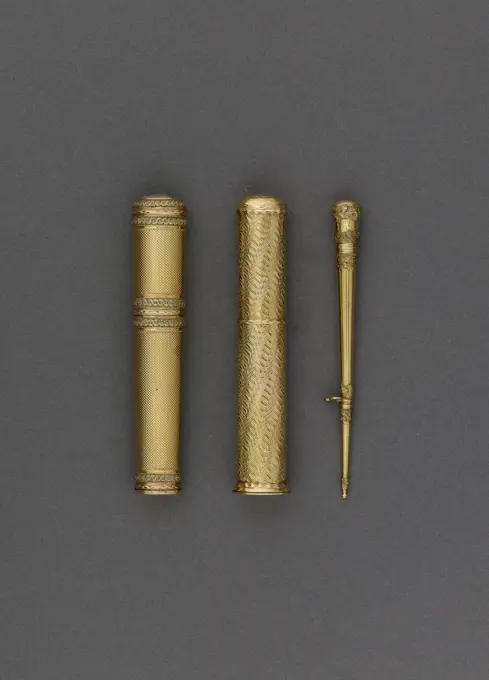
Antique and ornate furniture hardware pieces, including buckles and decorative accents, showcasing intricate designs.

Bliżej Kultury unknown
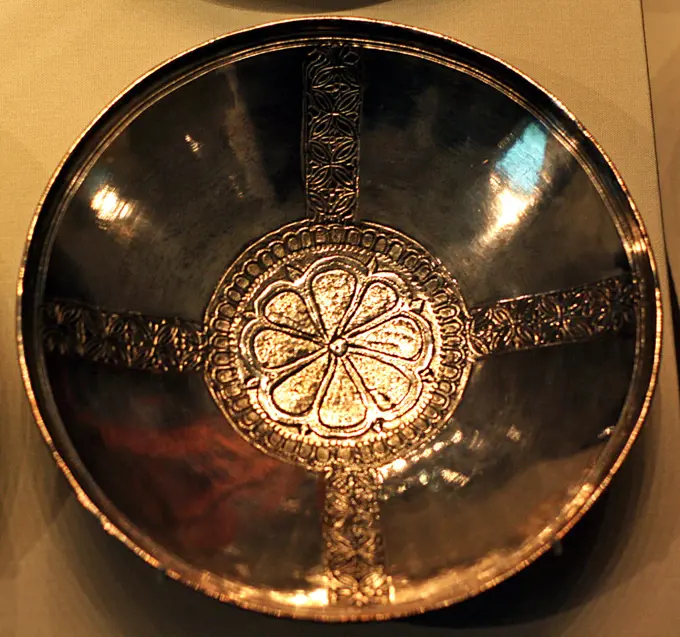
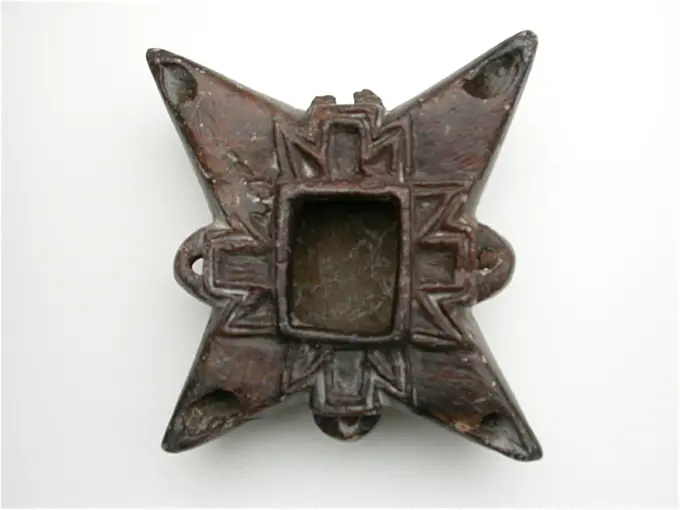
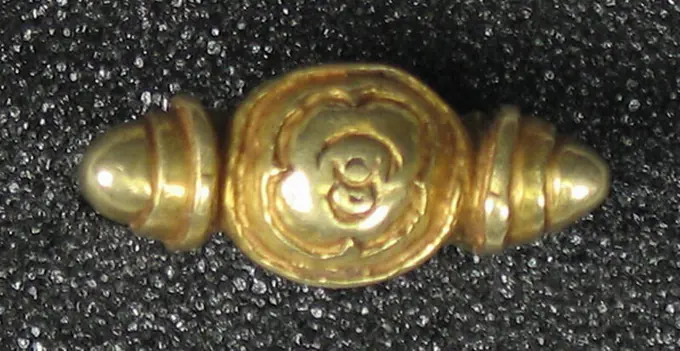
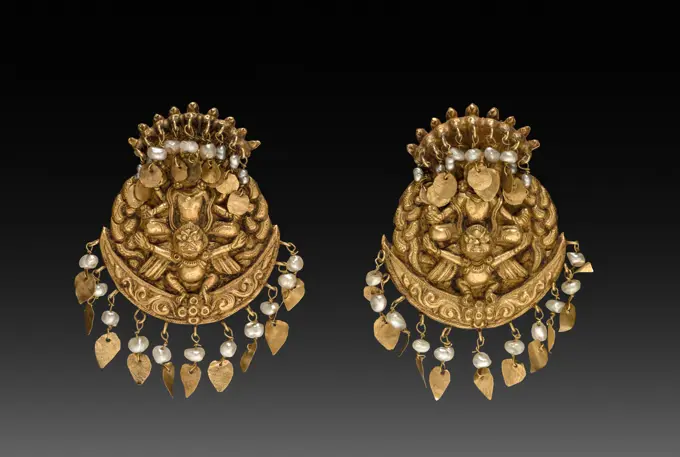
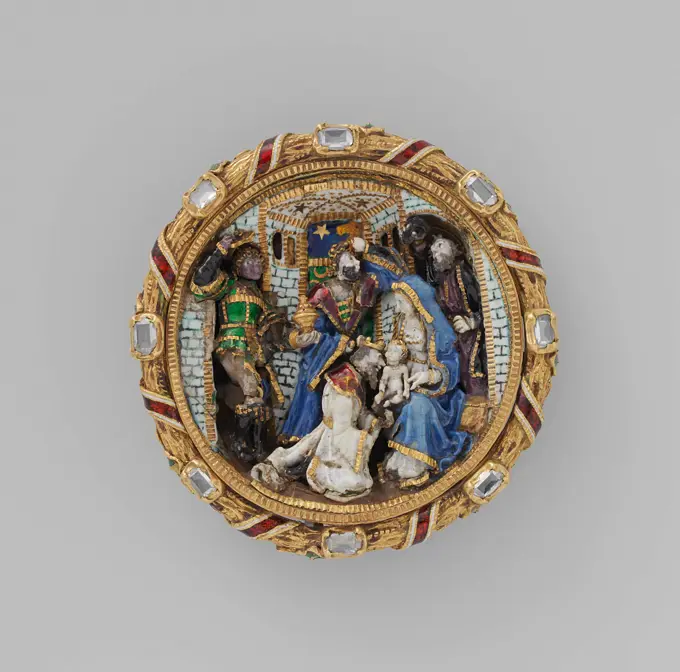
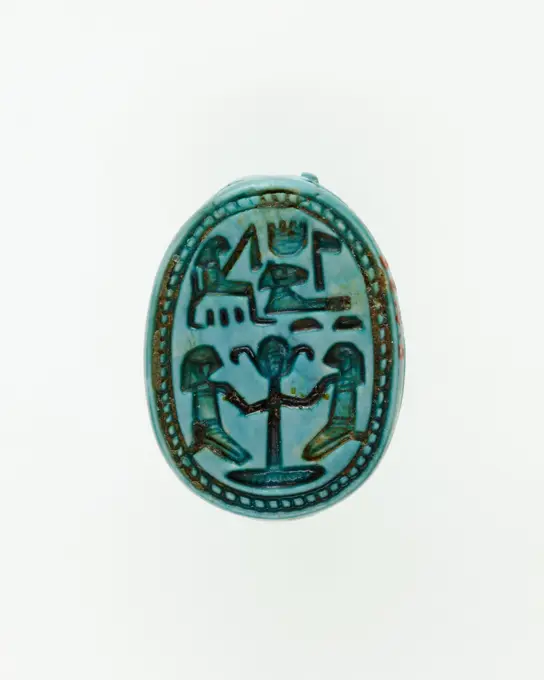
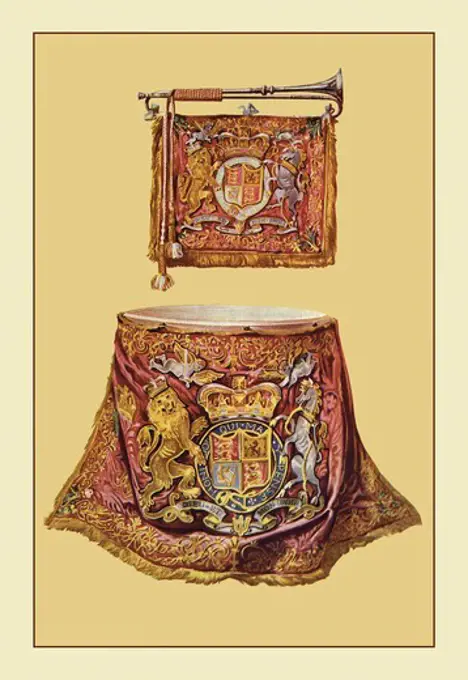
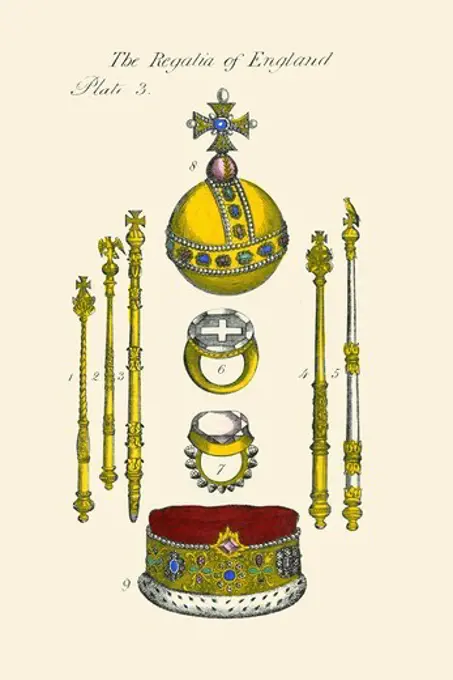
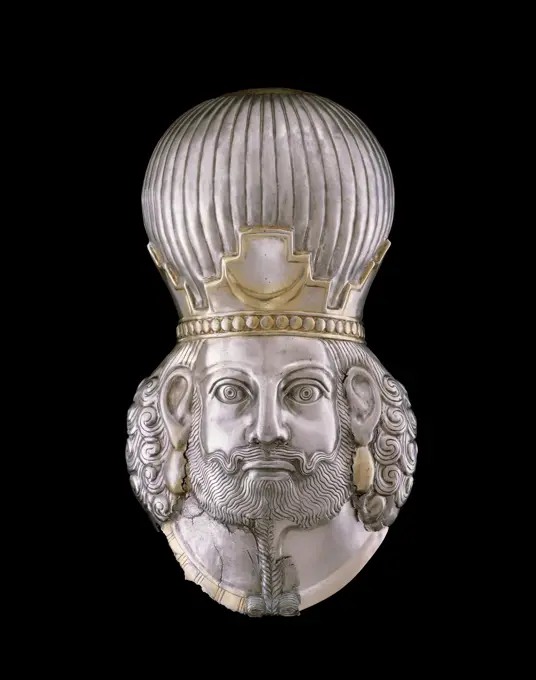
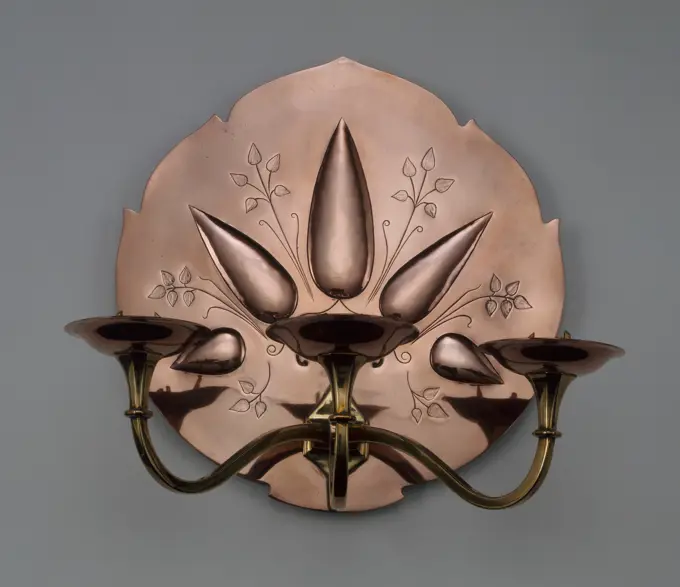
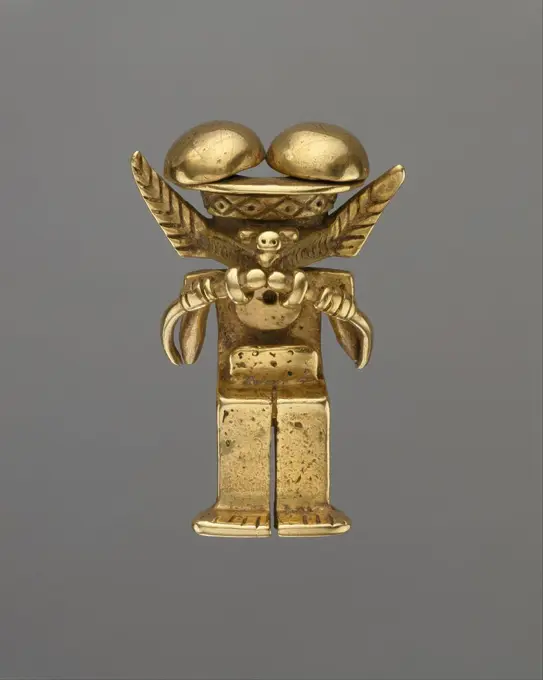
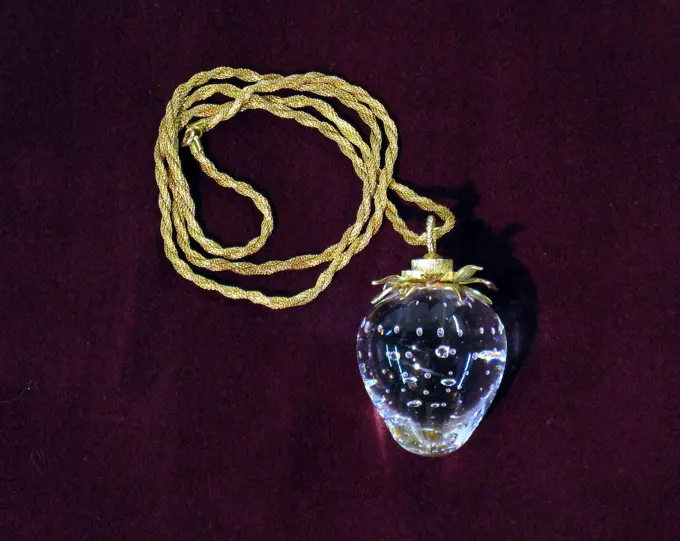
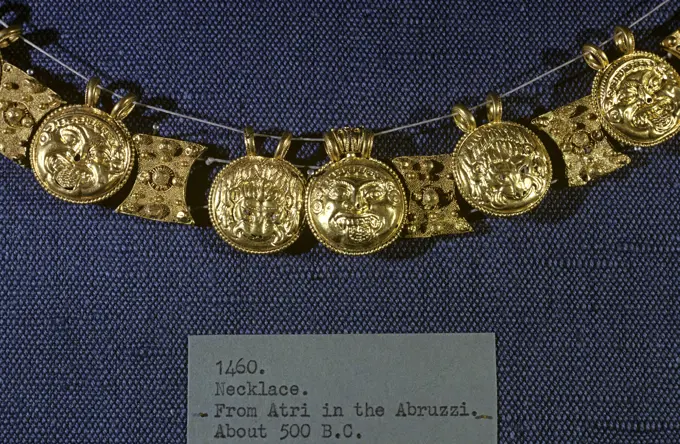
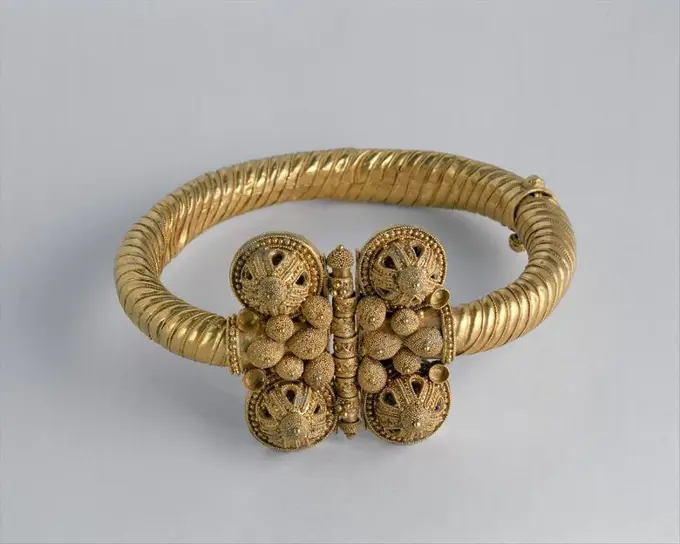
Armlet. Dimensions: H. of clasp 2 1/2 in. (6.4 cm), Max. Diam. 4 1/8 in. (10.5 cm). Date: first half 11th century.Pre-Islamic forms can be seen in bracelets such as this one, indicating traditionalism in the production of jewelry. At the back of each of the four hemispheres around the clasp there is a flat disk of gold decorated by pouncing it over a coin; the four stones originally on the front are now missing. The twisted decoration probably derives from Greek bracelets; Byzantine jewelry often incorporated coins. Museum: Metropolitan Museum of Art, New York, USA.Philip Johnson, Drawer Pull, c 1936 Drawer PullFrame 1853-58 Probably United States Pottery Company. Frame 5607Pair of Man's Gauntlets. England, circa 1625-1650. Costumes; Accessories. Leather, silk and gold metallic thread, silk satin; looped bullion embroideryMortar 10th-11th century. Mortar. 10th-11th century. Bronze; cast. Attributed to Iran. MetalKnightly board Knightly board. An element for defense of the medieval soldier Copyright: xZoonar.com/ValeryxxSibrikovx 2494320Pendant early 15th century Thailand. Pendant 39381Dish (Austria); Attributed to J. & L. Lobmeyr (Austria), Hermann Ratzerdorfer; glass, silver, gold, enamel, gem stones; 56.5 cm diameter (22 1/4 in.)Shallow bowls. A set of ten small silver bowls was deposited in the burial chamber at Sutton Hoo. They were stacked upside down and many of them survived in excellent condition. The Byzantines used such bowls to serve food, and perhaps the Anglo-Saxons did so as well. Although they are decorated with cross-shaped bands, the bowls probably did not have Christian meaning. AD 500s-600s Eastern MediterraneanLamp in Form of Four-Pointed Star 301 CE-700 CE Egypt. Steatite . Ancient EgyptianRing with Oval Bezel and Calligraphy 8th-12th century Indonesia (Central Java). Ring with Oval Bezel and Calligraphy 64324Pair of Earrings with Four-Armed Vishnu Riding Garuda with Nagas (serpent divinities), 1600s or 1700s. Nepal, Kathmandu Valley. Repousse gold with pearls; In Nepal, sculptures of deities were adorned with jewelry larger than pieces made for human beings. This pair of earrings features the Hindu god Vishnu seated cross-legged riding his mount the man-eagle Garuda. Garuda's arms are outstretched, grabbing the tails of serpents whose braided bodies snake up both sides of each earring. His wings drape like a cape behind him, and his talons clutch his crescent moon perch. Serpent hoods rise up behind Vishnu like a canopy.Abruzzo, L'Aquila, L'Aquila, Museo Nazionale d'Abruzzo, Italy, 20th century, photo, photography, EuropeStudMedallion with the Adoration of the Magi. An entire story unfolds in 3D inside this concave stage setting. The scene is cast in gold. Its colouration is the result of a complex process: every colour of enamel has its own melting point and so a separate firing is required for each tint. This jewel bears a resemblance to wooden prayer nuts, but they were made only some fifty years later.Picture Frame. Dated: 1936. Dimensions: overall: 35.6 x 26.4 cm (14 x 10 3/8 in.) Original IAD Object: Drawing 2/3 actual size.. Medium: watercolor, colored pencil, graphite, and heightening on paper. Museum: National Gallery of Art, Washington DC. Author: Irene M. Burge.Gold ring 1st half of 6th century B.C. Cypriot Two lions, two sphinxes.. Gold ring. Cypriot. 1st half of 6th century B.C.. Gold. ArchaicErnest Marret (died in 1853) and Gustave Baugrand (1826-1870). Party (necklace and earrings). Now, onyx, enamel. Around 1860. Museum of Fine Arts of the City of Paris, Petit Palais. Fashion accessory, jewelryBuckle, 1900s. China, Qing dynasty (1644-1911). Gilt-silver inlaid with semiprecious stones; diameter: 8.6 cm (3 3/8 in.).Case for a note booklet of gold and email, anonymous, c. 1780 - c. 1782 Case for a note booklet of gold and email. At the front a man and a girl on an enamelled oval picture. On the other side an oval with hair in it and surrounded by flowers and 2 pierced hearts. Content: a picture of ivory. Paris gold (metal). silver (metal).. diamond (mineral). glass. ivory Case for a note booklet of gold and email. At the front a man and a girl on an enamelled oval picture. On the other side an oval with hair in it and surrounded by flowers and 2 pierced hearts. Content: a picture of ivory. Paris gold (metal). silver (metal).. diamond (mineral). glass. ivorySilversmith's Art, Italy 20th century. Mario Buccellati, Engraved silver matchbox with motifs taken from laces of Burano, framing the saying Ardentior intus, enameled with the heraldic colours of Gabriele D'Annunzio, 1933.Earrings 18th century-19th century European, Eastern. Earrings 102401Madonna and Child with Two Angels. Dated: second half 15th century. Dimensions: overall size (maximum width across wings of angels): 19.4 x 11.4 cm (7 5/8 x 4 7/16 in.) overall: 19.4 x 9.1 cm (7 5/8 x 3 9/16 in.) gross weight: 739 gr. Medium: gilded bronze//Excluding flesh areas of figures. Museum: National Gallery of Art, Washington DC. Author: Florentine 15th Century.Pair of CuffLinksValentine -Scarab of Hatnefer ca. 1492-1473 B.C. New Kingdom Like Hatnefer's exquisite heart scarab, the small pieces of personal jewelry found on her mummy were beautifully crafted and indicate the richness of her burial. This scarab was found tied to her left thumb with a loop of 2-ply linen cord. The base is inscribed at the top with Hatshepsut's personal name and an abbreviated version of one of her principal queen's titles "God's Wife (of Amun)." Below, two kneeling figures hold what may be an emblem of the goddess Hathor.. Scarab of Hatnefer 545145State Trumpet and Kettle Drum, Renaissance Musical InstrumentsLluís Masriera / Colgante de las holandesas, 1908. Colección privada. Author: LLUÍS MASRIERA I ROSÉS.Fragment of Headdress late 17th-early 18th century China. Fragment of Headdress. China. late 17th-early 18th century. Gold, pearls. Qing dynasty (1644-1911). JewelryRegalia of England - Staffs, Scepters, Orb, Coronation, Rings, & Circle, Heraldry - CrestsSidewall (possibly Flanders), ca. 1680; leather, stamped, painted, silveredLocket 14th century French This pendant once contained a small disk of wax, blessed by the pope during the Easter season and worn as a kind of amulet. The back shows a lamb, a symbol of Jesus, and is surrounded by a Latin inscription that translates: "Lamb of God, who takes away the sins of the world, have mercy upon us." Pregnant women sometimes wore such pendants for protection.. Locket. French. 14th century. Basse taille enamel, silver-gilt. Enamels-Basse tailleHead of a king ca. 4th century Sasanian The Sasanian dynasty of Iran ruled an area from the Euphrates River to Bactria from the third century A.D. until the Islamic conquest in the seventh century, controlling for much of that time the Silk Route from Byzantium to China.Dating from the fourth century A.D., this silver head of a Sasanian king is an exquisite example of Sasanian metalwork. It is raised from a single piece of silver with chased and repoussé details. The king wears simple ovoid earrings and a beaded necklace of Sasanian fashion. His powerful stare and characteristic arched nose seem to suggest that the artist was attempting to convey a sense of majesty rather than an individual likeness. The identity of the subject of such representations, in relief or in the round, can often be determined by comparison of facial features and details of the crown with those of kings portrayed on Sasanian coins of the period. In this case, however, the crescent that decorates the crenellateAntique door knocker on a front door, Lueneburg, Lower Saxony, Germany, EuropeRod Finial Clip with Foliate Designs Second half of the 9th-first quarter of the 10th century Indonesia (Java). Rod Finial Clip with Foliate Designs 49740Wall Sconce (One of a Pair) Made 1880-1900 England. William Arthur Smith Bensonís novel designs in brass, copper, and iron forged a link between late-19th-century Arts and Crafts aesthetics and industrial production. Though he was a friend and business associate of William Morrisóthe leader of a movement advocating handcrafted rather than machine-made goodsóBenson saw the possibilities of mass production and founded his own factory in 1880, equipped with the latest machines to streamline the manufacturing process. He created innovative designs for everything from chandeliers, electric lamps, and fireplace accessories to such newly invented modern conveniences as the electric kettle. Rather than relying on elaborate decoration for effect, Benson took advantage of the inherent reflective qualities of his materials. The polished metal surface of these wall sconces would have enhanced the light from the candles they held.. Copper and brass . William Arthur Smith Benson (Designer)Animal-Headed Figure Pendant. Culture: Calima (Yotoco). Dimensions: H. 2 1/2 in. (6.35 cm). Date: 1st-7th century.Figure pendants topped with two dome-shaped elements are found over a wide area of Colombia, from the Tolima and Calima regions in the southwestern highlands to the Caribbean coast. They are among the earliest gold objects cast by the lost-wax technique and the image seems to have been made for at least a thousand years. The human figures are highly stylized and facial features are replaced or concealed by animal masks. The upright stance, arms, and hands holding batons are human features, while the face is that of an animal with a long, pointed snout and big, leaf-shaped ears. Atop the flat cap decorated with a lozenge pattern, the domes are an enigmatic feature; interpretations range from mushrooms to gourds to ceramic vessels.The meaning of the figures is a matter of debate among scholars. Some have argued that the images represent shamans in a state of spiritual transfoSteatite scaraboid seal set in a gold swivel ring ca. late 6th-early 5th century B.C. Greek Nude girl washing her hair.. Steatite scaraboid seal set in a gold swivel ring. Greek. ca. late 6th-early 5th century B.C.. Steatite, gold. ArchaicStrawberryPendant. Designer (glass): Earl Stampp, American, 1936-2011Designer (necklace): Donald Pollard, American, 1924-2001 Manufacturer: Steuben Glass, A Division of Corning Glass Works, American, 1958-1989Tit (Isis knot) amulet 664-380 B.C. Late Period. Tit (Isis knot) amulet 561566Europe, Italy. Gold necklace. From Atri in the Abruzzi Approx.500 BC. Etruscan jewellery.Gold Ornaments from Koryo (Goreyo) (Goreyo) dynasty (918-1392).Plaque in the shape of a donkey 3rd-6th century China. Plaque in the shape of a donkey. China. 3rd-6th century. Lead. Six Dynasties (220-589). MetalworkFrench goldsmiths. Wax. Gold chopped. 18th century. Paris, Cognacq-Jay museum. 56641-6 Wax, etui, french, gold chisel, orfevreryAbruzzo, L'Aquila, L'Aquila, Museo Nazionale d'Abruzzo, Italy, 20th century, photo, photography, EuropeBROCHE DE ORO CON ESMALTES Y ESMARALDAS - SIGLO XVIII - ARTES DECORATIVAS. Location: MUSEO ARQUEOLOGICO NACIONAL-COLECCION. MADRID. SPAIN.Lock 15th-16th century French The decoration of Gothic iron locks and keys was often elaborate and of the highest standard of workmanship. The motifs were frequently drawn from Gothic architecture, reproducing on a miniature scale complicated tracery patterns and even tiny statuettes. A number of these tiny locks were compound, with some of the mechanisms concealed from view, and required two or even three keys used in sequence to open them. It has been suggested that the greatly expanded use of locks on doors, or coffrets and other types of storage chests was a result of the increasing urbanization of life and the new emphasis on material wealth and private ownership which developed in the late Middle Ages.. Lock. French. 15th-16th century. Iron. Metalwork-IronButterfly Napkin Clip from the John Mackay Service. Tiffany & Company (United States, New York, 1837-present). United States, 1878. Furnishings; Accessories. Enamel, silver-giltMonstrance. Spain. Date: 1631. Dimensions: 61.9 x 28.6 x 17.2 cm (24 3/8 x 11 1/4 x 6 3/4 in.). Silver and gilt bronze. Origin: Spain. Museum: The Chicago Art Institute, Chicago, USA. Author: Johannes de Nusco.Sixteen-Plate Helmet. Culture: Tibetan. Dimensions: H. 7 1/2 in. (19.1 cm); diam. of bowl 8 1/4 in. (21 cm). Date: 15th-17th century.The classic and most recognizable type of Tibetan helmet consists of eight overlapping plates joined by leather laces. This helmet is a much rarer form made up of sixteen plates, of which the outer plates have cusped edges drawn to steep points. It is very similar to a helmet belonging to a Tibetan armor in the British Museum, on deposit from the Royal Collections, which was among several items presented to King George V by the Thirteenth Dalai Lama in 1912. Museum: Metropolitan Museum of Art, New York, USA.Bliżej Kultury unknownGem brooches in diamond, pearl, enamel, opal and sapphire. Chromolithograph from Edwin Streeter's Gems Catalog, Bond Street, London, circa 1895.State Trumpet and Kettledrum. This silver state trumpet and kettledrum were adorned with the bannerets of the Royal Arms in crimson and gold and belonged to the Queen's St. James' Palace collection.ICONO RUSO. Location: PRIVATE COLLECTION. MADRID. SPAIN.Vector line black ornate christian cross icons set.  Vector illustration. Ornate christian cross iconsShown in this image are a variety of Christian mitres. They are, from left to right, top to bottom: two mitres from 11th century, mitre from 12th and 13th centuries, mitre from 14th century, mitre from 15th century, mitre from 13th century, mitre fastened on helmet from 13th and 14th centuries, mitre fastened on helmet from 15th century. The illustration dates to 1882. .