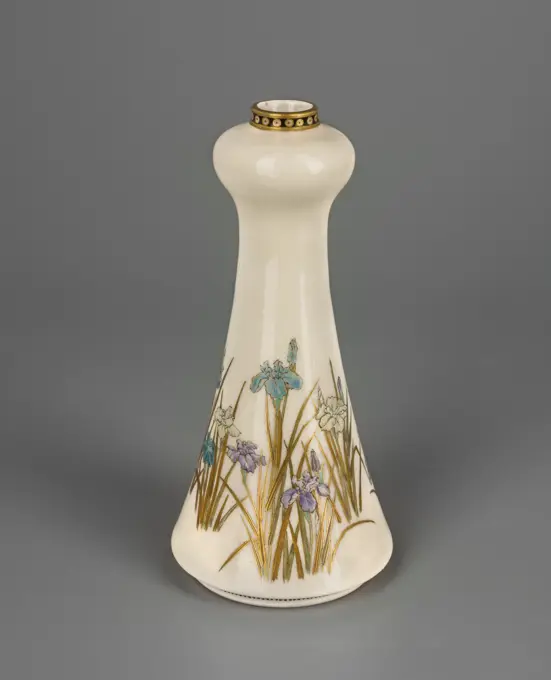
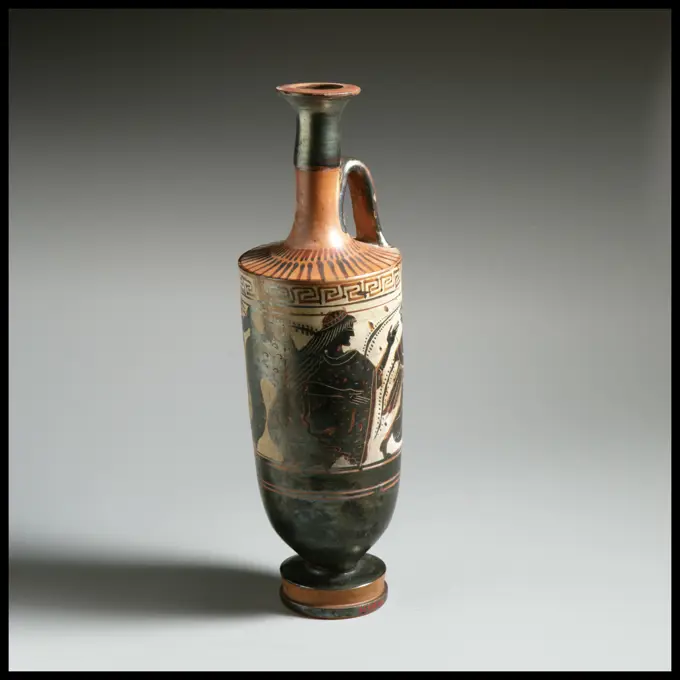
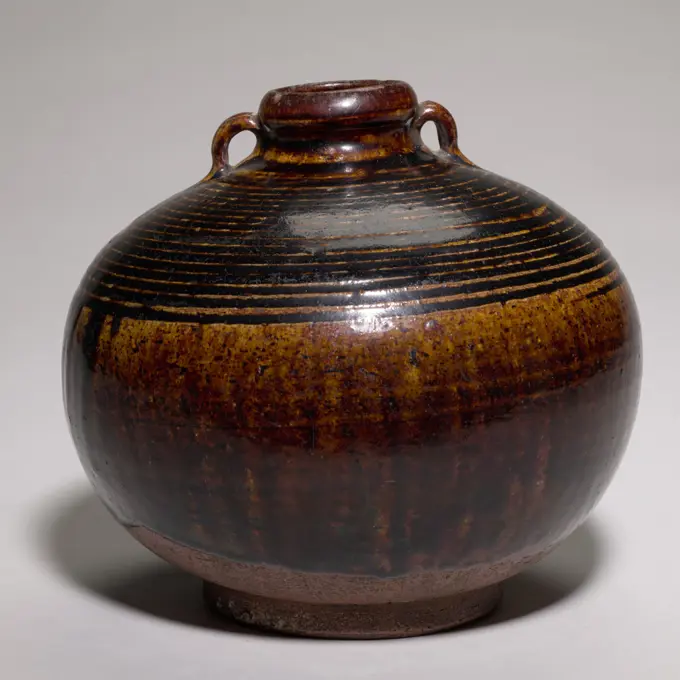
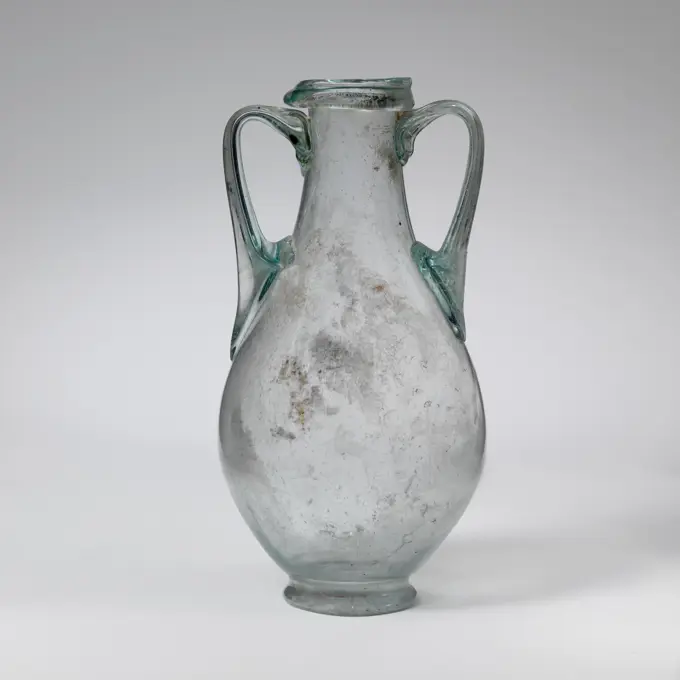
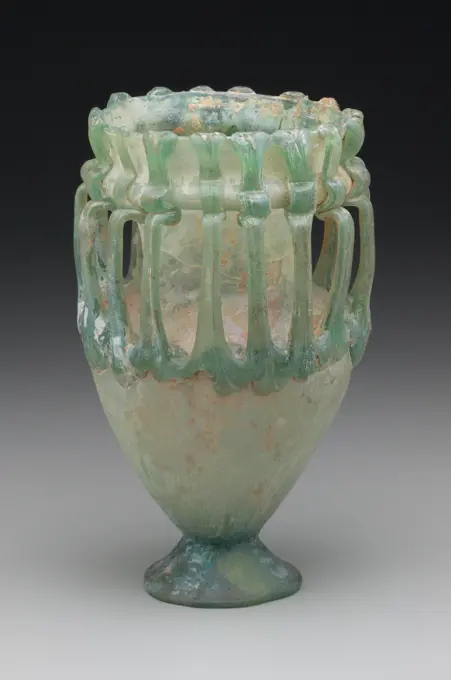
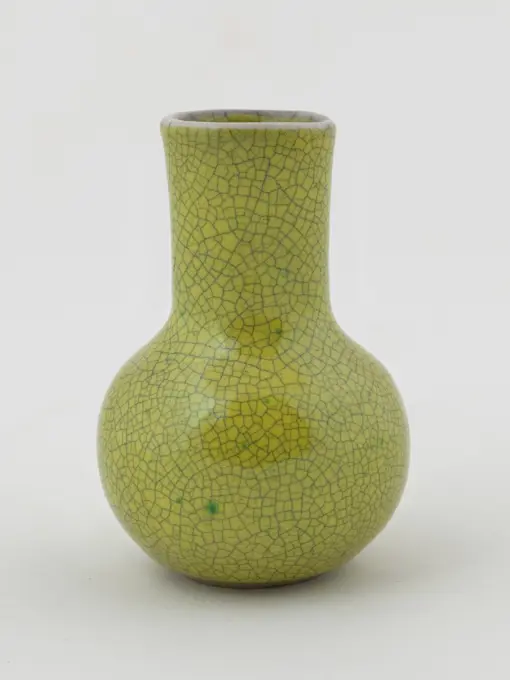
Decorative Glass Vases

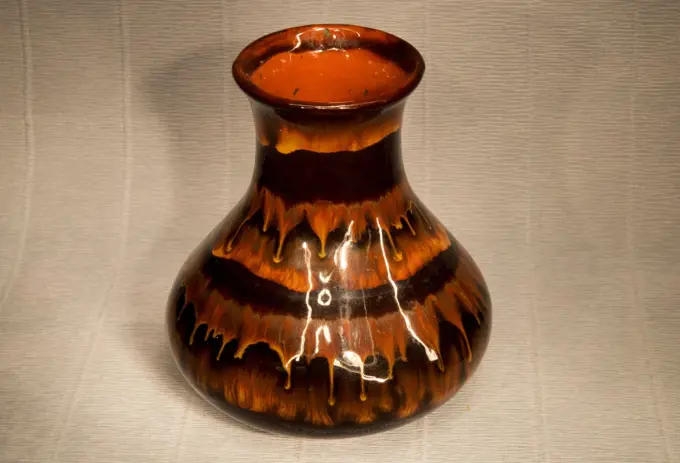
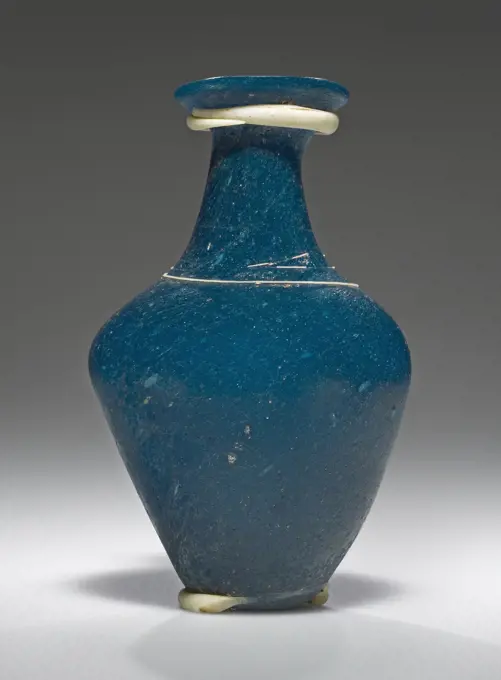
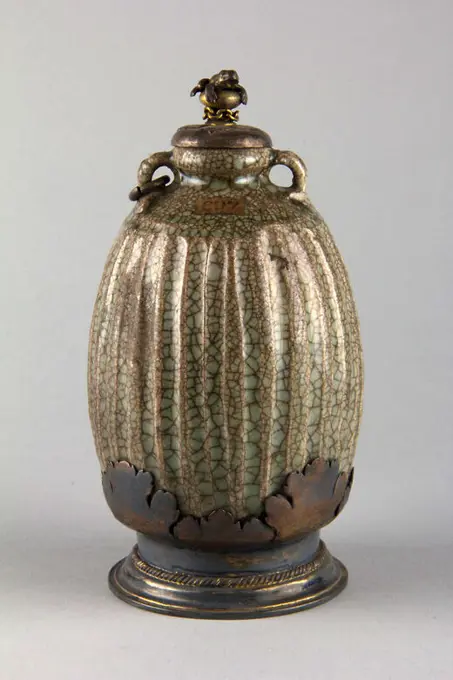
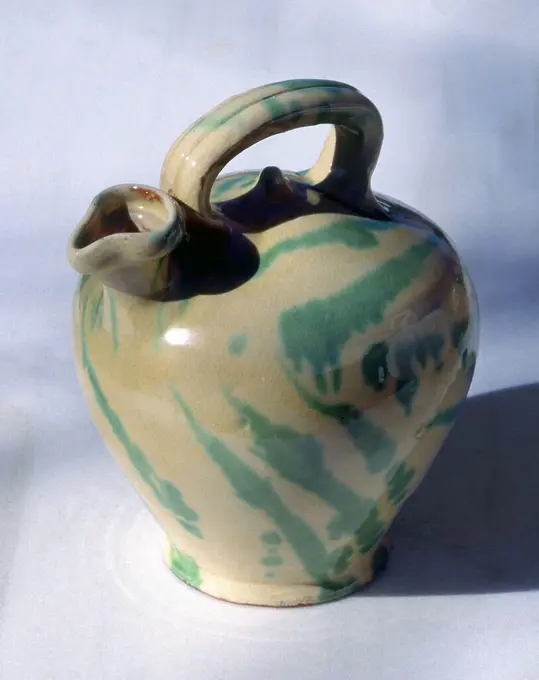
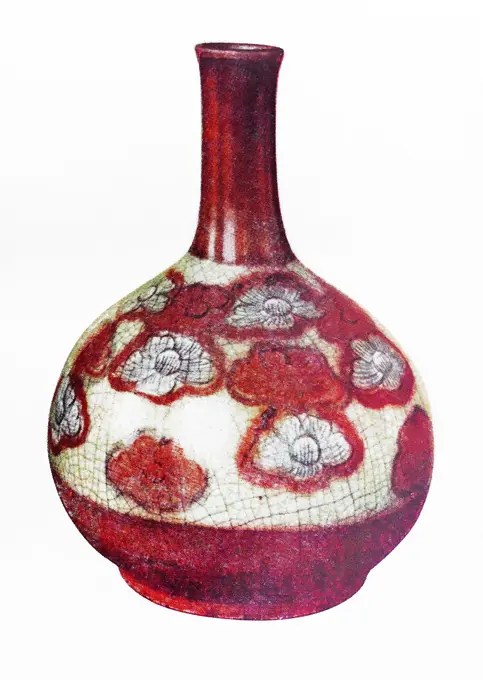
An assortment of uniquely designed glass and porcelain vases, highlighting different styles and eras, with elegant shapes and detailed decorations.
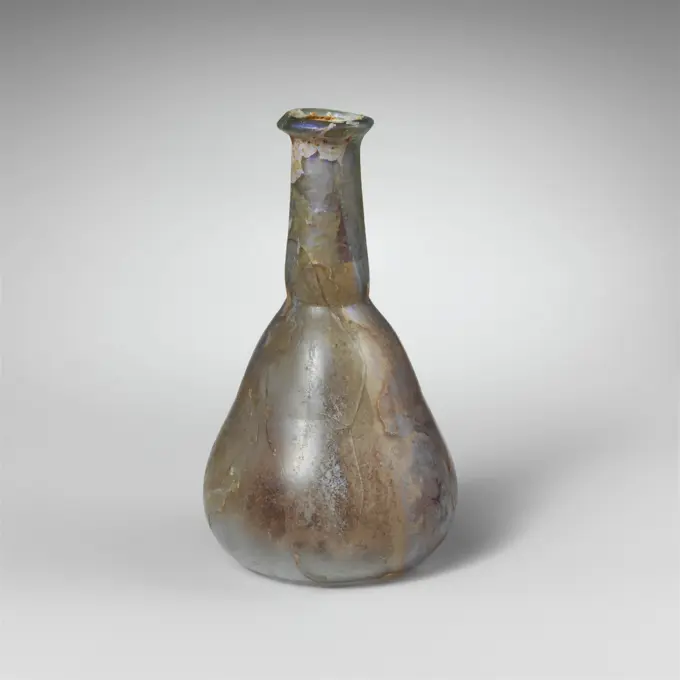
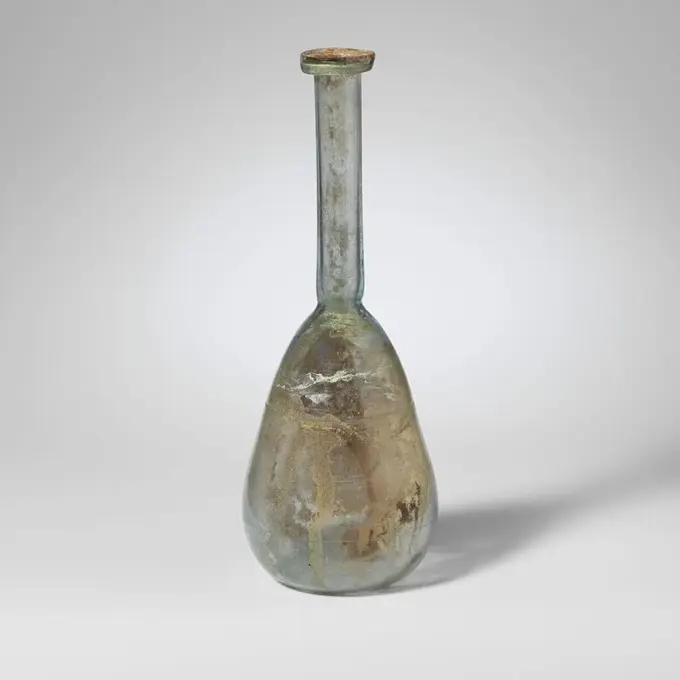
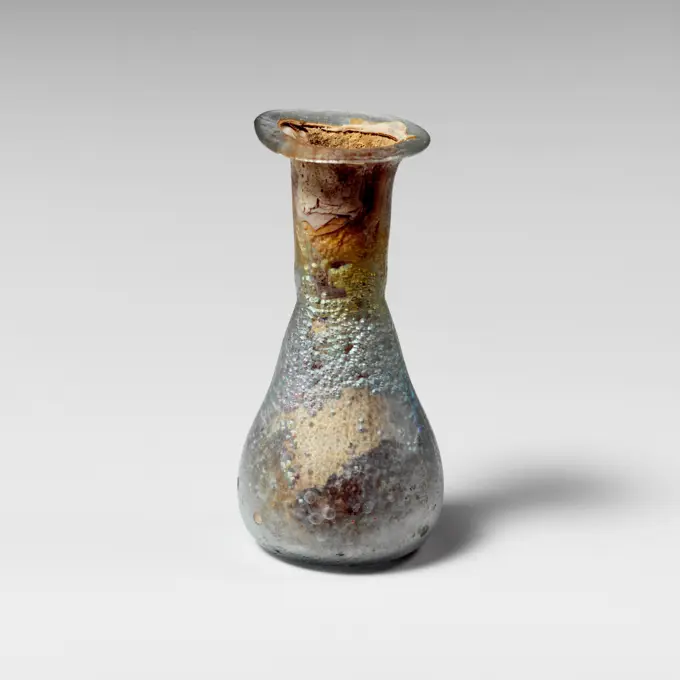
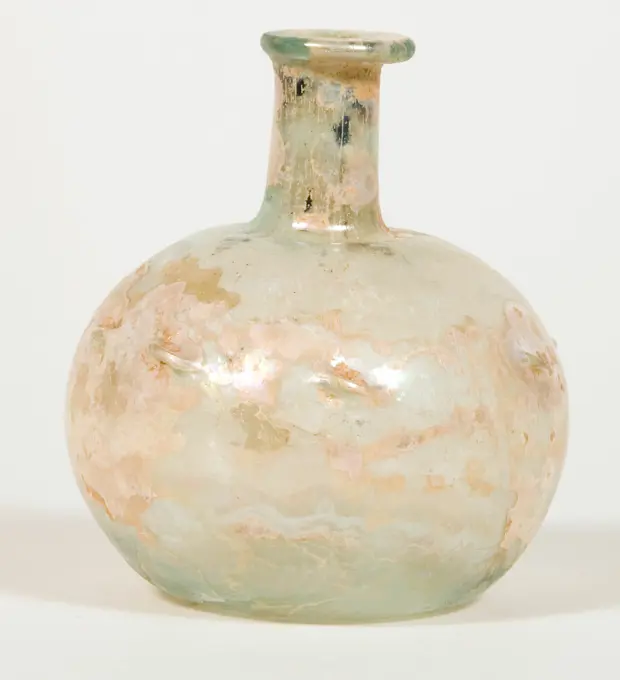
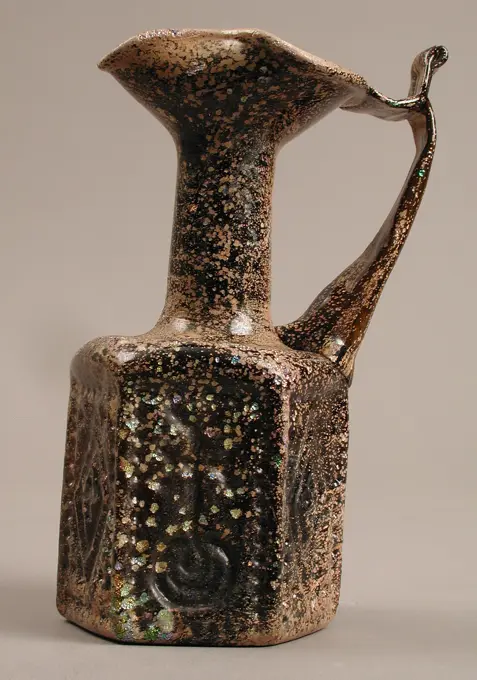
Glass perfume bottle 1st century A.D. Roman Translucent pale blue green.Rim folded out, over, and in, with beveled outer edge; slightly flaring mouth; cylindrical neck expanding downwards, with tooling indent around base; ovoid body; flat bottom.Horizontal tooled indent around center of body.Complete, but large cracks in neck and body; some pinprick bubbles and blowing striations; patches of faint iridescent weathering on exterior, soil encrustation and weathering on interior with loose soil inside bottle.. Glass perfume bottle 244677
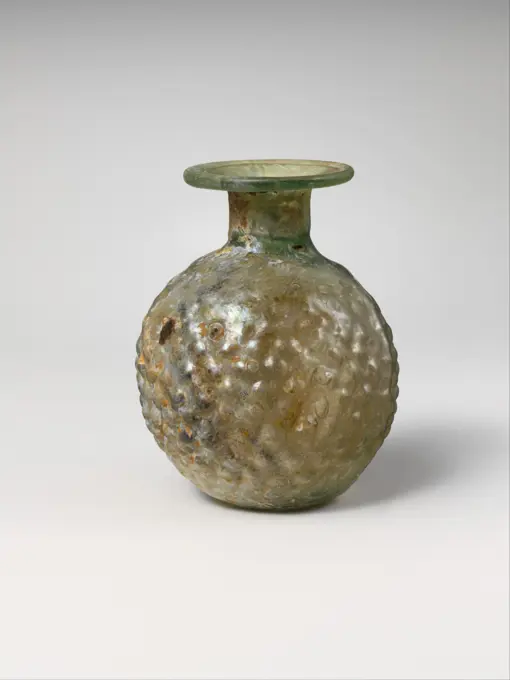
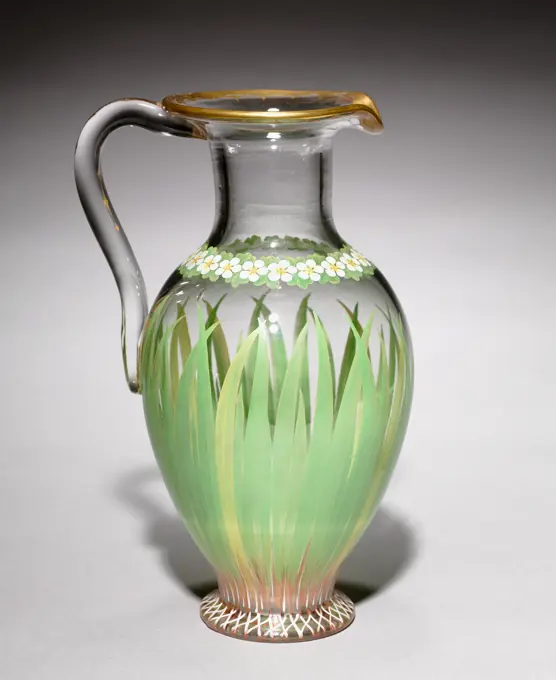
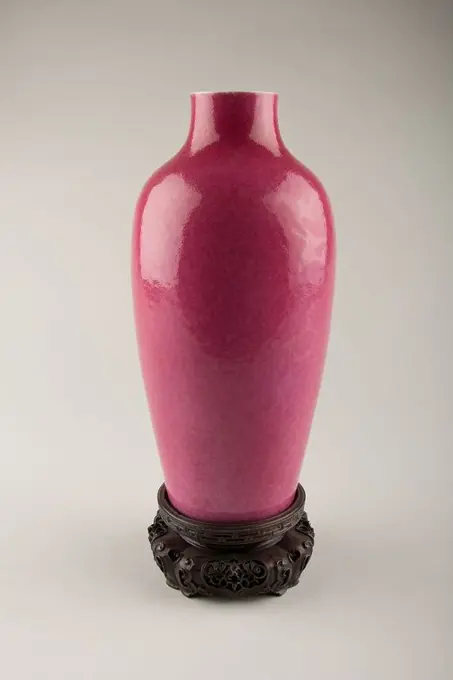
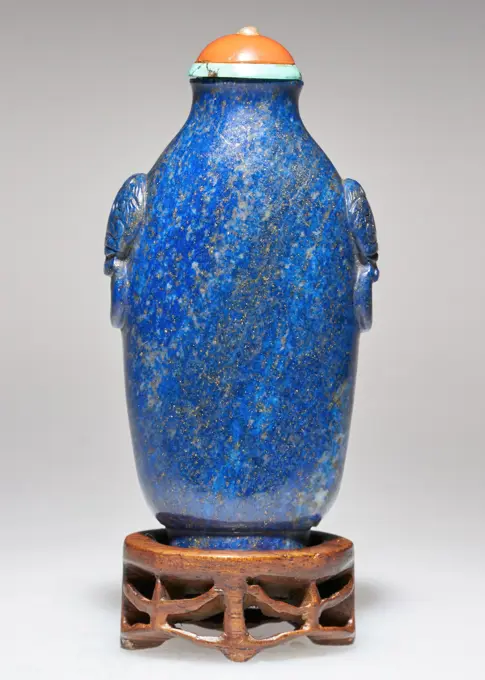
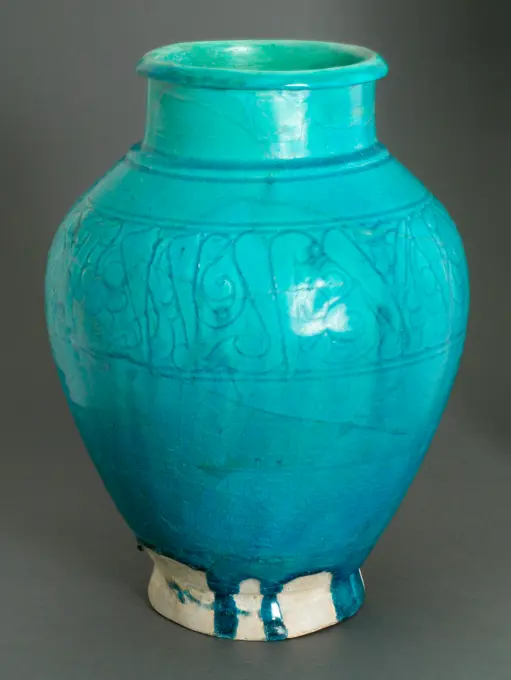
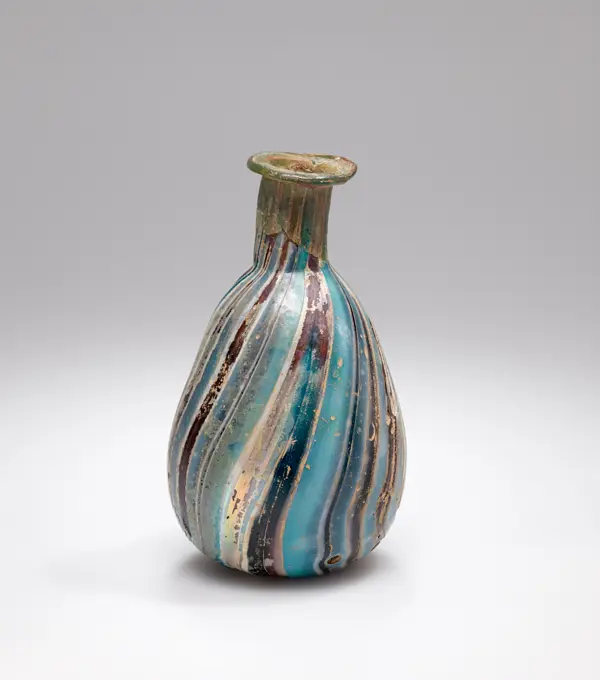
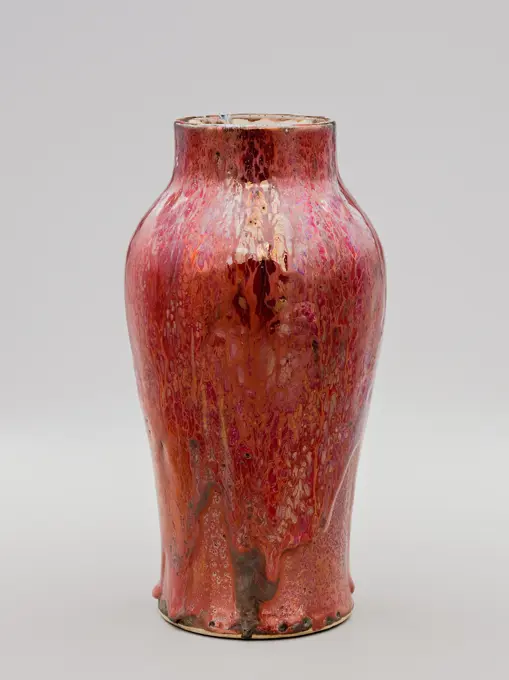
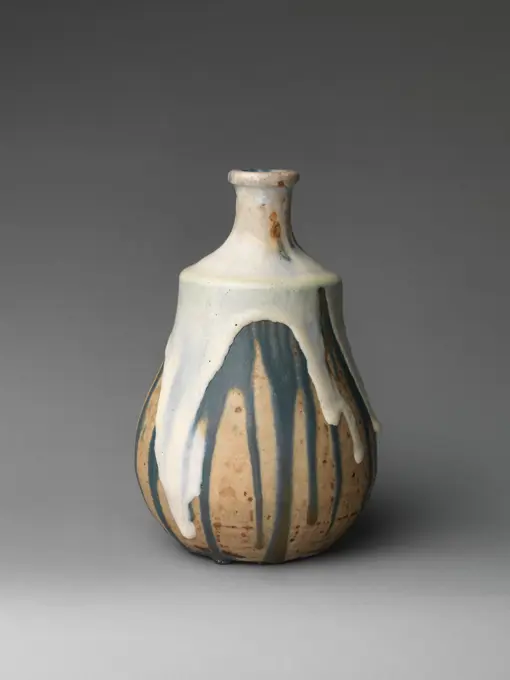
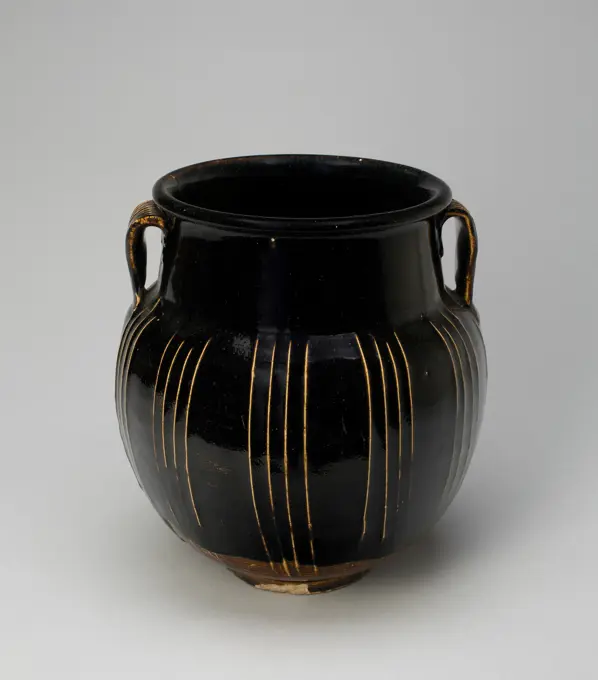
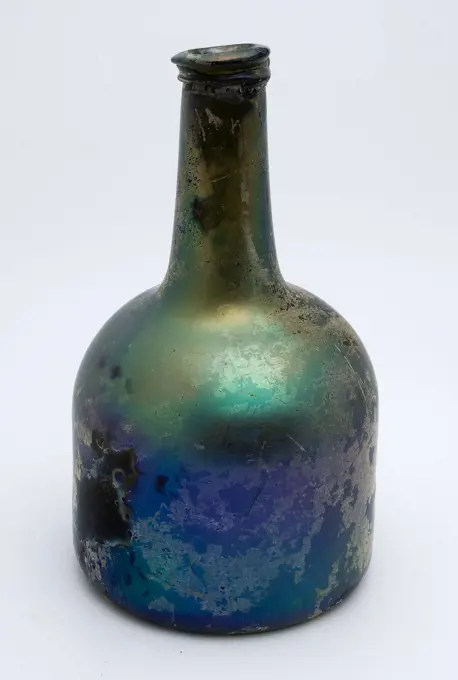
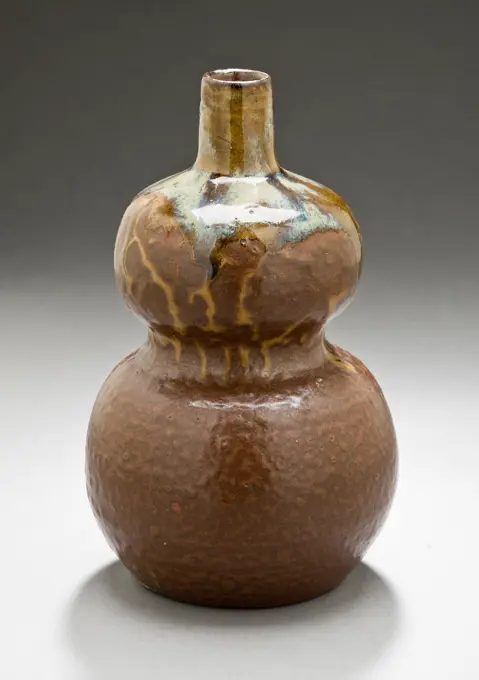
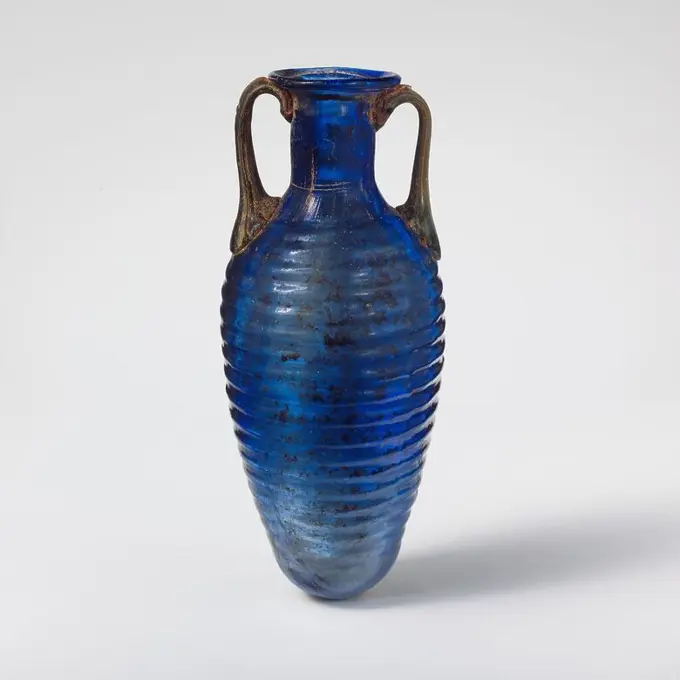
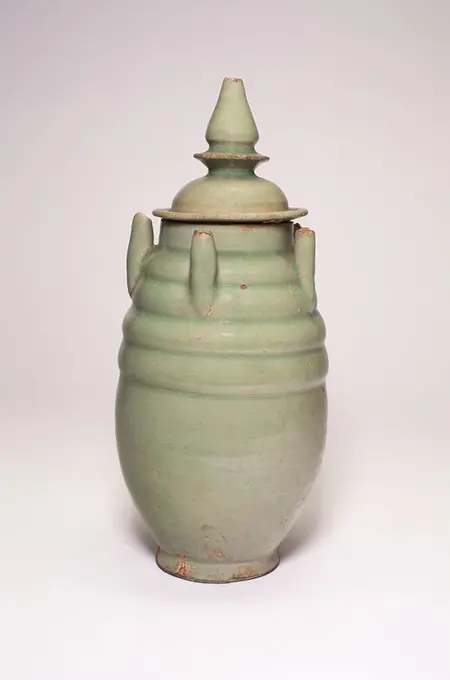
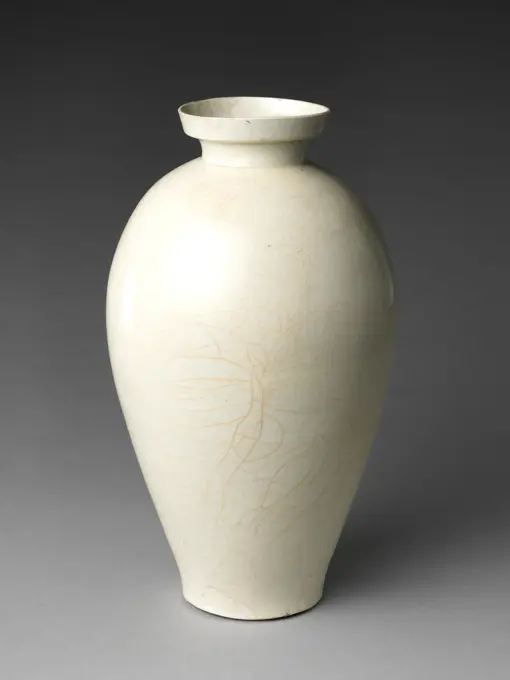
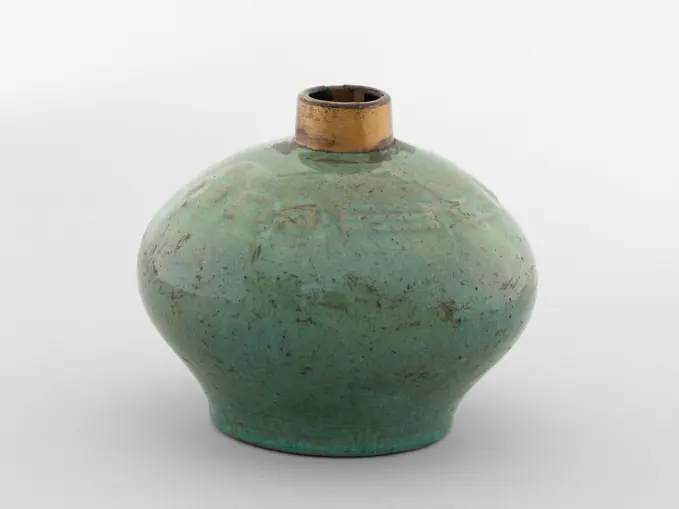
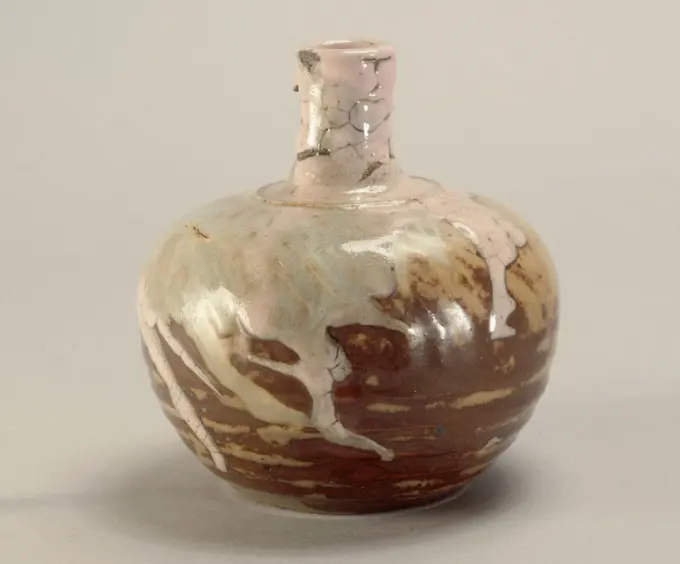
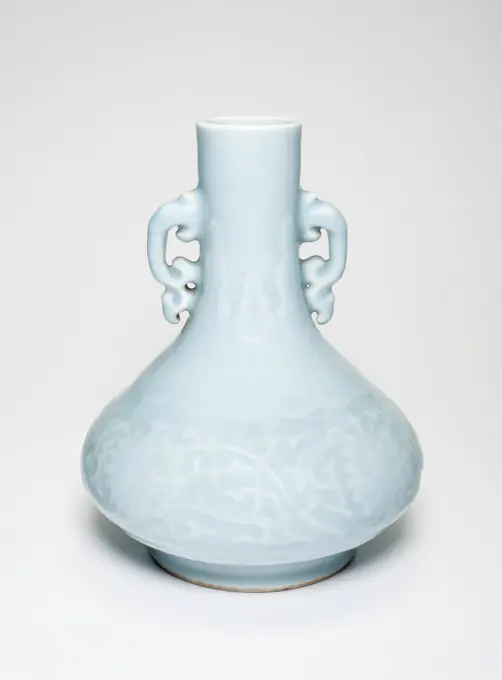
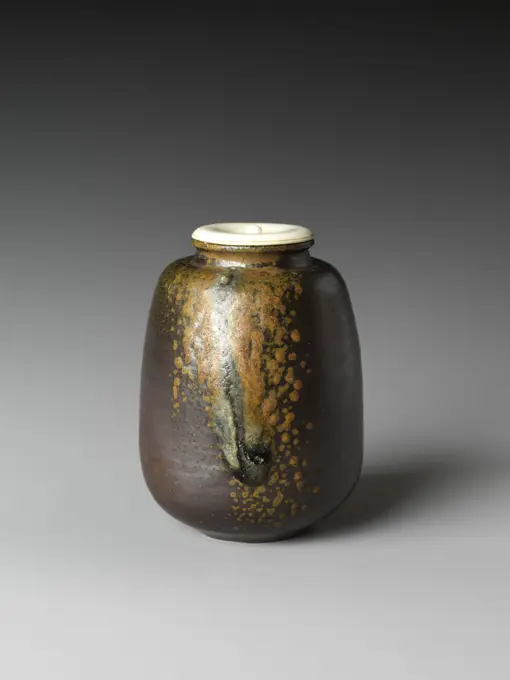
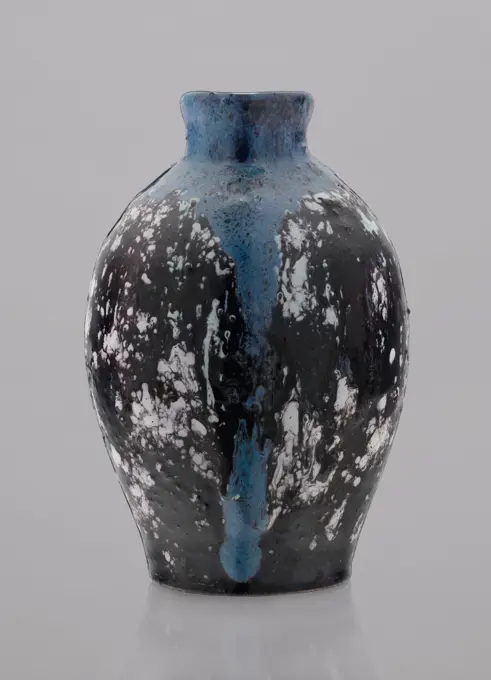
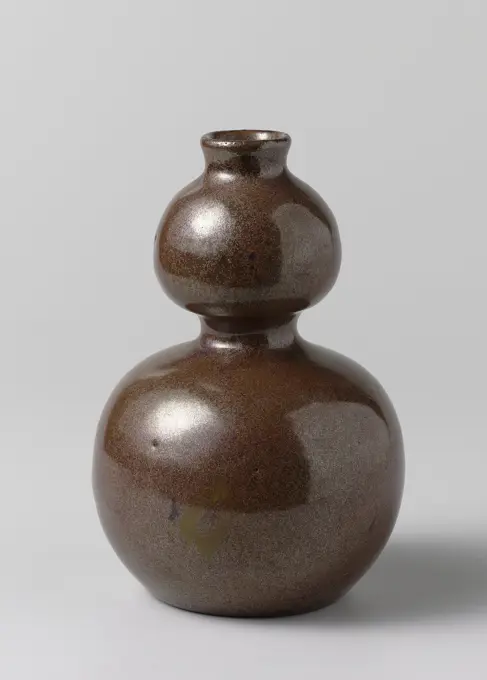
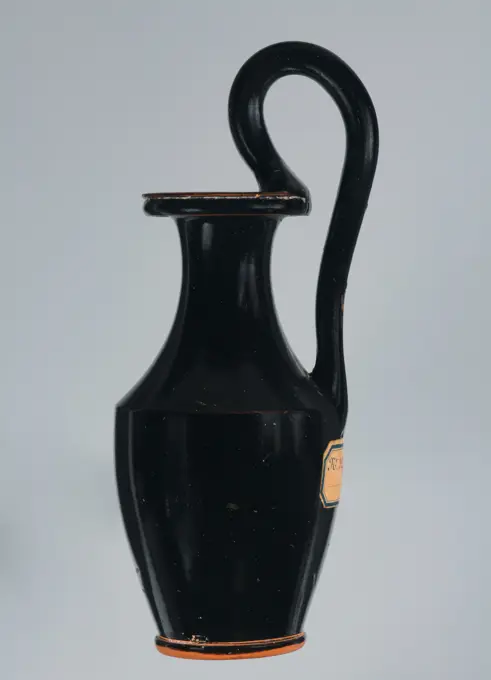
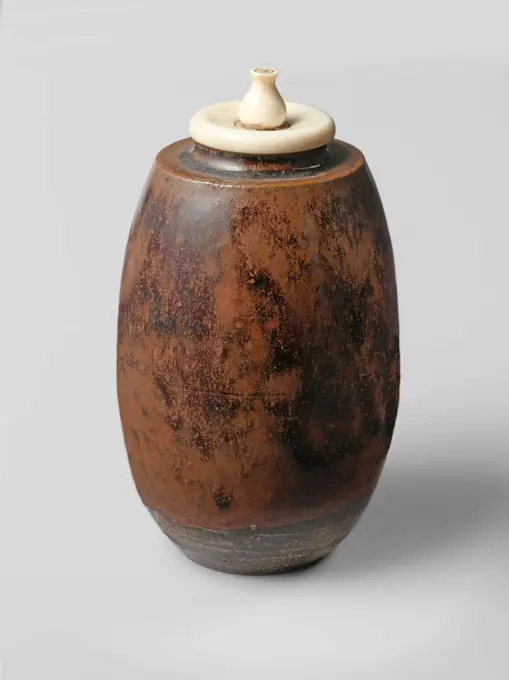
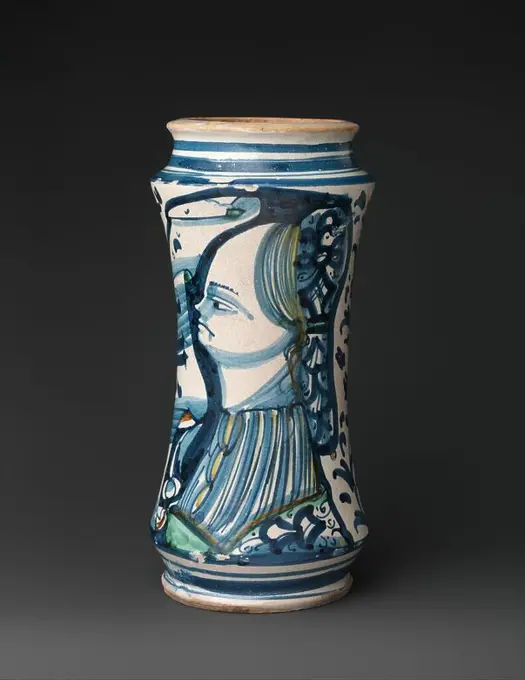
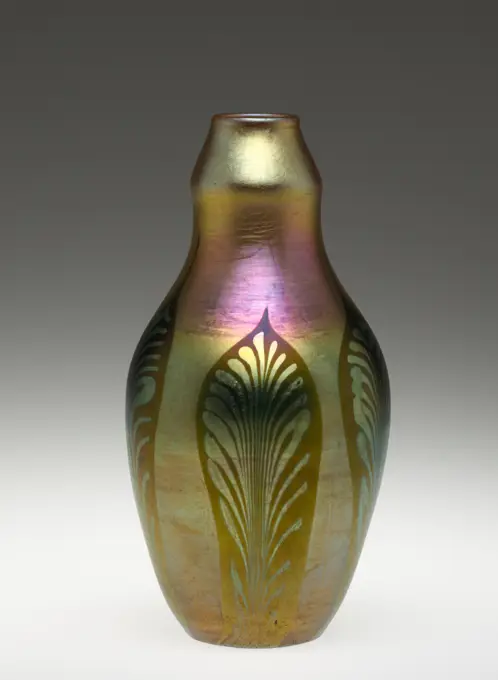
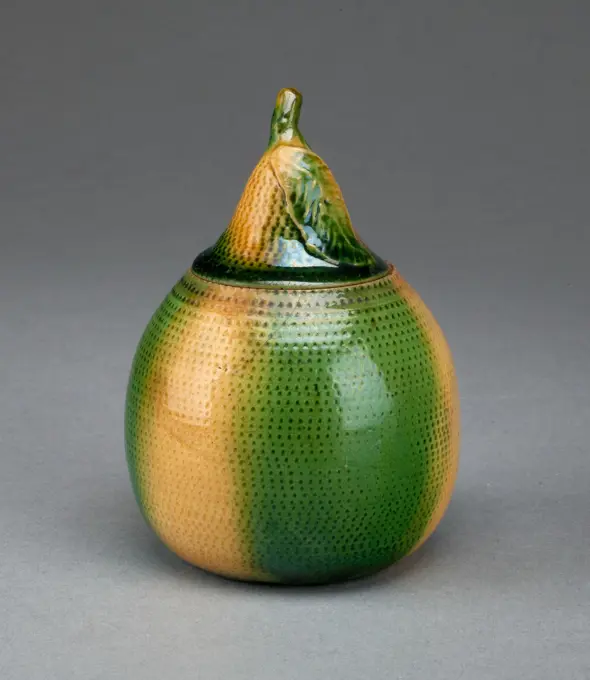
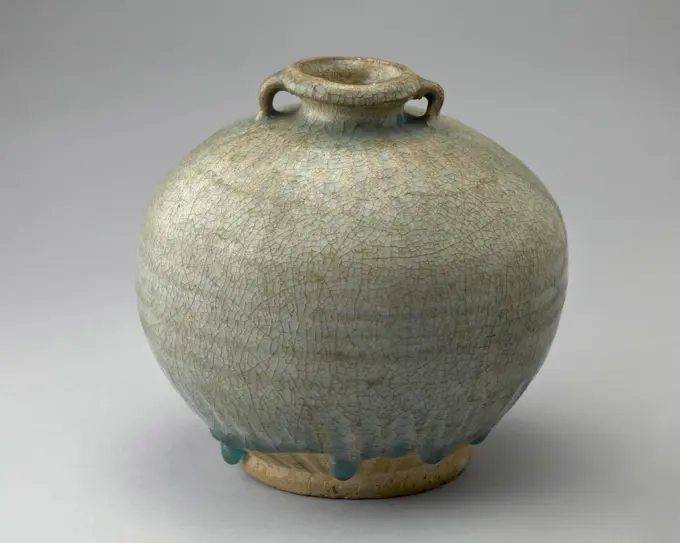
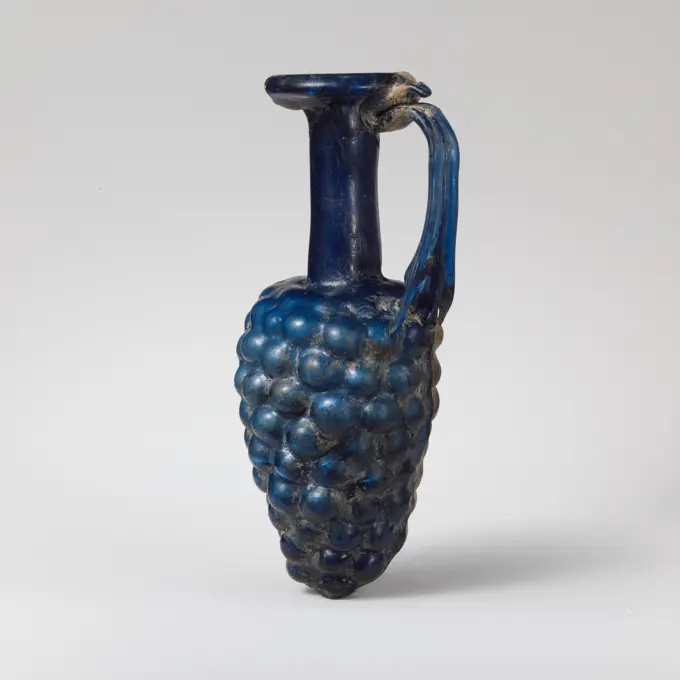
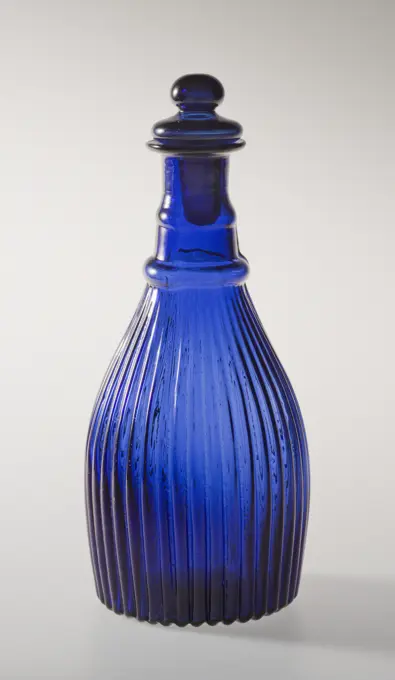
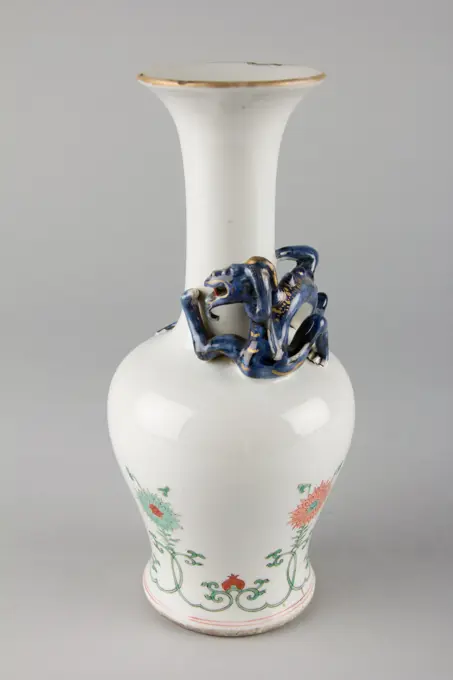
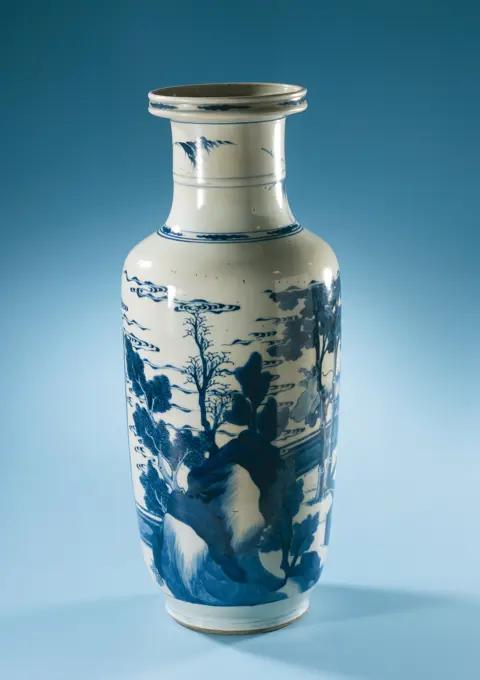
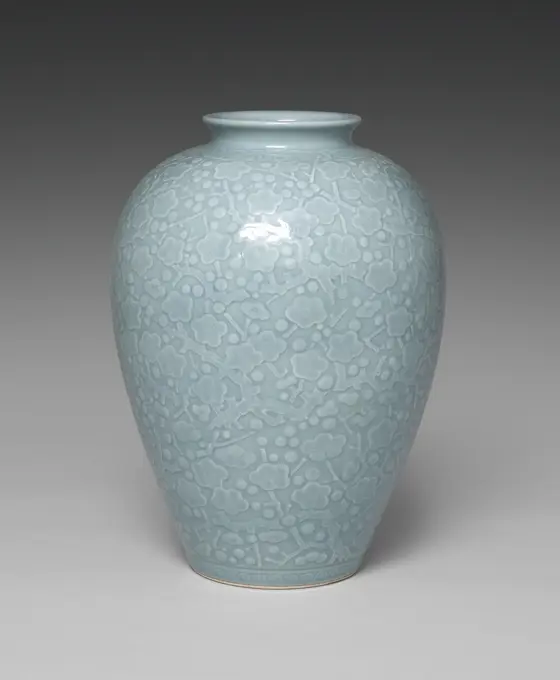
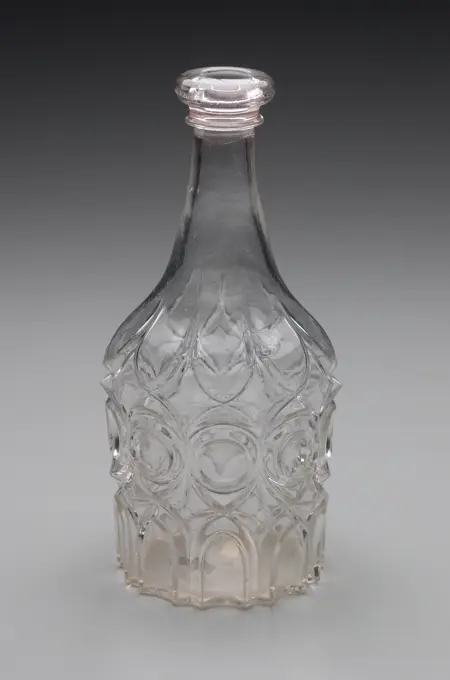
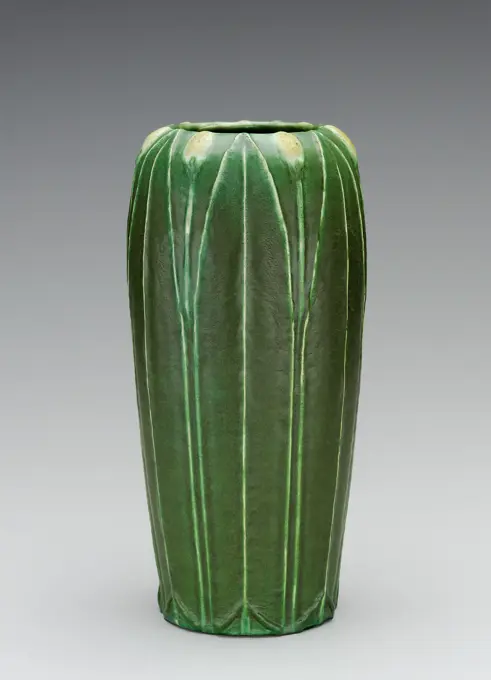
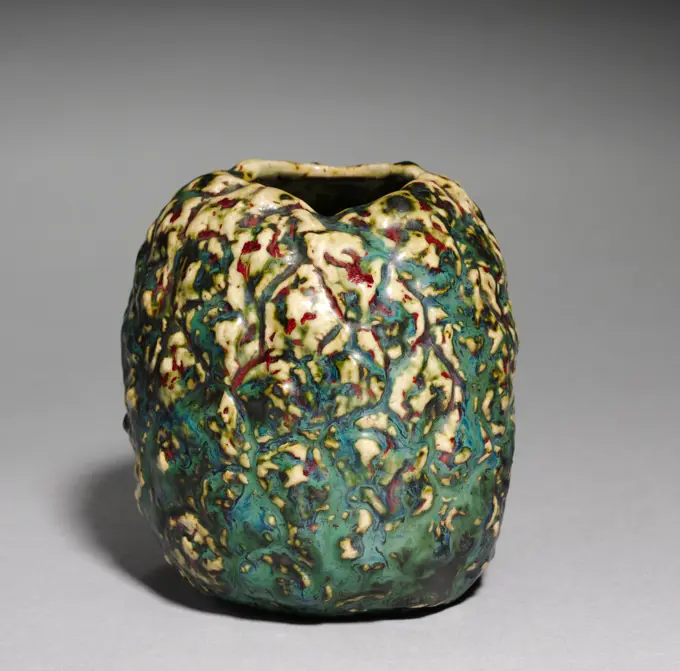
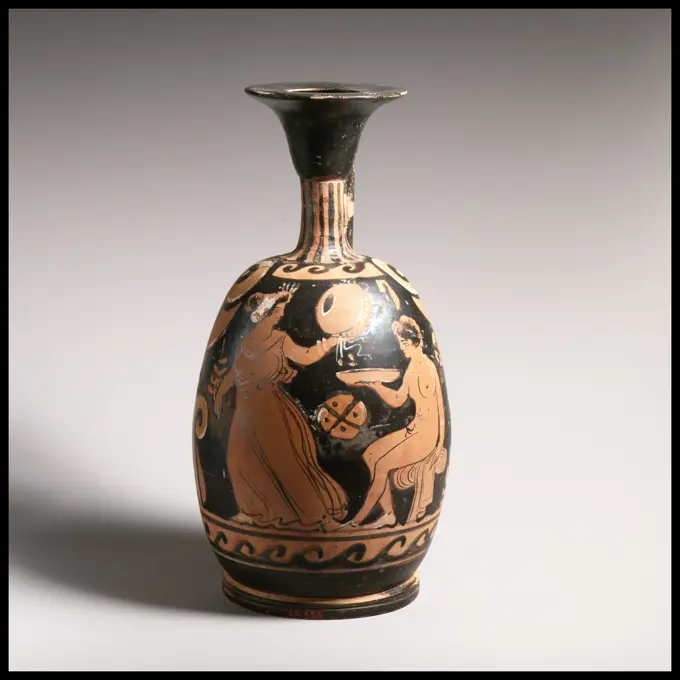
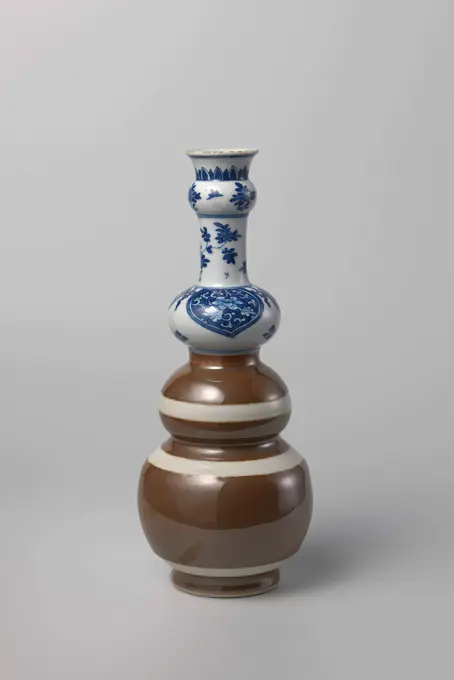
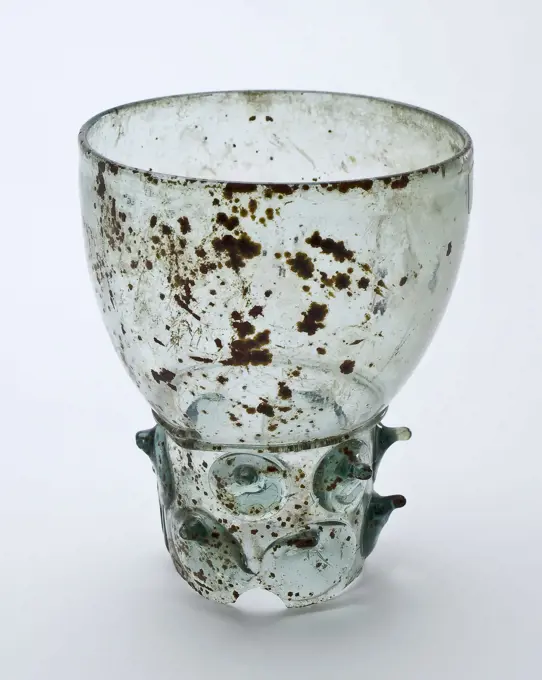
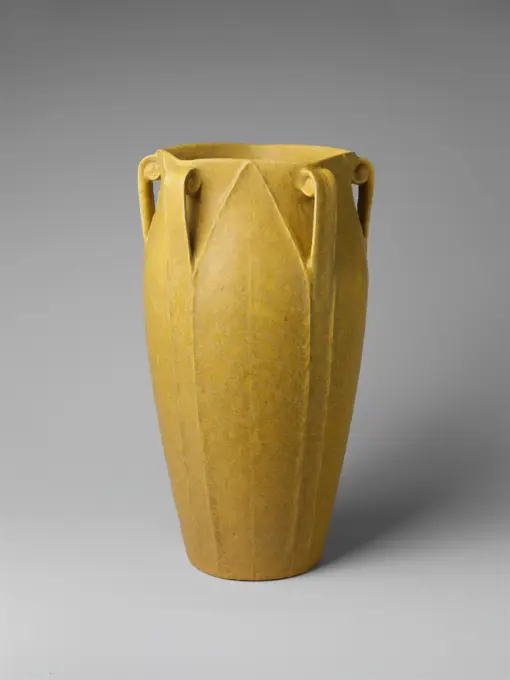
Glass perfume bottle 1st century A.D. Roman Translucent pale blue green.Rim folded out, over, and in, with beveled outer edge; slightly flaring mouth; cylindrical neck expanding downwards, with tooling indent around base; ovoid body; flat bottom.Horizontal tooled indent around center of body.Complete, but large cracks in neck and body; some pinprick bubbles and blowing striations; patches of faint iridescent weathering on exterior, soil encrustation and weathering on interior with loose soil inside bottle.. Glass perfume bottle 244677Vase with Ox Masks and Upright and Curling Leaves 1127-1279 China. Qingbai ware; glazed porcelain with underglaze carved and molded decoration .Glass sprinkler flask 4th century A.D. Roman Translucent pale green with blue tinge.Broad horizontal rim folded out, down, round, and in; cylindrical neck, with constriction at base; globular body; small concave bottom. Tow prominent mold seams run down sides of body.On body, overlapping lozenge pattern of small raised knobs, indistinct at top and bottom.Intact, except for two tiny holes in body; some bubbles; dulling, pitting of surface large bubbles, iridescence, and patches of encrusted weathering on exterior, encrustation and brilliant iridescent weathering on interior.. Glass sprinkler flask 249483Bottle with Bamboo Fluting. Korea. Date: 1201-1300. Dimensions: H. 35.4 cm (13 15/16 in.); diam. 18.6 cm (7 5/16 in.). Stoneware with celadon glaze and underglaze carved and incised decoration. Origin: Korea. Museum: The Chicago Art Institute, Chicago, USA.Wine bottle with wine from the wreck of the East Indians' t Vliegend Hart ,, 1700 - 1735 wine Uivid wine bottle of green glass filled with red (port) wine and closed with cork and wire. Netherlands glassSicilian Vase c 1878 New Bedford. This vase exemplifies the first group of artistic glassware patented by the Mount Washington Glass Company. Frederick S. Shirley, an English-born and trained glassmaker, introduced the Sicilian line, which was inspired by excavations of the ancient city of Pompeii in the 1860s and included the chemical elements of volcanic lava in its ingredients. Shirley also developed the process of fusing separate shards of glass in the body of his Sicilian wares, resulting in the unusual appearance of these vibrantly colored vessels.. Glass . Frederick S. ShirleyBottle, anonymous, 1685 Soul inserted. Spherical body, transfer in a slender neck, around which a drip ring has been laid. On the body, Italian letters are calligraphy "that is in Zwaer." On the underside of the abdomen under the word 'te' is engraved 'syrach.cap.3.vs 23'. At the bottom of the soil 'it is large giving to want something big loose; Anyone who first weighs his powers will not tell himself '. Around the pontil brand 'Willem van Heemskerk AE 721 AO 1685'.2 glassblower: Low CountriesLeiden glass glassblowing Soul inserted. Spherical body, transfer in a slender neck, around which a drip ring has been laid. On the body, Italian letters are calligraphy "that is in Zwaer." On the underside of the abdomen under the word 'te' is engraved 'syrach.cap.3.vs 23'. At the bottom of the soil 'it is large giving to want something big loose; Anyone who first weighs his powers will not tell himself '. Around the pontil brand 'Willem van Heemskerk AE 721 AO 1685'.2 glassblower: Low CountriesJug, 1847. Richard Redgrave (British, 1804-1888), J. F. Christy, Stangate Glass Works (British). Glass, enamel decoration; overall: 26.7 x 17.2 cm (10 1/2 x 6 3/4 in.).Vase. Culture: China. Dimensions: H. 8 1/4 in. (21 cm). Museum: Metropolitan Museum of Art, New York, USA.Vase China. Vase. China. Porcelain with turquoise glaze. Qing dynasty (1644-1911). CeramicsBlue Flask probably 18th-19th century. Blue Flask 444751Bottle vase. Acquired by the artist at the World's Fair 1900 in ParisBelly bottle, hammer bottle, bottle holder bottomfound glass, free blown and shaped glass application Bulky bottle in clear green glass. Pontil mark underneath wide raised bottom Body with almost straight up wall to convex shoulders and rejuvenated (dm 5.0 - 2.5 cm) crooked neck with imposed all-round sharp glass thread and dilated lip archeology packagingSnuff Bottle, 17th-19th century, 3 x 1 1/2in. (7.6 x 3.8cm), Lapis lazuli, China, 17th-19th centuryVase. Egypt or Syria, 12th century. Ceramics. Fritware, incised and glazedFlask. UnknownVase ca. 1896-1908 Dedham Pottery Steeped in ceramics from birth, Hugh C. Robertson pursued his craft with fierce devotion and a passion for experimentation. From a family of trained English ceramists, he honed his skills in New Jersey before settling in Massachusetts as one of the founders of Chelsea Keramic Art Works and later, Dedham Pottery. Robertsons lifelong explorations in glazes, particularly their color and texture, make him one of the key figures of American art pottery at the turn of the twentieth century.From Chelsea to Dedham, Robertson continued to pursue his passion for innovation, employing the grayish-white stoneware used for Dedhams dinnerware to throw simple forms covered with bold combinations of colored and textured glazes. Despite his financial backers stipulation against further research into sang-de-boeuf, or oxblood, glazes, Robertson did not entirely abandon that costly pursuit. Many of his Dedham vessels have brilliant layerings of red and purple glazes. Gourd vase ca. 1890 Jean-Joseph Carriès French The earth tones and the natural aesthetic of the freely applied glazes, which drip down the sides of these two vases, reveal a Japanese influence. When Japanese stoneware was exhibited in Paris in 1878 it caused a sensation among critics and ceramicists. French art-potters such as Carriès valued the roughness of Japanese pots, a welcome contrast to the machine-like perfection of ceramics being produced in France at the time.. Gourd vase 239563Ovoid Jar with Vertical Ribs and Two-Loop Handles 1100-1234 China. Northern black ware; Cizhou type; glazed stoneware with trailed white slip .Cylindrical bottle, clock model, wine bottle bottle holder soil find glass, with imposed all-round sharp glass thread and flattened lip with shallow chip archeology Rotterdam City Triangle Mariniersweg packing Soil discovery Mariniersweg Rotterdam 20 June 1983.Ernest Chaplet (1835-1909). Vase. Flammed porcelain. 1894. Museum of Fine Arts of the City of Paris, Petit Palais. 60190-2 Flamee porcelain, vaseMaker Unknown, Miniature Bottle, c. 1830-c. 1870, aquamarine glass.Gourd-shaped Sake Bottle. Japan, Edo period, early 19th century. Ceramics. Shōdai ware; stoneware with ash glazesGlass amphoriskos with horizontal ribs. Culture: Roman. Dimensions: H. 4 5/16 in. (11 cm); diameter 1 13/16 in. (4.6 cm). Date: 2nd half of 1st century A.D..Translucent cobalt blue, with handles in a semi-opaque mixture of blue, white, and yellowish brown.Rim folded out, over, and in; flaring, uneven mouth; cylindrical neck with irregular horizontal ridges and indents around top; ovoid body, tapering to plain, rounded bottom; two rod handles attached to upper body in pads, drawn up and in, then pressed onto top of neck and underside of rim. One continuous mold seam around body, extending to top of neck.Body decorated with eighteen concentric, horizontal ribs.Intact; some bubbles; slight dulling and weathering on exterior, with some soil encrustation on neck and around handles, encrustation, weathering, and brilliant iridescence on interior.Translucent blue bottle with opaque, bluish handles. Museum: Metropolitan Museum of Art, New York, USA.Covered Jar with Spouts. China. Date: 960 AD-1279. Dimensions: H. 29.8 cm (11 3/4 in.); diam. 15.9 cm (6 1/4 in.). Stoneware with celadon glaze. Origin: China. Museum: The Chicago Art Institute, Chicago, USA.Vase with red lust glaze, Pilkington & Co, 1909 Vase of earthenware with slender neck, covered with red lust glaze. Lancashire earthenware vitrification Vase of earthenware with slender neck, covered with red lust glaze. Lancashire earthenware vitrificationVase 11th-12th century China Before the flowering of blue-and-white ware at this site in the fourteenth century, the kilns at Jingdezhen were producing thin porcelain covered with a pale bluish green glaze that is known as Qingbai ware (literally green-white ware). This vase is a rare example of early Qingbai pieces in which the glaze is very thin and very pale. In later pieces, the Qingbai glaze is the pale blue-green that is most commonly associated with the term celadon today.. Vase. China. 11th-12th century. Porcelain with celadon glaze (Jingdezhen Qingbai ware). Northern Song dynasty (960-1127). CeramicsFlower vase (Ichirin-ike). Porcelain, Japan, Banko factory, 18th century. Paris, Cernuschi museum. Fleur, Ichirin-ike, Japan, Japanese, Banko Manufacture, Porcelain, VaseJean Carriès (1855-1894). "Small bottle pot". Enameled sandstone. Museum of Fine Arts of the City of Paris, Petit Palais. 24203-14 Ceramic, gres emaille, small bottle potVase with Leaf Scroll Handles and Floral Spray Design 1736-1795 China. Porcelain with clair de lune glaze .Vase, Favrile glass, Transparent blue glass with bulging midriff; stepped shoulder; medium neck, flaring lip; low, broad foot. Deep blue lip and shoulder blending into pale blue neck, upper shoulder and body, the latter marbled with iridescent mauve-pink., USA, ca. 1900, glasswares, Decorative Arts, VaseTea Caddy (Chaire) 17th century Japan. Tea Caddy (Chaire). Japan. 17th century. Stoneware with natural ash glaze (Bizen ware). Edo period (1615-1868). CeramicsVase; 1935 (1935-00-00-1935-00-00);Gourd-shaped vase with a 'tea-dust' glaze, anonymous, c. 1800 - c. 1899 Calebas-shaped vase of stoneware with a short, slightly spreading neck, covered with a bronze-colored glaze (tea-doS). The underside is unglazed. Old label on the bottom with 'W842'. Japan stoneware. glaze vitrification Calebas-shaped vase of stoneware with a short, slightly spreading neck, covered with a bronze-colored glaze (tea-doS). The underside is unglazed. Old label on the bottom with 'W842'. Japan stoneware. glaze vitrificationpitcher on a gray backgroundAntique glass 1898, Middle EastGlass bottle. Culture: Roman. Dimensions: 8 1/8 in. (20.7 cm)Other: 3 1/16 in. (7.7 cm)Diam. of rim: 1 1/8 in. (2.8 cm). Date: 1st-early 2nd century A.D..Translucent pale blue green.Collared rim, with vertical, rounded lip; slender, cylindrical neck, tooled in around base; piriform body; concave bottom.Wheel-abraded decoration on body in horizontal bands; single fine line at top, then band of two fine lines flanking a broader groove, two more fine lines, and a single fine line at point of greatest diameter.Broken and repaired around body with two small holes in side; some elongated, large, and pinprick bubbles; patches of enamel-like weathering and iridescence. Museum: Metropolitan Museum of Art, New York, USA.Jar (China); molded, glazed hard-paste porcelainBlack vernished Oinochoe (jug). unknown, authorVase with Stylized Petals 1100-1368 China. Stoneware with black and brown glazes .Flask; Eastern Mediterranean; 1st century; Glass; 6.2 cm (2 7,16 in.). Fabric tea bus or chair of stoneware with an ivory lid, partly covered with a brown glaze. The lower part of the bus is unglazed. Old label on the inside with 'ko seto'. Seto.Close-up of a vase, Borgo San Lorenzo, Mugello, Florence, Tuscany, ItalyBottle, bottle holder soil find glass, archeology packaging wine drinkBelly bottle in olive green glass, affected and irridescent, wine bottle abdominal bottle bottle holder soil find glass, free blown Round-bellied bottle in clear olive green glass. Unclear pontilemark on underside at the bottom. Ascending soul (4.5 cm). Round belly with slightly flattened sides to round shoulders and rejuvenated neck. Sharp glass-laid glass thread 0.5 cm under mouth. Flatten narrow mouth with widened lip archeology packagingPharmacy jar (albarello). Culture: Italian, probably Naples district or Vietri sul Mare. Dimensions: Overall (confirmed): 10 7/8 × 4 7/8 × 5 7/8 in. (27.6 × 12.4 × 14.9 cm). Date: ca. 1530-60.Very similar female profiles are painted on the fronts of these jars (see also 41.100.268), while the backs are decorated with simpler vegetal motifs. Museum: Metropolitan Museum of Art, New York, USA.Gourd-Shaped Ewer with Twisted Rope Handle, Lotus Leaves, and Floral Sprays. Korea. Date: 1100-1200. Dimensions: H. 7 3/4 in. Stoneware with celadon glaze and underglaze carved decoration. Origin: Korea. Museum: The Chicago Art Institute, Chicago, USA.Vase. Culture: China. Dimensions: H. 18 1/2 in. (47 cm). Museum: Metropolitan Museum of Art, New York, USA.Vase, c. 1900-1902. Louis Comfort Tiffany (American, 1848-1933), Tiffany Glass & Decorating Company (American, New York, 1892-1902). Favrile glass; overall: 16.5 x 8.3 cm (6 1/2 x 3 1/4 in.). This small vase is made of Louis Comfort Tiffany's signature Favrile glass. Early on when Tiffany began collaborating with glass artists on new types of production, his aesthetic ambitions were realized in the development of Favrile glass, deliberately named to sound French, expensive, and handmade.” Largely through Tiffany's marketing ability, Favrile glass became America’s greatest contribution to the Art Nouveau style. His works were exhibited at international expositions; galleries in major European cities, where his creations were bought by many museums; and in his store in Manhattan, known as the Tiffany Glass and Decorating Co., later Tiffany Studios. Along with the many shapes and sizes of his decorative vases, Tiffany used Favrile glass in mosaic panels, stained glass windows, and his aPitcher; Unknown Roman workshop; 2. PO. III-IV century (251-00-00-400-00-00);Glass jug. Culture: Roman. Dimensions: H.: 5 7/16 in. (13.8 cm). Date: 1st-2nd century A.D..Translucent green with blue tinge; handle in same color.Collared rim, folded over, down, round, and up, with a slight flaring outer lip, pressed back onto top of mouth in front of handle; cylindrical neck, expanding slightly downwards, with tooling indent at base around top of body; squat globular body; thick, pushed-in bottom, forming high dome on interior, with central pontil scar; broad, 3-ribbed handle applied to upper body, drawn up vertically, then turned in horizontally and trailed on to underside of rim and top half of neck.Complete but one crack in rim and inside of mouth; pinprick and larger bubbles, with many bubbles and some black impurities in handle; slight encrustation and weathering on exterior, patches of encrustation and iridescent weathering on interior. Museum: Metropolitan Museum of Art, New York, USA.Glass perfume bottle 1st century A.D. Roman Small perfume bottleTranslucent pale blue green.Uneven rim, folded out, over, and in; funnel-shaped neck, tooled in around base; piriform body; concave bottom.Intact; many pinprick and small bubbles; dulling and pitting on exterior, thick enamel-like weathering and brilliant iridescence on interior.. Glass perfume bottle 239772Container in the shape of a pear Made 1760-1770 Staffordshire .Bottle 1800-1830 American. Bottle 594Vase Vase; Designed by Theodorus Adriaan Christiaan Colenbrander (Dutch, 1841 - 1930); Manufactured by Rozenburg Pottery and Porcelain Factory (Netherlands); Netherlands; earthenwareVase - bottle. unknown, craftsmanVase bottle in ANSES (common name). Celadon coverage sandstone. Cernuschi Museum, Asia Museum of Asia in the city of Paris.Glass jug in the shape of a bunch of grapes ca. 3rd century A.D. Roman Translucent cobalt blue with same color handle.Thick rim folded out, over, and in, with beveled inner lip; flaring mouth; tall cylindrical neck; piriform body; round bottom; handle with three ribs, attached with open claws to top of body, drawn up, turned in onto top of neck and trailed off along underside of rim with projecting end. Body blown into a two-part mold, with seam running from base of neck down sides and around bottom.On body, a pattern of stylized grapes comprising nine irregular interlocking rows of hemispherical knobs.Broken and repaired, with part of rim and mouth missing (with weathered edges) and cracks around body and handle; some bubbles and a few black impurities; patches of dulling, iridescence, and thick limy weathering.Jug in the form of grapes, blue.. Glass jug in the shape of a bunch of grapes. Roman. ca. 3rd century A.D.. Glass; blown in a two-part mold. Late Imperial. GlassEwer probably 18th-19th century. Ewer 444774Jar. Korea, Korean, Joseon (1392-1910), 18th century. Furnishings; Serviceware. Wheel-thrown stoneware with clear glaze (baekja ware)Jug; Eastern Mediterranean; presumably 2nd century; Glass; 9.4 x 5.8 cm (3 11,16 x 2 5,16 in.)Vase. Culture: China. Dimensions: H. 6 5/8 in. (16.8 cm); Diam. (base) 3 1/8 in. (7.9 cm). Museum: Metropolitan Museum of Art, New York, USA.ACEITERA VIDRIADA Y DECORADA - ARTE POPULAR S XX. Location: ALFARERIA. LA BISBAL. GERONA. SPAIN.Bottle with floral design in underglaze and cinnabar. From the time of Joseon Dynasty (1392 - 1910)Vessel, mid 20th century, 28 1/2 x 18 3/4 in. (72.39 x 47.63 cm), Clay, Burkina Faso, 20th century, Large jars like this one, inherited via the chiefly female lineage, signaled the owners privileged status. Designed to preserve selected seeds, they are sometimes called 'granaries,' yet they could also store a womans valuables, particularly textiles. The raised patterns on the surface, unique to each vessel and representing the abdominal scarifications worn by Kurumba women, highlight the personal connection between the owner, the vessel, and its contents.Beaker. Culture: German. Dimensions: Overall: 4 5/8 x 2 15/16 in. (11.7 x 7.4 cm)at foot: 2 1/4 in. (5.7 cm). Date: 15th century.While not created for religious use, glass vessels of this type were sometimes used at the Seder, as illustrations from medieval manuscripts bear witness. Museum: Metropolitan Museum of Art, New York, USA.Jar 1895 Denmark. Earthenware . Svend HammershøiMaker Unknown, Cologne Bottle or Cruet and Stopper, c. 1820-c. 1840, cobalt blue glass.Vase with entwined dragon late 17th-early 18th century China. Vase with entwined dragon. China. late 17th-early 18th century. Porcelain painted in overglaze polychrome enamels, and relief decoration with dark blue glaze and gilt (Jingdezhen ware). Qing dynasty (1644-1911), Kangxi period (1662-1722). CeramicsVase with a fenced garden with figures in a pavilion, anonymous, c. 1680 - c. 1700 Vase of porcelain with a cylindrical body that widens light towards the shoulders, a wide cylindrical neck with a sharp, raised edge with a double ring. Painted in underlaze blue. On the wall a fenced garden with a group of people in a pavilion. Several women, dignitaries and servants stand and sit around a kneeling man. Bamboo on the neck; The underside with a double circle. Blue White. China porcelain. glaze. cobalt (mineral) painting / vitrification Vase of porcelain with a cylindrical body that widens light towards the shoulders, a wide cylindrical neck with a sharp, raised edge with a double ring. Painted in underlaze blue. On the wall a fenced garden with a group of people in a pavilion. Several women, dignitaries and servants stand and sit around a kneeling man. Bamboo on the neck; The underside with a double circle. Blue White. China porcelain. glaze. cobalt (mineral) painting / vitrificationBroad access to high-quality Chinese ceramics occasioned by the collapse of the Qing dynasty (1644-1911) and the dispersal of elite Chinese collections presented Seif Yohei IV with models for both molded decoration, in which molds are used to press clay into shapes, and painted motifs. Yohei IV’s all-over design of budding and flowering plum blossoms, strongly associated with spring and with China, is combined with his father’s “water color” glaze on this vase. Vase with Plum Blossoms, c. 1915-40. Seifū Yohei IV (Japanese, 1872-1951). Porcelain with blue glaze and molded and carved design; 32.9 x 23.1 cm (12 15/16 x 9 1/8 in.).Bottle 401 CE-500 CE Mediterranean Region. Glass vessels were part of the luxurious domestic decoration displayed in wealthy households in both urban villas and rural estates in the later Roman and early Byzantine eras (about 300ñ725). Glass vessels were used for a variety of purposes, including cosmetic containers. In the kitchen and for dining, pitchers served water and wine, and small cups were used for drinking. Glass was also used for lamps to light the home.Byzantine glass craftsmen improved upon the techniques, forms, and decorative motifs they had inherited from their Roman predecessors. An imperial edict of 337 exempted glassworkers from personal taxes and attested to their relative status in society; it remained in effect for several centuries. These artisans would, in turn, pass on their craft to successive generations, including those who worked under Islamic rule after the important Byzantine provinces of Egypt, Palestine, and Syria were conquered in the seventh century.. Bar Bottle, Excelsior” Pattern. Manufacturer: McKee and Brothers, American, founded 1850Tea caddy with a goldenbrown glaze, anonymous, anonymous, c. 1400 - c. 1950 Dust bar or Chare of stoneware with an ivory lid, covered with a golden brown glaze. The lower part of the bus is unglazed. Old label on the bottom with 'W631'. Satsuma. Japan stoneware. glaze. deksel: ivory vitrification Dust bar or Chare of stoneware with an ivory lid, covered with a golden brown glaze. The lower part of the bus is unglazed. Old label on the bottom with 'W631'. Satsuma. Japan stoneware. glaze. deksel: ivory vitrificationBottle 17th century. Bottle 444507Belly bottle, belly bottle bottle holder soil find glass, bottom Spherical body to convex shoulders and long, rejuvenated, neck with round sharp glass thread and flattened lip chip archeology packagingVase ca. 1898-1909 Grueby Pottery. Vase. American. ca. 1898-1909. Earthenware. Made in Boston, Massachusetts, United StatesVase; Yabu, Meizan (1853-1934); around 1900-1910 (1900-00-00-1910-00-00);Block, Julius Henry (1858-1934) - collection, Krakow, so -called REPWINDING ACTION - collection, ceramics, gift (provenance), irises, Japanese art, vasesLekythos ca. 470 B.C. Attributed to the manner of the Emporion Painter Female triton.. Lekythos. Greek, Attic. ca. 470 B.C.. Terracotta; black-figure, white-ground. Classical. VasesRing Handled Bottle, 14th century, 6 1/4 in. (15.88 cm), Sawankalok ware, Ban Ko Noi area Stoneware with carved decor under a dark brown glaze, Thailand, 14th century, As the Khmer influence in Thailand waned in the 1200s, new centers of ceramic production developed under the patronage of independent Thai kingdoms. However, the rich source of clay and sought-after chocolate-bronze glaze remained the same. Some forms, as seen in this well-proportioned globular vessel from the kilns at Sawankhalok, took on a bolder, more minimalist presence. The ceramists at Sawankhalok also produced wares for export, particularly to Java and the Philippines; there, 40 percent of excavated ceramics made in c. 1400s-1600s came from Thailand.Glass amphora 1st century A.D. Roman Translucent pale blue green; handles in same color.Uneven collared rim, folded out, down, and up, with lip above mouth; cylindrical neck expanding downwards to join imperceptibly with ovoid body that then curves out to low, splayed base ring; slightly concave bottom; rod handles with a single central rib, applied as a pad with a long, downward tail on upper sides of body, drawn up and out, then turned in at an angle and pressed on to neck below rim.Complete, but cracks in neck and body around one of the handles; a few pinprick bubbles and black streaked impurities in handles; slight iridescence and small patches of limy encrustation and weathering.Bluish blown glass bottle with two handles and double lip.. Glass amphora 239715Hexagonal Jug 500-650 Byzantine This vessel of the Jerusalem type was perhaps taken to Syria as a memento of a visit to the Holy Land.These vessels were made for Jews and Christians, possibly as tokens for pilgrims visiting the holy sites in Jerusalem or for use in burial rites. They appear to have been mass-produced in a single workshop, since the vessels for the two religions closely resemble each other in shape and style and differ only in the symbols decorating them. The Jewish vessels depict the menorah (candelabrum), shofar (ram's horn), incense shovel, and lulav (palm branch). The Christian vessels are decorated with several types of crosses. The relief designs were produced by blowing molten glass into a mold.. Hexagonal Jug 463968 Byzantine, Hexagonal Jug, 500650, Moulded glass, Overall: 6 3/16 x 2 15/16 x 2 11/16 in. (15.7 x 7.4 x 6.8 cm). The Metropolitan Museum of Art, New York. Mr. and Mrs. Isacc D. Fletcher Collection, Bequest of Isaac D. Fletcher, 1917 (17.120.246)Vase. Porcelain with bronze green tickle covered and lighter green drips. Paris, Cernuschi museum. 78839-29 Asian art, container, vaseCutlery holder. Korzec (manufaktura porcelany ; 1790-1832), factoryVase, c. 1900. Pierre Adrien Dalpayrat (French, 1844-1910). Stoneware; diameter: 9.6 cm (3 3/4 in.); overall: 10.5 cm (4 1/8 in.).Ewer 13th century. Ewer 450747Decanter - Per ArduaGlass alabastron (perfume bottle) Greek, Eastern Mediterranean 2nd-1st century BCE Translucent blue, with handles in light blue green; trail in opaque greyish light blue.Broad slightly inward-sloping rim-disk with thick rounded edge and radiating tooling marks on lower surface; tall cylindrical neck, expanding downward; straight-sided fusiform body expanding downward, then tapering in to pointed bottom; two horizontal lug handles applied over trail at top of body, one with a deep horizontal indent in surface; one small marvered blob of translucent blue on side just below point of greatest diameter.Trail applied at bottom, wound upwards in a spiral to carination, tooled into a close-set feather pattern around side, with fourteen alternating upward and downward strokes, then wound again in a spiral up neck and irregularly to top and edge of rim-disk.Intact, but some internal cracks around body; slight dulling, pitting, and patches of creamy weathering and iridescence.Squat lekythos ca. 330-320 B.C. Attributed to the APZ Painter. Squat lekythos 246571Bottle, glass, Footed bellows-form. Red rose glass with slight white swirls, 19th century, glasswares, Decorative Arts, BottleTriple Gourd-Shaped Bottle with Brown Glaze and Flower Scrolls. Bottle-shaped vase (nobble bottle) of porcelain consisting of three dumplings, long neck with thickening and spreading edge, covered with a café-au-lait glaze and painted in underglaze blue. The lower two bulbs are covered with a brown glaze interspersed with three cream tires; On the upper sphere in blue three connected cartouches with flower drinks in reserve; the neck with flower branches, butterflies and insects; The edge with a bond with leaf motifs. Edge damaged. On the underside an old label with: Friends of Asian art. Monochrome brown with blue and white.Fragment of stem and calyx of roemer, roemer wineglass drinking glass drinkware tableware holder soil find glass forest glass, hand-blown glass application Fragment of trunk and foot of roemer in clear light green glass (forest glass) Hollow straight cylindrical trunk set with two rows of six thorn buds At transition from stem to chalice, smooth glass wire laid all around. Chalice ovoid with fused rim drinking archeologyRed-Glazed Bottle Vase 1723-1735 China. Porcelain with copper red peachbloom glaze .Vase 1899-1910 Grueby Faience Company William H. Grueby (1867-1925), founder of Grueby Faience Company, developed the characteristic glazes for which the pottery became renowned. A number of important designers, including George Prentiss Kendrick and Addison LeBoutillier, contributed to the look and design of Grueby pottery. Although Grueby pottery is traditionally known for the matte green glaze that became ubiquitous in Arts and Crafts potteries, this vase features an unusual mustard yellow glaze. At Grueby, potters crafted the pots and modelersusually femalefinished them. The design of the vase, which alternates between stylized flat leaf and thin elegant scroll, is attributed to the Grueby company's first director of design, George P. Kendrick.. Vase 9335Small vase. Toshitsugu, craftsmanEwer probably 18th-19th century. Ewer 443136Tea Whisk-shaped Sake Bottle. Japan, Edo period, late 18th-early 19th century. Ceramics. Koishiwara ware; stoneware with double dipped iron and wood ash glazes and white slip designSnuff Bottle, 1644-1911. China, Qing dynasty (1644-1911). Glass; overall: 7.7 cm (3 1/16 in.).Jar with SixteenHandlesVase. Porcelain dressed in yellow enamel. Paris, Cernuschi museum. 78842-8 Asian art, container, vase