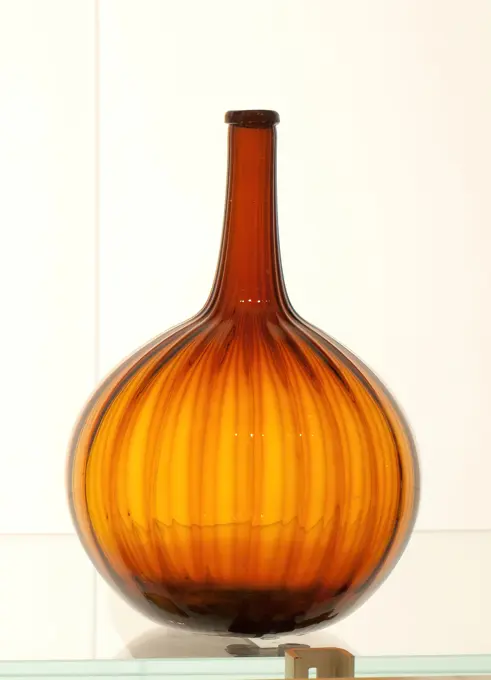
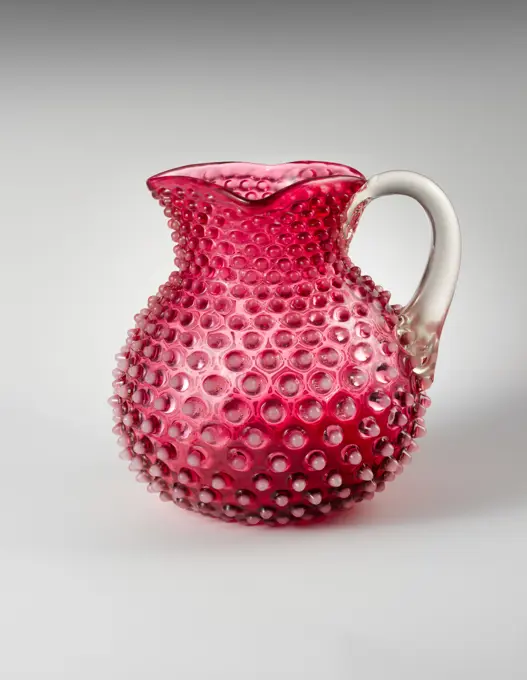
Decorative Glass Vases

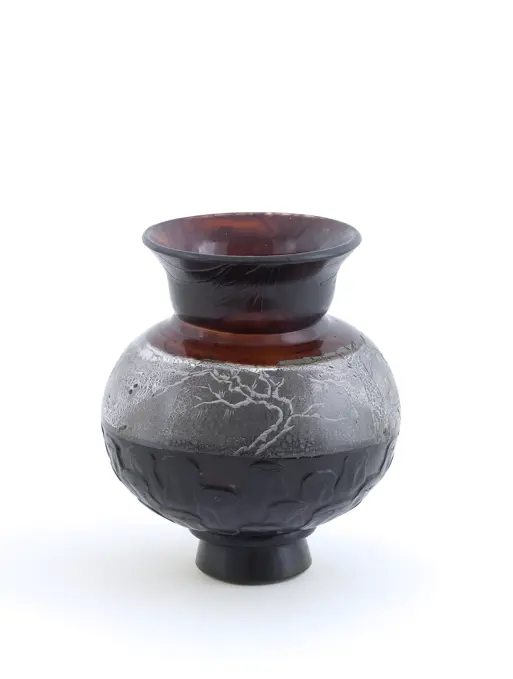
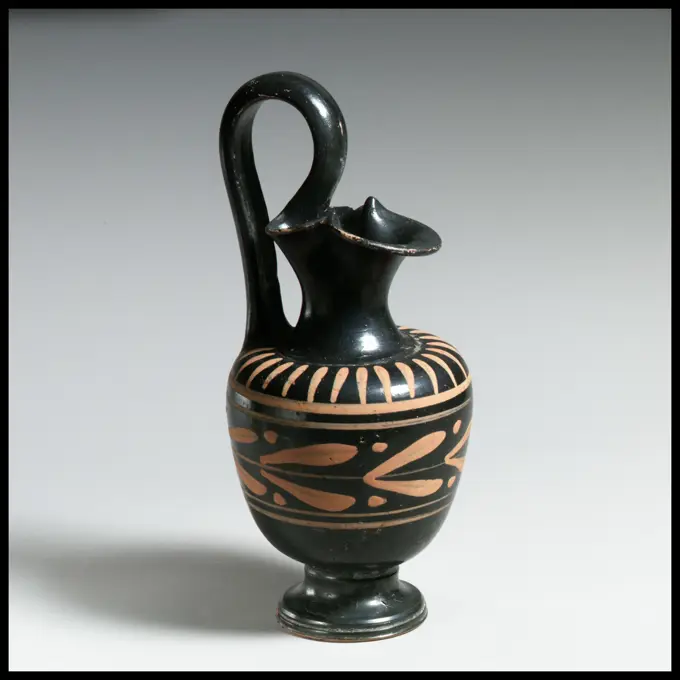
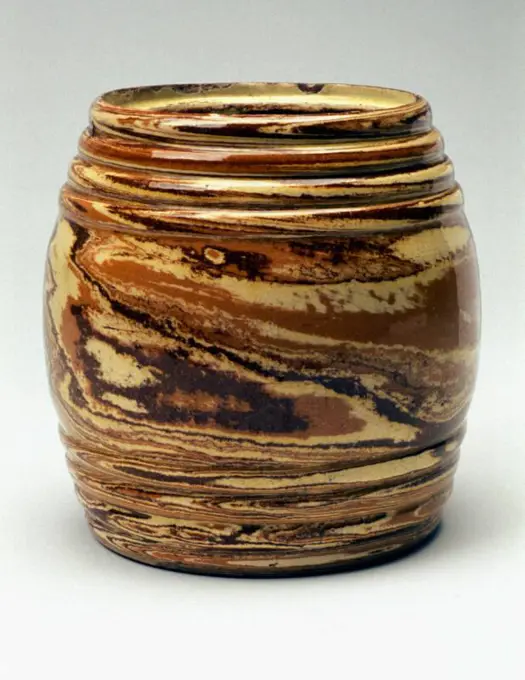
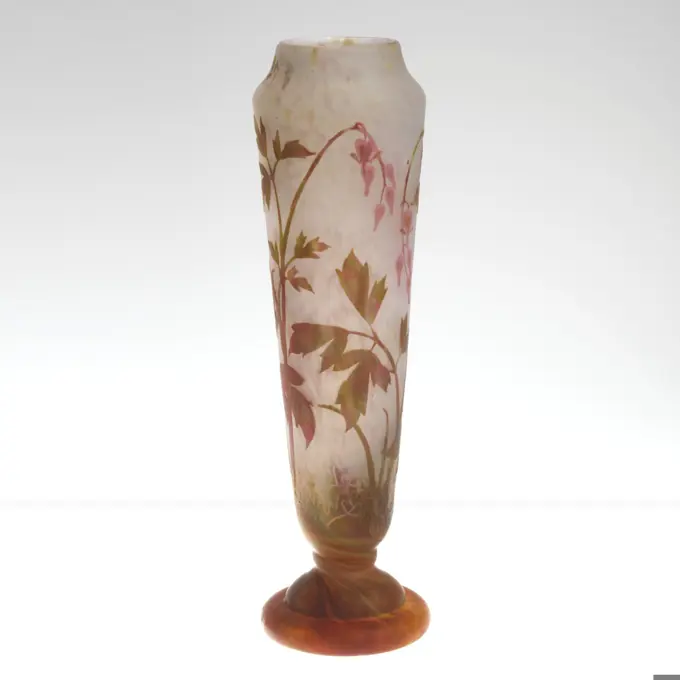
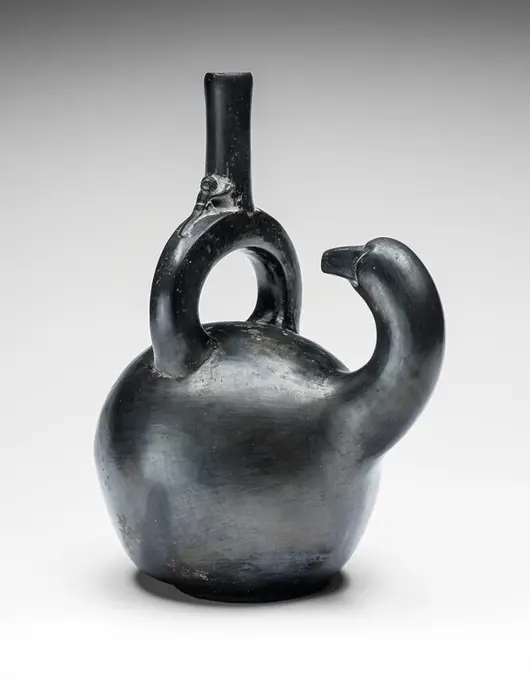
An assortment of uniquely designed glass and porcelain vases, highlighting different styles and eras, with elegant shapes and detailed decorations.
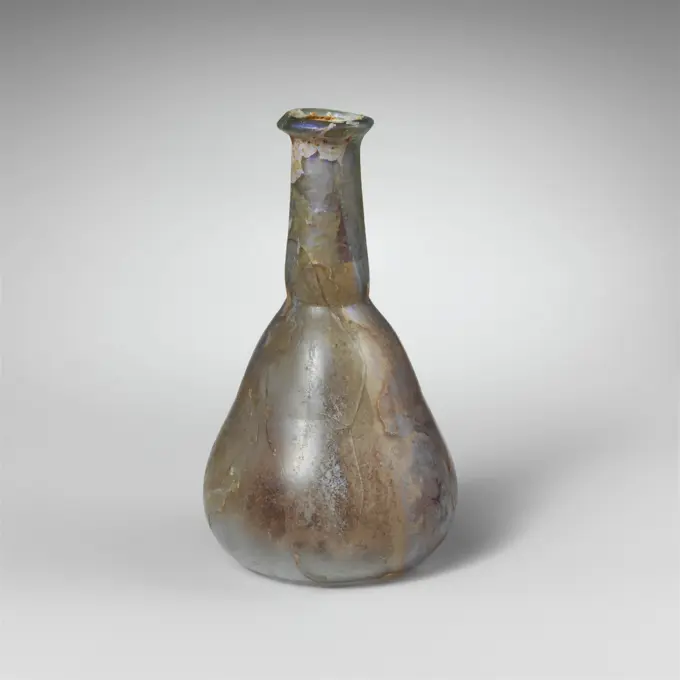
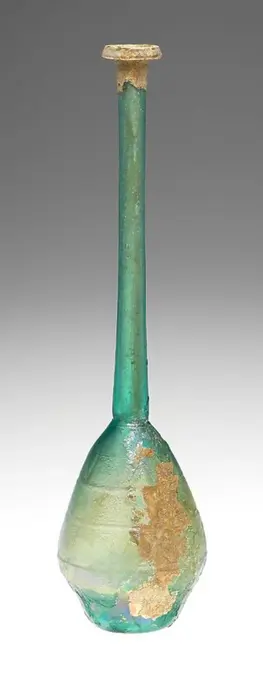
Glass perfume bottle 1st century A.D. Roman Translucent pale blue green.Rim folded out, over, and in, with beveled outer edge; slightly flaring mouth; cylindrical neck expanding downwards, with tooling indent around base; ovoid body; flat bottom.Horizontal tooled indent around center of body.Complete, but large cracks in neck and body; some pinprick bubbles and blowing striations; patches of faint iridescent weathering on exterior, soil encrustation and weathering on interior with loose soil inside bottle.. Glass perfume bottle 244677
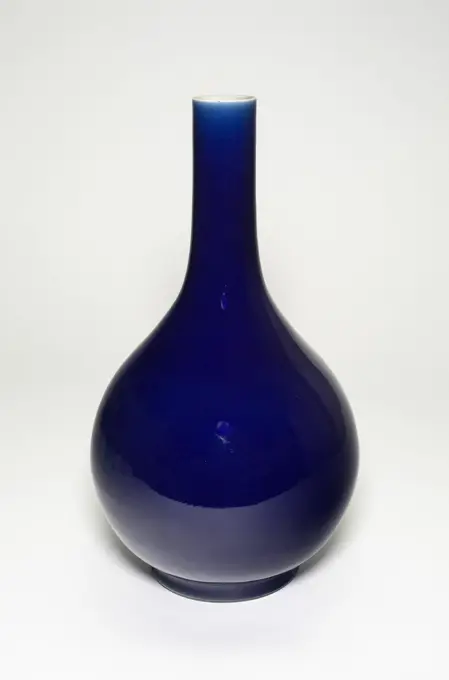
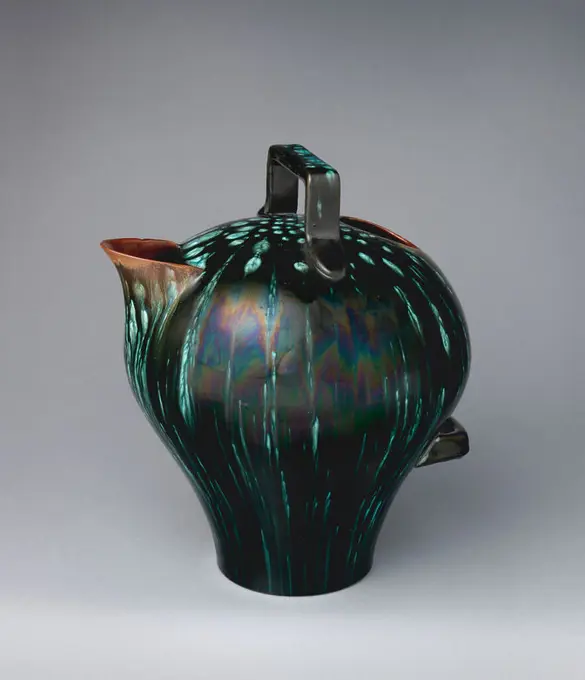
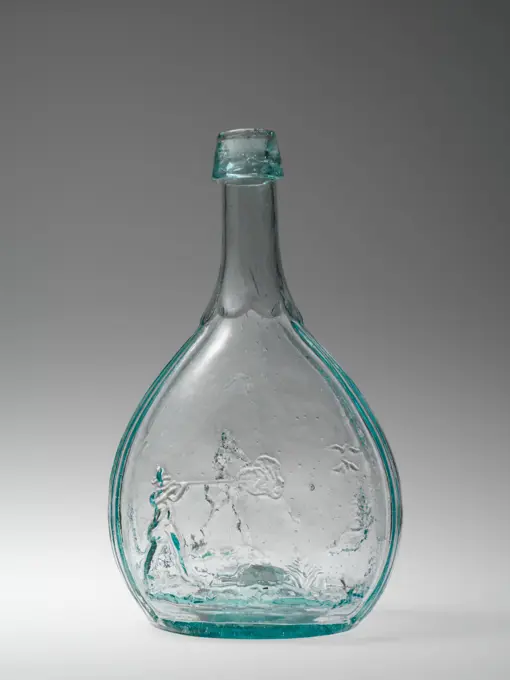
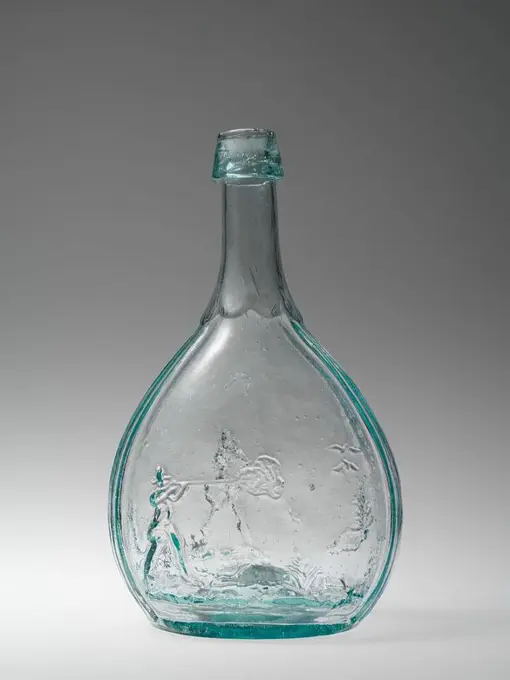
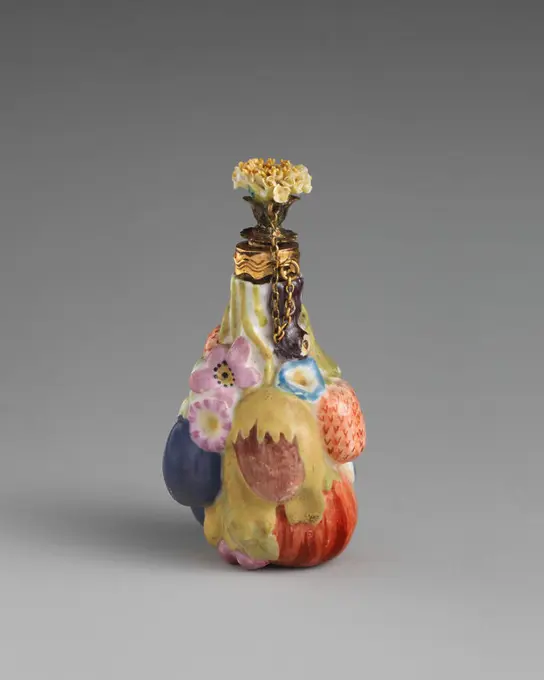
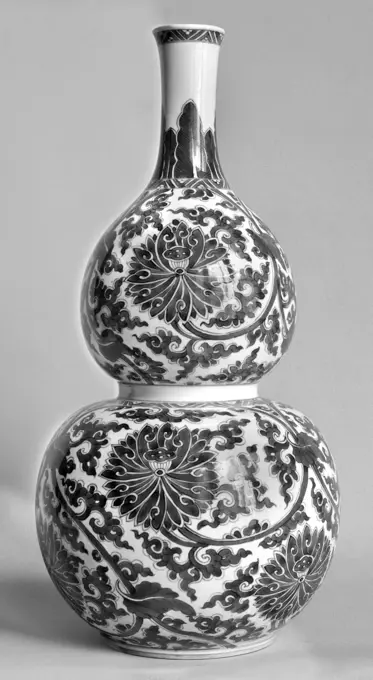
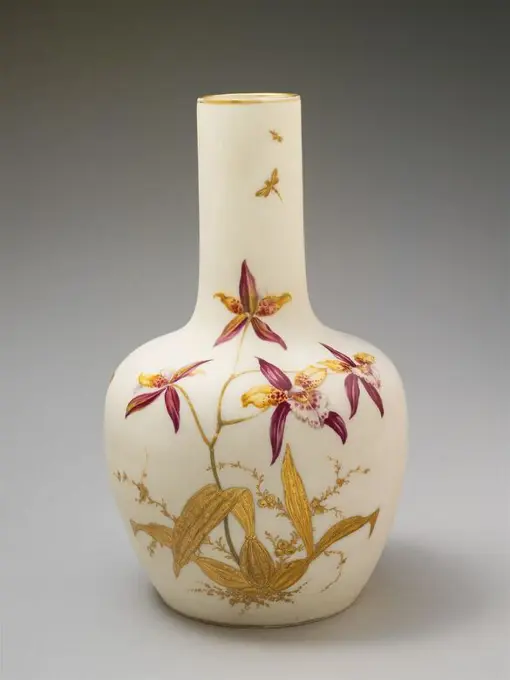
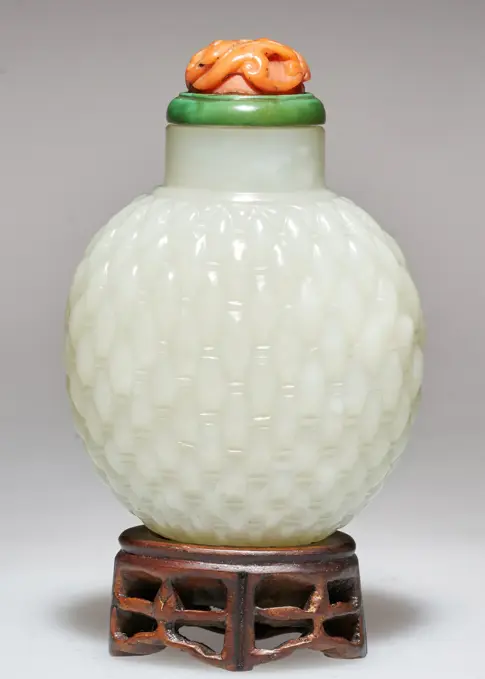
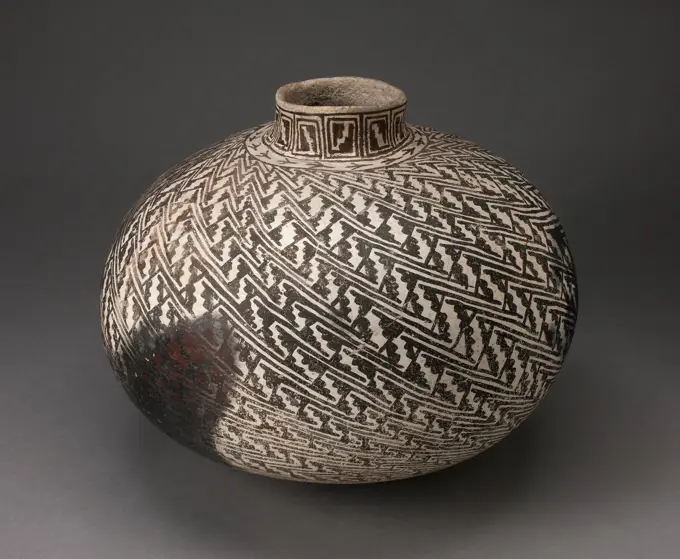
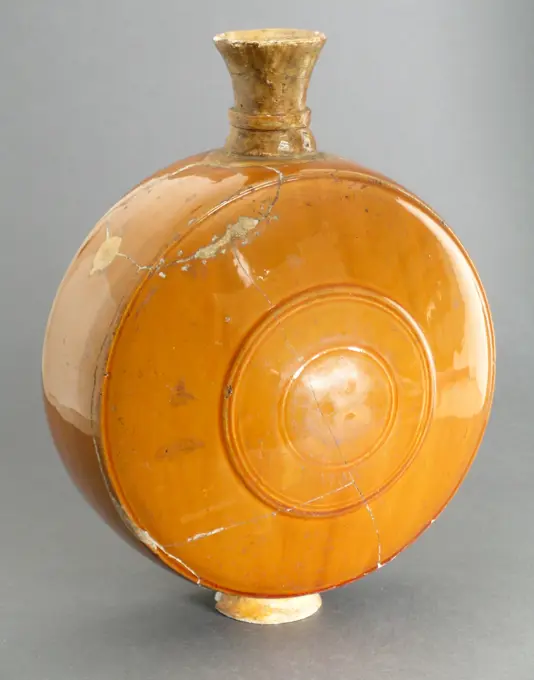
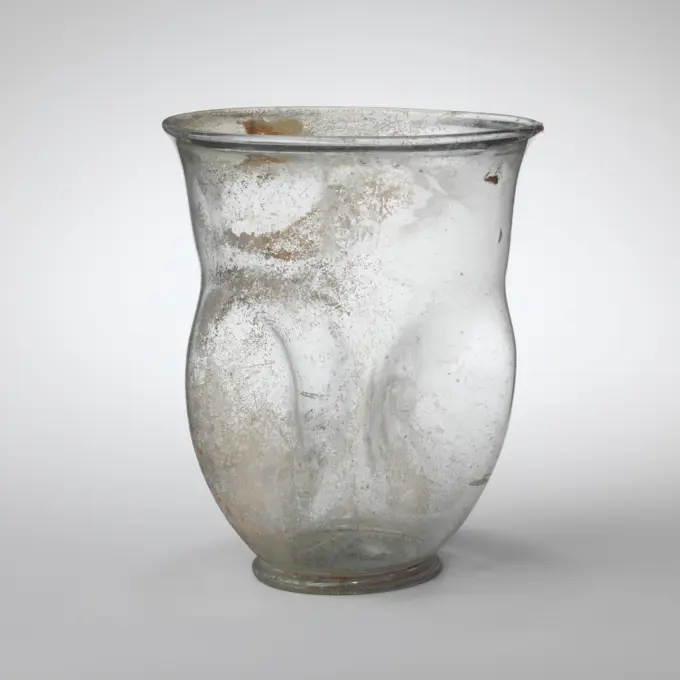
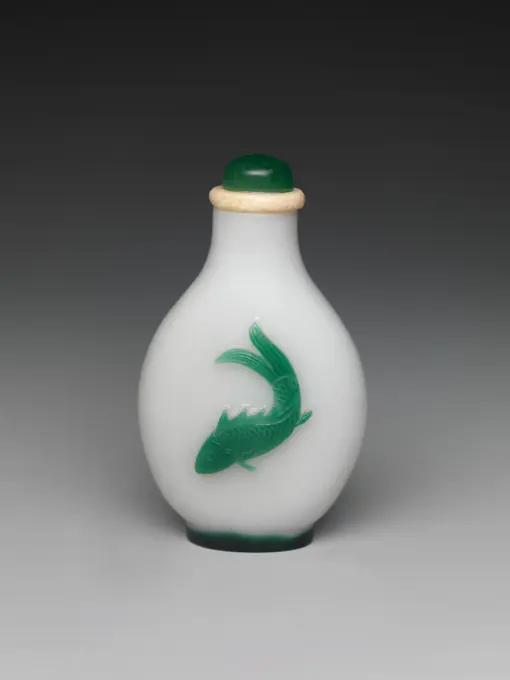
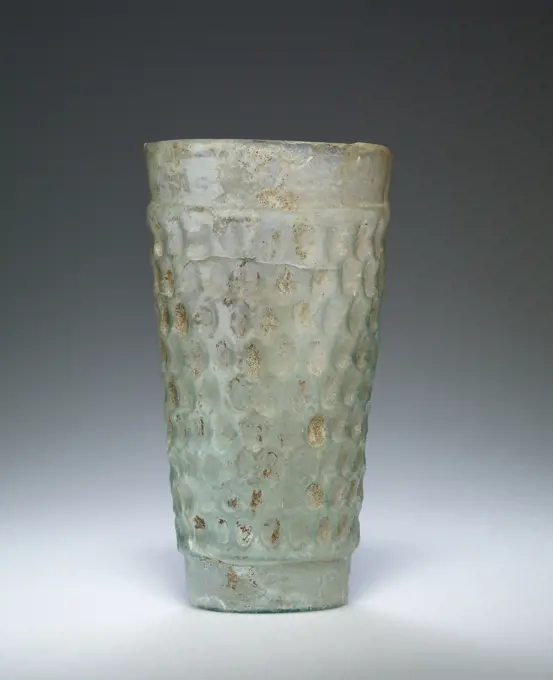
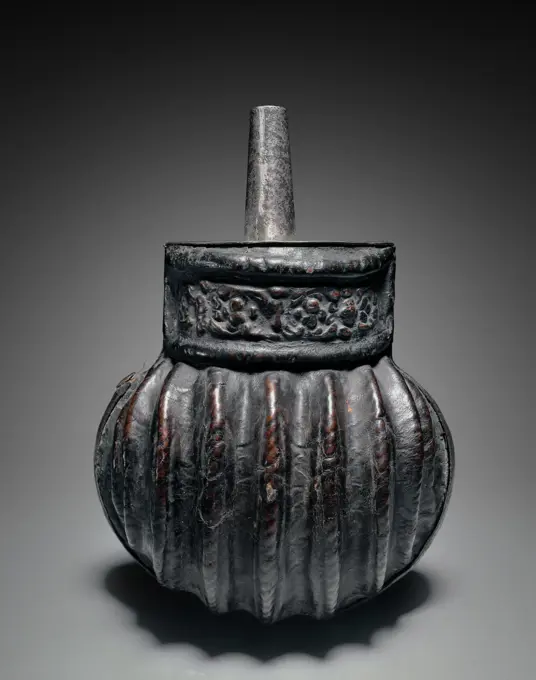
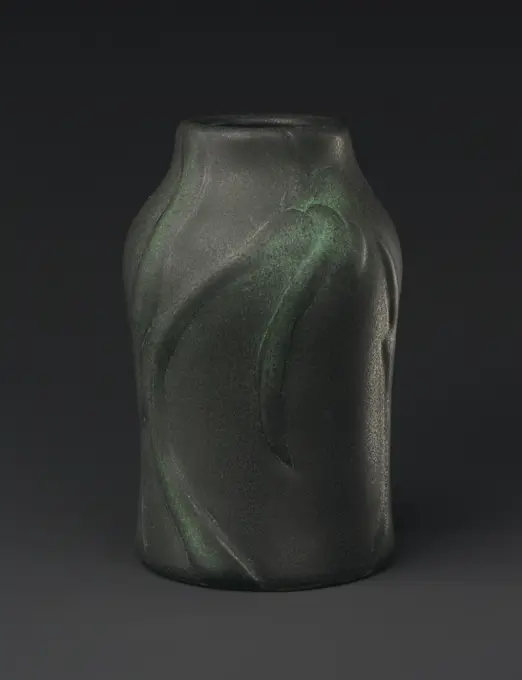
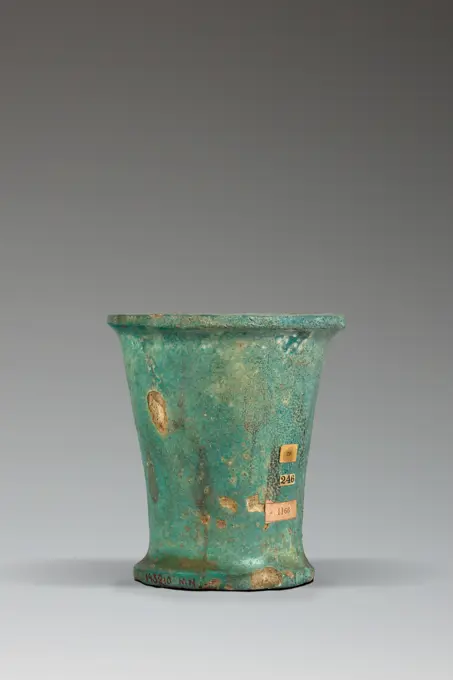
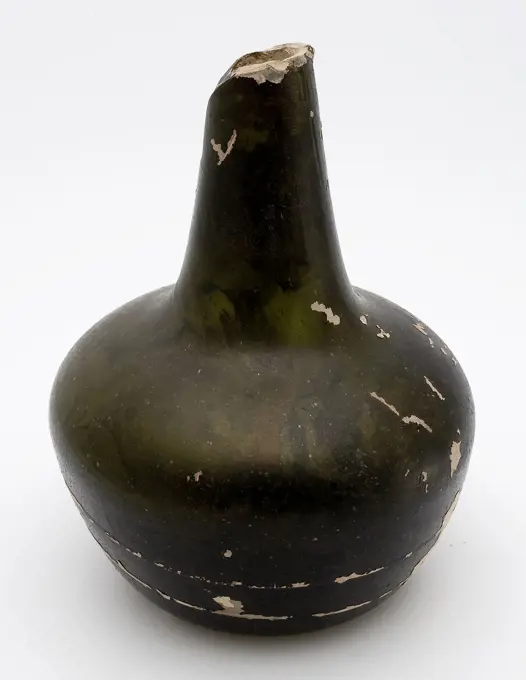
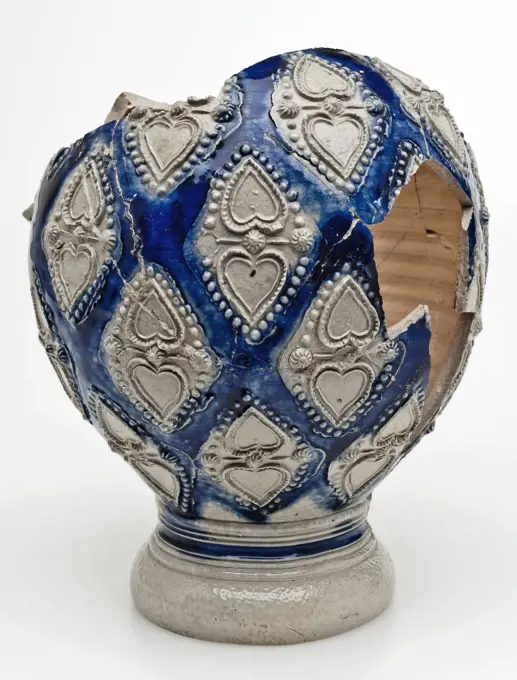
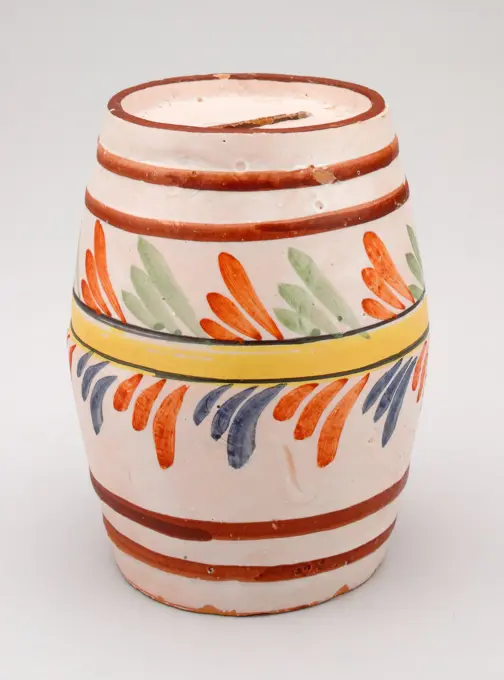
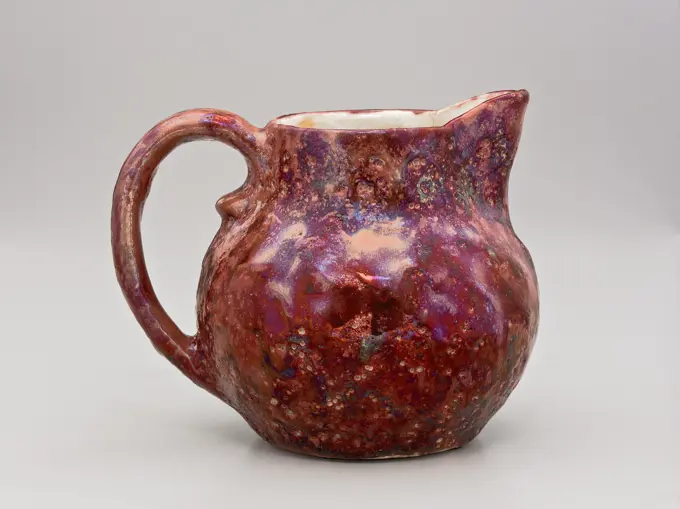
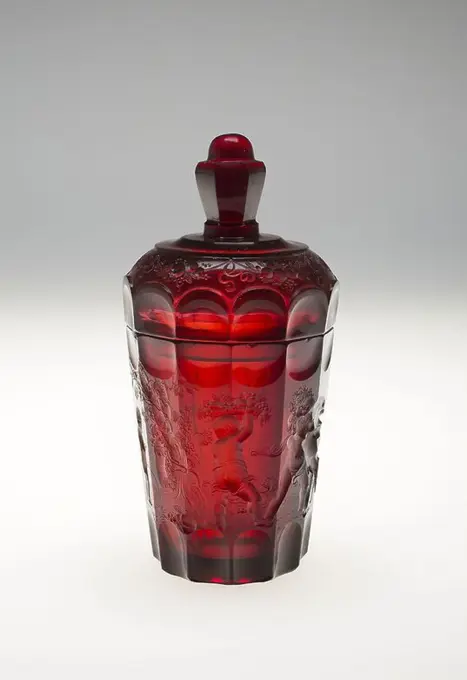
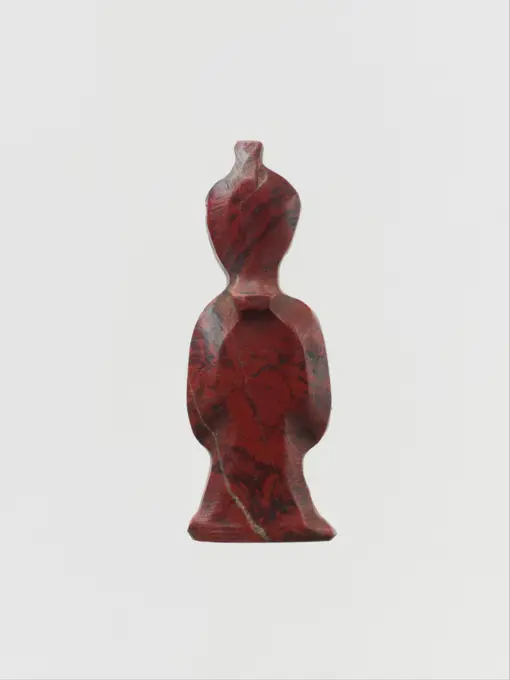
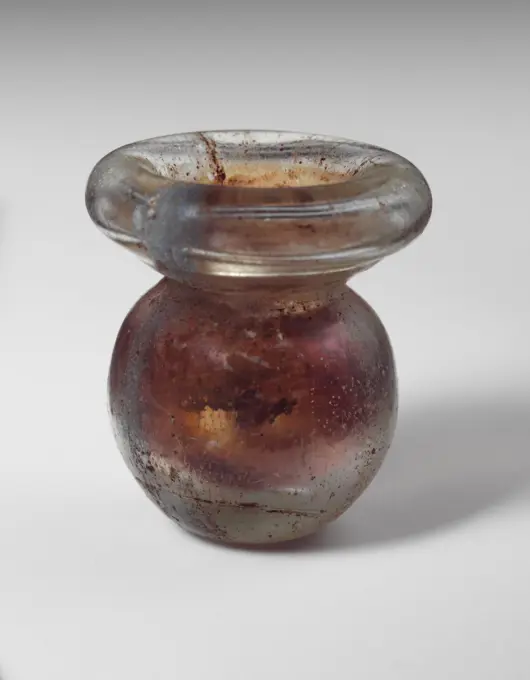
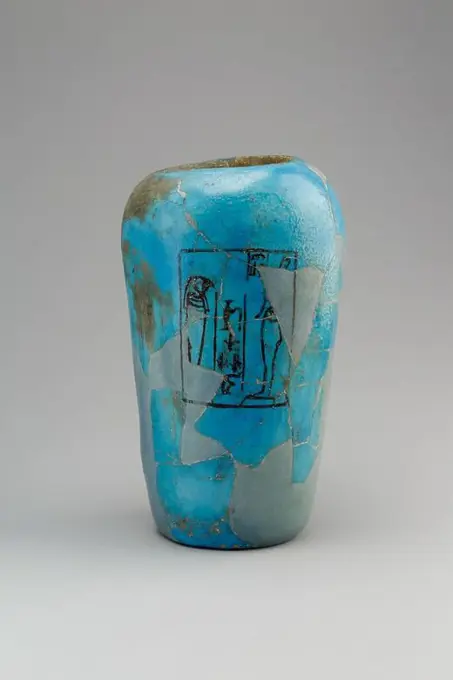
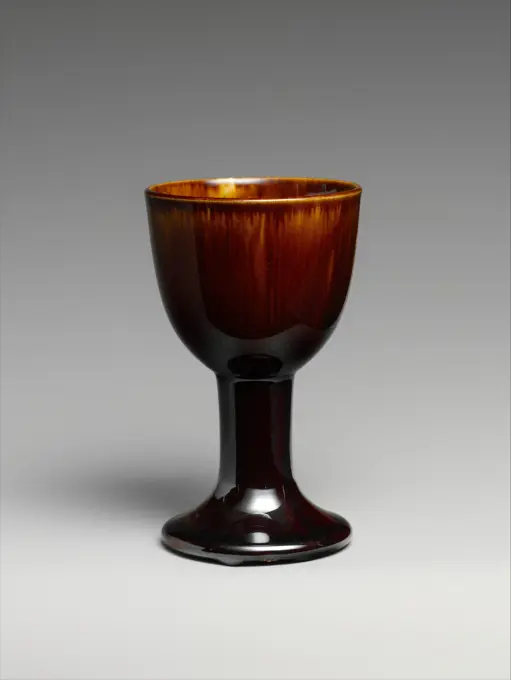
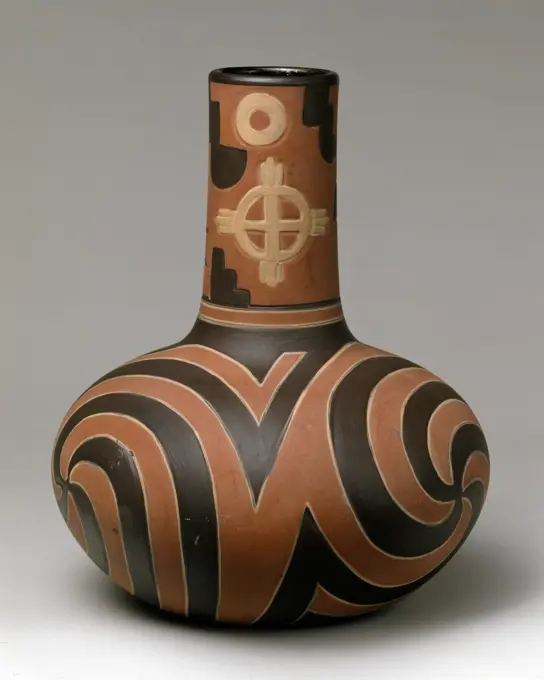
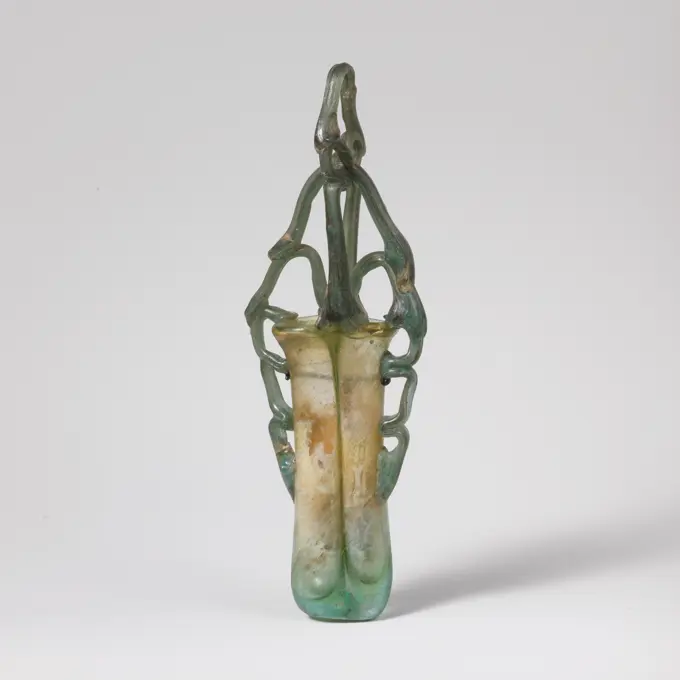
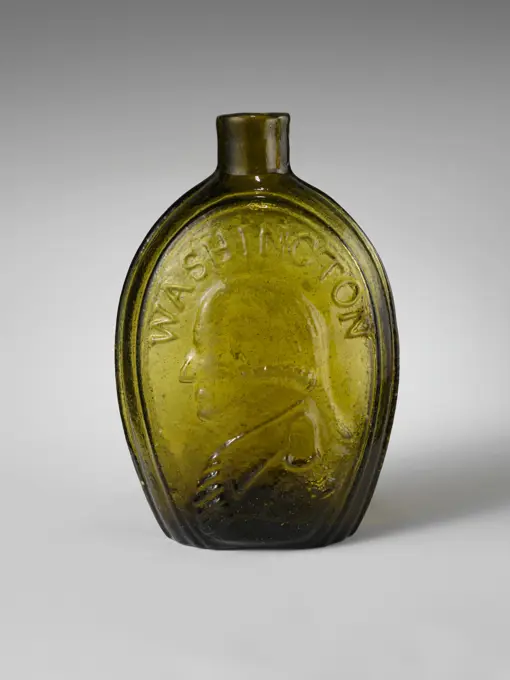
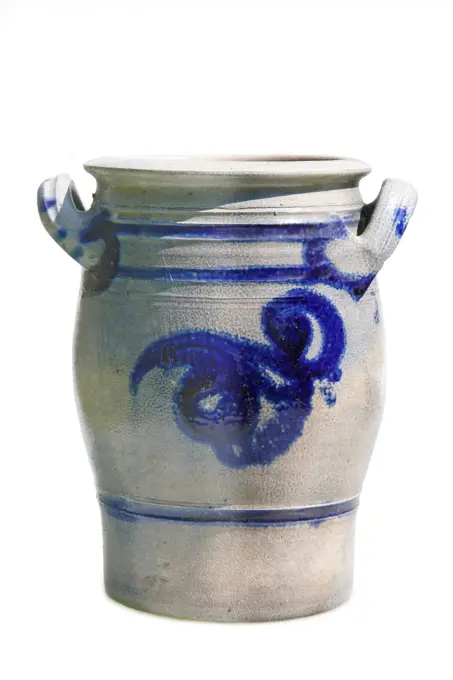
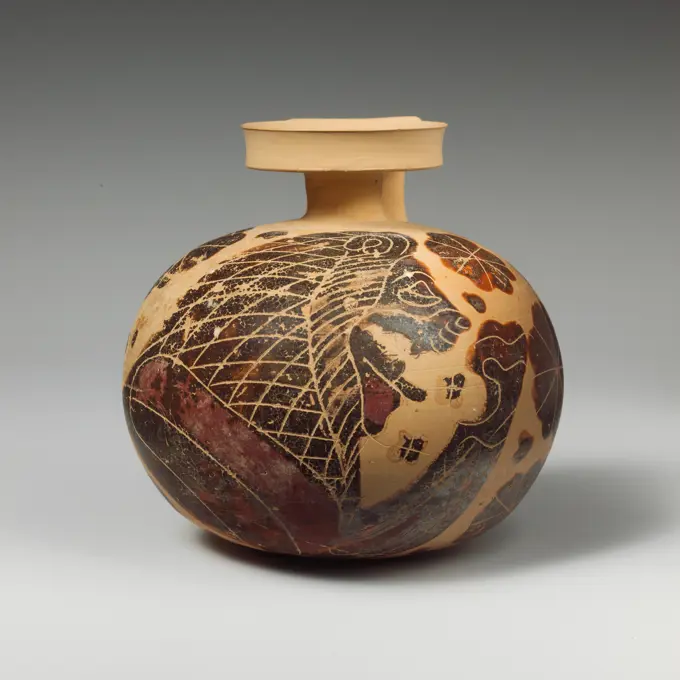
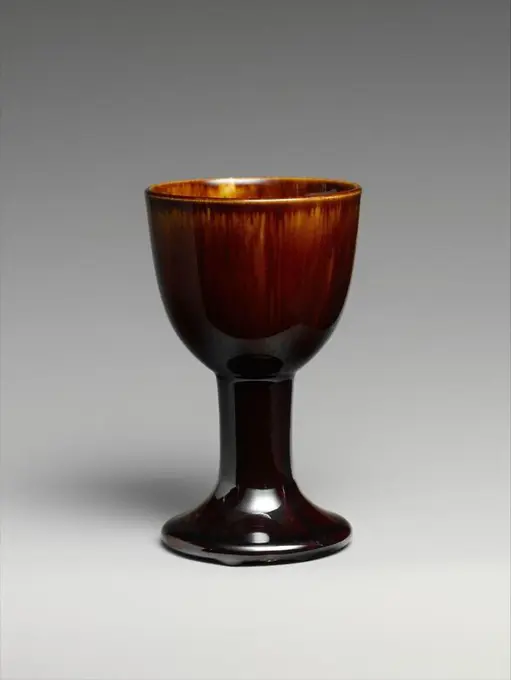
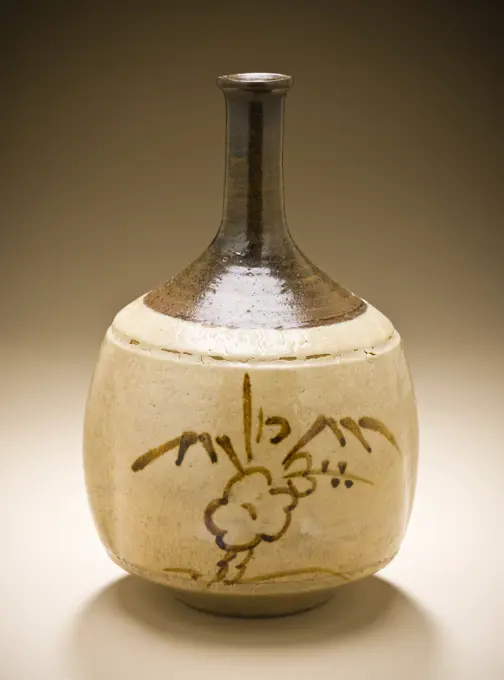
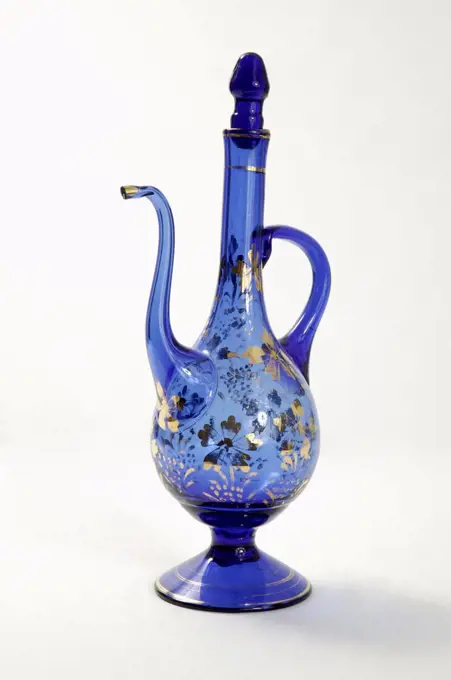
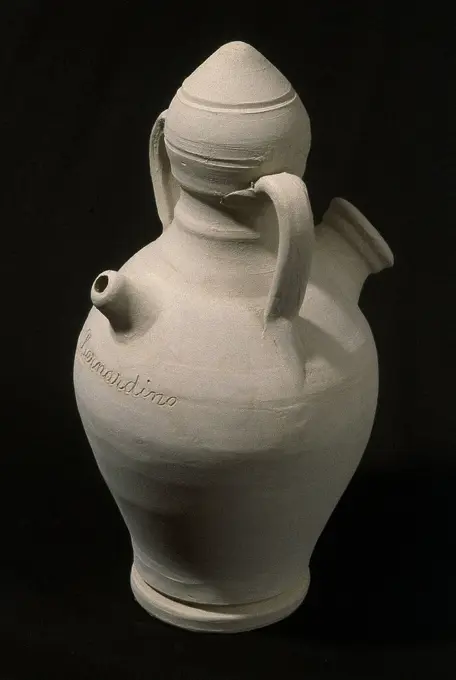
Tea Caddy, Meissener Porcelain Manufaktur, c. 1715 Tea bus, hexagonal, from Red Böttger-SteenGoed with a black surface and a round, flattened cap. The six sides are decorated in low relief with two varied flower and leaf vines. There is a bird on the first rank, while a second bird flies over; A bird flies in the air above the second rank. On the cap a leaf vank in relief. The foot and shoulder edge and the six ribs are decorated with Kerbsnitt (the left hal of one of the ribs is forgotten). The tea business is not marked. Float stoneware Tea bus, hexagonal, from Red Böttger-SteenGoed with a black surface and a round, flattened cap. The six sides are decorated in low relief with two varied flower and leaf vines. There is a bird on the first rank, while a second bird flies over; A bird flies in the air above the second rank. On the cap a leaf vank in relief. The foot and shoulder edge and the six ribs are decorated with Kerbsnitt (the left hal of one of the ribs is forgotten). The tea bVase. Culture: China. Dimensions: H. 8 5/8 in. (21.9 cm). Date: late 19th-early 20th century. Museum: Metropolitan Museum of Art, New York, USA.Bottle-Shaped Vase 1700-1899 China. Porcelain with royal blue glaze .Jug. Culture: British. Designer: Christopher Dresser (British, Glasgow, Scotland 1834-1904 Mulhouse). Dimensions: Overall (confirmed): 14 1/8 × 11 3/16 × 12 3/16 in. (35.9 × 28.4 × 31 cm). Manufactory: Linthorpe Pottery Works (British, 1879-1889). Date: ca. 1880.This jug shares a similar streaked blue-green glaze with another Christopher Dresser-designed vase (2015.122) in the Museum's collection. Museum: Metropolitan Museum of Art, New York, USA.Bottle. Roman. Date: 101 AD-400 AD. Dimensions: 28.6 × 7.3 × 7.3 cm (11 1/4 × 2 7/8 × 2 7/8 in.). Glass, mold-blown technique. Origin: Roman Empire. Museum: The Chicago Art Institute, Chicago, USA. Author: ANCIENT ROMAN.Pyxis. Culture: Greek, South Italian, Apulian. Dimensions: H. 11.91 cm.. Date: ca. 325-300 B.C..On the lid, head of a woman. Museum: Metropolitan Museum of Art, New York, USA.Alabastron; Workshop in the Mediterranean, perhaps Italy; 6th-4th century B.C; Glass; 13.2 cm (5 3,16 in.)CANTARO VIDRIADO CON DECORACION DE RAYAS A CUATRO COLORES - DOS ASAS Y TAPA. Location: ALFARERIA. Nijar. Almería. SPAIN.Figured bottle 1850-60 American. Figured bottle. American. 1850-60. Blown-molded glass. Made in United States. Deeply inserted soil. Wide, hollow stand ring. Sideways peeled pear-shaped body, passing into a fainted ribbed nodus and a low, slightly flared neck with a beaten edge. A ribbed drip ring has been laid around the neck. The high, curved spout is deposited with a double wing at the opening. Small, C-shaped ear.Vase; Tashiro; around 1870-1880 (1870-00-00-1880-00-00);Covered Box. Thailand, Sawankhalok, 14th-15th century. Furnishings; Accessories. Brown and white wareVase. Culture: China. Dimensions: H. 16 3/4 in. (42.5 cm); W. 8 in. (20.3 cm); Diam. of rim: 1 3/4 in. (4.4 cm); Diam. of foot: 5 in. (12.7 cm). Museum: Metropolitan Museum of Art, New York, USA.Sprinkler. Roman; Ancient Mediterranean. Date: 101 AD-600 AD. Dimensions: H. 7.9 cm (3 1/8 in.); diam. 7 cm (2 3/4 in.). Glass, blown technique. Origin: Mediterranean Region. Museum: The Chicago Art Institute, Chicago, USA.Vase with a plant, bird and characters, anonymous, c. 1368 - c. 1644 Vase of stoneware with a flat shoulder and short, spreading edge, covered with a white sludge and a turquoise glaze. On the wall an entry decoration of three cartouches with five unidentified Chinese characters, a plant on a rock or a flying bird. On the shoulder three times an entry decoration. Some chips in the edge. Cizhou. China stoneware. glaze engraving / painting / vitrification / vitrification Vase of stoneware with a flat shoulder and short, spreading edge, covered with a white sludge and a turquoise glaze. On the wall an entry decoration of three cartouches with five unidentified Chinese characters, a plant on a rock or a flying bird. On the shoulder three times an entry decoration. Some chips in the edge. Cizhou. China stoneware. glaze engraving / painting / vitrification / vitrificationFigured bottle. Culture: American. Dimensions: H. 9 1/4 in. (23.5 cm). Date: 1850-60. Museum: Metropolitan Museum of Art, New York, USA.Fruit and flowers. Culture: British, Chelsea. Dimensions: Overall: 2 1/2 × 1 1/4 in. (6.4 × 3.2 cm). Factory: Chelsea Porcelain Manufactory (British, 1745-1784, Red Anchor Period, ca. 1753-58). Date: ca. 1760. Museum: Metropolitan Museum of Art, New York, USA.Glass perfume bottle 1st-2nd century A.D. Roman Translucent green.Lob-sided rim folded out, round, and in, and pressed flat around mouth; cylindrical neck, with horizontal tooled indent around base; tall, slender conical body; thick pushed-in bottom with irregular pontil scar.Intact; many elongated bubbles, some large; dulling, slight pitting of surface bubbles, and faint iridescent weathering on exterior, soil encrustation and weathering on interior.. Glass perfume bottle 245265Bottle Depicting a Peacock in Foliage 17th century. Bottle Depicting a Peacock in Foliage 444508Glass alabastron (perfume bottle). Culture: Greek, Eastern Mediterranean. Dimensions: H.: 4 3/16 in. (10.6 cm). Date: 5th century B.C..Translucent light blue, with handles in same color; trails in opaque yellow and opaque white.Broad horizontal rim-disk, with radiating tooling marks on upper surface; short cylindrical neck; rounded shoulder; straight-sided cylindrical body with upward taper; convex bottom; two vertical ring handles with knobbed tails, applied over trail decoration.Yellow trail attached at edge of rim-disk; a white trail overlaid with yellow wound unevenly around neck and top of body, the yellow trail continuing in a spiral on body; another white trail applied to top of body and wound as a spiral around upper body, forming alternating lines of color with the yellow trail, then both tooled into an uneven, close-set zigzag pattern from middle of body to above bottom, where the trails are again wound horizontally before ending around bottom.Complete, except for two-thiBottle China. Bottle. China. Porcelain. Qing dynasty (1644-1911), Kangxi period (1662-1722). CeramicsVase. Culture: American. Dimensions: Approx. H. 11 in. (27.9 cm). Maker: Willets Manufacturing Company (1879-1908). Date: 1887-1905.The orchid blossoms on this luxurious vase, which was intended as an object for display, were painstakingly rendered with botanical accuracy in gilded enamels that required multiple firings in the kiln. Museum: Metropolitan Museum of Art, New York, USA.Bottle 7th-early 8th century This bottle is a rare example of hot-worked glass decorated in the so-called spectacle pattern, in which horizontally applied trails were tooled to create a sequence of ovals around the body. The pattern is characteristic of the transition between Roman and Islamic glass production.. Bottle 442865Bottle with the motif of two dragons, bats and flowers unknownSnuff Bottle, 19th century, 2 5/8 x 1 7/8in. (6.7 x 4.8cm), Jade, China, 19th centuryJar with Interlocking-Stepped Motifs in Diagonal Pattern 900 CE-1450 Southwest. Ceramic and pigment . Ancestral Pueblo (Anasazi)Canteen. Iran, early 17th century. Ceramics. Fritware, molded and glazedVase. Culture: China. Dimensions: H. 29 in. (73.7 cm); Diam. 11 in. (27.9 cm); Diam. of rim 9 7/8 in. (25.1 cm); Diam. of foot 8 1/4 in. (21 cm). Museum: Metropolitan Museum of Art, New York, USA.Glass beaker with indented sides 2nd-3rd century A.D. Roman Translucent light blue green.Everted rim, with thickened, rounded lip; side tapering downwards, then bulging outwards at corners, and curving in to tubular foot ring, made by folding; low kick at center of bottom with large circular pontil mark.On lower half of body, four deep round or oval indents, giving square shape to side.Intact; pitting to surface bubbles, slight limy encrustation, and patches of creamy weathering and iridescence.Greenish, with indented sides.. Glass beaker with indented sides. Roman. 2nd-3rd century A.D.. Glass; blown and tooled. Mid Imperial. GlassAlabastron ca. 350-300 B.C. Greek, South Italian, Apulian Unlike Attic alabastra which were suspended, Apulian alabastra were made with a foot. A: woman holding a wreath and a branch. B: youth holding a branch.. Alabastron 254343 Greek, South Italian, Apulian, Alabastron, ca. 350300 B.C., Terracotta, Overall: 6 3/8 in. (16.2 cm) Diameter: 2 3/16  1 15/16  1 11/16 in. (5.5  5  4.3 cm). The Metropolitan Museum of Art, New York. Rogers Fund, 1941 (41.162.172)Snuff Bottle, 17th-19th century, 2 5/8 x 1 7/8in. (6.7 x 4.8cm), Glass, China, 17th-19th centuryDecanter ca. 1867 Boston & Sandwich Glass Company In 1867, after twenty-two years of employment as factory superintendent of the Boston and Sandwich Glass Company, William E. Kern received a retirement gift of more than fifty pieces of glassware including this decanter. (See 67.7.1-.14, .16, .24, .25, .27-.44 for the set of matching glassware.). Decanter. American. ca. 1867. Blown, cut, and engraved glass. Made in Sandwich, Massachusetts, United Statesceramic vase isolated on white background. 3d illustrationSnuff Bottle late 18th century China. Snuff Bottle 41529Glass cosmetic flask (kohl tube). Culture: Roman, Syrian. Dimensions: H. 6 1/8 in. (15.6 cm). Date: 4th century A.D..Translucent deep blue green; handle and trails in same color.Everted tubular rim, folded round and in, flattened on top edge; cylindrical body with concave side; thick, solid pad base, made as a coil, with sloping upper surface; bottom with deep central kick and part of circular pontil; basket handle applied over trails in an arching loop above rim.On body, four trails, applied as large pads, two on opposite sides near base, the other two between them higher up side, all drawn up vertically in tooled loops, ending on top of rim.Broken and repaired around rim and top of body; some pinprick bubbles in body, black impurities in handle and trails; pitting, dulling, and patches of iridescent weathering on exterior, creamy white weathering and iridescence on interior. Museum: Metropolitan Museum of Art, New York, USA.Vase; unknown, leg; 19th/20th century (1896-00-00-1905-00-00);Vase. Culture: American. Designer: Designed by Louis Comfort Tiffany (American, New York 1848-1933 New York). Dimensions: H. 6 1/8 in. (15.6 cm). Maker: Tiffany Furnaces. Date: ca. 1910. Museum: Metropolitan Museum of Art, New York, USA.Double gourd bottle 19th century China. Double gourd bottle 46793Beaker; Eastern Mediterranean; end of 1st century; Glass; 12.5 x 6.7 cm (4 15,16 x 2 5,8 in.)Chinese, Snuff Bottle, porcelain.Powder Flask, 1500s(). Italy, late 16th century () questionable authenticity. Leather (cuir bouilli); modern steel mounts and fitting; overall: 17.2 x 13.5 cm (6 3/4 x 5 5/16 in.).Vase 1902 Artus Van Briggle Artus Van Briggle began his career in ceramics at the Rookwood Pottery, but because of respiratory issues, moved to Colorado, where, with his wife Anna Van Briggle, he established his own pottery in Colorado Springs in 1901. The Van Briggles and some other designers produced models from which molds were made, and the vases were then slip-cast in multiple forms. They were particularly noteworthy for their glazes in satiny soft textures in unusual colors, sometimes one or more combine on a single piece. Like many American artists, Artus Van Briggle had traveled to and studied in Paris in the late 1890s and was much influenced by not only the artistic ceramics he saw there, but much of the French art that was on exhibition. Van Briggles early work often exhibits the stylistic characteristics of the Art Nouveau, especially in the sinuous curves of the stems on his floral-decorative vases. As seen in this vase, he kept the botanic identity of the spiderwort, butNaczynie na olejki. unknown, authorGunpowder Flask. Culture: Chinese. Dimensions: H. 8 1/2 in. (21.6 cm); W. 6 3/4 in. (17.1 cm); D. 1 1/2 in. (3.8 cm); Wt. 11.6 oz. (328.9 g). Date: probably 18th century.Most Qing gunpowder flasks are fairly plain and utilitarian containers made of wood, metal, or horn. This example is very unusual for its skillfully carved dragon heads and beautifully figured burl wood, which was often used in China to make fine furniture. Museum: Metropolitan Museum of Art, New York, USA.Cricket Container, 6 15/16 x 2 9/16 x 2 9/16 in. (17.62 x 6.51 x 6.51 cm) (overall), Gourd, ivory, tortoise shell, ChinaSaucer. Culture: China. Dimensions: Diam. 5 1/4 in. (13.3 cm). Museum: Metropolitan Museum of Art, New York, USA.Belly bottle, shaft and globe, belly bottle bottle holder soil find glass, free blown and shaped glass application Circular thick-walled bottle in clear green glass english shaft and globe model Pontil mark under slightly raised bottom. Body with 6 cm outward facing wall to convex shoulders and long (7.0 cm) rejuvenated (5.0 - 2.7 cm) neck of which upper part is broken off Start of imposed all-round glass thread archeology Rotterdam Kralingen-Crooswijk Struisenburg Oostmaaslaan packing Soil discovery: Oostmaaslaan 1959.Fragment Westerwald jug, appliqués with two hearts, gray and blue glazed, jug crockery holder soil find ceramic stoneware glaze salt glaze, foot 7.0 hand turned rolled cobalt oxide glazed fried jug-fragment gray stoneware with blue decoration with heart-shaped ear and neck missing Egg-shaped jug on standing foot with profile rings In the appliqués double heart shape in pearl ring with on the axis three rosettes archeology Valckensteyn Poortugaal Albrandswaard indigenous pottery serve serve drink drink kitchen import Soil discovery: castle Valckensteyn in Poortugaal now Albrandswaard 1961-1962.Visigothic jug, bronze, 7th century, Iturrieta cave, Mañaria, Arkeologi Museoa, archaeological museum, Bilbao, Bizkaia, Basque Country, Spain.Club Bottle, 19th century, Mantua Glass Company, American, (Mantua, Ohio), 8 3/4 x 4 1/4 x 4 1/4 in. (22.2 x 10.8 x 10.8 cm), Glass, United States, 19th centurySnuff bottle China. Snuff bottle 41513Barrel still bank, 20th century, 3 7/8 x 2 3/4 x 2 3/4 in. (9.84 x 6.99 x 6.99 cm), Redware, pigment, United States, 20th centuryOil bottle with Scrollwork 1100-1299 South Korea. Stoneware with underglaze inlaid decoration of black and white clays .Pitcher 1896 Dedham Pottery Steeped in ceramics from birth, Hugh C. Robertson pursued his craft with fierce devotion and a passion for experimentation. From a family of trained English ceramists, he honed his skills in New Jersey before settling in Massachusetts as one of the founders of Chelsea Keramic Art Works and later, Dedham Pottery. Robertsons lifelong explorations in glazes, particularly their color and texture, make him one of the key figures of American art pottery at the turn of the twentieth century.From Chelsea to Dedham, Robertson continued to pursue his passion for innovation, employing the grayish-white stoneware used for Dedhams dinnerware to throw simple forms covered with bold combinations of colored and textured glazes. Despite his financial backers stipulation against further research into sang-de-boeuf, or oxblood, glazes, Robertson did not entirely abandon that costly pursuit. Many of his Dedham vessels have brilliant layerings of red and purple glazes. This sKuttrolf (Bottle with Divided Neck) 301 CE-400 CE Syria. Byzantine glassmakers refined the techniques they inherited from their Roman predecessors, creating objects with increasingly elaborate forms and complex decorative elements to flaunt their skills. Cosmetic containers were often adorned with fine strands (trails) of glass that required a steady hand and rapid execution, while other vessels look quite complex yet were easily made. Glass continued to be used in objects of personal adornment such as jewelry, both as a material in its own right and to imitate precious stones, offering more affordable options for what was in fashion.. Glass, blown technique . Ancient RomanBeaker with Cover. Engraving attributed to Gottfried von Spiller (German, born Czechoslovakia, c. 1663-1728); Germany, Potsdam. Date: 1685-1700. Dimensions: 19.1 × 8.1 cm (7 1/2 × 3 3/16 in.). Ruby glass. Origin: Potsdam. Museum: The Chicago Art Institute, Chicago, USA.Red jasper amulet of tyet 664-304 B.C. Egyptian Amulet of a girdle tie.. Red jasper amulet of tyet 243719Glass miniature jar 2nd-4th century A.D. Roman Colorless with blue green tingeLarge tubular rim folded out, up and in; short neck, tooled in at base; globular body; thick bottom, with small flattened pad at center.Intact; many pinprick bubbles; slight dullign on exterior; soli enctrustation and iridescent weathering on interior.. Glass miniature jar 239912caster, earthenware, glaze, 6-footed scroll base, stem formed by 3 twisted dolphins; 3-sided shell- shaped body; twisted, cap-shaped top with pierced holes, surmounted by small spiral finial; painted in underglaze blue on white with dolphins on stem, man with violin on one side panel, floral and leaf motifs top section, Delft, Netherlands, 1875-1900, ceramics, Decorative Arts, casterCanopic Jar Inscribed for Qebehsenuef. Dimensions: H. 22.5 cm (8 7/8 in.); diam. 12.6 cm (4 15/16 in.); d. 21.2 cm (8 3/4 in.); diam. of base 8.6 cm (3 3/8 in.); circ. 40.2 cm (15 13/16 in.). Dynasty: Dynasty 25-30. Date: ca. 712-332 B.C.. Museum: Metropolitan Museum of Art, New York, USA.Glass. Spain, Andalusia. Date: 1500-1599. Dimensions: H. 14 cm (5 1/2 in.). Glass. Origin: Spain. Museum: The Chicago Art Institute, Chicago, USA.Goblet 1830-70 American. Goblet. American. 1830-70. Mottled brown earthenware. Made in Bennington, Vermont, United StatesVase ca. 1906-11 Clifton Art Pottery. Vase. Clifton Art Pottery (1905-11). American. ca. 1906-11. Red earthenware. Made in Newark, New Jersey, United StatesGlass double cosmetic flask (kohl tube) 4th-5th century A.D. or later Roman, Syrian Translucent blue green; handles in same color.Everted rim, folded in and down sides of neck; body comprising two tubes, side by side, made from a single inflated gather by pinching sides vertically to make diaphragm; thick, flattened bottom with pontil scar; basket handle made from seven separate rods: on sides of body, two trails applied as pads, drawn up vertically in three tooled, angular loops, ending on top of rim; M-shaped trail applied as a large pad on top of one of the side trails, drawn across mouth to rim at junction of the two tubes, and ending on top of the other side trail; above this, trail drawn up and down, with acute angle at apex; then two trails applied to rim on either side of junction of the two tubes, draw up vertically, tooled in, and formed into two small round loops above, ending on top of apex; final trail applied to top of loops and drawn up and down, with acute angle at apexBell Beaker 6th-7th century Frankish. Bell Beaker 465678 Frankish, Bell Beaker, 6th7th century, Glass, Overall: 3 11/16 x 2 3/16 in. (9.4 x 5.6 cm). The Metropolitan Museum of Art, New York. Gift of J. Pierpont Morgan, 1917 (17.193.340)Emile Gallé (1846-1904). Vase "Les Pins". 1894. Crystal with several layers. Signed under the base: "Emile Gallé". Registration on the collar: "January -the jelly -cold heavens -tend a veil -the pine needles are refined at the kiss -we let the seasons rock -as they please" and on the paunch: "let's fix the Mobile hour and its reflection -Changeant ". Museum of Fine Arts of the City of Paris, Petit Palais. Vase "Les Pins Crystal, crystal, glass, collar inscription, pines, base signature, vase, pines vase, glassOinochoe 4th century B.C. Attributed to the Xenon Group. Oinochoe 255326Nutmeg Grater. Culture: American. Dimensions: 3 1/2 x 1 3/16 in. (8.9 x 3 cm); 3 oz. 3 dwt. (97.8 g). Maker: Marked by J. R.. Date: 1780-1825. Museum: Metropolitan Museum of Art, New York, USA.Pint flask ca. 1828-40 Keene Marlboro Street Glassworks. Pint flask. American. ca. 1828-40. Free-blown molded green glass. Made in Keene, New Hampshire, United StatesVasePitcherBarrel still bank, 20th century, 3 5/8 x 3 1/8 x 3 1/8 in. (9.21 x 7.94 x 7.94 cm), Ceramic, pigment, United States, 20th centuryAgateware Seaton Barrel,  1880-1900Vase (France); Manufactured by Daum (France); glassVase Vase; Manufactured by Rookwood Pottery (United States); Decorated by Kataro Shirayamadani (Japanese, 1865-1948); USA; earthenwareGlass bottle ca. 4th century A.D. Roman Translucent blue green; trails in same color.Everted, slightly thickened, and rounded rim; broad, flaring mouth; cylindrical neck, tooled in horizontally at base; large conical body, curving in below to thick, pushed-in bottom with central jagged pontil ring.On underside of mouth, thick solid single trail; another trail wound round top of body 1 1/2 times; on body, ten bands of wheel-abraded lines, arranged in pairs and set at regular intervals down side.Complete, but broken on one side and repaired with crack running around upper body; many bubbles, some large, a few glassy inclusions in body, and black impurities in trails; faint iridescence, slight whitish weathering on bottom in interior.. Glass bottle. Roman. ca. 4th century A.D.. Glass; blown, trailed, and cut. Late Imperial. GlassWashing and TaylorFlask. Manufacturer attributed to: Dyottville Glass Works, founded Philadelphia, 1773 Subject: George Washington, American, 1732-1799, LL.D. 1781 Subject: Zachary Taylor, American, 1784-1850Snuff bottle with god of longevity and deer 18th-19th century China. Snuff bottle with god of longevity and deer 41103Ceramic pot of handbalists made of ceramic - free on white background copyright: xzoonar.com/heikexbrauerx 1100396Terracotta aryballos (oil flask) ca. 620-590 B.C. Greek, Corinthian Forepart of a lion.. Terracotta aryballos (oil flask) 254226 Greek, Corinthian, Terracotta aryballos (oil flask), ca. 620590 B.C., Terracotta, H. 3 3/4 in. (9.6 cm). The Metropolitan Museum of Art, New York. Rogers Fund, 1941 (41.162.59)Spaniel Pitcher. United States, mid-19th century. Furnishings; Serviceware. Earthenware (Bennigton Ware)Flower Pot China. Flower Pot 52640Vessel in the Form of a Gourd. Chimú; North coast, Peru. Date: 1100-1450. Dimensions: 19.4 × 14 cm (7 5/8 × 5 1/2 in.). Ceramic. Origin: North Coast. Museum: The Chicago Art Institute, Chicago, USA.Goblet. Culture: American. Dimensions: H. 5 3/4 in. (14.6 cm); Diam. 3 3/8 in. (8.6 cm). Date: 1830-70. Museum: Metropolitan Museum of Art, New York, USA.Pitcher 1825-75 American. Pitcher 5758Netsuke in shape of Mount Fuji with Traveling Monk and Pine 19th century Japan. Netsuke in shape of Mount Fuji with Traveling Monk and Pine. Japan. 19th century. Wood. Edo period (1615-1868). NetsukePillar D ED - copy of the monument 143355;  Contemporary product (0-00-00-0-00-00);Pottery jug decorated with sludge technology in yellow and green, oil can jar jar foundations ceramic earthenware clay engobe glaze lead glaze, hand turned decorated glazed fired clay piece Pottery pot with decoration in sludge technique in yellow and green Decoration consists of yellow garlands dot bows and stripes around five green fields on brown underground Can there be stand archaeological Rotterdam railway tunnel indigenous pottery food prepare food kitchen cook store oil lighting Soil discovery: railway tunnel or construction site Rotterdam.Glass perfume bottle Roman late 1st-3rd century CE Colorless.Horizontal, everted rim with lip folded down, round, and up, and flattened into top of rim; cylindrical neck expanding downwards; squat, bulbous body; concave bottom.Broken and repaired, with some weathered edges to breaks, with three-quarters of neck missing, and one hole in side of body; dulling, pitting of surface bubbles, iridescence, and thick limy weathering. View more. Glass perfume bottle. Roman. late 1st-3rd century CE. Glass; blown. Mid Imperial. GlassSake Bottle with Plum Blossom and Sasa Bamboo Design. Japan, Edo period (1615-1868), 18th century. Ceramics. Hizen ware, Takeo type; stoneware with white slip, iron and clear glazesSnuff Bottle. Culture: China. Dimensions: H. 2 3/8 in. (6 cm); H. incl. stand 3 in. (7.6 cm); W. 1 3/4 in. (4.4 cm); D. 7/8 in. (2.2 cm). Date: 19th century. Museum: Metropolitan Museum of Art, New York, USA.Orienal glass carafe, lose-upBeaker with wreaths. unknown, authorTerracotta oinochoe (jug) 4th-3rd century B.C. Resembles the Group of Vienna O.565 Reeded body; triple handle with plastic palmette at lower junction and a pair of plastic shells and rosettes at the upper junction.. Terracotta oinochoe (jug) 246132BOTIJO CON DOS ASAS Y CUELLO CON ADORNO A MODO DE CANTARO. Location: ALFARERIA. Vera. Almería. SPAIN.COlorful ceramic pomegranate close up cut isolated. COlorful ceramic pomegranate close up isolatedCarafe with traffic jam J. & L. LobmeyrGlobular Bottle, 19th century, Zanesville Glass Manufacturing Company, (Zanesville, Ohio), 9 1/4in. (23.5cm), Glass, United States, 19th centuryTea caddy with cover (part of a service) ca. 1775 Worcester factory. Tea caddy with cover (part of a service) 198544Hobnail Pitcher after 1886 Probably Hobbs, Brockunier and Company. Hobnail Pitcher 5807