Decorative Glass Vases

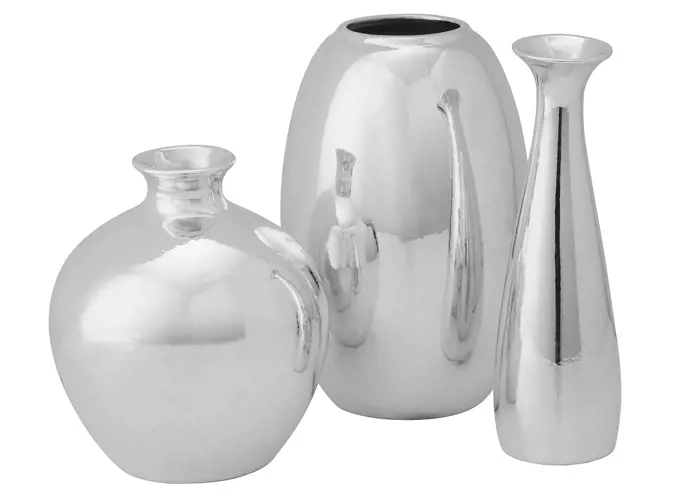
An assortment of uniquely designed glass and porcelain vases, highlighting different styles and eras, with elegant shapes and detailed decorations.
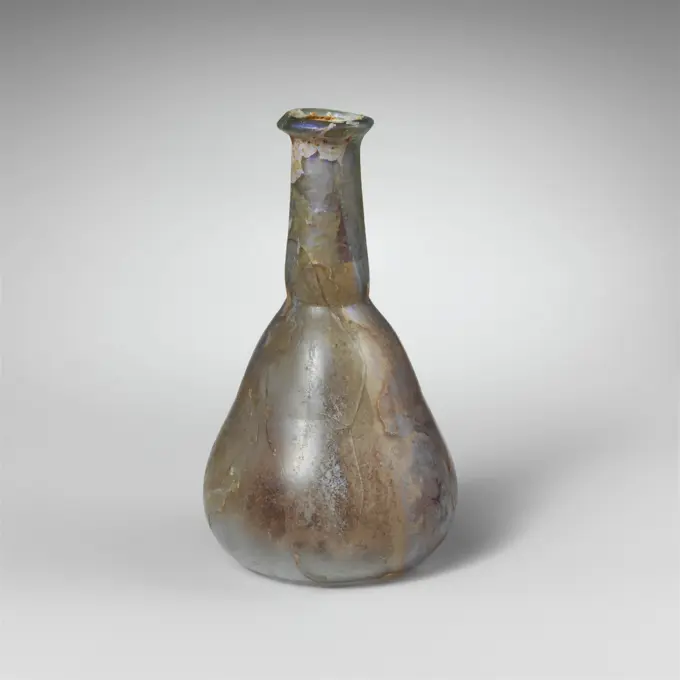
Glass perfume bottle 1st century A.D. Roman Translucent pale blue green.Rim folded out, over, and in, with beveled outer edge; slightly flaring mouth; cylindrical neck expanding downwards, with tooling indent around base; ovoid body; flat bottom.Horizontal tooled indent around center of body.Complete, but large cracks in neck and body; some pinprick bubbles and blowing striations; patches of faint iridescent weathering on exterior, soil encrustation and weathering on interior with loose soil inside bottle.. Glass perfume bottle 244677
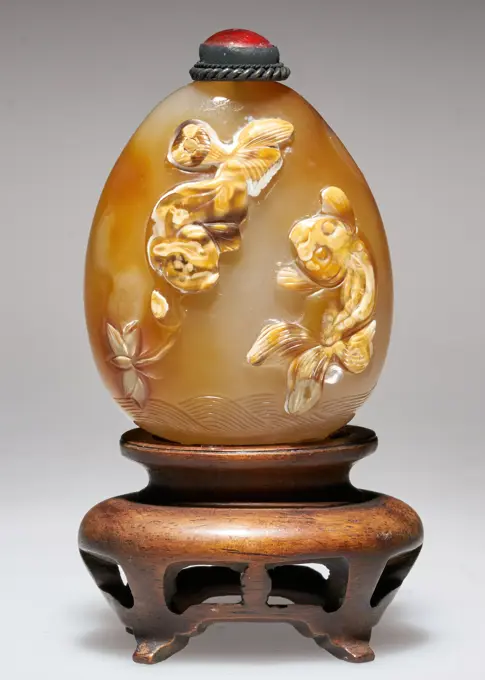
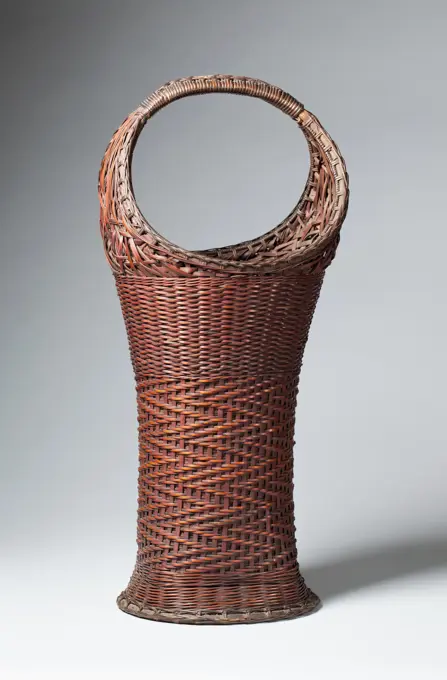
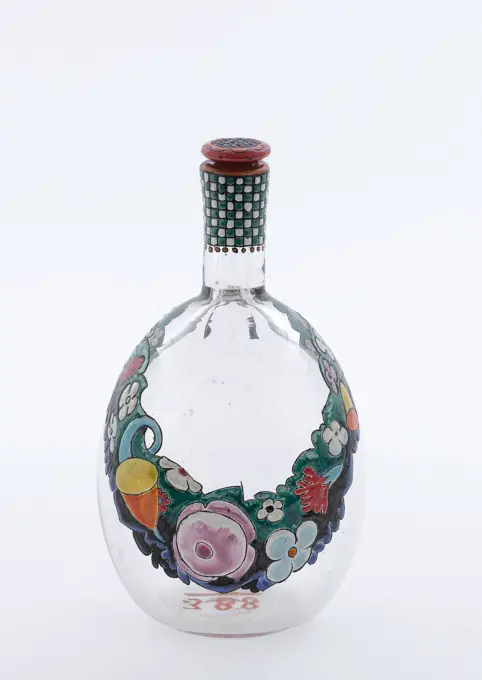
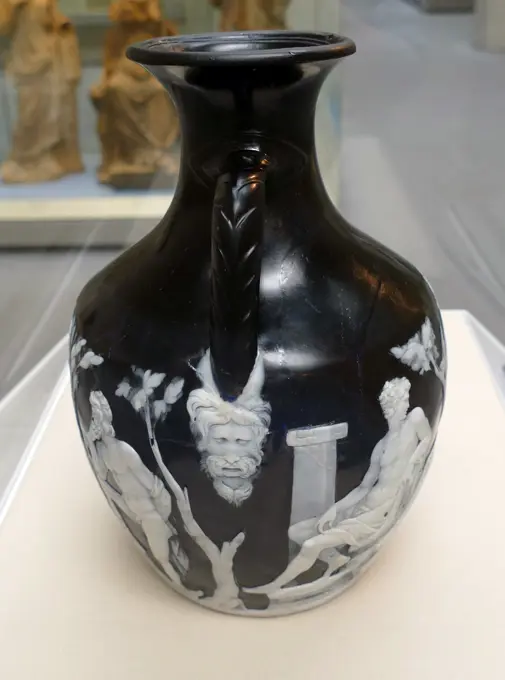
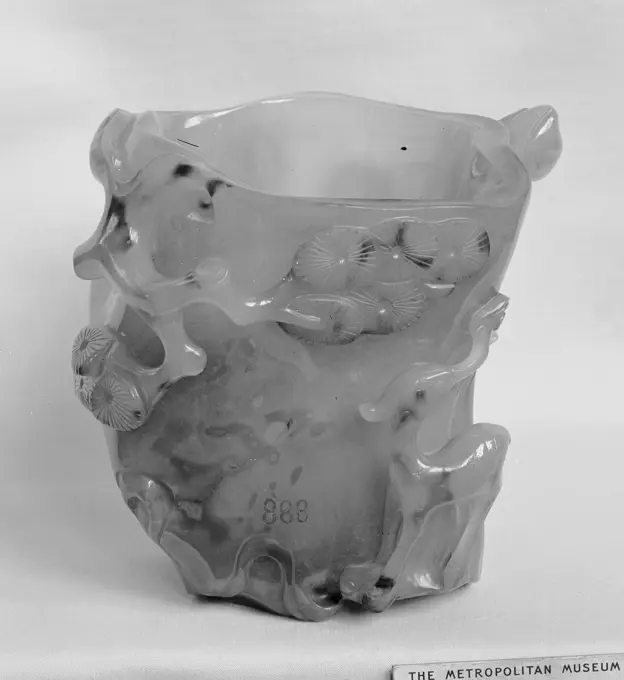
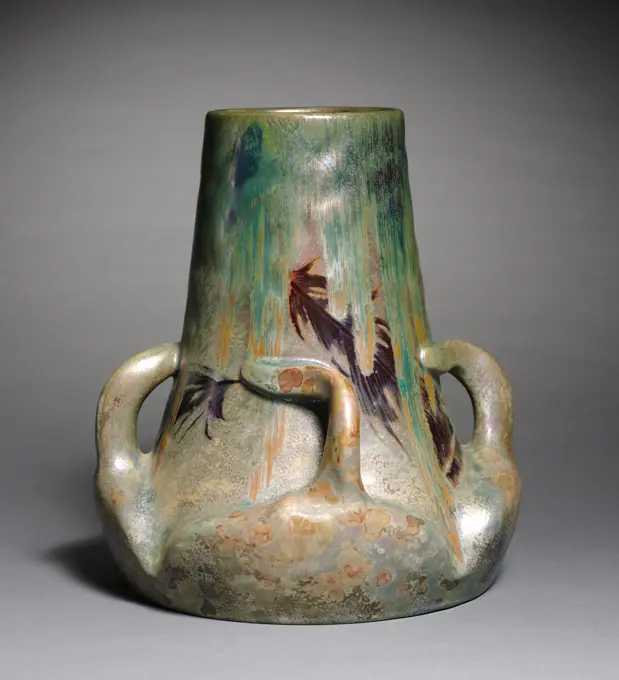
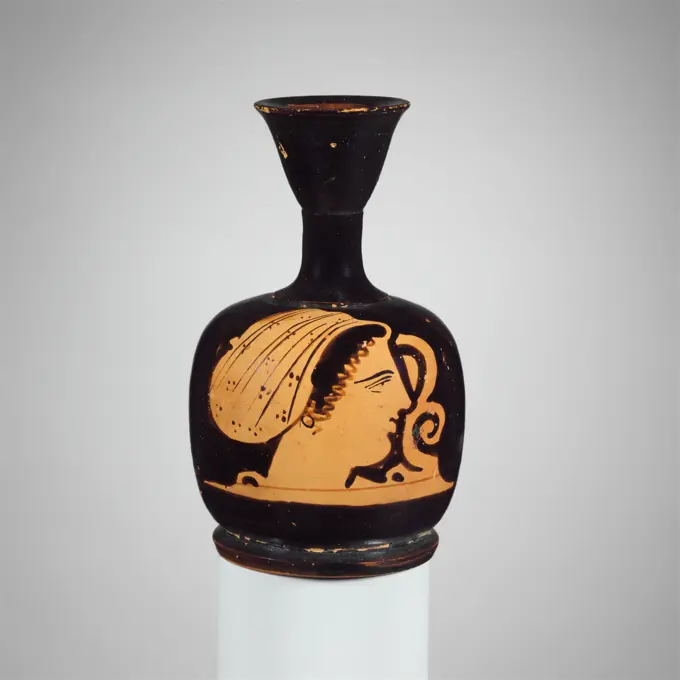
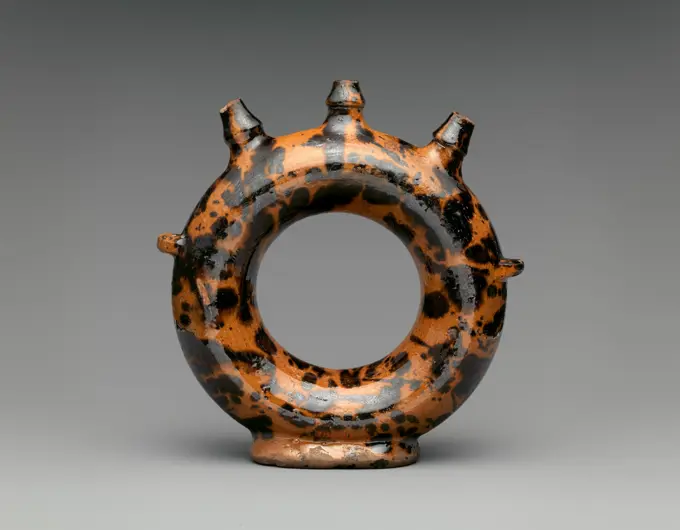
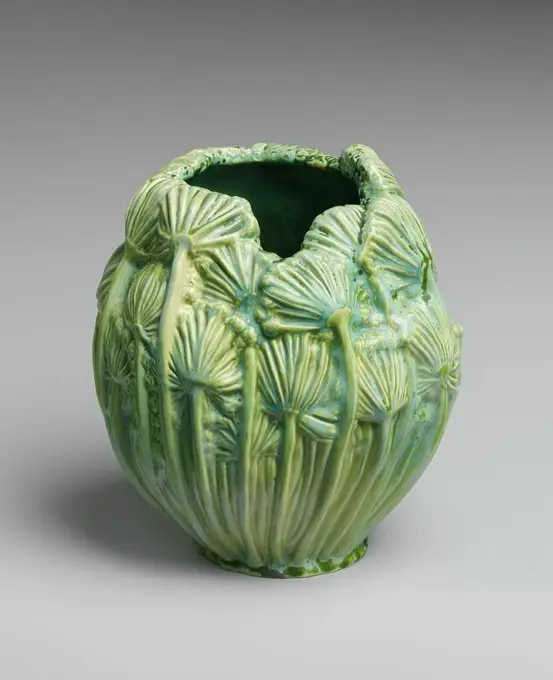
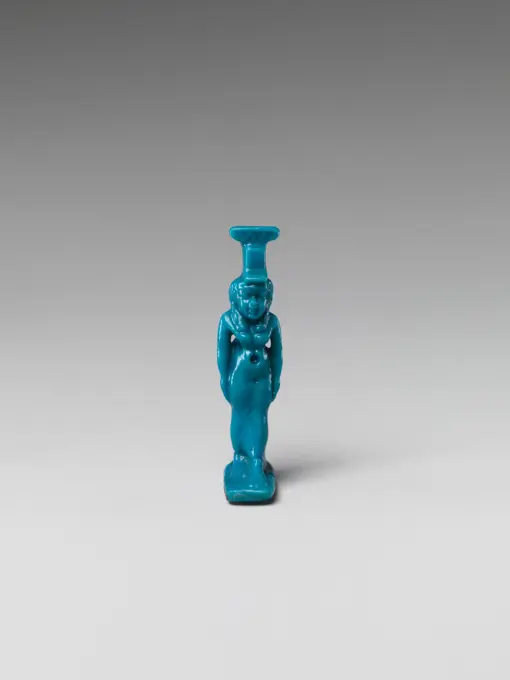
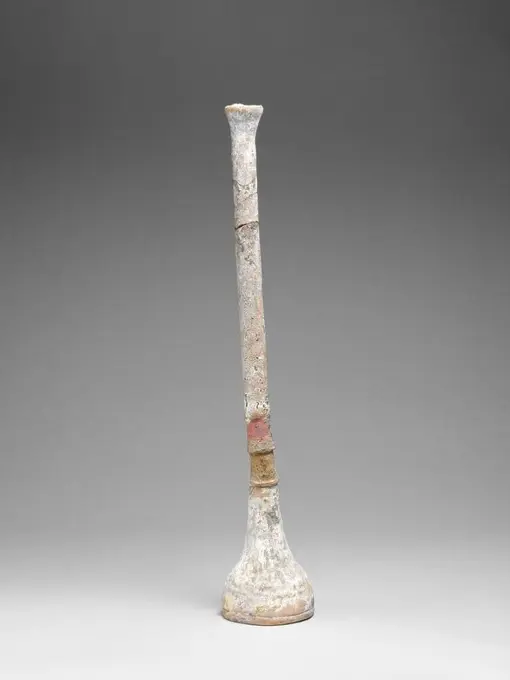
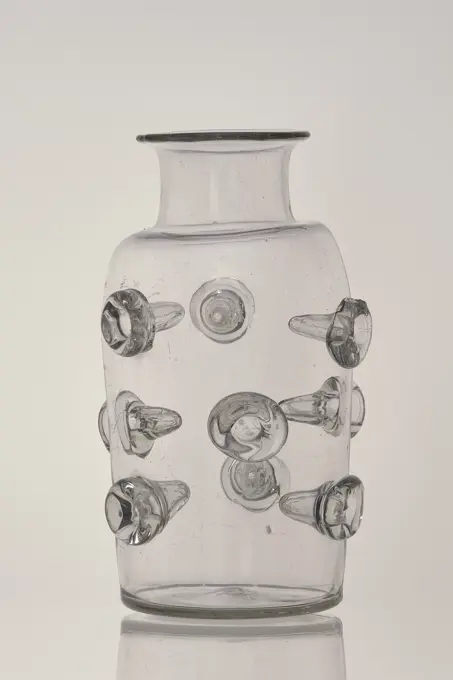
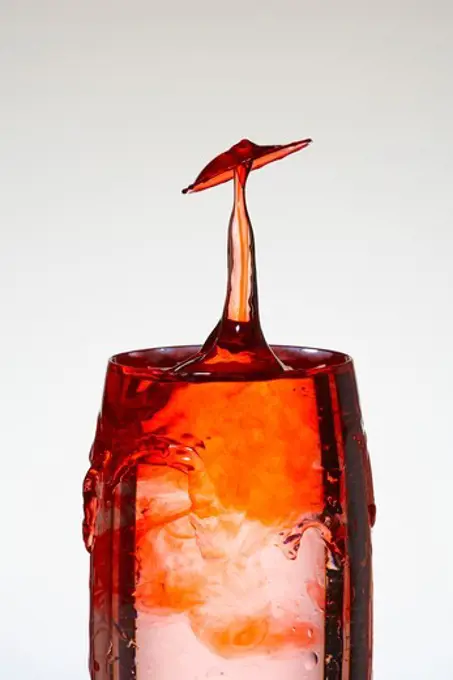
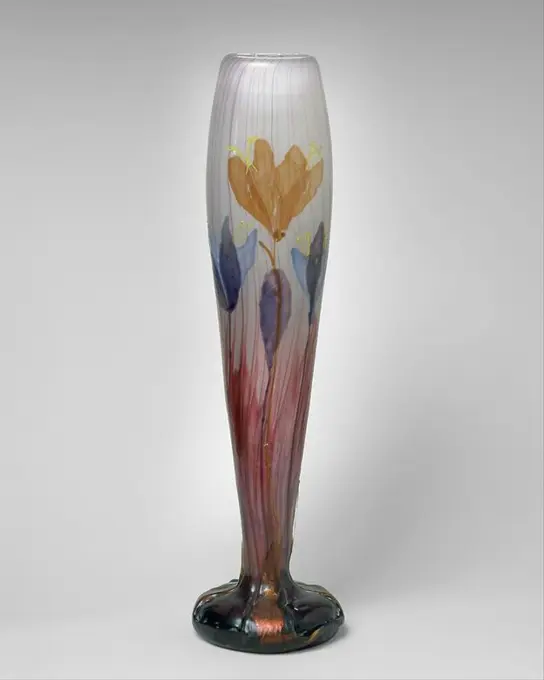
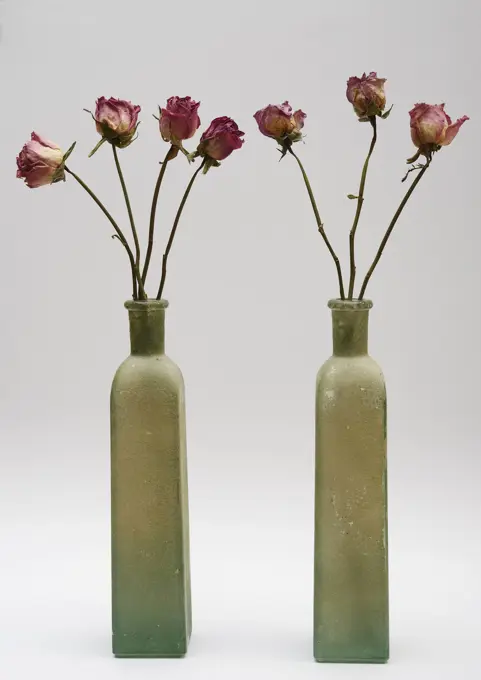
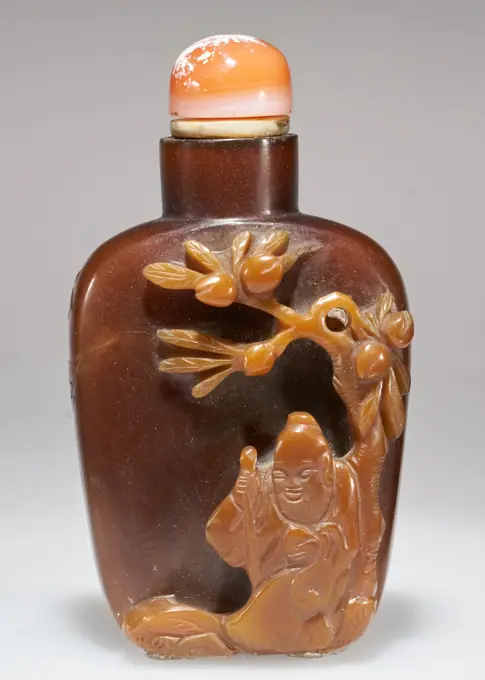
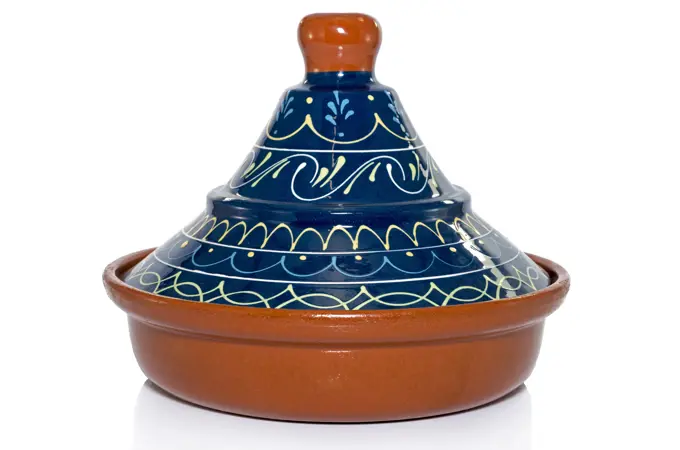
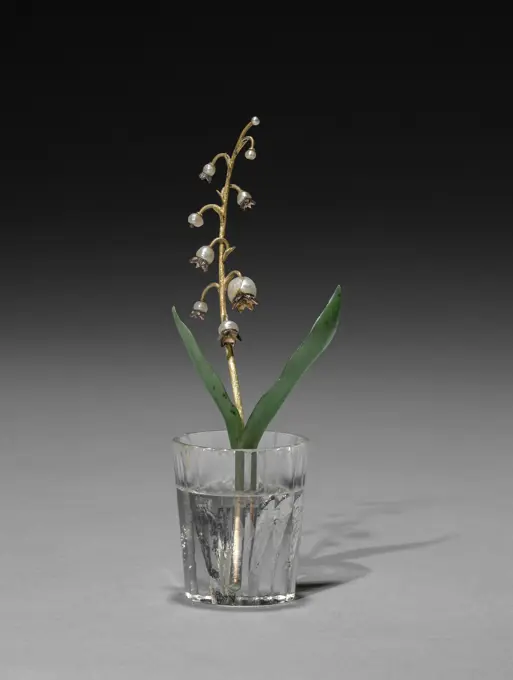
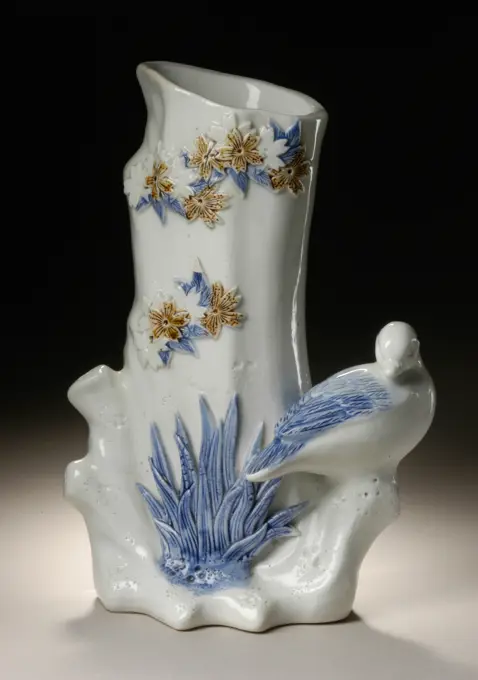
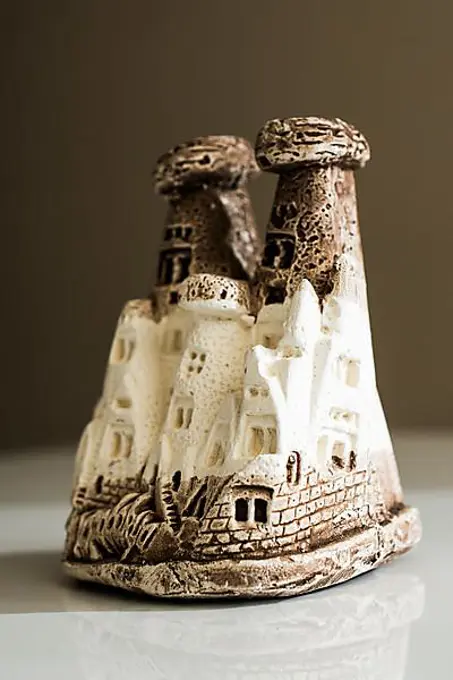
Snuff Bottle with Stopper, 1800s. China, Qing dynasty (1644-1911). Glass; with cover: 9.3 cm (3 11/16 in.).Pair of IndianClubsSnuff Bottle, 1850-1925, 2 1/2 x 1 3/4in. (6.4 x 4.4cm), Agate, red glass, ChinaBasket in armor plaiting, 1930s - 1940s, Hayakawa Seichikusai, Japanese, born 1903, 18 × 8 1/4 × 6 3/4 in. (45.72 × 20.96 × 17.15 cm), Bamboo and rattan, Japan, 20th centuryBowl, 12th-13th century, 4 x 7 3/4 in. (10.2 x 19.69 cm), Earthenware, Iran, 12th-13th centuryMaurice Marinot (1882-1960). Perfume bottle. Around 1920. Enamelled glass. Signed under the garland: Marinot ". Museum of Fine Arts of the City of Paris, Petit Palais. FLACON A PARFUM Perfume bottle, garland, signature, email glassEwer Made 1885-1905 England. Lead-glazed earthenware, gilded . Phoenix Ware (Manufacturer)Snuff Bottle, 1644-1911. China, Qing dynasty (1644-1911). Glass; overall: 7 cm (2 3/4 in.).Vase; Produced by Tiffany Glass and Decorating Company; Design Director: Louis Comfort Tiffany (American, 1848-1933); mold-blown favrile glassBottle 1700-1800. Bottle 592Snuff Bottle, 1644-1911. China, Qing dynasty (1644-1911). Glass; overall: 8.6 cm (3 3/8 in.).Rod vase. Acquired by the artist at the World's Fair 1900 in ParisLamp Stromy 5 team (Żygulska, Żątowska, Karbowska)JARRA SIN VIDRIAR CON DECORACION "ENCHINADA" DE FLORES - ARTE POPULAR. Location: ALFARERIA. SPAIN.Storm shade (one of a pair) ca. 1560 Italian, Venice or Austrian, Innsbruck. Storm shade (one of a pair) 205599Armlet ca. 300 B.C.-A.D. 200 Thailand (Ban Chiang). Armlet 57167Bottle. Egypt, 11th-12th century. Glass. Glass, mold-blown and tooled; free-blown and tooledThe Portland Vase, a Roman cameo glass vase, which is dated to between AD 1 and AD 25, served as an inspiration to many glass and porcelain makers from about the beginning of the 18th century onwards. It is first recorded in Rome in 1600-1601, and since 1810 has been in the British Museum in London.Vase 18th century China. Vase. China. 18th century. Chalcedony-agate. HardstoneVase, c. 1890. Lucien Lévy-Dhurmer (French, 1865-1953), Factory of Clément Massier (French). Earthenware; overall: 28.6 x 26.5 cm (11 1/4 x 10 7/16 in.).Terracotta squat lekythos (oil flask) late 5th-early 4th century B.C. Greek, Attic Head of a womanThe woman wears a sakkos, a kind of snood often worn in representations from the late sixth century on.. Terracotta squat lekythos (oil flask) 254307 Greek, Attic, Terracotta squat lekythos (oil flask), late 5thearly 4th century B.C., Terracotta, H. 3 3/4 in. (9.6 cm). The Metropolitan Museum of Art, New York. Rogers Fund, 1941 (41.162.135)Puzzle bottle 16th-17th century French Crossing class boundaries and spanning centuries, drinking games remain enduringly popular. At the opposite end of the spectrum from the refined Diana automaton displayed nearby, this puzzle bottle for the low end of the market provided slapstick entertainment: the puzzle involves deciding which spout to drink from without getting showered from the others. Its decorative coloration was simply and quickly achieved by spattering multiple glazes against the bottle before firing.Elizabeth Cleland, 2017. Puzzle bottle. French. 16th-17th century. Lead-glazed earthenware. Ceramics-PotteryVase. Culture: American. Dimensions: 7 3/4 in. (19.7 cm). Maker: Tiffany Studios (1902-32). Date: ca. 1904-09.This vase features a snake hidden among the stems and leaves of an arrowhead plant. In overall form, subject, and design--most notably the pierced neck--the vase closely resembles models made by the Copenhagen porcelain manufacturer Bing & Grondahl at the turn of the century. The Danish wares were illustrated in the journal "Keramic Studios," and Edith Lautrup, a decorator at Bind & Grondahl prior to working at Tiffany Studios, also may have been instrumental in the transmission of their designs. Museum: Metropolitan Museum of Art, New York, USA.Three-Sectional Altar Group: Koro, 1644-1911. China, Qing dynasty (1644-1911). Jade ; overall: 16.5 cm (6 1/2 in.); with base: 19.4 cm (7 5/8 in.).Nephthys amulet 332-30 B.C. Ptolemaic Period The four small figures of Isis, Khnum, Horus, and Nephthys and Khnum (26.7.883-26.7.886) are probably mummy amulets.. Nephthys amulet 551327Pineapple Candlestick; Produced by Tiffany and Co. (United States); Design Director: Louis Comfort Tiffany (American, 1848-1933); USA; mouth-blown favrile glass, cast bronzeTrumpet. Culture: Teotihuacan. Dimensions: Height: 11 3/4 in. (29.8 cm)Diameter (of bell): 2 1/4 in. (5.7 cm). Date: ca. 400-700. Museum: Metropolitan Museum of Art, New York, USA.Jug - tincture; Lapar, Leon (1818-1897); 19th century (1801-00-00-1900-00-00);Jar with flows; 2nd half 19th century (1800-00-00-1900-00-00);Prehistory, Korea, Bronze Age. Bamboo-shaped bronze ornament. From Koejongdon.Large drum body with decoration of war fans 17th century Japan. Large drum body with decoration of war fans. Japan. 17th century. Gold makie on black lacquer. Edo period (1615-1868). LacquerRed drops in a champagne glassSnuff Bottle, 17th-19th century, 2 7/8 x 1 3/8in. (7.3 x 3.5cm), Glass, China, 17th-19th century"Autumn Crocus" Vase. Designer: Emile Gallé (French, Nancy 1846-1904 Nancy). Dimensions: H. 17-3/8, W. 3-3/4 in. (44.1 x 9.5 cm.); base W. 4-1/2 inches (11.4 cm). Manufacturer: Établissements Gallé. Date: ca. 1900.Having learned glassmaking as a child by watching his father blow glass objects for the family's retail shop in Nancy, Gallé continued his studies in Weimar, Paris, and London. By 1874 he had become artistic director of his father's prosperous business and had begun to produce art glass in his own factory. During the 1880s and 1890s he made vast quantities of production-line lamps, vases, and tableware while developing original techniques for creating and decorating unique glass vessels, including marqueterie de verre, a technique inspired by inlaid decoration, or marquetry, in wood. Gallé pressed shaped pieces of hot glass into the pliable body of an object as it was being made; once the flat surface had cooled, it could be engraved, carved, or embellished with additional aTwo green vintage glass bottles with dried pink roses two green vintage glass bottles with dried pink roses copyright: xzoonar.com/mikhailxolykaynex 22622106Flower vase. IsolatedSnuff Bottle, 19th century, 3 x 1 3/4in. (7.6 x 4.4cm), Agate, China, 19th centurytwo brown ceramic vases isolated on white backgroundtagine or tajine to make food moroccan tagine or tajine to make food Copyright: xZoonar.com/chrisxwilllemsenx 6662534TeaCaddy.  Maker: Joseph Smith, American, 1731-1777BOTIJOS EN FORMA DE GALLO DE DIFERENTE PAIS. Location: PRIVATE COLLECTION. MADRID. SPAIN.Bottle Huta Bernard KropfSankh Indian late 19th century View more. Sankh. Indian. late 19th century. Conch shell. India. Aerophone-Lip Vibrated-trumpet / tromboneFlower Study of a Lily of the Valley, c. 1885-1915. House of Fabergé (Russian, 1842-1918). Pearls, diamonds, jade, rock crystal, silver, gold; overall: 12.1 x 3.1 cm (4 3/4 x 1 1/4 in.). This flower study resembles a stem of lily-of-the-valley. Fabergés inspiration for his flower studies is said to have come from the floral brooches of precious stones that were made in the 1700s for Catherine the Great as well as from the Japanese art of flower arranging, known as ikebana. Small and delicate, Fabergés flower studies were given as intimate gifts to friends by the tsarina and others in the court. She also liked to take them around to wherever the imperial family was residing as a reminder of spring during the harsh Russian winters.PocketBottleTree-Stump Vase with Seated Duck. Japan, 19th century. Ceramics. Hirado Mikawachi ware, porcelain with blue and brown underglazePrzeszo Przyszoci unknownCovered SugarBowlOctagonal bottle with a woman's figure and the inscription: mache balt. Sonst Werde Ich Alt. Flat ground. Octagonal, in the form blown body, painted in white, yellow, blue, red and black with a women's figure on the front and inscription "mache balt. Sonst Werde Ich Alt." on the backside. On the narrow lace flower branches and a stripe pattern, a stylized branch on the shoulder. The mouth captured in a tin frame with thread.Close-up of three perfume bottlesCappadocia region souvenir on stray in the viewSet of ancient vase hand drawn ink sketch. Engraved style vector illustrationClose-up of a hand grenade