Decorative Glassware

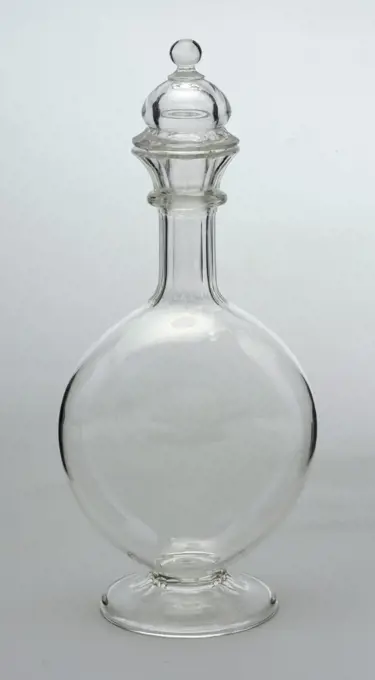
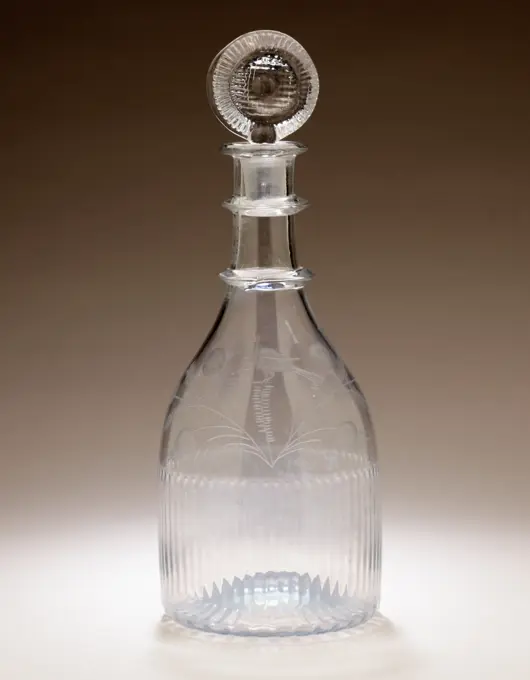
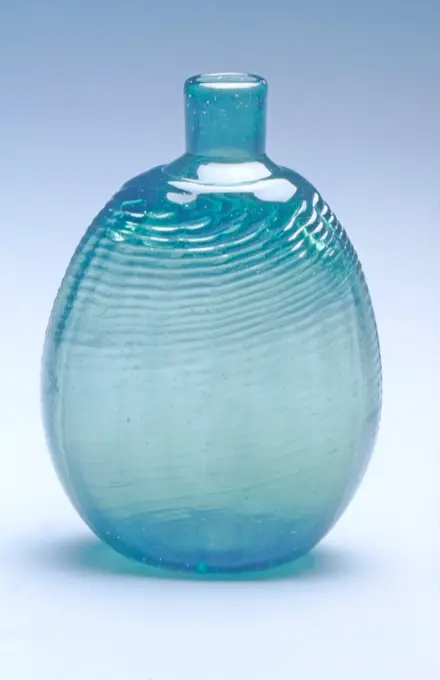
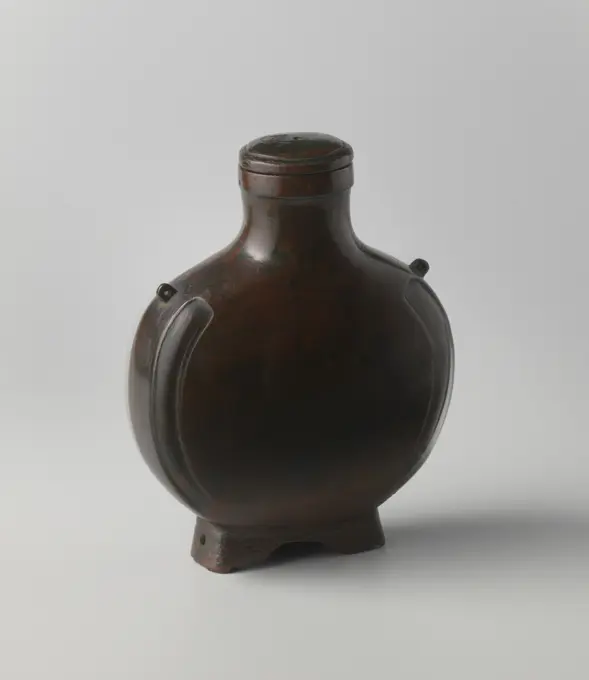
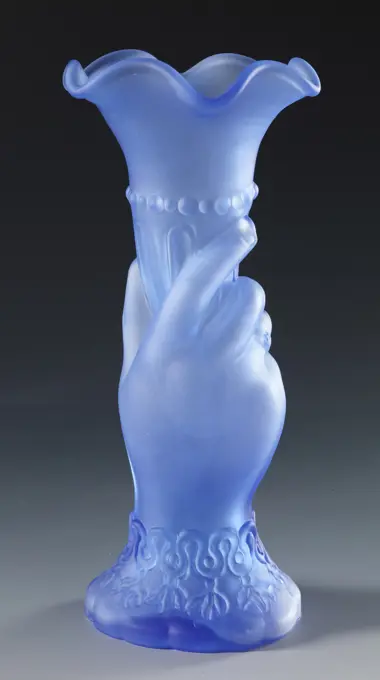
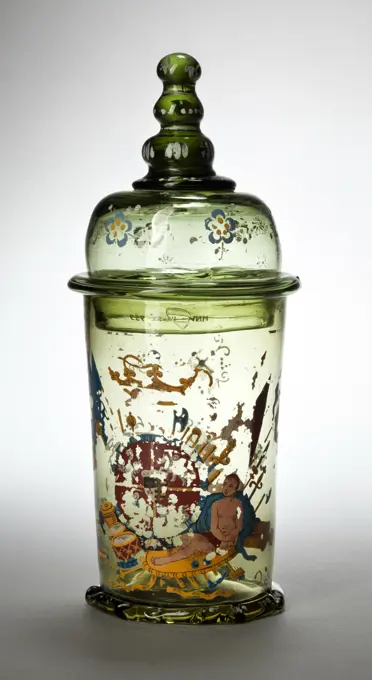
An array of unique glass vases and decanters from different eras, showcasing intricate designs and craftsmanship in glass artistry.

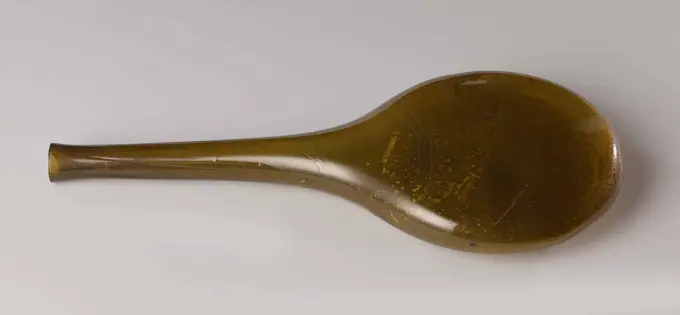
Gloglò with bodded body, anonymous, c. 1750 - c. 1850 Gloglò with slightly conical foot, upwards. The body is stripped four times, straight, short neck with flat mouth. The neck is sharpened inside. This indicates that the bottle could be closed with a well -fitting stop. The stop is missing. Bohemia glass glassblowing Gloglò with slightly conical foot, upwards. The body is stripped four times, straight, short neck with flat mouth. The neck is sharpened inside. This indicates that the bottle could be closed with a well -fitting stop. The stop is missing. Bohemia glass glassblowing
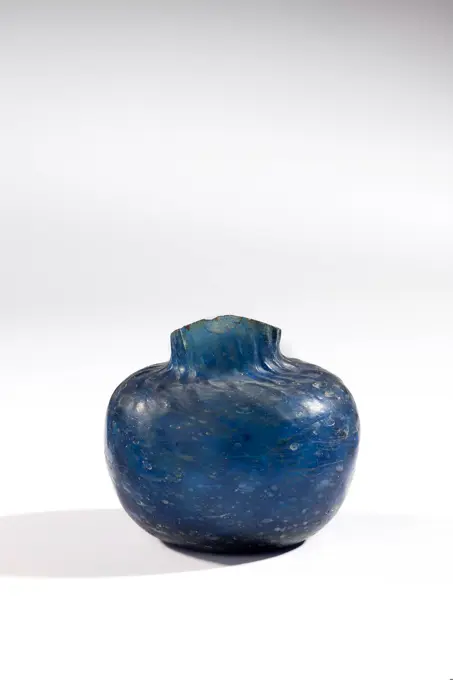
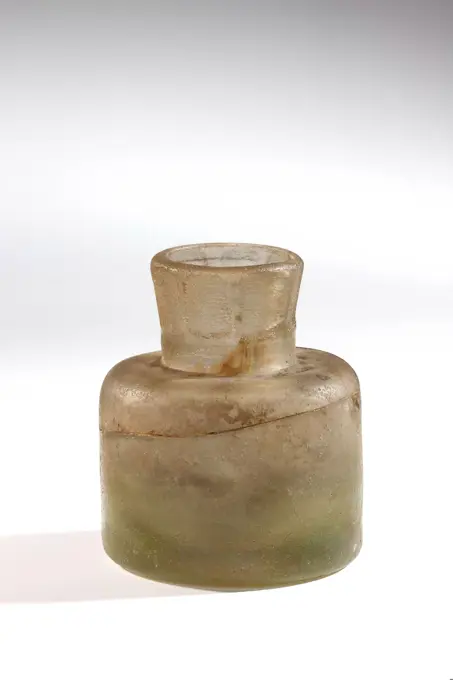
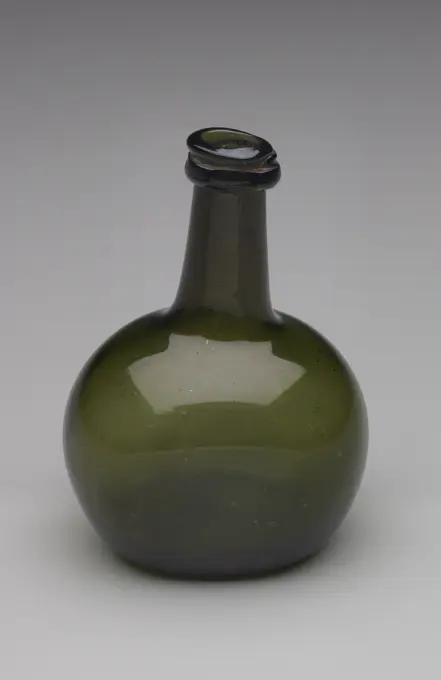
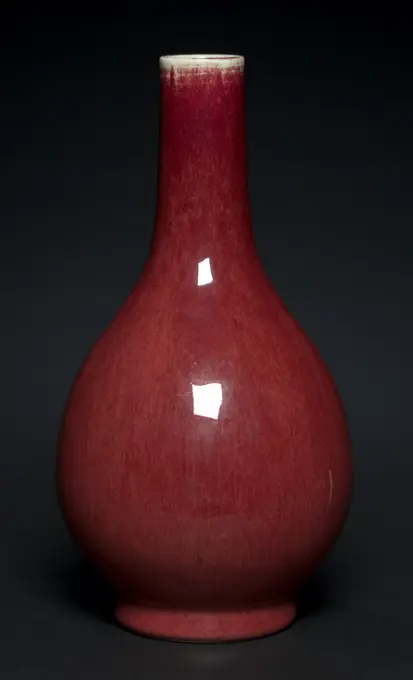
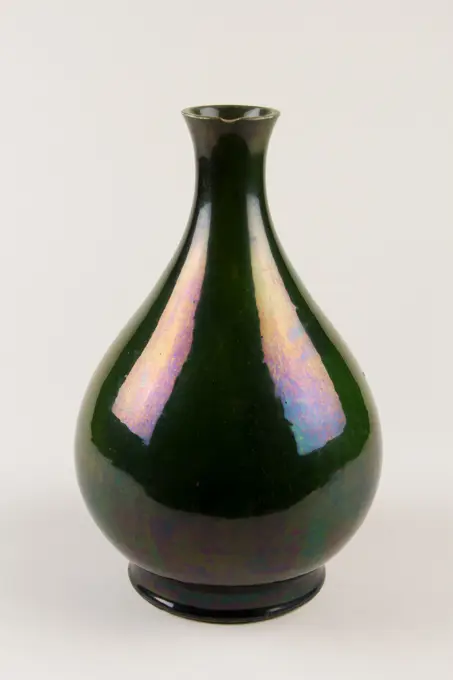
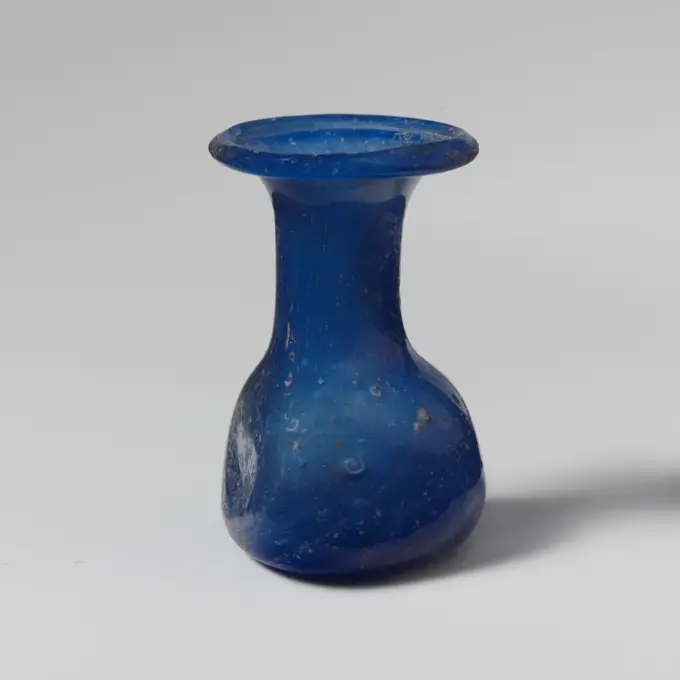
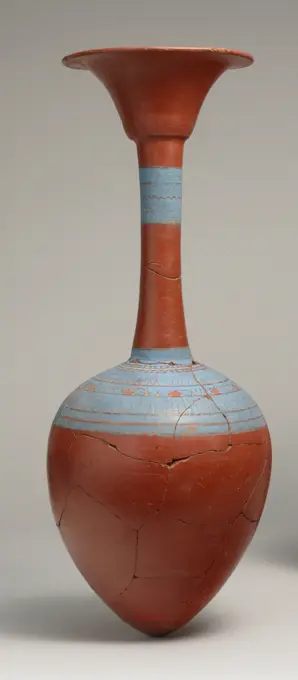
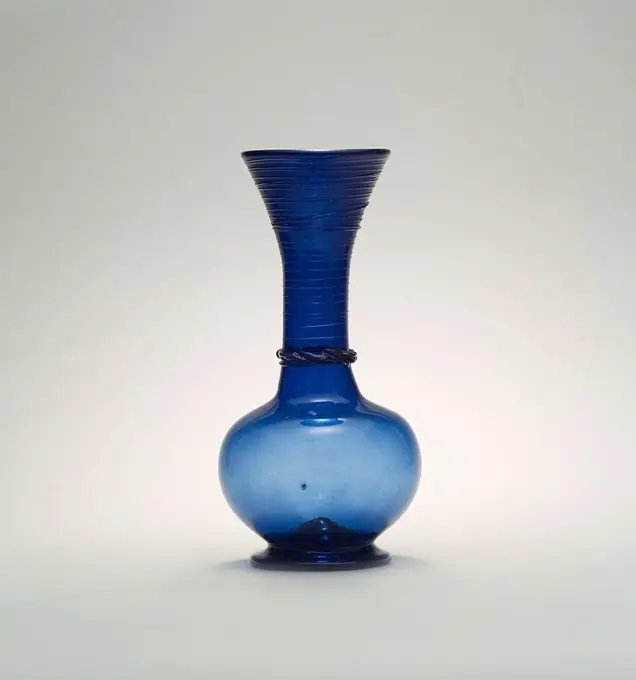
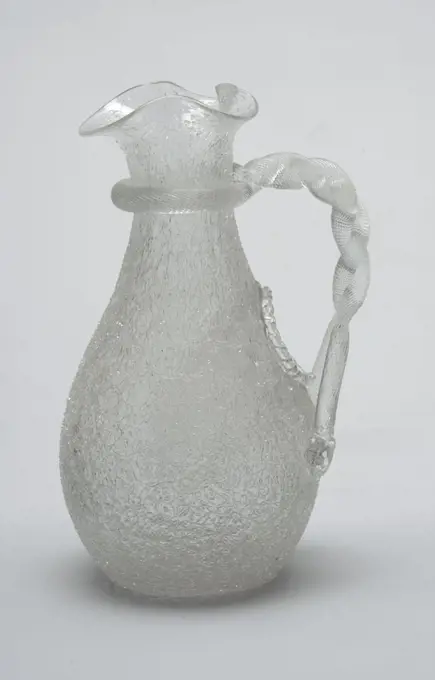
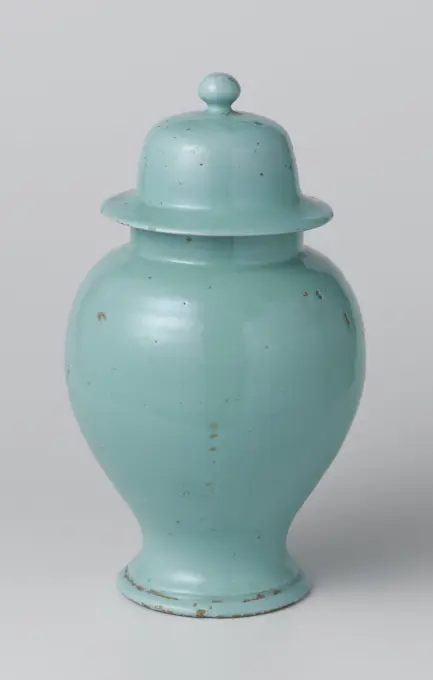
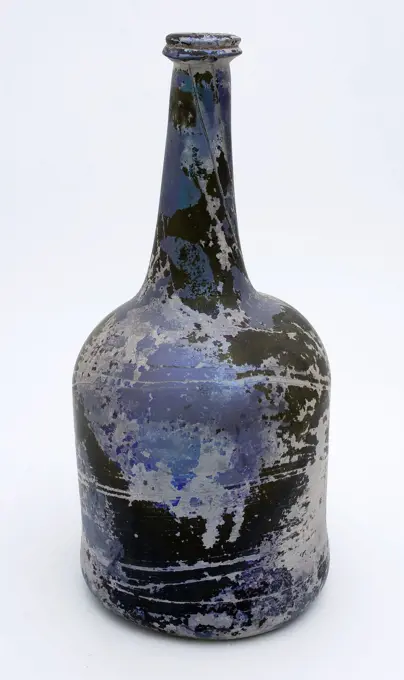
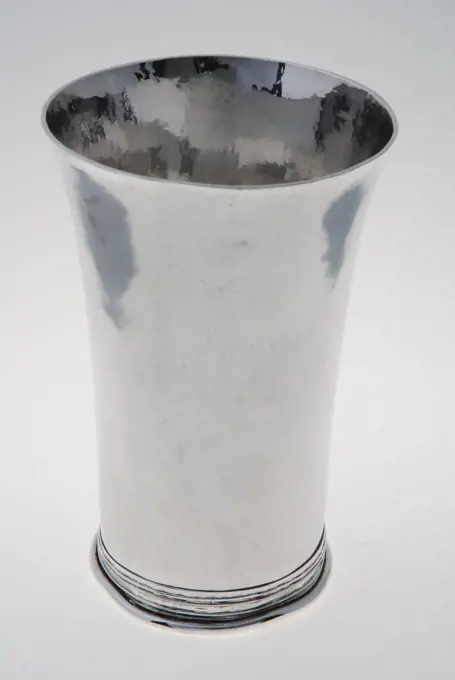
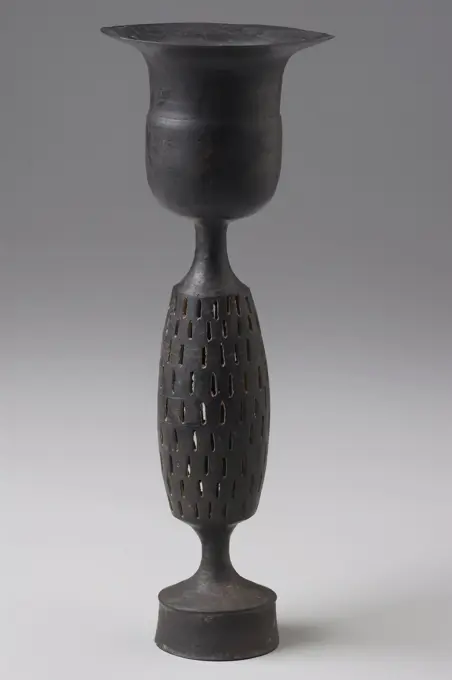
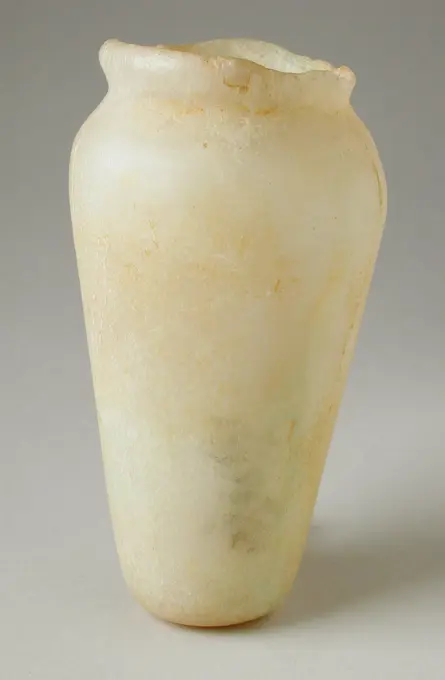
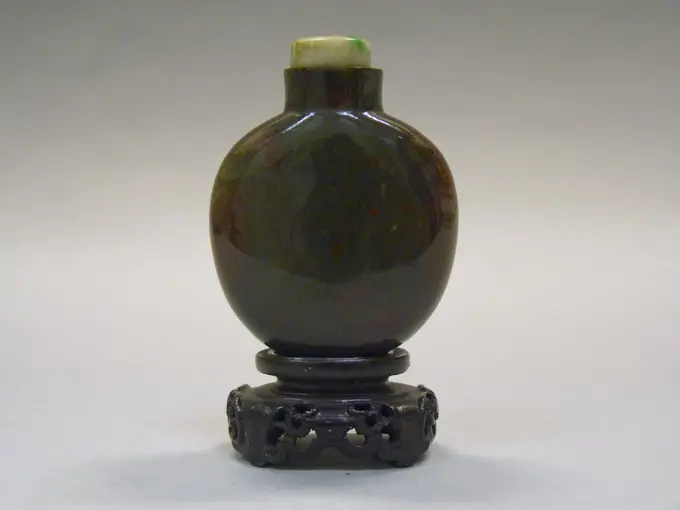
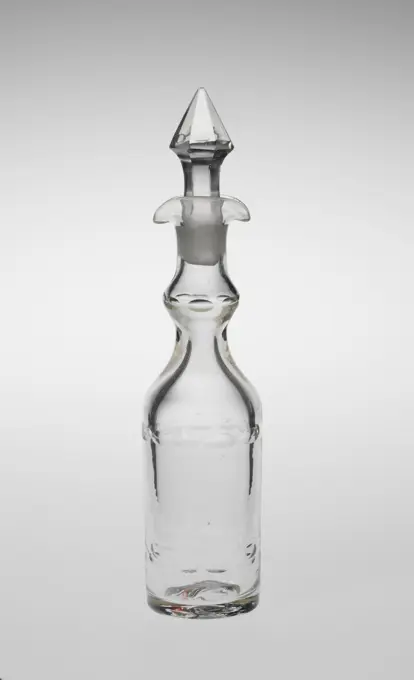
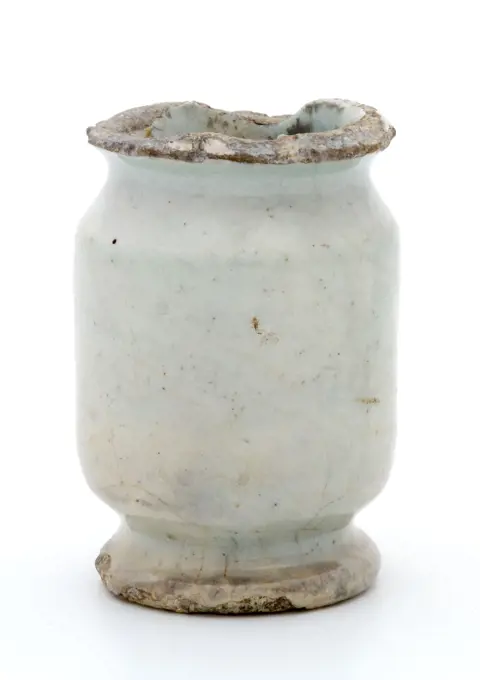
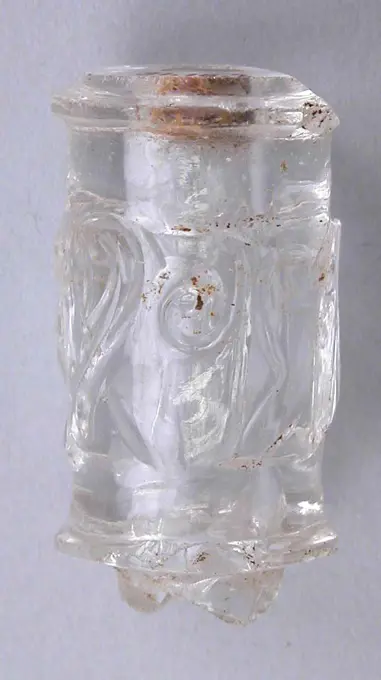
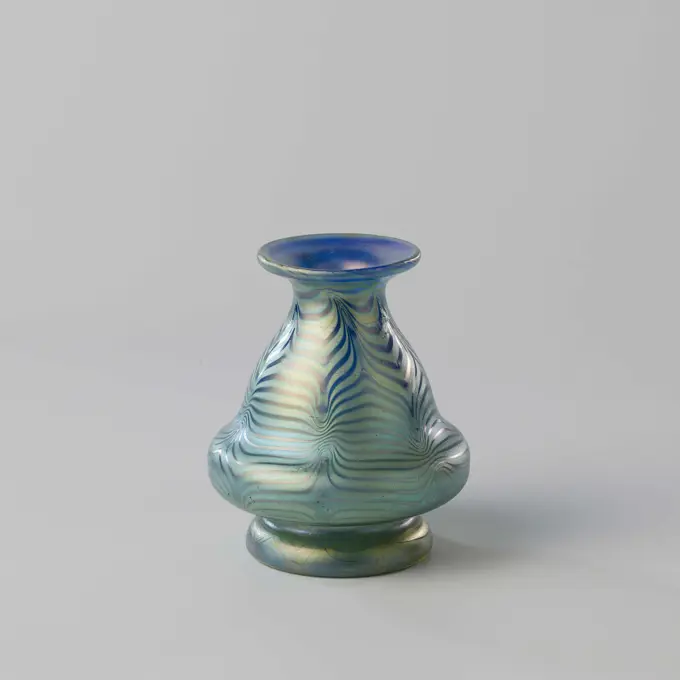
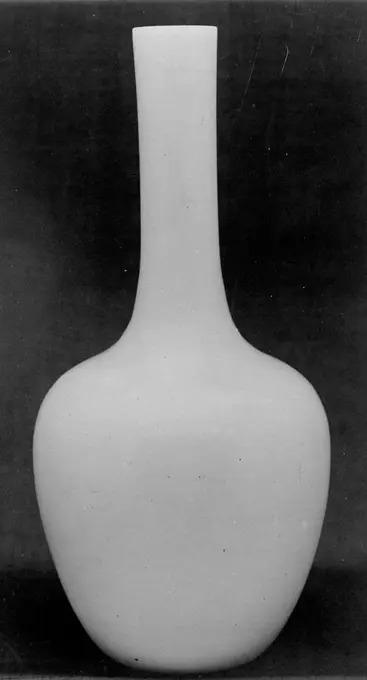
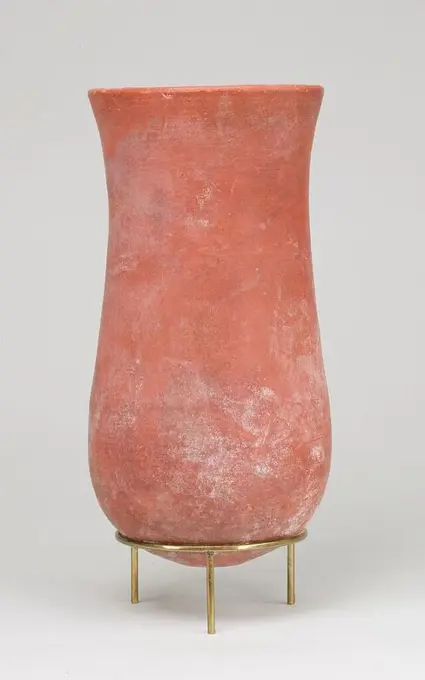
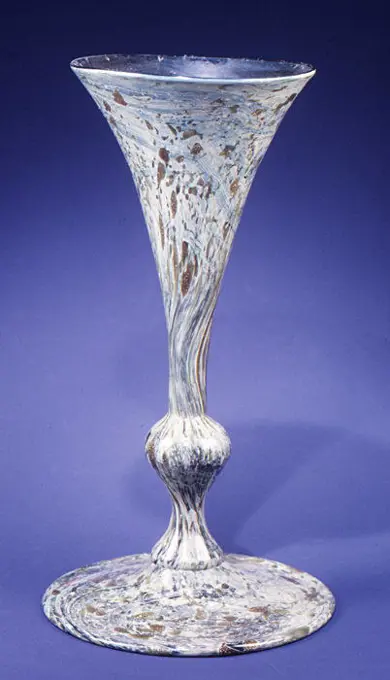
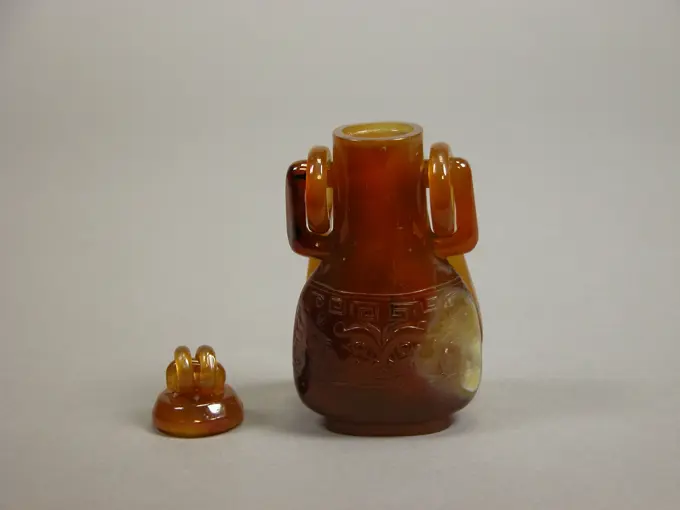
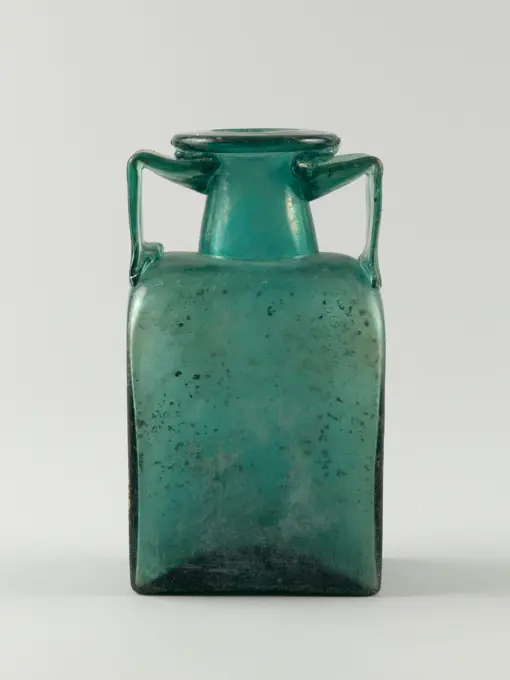
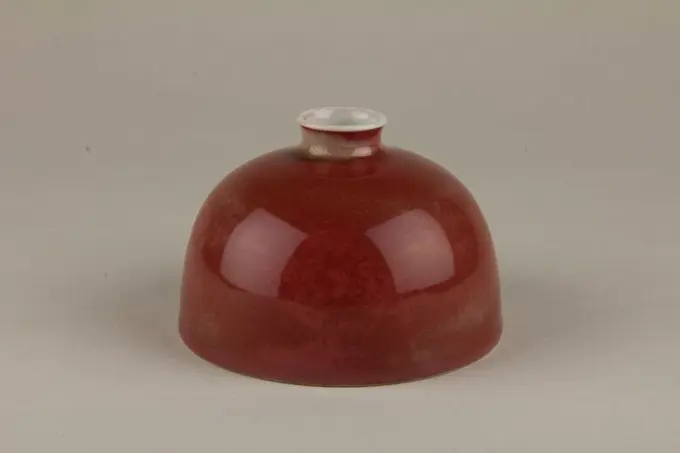
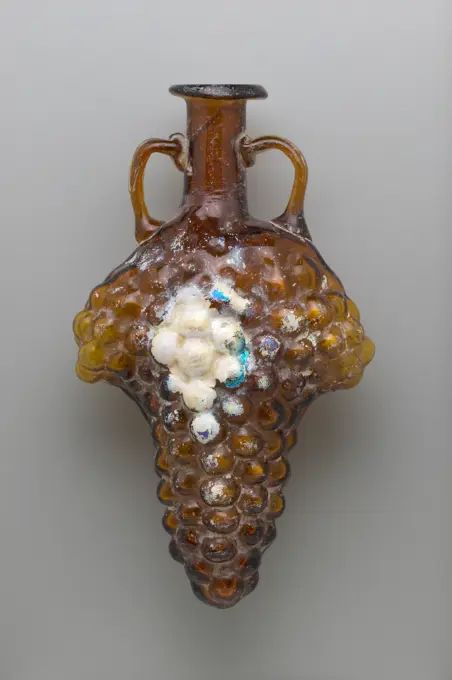
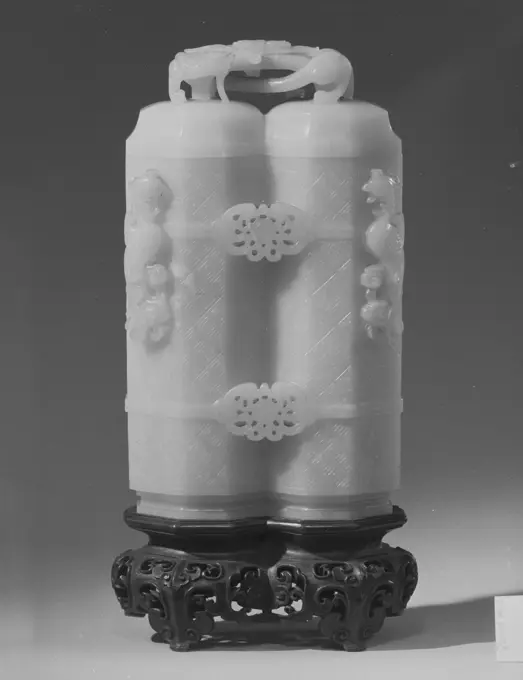
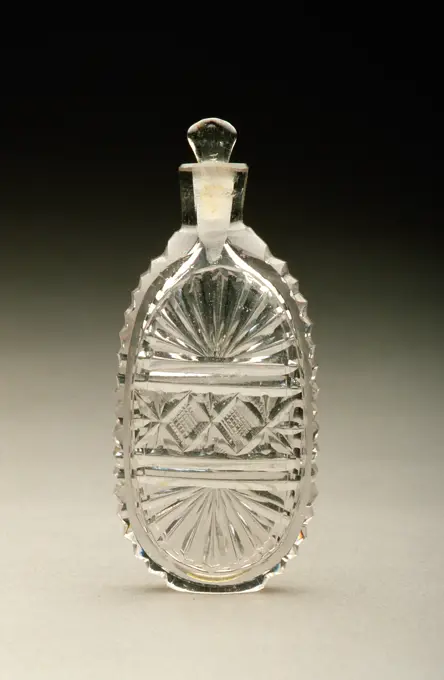
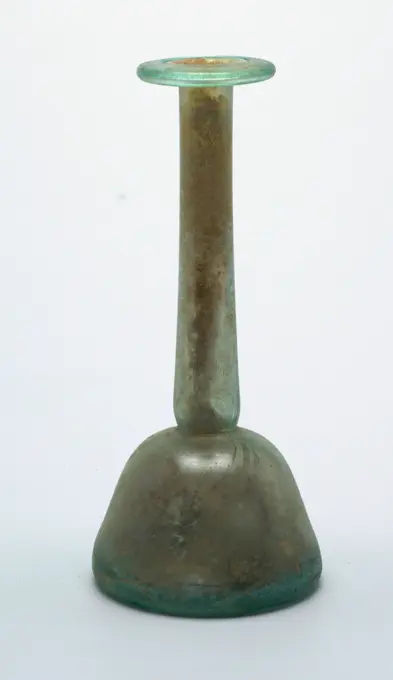
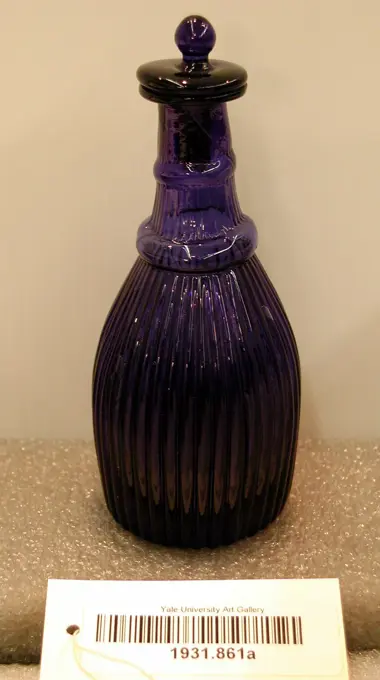
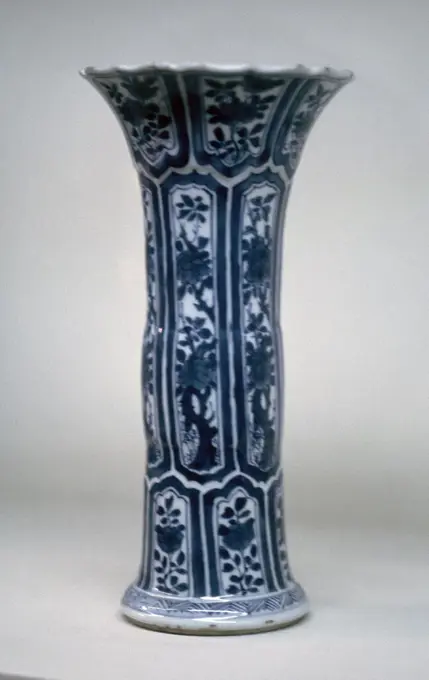
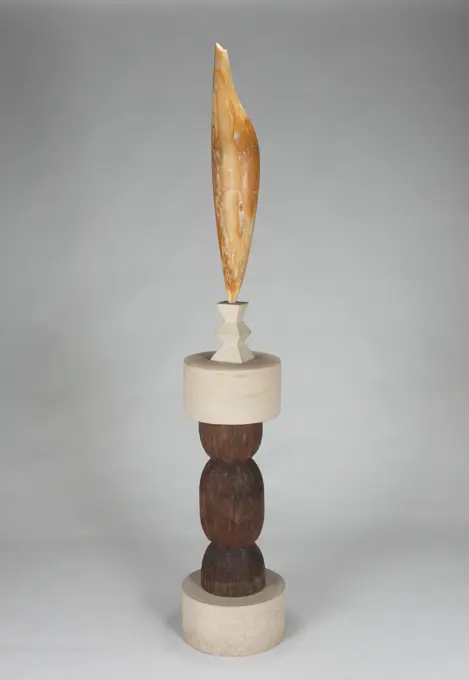
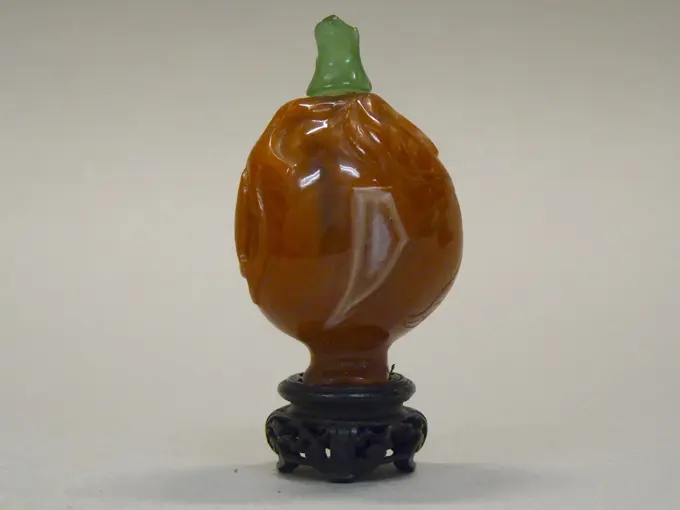
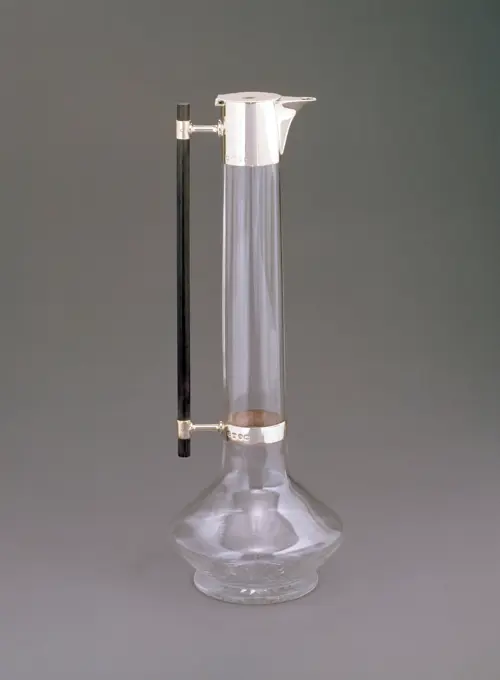
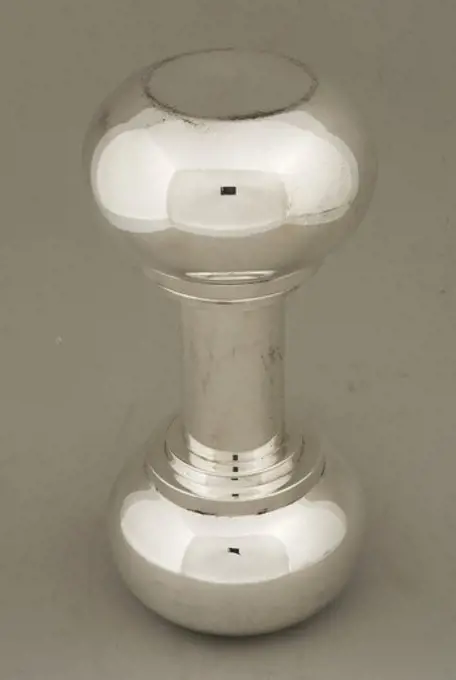
Pear-Shaped Vase with Stylized Flowers and Leaves. China. Date: 960 AD-1279. Dimensions: H. 30.3 cm (11 15/16 in.); diam. 14.8 cm (5 13/16 in.). Cizhou ware; stoneware with brown and black glazes. Origin: China. Museum: The Chicago Art Institute, Chicago, USA.No. 132, Professor Josef Storck, Austria, 1830 - 1902, J. & L. Lobmeyr GmbH, Vienna, Austria, founded ca. 1935, Meyr's Neffen, Adolf, Mouth-blown crystal, facet-cut and polished, Mouth-blown crystal oval decanter with stopper, facet-cut and polished (without engraving)., Austria, 1870, glasswares, Decorative Arts, Wine decanter with stopper, Wine decanter with stopperMaker Unknown, Decanter and Stopper, c. 1790-1820, colorless non-lead glass.Unguentarium ca. 1st century A.D. Nabataean. Unguentarium 325900Bottle of oil and vinegar consisting of two glass bottles and a pepper bus in a holder, Jan Hendrik Middelhuysen (attributed to), 1783 Bottle decorated with various sharpening. The narrow neck ends in a wide spout. The straight ear runs from the top of the neck to the belly of the bottle. The ear was broken down and was attached to the bottle with silver frames. Amsterdam silver (metal). glass Bottle decorated with various sharpening. The narrow neck ends in a wide spout. The straight ear runs from the top of the neck to the belly of the bottle. The ear was broken down and was attached to the bottle with silver frames. Amsterdam silver (metal). glassFlakonik - snack;  18th century (1810-00-00-1880-00-00);Gloglò with bodded body, anonymous, c. 1750 - c. 1850 Gloglò with slightly conical foot, upwards. The body is stripped four times, straight, short neck with flat mouth. The neck is sharpened inside. This indicates that the bottle could be closed with a well -fitting stop. The stop is missing. Bohemia glass glassblowing Gloglò with slightly conical foot, upwards. The body is stripped four times, straight, short neck with flat mouth. The neck is sharpened inside. This indicates that the bottle could be closed with a well -fitting stop. The stop is missing. Bohemia glass glassblowingMei Ping, 1736-1795, 8 7/8in. (22.5cm), Porcelain, China, 18th centurySouvenir of Józef Czapski  FlakonCarafe with traffic jam Economic Glass Huta KrosnoDecanter with Stopper. England or United States, circa 1810-1820. Furnishings; Serviceware. Colorless, engraved glass; mold-blown baseDouble Jug 101 CE-300 CE Roman Empire. This vessel was made by heating two separate jugs and then fusing them together. The two compartments may have held two different kinds of wine.. Glass, blown technique . Ancient RomanPocketBottleVase (England); Designed by Christopher Dresser (Scottish, 1834 - 1904); Manufactured by Linthorpe Pottery, Yorkshire (United Kingdom), Henry Tooth; glazed earthenware; H: 24 x W: 12.20Globular vase, 18th century, 5 5/8 x 5 3/8in. (14.3 x 13.7cm), Porcelain, China, 18th centuryImitation Bianhu. Platted pilgrim bottle, Bianhu, imitation of a similar object from the Han period.Bottle. unknown, craftsmanFlask. American; Probably Midwestern. Date: 1860-1875. Dimensions: H. 16.8 cm (6 5/8 in.). Glass. Origin: Pittsburgh. Museum: The Chicago Art Institute, Chicago, USA.Vase probably 18th-19th century. Vase 444739Bottle. unknown, craftsmanBottleSoda bottle -Sang de boeuf Vase, early 1900s. China, Qing dynasty (1644-1911). Porcelain with copper red glaze; overall: 24.2 cm (9 1/2 in.).Vase 19th century China. Vase. China. 19th century. Porcelain with green glaze. Qing dynasty (1644-1911). CeramicsGlass perfume bottle 3rd-4th century A.D. Roman Small perfume bottleTranslucent blue.Rim folded out, over, and in; flaring mouth; cylindrical but slightly concave neck; lobsided sloping shoulder; roughly squared body with two indented sides; kick in bottom with traces of round pontil mark.Intact; many bubbles and some white gritty inclusions; slight pitting and patches of iridescent weathering.. Glass perfume bottle 239750Water Bottle from Tutankhamun's Embalming Cache ca. 1336-1327 B.C. New Kingdom This slender, elegant bottle, with its flaring rim in the form of an open papyrus umbel, was among the cache of objects discovered in a pit (KV 54) in the Valley of the Kings in 1907. The objects are associated with the funeral of Tutankhamun, whose tomb was discovered some fifteen years later about 200 feet away. The decoration around the neck imitates floral collars made of leaves, petals, flower buds, and berries that were worn by banquet guests and draped around vessels used at banquets. Several such collars (see 09.184.214) were also found in the cache. This bottle may have been used in the purification ritual at Tutankhamun's burial or to serve a spiced beverage at his funeral banquet.Other objects from Tutankhamun's funeral cache are displayed in gallery 122.. Water Bottle from Tutankhamun's Embalming Cache. ca. 1336-1327 B.C.. Pottery, hematite wash, burnished, pigment. New Kingdom. From Egypt, UpperPair ofcandlesticks.   Maker: Joseph Lownes, American, 1758-1820Vase; Huta Szk A J. Stolle Niemen (Brzozówka; 1894-1939); around 1920-1939 (1920-00-00-1939-00-00);Krajewski, Wilhelm ( -1908), Stolle, Juliusz (1855-1927), Purchase (provenance)Bottle with a Globular Body. Dimensions: H. 9 5/16 in. (23.7 cm)Max. diam. 4 1/2 in. (11.4 cm). Date: 19th century.By the beginning of the sixteenth century, Venice had become the leading producer and exporter of fine glass wares and many such products became fashionable in Persia. These styles and techniques influenced local production, and factories were created in Shiraz producing wares that rivaled the imports from abroad. These types of wares-with a flared mouth and bulbous body- were produced in vivid blues and greens, illustrating the range of colors employed by glassmakers in the eighteenth and nineteenth centuries. This bottle may have been used to decant or store wine, or perhaps as a base of a water pipe. Such vessels were admired for their graceful shapes and often were decoratively displayed within niches of private and public buildings in Tehran, Isfahan, and Shiraz. Museum: Metropolitan Museum of Art, New York, USA.Vase China. Vase. China. Porcelain. Qing dynasty (1644-1911), Yongzheng period (1723-35). CeramicsPitcher, Boston and Sandwich Glass Company, Sandwich, Massachusetts, USA, active 1824-1888, Blown and applied glass, Of clear 'ice' or 'overshot' glass, the rough-surfaced ovoid body tapering to slender neck flaring to mouth pinched to form wide spout; handle formed of spiral-textured rod looped around neck, twisted and attached to body below oval opening of indented well (for ice or other cooling agent)., ca. 1875-85, glasswares, Decorative Arts, PitcherFaaMence lid of lid jar with blue -green stock, anonymous, c. 1700 - c. 1750 lid FaaMence lid with blue -green stock lid Delft earthenware. tin glaze.Candlestick 1840-60 American. Candlestick 1256Vase (Ping). China, Qing dynasty, Yongzheng mark and period, 1723-1735. Furnishings; Accessories. Mold-blown glass with wheel-etched markJarWig stand, 19th century, Boston and Sandwich Glass Company, American, Sandwich, Massachusetts, 1825-1888, 13in. (33cm), Blown and molded glass, United States, 19th centuryCylindrical bottle for 'Constantia wine', anonymous, c. 1790 - c. 1800  Green glass bottle with fairly wide and short belly and long neck. The seal is on the bulging of the abdomen just below the beginning of the neck. Constan/ Tia Wyn is in a curve. Constantia Wine was and is a famous wine from the Buitenplaats Constantia (later Groot Constantia) in Cape Town, South Africa. The bottle is dredged on the coast of Ghana. The mouthpiece of the bottle is uneven. Northwest Europe glass glassblowing  Cape of Good Hope. Cape Town. Great ConstantiaBottle. Culture: China. Dimensions: H. 14 in. (35.6 cm). Museum: Metropolitan Museum of Art, New York, USA.Cylindrical bottle, bottle holder bottomfound glass, free blown and shaped glass application Cylindrical bottle in clear light green glass. Pontil mark under wide raised bottom Straight body to angular shoulders and rejuvenated long neck with round sharp glass thread archaeological packagingJohan Kaff (), Smooth supper cup with profile edges above plinth, supper cup liturgical container holder silver, hammered Smooth cup profile edges above plinth bottom bottom (smashed) Abraham Leendert Jacobsen Alewijn Pietersen Groenevelt 1684 religion supper Protestantism Nieuwerkerk drinking church Eucharist religious ceremony Originating from the municipality of Nieuwerkerk.Stem Cup, 2500-2000 BCE, 8 15/16 x 3 5/16 in. (22.7 x 8.41 cm), Burnished earthenware, China, 25th-20th century BCE, The Longshan culture of north and northeast China is best known for its thin, hard, black-burnished pottery. Longshan potters took advantage of the new potters-wheel technology, well-refined clays, and high-fire kilns to create one of the most technically accomplished wares of the Neolithic era. Using fast-turning wheels, potters could create vessels with eggshell-thin walls. The bulbous stem, perforated by slits, was created on the wheel separately from the cups bowl, and then attached before firing. Although typically devoid of painted decoration or clay appliqué, Longshan wares were fired in a reduction-kiln atmosphere, which darkened their surfaces.Vase with turquoise enamel with krakelra unknownCharter OakFlaskVase. Egypt, Predynastic Period - Old Kingdom (5500 - 2191 BCE). Furnishings; Accessories. CalciteMaker Unknown, Assembled Flagon and Stopper, c. 1900-50, cobalt blue glass, brass, cork.Winged Goblet 1620-1630 Germany. Glass .Snuff Bottle China. Snuff Bottle 41561Creampot.   Maker: Adrian Bancker, American, 1703-1772Snuff Bottle China. Snuff Bottle 41374Souvenir of Józef Czapski  VaseVase with Dragons 18th century China. Vase with Dragons 44060Jar - Dion Pottery Dion PotteryHandled Jug, 19th century, Zanesville Glass Manufacturing Company, (Zanesville, Ohio), 7 1/2 in. (19 cm), Glass, United States, 19th centuryWazonik. unknown, craftsmanSmall flower vase. Keramische Fachschule Bunzlau (1897-1945), school, Zakłady Ceramiczne Hugo Reinholda (Bolesławiec ; 1897-1920), factoryBottle -Josep Llorens i Artigas / Jarrón, siglo XX. Museu de Ceràmica de Barcelona.Bottle 1700-1800. Bottle 657Pottery ointment jar, cylindrical with two notches, on base, glazed white, ointment jar pot holder soil find ceramic earthenware glaze lead glaze, metering stand 4.5 turned baked 2x glazed Pottery ointment jar cylindrical with two necking on stand base glazed broken white glazed with some blue wipe in glaze layer Thick outwardly directed upper edge. Diameters of edge sidewall and foot are approximately the same. Stand area with light soul and traces of deduction Remains of possible contents still present. Delftware archeology health care indigenous pottery medicine medicine ointment pharmacy packaging Rotterdam education Academy of Fine Arts and Technical Sciences Cool Coolvest Dijkzigt G.J. de Jonghweg City Triangle Blaak Academy of Fine Arts and Technical Sciences Rotterdam.Crystal Flask 10th century Rock crystal was one of the most treasured materials at the Fatimid court. Imported from afar, the material was endowed with magical properties. Because of the hardness of the material, carving such smoothly beveled vegetal designs in rock crystal required tremendous skill and patience. This flask probably served as a perfume container.. Crystal Flask 448558Covered Bowl ca. 1885-87 Probably Hobbs, Brockunier and Company. Covered Bowl. American. ca. 1885-87. Blown glass. Made in Wheeling, West Virginia, United StatesVase with green and silver threads and a silver-colored irisering on a blue fond. Small vase with vaulted foot, conical body and cut-out edge. On the body combed, gusted, soft green and silver threads, silver colored irisering. Marked on the bottom, on the ground edge, in Radgravure Loetz Austria.Miniature bottle with cover 18th century David Clayton British. Miniature bottle with cover. David Clayton (British, active 1689). British, London. 18th century. Silver, glass. Metalwork-Silver-MiniatureVase 18th-19th century China. Vase 60621Sprinkler 19th century Like most Qajar-period glass vessels, this sprinkler is monochromatic with an elegant profile. The surface of the rounded body is ornamented with eight, goffered applications of glass trails. This bulbous shape with a very high, narrow neck, was one of the most common forms in late-medieval Persian glass. The small tapered mouth was used to sprinkle fragrant water infused with rose petals and other perfumes.. Sprinkler. 19th century. Glass, blue; dip-molded, blown, applied solid foot, applied decoration. Attributed to Iran. GlassRed Ware Situla-shaped Jar from Malqata. Dimensions: H. 20.5 cm (8 1/16 in). Dynasty: Dynasty 18. Reign: reign of Amenhotep III. Date: ca. 1390-1353 B.C.. Museum: Metropolitan Museum of Art, New York, USA.Onyx Vessel 10th-16th century Mexican. Onyx Vessel 310306Blue and golden-toned aventurine glass vase 19th century Italian, Venice (Murano) Aventurine, as its name suggests, is glass decorated with aventitius surface effects resembling the shining flecks of natural quartz. The decoration revives a seventeenth-century technique pioneered in the Murano (Venice) glasshouse of the Miotto family.. Blue and golden-toned aventurine glass vase 186072Flask. Dated: c. 1936. Dimensions: overall: 28.8 x 23.1 cm (11 5/16 x 9 1/8 in.). Medium: goauche, watercolor, and graphite on paperboard. Museum: National Gallery of Art, Washington DC. Author: Charles Caseau.Hanging vase 19th century China. Hanging vase 43326Bottle. Gallo-Roman. Glass. Paris, Carnavalet museum. Bottle, Gallo-Roman, Gallo-Roman, glass, archeological vestigeCrystal Pitcher Antiques-Housewares Musee du Louvre, Paris . The round, driven candlesticks with flat lower edge have a supreme, noded, stenced by a nod-awarded foot, which is decorated with eight lying oval fields, above which eight high and then eight lower godrewers. The eightfold tribe is faced at the bottom in a ribbed band. The loose, flat fat catcher shows radius eight godreways. The spaces between the oval fields and the godrews on the foot and on the fat catcher are filled with three and square diamond heads whose surface roughened.Writer's Water Bottle. Culture: China. Dimensions: H. 3 1/2 in. (8.9 cm); Diam. 5 in. (12.7 cm). Museum: Metropolitan Museum of Art, New York, USA.GrapeflaskTea Jar 18th century Japan. Tea Jar. Japan. 18th century. Ctoneware with iron-rich glaze (Takatori ware). Edo period (1615-1868). CeramicsDouble vase 18th century China. Double vase. China. 18th century. Jade. JadeTESORO DE ALISEDA - JARRO TALLADO EN VIDRIO CON DECORACION JEROGLIFICA EGIPCIA PROCEDENTE DE IMPORTACIONES FENICIAS - SIGLO VII-VI AC. Location: MUSEO ARQUEOLOGICO NACIONAL-COLECCION. MADRID. SPAIN.schutz,glasflasche,luftpolsterfolie,schützen,flasche,flaschen,glasflaschen,knallfolie,knallfolien,luftpolsterfolien ** protection,glass bottle,bubble wrap,protections,glass bottles,glass ware,bubble wraps 4yz-g6hVase China. Vase 52941Perfume Bottle. United States, probably New England, 1825-1850. Furnishings; Accessories. Blown cut glassVase; glassTwo beakersGrandfather's Flask, 19th century, Zanesville Glass Manufacturing Company, (Zanesville, Ohio), 8 3/4 x 7 1/4in. (22.2 x 18.4cm), Glass, United States, 19th centuryCruet withstopper. Maker, probably by: Boston and Sandwich Glass Works, American, 1826-88FLORERO DE PORCELANA. Location: PALACIO TOPKAPI-MUSEO. ISTANBUL. TURQUIA.Snuff Bottle in Simulated Realgar late 18th century China. Snuff Bottle in Simulated Realgar 41541Spain water bottle with flattened, spherical body. Spherical flat body, passing in a high slim neck.Glass with a coverYellowBird. Artist: Constantin Brancusi, Romanian, 1876-1957Kohl Container 401 CE-600 CE Levant. Glass containers like this one were used to store kohl, a mineral compound used to dramatic effect to darken eyelids and eyelashes. Containers for cosmetics were fashioned out of a variety of materials in addition to glass, including metal, ivory, bone, and wood. In his writings, the third-century church father Saint Clement of Alexandria (d. 215) mentions white lead, charcoal, and even the ìdroppings of crocodilesî as common ingredients for cosmetics, although he must be regarded as a hostile witness at best. Nevertheless, the fact that his writings feature such detail about the use of makeup attests to its ubiquity.Multicompartment kohl containers were formed when a hollow tube of glass was folded in half, thereby creating two tubular containers from one. Over time, the appearance of these vessels became more elaborate and whimsical.. Glass, blown technique . ByzantineBottle probably 18th-19th century. Bottle 443142Vessel Depicting a Standing Figure with an Attendant. Chimú-Inca; North coast, Peru. Date: 1200-1450. Dimensions: 22.4 × 16.5 cm (8 13/16 × 6 1/2 in.). Ceramic. Origin: North Coast. Museum: The Chicago Art Institute, Chicago, USA.Snuff Bottle China. Snuff Bottle 41432Claret jug, 1892, Christopher Dresser; Maker: Heath and Middleton (for Hukin and Heath); Retailer: Hukin & Heath, Scottish, 1834-1904, 16 3/4 x 6 x 6 in. (42.55 x 15.24 x 15.24 cm), Glass, silver, wood, England, 19th centurySnuff Bottle 19th century China. Snuff Bottle 41526Ernest Chaplet (1835-1909). Vase. Flammed porcelain. 1909. Museum of Fine Arts of the City of Paris, Petit Palais. 60192-1 Detail, flame porcelain, vaseJug -Jar 17th century. Jar 448441Silversmith's Art, England 20th century. Silver-plate dumbbell-shaped shaker, second half of the Thirties. Design by William Suckling.