Decorative Glassware

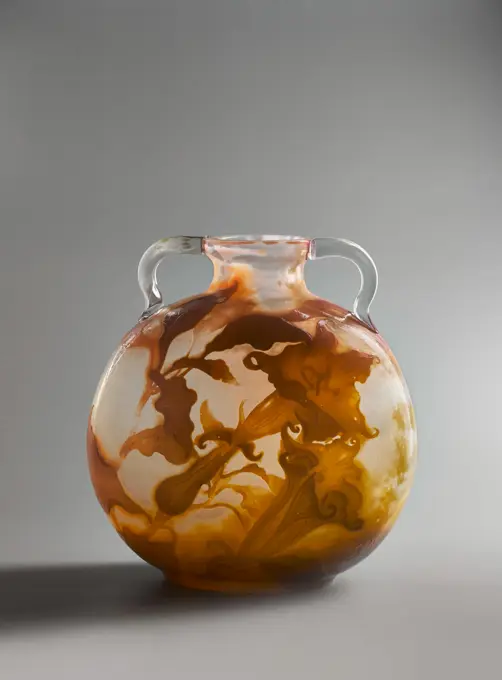
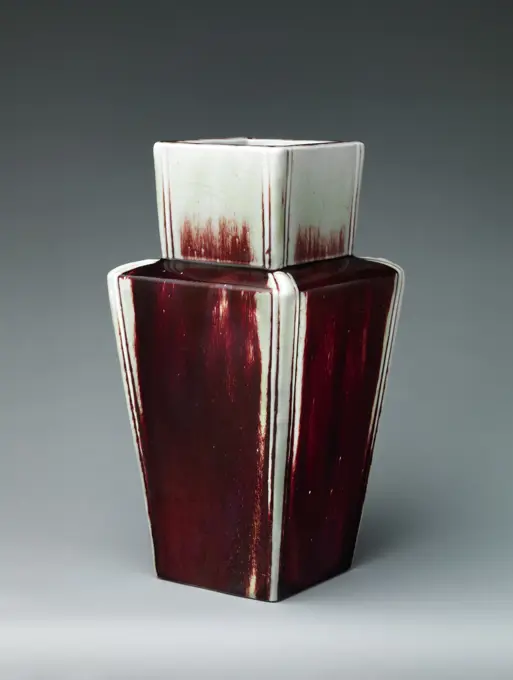
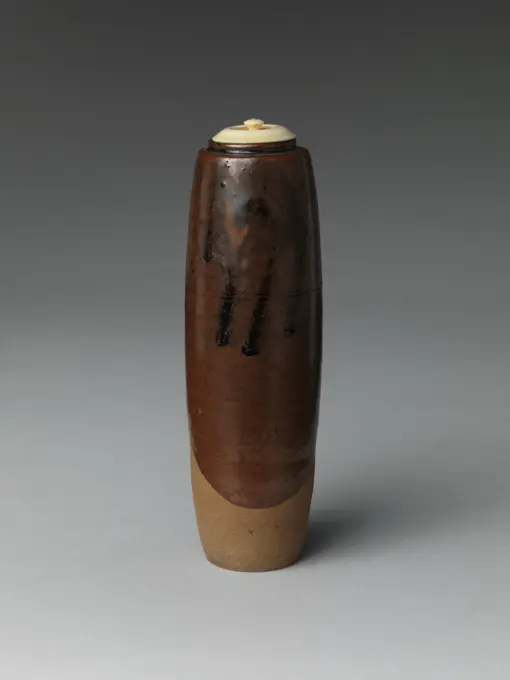
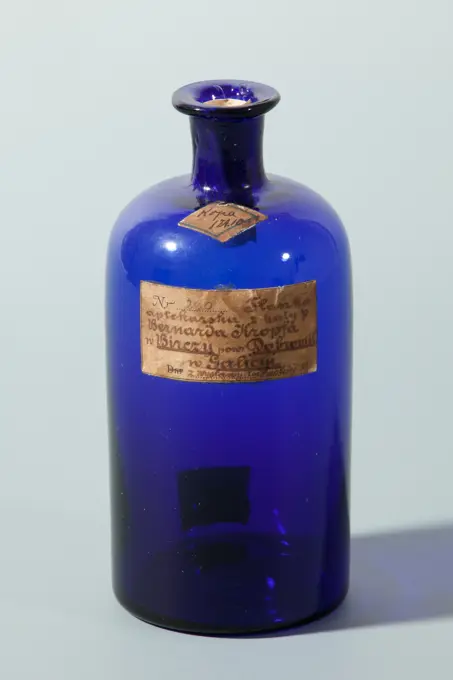
An array of unique glass vases and decanters from different eras, showcasing intricate designs and craftsmanship in glass artistry.

Gloglò with bodded body, anonymous, c. 1750 - c. 1850 Gloglò with slightly conical foot, upwards. The body is stripped four times, straight, short neck with flat mouth. The neck is sharpened inside. This indicates that the bottle could be closed with a well -fitting stop. The stop is missing. Bohemia glass glassblowing Gloglò with slightly conical foot, upwards. The body is stripped four times, straight, short neck with flat mouth. The neck is sharpened inside. This indicates that the bottle could be closed with a well -fitting stop. The stop is missing. Bohemia glass glassblowing
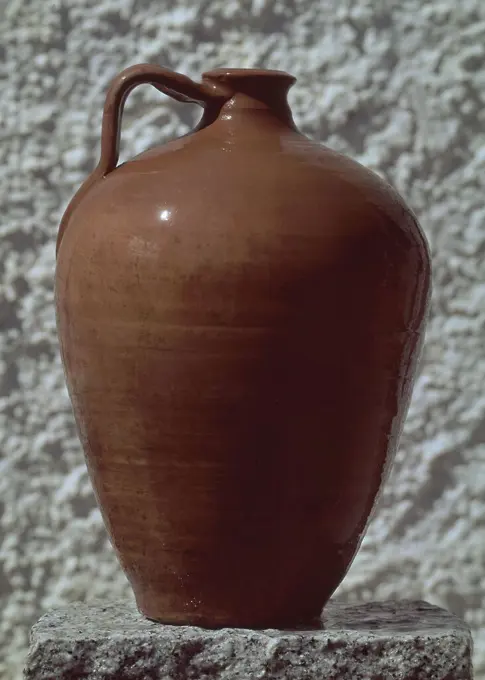
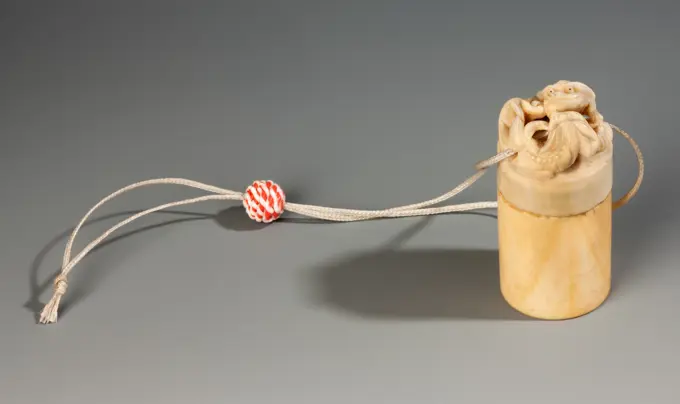
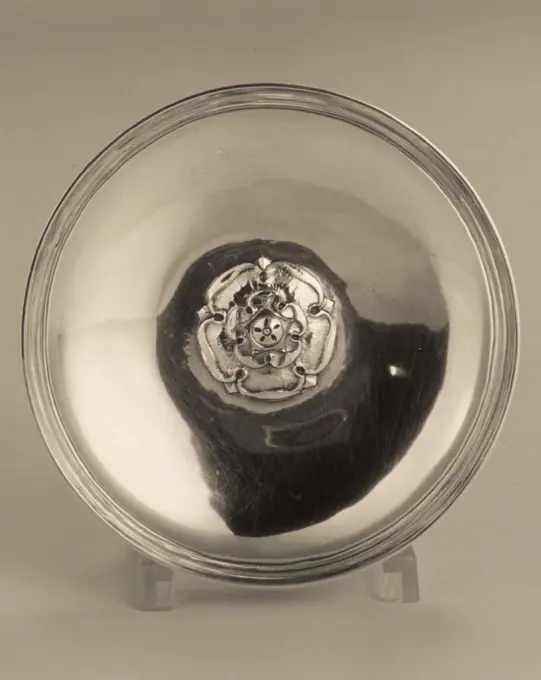
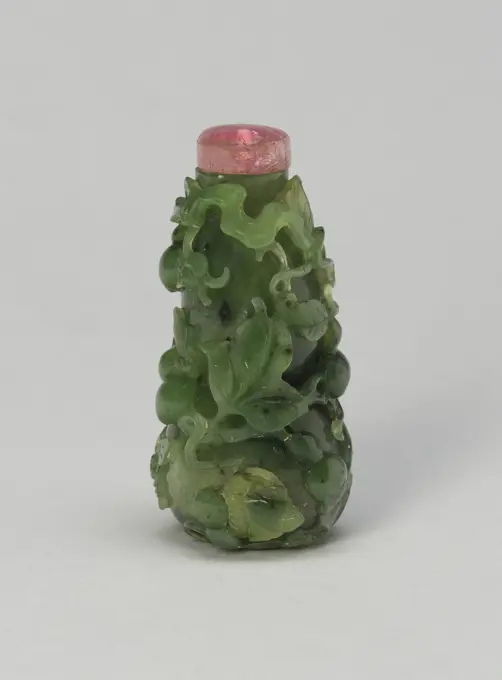
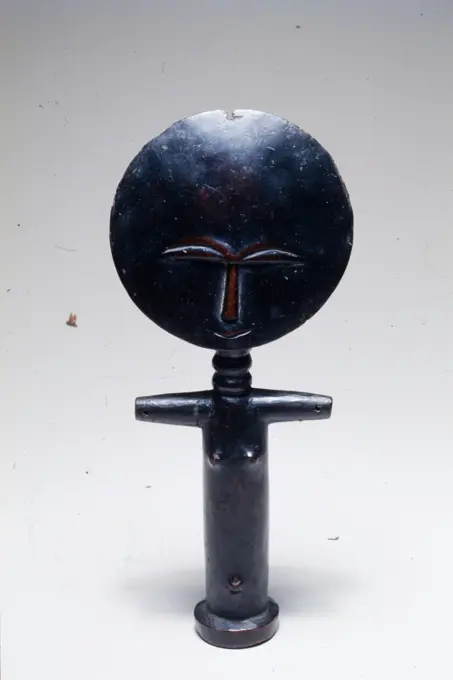
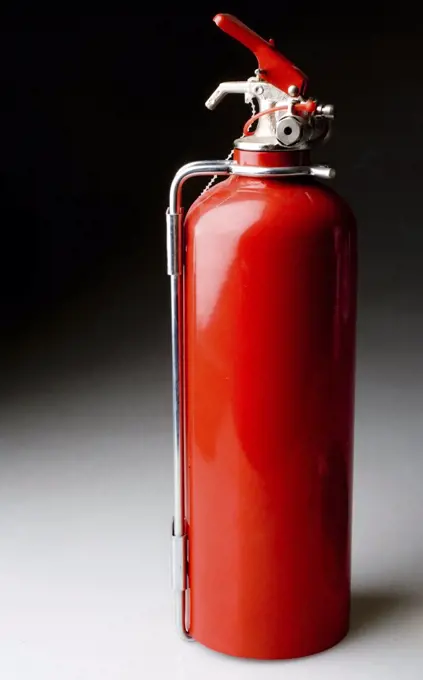
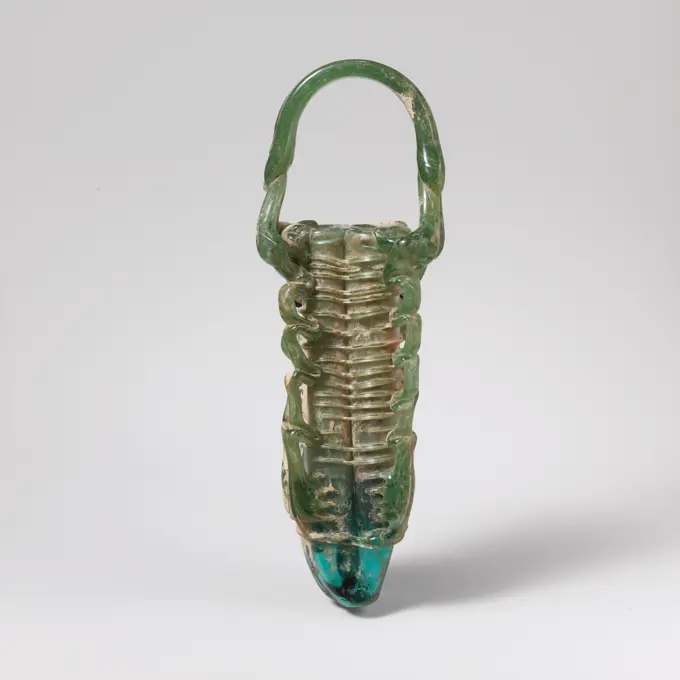
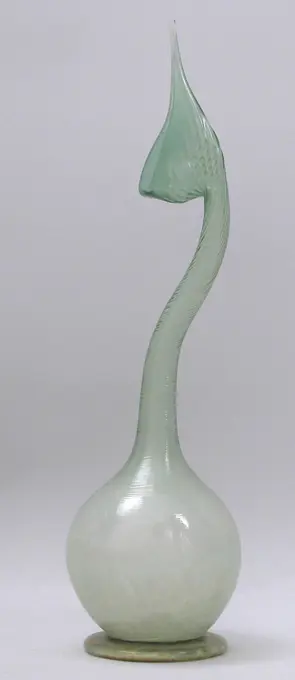
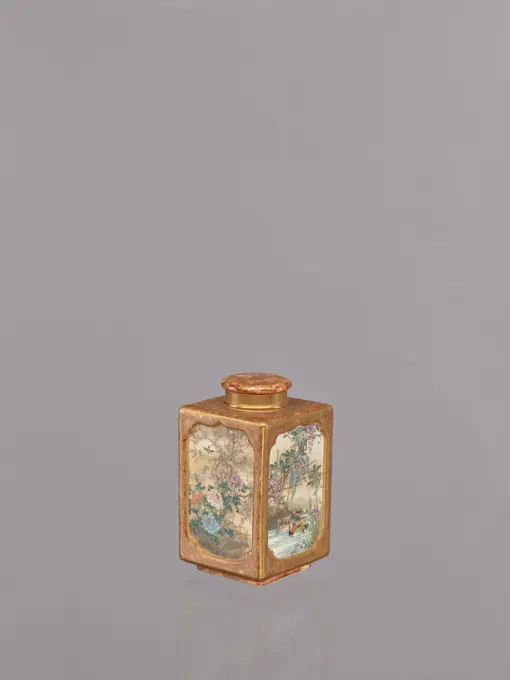
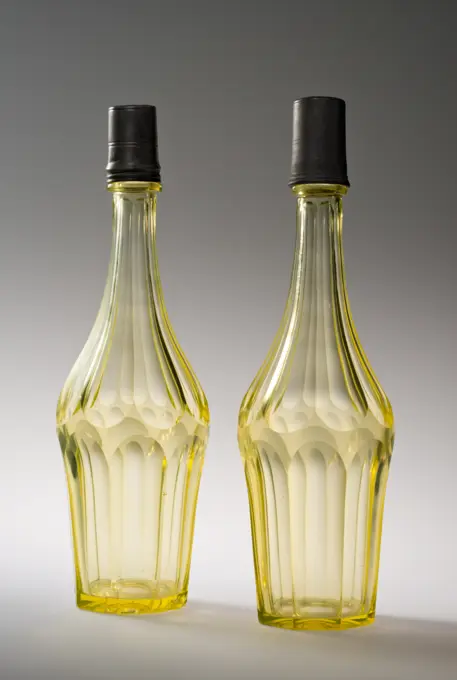
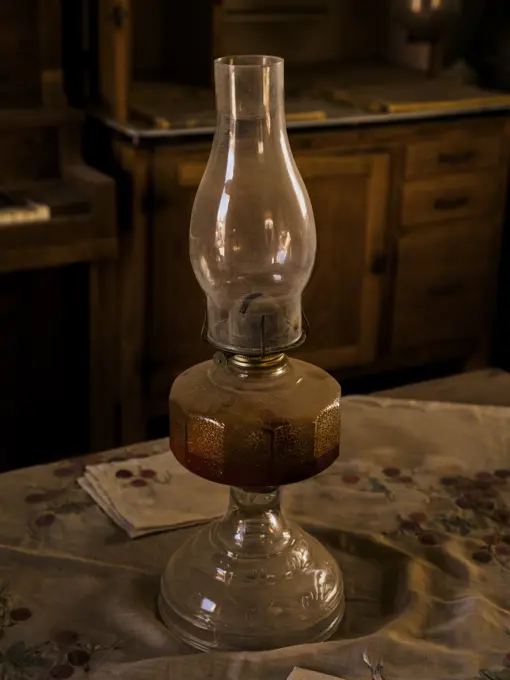
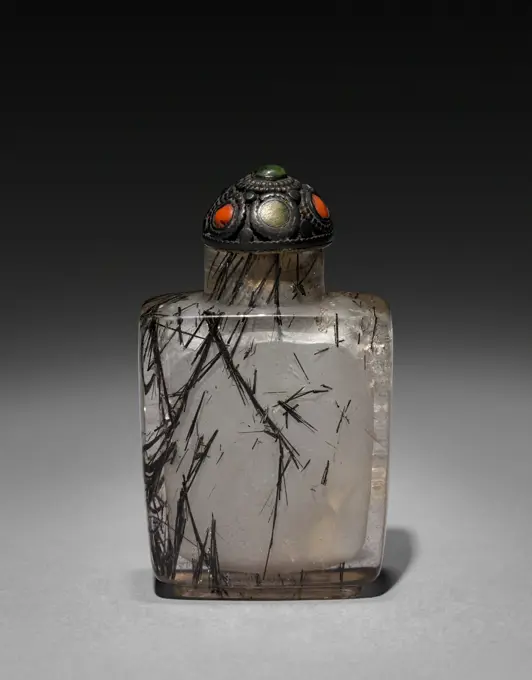
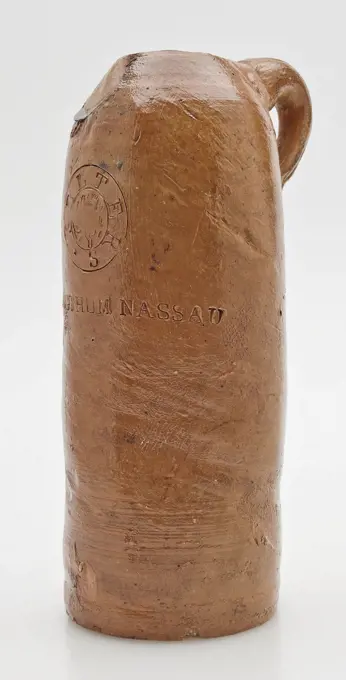
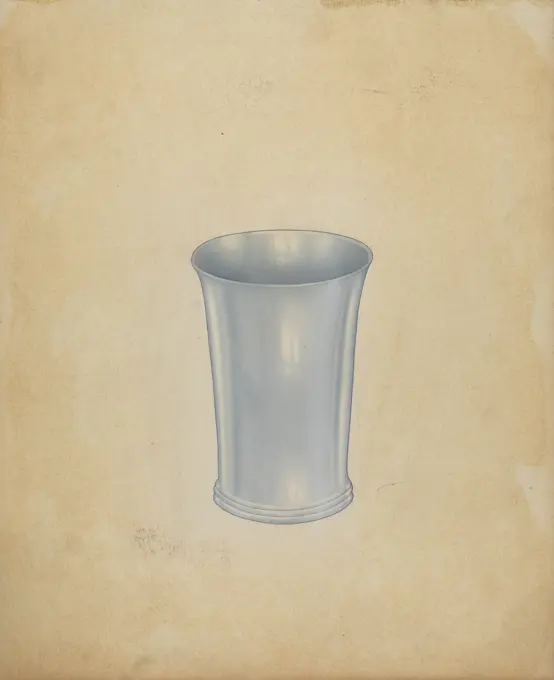
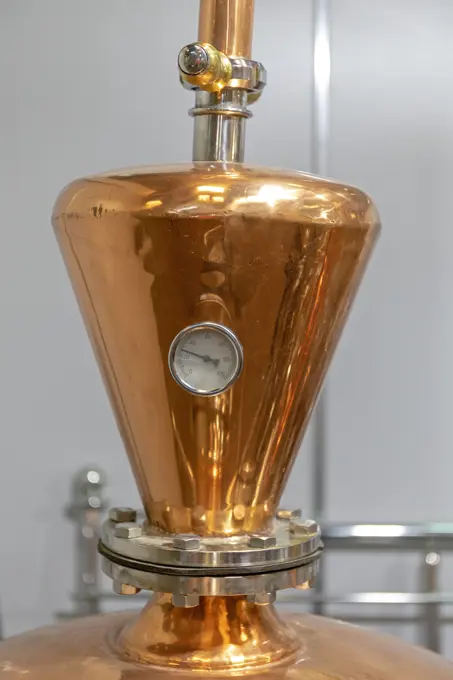
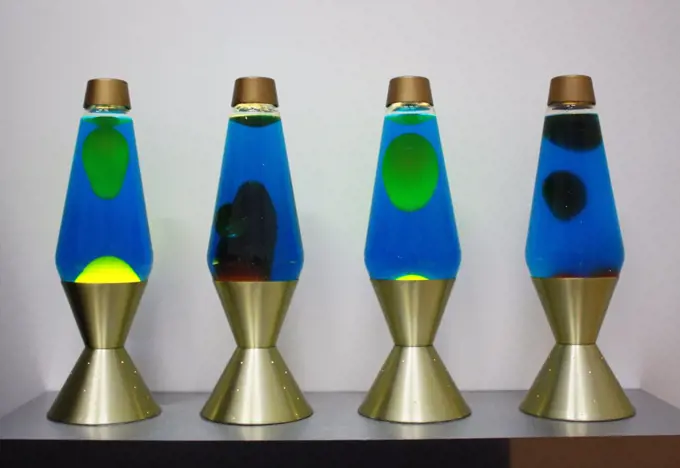
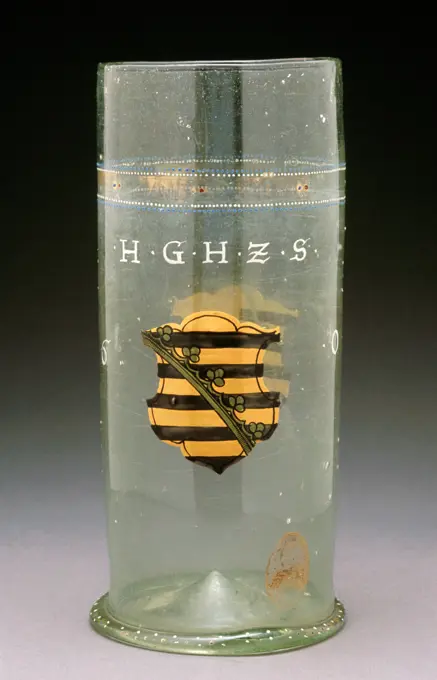
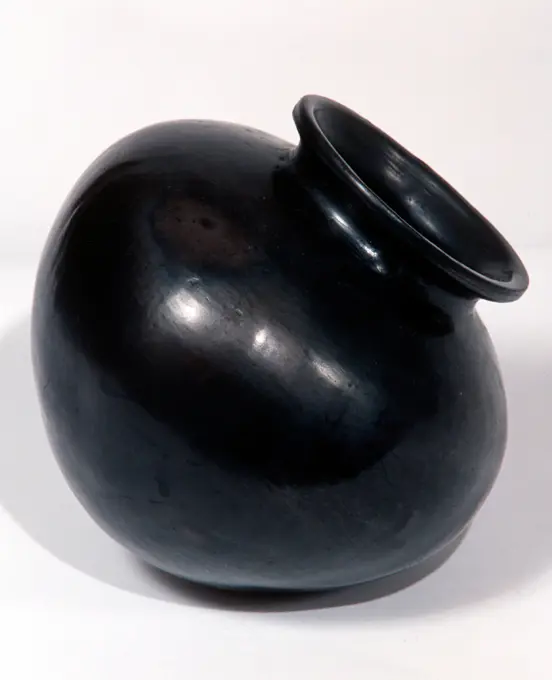
North America, Mexico, Mexican Traditional Arts: black clay eartheware, from San Bartolo, Coyotepec.CANTARO DE CERAMICA. Location: ALFARERIA. CESPEDOSA DE TORMES. SALAMANCA. SPAIN.Vase (Iran); purple glassPassglas, anonymous, 1600 - 1699 Pardel glass made of clear, colorless glass, cylinder -shaped on a border covered. Around four serrated rings. The soil is seventeen centimeters. Germany glass glassblowing Pardel glass made of clear, colorless glass, cylinder -shaped on a border covered. Around four serrated rings. The soil is seventeen centimeters. Germany glass glassblowingCharter OakFlaskAncient Roman glass work. Dated 1st CenturyPickled ginseng (Panax Ginseng), ginseng rootsOK, baked - ink container; plastic lid Figure Kaashishi from the bullets;  19th century (1801-00-00-1900-00-00);gift (provenance), Japanese (culture), Japanese art, sealing pistonsSelection of decorative bottles. Used in pharmacies to advertise and store their products.Bottle 18th century French. Bottle. French. 18th century. Glass. GlassHuman-Figure Pendant, 1523-1028 BCE, 2 3/4 x 1 7/16 in. (6.99 x 3.65 cm), Pale green translucent jade, China, 16th-11th century BCEA single Billybutton Daisy (Craspedia)Snuff Bottle second half of the 19th century China. Snuff Bottle 41225Salt Shaker. Dated: c. 1937. Medium: watercolor, graphite, and gouache on paperboard. Museum: National Gallery of Art, Washington DC. Author: Eva Wilson.Cruet 1866-1881 Italian, Venice (Murano). Cruet 185984. .Herbert Taylor, Dish, 1908-36, Hand-cast silver.Pedestal. unknown, creatorGiovanni Battista Metellino (Attributed to) / 'Rock crystal ewer with a large scroll-shaped handle'. 1670 - 1689. Rock crystal / Hyaline quartz, Gold. Museum: Museo del Prado, Madrid, España.Punch Glass ca. 1883-88 Probably New England Glass Company. Punch Glass. American. ca. 1883-88. Blown glass. Made in East Cambridge, Massachusetts, United StatesGourd-Shaped Snuff Bottle with a Butterfly, Trailing Tendrils, and Fruit Branches 1750-1800 China. Green jade (nephrite) with carved decoration .Herbert Gallager, Porcelain Vase, c 1938 Porcelain VaseFigure, 20th century, 10 5/8 x 4 3/4 x 1 5/8 in. (27 x 12.1 x 4.1 cm), Wood, Ghana, 20th centuryToiletBottleBottle Vase With Figures in a Continuous Landscape. Bottle-shaped vase of porcelain with a spherical body and spreading neck, painted in underglaze blue. On the wall a continuous landscape with three sitting people, one standing, trees, plants, rocks and mountains. Arita, blue-white.Bucket-form Sake Bottlel with Hawk and Sparrow Decor. Japan, 19th century. Ceramics. Hirado ware; porcelain with underglaze blueA drink being poured into a glassBlue glass bottle with a few lovebirds and the inscription "Lieb du Mich Allin Oder Lasz Gar Sein", Anonymous, 1730 Flat ground. Sexible, body blown in the shape, with in red, white, yellow green and blue a few lovebirds on a stylized branch above a heart on the front The inscription "Lieb du Mich Allin Oder Lasz Gar Sein" and the year 1730 on the back . A stylized flower branch on the narrow sides. The underside of the show trimmed with a double piping, the top with a single piping and a border stylized tendrils. The neck caught in a pewter frame. Smooth, pewter screw cap. Middle Europe glass. tin (metal) glassblowing Flat ground. Sexible, body blown in the shape, with in red, white, yellow green and blue a few lovebirds on a stylized branch above a heart on the front The inscription "Lieb du Mich Allin Oder Lasz Gar Sein" and the year 1730 on the back . A stylized flower branch on the narrow sides. The underside of the show trimmed with a double piping, the top with a single piping aChess on a white backgroundCruet. Culture: American. Dimensions: H. 6 1/4 in. (15.9 cm). Date: ca. 1885. Museum: Metropolitan Museum of Art, New York, USA.Fire Estinguisher. Glass cosmetic flask with four compartments (kohl tube) 5th-6th century A.D. Roman, Syrian Translucent blue green, appearing greenish blue at bottom; handle and trails in same color.Rim folded out, round, and in; body comprising four tubes, side by side in a square, made from a single inflated gather by pinching sides vertically to make diaphragms; thick, flattened bottom with trace of pontil scar; basket handle made from three separate rods: two applied over trail decoration as vertical loops at sides, then a thicker rod applied on top of them in an arching loop.On body, a single trail applied near base of side and drawn up in a spiral from left to right twenty-two times, ending below rim; four larger trails, one applied to side of each compartment, applied as large pads over spiral trail near base, then drawn up vertically in tooled loops, ending on top of rim.Intact, but sections of spiral trail missing; some pinprick bubbles in body, many bubbles and some black impurities in handleSwan-neck Bottle (Ashkdan) 19th century The distinct tear-shaped opening at the top of this bottle was carefully tooled while the glass was still molten, and flows into a thin, curvilinear neck, before expanding to a globular body resting on a low foot. The visual resemblance to the curved and attenuated neck of a swan has inspired the name of these types of bottles, but according to folklore, these bottles were used as "containers for tears," (ashkdan) meant to collect the sorrows of wives separated from their husbands.. Swan-neck Bottle (Ashkdan) 443137BottleBroche, obra de Emili Armengol, siglo XX. Colección privada.Vase. Gallé, Emile (1846-1904), glassmaking companySquare vase ca. 1889 Ernest Chaplet French Chaplet became well known for his Chinese-inspired forms and colored glazes. In the 1880s he learned how to make the desirable but technically difficult oxblood (sang de boeuf) glaze, for which he won the gold medal at the 1889 Exposition Universelle in Paris.. Square vase 239357Beaker ca. 1770 Bohemian. Beaker 207929Tea Caddy, named Tall (Seitaka) second half of the 17th century Nonomura Ninsei Japanese This small, thin tea caddy was designed to hold thick matcha, a powdered green tea used in the tea ceremony. The work of Nonomura Ninsei marks a turning point in the history of Kyoto ware. In 1647, Ninsei built a kiln near the Ninnaji Temple in Omuro, in northwest Kyoto. He excelled in creating tea wares, and greatly benefited from the support of the influential tea master Kanamori Sōwa (1584-1658). Known for its technical refinement, Ninseis colorful, overglaze-decorated Omuro ware immediately became a sought-after commodity. The artist merged earlier traditions of local ceramic production with high-fired glazing techniques of tea wares produced in Seto (Owari Province) and with his training in Tanba pottery.. Tea Caddy, named Tall (Seitaka) 53832Bottle Huta Bernard KropfVessel. Kinkôzan, Sôbei VII (1867-1927), ceramistSnuff Bottle, 19th century, 2 1/2 x 1 1/2in. (6.4 x 3.8cm), Agate, white jade top, China, 19th centuryMaker Unknown, Pair of Bar Bottles and Caps, early to mid-19th century, canary yellow glass and pewter.Flask c 1845-1865 West Willington. Mold blown glass . Willington Glass Co.Miniature Bottle 18th century China. Miniature Bottle 46381Stone-paste bottle from Iran. Dated 17th CenturyCeremonial Axe, 1766-1122 BCE, 3 7/8 x 1 3/8 x 3/4 in. (9.84 x 3.49 x 1.83 cm), Dark olive-green jade with dark striations, China, 18th-12th century BCEBreaking of a wineglass on a wood floorCosmetic bottle;  IX-XI century (801-00-00-1100-00-00);Semerau-Siemianowski, Władysław (1849-1938), Semerau-Siemianowski, Władysław (1849-1938)-collection, Arabic (culture), gift (provenance), Islam (culture), Islam artOLLA A PRESION.Seamstress Embroidering a Banner Figure; Designed by Natalya Yakovlevna Danko (Russian, b. Georgia, 1892-1942); Manufactured by Lomonosov Porcelain Factory (Russia); enameled and gilt porcelain; 15 cm (5 7/8 in.); The Henry and Ludmilla Shapiro Collection; Partial gift and partial purchase through the Decorative Arts Association Acquisition and Smithsonian Collections Acquisition Program Funds; 1989-41-210Evil eye bead in bottle as souvenir from TurkeyUSA, California, Bard, Cloud MuseumSnuff Bottle, 1644-1911. China, Qing dynasty (1644-1911). Glass; overall: 6.4 cm (2 1/2 in.).Lluis Ventós / "La joven Dolores" (The young Dolores), 2005, Sculpture (black Belgian marble), 23.5 x 12.5 x 10.5 cm.CaseBottleLog Cabin Flask. Dated: c. 1941. Dimensions: overall: 35.6 x 26.6 cm (14 x 10 1/2 in.). Medium: watercolor, graphite, and gouache on paperboard. Museum: National Gallery of Art, Washington DC. Author: David S. De Vault.Podium for product advertisement , restaurant menus or new makeup product ads with beautiful minimalist objects for immersionBottle 9th-11th century. Bottle 448358Pair ofLamps. Maker, probably by: Boston and Sandwich Glass Works, American, 1826-88Drinking horn, anonymous, c. 1650 - c. 1699 Bented body, around which three pinched rings are laid. The edge is trimmed with a flat tire. The striker ends in a smooth button. Two eyes are attached to the body. Between two rings, the coat of arms of the Van Collen (s) family is engraved; Horizontally is divided into two fields, in which two crossed pilgrim bars and under two bubbles. As a helmet sign an Amor with a pilgrim staff. Under the edge the inscription 'Drinckt Uwen Wine with good heart'. glassblower: Low CountriesNorthern Netherlands glass gilding / glassblowing Bented body, around which three pinched rings are laid. The edge is trimmed with a flat tire. The striker ends in a smooth button. Two eyes are attached to the body. Between two rings, the coat of arms of the Van Collen (s) family is engraved; Horizontally is divided into two fields, in which two crossed pilgrim bars and under two bubbles. As a helmet sign an Amor with a pilgrim staff. Under the edge the inscription 'DrSnuff bottle in the shape of a hot pepper. Culture: China. Dimensions: H. 2 3/4 in. (7 cm). Museum: Metropolitan Museum of Art, New York, USA.Especially table: Flakon Paw Wowicz, TeodorStoneware mineral pitcher, cylindrical with round shoulder, sausage ear and short neck, mineral water pitcher jar product packaging container soil find ceramic stoneware glaze salt glaze approx., hand turned glazed baked Stoneware mineral pitchers cylindrical with round shoulder short neck and sausage ear. Stand area with traces of deduction and soul. brown glazed. Marked under the ear and marked on the front with medallion and text. Chalkboard in medallion: SELTERS in the midfield leftwing claw lion archeology Rotterdam Kralingen-Crooswijk Struisenburg Oostmaaslaan Boslaan Buizengat advertising indigenous pottery import drinking water drinking medicine medicine packaging Soil discovery: Buizengat Oostmaaslaan Boslaan Rotterdam an old landfill of urban waste.Ancient broken pottery and vase. Old ceramic cracked pot and jug. Isolated vector fragmented vessel of forgotten civilizations, adorned with faded, intricate patterns and cracked earthenware pieces. Ancient broken pottery and vase, old clay urnHarry Goodman, Silver Beaker, 1935 1942 Silver BeakerMina Lowry, Fire Hydrant, c 1936 Fire HydrantCopper Still Thermometer Thermometer Gauge at Copper Distilling Still Brewery Equipment Copyright: xZoonar.com/MarkoxBericx 15046002Hanukkah Dreidel isolated on a white background. 3D illustration Hanukkah Dreidel isolated on a white background. 3D illustrationhigh end rebuildable dripping atomizer with stabilized wood regulated box mods on natural wood texture background, vaping device, selective focusORZA PARCIALMENTE VIDRIADA -ARTE POPULAR S XX. Location: ALFARERIA. QUART. GERONA. SPAIN.Tunisia, Ksour Area, Ksar Haddada, souvenir lanternAntique bottles in window, Gold King Mine and Ghost Town, Jerome, ArizonaYellow cup with green lotus scrolls with the Yongzheng mark from the Qing Dynasty. Dated 18th CenturyFermentation tubes on sealed steel barrels for the fermentation of alcoholic beverages, Germany, EuropeCola bottle from the time of World War 2, Micronesia, Palau, OceaniaSnuff Bottle 19th century China. Snuff Bottle 41754stamps banner close up view of white Herbal Compress on color back. Banner, extra space for your text. Copyright: xZoonar.com/DmitryxErslerx 9441295Isidore Steinberg, Hanging Lamp, 1935 1942 Hanging LampRouleau Vase, 1662-1722, 17 3/4 x 7 3/8 in. (45.1 x 18.73 cm), Porcelain, China, 17th-18th centurysnuff bottle, glass, ivory (spoon), Monotone cameo-glass, ruby red; carved with eight precious emblems of good fortune; wheel of law, conch shell, umbrella canopy, lotus flower, pair of fish, endless knot. Flattened globose shape. Stopper of green glass simulating jade and set on pale red glass. Ivory spoon., China, 1821-51, glasswares, Decorative Arts, snuff bottleSalt cellarbottle on a white background The photo shows a bottle on a white background Copyright: xZoonar.com/AlekseyxKorneevx 8480056Concept, fragrance perfume bottle, India Copyright: xVxMishra/DinodiaxPhotoxlava lamps (or Astro lamps are a decorative novelty item, invented by British accountant Edward Craven Walker, the founder of Mathmos, in 1963. The lamp contains blobs of coloured wax inside a glass vessel filled with clear or translucent liquid; the wax rises and falls as its density changes due to heating from an incandescent light bulb underneath the vessel.Toy lighthouseHofkellerei Humpen (Court Wine Cellar Beaker). Germany, Saxony, 1604. Furnishings; Serviceware. Glass, enamel, giltScandinavian abstract vector print. Minimalistic abstract wall art background for print. Scandinavian vector style.. Scandinavian abstract vector print.Alcoholic beverage bottle - The Frontenac Breweries Limited, Montreal Frontenac Breweries Limited Frontenac Breweries LimitedBottle 18th century Southern German. Bottle. Southern German. 18th century. Glass, pewter. Glass