Decorative Glassware

An array of elegant glass containers and ornamental pieces, featuring intricate designs and craftsmanship from different eras.

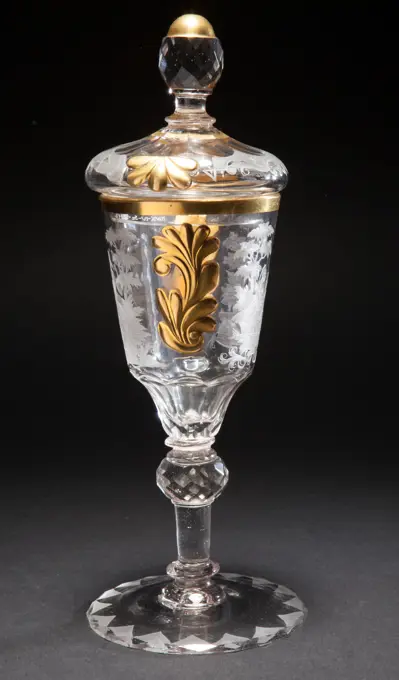
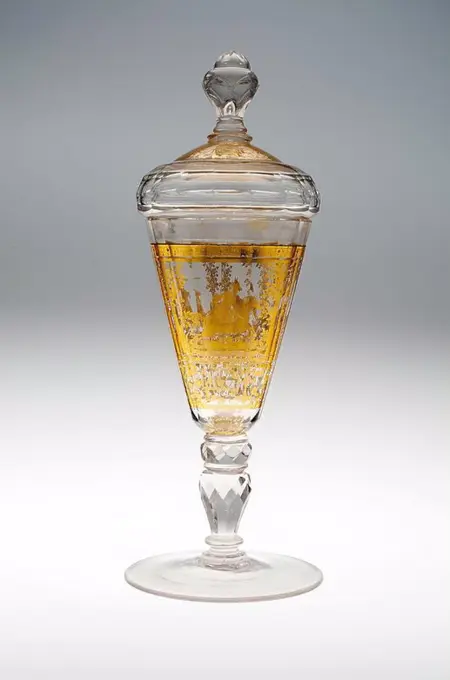
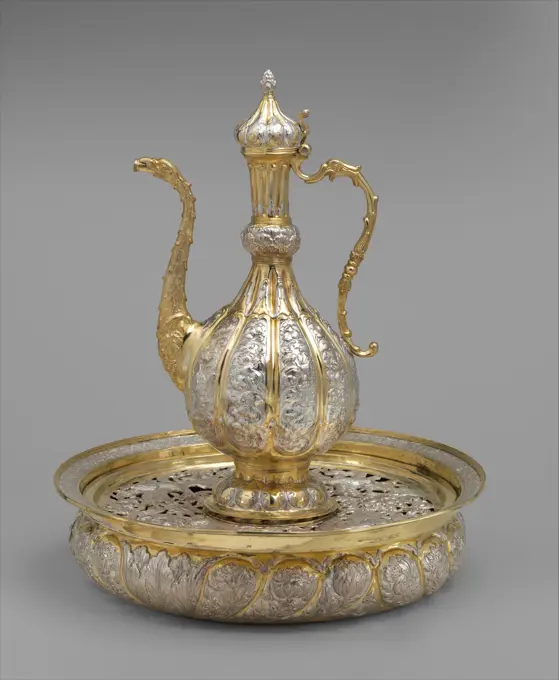
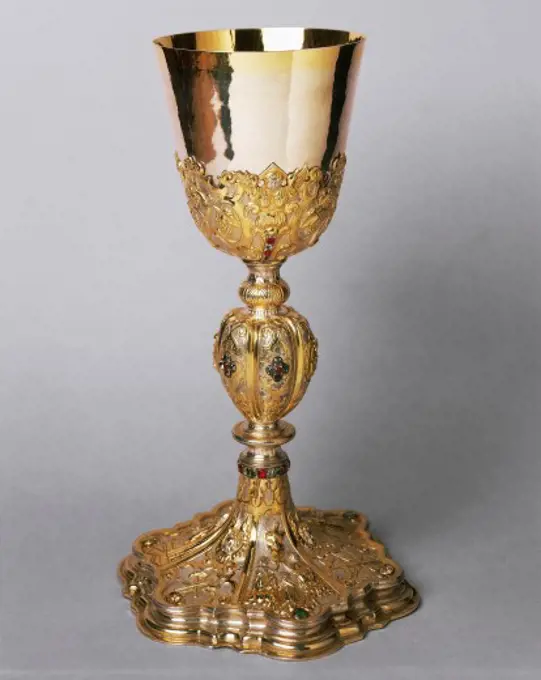
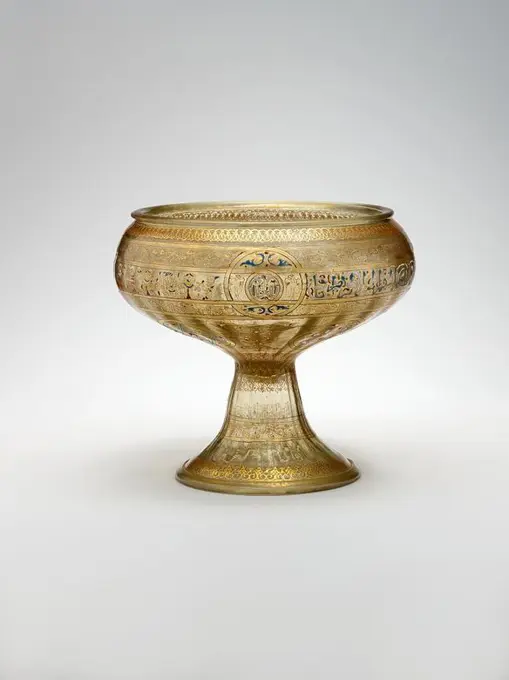
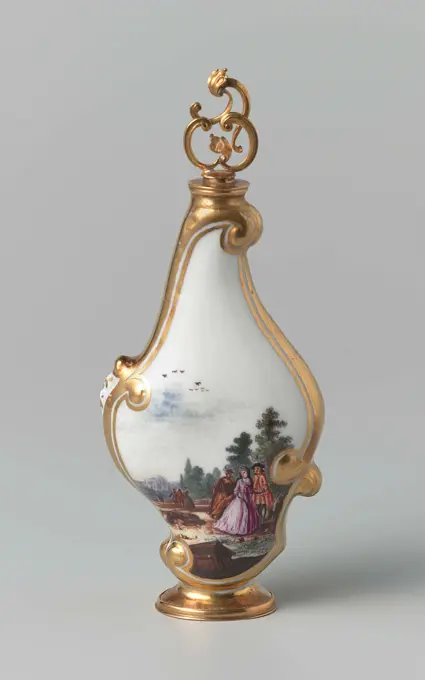
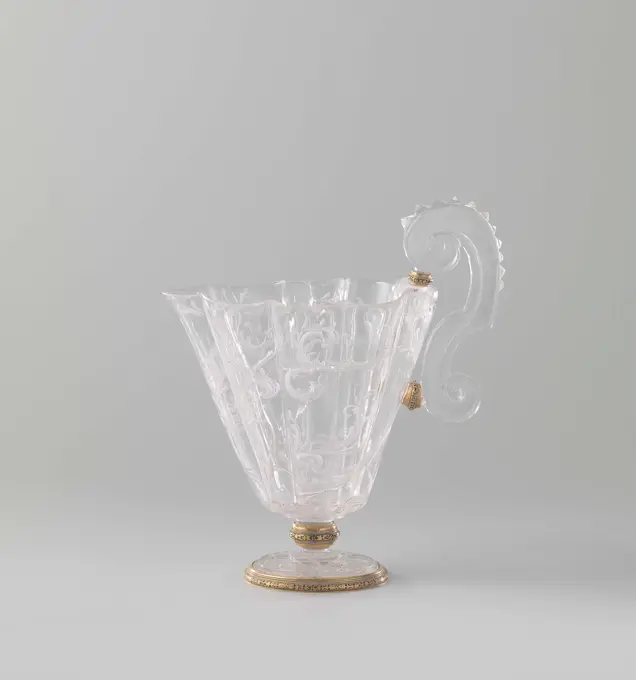
Lid with a hunting scene, anonymous, c. 1850 - c. 1875 Facet cut, vaulted lid with overhanging edge and a facet cut, baluster -shaped button, ending in a point. On the lid a deer, a stork and a dog between rocaille ornament. The facets on foot, trunk and button with gold. Bohemia glass glassblowing / grinding / gilding Facet cut, vaulted lid with overhanging edge and a facet cut, baluster -shaped button, ending in a point. On the lid a deer, a stork and a dog between rocaille ornament. The facets on foot, trunk and button with gold. Bohemia glass glassblowing / grinding / gilding
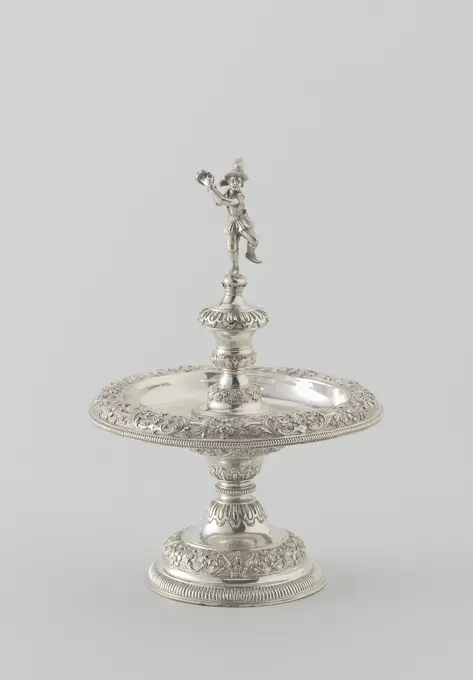
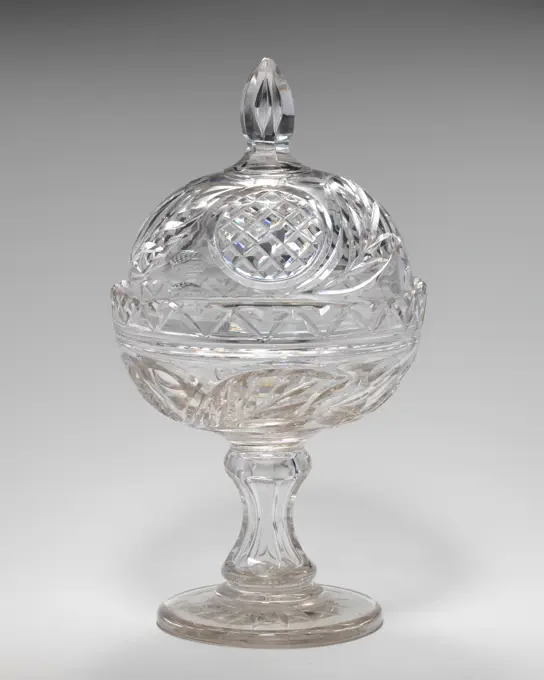
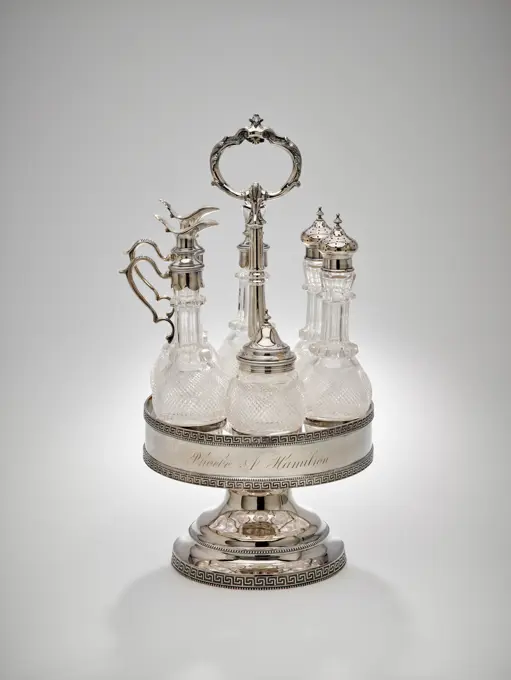
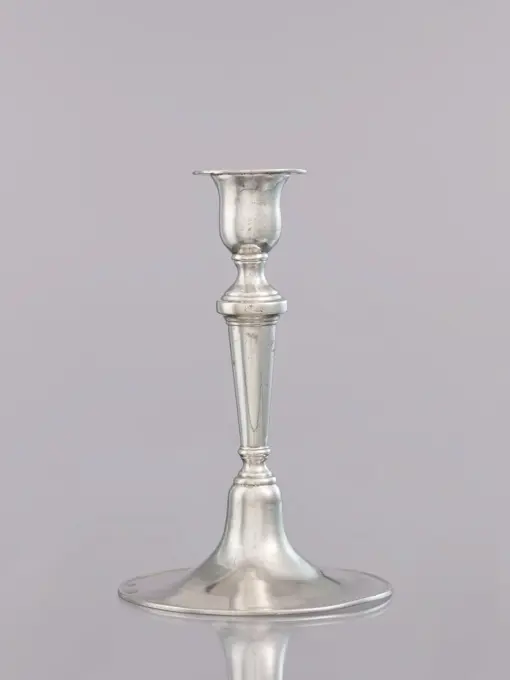
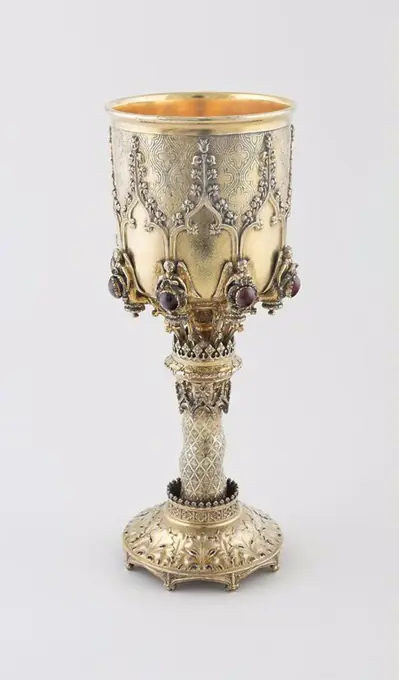
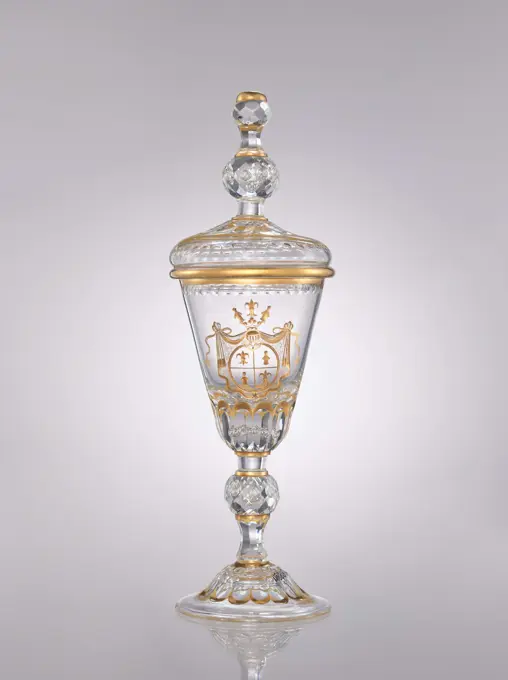
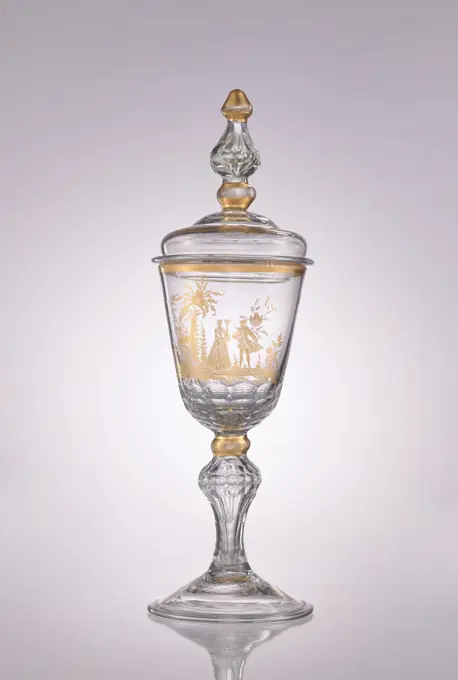
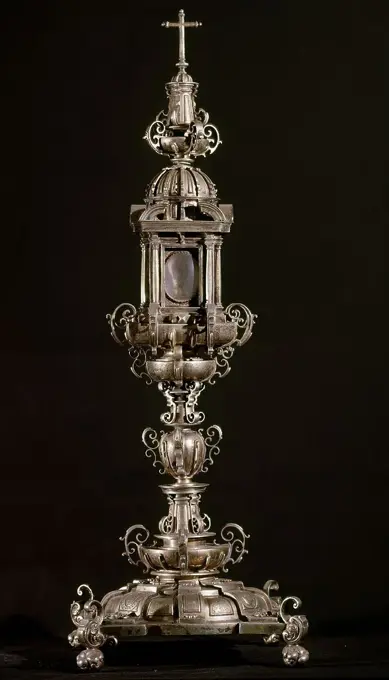
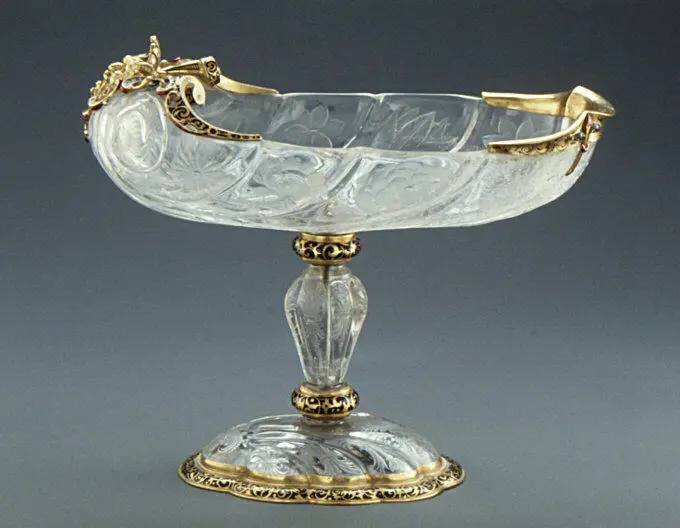
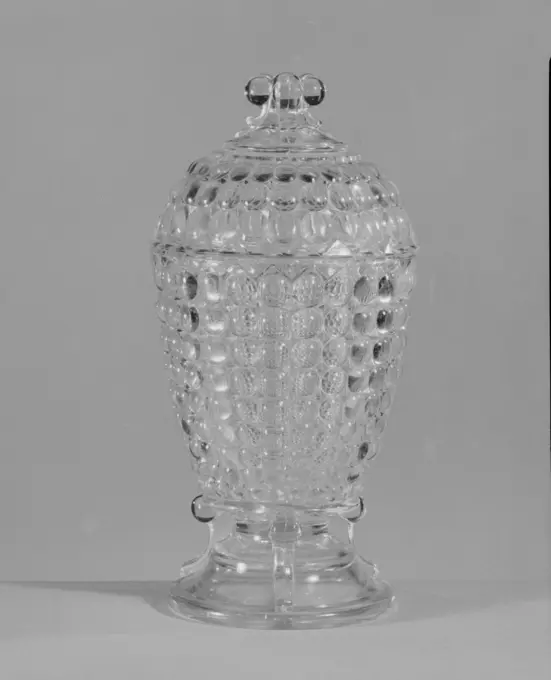
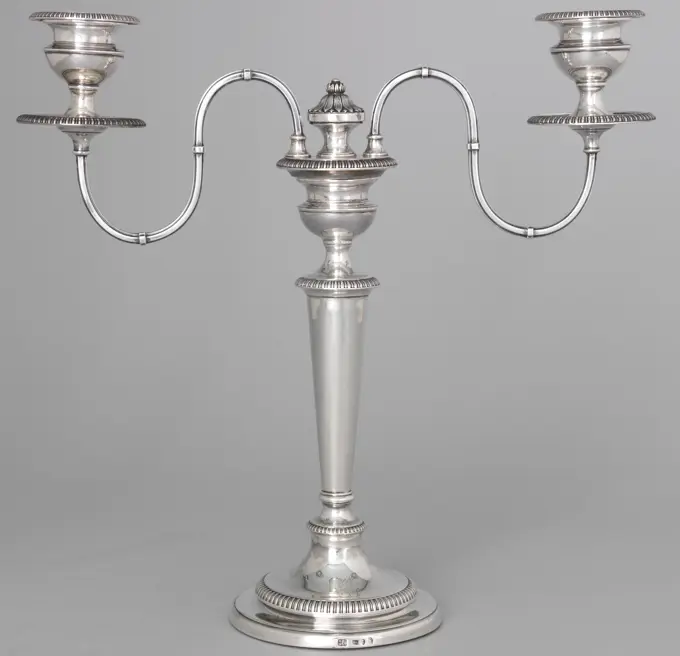
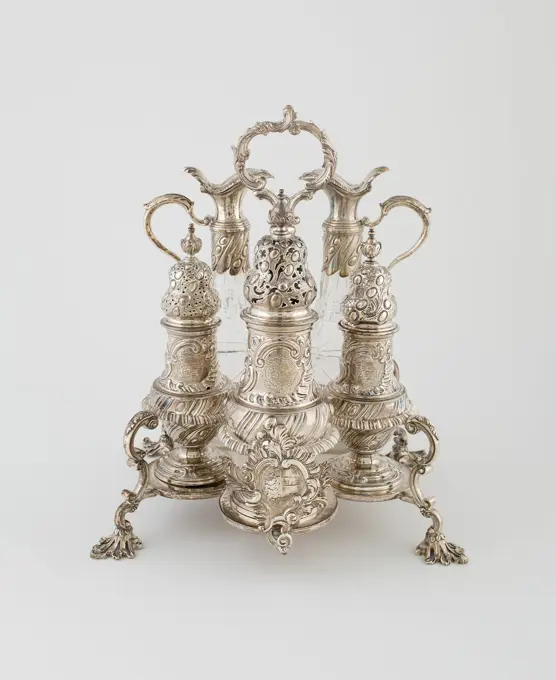
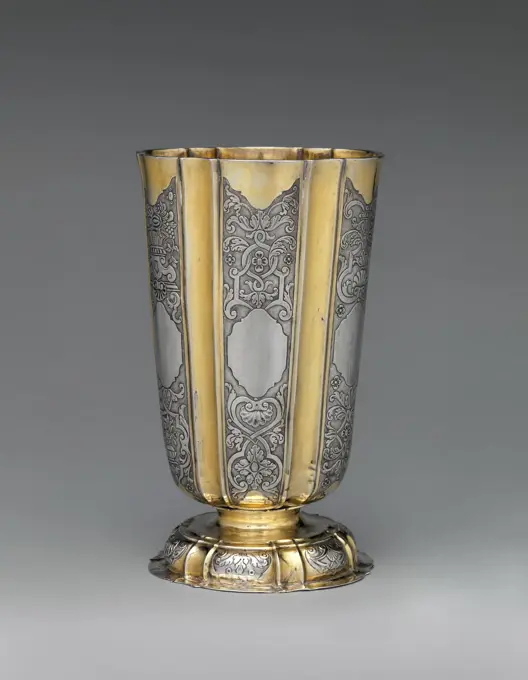
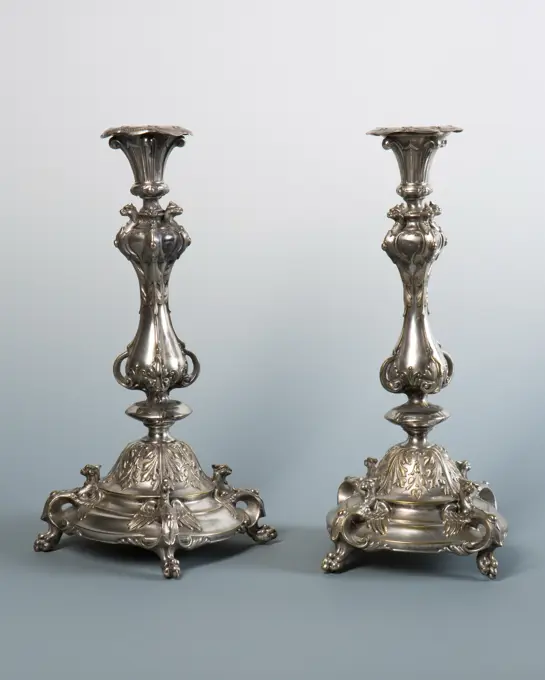
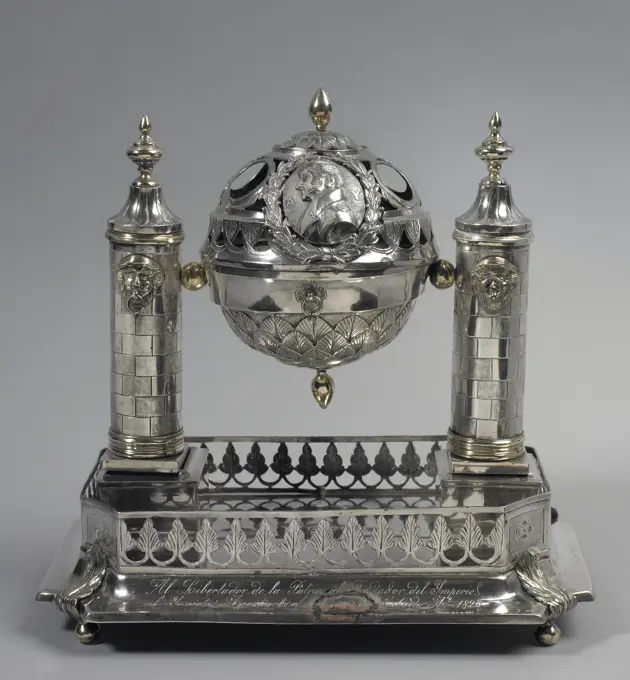
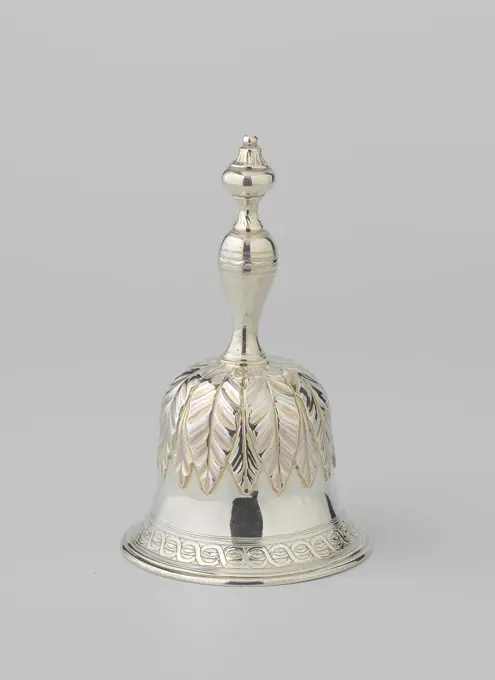
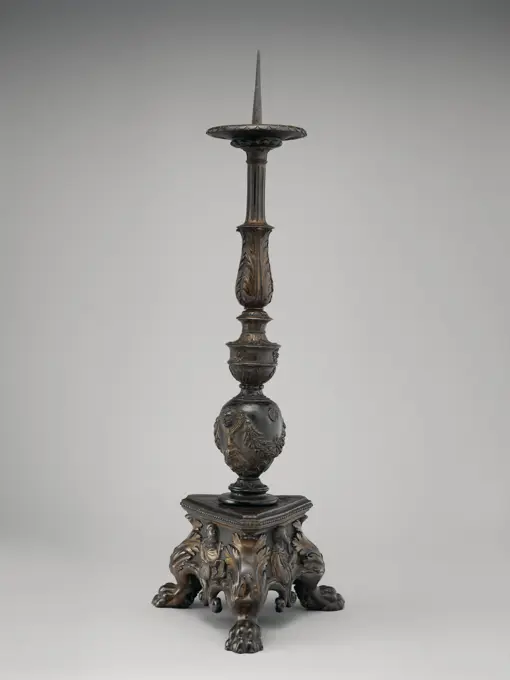
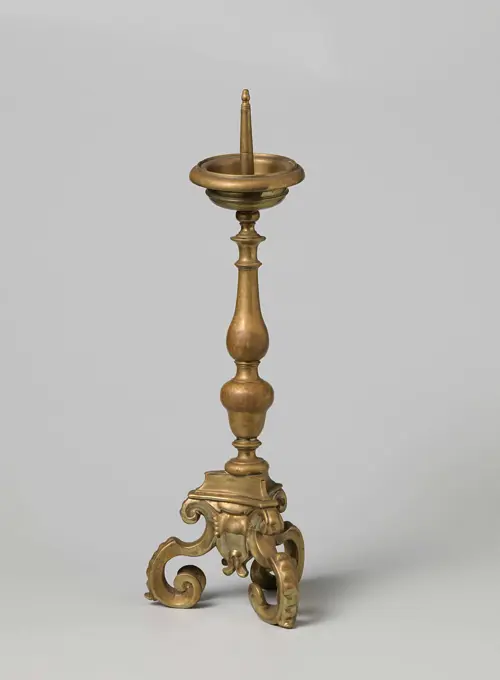
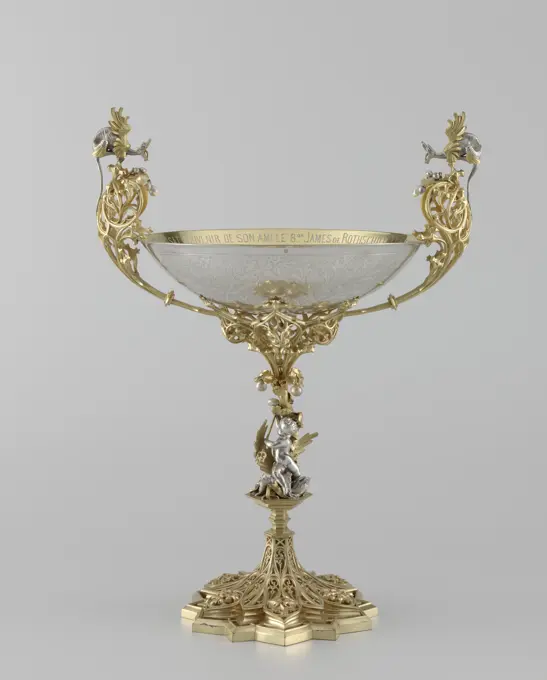
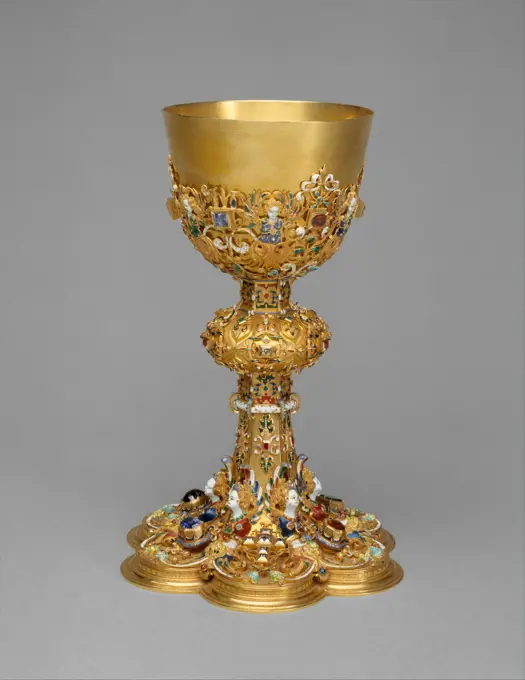
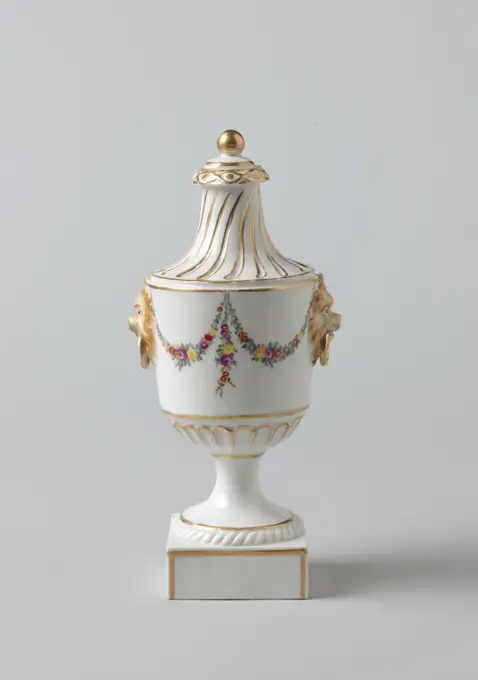
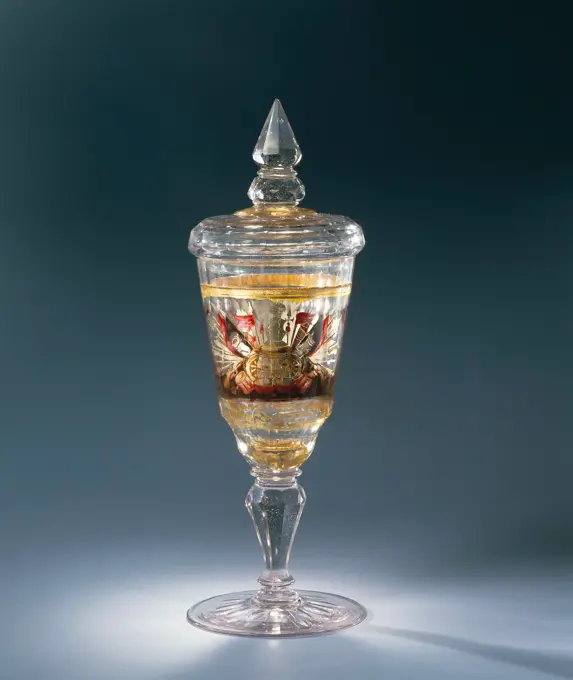
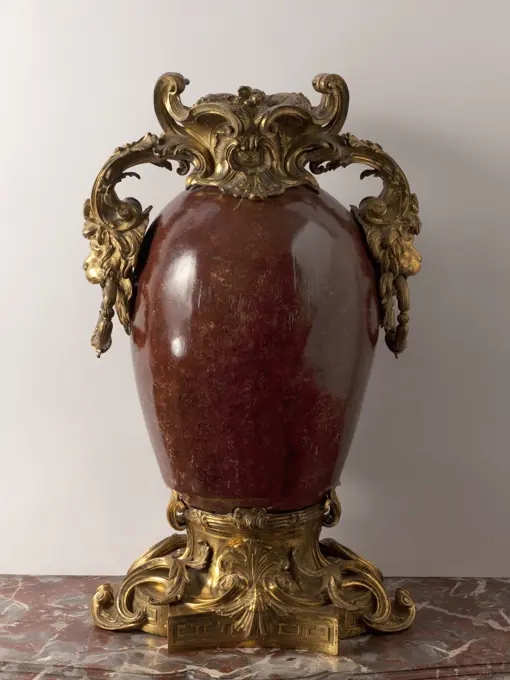
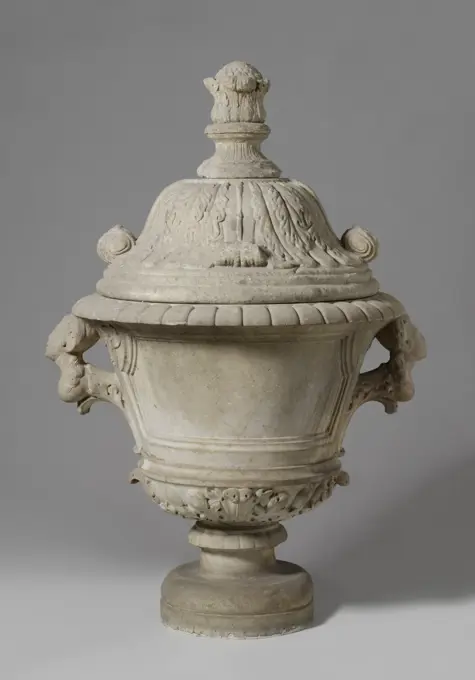
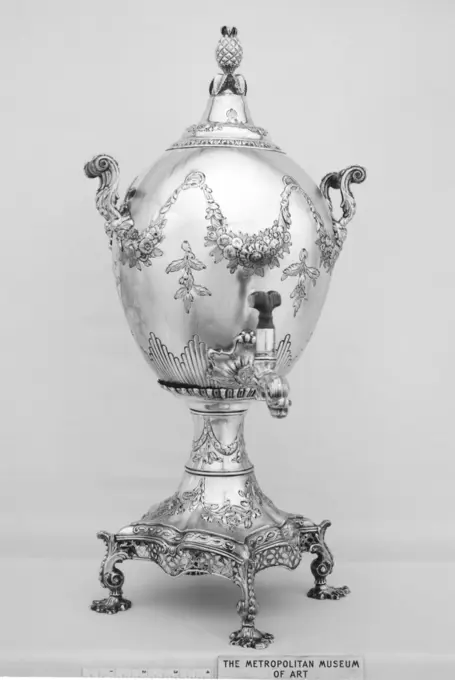
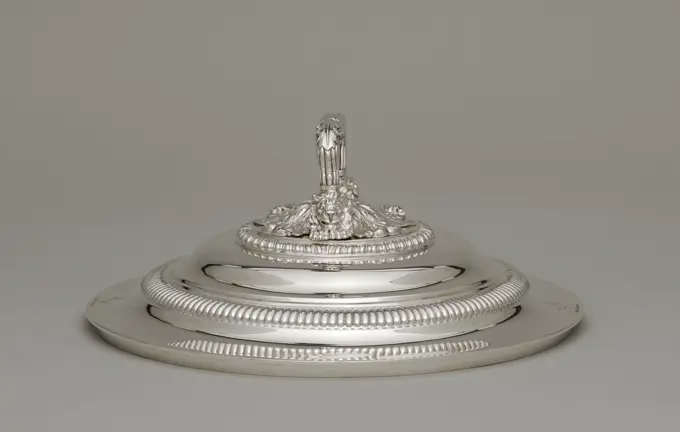
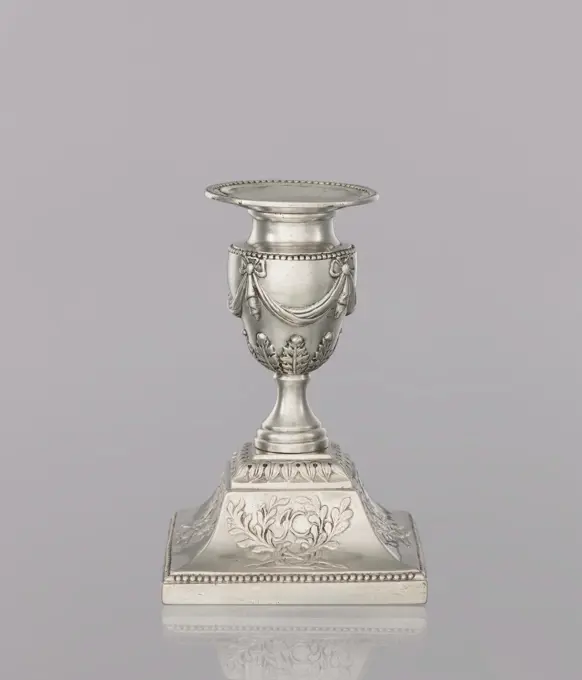
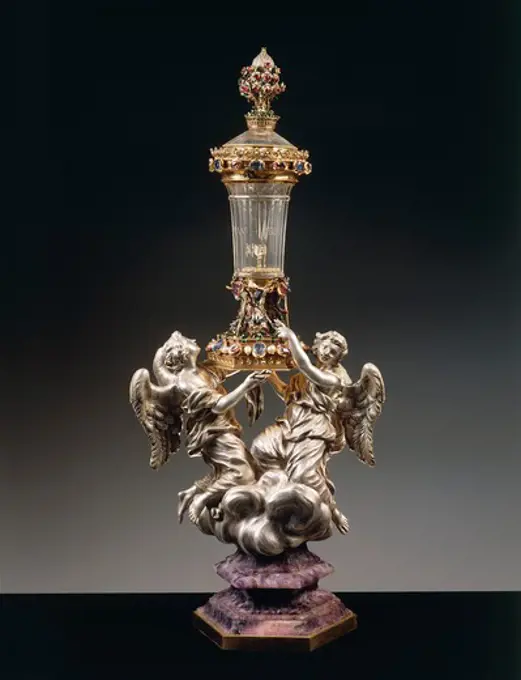
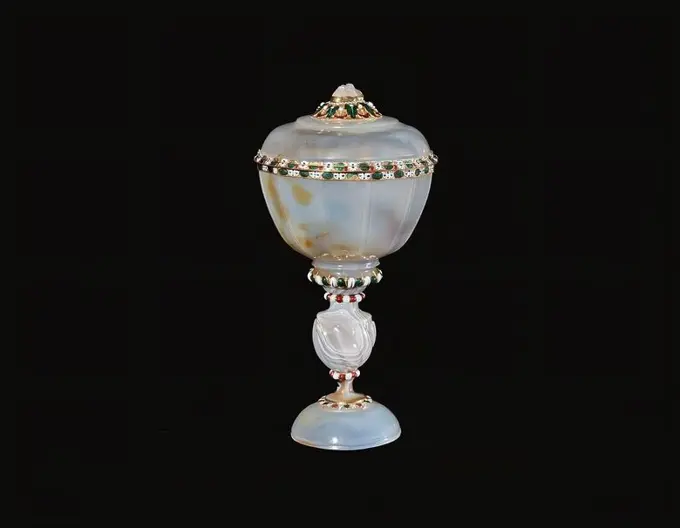
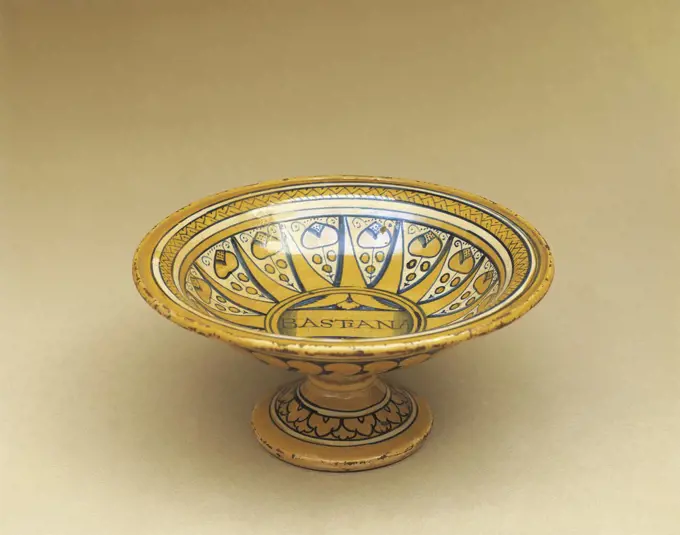
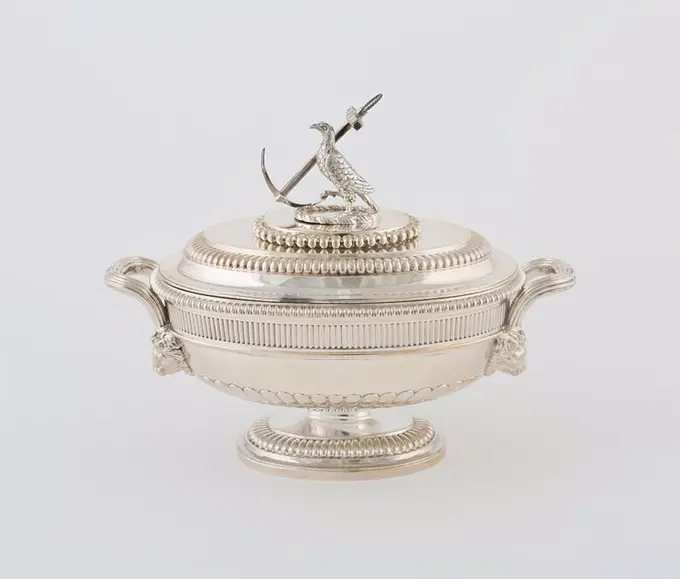
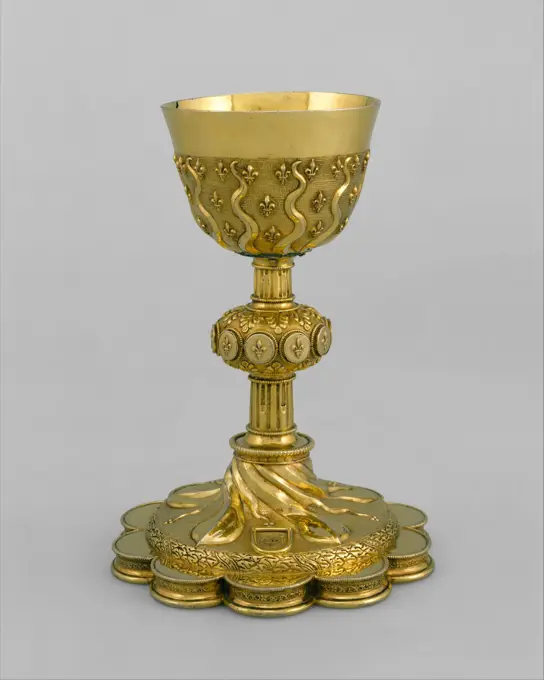
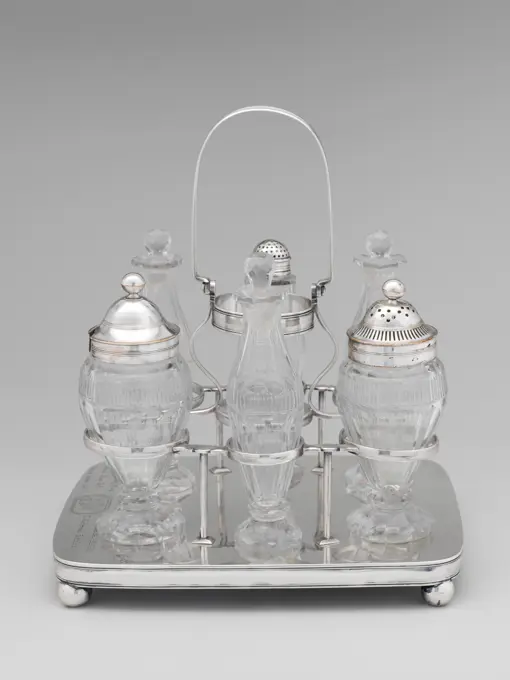
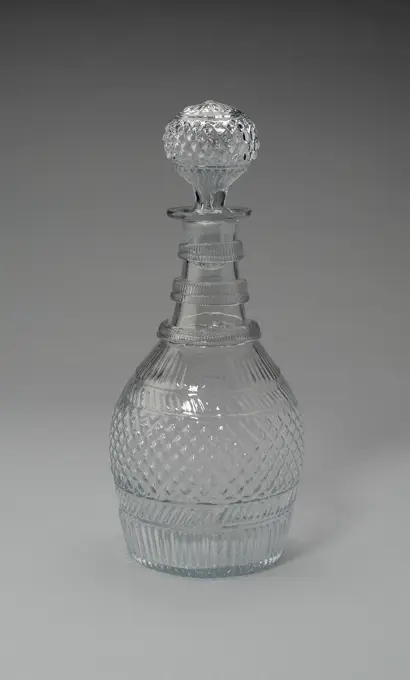
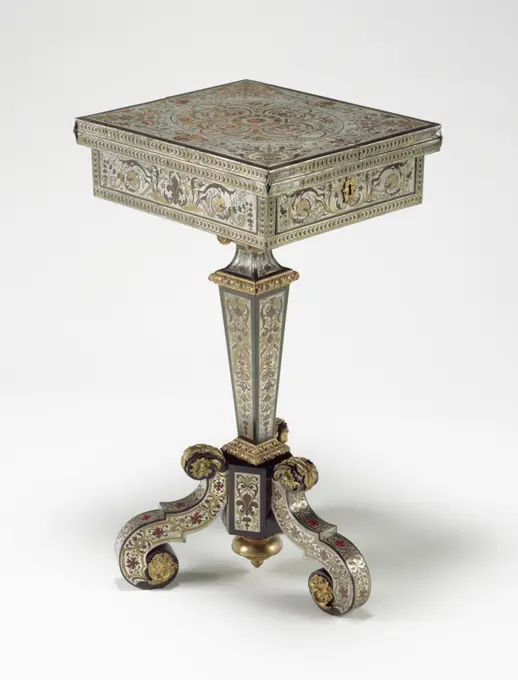
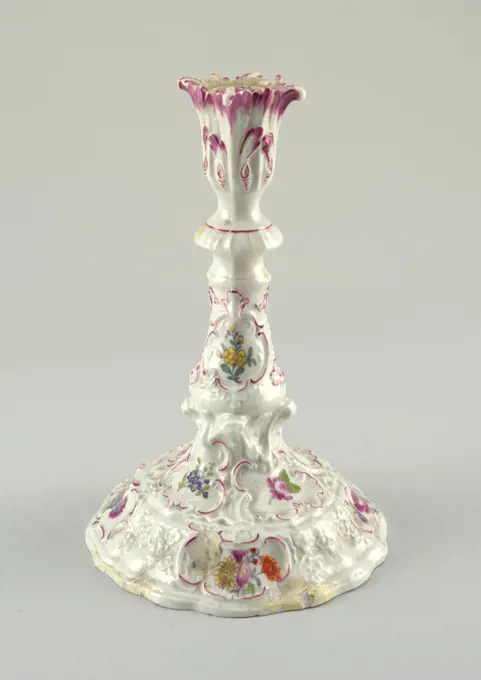
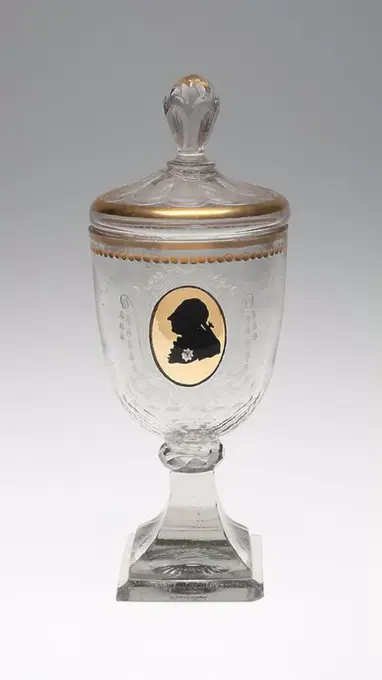
Lid with a hunting scene, anonymous, c. 1850 - c. 1875 Facet cut, vaulted lid with overhanging edge and a facet cut, baluster -shaped button, ending in a point. On the lid a deer, a stork and a dog between rocaille ornament. The facets on foot, trunk and button with gold. Bohemia glass glassblowing / grinding / gilding Facet cut, vaulted lid with overhanging edge and a facet cut, baluster -shaped button, ending in a point. On the lid a deer, a stork and a dog between rocaille ornament. The facets on foot, trunk and button with gold. Bohemia glass glassblowing / grinding / gildingLid of a jar. Vaulted lid, awarded with articulated lid knob, consisting of three faceted buttons and a faceted, pear-shaped end. On the lid line ornaments.Salt barrel in the form of a fountain, decorated with a dancing men's figure, Johannes van der Lely, c. 1725 Zoutvat, in the form of a fountain. The vaulted, profiled base with raised middle carries above a double congestion, the reverse uniform member on which the wide pelvis is located with turned outer edge. On an elevation in the middle of the basin, a garden vase with a dancing men's figure has been placed as a crown. Foot and pelvis are surrounded by a ribbed edge and finely driven rank ornament on granulated soil. To the incineration above the foot and around the vase shape godron edges. Leeuwarden silver (metal) Zoutvat, in the form of a fountain. The vaulted, profiled base with raised middle carries above a double congestion, the reverse uniform member on which the wide pelvis is located with turned outer edge. On an elevation in the middle of the basin, a garden vase with a dancing men's figure has been placed as a crown. Foot and pelvis are surrounded by a ribbed edge and fiSweetmeat glass with cover early 19th century British or Irish. Sweetmeat glass with cover. British or Irish. early 19th century. Glass. GlassHansel in the Cellar, Focko Raerda, 1669 - 1670 Drinking scale on a foot of partially gilded silver; So -called 'Hansje in the basement'. Different animals are punched in the scale between lobe orphanments. On top of the bullet in which the Hansje is hidden, is a knight with a weapon with inscription. On the ball of the cup, marriage symbols are engraved that refer to fertility and prosperity. On the foot of the scale, an alliance weapon is engraved under a crown: the right male weapon consists of three sleeve leaves, the left female weapon is intersected, with above a post horn and under half a lily and three roses. Groningen silver (metal). gilding (material) gilding  Groningen Drinking scale on a foot of partially gilded silver; So -called 'Hansje in the basement'. Different animals are punched in the scale between lobe orphanments. On top of the bullet in which the Hansje is hidden, is a knight with a weapon with inscription. On the ball of the cup, marriage symbols are engraved thGoblet with Cover, Reinier Van Jaersvelt, 1546 - 1547 The cup has decorated a glass funnel -shaped chalice with vertical ribs above a steep rising, multiple pledged plated silver foot. The profiled, bulging gilt silver lid is crowned by a trunk around which a fleuron with leaf ornaments and volutes is inlaid with pearls and on which a wild boar is a wild boar. The frame is decorated with decorative elements derived from mannerism: bandwork and lion masks closely, satin heads on the nodus and a crowning flower basket on the lid. At the top of the lid, a continuous representation with figures derived from classical antiquity is driven that the triumph of faith has the subject. The inside of the lid is decorated with a circular scene with all kinds of animals in paradise. In the middle of this, the body of a unicorn protrudes that when the lid is placed on the cup, you can see through the glass. Antwerp Glass. frame: Silver (Metal). pearl glassblowing / casting / gilding The cup has decorBowl with lid, with a house and two gentlemen and the inscription: the wealth of the hoys. Cup with lid. Conical foot with beaten edge. Stam with three hollow buttons, by the way of thick glass. On the chalice a house and two gentlemen in 18th-century costumes between flower wreaths. Behind it: Sailing / Van Dese Hoy / SE. A floral owl on the lid.The Spitzer Cup, 1600-1620. Peter Wiber (d.1641). .Caster Set andFrame.   Maker: William Gale and Son, American, active 1850-58; 1862-67one Bandau, Johann Georg I (1734-1812); the seventies of the 18th century (1770-00-00-1780-00-00);Chalice. Designed by Augustus Welby Northmore Pugin; English, 1812-1852; Made by Rundell, Bridge and Rundell; London, 1797-1843. Date: 1827-1828. Dimensions: 28.3 × 12 cm (11 1/8 × 4 3/4 in.). Silver gilt with spessartine garnets. Origin: London. Museum: The Chicago Art Institute, Chicago, USA. Author: John Bridge.Goblet and cover. Zechlin (huta szkła ; 1736-1890), creatorCup, anonymous, c. 1550 - c. 1575 Cup of rock crystal in an enamelled, golden frame. The barrel is scanned all around. Malib gold (metal). Cup of rock crystal in an enamelled, golden frame. The barrel is scanned all around. Malib gold (metal).Cup with cover; Glucksburg (glassworks; 1700-Post 1756); 1760-1770 (1750-00-00-1770-00-00);Antoni Jan (1844-1934) - collections, arrows, genre scenes, purchase (provenance)Waza for soup with cover and basics; Bandau, Johann Georg I (1734-1812); 1781-1787 (1781-00-00-1787-00-00);John LeTelier Sr., Sugar Bowl and Cover, c. 1785, silver.Jug with putti in a Bacchanalian procession, Pierre Raymond (attributed to), c. 1550 Copper Schenkkan, decorated with representation of email in grisaille against a black background. The wide base runs into a narrow, high trunk. Putti and busts of Putti are then depicted. Above that the body is placed, which is divided into three tires separated by thick, round edges with gold leaf. Shiringes are depicted on the lower band; The middle one shows several putti with fruits and musical instruments, with the inscription BAQVS above. The middle putto is on a small car with the monogram P.R. The upper band shows a bathing Diana on one side with her nymphs, which is spied on by acteaon with deer head; The other side show a hunting scene with men on horseback and dogs, who attack deer's head with deer head. The from above flat spout is decorated with leaf motifs in grisaille. The S-shaped ear is equipped with gilding. Limoges copper (metal). gold (metal) gilding Copper Schenkkan, decorated withOSTENSORIO. Location: CATEDRAL-MUSEO DIOCESANO. GRANADA. SPANIEN.Medicis, Pressed glass, France, ca. 1840, glasswares, Decorative Arts, Vase, VaseSugar Bowl 1765-1770 Philip Syng Jr.. Sugar Bowl. American. 1765-1770. Silver. Made in Philadelphia, Pennsylvania, United StatesCup with cover 19th century Reinhold Vasters German The design for the entire covered cup, crystal included, is by Reinhold Vasters. The drawings for it exist at the Victoria and Albert Museum, London. The finial figure, Caritas, has been derived from a similar composition on the Hausaltar of Albrecht V at the Schatzkammer in Munich, made by Abraham Lotter the Elder, 1573-74.. Cup with cover 192703Cup with lidStanding cup with cover mid-17th century, finial 19th-early 20th century French, Paris. Standing cup with cover 197099Monstrance with a Relic of Saint Sebastian, 1484. Germany, Lower Saxony, Brunswick, Gothic period, 15th century. Gilded silver, rock crystal; overall: 47 cm (18 1/2 in.).Candlestick;  IPO .Xixw. (1815-00-00-1830-00-00);Candelabra Made 1800-1899 Burslem. Silver gilt, stoneware, glass . Wedgwood Manufactory (Manufacturer)Potpourri Vase with Cover, c. 1810. Derby (Crown Derby Period) (British). Porcelain; diameter of mouth: 11.5 cm (4 1/2 in.); overall: 15.1 cm (5 15/16 in.); container: 10 cm (3 15/16 in.).Roemer with two rows of braam buds. Roemer with inserted bottom on high, conical, spun base from a wire. The egg-shaped chalice as a whole blown up with the trunk that is busy with two rows of braam buds. The transition from the chalice to the trunk indicated by a ribbed wire.Candlestick Adrian Bancker American 1735-50 Early American candlesticks are extraordinarily rare; typically candlesticks that graced colonial American homes were imported from England or the Continent. For these, Adrian Bancker, a New York silversmith of Dutch descent, chose a traditional English form, yet their construction and appearance are unmistakably colonial North American. Although Banckers known oeuvre is small, the Met owns a significant collection of his silver, including a tankard (24.109.4), beaker (33.120.104), porringer (33.120.326), cream pot (44.88), punch bowl (48.15) and set of casters (1972.233.1-.3).Standing cup mid-17th century, mounts 19th century After a design by Reinhold Vasters German. Standing cup. German. mid-17th century, mounts 19th century. Rock crystal, gold, enamel. Natural Substances-Rock CrystalLichella in the shape of a lotus flower unknownOlearium first half 16th century Bohemian. Olearium 462771Chalice. Italy. Date: 1780-1790. Dimensions: H. 26 cm (10 1/4 in.). Silver. Origin: Italy. Museum: The Chicago Art Institute, Chicago, USA.Covered Sugar Bowl 1870-90 Adams and Company. Covered Sugar Bowl. American. 1870-90. Pressed yellow glass. Made in Pittsburgh, Pennsylvania, United StatesCandlestick 1630-70 British or Flemish. Candlestick 1385Wine cooler (one of a pair) ca. 1830 Matthew Boulton British. Wine cooler (one of a pair) 204700Cup with cover ca. 1600 German, Augsburg. Cup with cover 201818Standing Land;  K.XVIII century (1791-00-00-1800-00-00);Candlestick (England); silver; Overall: 31.6 x 33 x 11 cm (12 7/16 x 13 x 4 5/16 in.)Cruet Set 1762-1763 London. Silver and glass . John DelmesterBeaker ca. 1730-50 Georgius Olescher Jr. An elegant rhythm is created in this beaker by alternating gilded vertical concave flutes with silver panels containing finely embossed and chased ornament on a matte ground. Georgius Olescher Jr., the maker here, was probably inspired by the work of Michael II May, who spent several years in France becoming familiar with Regence ornaments, returning to Brassó by December 1731. Other Transylvanian beakers are similarly decorated, including examples with this typical bell-shaped form. And it was May who produced several such large beakers, all of which are similarly ornamented (István Heller. Ungarische und siebenbürgische Goldschmiedearbeiten: Vom Ende des 16. Jahrhunderts bis zum Ende des 19. Jahrhunderts. Munich, 2000, pp. 106-8, nos. 31 and 32). Some were produced with a lid. The Regence strapwork is an adaptation of French and German silver ornament but was also one of the main patterns featured on porcelain from the influential Viennese DuPGoblet. Czechy, creatorTazza with Landscapes, royal porcelain manufactory, c. 1837 - c. 1844  Tazza (scale on foot) from porcelain with a copper frame with iron pin to place in the high foot. Painted with email colors and gold. On the flat a landscape with a prominent building. On the edge a decorative band with medallions and flowers, between which six times an oval compartment with a small landscape, always with a prominent building. The outside of the dish is blue. The inside is painted over with beige. On the foot elongated compartments with lion heads on a shell motif surrounded by rolling and stylized flowers. The wide part with two tires with stylized leaf motifs and below that a bond with rosettes in medallions. Marked on the inside of the foot with the scepter including K.P.M. Berlin porcelain. glaze. gold (metal) painting / vitrification. The putti supporting the salt-cellars allude to salt itself. They ride dolphins and carry seashells, identifying them as the companions of Neptune, the god of the sea. The figures were inspired by statues by Lutmas famous contemporary, François Duquesnoy, a Flemish-born sculptor who spent his career in Italy.Incense ship, Rabanus Raab, c. 1740 Incense sheaf of silver. The boat ends in a large volute -like curl. The lid is decorated with a large palmet in relief. Boxmeer silver (metal) Incense sheaf of silver. The boat ends in a large volute -like curl. The lid is decorated with a large palmet in relief. Boxmeer silver (metal)Steam of candlesticksIncense Burner (Mexico); Made by F. Celaya; silvered brassTable bubble with acanthus leaves. The bell-shaped bell has a baluster-shaped handle with a spherical button. There is a smooth profile along the bottom of the bell with an engraved edge of two drawing ribbons for a band with a pendulum line against a gloss stitch-shaded background. This edge is flanked by narrower tires with similar arrangements. The upper part of the bell is driven with two layers of blasted acanthus leaves. Borders are arranged in gloss stitch along top and top of the cast stem; There are two over the widest part, a bond with a winding line flanking. Steel and button are separated by a stretched connection whose lower part shows turned cannelures. The spherical knob is decorated along top and bottom with a zigzag line and is crowned by a vaulted, rejuvenating, canceled pedestal with a scoop.Altar Candlestick with Busts in Relief of Saints Peter and Paul (one of a pair) mid-16th century Workshop of Vincenzo Grandi Analogies of texture and composition (figures from which a Byzantine stiffness has not altogether disappeared) between these and three flagpole stands by Alessandro Leopardi in Piazza S. Marco, Venice, permit an attribution of the candlesticks at least to Leopardis sphere of influence. The candlesticks were part of a set of six for an altar. Two with reliefs of Saints Matthew and Luke are in the Pierpont Morgan Library, and two with Saints Mark and John are in the Victoria and Albert Museum.. Altar Candlestick with Busts in Relief of Saints Peter and Paul (one of a pair). Workshop of Vincenzo Grandi (mentioned 1507-1577/78). Northern Italian. mid-16th century. Bronze, partially oil-gilt. Sculpture-BronzeCandlestick, five -part, anonymous, c. 1590 - c. 1596 candlestick Candlestick, five -part with a wide -ranging circular foot decorated with two egg lists. The candlestick has a baluster -shaped shaft or trunk with disc -shaped knot on the bottom, a concave fat bowl with egg list and a baluster -shaped shaft. The candle holder is cylindrical with two round leakage holes and on top egg list. The cast seams are visible over the eggs. Netherlands tin (metal) casting  Nova Zembla. Saving HuysCandlestick with foot in lobe style. Foot, trunk, fat catcher and pin are poured separately. The triangular base carried out in lobe is made up of three S volutes, which are connected by three cartouches, and carrying the triangular base for the trunk. This consists of a vase and a baluster. The profiled fat catcher includes a rib in the middle of the strongly curving edge. The candle pin decorated with grooved rings has been profiled to the foot and ends at the top of a gang. The candlestick is aged inside at the bottom to give more firmness. In a later incorrect restoration, the lower part of the candle pin is attached to the strain under the fat catcher, so that this candlestick has become slightly higher.Cup, François Désiré Froment-Meurice, c. 1849 Coupe of partially gilded silver and pearls. Star-shaped rejuvenating foot, decorated with neo-gothic tracing work; tribe in the form of boy who kills dragon with trident; Shapas -shaped upper part with high curled ears crowned by dragons, between which the scale -shaped cuppa. Along the inside of the Cuppa an engraved inscription: A Mr Mel Poisat, Souvenir de Son Ami le Bon James de Rothschild, à l'Occasion du Vingt-Cinquieme Anniversaire de Son Mariage.-le 27 Novembre 1851. Paris silver (metal). pearl. gilding (material) gilding Coupe of partially gilded silver and pearls. Star-shaped rejuvenating foot, decorated with neo-gothic tracing work; tribe in the form of boy who kills dragon with trident; Shapas -shaped upper part with high curled ears crowned by dragons, between which the scale -shaped cuppa. Along the inside of the Cuppa an engraved inscription: A Mr Mel Poisat, Souvenir de Son Ami le Bon James de Rothschild, à l'Occasion du ViChalice 1608, with later restorations Probably Otto Meier Because of their extraordinary monetary worth, few gold pieces of this size survived the melting pot. Here, radiant angels are enameled in the round (en ronde bosse), a technique developed in the fourteenth century that involves painting molten glass colors over a sculpted gold core. Made for the dean of Speyer Cathedral to use in celebrating Mass, the vessel is set with gemstones, believed to embody the glorious detailing of Gods divine order. Part of the original chalice is lost; in an indication of the objects enduring appeal, its damaged bowl was carefully replaced with a new one in the nineteenth century.[Elizabeth Cleland, 2017. Chalice. German, Westphalia (probably Lichtenau). 1608, with later restorations. Gold, enamel, jewels. Metalwork-Gold and PlatinumWestward Ho!/Pioneer pattern covered compote on pedestal c 1876 Philadelphia. Glass . Gillinder and Sons (Manufacturer)Candelabrum (France); Produced by Alphonse Giroux & Cie; gilt bronze; 41.5 x 21 x 24 cm (16 5/16 x 8 1/4 x 9 7/16 in.)Steeple cup 1608/9 A. B., London The arms are those of the Tongrey family. The obelisk on the finial was a motif much favored in England in the early seventeenth century.. Steeple cup 205004Vase lid, painted with flowerguirles and lion heads, manufacture Oud-Loosdrecht, c. 1778 - c. 1782 Porcelain vase, painted with multicolored flowerguirlandes. Button gilded. Loosdrecht porcelain Porcelain vase, painted with multicolored flowerguirlandes. Button gilded. Loosdrecht porcelainGlassCandlestick 19th century, after 1730-40 original After an original by Johann Ludwig Biller This electrotype is after an eighteenth-century original (1730-40) in the Winter Palace, St. Petersburg, at the time of reproduction. It was part of a toilet service made for and presented to the Empress Anna Ivanovna (1693-1740).. Candlestick 186659. Flat foot with beaten edge, ground with ovals interspersed with a line on the underside. Double cuff under a faceted baluster-shaped strain. Versatilely faceted, funnel-shaped, celkneted on the underside. Faceted lid, the button composed of a faceted nodus and cone. In the bottom of the chalice a gold-plated medallion with windows surrounded by a border palmets. On the chalice, between a golden leaf drink and a trim in silver, red, brown and green a powder keg with weapentropheen on one and a floral basket on the other side. The medallion in the soil repeats itself in the lid. Kit edges approx. 1 cm below the edge of the chalice and around the medallion in the lid.Vase frame. Chiseled and gilded bronze, 1715. Paris, Carnavalet museum. 77640-13 Anse, bronze, chisel, gild, frame, decorative object, pot, regence style, tete lion, vase, 18th centuryGarden Vase, anonymous, c. 1700 - c. 1725  Northern or Southern Netherlands marble (rock)   Castle Enguizen  Northern or Southern Netherlands marble (rock)   Castle EnguizenTea urn ca. 1765 British. Tea urn 192017Cover for a Tureen, 1812. Paul Storr (British, 1771-1844). Silver; overall: 35.2 x 43.2 cm (13 7/8 x 17 in.). Silver fulfilled a prominent role in projecting wealth, status, power, and ritual in British life during the 1600s and 1700s. Elaborate forms such as this tureen cover, with its lionhead finials, acanthus leaves, and fluted detailing, not only represented wealth in its sheer silver weight but also provided royal and aristocratic owners a surface for displaying engraved coats of arms. The arms of the High Sheriff of Yorkshire, Timothy Hutton and his wife Elizabeth Chaytor of Spennithorne Hall in northern England are engraved on the accompanying tureen and stand by Paul Storr, one of the most prominent London silversmiths of the period.Lid of a jar, anonymous, c. 1750 - c. 1800 Vaulted lid with faceted, pear -shaped button on three discs. A engraved flower and leaf garland on the lid. Bohemen (possibly) glass glassblowing Vaulted lid with faceted, pear -shaped button on three discs. A engraved flower and leaf garland on the lid. Bohemen (possibly) glass glassblowingTable bubble with garlands and portrait medallions. The bell-shaped bell has a baluster-shaped stem with a spherical knob, separated from the stem by a co-needed portion. Along the bottom of the bell a slightly deepened, ribbons bound wreath of laurel leaves and berries. The bubble is decorated with three bound bays garlands with berries, hung on stuffy ribbons, which always hangs an oval medallion with a shifted men's head. Between Bel and Steel is a layer, rejuvenating connecting piece, imposed with a star and surrounded by a pearl edge. The lower part of the button is faced in a scratch. The clapper is missing.Anne Tanqueray, Set of Four Salts, 1729/30, silver.Classicist single candlestick. Holke, Marcin (fl. ca 1765-ca 1792), goldsmithGoldsmith's art, Italy, 17th century. Cosimo Merlini (1580-1641),  rock crystal glass mounted in enamelled gold, supported by two silver figures of angels. Height 31.9 cm.Church Candlestick, Anonymous, 1685 - 1700 Large wooden sculpted church candlestick, standing on three legs, above which female figures have been installed. The knot is decorated with winged angel heads. The sculpture is gilded on a white soil. A pen is present to turn the candle. Northern Netherlands (possibly)Netherlands (possibly) wood (plant material). gilding (material) gilding Large wooden sculpted church candlestick, standing on three legs, above which female figures have been installed. The knot is decorated with winged angel heads. The sculpture is gilded on a white soil. A pen is present to turn the candle. Northern Netherlands (possibly)Netherlands (possibly) wood (plant material). gilding (material) gildingCrown for Torah - Keter Torah. unknown, goldsmithWIne Glass and Cover. Bohemia, Czech Republic. Date: 1725-1735. Dimensions: 24.8 × 7.6 cm (9 3/4 × 3 in.). Glass with engraved gold leaf decoration. Origin: Bohemia. Museum: The Chicago Art Institute, Chicago, USA.John Bayly, Tankard, c. 1755, silver.Likeurglas, anonymous, c. 1400 - c. 1950 Liqueur glass. Incomplete.  glass Liqueur glass. Incomplete.  glassStanding cup with cover ca. 1740 German, Zechlin. Standing cup with cover 195900Workshop of the Miseroni / 'Cup with handles in the form of dolphins'. After 1689. Gold, Omphacite. Museum: Museo del Prado, Madrid, España. Author: TALLER DE LOS MISERONI.Anonymous / 'Agate goblet with lid'. 1600 - 1650. Agate, Chalcedony, Enamel, Gold. Museum: Museo del Prado, Madrid, España.Ewer 19th century, after 17th century original Elkington & Co. British This electrotype is after a seventeenth-century original in the Hermitage, St. Petersburg, at the time of reproduction. The original ewer and basin are also in the Museum's collection (see 2005.62.1, .2a, b).. Ewer. British, Birmingham, after Moldovan original. 19th century, after 17th century original. Silver on base metal, partly gilt. Metalwork-ElectrotypeGoblet made from silver and gold with emeralds and rubies. Italy, 17th century.Footed Bowl with Eagle Emblem. Dimensions: H. 7 3/16 in. (18.3 cm)Max. Diam. 8 in. (20.3 cm)Diam. of Base: 5 in. (12.7 cm). Date: mid-13th century.Although this chalice bears an armorial emblem, a heraldic eagle, its inscription band contains two lines of an unidentified poem alternating with a figural frieze, rather than a dedication, thus the dating is conjectural. The heavy gilding and fluted body are characteristics associated with the late Ayyubid or early Mamluk period. Museum: Metropolitan Museum of Art, New York, USA.Bowl or basin 19th century, after 16th century original British, after Russian original This electrotype is after a sixteenth-century original a treasure of the Kremlin, Moscow, at the time of reproduction.. Bowl or basin 186555Lid of Zwischegold glass. In facets cut lid with pointed, also faceted button. In the lid a medallion of windows surrounded by a stylized leaf drink. With accompanying cup (BK-NM-10754-269-1).Sugar bowl ca. 1740 P.S.. Sugar bowl 200265Flask.Meissen porcelain manufactory ice cream, c. 1740Mount: Paris, c. 1740-1744Hard paste porcelain, goldRosewater Ewer and Basin 1591-1601 Nuremberg. Silver gilt . Franz DotteWine cup 1619-20 F. M., London. Wine cup 204929Close-up of a fruit bowl, Deruta, ItalyCup (one of a set) 16th century Flemish. Cup (one of a set) 193464. Small arm of candles wreath.Sauce Tureen and Cover from the Hood Service. Paul Storr; English, 1771-1844; London, England. Date: 1807-1808. Dimensions: 17.8 × 22.9 × 13 cm (7 × 9 × 5 1/8 in.). Sterling silver. Origin: England. Museum: The Chicago Art Institute, Chicago, USA.Rattle, Whistle, and Bells 1835-36 British. Rattle, Whistle, and Bells. British. 1835-36. Silver. Made in Birmingham, EnglandChalice à soleil 1532-33 French, Paris This chalice, made in the early French Renaissance, is decorated with motifs that derived from the late medieval period: wavy sun rays on the bowl and dome of the foot, which evoke the meditation on the Sacred Monogram as preached by Saint Bernardin of Siena (d. 1444), and lily petals, a symbol of the Virgin. The projecting twelve semicircles of the foot and the twelve bosses of the knop are references to the apostles. These lively features are joined by others taken from the more static repertoire of classical ornament derived from Roman architecture: a stem formed as a fluted column, the flutes alternately channeled; beading at the junction of stem and foot; acanthus on the upper and lower poles of the knop; and a wreath encircling the step of the foot. Fleurs-de-lis, emblems of the French crown, are, strangely, found here as also on other French liturgical objects of the sixteenth century and may refer to the control over the church in France wCruet stand ca. 1805-11 Lewis and Smith Very few American-made cruet stands are known from the early nineteenth century. The firm of Harvey Lewis and Joseph Smith had a reputation for high-quality work; this example is distinguished by its restrained elegance and artful craftsmanship. The glass bottles are not original to the stand.. Cruet stand 2748Decanter c 1815-1835 United States. Mold-blown glass . Artist unknownTripod table. Attributed to Pierre Golle (French, about 1620 - 1684, master before 1656)Candlestick, Volkstedt-Rudolstadt Porcelain Manufactory, German, established 1762, porcelain, vitreous enamel, Candlestick with wide spreading base. And molded floral and scrollwork decoration. At center, a rocaille cartouche enclosing painted flowers., Germany, 18th century, ceramics, Decorative Arts, candlestick, candlestickPaul de Lamerie, Set of Four Candlesticks, 1738/39, silver.Candlestick 1762-1763 London. Silver . Ebenezer CokerCovered Goblet with Silhouette Bust of King Frederich the Great. Germany, Silesia, Warmbrunn; Decorated by Johann Sigismund Menzel (German, 1744-1810). Date: 1790-1800. Dimensions: H. 24.8 cm (9 3/4 in.). Glass. Origin: Germany. Museum: The Chicago Art Institute, Chicago, USA.Jug. Rock crystal comes in all shapes, sizes and quality. Only the very clearest pieces can be used to make objects. A jug of this size required a pristine chunk of at least 25 centimetres in diameter.