Decorative Glassware

An array of elegant glass containers and ornamental pieces, featuring intricate designs and craftsmanship from different eras.

Lid with a hunting scene, anonymous, c. 1850 - c. 1875 Facet cut, vaulted lid with overhanging edge and a facet cut, baluster -shaped button, ending in a point. On the lid a deer, a stork and a dog between rocaille ornament. The facets on foot, trunk and button with gold. Bohemia glass glassblowing / grinding / gilding Facet cut, vaulted lid with overhanging edge and a facet cut, baluster -shaped button, ending in a point. On the lid a deer, a stork and a dog between rocaille ornament. The facets on foot, trunk and button with gold. Bohemia glass glassblowing / grinding / gilding
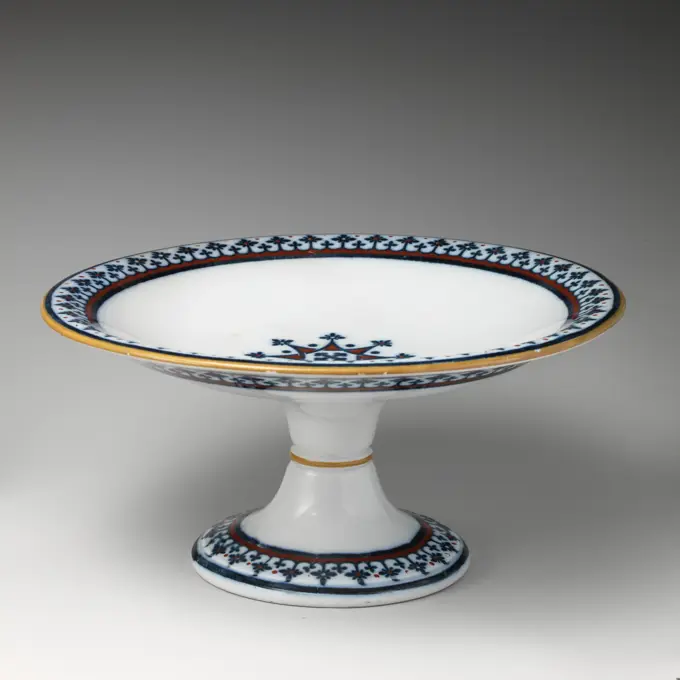
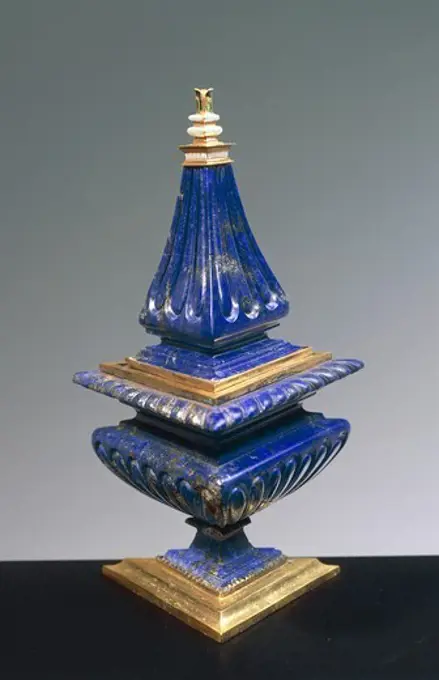
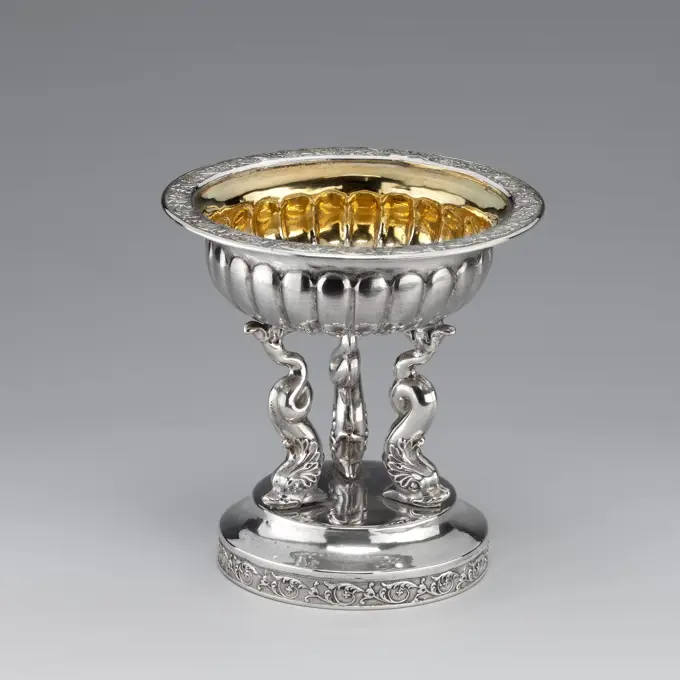
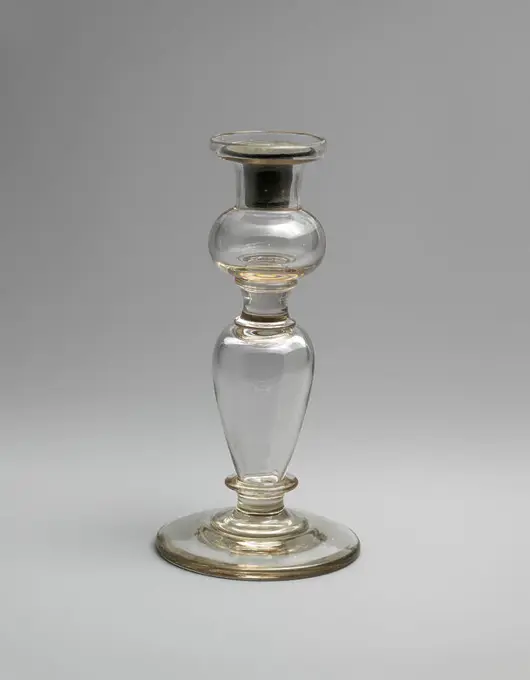
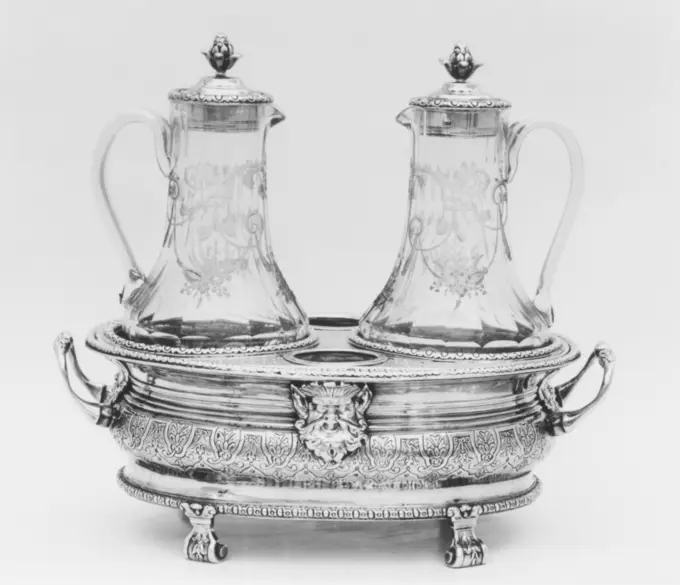
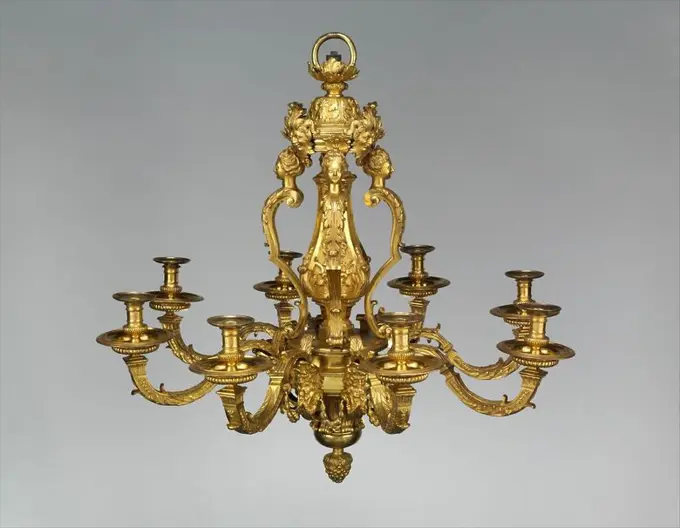
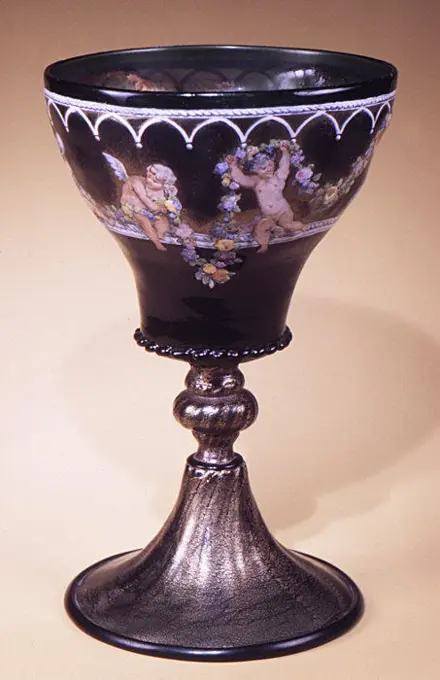
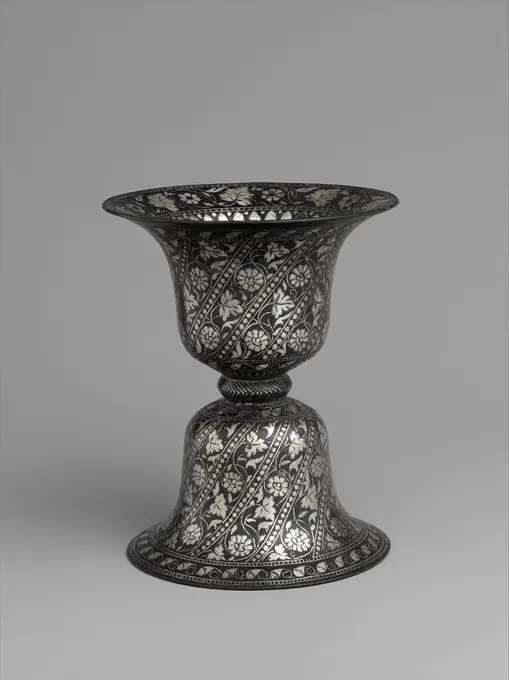
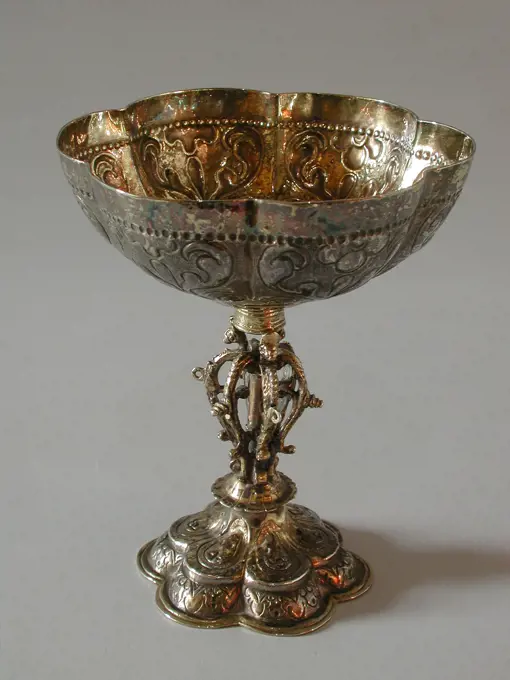
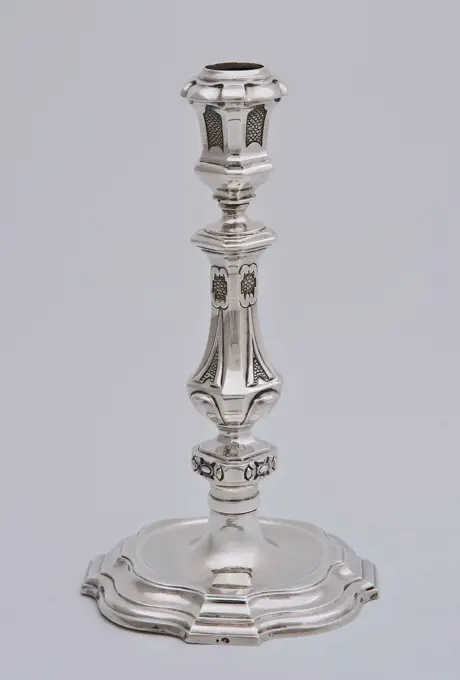
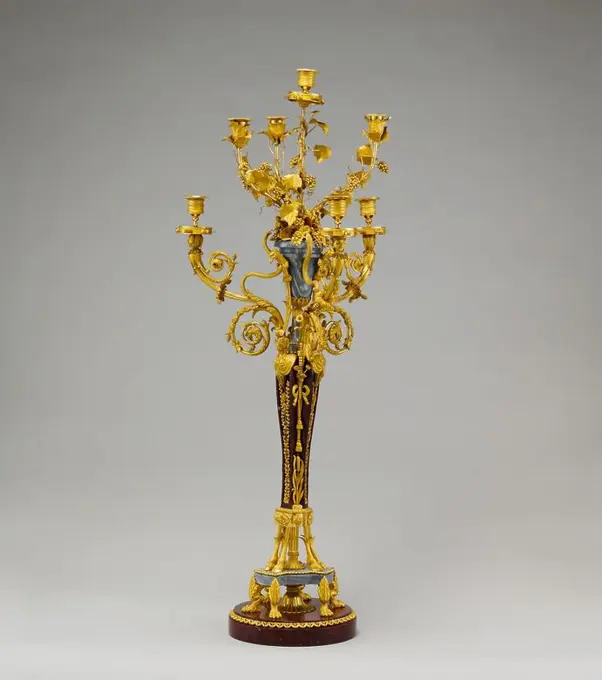
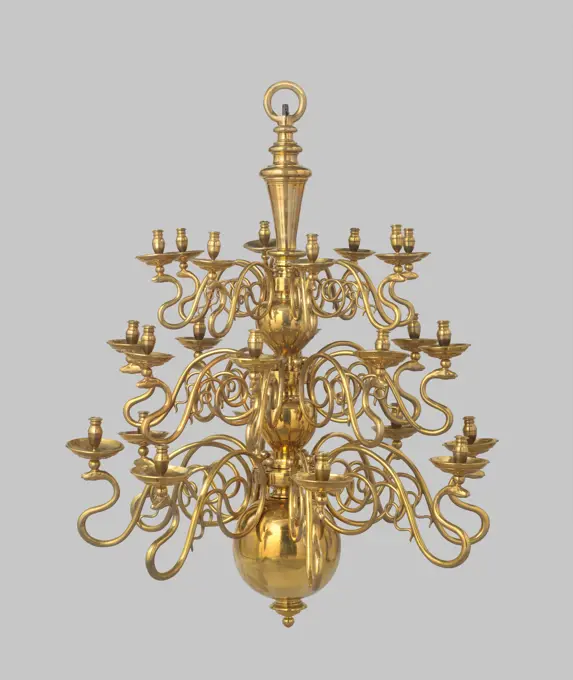
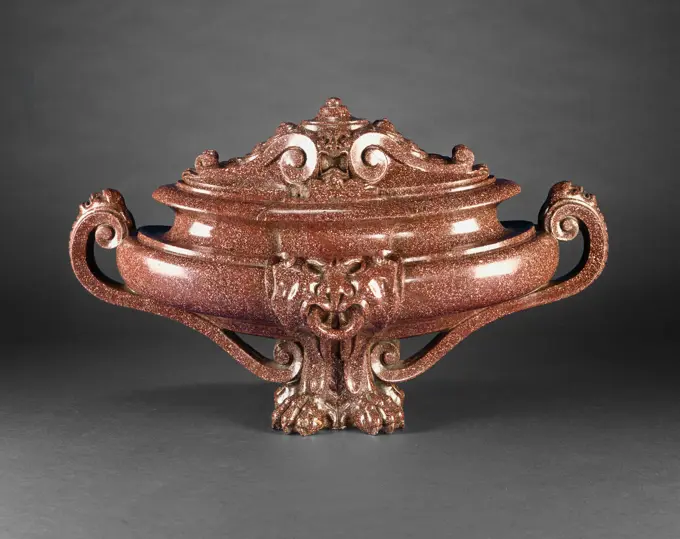
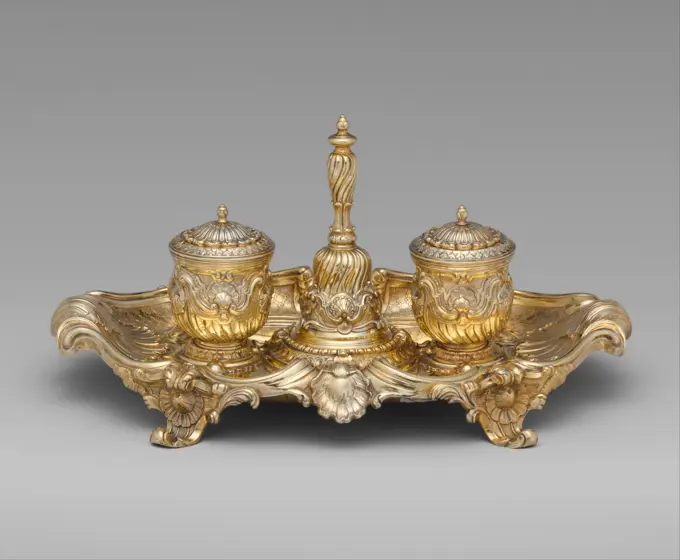
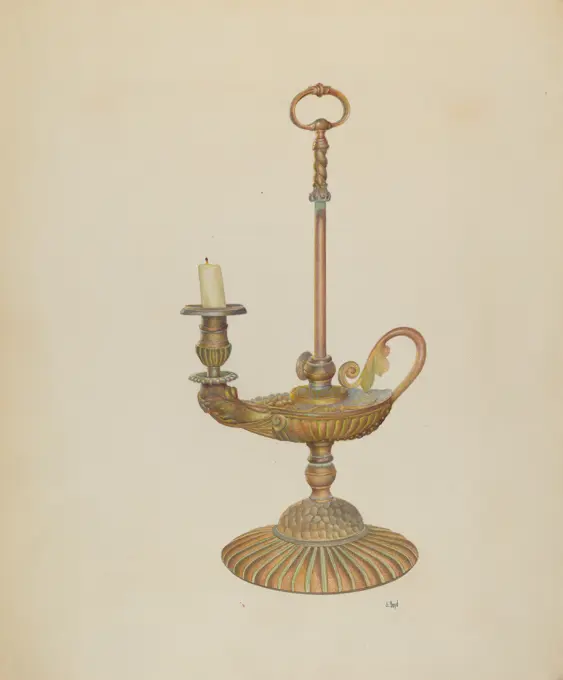
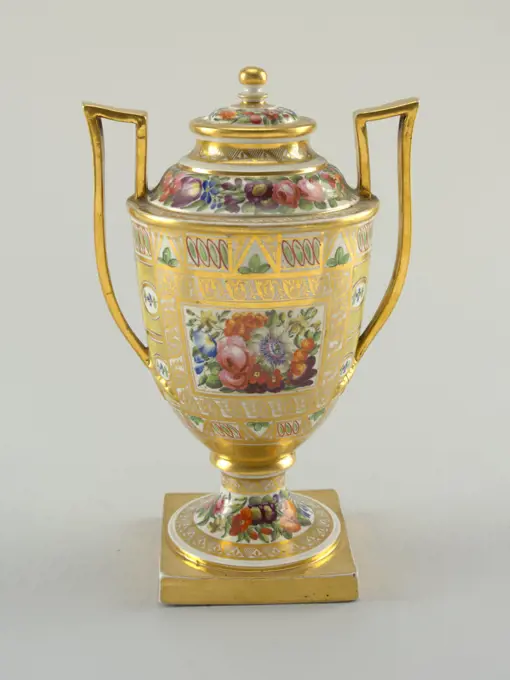
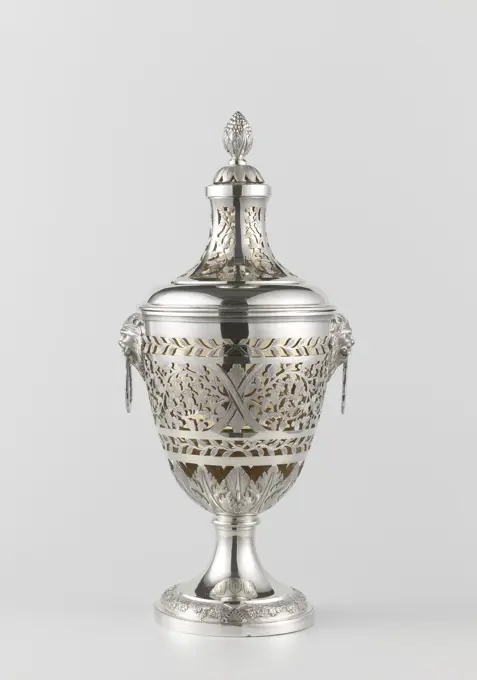
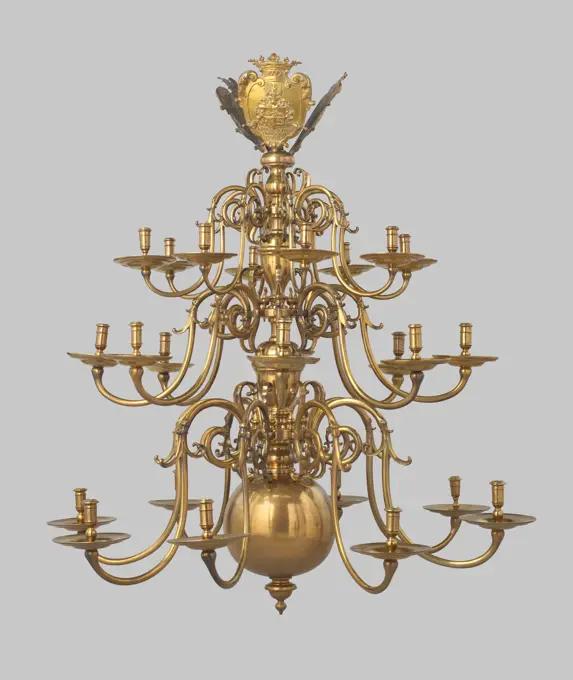
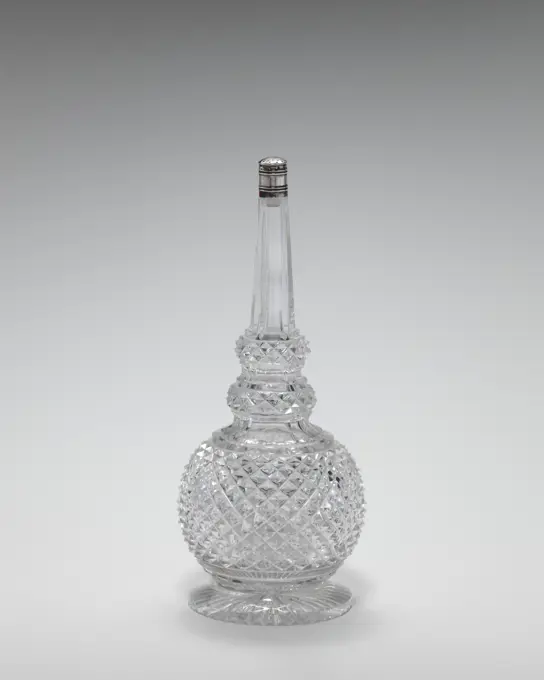
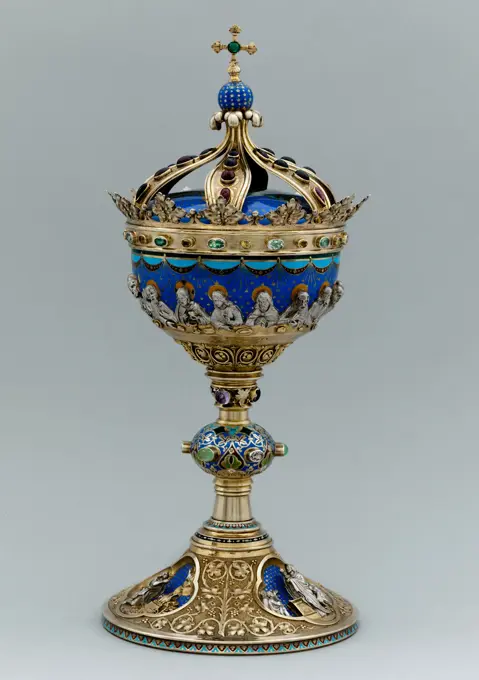
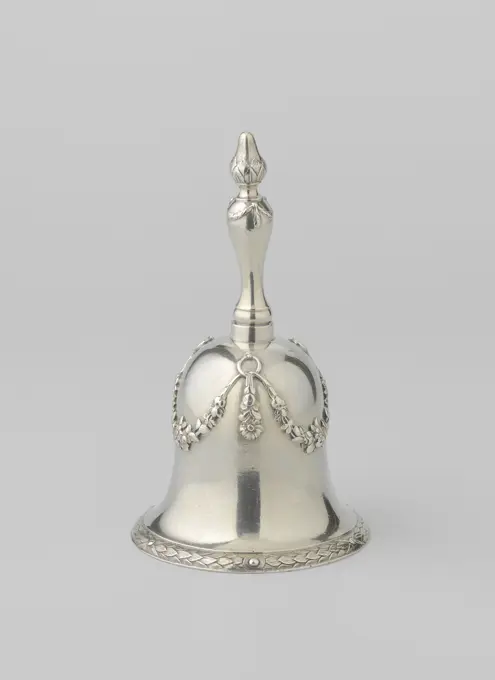
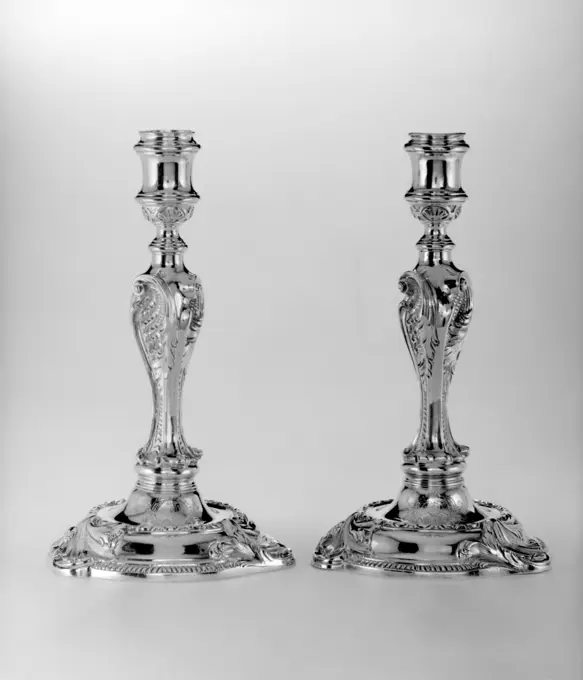
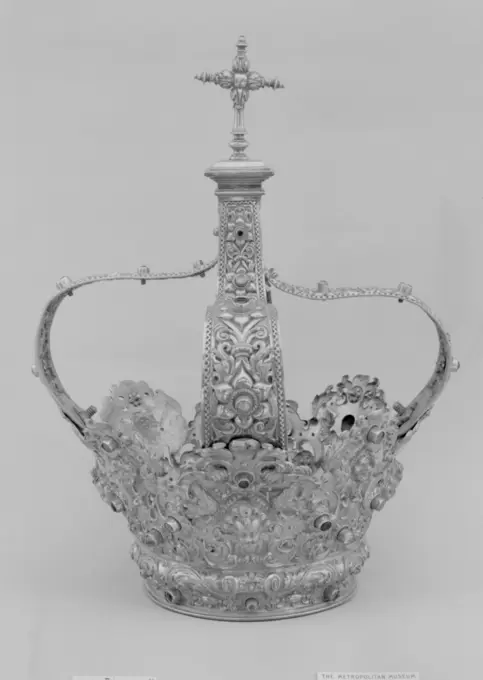
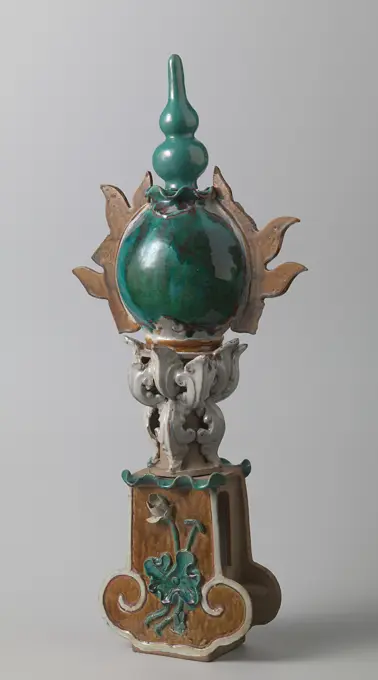
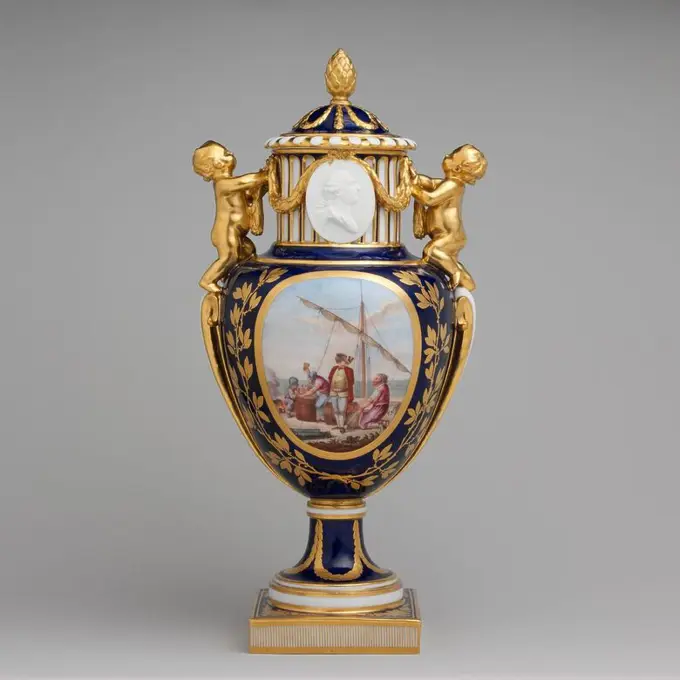
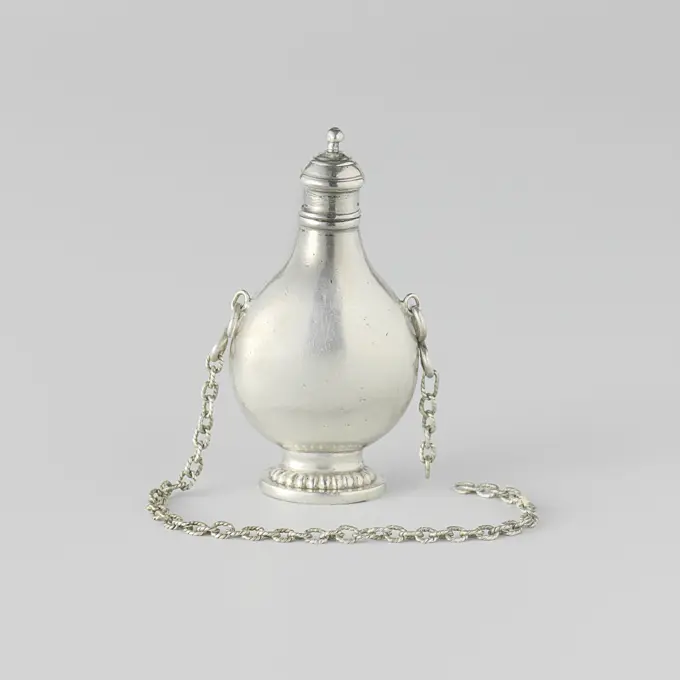
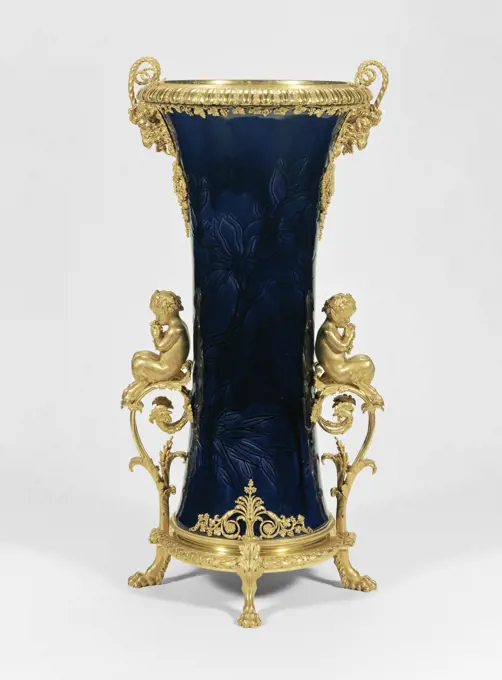
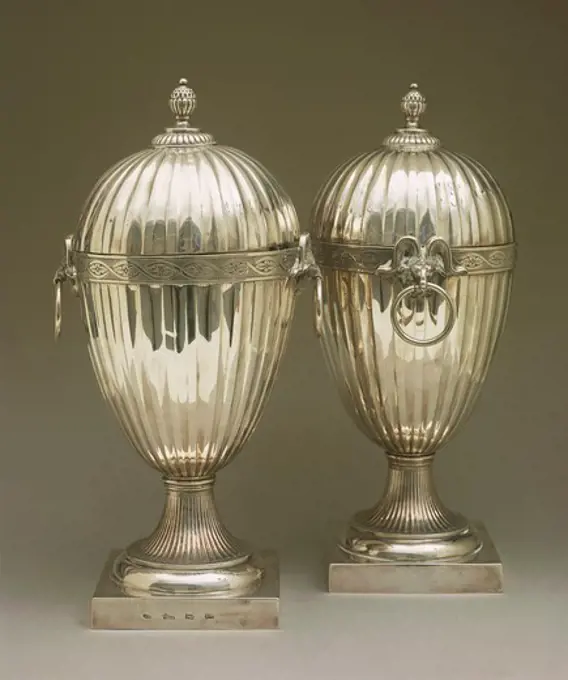
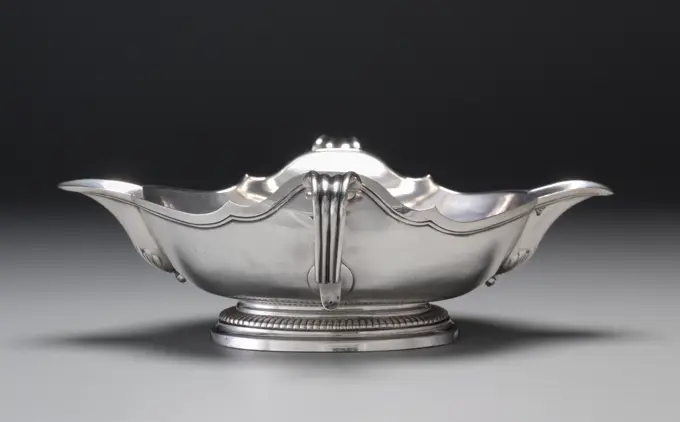
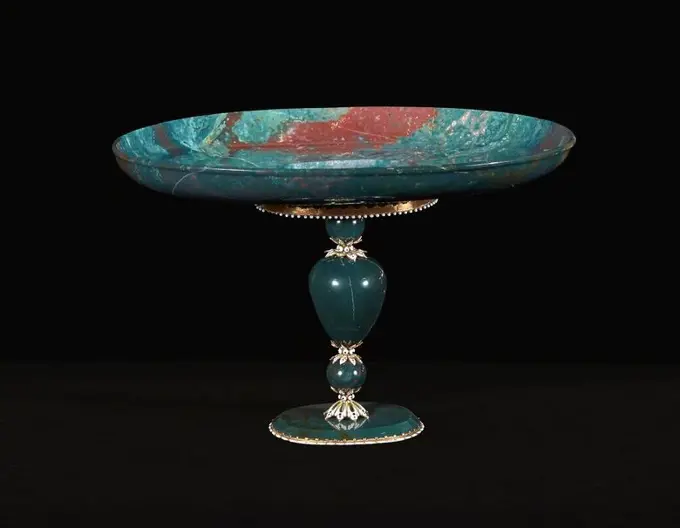
Candlestick. Koenigliche Porcellain Fabrique, Meissen (1710-1763), factorySaltSweetmeat Stand 1695-1705 England. Glass .Candy dish - Nova Scotia Grape & Vine pattern Humphreys Glass Company Humphreys Glass Company. These three-branch candelabra are early examples of the consistent application of Neoclassicism in Amsterdam art. The stem is shaped like a Corinthian column. This Classical order is identifiable by the capital, the columns crowning element with acanthus leaves. Many other parts of the candelabra feature the same kind of foliage.Pair of three-light candelabra ca. 1750 French. Pair of three-light candelabra. French. ca. 1750. Gilt bronze. Metalwork-Gilt BronzeSpice box. Kandodelaber of silver with round foot and a rejuvenating trunk. Six to the outside bent arms, which are grouped around a sphere. The foot and candle holders are decorated with godreways. Leaf motifs and tubs are arranged around the trunk and the crowning award. The tendrils walk out in a Greek Palmet. At the foot the driven alliance weapon von nagell of Gartrop-van Nagell of Ampsen.Cup 19th century, after 17th century original British, after Russian original This electrotype is after a seventeenth-century original a treasure of the Kremlin, Moscow, at the time of reproduction.. Cup 186558Bread basket; Nathan & hayes (Birmingham, Chester; company z 1905/06 (1905-00-00-1906-00-00);Eight fat catchers and eight candle holders; Parts of a candle wreath. .Tazza ca. 1848 Minton(s) British Pugin, an architect, was in the forefront of the Gothic Revival, creating designs for furniture and metalwork as well as this "Gothic" pattern for ceramics.. Tazza. British, Stoke-on-Trent, Staffordshire. ca. 1848. Earthenware. Ceramics-PotteryAntoine Boullier, Assembled Ewer and Basin, 1783/84, silver gilt.Francesco Tortorino (Workshop of) / 'Vase with scenes from Genesis and Exodus'. Ca. 1690. Rock crystal / Hyaline quartz, Enamel, Gold, Ruby. Museum: Museo del Prado, Madrid, España.Silversmith's art, Italy, 16th century. Lapis lazuli and gilded silver salt cellar. Height cm. 18.Candlestick, one of a pair, 1824-1825, Rundell, Bridge & Rundell; Designer: John Flaxman R.A., British, 1755-1826, 10 1/4 × 5 1/16 × 5 1/16 in. (26 × 12.86 × 12.86 cm), Silver gilt, England, 19th century. The two round, diabolological salt barrels with flat lower edge have three cast legs that are composed of two florets and a garden anemone. The body rejuvenates to a high, narrow middle part that widens itself to the convex top edge, which encloses the smooth corporant vessel. The salt barrels are completely driven with a continuous embellishment of flowers, between which on the lower part and lying putti and on the neck a pelican, a stork and a heron. The top edge shows, clockwise from the point above the pelican, a sunflower, a rose, a tulip, a carnation, a tulip, a carnation and an indefinable flower. The narrow middle part of the body shows a trumpetnarcis, a tulip, a Turkish lily, a rose, a poetsennarcis, a tulip and a poetsennarcis again. The lower part shows a garden anemone, a tulip, a lily, tulips, a trumpetnarcis, roses and a garden animation.Salt shaker on dolphins; Nowakowski, Maciej (Fl. CA 1830-1858); 1930s (1830-00-00-1839-00-00);Banking Foundation Leopolda Kroneneberg (Warsaw - 1996-) - collection, gift (provenance), dolphins, spices, spices (vessel), salt (vessel)Candlestick. Culture: American. Dimensions: 9 1/8 × 4 1/2 in. (23.2 × 11.4 cm). Date: ca. 1815-30. Museum: Metropolitan Museum of Art, New York, USA.Sugar box with cover 1730 Tobias Remshardt. Sugar box with cover 206206Sugar bowl. Malcz, Karol (1797-1867), goldsmithCircular tureen with cover ca. 1765 Hermann Neupert II. Circular tureen with cover 206225Anonymous, lyre pendulum. Golden bronze, white marble, turquin blue marble base, enamelled dial. Petit Palais, Museum of Fine Arts of the City of Paris.Cruet frame with later glass bottles 1717-22 Richard Jarry. Cruet frame with later glass bottles 200214Vase 1840-60 American. Vase. American. 1840-60. Pressed amethyst glass. Made in New England, United StatesCenser with round and strike tapered lid. The components are poured and criminated, with the exception of the chains. The spherical cockpit is riveted on a renewed round foot. The openworked swamed cone-shaped lid is equipped with a button. Lid and cockpit have three pairs of eyes. The triangular ring carrier has a hole for the lid chain. The chains have been updated.. Vase-shaped body with thick ribs, mounted in the shape of an eagle, with two legs, a tail and an eagle head of gold-plated silver. The detachable head acts as a stop. Tail, neck and head are engraved with scales; The tail, neck and cup with feathers.Eight-light chandelier. Culture: French, Paris. Dimensions: Height: 32 3/8 in. (82.2 cm); Diameter: 34 in. (86.4 cm). Maker: Possibly by André Charles Boulle (French, Paris 1642-1732 Paris). Date: ca. 1710.Richly ornamented with satyr masks and female busts, this type of early eighteenth-century chandelier has often been associated with the work of André-Charles Boulle. Granted the title of cabinetmaker and sculptor to Louis XIV in 1672, Boulle not only produced case furniture decorated with tortoiseshell and brass, examples of which are shown in this gallery, but also worked in gilt bronze. Several designs for chandeliers by Boulle are known but none corresponds exactly to this model. Museum: Metropolitan Museum of Art, New York, USA.Sugar Bowl and Cover. United States, Pennsylvania, West Virginia or Ohio, circa 1860-1870. Furnishings; Serviceware. GlassGoblet 19th century Dr. Antonio Salviati Company. Goblet 186168Spittoon in Double Bell Design. Dimensions: H. 5 7/8 in. (15 cm)Diam. (base) 4 7/16 in. (11.2 cm). Date: late 18th-early 19th century. Museum: Metropolitan Museum of Art, New York, USA.Candlestick, Pricket. Culture: South Netherlandish. Dimensions: Overall: 15 3/4 x 6 7/16 in. (40 x 16.4 cm). Date: 15th century. Museum: Metropolitan Museum of Art, New York, USA.Six-lobed silver plated drinking bowl, drinking bowl drinking vessel holder silver gold, driven gilded molded Foot and trunk, cuppa ()., six-lobed foot high worked up at the top again six lobes changing to trunk that is cut open with six volute-shaped arches around smooth rod which carry the thread top edge outside cuppa (smashed): drinkMiskelk van ter Hunnepe, Anonymous, c. 1530 - c. 1540 The chalice is formed by a polished coconut, caught in silver. Along the three vertical tires and along the wide -ranging board a toothed leaf edge. The trunk is formed by two half nodes with leaf decorations, between which six detached volutes. On the Nodus a shield with a shared weapon: Van Ghemen and Van Aeswijn (probably for Jodocus van Ghemen and Hendrika van Aeswijk). A wreath of egg -shaped, driven swellings around the vaulted foot. Northern Netherlands silver (metal). coconut shell The chalice is formed by a polished coconut, caught in silver. Along the three vertical tires and along the wide -ranging board a toothed leaf edge. The trunk is formed by two half nodes with leaf decorations, between which six detached volutes. On the Nodus a shield with a shared weapon: Van Ghemen and Van Aeswijn (probably for Jodocus van Ghemen and Hendrika van Aeswijk). A wreath of egg -shaped, driven swellings around the vaulted foot. Norther. Light conical foot. The strain formed from a ribbed, grinding tube, curved in the form of a blue beaker serpent and a flat wing of colorless glass. Bell-shaped chalice in a octagon.Silversmith: Bartholomeus van der Tooren, Silver candlestick, candlestick candleholder lighting tool silver, cast Four-sided base with rounded corners composed baluster-shaped hollow trunk the candleholder repeats the basic shape of the foot. base: ascending profile edges stem: rosettes leaf motifs and scaly panels candleholder: scalloped panels foot bottom outer part (incised) illuminationLid, belonging to a scale (a), decorated with golden tires and with women's heads on the ears. Porcelain lid, belonging to a scale (a), decorated with golden tires and with women's heads to the high ears. Scale labeled: CO 61.Pair of seven-light candelabra (candélabres or girandoles). Culture: French. Dimensions: H. 47 3/8 x W. 19 3/4 x D. 13 3/4 in. (120.3 x 50.2 x 34.9 cm). Date: ca. 1790.Candelabra became more and more elaborate during the course of the eighteenth century and were frequently cast of gilt bronze. Monumental in size, this pair meant to hold seven candles is very complex in its design. Arranged in two tiers of three branches and with an additional arm at the top, the model incorporates two sets of animal feet as its support, lion's paws and goat's hooves. The stem is surmounted by female term figures, possibly maenads, and the scrolling branches on the lower tier each terminate in a jester's head, with a tambourine serving as drip pan. In addition, eagle's heads and coiling snakes surround a marble vase topped with fruits and flowers, which supports the four upper branches. Vine leaves and bunches of grapes are entwined around three of the candle arms, while the upper one is shaped like a Arm of a candle crown in three heights, Anonymous, 1625 - 1650 The arm is provided with a ridge on the tribe side, in which a hole is applied to secure them with a pin in the stand rings. The S-shaped arm has the shape of a hose with a tail-wrinkled tail and outside a lifted head with a round button on it, in which the hole provided for a thread is applied to confirm the candle holders with the fat catchers. The arm is cast using the same model as the other arms of the wreath. The round candle holder is vase -shaped with a profiled rib. At the top she has two holid profile, and a protruding edge and at the bottom of a foot consisting of two holy -round profiles. The foot runs out in a rejuvenating screw end with a center hole. The convex fat catcher is smooth at the top and has fish bladder -like godrons and a rib at the bottom. The fat catcher is cast using the same model as the other fat catchers of the wreath. The pins are decorated with convex buttons. This is the sixth arm of the Covered bowl 18th century China. Covered bowl 62047. Pear-shaped, octagonal can rest with four short sides on four volute-shaped legs on transverse oval bell-shaped feet. Clock-shaped handle of ebony with a silver frame. Signature and dated.Vase decorated with flowers and pigeons. Porcelain vase consisting of a four-side barrel that rests on four claw legs on a four-sided basement. The dominating colors are blue, gold and salmon. The blue colored barrel has a medallion with three flowers on two sides, the two other sides are decorated with a pigeon over a garland suspended from two heads. Golden tendrils and edges make the further decoration. The blue legs are completely plated. The pedestal has a "Jeu de Fond" on each side ornament in gold on salmon-colored ground; A corresponding decoration comes four times on the edge of the barrel in gold on white fond in gold against a blue ground.Tobacco spot, Pieter of Summer Wil (II), 1774 Round tobacco jar with a lid. The pot is on three legs that have been incorporated into the scalloped bottom edge. The lid has a button in the shape of a flower. Walk from the button engraved lines to the scalloped edge of the lid. The pot runs wide down. The tobacco spot is marked: stk. = Amsterdam, Jrl. = P (1774), Mt. = Pieter van Somerwil II. Amsterdam silver (metal) Round tobacco jar with a lid. The pot is on three legs that have been incorporated into the scalloped bottom edge. The lid has a button in the shape of a flower. Walk from the button engraved lines to the scalloped edge of the lid. The pot runs wide down. The tobacco spot is marked: stk. = Amsterdam, Jrl. = P (1774), Mt. = Pieter van Somerwil II. Amsterdam silver (metal)Mosterdpot, Martinus van Stapele, 1780 Round mustard pot with four legs, two raised ears and a hinged lid that is crowned by a handle. The mustard pot is also equipped with a colorless glass inner box. Marked and dated. The Hague silver (metal). glass casting / sawing Round mustard pot with four legs, two raised ears and a hinged lid that is crowned by a handle. The mustard pot is also equipped with a colorless glass inner box. Marked and dated. The Hague silver (metal). glass casting / sawingFlorentine 16th Century, Urn with Grotesque Masks, c 1580 1620 Florentine 16th Century, Urn with Grotesque Masks, , 16th century, porphyry, Gift of Lewis EinsteinStanding cup with cover first half 17th century L. T., Nuremburg. Standing cup with cover 193553Candlestick;  19th century (1801-00-00-1900-00-00);Octagonal jewelry box with dome -shaped lid, J.M. Van Kempen & Son, 1916 Jewelry box, octagonal, partly matted, partly gilded silver, inlaid with amethists and resting on ivory legs, covered on the inside with purple velvet, with a dome -shaped lid. Voorschoten, Fa. J.M. van Kempen and son, 1916, designed by J.J. Warnaar. Brands: Leeuw 1, Meestertek VK under Moon of square: Fa. J.M. van Kempen and son. Voorschoten silver (metal). amethyst (mineral). ivory gilding Jewelry box, octagonal, partly matted, partly gilded silver, inlaid with amethists and resting on ivory legs, covered on the inside with purple velvet, with a dome -shaped lid. Voorschoten, Fa. J.M. van Kempen and son, 1916, designed by J.J. Warnaar. Brands: Leeuw 1, Meestertek VK under Moon of square: Fa. J.M. van Kempen and son. Voorschoten silver (metal). amethyst (mineral). ivory gildingCandlestick, late 1400s. Italy, probably Tuscany, late 15th century. Carved and gilded wood; overall: 49.6 cm (19 1/2 in.).Inkstand ca. 1753 Design attributed to Francesco Ladatte In this virtuosic execution of spiraling scrolls Boucheron has defined the French-oriented character of the Rococo style in Turin. Although more solid and robust, our inkstand recalls one made in Paris in 1746-47 by the court silversmith Thomas Germain. Boucheron may have known this piece, as he is said to have trained in Germain's studio in the 1730s and is shown in a later portrait surrounded by examples of Germain's silver. The actual model of the Museum's inkstand is not necessarily Boucheron's, however, and may well have been the creation of his compatriot Francesco Ladatte (1706-1787), who had practiced as a designer and sculptor in Paris before returning to Turin in 1744. Both artists worked for the court of SavoyLadatte as sculptor, Boucheron as silversmithand they are known to have collaborated on at least one occasion. That our piece was destined for the court is evident from the coat of arms of the House of Savoy engScent Bottle 1835-1855 Bohemia. Glass; cut and colored with metal mounts .Cup liner. UnknownJoseph L Boyd, Candle Holder, c 1940 Candle HolderStanding cup 19th century Italian, Venice or German. Standing cup. Italian, Venice or German. 19th century. Glass. GlassTwo -armed label;  19th century (1840-00-00-1850-00-00);Bottle with chains. Flat pear-shaped bottle on an oval edited foot. On the shoulders of the bottle are two rings to which a chain is attached. The necklace is broken. The bottle has a lid with a button. The field bottle is labeled: STK. = Amsterdam, JRL. = E (1715) and an illegible femaline sign.Urn with Gold and Flower Pattern, Royal Worcester, English, established 1751, porcelain, vitreous enamel, gold, Semi-ovoid, with domed top, raised strap handles and square base. Geometric design on body with square reserve on front, containing flowers. Floral bands about foot, foot bolted to body, top and cover. Gilding throughout., England, ca. 1795, ceramics, Decorative Arts, urn, urnKastanjevaas with gilded silver inner wall that is visible through the openwork parts, Francois Marcus Simons, 1803 Round chestnut cheese with loose lid. In the interior of the vase there is a gilt silver inner wall, which is visible through the openwork parts. Marked and dated. The Hague silver (metal) casting Round chestnut cheese with loose lid. In the interior of the vase there is a gilt silver inner wall, which is visible through the openwork parts. Marked and dated. The Hague silver (metal) castingSkeleton clock and key ca. 1850-65 British. Skeleton clock and key. British. ca. 1850-65. Brass, partly silvered and painted, velvet, rosewood veneer, glass. HorologyCup with cover 19th century, after 1611-12 original Franchi and Son This electrotype is after a 1611-12 original, at the time of reproduction in the Victoria and Albert Museum, London.. Cup with cover. British, London, after British, London original. 19th century, after 1611-12 original. Electroformed copper, gilt. Metalwork-ElectrotypeThymiaterion and lid. UnknownArm of a candle crown in three heights, Anonymous, 1717 chandelier The S-shaped arm is equipped with a ridge on the tribe side to secure it with a pin in the stand ring. At the trunk, the arm is decorated at the end and to the center with two stylized dolphin heads and with curls, the shape of which is derived from the lobe ornament. To the outside, the arm ends in a thickening, in which a hole provided with a thread is applied to attach the candle holder to the fat catcher. The arm is cast using the same model as the other arms of the wreath. The candle holder is cylinder -shaped with profiled excellent edge and with a baluster foot, which turns into a threaded end, in which the center hole at the bottom. The fat catcher is deepened twice at the top towards the center. At the bottom it is profiled around the hole in the somewhat spherical center and the edge is ribbed. The fat catcher has been cast using the same model as the other fat catchers of this wreath. The pin is equipped withTable with round leaf of gildulated bronze -winged Malacriet, resting on three winged with the upper body, the lower body of which is surrounded by palm -shaped leaf work and turns into boxing legs, Anonymous, 1810 Table with a round leaf resting on three winged, with the upper body of female figures, the lower body of which is surrounded by palm -shaped leaf work and turns into a boxing leg. The legs are placed on a triangular base blade with concave sides, on which ornaments of palmets and leaf work. This base blade rests on three feet, formed by volutes and leaf work. The round leaf is surrounded by a decorative edge of Acanthus blade and in Malachite. Gilded bronze, "or bruni" and "or mat". France bronze (metal). gold (metal) gilding Table with a round leaf resting on three winged, with the upper body of female figures, the lower body of which is surrounded by palm -shaped leaf work and turns into a boxing leg. The legs are placed on a triangular base blade with concave sides, on wPair of candlesticks 1729-30 Gilles-Claude Gouel. Pair of candlesticks. French, Paris. 1729-30. Silver. Metalwork-SilverPair of candlesticks. Culture: British, London. Dimensions: Overall (.42, confirmed): 9 x 5 3/8 x 5 3/8 in., 28 oz. 15 dwt. (22.9 x 13.7 x 13.7 cm, 894.5g);Overall (.43, confirmed): 9 x 5 3/8 x 5 3/8 in., 26 oz. 15 dwt. (22.9 x 13.7 x 13.7 cm, 832.5g). Maker: Paul de Lamerie (British, 1688-1751, active 1712-51). Date: 1734/35.The design of these candlesticks follows a conventional model. This pair, however, part of a set of six, is nearly twice the size and weight of a typical example. They were made for a club of High Tory aristocrats called the Honorable Board of Loyal Brotherhood, whose members met for boisterous evenings of wine and conversation. Museum: Metropolitan Museum of Art, New York, USA.Ciborium - Henderey  , Henderey & Leslie  Henderey  , Henderey & LeslieUrn, Royal Worcester, English, established 1751, porcelain, vitreous enamel, gold, Semi-ovoid, with domed top, raised strap handles and square base. Geometric design on body with square reserve on front, containing flowers. Floral bands about foot, foot bolted to body, top and cover. Gilding throughout., England, ca. 1795, ceramics, Decorative Arts, urn, urnCandlestick, anonymous, c. 1704 - c. 1734 Candlestick on a square, curved foot with beveled corners. The trunk of the candlestick and the edge of the foot are profiled. The candlestick is marked: stk. = Amsterdam, Mt. = Citroen 1975, no. 970 and an ax. The candlestick is the same as the candlestick with invnr. BK-NM-4329. Amsterdam silver (metal) Candlestick on a square, curved foot with beveled corners. The trunk of the candlestick and the edge of the foot are profiled. The candlestick is marked: stk. = Amsterdam, Mt. = Citroen 1975, no. 970 and an ax. The candlestick is the same as the candlestick with invnr. BK-NM-4329. Amsterdam silver (metal)Rosewater sprinkler ca. 1850 Possibly by F. & C. Osler This rosewater sprinkler is an elegant and charming example of the important manufacture of glass vessel goods produced in British centers like Birmingham for sale to the Indian and Near-Eastern markets. The lead glass produced in Victorian Britain enjoyed the double characteristics of brilliant clarity and sparkle, with the capability of being blown thick enough to provide the depth and strength for its surface to be wheel-cut into deep relief patterns. Catching and refracting the light, the end result is extremely decorative and proved remarkably popular both with the domestic market and for trade to the Indian subcontinent.Originating with London-based manufacturers, like Jerome Johnson in 1752, and John Blades from 1789 until 1829 (by which time he even operated subsidiary premises in Calcutta), the production of glass goods for the Indian and Near-Eastern markets gathered momentum in the 1840s, with massive, medium-defying, cuMarble-top table Various artists/makers ca. 1855-65 When this table arrived at the Metropolitan, it was thought to have been made in Florence about 1880; however, Museum curator James Parker pointed out that the "stand for the table top, which does not resemble 1880s Italian work, was probably made at about the same time in Vienna, where both table top and stand were in the early years of the twentieth century."1Recent research has focused on the stand; the quality of its design and the subtle execution point to Theophil (Theophilus Edvard) Hansen, one of the most important architects of the second half of the nineteenth century. After studying at the Academy in Copenhagen, Hansen won a scholarship in 1838 and traveled to Berlin, where he became an admirer of architect and designer Karl Friedrich Schinkel's work (see the catalogue entries for acc. nos. 1996.30 and 2000.189). Following a stay in Munich, Hansen embarked on a study tour of Italy and Greece, before settling in Vienna in 18Decanter 1815-40 American. Decanter 3069Silversmith's Art, Great Britain 18th century. Gilded silver jug, Rococo' in stile.Bowl. Denuelle Porcelain Manufactory (French, 1818-1829); France, Paris. Date: 1815-1825. Dimensions: Diam. 21 cm. Hard-paste porcelain, polychrome enamels, and gilding. Origin: Paris. Museum: The Chicago Art Institute, Chicago, USA.Borghese Vase 1850-1900 Burslem. Stoneware (jasperware) . Wedgwood Manufactory (Manufacturer)Trioullier et fils (association founded in 1863). "Ciborian". Golden silver, pushed and chiseled, enamel, cabochons stones. After 1863. Museum of Fine Arts of the City of Paris, Petit Palais. 71340-3 Apoter, silver dore, silver pushing chisel, cabochon, cene, chretian, ciboria, crown, cross, last meal, email, eucharist, religious object, goldsmith, precious stone, Catholic religion, religious scene, 19th centuryInktstel, Wessel Jansen, after 1642 - before 1696 Inkstel standing on a rectangular leaf, with a raised edge and four profiled bol legs. Two circular edges are attached to the leaf, which contains a sand spreader and an ink jar. The ink pot has a double wall, five holes in the upper edge and a vaulted folding lid with a button. The penne holder is attached to the leaf. The ink jar, sand spreader and the penneholder are engraved with zig-zag lines. The ink set is marked: Mt. = Wessel Jansen, an ax and a stork (Haags input brand). Amsterdam silver (metal) Inkstel standing on a rectangular leaf, with a raised edge and four profiled bol legs. Two circular edges are attached to the leaf, which contains a sand spreader and an ink jar. The ink pot has a double wall, five holes in the upper edge and a vaulted folding lid with a button. The penne holder is attached to the leaf. The ink jar, sand spreader and the penneholder are engraved with zig-zag lines. The ink set is marked: Mt. = Wessel JaHandbell, Matthijs Craayenschot (attributed to), 1776 The bell -shaped bell is connected by a layer of cylindrical part to the baluster -shaped stem. This is crowned by a pear -shaped button, separated from the stem by a constricted part. Along the bottom edge of the bell runs a slightly deepened laurel wreath, bound with ribbons in three places and always halfway interrupted by a ball in a circle. The bell is decorated with three equally imposed flower garlands, hung on rings of which a straight pendulum always depends. The stem is decorated at the top with a garland of laurel leaves, apparently hung on nails in three places, of which straight garlands again hang. The button is caught in a double leaf. The bell has a silver clapper. Amsterdam silver (metal) The bell -shaped bell is connected by a layer of cylindrical part to the baluster -shaped stem. This is crowned by a pear -shaped button, separated from the stem by a constricted part. Along the bottom edge of the bell runs a slighCandlestick 1730-70. Candlestick. 1730-70. Brass. Possibly made in Italy; Possibly made in FranceDecanter with Diamond Pattern Decanter; Ireland; glassPair of candlesticks 1745-46 Thomas Gilpin This pair of candlesticks forms a set with 69.252.1, .2 and 1971.120.1, .2.. Pair of candlesticks 205510Crown for a statue 18th century possibly Spanish A common practice in the Iberian peninsula was the ornamentation of religious sculptures, especially of the Virgin and Saint Joseph, with lavish garaments, jewels, or crowns of precious metals, donated by members of the churches to which they belonged.. Crown for a statue 191937Zischägge (Helmet) Made 1620-1640 Flanders. Steel, iron, brass, and leather .. Konian, spun base from a thread. Inserted soil. The trunk that is occupied with five rows of braam buds is blown like a whole with the curved chalice. A ribbed wire gives the transition from the trunk to the chalice. In an oval, from Volutes built up medallion, the intake of the city of Damiate has been engraved, proposed by three ships for the city walls with a tower, on which Martial Lek. On both sides of the cartouche hangs a clock on a curly leaf drink. There is a turtle on the pacific. The city of Haarlem is depicted on the downside. On her right hand hangs a coat of arms with the new weapon of Haarlem, a standing sword with both sides of the Lammet two six-lasting stars. She sits on a lion, the head of which appears to the left of her. In her left hand she holds a palm branch. Two floating putti hold a laurel wreath above her head. A coat of arms with the old coat of arms of Haarlem, a dry, upholstered tree, is depicted between the city's old weapon of Haarlem. The weapon hangs. Trumpet-shaped base with beaten edge and vertical ribs. A ring on the separation between foot and chalice. The chalice, optically blown, has tilted ribs and a smooth edge decorated with a gold-plated scaffolding and green and red dots.Vintage French Wedding vase, in white and gold porcelain from the 19th Century.Andiron 1795-1815 American. Andiron. American. 1795-1815. Brass, iron. Made in New York, New York, United StatesLidded Bowl. Brandewijnskom, sixloby, with lid. The bowl is decorated with Chinese motifs in the trant of sliced paint. Edges and cut handles are engraved. A flower bud on the lid. First half of the 18th century, Indonesia.Ornament, onderdeel.Inter part of ornament, representing a green sun with radiant flames. Stoneware with different colors of glaze.Lid of a large jar, anonymous, c. 1750 Vaulted lid, crowned with a welded lid button, consisting of two faceted buttons and a faceted pear -shaped end. On the lid an engraved flower and leaf ornament. Germany glass glassblowing Vaulted lid, crowned with a welded lid button, consisting of two faceted buttons and a faceted pear -shaped end. On the lid an engraved flower and leaf ornament. Germany glass glassblowingVase with cover (Vase Paris enfants). Culture: French, Sèvres. Decorator: Attributed to Jean-Louis Morin (French, active 1754-87); Étienne-Henry Le Guay (French, active 1748-49, 1751-97). Dimensions: Height: 15 1/4 in. (38.7 cm). Factory: Sèvres Manufactory (French, 1740-present). Modeler: Attributed to Jacques-François Paris (active 1746-97). Date: ca. 1778.While the Sèvres factory produced a variety of vases for the display and growing of flowers, a large percentage of its vases were intended for ornamental purposes only. This model, with its cover and decorative handles in the form of cherubs clearly belongs to this latter category. The Museum's vase is decorated with biscuit (unglazed) porcelain medallions depicting Louis XVI and Marie-Antoinette.Jeffrey H. Munger, 2006. Museum: Metropolitan Museum of Art, New York, USA.Bottle with chains, Anonymous, 1715 Flat pear -shaped bottle on an oval processed base. There are two rings on the shoulders of the bottle to which a chain is attached. The chain is broken. The bottle has a lid with a button. The field bottle is marked: stk. = Amsterdam, Jrl. = E (1715) and an illegible masters. Amsterdam silver (metal) Flat pear -shaped bottle on an oval processed base. There are two rings on the shoulders of the bottle to which a chain is attached. The chain is broken. The bottle has a lid with a button. The field bottle is marked: stk. = Amsterdam, Jrl. = E (1715) and an illegible masters. Amsterdam silver (metal)Andirons c 1790 New York. Brass . Artist unknownToy decanter 1825-40 Boston & Sandwich Glass Company. Toy decanter 3077Vase mounted in gilt bronze; Unknown, Mounts attributed to Pierre Gouthière (French, 1732 - 1813,1814 (master 1758)); Paris, France; porcelain about 1662 - 1722; mounts about 1770; Hard-paste porcelain with gilt bronze mounts; 54.2 x 27 x 25 cm (21 5,16 x 10 5,8 x 9 13,16 in.)Silversmith's art, Holland, 18th century. Urn-shaped silver Dutch vases for chestnuts.Milk Pot. Paul Revere, II; American, 1735-1818; Boston, Massachusetts. Date: 1784. Dimensions: 15.9 × 6.4 × 12.4 cm (6 1/4 × 2 1/2 × 4 7/8 in.). Silver. Origin: Boston. Museum: The Chicago Art Institute, Chicago, USA.Sauce Boat, 1743. Nicolas Duclos (1699-1755), master silversmith in 1726. Silver; overall: 7.7 x 22.9 cm (3 1/16 x 9 in.); average: 17.8 cm (7 in.); base: 9.9 x 7.1 cm (3 7/8 x 2 13/16 in.).Silversmith's Art, Great Britain 19th century. Silver desk-set with inkpots and silver and crystal powder holder.Bouilloire in the form of a melon, 1752 Boiler on Komfoor with burner. The kettle has a melon -shaped body, a lid made up of foam motifs, crowned by a melon. The uprights of the handle consist of double, ribbed volutes. The handle is made of rosewood. The Komfoor consists of three S-shaped, ribbed uprights and two rings. The outer of it is made up of leaf motifs and a melon. The burner rests on the inner, of which the cap with floral motifs is decorated. Amsterdam silver (metal). wood (plant material) casting Boiler on Komfoor with burner. The kettle has a melon -shaped body, a lid made up of foam motifs, crowned by a melon. The uprights of the handle consist of double, ribbed volutes. The handle is made of rosewood. The Komfoor consists of three S-shaped, ribbed uprights and two rings. The outer of it is made up of leaf motifs and a melon. The burner rests on the inner, of which the cap with floral motifs is decorated. Amsterdam silver (metal). wood (plant material) castingAnonymous / 'Heliotrope salver with a tall foot'. 1600 - 1630. Enamel, Bloodstone, Gold. Museum: Museo del Prado, Madrid, España.