Decorative Hardware Elements

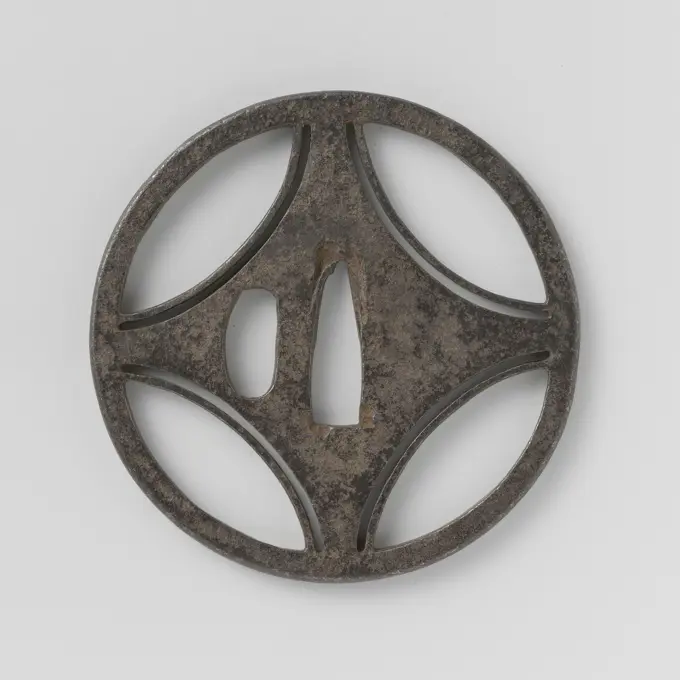
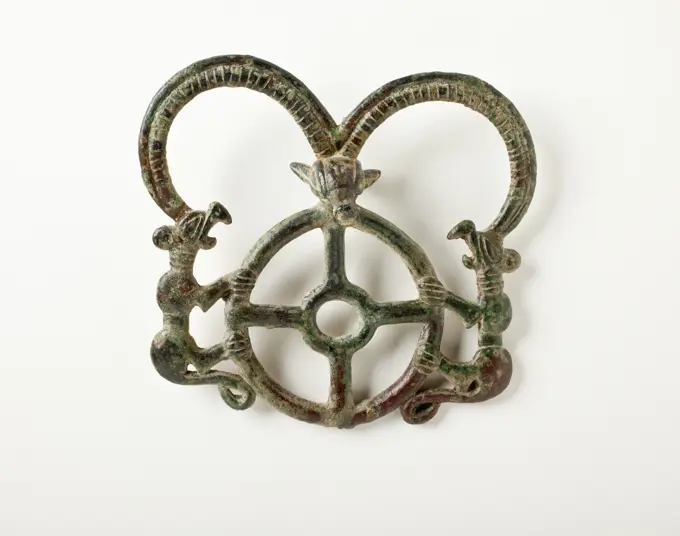
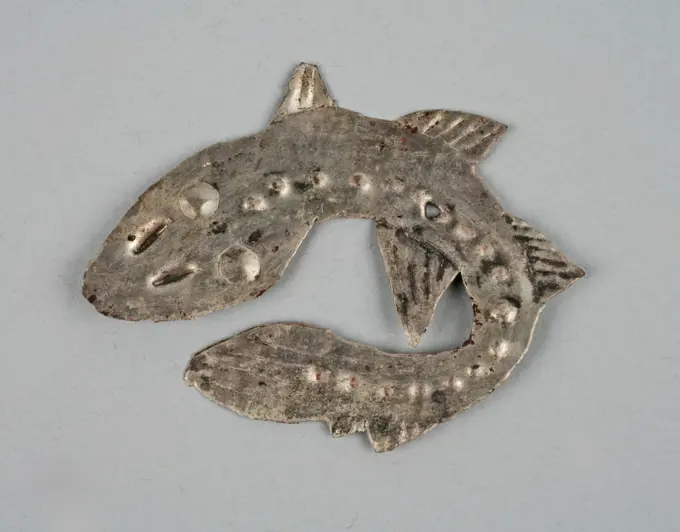
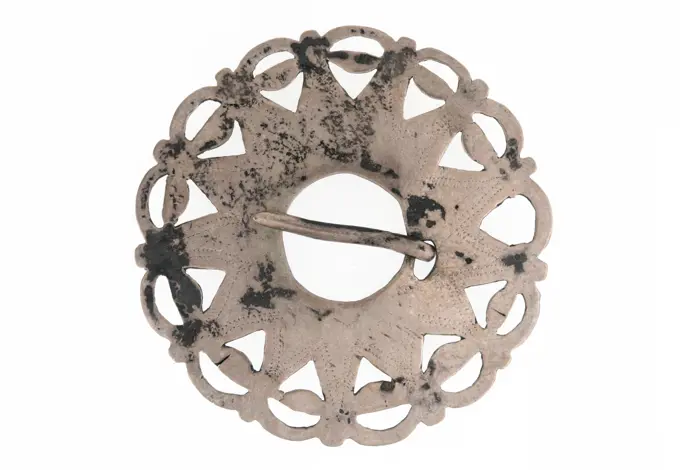
A collection of historically significant decorative hardware including lock plates, door knockers, and tsuba. Features intricate designs and craftsmanship in various metals.

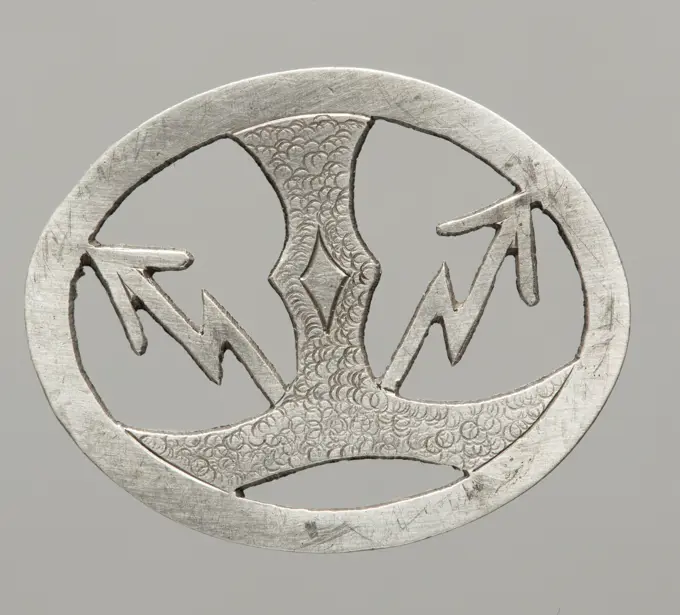
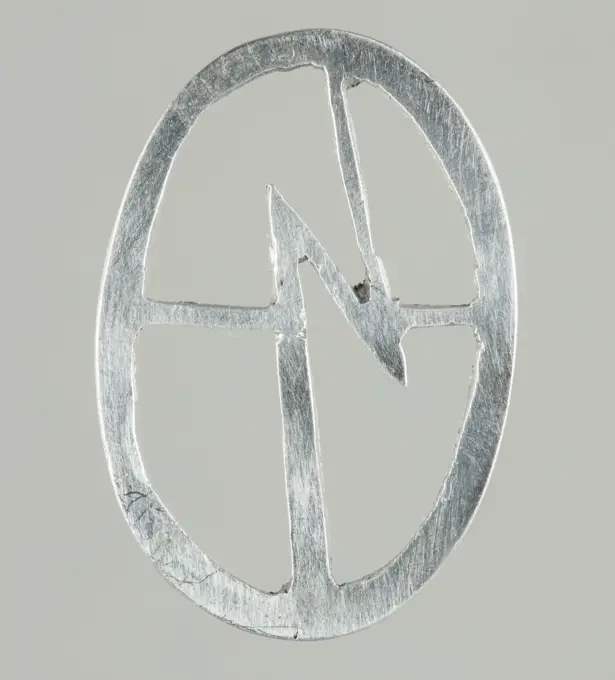
Badge of graduation of the Officers' School of the Union of Active Combat, the so called Umbrella Miciński, W., Tetmajer, Włodzimierz (1861 1923)
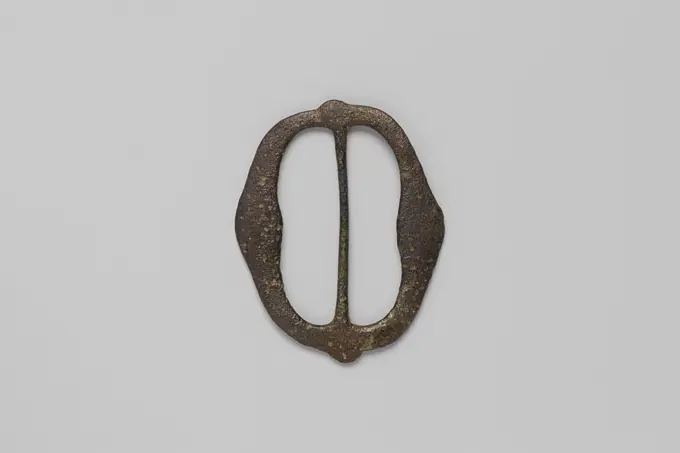
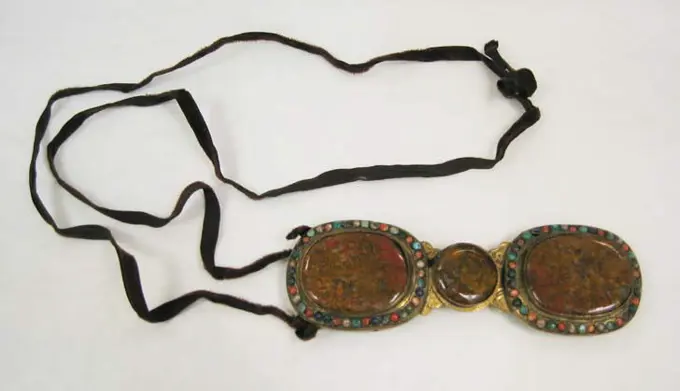
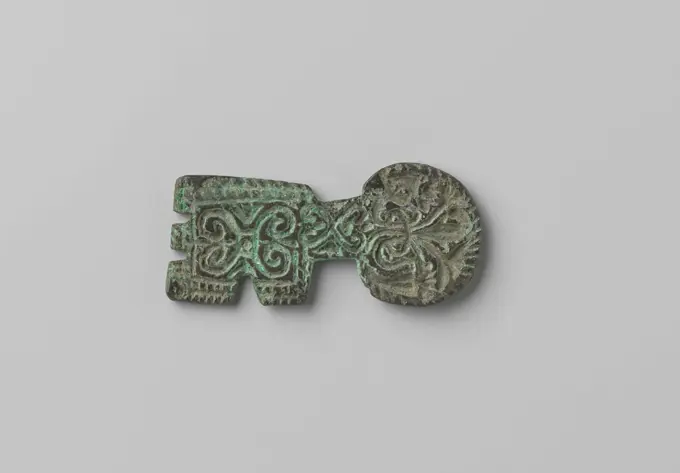
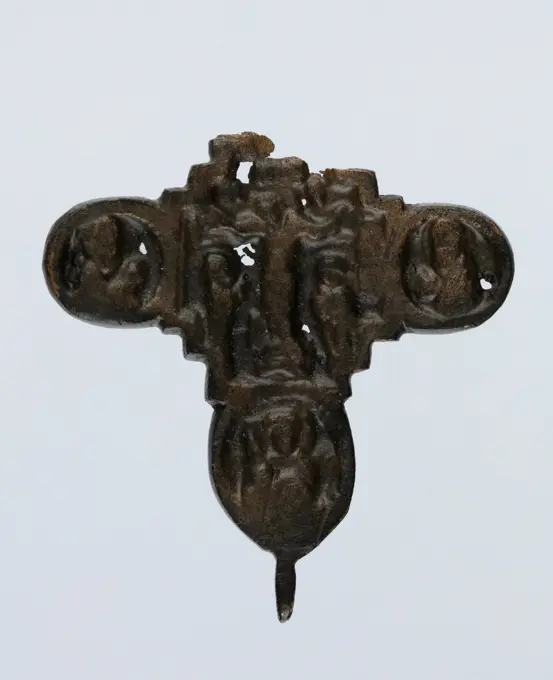
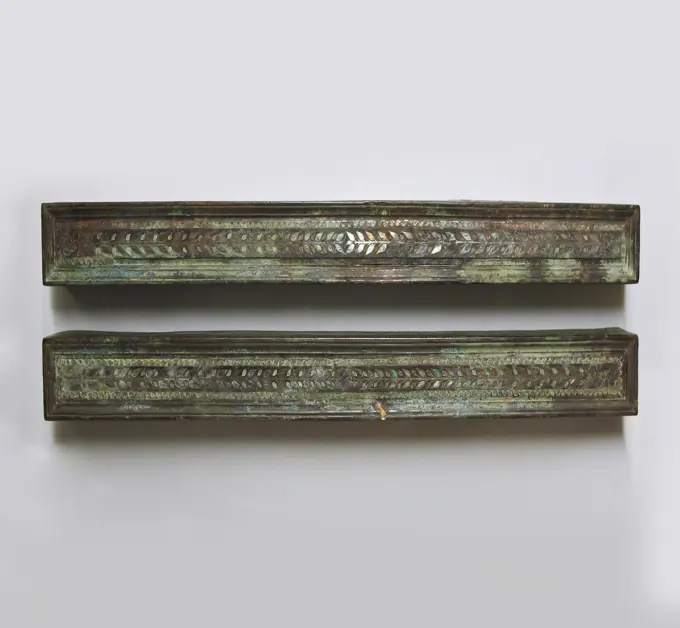
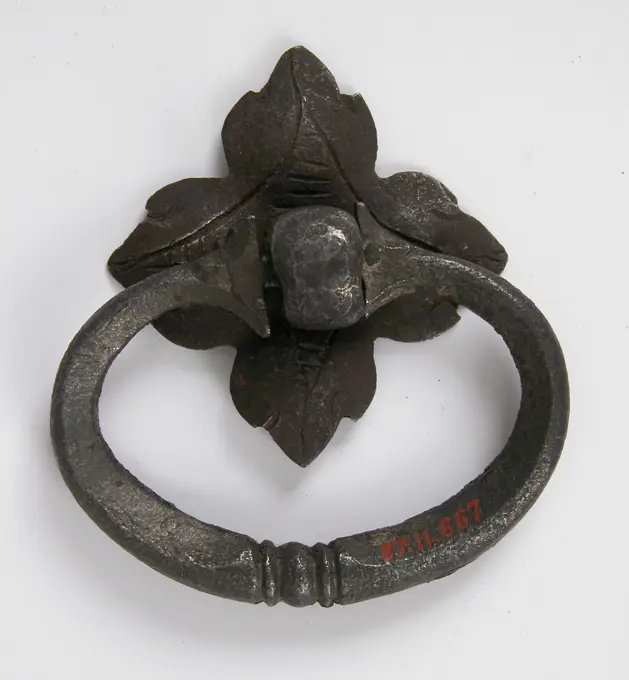
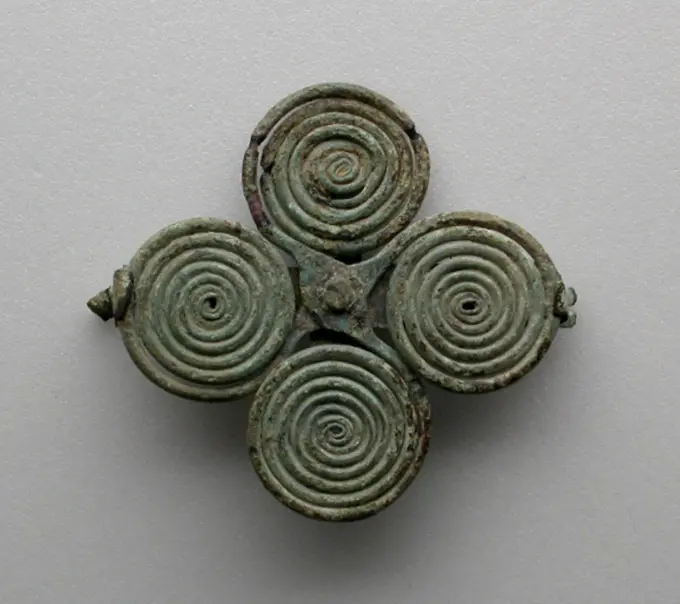
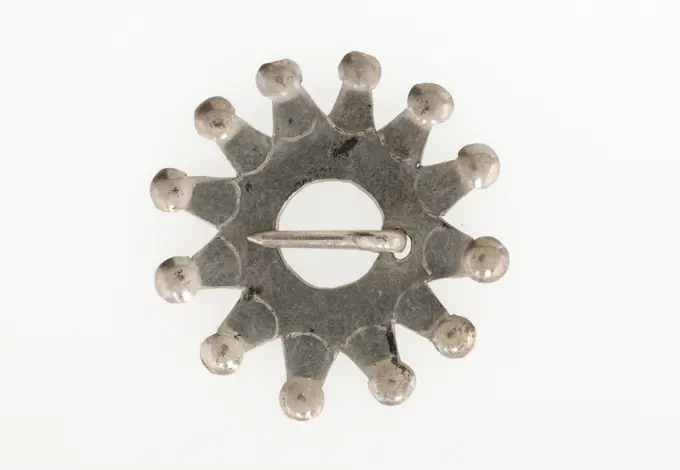
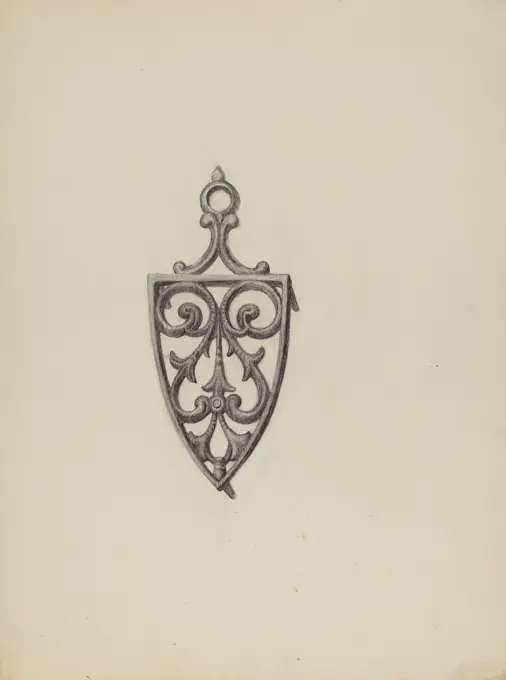
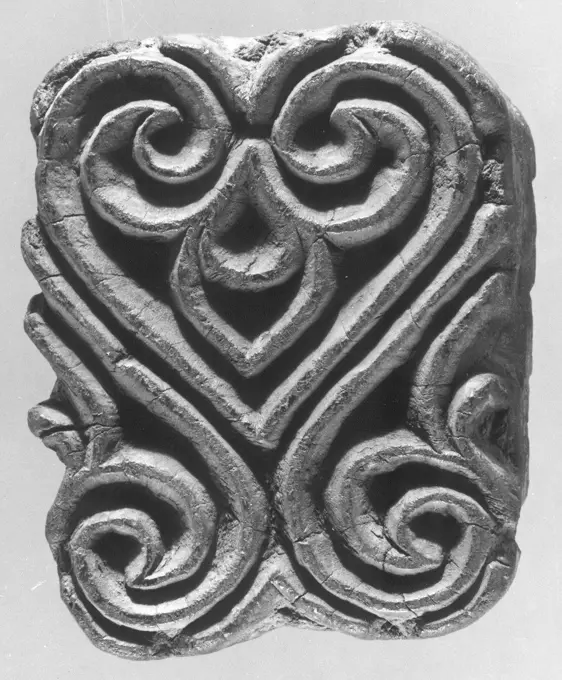
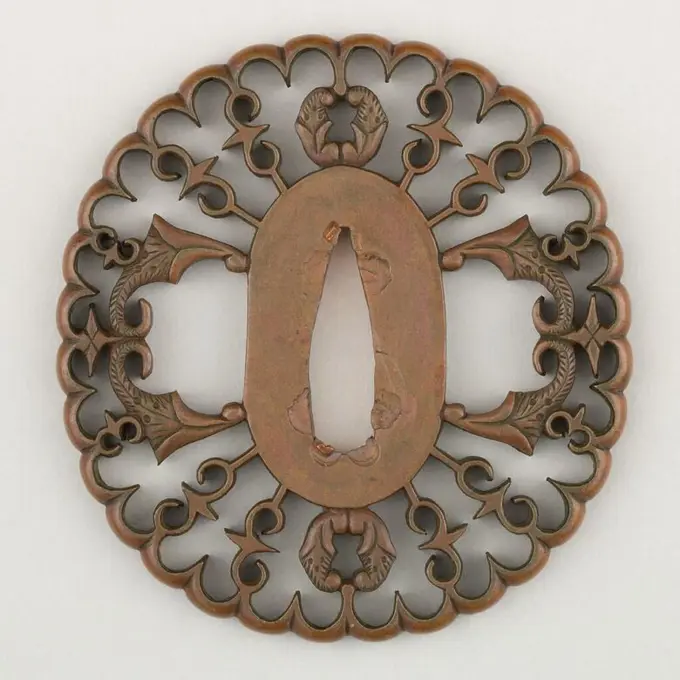
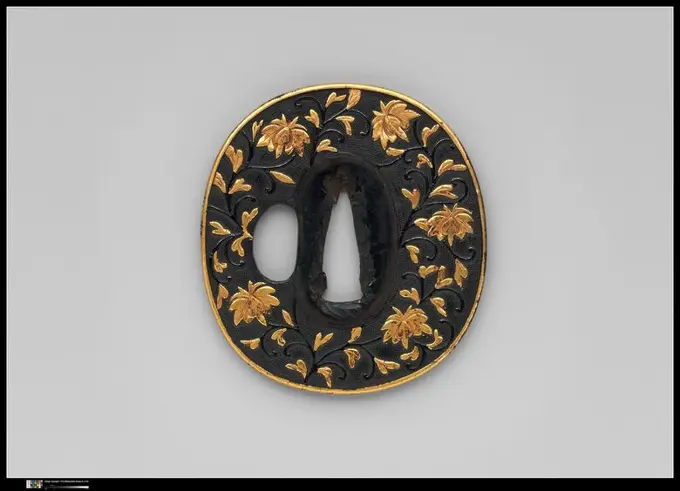
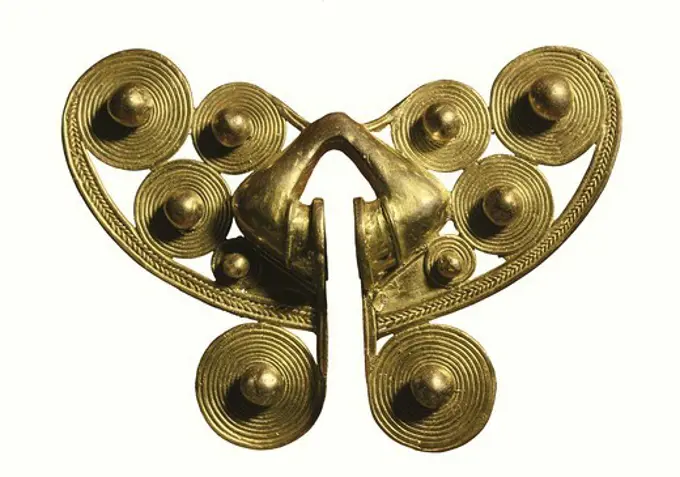
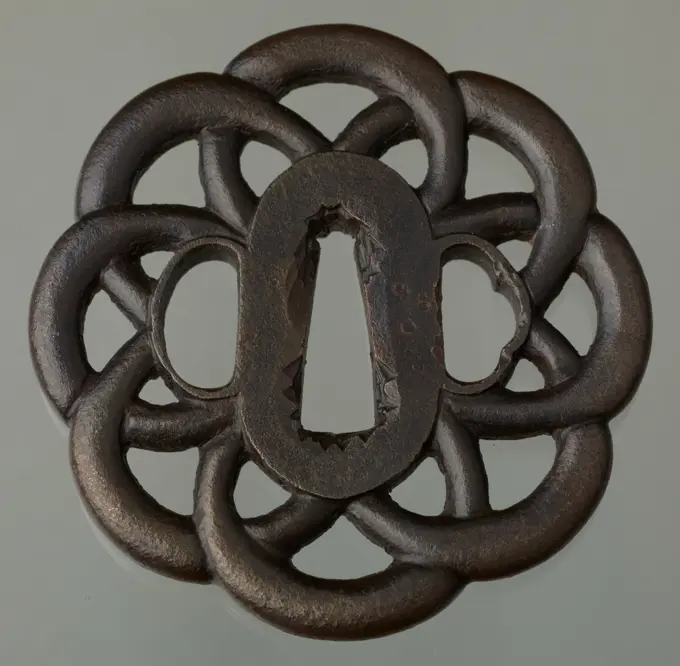
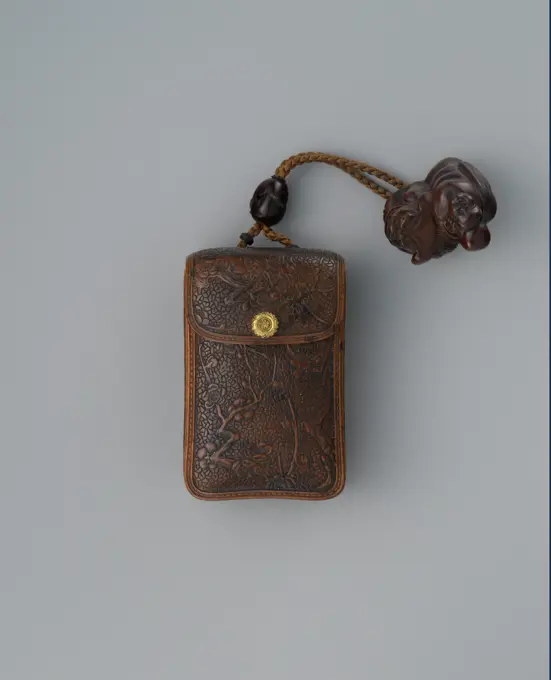
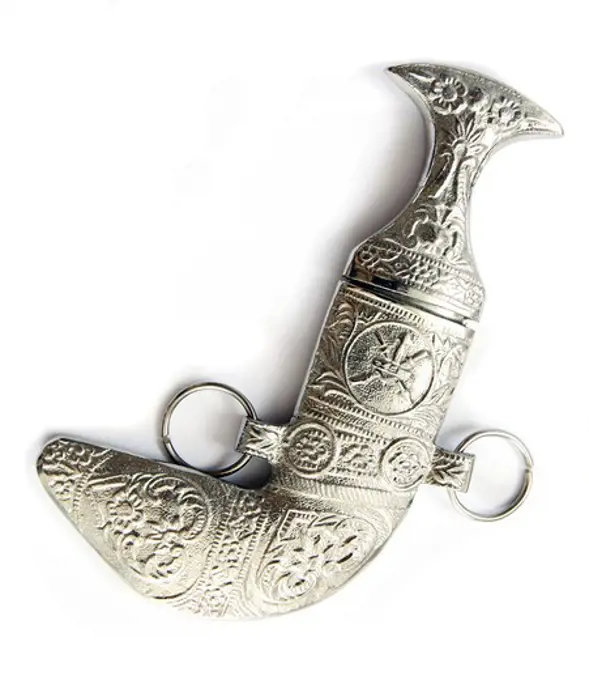
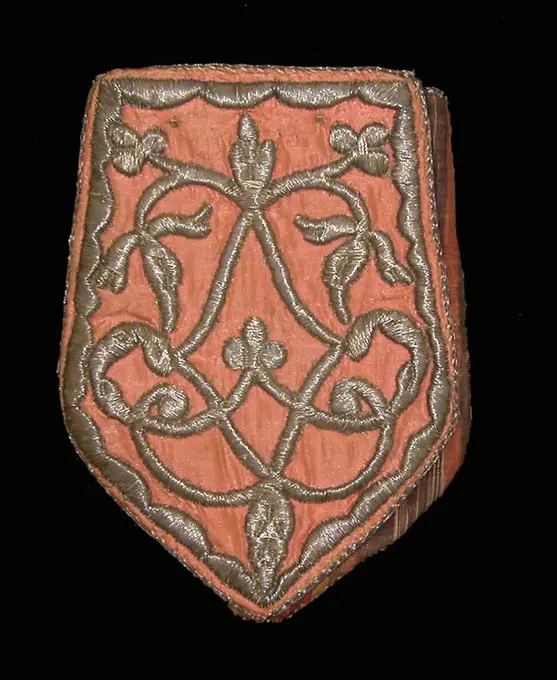
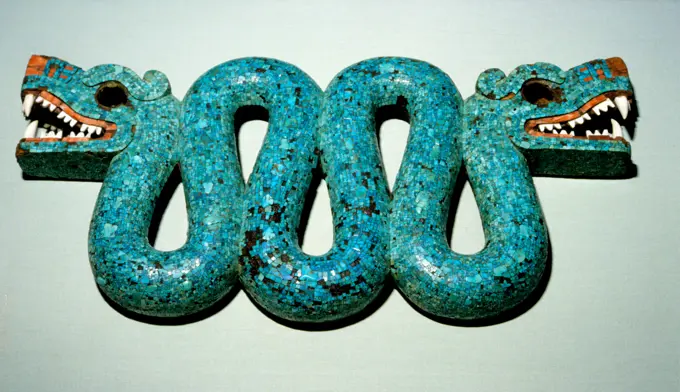
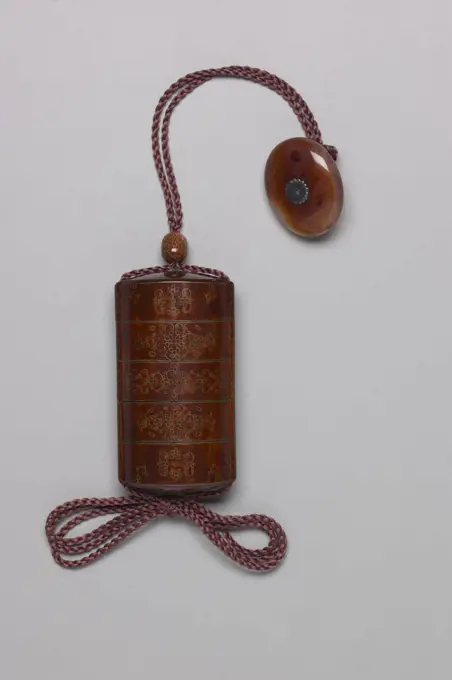
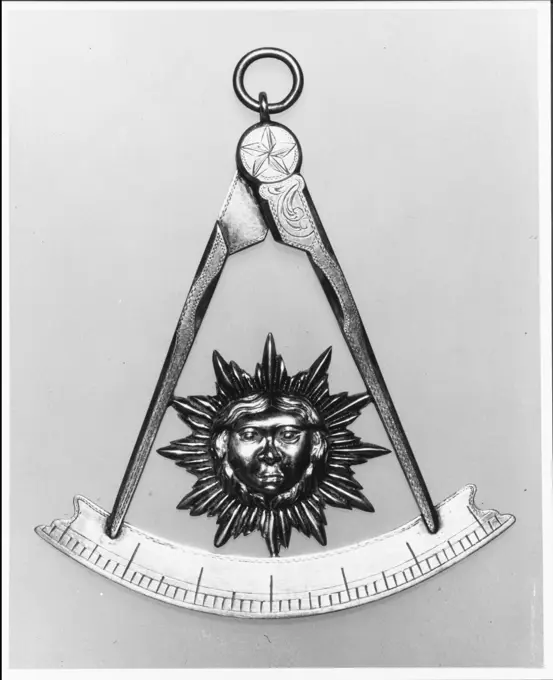
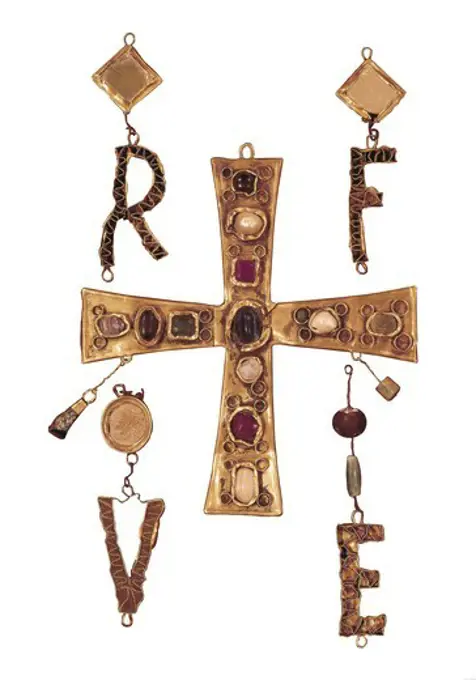
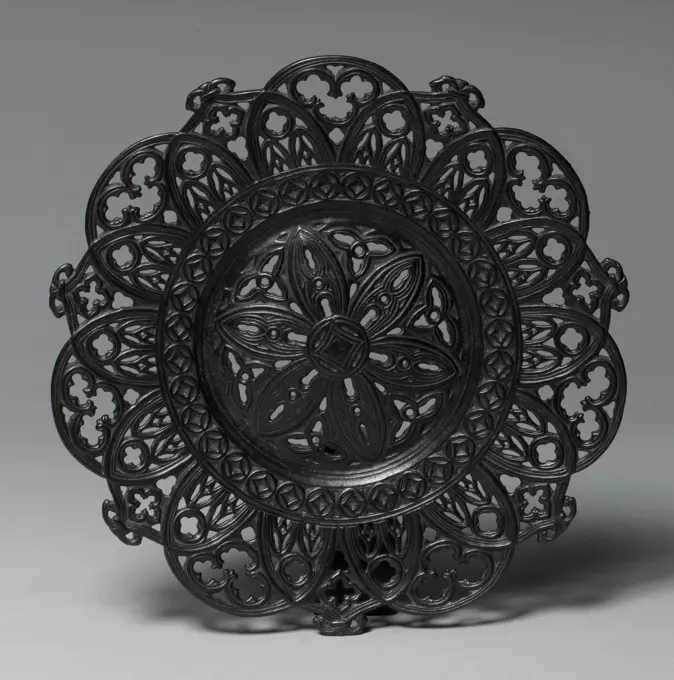
Plate probably mid-19th century Kaslinski Ironworks Russian Plates of this design were made in ironworks from Coalbrookdale, England, to Kyshtym in the Ural Mountains of Russia, as well as in a number of foundries in Central Europe. The relative inexpensiveness of the medium was suited to the means of a growing middle class; its manufacture supplied middle-class patrons with decorative objects. The lacelike design, probably of Prussian origin, is in the Gothic Revival style, which was popular throughout Europe in the mid-nineteenth century, extending into a Russia that was increasingly open to Western influence.. Plate. Russian, Kyschtymsk (Kyshtym). probably mid-19th century. Iron, cast and patinated. Metalwork-IronBelt buckle from the wreck of the East Indiesman Hollandia.RiemSp. Oval, 1 Ring (7x5.6, 0.5-1.3W, 0.25T), With Spindle, Tongue Missing, Belt Buckle.Belt buckle 1735-96 Chinese This collection of largely ethnographic jewelry includes examples from cultures in South America, North America, Europe, Asia, and Africa and dates from the Pre-Columbian period to the twentieth century. Owned by renowned art collector and fashion enthusiast Muriel Kallis Newman, the collection represents her knowledge and appreciation of a wide range of jewelry design and making traditions. Numerous items in her collection are composite artifacts made from various cultures and time periods reappropriated as modern jewelry creations by or for Muriel. It is important to note that Newman wore many of the pieces in the collection, interpreting them to suit and express her own singular, often avant-garde style.. Belt buckle 141704Key. Flat key () A whole ornamented. The handle is acoded, the steel short and the beard square with some notches on two sides.Bliżej Kultury unknownLoop .Sword Guard (Tsuba) late 16th-early 17th century Japanese A tsuba is a sword guard and part of a sword mounting. It is mounted between the swords blade and grip to protect the users hands.. Sword Guard (Tsuba) 28604A commemorative badge in the shape of a gorgeInsigne for room watchers, no. 16, 1889 - 1890  Silver, diamond -shaped insignia for the room guard of the Rijksmuseum Amsterdam on a carrying ring. Three corners with a pendant. Front: the weapon of the Netherlands (crowned coat of arms flanked by two climbing lions) including inscription. Reverse: inscription and number. Utrecht silver (metal) striking (metalworking)  AmsterdamHand guard, Kaneyoshi (possibly), 1600 - 1699 Round tsuba with a simple openwork decoration of a square with swiveled sides; Signed "Kaneyoshi" (). Japan iron (metal) Round tsuba with a simple openwork decoration of a square with swiveled sides; Signed "Kaneyoshi" (). Japan iron (metal)Harness Ring. Iran, Luristan, Luristan bronzes, circa 1000-650 B.C.. Tools and Equipment; horse trappings. BronzeWatch ca. 1835 Swiss. Watch. Swiss. ca. 1835. Gold, silver. HorologyTextile Ornament 14th-15th century Chimú. Textile Ornament 308761Over Wietle;  1716 (1716-00-00-1716-00-00);Brooch -Decoration Home decoration isolated with clipping path included Copyright: xZoonar.com/Baloncicix 14994942Bronze furniture attachments with silver inlay 1st century B.C.-early 1st century A.D. Greek or Roman The bars must have formed part of the frame of a couch. They are ornately decorated with a vegetal design of olive or laurel branches in silver inlay.. Bronze furniture attachments with silver inlay. Greek or Roman. 1st century B.C.-early 1st century A.D.. Bronze, silver. Late Hellenistic or Early Imperial. BronzesDish 1830-45 American. Dish. American. 1830-45. Lacy pressed glass. Made in New England, United StatesPendant Composed of Two Sets of Volutes 3rd century-second half of the 10th century Indonesia (Java). Pendant Composed of Two Sets of Volutes 50102Door handle early 16th century German. Door handle 468865. An iron casket lock, consisting of the slot with two shots. On the lock plate two dolphins cut out of sheet iron are applied to each other that enclose the keyhole. The lock plate is on the sides by two columns, which serves as a staples here, and at the top by two flat tires, the upright sides of notches are provided for are commitment. Coming from the Collection E. Vita Israel.Rosettes, Medium: linen Technique: knotted, Four circular ornamental rosettes., Europe, late 16th-early 17th century, non-woven textiles, RosettesQuatrefoil spiral fibula (garment pin) 700 BCE-601 BCE Etruria. Bronze . Ancient EtruscanEscutcheonBrooch -Brooch -Roy Weber, Iron Stand, c 1938 Iron StandTextile Printing Block 10th century. Textile Printing Block 452215Two tumorsMetal shackles isolated on the whiteSword Guard (Tsuba) 19th century Japanese A tsuba is a sword guard and part of a sword mounting. It is mounted between the swords blade and grip to protect the users hands.. Sword Guard (Tsuba) 34934inkstoneSword Guard (Tsuba). Culture: Japanese. Dimensions: H. 2 3/4 in. (7 cm); W. 2 5/8 in. (6.7 cm); thickness 3/16 in. (0.5 cm); Wt. 3.1 oz. (87.9 g). Date: 18th century. Museum: Metropolitan Museum of Art, New York, USA.Stock Buckle 1765-85 Probably Otto Parisien. Stock Buckle. American. 1765-85. Silver. Made in New York, New York, United StatesFragment, Medium: linen, black glass beads for eyes Technique: grid of withdrawn element with needle lace, reticella style, Triangular piece of reticella with a central human figure with tiny black glass beads for eyes., Italy, 16th century, lace, FragmentStamp Seal. Northern Mesopotamia, circa 4th millennium B.C.. Tools and Equipment; seals. Black serpentineSword Guard (Tsuba) 16th century Inscribed by Nobuiye Myōchin Japanese Nobuiye is one of the earliest smiths to sign iron tsuba. This example features a design of tortoises and tortoiseshell.. Sword Guard (Tsuba) 35060Loop.Tsuba, Sentoku (alloy of copper, lead and zinc), shakudo (copper and gold alloy), The tsuba is round in shape with ji sukashi (positive design openwork) and hira maru bori (round brass carving) in the form of a kakiwaki (paulownia tree). The surface is migaki ji (smooth) with kebori (line carving). At the center is the nakago-ana, an opening through which the sword passes, with sekigane (plugs added to fit the tsuba to a sword) made of shakudo (a soft copper and gold alloy). The mimi (outer rim) is maru (round)., Japan, 17th century, metalwork, Decorative Arts, TsubaHenry Waldeck, Oxen Yoke, c 1938 Oxen YokeDress of needle side with geometric motif and Greek cross. Square dress of natural needle side with geometric motif, reticella. Motif with sixteen squares, in which the squares are filled in with horizontal and vertical lines. In the four squares, which form the center, bowes through which the form of a Greek cross, a cross with equal legs that cut each other exactly in the middle is emphasized. A double row of small recesses or open effects along the outer edge of the dress.Belt Mount late 4th-early 5th century Late Roman. Belt Mount 468536Sword Guard (Tsuba). Culture: Japanese. Dimensions: H. 3 in. (7.6 cm); W. 2 3/4 in. (7 cm); thickness 3/16 in. (0.5 cm); Wt. 5.2 oz. (147.4 g). Fittings maker: Ko-kinko school (Japanese). Date: late 16th century. Museum: Metropolitan Museum of Art, New York, USA.Hair pin. Hair pin. Silver, glass paste, onyx. Gold and SilverBrooch, Hair, gold, Brooch consisting of a wide 'U' shaped piece made out of woven brown hair capped at the ends with gold. Within the 'U' shape are three balls of woven hair; hanging from the 'U' are three teardrop shaped pendants of woven brown hair, accented with gold hardware., USA, ca. 1860-70, jewelry, Decorative Arts, BroochDisk ornament 13th-16th century Colombia. Disk ornament. Colombia. 13th-16th century. Gold. Colombia. Metal-OrnamentsGold nose ring. Chibcha art. Jewelry. COLOMBIA. CUNDINAMARCA. Bogot. Gold Museum.Pendant 18th-19th century China. Pendant. China. 18th-19th century. Jade (nephrite). Qing dynasty (1644-1911). JadePilgrim's Badge 14th-16th century French. Pilgrim's Badge. French. 14th-16th century. Lead. Metalwork-LeadCDK unknownInr in the Shape of a Tobacco Case (tabako-ire) with Flowering Plum early-mid 19th century Attributed to Matsuda Sukenaga Matsuda Sukenaga, a craftsman of the Hida school of netsuke carvers, cleverly carved and lacquered this inr to imitate the appearance of a leather tobacco case. Lacquer artists often liked to test their skills by imitating textures of other materials.. Inr in the Shape of a Tobacco Case (tabako-ire) with Flowering Plum. Attributed to Matsuda Sukenaga (Japanese, 1800-1871). Japan. early-mid 19th century. Lacquer, carved wood imitating leather, gold metal clasp; Interior: plain. Edo period (1615-1868). InrBadge on memory 50th anniversary of the land, approved in 1914; Miko Aj II (Tsar of Russia; 1868-1918); 1914 (1914-00-00-1914-00-00);A traditional knife, or khanjar, of the kind worn with national dress in southern Arabia, especially Oman, symbolising readiness to defend one's honour.Lead wreath 6th-5th century B.C. Greek, Laconian Small flat votive figurines of cast lead have been found in great quantities at the ancient sanctuaries of Laconia; over one hundred thousand, dating from the seventh century B.C. to the Classical period, were dedicated to the goddess Artemis Orthia in Sparta.. Lead wreath 251732 Greek, Laconian, Lead wreath, 6th5th century B.C., Lead, Height: 15/16 in. (2.4 cm). The Metropolitan Museum of Art, New York. Gift of A. J. B. Wace, 1924 (24.195.166)Visit of John Paul II in SwitzerlandBric a brac 1984, collage by Robert Benayoun (1926 - 1996); a French film critic and authorPair of Stirrups. Culture: German, possibly Saxony. Dimensions: 42.50.458; H. 8 in. (20.3 cm); W. 5 1/4 in. (13.3 cm); D. 4 in. (10.2 cm); Wt. 1 lb. 8 oz. (680.4 g); 42.50.459; H. 8 in. (20.3 cm); W. 5 1/8 in. (13 cm); D. 4 1/4 in. (10.8 cm); Wt. 1 lb. 7.9 oz. (677.6 g). Date: dated 1694.When hanged together, these stirrups display on one side of their footplate rims, in Latin, the name of their original owner, Jacob Helt, as well as their manufacture year 1694. Heraldic griffins, a common decorative motif on German equestrian material since the 16th century, adorn the top of the footplates.Its pierced decoration is typical of the production of southeast Germany and Saxony in the 16th and 17th centuries. Two holes drilled on each side of the branches indicate that they were originally very likely enriched with pierced decorated plaques, probably made of another metal, screwed over the rather rough vegetal scrolls, creating a double-layer effect. Museum: Metropolitan Museum of Art, NeBag. France. Date: 1680-1700. Dimensions: 11.6 × 8.3 cm (4 5/8 × 3 1/4 in.). Silk, plain weave; embroidered with gilt-metal-strip-wrapped silk laid over padding and gilt-metal-strip-wrapped silk in chain stitch; gussets: silk, plain weave; lining: silk, plain weave. Origin: France. Museum: The Chicago Art Institute, Chicago, USA.The Order of St. StanisławPilgrim's Badge 14th-16th century French. Pilgrim's Badge. French. 14th-16th century. Lead. Metalwork-LeadHorseshoe, A Good Luck SymbolAbruzzo L'Aquila Sulmona Museo Civico6. Hutzel, Max 1960-1990 Museo Civico Treasures: these objects (Tesoro del Pio Istituto della SS. Annunziata and Tesoro della Cattedrale) are now housed in the security vault of a bank, not in the Museo Civico, as noted in Hutzel's photo campaign notes of August 1984. Views of the treasures include: a silver processional cross (14th century); gold, silver and enamel chalice (13th century), gold and silver crosier with sculpted figures depicting the Annunciation (13th century), a silver and gold reliquary with glass (13th century), a silver diadem (13th century), and a box-like silver and gold reliquary (15th century). German-born photographer and scholar Max Hutzel (1911-1988) photographed in Italy from the early 1960s until his death. The result of this project, referred to by Hutzel as Foto Arte Minore, is thorough documentation of art historical development in Italy up to the 18th century, including objects of the Etruscans and the Romans, as welNose Ring, 20th Century. Indo-Chinese, made in France. Silver; overall: 9.9 cm (3 7/8 in.).Pendant ca. 1650-75 Italian, probably Sicily. Pendant 197144Sign, Painted metal, A metal sign. At center, a square with openwork lettering: STAD/ EN / LANDS / EYK / MEESTER (Master of city and country). Around this, scrollwork. Above, the silhouette of a footed urn with festoons., Holland, now in the Netherlands, ca. 1780, metalwork, Decorative Arts, SignBridle. Dated: c. 1938. Dimensions: overall: 53.6 x 35.5 cm (21 1/8 x 14 in.). Medium: watercolor, gouache, and graphite on paper. Museum: National Gallery of Art, Washington DC. Author: Cecil Smith.Pincushion, 20th century, 5 1/8 x 5 7/16 x 2 1/8 in. (13.02 x 13.81 x 5.4 cm), Beads, velvet, cotton, United States, 20th centuryWhite relief: round rosette, embossed rosette marble stone, fireplaceBliżej Kultury unknownSword Guard (Tsuba) 17th century Japanese A tsuba is a sword guard and part of a sword mounting. It is mounted between the swords blade and grip to protect the users hands.. Sword Guard (Tsuba) 24620Brooch -Carrying sign for the militia, anonymous, c. 1850 - c. 1899 medal Carry with crown, eye and ring.  penning: metal. lint: textile materialsIron forged wall arm, c. 1400 - c. 1950   iron (metal) forging   iron (metal) forgingPendant with miniature photo album with five Amsterdam cityscapes, souvenir. .Heart Dish 1740-60 British (American market). Heart Dish. British (American market). 1740-60. Stoneware. Made in Staffordshire, EnglandMemorial badge Huguenin Frères & CoBelt Mount 4th century Late Roman. Belt Mount 468535Bliżej Kultury unknownDouble headed serpent, mosaic, turquoise. Mixtec-Aztec, 1400 AD. Mexico.Button with Dragon, early 1900s. Japan, Meiji period (1868-1912) to Taishō period (1912-26). One of a set of six buttons; cast () silver with relief; diameter: 3.8 cm (1 1/2 in.).Inrö with an Arabesque (Karakusa)Motif, 18th-19thcentury, 3 1/2 × 2 in. (8.9 × 5.1cm), Japan, Japanese, Edo period(1615-1868), Containers -WoodAstrolabe, planisphere, a disc-shaped astronomical instrument, of Regiomontanus, Johannes Müller of Königsberg, 1436, 1476, better known as Regiomonta...Matchsafe.  Manufacturer: Whitehead and Hoag Company, American, 1892-ca. 1963Earring ca. 8th-7th century B.C. Iran This silver earring consists of a bent loop attached to a pendant comprised of several hollow spheres soldered together with granulation decorating the seams between them. It was excavated at Tepe Nush-i Jan, an Iron Age hilltop site about 60 km sound of Hamadan in western Iran. Nush-i Jan was occupied in the 7th and 6th centuries B.C., and its occupants are generally thought to be the Medes, an Iranian people known from Assyrian, Achaemenid and Biblical sources. Though the textual sources portray them as a powerful empire, archaeological evidence for the Medes has yet to sustain this impression. Rather, they seem to have lived in scattered fortified sites in western and central Iran, without any clear capital. Nush-i Jan, one of the best known of these sites, features two temples, a columned hall, and a fort, where the earring was found.The earring was discovered in a bronze bowl containing 231 pieces of silver, including jewelry, ingots and scrapMasonic Emblem ca. 1800 American. Masonic Emblem 4986Cross and letters with inlay of precious stones belonging to the Treasury of Torredonjimeno. 7th c. Visigothic art. Jewelry. SPAIN. CATALONIA. BARCELONA. Barcelona. Archaeology Museum of Catalonia. Proc: SPAIN. ANDALUSIA. JAEN. Torredonjimeno.