Decorative Historical Mirrors and Lamps

Artifacts including a bronze mirror from the Tang dynasty and terracotta oil lamps, highlighting decorative arts from ancient China and Rome.
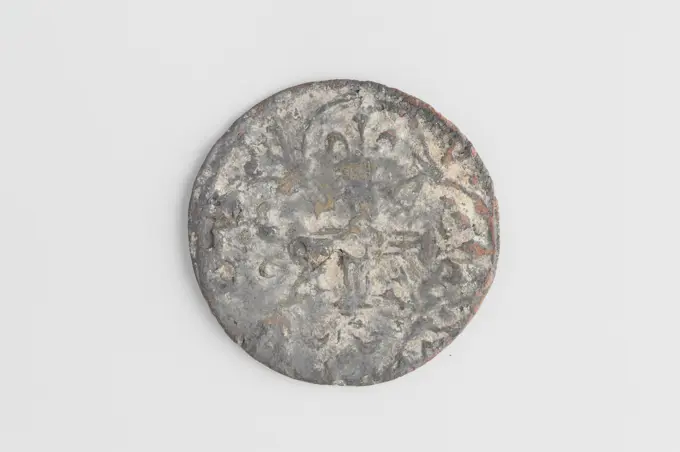
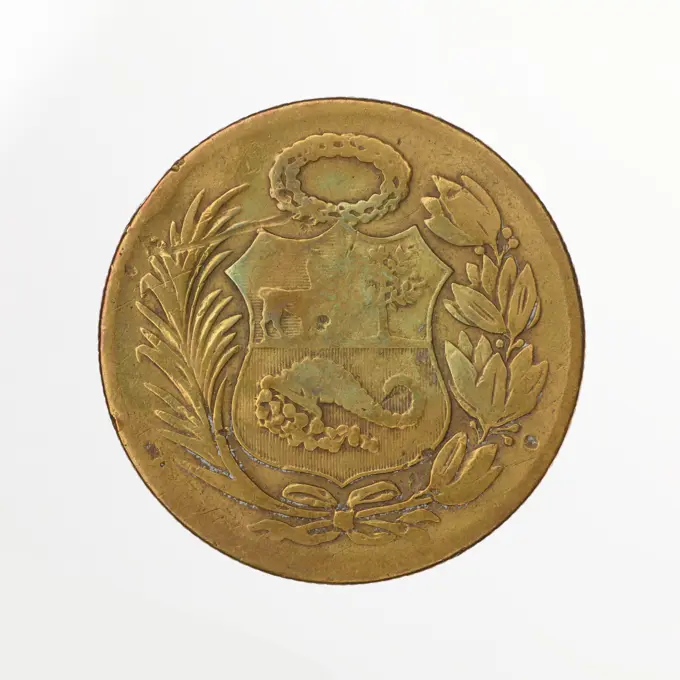
Planets-manager. Cornalet Collection Sites 2013-2016. Numismatic.
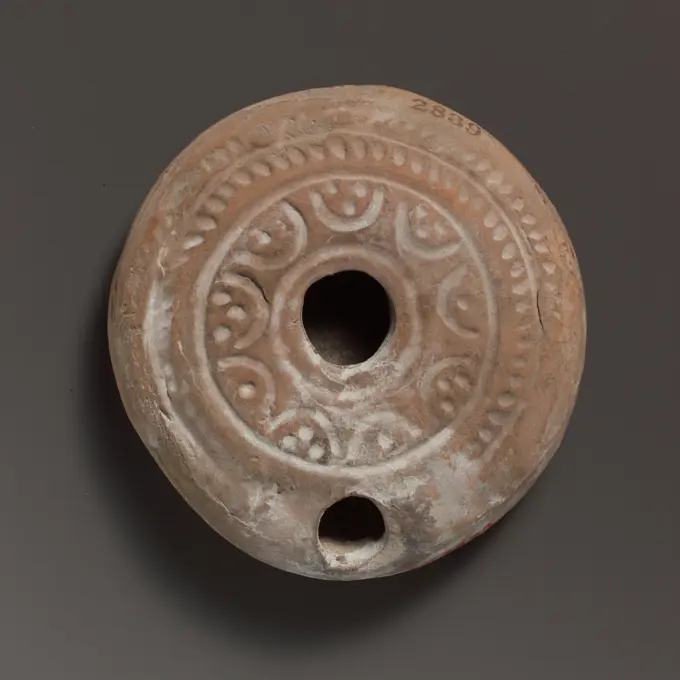
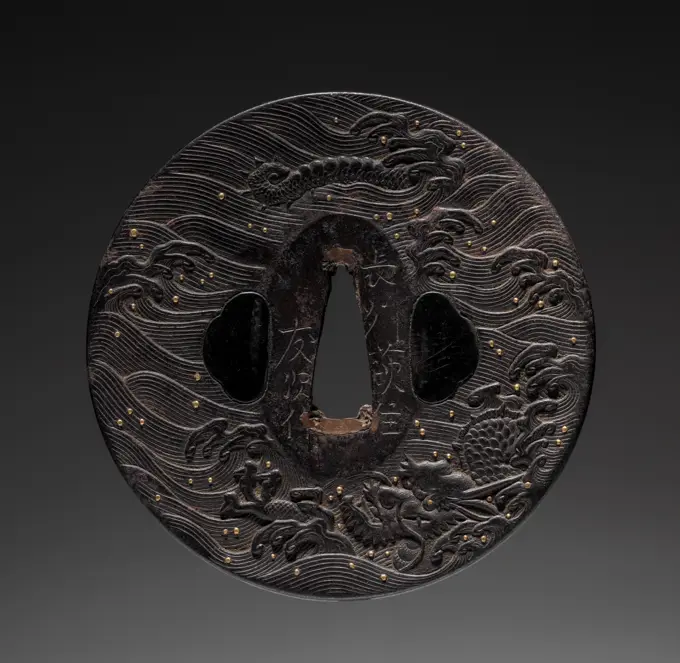
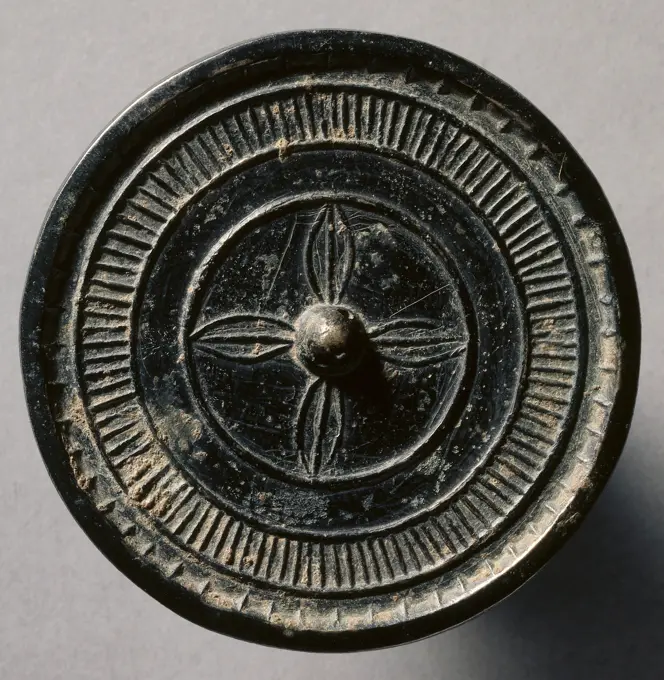
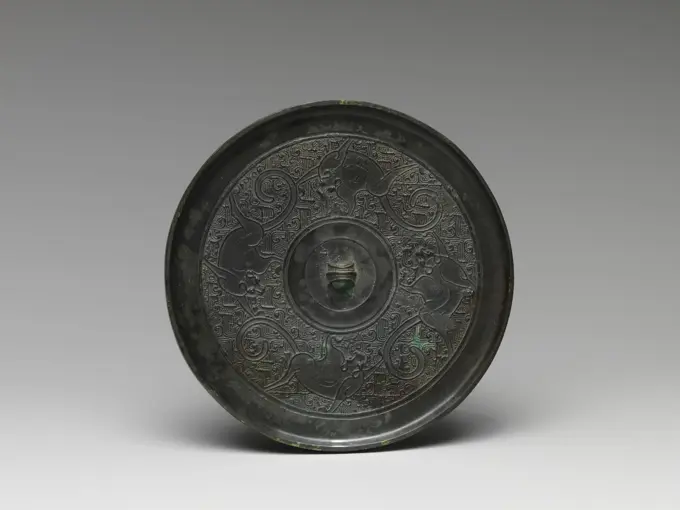
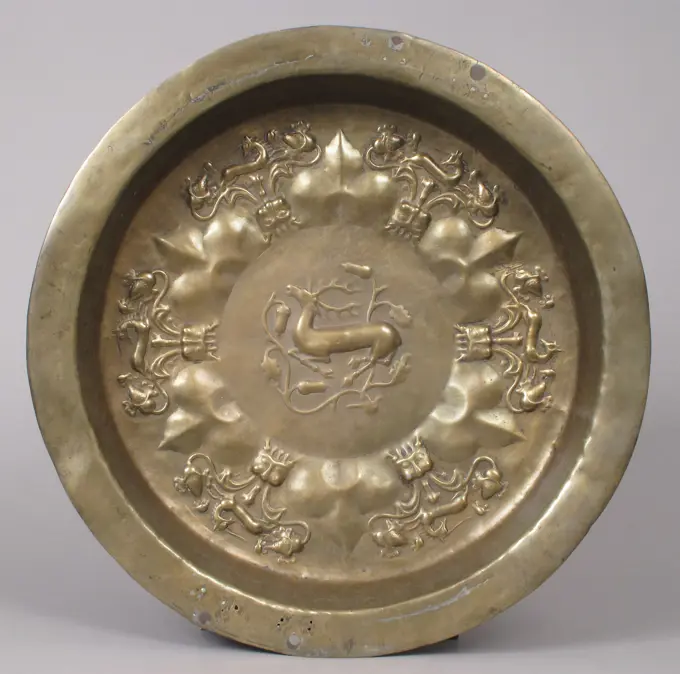
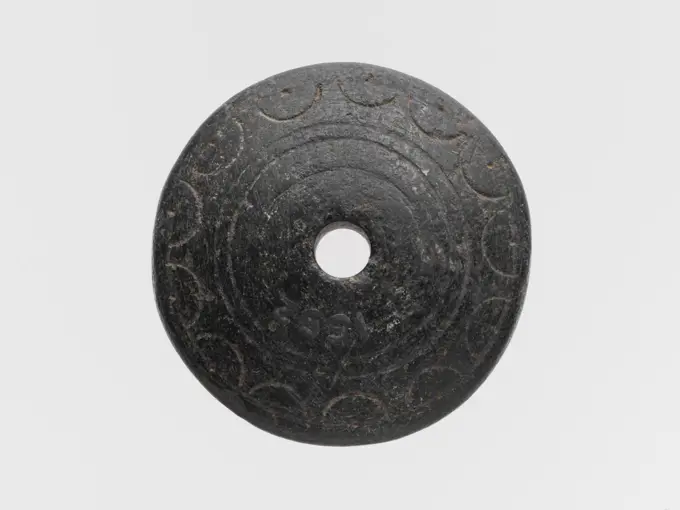
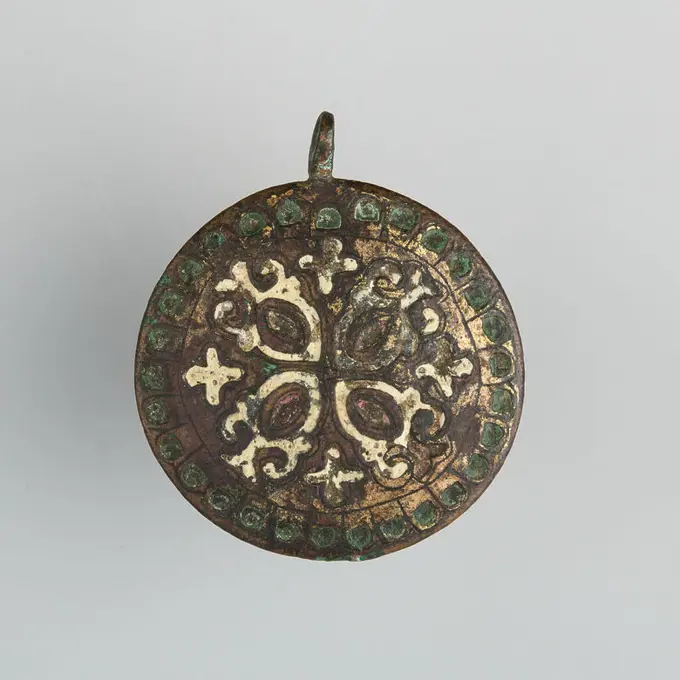
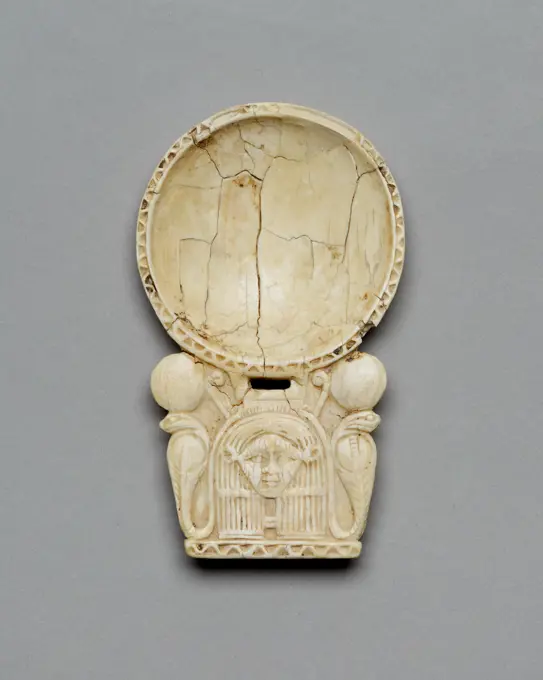
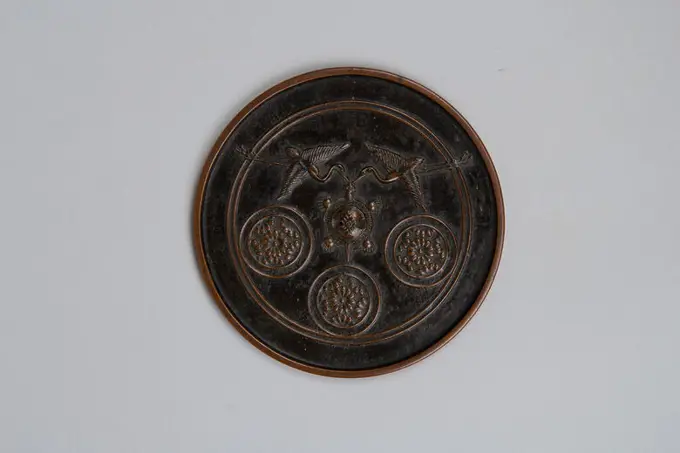
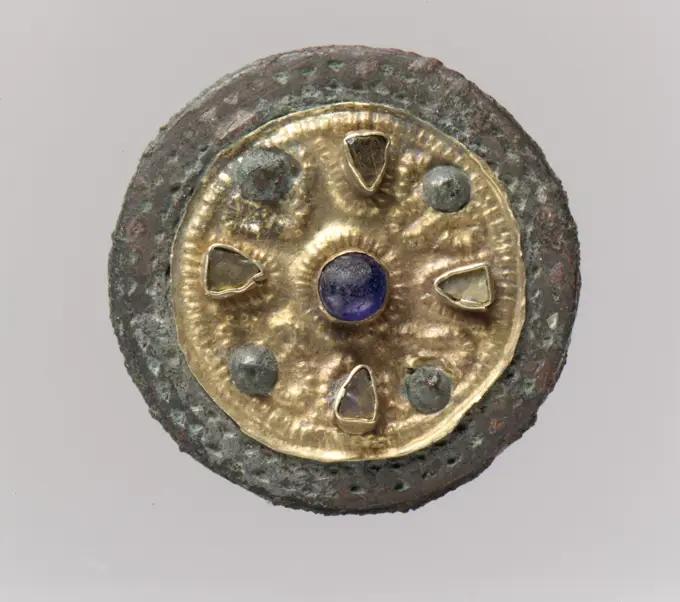
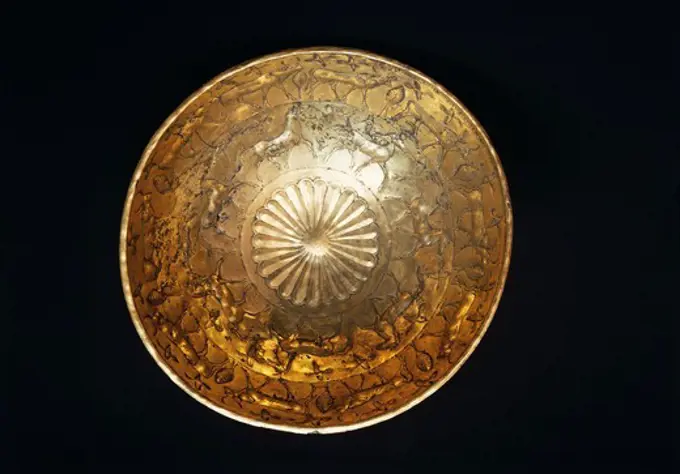
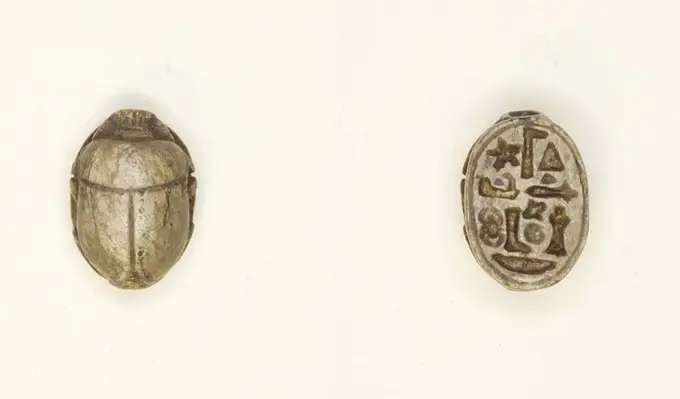
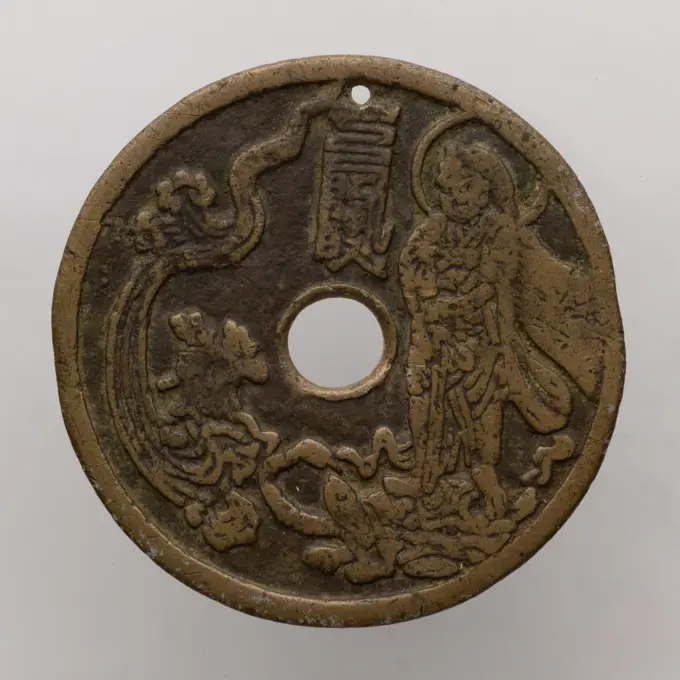
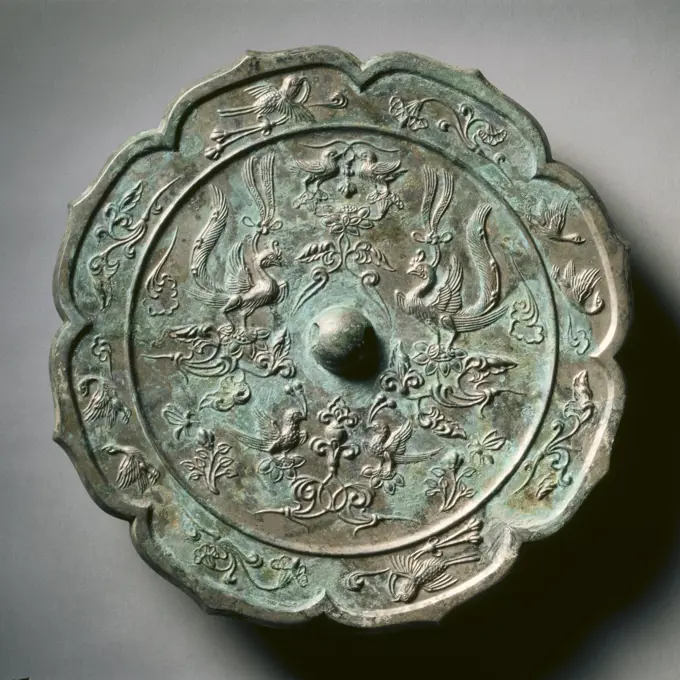
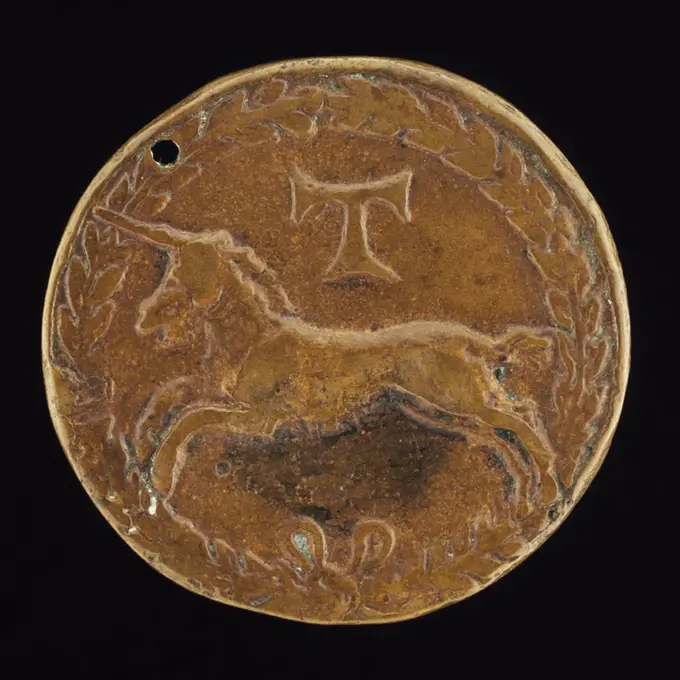
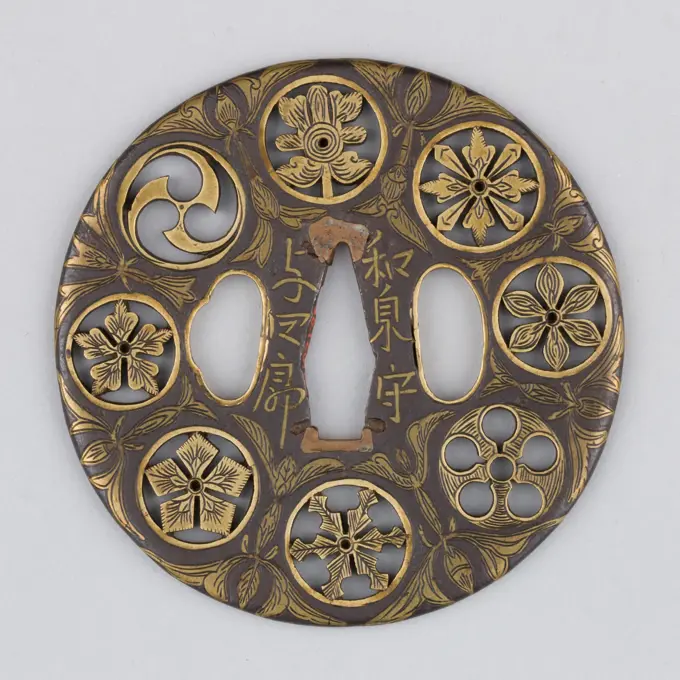
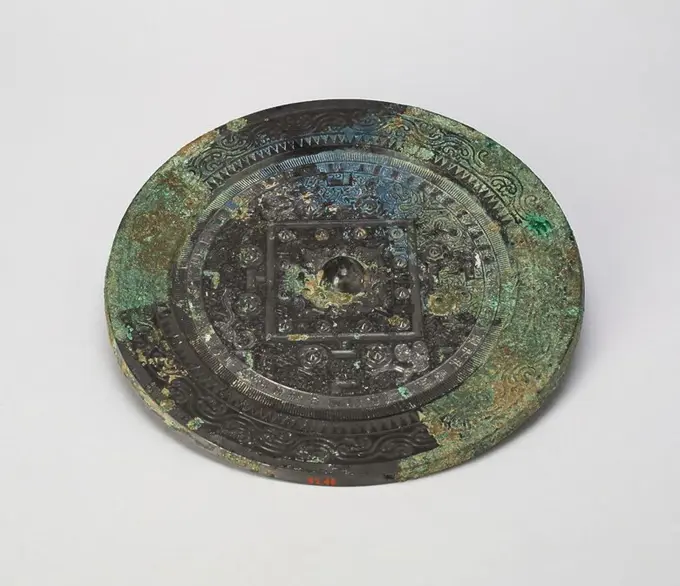
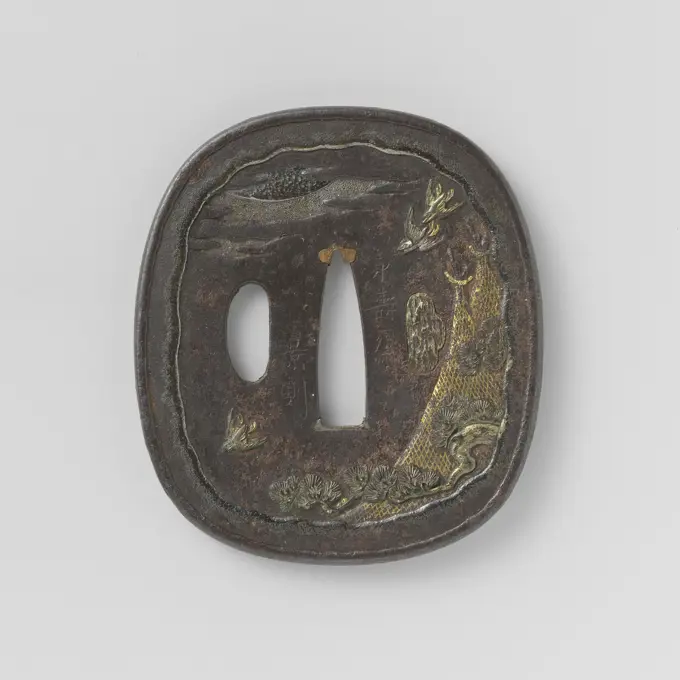
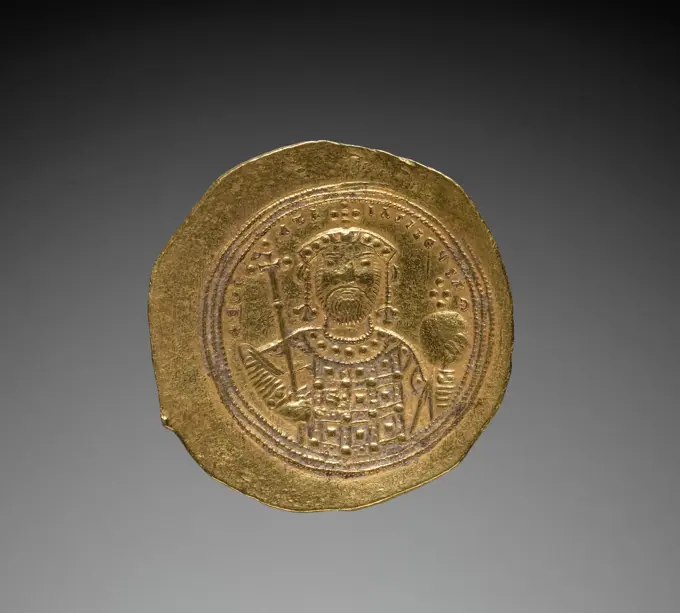
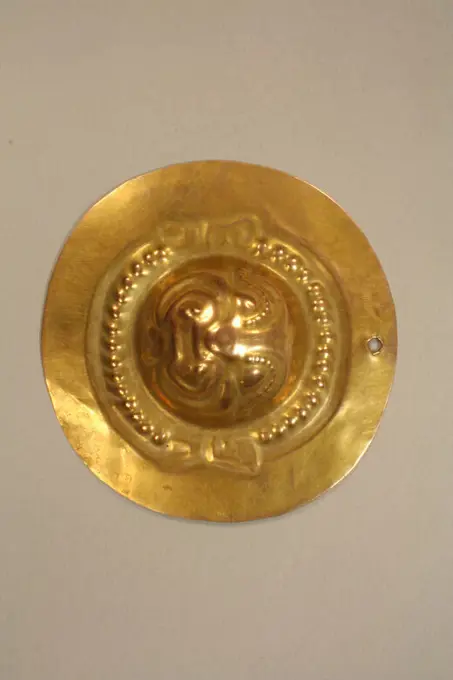
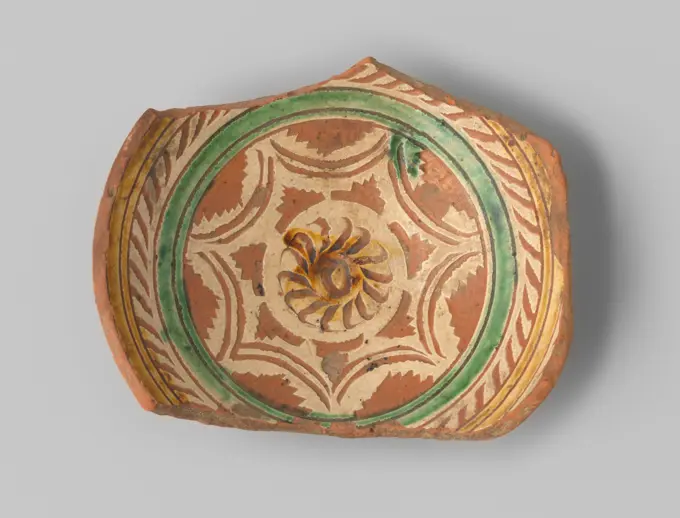
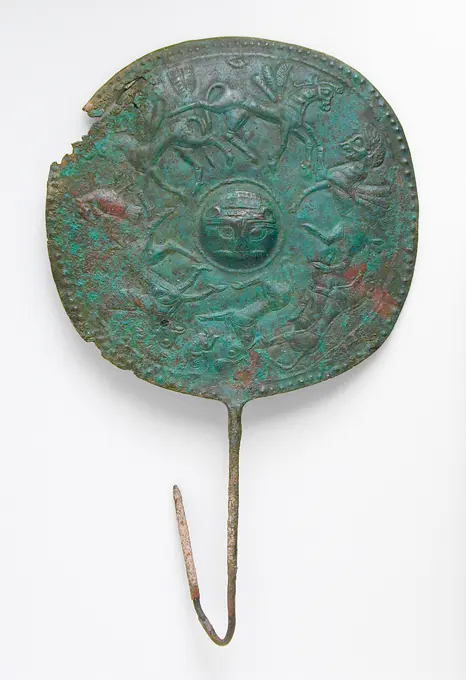
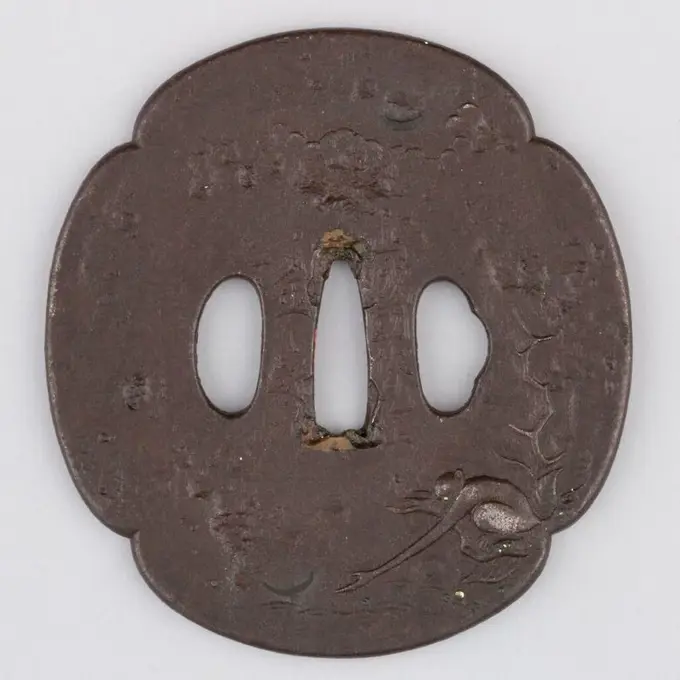
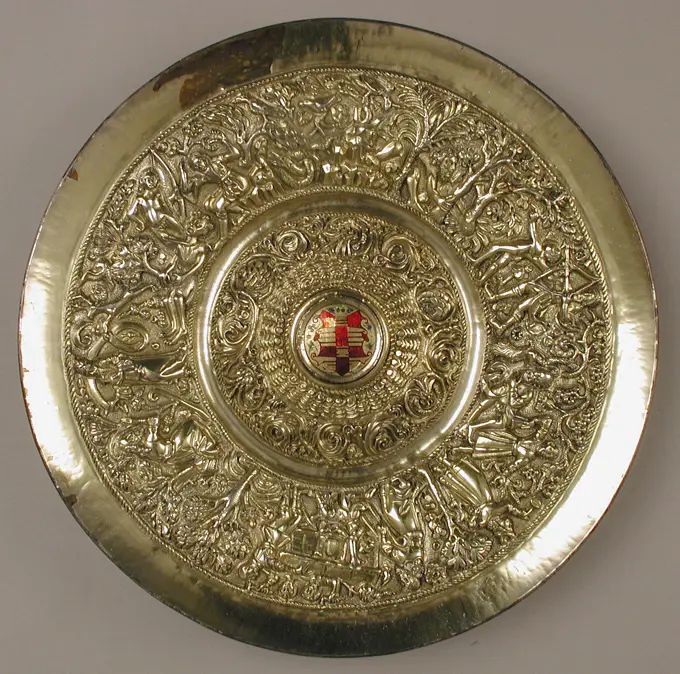
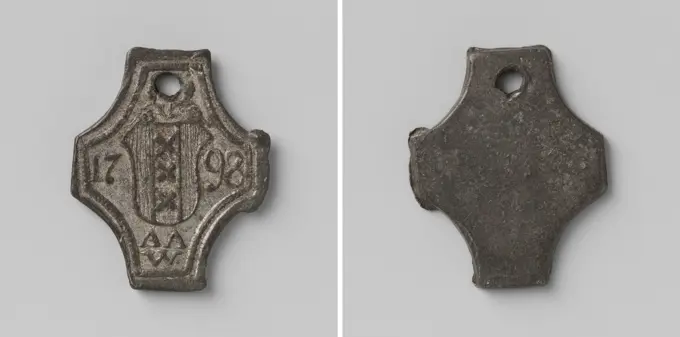
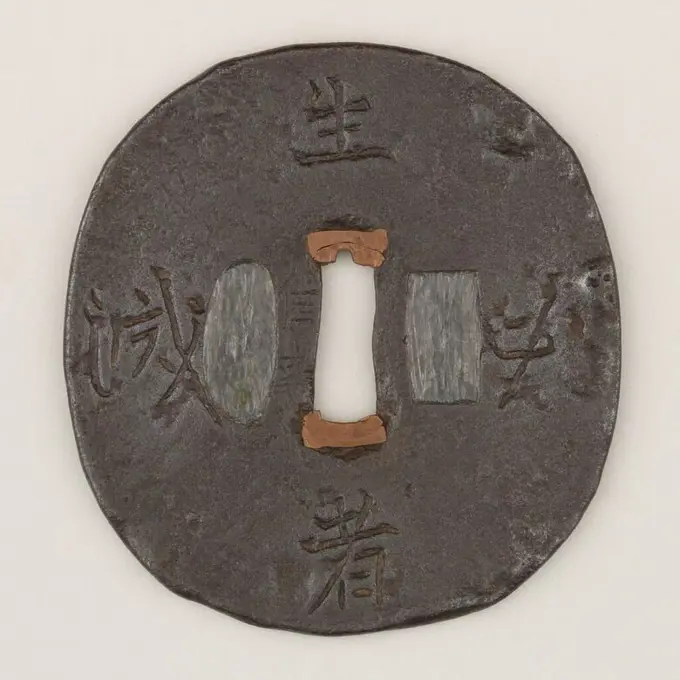
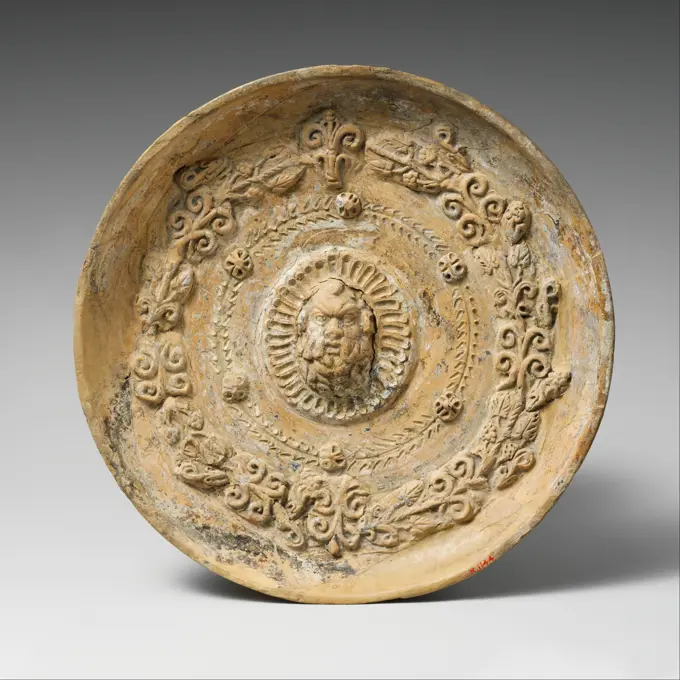
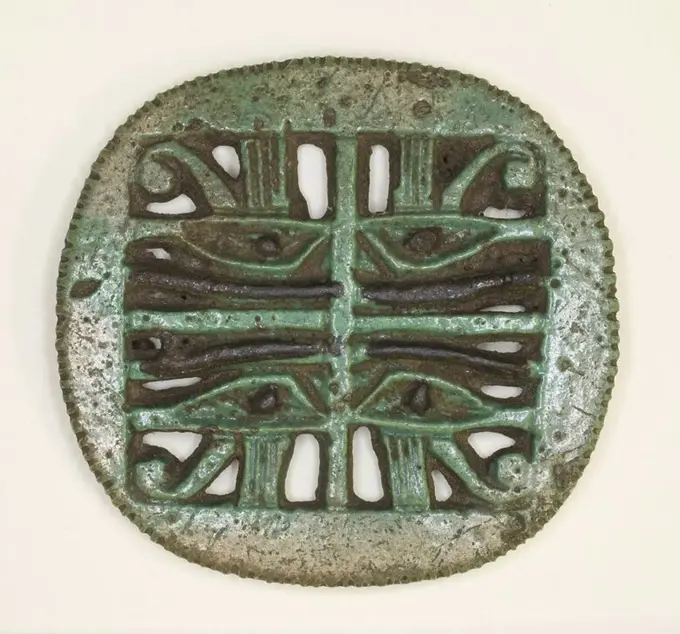
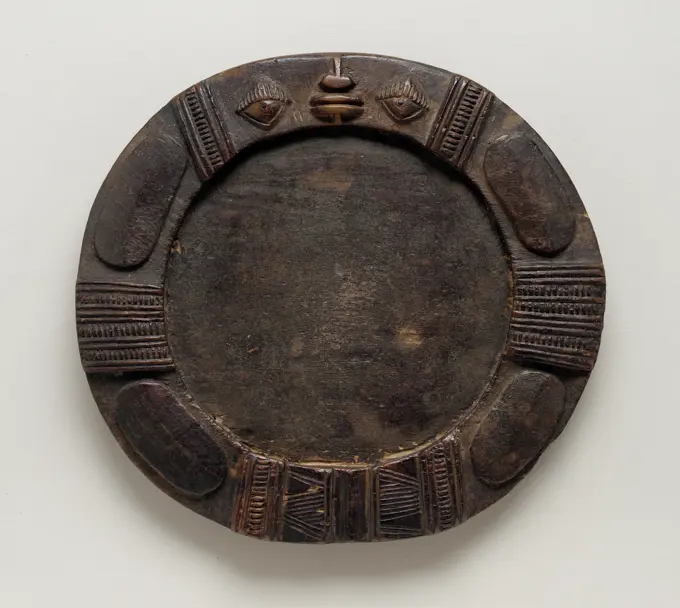
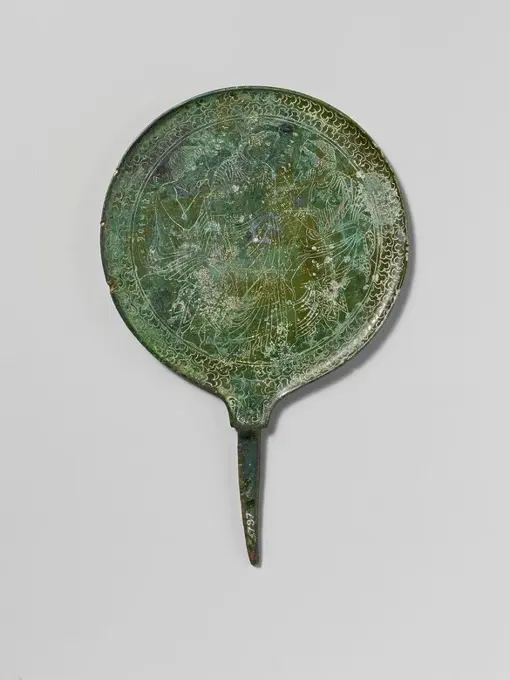
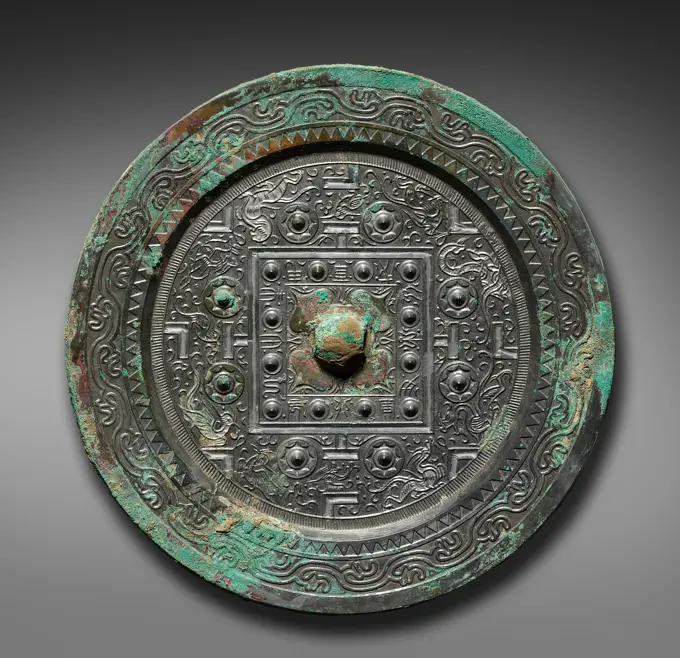
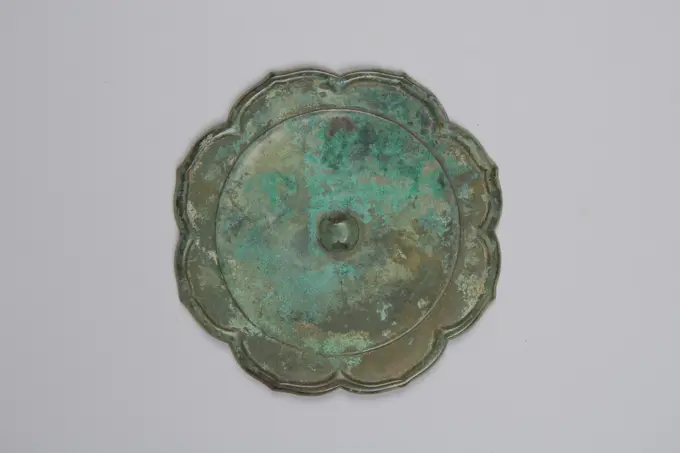
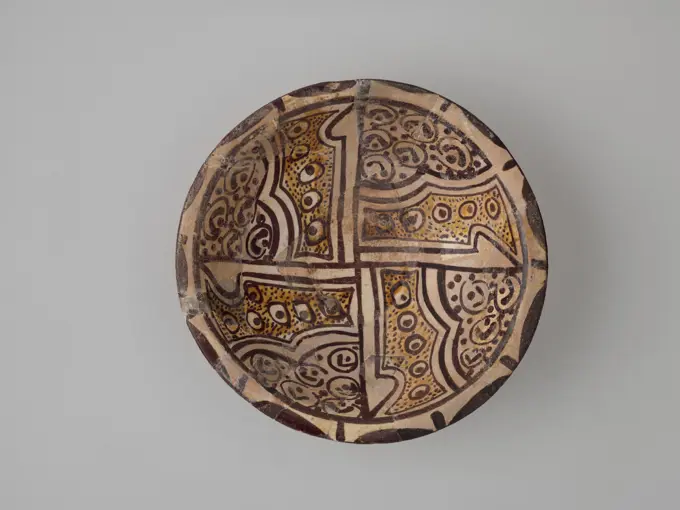
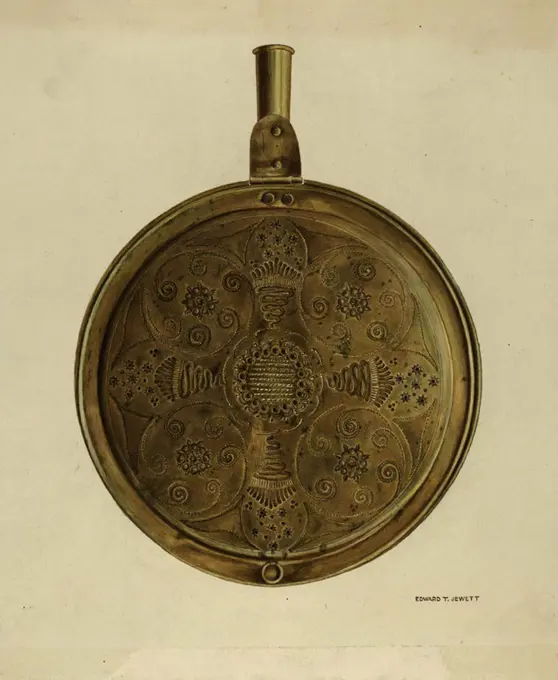
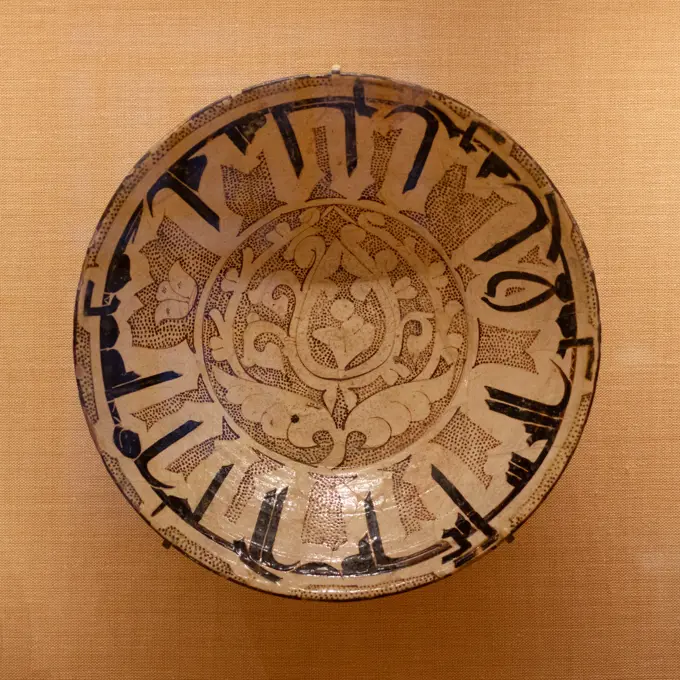
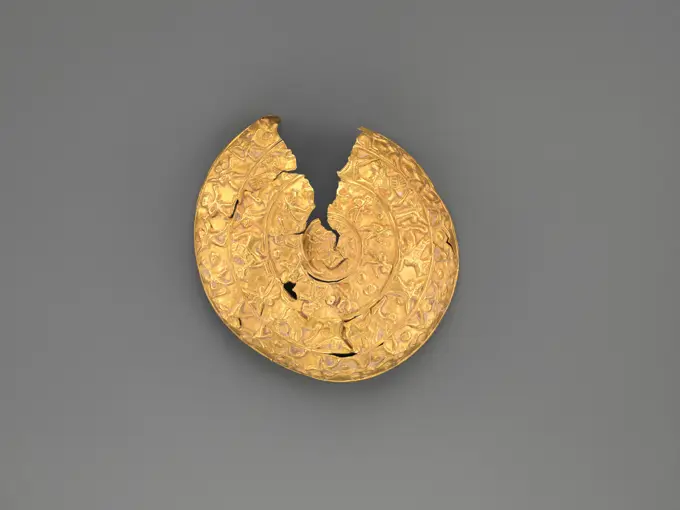
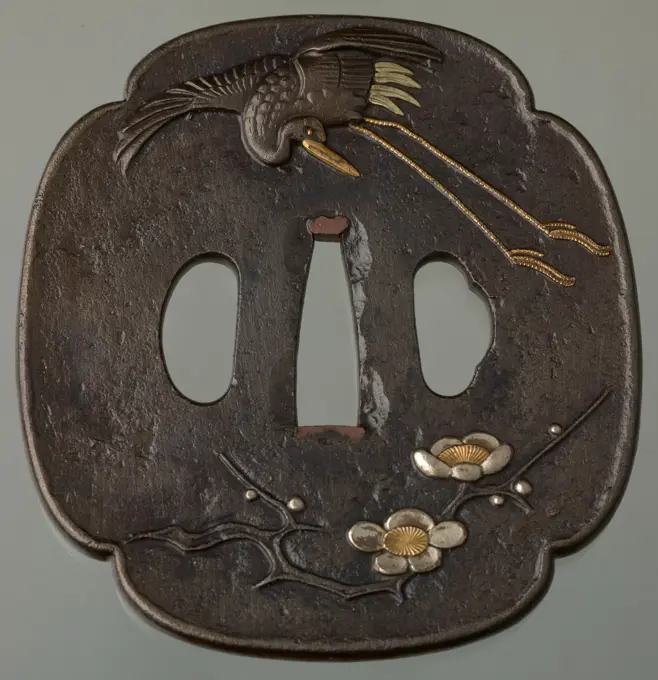
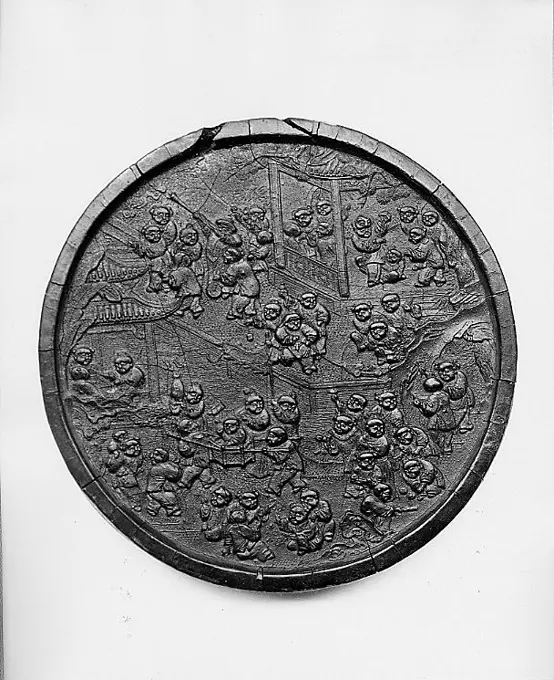
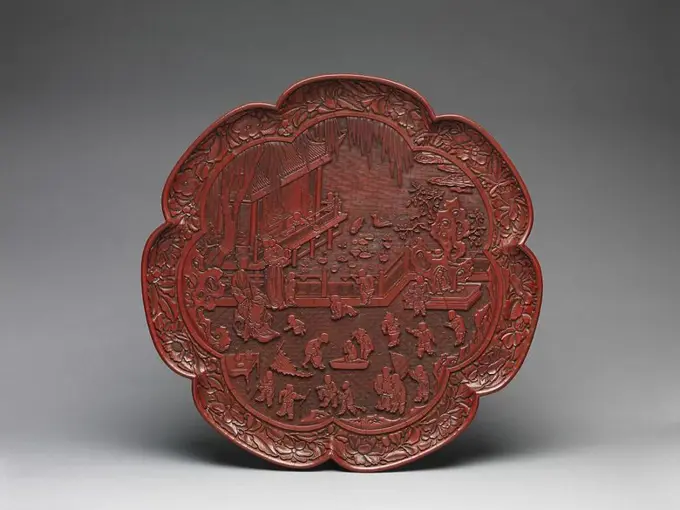
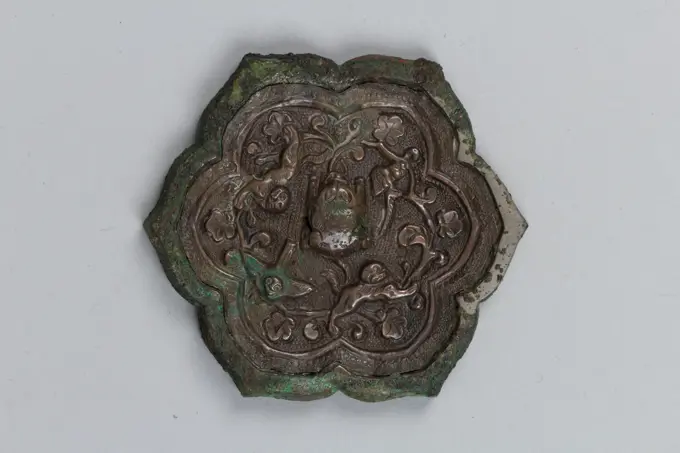
Mirror Mirror, Tang dynasty (618-907); back, Qing dynasty (1644-1911) or later China. Mirror. China. Mirror, Tang dynasty (618-907); back, Qing dynasty (1644-1911) or later. Bronze with repoussé silver back. Tang dynasty (618-907) and Qing dynasty (1644-1911). MirrorsTerracotta oil lamp late 5th-6th century A.D. Roman Vessberg Type 20. Mold-made. Flat, lentoid shape, with impressed decoration. Large, central filling hole, surrounded by a circular groove, then by a star pattern of nine lunettes; within lunettes, small, impressed circles with raised dots (three lunettes containing a single circle, two containing two circles, and three containing three circles); towards the edge of top, a stylized chevron pattern comprising a central circular groove, flanked by small, impressed dots; the pattern is indistinct around the front half of the lamp to either side of the wick hole. On the bottom, at center a plain, flat base, surrounded by two circular grooves flanking a row of impressed dots; and, at front and back, two projecting sets of two impressed lines, each containing a row of small, impressed dots.Intact.. Terracotta oil lamp 241601Sword Guard, late 1600s. Japan, Edo period (1615-1868). Iron with gold inlay (Choshu type); diameter: 8 cm (3 1/8 in.).Half of desk disc with portrait: Lucius Septimus Severus. L.septimivs. Severvs. Pertinax. Imp. (Lucius Septimius Severus, Roman Emperor of 193-211).Planets-manager. Cornalet Collection Sites 2013-2016. Numismatic.Sword Guard (Tsuba) with Coins, c. 1615-1868. Japan, possibly Edo period (1615-1868). Iron; average: 9.3 x 9.6 cm (3 11/16 x 3 3/4 in.).Stamp Seal, Gabled with Rounded Apex. Western Iran, about 4th millennium B.C.. Tools and Equipment; seals. Black serpentineLamp. UnknownDish early 16th century German. Dish. German. early 16th century. Brass. Metalwork-BrassDish decorated with four thistle flowers. In the flat of the dish, which has the center point in the middle, punched stamp forms: a round high middle part surrounded by a plant placed in a bin consisting of a thistle flower, two leaves and two flower buds, and a stylized leaf shape on a peripheral part. These motifs are repeated four times. Along the edge of the dish, a parallel ring is grooved and a hole drilled. In a later time, wear spaces with tin or lead were restored to the back and a hanging ring is soldered.Mirror with Four Leaves, 1100s-1200s. Eastern Anatolia or Northern Mesopotamia, 12th-13th century. Bronze; diameter: 7.7 cm (3 1/16 in.); overall: 0.9 cm (3/8 in.); rim: 0.3 cm (1/8 in.).Half of Damschijf with Portrait: Lodewijk De Vrome, Anonymous, 1525 - 1575 Lodowicvs. Pivs. Imp. AVGVSTVS (Lodewijk de Vrome (778-840)). Nuremberg boxwood Lodowicvs. Pivs. Imp. AVGVSTVS (Lodewijk de Vrome (778-840)). Nuremberg boxwoodPlanets-manager. Cornalet Collection Sites 2013-2016. Numismatic.Platter, early 1600s. Germany, early 17th century. Bronze, golden brown patina; diameter: 38.1 cm (15 in.).Mirror with four felines 4th-3rd century B.C. China. Mirror with four felines 44789Dish 1150-1250 Iran. Fritware, painted in lustre on an opaque white glaze . Islamic. Oval tsuba with Ishime ground; On the front embossed and gold-inserted a tiger that looks to a dragon in the clouds; Signed "tsunhige".False Coin, Penny, Mieszko II (1025 1031)Plate late 15th century German. Plate 468648Chlorite spindle whorl ca. 1200-1050 B.C. Cypriot Around the central hole are three incised lines; around the edge, incised semi-circles with the center point indicated.. Chlorite spindle whorl. Cypriot. ca. 1200-1050 B.C.. Chlorite. Late Cypriot III. Miscellaneous-StoneBadge (probably from Horse Harness). Culture: Spanish. Dimensions: H. 2 13/16 in. (7.1 cm); W. 2 1/2 in. (6.4 cm); Wt. 1.5 oz. (42.5 g). Date: 14th century. Museum: Metropolitan Museum of Art, New York, USA.Cosmetic Spoon ca. 1295-1070 B.C. New Kingdom, Ramesside Decorated spoons were especially popular in the courtly circles of the New Kingdom. In their forms and ornament, allusions were made to themes and myths of rebirth and renewal, though their actual use is poorly understood.This ivory spoon, its symmetry enhanced by a fine interplay of shapes and lines, is datable to the nineteenth dynasty. The discoid bowl of the spoon represents the life-giving sun. The handle decoration consists mainly of a compressed version of the shrine sistrum, a rattle that is the emblem of Hathor, the great goddess of fruitfulness. In the sistrum Hathor wears as headgear a small volute-framed shrine with a cutout doorway where the rattling elements were strung. Here the shrine is reduced to a framed cutout, still flanked by volutes, above her triangular face and cow's ears.The overall composition is a small visual conceit. Most simply it is a reinterpretation of the symbolic imagery of mirrors, in which thAnonymous, round mirror, 0618. Bronze. Cernuschi Museum, Asia Museum of Asia in the city of Paris. Adorned with lions, frogs, catsDish. Culture: Spanish. Dimensions: Overall: 18 1/2 in. (47 cm). Date: late 15th century. Museum: Metropolitan Museum of Art, New York, USA.Mirror with paired birds and flowers 9th century China. Mirror with paired birds and flowers. China. 9th century. Bronze. Tang dynasty (618-907). MirrorsMirror. Culture: Japan. Dimensions: Diam. 5 1/2 in. (14 cm). Museum: Metropolitan Museum of Art, New York, USA.Disk Brooch ca. 550-650 Frankish. Disk Brooch 465044 Frankish, Disk Brooch, ca. 550650, Gold, glass, copper alloy, glass paste cabochons, Overall: 1 1/16 x 3/8 in. (2.7 x 1 cm). The Metropolitan Museum of Art, New York. Gift of J. Pierpont Morgan, 1917 (17.191.33)Roundel with a horned animal, lions, and griffins. Culture: Sarmatian. Dimensions: H. 15/16 in. (2.3 cm). Date: ca. 3rd-1st century B.C.. Museum: Metropolitan Museum of Art, New York, USA.Etruscan gold patera, from Bernardini Tomb at Palestrina (ancient Praeneste), Rome Province, Italy, 7th Century B.C.Amulet  -Disk Brooch 7th century Frankish. Disk Brooch 464829 Frankish, Disk Brooch, 7th century, Gold, blue and pale amber glass, copper alloy support, Overall: 1 3/16 x 7/16 in. (3 x 1.1 cm). The Metropolitan Museum of Art, New York. Gift of J. Pierpont Morgan, 1917 (17.191.138)Peru, ½ sol de oro; 1946Mirror Roman, Cypriot. Mirror 244299Fortune teller scene, Claes Baardt, c. 1650 - c. 1700 Oval, vaulted, silver plaque. In the middle a woman in seventeenth-century farming, who reaches the two hands opposite her standing man with turban on the head. A child grabs a trade show, depending on the Ceintuur der Vrouw. On the second plan figures in exotic traditional costume. In the foreground in the middle a banging dog. Bolsward silver (metal) Oval, vaulted, silver plaque. In the middle a woman in seventeenth-century farming, who reaches the two hands opposite her standing man with turban on the head. A child grabs a trade show, depending on the Ceintuur der Vrouw. On the second plan figures in exotic traditional costume. In the foreground in the middle a banging dog. Bolsward silver (metal)Scarab: Title and Personal Name (). Egyptian. Date: 747 BC-525 BC. Dimensions: 1.3 × 0.8 × 0.6 cm (1/2 × 5/16 × 1/4 in.). Steatite. Origin: Egypt. Museum: The Chicago Art Institute, Chicago, USA. Author: Ancient Egyptian.Pelvic with the Annunciation, Anonymous, 1500 - 1510 In the flat of the pelvis, which has the center point in the middle, a representation of the proclamation to Mary is used with the help of a stamp form. This is surrounded by an edge of punched stylized leaf ornament. Rosettes are punched on the collar of the pelvis. On the show Maria is shown on the right, kneeling to a reader, on the left the kneeling angel with a scepter, in the middle a pot of flowers, above it the pigeon surrounded by a halo. The hanging rings at the rear of the bottom and the edge were applied later. Neurenberg (possibly) brass (alloy) casting In the flat of the pelvis, which has the center point in the middle, a representation of the proclamation to Mary is used with the help of a stamp form. This is surrounded by an edge of punched stylized leaf ornament. Rosettes are punched on the collar of the pelvis. On the show Maria is shown on the right, kneeling to a reader, on the left the kneeling angel with a sceptAmulet. Copper alloy, China, Song dynasty. Paris, Cernuschi museum. Amulet, Asian art, Chinese art, circle, belief, disc, Song dynastySpindle Whorl, 700s - 900s. Iran, early Islamic period, 8th - 10th century. Bone, incised; overall: 0.5 x 1.6 x 1.6 cm (3/16 x 5/8 x 5/8 in.).Stamp seal with a handle and a hieroglyphic inscription ca. 14th-13th century B.C. Hittite. Stamp seal with a handle and a hieroglyphic inscription. Hittite. ca. 14th-13th century B.C.. Silver. Hittite Empire. AnatoliaOctafoil Mirror with Paired Phoenixes, Birds, and Flowers, late 700s. China, Tang dynasty (618-907). Bronze; diameter: 28.8 cm (11 5/16 in.); overall: 1.6 cm (5/8 in.); rim: 1 cm (3/8 in.).Drachm. UnknownUnicorn and Tau-Cross reverse. Dated: c. 1480/1486. Medium: bronze. Museum: National Gallery of Art, Washington DC. Author: Niccolò Fiorentino.Sword guard (Tsuba) Depicting Crests and Arabesques (紋散唐草文鐔) late 16th-early 17th century Koike Izumi no Kami Naomasa This iron tsuba is decorated with openwork family crests that are highlighted with brass inlay in a style that reached the height of its popularity at the end of the 16th century. When mounted between the sword’s blade and grip to protect the user’s hand, these crests would encircle the blade of the sword. This tsuba is part of a group of guards inscribed with the same name and honorary title, for which they are known as Yoshirō-tsuba (与四郎鐔). Differences in quality, signature style, and production time suggest that Koike Yoshirō Naomasa was the head of a Kyōto-based workshop which continued to make tsuba for a few decades into the 17th century.. Sword guard (Tsuba) Depicting Crests and Arabesques (紋散唐草文鐔) 30092Silver mint brooch in the shape of a flower, c. 1940 - c. 1950 Silver mint brooch in the form of a flower with a closure of a safety pin. Central a coin with the sculptor of Wilhelmina and around seven smaller coins (dimes) with the sculptor of Wilhelmina. Netherlands Silver (Metal). Safety pin: Metal Silver mint brooch in the form of a flower with a closure of a safety pin. Central a coin with the sculptor of Wilhelmina and around seven smaller coins (dimes) with the sculptor of Wilhelmina. Netherlands Silver (Metal). Safety pin: MetalBronze bowl from Nimrud. 8th century BC. Phoenician.Mirror with "TLV" Pattern. China. Date: 25 AD-220 AD. Dimensions: Diam. 21.0 cm (8 1/4 in.); thickness 0.5 cm (3/16 in.). Bronze. Origin: China. Museum: The Chicago Art Institute, Chicago, USA.Hand guard, Eijusai Kagenori, 1850 - 1900 Rounded rectangular tsuba with raised edge; At the front a representation in relief, Iroe-Takazogan and Nunome-Zogan a representation of a landscape with pine trees, tents, the moon and three flying birds; At the rear an anchor and a crab on a beach with shells and birds flying above it; Signed "Eijusai Kagenori". Japan gold (metal). silver (metal). iron (metal) Rounded rectangular tsuba with raised edge; At the front a representation in relief, Iroe-Takazogan and Nunome-Zogan a representation of a landscape with pine trees, tents, the moon and three flying birds; At the rear an anchor and a crab on a beach with shells and birds flying above it; Signed "Eijusai Kagenori". Japan gold (metal). silver (metal). iron (metal)Nomisma with Constantine IX Monomachus (reverse), 1042-1055. Byzantium, 11th century. Gold; diameter: 2.9 cm (1 1/8 in.). Byzantine Gold Coins The vast number of surviving Byzantine coins attests to the level of trade across the empire. Controlled and supervised by the emperor, the producers of coins took care to represent his authority and reflect his stature. Talented artists were recruited to engrave the dies (molds) used for the striking of coins. Emperors increasingly came to include their heirs and co-emperors on their coinage, as well as other family members or even earlier rulers. Coins were recognized, then as now, as small, portable works of art. With their inscriptions and images, Byzantine coins provide valuable documentation of historical events and a record of the physical appearance of the emperors. The coins shown here include the solidus, the basic gold coin of 24 karats; the tremissis, a gold coin of one-third the weight and value of the solidus; and the nomisma, whiDisk Brooch. Culture: Frankish. Dimensions: Overall: 1 3/16 x 3/8 in. (3 x 0.9 cm). Date: late 6th-early 7th century. Museum: Metropolitan Museum of Art, New York, USA.Mammalian disk. Culture: Carchi-Nariño, Capulí. Dimensions: Diam. 3 5/8 in. (9.2 cm). Date: A.D. 800-1500.This disk, most likely a pectoral or ear ornament, is made of metal sheet. The design shows a mammalian face with semicircular eyes above which there are eyebrows comprised of circular dots. The creature has a triangular nose, a mouth in the shape of a double-headed arrow, and a trapezoidal element that extends from the mouth and suggests a tongue. Ears are outlined in a relatively rectilinear fashion on either side of the face, perpendicular to the central relief, and each ear shows an ornament hanging from it. The sheet is made of gold. There may be some copper present given the pink tones of certain areas of the relief decoration. To create the object, metalworkers engaged in a multi-step process. They likely chiseled the circular shape from a larger sheet. In order to produce the decoration, the metalworkers placed the sheet in a hemispherical cavity and hammered the sheet toMirror Korea. Mirror. Korea. Bronze. Goryeo dynasty (918-1392). MirrorsFragment of red -baking earthenware with a foot ring, with a geometric pattern in sgrafitto technology in white, yellow and green glaze, unglazed, anonymous, 1200 - 1899 at the bottom  Italy earthenware  Italy earthenwareOpenwork Belt Fitting 6th century Frankish. Openwork Belt Fitting 465216Box with Ink Cakes: Yellow Ink Stick in Shape of a Buddhist "Wheel of the Law", 1795-1820. China, Qing dynasty (1644-1911), Jiaqing reign (1795-1820). Ink cake; case: 26.4 x 19.1 cm (10 3/8 x 7 1/2 in.); lid: 26.5 x 19.2 cm (10 7/16 x 7 9/16 in.).Bronze cheek piece of a helmet. Culture: Roman. Dimensions: Overall: 6 1/2 x 4 1/8 x 1 1/16 in. (16.5 x 10.5 x 2.7 cm). Date: late 2nd century A.D..This left cheek piece is decorated with the figure of Victory bearing a trophy. It probably belongs to an officer's helmet, since its ornate workmanship would accord with the owner's high rank. Museum: Metropolitan Museum of Art, New York, USA.Pilgrim's Badge 14th-16th century French. Pilgrim's Badge. French. 14th-16th century. Lead. Metalwork-LeadDisc - headed Pin. Iran, Luristan, Luristan bronzes, circa 1000-650 B.C.. Jewelry and Adornments; pins. Bronze, hammeredHalf of desk disc with portrait: Judith, 2nd wife of Lodewijk de Vrome. IVDITH. Lodowici. PILL. Imp. Vxor (Judith, 2nd wife of Lodewijk de Vrome)Sword Guard (Tsuba). Culture: Japanese. Dimensions: H. 3 9/16 in. (9 cm); W. 3 5/16 in. (8.4 cm); thickness 1/4 in. (0.6 cm); Wt. 6 oz. (170.1 g). Date: ca. 1615-1868. Museum: Metropolitan Museum of Art, New York, USA.Plate 16th century Portuguese The arms that appear here may belong to the family of Vasco da Gama, the celebrated Portuguese explorer.. Plate. Portuguese. 16th century. Silver gilt and translucent enamel. Metalwork-SilverCarnavalet museum, medal collection Right eye to the center of a crown of oak leaves; Behind, a bundle surmounted by an ax.Rosettes for Wig Decoration , 1980-1801 BC. Egypt, Middle Kingdom, Dynasty 12. Silver; diameter: 1.2 cm (1/2 in.).Aalmoezeniersweeshuis in Amsterdam, Anonymous, 1798  One -sided, cross -shaped lead with hole in it. Front: Coat of arms between the year above inscription AAW. Reverse: Blanco Amsterdam tin (metal) striking (metalworking)  AmsterdamDisk Brooch. Culture: Frankish. Dimensions: Diam. 1 9/16 x 13/16 inches (diam. 3.9 x 2.0 cm). Date: 7th century. Museum: Metropolitan Museum of Art, New York, USA.Bandeja de plata, siglo XVIII, Iglesia de Santa María Magdalena, Zaragoza.Spindle Whorl 9th-15th century Mexican. Spindle Whorl 315834Sword Guard (Tsuba). Culture: Japanese. Dimensions: H. 3 3/8 in. (8.6 cm); W. 3 1/4 in. (8.3 cm); thickness 3/16 in. (0.5 cm); Wt. 5 oz. (141.7 g). Date: 18th century. Museum: Metropolitan Museum of Art, New York, USA.Kettle with Handle (lid), 1700s-1800s. China, Qing dynasty (1644-1911) or Republican period (1912-49). Bronze;Bowl with Geometric Design (Two- part Design), c. 1000-1150. Southwest, Mogollon, Mimbres, Pre-Contact Period, 11th-12th century. Earthenware; overall: 12.5 x 25.5 cm (4 15/16 x 10 1/16 in.).Black-Glaze Bowl with Inscription. UnknownNUMISMATICA. MONEDA MONEDAS BIZANTINAS DE ORO Y BRONCE. REAL ACADEMIA DE LA HISTORIA.Sword Guard (Tsuba) with Dragonfly, c. 1615-1868. Japan, possibly Edo period (1615-1868). average: 7 x 7.7 cm (2 3/4 x 3 1/16 in.).Two Bowls with Figures and a Footed Plate with Birds. Dimensions: H. 3 5/8 in. (9.2 cm)Diam. 7 7/8 in. (20 cm). Date: 10th century.Common among the buff ware bowls that depict human figures are those holding drinking vessels. In this case, a man wearing a green tunic under a multi-colored, skirt-like garment holds a fluted goblet in his right hand. The imagery on these bowls is thought to derive from metalwork of the Sasanian period (3rd to 7th century) in Iran. The distinctive yellow and green glazes of the buff ware group are particularly well-preserved on this example. Museum: Metropolitan Museum of Art, New York, USA.Scharenlijpersgilde van Amsterdam, Gildepenning by Cornelis Banckrus, Anonymous, 1629 medal Silver rectangular medal with rounded corners on the front of the front: two men standing by a wheel and a flat stone, busy grinding instruments; Left: a bucket, right: kick; Above both men: Houweel and two axes, and turning axle between letters A and C; Cut: Inscription. Reverse: inscription. Amsterdam silver (metal) engraving  AmsterdamTerracotta phiale (libation bowl) ca. 250-200 B.C. Etruscan Phiale of yellow clay with ornaments in relief: satyr head in center.. Terracotta phiale (libation bowl) 246249Peru. Rafael Larco Herrera Museum is an unforgettable experience. A fine example of an exquisite gold ear ornament.Four Eyes of the God Horus (Wedjat) Amulet. Egyptian. Date: 1070 BC-656 BC. Dimensions: 4.5 × 4.7 × 0.6 cm (1 3/4 × 1 7/8 × 1/4 in.). Faience. Origin: Egypt. Museum: The Chicago Art Institute, Chicago, USA. Author: Ancient Egyptian.Divination Board for Ifa Priest. Africa, Nigeria, Yoruba peoples. Tools and Equipment. WoodBronze mirror. Culture: Etruscan. Dimensions: length 9 1/2 in. (24.1 cm.); diameter 6 1/16 in. (15.4 cm.). Date: early 4th century B.C..Inscribed: Alcsentre (Paris/Alexandros), Turan (Aphrodite), Elinai (Helen). Museum: Metropolitan Museum of Art, New York, USA.Cover of a Reliquary Container with the Virgin and Child on the Crescent Moon 1480 Germany, southern. Mother-of-pearl .Badge. Culture: Spanish. Dimensions: H. 3 11/16 in. (9.4 cm); W. 3 in. (7.6 cm); Wt. 2 oz. (56.7 g). Date: ca. 1400. Museum: Metropolitan Museum of Art, New York, USA.Carnavalet Museum, Medals CollectionTLV Mirror with Four Spirits and Companions, AD 9-100. China, Han dynasty (202 BC-AD 220). Bronze; diameter: 19 cm (7 1/2 in.); overall: 1.2 cm (1/2 in.); rim: 0.7 cm (1/4 in.). The back of this mirror shows a diagram of the universe. The concentric rings and swirling cloud band border represent heaven, while the square field around the knob designates the earth. The four directional spirits in the form of animals occupy the space between heaven and earth and are cast in fine lines between the band of swirling clouds and outside the square: the tiger guarding the west, the dragon protecting the east, the red bird representing the south, and the snake-entwined turtle guarding the north.Scarab with cartouche of Usermaatre ca. 1295-1070 B.C. New Kingdom, Ramesside. Scarab with cartouche of Usermaatre 550317MIrror Korea The swastika incised in the center of this box is an ancient Indian symbol of auspiciousness that was introduced to Korea with Buddhism.. MIrror. Korea. Bronze. Goryeo dynasty (918-1392). MirrorsAccount Token with Cross, Stock Middle Ages Anonymous. "Account token with Cross, Stockings Middle Ages". Brass. 1375-1425.Imitation Bichrome Luster Bowl 9th century The decoration of this bowl imitates a type of luster ceramic usually dated to the mid- to late ninth century, characterized by the use of two shades of a brownish-gold glaze. Instead of being made with the metal-based glaze of luster ware, though, this bowl is decorated with brown and yellow glazes made of diluted clay. Its interior is divided into quarters by projecting vertical strokes; each quadrant is decorated with the "peacock-eye" pattern so common on luster wares of this period.. Imitation Bichrome Luster Bowl. 9th century. Earthenware; white slip with polychrome slip decoration under transparent glaze. Excavated in Iran, Nishapur. CeramicsWarming Pan. Dated: 1935/1942. Dimensions: overall: 26.9 x 22.5 cm (10 9/16 x 8 7/8 in.) Original IAD Object: 12 3/4" in diameter; 32 1/2" long. Medium: watercolor and graphite on paper. Museum: National Gallery of Art, Washington DC. Author: Edward Jewett.Bowl with Arabic Proverb late 10th-11th century This large bowl is decorated with a calligraphic design reading Forbearance is at first bitter to the taste, but in the end sweeter than honey. Blessing.” Arabic proverbs appearing on slip-painted ware from Nishapur and Samarqand often reference the social codes and moral etiquette of the period, which included a strong emphasis on hospitality and generosity, and sometimes allude their use as functional objects. This bowl’s red earthenware body was covered in white slip and decorated with motifs found on metal objects from the period, including the stippled ground.. Bowl with Arabic Proverb. late 10th-11th century. Earthenware; white slip with polychrome slip decoration under transparent glaze. Probably made in present-day Uzbekistan, Samarqand. CeramicsOrnamental Boss. Culture: probably Netherlandish. Dimensions: L. 3 1/2 in. (8.9 cm); W. 1 7/8 in. (4.8 cm); Wt. 2.3 oz. (66 g). Date: first half 17th century.The domed center of this ornamental boss is adorned with a smiling satyr's mask in relief. On each side, an extension called 'ear', made of a pierced palmette flanked by small masks, would have allowed the piece to be sewn onto maybe a horse's harness or a carousel costume. These ears are made from elements of the traditional palmette rim found on this type of boss, usually used for decorating horse bits, like 42.50.198 and 42.50.199. This object belongs to a large group of bosses using a series of rims and centers combined in different ways. The exact center of production of these bosses is still unclear. If the motifs used are Italian, the scale of the production and the process of combining a series of rims and center recalls contemporary German practices. Some of them, however, are identical or very similar to bosses seen inBowl with Geometric Design (Four- part Stepped- Fret Design), c 1000-1150. Southwest, Mogollan, Mimbres, Pre-Contact Period, 11th-12th century. Ceramic; diameter: 11.4 x 25.4 cm (4 1/2 x 10 in.).Jasper intaglio: Harpocrates riding a lion ca. 2nd-3rd century A.D. Roman Harpocrates riding a lion with snaked-headed tail; thunderbolt below.. Jasper intaglio: Harpocrates riding a lion 245137Appliqué, perhaps for a pommel ca. 14th-13th century B.C. Hittite. Appliqué, perhaps for a pommel. Hittite. ca. 14th-13th century B.C.. Gold. Hittite Empire. Central AnatoliaBronze disc, from Montebelluna, Veneto, Italy. Paleoveneti Civilization, 4th Century BC.Goldsmith's art, Persia, 17th century. Round shield made of gold damascened steel, Indian cane, silk, mother-of-pearl, leather and velvet. Diameter cm. 59.4Tortoise Brooch from a Viking Grave in Norway c10th-11th century. Artist: Unknown.CDK Unknown, in the style of schools ShoamiInk Cake with Children at Play late 19th-early 20th century Fang Yulu Chinese. Ink Cake with Children at Play 41860Bowl, c. 1450, Ceramics (earthenware decorated with metallic reflections), of Manises or Paterna, Valencia, Diameter: 19.1 cm. Museum: Museo Fundación Francisco Godia, Barcelona, Cataluña, España.Tray with women and boys on a garden terrace. Culture: China. Dimensions: H. 2 3/8 in. (6 cm); Diam. 21 7/8 in. (55.6 cm). Date: 14th century.With its lush carving and large size, this tray is considered a lacquerware masterpiece. It depicts two women and twenty-three children on a terrace and pavilion overlooking a lotus pond. One woman rests on an openwork seat; the other stands holding one child while another clutches her skirt and a third crawls toward her. A boy hides behind a rock, three play near a shallow tub of water, two ride hobbyhorses (a toy that may have been invented in China), and several take part in a procession that resembles those of court officials--a common sight in major Chinese cities in the fourteenth century. Museum: Metropolitan Museum of Art, New York, USA.