Decorative Historical Mirrors and Lamps

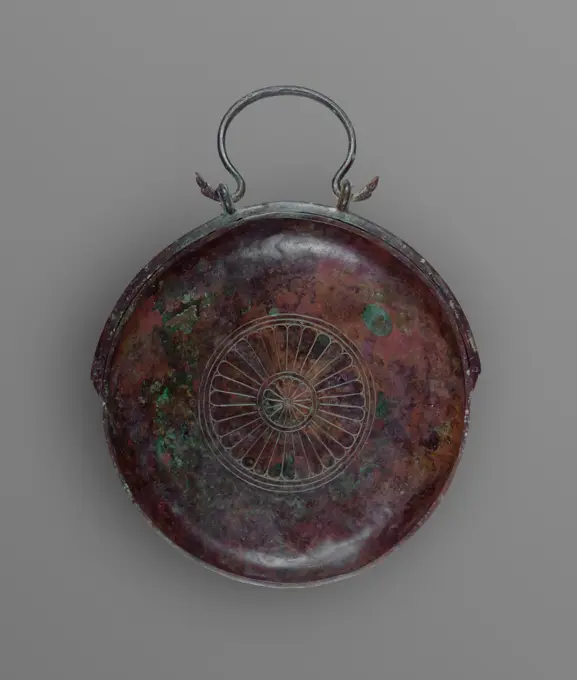
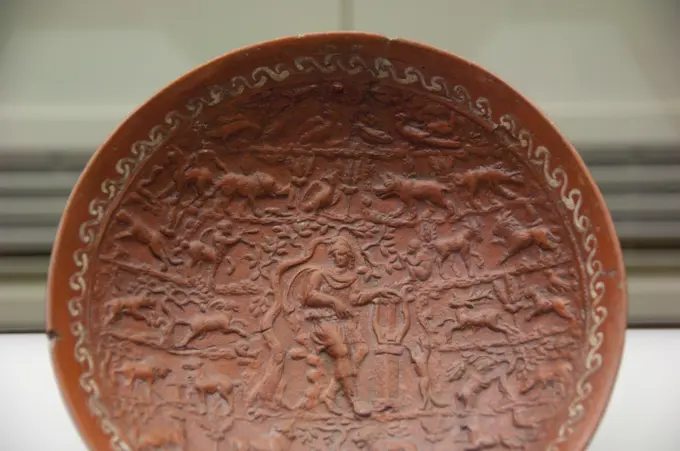
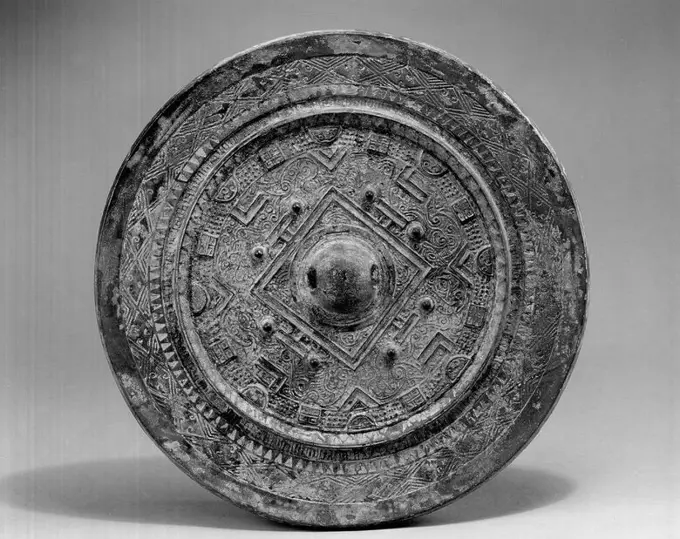
Artifacts including a bronze mirror from the Tang dynasty and terracotta oil lamps, highlighting decorative arts from ancient China and Rome.
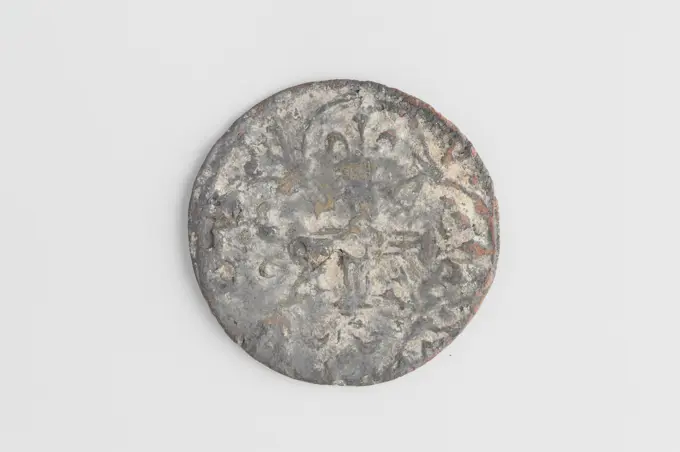
Planets-manager. Cornalet Collection Sites 2013-2016. Numismatic.
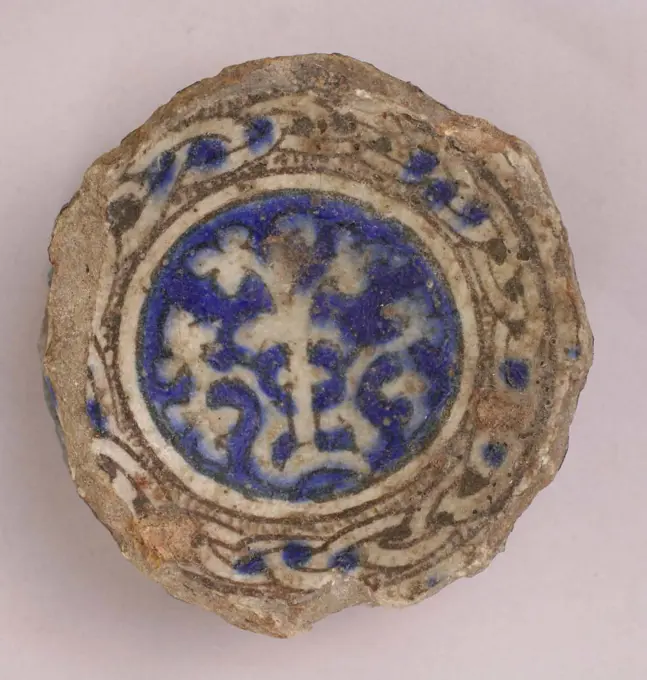
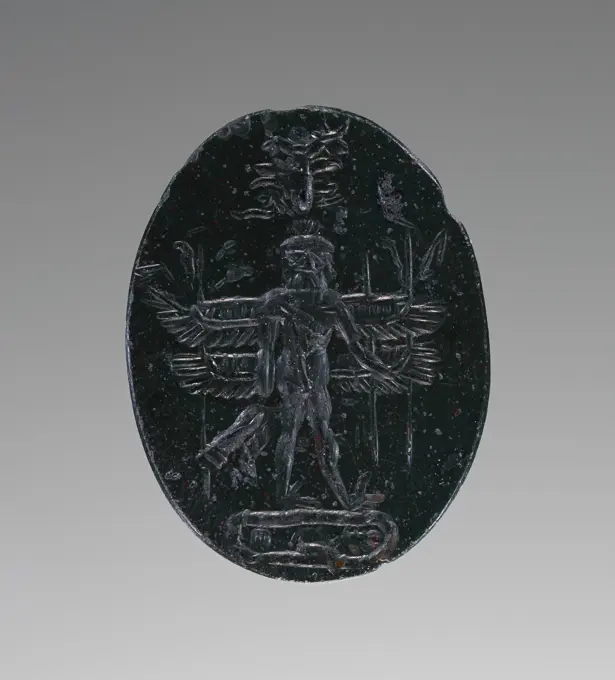
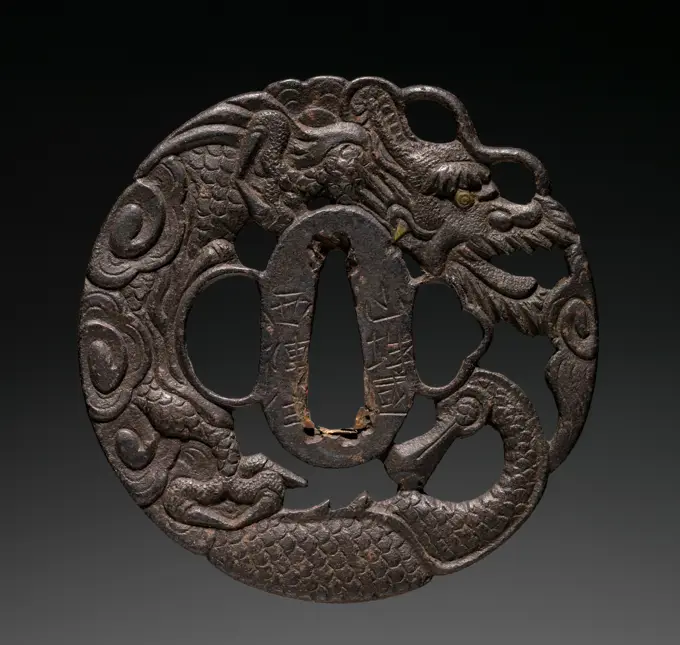
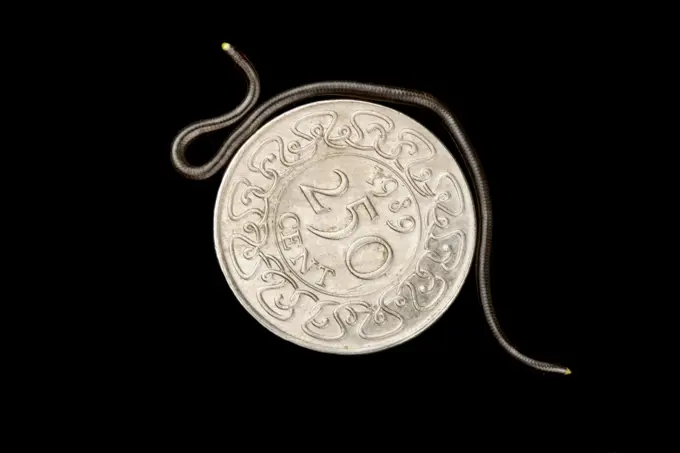
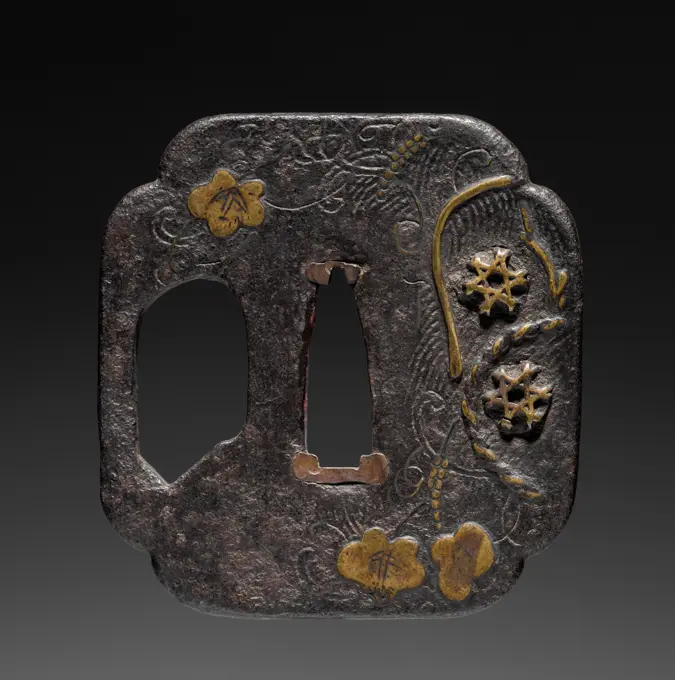
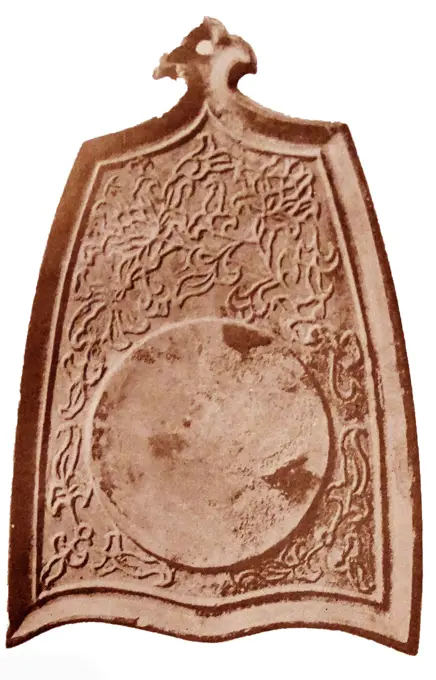
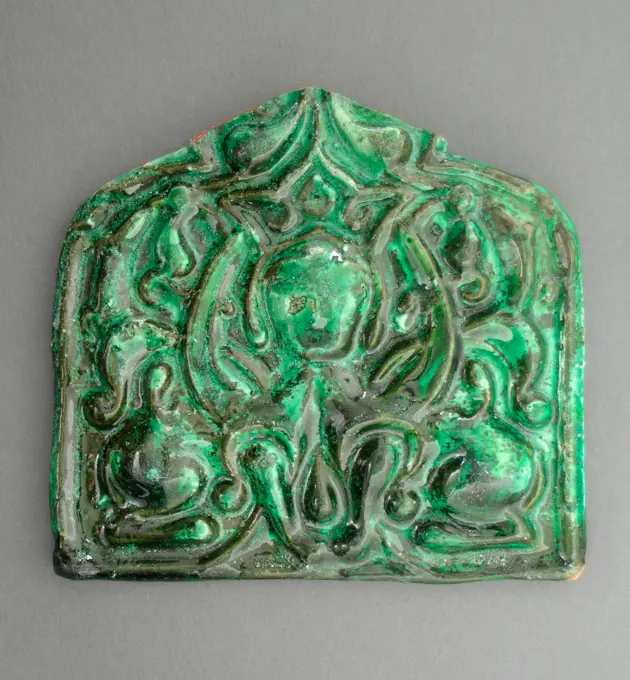
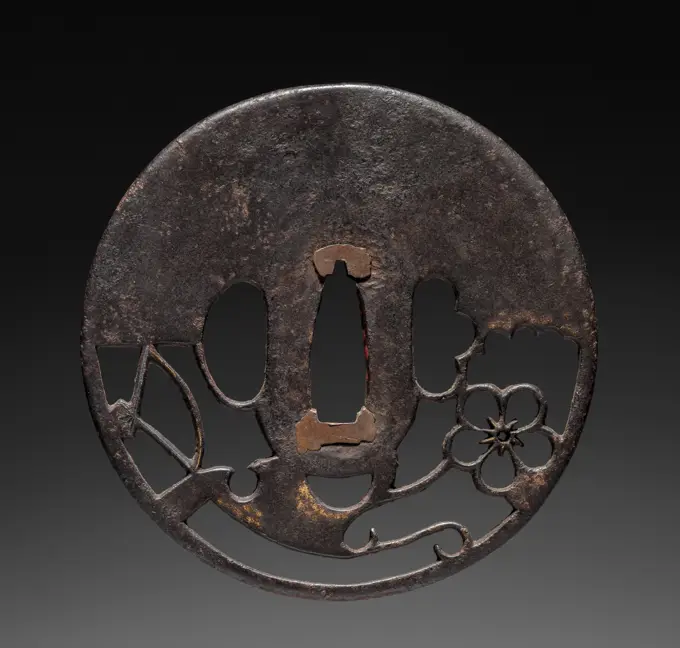
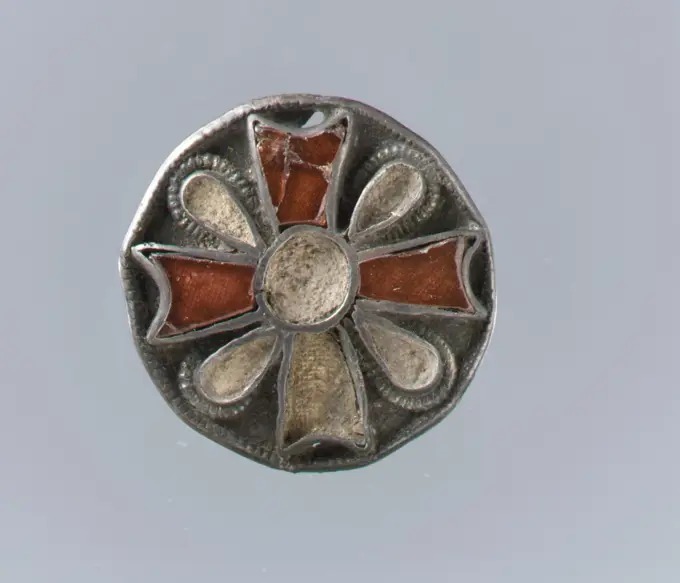
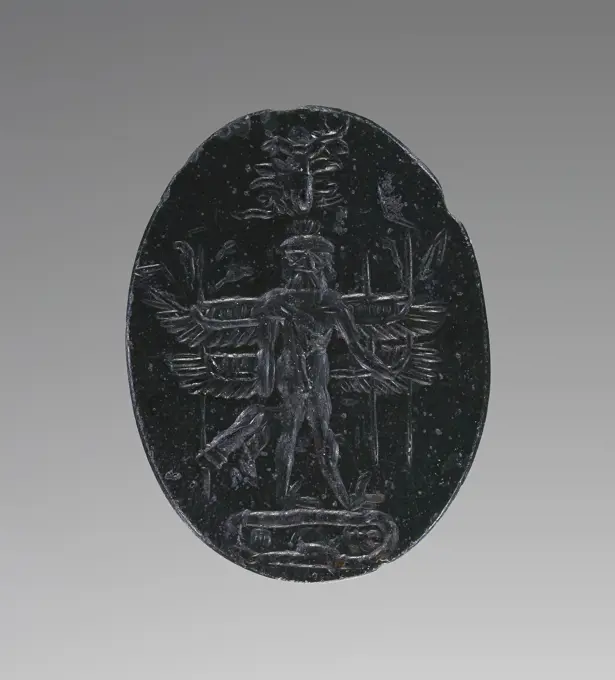
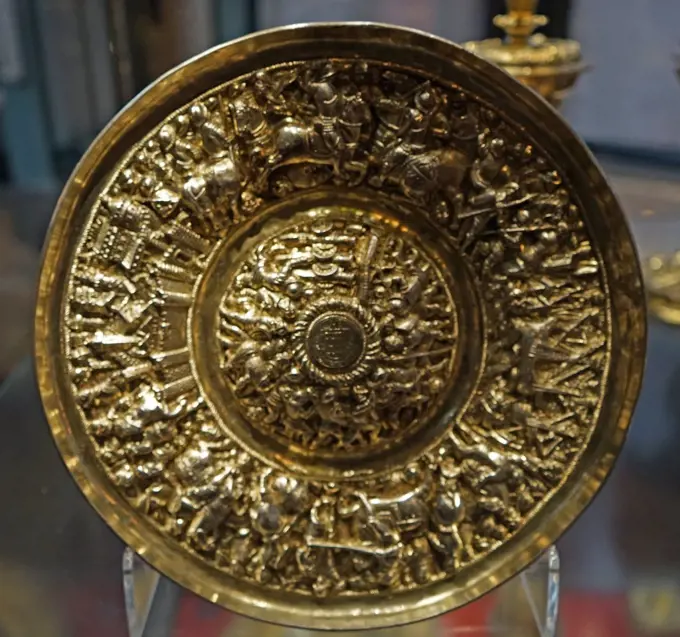
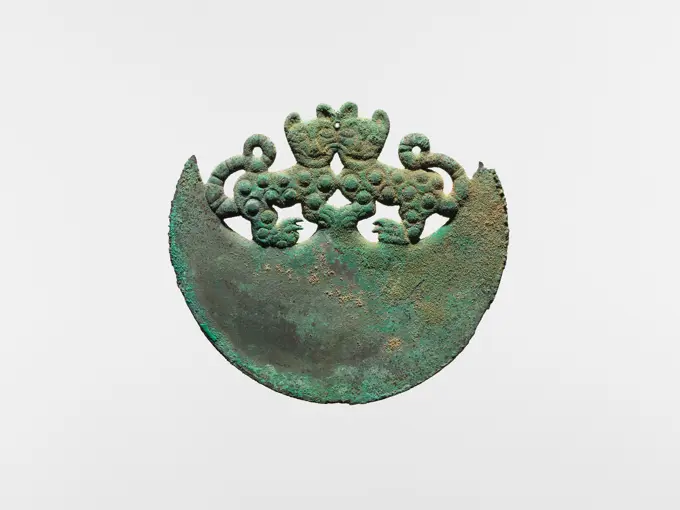
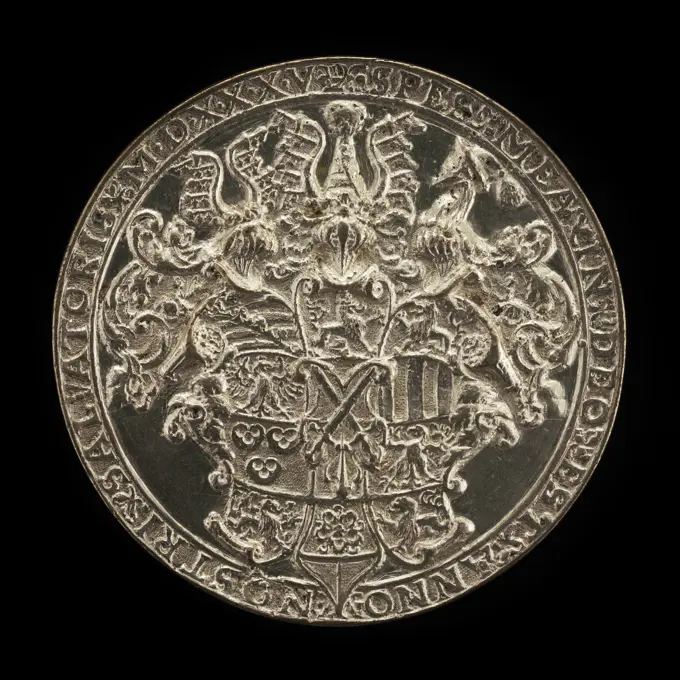
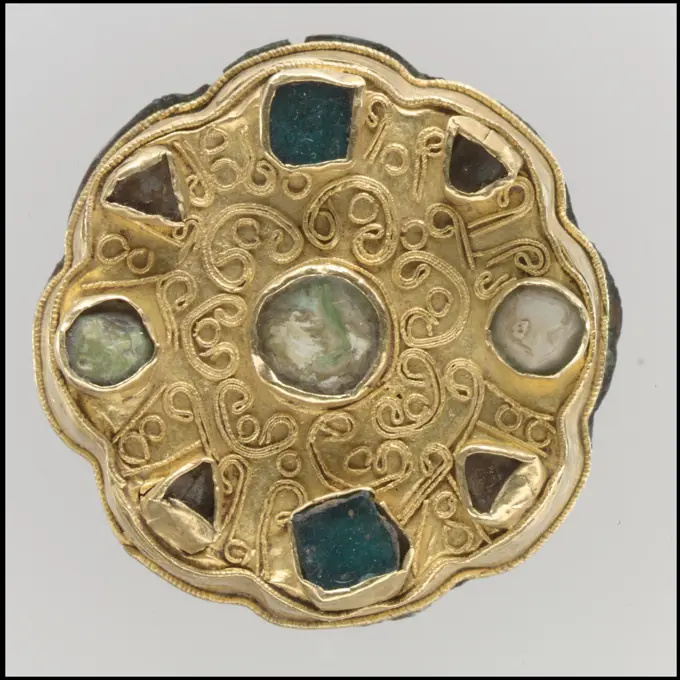
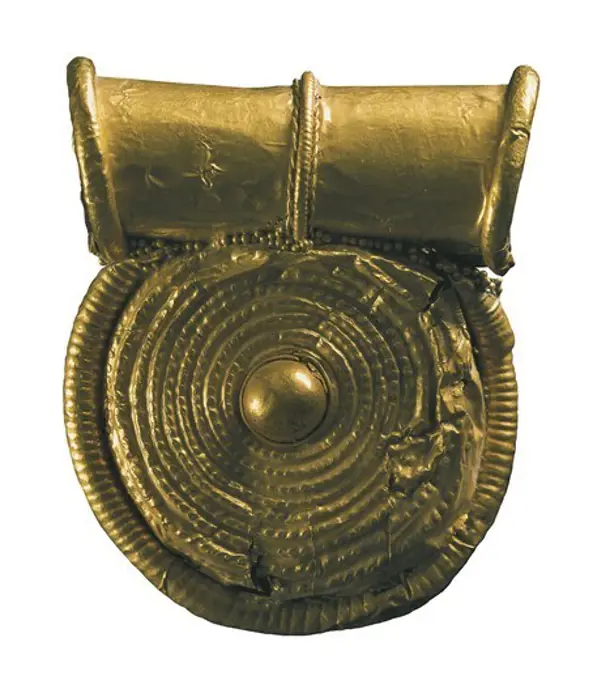
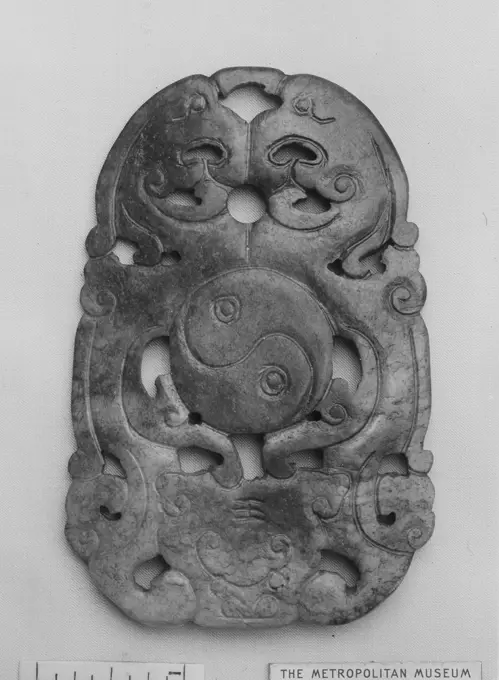
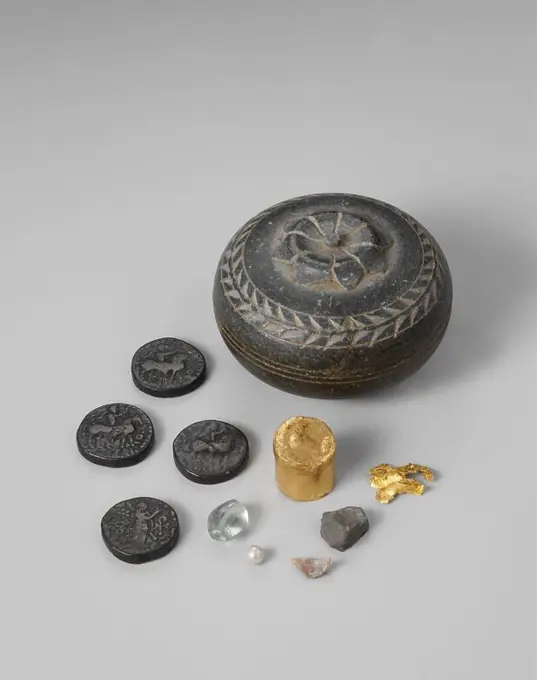
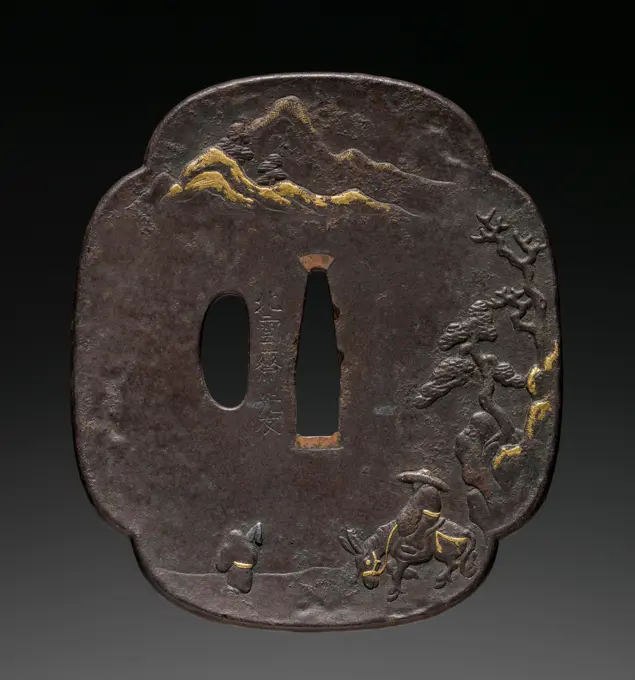
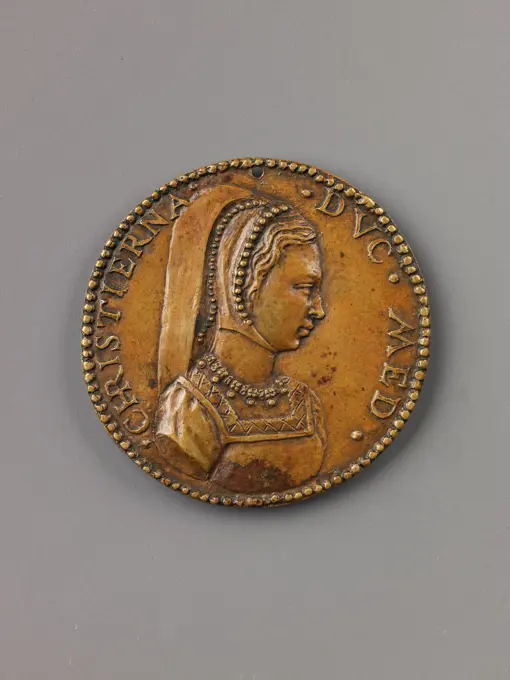
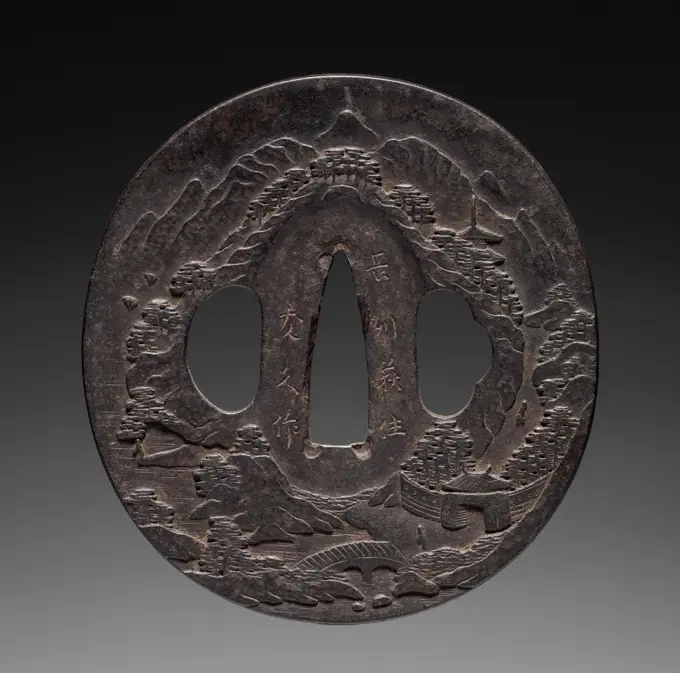
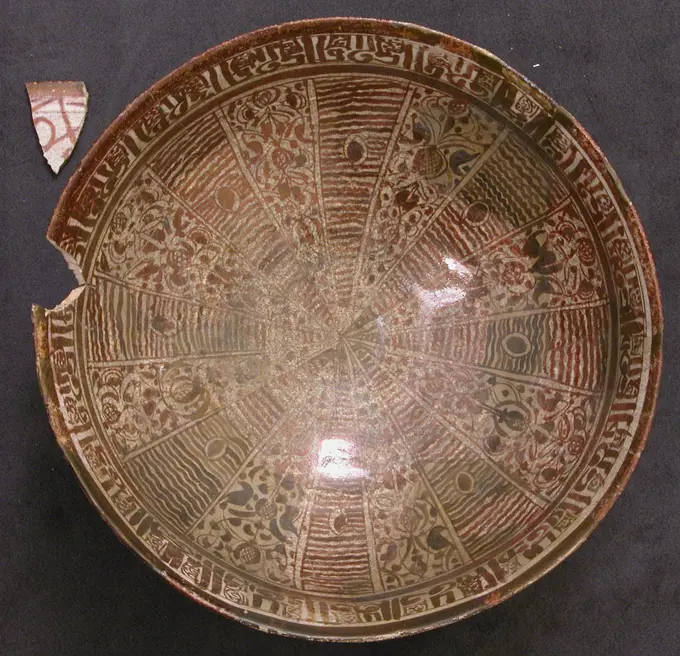
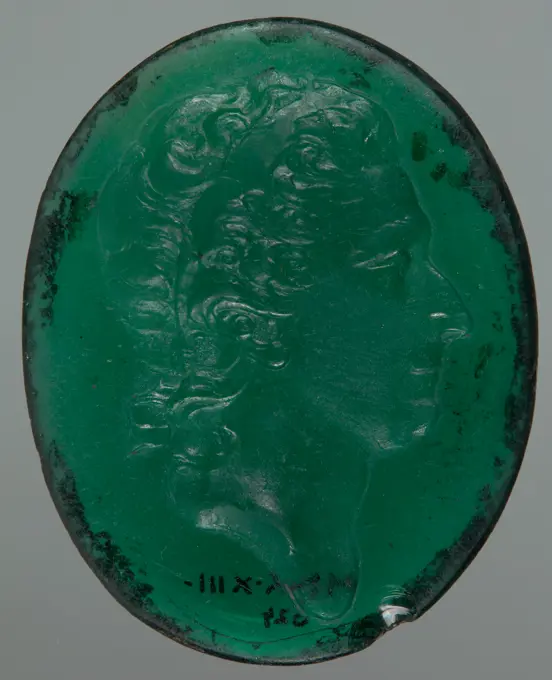
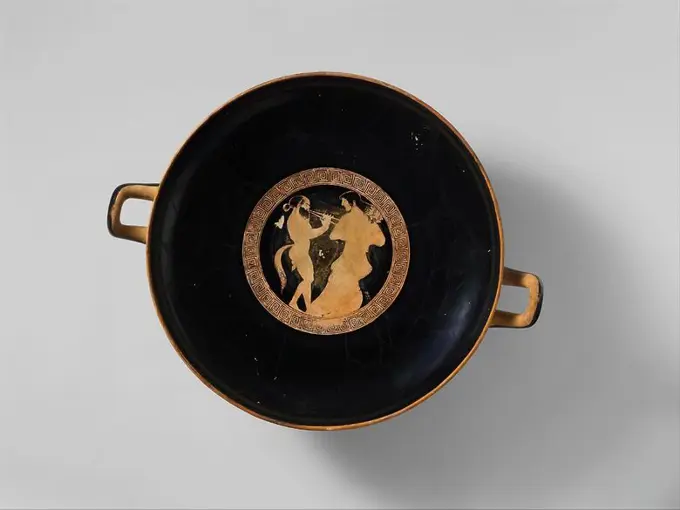
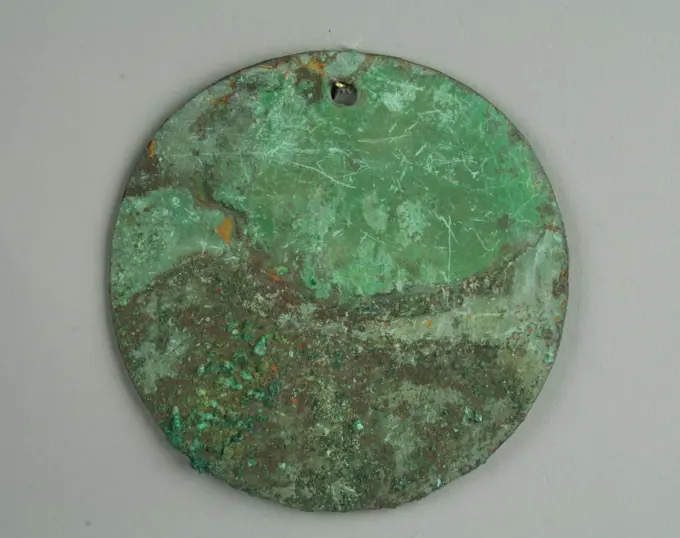
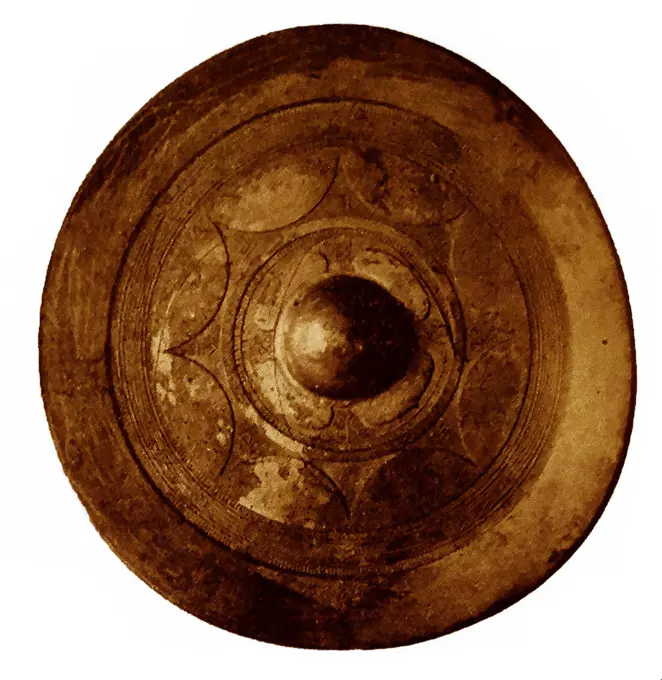
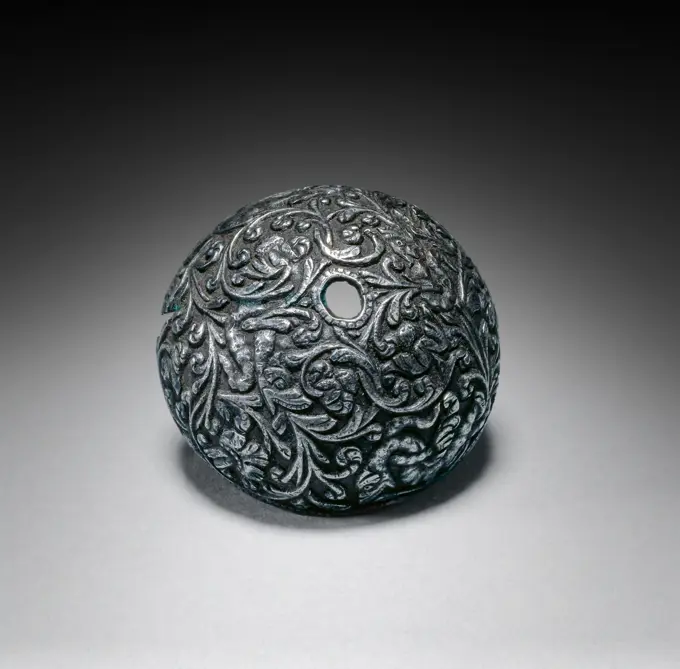
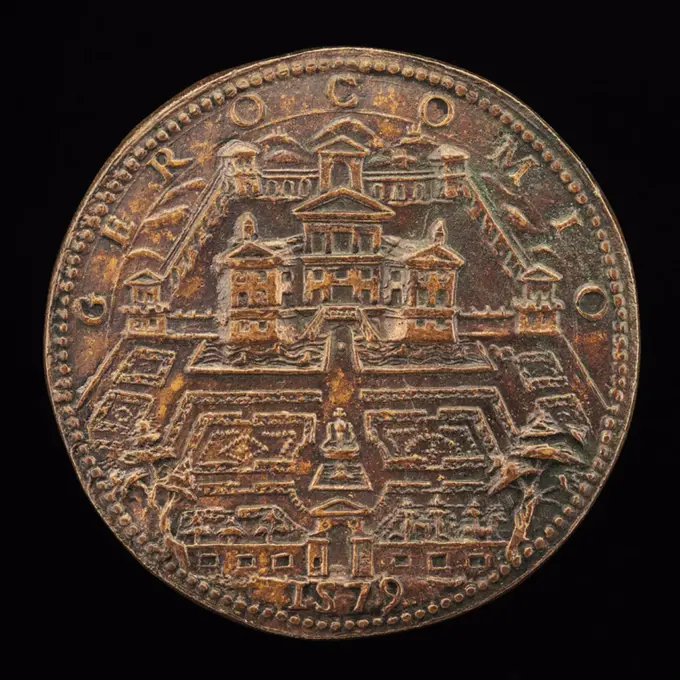
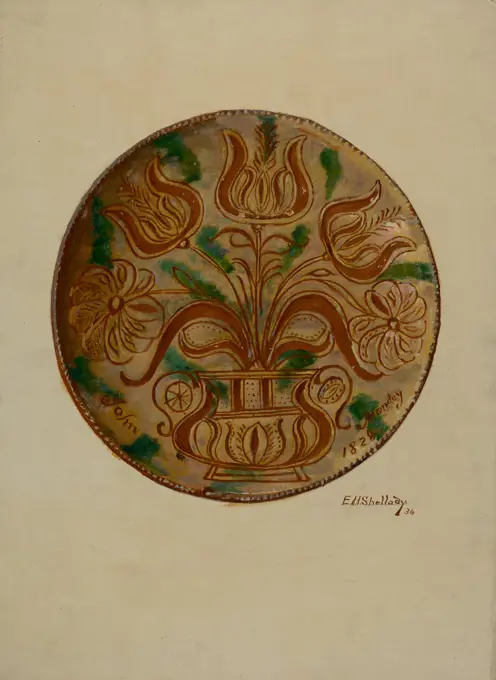
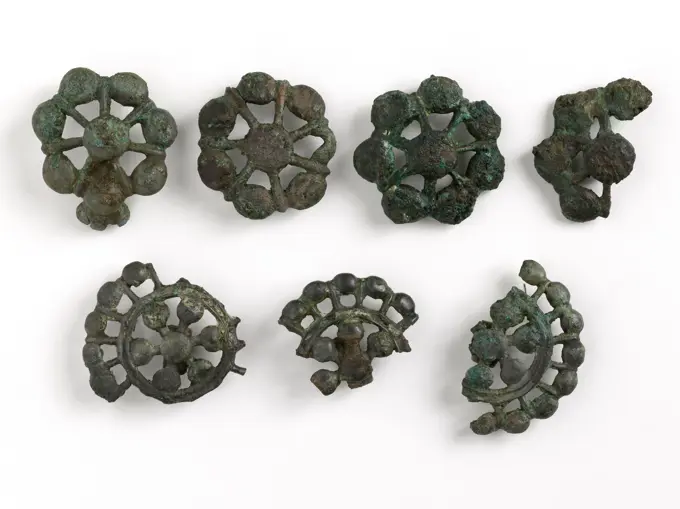
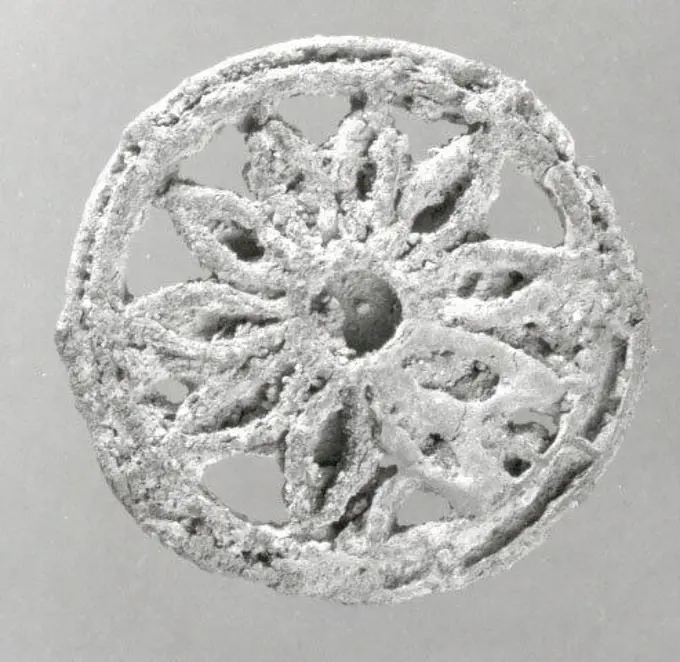
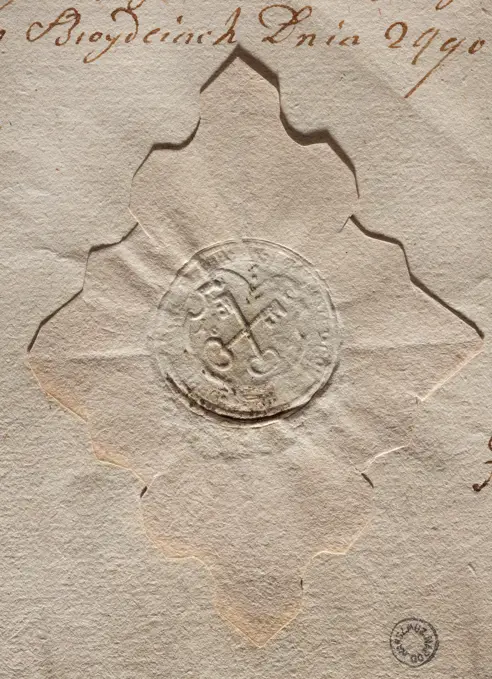
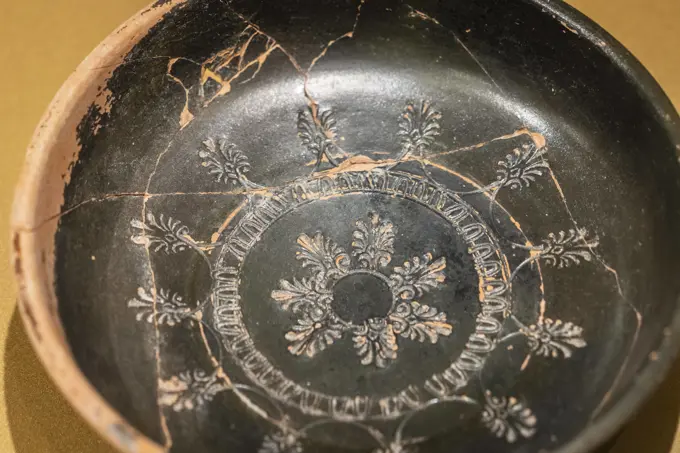
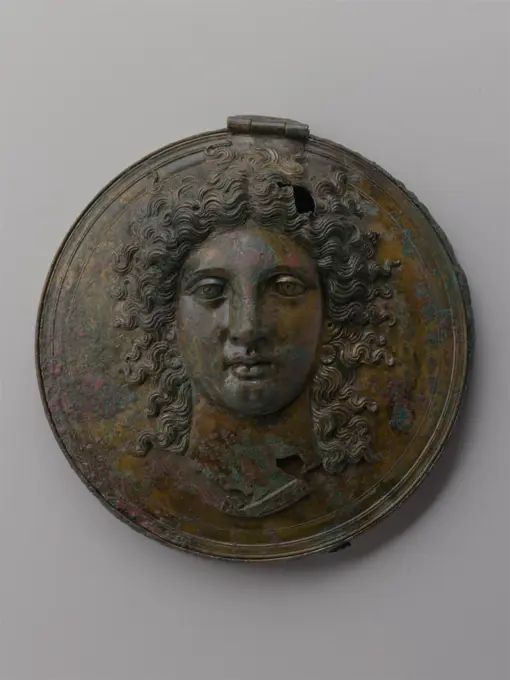
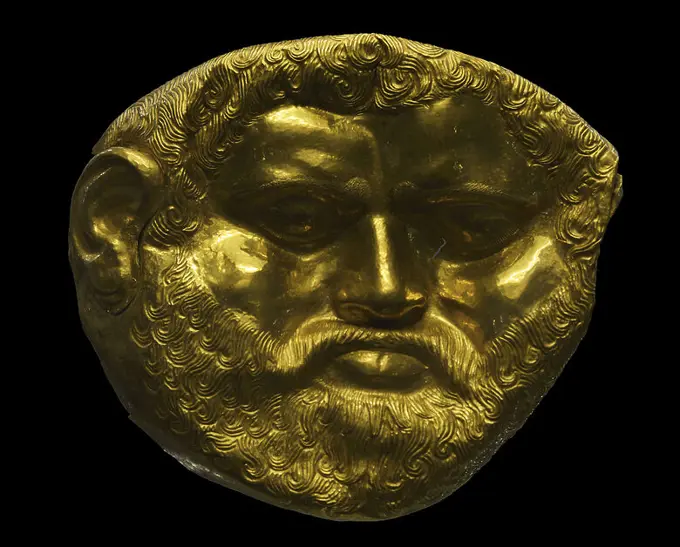
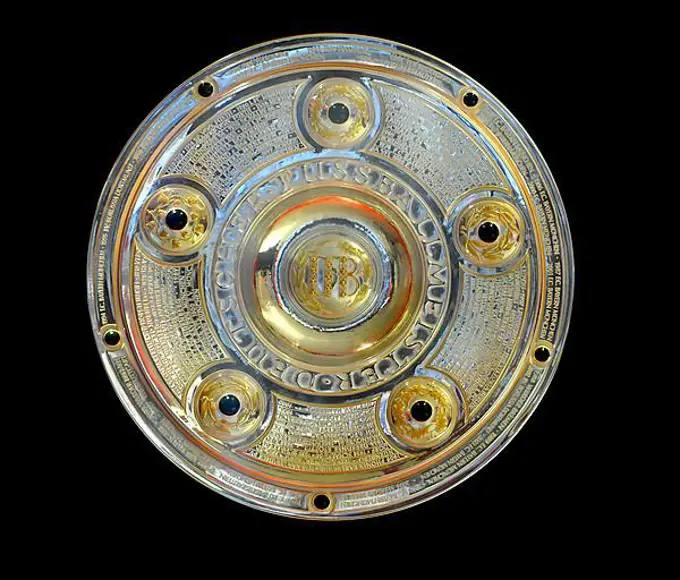
Madrid, Armería. Escudo redondo grabado en relieve.Crescent Ornament 6th-7th century Moche (Loma Negra). Crescent Ornament. Moche (Loma Negra). 6th-7th century. Copper. Peru. Metal-OrnamentsFragment of a Bowl or Cup mid-15th century. Fragment of a Bowl or Cup 452457Engraved Gem. UnknownKruitfles. Round powder bottle with an opening in the middle. Posed copper attachment of leaf and rank motifs. Further inlaid with round pieces of ivory. Iron spout with an ivory ring at the foot. Sealing mechanism.Stamp seal ca. 5th century A.D. Sasanian. Stamp seal. Sasanian. ca. 5th century A.D.. Chalcedony, brown. Sasanian. Iran or Mesopotamia. Mirror, front.Copper Disk Ornament. Culture: Vicús (). Dimensions: H x W: 3 1/4 x 3 3/8in. (8.3 x 8.6cm). Date: 3rd century B.C.-A.D. 2nd century. Museum: Metropolitan Museum of Art, New York, USA.Whorl-Shaped Brooch ca. 550-650 Frankish. Whorl-Shaped Brooch 465254 Frankish, Whorl-Shaped Brooch, ca. 550650, Copper alloy, gilt, glass paste, Overall: 7/8 x 1/4 in. (2.2 x 0.7 cm). The Metropolitan Museum of Art, New York. Gift of J. Pierpont Morgan, 1917 (17.192.191)Mosaic Disk with a Mythological and Historical Scene 1401-1500 Oaxaca state. Turquoise and shell mosaics were a specialty of the Mixtecs of northern Oaxaca, whose artists worked in the imperial Aztec (Mexica) capital, Tenochtitlan, after the mid-15th century. This disk commemorates historical events using calendrical and mythological imagery. In Mixtec culture, as elsewhere in ancient Mesoamerica, the history of the world was conceived in terms of cosmic cycles of creation, destruction, and re-creation. Each cycle, known as a ìsun,î lasted many centuries. On a smaller scale within each cycle, time was organized into repeating 52-year periods whose end and renewal were marked by equinox sunsets and sunrises in rituals of transition.On this disk, the sign for ìyearî and the date ì3 Flint- Knifeî (A.D. 1456) are associated with the image of the sun on the left; the date ì4 Houseî (A.D. 1457) is linked by footsteps to the sun on the right. These dates mark the end of one 52-year cycle and Sword Guard (Tsuba) with Dragon, c. 1615-1868. Japan, possibly Edo period (1615-1868). Iron; diameter: 7.7 cm (3 1/16 in.).Guyana Treadsnake (Epictia tenella) and coin on black backgroundSword Guard (Tsuba), c. 1615-1868. Japan, possibly Edo period (1615-1868). Iron; overall: 6.4 x 6.4 cm (2 1/2 x 2 1/2 in.).Silver coin of Ram and Laxman, India Copyright: xRajeshxSharma/DinodiaxPhotoxWall Mirror from Koryo (Goreyo) (Goreyo) dynasty. Bronze. Koryo (Goreyo) (Goreyo) dynasty (918-1392).Bowl or plateau 19th century British, after Italian, Venice original This electrotype is after an original in the Victoria and Albert Museum, London, at the time of reproduction.. Bowl or plateau 185870Tile. Turkey, 13th century. Ceramics. Earthenware, molded and glazedSword Guard (Tsuba) with Plum, c. 1615-1868. Japan, possibly Edo period (1615-1868). Iron; diameter: 8 cm (3 1/8 in.).Tsuba: Japanese Sword Guard,  Late Edo Period, possibly 19th centuryAnefo photo collection. Assignment on the Laak. March 6, 1963Cheekpiece from a Horse Bit. Iran, Luristan, Luristan bronzes, circa 1000-650 B.C.. Tools and Equipment; horse trappings. Bronze, castDisk Brooch 6th century Frankish. Disk Brooch 464932 Frankish, Disk Brooch, 6th century, Silver, gilded and beaded filigree; garnets with patterned foil backings; central cabochon and tear-drop inlaid lost; no spring/pin extant, Overall: 11/16 x 1/16 in. (1.8 x 0.2 cm). The Metropolitan Museum of Art, New York. Gift of J. Pierpont Morgan, 1917 (17.191.23)Lazio Roma Rome SS. Giovanni e Paolo, Museum27. Hutzel, Max 1960-1990 Medieval: Ceramic fragments, sculptural fragments, fresco fragments, inscribed tomb markers. Houses one of the best collections of Malagan medieval ceramics for casting wall monuments, copies of which are housed in campanile. Specific Location: Museum Antiquities: Ceramic fragments, sculptural fragments, architectural fragments Object Notes: Basilica has separate record and is filed separately. German-born photographer and scholar Max Hutzel (1911-1988) photographed in Italy from the early 1960s until his death. The result of this project, referred to by Hutzel as Foto Arte Minore, is thorough documentation of art historical development in Italy up to the 18th century, including objects of the Etruscans and the Romans, as well as early Medieval, Romanesque, Gothic, Renaissance and Baroque monuments. Images are organized by geographic region in Italy, then by province, city, site complex and monument.Engraved Gem, Roman Empire; 2nd - 4th century; Bloodstone; 2.1 x 1.6 cm (13,16 x 5,8 in.)MirrorEngraved Gem with a Scorpion and a Magical Inscription. UnknownSilver-gilt dish from Portugal depicting the siege of Troy by the ancient Greeks. Dated 16th CenturyByzantine gold ring with fish symbol and crosses, 4th cent. AD, Greece.Disk Brooch 6th century Frankish. Disk Brooch 464798 Frankish, Disk Brooch, 6th century, Silver-gilt on iron core, metal foil, inlaid garnet or paste, Overall: 7/8 x 1/4 in. (2.2 x 0.6 cm). The Metropolitan Museum of Art, New York. Gift of J. Pierpont Morgan, 1917 (17.191.11)Fragment of the badge of the dignity of the Head of the Commune of the Kingdom of PolandCrescent, Two Felines 6th-7th century Moche (Loma Negra). Crescent, Two Felines. Moche (Loma Negra). 6th-7th century. Copper (hammered). Peru. Metal-OrnamentsHelmut Hiatt, Plate, c 1936 PlateHans Reinhart the Elder, Shield with Helms and Crests (reverse), 1535 Shield with Helms and Crests reverseEast Greek Patera. UnknownVase cover. Gray cutting sandstone. Cernuschi Museum, Asia Museum of Asia in the city of Paris.Watch ca. 1643 Watchmaker: Johan Georg Reinhold. Watch. German, Strasbourg. ca. 1643. Rock crystal, gilt metal, silver. HorologyTerracotta handle. Culture: Roman. Dimensions: length 2 15/16in. (7.4cm). Date: 1st century B.C..The handle, from a large serving dish, is richly decorated with small cupids and a reclining female figure, probably Venus (Aphrodite). Museum: Metropolitan Museum of Art, New York, USA.Germany, Cologne. Roman Germanic Museum (aka Romisch-Germanisches). Roman artifact display.Netsuke with Carving of an Actor 19th century Japan. Netsuke with Carving of an Actor. Japan. 19th century. Ivory. Edo (1615-1868) or Meiji period (1868-1912). NetsukeRound Plaque 3rd century B.C.-A.D. 2nd century Vicús. Round Plaque 315533CoinPendantPLATO DE LA SERIE DEL CORDONCILLO Y EL ESCUDO DE FERRANTE I NAPOLES - MANISES - SIGLO XV. Location: INSTITUTO VALENCIA DE DON JUAN-COLECCION. MADRID. SPAIN.Etrusco-Corinthian Plate; Etruria; early 6th century B.C; Terracotta; 28.5 × 25.7 cm (11 1,4 × 10 1,8 in.)Disk Brooch 650-700 Frankish The dress of Frankish women generally consisted of a tunic, cinched by a belt from which hung an array of pendants. A wrap or cloak went over the tunic. Shoes and hosiery, fastened with buckles, covered the legs. Earrings, necklaces, and hairpins completed the ensemble.Aspects of this dress changed from the 300s to the 600s, and brooches in particular convey changes in taste. From the 300s to the 500s, pairs of small brooches, in an array of inventive shapes, held the wrap in place. By the 600s, a single large disc brooch, usually elaborately decorated, served the same function. No other piece of jewelry is more characteristic of Frankish dress than the brooch, and no other better demonstrates the virtuosity of Frankish metalworkers.. Disk Brooch 465396 Frankish, Disk Brooch, 650700, Gold; green and clear glass; mother-of-pearl; side gold, copper, Overall: 1 1/16 x 5/16 in. (2.7 x 0.8 cm). The Metropolitan Museum of Art, New York. Gift of J. Pierpont MorgGalvanoplastic reproduction of a dish with popta family crest on the flat. Galvanoplastic reproduction of a dish with Popta family crest surrounded by mythological scenes in cartouches.Gold Etruscan jewel (2nd c. BC). Etruscan art. Jewelry. ITALY. VENETO. ROVIGO. Adria. National Museum of Archaeology.Girdle pendant China. Girdle pendant. China. Jade. Han dynasty (206 B.C.-A.D. 220). JadeApron on B  around 1750 (1735-00-00-1755-00-00);Strzałecki, Antoni (1844-1934) - collection, gift (provenance), apron, weexilleSpindle Whorl 10th-early 16th century Mexican. Spindle Whorl 307629'Bronze Crescent from Llyn Cerrig, Anglesea', 1946. Artist: Unknown.Chair medal, probably from the Grote of St. Laurenskerk, penny swap soil found brass brass metal, struck engraved brass penny entrance ticket for the Groote Kerk (Laurenskerk) 'overklop'. Chair medal Under the letter K an oval engraving unclear Engraved: N.36 LARGE K archeology City triangle Rotterdam railway tunnel proof membership membership contribution religion Laurenskerk Soil discovery: trajectory Spoortunnel Rotterdam.Deep Dish ca. 1430 Spanish. Deep Dish 471774Reliquary with Contents. Culture: Pakistan (ancient region of Gandhara). Dimensions: Diam. 2 1/2 in. (6.4 cm). Date: ca. 1st-3rd century. Museum: Metropolitan Museum of Art, New York, USA.Mirror. Culture: Japan. Dimensions: Diam. 4 1/2 in. (11.4 cm). Museum: Metropolitan Museum of Art, New York, USA.Plaque. UnknownFragment of an Applique; Rome, Lazio, Italy; 2nd century; Silver; 13.5 × 14.8 × 4 cm (5 5,16 × 5 13,16 × 1 9,16 in.)Seal of an unknown historical document, possibly referring to Charles the Bold, Maurits Verveer, c. 1865 - c. 1885.Dinar of Kumaragupta I. India, circa 415-455. Tools and Equipment; coins. GoldSaltcellar late 17th-early 18th century probably German, Westerwald. Saltcellar 206889Sword Guard, mid-1800s. Japan, Edo period (1615-1868). Iron; overall: 7.4 x 8.4 cm (2 15/16 x 3 5/16 in.).Portrait medal of Christine of Denmark ca. 1533 (contemporary cast) Jacopo Nizolla da Trezzo Italian Jacopo Nizzola da Trezzo was a medallist, sculptor, architect, goldmsmith and gem engraver who was active in Milan and then in the service of Philip II. This rare medal portrays the Danish king Christian IIs daughter, Christina of Denmark, known as a great beauty of considerable intelligence. Here she is styled Duchess of Milan; she was wedded to Duke Francesco II Sforza, who died soon after their marriage. In 1537, King Henry VIII sent the famed artist Hans Holbein to Brussels to paint Christinas portrait. The picture prompted a marriage proposal, to which Christina is said to have replied: "If I had two heads, one should be at the king of Englands disposal." The reverse is blank.. Portrait medal of Christine of Denmark 461149Pa. German Butter Mold. Dated: c. 1939. Dimensions: overall: 27 x 22.3 cm (10 5/8 x 8 3/4 in.). Medium: watercolor and graphite on paper. Museum: National Gallery of Art, Washington DC. Author: Franklyn Syres.Sword Guard (Tsuba) with Chinese Landscape, mid-1700s. Japan, Edo period (1615-1868). Iron; overall: 7 x 7.7 cm (2 3/4 x 3 1/16 in.).Spindle Whorl 10th-early 16th century Mexican. Spindle Whorl 307571Bowl 12th-13th century. Bowl. 12th-13th century. Stonepaste; luster-painted. Attributed to Iran, Rayy. CeramicsPrzeszo Przyszoci unknownIvore Pronkschotel; Prunk bowl made of ivory 1620-1660; From the Bavarian National Museum. .Terracotta kylix (drinking cup). Culture: Greek, Attic. Dimensions: H. 5 7/16 in. (13.8 cm)diameter 13 1/16 in. (33.2 cm). Date: ca. 480 B.C..Interior, flute-playing satyr and maenadExterior, obverse and reverse, symposiumThe exterior provides a particularly full illustration of the symposium (drinking party) and, especially, of its paraphernalia: a wreathed column-krater for mixing wine and water, a large skyphos for the relief of a sick symposiast, a lamp stand that also accommodates a ladle and strainer, and krotala (castanets) and a picnic basket suspended from the back wall. Compared with the figures on the outside, the satyr and maenad (followers of the wine god, Dionysos) appear formal indeed. Museum: Metropolitan Museum of Art, New York, USA.Round Plaque 3rd century B.C.-A.D. 2nd century Vicús. Round Plaque 315511Bronze Mirror from 10th~14th century Koryeo Dynasty, KoreaButt-Cap from a Flintlock Pistol, c. 1650-1660. Italy, Brescia, 17th century. Steel, chiseled; diameter: 4.8 cm (1 7/8 in.); overall: 1.9 cm (3/4 in.).Compartmented stamp seal ca. late 3rd-early 2nd millennium B.C. Bactria-Margiana Archaeological Complex. Compartmented stamp seal 326829Plaques hanging against a fabric background; Silver cabinet ..Watch-Shaped Vinaigrette 1820-1821 Birmingham. Silver and silver gilt .Sword Guard (Tsuba) ca. 1615-1868 Japanese A tsuba is a sword guard and part of a sword mounting. It is mounted between the swords blade and grip to protect the users hands.. Sword Guard (Tsuba). Japanese. ca. 1615-1868. Copper-silver alloy (shibuichi), gold. Sword Furniture-TsubaThe Bountiful and Joyful Pavilion late 19th-early 20th century Workshop of Jian Guzhai Chinese This ink tablet is from a sixty-four-tablet set (30.76.216-.279) commissioned by the Jiaqing emperor from the Studio for Appreciating the Antique (Jiangu Zhai) manufactory of the Wang Jinsheng family in Huizhou, Anhui Province. Each ink tablet commemorates a hall or pavilion in one of the imperial gardens. Each sites name is written in gilt characters on one side; a view of the site is presented on the other. Such inks were purely decorative and not intended for use.. The Bountiful and Joyful Pavilion 41829Mirror Based on Han-Dynasty Prototype with Cosmological Design. Culture: Japan. Dimensions: Diam. 7 3/4 in. (19.7 cm); D. 1/2 in. (1.3 cm). Date: 4th-5th century. Museum: Metropolitan Museum of Art, New York, USA.Belt clasp ca. A.D. 1st-2nd century. Belt clasp 322500Villa at Gericomio reverse. Dated: 1579. Medium: bronze. Museum: National Gallery of Art, Washington DC. Author: Federigo Coc..Badge of the 1st Brigade of the Polish Legions for faithful service Chyliński, Józef (Fl. 1900 1939), Jastrzębowski, Wojciech (1884 1963)American 20th Century, Pa German Pie Plate, c 1937 Pa. German Pie PlateStar-Shaped VotiveOfferingVotiveOfferingBadge (probably Mounting from Horse Harness). Culture: Spanish (). Dimensions: H. 1 3/4 in. (4.4 cm); W. 1 3/4 in. (4.4 cm); Wt. 1 oz. (28.3 g). Date: 14th century. Museum: Metropolitan Museum of Art, New York, USA.Eugene Shellady, Pa German Plate, 1936 Pa. German PlatePins, ornaments. Bronze. Caucasus. Second half of the 2nd millennium BC. Paris, Cernuschi museum. 35407-7 Spindle, bronze, ornamentgolden sun handcraft from Mediterranean isolated on black backgroundIron nave of a wheel used to strengthen it. Dated 2nd Century BCCompartmented stamp seal ca. late 3rd-early 2nd millennium B.C. Bactria-Margiana Archaeological Complex. Compartmented stamp seal 326820bake  Miejska M.Broyc (Brójce); Brojka; 1656 (1656-00-00-1656-00-00);urban seals, seals at documents, Soviet seals, official seals, seals with the city of the city, Żurakowski, Witold ( -1927)- collectioncup of greek pottery cup of greek pottery, V to III bC, Iberian Museum of Jaén, Andalusia, Spain Copyright: xZoonar.com/BartomeuxBalaguerxRotgerx 21714832Bronze box mirror 2nd quarter of the 4th century B.C. or later Greek In relief, head of a womanThe box mirror came into use toward the end of the fifth century B.C. Under the protective cover is the mirror, a cast-bronze disk with a highly polished surface. The relief on the cover was hammered separately and applied.. Bronze box mirror 247870Canada, Quebec, Albert Gilles Cuivres D'Art (aka Economuseum of Copper Art). Copper works of art. (PR)Funeral mask. Gold. Last third of the 5th century BC. From a grave in the Svetitsa tumulus. Kran, Kazanlak region, Bulgaria. National Archaeological Museum. Sofia. Bulgaria.Meisterschale, Deutsche Bundesliga German football league championship trophy, cut-out